Cultivating Values-Driven Business Leaders from a Young Age
The global business landscape is undergoing a profound transformation, steering away from a singular focus on profit towards a more holistic model that integrates social and environmental values. This critical shift is particularly pronounced among younger generations, who are redefining entrepreneurial success. This comprehensive report delves into the burgeoning movement of ethical entrepreneurship, exploring its origins, its profound impact on business practices, evolving societal expectations, and innovative educational methodologies designed to foster a new cadre of leaders committed to both prosperity and principle. We examine how a “purpose-over-profit” mindset is reshaping consumer behavior, influencing investment decisions, and attracting top talent, making ethical conduct a strategic imperative rather than a mere afterthought.
The confluence of increased youth entrepreneurial spirit, a deeply ingrained preference for ethical consumption, and mounting pressures from investors and regulators has cultivated an environment where “doing good” is increasingly synonymous with “good business.” Examining compelling statistics, real-world examples, and expert insights, this report illustrates how this movement is not just a trend but a transformative force with far-reaching implications. It demands a reassessment of traditional business models and advocates for the proactive cultivation of values-driven leadership, spotlighting how educational institutions and global organizations are rising to meet this challenge by instilling ethical leadership qualities in young entrepreneurs from an early age.
Key Takeaways
- Surging Youth Entrepreneurial Ambition: Nearly two-thirds (62%) of Gen Z globally are starting or planning to start their own businesses, marking a significant increase in entrepreneurial interest.
- Purpose Over Profit: 58% of teenagers would launch a business for social/environmental needs even if it meant earning less, highlighting a values-driven entrepreneurial mindset prioritizing mission.
- Ethical Consumerism Reshaping Markets: Approximately 80% of Gen Z and millennials base purchase decisions on a brand’s purpose, with 81% of consumers preferring companies engaged in ethical practices.
- Rise of Values-Driven Certifications: The number of Certified B Corporations more than doubled in three years (from 3,735 to 8,000+ by 2023), reflecting a formal commitment to social and environmental standards.
- Investor and Talent Prioritization: 89% of global investors consider ESG factors, and 82% of millennials aspire to work for ethical companies, underscoring ethics’ role in attracting capital and talent.
- Performance Benefits of Ethical Leadership: Companies with fair labor standards see 23% higher employee retention and 31% greater productivity, while transparent organizations enjoy 34% stronger client relationships.
- Educational Imperative: There’s a clear demand for guidance to help young, values-driven entrepreneurs translate ethical ideals into tangible business realities, requiring robust educational support.
1. Executive Summary
The landscape of global business is undergoing a profound transformation, driven significantly by the burgeoning influence of ethical entrepreneurship. This shift, characterized by a fundamental reorientation from a profit-only paradigm to one that integrates social and environmental values, is particularly pronounced among younger generations. This Executive Summary provides a comprehensive overview of key findings regarding the rise of ethical entrepreneurship, its widespread impact on business practices, societal expectations, and educational methodologies, ultimately highlighting its emergence as a dominant force shaping the future of commerce.
The research underscores a palpable change in entrepreneurial ambition, especially within Generation Z. Unlike previous generations, today’s young aspiring business leaders are not merely motivated by financial gain; instead, purpose and positive societal impact serve as equally, if not more, potent drivers. This values-driven approach is influencing consumer behavior, investment decisions, and talent attraction strategies, compelling businesses across the spectrum to adopt more ethical and sustainable practices. Educational institutions and global organizations are recognizing this trend and actively developing programs to instill ethical leadership qualities in young entrepreneurs from an early age, thereby fostering a new cadre of business leaders committed to both prosperity and principle.
The confluence of increased youth entrepreneurial spirit, a deeply ingrained preference for ethical consumption, and mounting pressures from investors and regulators has cultivated an environment where “doing good” is increasingly synonymous with “good business.” This summary will delve into these intertwined dynamics, presenting a robust body of evidence, compelling statistics, and real-world examples that collectively paint a vivid picture of a future economy built on a foundation of ethical entrepreneurship. We will explore how this movement is not just a trend but a transformative force with far-reaching implications, demanding a reassessment of traditional business models and advocating for proactive cultivation of values-driven leadership.
The Resurgence of Youth Entrepreneurialism and its Ethical Core
A striking finding in contemporary research is the considerable surge in entrepreneurial ambition among younger generations, particularly Generation Z. This ambition is not simply a desire for self-employment but is inextricably linked to a profound sense of purpose. As reported in 2022, nearly two-thirds of Gen Z (62%) globally have either started or intend to start their own businesses1. This figure represents a significant increase in interest for entrepreneurial paths and is further substantiated by macro-economic data, such as the record-breaking 5.4 million new U.S. business applications filed in 20212, underscoring an unprecedented level of startup activity. This intense drive for independence and self-started ventures within Gen Z contrasts sharply with prior generations, indicating a fundamental shift in career aspirations.
However, what truly distinguishes this entrepreneurial wave is its inherent ethical grounding. The notion of “purpose over profit” resonates deeply with today’s youth. A late-2022 survey conducted by Junior Achievement/EY among 1,000 U.S. teenagers (aged 13-17) revealed that a substantial 58% of respondents would readily launch a business to address a social or environmental need, even if it meant earning less money3. This powerful statistic signals a generation motivated by mission as much as, if not more than, financial gain. Furthermore, an overwhelming 75% of teens expressed openness to entrepreneurship, yet over half (55%) acknowledged a need for more knowledge or a role model to succeed4. This points to a clear demand for guidance to translate their lofty ideals into tangible business realities. This perspective is not confined to the U.S.; in Indonesia, for instance, more than one-third of young people (aged 15-35) either work for themselves or aspire to do so, often inspired by the success of young tech founders who blend innovation with impact26,27.
The implications of this phenomenon are broad. It suggests that future business leaders will inherently integrate social and environmental considerations into their core strategies from inception, moving beyond the traditional model where such considerations were often an afterthought or a separate Corporate Social Responsibility (CSR) department. This generational inclination towards values-driven entrepreneurship presents both an opportunity and a challenge: an opportunity for innovative solutions to global problems, and a challenge for existing educational and support structures to effectively nurture these emerging ethical leaders.
| Generation/Demographic | Statistic | Finding |
|---|---|---|
| Gen Z (Global) | 62% | Have started or plan to start their own business1. |
| U.S. Teens (13-17) | 58% | Would launch a business for social/environmental need, even if it meant earning less money3. |
| U.S. Teens (13-17) | 75% | Are open to entrepreneurship4. |
| U.S. Teens (13-17) | 55% | Need more information on how to be successful entrepreneurs4. |
| Indonesian Youth (15-35) | >33% | Work for themselves or aspire to26,27. |
| Youth (Under 35, Global) | 1.6x more likely | To have plans to start a business than older adults25. |
Ethical Consumerism and Market Transformation
The values-driven mindset of younger entrepreneurs is mirrored and reinforced by the shifting demands of modern consumers. Ethical consumerism has emerged as a powerful market force, dictating purchasing decisions and, in turn, pressuring businesses to embed purpose into their operations. A significant portion of young adults, specifically 80% of Gen Z and millennials, now base their purchase decisions on a brand’s purpose or stance5. This is further evinced by the fact that nearly four in five young adults (78%) actively seek out products that are organic, natural, or eco-friendly6. This constitutes a pronounced generational shift, where young consumers hold brands accountable to higher ethical and sustainability benchmarks, and are willing to reward those that align with their personal values.
The broader consumer base also demonstrates a strong preference for ethical practices. A comprehensive survey reported that 81% of consumers indicate they would choose to buy from a company specifically because of its involvement in social responsibility or ethical efforts7. This finding is further bolstered by data indicating that 69% of consumers would invest in an ethical company, and 75% would prefer to work for one18. These figures underscore that ethics are no longer merely a “nice-to-have” but have become a central differentiator in consumer and investor choices. Companies committed to genuinely “doing good” are experiencing enhanced loyalty and public trust, reinforcing the strategic imperative of ethical behavior.
In response to this escalating demand for ethical conduct, the business world has seen a notable rise in values-driven brands and certifications. The most prominent example is the remarkable growth of Certified B Corporations, a designation for companies meeting rigorous social and environmental standards. The number of B Corps worldwide more than doubled in just three years, soaring from 3,735 in 2020 to almost 8,000 by 20238. The year 2023 alone saw over 1,800 new B Corp certifications, marking the highest annual increase in B Lab’s history9. This exponential growth signals a concerted effort by businesses, including many startups, to formalize their commitment to values such as sustainability, transparency, and stakeholder accountability. It also suggests that businesses recognize that independent, third-party validation of their ethical claims—which 33% of consumers trust more than self-reporting19—is crucial for building credibility and consumer confidence.
Investor and Talent Prioritization of Ethics
Beyond consumer preferences, the influence of ethical considerations extends deeply into the realms of investment and talent acquisition, impacting a company’s financial viability and human capital. Institutional investors are increasingly embedding Environmental, Social, and Governance (ESG) factors into their decision-making processes. A 2022 report by Capital Group highlighted that a staggering 89% of global investors now consider ESG criteria when making investment decisions10,12. This signifies that nearly nine out of ten investors scrutinize companies’ social impact and sustainability performance, channeling capital towards ethical enterprises. The impact investing market, reflecting this trend, surpassed $1.16 trillion worldwide by 202213, demonstrating a clear link between social responsibility and financial opportunity. This massive inflow of capital indicates that “doing good” is intrinsically tied to “doing well” financially, as investors recognize that robust ESG practices can mitigate risk and drive long-term value creation.
Similarly, the modern workforce, particularly millennials and Gen Z, prioritizes ethical workplaces. Research shows that 82% of millennials (and 74% of all consumers) aspire to work for companies renowned for their ethical practices11. This signifies that good governance and strong values are no longer merely “nice-to-have” perks but have become critical factors in attracting and retaining top talent. Companies without demonstrable ethical commitments risk not only public censure but also difficulty in securing both the financial capital and human capital necessary for sustained growth.
Ethical leadership also correlates with significant performance benefits. Companies that uphold fair labor standards, for instance, experience 23% higher employee retention and 31% greater productivity on average14. Furthermore, transparent organizations cultivate 34% stronger client relationships and encounter 41% fewer compliance issues15. These statistics emphatically demonstrate that ethical business practices contribute directly to a robust bottom line. A 2019 survey found that 79% of consumers believe ethical companies ultimately outperform others in their sector16. This perception aligns with findings that companies recognized for integrity, like those on Ethisphere’s “World’s Most Ethical Companies” list, consistently outshine market averages in stock returns30.
| Area of Impact | Numeric Benefit | Source |
|---|---|---|
| Employee Retention (Fair Labor) | 23% higher | ILO Research14 |
| Employee Productivity (Fair Labor) | 31% higher | ILO Research14 |
| Client Relationships (Transparency) | 34% stronger | LinkedIn Insights15 |
| Compliance Issues (Transparency) | 41% fewer | LinkedIn Insights15 |
| Consumer Perception of Outperformance | 79% agree | Aflac/LightSpeed GMI Survey16 |
Cultivating Ethics from an Early Age: Education and Mentorship
Recognizing the profound shift towards ethical entrepreneurship, global educational institutions and initiatives are actively working to instill values-driven leadership in young individuals. Business ethics, once a peripheral course, has ascended to a core subject in higher education. In 2019, a global survey of over 1,000 prospective business master’s students revealed that Business Ethics ranked as the 5th most desired course, a significant leap from its 18th position just a year prior. It even outranked economics among student preferences17,20. This rapid rise underscores a burgeoning demand for values-centric leadership training, particularly among younger Millennials and Gen Z entering business schools. Many top MBA programs now mandate ethics or “social impact” courses, a requirement that has increased from approximately 25% in the mid-2000s to over 50% today33. This integration goes beyond standalone courses, embedding ethical considerations across various disciplines, from accounting fraud studies to the ethics of AI in entrepreneurship programs, aiming to equip future leaders with the capacity to navigate complex moral dilemmas.
Experiential learning plays a crucial role in this educational transformation. Programs like the Erasmus+ “Value & Future” project (2021–2023) in Europe have developed comprehensive guides for vocational educators to teach ethical entrepreneurship through case studies and role models34,35. Junior Achievement’s student company programs globally offer high schoolers practical experience in running businesses, complemented by mentorship on ethical practices through real-world scenarios. This hands-on approach is far more impactful than theoretical instruction alone, helping youth internalize values such as fairness, sustainability, and inclusivity by actively applying them in decision-making processes.
Mentorship is consistently identified as a critical component, with young entrepreneurs actively seeking role models who embody ethical leadership. The JA survey indicated that one-third of teens believe having a business-owner role model would significantly boost their confidence to launch ventures23. Programs worldwide are responding by fostering these connections, pairing aspiring young entrepreneurs with seasoned ethical business leaders through incubators and networks like the Global Youth Entrepreneurship Forum. These mentors provide invaluable guidance, helping young individuals navigate ethical challenges, from corruption in emerging markets to fostering inclusive company cultures.
Global initiatives further reinforce this focus on ethical entrepreneurship. In 2023, UNESCO facilitated workshops linking Global Citizenship Education with social entrepreneurship for Asia-Pacific youth, encouraging them to be change agents solving community issues through innovative business models24. This approach blends business acumen with global responsibility, challenging students to develop ventures that are both financially viable and address pressing issues like climate change or inequality, effectively blurring the lines between business and social service. The emphasis on long-term thinking and stakeholder dialogue in educational programs helps young leaders reconcile potential conflicts between ethical principles and profit pressures, preparing them for the complexities of running principled businesses.
Youth-Led Ventures: Real-World Examples of Ethical Impact
The theoretical and educational groundwork for ethical entrepreneurship is vividly brought to life by a growing number of youth-led ventures that are making tangible impacts globally. These young innovators are not waiting for traditional pathways but are leveraging platforms and their inherent ethical compass to address pressing societal and environmental challenges. A notable statistic from Africa highlights this trend: 67% of social enterprise leaders are under 35, with founders/executives aged 24–34 accounting for 36% and those 18–24 making up another 31%21, demonstrating the significant youth dominance in mission-driven business and underscoring their commitment to solving issues such as poverty, climate change, and public health through entrepreneurial means.
Consider the paradigm-shifting work of individuals like Boyan Slat, who at just 18 in 2013, founded The Ocean Cleanup with the audacious goal of removing plastic pollution from oceans. Despite initial engineering hurdles, Slat’s transparent, mission-driven approach garnered immense support, leading to the removal of over 19,000 tons of plastic from marine environments by 202439. Similarly, the late Leila Janah, at 25 in 2008, established Samasource (now Sama), pioneering “impact sourcing” by providing digital work to low-income youth and women in developing countries. Her vision transformed lives, lifting over 59,000 individuals out of poverty by 202341,42 and demonstrating that core ethical principles like fair wages can fuel sustained growth and attract Fortune 500 clients. Mikaila Ulmer, who began her Me & the Bees Lemonade venture at age 4.5, leveraged her passion for saving bees into an $11 million distribution deal with Whole Foods by age 1143 and has since sold nearly 10 million bottles, with a portion of profits dedicated to bee conservation efforts44. These compelling narratives illustrate how unwavering commitment to a social mission, coupled with entrepreneurial zeal, can lead to both significant social impact and commercial success.
Moreover, large-scale initiatives are amplifying this impact. The Tony Elumelu Foundation (TEF), with a $100 million commitment, has trained and funded 20,000 young African entrepreneurs across 54 countries since 201028. These entrepreneurs have collectively created 400,000 jobs and generated $2.3 billion in revenues, with over 500 tackling climate change issues specifically29. Likewise, Youth Business International supported over 151,000 young people with entrepreneurship training and mentorship in 2023 alone22. These programs exemplify the multiplier effect of investing early in ethical entrepreneurship development, producing a new generation of leaders who prioritize community impact alongside economic growth. Their success stories serve as powerful blueprints for future generations and policymakers, demonstrating that business can indeed be a potent vehicle for tackling some of the world’s most pressing challenges, today and in the future.
Conclusion: The Imperative of Ethical Entrepreneurship
The evidence presented in this Executive Summary overwhelmingly demonstrates that ethical entrepreneurship is more than a fleeting trend; it is a fundamental and irreversible transformation of the business world. Driven by the values and ambitions of younger generations, supported by evolving consumer and investor expectations, and cultivated through progressive educational and mentorship programs, the integration of purpose with profit has become a strategic imperative. The rise of Gen Z as deeply values-driven entrepreneurs, coupled with a market that actively rewards ethical behavior, compels a recalibration of traditional business models.
The core message is clear: businesses that anchor their strategies in integrity, transparency, and a genuine commitment to social and environmental well-being are not only building stronger brands and attracting top talent but are also demonstrating superior performance and long-term resilience. The notable boom in B Corp certifications and the significant role of ESG factors in investment decisions underscore that ethical principles are now central to competitive advantage and sustainable growth. The inspiring examples of young leaders creating impactful ventures on a global scale serve as powerful affirmations that ethical entrepreneurship starting from a young age can indeed change the world.
As we move forward, the cultivation of ethical entrepreneurs requires continued focus on comprehensive education, accessible mentorship, and supportive ecosystems. This research advocates for fostering an environment where young individuals are empowered to transform their inherent desire for positive change into viable, sustainable, and impactful businesses. The sections that follow will delve deeper into each of these critical areas, providing further analysis and recommendations for how we can collectively nurture and champion this vital shift towards a more ethical and sustainable global economy.
2. The Shifting Landscape of Business Ethics and Leadership
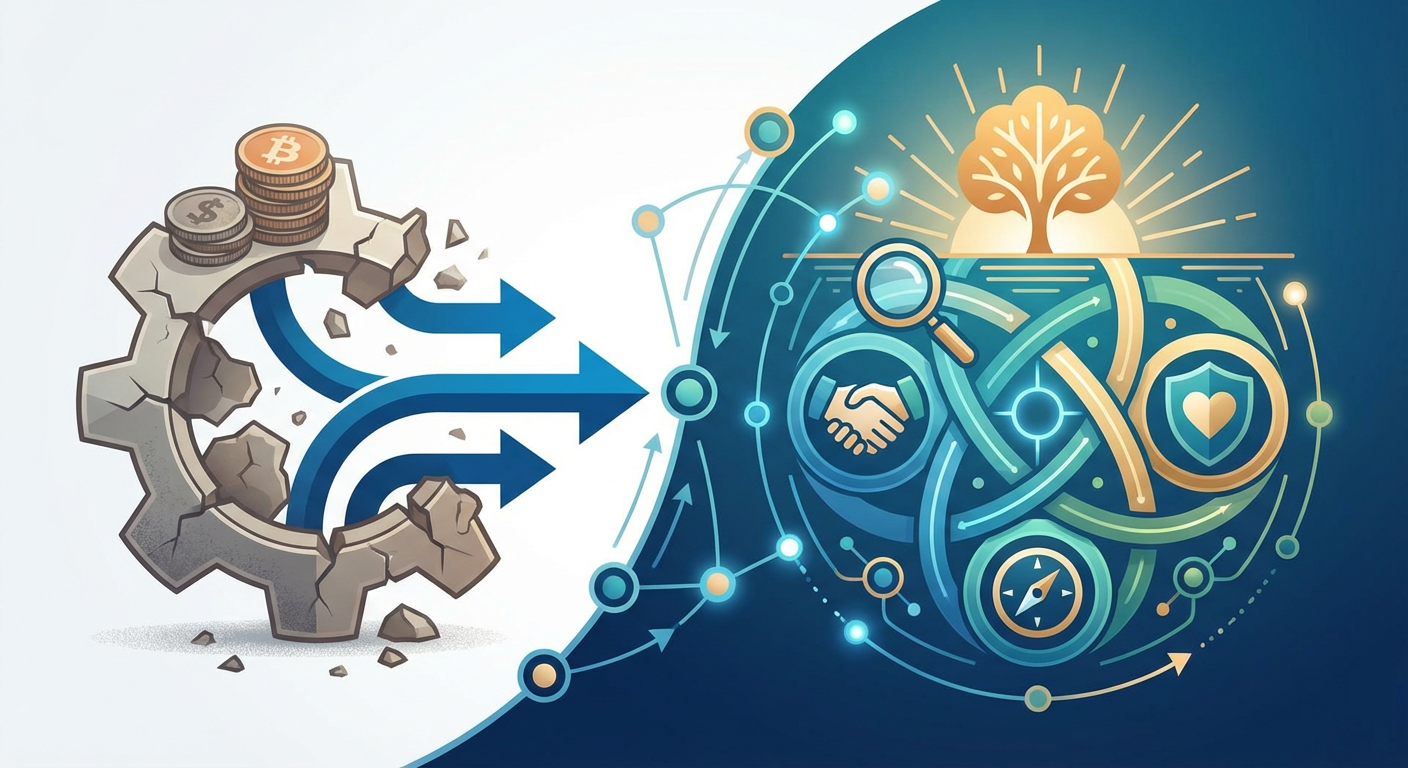
The traditional paradigm of business, long dominated by the singular pursuit of profit for shareholders, is undergoing a profound and irreversible transformation. Over the past two decades, ethical conduct and social purpose have evolved from being perceived as tangential, often philanthropic, considerations to becoming foundational strategic imperatives for organizations across all sectors and sizes. This fundamental shift is not merely a question of corporate social responsibility (CSR) initiatives; it represents a comprehensive re-evaluation of what constitutes business success and, consequently, what defines effective leadership. Driven by a confluence of heightened public scrutiny, evolving regulatory frameworks, and increasingly discerning investor and consumer markets, businesses are being compelled to adopt a more holistic, stakeholder-centric model. This section delves into the intricate dynamics of this evolving landscape, examining the powerful forces reshaping corporate values and leadership, and highlighting how these changes are setting the stage for a new generation of ethical entrepreneurs.
2.1 From Shareholder Primacy to Stakeholder Capitalism: A Paradigm Shift
For much of the late 20th century, the prevailing dogma in business was that the sole social responsibility of a company was “to increase its profits”[12]. This philosophy, famously articulated by Milton Friedman, effectively enshrined shareholder primacy, dictating that managerial decisions should primarily serve the financial interests of owners. However, a growing body of evidence, coupled with a series of high-profile corporate scandals, environmental crises, and social inequalities, began to erode public and institutional confidence in this narrow viewpoint. The inflection point in this ideological shift can be traced to various factors, including the global financial crisis of 2008, growing awareness of climate change, and the rise of digital interconnectedness, which made corporate actions (and misdeeds) more visible and accountable than ever before. Stakeholder theory, which posits that businesses have responsibilities to a broader set of constituents—including employees, customers, suppliers, and the communities in which they operate—began to gain significant traction. This culminated in a landmark declaration in 2019, when the Business Roundtable, an association of CEOs of leading U.S. companies, fundamentally redefined the purpose of a corporation. Instead of prioritizing shareholders above all else, these 181 influential CEOs formally stated that a company’s purpose “should benefit all stakeholders – customers, employees, suppliers, communities – not just shareholders”[12]. This historic pronouncement marked a symbolic departure from decades of shareholder-first doctrine, acknowledging that long-term value creation is inextricably linked to fostering ethical dealings and sustainable practices across the entire ecosystem of a business. This commitment to fair treatment of employees, customers, suppliers, and communities underscored that “integrity and purpose are now strategic imperatives, not just PR talking points.” The implications of this shift are profound for business leaders. No longer can profit be pursued in isolation from social and environmental impact. Instead, leaders are increasingly tasked with navigating complex trade-offs and finding synergies between financial performance and broader societal well-being. This expanded definition of corporate responsibility transforms ethical conduct from a peripheral compliance exercise into a core strategic driver, influencing everything from supply chain management and labor practices to product development and market positioning.
2.2 The Demands of a Conscious Market: Public Trust, Consumer Choice, and Talent Acquisition
The evolving landscape of business ethics is heavily influenced by the collective voice of consumers, employees, and the general public, who are increasingly using their purchasing power, career choices, and social platforms to demand greater accountability from corporations.
2.2.1 Erosion of Public Trust and the Rise of Ethical Consumerism
Public trust in institutions, including corporations, has been on a decline. In this climate, people are increasingly looking to business leaders to drive positive change and address pressing societal challenges. Consumers today are not just buying products or services; they are buying into a brand’s narrative, its values, and its impact on the world. This phenomenon, often termed “ethical consumerism,” has solidified into a significant market force. Data unequivocally supports this trend:
- A significant 80% of Gen Z and Millennials base their purchase decisions on a brand’s mission or purpose[3].
- Nearly four in five young adults (78%) actively seek out products that are organic, natural, or eco-friendly[3].
- Broadly, 81% of consumers express a preference for buying from companies actively engaged in corporate social responsibility (CSR) or ethical practices[4].
- Surveys also show that 77%+ of consumers are motivated to support companies “making the world a better place”[10].
- Conversely, in an environment rife with “greenwashing” and superficial claims, only one-third of consumers believe companies that merely self-report being ethical[5]. This highlights the critical need for verifiable, authentic ethical behavior, often validated by third-party certifications.
This data indicates a clear generational shift in consumer behavior. Young consumers hold brands to higher ethical and sustainability standards, actively rewarding those aligned with their values. Ethical lapses, conversely, can lead to swift and damaging boycotts or viral social media backlash, proving that reputation, built on consistent ethical action, is a vital (and vulnerable) asset. Companies cannot merely *claim* to be ethical; they must *demonstrate* it through transparent practices and measurable impact.
2.2.2 The War for Ethical Talent
The influence of ethics and social purpose extends deeply into the labor market, particularly among younger generations. Millennials and Gen Z, who represent an ever-growing proportion of the workforce, are actively seeking employment with companies whose values resonate with their own.
- A substantial 82% of Millennials (and 74% of all consumers) aspire to work for companies known for ethical practices[0].
- Conversely, over 80% of Millennials would reportedly leave a company they perceive as acting unethically[0].
- Companies promoting fair labor standards experience a remarkable 23% higher employee retention and 31% greater productivity on average[0].
These statistics underscore that good governance and strong values are no longer “nice-to-haves” in the workplace; they are direct drivers of employee morale, engagement, and retention. A mission-driven culture can attract top talent even if salaries are not the highest, as employees derive intrinsic motivation from working for an organization that makes a positive difference. This demonstrates a compelling economic argument for ethical leadership: a principled business fosters loyalty and commitment, reducing costly turnover and enhancing overall output.
2.3 Regulatory Pressure and Investor Demand: The New Financial Imperative
Beyond public and employee sentiment, two other powerful forces—regulators and investors—are rapidly accelerating the shift towards ethical and purpose-driven business.
2.3.1 Regulatory Landscape: Towards Mandatory Transparency
Governments and international bodies are increasingly implementing regulations that mandate greater transparency and accountability for corporate social and environmental performance. These new rules move beyond voluntary reporting, embedding ethical considerations directly into the fabric of business operations. For instance, the European Union’s 2024 Corporate Sustainability Reporting Directive (CSRD) represents a significant development, requiring thousands of companies to report on their environmental and social impacts across their value chains. Similar legislative pushes are occurring globally, signaling a clear trajectory towards standardized, mandatory disclosures on ESG (Environmental, Social, and Governance) factors. Businesses that fail to adapt risk significant compliance penalties, reputational damage, and exclusion from certain markets.
2.3.2 Investor Influence: The Rise of ESG Investing
Perhaps one of the most powerful catalysts for ethical business practices has been the dramatic shift in investor behavior. ESG factors, once considered niche or peripheral, are now a mainstream consideration for a vast majority of global investors.
- A staggering 89% of global investors now consider ESG criteria when making investment decisions[0]. This 2022 finding by Capital Group highlights that nearly nine out of ten investors scrutinize companies’ social-impact and sustainability performance[0].
- The impact investing market, specifically focused on generating positive social and environmental impact alongside financial return, has surged, surpassing $1.16 trillion worldwide by 2022[0]. Projections forecast over $2.3 trillion in impact assets by 2027[37].
This influx of capital into ethical enterprises indicates that “doing good” is increasingly tied to “doing well financially.” Investors now perceive strong ESG performance as a proxy for good management, reduced risk, and enhanced long-term value creation. Companies with robust governance, transparent operations, and demonstrable social and environmental impact are often seen as more resilient and attractive investments. Conversely, those with poor ethical track records risk losing access to capital, facing divestment, and experiencing higher borrowing costs. The table below illustrates the growing importance of ESG factors:
Table 1: Key Metrics on Investor and Consumer Demand for Ethical Practices
| Stakeholder Group | Metric/Observation | Source |
|---|---|---|
| Global Investors | 89% consider ESG factors in investment decisions. | Capital Group 2022[0] |
| Consumers (General) | 81% prefer buying from companies engaged in CSR/ethical practices. | Aflac/LightSpeed 2019[4] |
| Gen Z & Millennials (Consumer) | 80% base purchase decisions on a brand’s mission/purpose. | Tom’s of Maine/StudyFinds Oct 2023[3] |
| Employees (General) | 75% prefer to work for an ethical company. | Aflac/LightSpeed 2019[4] |
| Millennials (Employee) | 82% would leave a company acting unethically. | SustainCase/Aflac 2019[0] |
| Certified Ethical Brands (e.g., B Corps) | Number of certified B Corps almost doubled from 3,735 (2020) to ~8,000 (2023). | Modern Retail Dec 2023[5] |
| Impact Investing Market | Surpassed $1.16 trillion worldwide by 2022, projected to reach $2.3 trillion by 2027. | GIIN 2022[0], Wifitalents 2025[37] |
This convergence of investor and regulatory pressure means that ethical conduct and social purpose are no longer optional extras but fundamental prerequisites for obtaining capital, maintaining legitimacy, and ensuring long-term financial viability. The market is increasingly rewarding businesses that “do good” while doing well.
2.4 The Performance Advantages of Ethical Leadership
Beyond mitigating risks associated with public disapproval, regulatory fines, and investor divestment, ethical business practices are increasingly linked to tangible performance benefits. Doing good, it turns out, is demonstrably good for business.
2.4.1 Enhanced Performance and Reputation
- Fair and ethical business practices correlate with stronger outcomes: companies promoting fair labor standards see 23% higher employee retention and 31% greater productivity on average[0].
- Transparent organizations enjoy 34% stronger client relationships and experience 41% fewer compliance issues[0].
- A significant majority of consumers, 79%, believe that companies committed to ethical business practices ultimately outperform others in their sector[0]. This perception is often substantiated by evidence, with companies recognized for integrity, such as those on Ethisphere’s “World’s Most Ethical Companies” list, consistently outperforming market averages in stock returns[0].
These metrics reveal direct, measurable bottom-line advantages to operating a principled business. Ethical practices foster a conducive internal environment for innovation and resilience, as employees in transparent, values-driven cultures are more likely to share new ideas and flag problems early. Externally, a reputation for integrity acts as a powerful brand differentiator, driving customer loyalty and insulating the company against market volatility. Companies known for treating stakeholders well accumulate a “goodwill reserve” that can buffer them during challenging economic periods.
2.4.2 Innovation and Resilience through Ethical Entrepreneurship
Ethical considerations can also be a powerful catalyst for innovation. By focusing on sustainability, social equity, or transparent operations, businesses are often inspired to develop new processes, products, and services that address unmet needs or solve critical social problems. For example, the boom in plant-based foods was largely driven by mission-led startups that identified a demand for ethical, climate-friendly protein alternatives. Similarly, companies aiming to reduce their environmental footprint find themselves innovating in waste reduction, energy efficiency, and circular economy models, often leading to long-term cost savings. Moreover, embedding ethics into a business model enhances its resilience. Proactively managing environmental, labor, and compliance risks through ethical frameworks can prevent costly lawsuits, fines, and reputational damage. While unethical shortcuts might yield short-term gains, they typically incur significant long-term costs in terms of lost trust, damaged brand equity, and increased regulatory scrutiny. In contrast, businesses rooted in ethical principles build a stronger foundation of trust, adaptability, and stakeholder support, which is invaluable for enduring market fluctuations and unforeseen crises.
2.5 The Rise of Certifications and Purpose-Driven Business Models
The growing emphasis on ethical conduct has given rise to formalized certifications and purpose-driven business models that provide external validation and a structural commitment to broader stakeholder values.
2.5.1 The B Corp Movement
Perhaps the most prominent example is the Certified B Corporation movement. B Corps are businesses that meet the highest standards of verified social and environmental performance, public transparency, and legal accountability to balance profit and purpose. This certification goes beyond product or service-level impact and assesses the entire social and environmental performance of a company.
- The number of Certified B Corporations worldwide has more than doubled in just three years, from 3,735 in 2020 to almost 8,000 by 2023[5].
- Remarkably, 2023 alone saw over 1,800 new companies achieve B Corp status, marking the most significant single-year growth in B Lab’s history[5].
This boom signifies a widespread recognition among businesses, from startups to established enterprises, that integrating social and environmental standards into their core operations is not only possible but beneficial. It reflects a formal commitment to values like sustainability, transparency, and stakeholder accountability, which resonates deeply with conscious consumers and investors. One-third of global consumers trust brands more if they are certified as ethical or sustainable by a reputable third party[0], and 50-66% are willing to pay more for sustainably made products[0], illustrating the direct market value of such certifications.
2.5.2 Other Ethical Business Models
Beyond B Corps, various other models and certifications are gaining traction, including:
- Social enterprises: Businesses explicitly founded with a social or environmental mission at their core, with profits reinvested to further that mission. In Africa, for example, 67% of social enterprise leaders are under 35[6], demonstrating the strong youth engagement in mission-driven business.
- Fair Trade: Certifications for products ensuring fair wages, safe working conditions, and sustainable practices throughout the supply chain.
- Circular Economy Businesses: Companies designed to eliminate waste and pollution, circulate products and materials, and regenerate nature, moving away from the traditional linear “take-make-dispose” model.
- Benefit Corporations (legal structures): A specific legal designation in some jurisdictions allowing companies to consider non-financial interests when making decisions, offering a legal shield for prioritizing purpose alongside profit.
These models and certifications institutionalize ethical commitments, providing frameworks for businesses to operate responsibly and offering transparency and assurance to stakeholders.
2.6 Implications for Future Leadership: Cultivating Values-Driven Entrepreneurs
The comprehensive shift in the business landscape, driven by unprecedented public scrutiny, evolving regulations, and powerful market forces, points towards a single clear implication: the future of business leadership is ethical leadership. The metrics for success have expanded beyond mere financial profit to encompass measurable social and environmental impact, transparent governance, and authentic purpose. For established firms, this necessitates a fundamental rethinking of corporate strategy, a redefinition of success metrics, and a commitment to measuring actual impact across environmental footprints, labor practices, and community well-being. For emerging entrepreneurs, this presents an unparalleled opportunity. The market is not only open but actively rewarding ventures that address societal problems through innovative and ethical business models. Stakeholders, from investors to customers to employees, are prepared to back principled leadership, offering a competitive edge to those who integrate ethics into their core strategy from inception. Bridging the gap between entrepreneurial ambition and ethical execution is crucial. While young generations demonstrate a strong intent to create purpose-driven businesses, successful translation requires guidance. As identified in a Junior Achievement/EY survey, 55% of teens need more information on how to be successful entrepreneurs, and 32% would benefit from a business-owner role model for guidance[0]. This highlights the indispensable role of education, mentorship, and supportive ecosystems in nurturing the next wave of ethical business leaders. The demand is not just for entrepreneurs, but for *ethical entrepreneurs* ready to navigate the complexities of a world that increasingly expects business to be a force for good. The stage is thus set for a new era where business ethics and leadership are synonymous, and where the integration of values into enterprise is not a choice but a pre-eminent driver of competitive advantage and long-term sustainability. This profound transformation creates an urgent need and a unique opportunity to cultivate values-driven business leaders from a young age, equipping them with the mindset, skills, and ethical compass necessary to thrive in this evolving landscape. — The next section will delve into “Generation Z and Millennials: The Purpose-Driven Entrepreneurial Cohort,” exploring in detail the unique motivations, aspirations, and challenges faced by young individuals who are redefining entrepreneurship with a deep commitment to social and environmental impact.

3. Generation Z and Millennials: The New Breed of Purpose-Driven Entrepreneurs
The entrepreneurial landscape is undergoing a profound transformation, driven significantly by the rising influence of younger generations, specifically Generation Z and Millennials. These cohorts are not merely entering the workforce; they are actively reshaping its very foundations, bringing with them a fervent desire to align commercial pursuits with deeply held personal values. This section delves into the distinctive entrepreneurial ambitions of these younger demographics, examining their strong commitment to integrating purpose into profit models, and how their innovative approach is fundamentally redefining traditional notions of ‘hustle culture.’ While their intent to build values-driven businesses is exceptionally high, a noticeable gap often exists between this aspiration and successful execution, necessitating targeted support and educational initiatives. Understanding these dynamics is crucial for fostering a new era of ethical entrepreneurship.
3.1 The Surging Entrepreneurial Ambition of Younger Generations
The dawn of the 21st century has witnessed an unprecedented surge in entrepreneurial ambition among Generation Z (individuals born roughly between the mid-1990s and early 2010s) and Millennials (those born between the early 1980s and mid-1990s). This demographic shift is not merely statistical but represents a fundamental reimagining of career paths and economic engagement. Data unequivocally supports this trend, highlighting a generational pivot towards self-started ventures and innovative business models.
3.1.1 Gen Z’s Drive for Independence and Innovation
Generation Z, often recognized as digital natives, exhibits a particularly strong inclination towards entrepreneurship. A 2022 survey revealed that nearly two-thirds of Gen Z (62%) globally have either already started their own business or harbor concrete plans to do so[2]. This figure signifies a remarkable departure from previous generational trends and underscores a profound desire for independence and a personal imprint on their professional lives. This high entrepreneurial intent aligns with broader economic indicators; for instance, the United States saw a record 5.4 million new business applications filed in 2021, an all-time high that coincided with Gen Z’s increasing entry into the economy[2].
The Global Entrepreneurship Monitor (GEM) further substantiates this generational distinction, reporting that people under 35 are 1.6 times more likely to have plans to start a business than their older counterparts[42]. In countries like Indonesia, this aspiration is particularly pronounced, where over one-third of youth aged 15-35 either work for themselves or aspire to, often inspired by the success narratives of young tech founders[7]. This cultural shift positions starting a venture as a preferred route to financial autonomy and impactful contribution, moving away from traditional corporate ladders that might have enticed previous generations.
3.1.2 Millennials’ Established Entrepreneurial Footprint
While Gen Z is emerging with robust entrepreneurial aspirations, Millennials have already cemented their position as a formidable force in the entrepreneurial ecosystem. Having come of age during a period of rapid technological advancement and significant economic shifts, Millennials have often embraced entrepreneurship out of a combination of necessity, opportunity, and a desire for greater autonomy and purpose. Their willingness to challenge established norms and leverage technology has led to the proliferation of innovative startups across various sectors. Together, these two generations form a powerful cohort that is not only ambitious but also fundamentally purpose-driven.
3.2 Purpose Over Profit: The Core Driver for Young Entrepreneurs
A defining characteristic of both Generation Z and Millennials in their entrepreneurial pursuits is a pronounced emphasis on purpose that often supersedes purely financial motivations. This represents a significant deviation from historical business models that traditionally prioritized profit maximization above all else. For these younger entrepreneurs, business is increasingly viewed as a powerful vehicle for addressing pressing social and environmental challenges.
3.2.1 Values-Driven Business Models from Inception
The inherent values-driven mindset of these generations is evident in their foundational business decisions. A late-2022 Junior Achievement/EY survey of 1,000 U.S. teens (13-17) found that an astounding 58% would willingly launch a business to address a societal or environmental need, even if it meant earning less money[4]. This willingness to prioritize impact over immediate financial gain is not anecdotal; it is a systematic preference. The survey further revealed that 75% of teens are open to entrepreneurship, signaling a generation motivated by mission as much as money[4].
This intrinsic motivation means that many Gen Z founders embed social missions into their business models from day one. Instead of viewing corporate social responsibility (CSR) initiatives as an afterthought or a separate philanthropic endeavor, young entrepreneurs are integrating principles such as eco-friendliness, ethical sourcing, and community giveback directly into their core operations. This approach reflects a generation that has grown up amidst escalating social movements, climate concerns, and global crises, naturally leading them to perceive business as a powerful instrument for positive change.
3.2.2 Ethical Consumerism as a Market Force
The impact of Gen Z and Millennials extends beyond their roles as entrepreneurs; they are also highly influential as consumers, driving a significant shift towards ethical consumerism. This behavioral trend puts immense pressure on all businesses, both new and established, to adopt more ethical and sustainable practices.
- Purchase Decisions Based on Purpose: A poll of 2,000 U.S. 18-34-year-olds, commissioned by Tom’s of Maine in October 2023, revealed that 80% are likely to base their purchase decisions on a brand’s stated mission or purpose[3]. This highlights that for young consumers, transactional value is deeply intertwined with reputational and ethical value.
- Demand for Sustainable Products: Nearly four in five young adults (78%) actively seek out products that are organic, natural, or eco-friendly[3]. This demand signals a clear market preference for goods that reflect environmental consciousness and responsible manufacturing.
- Broader Consumer Expectations: The influence is not limited to young adults. A broader consumer survey found that 81% of consumers generally prefer buying from companies engaged in CSR or ethical practices[45]. This broad preference indicates that ethical conduct is becoming a non-negotiable expectation across diverse demographics.
The convergence of ethical entrepreneurial ambition and conscious consumer demand creates a fertile ground for values-driven brands. Businesses that genuinely commit to social and environmental standards are seeing significant growth. For example, the number of Certified B Corporations worldwide more than doubled in just three years, from 3,735 in 2020 to almost 8,000 by 2023[5]. The year 2023 alone saw over 1,800 new B Corps, marking the highest annual increase in B Lab’s history[5]. This boom is a direct reflection of businesses responding to the market’s demand for authenticity, transparency, and purpose.
3.2.3 Investors and Talent Prioritizing Ethics
The shift towards values-driven business is also profoundly impacting external stakeholders, particularly investors and potential employees. Ethical considerations are no longer mere “nice-to-haves” but are increasingly intertwined with a company’s ability to attract vital capital and retain top talent.
- ESG Factors in Investment Decisions: A substantial 89% of global investors now consider environmental, social, and governance (ESG) factors in their investment decisions[46]. This trend, reported by Capital Group in 2022, indicates that nearly nine out of ten investors scrutinize a company’s social impact and sustainability performance. The impact investing market surpassed $1.16 trillion worldwide by 2022[47], illustrating a significant flow of capital towards ethical enterprises.
- Workforce Attraction: For the modern workforce, ethical practices are a significant draw. 82% of Millennials and 74% of all consumers aspire to work for companies known for ethical practices[48]. This preference translates into tangible benefits for ethical firms, as outlined in the table below:
| Ethical Business Practice | Benefit | Metric | Source |
|---|---|---|---|
| Fair Labor Standards | Higher Employee Retention | 23% higher[49] | ILO Research |
| Fair Labor Standards | Greater Productivity | 31% greater[49] | ILO Research |
| Transparent Organizations | Stronger Client Relationships | 34% stronger[50] | |
| Transparent Organizations | Fewer Compliance Issues | 41% fewer[50] | |
| Ethical Companies (Consumer Perception) | Outperform Sector Peers | 79% believe so[51] | Aflac/LightSpeed Survey |
These statistics highlight that good governance and values are not merely altruistic gestures but integral components of a robust business strategy that delivers superior organizational outcomes and competitive advantage.
3.3 Redefining ‘Hustle Culture’: Meaning and Impact
The entrepreneurial drive of Generation Z and Millennials is often characterized by a strong work ethic, frequently labeled as ‘hustle culture.’ However, unlike previous iterations that might have emphasized relentless work for work’s sake or purely financial gain, these generations are redefining what it means to hustle. For them, the hustle is deeply intertwined with meaning, purpose, and impact.
3.3.1 Hustle with a Heartbeat
While Gen Z is undeniably enterprising—with 48% reportedly engaging in multiple side-hustles and often blurring the lines between work and leisure—their motivation transcends mere financial accumulation[25]. The central tenet of this redefined hustle is the pursuit of meaning. Young founders frequently articulate their goals in terms of “changing the world” alongside making money[26]. This ambition is facilitated by their innate digital fluency, which lowers the barriers to entry for starting online businesses, e-commerce ventures, and content creation platforms, enabling more youth to explore entrepreneurship earlier in life.
Furthermore, facing economic uncertainties, student debt, and volatile job markets, Gen Z perceives building their own ventures as a dual pathway: to achieve financial security and profound self-fulfillment. This fulfillment, crucially, is sought on their own terms and in alignment with their ideals, contrasting sharply with traditional corporate environments that may offer security but lack purpose. The “hustle” is thus transformed from an incessant grind into a purposeful endeavor, where long hours are invested not just for profit but for making a tangible difference aligned with personal values.
3.3.2 Youth-Led Enterprises Driving Social Impact
This purpose-driven hustle is manifesting in a burgeoning number of youth-led enterprises focused on social impact. Young founders are at the vanguard of social innovation, demonstrating that business can indeed be a powerful vehicle for tackling global challenges from an early stage.
- In Africa, for instance, a striking 67% of social enterprise leaders are under 35 years old[6]. Specifically, founders and executives aged 24-34 account for 36% of social enterprises, with those aged 18-24 contributing another 31%[6]. This youth dominance underscores a passionate commitment among African entrepreneurs to address issues like poverty, climate change, and various social inequities through innovative business models.
- These ventures span a wide array of sectors, from climate tech startups developing sustainable solutions to social ventures creating inclusive economic opportunities. The emerging generation of CEOs is proving that impact can be integrated into business from day one, not as an afterthought, but as a core competitive advantage.
3.4 The Gap Between Intent and Execution: Challenges and Opportunities
Despite the overwhelming entrepreneurial intent and purpose-driven mindset among Gen Z and Millennials, a discernible gap often exists between their aspirations and the successful execution of their ventures. While the desire to start a business is high, converting this intent into a sustainable, thriving enterprise presents significant challenges.
3.4.1 Hurdles to Youth Entrepreneurship
One notable statistic highlights this challenge: in the U.S., the share of entrepreneurs under 30 has actually declined over the past few decades, with older founders dominating many industries[27]. This indicates that while younger generations dream big, practical obstacles can impede their journey. Key challenges include:
- Lack of Capital: Access to startup funding remains a significant barrier for young entrepreneurs who often lack personal savings, collateral, or established credit necessary to secure traditional loans or attract early-stage venture capital.
- Limited Experience: Entrepreneurship requires a diverse skill set, including business acumen, management experience, and a deep understanding of market dynamics. Younger individuals may lack the practical experience that seasoned entrepreneurs have accumulated.
- Insufficient Networks: Professional networks are crucial for mentorship, partnerships, and market access. Young entrepreneurs often start without the extensive professional connections that can accelerate business growth.
- Knowledge Deficits: The JA/EY survey found that 55% of teens feel they need more information on how to be successful entrepreneurs, and 32% expressed a need for a business-owner role model for guidance[28]. This underscores a clear demand for structured educational and mentorship support.
3.4.2 Bridging the Gap: Education and Mentorship Initiatives
Recognizing these challenges, various global initiatives and educational programs are scaling up to equip young individuals with the necessary knowledge, skills, and ethical grounding to translate their entrepreneurial visions into reality.
- Formal Education in Ethics: Business education itself is undergoing a values-based transformation. In 2019, business ethics dramatically rose to become the 5th most desired course among prospective business master’s students, a significant jump from 18th place just a year prior[8]. This reflects a surging demand for values-centric leadership training, with many top MBA programs now requiring ethics or social impact courses[30].
- Experiential Learning: Hands-on approaches are increasingly used to teach ethical entrepreneurship. Programs like the Erasmus+ “Value & Future” project in Europe (2021-2023) developed trainers’ guides that utilize case studies and role models to help vocational educators impart ethical business principles[31]. Junior Achievement’s student company programs, active globally, offer high schoolers practical experience in running businesses with a focus on ethical practices.
- The Critical Role of Mentors: Mentorship emerges as a consistent need. The JA survey indicated that a third of teens believed a business-owning role model would boost their confidence to start a venture[32]. Programs actively facilitate these connections, pairing young aspirants with seasoned ethical founders, providing invaluable guidance on navigating moral dilemmas and building inclusive company cultures.
- Global Citizenship and Social Entrepreneurship: International bodies are integrating ethical entrepreneurship into youth development on a grand scale. UNESCO, for instance, hosted workshops in 2023 linking Global Citizenship Education with social entrepreneurship for Asia-Pacific youth, encouraging them to be change agents solving community issues through innovative business models[33].
The impact of such programs is substantial. Youth Business International supported over 151,000 young people with entrepreneurship training and mentorship in 2023 alone[11]. Similarly, the Tony Elumelu Foundation’s decade-long, $100 million initiative has trained and funded 20,000 young African entrepreneurs, leading to the creation of 400,000 jobs and generating $2.3 billion in revenues to date[1].
3.5 Youth-Led Ventures Changing the World: Real Examples in Action
The dedication of young entrepreneurs to ethical practices is not merely theoretical; it is actively shaping the global business landscape through concrete, impactful ventures. These success stories serve as powerful testaments to the potential of cultivating values-driven leaders from a young age.
3.5.1 The Ocean Cleanup: Boyan Slat’s Vision for a Plastic-Free Future
One of the most notable examples is Boyan Slat, a Dutch entrepreneur who founded The Ocean Cleanup in 2013 at the tender age of 18. His mission was bold and clear: to remove plastic pollution from the world’s oceans. Despite initial engineering setbacks, including the failure of his first system in 2018, Slat demonstrated unwavering ethical leadership by transparently sharing failures and rallying support for continuous improvement. By 2024, at just 29 years old, Slat and his team had effectively removed over 19,000 tons of plastic from oceans and rivers combined[40], deploying innovative river interception devices to prevent plastic from reaching the ocean in the first place. This values-driven venture attracted millions in donations and partnerships from philanthropic investors and sustainability-focused corporations.
Slat’s journey highlights that youth and credibility can coexist. His earnest, science-driven approach won over experts and the public alike. By clearly linking the organization’s success to a measurable ecological impact (with a stated goal to clean 90% of floating ocean plastic by 2040), The Ocean Cleanup maintained stakeholder engagement through a shared value objective. His case underscores how passion, transparency, and a compelling ethical goal can mobilize global resources and lead to significant environmental restoration, even under young leadership[56].
3.5.2 Sama: Leila Janah’s Fight Against Poverty Through Impact Sourcing
The late Leila Janah launched Samasource (now Sama) in 2008 at age 25, driven by a profound vision to combat poverty through entrepreneurship. Her pioneering concept of “impact sourcing” involved providing digital work, such as data annotation for AI, to talented low-income youth and women in Africa and South Asia, while ensuring they received a fair living wage. As a young female CEO in Silicon Valley, Janah faced the challenge of convincing major tech clients that ethical labor practices and high-quality AI data services were not mutually exclusive but could be mutually reinforcing.
Sama’s values-driven model proved its efficacy profoundly. By 2023, the organization had grown into a Certified B Corp and was credited with lifting over 59,000 people out of poverty by providing stable employment and skills training[12]. The company successfully served Fortune 500 clients while upholding its core social mission, with 75% of its workforce originating from disadvantaged backgrounds. Janah’s legacy demonstrates that embedding ethics at the very core of a business—by prioritizing fair wages and measuring lives improved—can fuel growth by offering a unique and compelling service differentiation. Clients like Google and Microsoft partnered with Sama not only for the quality of work but also for the social impact generated through their supply chains. For young entrepreneurs, Sama exemplifies how a strong ethical mission can unlock markets and attract funding, with the company raising millions partly due to its compelling social impact metrics[59].
3.5.3 Me & the Bees Lemonade: Mikaila Ulmer’s Sweet Success for Pollinators
Mikaila Ulmer offers a truly remarkable example of early values-driven entrepreneurship. At just 4½ years old in Texas, Mikaila learned about the critical issue of bee endangerment. Inspired, she launched Me & the Bees Lemonade in 2009, selling flaxseed-based lemonade sweetened with local honey, dedicating a portion of her profits to bee conservation efforts. Her authentic story and earnest mission quickly garnered national attention, including a successful pitch on ABC’s *Shark Tank* at age 9, securing $60,000 in investment. At just 11, she secured a significant regional distribution deal with Whole Foods Market reportedly worth $11 million[53], propelling her products into mainstream retail. By 2025, now college-aged, Mikaila had sold nearly 10 million bottles across 40 states and founded the Healthy Hive Foundation to fund bee research[54].
Mikaila’s rapid ascent demonstrates that youth is not a barrier to entrepreneurial success when coupled with a clear, authentic social purpose. Her status as a “kidpreneur” with an earnest mission became a powerful competitive advantage, attracting media attention, mentorship, and key partnerships. Her consistent commitment to saving bees built trust and goodwill, translating directly into impressive business growth and widespread brand loyalty. Her journey is a testament to how focusing on a clear social or environmental mission from the outset can differentiate a small business in a crowded market and scale it beyond traditional profit-only approaches[55].
3.5.4 The Tony Elumelu Foundation: Cultivating a Generation of African Impact Entrepreneurs
Beyond individual startups, the Tony Elumelu Foundation (TEF) Entrepreneurship Program represents a large-scale, systemic approach to fostering ethical entrepreneurs among youth across Africa. Launched in 2015 by Nigerian philanthropist Tony Elumelu, the program committed $100 million to train, mentor, and fund 10,000 aspiring African entrepreneurs over a decade[1]. The program targets young applicants (early/mid-career) across all 54 African countries, instilling principles of “Africapitalism”—Elumelu’s philosophy of African-led, socially conscious wealth creation[43].
As of 2024, TEF has empowered 20,000 entrepreneurs, whose ventures have collectively created approximately 400,000 jobs and generated $2.3 billion in revenues within their communities[1]. A significant aspect of this impact is the ethical nature of these businesses; over 500 TEF-supported founders are actively tackling climate change issues, focusing on areas like renewable energy and sustainable agriculture[44]. An exemplary alumna is Temie Giwa-Tubosun, who, aided by TEF’s seed capital, founded LifeBank in Nigeria to deliver vital medical supplies, saving thousands of lives and expanding multi-nationally.
TEF vividly illustrates the multiplier effect of investing in young, values-focused entrepreneurs. By combining business skills with an ethos of community impact, the program has cultivated a new generation of African CEOs who view positive social and environmental outcomes as integral to commercial success. This model serves as a blueprint for systematically nurturing youth entrepreneurship on a vast scale, ensuring a strong moral compass guides their endeavors from inception[58].
3.6 Implications for the Future of Business Leadership
The collective drive of Generation Z and Millennials towards purpose-driven entrepreneurship carries profound implications for the future of business. Their values are not merely personal preferences but powerful market forces demanding a fundamental recalibration of what constitutes “success” in business. For policymakers and educators, this signals a need to adapt support structures, moving beyond traditional career paths to foster entrepreneurial ecosystems that prioritize accessible training in financial literacy, ethical decision-making, and sustainable management. Bridging the gap between entrepreneurial intent and execution requires robust mentorship, incubator programs, and financial support mechanisms tailored to the unique needs of young founders. For established companies, engaging with this new breed of entrepreneurs through partnerships, accelerators, or investment can infuse fresh, purpose-driven thinking and innovation into their operations. As these generations increasingly constitute the majority of the workforce and business ownership, the mainstream economy is poised for a future where profit and purpose are inextricably intertwined, driving not just economic growth but also significant social and environmental progress.
The next section will explore the critical role of education and early intervention in fostering ethical leadership, building upon the foundational understanding of generational values and entrepreneurial aspirations. —
Sources
- TIME. (2024, October 16). Youth Entrepreneurs Are Key To Climate Action in Africa. By Tony O. Elumelu. [1]
- CNBC. (2022, June 18). Microsoft finds Gen Z is redefining the idea of work hustle. [2]
- StudyFinds. (2023, October 15). Picky for the planet: 80% of young shoppers choose brands based on ethical values. By Sophia Naughton. [3]
- Junior Achievement USA & EY. (2022, November 7). Survey: 58% of Teens Would Start a Business to Address a Societal Need… (Press Release). [4]
- Modern Retail. (2023, December). Why 2023 saw a boom in B Corp certifications. By Z. Stambor. [5]
- The Star (Kenya). (2025, November 25). Age distribution of social enterprise leaders (Africa). [6]
- World Economic Forum. (2019, August 5). In Indonesia, over a third of young people want to be entrepreneurs. By Johnny Wood. [7]
- Poets&Quants. (2019, October 16). In Demand: Business Ethics Courses. By Jeremy Hazlehurst. [8]
- Youth Business International. (2023). 2023 Impact Report – Unleashing the power of youth entrepreneurship. [11]
- Sama. (2023, August 3). Sama by the Numbers (Impact Update). (Company blog). [12]
- Forbes Councils. (2023, June 22). The Rise of Young Entrepreneurs: How Millennials And Gen Z Are Shaping The Business Landscape. [25]
- MDPI. (2024). Responsible Entrepreneurship Through Public Eyes: A Qualitative Exploration of Moral and Sustainable Expectations. [26]
- World Economic Forum. (2019, August 5). In Indonesia, over a third of young people want to be entrepreneurs. By Johnny Wood. [27]
- Junior Achievement USA & EY. (2022, November 7). Survey: 58% of Teens Would Start a Business to Address a Societal Need… (Press Release). [28]
- Corporate Crime Reporter. (2007, February 5). Business Ethics. [30]
- EFVET. (n.d.). Nurturing Ethical Entrepreneurs: Empowering Youth through the Value & Future Trainers’ Guide. [31]
- Junior Achievement USA & EY. (2022, November 7). Survey: 58% of Teens Would Start a Business to Address a Societal Need… (Press Release). [32]
- UNESCO. (2023, November 30). Workshop by UNESCO to highlight links between Global Citizenship Education and Education for Sustainable Development in Asia-Pacific. [33]
- TIME. (n.d.). Boyan Slat. [40]
- Global Entrepreneurship Monitor. (2015). Future Potential – A GEM Perspective on Youth Entrepreneurship. [42]
- TIME. (2024, October 16). Youth Entrepreneurs Are Key To Climate Action in Africa. By Tony O. Elumelu. [43]
- TIME. (2024, October 16). Youth Entrepreneurs Are Key To Climate Action in Africa. By Tony O. Elumelu. [44]
- Sustaincase. (2019, December 23). Aflac & LightSpeed GMI survey: 79% of consumers believe companies committed to ethical business practices outperform others in their sector. [45]
- Modern Retail. (2023, December). Why 2023 saw a boom in B Corp certifications. By Z. Stambor. [46]
- The GIIN. (2022). GIINsight: Sizing the Impact Investing Market 2022. [47]
- Sustaincase. (2019, December 23). Aflac & LightSpeed GMI survey: 79% of consumers believe companies committed to ethical business practices outperform others in their sector. [48]
- LinkedIn. (n.d.). Did you know that 78% of consumers now choose brands based on their ethical practices? (1Point1). [49]
- LinkedIn. (n.d.). Did you know that 78% of consumers now choose brands based on their ethical practices? (1Point1). [50]
- Sustaincase. (2019, December 23). Aflac & LightSpeed GMI survey: 79% of consumers believe companies committed to ethical business practices outperform others in their sector. [51]
- Tellers Untolds. (n.d.). Mikaila Ulmer signed an $11 Million deal at 11 years old. [53]
- StyleBluePrint. (2025, February 9). Meet the 20-Year-Old CEO of Me & the Bees Lemonade. By Zoe Yarborough. [54]
- StyleBluePrint. (2025, February 9). Meet the 20-Year-Old CEO of Me & the Bees Lemonade. By Zoe Yarborough. [55]
- TIME. (n.d.). Boyan Slat. [56]
- TIME. (2024, October 16). Youth Entrepreneurs Are Key To Climate Action in Africa. By Tony O. Elumelu. [58]
- Sama. (2023, August 3). Sama by the Numbers (Impact Update). (Company blog). [59]
4. Cultivating Ethical Entrepreneurship: The Role of Education and Mentorship
The burgeoning interest in entrepreneurship among younger generations, coupled with their strong alignment towards purpose over profit, underscores a critical imperative: the systematic cultivation of ethical entrepreneurial leaders from a young age. This section delves into the multifaceted approaches employed to instill values-driven principles in future business leaders, ranging from the increasing integration of business ethics into educational curricula, to the transformative power of experiential learning and values-based teaching methods, and the indispensable role played by mentors and role models. We will also highlight significant global initiatives that are actively championing this cause, demonstrating a widespread recognition of the need for an ethical foundation in business. The landscape of entrepreneurship is undergoing a profound transformation, driven largely by Gen Z and Millennials. Nearly two-thirds, or 62%, of Gen Z globally have either initiated a business or intend to do so, signaling an unprecedented surge in youth aspiring to entrepreneurial paths2. This ambition is not solely rooted in financial gain; a Junior Achievement/EY survey revealed that 58% of U.S. teenagers expressed a willingness to launch a business aimed at addressing a social or environmental problem, *even if it meant earning less money*4. This powerful indicator of purpose-driven motivation highlights a generation motivated by mission as much as by monetary rewards, with 75% of teens open to entrepreneurship4. However, this same survey also exposed a significant gap: 55% of teenagers felt they lacked sufficient information on how to become successful entrepreneurs, and 32% identified the absence of a business-owner role model as a barrier to their aspirations4. These findings collectively emphasize the critical need for robust educational frameworks and accessible mentorship programs to channel this entrepreneurial zeal into ethically sound and impactful ventures. Indeed, the transition from aspiration to execution requires structured support, guidance, and a deliberate focus on values. The urgency to cultivate ethical entrepreneurship is further amplified by evolving market demands. Consumers, investors, and even employees are increasingly scrutinizing the ethical conduct and social responsibility of businesses. Approximately 80% of Gen Z and Millennials now base their purchasing decisions on a brand’s purpose or stance3, with nearly four in five young adults (78%) actively seeking out products that are organic, natural, or eco-friendly3. Broadly, 81% of consumers prefer to buy from companies engaged in corporate social responsibility (CSR) or ethical practices10. This shift in consumer behavior is mirrored in the investment community, where 89% of global investors consider environmental, social, and governance (ESG) factors in their investment decisions5. Furthermore, 82% of Millennials, and 74% of all consumers, express a desire to work for companies renowned for their ethical practices10. These statistics paint a clear picture: good governance and strong values are no longer mere “nice-to-haves” but are increasingly integral to a company’s ability to attract capital, talent, and customer loyalty. Consequently, the education and mentorship of young entrepreneurs must proactively address these evolving expectations, embedding ethical considerations at the very core of business innovation and development.
4.1. Integrating Business Ethics into Educational Curricula
The recognition of ethics as a cornerstone of sustainable business practices has led to a significant shift in business education. What was once considered a niche elective topic is rapidly becoming a mandatory and integrated component of curricula worldwide, from foundational levels to advanced business degrees. This paradigm shift is largely propelled by the growing demand from students themselves, who are acutely aware of the real-world implications of business decisions.
4.1.1. The Rise of Ethics in Formal Business Education
In 2019, a global survey involving over 1,000 prospective business master’s students revealed a striking trend: Business Ethics climbed to the 5th most desired course, a significant leap from its 18th position just one year prior8. This places the subject on par with, and even ahead of, traditional core subjects like finance and economics8. This rapid increase in demand, attributed to the entry of younger Millennials and Gen Z into business schools, signals a strong desire for values-centric leadership training among the upcoming generation of business professionals. The expectation is that future leaders will not only possess sharp business acumen but also a robust ethical compass. Beyond standalone courses, there is an increasing trend to embed ethical considerations across the entire curriculum. Universities are integrating ethics into various disciplines, ensuring that students confront moral dilemmas in diverse business contexts. For example, case studies on financial fraud, once primarily discussed from a legal or accounting perspective, now incorporate broader ethical implications. Similarly, entrepreneurship programs are introducing modules on the ethics of artificial intelligence, data privacy, and inclusive business models. The objective is to move beyond abstract theory and prepare future founders and executives to navigate the complex ethical challenges inherent in the modern business world, emphasizing long-term value creation over short-term profit maximization. This comprehensive approach aims to equip students with frameworks for ethical decision-making, critical thinking skills to identify and analyze ethical issues, and an understanding of their responsibilities to various stakeholders – customers, employees, suppliers, communities, and the environment. It moves away from teaching ethics as a separate compliance function and instead integrates it as an intrinsic element of strategic business planning and operational excellence.
4.1.2. Global Initiatives and Frameworks
Various global initiatives are actively promoting the integration of ethical entrepreneurship into youth development and education. These programs often align with broader societal goals, such as the United Nations’ Sustainable Development Goals (SDGs), to ensure that business ventures contribute positively to global challenges. For instance, UNESCO hosted workshops in 2023 specifically designed to link Global Citizenship Education with social entrepreneurship for youth in the Asia-Pacific region25. This initiative aims to cultivate a sense of global responsibility among young people, encouraging them to view themselves as agents of change capable of addressing local community issues through innovative and ethical business models. The integration of SDGs into university hackathons and startup pitches further blurs the lines between traditional business planning and social service, challenging students to develop ventures that are not only financially viable but also directly address issues like climate action, inequality, or public health. Such frameworks provide a structured approach to teaching ethical entrepreneurship, highlighting that business success can and should be measured not just by financial metrics but also by social and environmental impact. By exposing young entrepreneurs to these global challenges and encouraging them to find business-led solutions, educational institutions are fostering a generation of leaders equipped to build enterprises that are both profitable and profoundly purposeful.
4.2. Experiential Learning and Values-Based Teaching Methods
Theoretical knowledge of ethics, while important, often falls short in preparing individuals for the complexities of real-world ethical dilemmas. Therefore, effective ethical entrepreneurship education heavily relies on experiential learning and values-based teaching methods that allow young people to practice ethical decision-making in dynamic, simulated, or real business environments.
4.2.1. Learning by Doing: Case Studies, Simulations, and Student Ventures
Educators are increasingly adopting hands-on methods to teach ethics, recognizing that applying principles in practice is far more impactful than mere theoretical absorption. Case competitions, business simulations, and especially student-run ventures serve as invaluable tools for this purpose. * **Case Competitions:** These events challenge students to analyze complex business scenarios embedded with ethical quandaries. Teams must develop solutions that are not only financially sound but also ethically justifiable and sustainable, presenting their recommendations to a panel of judges, often industry professionals. This process hones critical thinking, problem-solving, and ethical reasoning skills. * **Business Simulations:** Interactive digital simulations immerse students in virtual business environments where their decisions have tangible consequences, including ethical ones. They might manage supply chains, oversee labor practices, or respond to environmental incidents, learning firsthand how ethical choices impact reputation, financial performance, and stakeholder trust. * **Student-Run Ventures:** Programs like Junior Achievement’s student company initiatives offer high schoolers the opportunity to establish and operate their own businesses24. These programs often pair students with mentors who guide them on honest business practices, transparent accounting, and responsible marketing. By confronting real-life challenges such as pricing, production, and customer service, students learn to internalize values like fairness, sustainability, and inclusivity directly through application. The Erasmus+ “Value & Future” project (2021–2023) in Europe even developed a comprehensive trainer’s guide to help vocational educators teach ethical entrepreneurship using case studies and role models, emphasizing the practical application of values23. This experiential approach allows young entrepreneurs to “stress-test” their ethical frameworks under controlled conditions, building confidence and refining their moral judgment before they encounter high-stakes situations in their professional careers. It teaches them that ethical considerations are not external constraints but integral components of successful and resilient business models.
4.2.2. The Power of Storytelling and Role Models
Beyond structured exercises, values-based teaching also leverages the power of storytelling and the influence of positive role models. Educators introduce narratives of ethical entrepreneurs who have successfully built businesses without compromising their values, challenging the common misconception that “nice guys finish last” in the cutthroat world of commerce. For example, stories of pioneers like Anita Roddick of The Body Shop or Yvon Chouinard of Patagonia illustrate how businesses can thrive by prioritizing social and environmental missions. By showcasing real-world examples of ethical leadership, these teaching methods inspire young people and provide tangible proof that purpose and profit can indeed coexist harmoniously. The impact of such narratives is profound, as they offer concrete illustrations of how ethical principles can be translated into innovative and successful business strategies.
4.3. The Critical Role of Mentorship and Role Models
Mentorship is an indispensable component in the development of ethical entrepreneurs, especially for younger generations who often possess strong aspirations but lack the practical experience and guidance to navigate the business world responsibly. The gap between intent and execution for young entrepreneurs is often bridged by effective mentorship.
4.3.1. Bridging the Experience Gap with Mentors
While Gen Z demonstrates high entrepreneurial ambition (62% globally have started or plan to start a business)2, they frequently acknowledge a need for guidance. A Junior Achievement (JA) and EY survey highlighted that 55% of teens require more information on how to be successful entrepreneurs, and crucially, 32% explicitly stated they would benefit from a business-owner role model for guidance4. This underscores the demand for seasoned guidance to turn idealistic intentions into practical, viable enterprises. Mentors provide invaluable support by: * **Sharing Practical Wisdom:** They offer insights gleaned from years of experience, guiding young entrepreneurs through common pitfalls and helping them make informed decisions, especially when ethical dilemmas arise. * **Validating Ethical Approaches:** When young innovators see successful entrepreneurs who have built companies without compromising on values, it reinforces the belief that integrity is a strength, not a weakness. This counteracts the often-cynical view of business as inherently ruthless. * **Facilitating Network Building:** Mentors can connect mentees with crucial networks, opening doors to resources, partnerships, and further learning opportunities that might otherwise be inaccessible. * **Providing Emotional Support and Encouragement:** The entrepreneurial journey can be isolating and challenging. Mentors offer encouragement, help manage expectations, and provide a sounding board during moments of doubt or failure. Programs globally are responding to this need by actively facilitating mentor-mentee relationships. Incubators often pair aspiring young entrepreneurs with seasoned founders, and networks like the Global Youth Entrepreneurship Forum connect aspirants with ethical business leaders. These connections are vital for shaping young minds, demonstrating how to integrate ethical considerations into every aspect of business, from navigating corruption in emerging markets to fostering inclusive company cultures.
4.3.2. Global Mentorship Initiatives
Several prominent global initiatives exemplify the power of mentorship in cultivating ethical entrepreneurship: * **Youth Business International (YBI):** In 2023 alone, YBI supported over **151,000 young people** with entrepreneurship training and mentorship globally11. Their network provides access to experienced mentors who guide young entrepreneurs through the complexities of starting and scaling a business while embedding principles of responsible conduct. * **The Tony Elumelu Foundation (TEF):** Founded in 2010 by Nigerian philanthropist Tony Elumelu, TEF committed $100 million over a decade to train, mentor, and fund young African entrepreneurs across 54 countries1. This initiative specifically instills principles of “Africapitalism”—a philosophy that emphasizes African-led, socially conscious wealth creation1. To date, TEF has trained and funded 20,000 young African entrepreneurs, leading to the creation of 400,000 jobs and generating $2.3 billion in revenues1. Crucially, many of these entrepreneurs focus on ethical enterprises, with over 500 tackling climate change issues like renewable energy and sustainable agriculture1. The success of TEF-backed ventures, such as Temie Giwa-Tubosun’s LifeBank in Nigeria, which delivers essential medical supplies and has saved thousands of lives, showcases the transformative potential of such programs when ethical leadership is a core focus. These initiatives demonstrate that strategic investment in mentorship and early-stage training, coupled with a focus on ethical values, can yield substantial economic and social returns, fostering a new generation of business leaders dedicated to positive impact.
4.4. Examples of Youth-Led Ethical Ventures
The impact of education and mentorship in fostering ethical entrepreneurship is strikingly evident in the stories of young founders who have successfully launched and scaled purpose-driven businesses. These examples serve as powerful inspirations, illustrating that age is no barrier to ethical innovation and impact. The data shows that young founders are at the forefront of social innovation; for instance, 67% of social enterprise leaders in Africa are under 35 years old6, with 36% aged 24-34 and another 31% aged 18-246. Below, we examine a few notable examples:
4.4.1. Mikaila Ulmer and Me & the Bees Lemonade (USA)
Mikaila Ulmer’s journey began at just four-and-a-half years old in 2009 when she founded Me & the Bees Lemonade. Inspired by her great-grandmother’s flaxseed lemonade recipe and a mission to “save the bees” after learning about their endangerment, Mikaila integrated social purpose directly into her business model. Her venture gained national attention, including a $60,000 investment after an appearance on *Shark Tank* when she was nine years old. By age 11, she secured an $11 million distribution deal with Whole Foods Market9. As of 2023, now in college, Mikaila has sold nearly 10 million bottles of lemonade across 40 states9. A portion of her profits consistently goes to bee conservation through her Healthy Hive Foundation. * **Key Lesson:** Mikaila’s story demonstrates that starting young with a clear social mission can cultivate an authentic brand that deeply resonates with consumers and retailers. Her passion and values became a competitive advantage, attracting media, mentors, and partners who helped scale her idea while remaining true to its core purpose.
4.4.2. Boyan Slat and The Ocean Cleanup (Netherlands)
Boyan Slat was just 18 in 2013 when he founded The Ocean Cleanup, driven by an ambitious plan to remove plastic pollution from the world’s oceans. Despite initial engineering setbacks, including the failure of their first prototype in 2018, Slat exemplified ethical perseverance through transparent communication of challenges and successes. By 2024, at 29, his team had successfully removed over 19,000 tons of plastic from oceans and rivers48. His environmental mission attracted millions in funding from philanthropic investors and sustainability-minded corporations. * **Key Lesson:** Slat’s journey highlights the power of perseverance and credibility in ethical entrepreneurship. By treating environmental cleanup as the central objective and operating with transparency, he garnered support from experts and the public, proving that a compelling ethical goal can rally substantial resources, regardless of the founder’s age.
4.4.3. Leila Janah and Samasource (USA/Kenya)
Leila Janah founded Samasource (now Sama) in 2008 at the age of 25, pioneering “impact sourcing” to combat global poverty. Her vision involved providing digital work, like data annotation, to low-income youth and women in Africa and South Asia, paying them fair, living wages. Starting from a small office in Nairobi, Samasource demonstrated that providing AI data services could simultaneously lift people out of poverty. By 2023, Sama had become a Certified B Corp and had helped lift over 59,000 individuals out of poverty by providing steady employment and skills training12. The company successfully attracted Fortune 500 clients while upholding its social mission, with 75% of its workforce typically coming from disadvantaged backgrounds. * **Key Lesson:** Janah’s venture showcases how embedding ethics at the very core of a business model, such as paying fair wages and measuring lives improved, can drive growth by creating a unique value proposition. Her success demonstrated to young entrepreneurs that a strong ethical mission can differentiate a service, attract major clients, and secure funding. These diverse examples underscore the profound impact of intentional cultivation of ethical entrepreneurship. They illustrate that whether through formal education, hands-on learning, or direct mentorship, instilling values-driven principles from an early age can empower youth to become powerful forces for positive change in the global economy. The resulting enterprises are not only financially successful but also contribute significantly to addressing pressing social and environmental challenges.
4.5. Challenges and Future Outlook
While the movement to cultivate ethical entrepreneurship from a young age is gaining significant momentum and demonstrating tangible results, it is not without its challenges. Ensuring that these lessons endure and translate into sustained ethical practices under real-world pressures remains a critical ongoing effort.
4.5.1. Navigating Real-World Pressures
One of the primary challenges lies in the transition from the supportive environment of educational programs and mentorship networks to the often-demanding realities of the market. It is one thing to prioritize ethics in a classroom simulation or a mentor-guided startup; it is significantly harder when faced with pressures for rapid growth from investors, intense competition, or the temptation to cut corners to save a struggling business. Young entrepreneurs might encounter situations where compromises seem necessary for survival, testing their deeply ingrained ethical principles. Moreover, the global nature of modern business means that entrepreneurs often operate across diverse cultural and regulatory landscapes, where definitions of “ethical” can vary or where corruption is endemic. Mentors and educators must equip young leaders with the resilience and adaptability to uphold their values while navigating these complex environments.
4.5.2. Sustaining Demand and Scaling Impact
Another challenge involves sustaining the demand for ethical business education and ensuring that programs can scale to meet the rapidly increasing entrepreneurial ambitions of Gen Z and Millennials. While business ethics is now a top-desired course among graduate students8, ensuring its comprehensive integration across all levels of education, including vocational training and informal learning, requires continuous effort and resource allocation. The success of global initiatives like the Tony Elumelu Foundation and Youth Business International demonstrates the potential for large-scale impact. However, replicating these successes and tailoring them to diverse geographic and socio-economic contexts demands ongoing innovation in curriculum design, mentor recruitment, and funding models. Measuring the long-term ethical impact beyond initial startup phases is also crucial for demonstrating the return on investment of these cultivation efforts.
4.5.3. A Promising Future
Despite these challenges, the future outlook for cultivating ethical entrepreneurship is overwhelmingly positive. The generation currently entering the entrepreneurial space is inherently values-driven and keenly aware of global issues. Their entrepreneurial spirit is a powerful engine for social and environmental change. The consistent evidence that doing good is good business—manifesting in stronger brands, enhanced customer loyalty, superior talent attraction and retention, operational efficiencies, and increased access to capital—provides a compelling business case for ethical practices. Companies prioritizing fair labor standards see 23% higher employee retention and 31% greater productivity26, while transparent organizations enjoy 34% stronger client relationships and 41% fewer compliance issues27. This growing body of evidence strengthens the argument for integrating ethics at every stage of entrepreneurial development. As these next-generation entrepreneurs begin to helm companies, the true test will be how they balance their ideals with the inherent complexities of running a business. However, with robust educational foundations, continuous mentorship, and a supportive ecosystem that champions purpose alongside profit, there is every reason to believe that the ethical entrepreneurs cultivated today will build businesses that are not only successful but also profoundly contribute to a more just and sustainable world. The shift towards “stakeholder capitalism”, where the purpose of a corporation is redefined to benefit all stakeholders and not just shareholders, further validates the trajectory toward values-driven leadership12. The discussion now transitions to exploring how policy and ecosystem support can further accelerate this momentum, examining the concrete actions governments, corporations, and non-profits can take to foster ethical entrepreneurship at scale.
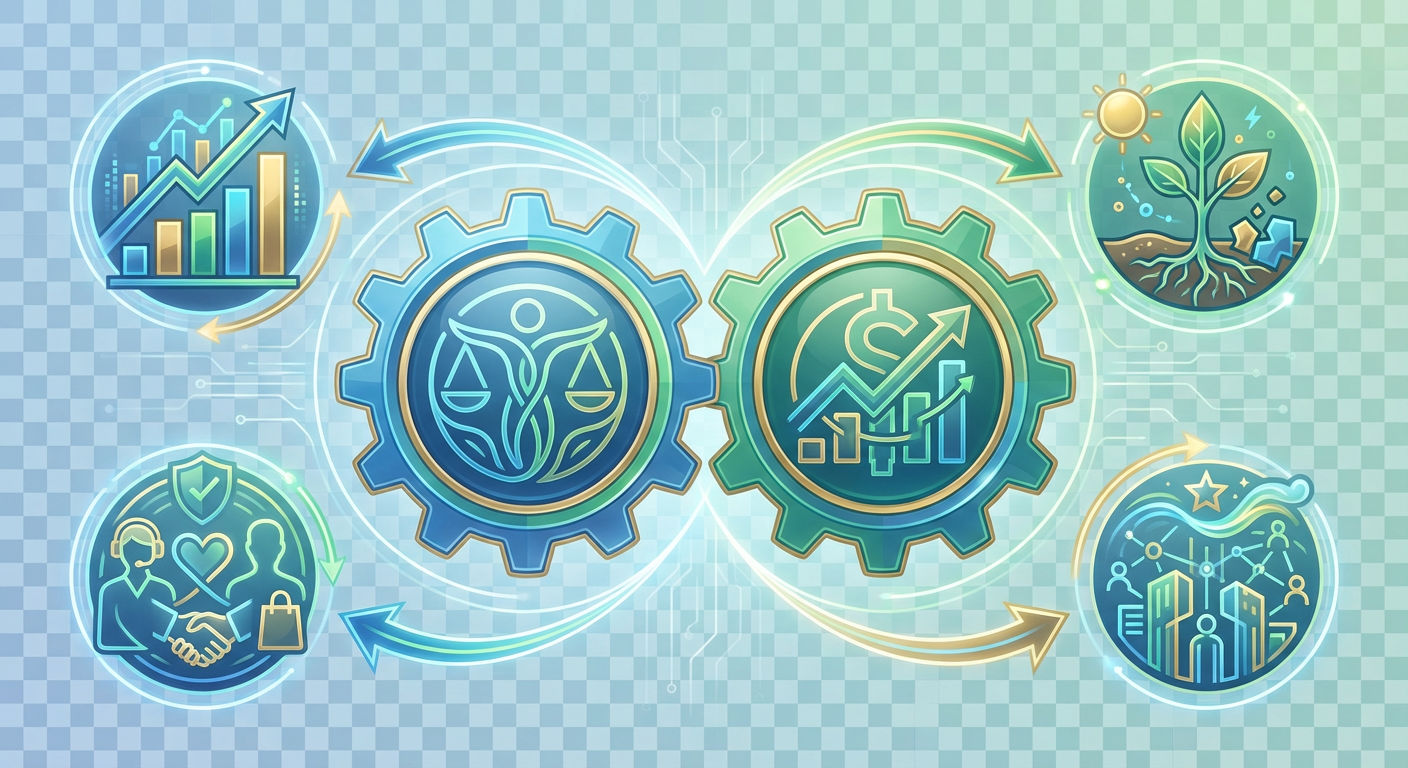
5. The Tangible Benefits of Ethical Business Practices
In an increasingly interconnected and transparent global economy, the pursuit of profit divorced from principle is an unsustainable and ultimately self-defeating endeavor. While traditional business models often prioritized financial returns above all else, a paradigm shift is underway, driven by evolving consumer demands, investor expectations, and a new generation of values-driven entrepreneurs. This section delves into the clear, quantifiable advantages that ethical business practices confer upon enterprises, demonstrating that “doing good” is not merely a moral imperative but a powerful catalyst for enhanced brand reputation, increased customer and employee loyalty, operational efficiencies, access to a growing pool of impact investment capital, and long-term business resilience. Far from being a philanthropic afterthought, ethical entrepreneurship is emerging as a core driver of competitive advantage and sustained, profitable growth.
The landscape of entrepreneurship is being reshaped by a generation that views business as a potent vehicle for addressing societal and environmental challenges. Nearly two-thirds of Gen Z (62%) globally have either started or plan to start their own business[2]. This ambition is not solely driven by financial gain; a significant 58% of teenagers indicate they would launch a business to address a social or environmental need even if it meant earning less money[4]. Such a profound values orientation among emerging business leaders, coupled with a surging interest in entrepreneurship evidenced by a record 5.4 million new U.S. business applications in 2021[2], underscores the fertile ground for ethical business practices to flourish. This section will systematically explore the multifaceted benefits of integrating ethics into the core of entrepreneurial ventures, demonstrating how principled operations translate into concrete, measurable advantages.
5.1 Enhanced Brand Reputation and Customer Loyalty
A strong ethical foundation serves as a cornerstone for building an esteemed brand reputation and fostering profound customer loyalty. In today’s market, consumers are increasingly discerning, moving beyond mere product quality or price to scrutinize a company’s values and societal impact. This shift is particularly pronounced among younger demographics. A 2023 poll of 2,000 U.S. 18-34-year-olds, commissioned by Tom’s of Maine, revealed that a significant 80% are likely to base their purchase decisions on a brand’s mission or purpose[3]. Furthermore, nearly four in five young adults prioritize purchasing environmentally conscious or natural products[3].
The broader consumer sentiment echoes this trend, with 81% of consumers stating they would actively choose to buy from a company specifically because of its involvement in social responsibility or ethical efforts[7]. This preference for ethical brands is not merely theoretical; it translates into tangible market behavior. Businesses that authentically incorporate ethical practices into their operations cultivate a positive public image that acts as a powerful differentiator in crowded markets. This positive perception is invaluable, as it builds a reservoir of trust and goodwill with consumers. For instance, brands that openly commit to fair trade labor, sustainable sourcing, or environmentally friendly production processes attract a cohort of ethically-minded consumers who often evolve into fiercely loyal brand advocates. These customers are not just purchasing a product; they are aligning with a brand’s ethos. This alignment fosters a deeper connection, leading to repeat business and organic referrals.
Conversely, a lack of ethical conduct can swiftly erode public trust and lead to severe reputational damage. In an era where information spreads instantaneously through social media, ethical missteps can trigger widespread backlash, boycotts, and viral “cancel” movements. The fragility of reputation makes building a brand on integrity all the more crucial. Interestingly, research indicates that 78% of consumers are willing to forgive a company’s misstep if they believe the company operates with good intentions and strives for positive impact[34]. This highlights the resilience that an established ethical reputation can provide, offering a buffer against minor errors and demonstrating the strategic value of consistent ethical behavior.
The surging number of Certified B Corporations further illustrates the market’s response to this ethical demand. From 3,735 B Corps in 2020, the number nearly doubled to almost 8,000 globally by the end of 2023[8], with over 1,800 companies achieving certification in 2023 alone – the most in B Lab’s history[8]. This rapid growth signifies a collective move by businesses to formally commit to rigorous social and environmental standards, recognizing the market advantage that such certification confers. External validation of ethical practices, through credible third-party certifications like B Corp or Fair Trade, dramatically enhances consumer trust. Deloitte’s findings suggest that one-third of global consumers explicitly trust brands more if they are certified as ethical or sustainable[13]. Furthermore, a substantial 50-66% of shoppers express a willingness to pay more for sustainably made products[13], demonstrating a tangible financial reward for ethical practices. This consumer behavior underscores that brand reputation and loyalty, underpinned by ethics, are not abstract concepts but direct drivers of market share and revenue.
5.2 Superior Talent Attraction and Retention
The pursuit of ethical business practices offers a distinct competitive advantage in the race for talent. In today’s dynamic labor market, especially among younger generations, job seekers prioritize more than just salary and benefits; they seek purpose-driven work environments where their values align with those of their employer. This generational shift significantly impacts recruitment and retention strategies.
Data consistently shows a strong preference among millennials and Gen Z for employers known for their ethical practices. A considerable 82% of millennials, and 74% of all consumers, express a desire to work for companies with strong ethical reputations[11]. This is not merely a preference but influences concrete career decisions: over 80% of millennials would consider leaving a company if they perceived it to be acting unethically[35]. Conversely, employees demonstrate greater loyalty and engagement when working for organizations that “make a difference” in the world. Ethical entrepreneurship inherently fosters a mission-driven culture, which can attract top talent even when competing with companies offering higher salaries. The intrinsic motivation derived from contributing to a greater good often outweighs purely financial incentives for a significant portion of the workforce.
The link between ethical practices and employee outcomes is further solidified by research from the International Labour Organization (ILO). Their findings indicate that companies promoting fair labor standards experience a remarkable 23% higher employee retention and a 31% greater productivity on average[9]. This highlights the practical, bottom-line benefits of ethical treatment of employees, encompassing fair wages, reasonable working conditions, and respectful management. High employee retention translates into significant cost savings by reducing recruitment, onboarding, and training expenses. Moreover, an engaged and productive workforce directly contributes to innovation, customer satisfaction, and overall business growth.
Beyond fair labor, transparent and values-driven cultures also contribute to a more harmonious and efficient workplace. Studies suggest that such environments lead to a 41% reduction in compliance issues and a 34% stronger client rapport[9]. When employees trust their leadership and believe in the company’s mission, they are more likely to communicate openly, flag potential problems proactively, and contribute to a culture of shared responsibility. This fosters a resilient and adaptive organization, capable of navigating challenges with greater ease.
The desire for ethical workplaces extends into educational preferences as well. In 2019, a global survey of over 1,000 prospective business master’s students found that Business Ethics ranked as the 5th most desired course, a significant leap from its 18th position just a year prior[15]. This rapid ascent in popularity, placing it on par with core subjects like finance and ahead of economics, signals a clear demand from future leaders for training in values-centric management. This educational trend reflects the broader societal expectation that businesses operate ethically, and highlights the growing understanding among emerging professionals that ethical leadership is not merely ‘nice to have’ but integral to sustained success and attracting the best and brightest minds.
5.3 Operational Efficiencies and Innovation
Ethical business practices, while often perceived as cost centers, are increasingly recognized as powerful drivers of operational efficiencies and innovation. Integrating ethics into core business processes can lead to significant long-term savings and unlock new avenues for growth and competitive advantage.
One primary area of efficiency gain stems from ethical supply chain management. By fostering fair and transparent relationships with suppliers, businesses can ensure more stable and reliable supply chains. Treating suppliers ethically—whether through timely payments, clear contracts, or collaborative problem-solving—cultivates trust and mutual commitment. This often results in higher quality inputs, reduced disruptions, and a greater willingness from suppliers to go the extra mile, ultimately enhancing operational continuity and product quality. Conversely, unethical practices in supply chains, such as exploiting labor or pushing for unsustainably low prices, can lead to reputational damage, legal issues, sourcing insecurities, and ultimately, higher costs when these risks materialize.
Within the organization, an ethical culture encourages employee engagement and a sense of psychological safety, which are critical for driving innovation. When employees feel valued, respected, and believe in the integrity of their leadership, they are more likely to take initiative, share creative ideas without fear of retribution, and openly communicate issues that could otherwise become costly problems if left unaddressed. This proactive problem-solving and ideation fuel continuous improvement in processes and products. For example, employee-led initiatives focused on waste reduction or energy conservation, often spurred by an ethical commitment to sustainability, directly translate into cost savings through reduced resource consumption.
The pursuit of sustainability, a key facet of ethical entrepreneurship, inherently drives efficiency. Companies committed to reducing their environmental footprint often invest in eco-friendly technologies, optimize resource usage, and minimize waste generation. These efforts, such as implementing energy-efficient manufacturing processes, recycling programs, or water conservation measures, consistently lead to lower operational costs in the long run. The initial investment in sustainable practices often yields a favorable return on investment through reduced utility bills, lower waste management fees, and more efficient use of raw materials.
Ethical entrepreneurs also demonstrate a unique capacity for market-driven innovation by identifying and addressing societal problems. By focusing on unmet social or environmental needs, they often uncover entirely new market segments and develop innovative products or services. The boom in plant-based foods exemplifies this perfectly: mission-led startups, driven by ethical concerns for animal welfare, health, and environmental sustainability, recognized a growing consumer demand. They pioneered an entire high-growth industry, unlocking significant revenue streams by offering ethical alternatives. Their commitment to values was not a deterrent but a powerful catalyst for market disruption and expansion.
Moreover, a commitment to transparent and ethical practices can reduce legal and compliance costs. Businesses that proactively adhere to ethical standards are less likely to incur fines, legal fees, or the prohibitive costs associated with litigation and regulatory penalties. Investing in robust governance and ethical frameworks upfront serves as a preventative measure, safeguarding the company from future financial liabilities and reputational damage. The transparency fostered by ethical practices also builds stronger relationships with regulators, potentially leading to more favorable interpretations or assistance when complex issues arise.
In essence, ethical entrepreneurship fosters a culture that prioritizes long-term value creation over short-term gains, leading to durable operational advantages. By valuing stakeholders, encouraging open communication, and pursuing sustainable innovations, ethical businesses are inherently more resilient, adaptable, and ultimately, more profitable.
5.4 Access to Impact Investment Capital and Financial Returns
Once considered a niche concern for a select few philanthropic investors, the integration of ethical practices has become a compelling magnet for capital, offering significant financial benefits to ethical entrepreneurs. The landscape of investment is undergoing a profound transformation, with a growing emphasis on Environmental, Social, and Governance (ESG) factors. Far from being a hindrance, a strong values proposition now serves as a key accelerator for attracting diverse funding streams.
The volume of capital specifically allocated to impact investing and ESG-focused ventures has expanded dramatically. By 2022, the impact investing market had already surpassed $1.16 trillion worldwide[12], with projections indicating over $2.3 trillion in impact assets by 2027[36]. This exponential growth signals a fundamental shift in investor mindset, where financial returns are increasingly sought alongside measurable positive social and environmental outcomes. This is not anecdotal; a staggering 89% of global investors now consider ESG criteria when making investment decisions[10]. This statistic, reported by Capital Group in 2022, underscores that nearly nine out of ten investors actively review companies’ social impact and sustainability performance, illustrating the criticality of ethical transparency for attracting investment.
Ethical startups are often perceived as lower-risk investments due to their robust governance and positive brand image. A company operating with high ethical standards is less likely to face costly scandals, regulatory fines, or severe reputational damage that could jeopardize its financial stability. Investors recognize that strong ethical frameworks and proactive compliance can act as a buffer against unforeseen liabilities and market disruptions. This perception of reduced risk, coupled with the potential for long-term sustainable growth fostered by ethical practices, makes these ventures highly attractive.
Furthermore, many investors view a commitment to addressing social and environmental issues as a sign of forward-thinking and adaptive management. Entrepreneurs engaged in solving pressing global challenges—such as those in renewable energy, sustainable agriculture, or inclusive finance—are often ahead of regulatory curves and anticipated shifts in consumer preferences. They are positioned to capture emerging market opportunities and build resilient business models that are inherently future-proof. The Tony Elumelu Foundation’s long-term investment in young African entrepreneurs, many of whom are tackling climate change through sustainable agriculture[17], is a prime example of how supporting ethical ventures can yield significant economic and societal returns (over 400,000 jobs created and $2.3 billion in revenues)[17].
Beyond traditional venture capital, ethical businesses also gain access to alternative financing mechanisms. This includes government grants specifically earmarked for social enterprises or sustainable innovations, corporate social responsibility (CSR) partnerships, and crowdfunding campaigns that leverage community support. Crowdfunding, in particular, often sees backers motivated as much by the cause the business supports as by the product itself. Mikaila Ulmer’s “Me & the Bees Lemonade” is a notable example: her commitment to bee conservation played a significant role in attracting early investors and public support, ultimately leading to an $11 million distribution deal with Whole Foods[42].
The notion that ethical companies financially outperform their peers is gaining traction. A recent survey indicated that 79% of consumers believe that companies with strong ethics ultimately outperform others in their sector[11]. This common perception is increasingly supported by empirical evidence. Companies recognized for integrity, such as those on Ethisphere’s “World’s Most Ethical Companies” list, have consistently demonstrated superior stock returns compared to market averages. This suggests that the market is, in fact, rewarding businesses that successfully integrate ethical principles into their core strategies. Therefore, cultivating ethical entrepreneurship is not a trade-off for financial success but rather a powerful pathway to it, aligning purpose with prosperity.
5.5 Long-Term Business Resilience and Sustainability
The enduring hallmark of successful ethical entrepreneurship is its contribution to long-term business resilience and sustainability. In a volatile and unpredictable world, businesses grounded in strong ethical principles and stakeholder trust are better equipped to weather economic downturns, adapt to evolving market demands, and sustain growth over extended periods. Ethical practices build a foundation of goodwill and adaptability that is invaluable for organizational longevity.
A critical aspect of resilience stems from the “goodwill reserves” that ethical businesses accumulate. A company known for treating its customers, employees, suppliers, and communities fairly and responsibly is likely to receive greater patience and support during challenging times. For instance, customers might remain loyal during a product recall if they trust the company’s commitment to quality and transparency. Similarly, investors might show more forbearance during a lean quarter if they believe in the company’s fundamental values and long-term vision. This stands in stark contrast to companies with a history of unethical behavior, which often face heightened scrutiny and rapid abandonment from stakeholders during crises. The outpouring of community support for local, values-driven small businesses during the COVID-19 pandemic is a testament to the power of these goodwill reserves.
Proactive risk management is another significant contributor to resilience. Ethical frameworks often necessitate a focus on sustainability and robust governance, which inherently involve anticipating and mitigating various risks—environmental, social, labor, and compliance-related—before they escalate into existential threats. For example, a business committed to environmental stewardship will likely invest in resilient supply chains, responsible waste management, and sustainable resource use, thereby reducing its vulnerability to climate change impacts or resource scarcity. Regular ethical audits and transparent reporting, like those required for B Corp certification, ensure that potential issues are identified and addressed rigorously, thus preventing costly legal battles, regulatory penalties, or reputational crises.
Ethical entrepreneurship fosters adaptability by encouraging a holistic view of business operations and stakeholder needs. Companies that prioritize ethical considerations tend to be more attuned to societal shifts, emerging environmental concerns, and evolving consumer values. This foresight allows them to innovate and pivot strategically. For instance, businesses that embraced sustainable practices early on were better positioned to meet the growing consumer demand for eco-friendly products, while those focused solely on short-term profits might have struggled to adapt. This strategic agility ensures that the business remains relevant and competitive in a constantly changing market.
Furthermore, the stakeholder-centric model, where a corporation’s purpose benefits not just shareholders but all stakeholders—customers, employees, suppliers, and communities—is gaining significant momentum. In 2019, 181 CEOs of major U.S. companies (Business Roundtable) formally endorsed this view, signifying a historic shift towards stakeholder capitalism[18]. By integrating the interests of all stakeholders, ethical businesses build stronger, more interdependent networks of support, which enhances their stability and continuity. This model discourages short-sighted decisions that might exploit one group for the benefit of another, opting instead for collaborative approaches that ensure shared prosperity and minimize conflicts.
While unethical shortcuts may offer temporary financial gains, they are invariably associated with long-term costs that undermine sustainability, such as lawsuits, regulatory enforcement, irreversible brand damage, and loss of consumer and employee loyalty. In contrast, businesses that embed ethics into their core strategy from inception cultivate a robust foundation of trust, adaptability, and broad-based stakeholder support. This foundation is invaluable for navigating the inevitable ups and downs of the market, ensuring not just survival but thriving in the complex global economy. The youth-led ventures, such as Boyan Slat’s The Ocean Cleanup or Leila Janah’s Sama, exemplify how a steadfast commitment to an ethical mission, even in the face of significant challenges, builds the credibility and support necessary for long-term impact and business viability.
The cumulative evidence decisively points to ethical business practices as a non-negotiable component of modern entrepreneurial success. The clear advantages in reputation, loyalty, talent, efficiency, capital access, and resilience underscore that integrating ethics is not just an ideal, but a strategic imperative. As we transition to the next section, we will explore the critical role of education and mentorship in nurturing these values-driven business leaders from a young age, ensuring that the benefits outlined here become increasingly widespread across the global entrepreneurial landscape.
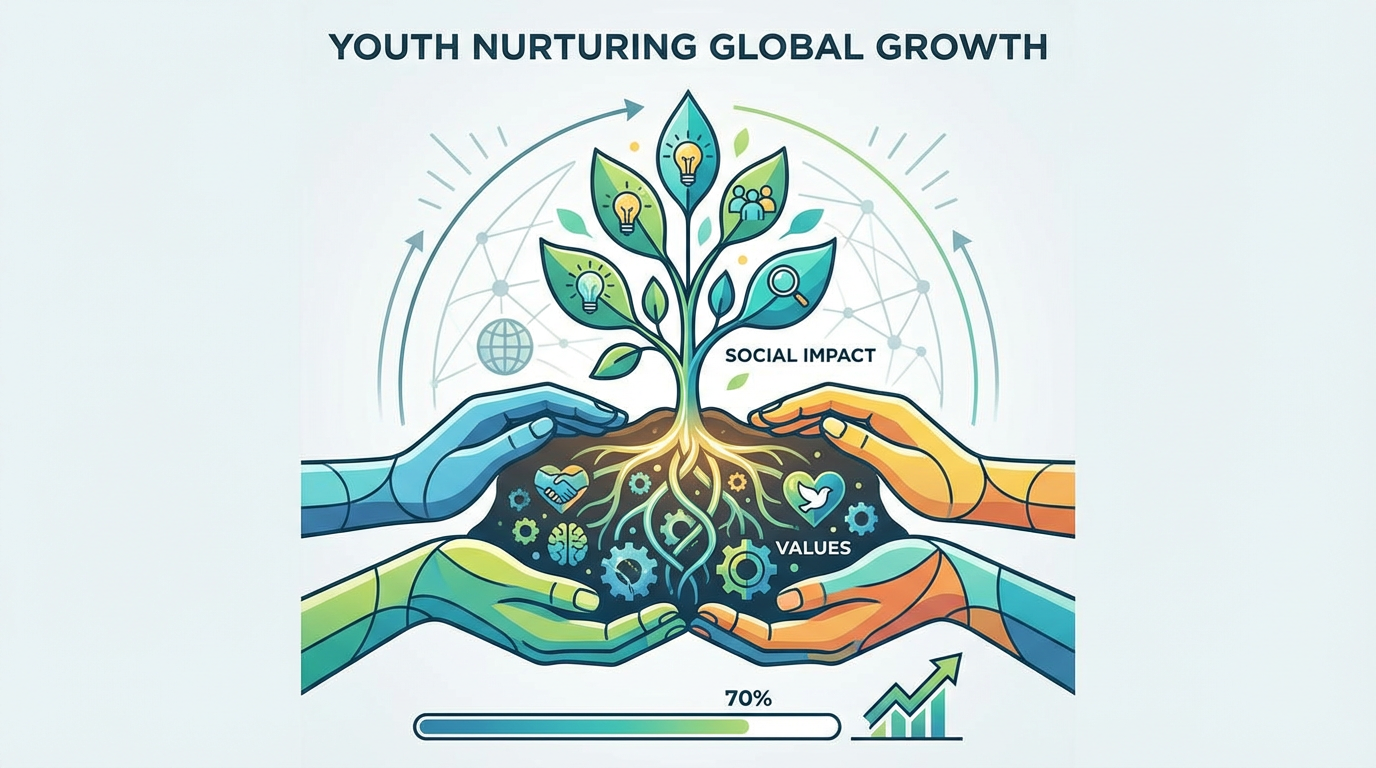
6. Youth-Led Ventures: Inspiring Examples of Social Impact
The entrepreneurial landscape is undergoing a significant transformation, driven by a new generation of leaders who prioritize purpose alongside profit. This shift is particularly evident among young entrepreneurs, who are increasingly launching businesses explicitly designed to address pressing social and environmental challenges. Far from being idealistic endeavors, these youth-led ventures are demonstrating remarkable scalability and tangible impact, serving as powerful examples of how early ethical engagement can translate into meaningful change. This section delves into prominent examples of young entrepreneurs who have successfully cultivated values-driven businesses, providing detailed case studies that highlight their innovations, challenges, and societal contributions.
The rise of this phenomenon is rooted in changing generational values. Surveys consistently show that Gen Z and Millennials are highly values-driven, with a strong inclination towards entrepreneurship as a means to achieve social good. Nearly two-thirds of Gen Z (62%) globally have either started or plan to start their own business[2], reflecting a surge in young people seeking entrepreneurial paths. This ambition is not solely economic; 58% of teenagers report they would launch a business to address a social or environmental need even if it meant earning less money[4]. Furthermore, an overwhelming 75% of teens are open to entrepreneurship, signaling a generation motivated by mission as much as money[4]. This purpose-driven mindset extends to their consumer behavior, with approximately 80% of Gen Z and Millennials basing purchase decisions on a brand’s purpose or stance[3], and nearly four in five actively seeking out organic, natural, or eco-friendly products[3]. This market demand for ethical practices creates a fertile ground for youth-led, values-driven enterprises to flourish.
The following case studies illustrate the diverse ways in which young entrepreneurs are making a difference, from tackling global environmental crises to empowering marginalized communities through technology and creating sustainable consumer products.
6.1. Mikaila Ulmer: Me & the Bees Lemonade and the Power of Purpose-Driven Brands
Mikaila Ulmer’s journey with Me & the Bees Lemonade is a compelling testament to the power of starting young with a clear social mission. Her story began in 2009, at the tender age of four and a half, when she learned about the critical issue of bee endangerment. Inspired to help, Mikaila decided to create a product that could both raise awareness and contribute to bee conservation. She used her great-grandmother’s recipe for flaxseed lemonade, sweetened with local honey, and thus, Me & the Bees Lemonade was born. What started as a local initiative quickly grew into a nationally recognized brand, largely due to its authentic ethical story and Mikaila’s infectious passion.
Navigating the early stages of entrepreneurship with the guidance of her parents, Mikaila honed her business skills and remained steadfast in her mission. A pivotal moment came in 2015 when, at just nine years old, she appeared on the popular television show *Shark Tank*, securing a $60,000 investment for her venture. This exposure catapulted her brand into the national spotlight. The explicit purpose embedded in her business model—donating a portion of profits to bee conservation efforts and educating consumers about the importance of pollinators—resonated deeply with consumers and retailers alike.
The scalability of Me & the Bees Lemonade was dramatically demonstrated in 2016 when, at the age of 11, Mikaila secured a monumental distribution deal with Whole Foods Market, reportedly worth an impressive $11 million for regional stores[9]. This agreement placed her product on the shelves of a major national retailer, significantly expanding its reach and impact. By 2023, now college-aged, Mikaila’s company had sold nearly 10 million bottles of lemonade nationwide[9], with her product available in over 6,000 retailers across the United States. This phenomenal growth was achieved while consistently upholding her brand’s commitment to bee conservation. She further solidified this commitment by establishing the Healthy Hive Foundation, dedicated to funding bee research[45].
Key Lessons from Mikaila Ulmer:
- Authenticity and Mission-Driven Narrative: Mikaila’s clear and heartfelt mission to save bees created a powerful and authentic brand narrative. Consumers are increasingly drawn to brands with genuine purpose, and her story resonated deeply, fostering strong customer loyalty and media attention.
- Youth as an Advantage: Far from being a hindrance, Mikaila’s youth proved to be a distinct advantage. Her identity as a “kidpreneur” with an earnest mission garnered significant publicity, mentorship, and opportunities, including meeting President Barack Obama. This illustrates that a compelling story and a strong moral compass can transcend age barriers in entrepreneurship.
- Scaling with Purpose: Me & the Bees Lemonade demonstrates how a strong social or environmental mission, when consistently integrated, can differentiate a small business in a crowded market and drive substantial growth. The ethical foundation attracted strategic partners like Whole Foods, who recognized the value of aligning with a purpose-driven brand.
- Impact and Education: The venture not only generates profit but also actively contributes to solving an environmental problem and educates the public. This dual focus on economic viability and social impact showcases the potential of ethical entrepreneurship.
Mikaila Ulmer’s journey is a powerful example for aspiring young entrepreneurs, showing that passion, purpose, and perseverance can lead to both commercial success and significant social impact, even when starting at a very young age. Her sustained commitment to her mission has allowed her to build a thriving business that continues to make a difference for the planet[9].
6.2. Boyan Slat: The Ocean Cleanup and Environmental Innovation
Boyan Slat, a Dutch entrepreneur, exemplifies how young visionaries can tackle some of the world’s most daunting environmental challenges through innovative business models and persistent ethical engagement. At just 18 years old in 2013, Slat founded The Ocean Cleanup, a non-profit organization dedicated to developing advanced technologies to extract plastic pollution from the oceans. His audacious goal was to remove 90% of floating ocean plastic by 2040[41].
Slat’s journey was not without significant hurdles. After two years of intensive development, he successfully crowdfunded $2 million and, while still a teenager, launched a 100-meter prototype barrier in the Pacific Ocean in 2016, leading a team of over 70 individuals. However, the initial system faced technical setbacks, and its first deployment failed in 2018. Crucially, Slat and his team responded with remarkable transparency and resilience, ethically sharing their failures and rallying supporters for improvements rather than succumbing to discouragement.
This commitment to transparency and a solutions-driven approach proved vital. By 2019, improved designs of their floating systems began effectively capturing debris in the Great Pacific Garbage Patch. Slat’s continued dedication and the compelling environmental mission attracted significant investments and partnerships from philanthropic organizations, companies concerned with sustainability, and even governments. Notable sponsors include Salesforce and the Dutch government, contributing over $40 million in funding over time[48].
By late 2024, at the age of 29, Slat and his team at The Ocean Cleanup had achieved remarkable milestones, successfully removing over 19,000 tons of plastic from oceans and rivers combined[41], including thousands of kilograms from the Pacific garbage patch in a single haul. Beyond ocean cleanup, they have also deployed river interception devices to prevent plastic waste from reaching the oceans in the first place, showcasing a comprehensive approach to the problem.
Key Lessons from Boyan Slat:
- Visionary Leadership and Bold Goals: Slat’s ambitious vision to clean the world’s oceans captured global attention and inspired action. Young leaders who articulate compelling, values-driven goals can mobilize significant resources and expertise.
- Perseverance and Adaptability: The setbacks faced by The Ocean Cleanup highlighted the importance of perseverance. Slat’s ethical approach involved openly acknowledging failures, learning from them, and adapting engineering solutions, which ultimately strengthened stakeholder trust and support.
- Credibility through Transparency: Slat’s earnest, science-driven approach, coupled with transparent communication about both successes and challenges, built credibility. This allowed him to gain the trust of experts, the public, and major investors, even at a young age and with unproven technology.
- Aligning Business with Ecological Impact: The Ocean Cleanup’s success is intrinsically linked to its ecological impact. By clearly demonstrating progress in plastic removal, Slat has kept stakeholders engaged through a shared value objective, proving that business success can be directly measured by positive environmental outcomes.
Boyan Slat’s journey with The Ocean Cleanup demonstrates that a young entrepreneur, driven by a profound environmental mission and guided by principles of transparency and scientific rigor, can mobilize global resources to address an urgent ethical challenge and achieve significant, measurable impact[48].
6.3. Leila Janah: Samasource and Impact Sourcing for Poverty Alleviation
The late Leila Janah, a visionary entrepreneur, demonstrated how ethical principles could be integrated directly into the core business model to create a self-sustaining engine for social impact. In 2008, at the age of 25, Janah founded Samasource (now rebranded as Sama), driven by a profound mission to alleviate global poverty through entrepreneurship. Her innovative concept was “impact sourcing” – utilizing digital work to provide dignified, fairly paid employment opportunities to talented, low-income individuals, primarily youth and women, in underserved regions of Africa and South Asia.
Janah’s model challenged conventional outsourcing practices. Instead of seeking the cheapest labor, Samasource focused on connecting marginalized populations with digital tasks like data annotation for artificial intelligence, content moderation, and data entry. She had to overcome skepticism from Silicon Valley tech clients, convincing them that ethical labor practices and social upliftment could go hand-in-hand with high-quality, efficient service delivery.
Starting from a small office in Nairobi, Janah’s values-driven approach steadily gained traction. Her commitment to fair wages, skill development, and rigorous measurement of social impact differentiated Samasource in the competitive tech outsourcing market. By 2019, the company had scaled significantly, employing over 2,900 people and distributing more than $10 million annually in wages. The social returns were equally impressive: as of 2023, Sama had helped lift over 59,000 individuals out of poverty by providing steady employment and critical skills training[12].
Under Janah’s leadership, Samasource became a Certified B Corp, reinforcing its commitment to high social and environmental standards. The company successfully attracted a client roster that included Fortune 500 giants like Google, Microsoft, and Walmart, who partnered with Sama not just for the quality of its services but also for the measurable social good embedded in its supply chain. This proved that a strong ethical mission could be a powerful market differentiator and a driver of commercial success.
Tragically, Leila Janah passed away from cancer in 2020 at the age of 37, but her enduring vision and the company she built continue to thrive. Sama remains committed to its core mission, proving that ethical entrepreneurship can flourish in the demanding tech industry.
Key Lessons from Leila Janah:
- Embedding Ethics at the Core: Janah’s model demonstrated that social impact doesn’t have to be a separate CSR initiative; it can be integrated directly into the business’s operational strategy, becoming its primary value proposition.
- Impact Sourcing as a Disruptor: By focusing on fair wages and measurable poverty reduction, Samasource disrupted traditional outsourcing, proving that tech services could be delivered ethically and efficiently, providing high-quality work to clients while simultaneously transforming lives.
- Social Mission as a Competitive Advantage: The company’s commitment to improving lives became a powerful magnet for clients, funding, and talent. Major corporations chose to partner with Samasource precisely because of its social mission, showcasing that ethical practices can open doors to significant market opportunities.
- Measuring and Validating Impact: Samasource’s rigorous measurement of its social impact, such as the number of people lifted out of poverty, provided tangible proof of its efficacy and reinforced its credibility with stakeholders.
Leila Janah’s legacy through Samasource serves as an enduring inspiration for young entrepreneurs to build businesses that are not only financially viable but also designed from their inception to create profound, systemic social change. Her work underscored that a strong ethical mission can be a foundation for growth, capable of attracting investment, top clients, and a dedicated workforce, all while improving the livelihoods of thousands[54].
6.4. The Tony Elumelu Foundation: Cultivating a Generation of African Ethical Entrepreneurs
While Mikaila Ulmer, Boyan Slat, and Leila Janah represent individual youth-led startup success stories, the Tony Elumelu Foundation (TEF) offers a powerful example of how ethical entrepreneurship can be intentionally cultivated at a continental scale. Founded in 2010 by Nigerian philanthropist Tony Elumelu, TEF embarked on a monumental mission to empower young African entrepreneurs, underpinned by a philosophy Elumelu termed “Africapitalism”—the belief that the African private sector can and must drive the continent’s social and economic development in a socially conscious manner[46].
TEF committed an ambitious $100 million over a decade to identify, train, mentor, and fund 10,000 young entrepreneurs across all 54 African countries. The program targets early to mid-career applicants, providing crucial seed funding of $5,000 to each successful entrepreneur. Critically, this financial support is combined with comprehensive business training that explicitly includes modules on ethics, social responsibility, and sustainable development. Mentorship from experienced business leaders further strengthens the ethical foundation of these nascent ventures.
The impact of TEF has been transformative. As of 2024, the foundation has successfully trained and funded 20,000 entrepreneurs[11]. These TEF alumni have, in turn, created over 400,000 jobs across their communities and collectively generated an impressive $2.3 billion in revenues[11]. A significant aspect of this success lies in the deliberate embedding of ethical practices into their business models. For instance, over 500 of the supported founders are specifically dedicated to tackling climate change issues, with 35% focused on sustainable agriculture and others on renewable energy[11].
One notable success story from the TEF program is Temie Giwa-Tubosun, a 2015 grantee, who at 30 founded LifeBank in Nigeria. LifeBank is an ethical logistics company focused on delivering essential blood and medical supplies to hospitals in underserved communities. With the seed capital and network provided by TEF, Giwa-Tubosun’s company has expanded to multiple countries and is credited with saving thousands of lives, demonstrating how directly TEF-supported ventures address critical social needs.
Key Lessons from the Tony Elumelu Foundation:
- Systemic Cultivation of Ethical Entrepreneurship: TEF’s program demonstrates that ethical entrepreneurship can be nurtured and scaled through a structured ecosystem that provides training, mentorship, and funding. It moves beyond individual initiatives to create a widespread movement.
- “Africapitalism” as a Guiding Philosophy: Elumelu’s concept of Africapitalism, which champions profit with purpose and local leadership, serves as a powerful ethical framework. It encourages young entrepreneurs to view community impact as integral to their business success and to contribute to the sustainable development of their continent.
- Multiplier Effect of Investment: By investing in young, values-focused entrepreneurs at the idea or seed stage, TEF has created a significant multiplier effect. The 20,000 trained entrepreneurs have catalyzed massive job creation and economic growth, while addressing diverse social problems from healthcare to climate change.
- Blueprint for Regional Development: The TEF model provides a blueprint for other regions seeking to systematically cultivate a new generation of ethical leaders. It underscores the importance of coupling financial support with ethical leadership training to produce “triple bottom line” entrepreneurs who deliver both economic and social returns.
The Tony Elumelu Foundation stands as a beacon, illustrating that strategic philanthropic investment in youth, coupled with a strong ethical compass, can unlock immense potential for sustainable economic development and social transformation across an entire continent. Its success validates the belief that when young entrepreneurs receive the right support and ethical grounding, they can drive both prosperity and profound positive change in their societies[46].
6.5. Emerging Trends and the Future of Youth-Led Ethical Ventures
The success stories of Mikaila Ulmer, Boyan Slat, Leila Janah, and the entrepreneurs fostered by the Tony Elumelu Foundation are not isolated incidents but rather representative of a growing global trend. Young people are increasingly embracing entrepreneurship as a powerful vehicle for social innovation and impact. This phenomenon is supported by several key factors and emerging trends:
- Digital Native Advantage: Gen Z’s inherent familiarity with technology and digital platforms lowers the barriers to entry for starting businesses. E-commerce, social media marketing, and crowdfunding all facilitate the rapid launch and scaling of ventures, enabling young entrepreneurs to reach wider audiences and secure initial capital without traditional gatekeepers.
- Values-Driven Consumerism: As highlighted earlier, a significant majority of consumers, particularly younger demographics, prioritize a brand’s ethical stance and sustainability practices in their purchasing decisions[3]. This market preference directly rewards values-driven businesses and encourages young entrepreneurs to embed social and environmental consciousness from the outset.
- Global Initiatives and Support Systems: The proliferation of youth entrepreneurship programs worldwide, such as Youth Business International which supported over 151,000 young people with entrepreneurship training and mentorship in 2023[11], is creating a more supportive ecosystem. These programs often integrate ethical leadership and social impact into their curricula, equipping young founders with the tools and mindset to build responsible businesses.
- Shifting Investor Landscape: The rise of impact investing and ESG (Environmental, Social, and Governance) considerations means that investors are increasingly seeking out companies with a strong ethical and social purpose. Approximately 89% of global investors now consider ESG factors in their investment decisions[5]. This provides a growing pool of capital for ethical youth-led ventures, enabling them to scale their impact.
- Peer Inspiration and Role Models: The visibility of young, successful ethical entrepreneurs like Mikaila Ulmer and Boyan Slat serves as powerful inspiration for their peers. These role models demonstrate that age is not a barrier to significant impact and that business can be a force for good.
The data reinforces this trend, particularly in developing regions. In Africa, for instance, a striking 67% of social enterprise leaders are under 35, with founders and executives aged 24-34 accounting for 36% and those aged 18-24 making up another 31%[6]. This demonstrates a clear youth dominance in mission-driven business, as this generation actively seeks to address the myriad challenges facing their communities through innovative enterprise.
While the enthusiasm and intent are high (55% of teens feel they need more information on how to be successful entrepreneurs and 32% need a business-owner role model for guidance)[4], there remains a critical need for continued mentorship, access to capital, and tailored educational programs to bridge the gap between entrepreneurial ambition and sustained success. However, the existing examples vividly illustrate that when young entrepreneurs are empowered with ethical principles, practical skills, and supportive networks, they can indeed lead the charge in creating a more just, sustainable, and prosperous world.
The examples presented in this section clearly show that ethical entrepreneurship is not merely a theoretical concept but a living, breathing reality driven by a dynamic generation of young leaders. Their ventures demonstrate that a business model rooted in values can achieve both commercial viability and profound social and environmental impact. These inspiring stories serve as crucial benchmarks, showcasing the immense potential and scalability of early ethical engagement in the entrepreneurial journey. The next section will further explore the pedagogical foundations and educational strategies that can effectively cultivate these values-driven business leaders from a young age, building upon the tangible successes highlighted here.
7. Key Facts and Data Supporting Ethical Entrepreneurship
The landscape of modern business is undergoing a profound transformation, driven by an increasing societal demand for ethical conduct, social responsibility, and purpose-driven initiatives. This section synthesizes a comprehensive collection of statistical data and research findings that powerfully illustrate this shift, highlighting the burgeoning intent of younger generations to engage in ethical entrepreneurship, the evolving preferences of consumers and investors towards values-aligned entities, and the tangible benefits accruing to businesses that prioritize ethical practices. From the grassroots ambition of Gen Z to the boardroom decisions of global investors, the evidence overwhelmingly supports the assertion that ethical entrepreneurship is not merely a philanthropic endeavor or a niche market strategy, but a fundamental pillar of future economic success and societal well-being. The data presented herein forms the empirical bedrock for understanding why cultivating values-driven business leaders from a young age is an imperative for sustainable development and a robust, equitable global economy.
7.1. The Rise of Values-Driven Youth: Gen Z’s Entrepreneurial Intent and Ethical Imperatives
The current generation of young people, particularly Generation Z (those roughly between ages 10 and 25), exhibits a distinctive and powerful inclination towards entrepreneurship, intrinsically linked with a strong ethical compass. This cohort is poised to redefine traditional business paradigms, prioritizing purpose alongside profit with unprecedented enthusiasm. The data indicates that entrepreneurial ambition among youth is surging, mirroring a broader societal shift towards self-determination and values alignment in career paths. According to a 2022 survey, nearly two-thirds of Gen Z globally (62%) have either already embarked on their own business ventures or explicitly plan to do so2. This figure represents a significant escalation in entrepreneurial intent compared to previous generations, signaling a fundamental shift in career aspirations. This surge is not merely theoretical; it is reflected in tangible economic indicators. In 2021, the United States alone witnessed a record 5.4 million new business applications, an all-time high that underscores a widespread interest in launching startups across demographic segments, with young individuals playing an increasingly prominent role2. This data firmly establishes Gen Z’s strong desire for autonomy and self-initiated ventures as a dominant characteristic of their professional outlook. Crucially, this entrepreneurial drive is not solely motivated by financial gain. A pivotal late-2022 survey conducted by Junior Achievement (JA) and EY provides compelling insight into the values guiding today’s teenagers. Among 1,000 U.S. teens aged 13 to 17, a remarkable 58% stated that they would be willing to launch a business specifically to address a social or environmental need, *even if it meant earning less money*4. This statistic is profoundly indicative of a generation that places societal impact and ethical consideration at the forefront of their entrepreneurial calculus. Furthermore, the survey found that an overwhelming 75% of teens are open to entrepreneurship as a career path, underscoring their motivation by mission as much as by monetary rewards4. This signals a departure from purely profit-maximizing approaches, pushing businesses towards a more holistic model of success. The high interest in entrepreneurship among teens is accompanied by a recognized need for guidance. The same JA/EY survey revealed that over half (55%) of these aspiring young entrepreneurs feel they require more knowledge to succeed, and 32% indicated that having a business-owner role model would significantly boost their confidence23. This highlights a critical gap between ambition and practical execution, where educational institutions and mentorship programs can play a vital role in nurturing this values-driven entrepreneurial spirit. Overall, these findings underscore that the next generation of business leaders is not only highly entrepreneurial but also profoundly purpose-driven, seeking to align their ventures with pressing social and environmental challenges. **Table 7.1: Gen Z’s Entrepreneurial Intent and Values** | Metric | Data Point | Source | Significance | | :———————————————— | :——————— | :——————————————————————————————– | :——————————————————————————————————- | | Gen Z entrepreneurial intent | 62% worldwide | CNBC (2022)17 | Nearly two-thirds of Gen Z either started or plan to start a business. | | New U.S. business applications (2021) | 5.4 million | CNBC (2022)18 | Record high, reflecting increased interest in startups. | | Teens willing to sacrifice profit for purpose | 58% | Junior Achievement/EY (2022)4 | Over half of teens would launch a social/environmental business even if it meant less money. | | Teens open to entrepreneurship | 75% | Junior Achievement/EY (2022)4 | High overall interest, driven by mission as much as money. | | Teens needing more entrepreneurial knowledge | 55% | Junior Achievement/EY (2022)23 | Highlights need for education and training to support youth ambition. | | Teens needing a business-owner role model | 32% | Junior Achievement/EY (2022)23 | Underscores the importance of mentorship in developing young ethical entrepreneurs. | | Entrepreneurship among youth 1.6x more likely | Under 35 vs. older | GEM report (2015)20 | Youth globally are significantly more inclined to start businesses than older adults. | | Indonesian youth (15-35) working for themselves | Over one-third | World Economic Forum (2019)7 | Illustrates widespread entrepreneurial spirit in emerging economies. |
7.2. The Ethical Consumer: Shaping Market Demand and Brand Strategy
The influence of ethical considerations extends beyond the aspirations of young entrepreneurs to the purchasing decisions of a significant portion of the consumer market. Both Gen Z and Millennials are demonstrating a clear preference for brands that align with their values, compelling businesses to adopt more ethical and sustainable practices to remain competitive and relevant. This phenomenon, often termed “ethical consumerism,” is fundamentally reshaping market demand and, consequently, corporate strategies. A recent poll of 2,000 U.S. adults aged 18-34, commissioned by Tom’s of Maine in October 2023, revealed that approximately 80% of these young consumers are likely to base their purchase decisions on a brand’s mission or stated purpose3. This is a powerful indicator that transparency and a clear commitment to social or environmental causes are now critical factors in consumer choice, transcending traditional considerations like price or quality for this influential demographic. Furthermore, nearly four out of five young adults (78%) prioritize buying products that are organic, natural, or eco-friendly, underscoring a deep-seated concern for environmental impact and health implications associated with production methods3. These findings collectively highlight a generational shift where consumers actively seek out and reward brands that embody ethical and sustainability standards. The impact of ethical consumerism is not limited to younger demographics. Broadly, 81% of all consumers express a preference for buying from companies engaged in corporate social responsibility (CSR) or ethical practices5. This widespread sentiment puts considerable pressure on businesses to integrate ethical considerations into their core operations and communications, to “walk the talk” rather than merely pay lip service to societal concerns. Studies further show that 69% of consumers would invest in an ethical company, and 75% would prefer to work for one21. This emphasizes that ethics has become a key differentiator not just for consumers, but also for investors and potential employees, making it a multifaceted driver of business success. The growing demand for ethical products and services is validated by consumers’ willingness to financially support such brands. Between 50% and 66% of shoppers globally indicate they would pay more for sustainably made products8. This provides a direct financial incentive for companies to invest in ethical production, fair labor, and environmental stewardship, knowing that a significant portion of the market is prepared to reward these efforts. **Table 7.2: Consumer Preferences for Ethical Brands** | Metric | Data Point | Source | Significance | | :———————————————— | :——————— | :——————————————————————————————– | :——————————————————————————————————- | | Gen Z/Millennial purchase decisions based on purpose | 80% | StudyFinds (2023)3 | Clear preference for brands aligned with values among young consumers. | | Young adults seeking eco-friendly products | 78% | StudyFinds (2023)3 | High demand for environmentally conscious and natural products. | | Consumers preferring ethical companies | 81% | Sustaincase (2019)5 | Broad consumer preference for companies engaged in CSR or ethical practices. | | Consumers willing to invest in ethical companies | 69% | Sustaincase (2019)21 | Highlights investor interest in ethical firms. | | Consumers preferring to work for ethical companies| 75% | Sustaincase (2019)21 | Ethical practices as a key factor in talent attraction. | | Consumers trusting certified ethical brands more | 33% | Modern Retail (2023)9 | Independent certification boosts credibility and trust among consumers. | | Shoppers willing to pay more for sustainable products | 50-66% | Modern Retail (2023)9 | Demonstrates financial incentive for ethical production. |
7.3. The Institutionalization of Ethics: B Corporations and ESG Investing
Beyond individual consumer choices, the institutional landscape is rapidly evolving to formalize and reward ethical business practices. The explosive growth of Certified B Corporations and the increasing prominence of Environmental, Social, and Governance (ESG) factors in investment decisions unequivocally demonstrate that ethics are becoming systemically embedded within the global economy. The Certified B Corporation movement exemplifies businesses’ voluntary formal commitment to higher standards of social and environmental performance, accountability, and transparency. The growth of this certification has been exponential: the number of Certified B Corporations worldwide more than doubled in just three years, from 3,735 in 2020 to almost 8,000 by the end of 20236. The year 2023 alone marked a historic milestone, with over 1,800 companies achieving B Corp status, the most in B Lab’s history6. This boom signifies a powerful trend of companies consciously committing to stakeholders beyond shareholders, integrating values like sustainability, fair labor, and community engagement into their operational ethos. In parallel, the financial sector is increasingly prioritizing ethical considerations. An overwhelming 89% of global investors now actively consider ESG factors when making their investment decisions10. This compelling statistic, reported by Capital Group in 2022, indicates that nearly nine out of ten investors conduct due diligence on companies’ social impact and sustainability performance10. The implication is clear: businesses that neglect their environmental footprint, social responsibilities, or governance structures risk being overlooked by a significant portion of global capital. This shift has led to a monumental redirection of funds towards ethical enterprises, transforming impact investing from a niche concept into a substantial market force. By 2022, the global impact investing market had surpassed an astonishing $1.16 trillion, proving that “doing good” is increasingly intertwined with “doing well” financially11. The growing public trust in certified ethical brands further solidifies the value of these formal commitments. Approximately one-third of consumers globally report greater trust in brands that are certified as ethical or sustainable by a reputable third party9. This underscores the critical role of independent verification (like Fair Trade or B Corp certification) in building credibility in a marketplace often wary of unsubstantiated claims. These certifications serve as external validation, assuring consumers and investors alike that companies are genuinely committed to their stated values, enhancing both brand loyalty and investment appeal. **Table 7.3: Growth of B Corporations and ESG Investment** | Metric | Data Point | Source | Significance | | :———————————————— | :——————— | :——————————————————————————————– | :——————————————————————————————————- | | Certified B Corps (2020) | 3,735 | Modern Retail (2023)6 | Baseline number, indicating the strong foundation of the movement. | | Certified B Corps (2023) | ~8,000 | Modern Retail (2023)6 | More than doubled in three years, signaling rapid adoption of ethical standards. | | New B Corps (2023) | 1,800+ | Modern Retail (2023)6 | Record single-year growth, showing accelerating commitment to social/environmental standards. | | Global investors considering ESG factors | 89% | Modern Retail (2022)10 | Nearly nine out of ten investors prioritize ESG in decision-making. | | Impact investing market size (2022) | >$1.16 trillion | GIIN (2022)11 | Demonstrates massive capital flow into ethical enterprises, linking finance with societal impact. |
7.4. Performance Benefits of Ethical Leadership: Doing Good, Doing Well
The integration of ethical practices and values-driven leadership into business operations is increasingly correlated with superior performance metrics, debunking the misconception that ethics must come at the expense of profitability. A growing body of evidence suggests that principled business practices translate into concrete advantages in employee retention, productivity, client relationships, and overall market perception. Research indicates that companies actively promoting fair labor standards experience a significant boost in internal efficiency and loyalty. Specifically, such companies see an average of 23% higher employee retention and 31% greater productivity12. This highlights that ethical workplaces foster a culture of trust and respect, which directly contributes to a more engaged and stable workforce. Employees are more likely to remain with, and be more productive for, companies that treat them equitably and uphold strong ethical values. This reduces costly turnover and enhances operational output. Furthermore, transparent organizations, which are a hallmark of ethical leadership, tend to build stronger external relationships and reduce internal risks. Data reveals that transparent businesses enjoy 34% stronger client relationships and experience 41% fewer compliance issues13. These metrics underscore the idea that integrity and openness cultivate greater trust among clients, leading to more robust partnerships and sustained business. Simultaneously, a commitment to ethical governance and compliance helps companies navigate complex regulatory environments more effectively, minimizing legal and reputational risks. The market’s perception of ethical companies also translates into a competitive advantage. A survey found that 79% of consumers believe that ethical companies ultimately outperform others in their sector14. This perception, whether based on direct experience or brand reputation, can influence purchasing decisions, investor confidence, and talent acquisition. Moreover, companies recognized for their integrity, such as those on Ethisphere’s “World’s Most Ethical Companies” list, have consistently demonstrated superior stock market returns compared to market averages25. This financial outperformance challenges the traditional shareholder-first model, suggesting that stakeholder-centric and ethical approaches are increasingly driving long-term value creation. In essence, ethical entrepreneurship is not merely a “nice-to-have”; it is evolving into a core strategic imperative that delivers quantifiable benefits across various aspects of business performance. By building trust with all stakeholders—employees, customers, suppliers, and the broader community—values-driven firms can foster loyalty, mitigate risks, and ultimately achieve greater financial success and resilience. **Table 7.4: Performance Benefits of Ethical Business Practices** | Benefit | Data Point | Source | Implications | | :———————- | :—————————————- | :————————————————————————————————– | :—————————————————————————————————- | | Employee Retention | 23% higher for fair labor practices | LinkedIn (ILO research)12 | Reduced turnover, increased institutional knowledge. | | Employee Productivity | 31% higher for fair labor practices | LinkedIn (ILO research)12 | More efficient and effective workforce. | | Client Relationships | 34% stronger for transparent organizations| LinkedIn13 | Enhanced trust, loyalty, and long-term partnerships. | | Compliance Issues | 41% fewer for transparent organizations | LinkedIn13 | Reduced legal and reputational risks, smoother operations. | | Consumer Perception | 79% believe ethical firms outperform | Sustaincase (Aflac/LightSpeed survey)14 | Stronger brand reputation, potential for higher market share. | | Market Outperformance | Ethical companies outperform market | Sustaincase (Ethisphere data)25 | Direct correlation between ethical reputation and financial success. |
7.5. Global Initiatives and Youth-Led Ventures: Catalyzing Impact
The global ecosystem supporting ethical entrepreneurship, particularly among youth, is expanding rapidly, demonstrating a concerted effort to foster responsible business leaders from an early age. This support infrastructure is proving instrumental in channeling the values-driven aspirations of young people into tangible, impactful ventures. International organizations and philanthropic foundations are heavily investing in programs designed to train and mentor young entrepreneurs, emphasizing ethical conduct alongside business acumen. A prime example is Youth Business International (YBI), which in 2023 alone supported over 151,000 young people worldwide with essential entrepreneurship training and mentorship15. These programs often focus on providing practical skills, access to networks, and guidance to help youth navigate the complexities of starting and scaling a business while embedding ethical principles. One of the most ambitious initiatives is the Tony Elumelu Foundation’s (TEF) decade-long, $100 million commitment to empower young African entrepreneurs. Since its inception in 2010, TEF has successfully trained and funded 20,000 young entrepreneurs across 54 African countries16. This massive investment has yielded impressive results: the ventures supported by TEF have collectively created over 400,000 jobs and generated an estimated $2.3 billion in revenues to date16. Such programs highlight the transformative power of strategic investment in youth-led, values-driven businesses, especially in emerging economies. Notably, over 500 TEF-supported ventures are specifically dedicated to addressing climate change, with 35% focusing on sustainable agriculture, demonstrating the inherent ethical and impact-oriented nature of these young enterprises16. Young founders are not just receiving support; they are actively leading the charge in social innovation. In Africa, for instance, a significant majority of social enterprise leaders are under 35 years old, with those aged 24-34 accounting for 36% and those aged 18-24 comprising another 31%6. This means that two-thirds of Africa’s social enterprise leadership is in the hands of young people, showcasing their dominance in mission-driven business and their commitment to using enterprise as a vehicle for positive change. These youth-led enterprises are at the forefront of tackling global challenges, from climate change and poverty to healthcare access and sustainable development. **Table 7.5: Global Initiatives and Youth-Led Impact** | Initiative/Metric | Data Point | Source | Impact/Significance | | :————————————– | :—————————- | :——————————————————————————————– | :—————————————————————————————————- | | Youth Business International (2023) | 151,000+ young people trained | Youth Business International (2023)15 | Large-scale global training for young entrepreneurs. | | Tony Elumelu Foundation commitment | $100 million over 10 years | TIME (2024)1 | Significant investment in African youth entrepreneurship. | | TEF trained/funded entrepreneurs | 20,000 | TIME (2024)16 | Large-scale empowerment across 54 African countries. | | Jobs created by TEF enterprises | 400,000+ | TIME (2024)16 | Tangible economic impact and employment generation. | | Revenue generated by TEF enterprises | $2.3 billion | TIME (2024)16 | Significant financial contribution to local economies. | | TEF ventures addressing climate change | >500 | TIME (2024)16 | Demonstrates inherent ethical purpose in youth-led ventures. | | Social enterprise leaders in Africa (<35) | 67% | The Star (Kenya) (2025)6 | Youth dominance in mission-driven businesses in a key region. |
7.6. The Evolving Definition of Business Success: Stakeholder Capitalism
A crucial underlying factor driving the widespread adoption of ethical entrepreneurship is a fundamental re-evaluation of what constitutes “success” in business. The long-dominant shareholder primacy model, which focused almost exclusively on maximizing returns for investors, is giving way to a more inclusive stakeholder model that recognizes the interests and impacts on all parties connected to a business. This shift was dramatically symbolized in 2019 when 181 CEOs of major U.S. companies, members of the influential Business Roundtable, formally declared that the purpose of a corporation should extend beyond shareholder profit to benefit all stakeholders: customers, employees, suppliers, and communities17. This historic statement represented a significant departure from decades of corporate philosophy and signaled a mainstream embrace of broader ethical responsibilities. The move towards stakeholder capitalism, which inherently includes commitments to ethical dealings and sustainability, has subsequently accelerated curriculum changes in business education and fostered mentorship programs aimed at shaping value-conscious business leaders from a young age. This philosophical shift is further reinforced by the growing interest in business ethics within educational institutions. In 2019, a global survey of over 1,000 prospective business master’s students revealed that Business Ethics had soared to become the 5th most desired course, a remarkable leap from its 18th position just a year prior8. This places ethics on par with traditionally core subjects like finance and even ahead of economics in terms of student demand8. This rapid rise is attributed to the influence of younger Millennials and Gen Z entering business schools, who demand values-centric leadership training that prepares them not just for profits, but for purpose. The expanded definition of corporate success fundamentally alters the environment in which entrepreneurs operate. It encourages them to consider the holistic impact of their ventures, moving beyond narrow financial metrics to encompass social and environmental outcomes. This enables ethical entrepreneurs to thrive, as their innate purpose-driven approaches are now increasingly aligned with the evolving expectations of both institutional leaders and the broader market. The movement towards stakeholder capitalism provides a powerful legitimization for businesses that prioritize “doing good” as an integral part of “doing well.”
7.7. Conclusion
The key facts and data presented in this section paint a vivid picture of an economy in transition, where ethical principles are moving from the periphery to the core of business strategy. The overwhelming entrepreneurial ambition and values-driven mindset of Gen Z, coupled with discerning consumer and investor preferences, are creating an undeniable mandate for ethical leadership. The tangible benefits, from enhanced employee retention and productivity to stronger client relationships and market outperformance, demonstrate that integrating ethics is not just morally right, but also strategically sound. The rapid growth of certifications like B Corp and the massive influx of capital into ESG-focused investments further solidify this trend. As global initiatives continue to nurture a new generation of ethical entrepreneurs, the evidence suggests that cultivating these values from an early age is paramount for fostering resilient, impactful, and truly successful businesses in the 21st century. This robust data underscores the urgency and opportunity for educators, policymakers, and industry leaders to champion ethical entrepreneurship as a cornerstone of future economic development and societal progress. The subsequent section will delve into the critical role of education and early intervention programs in formalizing these ethical foundations, exploring effective methodologies and models for embedding values-driven leadership in young entrepreneurs.
8. Challenges and Opportunities in Fostering Future Ethical Leaders
The burgeoning interest in entrepreneurship among younger generations, particularly Gen Z and Millennials, presents a unique confluence of challenges and opportunities for cultivating ethical business leaders. While these cohorts demonstrably prioritize purpose and social impact, translating this ethical intent into sustained, resilient business practices under the relentless pressures of commercial markets is far from straightforward. This section will delve into the inherent obstacles that aspiring ethical entrepreneurs face, ranging from the practicalities of business knowledge to the perennial conflict between profit and principle. Concurrently, it will spotlight the significant opportunities available to policymakers, educators, and established businesses to proactively nurture and support this next wave of values-driven leaders, ensuring their ideals are not only preserved but thrive in the global marketplace.
8.1 The Ethical Intent of Emerging Generations: A Foundation for Future Leadership
Recent data unequivocally highlights a profound shift in entrepreneurial motivation among younger generations. This shift is characterized by a strong desire to integrate social and environmental values directly into business models, moving beyond traditional profit-centric objectives. Understanding this foundational intent is crucial for identifying both the potential and the pitfalls in fostering ethical leaders.
8.1.1 Rising Entrepreneurial Ambition with a Purpose-Driven Ethos
The entrepreneurial spirit among Gen Z is remarkably high, marking a significant departure from previous generations. A 2022 survey revealed that nearly two-thirds of Gen Z individuals (62%) globally have either already embarked on an entrepreneurial journey or intend to do so[1]. This ambition coincides with a broader surge in new business applications, with the U.S. alone seeing a record 5.4 million new applications filed in 2021[2]. This unprecedented interest is not solely driven by financial gain; instead, it is deeply intertwined with a commitment to values. A late-2022 Junior Achievement/EY survey of 1,000 U.S. teenagers aged 13-17 provided compelling evidence of this purpose-driven mindset. A striking 58% of these teenagers indicated they would be willing to launch a business specifically to address a social or environmental need, even if it meant earning less money[3]. This willingness to prioritize impact over maximal financial returns is a defining characteristic of this emerging entrepreneurial cohort. Furthermore, an overwhelming 75% of teens expressed openness to entrepreneurship, reinforcing the idea that mission-driven business is becoming an increasingly attractive career path[4]. This intrinsic motivation is mirrored in consumer behavior. Approximately 80% of Gen Z and Millennials now base their purchasing decisions on a brand’s purpose or stance[5]. Nearly four out of five young adults (78%) actively seek out products that are organic, natural, or eco-friendly[6]. More broadly, 81% of consumers worldwide prefer buying from companies engaged in corporate social responsibility (CSR) or ethical practices[7]. This market demand creates a fertile ground for ethical entrepreneurs, who, by aligning their ventures with deeply held societal values, can tap into a loyal customer base and differentiate themselves in competitive markets.
8.1.2 The Redefined “Hustle Culture” and the Demand for Meaning
Gen Z’s engagement with entrepreneurship differs markedly from conventional “hustle culture.” While they are undeniably enterprising—48% reportedly engaging in multiple side-hustles and often blurring the lines between work and leisure—their motivation extends beyond mere financial accumulation. They actively seek meaning in their endeavors. Young founders frequently articulate a desire to “change the world” as a primary objective alongside wealth creation. This redefinition of success points to an inherent drive to leverage business as a vehicle for positive societal change. This generation’s proficiency as digital natives has also lowered the barriers to entry for starting online businesses, e-commerce platforms, and content creation ventures. This accessibility allows more young people to experiment with entrepreneurship at an earlier age, often integrating their personal values into their brand from inception. Confronted by student debt and economic uncertainties, Gen Z perceives entrepreneurship as a means to achieve both financial security and self-fulfillment, ideally on their own terms and in alignment with their ethical frameworks.
8.2 Challenges in Translating Ethical Intent into Sustained Practice
Despite the strong ethical inclinations of young entrepreneurs, the path to building and sustaining values-driven businesses is fraught with challenges. The commercial landscape frequently presents dilemmas where ethical imperatives can clash with immediate financial pressures, potentially eroding initial good intentions.
8.2.1 The Profit-Principle Paradox
One of the most formidable challenges lies in the perennial tension between maximizing profits and adhering to ethical principles. While 58% of teens express a willingness to sacrifice some profit for social impact[8], the harsh realities of startup survival can quickly test this resolve. New ventures often operate on tight budgets, face intense competition, and grapple with demanding growth expectations from investors. In such an environment, decisions to, for instance, source materials ethically (which may be more expensive), pay fair wages (which can impact profit margins), or invest in sustainable practices (which often require upfront capital) can be perceived as detrimental to short-term viability. When faced with the threat of failure, the temptation to compromise on ethical standards to ensure business survival can be immense. This challenge is exacerbated by historical business models that traditionally prioritize shareholder returns above all else. Although there is a growing shift towards stakeholder capitalism, as evidenced by 181 U.S. CEOs affirming in 2019 that a corporation’s purpose should benefit all stakeholders[9], this philosophical shift is still relatively nascent and not yet universally adopted, especially in the cutthroat startup world. Young ethical entrepreneurs may find themselves swimming against a strong current of conventional business wisdom that pushes for rapid growth and aggressive cost-cutting, often at the expense of social or environmental considerations.
8.2.2 Knowledge and Experience Gaps
Another significant obstacle is the practical gap between ethical intent and effective execution. While young entrepreneurs are passionate, many lack the comprehensive business acumen, financial literacy, or managerial experience needed to navigate complex commercial environments. The Junior Achievement/EY survey highlighted this: 55% of teens felt they needed more information on how to be successful entrepreneurs, and 32% desired a business-owner role model for guidance[10]. This gap can lead to several problems: * **Ineffective Ethical Implementation:** Without a deep understanding of supply chain complexities, regulatory compliance, or sustainable design principles, even well-intentioned entrepreneurs may struggle to implement truly ethical practices. “Greenwashing” or performative ethics can emerge not from malice, but from a lack of practical knowledge. * **Vulnerability to Systemic Pressures:** Young founders, particularly those without established networks, may be more susceptible to pressures from investors, partners, or even employees to adopt practices that align with short-term financial gains rather than long-term ethical objectives. * **Startup Failure Rates:** The general high failure rate of startups is compounded for those lacking foundational business knowledge. An ethical mission, however noble, cannot alone compensate for poor strategic planning, inadequate financial management, or a flawed go-to-market strategy. The share of entrepreneurs under 30 has actually declined over recent decades in the U.S., with older founders dominating many industries, suggesting a systemic challenge in supporting youth-led ventures to sustained success[11].
8.2.3 Lack of Mentorship and Role Models
The desire for business-owner role models, expressed by a third of teens[12], underscores a critical deficiency. Ethical entrepreneurship is a relatively new paradigm, and readily available mentors who have successfully scaled values-driven businesses without compromising their principles can be scarce. Young entrepreneurs need guidance on: * **Navigating Ethical Dilemmas:** Real-world business presents nuanced moral choices that are not always covered in textbooks. Experienced mentors can provide invaluable insights on how to maintain integrity when faced with challenging scenarios. * **Building Ethical Infrastructures:** Mentors can help young founders embed ethical practices into their company’s DNA from the start, from corporate governance to culture, rather than treating them as an afterthought. * **Resilience and Perseverance:** Entrepreneurship is arduous. Mentors can offer emotional support and strategic advice, helping young leaders stay true to their mission when setbacks inevitably occur.
8.3 Opportunities for Fostering Future Ethical Leaders
The challenges, while significant, are not insurmountable. The strong ethical intent of emerging generations, coupled with increasing market demand for responsible business, creates immense opportunities for various stakeholders to cultivate and empower the next generation of values-driven leaders.
8.3.1 Revitalizing Education and Curriculum Development
Educational institutions play a pivotal role in equipping aspiring entrepreneurs with both business acumen and a strong ethical compass. There is already a promising trend in this direction: * **Mainstreaming Business Ethics:** Business ethics has moved from a peripheral elective to a core subject. In 2019, it ranked as the 5th most desired course among prospective business master’s students, a remarkable jump from 18th place just a year prior[13]. Many top MBA programs now mandate ethics or social impact courses; over 50% require it, up from approximately 25% in the mid-2000s[14]. This signifies a growing recognition of its importance in preparing future leaders. * **Experiential Learning:** Beyond theoretical instruction, hands-on learning is critical. Initiatives like the Erasmus+ “Value & Future” project (2021–2023) are developing trainer’s guides for vocational educators to teach ethical entrepreneurship through case studies and role-playing[15]. Junior Achievement’s student company programs globally offer high schoolers practical experience with mentorship grounded in ethical practices. This approach helps young people internalize values like fairness, sustainability, and inclusivity by applying them in decision-making contexts[16]. * **Integrating Global Citizenship and SDGs:** Educational frameworks are increasingly linking entrepreneurship with broader global challenges. UNESCO, for example, hosted workshops in 2023 to connect Global Citizenship Education with social entrepreneurship for Asia-Pacific youth[17]. This integration encourages young entrepreneurs to perceive their ventures as instruments for addressing the UN’s Sustainable Development Goals (SDGs), fostering solutions for climate action, inequality, and public health. This approach blurs the lines between business and public service, challenging students to create ventures that are financially viable *and* socially impactful.
8.3.2 Strengthening Mentorship and Role Model Networks
Bridging the experience gap and providing ethical guidance requires robust mentorship programs: * **Structured Mentorship Platforms:** Establishing formal and informal mentorship programs that pair young, values-driven entrepreneurs with seasoned leaders who have successfully navigated ethical challenges in business is essential. These mentors can offer practical advice, share personal experiences, and help young founders develop resilience. * **Showcasing Ethical Success Stories:** Creating platforms to highlight ethical entrepreneurs who have built thriving, principled businesses can inspire and guide younger generations. Examples like Mikaila Ulmer of Me & the Bees Lemonade, Boyan Slat of The Ocean Cleanup, and Leila Janah’s Samasource demonstrate that ethical principles can be a source of competitive advantage and significant impact. * **Peer-to-Peer Learning:** Fostering communities where young ethical entrepreneurs can connect, share challenges, and learn from each other’s experiences can build a supportive ecosystem.
8.3.3 Policy and Ecosystem Support
Policymakers, financial institutions, and established businesses have a critical role to play in creating an enabling environment for ethical entrepreneurs: * **Access to Ethical Capital:** The growth of impact investing, with over $2.3 trillion projected in impact assets by 2027[18], presents a massive opportunity. Policymakers can incentivize more impact funds and ethical venture capital to invest in early-stage, values-driven startups. This includes tax breaks for investors in certified ethical businesses and grants for proof-of-concept projects. * **Support for Certification and Transparency:** Programs that ease the path for young businesses to gain ethical certifications (like B Corp certification, which saw nearly 8,000 certified companies by 2023, doubling in three years)[19] can bolster credibility and consumer trust. Government and industry bodies can promote standards and provide resources for transparent reporting on social and environmental impact. * **Incubators and Accelerators with an Ethical Focus:** Dedicated incubators and accelerators that specifically cater to ethical startups, offering specialized training in sustainable business models, impact measurement, and ethical leadership, are crucial. The Tony Elumelu Foundation’s decade-long $100 million initiative, which has trained and funded 20,000 young African entrepreneurs, yielding 400,000 jobs and $2.3 billion in revenues, serves as a powerful model[20]. Similarly, Youth Business International supported over 151,000 young people with entrepreneurship training and mentorship in 2023 alone[21]. These programs exemplify the massive results when early support is combined with ethical entrepreneurship development. * **Procurement Policies:** Governments and large corporations can use their purchasing power to support ethical enterprises by prioritizing suppliers with strong ethical and sustainability credentials. This provides a vital market for values-driven startups.
8.3.4 The Performance Benefits as a Motivator
Crucially, the narrative of ethical entrepreneurship must powerfully convey that “doing good is good business.” A growing body of evidence supports this: * **Stronger Brand and Customer Loyalty:** Consumers are willing to reward ethical companies. One-third of consumers globally trust brands more if they are certified as ethical[22], and 50–66% are willing to pay more for sustainably made products[23]. A reputation for integrity builds stronger brand loyalty, while ethical lapses can trigger boycotts and viral backlash. A significant 78% of consumers will forgive a misstep if they perceive a company’s intentions as good and its impact positive[24]. * **Talent Attraction and Retention:** Ethical workplaces attract and retain top talent. Studies show that companies with strong fair labor practices experience 23% higher employee retention and 31% greater productivity on average[25]. Moreover, over 80% of millennials would consider leaving a company if they perceived it as unethical[26], highlighting the importance of values in the workforce. * **Operational Efficiencies and Innovation:** Ethical practices often lead to efficiencies. For instance, sustainable operations can reduce waste and save energy, cutting long-term costs. Transparent and ethical cultures foster innovation, as employees feel more empowered to share ideas and flag issues. * **Investor Confidence and Resilience:** 89% of global investors now consider Environmental, Social, and Governance (ESG) factors in their investment decisions[27]. Ethical firms are often perceived as lower risk, with robust governance and positive brand image reducing the likelihood of scandals or fines. This commitment to ethics also builds goodwill, providing a buffer during challenging economic times or crises.
8.4 Conclusion: A Collaborative Path Forward
The journey of cultivating ethical business leaders from a young age is a multi-faceted endeavor requiring the concerted efforts of various stakeholders. While the intrinsic motivation of Gen Z and Millennials to build purpose-driven businesses is a powerful starting point, it must be supported by robust educational frameworks, accessible mentorship, and a conducive policy and financial ecosystem. The integration of ethics into curriculum, the provision of experiential learning opportunities, and the showcasing of successful ethical role models are paramount. Concurrently, governments and established businesses must actively create an environment that rewards and enables ethical ventures, recognizing that long-term economic prosperity is increasingly intertwined with social and environmental responsibility. By addressing these challenges and capitalizing on the burgeoning opportunities, we can ensure that the next generation of entrepreneurs not only envision a better world but also possess the tools and support to build it, transforming ethical intent into enduring, impactful practice. As we move forward, the success of these initiatives will dictate the future landscape of business—a landscape where profit and purpose are not mutually exclusive, but rather intrinsically linked for sustainable growth and societal betterment. The next section will delve into specific policy recommendations that can further support this foundational shift. —
References
- Microsoft. (2022, June 18). *Microsoft finds Gen Z is redefining the idea of work hustle*. CNBC. Retrieved from https://www.cnbc.com/2022/06/18/microsoft-finds-gen-z-is-redefining-the-idea-of-work-hustle.html#:~:text=Microsoft%20Store.%20Almost%20two,to%20start%20their%20own%20business
- Microsoft. (2022, June 18). *Microsoft finds Gen Z is redefining the idea of work hustle*. CNBC. Retrieved from https://www.cnbc.com/2022/06/18/microsoft-finds-gen-z-is-redefining-the-idea-of-work-hustle.html#:~:text=Microsoft%20Store.%20Almost%20two,to%20start%20their%20own%20business
- Junior Achievement USA & EY. (2022, November 7). *Survey: 58% of Teens Would Start a Business to Address a Societal Need…*. JA.org. Retrieved from https://jausa.ja.org/news/press-releases/survey-58-percent-of-teens-would-start-a-business-to-address-a-societal-need-even-if-it-meant-making-less-money#:~:text=,17%20was%20conducted%20by%20Big
- Junior Achievement USA & EY. (2022, November 7). *Survey: 58% of Teens Would Start a Business to Address a Societal Need…*. JA.org. Retrieved from https://jausa.ja.org/news/press-releases/survey-58-percent-of-teens-would-start-a-business-to-address-a-societal-need-even-if-it-meant-making-less-money#:~:text=,17%20was%20conducted%20by%20Big
- Naughton, S. (2023, October 15). *Picky for the planet: 80% of young shoppers choose brands based on ethical values*. StudyFinds. Retrieved from https://studyfinds.org/brand-sustainability-purchases/#:~:text=NEW%20YORK%20%E2%80%94%20Most%20Gen,brand%E2%80%99s%20mission%20or%20stated%20purpose
- Naughton, S. (2023, October 15). *Picky for the planet: 80% of young shoppers choose brands based on ethical values*. StudyFinds. Retrieved from https://studyfinds.org/brand-sustainability-purchases/#:~:text=Commissioned%20by%20Tom%E2%80%99s%20of%20Maine,sourced%20or%20naturally%20derived%20ingredients
- Aflac & LightSpeed GMI survey. *Aflac & LightSpeed GMI survey: 79% of consumers believe companies committed to ethical business practices outperform others in their sector*. SustainCase. Retrieved from https://sustaincase.com/aflac-lightspeed-gmi-survey-79-of-consumers-believe-companies-committed-to-ethical-business-practices-outperform-others-in-their-sector/#:~:text=%2A%2079,outperformed%20others%20in%20their%20sector
- Junior Achievement USA & EY. (2022, November 7). *Survey: 58% of Teens Would Start a Business to Address a Societal Need…*. JA.org. Retrieved from https://jausa.ja.org/news/press-releases/survey-58-percent-of-teens-would-start-a-business-to-address-a-societal-need-even-if-it-meant-making-less-money#:~:text=societal%20need%2C%20even%20if%20it,17%20was%20conducted%20by%20Big
- Hazlehurst, J. (2019, October 16). *In Demand: Business Ethics Courses*. Poets&Quants. Retrieved from https://poetsandquants.com/2019/10/16/in-demand-business-ethics-courses/?pq-category=business-school-news#:~:text=Back%20in%20August%2C%20the%20Business,to%20business%20operations%20are%20now
- Junior Achievement USA & EY. (2022, November 7). *Survey: 58% of Teens Would Start a Business to Address a Societal Need…*. JA.org. Retrieved from https://jausa.ja.org/news/press-releases/survey-58-percent-of-teens-would-start-a-business-to-address-a-societal-need-even-if-it-meant-making-less-money#:~:text=societal%20need%2C%20even%20if%20it,17%20was%20conducted%20by%20Big
- Wood, J. (2019, August 5). *In Indonesia, over a third of young people want to be entrepreneurs*. World Economic Forum. Retrieved from https://www.weforum.org/agenda/2019/08/indonesia-young-people-entrepreneur/#:~:text=In%201996%2C%20more%20than%2034,want%20a%20career%20as%20an
- Junior Achievement USA & EY. (2022, November 7). *Survey: 58% of Teens Would Start a Business to Address a Societal Need…*. JA.org. Retrieved from https://jausa.ja.org/news/press-releases/survey-58-percent-of-teens-would-start-a-business-to-address-a-societal-need-even-if-it-meant-making-less-money#:~:text=societal%20need%2C%20even%20if%20it,17%20was%20conducted%20by%20Big
- Hazlehurst, J. (2019, October 16). *In Demand: Business Ethics Courses*. Poets&Quants. Retrieved from https://poetsandquants.com/2019/10/16/in-demand-business-ethics-courses/?pq-category=business-school-news#:~:text=marketing%20firm%20Carrington%20Crisp%20and,even%20scored%20higher%20than%20economics
- *businessethics020507*. Corporate Crime Reporter. Retrieved from https://www.corporatecrimereporter.com/businessethics020507.htm#:~:text=businessethics020507%20CORPORATE%20CRIME%20REPORTER%20Only,alone
- European Forum of Technical and Vocational Education and Training. *Nurturing Ethical Entrepreneurs: Empowering Youth through the Value & Future Trainers’ Guide*. Efvet.org. Retrieved from https://efvet.org/nurturing-ethical-entrepreneurs-empowering-youth-through-the-value-future-trainers-guide/#:~:text=potential%20to%20become%20ethical%20entrepreneurs,The%20first%20chapter%20focuses
- European Forum of Technical and Vocational Education and Training. *Nurturing Ethical Entrepreneurs: Empowering Youth through the Value & Future Trainers’ Guide*. Efvet.org. Retrieved from https://efvet.org/nurturing-ethical-entrepreneurs-empowering-youth-through-the-value-future-trainers-guide/#:~:text=on%20the%20theoretical%20foundations%20of,to%20analyze%20ethical%20issues%20and
- UNESCO. *Workshop by UNESCO to highlight links between Global Citizenship*. Retrieved from https://www.unesco.org/en/articles/workshop-unesco-highlight-links-between-global-citizenship-education-education-sustainable#:~:text=Workshop%20by%20UNESCO%20to%20highlight,November%202023%20VectorMine%2Fshutterstock%2030%20November
- Wifitalents.com. *Impact Investing Statistics: Reports 2025*. Retrieved from https://wifitalents.com/impact-investing-statistics/#:~:text=…June%201%2C%202025%20,compared
- Stambor, Z. (2023, December). *Why 2023 saw a boom in B Corp certifications*. Modern Retail. Retrieved from https://www.modernretail.co/operations/why-2023-saw-a-boom-in-b-corp-certifications/#:~:text=Despite%20the%20growing%20pains%2C%20the,year%20history
- Elumelu, T. O. (2024, October 16). *Why Youth Entrepreneurs Are Key To Tackling Climate Change in Africa*. TIME. Retrieved from https://time.com/7093611/youth-entrepreneurs-climate-action-africa/#:~:text=unemployment%2C%20the%20Tony%20Elumelu%20Foundation,3%20billion%20in%20revenue
- Youth Business International. (2023). *2023 Impact Report – Unleashing the power of youth entrepreneurship*. Youthbusiness.org. Retrieved from https://stories.youthbusiness.org/impact-report-2023/#:~:text=In%202023%2C%20our%20global%20network,supported
- Stambor, Z. (2023, December). *Why 2023 saw a boom in B Corp certifications*. Modern Retail. Retrieved from https://www.modernretail.co/operations/why-2023-saw-a-boom%20in%20b-corp-certifications/#:~:text=And%20there%E2%80%99s%20also%20external%20pressure,pay%20more%20for%20sustainable%20products
- Stambor, Z. (2023, December). *Why 2023 saw a boom in B Corp certifications*. Modern Retail. Retrieved from https://www.modernretail.co/operations/why-2023-saw-a-boom-in-b-corp-certifications/#:~:text=third%20of%20customers%20say%20they,pay%20more%20for%20sustainable%20products
- 1Point1. (n.d.). *Did you know that 78% of consumers now choose brands based on their ethical practices?*. LinkedIn. Retrieved from https://www.linkedin.com/posts/1point1_did-you-know-that-78-of-consumers-now-choose-activity-7272143348751081472-Ondt#:~:text=Did%20you%20know%20that%2078,higher%20retention
- 1Point1. (n.d.). *Did you know that 78% of consumers now choose brands based on their ethical practices?*. LinkedIn. Retrieved from https://www.linkedin.com/posts/1point1_did-you-know-that-78-of-consumers-now-choose-activity-7272143348751081472-Ondt#:~:text=ethics%2C%20the%20consequences%20can%20be,are%20you%20prioritizing%20in%20your
- Aflac & LightSpeed GMI survey. *Aflac & LightSpeed GMI survey: 79% of consumers believe companies committed to ethical business practices outperform others in their sector*. SustainCase. Retrieved from https://sustaincase.com/aflac-lightspeed-gmi-survey-79-of-consumers-believe-companies-committed-to-ethical-business-practices-outperform-others-in-their-sector/#:~:text=match%20at%20L158%20%2A%2075,company%20with%20solid%20CSR%20practices
- Stambor, Z. (2023, December). *Why 2023 saw a boom in B Corp certifications*. Modern Retail. Retrieved from https://www.modernretail.co/operations/why-2023-saw-a-boom-in-b-corp-certifications/#:~:text=and%20the%20planet,get%20ahead%20of%20the%20curve
9. Frequently Asked Questions
Navigating the landscape of ethical entrepreneurship can present a unique set of inquiries, particularly for young founders and those seeking to support them. In an era where purpose and profit are increasingly intertwined, typical business dilemmas are now layered with considerations of social impact, environmental stewardship, and equitable practices. This section aims to address some of the most common questions raised concerning ethical entrepreneurship, its practical viability in a competitive market, and the crucial support systems available for the emerging generation of values-driven business leaders. We delve into whether ethical entrepreneurship is a sustainable model, how young entrepreneurs can be nurtured, and the tangible benefits of embedding ethics within business operations from an early stage. The insights provided are grounded in current trends, empirical data, and real-world examples, offering a comprehensive understanding for all stakeholders.
9.1. Is Ethical Entrepreneurship Truly Viable in Today’s Competitive Market?
The perception that ethical business practices are a luxurious add-on, secondary to the primary pursuit of profit, is increasingly outdated. Modern market dynamics, driven by conscious consumers, informed investors, and a purpose-driven workforce, demonstrate that ethical entrepreneurship is not only viable but often a source of significant competitive advantage and long-term resilience. The data overwhelmingly supports this paradigm shift, indicating that “doing good” is, in fact, “good business.” One of the most compelling arguments for the viability of ethical entrepreneurship lies in shifts observed in consumer behavior. A 2023 poll of 2,000 U.S. 18–34-year-olds, commissioned by Tom’s of Maine, revealed that a significant 80% are likely to base purchase decisions on a brand’s mission or purpose[3]. Furthermore, nearly four in five of these young adults actively seek out products that are organic, natural, or eco-friendly[3]. This isn’t confined to younger demographics; broadly, 81% of consumers indicate a preference for buying from companies engaged in corporate social responsibility (CSR) or ethical practices[4]. This demonstrates a clear market demand that rewards businesses embodying ethical values. Companies that authentically align with these values can foster stronger brand loyalty and command premium pricing, as evidenced by the fact that 50–66% of shoppers are willing to pay more for sustainably made products[8]. Moreover, more than one-third of consumers globally report increased trust in brands certified as ethical or sustainable by a reputable third party[8], highlighting the value of transparency and external validation in gaining consumer confidence. Beyond immediate sales, ethical practices contribute to stronger brands and customer relationships. A remarkable 78% of consumers are willing to forgive a company’s misstep if they believe the company has good intentions and a positive impact[41]. This forgiveness builds a reservoir of goodwill, crucial for weathering inevitable business challenges. Conversely, ethical lapses can lead to significant reputational damage, boycotts, and viral backlash, proving that reputation, once a soft asset, has become a critical bottom-line driver. The financial community has also recognized the intrinsic link between ethics and performance. A 2022 report by Capital Group indicated that 89% of global investors now consider Environmental, Social, and Governance (ESG) factors when making investment decisions[10]. This widespread adoption of ESG criteria underscores that ethical performance is no longer a fringe consideration but a mainstream financial imperative. The impact investing market, specifically targeting businesses with positive social and environmental outcomes alongside financial returns, had surpassed $1.16 trillion worldwide by 2022[11], with projections suggesting over $2.3 trillion in impact assets by 2027[43]. This flood of capital into ethical enterprises signals confidence that “doing good” translates into “doing well” financially. Investors view ethical companies as lower risk, noting that robust governance and a positive brand image can lead to fewer scandals, reduced fines, and better long-term stability. Furthermore, operational benefits derived from ethical leadership contribute significantly to viability. Companies that prioritize fair labor standards experience an average of 23% higher employee retention and 31% greater productivity[14]. This directly impacts profitability by reducing recruitment costs and improving output. Transparent organizations also report 34% stronger client relationships and 41% fewer compliance issues[15]. These metrics demonstrate that principled business practices foster internal loyalty and external trust, translating into tangible performance advantages. Eighty-one percent of consumers believe companies with strong ethical practices ultimately outperform others in their sector[10]. Ethical entrepreneurship isn’t merely about avoiding harm; it’s about actively fostering environments that lead to better business outcomes, employee morale, innovation, and long-term strength. The rise of certifications like B Corp further solidifies the viability of ethical business. The number of Certified B Corporations worldwide more than doubled from 3,735 in 2020 to almost 8,000 by the end of 2023[8]. This significant increase, with over 1,800 new certifications in 2023 alone, the most in B Lab’s history[9], showcases a growing trend of companies formally committing to high social and environmental standards. These certifications serve as powerful signals to consumers, investors, and potential employees that a business is genuinely values-driven, not just “greenwashing.” In conclusion, ethical entrepreneurship is not a niche or impractical approach; it is becoming a fundamental requirement for sustained success in a rapidly evolving global economy. Market demand, investor preferences, operational efficiencies, and talent attraction all point towards a compelling case for the long-term viability and profitability of businesses that embed ethics at their core.
9.2. Can Young Entrepreneurs Really Make a Difference, or is it Just a Trend?
The idea of young people starting businesses with a strong ethical or social mission is far from a transient trend; it represents a profound generational shift in entrepreneurial drive and purpose. Today’s youth are not just interested in financial gain; they are deeply motivated by the desire to address pressing social and environmental challenges, transforming entrepreneurship into a powerful vehicle for change. Evidence from global surveys and the proliferation of youth-led social ventures clearly demonstrates their capacity for significant impact. The sheer volume of entrepreneurial ambition among young people is striking. Nearly two-thirds of Gen Z (62%) globally have either started or plan to start their own business[2]. This ambition coincides with an unprecedented level of new business applications, with 5.4 million filed in the U.S. in 2021 alone[2]. Crucially, this drive is often intrinsically linked to values. A Junior Achievement/EY survey of 1,000 U.S. teens (13–17) in late 2022 found that a remarkable 58% would launch a business to address a social or environmental need, even if it meant earning less money[4]. An overwhelming 75% of teens are open to entrepreneurship, signaling a generation motivated as much by mission as by money[4]. This demonstrates a deep-seated desire to align personal values with professional endeavors. These young entrepreneurs are actively proving they can make a difference. In Africa, for instance, a staggering 67% of social enterprise leaders are under 35[6], with 36% aged 24-34 and 31% aged 18-24[10]. This dominance of youth in mission-driven business highlights their proactive engagement in solving local and global issues through entrepreneurial means. Notable examples include Boyan Slat, who founded The Ocean Cleanup at age 18 and has since removed over 19,000 tons of plastic from oceans and rivers[40]. Mikaila Ulmer started Me & the Bees Lemonade at just 4.5 years old with a mission to save bees, eventually securing an $11 million distribution deal with Whole Foods at age 11[46] and selling nearly 10 million bottles by her college years[47], all while donating profits to bee conservation. These are not isolated incidents but emblematic of a broader movement. Furthermore, large-scale initiatives are empowering young ethical leaders to create systemic change. The Tony Elumelu Foundation’s $100 million initiative has trained and funded 20,000 young African entrepreneurs across 54 countries since 2010[17]. These ventures have collectively created over 400,000 jobs and generated $2.3 billion in revenue, with over 500 specifically addressing climate change issues[17]. Similarly, Youth Business International supported over 151,000 young people with entrepreneurship training and mentorship in 2023 alone[11]. These programs underscore that with the right support, young founders can achieve substantial economic and social impact. One of the key factors enabling this generation is their digital fluency. The barriers to entry for starting online businesses (e-commerce, apps, content creation) are lower than ever, allowing young people to experiment and scale their ideas more readily. While a “hustle culture” exists, it is often redefined by Gen Z to incorporate meaning and purpose. For them, entrepreneurship is not just about financial independence but also about self-fulfillment and the opportunity to “change the world.” Despite this immense potential, challenges remain. A U.S. survey revealed that 55% of teens need more information on how to be successful entrepreneurs, and 32% desire a business-owner role model for guidance[4]. This highlights a need for targeted education, mentorship, and support systems to bridge the gap between their ambitious intent and successful execution. However, the consistent demonstration of purpose-driven entrepreneurship, backed by tangible results and growing support ecosystems, ensures that young entrepreneurs making a difference is not merely a trend, but a foundational shift in how business is conceived and conducted.
9.3. What Support Systems are Available to Nurture Young Ethical Business Leaders?
The burgeoning interest in ethical entrepreneurship among young people necessitates robust support systems that can nurture their values-driven ambitions and equip them with the practical skills required for success. A multi-faceted approach, encompassing educational reforms, mentorship, and specialized programs, is proving critical in cultivating the next generation of principled business leaders.
9.3.1. Educational Initiatives and Curriculum Integration
One of the most significant shifts is the integration of ethics into business education from an early age. Once relegated to elective courses, business ethics has now become a central subject. In 2019, a global survey of prospective business master’s students found Business Ethics to be the 5th most desired course, a remarkable jump from 18th place just a year prior[8], even outranking economics in some instances[8]. This reflects a clear demand from younger Millennials and Gen Z for values-centric leadership training. Many top MBA programs have made ethics or “social impact” courses mandatory, with over 50% now requiring them, up from approximately 25% in the mid-2000s[51]. Beyond dedicated courses, universities are embedding ethical considerations across various disciplines. This includes case studies on fraud in accounting, discussions on the ethics of AI in entrepreneurship programs, and modules addressing corporate responsibility and sustainability. The aim is to prepare future leaders to navigate real-world moral dilemmas and consider broader stakeholder impact beyond profit maximization. Experiential learning plays a crucial role in internalizing these values. Programs like the Erasmus+ “Value & Future” project (2021–2023) in Europe have developed comprehensive trainer’s guides to teach ethical entrepreneurship to vocational educators through case studies and role models[52]. Junior Achievement’s globally run student company programs provide high schoolers with direct experience in running a business, coupled with mentorship on honest practices. These hands-on approaches allow young entrepreneurs to apply principles of fairness, sustainability, and inclusivity directly to decision-making, making the lessons more impactful than theoretical knowledge alone. Furthermore, international organizations are fostering global citizenship and entrepreneurship. UNESCO, for example, hosted workshops in 2023 to link Global Citizenship Education with social entrepreneurship for Asia-Pacific youth[54]. This encourages young people to view themselves as agents of change, capable of solving community issues through innovative, financially viable business models that align with goals like the UN’s Sustainable Development Goals (SDGs).
9.3.2. Mentorship and Role Modeling
A consistent finding in research is the critical role of mentors. The JA survey indicated that one-third of teens said having a business-owner role model would significantly boost their confidence to start a venture[4]. Mentors can provide invaluable guidance, sharing their experiences, helping navigate ethical challenges (such as corruption or building inclusive cultures), and demonstrating how successful businesses can uphold values. Programs are actively facilitating these connections, such as incubators pairing young entrepreneurs with seasoned founders or networks like the Global Youth Entrepreneurship Forum. When young individuals witness entrepreneurs succeed without compromising their values, it profoundly impacts their conviction that ethical business is not just aspirational but achievable.
9.3.3. Specialized Programs and Financial Support
Beyond education and mentorship, numerous programs specifically target young ethical entrepreneurs with training and funding:
- Youth Business International (YBI): In 2023, YBI supported over 151,000 young people worldwide through entrepreneurship training and mentorship[11]. This global network provides practical skills and support for launching and growing businesses, often with an emphasis on local impact.
- The Tony Elumelu Foundation (TEF): This multi-year, $100 million initiative has been instrumental in nurturing 20,000 young African entrepreneurs across 54 countries. TEF provides seed funding ($5,000 per entrepreneur), comprehensive business training that includes modules on ethics and social responsibility, and mentorship. The founders supported by TEF have collectively created 400,000 jobs and generated $2.3 billion in revenues, often by developing socially conscious enterprises[17]. Over 500 of these ventures specifically address climate change issues[17].
- Incubators and Accelerators: A growing number of incubators and accelerators focus specifically on social enterprises and ethical startups. These programs offer a structured environment, resources, networking opportunities, and often initial funding, tailored to businesses with a dual bottom line of profit and purpose.
- Accessible Capital: The rise of impact investing and ESG-focused funds means more capital is available for ethical businesses. With the impact investing market surpassing $1.16 trillion globally in 2022[11], young entrepreneurs with credible ethical missions have access to a broader pool of investors who prioritize social and environmental returns alongside financial ones. Crowdfunding platforms also enable mission-driven startups to raise capital directly from communities that resonate with their ethical stance.
These diverse support mechanisms collectively form an ecosystem that actively encourages and enables young individuals to pursue ethical entrepreneurship. While challenges remain in translating classroom ideals into real-world sustained ethical practices under pressure, the increasing array of resources and growing societal demand for values-driven businesses provide a strong foundation for young ethical leaders to thrive. The early results from programs like TEF demonstrate that investing in youth with a strong moral compass can yield substantial economic development and profound social impact.
9.4. What are the Tangible Benefits of Early Ethical Education in Entrepreneurship?
The proactive cultivation of ethical values in young entrepreneurs yields substantial and tangible benefits, not only for the individuals themselves but also for their ventures, the wider economy, and society. These benefits extend beyond moral rectitude, translating into concrete advantages in brand reputation, customer loyalty, talent acquisition, financial performance, and long-term resilience.
9.4.1. Enhanced Brand Reputation and Consumer Trust
Entrepreneurial ventures initiated with a strong ethical foundation from an early age naturally build a reputation for integrity and purpose. In an era of conscious consumerism, this is a distinct competitive advantage. As highlighted earlier, about 80% of Gen Z and millennials base purchase decisions on a brand’s purpose or stance[3]. Early ethical grounding helps young founders understand the importance of genuine commitment to values, avoiding the pitfalls of “greenwashing” or superficial CSR. When consumers trust a brand’s ethical claims, they become more loyal. A Deloitte study found that one-third of global consumers trust brands more if they are externally certified as ethical or sustainable[8]. This trust translates into repeat business, positive word-of-mouth marketing, and a buffer against potential missteps, as 78% of consumers might forgive a brand if they perceive good intentions[41]. Young founders like Mikaila Ulmer, who started Me & the Bees Lemonade with a mission to save bees, exemplify how an authentic, values-driven narrative can lead to significant brand recognition and commercial success, securing an $11 million deal with Whole Foods at only 11 years old[46].
9.4.2. Attraction and Retention of Top Talent
A deeply ingrained ethical framework makes an enterprise highly attractive to top talent, particularly among younger generations who prioritize purpose in their careers. Over 80% of millennials would consider leaving a company they perceive as unethical, and a significant 75% express a preference for working for companies with solid ethical practices[55]. Companies that promote fair labor standards see an average of 23% higher employee retention and 31% greater productivity[14]. Ethical education from an early age instills in future leaders the understanding that a positive, equitable work culture is not just morally right but strategically vital for attracting and retaining skilled, motivated employees. This commitment leads to engaged workforces who are proud of their employer’s mission, fostering higher morale, increased innovation, and reduced turnover costs.
9.4.3. Access to Capital and Investor Confidence
Far from being a financial hindrance, ethical practices increasingly open doors to capital. The exponential growth of impact investing and ESG-focused funds demonstrates a significant investor appetite for businesses that deliver both financial and societal returns. Investors are more likely to fund ventures led by individuals who understand and commit to ethical governance, environmental stewardship, and social responsibility because these factors are seen as indicators of lower risk and sustainable long-term growth. Early ethical education helps entrepreneurs articulate their social value proposition effectively, making them more appealing to the 89% of global investors who consider ESG factors in their decisions[10]. Furthermore, ethical transparency and strong governance can lead to fewer compliance issues and greater trust from stakeholders, which is attractive to investors concerned with responsible deployment of capital.
9.4.4. Operational Efficiency and Innovation
Ethical practices can drive unexpected operational efficiencies and foster innovation. For example, a commitment to sustainability often leads to processes that reduce waste, conserve energy, and cut costs in the long run. Fair dealings with suppliers can result in more stable and reliable supply chains. Within the organization, an ethical culture encourages open communication, allowing employees to flag problems early and contribute innovative solutions. Young entrepreneurs who are taught to integrate ethics into their business models from inception often identify underserved markets and unmet needs by focusing on social problems. The boom in plant-based food industries, for instance, was driven by mission-led startups that identified and capitalized on the demand for ethical, environmentally friendly alternatives, thereby pioneering entire high-growth sectors.
9.4.5. Long-term Resilience and Social Impact
Businesses built on strong ethical foundations tend to be more resilient during economic downturns or crises. The goodwill accumulated through ethical practices can provide a “social license to operate” and garner community support when needed. An organization known for treating its stakeholders well may receive more patience from customers and investors during challenging times compared to a company with a questionable ethical track record. Early ethical education instills a long-term perspective, encouraging founders to build businesses that are not only profitable but also contribute positively to society and the environment. This leads to sustainable ventures that can adapt to changing societal expectations and regulatory landscapes, thus embedding ethics as a core driver of business strategy and contributing to broader social progress. The ripple effect from initiatives like the Tony Elumelu Foundation, where 20,000 young entrepreneurs have collectively created 400,000 jobs[17], underscores the profound and scalable social impact that results from nurturing ethical leadership in youth.
| Benefit Area | Specific Advantage | Supporting Data/Example |
|---|---|---|
| Brand & Customer Loyalty | Increased trust, stronger brand image, premium pricing capability. | 80% of Gen Z/Millennials base purchases on brand purpose[3]; 50-66% pay more for sustainable products[8]; 78% forgive missteps for ethical brands[41]. Mikaila Ulmer’s Me & the Bees Lemonade. |
| Talent Attraction & Retention | Higher employee morale and engagement, reduced turnover. | 80% of millennials would leave unethical company[55]; ethical companies see 23% higher retention, 31% greater productivity[10]; $1.16T impact investing market (2022)[11]. |
| Operational Efficiency & Innovation | Cost savings through sustainability, enhanced problem-solving. | Transparent organizations have 41% fewer compliance issues[15]; ethical engagement sparks new solutions (e.g., plant-based foods). |
| Long-term Resilience & Social Impact | Goodwill reserves, community support, sustainable growth, societal contribution. | Tony Elumelu Foundation’s 20,000 entrepreneurs created 400,000 jobs and $2.3B in revenue[17]. |
The benefits of cultivating ethical entrepreneurship from a young age are undeniably significant, shaping not only individual leaders but also the very fabric of future business and society. This section has addressed key questions about the viability and support for ethical entrepreneurship among young founders. The overarching conclusion is that ethical business is increasingly integrated into mainstream commerce, driven by generational values and tangible performance benefits. The subsequent section will delve into policy recommendations, proposing concrete actions for governments, educational institutions, and industry players to further foster this vital movement.
References
- Microsoft finds Gen Z is redefining the idea of work hustle
- Microsoft finds Gen Z is redefining the idea of work hustle
- Survey: 58 Percent of Teens Would Start a Business to Address a Societal Need, even if it Meant Making Less Money | Junior Achievement USA
- Survey: 58 Percent of Teens Would Start a Business to Address a Societal Need, even if it Meant Making Less Money | Junior Achievement USA
- Picky for the planet: 80% of young shoppers choose brands based on ethical values
- Picky for the planet: 80% of young shoppers choose brands based on ethical values
- Aflac & LightSpeed GMI survey: 79% of consumers believe companies committed to ethical business practices outperform others in their sector
- Why 2023 saw a boom in B Corp certifications
- Why 2023 saw a boom in B Corp certifications
- Why 2023 saw a boom in B Corp certifications
- Aflac & LightSpeed GMI survey: 79% of consumers believe companies committed to ethical business practices outperform others in their sector
- Did you know that 78% of consumers now choose brands based on their ethical practices? | 1Point1
- Did you know that 78% of consumers now choose brands based on their ethical practices? | 1Point1
- Aflac & LightSpeed GMI survey: 79% of consumers believe companies committed to ethical business practices outperform others in their sector
- Impact Report 2023 – Youth Business International (YBI)
- Why Youth Entrepreneurs Are Key To Tackling Climate Change in Africa
- Age distribution of social enterprise leaders
- Microsoft finds Gen Z is redefining the idea of work hustle
- Microsoft finds Gen Z is redefining the idea of work hustle
- Survey: 58 Percent of Teens Would Start a Business to Address a Societal Need, even if it Meant Making Less Money | Junior Achievement USA
- Survey: 58 Percent of Teens Would Start a Business to Address a Societal Need, even if it Meant Making Less Money | Junior Achievement USA
- Picky for the planet: 80% of young shoppers choose brands based on ethical values
- Picky for the planet: 80% of young shoppers choose brands based on ethical values
- Aflac & LightSpeed GMI survey: 79% of consumers believe companies committed to ethical business practices outperform others in their sector
- Aflac & LightSpeed GMI survey: 79% of consumers believe companies committed to ethical business practices outperform others in their sector
- Poets&Quants | In Demand: Business Ethics Courses
- Poets&Quants | In Demand: Business Ethics Courses
- Why 2023 saw a boom in B Corp certifications
- Why 2023 saw a boom in B Corp certifications
- Why 2023 saw a boom in B Corp certifications
- Why 2023 saw a boom in B Corp certifications
- Why 2023 saw a boom in B Corp certifications
- GIINsight: Sizing the Impact Investing Market 2022 – The GIIN
- Why 2023 saw a boom in B Corp certifications
- Why 2023 saw a boom in B Corp certifications
- Did you know that 78% of consumers now choose brands based on their ethical practices? | 1Point1
- Did you know that 78% of consumers now choose brands based on their ethical practices? | 1Point1
- Age distribution of social enterprise leaders
- Age distribution of social enterprise leaders
- Why Youth Entrepreneurs Are Key To Tackling Climate Change in Africa
- Why Youth Entrepreneurs Are Key To Tackling Climate Change in Africa
- Impact Report 2023 – Youth Business International (YBI)
- Poets&Quants | In Demand: Business Ethics Courses
- Poets&Quants | In Demand: Business Ethics Courses
- Aflac Survey Says Majority of Consumers Want Companies to ‘Take a Stand’ – Dec 23, 2019
- Aflac & LightSpeed GMI survey: 79% of consumers believe companies committed to ethical business practices outperform others in their sector
- Why 2023 saw a boom in B Corp certifications
- Why 2023 saw a boom in B Corp certifications
- GIINsight: Sizing the Impact Investing Market 2022 – The GIIN
- Aflac & LightSpeed GMI survey: 79% of consumers believe companies committed to ethical business practices outperform others in their sector
- Aflac & LightSpeed GMI survey: 79% of consumers believe companies committed to ethical business practices outperform others in their sector
- Youth are more entrepreneurial than adults: GEM report on youth entrepreneurship GEM Global Entrepreneurship Monitor
- In Indonesia, over a third of young people want to be entrepreneurs | World Economic Forum
- In Indonesia, over a third of young people want to be entrepreneurs | World Economic Forum
- Survey: 58 Percent of Teens Would Start a Business to Address a Societal Need, even if it Meant Making Less Money | Junior Achievement USA
- How Millennial And Gen Z Entrepreneurs Are Re-Shaping Business
- Responsible Entrepreneurship Through Public Eyes: A Qualitative Exploration of Moral and Sustainable Expectations
- In Indonesia, over a third of young people want to be entrepreneurs | World Economic Forum
- Survey: 58 Percent of Teens Would Start a Business to Address a Societal Need, even if it Meant Making Less Money | Junior Achievement USA
- Poets&Quants | In Demand: Business Ethics Courses
- businessethics020507
- Nurturing Ethical Entrepreneurs: Empowering Youth through the Value & Future Trainers’ Guide – European Forum of Technical and Vocational Education and Training
- Nurturing Ethical Entrepreneurs: Empowering Youth through the Value & Future Trainers’ Guide – European Forum of Technical and Vocational Education and Training
- Survey: 58 Percent of Teens Would Start a Business to Address a Societal Need, even if it Meant Making Less Money | Junior Achievement USA
- Workshop by UNESCO to highlight links between Global Citizenship
- Did you know that 78% of consumers now choose brands based on their ethical practices? | 1Point1
- Aflac & LightSpeed GMI survey: 79% of consumers believe companies committed to ethical business practices outperform others in their sector
- Did you know that 78% of consumers now choose brands based on their ethical practices? | 1Point1
- Impact Investing Statistics: Reports 2025
- Age distribution of social enterprise leaders
- Boyan Slat
- Sama by the Numbers | Sama
- Sama by the Numbers | Sama
- Mikaila Ulmer signed an $11 Million deal at 11 years old — TELLERS UNTOLD
- Meet the 20-Year-Old CEO of Me & the Bees Lemonade
- Mikaila Ulmer signed an $11 Million deal at 11 years old — TELLERS UNTOLD
- Why Youth Entrepreneurs Are Key To Tackling Climate Change in Africa
- Why Youth Entrepreneurs Are Key To Tackling Climate Change in Africa
- Why Youth Entrepreneurs Are Key To Tackling Climate Change in Africa
- Why Youth Entrepreneurs Are Key To Tackling Climate Change in Africa
- Mikaila Ulmer signed an $11 Million deal at 11 years old — TELLERS UNTOLD
- Meet the 20-Year-Old CEO of Me & the Bees Lemonade
- Meet the 20-Year-Old CEO of Me & the Bees Lemonade
- Mikaila Ulmer signed an $11 Million deal at 11 years old — TELLERS UNTOLD
- Boyan Slat
- Boyan Slat
- Boyan Slat
- Sama by the Numbers | Sama
- Sama by the Numbers | Sama
- Sama by the Numbers | Sama
- Why Youth Entrepreneurs Are Key To Tackling Climate Change in Africa
- Why Youth Entrepreneurs Are Key To Tackling Climate Change in Africa
- Why Youth Entrepreneurs Are Key To Tackling Climate Change in Africa
- Why Youth Entrepreneurs Are Key To Tackling Climate Change in Africa
- Why Youth Entrepreneurs Are Key To Tackling Climate Change in Africa
- Why Youth Entrepreneurs Are Key To Tackling Climate Change in Africa
- Why Youth Entrepreneurs Are Key To Tackling Climate Change in Africa
- Microsoft finds Gen Z is redefining the idea of work hustle
- Picky for the planet: 80% of young shoppers choose brands based on ethical values
- Picky for the planet: 80% of young shoppers choose brands based on ethical values
- Survey: 58 Percent of Teens Would Start a Business to Address a Societal Need, even if it Meant Making Less Money | Junior Achievement USA
- Why 2023 saw a boom in B Corp certifications
- Why 2023 saw a boom in B Corp certifications
- Age distribution of social enterprise leaders
- In Indonesia, over a third of young people want to be entrepreneurs | World Economic Forum
- In Indonesia, over a third of young people want to be entrepreneurs | World Economic Forum
- Poets&Quants | In Demand: Business Ethics Courses
- Poets&Quants | In Demand: Business Ethics Courses
- Meet the 20-Year-Old CEO of Me & the Bees Lemonade
- Aflac Survey Says Majority of Consumers Want Companies to ‘Take a Stand’ – Dec 23, 2019
- Aflac & LightSpeed GMI survey: 79% of consumers believe companies committed to ethical business practices outperform others in their sector
- Impact Report 2023 – Youth Business International (YBI)
- Sama by the Numbers | Sama
- Youth are more entrepreneurial than adults: GEM report on youth entrepreneurship GEM Global Entrepreneurship Monitor
- Youth are more entrepreneurial than adults: GEM report on youth entrepreneurship GEM Global Entrepreneurship Monitor