Educational Strategies for Nurturing Young Innovators
The global economic landscape is undergoing a profound transformation, driven in large part by the burgeoning entrepreneurial aspirations of Generation Z (Gen Z). This demographic, encompassing individuals aged approximately 16 to 25, is poised to reshape traditional career paradigms, demonstrating an unprecedented interest in self-employment and venture creation. This comprehensive report delves into the motivations behind Gen Z’s entrepreneurial drive, the significant ambition-action gap that currently exists, the multifaceted psychological benefits derived from cultivating an entrepreneurial mindset, and the proactive, worldwide efforts to integrate entrepreneurship education into formal and informal learning environments. Drawing on recent surveys, educational reports, and policy analyses, this report highlights critical trends, challenges, and opportunities in fostering a new generation of innovators and job creators.
While Gen Z’s entrepreneurial aspirations are strikingly high, with half aspiring to start their own businesses, a substantial gap exists between this ambition and actual action. This ‘wantrepreneurship’ phenomenon, coupled with a pervasive fear of failure, underscores the critical need for targeted educational strategies. Beyond mere business creation, cultivating an entrepreneurial mindset offers profound psychological benefits, including enhanced self-efficacy, improved resilience, and opportunities for creative problem-solving. This report explores how educational reforms and strategic support can empower young individuals to bridge the ambition-action gap, transform challenges into opportunities, and harness their innovative potential for a dynamic future.
Key Takeaways
- Gen Z’s Entrepreneurial Surge: Half of Gen Z (16-25) aspire to start their own business, with 86% planning to at some point, driven by a desire for flexibility and purpose.
- Ambition-Action Gap: Despite high aspirations, a significant disparity exists between youth’s desire for self-employment (39% in Europe) and actual self-employment rates (approx. 7%), creating a ‘wantrepreneurship’ challenge.
- Profound Psychological Benefits: An entrepreneurial mindset boosts self-efficacy, confidence, builds resilience through learning from failure, and fosters creativity and opportunity recognition.
- Fear of Failure as a Barrier: Nearly 67% of teens cite fear of failure as a deterrent, highlighting the need for educational frameworks that reframe failure as a learning opportunity.
- Growing Support for Education: Entrepreneurship education is rapidly expanding globally, with national initiatives and international programs integrating key skills into curricula.
- Untapped Potential: 69% of teens have business ideas but lack execution knowledge, suggesting significant potential can be unlocked through targeted guidance and educational interventions.
1. Executive Summary
The global economic landscape is undergoing a profound transformation, driven in large part by the burgeoning entrepreneurial aspirations of Generation Z (Gen Z). This demographic, encompassing individuals aged approximately 16 to 25, is poised to reshape traditional career paradigms, demonstrating an unprecedented interest in self-employment and venture creation. This section provides a comprehensive overview of this phenomenon, delving into the motivations behind Gen Z’s entrepreneurial drive, the significant ambition-action gap that currently exists, the multifaceted psychological benefits derived from cultivating an entrepreneurial mindset, and the proactive, worldwide efforts to integrate entrepreneurship education into formal and informal learning environments. Drawing on recent surveys, educational reports, and policy analyses, this summary highlights critical trends, challenges, and opportunities in fostering a new generation of innovators and job creators.
1.1. Gen Z’s Surging Entrepreneurial Aspirations and the Ambition-Action Gap
A striking shift in career outlook is evident among Gen Z, marking a departure from previous generations’ preferences for traditional, stable employment. Recent data unequivocally indicates a powerful surge in entrepreneurial interest within this age cohort. A 2023 report by Samsung and Morning Consult revealed that an impressive 50% of Gen Z individuals (aged 16–25) aspire to start their own businesses or become entrepreneurs[1]. This figure signifies a notable acceleration of a trend, with surveys from Nasdaq / GOBankingRates in August 2023 further indicating that 54% of Gen Z would rather launch a startup than work a traditional job, and a substantial 86% anticipate venturing out on their own at some point in their careers[2]. This stands in stark contrast to the current entrepreneurial landscape, where only 12% of U.S. entrepreneurs are Millennials or younger, pointing to a generational shift in career mindset[21].
The United Kingdom mirrors this trend, with a late-2022 survey finding that nearly two-thirds (64%) of UK Gen Z workers (16–25) have either already embarked on their own business ventures or intend to do so in 2023[22]. This is approximately double the entrepreneurial ambition rate observed among the general UK workforce, where roughly one-third express similar aspirations[22]. The COVID-19 pandemic appears to have amplified this desire for autonomy, fostering a “Great Resignation” spirit that prompted many young Britons to seek career control through entrepreneurship[23].
Several factors underscore this burgeoning entrepreneurial spirit. Central among them is the quest for flexibility and purpose. Gen Z, often characterized by its digital native status, views entrepreneurship as a pathway to independence and meaningful work, a stark contrast to a perceived disillusionment with conventional 9-to-5 corporate roles[24]. The accessibility of digital platforms, such as e-commerce and social media, has lowered entry barriers, enabling young innovators to build brands and launch businesses with minimal capital[25]. Furthermore, the rise of high-profile teen startup success stories and the influence of “creator economy” role models on platforms like YouTube and TikTok have made entrepreneurship seem more attainable and desirable[26].
However, despite these soaring aspirations, a significant ambition-action gap persists. In Europe, for example, while 39% of young people (15–30) express a preference for self-employment, only about 7% were actually self-employed as of 2022[3]. This disparity highlights what researchers term “wantrepreneurship,” where over 50% of young Europeans wish to start a business, yet only a small fraction translate this desire into action[4]. This gap is not merely a statistical anomaly but a critical indicator of untapped potential and societal barriers, such as a lack of experience, funding, or adequate support networks[27]. Notably, young women face even greater challenges; in the EU, men aged 20–29 are approximately 1.6 times more likely to be self-employed than women in the same age bracket, often due to difficulties in accessing finance[28].
One of the most significant barriers to action is the pervasive fear of failure. A 2018 Junior Achievement/EY survey found that nearly 67% of teens report that the “fear of failure” could prevent them from starting a business[7]. This psychological hurdle is not unique to youth, as 65% of adult entrepreneurs also identify it as a top concern[8]. Encouragingly, the same survey indicated that 69% of teens have a business idea but lack knowledge on how to begin[9], suggesting that targeted guidance and educational interventions could unlock a significant wave of youth startups. Addressing this mindset challenge through education that reframes failure as a learning opportunity is crucial for developing resilience among young innovators.
The implications of this generational shift are profound for both employers and educators. Companies face potential talent retention challenges as young employees increasingly prioritize self-directed career paths. Conversely, this presents an opportunity for forward-thinking organizations to foster intrapreneurship or offer entrepreneurial roles internally. Educational institutions, recognizing the demand, are expanding entrepreneurial curricula to equip the future workforce with the necessary skills to navigate this dynamic environment[29]. The overarching picture is one where the traditional linear career trajectory is giving way to a more fluid, self-directed approach, necessitating societal adaptation to a workforce characterized by a strong entrepreneurial bent.
1.2. Psychological Benefits of Cultivating an Entrepreneurial Mindset
The cultivation of an entrepreneurial mindset extends far beyond the mere creation of a business; it instills a suite of psychological qualities that are invaluable for personal development and success in any professional path. These benefits are increasingly recognized as primary justifications for integrating entrepreneurship education into curricula worldwide.
1.2.1. Boosting Self-Efficacy and Confidence
One of the most evident dividends of entrepreneurship education is the profound boost it provides to an individual’s self-efficacy and overall confidence. Engaging in entrepreneurial activities, whether through launching a miniature venture or participating in a classroom project, consistently correlates with an increase in what is termed “entrepreneurial self-efficacy”[30]. This heightened belief in one’s capacity to overcome challenges and achieve objectives is a cornerstone of personal and professional growth. A compelling example comes from a World Bank-backed program in India, where high school girls participating in an entrepreneurial skills program demonstrated significantly increased confidence in pitching business ideas and taking initiative[6]. This enhanced self-assurance often translates across various domains, empowering students to excel in public speaking, assume leadership roles, and proactively engage in problem-solving. Such psychological gains are not confined to potential entrepreneurs but are beneficial for all young people navigating an increasingly complex world[5].
1.2.2. Building Resilience Through Learning from Failure
The entrepreneurial journey is intrinsically iterative, characterized by cycles of trial, error, and adaptation. This process, when guided appropriately, serves as a powerful mechanism for developing resilience and grit. Educators emphasize that exposure to “controlled failure” within educational settings, such as business simulations that do not yield desired outcomes, helps students internalize the concept of failure as a learning opportunity rather than a definitive defeat. This iterative mindset is linked with higher levels of optimism and stress tolerance in psychological research[31]. Young individuals who cultivate this perspective are better equipped to handle future career setbacks or economic downturns. Evidencing this, a survey of real-life entrepreneurs highlighted that 92% attributed their eventual success to their persistence through earlier failures[32].
1.2.3. Fostering Creativity and Opportunity Recognition
An entrepreneurial mindset actively trains individuals to perceive problems as opportunities for innovation and to think creatively. Young people engaged in entrepreneurial exercises often become more adept at “problem-based” thinking, shifting their perspective to identify innovative solutions in everyday situations[33]. The OECD’s global education framework underscores the importance of skills like opportunity recognition, creativity, and adaptive thinking as core benefits of entrepreneurial learning[33]. Practically, this means students might identify a community need, such as food waste in schools, and feel empowered to design an entrepreneurial solution, like a student-run composting initiative, thereby applying creative problem-solving to real-world challenges.
1.2.4. Enhancing Engagement and Motivation
Entrepreneurial attitudes demonstrably increase engagement in both education and future professional endeavors. By fostering a sense of ownership over projects and ideas, entrepreneurship transforms students into active learners, moving beyond passive absorption of information. Teachers frequently observe increased enthusiasm among students when they are tasked with creating something of their own, be it a product, service, or campaign. This intrinsic motivation often leads to improved academic performance, as noted in the World Bank study in India, which observed academic gains among students in an entrepreneurial skills program[6]. Furthermore, individuals nurtured with an entrepreneurial mindset often develop into self-driven, lifelong learners, a crucial attribute for success in any field.
1.2.5. Improving Mental Well-being Through Autonomy and Purpose
From a psychological standpoint, an entrepreneurial outlook can significantly contribute to an individual’s overall happiness and satisfaction. Entrepreneurs frequently cite autonomy, meaning, and passion as key drivers for their work, all of which are strongly correlated with positive mental health outcomes[34]. Nearly half of all entrepreneurs report high levels of job happiness (48%), with only 13% expressing unhappiness, often due to feeling in control of their destiny and pursuing their passions[12]. For young people, developing this internal locus of control – the belief that one’s efforts can shape outcomes – is associated with reduced stress and anxiety. While entrepreneurship can indeed be stressful, a well-supported entrepreneurial mindset includes learning coping strategies and establishing healthy work-life boundaries, ultimately contributing to a more resilient and fulfilled young individual.
1.3. Global Efforts to Integrate Entrepreneurship Education
The recognition of entrepreneurship as a vital skill set has propelled a global movement to integrate entrepreneurial education into various levels of learning. This paradigm shift aims to prepare young people not just for employment, but for active participation in innovation and economic development.
1.3.1. Evolution from Niche to Mainstream Curriculum
Historically confined to specialized business programs, entrepreneurship education has rapidly transitioned from a niche offering to a mainstream educational priority worldwide. In the U.S., the number of colleges offering entrepreneurship courses dramatically increased from a few hundred in the 1980s to over 3,000 by the 2020s, according to data from the Kauffman Foundation[35]. Europe has also made significant strides; by 2016, half of all European countries had implemented national strategies for entrepreneurial learning, although 77% of students still lacked prior entrepreneurship experience, indicating continued room for growth[7]. This progression underscores a concerted effort to weave entrepreneurial skills into the fabric of national education systems.
Wales stands as a pioneering example, having integrated an “entrepreneurial mindset” as one of the four core purposes of education within its K-12 curriculum framework through a 2020 reform. This followed more than a decade of dedicated teacher training and a comprehensive Youth Entrepreneurship Strategy, illustrating a deep commitment to systemic change[36].
1.3.2. Pioneering National and University Initiatives
North Macedonia provides a particularly compelling case study of policy-driven integration. In 2016, with support from the World Bank, it became one of the first countries to mandate compulsory entrepreneurship education across all secondary schools[8]. This curriculum is systematically integrated for students aged 13–18, evolving from basic concepts like “Who is an entrepreneur?” in primary grades to advanced Entrepreneurship and Innovation courses in high school[37]. By 2019, the country had successfully trained over 2,000 teachers and incorporated entrepreneurship training into teacher colleges[9]. This holistic approach, championed by ministerial collaboration, is often cited by agencies like the OECD as a model for systematically enhancing entrepreneurial capacity across an entire nation[37].
At the university level, institutions globally are embracing entrepreneurial training. The Universidad de Las Américas (UDLA) in Ecuador exemplifies this trend. Through its “UDLA for Life” curriculum, launched in partnership with the Minerva Project, every student, irrespective of their major, is required to undertake a cross-disciplinary entrepreneurship course[38]. Coupled with an on-campus innovation hub named “Cosmos” that provides incubation and pre-acceleration services, UDLA has created a robust ecosystem for student-led ventures. Over 8,870 students have completed the entrepreneurship course, with the Cosmos hub supporting 21 student-founded startups and training an additional 4,000 entrepreneurs nationwide[39]. This demonstrates how higher education can institutionalize entrepreneurship and directly foster new ventures.
1.3.3. Expanding Reach Through Global Programs and Vocational Training
Major non-profit organizations are playing a crucial role in scaling entrepreneurship education. Aflatoun International, a global NGO, has reached over 45 million children and young people in more than 100 countries with entrepreneurship and financial literacy training[11]. Their curricula span all age groups, from early childhood to young adulthood. An independent World Bank evaluation in India affirmed the program’s impact, demonstrating significant improvements in students’ agency, problem-solving skills, and academic performance, particularly enhancing girls’ confidence in pitching business ideas[6].
Similarly, Junior Achievement (JA) Worldwide, founded in 1919, is one of the largest global networks dedicated to preparing young people for future success. JA mobilizes over 700,000 volunteer mentors annually to deliver hands-on entrepreneurship and financial literacy programs to more than 10 million students across 100+ countries[18]. Their flagship “Company Program” enables high school students to form and operate real mini-businesses. JA reports that approximately 20% of its alumni establish a business by age 25, a rate significantly higher than the general population[42]. Notable alumni, including FedEx founder Fred Smith and Black Entertainment Television co-founder Sheila Johnson, credit early JA experiences as formative[42].
The integration of entrepreneurial skills is also gaining traction in vocational and technical training. Governments in developing regions, particularly in Africa’s SADC (Southern Africa) region, are collaborating with UNESCO to embed entrepreneurship into technical colleges. This initiative aims to transform young people from job seekers into job creators to address high unemployment rates[40]. A 2021 study in Trinidad & Tobago demonstrated that entrepreneurship training significantly boosted the intent of technical college students to start their own businesses post-graduation, with 78% expressing such aspirations compared to much lower rates before the intervention[41].
1.3.4. Policy Support and Investment
International bodies and national governments are increasingly recognizing youth entrepreneurship as a critical economic catalyst and are backing it with tangible policy support and investment. The OECD, in collaboration with the European Commission, regularly publishes “Missing Entrepreneurs” reports to identify barriers and advise policymakers on fostering entrepreneurial ecosystems, especially for youth and women[43]. Countries like India have introduced initiatives such as “startup credit” for college students and established entrepreneurship cells on campuses. China has also implemented incentives for university graduates to launch businesses as part of its “mass entrepreneurship and innovation” campaign[44]. This shift reflects a consensus that youth entrepreneurship is not merely beneficial but essential for driving job creation, innovation, and enhancing social resilience.
1.4. The Impact of Nurturing Young Innovators: Real-World Applications and Long-Term Benefits
The concerted efforts to cultivate an entrepreneurial mindset are yielding tangible real-world impacts, from youth-driven startups addressing societal challenges to significant long-term career benefits for individuals, irrespective of whether they become full-time founders.
1.4.1. From Classroom Concepts to Real Ventures
Entrepreneurial education is increasingly translating into active youth-led ventures. Many young people are applying their skills to tackle community issues. For instance, the Global Education & Leadership Foundation (tGELF) in India runs the SKILLD curriculum in over 3,000 schools, fostering social entrepreneurship. Students have developed ventures such as low-cost sanitary pad production for rural areas and mobile applications to reduce food waste, demonstrating a powerful blend of business acumen and social responsibility[45]. Alumni like Ramya, who founded a company focused on sustainable materials, and Sookrit Malik, who launched a renewable energy startup, exemplify how early entrepreneurial training can catalyze significant real-world innovation[46].
The trend of young individuals starting businesses earlier is also evident. While the average age for a first-time entrepreneur is still around 28–30 years[24], today’s youth are more likely to launch startups in their teens and twenties. Surveys indicate that 6% of U.S. teens have already started a business by high school[14]. In China, the rate of college graduates starting businesses doubled between 2012 and 2017[15]. OECD data confirm that young people (under 30) are slightly more active in early-stage entrepreneurship (9% in 2018–22) than the general population (8%)[16]. However, a significant challenge remains in sustaining these ventures, as far fewer youth-led businesses reach mature, established status, often due to limited experience, networks, and capital[17]. This highlights the critical need for continued mentorship, funding access, and skill-building support.
1.4.2. Long-Term Career Benefits and Economic Impact
Cultivating an entrepreneurial mindset yields substantial long-term benefits regardless of whether an individual ultimately becomes a founder. Entrepreneurial alumni often exhibit stronger leadership capabilities and superior problem-solving skills in the workforce. Key qualities such as self-motivation and adaptability, hallmarks of an entrepreneurial mindset, are deemed essential for success by nearly 75% of entrepreneurs themselves[10].
Furthermore, entrepreneurship correlates with high levels of personal fulfillment. Almost half of small-business owners report being “happy” in their work (48% happy, 28% somewhat happy), with only 13% expressing unhappiness[12]. This is significantly higher than the 35% of overall workers who report being fully engaged or happy in many employee surveys (Gallup), underscoring the psychological rewards of autonomy and purpose inherent in entrepreneurial careers.
From an economic perspective, fostering youth entrepreneurship is a powerful catalyst for job creation and innovation. Small businesses constitute approximately 47.5% of the workforce in economies such as the U.S., generating around 2 million new jobs annually[19]. The OECD estimates that if youth in member countries engaged in entrepreneurship at the same rate as prime-age adults, it would result in 3.6 million additional young entrepreneurs across the OECD region[20]. This “missing entrepreneur” pool represents immense untapped potential, which, if unlocked through supportive ecosystems, could significantly boost economic dynamism. Governments, from the European Union to the African Union, are increasingly prioritizing entrepreneurial skills development to empower young people to become job creators rather than solely job seekers[20].
1.4.3. Effective Educational Strategies
The success of these programs hinges on effective pedagogical strategies:
- Learning by Doing: Experiential learning, such as “student company” models (e.g., Junior Achievement[18]) or programs like Lemonade Day, which has involved over 1 million children in running lemonade stands[19], are crucial for imparting practical skills and confidence.
- Cross-Curricular Integration: Infusing entrepreneurial thinking into various subjects—science, art, humanities—demonstrates its universal applicability.
- Mentorship and Role Models: Connecting young innovators with experienced entrepreneurs through guest speakers, mentors, and incubator programs is vital for guidance and networking[47].
- Competitions and Challenges: Events like the Diamond Challenge and DECA competitions provide structured opportunities for students to develop and present business ideas, learning valuable pitching and persuasion skills.
- Supportive Culture: Creating an educational environment that embraces risk-taking, celebrates initiatives, and reframes failure as a learning opportunity is paramount.
- Bundled Support: The most effective programs combine education with access to resources like seed funding, coaching, and networking, as highlighted by OECD guidance[48].
The cumulative effect of nurturing entrepreneurial mindsets early is a society with more innovative, proactive thinkers. This not only leads to increased startups and economic growth but also cultivates socially conscious leaders who apply their entrepreneurial drive to public service and non-profit sectors. As young innovators mature, they embody an “agent of change” mentality, fostering increased economic resilience and a cultural acceptance of creativity and constructive risk-taking. This transition from classroom theory to real-world application not only transforms individual lives but also lays the foundation for future industries and solutions globally.
The following section will expand upon the specific educational strategies and curricula being implemented worldwide to systematically cultivate these entrepreneurial traits among young people, examining best practices and case studies.

2. The Rise of Gen Z Entrepreneurship: Ambition and Drivers
The landscape of professional aspiration is undergoing a profound transformation, spearheaded by Generation Z. This demographic cohort, broadly defined as individuals aged 16-25, is exhibiting an unprecedented drive towards entrepreneurship, signaling a marked departure from traditional career paths and corporate structures. This section delves into the multifaceted phenomenon of Gen Z’s burgeoning entrepreneurial spirit, examining the key statistics that underscore this shift, the underlying motivations such as a quest for independence and purpose, the catalytic role of digital opportunities, and the significant impact of the COVID-19 pandemic in accelerating these trends. Understanding these drivers is crucial for educators, policymakers, and industry leaders aiming to cultivate and support the next generation of innovators.
Gen Z’s Redefined Career Aspirations: A Statistical Overview
The data reveals a compelling picture of Gen Z’s aspirations, positioning entrepreneurship as a dominant career preference. Unlike previous generations that often sought stability within established corporate hierarchies, Gen Z is actively pursuing self-employment and venture creation. A 2023 report by Samsung and Morning Consult indicates that an astonishing 50% of Gen Z, encompassing ages 16-25, now aspire to either become entrepreneurs or launch their own businesses1. This figure represents a significant shift in career mindset among young people, motivated by a desire for autonomy and purposeful work. To put this in perspective, only 12% of current U.S. entrepreneurs are categorized as Millennials or younger12, highlighting the rapid generational evolution in entrepreneurial intent. Further affirming this trend, surveys consistently show a strong preference for startup culture over conventional employment. For instance, 54% of Gen Z would opt to launch a startup rather than work a traditional job, with 86% expressing a long-term intention to venture out on their own at some point in their careers2. This widespread ambition underscores a generational re-evaluation of what constitutes a fulfilling and successful professional life. The United Kingdom mirrors this global sentiment, with a late-2022 survey revealing that nearly two-thirds of UK Gen Z workers (64%), aged 16-25, have either already embarked on their own business ventures or plan to do so in 20239. This figure is approximately double the entrepreneurial ambition rate observed among the general UK workforce, which stands at about one-third. The impact of the “Great Resignation” following the pandemic appears to have galvanized many young Britons to seek startups as a means of gaining greater career control9. Even among American teenagers, the entrepreneurial bug has bitten an increasing number. A November 2018 survey by Junior Achievement and EY found that over four in ten U.S. teens (41%) would consider starting a business as a viable career option, preferring it over a traditional job10. Interestingly, this survey also indicated a stronger inclination among young women, with 61% of teen girls having contemplated starting a business, compared to 54% of boys. A small yet significant 5% of U.S. teens had already launched a business by high school11, demonstrating early action on these aspirations. Despite these soaring ambitions, a notable “ambition-action gap” persists. In Europe, while 39% of young people (15-30) express a preference for self-employment, only about 7% were actually self-employed as of 20223. Similarly, globally, over 50% of young Europeans wish to start a business, yet only a small fraction translate this desire into actual ventures4. This disparity points to existing structural barriers, such as a lack of experience, funding, or robust support networks, which hinder aspiring young entrepreneurs. Young women, in particular, face additional challenges, as evidenced by the fact that men aged 20-29 in the EU are approximately 1.6 times more likely to be self-employed than their female counterparts3. This “wantrepreneurship” phenomenon highlights untapped potential and the critical need for enhanced support mechanisms to bridge this gap between aspiration and realization.
| Statistic / Data Point | Source (Year) | Details |
|---|---|---|
| 50% of Gen Z aspire to entrepreneurship | Samsung/Morning Consult (2023) | Half of Gen Z (16-25) want to start their own business. Significant shift from prior generations. |
| 54% of Gen Z prefer startup over traditional job | Nasdaq Report (2023) | 86% plan to branch out on their own at some point. |
| 64% of UK Gen Z plan to be their own boss | AAT UK (2022) | Nearly two-thirds of UK Gen Z (16-25) have started or will start a business. Double the rate of general UK workforce. |
| 39% vs 7% ambition-action gap in Europe | OECD (2022) | 39% of young Europeans (15-30) want self-employment, but only 7% are actually self-employed. |
| 41% of U.S. teens consider entrepreneurship as career | Junior Achievement/EY (2018) | Over four in ten teens prefer starting a business to a traditional job. 61% of teen girls considered it (vs 54% boys). |
| ~5% of U.S. teens started a business by high school | Junior Achievement/EY (2018) | Early engagement in entrepreneurship among a segment of the teen population. |
| 9% of youth (OECD) in early-stage entrepreneurship (2018-2022) | OECD (2023) | Youth (under 30) are slightly more active in starting new businesses than the general population (~8%), but few survive to become established firms. |
| 3.6 million “missing” young entrepreneurs in OECD countries | OECD (2023) | Potential additional young entrepreneurs if youth engaged at the same rate as prime-age adults, indicating untapped potential due to barriers. |
Key Motivations: Independence, Purpose, and Digital Opportunities
Gen Z’s heightened entrepreneurial ambition is not merely a statistical anomaly but is rooted in a distinct set of motivations that define their generation. Unlike their predecessors who often gravitated towards corporate stability, Gen Z actively seeks autonomy, purpose, and impact in their professional lives.
The Pursuit of Independence and Autonomy
A primary driver for Gen Z’s entrepreneurial leanings is the strong desire for independence and control over their work environment. Research indicates a pervasive disillusionment with the traditional 9-to-5 corporate model, which is often perceived as restrictive and lacking flexibility1. The concept of “being one’s own boss” resonates deeply with this generation, allowing them to dictate their schedules, work locations, and the very nature of their projects. This craving for flexibility is a direct contrast to the structured, often rigid, workplaces that characterize large corporations, and it aligns with their broader societal value of self-expression and personal freedom. The allure of escaping the perceived constraints of office politics and hierarchical structures fuels their pursuit of entrepreneurial ventures.
A Quest for Purpose and Impact
Beyond mere financial gain, Gen Z is profoundly driven by a desire for purpose-driven work and the ability to make a tangible impact. They are keenly aware of global challenges, from climate change to social inequality, and they seek to align their professional efforts with their personal values. Entrepreneurship offers a direct pathway to address these issues, allowing them to build businesses that not only generate profit but also contribute positively to society. Whether through developing sustainable products, advocating for social causes, or creating inclusive services, young entrepreneurs are leveraging their ventures as platforms for change. This focus on meaningful work often leads them away from corporate jobs where they might perceive a lack of direct agency or a misalignment with their ethical principles.
The Empowering Role of Digital Opportunities
The advent and pervasive influence of digital technologies have dramatically lowered barriers to entry for aspiring entrepreneurs, particularly for digital natives like Gen Z. The rise of e-commerce platforms, social media, and digital marketing tools has democratized access to markets and customers, enabling young innovators to launch and scale businesses with minimal initial capital.
- E-commerce Platforms: Websites like Etsy, Shopify, and Amazon allow individuals to set up online stores quickly and efficiently, reaching a global customer base without the need for physical storefronts or extensive overhead.
- Social Media as Marketing Tools: Platforms such as Instagram, TikTok, and YouTube serve not only as communication channels but also as powerful marketing engines. Gen Z entrepreneurs can leverage these platforms to build brands, engage with audiences, and drive sales, often at a fraction of the cost of traditional advertising.
- Creator Economy: The burgeoning creator economy, encompassing influencers, content creators, and digital artists, has provided new role models and pathways to entrepreneurship. High-profile teen startup success stories and influencer careers make entrepreneurship feel more accessible and aspirational18. Young individuals can monetize their passions, skills, and unique perspectives through content creation, online courses, digital products, and brand partnerships, transforming hobbies into revenue-generating ventures.
- Accessibility and Skill Development: The internet offers a wealth of free and affordable resources for learning new skills, from coding and graphic design to digital marketing and financial management. This accessibility empowers Gen Z to acquire the necessary competencies to launch and manage their businesses independently.
These digital avenues not only facilitate new business creation but also foster a culture of speed and adaptability, aligning perfectly with Gen Z’s agility and comfort with rapid change. The ability to iterate quickly, test ideas, and connect directly with their target audience through digital channels accelerates the entrepreneurial journey.
The COVID-19 Pandemic: A Catalyst for Change
The COVID-19 pandemic served as a profound catalyst, accelerating Gen Z’s shift towards entrepreneurship and fundamentally reshaping their perceptions of work, stability, and career fulfillment. The global crisis exposed inherent vulnerabilities in traditional employment models and normalized alternative working arrangements, further fueling entrepreneurial aspirations.
Exposure of Traditional Job Fragility
During the pandemic, many individuals, including young students and recent graduates, witnessed widespread job losses, furloughs, and economic instability within conventional corporate settings. This experience highlighted the fragility of traditional jobs, prompting a re-evaluation of perceived “security.” For Gen Z, who entered their formative years during or immediately after this period, the pandemic reinforced the belief that relying solely on a single employer might not be the most resilient career strategy. Entrepreneurship, paradoxically, began to appear as a pathway to greater control and financial independence, offering the potential to diversify income streams and build a self-reliant future.
Normalization of Remote and Flexible Work
The necessity of lockdowns and social distancing led to an unprecedented global adoption of remote work. This shift normalized flexible working hours, virtual collaboration, and location independence. For Gen Z, who were already inclined towards flexibility, this societal change validated their preference for work arrangements that diverge from the rigid office environment. The experience of performing tasks remotely or managing projects autonomously during the pandemic undoubtedly bolstered their confidence in their ability to operate independent ventures.
Rise of Side Hustles and Content Creation
During periods of lockdown and reduced social activity, many young people channeled their energy into developing side hustles, learning new skills, or engaging in content creation. The barrier to entry for these activities was often low, requiring only an internet connection and a digital device. This period fostered a significant increase in online conversations about financial independence and startup culture, making entrepreneurial pursuits feel more mainstream and attainable19. Numerous individuals diversified their income through online tutoring, selling handmade goods, developing digital products, or building personal brands on social media, inadvertently gaining entrepreneurial experience and confidence. The cumulative effect of these pandemic-induced changes is evident in the data. A Morning Consult report noted a noticeable spike in Gen Z’s interest in entrepreneurship since 201919. Furthermore, a Nasdaq.com survey revealed that nearly half of 18-24-year-olds planned to launch a business within a year of the survey20. This accelerated timeline and heightened urgency underscore the pandemic’s role as a potent catalyst, embedding entrepreneurial desires firmly within the generational psyche.
The Ambition-Action Gap: Challenges and Untapped Potential
While Gen Z’s entrepreneurial ambition is undeniably high, a significant disparity exists between their aspirations and the actual number of young people successfully launching and sustaining businesses. This “ambition-action gap” highlights critical challenges and represents a vast pool of untapped potential.
Lack of Experience and Business Acumen
Despite their enthusiasm, most young aspirants lack practical business experience, which often creates a steep learning curve. The average age of first-time entrepreneurs remains around 28-30 years21, suggesting that the foundational skills and knowledge required for successful venture creation are typically acquired later in life. Many in Gen Z, eager to launch immediately, may underestimate the complexities involved in running a business, from developing a robust business plan to securing financing and navigating legal frameworks22. This gap in practical know-how can lead to missteps and, ultimately, business failure if not adequately addressed.
Fear of Failure as a Significant Barrier
One of the most profound psychological barriers inhibiting young entrepreneurs is the pervasive “fear of failure.” Nearly 67% of teens cite this fear as a primary deterrent that might prevent them from launching a startup13. This concern is not unique to youth; it mirrors worries expressed by adult entrepreneurs, with 65% acknowledging it as a top concern14. Overcoming this psychological hurdle is crucial, and it underscores the need for educational programs to instill resilience and reframe failure as a valuable learning opportunity. Encouragingly, 69% of teens report having a startup idea but lacking the knowledge of how to begin15, indicating a high latent potential that could be unlocked with targeted guidance and support.
Structural Barriers for Youth Entrepreneurship
Beyond individual factors, structural barriers contribute significantly to the ambition-action gap:
- Access to Funding: Young entrepreneurs often struggle to secure initial capital due to a lack of credit history, collateral, or established networks. Traditional funding sources may perceive youth-led ventures as higher risk.
- Mentorship and Networks: While digital opportunities connect them globally, young entrepreneurs often lack access to experienced mentors and local professional networks that can provide guidance, open doors, and offer crucial feedback.
- Business Development Skills: Beyond the initial idea, developing a sustainable business requires skills in financial management, marketing, legal compliance, team building, and sales – areas where young people typically have limited exposure.
- Gender Disparities: As noted, young women face additional challenges, being significantly underrepresented in self-employment compared to their male counterparts3. This suggests systemic biases or lack of tailored support for female youth entrepreneurs.
Bridging the Gap: The Role of Support Systems
To address this gap, experts and policymakers emphasize the need for comprehensive support systems. These include:
- Targeted Education: Entrepreneurship education that goes beyond theory to practical, hands-on learning experiences.
- Mentorship Programs: Connecting aspiring young entrepreneurs with seasoned business owners and industry experts.
- Access to Seed Funding and Microloans: Creating more accessible financial pathways for youth-led ventures.
- Incubator and Accelerator Programs: Providing structured environments for idea development, business planning, and growth.
- Policy Support: Governments implementing initiatives that reduce administrative burdens and offer incentives for youth entrepreneurship.
The OECD estimates that if youth (18-30) in member countries engaged in entrepreneurship at rate comparable to core-age adults, it would yield an additional 3.6 million young entrepreneurs across the OECD nations16. This statistic powerfully illustrates the immense untapped potential waiting to be unleashed through strategic interventions. While 9% of young people in OECD countries were actively engaged in early-stage entrepreneurship between 2018-2022, a rate slightly above the general population, very few youth-led businesses manage to become established firms17. This high attrition rate in early years underscores the critical need for sustained support beyond initial launch to ensure longevity and growth.
Implications for Employers and Educators
The burgeoning rise of Gen Z entrepreneurship carries significant implications for both traditional employers and educational institutions, necessitating adaptation and strategic responses to this evolving workforce landscape.
Challenges for Traditional Employers
The high entrepreneurial aspirations of Gen Z pose a direct challenge to companies reliant on hiring and retaining young talent. If 50% of Gen Z employees aim to quit and start their own ventures1, businesses face a potential talent drain and increased turnover rates. This generation’s preference for independence, purpose, and flexibility actively conflicts with rigid corporate structures, making traditional roles less appealing.
- Talent Retention Crisis: Companies must innovate to retain young, driven individuals who are constantly seeking opportunities for autonomy and impact.
- Disillusionment with Corporate Culture: Gen Z is less willing to conform to hierarchical, slow-moving corporate environments that they perceive as lacking innovation or social purpose.
- Demand for Intrapreneurship: Forward-thinking employers are responding by creating “intrapreneurship” opportunities—allowing employees to pursue entrepreneurial projects within the company structure, fostering innovation while retaining talent. This can include innovation labs, hackathons, or dedicated time for employees to work on passion projects that align with business goals.
- Flexibility and Purpose: To attract and retain Gen Z, companies must increasingly offer flexible work arrangements and articulate a clear social purpose that resonates with their employees’ values.
Opportunities and Demands for Educational Institutions
Educational institutions, from high schools to universities, are presented with both an opportunity and a mandate to adapt their curricula and pedagogical approaches to meet the demands of this entrepreneurial generation.
- Curricular Adaptation: There is a growing demand for entrepreneurship education that extends beyond traditional business schools to all disciplines. Many universities are integrating entrepreneurship courses as core requirements for all students, regardless of their major.
- Emphasis on Practical Skills: Educators must shift from purely theoretical instruction to hands-on, experiential learning that allows students to develop and test business ideas. This includes project-based learning, business simulations, and partnerships with local businesses.
- Nurturing an Entrepreneurial Mindset: The focus should be on cultivating qualities such as initiative, adaptability, creative problem-solving, resilience, and grit – psychological traits invaluable for both entrepreneurship and broader career success5.
- Mentorship and Resource Hubs: Schools and universities are establishing incubators, accelerators, and mentorship programs to provide students with the resources, guidance, and networks needed to transform ideas into viable ventures.
- Reframing Failure: Educational environments need to normalize and de-stigmatize failure, teaching students to view setbacks as critical learning opportunities rather than insurmountable obstacles.
The overarching implication of Gen Z’s entrepreneurial rise is a fundamental shift away from linear, traditional career paths towards more fluid, self-directed professional journeys. Economies and societies must adapt to a future workforce that is increasingly entrepreneurial in its outlook, demanding innovative approaches to talent development, retention, and economic growth.
Psychological Benefits of Cultivating an Entrepreneurial Mindset
Beyond the economic and career implications, fostering an entrepreneurial mindset in young individuals yields profound psychological benefits that contribute to their well-being and overall development. These benefits extend far beyond those who ultimately become founders, equipping individuals with essential life skills for thriving in an uncertain world.
Boosting Self-Efficacy and Confidence
One of the most evident advantages of entrepreneurship education is its capacity to enhance an individual’s belief in their own capabilities, known as self-efficacy. Studies consistently show that engagement in entrepreneurial activities, even in low-stakes environments like school projects, significantly boosts entrepreneurial self-efficacy23. For example, a World Bank-backed program in India demonstrated that high school girls who completed an entrepreneurial skills program exhibited markedly higher confidence in presenting business pitches and taking initiative6. This increased self-confidence is not confined to business contexts; it often translates into improved public speaking abilities, greater comfort in leadership roles, and a more proactive approach to problem-solving across various life domains.
Resilience Through Learning from Failure
Entrepreneurship is inherently an iterative process involving trials, errors, and pivots. This constant cycle of experimentation and adaptation builds resilience. Educators emphasize that controlled exposure to “failure”—such as a business simulation that doesn’t yield expected results—helps young people develop grit and a growth mindset. Instead of perceiving setbacks as definitive defeats, aspiring entrepreneurs learn to analyze what went wrong, adapt their strategies, and persevere. Psychological research links this iterative mindset to higher levels of optimism and enhanced stress tolerance. These individuals are better equipped to navigate career setbacks, economic downturns, and personal challenges later in life. A compelling statistic highlights this: 92% of real-life entrepreneurs surveyed stated that they ultimately achieved success specifically because they persisted through earlier failures2425.
Greater Creativity and Opportunity Recognition
An entrepreneurial mindset trains individuals to actively identify opportunities and approach problems with creative solutions. Young people engaged in entrepreneurial learning become adept at “problem-based” thinking, transforming everyday challenges into potential avenues for innovation. This perspective shifts their approach to the world, allowing them to see needs and imagine novel solutions. The OECD’s global education framework underscores that core benefits of entrepreneurial learning include opportunity recognition, creativity, and adaptive thinking26. Practically, students with these skills might identify a need within their community—like improving school sustainability—and feel empowered to design and implement a solution, such as a student-led recycling initiative.
Higher Engagement and Intrinsic Motivation
Adopting entrepreneurial attitudes can significantly increase young people’s engagement in both their education and future work. Entrepreneurship instills a sense of ownership, transforming students into active learners who are intrinsically motivated by the creation process. Anecdotal evidence from educators suggests that students become more animated and dedicated when tasked with developing their own products, services, or campaigns. This intrinsic motivation can positively impact academic performance, as evidenced by a World Bank study that noted improved academic outcomes among students participating in an entrepreneurial skills program6. These individuals often continue to be self-driven, lifelong learners, a valuable trait in any professional field.
Improved Mental Well-being from Autonomy and Purpose
From a psychological standpoint, cultivating an entrepreneurial outlook can contribute significantly to overall happiness and life satisfaction. Entrepreneurs frequently cite autonomy, a sense of meaning, and passion as key reasons for their job satisfaction. In fact, nearly half of entrepreneurs report high levels of job happiness27, largely attributed to feeling in control of their destiny and aligning their work with their personal passions. For young people, developing this internal locus of control—the belief that their efforts can shape outcomes—is associated with reduced stress and anxiety. While entrepreneurship can be demanding, proper mindset training includes coping mechanisms and boundaries, leading to a more resilient and fulfilled young individual. The psychological benefits of an entrepreneurial mindset are thus far-reaching, fostering not just future business leaders but well-rounded, resilient, and resourceful individuals prepared to navigate the complexities of modern life.
Global Momentum in Entrepreneurship Education and Policy
The widespread recognition of entrepreneurship’s benefits has fueled a global momentum to integrate entrepreneurial education and foster supportive policies. What was once a niche subject is now a mainstream educational priority in many nations, driven by a desire to equip young people with the skills for economic independence and innovation.
From Electives to Core Curriculum: A Mainstream Shift
Entrepreneurship education has dramatically expanded from being an optional elective to a core component of national curricula in many regions. In the U.S., the number of colleges offering entrepreneurship courses soared from a few hundred in the 1980s to over 3,000 by the 2020s, according to Kauffman Foundation data. Europe has also seen significant growth; by 2016, half of all EU countries had national strategies for entrepreneurial learning, although 77% of students still lacked any formal entrepreneurship experience, indicating ongoing room for growth7. Today, many countries are embedding such courses as standard in both high school and college programs. Pioneering examples include:
- Wales: Integrated an “entrepreneurial mindset” as one of its four core purposes of education within its 2020 curriculum reform. This followed over a decade of dedicated teacher training and a robust Youth Entrepreneurship Strategy2829.
- North Macedonia: In 2016, with World Bank support, became one of the first countries to implement compulsory entrepreneurship education across all secondary schools3031. The curriculum progresses from basic concepts like “Who is an entrepreneur?” in primary grades to comprehensive Entrepreneurship and Innovation courses in high school3233. By 2019, the country had trained over 2,000 teachers and integrated entrepreneurship into teacher college training, showcasing a comprehensive national approach34.
The University and College Level Push
Higher education globally has also enthusiastically adopted entrepreneurial training. In the U.S., the number of colleges offering formal entrepreneurship programs (majors, minors, or specialized centers) increased from a handful in the 1970s to over 300 by the 2010s. Business schools are now routinely incorporating innovation and startup projects into their programs. Notably:
- Universidad de Las Américas (UDLA) in Ecuador: Through its “UDLA for Life” curriculum, this university now requires every student, irrespective of their major, to complete a cross-disciplinary entrepreneurship course3536. Coupled with an on-campus innovation hub named “Cosmos,” students can progress from classroom concepts to actual incubated startups. In its initial phase, over 2,000 students enrolled, and the university’s incubator has since supported 21 student-led startups and trained 4,000 additional entrepreneurs nationwide37.
Entrepreneurial Skills in Vocational and Technical Training
Beyond traditional academic paths, there’s growing momentum to integrate entrepreneurship into vocational and technical education. Governments in developing regions, particularly, view youth startups as a vital solution to unemployment. Countries in Africa’s SADC region, for example, are collaborating with UNESCO to embed entrepreneurship into technical colleges3839. A 2021 study in Trinidad & Tobago showed that after targeted entrepreneurship training, 78% of technical college students expressed intent to start their own businesses post-graduation, a significant increase from previous levels40. These initiatives aim to empower graduates from trades like carpentry, culinary arts, or IT to not only seek jobs but also to create them.
Rising Policy Support and Investment
International bodies and national governments are increasingly providing tangible resources and policy support for youth entrepreneurship.
- The European Union and OECD regularly publish “Missing Entrepreneurs” reports to track progress and guide policymakers, emphasizing the potential for millions of additional young entrepreneurs if barriers are removed41.
- Many countries now offer specialized youth startup loans, grants, and national competitions for student entrepreneurs.
- India has launched initiatives for “startup credit” within colleges and established entrepreneurship cells on campuses.
- China has incentivized college graduates to start businesses as part of its broader “mass entrepreneurship and innovation” campaign4243.
This shift in policy tone reflects a fundamental change in perspective: youth entrepreneurship is no longer considered a “nice-to-have” but an essential component for economic development, job creation, technological advancement, and fostering social innovation. Organizations like Aflatoun International, a global NGO, exemplify this widespread effort, having integrated entrepreneurship and financial literacy education for over 45 million children and young people across more than 100 countries, spanning from early childhood to young adulthood8. An independent World Bank evaluation of Aflatoun’s Entrepreneurial Mindset Program in India found significant improvements in students’ agency, problem-solving skills, and academic performance, with girls showing particularly enhanced confidence in pitching business ideas6. The global push for entrepreneurship education and supportive policies signifies a concerted effort to equip Gen Z with the mindset and skills necessary to shape their own futures and drive innovation on a societal scale. The rise of Gen Z entrepreneurship represents a pivotal moment in career development and economic evolution. Their ambition, fueled by desires for independence and purpose, amplified by digital opportunities, and catalyzed by the pandemic, signals a fundamental shift in professional aspirations. While challenges such as the ambition-action gap and fear of failure persist, the global momentum in entrepreneurship education and policy support offers promising pathways to nurture these young innovators. This dynamic shift necessitates continued adaptation and strategic investment from educators, policymakers, and employers to empower Gen Z to translate their entrepreneurial dreams into tangible, impactful realities. Having explored the drivers behind Gen Z’s entrepreneurial ambition and the psychological benefits of this mindset, the next section will delve into the specific educational strategies that can effectively cultivate these qualities in young innovators.

3. Mind the Gap: Disparity Between Aspiration and Action
The narrative surrounding youth entrepreneurship is often one of burgeoning ambition and boundless potential. Indeed, recent surveys paint a compelling picture of a generation, particularly Generation Z, that is increasingly inclined towards self-employment and business creation. This demographic shift represents a significant departure from traditional career trajectories, driven by desires for flexibility, purpose, and impact [1]. However, a crucial and often overlooked aspect of this phenomenon is the substantial chasm that exists between these lofty entrepreneurial aspirations and the actual rates of business establishment by young individuals. This “ambition-action gap” signifies a profound disconnect, highlighting significant untapped potential and underscoring the formidable barriers that prevent aspiring young innovators from translating their entrepreneurial dreams into tangible ventures [2]. This section delves into the intricate details of this disparity, meticulously examining the statistical evidence that substantiates the gap, identifying the multifaceted contributing factors—ranging from psychological inhibitors like the pervasive fear of failure to practical constraints such as lack of experience and access to resources—and discussing the profound implications this has for individual development, economic dynamism, and societal progress. Understanding this gap is not merely an academic exercise; it is a critical prerequisite for designing effective educational strategies and support systems that can bridge it, thereby empowering young people to become not just job seekers, but job creators and innovators.
3.1. The Striking Discrepancy: Aspiration Versus Reality
The contemporary youth landscape is characterized by an unprecedented surge in entrepreneurial enthusiasm. Specifically, Generation Z, comprising individuals aged 16 to 25, demonstrates a marked preference for entrepreneurial paths over conventional employment. A 2023 report from Samsung and Morning Consult revealed that an astounding 50% of Gen Z members now aspire to start their own businesses [1]. This figure represents a dramatic shift in career outlook when compared to previous generations, as only 12% of current U.S. entrepreneurs are categorized as Millennials or younger [3]. Further reinforcing this trend, surveys consistently indicate that over half of Gen Z (54%) would prefer to launch a startup rather than engage in a traditional corporate job, with a staggering 86% anticipating branching out on their own at some point in their careers [4]. In the United Kingdom, this ambition is even more pronounced, with nearly two-thirds (64%) of Gen Z workers (16–25) either having already initiated their own business or intending to do so in the near future [5]. This ambition rate is approximately double that observed among the general UK workforce, where roughly one-third express similar entrepreneurial desires [5]. However, beneath this wave of aspiration lies a stark divergence when actual entrepreneurial activity is measured. In Europe, while 39% of young individuals aged 15–30 express a preference for self-employment, only a mere 7% were actually self-employed as of 2022 [2]. This significant 32-percentage-point difference between desire and deed epitomizes the “wantrepreneurship” phenomenon—a state where entrepreneurial intent is high, but the leap into actual business creation is infrequent [6]. Globally, more than 50% of young Europeans articulate a desire to start a business, yet only a small fraction ever materialize these intentions [6].
Table 3.1: Entrepreneurial Aspiration vs. Action Among Youth (Selected Regions)
| Demographic/Region | Aspiration Rate (e.g., desire to be self-employed/start business) | Action Rate (e.g., actual self-employment/business creation) | Gap (Percentage Points) | Year/Source |
|---|---|---|---|---|
| Gen Z (16-25), US | 50% (aspire to start own business) | ~12% (current entrepreneurs are Millennial/younger) | ~38% | 2023 (Samsung/Morning Consult) [1] |
| Gen Z (16-25), UK | 64% (started or aim to start business) | Not directly comparable to ‘action’ here, but General UK workforce ambition is 33% | N/A | 2022 (AAT) [5] |
| Young Europeans (15-30) | 39% (prefer self-employment) | 7% (actually self-employed) | 32% | 2022 (OECD) [2] |
| U.S. Teens | 41% (consider starting business as career) | 6% (started business by high school) | 35% | 2018 (Junior Achievement/EY) [7][9] |
| OECD Youth (18-30) | High levels of entrepreneurial desire [11] | 9% (early-stage entrepreneurship) [12] | Significant (OECD estimates 3.6M ‘missing’ entrepreneurs) [11] | 2018-2022 (OECD) [12] |
This persistent “ambition-action gap” is not merely a statistical anomaly; it represents a significant loss of potential innovation, economic growth, and individual fulfillment. The OECD estimates that if youth (18–30) in member countries engaged in entrepreneurship at a similar rate to core-age adults, an additional 3.6 million young entrepreneurs would emerge across the OECD landscape [11]. This cadre of “missing entrepreneurs” highlights the urgent need to address the underlying challenges preventing young individuals from fully realizing their entrepreneurial potential.
3.2. Contributing Barriers to Entrepreneurial Action
The significant disparity between entrepreneurial aspiration and action among young people stems from a complex interplay of psychological, experiential, and structural barriers. These obstacles collectively dampen the conversion rate of entrepreneurial intent into actual business creation.
3.2.1. The Paralysis of the Fear of Failure
Perhaps the most potent psychological inhibitor for young aspiring entrepreneurs is the pervasive “fear of failure.” Research indicates that this fear is a primary deterrent, with nearly 67% of teens identifying it as a top reason that might prevent them from launching a business [7]. This concern is not exclusive to youth; it mirrors anxieties observed among adult entrepreneurs, 65% of whom also acknowledge fear of failure as a significant hurdle [7]. The fear of failure manifests in various ways: the anxiety of incurring financial losses, the apprehension of social stigma associated with a failed venture, and the concern about wasting time and effort. In cultures where failure is often viewed negatively rather than as a learning opportunity, this psychological barrier can be particularly debilitating. It can lead to self-doubt, procrastination, and an unwillingness to take the necessary risks inherent in any entrepreneurial endeavor. This is particularly poignant given that 69% of teens report having a startup idea but acknowledge they do not know how to proceed [13], indicating a significant latent potential that remains untapped due to uncertainty and fear.
3.2.2. Lack of Practical Experience and Knowledge Gaps
Beyond psychological barriers, a more tangible obstacle is the discernible lack of practical experience among young individuals. While modern educational systems are increasingly integrating entrepreneurship education, many young aspirants still confront a deficit in real-world business acumen. The average age for a first-time entrepreneur currently ranges between 28 and 30 years [19], suggesting that critical business skills and experience are often accrued later in life. This lack of experience translates into several practical challenges:
- Unfamiliarity with Business Planning: Many young entrepreneurs struggle with fundamental aspects of business development, such as crafting a comprehensive business plan, understanding market dynamics, or developing a viable product-market fit [20].
- Limited Financial Literacy: A crucial area where young innovators often lack proficiency is financial management. This includes understanding funding options, managing cash flow, budgeting, and navigating investment landscapes.
- Absence of Network and Mentorship: Established networks and robust mentorship relationships are invaluable for entrepreneurs. Young individuals often lack these connections, which are essential for guidance, support, and opening doors to opportunities and resources.
- Operational Shortcomings: The day-to-day operations of running a business, from legal compliance to marketing and customer service, require a diverse skillset that is rarely acquired without direct involvement.
The OECD data further highlights that while young people (under 30) are slightly more active in initiating new businesses (9% of youth in 2018–22) compared to the general population (~8%), far fewer youth-led businesses manage to survive and become established firms [12][16]. This high attrition rate in early-stage youth ventures is often directly attributable to limited experience, weak networks, and insufficient capital, underscoring the critical need for targeted support to enhance longevity and growth [16].
3.2.3. Resource Constraints: Funding and Support Networks
Access to capital and robust support networks are perennial challenges for all entrepreneurs, but they are particularly acute for young innovators.
- Limited Access to Funding: Young entrepreneurs often lack personal savings, collateral, or a credit history, making it difficult to secure traditional bank loans or attract early-stage venture capital. While seed funding and grants exist, navigating these opportunities requires a level of sophistication and networking that many young individuals do not possess.
- Lack of Formal Support Structures: Despite the growth of entrepreneurship education, many young people still operate in environments devoid of comprehensive support ecosystems. These ecosystems include incubators, accelerators, legal and accounting guidance, and accessible co-working spaces designed to foster nascent businesses.
- Gender Disparities: Structural barriers are often more pronounced for specific demographic groups. For example, in the EU, young men aged 20–29 are approximately 1.6 times more likely to be self-employed than young women of the same age [5]. This disparity points to additional challenges young women face, particularly in accessing finance and navigating male-dominated entrepreneurial ecosystems.
3.3. Implications of Untapped Potential
The persistence of the ambition-action gap carries significant implications at both individual and societal levels, representing a substantial loss of potential.
3.3.1. Economic Stagnation and Lost Innovation
At a macro-economic level, the failure to translate youthful entrepreneurial aspirations into actual ventures can lead to stagnation. New businesses are critical engines of job creation, innovation, and economic dynamism. In economies like the U.S., small businesses contribute approximately 47.5% of the workforce and generate around 2 million new jobs annually [17]. If the millions of “missing entrepreneurs” across the OECD were to actualize their ambitions, the economic injection would be considerable, fostering new industries, technologies, and services. The absence of these ventures constrains economic growth and limits innovative solutions to societal challenges.
3.3.2. Underutilization of Talent and Human Capital
On an individual level, the gap represents an underutilization of human capital and suppressed personal growth. Young individuals who are unable to pursue their entrepreneurial inclinations may become disillusioned, leading to reduced engagement, lower job satisfaction, or even underemployment. This is particularly concerning given that nearly half of entrepreneurs report being “happy” with their work (48% happy, 28% somewhat happy), with autonomy, sense of purpose, and passion cited as key drivers of this satisfaction [18]. The inability to pursue self-directed, purposeful work can significantly impact well-being and fulfillment. Furthermore, for a generation that prizes independence and purpose, being relegated to traditional jobs when their true calling lies in innovation can lead to a sense of unfulfilled potential.
3.3.3. Social and Political Ramifications
Beyond economics, the ambition-action gap can have broader social and political ramifications. A generation of highly ambitious but unempowered youth can lead to societal frustration and disengagement. Conversely, empowering young people as job creators rather than mere job seekers can address critical issues such as youth unemployment and foster a more engaged and empowered citizenry [19][20]. Governments, from the European Union to the African Union, increasingly recognize that cultivating entrepreneurial skills is a strategic imperative to empower young people to drive their own economic futures. The failure to bridge this gap effectively impedes these strategic national and international objectives.
3.4. Bridging the Gap: The Role of Education and Support
Recognizing the profound implications of this ambition-action gap, there is a global imperative to implement comprehensive strategies that effectively bridge it. This involves a multi-pronged approach encompassing enhanced education, targeted support systems, and a culture that redefines risk and failure.
3.4.1. Reframing Failure and Fostering Resilience
Addressing the fear of failure is paramount. Educational programs and mentoring initiatives must actively work to reframe failure not as an endpoint, but as a critical component of the learning process [7]. This involves:
- Cultivating a Growth Mindset: Teaching young people that abilities can be developed through dedication and hard work, and that challenges offer opportunities for growth.
- Experiential Learning with Controlled Risks: Providing safe environments, such as simulation games or mini-business projects, where students can experiment, fail, and learn without severe real-world consequences. Programs like Lemonade Day, which involve over 1 million children in planning and operating lemonade stands, are prime examples of this type of experiential learning, teaching financial literacy and problem-solving at a young age [21][22].
- Showcasing Transformative Journeys: Sharing stories of successful entrepreneurs who overcame numerous failures can serve as powerful inspiration, normalizing setbacks as part of the entrepreneurial journey.
3.4.2. Enhancing Practical Entrepreneurship Education
To combat the lack of experience, entrepreneurship education must move beyond theoretical concepts to emphasize practical, hands-on learning. As noted, in 2016, only 23% of European students had participated in any form of entrepreneurial education [10]. While this number is growing, there is still significant room for improvement.
- Curriculum Integration: Entrepreneurial skills and mindsets should be integrated across various subjects and educational levels, rather than being confined to standalone business courses. Countries like North Macedonia serve as pioneers, having embedded compulsory entrepreneurship education across secondary schools since 2016 [27][28], supported by comprehensive teacher training [29]. Similarly, the Universidad de Las Américas (UDLA) in Ecuador now mandates an entrepreneurship course for all students, irrespective of their major [30][31].
- Project-Based Learning: Incorporating real-world projects, student-led ventures, and hackathons into the curriculum allows students to develop and pitch business ideas, refine skills in financial planning, marketing, and problem-solving.
- Vocational Entrepreneurship: Extending entrepreneurship training to vocational and technical education ensures that skilled tradespeople are also equipped with the ability to create their own businesses, rather than solely seeking employment [32][33]. Studies in places like Trinidad & Tobago show such training significantly boosts intent to start businesses among technical college students [34].
3.4.3. Strengthening Mentorship and Support Ecosystems
A critical element in bridging the gap is providing young entrepreneurs with access to experienced mentors and robust support ecosystems.
- Mentorship Programs: Connecting young aspirants with seasoned entrepreneurs provides invaluable guidance, advice, and networking opportunities. Programs like Junior Achievement (JA) leverage over 700,000 volunteer mentors globally to reach more than 10 million students annually, demonstrating the power of mentorship at scale [15].
- Incubators and Accelerators: Establishing dedicated incubators and accelerators for youth-led startups offers access to seed funding, shared workspaces, expert advice, and structured training programs. UDLA’s “Cosmos” innovation hub, for example, has supported 21 student-led startups, moving concepts from classroom to commercialization [31].
- Financial Access: Policymakers and financial institutions must develop tailored financial products and grants that account for the unique challenges faced by young entrepreneurs, reducing reliance on conventional credit histories or collateral. Encouragingly, countries like India and China are introducing measures such as “startup credit” and incentives for graduates to start businesses [35][36].
By systematically addressing the psychological, experiential, and resource-based barriers, the ambition-action gap can be significantly narrowed. This will not only empower countless young individuals to realize their entrepreneurial dreams but also unleash a powerful wave of innovation and economic growth that benefits societies worldwide. The profound disparity between the escalating entrepreneurial aspirations of young people and their actual rates of business creation underscores a critical area for intervention. While the desire to innovate and lead is strong, various impediments prevent this potential from being fully realized. The subsequent section will delve into the psychological benefits that fostering an entrepreneurial mindset can offer, regardless of whether an individual becomes a founder, further emphasizing the importance of dedicated support and education to bridge the ambition-action gap discussed here.
References
- CNBC (Make It). (2023, October 31). *50% of Gen Z wants to ditch corporate jobs, run their own business, says report*. [1]
- OECD. (2023). *Youth in inclusive entrepreneurship (Key Messages)*. [2]
- TeamStage. (2023). *Entrepreneurship Statistics: Key Numbers in 2024*. [3]
- Nasdaq.com / GOBankingRates. (2023, August 24). *40% of Gen Z Plan to Start a Business Within a Year, Survey Finds*. [4]
- Association of Accounting Technicians (AAT UK). (2022, December 2). *The Great Rejuvenation: Majority of Gen Z Aspire to Be Their Own Boss*. [5]
- Planeta Formación y Universidades. (2025, April 28). *Keys to Youth Entrepreneurship: Benefits, Challenges, and Success Stories*. [6]
- Junior Achievement USA (Press Release). (2018, November 1). *National Entrepreneurship Month: 41% of Teens Would Consider Starting a Business*. [7]
- Junior Achievement USA (Press Release). (2018, November 1). *National Entrepreneurship Month Research Shows 41 Percent of Teens would Consider Starting a Business as Career Option*. [8]
- Junior Achievement USA (Press Release). (2018, November 1). *National Entrepreneurship Month Research Shows 41 Percent of Teens would Consider Starting a Business as Career Option*. [9]
- OECD/European Commission. (2023, November 30). *Missing Entrepreneurs 2023 (Highlights)*. [10]
- OECD. (2023). *Youth in inclusive entrepreneurship (Key Messages)*. [11]
- OECD. (2023). *Youth in inclusive entrepreneurship (Key Messages)*. [12]
- Junior Achievement USA (Press Release). (2018, November 1). *National Entrepreneurship Month Research Shows 41 Percent of Teens would Consider Starting a Business as Career Option*. [13]
- AACSB. (2023, August). *How Entrepreneurs Benefit From a Growth Mindset*. [14]
- Nasdaq.com / GOBankingRates. (2023, August 24). *40% of Gen Z Plan to Start a Business Within a Year, Survey Finds*. [15]
- OECD. (2023). *Youth in inclusive entrepreneurship (Key Messages)*. [16]
- TeamStage. (2023). *Entrepreneurship Statistics: Key Numbers in 2024*. [17]
- TeamStage. (2023). *Entrepreneurship Statistics: Key Numbers in 2024*. [18]
- UNESCO. (n.d.). *Unlocking Africa’s future: UNESCO strengthens entrepreneurship education in SADC*. [19]
- UNESCO. (n.d.). *Unlocking Africa’s future: UNESCO strengthens entrepreneurship education in SADC*. [20]
- LemonadeDay.org (Blog). (2017, March). *Over 1 Million Kids Involved: How It Happens*. [21]
- LemonadeDay.org (Blog). (2017, March). *Over 1 Million Kids Involved: How It Happens*. [22]
- World Economic Forum. (2025, October). *How entrepreneurship education can help build global leaders*. [23]
- Springer. (2020, October 4). *Developing entrepreneurial education in national school curricula: lessons from North Macedonia and Wales*. [24]
- JA Worldwide. (2023). *JA’s Global Reach*. [26]
- Springer. (2020, October 4). *Developing entrepreneurial education in national school curricula: lessons from North Macedonia and Wales*. [27]
- Springer. (2020, October 4). *Developing entrepreneurial education in national school curricula: lessons from North Macedonia and Wales*. [28]
- Springer. (2020, October 4). *Developing entrepreneurial education in national school curricula: lessons from North Macedonia and Wales*. [29]
- World Economic Forum. (2025, October). *How entrepreneurship education can help build global leaders*. [30]
- World Economic Forum. (2025, October). *How entrepreneurship education can help build global leaders*. [31]
- UNESCO. (n.d.). *Unlocking Africa’s future: UNESCO strengthens entrepreneurship education in SADC*. [32]
- UNESCO. (n.d.). *Unlocking Africa’s future: UNESCO strengthens entrepreneurship education in SADC*. [33]
- Nature.com. (2021). *The benefits of exposing post-secondary students to entrepreneurship training in Trinidad and Tobago*. [34]
- PMC NCBI. (n.d.). *Research on the Effects of Entrepreneurial Education and Entrepreneurial Self-Efficacy on College Students’ Entrepreneurial Intention*. [35]
- PMC NCBI. (n.d.). *Research on the Effects of Entrepreneurial Education and Entrepreneurial Self-Efficacy on College Students’ Entrepreneurial Intention*. [36]

4. Psychological Benefits of an Entrepreneurial Mindset
The cultivation of an entrepreneurial mindset extends far beyond the mere acquisition of business acumen or the intent to launch a venture; it imbues individuals, particularly young innovators, with a profound suite of psychological advantages that are instrumental for success, both professionally and personally. This mindset fosters a unique cognitive and emotional framework that enables individuals to navigate uncertainty, embrace challenges, and continually adapt in an ever-evolving world. While the economic imperative for fostering youth entrepreneurship is widely acknowledged by global stakeholders, the psychological dividends are equally, if not more, compelling. These benefits include, but are not limited to, enhanced self-efficacy, a learned resilience derived from confronting and learning from failure, a significant boost in creative problem-solving abilities, increased engagement and intrinsic motivation, and a measurable improvement in overall mental well-being stemming from a greater sense of autonomy and purpose. Understanding these psychological underpinnings is crucial for developing effective educational strategies aimed at nurturing the next generation of innovators, as these internal qualities provide the foundational strength for external achievement. The burgeoning interest in entrepreneurship among Gen Z is not solely driven by a desire for financial independence or flexible work, but also by an intrinsic craving for purpose, control, and personal growth1, 11. This ambition-action gap, where a significant percentage of young people express a desire to be self-employed (e.g., 39% of young Europeans) but only a fraction actually achieve it (about 7% as of 2022), underscores the necessity of fostering the psychological attributes that bridge intent and execution3. The subsequent subsections will delve into the specific psychological benefits gained from cultivating an entrepreneurial mindset, drawing on empirical evidence and expert observations from the provided research.
4.1 Enhanced Self-Efficacy and Confidence
One of the most consequential psychological benefits of adopting an entrepreneurial mindset is the significant enhancement of self-efficacy and overall confidence. Self-efficacy, defined as an individual’s belief in their capacity to execute behaviors necessary to produce specific performance attainments, is a critical predictor of success in any endeavor. In the context of entrepreneurship, this translates to a heightened belief in one’s ability to identify problems, conceptualize solutions, organize resources, and lead initiatives to fruition. Research consistently indicates that engagement in entrepreneurial activities directly correlates with an increase in entrepreneurial self-efficacy across various age groups23. These activities need not be large-scale business launches; even participation in classroom projects, simulations, or mini-ventures can profoundly impact a young person’s self-perception. For example, a controlled study conducted in India demonstrated this effect vividly: high school girls who completed an entrepreneurial skills program exhibited a significantly higher level of confidence when tasked with presenting business pitches and taking initiative5, 24. This finding is particularly notable as it highlights the capacity of entrepreneurship education to empower historically underrepresented groups, such as young women, to overcome self-doubt and step into leadership roles. Indeed, while 41% of U.S. teens considered starting a business as a career option in 2018, 61% of teen girls specifically had thought about launching a business, compared to 54% of boys4. This demonstrates a strong latent interest that can be unlocked through targeted interventions that build self-efficacy. The ripple effect of enhanced self-efficacy often extends beyond the immediate entrepreneurial context. Students who gain confidence through entrepreneurial experiences tend to become more comfortable with public speaking, assertiveness in group settings, and proactive problem-solving. They learn to trust their judgment and capabilities, developing a “can-do” attitude that is invaluable in academic pursuits, future careers, and personal development. The Aflatoun International program, which reaches over 45 million children and young people across 100+ countries, has corroborated these findings. An independent World Bank evaluation of their Entrepreneurial Mindset Program in India specifically noted significant gains in students’ sense of agency, problem-solving skills, and even academic performance, with girls showing “markedly higher confidence in pitching business ideas”5, 8, 24. This illustrates how specific, structured entrepreneurship education can directly foster increased self-belief. Furthermore, entrepreneurial education instills critical qualities such as initiative and adaptability, which act as psychological reinforcements for self-efficacy5. By encouraging young people to take the first step, adapt to unforeseen circumstances, and creatively solve problems, these programs break down psychological barriers that often prevent individuals from pursuing their ambitions. The development of self-efficacy is thus a cornerstone of the entrepreneurial mindset, providing young individuals with the internal conviction needed to translate aspirations into tangible actions.
4.2 Resilience through Learning from Failure
Entrepreneurship is intrinsically linked to risk, uncertainty, and the near-inevitable experience of failure. However, a core psychological benefit of cultivating an entrepreneurial mindset is the transformation of failure from a debilitating event into a potent learning opportunity, thereby building profound resilience. This capacity to “bounce back” and learn from setbacks is not innate but is actively developed through iterative engagement with entrepreneurial challenges. The fear of failure is a significant psychological barrier, particularly for young innovators. Nearly 67% of teens explicitly state that the “fear of failure” could prevent them from starting a business6. This is not a phenomenon exclusive to youth; 65% of adult entrepreneurs also identify fear of failure as a top concern6. This pervasive apprehension highlights a crucial area where entrepreneurship education can make a profound difference. Educators are increasingly focusing on reframing failure not as an endpoint, but as an essential part of the learning process. When young individuals participate in entrepreneurial activities, whether it be a business simulation that doesn’t yield projected results or a project that necessitates multiple revisions, they confront and overcome minor failures in a controlled environment. This exposure helps them develop “grit” – tenacity and perseverance in the face of adversity – and fosters a “growth mindset,” where challenges are seen as opportunities for development rather than limitations. The iterative nature of entrepreneurial ventures teaches that setbacks are data points, providing valuable insights into what needs to be improved or changed. This psychological adaptation is strongly associated with higher levels of optimism and improved stress tolerance, qualities that are indispensable for navigating life’s inevitable challenges beyond the business world. Real-world experience corroborates this. A survey of entrepreneurs found that 92% attributed their eventual success to persisting through earlier failures25. This statistic is a powerful testament to the transformative power of learning from mistakes. By internalizing this lesson early, young people in entrepreneurship programs gain a crucial psychological advantage: they develop the mental fortitude to analyze what went wrong, adapt their strategies, and try again, rather than being derailed by initial defeats. This resilience becomes a transferable skill, enabling them to better handle academic disappointments, career setbacks, or personal struggles throughout their lives. The entrepreneurial mindset fundamentally shifts an individual’s relationship with failure, turning a potential source of despair into a catalyst for growth and persistent effort.
4.3 Boosted Creativity and Opportunity Recognition
An entrepreneurial mindset acts as a powerful catalyst for boosting creativity and sharpening an individual’s ability to recognize and capitalize on opportunities. This distinct psychological orientation trains the brain to perceive the world not just as a static given, but as a dynamic landscape rife with problems waiting for innovative solutions. Young innovators indoctrinated with this mindset often become adept at “problem-based thinking,” transforming everyday annoyances or systemic inefficiencies into potential avenues for groundbreaking ventures. This cognitive shift is explicitly acknowledged in global educational frameworks. The OECD, for instance, highlights opportunity recognition, creativity, and adaptive thinking as core benefits of entrepreneurial learning26. These skills are often underdeveloped in traditional education systems, which typically prioritize rote learning and standardized solutions. In contrast, entrepreneurship education fosters an environment where “out-of-the-box” thinking is not only encouraged but required. Consider a practical example: a student with an entrepreneurial mindset might observe an issue within their school, such as excessive food waste in the cafeteria. Instead of simply lamenting the problem, this mindset empowers them to conceptualize and potentially even implement a solution, such as creating a student-run composting initiative or developing a mobile application to track food consumption patterns. This process engages creative faculties by demanding novel approaches to existing problems and simultaneously sharpens opportunity recognition by conditioning individuals to spot unmet needs or untapped potentials. The hands-on nature of entrepreneurial projects naturally cultivates creativity. When students are challenged to design a product, service, or social initiative, they engage in ideation, prototyping, and iterative refinement. This process, as seen in programs like Lemonade Day, where children plan and run their own lemonade stands, compels young participants to think creatively about everything from marketing their product to managing their budget11. It allows them to experiment with different approaches, testing the effectiveness of their creative ideas in a real-world, albeit simplified, context. Furthermore, an entrepreneurial mindset encourages individuals to view constraints not as roadblocks but as prompts for creative solutions. When faced with limited resources or unexpected obstacles, the entrepreneurial brain searches for innovative workarounds. This ability to adapt and innovate under pressure is a testament to the enhanced creative problem-solving capabilities nurtured by this mindset. Ultimately, by consistently challenging young people to identify problems and devise original solutions, entrepreneurship education acts as a robust laboratory for cultivating both creativity and a keen eye for opportunity.
4.4 Increased Engagement and Motivation
The cultivation of an entrepreneurial mindset profoundly impacts an individual’s level of engagement and intrinsic motivation, particularly within educational and work settings. Traditional learning environments can sometimes foster passive reception of information, leading to disengagement. However, entrepreneurship education inherently promotes active learning and a sense of ownership, which are powerful drivers of motivation. When young people are tasked with creating their own projects, whether it’s a detailed business plan for a hypothetical venture or the actual launch of a mini-company within a school program, they transition from being mere recipients of knowledge to active creators. This shift generates a heightened sense of investment and responsibility, as their efforts directly contribute to a tangible outcome. Teachers frequently observe a noticeable “spark” in students when they are given the autonomy to design, build, and lead initiatives, reflecting an intrinsic motivation that is often lacking in more conventional academic tasks. This increased engagement is not merely anecdotal. A World Bank study, for example, observed improved academic performance among students participating in an entrepreneurial skills program5, 24. While the link between entrepreneurial education and academic success is complex, a key contributing factor is likely the deeper level of engagement and self-directed learning fostered by the entrepreneurial mindset. Students become more curious, more persistent, and more willing to put in extra effort when they perceive a direct connection between their learning and a meaningful, self-initiated goal. The entrepreneurial mindset thrives on intrinsic rewards, such as the satisfaction derived from solving a problem, seeing an idea come to life, or making a positive impact. This internal drive stands in contrast to extrinsic motivators like grades or monetary compensation, which, while important, often have a more limited effect on sustained engagement. For young innovators, the process of developing a product, service, or social enterprise provides a platform to explore their passions and make a difference, thereby fueling a deeper commitment to their work. Moreover, the entrepreneurial journey requires continuous self-learning and adaptation. Individuals with an entrepreneurial mindset are more likely to seek out new knowledge, acquire new skills, and proactively address gaps in their understanding, because they understand that their venture’s success depends on it. This translates into a lifelong learning orientation, which is crucial in a rapidly changing world. By instilling autonomy and a sense of purpose, entrepreneurship education cultivates highly engaged and self-motivated individuals who are prepared to tackle complex challenges with enthusiasm and ownership.
4.5 Improved Mental Well-being from Autonomy and Purpose
Beyond tangible skills and character strengths, the entrepreneurial mindset offers significant psychological benefits in terms of improved mental well-being, primarily stemming from an amplified sense of autonomy and purpose. These two factors are widely recognized psychological determinants of happiness and life satisfaction. When individuals feel in control of their destiny and believe their work is meaningful, their overall psychological health tends to flourish. Entrepreneurs, despite often facing demanding schedules and high-pressure situations, frequently report high levels of job happiness. Specifically, nearly half of entrepreneurs (48%) report being “happy” with their work-life, with an additional 28% reporting being “somewhat happy,” while only 13% are “unhappy”12, 27. This contrasts markedly with general workforce engagement statistics, where roughly 35% of workers report being fully engaged or happy in their roles (Gallup polls data), suggesting a unique fulfillment associated with the entrepreneurial path. The primary reasons cited for this satisfaction are the autonomy to be “one’s own boss,” the ability to pursue one’s passions, and the profound sense of meaning derived from creating something new or solving a problem. For young people, developing an entrepreneurial mindset instills an internal locus of control. This psychological trait refers to the belief that one can influence life events and outcomes through one’s own actions, rather than being at the mercy of external forces. Cultivating this belief early in life is linked to reduced stress and anxiety, as individuals feel more empowered to shape their circumstances. In an era where many young people grapple with feelings of helplessness or uncertainty about the future, the entrepreneurial mindset provides a powerful antidote by offering a framework for proactive engagement and self-determination. Engaging in entrepreneurial activities, even in classroom settings, allows young individuals to explore and define their passions. The process of identifying a problem they care about, brainstorming solutions, and working towards a vision provides a deep sense of purpose. This intrinsic motivation and alignment between personal values and action are significant contributors to mental well-being. It empowers them to become “agents of change” within their communities, fostering a sense of contribution and impact34. However, it is also critical to acknowledge that entrepreneurship can be inherently stressful. Therefore, part of cultivating a healthy entrepreneurial mindset involves teaching coping strategies, stress management, and the importance of establishing work-life boundaries. When supported by these complementary skills, the net effect of embracing an entrepreneurial outlook is a more resilient, self-directed, and ultimately more fulfilled young individual, better equipped to navigate the complexities of modern life.
4.6 Long-Term Career Benefits Regardless of Founder Status
While the immediate goal of entrepreneurship education often revolves around fostering future business founders, a significant psychological benefit is the development of an entrepreneurial mindset that yields substantial long-term career advantages, irrespective of whether an individual ultimately becomes a founder. This mindset cultivates highly transferable skills and psychological traits that are prized in virtually any professional context, from large corporations to non-profit organizations. Key among these transferable traits are strong leadership capabilities and highly developed problem-solving skills. Research indicates that alumni of entrepreneurial education programs frequently demonstrate superior performance in these areas within the workforce7. The iterative nature of entrepreneurial projects requires individuals to take initiative, make decisions, lead teams, and troubleshoot unexpected challenges – all critical components of effective leadership and adaptive problem-solving. Furthermore, traits such as **self-motivation** and adaptability, which are hallmarks of an entrepreneurial mindset, are deemed essential for success by a vast majority of entrepreneurs themselves (nearly 75%)7. These are not merely industry-specific skills but fundamental psychological dispositions that enable individuals to thrive in dynamic environments. In a rapidly changing global economy, the ability to self-start, pivot quickly, and continuously learn is invaluable. Individuals with an entrepreneurial mindset are more likely to identify internal opportunities within organizations (intrapreneurship), propose innovative solutions, and take ownership of projects, making them highly desirable employees and future leaders. The very process of engaging with entrepreneurial concepts—such as market analysis, financial planning, and strategic thinking—enhances an individual’s critical thinking and decision-making capabilities. These are cognitive assets that contribute to career advancement and professional effectiveness across diverse sectors. Even for those who choose a traditional employment path, the entrepreneurial mindset equips them with an innovative spirit, a proactive approach to challenges, and an understanding of organizational dynamics that distinguishes them from their peers.
The table below summarizes the key psychological benefits discussed:
| Psychological Benefit | Key Attributes Fostered | Impact on Young Innovators | Evidence/Examples | Citation |
|---|---|---|---|---|
| Enhanced Self-Efficacy & Confidence | Belief in one’s capabilities, initiative, agency, comfort with leadership. | Increased self-belief to pursue goals, better public speaking, proactive problem-solving. | World Bank-backed program in India: girls showed higher confidence in pitching business ideas. Aflatoun International program’s impact on agency and problem-solving. | 5, 23, 24 |
| Resilience through Learning from Failure | Grit, growth mindset, optimism, stress tolerance, adaptability. | Ability to rebound from setbacks, view mistakes as learning opportunities, persistent effort. | 67% of teens fear failure; 92% of entrepreneurs attribute success to persisting through failures. Reframe failure as part of the process. | 6, 25 |
| Boosted Creativity & Opportunity Recognition | Problem-based thinking, innovative solutions, adaptive thinking, spotting unmet needs. | Ability to identify problems and design novel solutions, critical thinking, strategic vision. | OECD framework highlights opportunity recognition and creative thinking. Example: students developing environmental solutions for school. | 26 |
| Increased Engagement & Motivation | Ownership, intrinsic drive, self-directed learning, active participation. | Deeper involvement in learning, improved academic outcomes, lifelong learning orientation. | World Bank study noted improved academic performance among students in entrepreneurial programs. | 5, 24 |
| Improved Mental Well-being (Autonomy & Purpose) | Internal locus of control, sense of meaning, passion-driven work. | Higher job satisfaction, reduced stress/anxiety, empowerment, sense of contribution. | 48% of entrepreneurs report being “happy.” Locus of control linked to lower stress. | 12, 27 |
| Long-Term Career Benefits | Leadership, problem-solving, self-motivation, adaptability, critical thinking. | Enhanced employability, intrapreneurial capabilities, professional effectiveness across sectors. | Alumni of entrepreneurial programs demonstrate stronger leadership/problem-solving skills in the workforce. | 7 |
In conclusion, the psychological advantages conferred by an entrepreneurial mindset constitute a holistic framework that prepares young individuals for diverse futures. These benefits extend well beyond the creation of new businesses, forming the bedrock for personal growth, academic achievement, career versatility, and enduring mental well-being. By prioritizing the cultivation of these intrinsic qualities, educational institutions and support systems can empower young innovators not only to chase their startup dreams but also to navigate any path with confidence, resilience, and a creative spirit. The subsequent section will explore the specific educational strategies that can effectively nurture these psychological attributes in young innovators, ensuring that the ambition-action gap is steadily narrowed, and the full potential of youth entrepreneurship is realized.
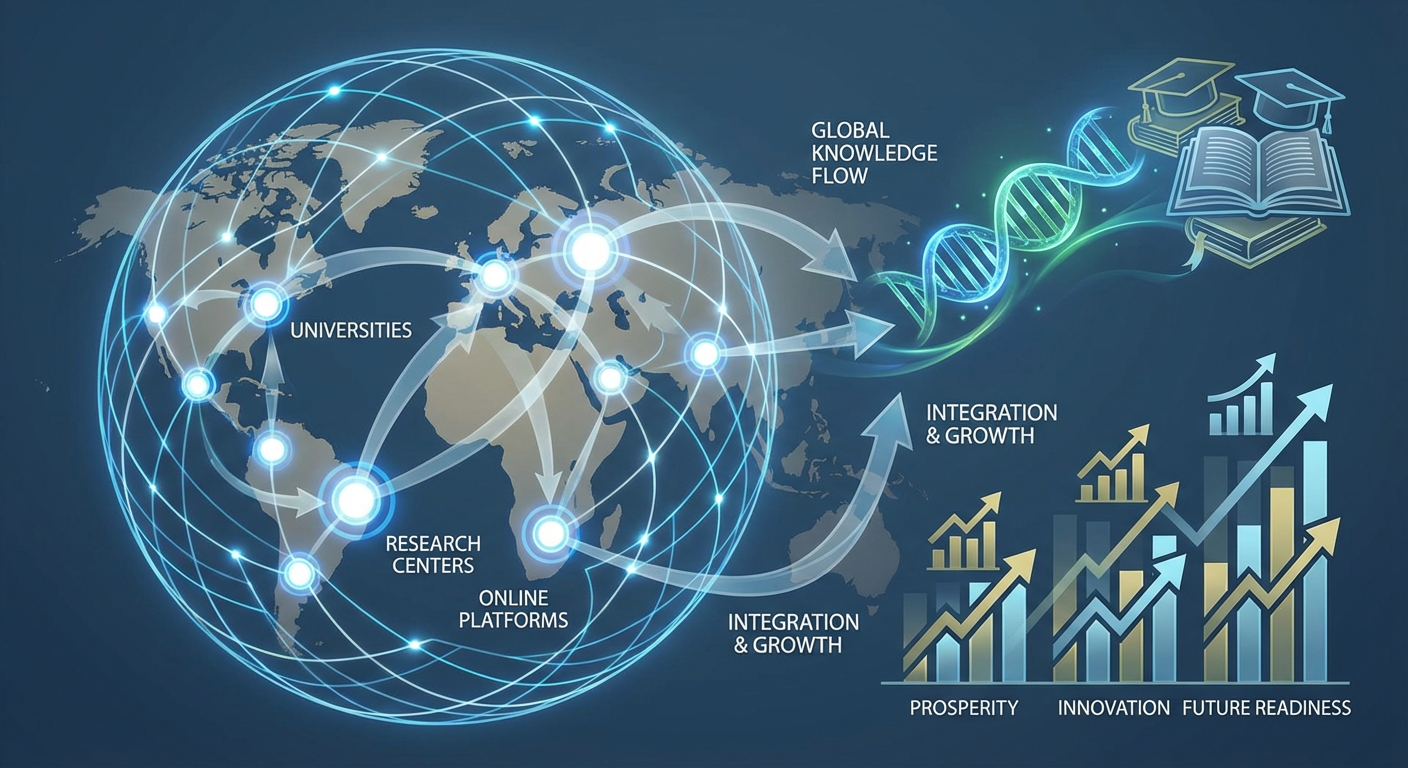
5. Global Integration of Entrepreneurship Education
The cultivation of an entrepreneurial mindset among young people is no longer confined to specialized business programs or niche vocational training. Over the past two decades, there has been a profound and widespread recognition of entrepreneurship education as a critical component of mainstream schooling, vital for individual development and national economic prosperity. This section delves into the global movement transforming entrepreneurship education from an elective subject to a fundamental, integrated element of curricula across primary, secondary, and higher education, vocational training, and informal learning environments. This evolution is driven by a confluence of factors, including the surging entrepreneurial aspirations of Generation Z, the demonstrable psychological benefits of cultivating an entrepreneurial mindset, and a proactive shift in national policies underscored by increased investment and strategic frameworks. The aim is to bridge the significant “ambition-action gap” that currently exists, empowering young innovators to translate their ideas into tangible ventures and contribute meaningfully to society.
5.1. The Worldwide Expansion and Mainstreaming of Entrepreneurship Education
A striking trend observed globally is the rapid institutionalization of entrepreneurship education. What once was an ad-hoc or specialized discipline has steadily moved into the core of educational systems. In the United States, for example, the number of colleges offering entrepreneurship courses dramatically increased from only a few hundred in the 1980s to over 3,000 by the 2020s, according to data from the Kauffman Foundation. This upward trajectory is mirrored in other regions, signalling a fundamental shift in educational priorities. European nations, in particular, have been at the forefront of this integration. By 2016, half of all European countries had implemented national strategies aimed at fostering entrepreneurial learning[8]. Despite this progress, it was noted that a considerable gap remained, with 77% of students still lacking any formal entrepreneurship experience at that time[8]. This highlights both the momentum of the movement and the ongoing need for broader implementation. The integration effort spans across all levels of education, from early childhood to post-secondary and vocational training. This comprehensive approach reflects an understanding that entrepreneurial skills are not solely beneficial for aspiring business founders but are crucial life skills that enhance employability, adaptability, and problem-solving capabilities in any career path. Countries like Wales have embedded an “entrepreneurial mindset” as one of four core purposes of education within their K-12 curriculum framework following reforms in the 2020s[30][31]. This was the culmination of over a decade of dedicated teacher training and a structured Youth Entrepreneurship Strategy[31]. Such initiatives exemplify a commitment to nurturing entrepreneurial traits from an early age, ensuring that students develop not just academic knowledge but also the disposition to innovate and create.
5.1.1. Pioneering National Initiatives and Core Curriculum Integration
One of the most notable examples of top-down, national-level integration comes from North Macedonia. In 2016, it became one of the first countries globally to embed compulsory entrepreneurship education across all secondary schools[28][29]. This pioneering effort, supported by the World Bank, is characterized by a carefully structured curriculum that begins with foundational concepts like “Who is an entrepreneur?” in primary grades and progresses to comprehensive Entrepreneurship and Innovation courses in high school[32][33]. By 2019, this ambitious program had trained over 2,000 teachers in entrepreneurship curriculum delivery and even incorporated entrepreneurship training into teacher colleges[34]. The holistic nature of North Macedonia’s strategy, championed jointly by ministers from Education, Economy, and Labor, has garnered recognition from international organizations like the OECD as a model for systematically enhancing national entrepreneurial capacity[63]. The result is a generation of North Macedonian youth graduating with practical experience in business idea development, financial planning, and creative thinking. Similarly, other regions are actively formalizing entrepreneurship education. The European Union has stipulated a goal for all member states to regard entrepreneurship as a key competence, guiding national policy development. While implementation varies, the trend indicates a widespread acceptance of entrepreneurial skill development as an essential outcome of contemporary education systems.
5.1.2. Higher Education’s Embrace of Entrepreneurship
The expansion of entrepreneurship education is equally pronounced at the university and college level. Business schools were early adopters, integrating innovation and startup projects into their curricula. However, this has now extended beyond traditional business disciplines. Universities are recognizing the interdisciplinary nature of entrepreneurship and its relevance across all fields of study. A powerful illustration of this is the Universidad de Las Américas (UDLA) in Ecuador. Beginning in 2020, UDLA, in partnership with the Minerva Project, launched “UDLA Para la Vida” – an initiative that mandates every undergraduate student, regardless of their major, to complete an entrepreneurship and innovation course[35][36]. Complementing this academic requirement, UDLA established “Cosmos,” an on-campus innovation hub providing incubator and pre-accelerator services[37]. This integrated approach allows students to transition smoothly from classroom concepts to developing and potentially launching their own ventures. The impact has been significant: in its inaugural cohort, over 2,000 UDLA students enrolled in the entrepreneurship course, and the Cosmos incubator has since supported 21 student-led startups[38][67]. This model demonstrates how higher education institutions can become fertile grounds for nurturing a new generation of founders, producing graduates who are not just job seekers but job creators. The growth of entrepreneurship programs in higher education is encapsulated by the dramatic increase in the U.S., where hundreds of colleges and universities now offer formal entrepreneurship majors, minors, or specialized centers. This institutional commitment reflects student demand and a growing understanding that entrepreneurial capabilities are highly valued in the modern workforce, irrespective of whether graduates become founders or not.
5.1.3. Entrepreneurship in Vocational and Technical Training
The integration of entrepreneurship education is also gaining traction within vocational and technical training institutions. This is particularly crucial in regions facing high youth unemployment rates, where empowering individuals to create their own economic opportunities is a key strategic goal. For instance, countries in Africa’s Southern African Development Community (SADC) region are collaborating with UNESCO to embed entrepreneurship into the curricula of technical colleges[40][41]. The objective is to equip students in trades such as carpentry, culinary arts, or information technology with the skills to establish and manage their own businesses, thereby fostering job creation from within these sectors. A 2021 study in Trinidad & Tobago underscored the potential of such interventions, reporting that hundreds of technical college students exposed to entrepreneurship training showed a remarkable increase in their intent to start their own businesses after graduation, with 78% expressing this desire[42]. These efforts aim to transform vocational graduates from merely potential employees into potential employers, contributing to local economic development and reducing reliance on traditional job markets.
5.2. Policy Support and Investment Driving Global Integration
The worldwide expansion of entrepreneurship education is not merely an organic evolution but is significantly propelled by concerted policy support and increased investment from national governments and international organizations. There is a palpable shift in governmental perspectives, moving from viewing youth entrepreneurship as an ancillary concern to recognizing it as an essential driver of economic growth, innovation, and social mobility. International bodies such as the OECD and the European Commission are actively tracking progress and providing strategic guidance. Their joint “Missing Entrepreneurs” reports highlight the untapped potential, estimating that if youth (aged 18–30) in OECD countries engaged in entrepreneurship at the same rate as core-age adults, it would yield an additional 3.6 million young entrepreneurs[9][17]. Such reports serve as potent calls to action for policymakers, identifying barriers and advocating for supportive ecosystems. Governments are translating these insights into tangible programs and incentives. This includes the provision of youth startup loans, grants, and national competitions for student entrepreneurs that offer seed funding and recognition. For example, India has initiated programs in colleges that offer “startup credit” and has fostered extensive networks of entrepreneurship cells across its campuses. China, too, has heavily invested in this area, rolling out incentives for college graduates to launch businesses as part of its overarching “mass entrepreneurship and innovation” campaign[14][44]. This proactive policy environment signals a broader understanding that fostering an entrepreneurial mindset among youth contributes not only to individual success but also to national resilience and competitiveness. Governments perceive young entrepreneurs as catalysts for job creation, technological advancement, and innovative solutions to societal challenges, positioning them as essential “job creators” rather than merely “job seekers”[40]. The commitment extends to strengthening the pipeline by ensuring that educational institutions are equipped and incentivized to deliver high-quality entrepreneurship education.
5.3. Effective Strategies for Nurturing Young Innovators at Scale
The successful global integration of entrepreneurship education relies on implementing effective pedagogical strategies that move beyond theoretical instruction to provide hands-on, immersive experiences.
5.3.1. Experiential Learning: From Lemonade Stands to Student Companies
At the heart of successful entrepreneurship education programs is the principle of “learning by doing.” This approach recognizes that entrepreneurial skills are best developed through practical application. A prime example is Lemonade Day, a non-profit initiative designed for young children. Since its inception in Houston, Texas, in 2007, it has engaged over 1 million children, primarily aged 8–12, across 84 cities in the U.S. and Canada[49][50]. Participants learn to plan, budget, market, and operate their own lemonade stands, covering everything from ingredient costs to customer service. The program also instills financial literacy by encouraging children to spend some earnings, save some, and share some with charity[51]. Lemonade Day demonstrates that even the simplest of ventures can impart invaluable business acumen and confidence at a very young age. For older students, the “student company” model, widely popularized by organizations like Junior Achievement, involves high schoolers forming and running real mini-businesses for a semester. These teams develop products, manage finances, and engage in sales, gaining practical experience in teamwork, communication, and real-world business operations. Junior Achievement (JA) Worldwide, one of the largest global networks for youth entrepreneurship, reaches over 10 million students annually in 100+ countries with its experiential programs[10][60]. The impact is significant: JA reports that approximately 20% of its alumni go on to start a business by age 25, a rate substantially higher than the general population[60]. This hands-on methodology proves critical in bridging the “ambition-action gap” previously identified.
5.3.2. Cross-Curricular Integration and Project-Based Learning
Effective strategies extend beyond dedicated entrepreneurship classes. Integrating entrepreneurial thinking across various subjects ensures that all students, not just those electing business courses, develop these critical skills. This often manifests through project-based learning, where students in science might innovate a product to address an environmental issue, or art students might develop a business plan for their creative work. This approach reinforces that entrepreneurship is a mindset applicable across all disciplines and empowers students to identify opportunities and devise solutions within their chosen fields. Finland, a leader in education, has integrated innovation projects into its national curriculum across various subjects, with teachers acting as facilitators in a process that often involves collaboration with local businesses.
5.3.3. Mentorship and Role Models
Connecting aspiring young innovators with experienced entrepreneurs is another powerful strategy. Role models demystify the entrepreneurial journey, making success seem more attainable and providing invaluable insights into challenges and opportunities. Programs often bring local business owners into classrooms as guest speakers or mentors for student projects, offering real-world perspectives. Junior Achievement’s “Launch Lesson” program, for instance, pairs entrepreneurs with high school students for an hour-long session, where they share their personal stories of success and failure[47]. Mentorship is crucial for navigating the often-complex world of startups. Incubators and accelerators for young founders, frequently affiliated with universities or NGOs, explicitly pair participants with seasoned mentors who guide them through business planning, growth phases, and problem-solving. Indeed, many successful young entrepreneurs attribute their progress to the guidance received from mentors.
5.3.4. Competitions and Challenges
Competitive events serve as powerful catalysts for entrepreneurial development, pushing young innovators to refine their ideas, develop comprehensive plans, and hone their pitching skills. Hackathons, business plan competitions, and innovation challenges targeted at youth are increasingly common globally. The “Diamond Challenge,” a global high school entrepreneurship contest, and DECA competitions in the U.S., engage tens of thousands of students annually in developing and presenting business or social enterprise ideas. These events provide deadlines, structured feedback, and often access to seed funding or recognition, transforming conceptual ideas into concrete projects with real-world potential.
5.3.5. Fostering a Supportive Culture and Resources
Beyond specific programs and teaching methods, the overarching school or institutional culture plays a vital role. A supportive environment that values curiosity, persistence, and even constructive failure is essential. This involves celebrating student initiatives and normalizing that not all projects will succeed, reframing setbacks as learning opportunities rather than outright defeats. Many institutions are establishing “innovation labs” or “maker spaces” – creative environments equipped with modern manufacturing and digital tools – where students can experiment and prototype ideas in a low-stakes setting. Furthermore, holistic programs combine education with access to critical resources. The OECD highlights that youth entrepreneurship schemes are most effective when they bundle training, coaching, and financial support[48]. This might include small seed capital grants or access to micro-financing. Crucially, providing access to networks – connecting young founders with broader entrepreneurial ecosystems, alumni groups, or potential investors – is paramount for long-term success. Many university programs now feature “demo days” where student entrepreneurs pitch their ventures to a panel of investors or community leaders, offering invaluable exposure and potential funding opportunities.
5.4. From Classroom to Real-World Impact: Young Innovators in Action
The global integration of entrepreneurship education is yielding significant real-world impacts, transforming aspirations into tangible ventures and creating a new generation of problem-solvers. This transition from theoretical learning to practical application is evident in various manifestations of youth entrepreneurship.
5.4.1. Youth-Driven Startups Addressing Community Issues
A key outcome of cultivating an entrepreneurial mindset is the propensity for young people to identify societal problems and develop innovative solutions. In India, for instance, the Global Education & Leadership Foundation (tGELF) implements the SKILLD curriculum in over 3,000 schools, focusing on social entrepreneurship[52][53]. This has led to student-initiated ventures such as the production of low-cost sanitary pads for rural communities and the development of mobile applications aimed at reducing food waste. Alumni of such programs, like Ramya, who pioneered sustainable new materials, and Sookrit Malik, who founded a renewable energy startup, exemplify how early entrepreneurial training can catalyze future change-makers who address critical societal and environmental challenges[53]. These young founders demonstrate a clear link between classroom learning and active civic, economic, and social innovation.
5.4.2. Emerging Entrepreneurs Transitioning Directly to the Marketplace
The increasing prevalence of entrepreneurship education means that more teens and young adults are directly launching businesses, often bypassing traditional career paths immediately after graduation or even during their studies. A compelling example is Moziah “Mo” Bridges, who began making bow ties at the age of nine and, with familial support and participation in youth business fairs, grew Mo’s Bows into a six-figure company by his mid-teens after a successful pitch on national television[54]. Numerous student teams winning high school startup competitions in the U.S. have similarly gone on to establish legitimate companies. One notable case involved a team of Californian teens who, after inventing a low-cost water filtration device in a science entrepreneurship class, commercialized their innovation to provide clean water to underserved communities. These instances highlight how, with appropriate educational support and opportunities, young individuals can achieve remarkable entrepreneurial feats, sometimes with outstanding commercial and social results.
5.4.3. Educational Institutions as Startup Incubators
Beyond instruction, some educational institutions are evolving into active incubators for student ventures, providing the necessary ecosystem for ideas to flourish. As previously noted, UDLA in Ecuador, through its “Cosmos” innovation hub, has not only taught entrepreneurship but also incubated 21 student-founded startups, spanning various sectors from technology to artisanal food[55][67]. Another prominent example is the legendary entrepreneurship ecosystem at MIT, which has generated thousands of companies founded by students or recent graduates, collectively contributing an estimated $2 trillion in revenues. The success of such institutions is attributed to a combination of on-campus resources, including mentorship from entrepreneurial faculty, access to cutting-edge research laboratories, seed funding competitions, and a pervasive culture that actively encourages students to pursue their innovative ideas. By providing this comprehensive support within the academic environment, universities facilitate a smoother transition for young innovators into the actual business world.
5.4.4. Scaling Impact Through Global Networks
Organizations like Junior Achievement (JA) and Aflatoun are pivotal in scaling the impact of entrepreneurship education globally. JA’s extensive “Company Program” boasts millions of alumni, with surveys indicating that JA alumni are significantly more likely to start businesses, hire employees, and achieve higher median incomes than their non-participating peers[58]. Aflatoun’s programs, reaching over 45 million children and young people in 100+ countries with financial literacy and entrepreneurship training, have shown that participating students are more inclined to save money and invest in micro-business ideas[11][59]. These global networks also foster international collaboration. The anecdote of a JA alumnus from Kenya and another from Canada meeting at a global youth entrepreneurship forum and subsequently co-founding a social enterprise underscores the power of these connections. Such networks provide ongoing support, funding opportunities, and crucial peer mentorship, extending the real-world impact of youth innovation far beyond the confines of the classroom.
5.4.5. Long-Term Societal Benefits
The cumulative long-term effect of systematically nurturing young innovators translates into profound benefits for economies and communities. Many global business leaders, such as Mark Zuckerberg and Elon Musk, began their entrepreneurial explorations in their youth. While not every student will become a tech mogul, embedding an entrepreneurial mindset fosters a larger base of proactive, innovative thinkers within society. This ultimately leads to increased startup creation, which is a key engine for job generation and technological advancement. It also cultivates more socially conscious leaders, as many youth entrepreneurial programs emphasize social impact. As these young innovators mature, they carry forward an attitude of “I can be an agent of change,” contributing to more resilient economies and culturally, fostering greater acceptance of risk-taking and creativity. In essence, the global integration of entrepreneurship education is not just about producing business owners; it is about shaping individuals who can innovate, adapt, and lead in an ever-changing world, thereby building a foundation for future industries and solutions.
***
The widespread global integration of entrepreneurship education underscores a fundamental shift in how societies prepare their youth for the future. The next section will delve deeper into the specific Educational Strategies for Nurturing Young Innovators, examining detailed pedagogical approaches, curriculum design, and the role of educators in developing an entrepreneurial mindset.

6. Effective Educational Strategies for Nurturing Innovators
Nurturing young innovators is not merely about identifying talent but systematically cultivating an entrepreneurial mindset through targeted educational strategies. With half of Gen Z (ages 16–25) aspiring to start their own businesses, a significant shift from traditional career paths, and 54% preferring to launch a startup over a corporate job [1], [2], there is a clear and urgent need for educational systems to adapt. However, a notable “ambition-action gap” exists: while 39% of young Europeans (15–30) prefer self-employment, only about 7% are actually self-employed as of 2022 [3]. This gap underscores the necessity for robust support mechanisms and effective educational interventions that can transform aspiration into tangible action. This section delves into proven strategies for fostering young innovators, including hands-on learning, cross-curricular integration, mentorship, entrepreneurial competitions, cultivating a supportive risk-taking culture, and combining training with essential resources. These approaches aim to equip young individuals with the psychological qualities—initiative, adaptability, creative problem-solving, and grit—needed to thrive in an uncertain future [5].
6.1. Experiential Learning: Learning by Doing
One of the most impactful strategies for developing entrepreneurial capabilities in youth is through hands-on, experiential learning. This approach moves beyond theoretical instruction, engaging students in practical activities that simulate real-world entrepreneurial challenges. The philosophy of “learning by doing” is consistently highlighted across successful programs as a cornerstone for fostering practical skills and a deep understanding of business principles.
6.1.1. Hands-On Projects and Ventures
Instead of relying solely on lectures and textbooks, effective entrepreneurial education immerses students in projects that require them to create, manage, and iterate. This can range from mock business simulations to actual fully-fledged student-run ventures. For instance, programs like **Junior Achievement (JA)** worldwide have popularized the “student company” model, where high schoolers form teams, elect officers, produce and sell products or services, manage finances, and even liquidate their mini-companies. This boosts critical skills such as teamwork, communication, problem-solving, financial literacy, and practical business acumen. JA’s programs reach over 10 million students annually in 100+ countries [11], demonstrating the scalability and effectiveness of this model. According to JA, about 20% of their alumni start a business by age 25, a rate several times higher than the general population [51]. Notable entrepreneurs like FedEx founder Fred Smith and Black Entertainment Television co-founder Sheila Johnson credit their early JA experiences as formative [51]. Even at younger developmental stages, simplified experiential activities prove highly effective. **Lemonade Day**, a non-profit initiative, engages elementary school children (mostly ages 8–12) in planning, launching, and managing a lemonade stand business. Participants learn to budget for ingredients, choose a location, market their product, calculate profits, and decide whether to spend, save, or share their earnings [12], [13]. Since its inception in 2007, over 1 million children have participated in Lemonade Day across 84 cities in the U.S. and Canada [55], [56]. In 2016 alone, approximately 101,000 children operated stands [57]. This simple yet profound exercise builds confidence, goal-setting abilities, and improved interpersonal skills like customer interaction. The success stories, such as a 10-year-old girl in Seattle who turned her stand into a small juice business, highlight the deep impact of early hands-on entrepreneurial experiences [57].
6.1.2. The Role of Simulation and Project-Based Learning
Beyond direct venture creation, simulations and extended project-based learning (PBL) offer controlled environments for students to practice entrepreneurial thinking. PBL units, for example, can challenge science students to invent a product addressing an environmental problem or require art students to develop a business plan for their creative works. This approach is particularly effective in engaging students as “active learners” rather than passive recipients of knowledge, often leading to increased motivation and improved academic outcomes [27]. The World Bank noted improved academic performance among students participating in entrepreneurial skills programs [6], [27]. For example, in a controlled study in India, high school girls who completed an entrepreneurial skills program significantly enhanced their confidence in presenting business pitches and demonstrating initiative [6], [27]. This experiential learning framework helps cultivate a sense of ownership over their learning and projects, which is intrinsically motivating.
6.2. Cross-Curricular Integration
Entrepreneurship should not be confined to a single business class but integrated across the entire curriculum. This strategy effectively demonstrates that entrepreneurial thinking is a versatile mindset applicable in any domain, from engineering to social activism.
6.2.1. Infusing Entrepreneurial Thinking Across Subjects
By embedding entrepreneurial concepts into various subjects, educators can reach a broader spectrum of students who might not otherwise elect a standalone entrepreneurship course. For example, a history class could analyze the entrepreneurial decisions of historical figures, or a literature class could explore themes of innovation and risk-taking. Finland, a country renowned for its innovative education system, has integrated innovation projects into its national curriculum across various disciplines. Here, teachers often act as facilitators, guiding students to identify real-world problems and prototype solutions, sometimes in collaboration with local businesses. This approach fosters “problem-based” thinking, enabling young people to recognize opportunities for innovation in their everyday lives [26]. Such integration reinforces the idea that an entrepreneurial mindset is about identifying problems, creating solutions, and adding value, regardless of the specific field.
6.2.2. Interdisciplinary Programs in Higher Education
At the university level, cross-curricular integration takes the form of interdisciplinary entrepreneurship programs. The **Universidad de Las Américas (UDLA) in Ecuador** exemplifies this by requiring every undergraduate student, regardless of major, to complete an entrepreneurship and innovation course as part of its “UDLA for Life” curriculum [34], [35], [60]. This initiative aims to produce graduates who are not only skilled in their chosen field but are also capable of creating new ventures. In its first cohort, over 2,000 students enrolled in the entrepreneurship course [36]. UDLA complements this with an on-campus innovation hub, “Cosmos,” providing incubation and pre-acceleration services [35], [60]. This comprehensive approach has supported 21 student-led startups and trained 4,000 additional entrepreneurs nationwide [36], [60]. This model demonstrates how institutions can systematically integrate entrepreneurial training at scale, transitioning students from classroom concepts to viable ventures.
6.3. Mentorship and Role Models
Connecting young aspiring innovators with experienced entrepreneurs and role models is a critical component of effective entrepreneurial education. Mentorship demystifies the entrepreneurial journey, provides valuable guidance, and helps build crucial networks.
6.3.1. The Power of Entrepreneurial Mentors
Schools are increasingly inviting local business owners and successful entrepreneurs into classrooms to serve as guest speakers or mentors for student projects. Junior Achievement’s “Launch Lesson” program, for instance, specifically brings entrepreneurs into classrooms for an hour-long session where they share their personal stories of success, failure, and lessons learned [18], [40]. This direct interaction helps young people understand the realities of entrepreneurship and makes the path appear more attainable. OECD guidance emphasizes that exposure to role models is essential for demystifying entrepreneurship and making success feel achievable [41]. Mentors provide guidance on business planning, strategy, and problem-solving, which are often gaps for young entrepreneurs. While 69% of teenagers report having a startup idea, they often lack the knowledge of how to proceed [9], [16]. Mentorship can fill this void. Furthermore, mentors often become invaluable connections within the broader business ecosystem, offering access to networks and resources crucial for venture survival and growth. Many youth-led businesses fail to become established firms, struggling with limited experience, networks, and capital [10], highlighting the need for sustained mentorship beyond the initial startup phase.
6.3.2. Incubation and Acceleration Programs
Universities and NGOs frequently offer incubators and accelerators designed for young founders. These programs typically pair participants with seasoned mentors, provide office space, and facilitate access to seed funding. For example, UDLA’s Cosmos hub, mentioned earlier, provides tailored mentorship and acceleration support to its student startups [35], [60]. This structured mentorship, often combined with training and resources, significantly improves the longevity and success rate of young ventures.
6.4. Competitions and Challenges
Entrepreneurial competitions and challenges serve as powerful catalysts for fostering innovation, pushing young people to refine their ideas, and developing crucial presentation and persuasion skills.
6.4.1. Driving Innovation Through Competitive Events
Hackathons, business plan competitions, and innovation challenges specifically designed for youth are becoming increasingly popular. Events like the **Diamond Challenge** (a global high school entrepreneurship contest) and **DECA competitions** in the U.S. engage thousands of students annually in pitching business or social enterprise ideas. These events provide a stimulating environment with deadlines and critical feedback from judges, compelling young innovators to develop and articulate their concepts rigorously. Beyond formal competitions, even classroom “pitch days” where students present solutions to panels (sometimes including external judges or parents) build vital pitching and persuasion skills. Such experiences can ignite a deeper, sustained interest in entrepreneurship, especially when top ideas receive seed funding or significant recognition.
| Competition Type | Key Features | Skills Developed | Examples |
|---|---|---|---|
| Business Plan Competitions | Students develop detailed business plans and pitch to judges. | Strategic thinking, financial planning, presentation, market analysis. | Diamond Challenge, DECA competitions |
| Hackathons | Teams collaborate intensively over a short period to build a prototype addressing a specific problem. | Rapid prototyping, teamwork, creative problem-solving, technical skills. | High school/college hackathons focused on social impact, tech. |
| Innovation Challenges | Students brainstorm and propose novel solutions to real-world problems. | Opportunity recognition, design thinking, problem identification, ideation. | Science entrepreneurship classes leading to commercialization (e.g., water filtration devices). |
These competitive environments not only encourage creativity but also help students confront the practicalities of launching a venture, preparing them for the rigors of actual entrepreneurship.
6.5. Cultivating a Supportive Risk-Taking Culture
Perhaps one of the most critical, yet often overlooked, educational strategies is creating an environment that tolerates and even celebrates intelligent risk-taking and constructive failure. The fear of failure is a significant barrier for young innovators, with nearly 67% of teens citing it as a top concern preventing them from starting a business [8]. This fear is not exclusive to youth; 65% of adult entrepreneurs acknowledge it as a major concern [8].
6.5.1. Normalizing Failure as a Learning Opportunity
Educators must reframe failure not as a definitive end but as an iterative step in the learning process. By providing contexts where students can experiment without severe academic penalties, they learn resilience and a growth mindset. For example, “innovation labs” or “maker spaces” on campus offer low-stakes environments equipped with tools like 3D printers and craft supplies, where students can tinker, invent, and learn from trial and error [44]. Celebrating student initiatives, such as a “Student Entrepreneur of the Month,” and showcasing both successes and lessons from setbacks, helps to embed this culture. Research shows that 92% of real-life entrepreneurs found success *because* they persisted through earlier failures [24], [25].
6.5.2. Administrative Support and Academic Credit
Administrative flexibility plays a crucial role in fostering this culture. Allowing students to earn academic credit for starting a venture or completing an entrepreneurship internship signals that these activities are as valuable as traditional academic pursuits. This institutional endorsement empowers students to explore entrepreneurial paths without feeling that they are diverging from conventional educational success metrics. Such cultural support is especially vital in societies where fear of failure is deeply ingrained, enabling young individuals to build the confidence to try, fail, and persist.
6.6. Combining Training with Resources
For entrepreneurial education to translate into real-world impact, it must be holistic, combining skill-building with access to essential resources, including funding and networks.
6.6.1. Bundling Training, Coaching, and Financial Support
The OECD emphasizes that youth entrepreneurship schemes are most effective when they bundle training, coaching, and financial support [47]. A typical comprehensive program might include a course on business fundamentals, ongoing mentorship, and a small seed capital grant or prize money from competitions. This integrated approach ensures that young innovators not only acquire knowledge but also have the means to implement their ideas. For example, several countries, including India and China, have introduced government-backed initiatives for “startup credit” for college students and incentives for graduates to start businesses [38], [39].
6.6.2. Facilitating Network Access
Connecting young founders to broader entrepreneurship networks, alumni groups, and industry professionals is equally important. These networks open doors to collaboration, further mentorship, and potential investment. Many high school and university programs now organize “demo days” where students pitch their ventures to investors or community leaders, providing invaluable exposure and connections. Global networks like Junior Achievement, operating in over 100 countries, facilitate cross-border collaboration and provide alumni with ongoing support, funding opportunities, and peer mentorship [11]. This amplifies the real-world impact of youth innovation, supporting their ventures beyond the classroom environment.
6.6.3. The Global Policy Push
Governments and international bodies are increasingly investing in youth entrepreneurship as an economic catalyst. Policymakers and organizations are pushing youth entrepreneurship to drive job creation and innovation, envisioning young people as job creators rather than mere job seekers [19], [20]. Small businesses, driven by entrepreneurial activity, already account for approximately 47.5% of the U.S. workforce and generate about 2 million new jobs annually [17]. The **OECD estimates that if youth (18–30) in member countries engaged in entrepreneurship at the same rate as core-age adults, it would lead to 3.6 million additional young entrepreneurs** [14], [15]. Notably, **North Macedonia** serves as a pioneering example of policy-driven success. In 2014, the government, with World Bank support, decided to implement a comprehensive Entrepreneurship Education Framework, leading to compulsory entrepreneurship and innovation courses in all secondary schools by 2016 [30], [31], [52]. The curriculum progresses from basic concepts like “Who is an entrepreneur?” in primary grades to full Entrepreneurship and Innovation courses in high school [32], [33], [53]. By 2019, over 2,000 teachers had been trained, and entrepreneurship education was integrated into teacher college training [33], [54]. This systematic approach, championed by ministers from education, economy, and labor, demonstrates how a small country can proactively build entrepreneurial capacity among its youth [54]. Such strategic policy support, combined with integrated educational programs and resource access, is crucial for turning the vast entrepreneurial aspirations of Gen Z into sustainable real-world impact. The consistent theme across these effective strategies is the move away from passive learning towards active engagement, problem-solving, and resilience building. By embracing these educational tactics, institutions and policymakers worldwide can effectively nurture a new generation of innovators ready to tackle global challenges and drive economic growth. The next section will explore the real-world impact of these strategies by examining successful young innovators and the ventures they have created. 7. From Classroom to Commerce: Real-World Impact The cultivation of an entrepreneurial mindset within educational settings is not merely an academic exercise; it represents a powerful catalyst for tangible real-world impact, transitioning innovative ideas from theoretical constructs within classrooms to thriving commercial ventures and impactful social enterprises. This section delves into the practical manifestations of youth entrepreneurship, showcasing how individuals, bolstered by targeted education and supportive ecosystems, are making significant contributions to economies and communities globally. It highlights specific examples of young innovators successfully launching startups, examines the pivotal role of educational institutions as incubators for these nascent ventures, and illustrates how interconnected global networks amplify positive outcomes and foster long-term societal benefits. The surging entrepreneurial aspirations among Generation Z, coupled with expanding educational initiatives, underscore a paradigm shift where young people are increasingly moving beyond traditional career paths to become job creators and agents of change. Today’s youth, particularly Gen Z (ages 16–25), harbor unprecedented entrepreneurial ambitions. A recent report indicated that 50% of Gen Z aspires to start their own business, a stark contrast to previous generations and a notable increase from the 12% of current U.S. entrepreneurs who are Millennials or younger [1], [19]. This desire is not confined to the United States; a late-2022 survey in the UK revealed that 64% of Gen Z workers (aged 16–25) either have commenced their own business or plan to do so in 2023, approximately double the entrepreneurial ambition of the general UK workforce [2], [20]. The drivers behind this trend are multifaceted, encompassing a pursuit of flexibility, purpose, and independence, often fueled by a disillusionment with conventional corporate structures. The accessibility provided by digital platforms, e-commerce, and the burgeoning creator economy has further lowered entry barriers, empowering young innovators to launch brands and businesses with minimal initial capital [21]. The COVID-19 pandemic acted as a significant accelerant, exposing the vulnerabilities of traditional employment and normalizing remote, self-directed work, leading to a surge in side hustles and entrepreneurial content creation among youth. Online discussions about financial independence and startup culture proliferated during this period, resulting in a noticeable spike in entrepreneurial interest, with nearly half of 18–24-year-olds in one survey planning to launch a business within a year [22], [23], [10]. However, a substantial ambition-action gap persists. In Europe, while 39% of young people (15–30) aspire to be self-employed, only about 7% were actually self-employed as of 2022 [3], [24]. Globally, this “wantrepreneurship” phenomenon, where over 50% of young Europeans express a desire to start a business but only a fraction initiate ventures, signals significant untapped potential and a critical need for enhanced support systems. Fear of failure remains a primary impediment, with nearly 67% of teens indicating it as a top concern holding them back from starting a business [4]. Yet, encouragingly, 69% of teenagers report having a business idea but lack the knowledge on how to proceed, suggesting that targeted guidance could unlock a wave of youth-led startups [5]. The following subsections will explore how educational institutions and global networks are addressing these challenges, fostering an environment where young innovators can translate their aspirations into impactful real-world endeavors.
7.1. Young Innovators Making a Tangible Impact Through Startups
The transition from classroom concepts to commercial reality is characterized by young innovators leveraging their entrepreneurial education to address market needs and societal challenges. These budding entrepreneurs are not just creating businesses; they are fostering innovation, generating employment, and often embedding social responsibility into their core operations. The expansion of entrepreneurship education worldwide, and the increasingly hands-on nature of these programs, means that more young people are equipped with the skills and confidence to take the leap.
7.1.1. Tackling Community and Societal Issues
Many youth-driven startups emerge from a keen observation of problems within their immediate communities or a personal commitment to social causes. Educational programs, particularly those emphasizing social entrepreneurship, play a crucial role in directing young innovative energy towards impactful solutions. For instance, in India, the Global Education & Leadership Foundation (tGELF) integrates the SKILLD curriculum into over 3,000 schools, actively nurturing social entrepreneurship skills among students [42]. This initiative has led to the emergence of ventures such as:
- Projects focusing on low-cost sanitary pad production for rural areas, addressing critical health and socioeconomic disparities.
- Development of mobile applications designed to reduce food waste, contributing to environmental sustainability and resource efficiency.
Alumni of such programs further exemplify this impact. **Ramya**, một student, pioneered sustainable new materials, while **Sookrit Malik** founded a renewable energy startup. These examples demonstrate how early exposure to entrepreneurial thinking, combined with a focus on problem-solving, can cultivate change-makers who address challenges ranging from environmental sustainability to public health [43]. The long-term societal benefits of these endeavors cannot be overstated; they illustrate how entrepreneurial skills can be applied meaningfully to create a positive ripple effect.
7.1.2. From Learning to Launch: Emerging Young Entrepreneurs
The anecdotal and statistical evidence suggests that young people are starting businesses earlier in life. The average age of first-time entrepreneurs is still around 28-30 years, highlighting a learning curve, but this does not deter some from making significant strides during their teenage years or early twenties [25]. An inspiring example is **Moziah “Mo” Bridges**, who at just 9 years old, began crafting bow ties. With the support of his mother and grandmother for sewing and business acumen, he founded **Mo’s Bows**. His venture gained national attention after an appearance on television, evolving into a six-figure company by his teenage years, effectively transforming a hobby into a successful fashion brand [44]. Mo’s story underscores the importance of a supportive family environment and exposure to youth business fairs as formative experiences. Similarly, student teams participating in high school startup competitions often commercialize their winning ideas. A California-based team of teenagers, born from a science entrepreneurship class, invented and subsequently commercialized a low-cost water filtration device, bringing clean water solutions to underserved communities. These instances illuminate how, with the right opportunities and educational backing, young individuals can transition directly from conceptual learning to market-ready businesses, often achieving outstanding results that belie their age and experience.
7.2. Educational Institutions as Incubators for Young Ventures
Educational institutions are increasingly recognizing their potential beyond traditional teaching to become dynamic hubs for innovation and entrepreneurship. By offering comprehensive programs, dedicated resources, and a supportive ecosystem, schools and universities are serving as vital incubators for young, aspiring entrepreneurs.
7.2.1. Integrated Entrepreneurship Curricula and Support Structures
The shift in global education towards embedding entrepreneurship is transforming academic environments. In the U.S., the number of colleges offering formal entrepreneurship programs has surged from a handful in the 1970s to over 300 schools by the 2010s. This includes majors, minors, and dedicated entrepreneurship centers. Business schools are integrating innovation and startup projects into their core curricula, making entrepreneurial thinking a fundamental aspect of higher education. A prime example of an institution fully embracing this role is the **Universidad de Las Américas (UDLA) in Ecuador**. Through its “UDLA Para la Vida” initiative, launched in partnership with the Minerva Project, UDLA mandates an entrepreneurship and innovation course for every undergraduate, irrespective of their major [34]. Complementing this, UDLA established “Cosmos,” an on-campus innovation hub providing incubation and pre-acceleration services [35].
- Over 8,870 students have participated in UDLA’s entrepreneurship course, collaborating in interdisciplinary teams on venture projects [36].
- The Cosmos hub has successfully supported 21 student-led startups, spanning diverse sectors from tech platforms to artisanal food businesses [37].
- One notable success story, *Liveki*, a virtual mental health services provider, originated as a class project and secured seed funding with Cosmos’s assistance.
This model effectively streamlines the journey from concept to commercialization, providing students with academic grounding, practical support, and access to crucial resources. It highlights how integrating entrepreneurship into higher education can yield a significant volume of real ventures and produce entrepreneurial graduates ready to make their mark.
7.2.2. Dedicated Programs and Extracurricular Initiatives
Beyond formal curricula, numerous programs and initiatives within educational institutions foster entrepreneurial skills. Experiential learning, mentorship, and opportunities for competition are key components.
- **Project-based learning** often requires students to develop innovative solutions to real-world problems, such as science students designing an eco-friendly school cafeteria or art students creating a business plan for their artwork.
- **Mentorship and Role Models:** Connecting students with experienced entrepreneurs demystifies the startup journey and provides invaluable guidance. Programs like Junior Achievement’s “Launch Lesson” involve local business leaders sharing their journey, including successes and failures, directly with students [40]. These interactions are critical for building networks and instilling confidence.
- **Competitions and Challenges:** Events such as hackathons, business plan competitions (e.g., the Diamond Challenge and DECA competitions), and innovation challenges motivate young innovators to refine their ideas and develop presentation skills. These platforms provide deadlines, feedback, and sometimes even seed funding, acting as catalysts for venture creation.
- **Innovation Labs and Maker Spaces:** Many schools are establishing physical spaces equipped with tools like 3D printers and craft supplies, allowing students to tinker, invent, and learn through trial and error in a low-stakes environment. This cultivates a culture that values curiosity, persistence, and embraces productive failure.
These efforts collectively create a fertile ground within educational institutions, enabling students to not only conceive ideas but also to develop them into viable commercial or social enterprises before or shortly after graduation.
7.3. The Role of Global Networks in Scaling Positive Outcomes
The reach and impact of cultivating an entrepreneurial mindset extend far beyond individual classrooms through the powerful leverage of global networks. These networks, comprising international NGOs, multilateral organizations, and interconnected alumni communities, are essential for scaling local successes into broader societal and economic benefits. They provide resources, platforms for collaboration, and a sense of shared purpose that amplifies the efforts of young innovators.
7.3.1. Large-Scale Programs and Their Longitudinal Impact
Organizations like **Junior Achievement (JA) Worldwide** and **Aflatoun International** epitomize the successful scaling of entrepreneurship education.
- **Junior Achievement (JA) Worldwide:** Operating for over a century since its founding in 1919, JA is a monumental force in youth entrepreneurship education. Each year, it mobilizes over 700,000 volunteer mentors to deliver hands-on programs to more than 10 million students across 100+ countries [11], [46]. Its flagship “Company Program” allows high schoolers to form and operate real mini-businesses. The long-term impact is significant: surveys indicate that 1 in 5 JA alumni eventually start their own company, a rate several times higher than the general population. Notable alumni include FedEx founder Fred Smith and Black Entertainment Television co-founder Sheila Johnson, who attribute their early JA experiences as formative [47].
- **Aflatoun International:** This global NGO has integrated entrepreneurship and financial literacy education for over 45 million children and young people in more than 100 countries, with curricula spanning from age 3 through young adulthood [8]. Independent evaluations, such as a World Bank study in India, found that Aflatoun’s Entrepreneurial Mindset Program significantly improved students’ sense of agency, problem-solving skills, and even academic performance, particularly enhancing girls’ confidence in pitching business ideas [9]. Furthermore, a regional evaluation showed participating students were significantly more inclined to save money and invest in micro-business ideas [48].
These programs demonstrate that by providing consistent, large-scale educational interventions, it is possible to create a sustainable pipeline of entrepreneurs and intrapreneurs who drive economic growth and social innovation.
7.3.2. Fostering Connections and Cross-Border Collaborations
Global networks do more than just deliver education; they foster interconnectedness among young innovators. By facilitating interactions across geographical and cultural boundaries, these networks enable:
- **Knowledge Exchange:** Young entrepreneurs gain exposure to diverse perspectives, market conditions, and innovative practices from around the world.
- **Mentorship and Peer Support:** The networks connect burgeoning entrepreneurs with seasoned mentors and provide platforms for peer-to-peer learning and support, which is crucial for navigating the challenges of startup growth.
- **Access to Funding and Resources:** Global entrepreneurship forums and associated networks often provide avenues for young founders to connect with investors, secure seed funding, and access development resources.
For instance, a Junior Achievement alumnus from Kenya and another from Canada met at a global youth entrepreneurship forum and subsequently co-founded a social enterprise together. Such collaborations exemplify how global networks amplify the real-world impact of youth innovation, extending support beyond initial funding to include ongoing mentorship and funding opportunities that are critical for long-term venture sustainability.
7.3.3. Policy-level Support and Economic Catalyst
The growing international consensus on the importance of youth entrepreneurship is reflected in policy-level support and increased investment. Policymakers and organizations view youth entrepreneurship as a critical economic catalyst for job creation and innovation.
- **Addressing “Missing Entrepreneurs”:** The OECD estimates that if youth (aged 18–30) in member countries engaged in entrepreneurship at the same rate as core-age adults, it would result in 3.6 million additional young entrepreneurs across the OECD [16]. This highlights a significant untapped potential that could be unlocked through targeted support.
- **Government Initiatives:** Countries like India have introduced “startup credit” initiatives and developed networks of entrepreneurship cells within colleges. China has incentivized college graduates to start businesses as part of its “mass entrepreneurship and innovation” campaign [38], [39]. This shift redefines youth not merely as job seekers but as job creators, driving economic dynamism and resilience.
- **International Collaborations:** Bodies like the EU and OECD regularly publish “Missing Entrepreneurs” reports, offering data-driven insights and policy recommendations. Regions like Africa’s SADC (Southern Africa) are working with UNESCO to integrate entrepreneurship into technical colleges, aiming to empower vocational students to launch their own enterprises [32], [33]. For example, a 2021 study in Trinidad & Tobago demonstrated that entrepreneurship training significantly boosted the intent of technical college students to start their own businesses post-graduation [34].
This comprehensive ecosystem of education, institutional support, and global networking ensures that entrepreneurial aspirations are not only nurtured but also translated into sustainable ventures with significant long-term societal benefits. The cumulative effect of empowering young innovators leads to more startups, increased job creation (small businesses already account for ~47.5% of the workforce in economies like the U.S., generating ~2 million new jobs annually [17]), technological advancement, and a greater number of socially conscious leaders. The message is clear: fostering an entrepreneurial mindset in the young is an investment in a more innovative, resilient, and prosperous future.
Transitioning from the real-world impact and global reach of entrepreneurship, the next section will delve into the critical psychological benefits of cultivating an entrepreneurial mindset, exploring how it instills resilience, fosters creativity, and enhances self-efficacy in young individuals.
8. Economic and Societal Implications of Youth Entrepreneurship
The burgeoning entrepreneurial aspirations among young people represent a powerful, yet often underestimated, force for economic and societal advancement. As generations shift their career paradigms from traditional employment to self-driven innovation, the cultivation of youth entrepreneurship emerges not merely as a matter of individual ambition, but as a critical lever for sustainable development, job creation, and fostering a dynamic, resilient society. This section delves into the profound economic and societal benefits inherent in empowering young entrepreneurs, examining the potential for significant job creation, the catalyzing effect on innovation, and the substantial unrealized potential represented by “missing entrepreneurs” when youth are not adequately supported. The landscape of youth career ambitions is undergoing a significant transformation. Half of Generation Z (ages 16–25) now explicitly aspire to launch their own businesses, driven by a desire for flexibility and purpose that traditional corporate structures often fail to provide[1]. This represents a stark departure from previous generations, where corporate stability was often prioritized. Surveys indicate that 54% of Gen Z would prefer to establish a startup over working a conventional job, and a remarkable 86% anticipate venturing out on their own at some point in their careers[2]. This trend, significantly accelerated by the post-pandemic environment, reflects young people’s profound search for independence and meaningful impact in their professional lives. The implications of this generational shift are far-reaching, promising to reshape labor markets, economic structures, and societal values. Understanding and supporting this entrepreneurial zeal is therefore paramount for policymakers, educators, and community leaders aiming to harness the full potential of emerging generations.
The Enormous Potential for Job Creation and Economic Dynamism
Youth entrepreneurship is a powerful engine for economic growth, primarily through its capacity for job creation and its contribution to overall economic dynamism. Small businesses, the typical outcome of entrepreneurial ventures, are already the backbone of many economies. In the United States, for example, small businesses contribute to approximately 47.5% of the workforce, generating an estimated 2 million new jobs annually[20]. This highlights the indispensable role that new ventures play in employment and economic expansion. When young people are empowered to become entrepreneurs, they not only create employment for themselves but also for others, addressing critical challenges such as youth unemployment and underemployment. One of the most compelling arguments for supporting youth entrepreneurship lies in the concept of “missing entrepreneurs.” The Organisation for Economic Co-operation and Development (OECD) estimates that if young people (aged 18–30) in member countries were to engage in entrepreneurship at the same rate as prime-age adults, it would lead to a staggering 3.6 million additional young entrepreneurs across OECD nations[21]. This figure underscores a substantial untapped potential for economic activity and job creation. Youth currently represent roughly 13% of this “missing” entrepreneur pool. Bridging this gap, by removing prevailing barriers and providing adequate support, could unleash an unprecedented wave of innovation and employment opportunities. The ambition-action gap further illustrates this lost potential. In Europe, while 39% of young individuals (15–30) express a preference for self-employment, only about 7% are actually self-employed as of 2022[3]. Similarly, global surveys reveal high levels of “wantrepreneurship,” with over 50% of young Europeans desiring to start a business, yet only a small fraction succeeding in making the transition[4]. This significant disparity between aspiration and reality signals structural barriers that hinder young people from translating their entrepreneurial ideas into viable ventures. These barriers often include a lack of experience, limited access to funding, and insufficient support networks. Addressing these challenges through targeted interventions presents a clear path to unlocking millions of potential entrepreneurs and their associated job-creating capacity. Globally, policymakers and organizations increasingly recognize youth entrepreneurship as a critical economic catalyst. Governments, from the European Union to the African Union, are prioritizing the development of entrepreneurial skills to transform young people from mere job seekers into active job creators[22][23]. This strategic shift reflects a broader understanding that fostering entrepreneurship among youth is not just about individual success, but about building more resilient, innovative, and employment-rich economies.
Case Study: Missing Entrepreneurs in OECD Countries
The OECD’s “Missing Entrepreneurs” initiative provides a quantitative assessment of the unrealized entrepreneurial potential among various demographic groups, with youth being a significant focus. The findings expose the disparity between entrepreneurial aspirations and actual engagement:
| Demographic Group | Entrepreneurial Aspiration (Self-Employment Preference) | Actual Self-Employment Rate (2022) | Estimated “Missing” Entrepreneurs (if rate matched prime-age adults) |
|---|---|---|---|
| Young People (Europe, 15-30) | 39%[3] | ~7%[3] | 3.6 million (across OECD, if 18-30 matched prime-age adults)[21] |
This table illustrates the profound economic opportunity that lies in supporting young entrepreneurs. Realizing this potential would not only directly create millions of new businesses and jobs but also foster a more dynamic and competitive economic environment overall. Moreover, young entrepreneurs bring a fresh perspective, often identifying market gaps and developing innovative solutions that mature companies might overlook. Their ventures tend to be agile, quick to adapt to market changes, and often leverage emerging technologies, contributing to overall economic competitiveness and technological advancement. By fostering youth entrepreneurship, societies invest in a self-sustaining cycle of innovation, growth, and prosperity.
Driving Innovation and Societal Progress
Beyond direct job creation, youth entrepreneurship serves as a powerful catalyst for innovation and broader societal progress. Young innovators are often unburdened by traditional constraints, making them adept at identifying novel solutions to contemporary challenges, from environmental sustainability to social equity. Their innate familiarity with new technologies also positions them at the forefront of digital transformation across industries. One striking example of youth-driven innovation lies in their approach to community issues. Programs like the *Global Education & Leadership Foundation (tGELF)* in India, which implements the SKILLD curriculum in over 3,000 schools, specifically aim to instill social entrepreneurship skills[67]. The results are tangible: students have initiated ventures such as the production of low-cost sanitary pads for rural areas and mobile applications designed to reduce food waste. These initiatives not only generate economic activity but also directly address pressing societal needs, showcasing the dual impact of social entrepreneurship. Alumni such as Ramya, who has pioneered sustainable new materials, and Sookrit Malik, founder of a renewable energy startup, exemplify how early entrepreneurial training can lead to significant real-world innovations and positive social change[68]. The creative problem-solving and adaptive thinking inherent in an entrepreneurial mindset are crucial for navigating a rapidly changing world. Youth who engage in entrepreneurial activities become more adept at “problem-based” thinking, enabling them to perceive everyday obstacles as opportunities for innovation[33]. This reframing of challenges is a fundamental aspect of driving progress. An OECD global education framework explicitly highlights opportunity recognition, creativity, and adaptive thinking as core benefits of entrepreneurial learning, indicating their importance for societal advancement[34]. For instance, students with these cultivated skills might identify a need within their school, such as a more eco-friendly cafeteria system, and then develop an entrepreneurial solution, like a student-managed composting or recycling enterprise. The digital native status of Gen Z further amplifies their innovative potential. The proliferation of social media and e-commerce platforms has dramatically lowered barriers to entry for new ventures. Young innovators can establish brands and launch online businesses with minimal capital, leveraging platforms like YouTube and TikTok to gain visibility and connect with customers[24][25]. High-profile examples of young creators and startup successes make entrepreneurship feel more accessible and inspire further innovation. This digital fluency allows them to experiment with new business models and technologies, pushing the boundaries of traditional industries and creating entirely new markets. Many successful entrepreneurs cultivated their innovative drive early in life. Figures such as Mark Zuckerberg, who launched Facebook at 19, or Elon Musk, who sold his first software at 12, had formative experiences in their youth that illustrate the long-term impact of early exposure to entrepreneurship. While not every young entrepreneur will achieve such global prominence, fostering this mindset increases the overall pool of innovative and proactive thinkers within society. This ultimately leads to a greater number of startups, accelerating technological progress and fostering a culture of continuous improvement and problem-solving. Moreover, embedding entrepreneurship education within academic institutions also contributes to innovation. Universities like the Universidad de Las Américas (UDLA) in Ecuador, which requires all students to take an entrepreneurship and innovation course, have seen the rise of numerous student-led startups. Their on-campus “Cosmos” innovation hub has supported 21 such ventures, demonstrating how academic environments can become dynamic incubators for cutting-edge ideas[56][57]. These institutions facilitate the translation of theoretical knowledge into practical, market-ready innovations. The long-term societal benefits of nurturing young innovators are multifaceted. It leads to increased economic resilience through a diversified business landscape and creates a larger base of individuals who are willing to take risks, challenge the status quo, and create new solutions. Culturally, it promotes greater acceptance of experimentation and creativity. Young innovators, imbued with an entrepreneurial mindset, often become agents of change not only in business but also in public service or non-profit sectors, demonstrating a commitment to addressing societal needs across various domains. This cultivates a citizenry that is not just adaptable but actively engaged in shaping a better future.
Addressing the “Wantrepreneurship” Phenomenon and Barriers to Entry
Despite the widespread entrepreneurial ambition among young people, a significant “ambition-action gap” persists, leading to what is often termed “wantrepreneurship.” This refers to a high desire to start a business that doesn’t translate into actual entrepreneurial activity. Understanding and addressing the barriers that contribute to this phenomenon are crucial for unlocking the full economic and societal potential of young innovators. One of the most prominent psychological barriers is the fear of failure. A 2018 survey revealed that nearly 67% of teens cite the fear of business failure as a primary reason that might deter them from starting a venture[7]. This concern is not limited to youth; 65% of adult entrepreneurs also acknowledge fear of failure as a top concern[8]. This psychological hurdle can be debilitating, preventing promising ideas from ever taking root. Educators and mentors are increasingly focusing on reframing failure as an integral learning opportunity rather than an endpoint, aiming to build greater resilience among aspiring young entrepreneurs. Encouragingly, the same survey found that 69% of teens have business ideas but lack the knowledge of how to proceed[9], indicating a significant latent potential that could be unleashed with targeted guidance and support. Beyond psychological factors, structural barriers also play a critical role: * **Lack of Experience:** Young aspirants often lack practical business experience, including understanding market dynamics, financial management, legal requirements, or sales and marketing strategies. This knowledge gap can make the prospect of launching a business seem daunting. * **Limited Access to Funding:** Securing initial capital is a major hurdle for many young entrepreneurs. Traditional funding sources often require established business histories or collateral, which young individuals typically do not possess. * **Insufficient Support Networks and Mentorship:** Mentorship is invaluable for nascent entrepreneurs, providing guidance, sharing experiences, and offering connections. However, young people may lack access to established professional networks and experienced mentors who can help navigate the complexities of starting a business. * **Regulatory Complexity:** Navigating administrative hurdles, permits, licenses, and tax obligations can be overwhelming for first-time entrepreneurs without adequate support. The “ambition-action gap” is particularly evident in Europe, where 39% of young people (15–30) prefer self-employment, yet only about 7% are actually self-employed[3]. This disparity highlights the systemic nature of these barriers. Young women, in particular, face additional challenges, being approximately 1.6 times less likely to be self-employed than men aged 20–29 in the EU, often struggling more with access to finance[27]. Addressing these barriers requires a multi-pronged approach involving education, policy, and community support: * **Entrepreneurship Education:** Integrating practical, hands-on entrepreneurship education into curricula from an early age helps build foundational knowledge, skills, and confidence. Programs that emphasize ‘learning by doing’ and constructive feedback on failures can mitigate the psychological barrier of fear. * **Mentorship Programs:** Connecting young entrepreneurs with experienced business leaders and mentors can provide critical guidance, network access, and emotional support, helping them navigate challenges and build confidence. * **Access to Seed Capital and Alternative Funding:** Developing specific financial instruments, grants, and micro-loan programs tailored to young entrepreneurs, along with educating them on pitching to investors, can alleviate funding constraints. * **Incubators and Accelerators:** Providing physical or virtual spaces that offer resources, training, and a supportive community can significantly increase the success rate of youth-led ventures. The Universidad de Las Américas (UDLA) in Ecuador, for instance, has a campus innovation hub, Cosmos, that incubates student ideas, supporting 21 student-led startups in its first two years[56]. * **Policy Support:** Governments can simplify regulatory frameworks, offer tax incentives for youth startups, and develop national strategies that prioritize youth entrepreneurship development. Initiatives like North Macedonia’s compulsory entrepreneurship education in secondary schools demonstrate high-level commitment to systematic support[42]. By systematically dismantling these barriers, societies can transform “wantrepreneurship” into concrete entrepreneurial action, harnessing the immense energy and creativity of their youth for broader economic and social benefit. The cultivation of an entrepreneurial mindset, coupled with practical support structures, is key to turning aspiration into sustainable success.
Policy and International Efforts to Support Youth Entrepreneurship
Recognizing the immense economic and societal benefits, governments and international organizations worldwide are increasingly prioritizing youth entrepreneurship through policy interventions and large-scale initiatives. The shift is evident in the transformation of entrepreneurship education from a niche elective to a core component of national curricula. Globally, the expansion of entrepreneurship education has been rapid. In 2016, only 23% of European students had participated in any form of entrepreneurial education[10]. However, recent national initiatives across countries like Wales and North Macedonia signify a move towards making entrepreneurial skills a mainstream educational priority. Wales, for example, integrated an “entrepreneurial mindset” into its K-12 curriculum framework as one of its four core purposes of education by 2020[38][39]. This was the culmination of over a decade of teacher training and a dedicated Youth Entrepreneurship Strategy. Perhaps one of the most proactive national examples is **North Macedonia**. By 2016, it became one of the first countries to mandate compulsory entrepreneurship education across all secondary schools[40][41]. Supported by the World Bank, this comprehensive program begins with foundational lessons in primary grades (e.g., “Who is an entrepreneur?”) and advances to full Entrepreneurship and Innovation courses in high school[42][43]. By 2019, over 2,000 teachers had been trained to deliver this curriculum, and entrepreneurship training was even integrated into teacher colleges[44]. This model demonstrates how sustained governmental commitment can embed entrepreneurial thinking throughout the entire educational lifecycle, producing graduates equipped with practical skills in idea development, financial planning, and creative problem-solving. Higher education institutions have also embraced this push. In the U.S., the number of colleges offering formal entrepreneurship programs has surged from a handful in the 1970s to over 300 by the 2010s. Business schools now routinely weave innovation and startup projects into their programs. A notable example is the **Universidad de Las Américas (UDLA) in Ecuador**, which launched “UDLA Para la Vida” in 2020. This initiative mandates that every undergraduate, irrespective of their major, undertakes a cross-disciplinary entrepreneurship and innovation course[45][46]. Complementing this, UDLA established “Cosmos,” an on-campus innovation hub providing incubation and pre-acceleration services. This comprehensive approach has seen over 8,870 students complete the entrepreneurship course, leading to the support of 21 student-led startups within two years[47]. Beyond general education, there is growing recognition of the need to embed entrepreneurship skills in vocational and technical training. particularly in developing regions where youth unemployment is high. For instance, countries in Africa’s SADC region are collaborating with UNESCO to integrate entrepreneurship into technical colleges, aiming to equip students in trades with the ability to create their own jobs rather than solely seeking employment[48][49]. A 2021 study in Trinidad & Tobago showed that after entrepreneurship training, 78% of technical college students expressed intent to start their own businesses post-graduation, a significant increase from previous levels[50]. International non-governmental organizations (NGOs) are also playing a crucial role in scaling these efforts. **Aflatoun International**, for example, has delivered entrepreneurship and financial literacy education to over 45 million children and young people across 100+ countries, with curricula spanning from early childhood to young adulthood[15]. Similarly, **Junior Achievement (JA) Worldwide**, a long-standing organization, reaches over 10 million students annually in 100+ countries, mobilizing 700,000+ volunteer mentors to deliver hands-on programs[19]. Alumni of these programs often show a higher propensity to start businesses and achieve greater career success. Policy support extends beyond education to tangible resources such as funding and networking. The European Union and OECD regularly produce “Missing Entrepreneurs” reports to guide policy formulation and track progress[51]. Many nations now offer youth startup loans, grants, and national competitions for student entrepreneurs. India has introduced “startup credit” initiatives for college students and established entrepreneurship cells on campuses, while China has provided significant incentives for college graduates to launch businesses as part of its “mass entrepreneurship and innovation” campaign[52][53]. These proactive measures underscore a global consensus: youth entrepreneurship is not merely a beneficial add-on but an essential pillar for future economic development, sustainable job creation, and fostering social innovation. The policy landscape is evolving to view young people as vital economic actors, capable of shaping the future rather than simply adapting to it.
Long-Term Career Benefits and Personal Fulfillment
The cultivation of an entrepreneurial mindset in young people yields profound long-term benefits that extend far beyond the creation of new businesses, impacting individual career trajectories and overall personal fulfillment. Even for those who do not ultimately become founders, the skills and psychological attributes developed through entrepreneurial education are highly valuable across all professions and life stages. Research consistently demonstrates that individuals exposed to entrepreneurial thinking early in life develop stronger leadership and problem-solving capabilities when they enter the workforce. Qualities such as self-motivation, adaptability, initiative, creative problem-solving, and grit – all hallmarks of an entrepreneurial mindset – are recognized as essential for success in any career path[5][14]. A survey indicated that nearly 75% of entrepreneurs believe these very qualities are crucial for professional achievement[69]. Employers increasingly seek these attributes in an ever-evolving job market, making entrepreneurial training a significant advantage. Specifically, entrepreneurial education helps in: * **Boosting Self-Efficacy and Confidence:** Engagement in entrepreneurial activities, such as launching a mini-venture or participating in a class project, significantly enhances an individual’s entrepreneurial self-efficacy – their belief in their ability to successfully execute entrepreneurial tasks[30]. A World Bank-backed program in India, for example, led to significant gains in students’ sense of initiative and confidence, particularly empowering girls to pitch business ideas with greater assurance[6]. This increased self-confidence translates into improved public speaking, leadership, and proactive engagement in various contexts. * **Building Resilience and Adaptability:** Entrepreneurial journeys inherently involve setbacks, failures, and the need for pivots. Exposure to these iterative processes within a supportive educational framework helps young people develop resilience and a growth mindset. They learn to view failures as learning opportunities rather than definitive defeats, fostering optimism and stress tolerance[31]. This psychological fortitude is invaluable for navigating the uncertainties of modern careers and life itself. In fact, 92% of entrepreneurs surveyed credited their success to persistence through earlier failures[31][32]. * **Fostering Creativity and Opportunity Recognition:** An entrepreneurial mindset trains individuals to actively seek out problems and transform them into innovative solutions. This “problem-based thinking” cultivates creativity and a keen eye for opportunities, skills that are highly prized in any field, from scientific research to social work[33]. Beyond tangible career benefits, an entrepreneurial mindset contributes significantly to personal fulfillment and mental well-being. Entrepreneurs often report high levels of job satisfaction, attributing it to the autonomy, sense of purpose, and ability to pursue their passions that their work provides. Nearly half of all entrepreneurs report being “happy” with their work-life (48% happy, 28% somewhat happy), with only 13% expressing unhappiness[12][28]. This contrasts favorably with broader workforce statistics, where typically around 35% of workers report being fully engaged or happy[29]. The psychological rewards of entrepreneurship – feeling in control of one’s destiny, aligning work with personal values, and making a meaningful impact – are powerful motivators that enhance overall life satisfaction. For young people, learning to cultivate this internal locus of control is associated with reduced stress and anxiety. While entrepreneurship can be inherently stressful, educational strategies that include coping mechanisms and work-life boundaries further support the development of a resilient and fulfilled individual. In summary, cultivating an entrepreneurial mindset equips young individuals not just with business acumen, but with a robust set of psychological tools and adaptive skills that ensure long-term career readiness and greater personal satisfaction. This holistic development transforms them into self-driven learners and problem-solvers, making them valuable contributors to any organization or endeavor they choose to pursue. The multifaceted economic and societal implications discussed — spanning job creation, innovation, and personal development — underscore the imperative for continued and enhanced investment in youth entrepreneurship. This comprehensive understanding will now transition into an examination of the specific educational strategies and pedagogical approaches that have proven effective in nurturing such a mindset among young innovators.
9. Frequently Asked Questions
In an era defined by rapid technological advancement, evolving workforce expectations, and persistent global challenges, youth entrepreneurship has emerged as a critical area of focus for educators, policymakers, and economic development agencies worldwide. It is no longer considered merely an alternative career path but a fundamental component of fostering a dynamic, resilient, and innovative society. As the entrepreneurial spirit among young people, particularly Generation Z, reaches unprecedented levels, a host of questions arise regarding the nature of this phenomenon, its benefits, the obstacles young innovators face, and the most effective educational strategies to cultivate this mindset. This section aims to provide comprehensive answers to these frequently asked questions, drawing upon extensive research and data to offer a deep understanding of the multifaceted landscape of youth entrepreneurship. We will explore the surging aspirations of young people, the significant ambition-action gap, the psychological benefits of developing an entrepreneurial mindset, the global growth of entrepreneurship education, and practical strategies for nurturing the next generation of innovators. By addressing these common inquiries, we seek to clarify misconceptions, highlight opportunities, and underscore the profound importance of supporting young entrepreneurs.
9.1. Is there a growing interest in entrepreneurship among young people today?
Absolutely. The research unequivocally indicates a significant and accelerating surge in entrepreneurial aspirations among today’s youth, particularly Generation Z. This generation, generally aged 16 to 25, is demonstrating a marked shift away from traditional corporate career paths towards self-employment and venture creation.
According to a report by Samsung and Morning Consult from October 2023, approximately half of Gen Z (50%) aspire to start their own business or become entrepreneurs1. This figure represents a profound change in career mindset compared to previous generations; for instance, currently, only 12% of U.S. entrepreneurs are Millennials or younger, highlighting Gen Z’s distinct and elevated interest in entrepreneurship2. Further solidifying this trend, a Nasdaq.com survey from August 2023 reveals that 54% of Gen Z would rather launch a startup than work a traditional job, and a striking 86% plan to branch out on their own at some point3. The “Entrepreneurial Fire Burns Hot” within this demographic, with nearly half of 18-24-year-olds in one survey planning to launch a business within a year, indicating a new level of urgency and ambition4.
This trend is not confined to the United States. A late-2022 survey conducted by the Association of Accounting Technicians (AAT UK) found that nearly two-thirds (64%) of UK Gen Z workers (16–25) have either already started their own business or intend to do so in 20235. This rate is approximately double the entrepreneurial ambition observed within the general UK workforce, where only about one-third of individuals expressed such intentions. The pandemic’s “Great Resignation” appears to have played a catalytic role, prompting many young Britons to pursue startups as a means to gain greater control over their careers6.
Even among younger demographics, interest is high. A Junior Achievement (JA) / EY survey from November 2018 indicated that over four in ten U.S. teens (41%) would consider starting a business as a career option, prioritizing it over a traditional job7. This survey also highlighted a strong interest among young women, with 61% of teen girls having considered starting a business, compared to 54% of boys8. A small but notable proportion, approximately 5% of teens, had already launched a business by high school9.
Several factors drive these burgeoning aspirations:
- Desire for Flexibility and Purpose: Gen Z prioritizes work-life balance and meaningful work, often viewing traditional corporate structures as restrictive and unfulfilling. Entrepreneurship offers the perceived flexibility and autonomy to pursue passions and create impact directly1.
- Digital Opportunities: As digital natives, this generation has grown up with vast online opportunities. The rise of e-commerce, social media, and the creator economy has lowered barriers to entry, enabling young innovators to build brands or launch online businesses with relatively minimal capital10.
- Role Models: The visibility of successful young entrepreneurs and “influencer” creators on platforms like YouTube and TikTok provides new, relatable role models, making entrepreneurship feel more accessible and aspirational10.
- Pandemic as a Catalyst: The COVID-19 pandemic significantly accelerated this mindset shift. It exposed the vulnerabilities of traditional employment and normalized remote, self-driven work. During lockdowns, many young people initiated side hustles or content creation projects, leading to a surge in online discussions about financial independence and startup culture11.
This generational trend presents both opportunities and challenges for the future workforce. While the ambition is immense, there is also a significant “ambition-action gap,” which will be discussed further.
9.2. What are the main psychological benefits of cultivating an entrepreneurial mindset in youth?
Cultivating an entrepreneurial mindset from a young age imparts a wide array of psychological benefits that extend far beyond venture creation, fostering resilience, creativity, and self-efficacy crucial for success in any life path.
These benefits include:
- Enhanced Self-Efficacy and Confidence: When young individuals engage in entrepreneurial activities, whether a real startup or a classroom project, their self-belief in their abilities—known as entrepreneurial self-efficacy—significantly increases12. A controlled study in India, for example, demonstrated that high school girls participating in an entrepreneurial skills program gained significantly more confidence in presenting business pitches and taking initiative13. This boost in confidence is transferable, often leading to greater comfort with public speaking, leadership roles, and proactive problem-solving across various contexts.
- Increased Resilience and Adaptability: Entrepreneurship inherently involves navigating uncertainty, encountering setbacks, and iterating ideas. This process strengthens resilience by teaching individuals to view “failure” not as a defeat but as a valuable learning opportunity. Educational programs that expose students to controlled failures, such as business simulations, help them develop grit and a growth mindset. Psychological research links this iterative mindset to higher levels of optimism and stress tolerance. Notably, a survey revealed that 92% of entrepreneurs attribute their eventual success to persisting through earlier failures, underscoring the importance of this learning process14.
- Fostering Creativity and Opportunity Recognition: An entrepreneurial mindset trains individuals to identify problems and creatively devise solutions. Young people exposed to entrepreneurship become more adept at “problem-based” thinking, transforming everyday challenges into opportunities for innovation. The OECD’s global education framework highlights opportunity recognition, creativity, and adaptive thinking as core benefits of entrepreneurial learning15. This can manifest in students identifying needs within their communities and feeling empowered to design solutions, such as a student-run recycling enterprise or an eco-friendly school cafeteria initiative.
- Higher Engagement and Motivation: Entrepreneurial attitudes can significantly increase engagement in both educational pursuits and future work. By fostering a sense of ownership, students transition from passive recipients of information to active learners. Teachers frequently observe increased intrinsic motivation and enthusiasm when students are tasked with creating something original. A World Bank study recorded improved academic performance among students enrolled in an entrepreneurial skills program, suggesting a direct link between engagement and educational outcomes16. This self-driven learning extends beyond formal education, making individuals more adaptable and valuable in any profession.
- Improved Mental Well-being and Fulfillment: Psychologically, adopting an entrepreneurial outlook can contribute to greater happiness and work satisfaction. Entrepreneurs often report high levels of job happiness (nearly half, 48%, often because they feel autonomous and purpose-driven17. This contrasts sharply with general workforce engagement statistics, where only about 35% of workers report being fully engaged in many surveys. For young people, developing this internal locus of control—the belief that they can shape outcomes through their efforts—is associated with reduced stress and anxiety. While entrepreneurship can be stressful, effective mindset training also includes coping strategies and work-life balance, ultimately contributing to a more resilient and fulfilled individual.
9.3. What is the “ambition-action gap” in youth entrepreneurship, and what causes it?
The “ambition-action gap” describes the significant disparity between young people’s high aspirations to become entrepreneurs and the much lower actual rates of self-employment or venture creation. This gap signals untapped potential and underscores the need for robust support systems to help turn ideas into reality.
Quantitative evidence of this gap is compelling:
- In Europe, 39% of young people aged 15–30 express a preference for self-employment, yet only about 7% were actually self-employed as of 2022, according to the OECD18. This represents a difference of 32 percentage points between intent and reality.
- Globally, “wantrepreneurship” is high, with more than 50% of young Europeans desiring to start a business, but only a small fraction ultimately take the leap19.
- Even in the U.S., where 41% of teens consider entrepreneurship a career option, the practical steps to actualization remain a hurdle for many7.
The primary causes of this ambition-action gap are multifaceted and often interconnected:
- Fear of Failure: This is arguably the most significant psychological barrier. A Junior Achievement/EY survey from 2018 found that about 67% of teens cite the “fear of business failure” as a top reason that might deter them from launching a startup20. This concern is not unique to youth, as 65% of adult entrepreneurs also acknowledge fear of failure as a major concern21. This fear can paralyze potential innovators, preventing them from taking the initial steps or persisting through early challenges.
- Lack of Knowledge and How-To Guidance: Despite having ideas, many young individuals lack the practical know-how to convert aspirations into actionable plans. The same JA/EY survey revealed that 69% of teens have a startup idea but “don’t know how to begin”22. This indicates a critical need for targeted guidance, business planning skills, and understanding of market entry strategies.
- Limited Access to Funding and Resources: Young people often struggle to secure the necessary capital to launch and sustain their ventures. They typically have limited personal savings, restricted access to traditional loans due to lack of credit history or collateral, and may not have established networks to tap into angel investment or venture capital. This financial barrier is particularly pronounced for young women entrepreneurs, who face additional challenges in accessing finance23.
- Lack of Experience and Support Networks: Starting a business requires a diverse skill set and a robust support system, including mentors, advisors, and professional connections. Young entrepreneurs often lack this experience and network. The average age of first-time entrepreneurs is still around 28–30 years, suggesting that real-world business acumen often develops later in life24. Without guidance, many underestimate the complexities of business operations, from legal requirements to marketing25.
- Societal and Cultural Norms: In some cultures, entrepreneurial careers may still be perceived as riskier or less prestigious than established professional paths. Parental and societal pressures to pursue conventional employment can deter young people from pursuing their entrepreneurial ambitions.
- Lack of Tailored Educational Programs: While entrepreneurship education is expanding, there might still be gaps in curricula that fully address the practical, hands-on aspects of launching a business, especially in earlier schooling stages. The transition from theoretical learning to actual venture creation requires specific pedagogical approaches.
Addressing this ambition-action gap is crucial for economic dynamism. The OECD estimates that if youth (18–30) in member countries engaged in entrepreneurship at the same rate as core-age adults, it would result in 3.6 million additional young entrepreneurs across these nations, creating a huge boost to innovation and employment26.
9.4. How effectively is entrepreneurship education being integrated into global curricula?
Entrepreneurship education has moved from a niche offering to a global educational priority, with significant progress in integration across various levels of schooling, although implementation remains uneven.
Historically, entrepreneurship education was limited. In the U.S., few colleges offered entrepreneurship courses in the 1980s, but this number surged to over 3,000 courses by the 2020s, according to Kauffman Foundation data. In Europe, by 2016, half of all countries had adopted national strategies for entrepreneurial learning despite 77% of students still lacking entrepreneurship experience, indicating both momentum and considerable room for growth27.
Current integration efforts manifest in several key ways:
- National Policy Mandates: Many countries are actively making entrepreneurial skills a mainstream educational priority. Wales, for example, integrated an “entrepreneurial mindset” as one of four core purposes of education into its K-12 curriculum framework in 2020, following over a decade of teacher training and a dedicated Youth Entrepreneurship Strategy28. North Macedonia serves as a pioneering example, embedding compulsory entrepreneurship education across secondary schools by 201629. Their program starts with introductory lessons for primary grades (e.g., “Who is an entrepreneur?”), progressing to full Entrepreneurship and Innovation courses in high school between ages 13-1830. By 2019, North Macedonia had trained over 2,000 teachers and integrated entrepreneurship training into teacher colleges31.
- Higher Education Emphasis: Universities worldwide are increasingly offering formal entrepreneurship programs, including majors, minors, and centers. The Universidad de Las Américas (UDLA) in Ecuador illustrates a comprehensive approach, requiring every student to undertake a cross-disciplinary entrepreneurship course as part of its “UDLA for Life” curriculum32. This is complemented by an on-campus innovation hub, “Cosmos,” which incubates student-led startups. In its initial phase, over 2,000 UDLA students participated in the entrepreneurship course, and the incubator has supported 21 student-led ventures33.
- Vocational and Technical Training: There’s a growing recognition of the need to integrate entrepreneurship into trade schools and vocational programs, especially in developing regions where youth unemployment is high. African countries in the SADC region, with UNESCO’s support, are working to weave entrepreneurship into technical colleges to empower students as job creators rather than just job seekers34. A 2021 study in Trinidad & Tobago showed that entrepreneurship training significantly boosted the intent of technical college students to start businesses post-graduation35.
- Massive Outreach Programs: Large-scale non-profit organizations play a crucial role in delivering entrepreneurship education globally. Aflatoun International, for instance, provides entrepreneurship and financial literacy training to over 45 million children and young people in 100+ countries, with curricula spanning from early childhood through young adulthood36. Junior Achievement (JA) is another giant, reaching over 10 million students annually across 100+ countries, engaging 700,000 volunteer mentors37.
The effectiveness of these programs is supported by evidence:
- Research suggests that students with entrepreneurship education are more likely to start successful businesses. In developed countries, the startup success rate for university graduates exceeds 25%, significantly higher than the approximately 10% for recent graduates in China, where entrepreneurial training has historically been less prevalent38.
- Evaluations, such as one by the World Bank for Aflatoun’s program in India, found significant gains in students’ sense of initiative, problem-solving skills, and academic performance, with girls showing enhanced confidence in pitching business ideas39.
9.5. What are the most effective educational strategies for nurturing young innovators?
Effective educational strategies for nurturing young innovators are characterized by hands-on engagement, cross-disciplinary integration, strong mentorship, and the cultivation of a supportive, risk-tolerant culture.
Key strategies identified in research and successful programs include:
- Experiential Learning: “Learning by Doing”: This is paramount. Instead of theoretical lectures, students are tasked with creating and managing 실제 ventures.
- Student Company Programs: Organizations like Junior Achievement (JA) worldwide popularize the “student company” model, where high school teams form and run mini-businesses for a semester, selling products and managing finances. These programs significantly boost teamwork, communication, and practical business acumen40.
- Simple Ventures: Lemonade Day: Even at younger ages, programs like Lemonade Day engage elementary children (mostly ages 8–12) in planning, marketing, and operating lemonade stands. This teaches budgeting, customer service, and resilience. Over 1 million children have participated since its inception, with approximately 101,000 setting up stands in 2016 alone41.
- Cross-Curricular Integration: Entrepreneurial thinking should not be confined to a single business class but infused across various subjects.
- Project-Based Learning: Science students might innovate a product to solve an environmental issue, or art students could develop a business model for their creative works. This shows that entrepreneurship is a mindset applicable to any field.
- In-country examples exist, such as Finland’s national curriculum, which integrates innovation projects across disciplines, with teachers facilitating students to identify problems and prototype solutions.
- Mentorship and Role Models: Connecting young people with experienced entrepreneurs is vital for demystifying the entrepreneurial journey and providing practical guidance.
- Guest Speakers and Mentors: Schools invite local business owners to share their experiences, including successes, failures, and lessons learned. JA’s “Launch Lesson” brings entrepreneurs into classrooms for an hour, directly connecting them with students40.
- Incubator and Accelerator Programs: University-affiliated or NGO-led incubators for young founders pair participants with seasoned mentors, guiding them through business planning and growth stages. The OECD emphasizes that exposure to role models makes entrepreneurship feel more attainable42.
- Competitions and Challenges: Structured competitions can be powerful catalysts for innovation and skill development.
- Business Plan and Pitch Competitions: Events like the Diamond Challenge and DECA competitions incentivize students to develop and present business or social enterprise ideas. These platforms provide deadlines, feedback, and the opportunity to hone pitching and persuasion skills.
- Many programs offer seed funding or recognition for top ideas, motivating young innovators further.
- Cultivating a Supportive, Risk-Tolerant Culture: An often-underestimated factor is the school or institutional culture.
- Embracing Constructive Failure: Educators should normalize that not all projects succeed and that learning from mistakes is part of the process. This helps mitigate the “fear of failure” (which deters 67% of teens) by reframing setbacks as growth opportunities20.
- Innovation Labs and Maker Spaces: Providing dedicated spaces with tools for tinkering, experimenting, and inventing in a low-stakes environment fosters creativity and trial-and-error learning.
- Administrative Flexibility: Allowing academic credit for entrepreneurial ventures or internships signals that such activities are valued, integrating entrepreneurial pursuits into the academic pathway.
- Bundling Training with Resources: The most effective programs combine education with tangible resources.
- Holistic Support: This involves combining training, coaching, access to networks, and sometimes seed capital. The OECD highlights the effectiveness of bundled support packages, including networking opportunities43.
- Demo Days: High school and college programs increasingly organize events where students pitch to investors or community leaders, opening doors to funding and mentorship.
By implementing these comprehensive strategies, educational institutions can not only teach entrepreneurial skills but also provide the necessary ecosystem for young innovators to truly flourish and translate their ideas into real-world impact.
9.6. What distinguishes entrepreneurial Gen Z from previous generations, and what implications does this have for employers and educators?
Generation Z’s entrepreneurial aspirations are not merely higher than previous generations; they are fundamentally different in their motivations and the context in which they arise, leading to significant implications for both employers seeking to attract and retain talent, and educators preparing the future workforce.
Distinguishing Characteristics of Gen Z’s Entrepreneurial Mindset:
- Record-High Aspirations: As noted, 50% of U.S. Gen Z aspire to run their own business, and 86% plan to do so at some point13. This contrasts sharply with prior generations; currently, the majority of entrepreneurs are Gen X or Boomers, and only 12% are Millennials or younger2.
- Primary Drivers: Purpose and Flexibility over Stability: Unlike previous generations that often sought stable corporate jobs, Gen Z prioritizes independence, flexibility, and meaningful work. They are often disillusioned with traditional 9-to-5 roles and are driven by a desire “to be my own boss” and create impact10.
- Digital Native Advantage and Opportunities: Gen Z grew up with the internet and social media, seeing vast opportunities in e-commerce, apps, and content creation. These platforms have significantly lowered the barriers to entry for starting businesses, allowing young innovators to bypass traditional gatekeepers and launch ventures with minimal capital10.
- Pandemic as a Catalyst: The COVID-19 pandemic accelerated this shift. It exposed the fragility of traditional employment, normalized remote work, and spurred many young people to explore side hustles and digital ventures during lockdowns, further fueling their desire for autonomy and self-reliance11.
- Influencer and Creator Role Models: Beyond traditional entrepreneurs, high-profile teen startup success stories and the rise of influencer culture on platforms like YouTube and TikTok provide new, highly visible role models, making entrepreneurship feel more attainable and glamorous10.
- Ambition Outpacing Experience: While ambitious, many young aspirants lack practical business experience (e.g., writing a business plan, obtaining financing), as the average age of a first-time entrepreneur is still around 28-30 years24. This highlights a learning curve and the need for practical skills development25.
Implications for Employers:
- Talent Retention Challenges: Employers face a significant challenge in retaining Gen Z talent if a large percentage of their young workforce aims to leave and start their own ventures. Traditional career progression models may no longer be sufficient motivators.
- Need for “Intrapreneurship” and Autonomy: To retain entrepreneurial Gen Z employees, companies must adapt. This means creating internal opportunities for “intrapreneurship” – allowing employees to lead projects as if they were their own startups, fostering innovation, and providing significant autonomy, purpose, and flexibility within the corporate structure.
- Redefining Work Culture: Companies must cultivate a work environment that aligns with Gen Z’s values, emphasizing impact, work-life balance, continuous learning, and opportunities for creative problem-solving.
- Mentorship and Skill Development: Employers can attract and retain Gen Z by offering robust mentorship programs and investing in skill-building that prepares them for future leadership roles, even if those roles are eventually outside the company.
Implications for Educators:
- Curriculum Adaptation: Educational institutions must rapidly adapt their curricula to meet the surging demand for entrepreneurship education. This includes offering more dedicated entrepreneurship courses, minors, and majors, as well as integrating entrepreneurial thinking across all disciplines.
- Experiential Learning Focus: Traditional lecture-based models are insufficient. Educators need to prioritize experiential learning through projects, simulations, student companies, and real-world venture creation to provide practical skills.
- Mentorship and Network Building: Schools should actively facilitate connections between students and seasoned entrepreneurs, industry experts, and potential investors. This includes inviting guest speakers, establishing mentorship programs, and building robust alumni networks.
- Cultivating a Growth Mindset and Resilience: Given the prevalent fear of failure, educators must create environments where risk-taking and learning from mistakes are valued and encouraged. This involves framing setbacks as opportunities for growth rather than definitive failures.
- Pathways to Resources: Educational institutions can connect young innovators with resources such as seed funding competitions, innovation labs, and incubators to help them transition from academic concepts to viable businesses.
In essence, the traditional linear career path is giving way to a more fluid, self-directed, and purpose-driven approach. Both employers and educators must recognize this fundamental shift and proactively adapt their strategies to support and channel Gen Z’s entrepreneurial energy, ultimately benefiting not only individuals but also the broader economy through increased innovation and job creation.
9.7. What types of real-world impact are young entrepreneurs already making, transitioning from classroom to actual ventures?
Young entrepreneurs are already making substantial real-world impact, translating classroom learning and innate innovative spirit into tangible ventures that address societal challenges, create economic value, and inspire further innovation.
Examples of their impact include:
- Tackling Community Challenges with Social Entrepreneurship: Many young innovators are driven by a desire to solve problems within their communities.
- In India, students participating in the Global Education & Leadership Foundation (tGELF)’s SKILLD curriculum have launched ventures like **low-cost sanitary pad production for rural areas** and **mobile apps to reduce food waste**44. Alumni like Ramya, who developed sustainable new materials, and Sookrit Malik, who founded a renewable energy startup, exemplify how school-based training can lead to solutions for environmental sustainability and public health45.
- These youth-driven social enterprises demonstrate a move towards proactive problem-solving, applying business principles to create positive social and environmental change.
- Launching and Scaling Successful Commercial Ventures at Young Ages: There’s a growing trend of teens and young adults moving directly from learning environments into the marketplace, often leveraging digital platforms.
- A notable example is **Moziah “Mo” Bridges**, who started his bow tie business, Mo’s Bows, at age 9. With family support and participation in youth business fairs, he grew it into a six-figure company by his teenage years after gaining national recognition46.
- Many student teams that win high school startup competitions go on to establish real companies. For instance, a team of California teens developed a **low-cost water filtration device** in a science entrepreneurship class and later commercialized it, providing clean water solutions to communities.
- These cases highlight how early entrepreneurial experiences, coupled with support, can lead to outstanding commercial success and market entry.
- Educational Institutions as Startup Incubators: Universities and even high schools are becoming active launchpads for student ventures.
- The **Universidad de Las Américas (UDLA) in Ecuador** has successfully incubated 21 student-founded startups, ranging from tech platforms to artisanal food businesses, within its first two years of its “Cosmos” innovation hub47. This demonstrates how academic environments can directly foster real business creation.
- The model of campus-based incubators, often with faculty mentorship, access to labs, and seed funding competitions, is proving highly effective in transitioning student ideas into viable companies.
- Scaling Impact Through Global Networks: Large international youth entrepreneurship programs are demonstrating widespread, long-term impact.
- **Junior Achievement (JA)**, with millions of alumni, reports that its participants are more likely to start businesses, hire others, and achieve higher median incomes. Specifically, 1 in 5 JA alumni eventually launch their own company compared to a much lower general population rate48.
- **Aflatoun International’s** evaluations show that participating students are significantly more inclined to save money and invest in micro-business ideas39. These global networks also facilitate cross-border collaboration among young entrepreneurs.
- Long-Term Societal and Economic Benefits: The cumulative effect of nurturing young innovators profoundly impacts economies and societies.
- Early entrepreneurial exploration, as seen with figures like Mark Zuckerberg or Elon Musk, cultivates a base of innovative, proactive thinkers. This leads to more new businesses, driving job creation and technological advancement.
- Beyond direct economic impact, youth taught entrepreneurship often apply these skills in public service or non-profits, fostering a generation of “agents of change” committed to solving complex global issues. The result is increased economic resilience and a culture that values risk-taking and creativity, setting the stage for future industries and solutions.
In essence, young innovators are not just dreaming of change; they are actively building it, transforming their ideas from classroom concepts into impactful real-world ventures, thereby reshaping industries and communities.
9.8. Why is governmental and institutional support crucial for youth entrepreneurship?
Governmental and institutional support is crucial for youth entrepreneurship because it addresses systemic barriers, provides necessary infrastructure, validates entrepreneurial pursuits, and ultimately unlocks significant economic and social potential that individual efforts alone cannot achieve.
The imperative for this support stems from several key factors:
- Addressing the “Ambition-Action Gap”: As previously discussed, a large percentage of youth aspire to entrepreneurship but face obstacles like fear of failure (67% of teens) and lack of knowledge (69% have ideas but don’t know where to start)2022. Governments and institutions can bridge this gap by funding educational programs, providing mentorship (e.g., JA’s 700,000+ volunteer mentors37), and establishing clear pathways from idea generation to venture launch.
- Economic Catalyst and Job Creation: Policymakers and organizations view youth entrepreneurship as a powerful economic catalyst. Small businesses already account for approximately 47.5% of the workforce in economies like the U.S., generating about 2 million new jobs annually49. The OECD estimates that if youth in member countries engaged in entrepreneurship at the same rate as core-age adults, it would create an estimated 3.6 million additional young entrepreneurs, significantly boosting economic dynamism26. Governments, from the EU to the African Union, are prioritizing entrepreneurial skills development to empower young people as job creators rather than just job seekers, especially in regions battling high youth unemployment50.
- Systemic Integration of Education: Institutions, particularly educational bodies, are essential for embedding entrepreneurship education comprehensively into national curricula.
- North Macedonia’s national strategy, supported by the World Bank, made entrepreneurship compulsory in secondary schools by 2016 and trained over 2,000 teachers by 20192931. This level of systemic change requires sustained high-level commitment from multiple ministries (Education, Economy, Labor)51.
- Examples like UDLA in Ecuador, requiring entrepreneurship for all students, showcase how universities can institutionalize training at scale with the right support structures32.
- Access to Funding and Resources: Young entrepreneurs often lack access to capital, which is a major barrier. Governmental and institutional support can facilitate this through:
- Seed Capital and Grants: Many countries now offer specialized youth startup loans, grants, and national competitions with prize money that serves as initial funding. India, for example, has introduced “startup credit” in colleges.
- Incubator and Accelerator Programs: Institutions can host or fund incubators that provide physical space, mentorship, and connections to investment for young founders.
- Fostering Innovation and Global Competitiveness: Supporting youth entrepreneurship cultivates a perpetual pipeline of innovators and new businesses, which is critical for a nation’s innovation capacity and global competitiveness. By providing an environment where ideas can flourish and be commercialized, governments encourage economic diversification and resilience.
- Policy Development and Ecosystem Building: Governments can create favorable policy environments that reduce regulatory burdens for startups, offer tax incentives for young entrepreneurs, and develop inclusive entrepreneurship ecosystems. International bodies like the OECD and European Commission produce “Missing Entrepreneurs” reports to advise policymakers on effective strategies52.
In conclusion, while the entrepreneurial spirit may be innate, its effective cultivation and translation into real-world ventures require a robust support architecture. Governments and institutions are uniquely positioned to provide this, ensuring that the next generation of innovators has the education, resources, and environment needed to transform their aspirations into significant societal contributions.
This concludes our detailed exploration of frequently asked questions regarding youth entrepreneurship. Understanding these facets provides a solid foundation for appreciating the dynamic landscape of young innovators. The next section will delve into the critical role and effectiveness of mentorship in supporting these emerging entrepreneurs, examining how experienced guidance can shape their journeys from aspiration to sustained success.
References
- 50% of Gen Z wants to ditch corporate jobs, run their own business, says report
- 40% of Gen Zers Plan To Start Their Own Business Within the Next Year, Survey Finds | Nasdaq
- Youth in inclusive entrepreneurship | OECD
- ▷ Youth entrepreneurship: benefits, challenges and successes
- How entrepreneurship education can help build global leaders | World Economic Forum
- How entrepreneurship education can help build global leaders | World Economic Forum
- National Entrepreneurship Month Research Shows 41 Percent of Teens would Consider Starting a Business as Career Option | Junior Achievement USA
- National Entrepreneurship Month Research Shows 41 Percent of Teens would Consider Starting a Business as Career Option | Junior Achievement USA
- National Entrepreneurship Month Research Shows 41 Percent of Teens would Consider Starting a Business as Career Option | Junior Achievement USA
- Developing entrepreneurial education in national school curricula: lessons from North Macedonia and Wales | Entrepreneurship Education
- How entrepreneurship education can help build global leaders | World Economic Forum
- National Entrepreneurship Month Research Shows 41 Percent of Teens would Consider Starting a Business as Career Option | Junior Achievement USA
- Research on the Effects of Entrepreneurial Education and Entrepreneurial Self-Efficacy on College Students’ Entrepreneurial Intention – PMC
- Youth in inclusive entrepreneurship | OECD
- Youth in inclusive entrepreneurship | OECD
- National Entrepreneurship Month Research Shows 41 Percent of Teens would Consider Starting a Business as Career Option | Junior Achievement USA
- Entrepreneurship Statistics: Key Numbers in 2024 | TeamStage
- Entrepreneurship Statistics: Key Numbers in 2024 | TeamStage
- Youth in inclusive entrepreneurship | OECD
- Unlocking Africa’s future: UNESCO strengthens entrepreneurship
- Unlocking Africa’s future: UNESCO strengthens entrepreneurship
- 50% of Gen Z wants to ditch corporate jobs, run their own business, says report
- Entrepreneurship Statistics: Key Numbers in 2024 | TeamStage
- New survey: majority of Generation Z aspire to be their own boss | AAT news
- New survey: majority of Generation Z aspire to be their own boss | AAT news
- Youth in inclusive entrepreneurship | OECD
- Youth in inclusive entrepreneurship | OECD
- National Entrepreneurship Month Research Shows 41 Percent of Teens would Consider Starting a Business as Career Option | Junior Achievement USA
- National Entrepreneurship Month Research Shows 41 Percent of Teens would Consider Starting a Business as Career Option | Junior Achievement USA
- National Entrepreneurship Month Research Shows 41 Percent of Teens would Consider Starting a Business as Career Option | Junior Achievement USA
- National Entrepreneurship Month Research Shows 41 Percent of Teens would Consider Starting a Business as Career Option | Junior Achievement USA
- National Entrepreneurship Month Research Shows 41 Percent of Teens would Consider Starting a Business as Career Option | Junior Achievement USA
- Frontiers | Impact of Entrepreneurial Education, Mindset, and Creativity on Entrepreneurial Intention: Mediating Role of Entrepreneurial Self-Efficacy
- Frontiers | Impact of Entrepreneurial Education, Mindset, and Creativity on Entrepreneurial Intention: Mediating Role of Entrepreneurial Self-Efficacy
- Developing entrepreneurial education in national school curricula: lessons from North Macedonia and Wales | Entrepreneurship Education
- How entrepreneurship education can help build global leaders | World Economic Forum
- How entrepreneurship education can help build global leaders | World Economic Forum
- Youth in inclusive entrepreneurship | OECD
- Youth in inclusive entrepreneurship | OECD
- Youth in inclusive entrepreneurship | OECD
- JA’s Global Reach — JA Worldwide
- National Entrepreneurship Month Research Shows 41 Percent of Teens would Consider Starting a Business as Career Option | Junior Achievement USA
- Over 1 Million Kids Involved: How it Happens | Lemonade Day
- Over 1 Million Kids Involved: How it Happens | Lemonade Day
- Entrepreneurship Statistics: Key Numbers in 2024 | TeamStage
- 50% of Gen Z wants to ditch corporate jobs, run their own business, says report
- New survey: majority of Generation Z aspire to be their own boss | AAT news
- Entrepreneurship Statistics: Key Numbers in 2024 | TeamStage
- 50% of Gen Z wants to ditch corporate jobs, run their own business, says report
- 50% of Gen Z wants to ditch corporate jobs, run their own business, says report
- 50% of Gen Z wants to ditch corporate jobs, run their own business, says report
- 40% of Gen Zers Plan To Start Their Own Business Within the Next Year, Survey Finds | Nasdaq
- How Entrepreneurs Benefit From a Growth Mindset | AACSB
- 40% of Gen Zers Plan To Start Their Own Business Within the Next Year, Survey Finds | Nasdaq
- Frontiers | Impact of Entrepreneurial Education, Mindset, and Creativity on Entrepreneurial Intention: Mediating Role of Entrepreneurial Self-Efficacy
- How entrepreneurship education can help build global leaders | World Economic Forum
- National Entrepreneurship Month Research Shows 41 Percent of Teens would Consider Starting a Business as Career Option | Junior Achievement USA
- National Entrepreneurship Month Research Shows 41 Percent of Teens would Consider Starting a Business as Career Option | Junior Achievement USA
- How entrepreneurship education can help build global leaders | World Economic Forum
- How entrepreneurship education can help build global leaders | World Economic Forum
- Entrepreneurship Statistics: Key Numbers in 2024 | TeamStage
- Developing entrepreneurial education in national school curricula: lessons from North Macedonia and Wales | Entrepreneurship Education
- Developing entrepreneurial education in national school curricula: lessons from North Macedonia and Wales | Entrepreneurship Education
- Developing entrepreneurial education in national school curricula: lessons from North Macedonia and Wales | Entrepreneurship Education
- Developing entrepreneurial education in national school curricula: lessons from North Macedonia and Wales | Entrepreneurship Education
- Developing entrepreneurial education in national school curricula: lessons from North Macedonia and Wales | Entrepreneurship Education
- Developing entrepreneurial education in national school curricula: lessons from North Macedonia and Wales | Entrepreneurship Education
- Developing entrepreneurial education in national school curricula: lessons from North Macedonia and Wales | Entrepreneurship Education
- Developing entrepreneurial education in national school curricula: lessons from North Macedonia and Wales | Entrepreneurship Education
- How entrepreneurship education can help build global leaders | World Economic Forum
- How entrepreneurship education can help build global leaders | World Economic Forum
- How entrepreneurship education can help build global leaders | World Economic Forum
- Unlocking Africa’s future: UNESCO strengthens entrepreneurship
- Unlocking Africa’s future: UNESCO strengthens entrepreneurship
- The benefits of exposing post-secondary students to entrepreneurship training in Trinidad and Tobago | Humanities and Social Sciences Communications
- Youth in inclusive entrepreneurship | OECD
- Research on the Effects of Entrepreneurial Education and Entrepreneurial Self-Efficacy on College Students’ Entrepreneurial Intention – PMC
- Research on the Effects of Entrepreneurial Education and Entrepreneurial Self-Efficacy on College Students’ Entrepreneurial Intention – PMC
- Over 1 Million Kids Involved: How it Happens | Lemonade Day
- National Entrepreneurship Month Research Shows 41 Percent of Teens would Consider Starting a Business as Career Option | Junior Achievement USA
- Youth in inclusive entrepreneurship | OECD
- Youth in inclusive entrepreneurship | OECD
- How entrepreneurship education can help build global leaders | World Economic Forum
- How entrepreneurship education can help build global leaders | World Economic Forum
- The 11-Year-Old Fashion Entrepreneur Behind ‘Mo’s Bows’
- How entrepreneurship education can help build global leaders | World Economic Forum
- How entrepreneurship education can help build global leaders | World Economic Forum
- JA’s Global Reach — JA Worldwide
- JA’s Global Reach — JA Worldwide
- Developing entrepreneurial education in national school curricula: lessons from North Macedonia and Wales | Entrepreneurship Education
- Developing entrepreneurial education in national school curricula: lessons from North Macedonia and Wales | Entrepreneurship Education
- Developing entrepreneurial education in national school curricula: lessons from North Macedonia and Wales | Entrepreneurship Education
- Developing entrepreneurial education in national school curricula: lessons from North Macedonia and Wales | Entrepreneurship Education
- Developing entrepreneurial education in national school curricula: lessons from North Macedonia and Wales | Entrepreneurship Education
- Developing entrepreneurial education in national school curricula: lessons from North Macedonia and Wales | Entrepreneurship Education
- Developing entrepreneurial education in national school curricula: lessons from North Macedonia and Wales | Entrepreneurship Education
- Over 1 Million Kids Involved: How it Happens | Lemonade Day
- Over 1 Million Kids Involved: How it Happens | Lemonade Day
- Over 1 Million Kids Involved: How it Happens | Lemonade Day
- Over 1 Million Kids Involved: How it Happens | Lemonade Day
- How entrepreneurship education can help build global leaders | World Economic Forum
- How entrepreneurship education can help build global leaders | World Economic Forum
- How entrepreneurship education can help build global leaders | World Economic Forum
- How entrepreneurship education can help build global leaders | World Economic Forum
- How entrepreneurship education can help build global leaders | World Economic Forum
- How entrepreneurship education can help build global leaders | World Economic Forum