Emerging Market Niches & Untapped Opportunities for Young Innovators
The global economic landscape is undergoing a dramatic transformation, driven significantly by a new cohort of entrepreneurs: the young innovator. Far exceeding the traditional imagery of the quaint “lemonade stand,” today’s youth are not merely engaging in small-scale ventures. Instead, they are fundamentally redefining the paradigms of business creation, market entry, and societal impact. This report explores this global phenomenon, highlighting the unprecedented surge in entrepreneurial ambition among younger generations, the pivotal role of digital tools in democratizing access to enterprise, and the distinct characteristics that set these innovators apart, including their robust purpose-driven motivations and their surprising capacity for rapid micro-venture scaling.
We delve into core statistics, overarching trends, and illustrative examples that collectively paint a vivid picture of this burgeoning movement. From the explosion of side hustles and the rise of the creator economy to a strong emphasis on social impact, young innovators are leveraging their innate digital fluency to carve out entirely new market niches. This report lays the groundwork for a deeper exploration of these emerging opportunities, outlining how targeted support and the removal of key barriers can enable young innovators to unlock substantial economic and social value, fundamentally reshaping global markets and societal structures.
Key Takeaways
- Surging Ambition: 75% of Gen Z aspire to be their own boss, a three-fold increase over Baby Boomers, signaling a profound shift in career aspirations.
- Digital Empowerment: Young innovators leverage smartphones and social media (44% primary marketing channel) to launch and scale ventures with minimal capital, transforming business creation.
- Side Hustle Explosion: 66% of Gen Z/Millennials are pursuing or planning side hustles, with 65% intending to sustain them, forming a vital pipeline of experienced young founders.
- New Niches: The creator economy is booming, with 1 in 4 US teenagers aspiring to be influencers, reflecting the monetization of content and personal brand.
- Purpose-Driven Ventures: 85% of Gen Z entrepreneurs prioritize purpose over profit, leading to a surge in mission-driven social enterprises and sustainable business models.
- Untapped Potential: Despite high interest, only 9% of European youth are actively pursuing startups, highlighting significant opportunities for support and barrier removal.
1. Executive Summary: The Rise of the Young Innovator
The global economic landscape stands on the precipice of a transformative shift, propelled significantly by a new cohort of entrepreneurs: the young innovator. Far exceeding the traditional image of the quaint “lemonade stand,” today’s youth are not merely engaging in small-scale ventures but are fundamentally redefining the paradigms of business creation, market entry, and societal impact. This section provides an executive summary of this global phenomenon, highlighting the unprecedented surge in entrepreneurial ambition among younger generations, the pivotal role of digital tools in democratizing access to enterprise, and the distinct characteristics that set these innovators apart, including their robust purpose-driven motivations and their surprising capacity for rapid micro-venture scaling. We delve into core statistics, overarching trends, and illustrative examples that collectively paint a vivid picture of this burgeoning movement, laying the groundwork for a deeper exploration of emerging market niches and untapped opportunities that young innovators are poised to seize.
The Generational Shift: Unprecedented Entrepreneurial Aspirations Among Youth
A seismic shift in career aspirations is underway, with younger generations demonstrating a profound inclination towards self-employment and venture creation, diverging sharply from the career paths favored by their predecessors. This generational change is not merely a statistical anomaly but reflects a fundamental re-evaluation of traditional employment models and an embrace of autonomy and purpose. The data unequivocally illustrates this trend. In the United Kingdom, a recent survey revealed that a staggering **75% of Gen Z respondents** expressed a desire to be their own boss, eschewing the conventional 9-to-5 corporate structure[2]. This figure stands in stark contrast to older generations, where only **~37% of Gen X** and a mere **24% of Baby Boomers** shared this entrepreneurial ambition[1]. This substantial disparity—a three-fold increase in entrepreneurial intent compared to Baby Boomers—underscores a cultural transformation, where starting one’s own business is increasingly perceived as a viable, even preferable, career trajectory for young adults. Similarly, across the European Union, nearly **4 out of every 10 young people** (aged 15–30) would opt for self-employment over a traditional job[3]. This surge in ambition is fueled by a confluence of factors. The digital age has brought entrepreneurial success stories – from tech founders to online content creators – into the mainstream, providing aspirational role models who built empires from nascent ideas. Concurrently, educational systems are adapting, with an increasing number of schools and universities integrating entrepreneurship courses, startup incubators, and innovation competitions into their curricula. This early exposure normalizes the concept of business ownership, enabling young individuals to view entrepreneurship not as a risky deviation but as a default, attainable career path. For instance, Junior Achievement reports that nearly **1 in 3 U.S. high-schoolers** now gain entrepreneurship knowledge or run a micro-business before completing their secondary education, illustrating the institutional efforts to foster an entrepreneurial mindset from a young age. Despite these soaring aspirations, a notable gap persists between intent and action. While nearly 40% of European youth envision self-employment, only about **9% are actively engaged in starting or managing a new business**[3]. Specifically, from 2018 to 2022, only 5% of youth (18–30) were in the process of starting a business, with another 4% already running a nascent venture[17]. This discrepancy points to significant untapped potential, suggesting that while the desire is strong, practical barriers—such as access to capital, mentorship, and specific business skills—still impede a meaningful portion of young aspirants from translating their ideas into tangible ventures. The motivations driving this generational shift are also distinctive. For young entrepreneurs, the pursuit of independence and the ability to follow their passions often supersede traditional incentives like job security or high salaries. An Intuit survey from 2024 revealed that **49% of Gen Z and Millennial founders** cite the desire to “be my own boss” as their primary motivation, closely followed by **42% who are driven by the passion to do work they love**[23]. This emphasis on autonomy, flexibility, and personal fulfillment represents a stark departure from the priorities of previous generations, highlighting a fundamental shift in career values. This era of young innovation also embraces a new form of enterprise: the side hustle and micro-venture economy. A significant **66% of Gen Z and Millennials** (ages 18–35) globally have either initiated or plan to initiate a side hustle alongside their primary employment[6]. Crucially, a remarkable **65% of these young entrepreneurs intend to sustain their side businesses into 2025**[7], indicating that these are not mere fleeting projects but serious, long-term entrepreneurial endeavors. This trend is effectively creating a vast pipeline of young founders who are gaining invaluable business experience through small-scale, often digital-first, enterprises. The average side business among this demographic achieves profitability within a remarkably short span of **3 to 6 months**[8], with only 3% reporting venture failure, underscoring the resilience and viability of these nascent enterprises[8].
| Generation | Desire to be Own Boss (%) |
|---|---|
| Gen Z | 75 |
| Gen X | ~37 |
| Baby Boomers | ~24 |
Source: Santander UK Survey (2024), Business-Money.com[2],[1] The cumulative effect of these trends is a clear momentum towards increased youth entrepreneurship worldwide. Projections estimate a global annual growth rate of new entrepreneurs at approximately **21% through 2025**[12]. This trajectory suggests that with targeted support and the removal of key barriers, young innovators are poised to unlock substantial economic and social value, fundamentally reshaping global markets and societal structures.
Digital Natives Carving Out New Niches
The hallmark of the young innovator is their intrinsic connection to the digital world. Having grown up in an era of rapid technological advancement, Gen Z and younger Millennials possess an intuitive understanding and mastery of digital tools, which they are leveraging to fundamentally lower barriers to entry for entrepreneurship and to forge entirely new market niches. This profound digital fluency transforms business creation, allowing for lean operations, unparalleled global reach, and innovative business models previously unimaginable. A striking illustration of this digital empowerment is the widespread belief among young entrepreneurs that sophisticated equipment is no longer a prerequisite for launching a successful business. A compelling **39% of Gen Z individuals** assert that all they need is a smartphone to launch a successful venture[4]. This perspective is not merely theoretical; it’s practically applied in thousands of micro-ventures spanning e-commerce, digital services, and content creation, often initiated from personal spaces with minimal capital outlay. These young entrepreneurs skillfully utilize readily available digital platforms—from personal computers to mobile devices—coupled with internet connectivity to build and scale their businesses. Social media platforms, in particular, have emerged as indispensable tools for youth-led enterprises. Almost **44% of young entrepreneurs globally** identify social media as their primary marketing channel[5]. Platforms such as Instagram, TikTok, and YouTube serve as multifaceted engines for these businesses, functioning as product showcases, marketing funnels, and even customer service interfaces. This organic, low-cost marketing strategy enables young innovators to craft and promote viral product brands—ranging from custom apparel to cosmetics—reaching millions without the need for traditional, often costly, advertising campaigns. An additional **32% credit these social platforms** as the number one driver of their business growth[24], highlighting their critical role in transforming engagement into economic value. Perhaps one of the most significant new niches pioneered by young entrepreneurs is the “creator economy.” This sector epitomizes the monetization of personal content, brand, and influence. Current data indicates that approximately **30% of global individuals aged 18–24** are engaged as content creators, part of a burgeoning industry that barely existed a decade ago[9]. A testament to its appeal, **1 in 4 U.S. teenagers** now aspire to become social media content creators or influencers, reflecting a profound shift in aspirational careers away from conventional professions[9]. This paradigm allows young people to transform hobbies, gaming streams, or artistic pursuits into lucrative revenue streams through advertising, sponsorships, and merchandise sales. The creator economy plays directly to youths’ strengths: their digital fluency, authenticity, and cultural relevance, offering a low barrier to entry for creative and entrepreneurial expression. Beyond social media and content creation, young innovators are at the forefront of adopting and applying advanced technologies like Artificial Intelligence (AI) to amplify their capabilities. A 2024 Samsung survey, which dubbed Gen Z “AI-preneurs,” found that **nearly 70% of young side-hustlers** regard AI apps and tools as their primary resource for managing work tasks[11]. By 2024, an impressive **73% of Gen Z individuals** operating side businesses reported active use of AI tools, including chatbots and generative AI, to enhance productivity and foster creativity[27]. This rapid embrace of AI allows solo founders to perform tasks that traditionally required a small team, enabling ultra-lean operations and opening doors to entirely new AI-driven business models, such as intelligent tutoring apps or specialized content generation services designed by young developers. This demonstrates a unique agility in leveraging technological advancements to streamline operations and innovate faster than their traditional counterparts. The inherent digital nativity of this generation also means that young founders think and operate globally from inception. The internet dissolves geographical boundaries, empowering a 19-year-old in Nigeria to develop and sell a mobile game to an international audience via app stores, or a student in Brazil to offer freelance design services to clients in Europe through online marketplaces. This immediate global reach, facilitated by digital platforms, creates accessible niches that were historically out of bounds for small businesses. Young entrepreneurs are quick to identify and occupy these untapped digital marketplaces, establishing international customer bases early in their venture’s lifecycle.
| Digital Tool/Platform | Usage/Reliance Rate | Significance |
|---|---|---|
| Smartphone for Business Launch | 39% of Gen Z believe it’s sufficient | Lowers entry barrier, enables mobile entrepreneurship |
| Social Media as Primary Marketing Channel | 44% of young entrepreneurs | Cost-effective marketing, direct customer engagement |
| Social Media for Business Growth | 32% cite as #1 driver | Critical for brand visibility and sales conversion |
| AI in Side Hustles | ~70% of Gen Z side-hustlers rely on AI | Boosts productivity, automates tasks, fosters innovation |
| AI Use by Gen Z Business Owners | 73% actively use AI | Early adoption of advanced tech for competitive advantage |
Source: Santander (2024), Intuit (2024), Samsung (2024), Trendwatching (2024)[4],[5],[24],[11],[27] These statistics collectively highlight that young innovators are not just participants in the digital economy but are actively shaping its future, leveraging technology to dismantle traditional entrepreneurial barriers and redefine what it means to start and scale a business in the 21st century.
Purpose-Driven Innovations: Young Entrepreneurs and Social Impact
A defining characteristic of the contemporary young innovator is an intrinsic commitment to purpose that often transcends purely financial motives. This generation, particularly Gen Z, views entrepreneurship as a powerful vehicle for addressing pressing societal and environmental challenges, rather than merely a means to accumulate wealth. Their ventures are frequently mission-driven, reflecting a deep-seated desire to create positive social or environmental impact. Multiple surveys underscore this ethos: Gen Z ranks “making a difference” as a paramount career priority[10]. This value system translates directly into their entrepreneurial choices. A significant **85% of Gen Z entrepreneurs** indicate that they prioritize purpose over profit[10]. Consequently, a substantial proportion of youth-led startups are concentrated in fields directly addressing global issues, such as climate tech, sustainable products, educational equity, mental health services, and community development. Examples abound, from teenagers developing apps for waste recycling to platforms supporting mental health initiatives, or eco-friendly product lines designed to mitigate plastic pollution. This is a generation that has grown up witnessing the palpable effects of climate change and social inequality, driving them to innovate solutions that align with their values—often referred to as “profit with purpose” models. This commitment to social impact is particularly evident in the burgeoning social enterprise sector. According to insights from the World Economic Forum, an impressive **60% of newly established social enterprises** in recent years have been founded and led by individuals under the age of 30[10]. These ventures span a wide spectrum, from non-profit organizations employing innovative business models to for-profit companies engineered to deliver measurable social outcomes. Such initiatives demonstrate how young founders are actively seizing opportunities within the social impact arena, pioneering solutions in areas historically underserved or overlooked, such as clean energy access in rural communities or inclusive financial services for marginalized populations. The alignment of purpose-driven entrepreneurship with evolving consumer preferences further strengthens this trend. Younger consumers, in particular, are increasingly gravitating towards brands that articulate and embody strong social and environmental values. This creates a fertile ground for youth-led brands that authentically represent these causes. A sustainable fashion startup launched by a 25-year-old, for instance, can rapidly gain traction through social media platforms like TikTok by resonating with the eco-conscious values of its target demographic. This symbiotic relationship between mission-driven young entrepreneurs and value-oriented young consumers is fostering the growth of purpose-oriented micro-brands and social enterprises, challenging established incumbents with their innovative and ethical business models. However, the pursuit of purpose is not without its challenges. Ventures focused on social or environmental good may sometimes encounter more difficult business hurdles, including navigating smaller target markets or securing specialized funding. Critics occasionally point out that idealistic young entrepreneurs might underestimate the financial sustainability aspects of their ventures. Despite these potential pitfalls, a robust support ecosystem is emerging to bridge this gap. This includes impact investors, specialized incubators for social innovation, and competitions dedicated to youth-led climate or community projects. Universities are establishing “social venture” accelerators, and dedicated funds are emerging to back Gen Z and Millennial founders who are committed to double-bottom-line business models, where both financial returns and social impact are paramount. This evolving ecosystem helps ensure that doing good and doing well financially can indeed go hand-in-hand, opening new pathways beyond traditional charity or corporate social responsibility frameworks. Notable examples abound, illustrating the tangible impact of young social innovators. Boyan Slat, as detailed in the “Notable Examples” section, conceived of a system to clean ocean plastics at just 16 years old. By his mid-twenties, his organization, The Ocean Cleanup, had removed over **19,000 tons of plastic** from global waters[34]. Similarly, young entrepreneurs in Africa are spearheading initiatives to bring solar kits to off-grid communities, creating jobs and sustainable energy solutions. In Asia, teenage-founded startups are addressing critical issues such as air pollution and sanitation. These successes vividly demonstrate how the younger generation, equipped with fresh perspectives and tech-enabled solutions, are actively seizing untapped opportunities within enormous societal challenges.
Emerging Markets: Youthful Innovation in High-Growth Economies
The global epicenter of youth innovation is increasingly shifting towards emerging economies, particularly across Africa, South Asia, and Latin America. These regions are characterized by a potent combination of vast youthful populations, burgeoning digital connectivity, and pressing local needs, which together create an exceptionally fertile ground for entrepreneurial activity. This phenomenon represents a powerful “youth dividend,” where demographic buoyancy intersects with entrepreneurial drive to unlock significant economic and social potential. The sheer scale of the youth demographic in these regions is staggering. Approximately **85% of the world’s 1.2 billion young people** (aged 15–24) reside in developing countries today[10], a figure projected to rise to nearly **89% by 2025**[10]. With a substantial concentration in Asia (around 60%) and Africa/Latin America (about 23%), these areas represent an unprecedented talent pool for innovation. Countries like India, Nigeria, and Indonesia add millions of digitally-savvy, ambitious young working-age adults to their populations annually. Notably, these markets often operate with fewer legacy constraints that hinder innovation in more developed economies, coupled with an urgent demand for novel services and solutions. This combination creates wide-open niches that young innovators are eager to fill, ranging from localized mobile payment solutions to e-commerce platforms tailored to specific regional contexts. Entrepreneurial intent in these developing regions is not just high; it’s often a blend of necessity and opportunity. The Global Entrepreneurship Monitor consistently reports the highest entrepreneurship intention rates in Africa and Latin America. For instance, in sub-Saharan Africa, over **53% of working-age adults** express intentions to start a business in the near future, representing the highest rate globally[11]. A large proportion of this entrepreneurial energy emanates from young individuals, who, facing limited formal employment opportunities, turn to entrepreneurship as both a survival mechanism and a pathway to prosperity. In countries like Nigeria and Kenya, it is common to find college-aged founders spearheading fintech and agritech startups that address fundamental local problems such as access to banking services or efficient agricultural marketplaces. These young entrepreneurs are tapping into rapidly expanding domestic markets that remain largely unsaturated by global corporations, thereby securing significant first-mover advantages in nascent sectors. Crucially, young innovators in emerging markets possess invaluable firsthand insight into local challenges, enabling them to design culturally attuned and uniquely effective solutions. They are the 20-somethings in India developing affordable water purifiers for rural communities, or Indonesian youth launching motorcycle logistics apps to optimize urban delivery costs. Many niches—such as rural fintech, tele-health services for remote villages, or educational technology for low-income students—have long been overlooked by larger, often foreign, enterprises. Young entrepreneurs step in with agile, context-specific business models that often scale rapidly. A prime example is Paystack in Nigeria, co-founded by young entrepreneurs in their late 20s. After building a robust online payment gateway tailored for the African market, it was acquired by Stripe, demonstrating how young founders can innovate in ways that even established global firms struggle to replicate locally. Recognizing this immense potential, various stakeholders are actively nurturing youth enterprise in developing regions. Governments are establishing startup hubs and seed funds, as seen in Rwanda and Vietnam, specifically targeting young tech entrepreneurs. International organizations and NGOs, including Youth Business International and the UNDP, provide crucial training, mentorship, and micro-loans to youth-led businesses across diverse sectors, from artisanal crafts to climate adaptation. A flagship example is the Tony Elumelu Foundation in Africa, which has, since 2015, provided **$5,000 seed grants and comprehensive training to over 21,000 young entrepreneurs across 54 African countries**, disbursing more than $100 million in total[13],[14]. The impact of this intervention is substantial: these startups have collectively generated an estimated **$4.5 billion in revenues** and created approximately **1.5 million new enterprises and jobs**[14]. This demonstrates that even modest investments in young talent can yield outsized economic and social returns. The growing dynamism has also captured the attention of global investors, with venture capital increasingly flowing into emerging-market startups, many spearheaded by young founders. In India, where the median age of startup founders hovers around 31, the nation has seen the creation of dozens of new “unicorns” (startups valued at over a billion dollars)—several led by young CEOs in sectors like e-commerce, education, and mobility. Southeast Asia’s thriving startup ecosystem similarly features youthful founders of mobile-first tech firms. Investors are drawn by the dual appeal of these markets: vast, untapped consumer bases coupled with the frugal innovation and inherent hustle characteristic of young local entrepreneurs. Consequently, specialized funds and accelerators are emerging across cities like Nairobi and São Paulo, specifically designed to back the next generation of Gen Z and Millennial founders who possess an intimate understanding of the rapidly growing consumer base in their regions.
Unlocking Youth Entrepreneurship: Barriers and Enablers
While the rise of the young innovator is a compelling global trend, translating entrepreneurial ambition into sustainable success requires navigating a complex landscape of barriers and leveraging supportive enablers. Understanding these dynamics is crucial for fostering an environment where youthful innovation can truly flourish.
Persistent Barriers to Youth Entrepreneurship
Despite their enthusiasm and digital prowess, young entrepreneurs consistently identify a lack of capital and practical experience as significant hurdles. A Forbes report highlighted that **62% of Gen Z founders** cite limited funding, insufficient staffing, or time constraints as their most substantial obstacles to growth[15]. Traditional financing mechanisms often prove inaccessible; banks are typically reluctant to lend to nascent businesses led by young individuals who lack collateral or an extensive credit history. Venture capital firms, too, frequently favor older, more seasoned entrepreneurs with demonstrated track records. Furthermore, younger founders often possess thinner professional networks, limiting their access to critical mentorship, strategic partnerships, and crucial business insights. These gaps in resources and networks often prevent promising, youth-led ideas from scaling or even getting off the ground, representing a significant missed opportunity.
The Importance of Skills and Training
Beyond capital, the deficit in specific entrepreneurial skills and practical business acumen poses another barrier. Running a successful company demands expertise in financial management, strategic planning, marketing, and leadership – skills that youth typically acquire on the job. There is a growing consensus that educational systems must evolve to better equip students with practical entrepreneurial skills, moving beyond theoretical knowledge to cover tangible aspects like business plan development, cash flow management, and regulatory navigation. Encouragingly, many countries are integrating entrepreneurship education into school curricula or offering it through extracurricular programs[39]. Experiential learning initiatives, such as startup weekends, university-based incubators, and innovation contests, are expanding globally, providing young entrepreneurs with low-risk environments to gain hands-on experience, build confidence, and develop critical competencies before fully committing to a venture.
The Power of Mentorship and Networks
Access to experienced mentors and robust professional networks dramatically enhances a young founder’s probability of success. Research indicates that mentorship is particularly impactful for youth, providing invaluable guidance in refining business models, navigating challenges, and avoiding common pitfalls. Programs like SCORE in the United States or TiE Young Entrepreneurs globally actively connect experienced business leaders with emerging youth-led startups. Similarly, peer networks—formed through alumni groups, online forums, or co-working spaces—create supportive communities where young innovators can share knowledge, collaborate, and find mutual encouragement. Such support systems are instrumental in mitigating the isolation and steep learning curve often faced by young CEOs, reinforcing the idea that comprehensive support (integrating training, mentorship, and finance) yields superior outcomes for youth businesses compared to isolated interventions[40].
Facilitative Policy and Regulatory Environments
Governments play a pivotal role in fostering youth entrepreneurship by creating business-friendly environments. Key policy interventions include simplifying business registration processes, with many countries now offering online, one-stop registration that particularly benefits tech-savvy youth. Some governments provide targeted tax breaks or innovation grants for young entrepreneurs. Reducing regulatory burdens in sectors popular with youth startups—such as app-based services or home-based product businesses—can also significantly reduce friction. Legal frameworks that support young founders, such as lowering the minimum age for enterprise ownership or allowing student entrepreneurs to maintain student status while running a business, can further encourage early-stage entrepreneurial activity. Conversely, excessive bureaucracy or stringent bankruptcy laws can disproportionately deter young risk-takers. Countries like Estonia and Chile, known for their startup-friendly policies, serve as benchmarks for creating environments conducive to empowering younger founders.
Success Breeding Success: The Virtuous Cycle of Role Models
An often-underestimated enabler is the powerful effect of visible success stories. As more young entrepreneurs achieve significant milestones and gain media attention, it creates a virtuous cycle, inspiring countless peers. Witnessing a 19-year-old app developer successfully sell their startup for millions, or a teenage social entrepreneur addressing global forums at the United Nations, validates the entrepreneurial path for others. This cultural shift helps destigmatize the choice to forgo a traditional job in favor of launching a venture. Moreover, successful young founders frequently reinvest in the ecosystem by becoming angel investors, mentors, or vocal advocates for youth entrepreneurship. Many under-30 tech millionaires in hubs like Silicon Valley and Asia are now actively funding and incubating other young founders. This “pay-it-forward” dynamic ensures that each cohort of successful young entrepreneurs paves the way for the next, progressively unlocking opportunities that extend far beyond the narrow confines of a childhood lemonade stand. This comprehensive overview of the emerging landscape of youth entrepreneurship underscores a global movement characterized by high ambition, digital dexterity, and a strong sense of purpose. While challenges remain, the evolving support ecosystems and policy frameworks are gradually enabling young innovators to overcome these hurdles, positioning them as a critical force for economic growth and social change. The subsequent sections of this report will delve deeper into specific emerging market niches and untapped opportunities that these dynamic young entrepreneurs are uniquely positioned to exploit.
Notable Examples of Young Innovators
The rise of the young innovator is best exemplified through the remarkable achievements of individuals who have transformed nascent ideas into impactful ventures, often at exceptionally young ages. These case studies highlight the diverse nature of youth entrepreneurship, spanning traditional product lines, complex technological solutions, logistics innovation, and digital art.
Mikaila Ulmer (United States) – Me & the Bees Lemonade
Mikaila Ulmer’s journey began at age four with a lemonade stand in Texas, based on her great-grandmother’s recipe. This initial simple venture quickly evolved into a purpose-driven enterprise when she decided to incorporate honey and align her business with the mission of saving bees. By the age of nine, she had officially founded *Me & the Bees Lemonade*. Her breakthrough occurred in 2015 when, at just 11, she secured a $60,000 investment on the television show *Shark Tank*. Mikaila’s compelling mission and youthful charisma garnered national attention, leading to her bottled lemonade securing distribution in major retailers, including Whole Foods. Now 20 years old, she has sold nearly **10 million bottles of lemonade** across 40 states and expanded her brand into various bee-friendly product lines and a children’s book[36]. Her company reportedly achieved over $5 million in sales. Mikaila’s story illustrates how a young, passionate founder can scale a simple idea into a national brand by integrating a compelling social cause, demonstrating the power of early entrepreneurial exposure and strategic media leverage[37].
Boyan Slat (Netherlands) – The Ocean Cleanup
Boyan Slat exemplifies how profound innovation can emerge from an unlikely source – a teenager with an ambitious vision. At 16, after a diving experience revealed shocking levels of plastic pollution, he conceptualized a system to clean the world’s oceans. By 18, he founded *The Ocean Cleanup*, dedicating himself to developing an autonomous floating system designed to collect plastic from the Great Pacific Garbage Patch. Despite initial prototypes failing, Slat’s perseverance, coupled with a successful crowdfunding campaign that raised $2 million and subsequent major donor support, led to significant breakthroughs. As of 2023, The Ocean Cleanup has successfully **removed over 19,000 tons of plastic** from oceans and rivers globally[34]. Slat’s non-profit organization now employs dozens and collaborates with companies to recycle collected plastic. He became the youngest recipient of the UN’s top environmental award, reinforcing that age poses no barrier to addressing global challenges with engineering ingenuity and strategic resource mobilization, amplified by his viral TEDx talk[35].
Tilak Mehta (India) – Papers N Parcels (PNP)
In 2018, at the age of 13, Tilak Mehta launched *Papers N Parcels (PNP)*, a same-day courier service in Mumbai. Observing the inefficiencies of intra-city delivery, Tilak ingeniously repurposed Mumbai’s renowned dabbawalas (lunchbox deliverymen) to also transport parcels. He successfully pitched his idea to a banker, who became his CEO, and gained the cooperation of the traditional dabbawala association. Within a year, PNP developed a dedicated app and onboarded approximately **300 dabbawalas as delivery partners**, managing around **1,200 deliveries daily** across Mumbai’s sprawling metropolis[38]. His venture’s early success earned him media recognition as the “Uber of Dabbawalas,” with PNP reportedly valued at ₹100 crore (approximately $14 million) by 2019. Tilak’s story highlights how a youthful perspective can identify overlooked efficiencies and transform informal networks into tech-enabled logistics solutions, demonstrating the potential within emerging markets’ informal sectors for swift scalability with a well-addressed pain point[38].
Benyamin Ahmed (United Kingdom) – Weird Whales NFTs
Benyamin Ahmed’s story exemplifies how young innovators can capitalize on rapidly emerging digital markets. At 12, having self-taught coding skills, he immersed himself in the burgeoning world of Non-Fungible Tokens (NFTs) during their 2021 surge. Over a single summer, he created a collection of pixelated whale illustrations known as *Weird Whales* and released them as NFTs. His project quickly gained viral traction within crypto-art circles due to his age and the quality of his work. In a matter of months, Benyamin earned approximately **£290,000 (roughly $400,000)** from the sales of his NFTs[16]. His success made international headlines, showcasing the potential for young creators to monetize their skills directly through new digital platforms. Benyamin prudently managed his earnings in cryptocurrency and continues to engage in new NFT projects while attending school, underscoring how digital-native youth can participate in cutting-edge industries with minimal entry barriers and astute trend-spotting[16]. These examples collectively demonstrate that age is no longer a restrictive factor in entrepreneurship. With access to digital tools, a purpose-driven mindset, and opportunities within emerging markets, young innovators are proving capable of launching and scaling successful ventures that deliver both economic and social value. Their innovative approaches and agility serve as powerful indicators of the expansive opportunities awaiting tomorrow’s entrepreneurs.
- Business-Money.com. (n.d.). Young adults more likely to start a business than older generations. [1]
- CNBC. (2024, September 13). Gen Z Brits want to be their own boss and start a business on their smartphone. [2]
- OECD & European Commission. (2023, November 30). The Missing Entrepreneurs 2023: Policies for Inclusive Entrepreneurship and Self-Employment. [3]
- CNBC. (2024, September 13). Gen Z Brits want to be their own boss and start a business on their smartphone. [4]
- Intuit (QuickBooks Resource Center). (2024). The Side Hustle Generation: Gen Z and Millennials Redefine Financial Success. [5]
- Intuit (QuickBooks Resource Center). (2024). The Side Hustle Generation: Gen Z and Millennials Redefine Financial Success. [6]
- Intuit (QuickBooks Resource Center). (2024). The Side Hustle Generation: Gen Z and Millennials Redefine Financial Success. [7]
- Intuit (QuickBooks Resource Center). (2024). The Side Hustle Generation: Gen Z and Millennials Redefine Financial Success. [8]
- Influencer Marketing Hub. (n.d.). 20 Creator Economy Statistics That Will Blow You Away in 2023. [9]
- LinkedIn. (n.d.). Youth-Led Social Entrepreneurship in 2025: Gen Z’s Revolution of Impact and Innovation. [10]
- PRNewswire. (n.d.). Nearly Half of the World’s Entrepreneurs Are Between The Ages Of 25-44 According To Global Entrepreneurship Report. [11]
- Hostinger. (n.d.). Entrepreneurship statistics 2025: Key trends, insights & global data. [12]
- TheCable. (n.d.). 3,000 African SMEs to get $15m in Tony Elumelu Foundation’s entrepreneurship programme. [13]
- TheCable. (n.d.). 3,000 African SMEs to get $15m in Tony Elumelu Foundation’s entrepreneurship programme. [14]
- Forbes. (2024, March 3). What Gen Z Entrepreneurs Want. [15]
- BBC Newsround. (2021, August). NFT: Boy makes £290,000 selling NFT art. [16]
- OECD & European Commission. (2023, November 30). The Missing Entrepreneurs 2023: Policies for Inclusive Entrepreneurship and Self-Employment. [17]
- Intuit (QuickBooks Resource Center). (2024). The Side Hustle Generation: Gen Z and Millennials Redefine Financial Success. [23]
- Intuit (QuickBooks Resource Center). (2024). The Side Hustle Generation: Gen Z and Millennials Redefine Financial Success. [24]
- Samsung Newsroom. (2024, August 14). New Samsung Study: For Nearly 70% of Gen Z Side Hustlers, AI is Critical to Success. [25]
- Trendwatching. (n.d.). 73% of Gen Z dream of starting a side hustle – and AI is their ultimate power-up. [27]
- Time. (n.d.). Boyan Slat. [34]
- Time. (n.d.). Boyan Slat. [35]
- StyleBlueprint. (2025, February 9). Meet the 20-Year-Old CEO of Me & the Bees Lemonade. [36]
- StyleBlueprint. (2025, February 9). Meet the 20-Year-Old CEO of Me & the Bees Lemonade. [37]
- The Economic Times. (2018, July 31). Meet the 13-year-old boy who made the ‘Ola and Uber’ of Dabbawalas. [38]
- OECD. (n.d.). Youth in inclusive entrepreneurship. [39]
- OECD & European Commission. (2023, November 30). The Missing Entrepreneurs 2023: Policies for Inclusive Entrepreneurship and Self-Employment. [40]

2. The Generational Shift: High Aspirations vs. Reality
The entrepreneurial landscape is undergoing a profound transformation, driven largely by the aspirations and unique characteristics of younger generations, particularly Gen Z. Whereas previous generations might have viewed entrepreneurship as a career path selected later in life, often after gaining significant experience in traditional employment, today’s youth are demonstrating an unprecedented inclination towards self-employment and venture creation. This shift is not merely anecdotal; it is substantiated by robust survey data indicating a significant increase in the desire to be one’s own boss. However, this surge in ambition presents a nuanced reality, as the gap between entrepreneurial intent and actual startup rates remains substantial. This section delves into the generational shift fostering an “entrepreneurial mindset” among young people, explores the role of digital accessibility and evolving cultural attitudes, and critically examines the persistent challenges and skepticism that temper this burgeoning wave of innovation.
The Rise of the Entrepreneurial Mindset Among Youth
A striking generational divide has emerged in career aspirations, with young adults markedly preferring self-employment over traditional corporate structures. Data from a UK survey highlights this trend, revealing that a staggering 75% of Gen Z respondents express a desire to be their own boss, a figure that dramatically overshadows the ambition of older generations. For comparison, only approximately 37% of Gen X and a mere 24% of Baby Boomers shared this sentiment regarding business ownership[1]. This profound disparity, documented in a Santander UK survey of 2,000 adults reported in September 2024, signals a significant cultural recalibration of career priorities among the youth[2].
The concept of the “lemonade stand,” a quintessential symbol of childhood entrepreneurial spirit, has evolved dramatically in the digital age. Today’s youth are not merely replicating past models; they are conceiving ventures with global ambitions, leveraging digital platforms from their early years. Many young individuals are exposed to and experiment with entrepreneurial endeavors well before entering the traditional workforce, often during their teenage years or while pursuing higher education. This early exposure to business creation, whether through launching an Etsy shop, developing a mobile application, or managing a YouTube channel, cultivates a generation that perceives entrepreneurship not as a deviation from the norm but as a viable, even preferred, career trajectory. According to Junior Achievement, nearly one in three U.S. high-schoolers engages in entrepreneurship education or operates a micro-business before graduation. This early immersion in entrepreneurial activities fosters a view of self-employment as a default career option, rather than a risky outlier to be considered decades later, if at all.
Several factors contribute to this heightened entrepreneurial intent. The pervasive influence of social media showcases the successes of young founders in tech and online media, providing relatable role models who have achieved significant accomplishments early in their careers. These visible success stories normalize the idea that starting one’s own venture during adolescence or early adulthood is not only possible but can also lead to substantial fulfillment and financial independence. Furthermore, educational systems are adapting to this shift. A growing number of schools and universities now offer dedicated entrepreneurship courses, establish startup incubators, and host business plan competitions. Post-COVID-19, governments globally have intensified their commitment to promoting youth entrepreneurship, positioning it as a crucial strategy for addressing youth unemployment and fostering economic growth, often through integrated educational programs[3]. These cultural and educational shifts collectively reinforce the notion that “starting something of your own” is an accessible and attractive option, rather than a privilege reserved for those with extensive experience or capital.
The Aspiration-Reality Gap: Untapped Potential and Persistent Barriers
Despite the overwhelming entrepreneurial ambition reported by young people, a notable gap exists between aspiring to be an entrepreneur and actually launching a business. In Europe, approximately four out of ten young people aged 15-30 express a preference for self-employment over working for an employer[4]. However, the rates of active business creation remain significantly lower. From 2018 to 2022, only about 5% of youth (18-30) were actively in the process of starting a business, with another 4% already managing a new venture[4]. This disparity highlights a vast reservoir of untapped entrepreneurial potential, suggesting that while the desire is strong, significant barriers impede the conversion of ideas into operational businesses. The OECD’s 2023 report, “The Missing Entrepreneurs,” underscores this problem, pointing out that young people continue to express a strong desire for self-employment, but many face hurdles in translating this preference into action[5].
A primary challenge for young entrepreneurs is skepticism and the inherent difficulties of launching and scaling a business without prior experience or substantial capital. Older generations frequently caution that entrepreneurship is significantly more challenging than it appears. This perspective is not unfounded; young founders often lack the managerial experience, established networks, and financial resources that seasoned entrepreneurs possess. Some analyses even suggest that Millennials (now in their late 20s to late 30s) initiated fewer traditional businesses at a comparable age than their Gen X predecessors, partly due to prevailing economic barriers and the burden of student debt[6].
However, the entrepreneurial landscape is dynamic, and digital advancements are progressively lowering traditional barriers to entry. The proliferation of digital platforms, combined with the rise of the gig economy and micro-venture opportunities, has substantially reduced the capital required to launch a business. For example, 39% of Gen Z entrepreneurs state that all they need to launch a successful business is a smartphone[7]. This newfound accessibility suggests that while skepticism and resource constraints remain valid concerns, the fundamental nature of entrepreneurship is evolving, making it more attainable for today’s under-30s. The overall trajectory indicates an increase in youth entrepreneurship, though its success is not uniform; it tends to flourish where supportive ecosystems exist and falter where young individuals lack resources or face high levels of risk aversion.
Digital Natives Carving Out New Niches
The current generation of young innovators, often referred to as “digital natives,” possesses an inherent advantage in leveraging technology, which positions them uniquely to identify and penetrate modern market niches. Having grown up immersed in the digital world, many Gen Z founders are proficient in areas such as coding, social media marketing, and digital finance from a young age. This innate technological fluency is a critical asset, as evidenced by a Santander UK survey indicating that 39% of Gen Z entrepreneurs believe they require nothing more than a smartphone to establish a successful business venture today[8]. This perception is actively being translated into reality, with thousands of young entrepreneurs launching diverse ventures—from dropshipping stores and micro-agencies specializing in digital design to indie game studios—operating solely with a laptop or smartphone and an internet connection.
Social Media as a Business Imperative
A defining characteristic of youth-led businesses is their heavy reliance on social media platforms for growth and market penetration. Approximately 44% of young entrepreneurs globally identify social media as their primary marketing channel, often cultivating a significant online following long before formalizing their business operations[9]. Platforms such as Instagram, TikTok, and YouTube serve multiple functions, acting as product showcases, sales funnels, and customer support interfaces for these digitally native brands. This strategic adoption of organic, low-budget marketing strategies has empowered young entrepreneurs to create viral product brands—ranging from custom apparel to cosmetics—that reach millions of consumers without the need for traditional advertising expenditures. This approach not only minimizes startup costs but also fosters direct engagement with target audiences, building brand loyalty and community in an unprecedented manner.
The Creator Economy: Monetizing Passion and Influence
A burgeoning niche largely pioneered by young entrepreneurs is the creator/influencer economy, which effectively transforms personal content production into viable business models. Recent surveys indicate that around 30% of 18–24-year-olds globally are earning income as content creators[10]. Furthermore, a quarter of U.S. teenagers express aspirations to become social media influencers, prioritizing this over traditional career paths[10]. This movement encompasses a wide array of activities, from teenage gamers streaming on Twitch and young podcasters to TikTok artisans, turning hobbies into substantial revenue streams. For instance, leading YouTube kid influencers and teen gamers are generating six- and even seven-figure incomes annually through a combination of ad revenue, brand sponsorships, and merchandise sales. This new sector plays directly to the strengths of young people, leveraging their digital fluency and cultural relevance. While possessing a low barrier to entry, it is also characterized by intense competition and rapid evolution, demanding constant adaptation and innovation from its participants.
AI and Automation as Force Multipliers
Young innovators are swift in adopting and integrating emerging technologies like artificial intelligence (AI) to scale their ventures and enhance efficiency. A 2024 Samsung survey, which notably dubbed Gen Z “AI-preneurs,” found that nearly 70% of young side-hustlers depend on AI tools as a critical resource for their work tasks[11]. Moreover, by 2024, approximately 73% of Gen Z individuals engaged in side businesses reported using AI technologies, such as chatbots and generative AI, to boost productivity and foster creativity[12]. This sophisticated utilization of AI enables a single young founder to automate tasks that traditionally would require a small team, such as generating marketing copy, programming customer service chatbots, or analyzing complex sales data. This not only facilitates ultra-lean operations but also unlocks entirely new business models, such as AI-driven tutoring applications or content creation services conceptualized by young developers, which were non-existent just a few years ago.
Global Reach from Inception
The digital native characteristic also means that young founders inherently adopt a global perspective, comfortable with operating online across international borders from the outset. Whether marketing handmade goods on platforms like Etsy or organizing virtual events, today’s youth-led startups frequently acquire international clientele early in their lifecycle. For example, a 19-year-old in Nigeria can develop and distribute a mobile game to users worldwide via app stores, or a student in Brazil can offer freelance graphic design services to clients in Europe through online marketplaces. This immediate global reach, facilitated by digital platforms, opens up previously inaccessible niches for small businesses. Young entrepreneurs are particularly adept at identifying and capitalizing on these untapped digital marketplaces, establishing themselves in sectors that defy traditional geographical constraints.
Purpose-Driven Innovations: Young Entrepreneurs and Social Impact
A defining characteristic of many young innovators is their strong inclination towards solving meaningful problems rather than solely pursuing profit. Numerous studies confirm that Gen Z places a high priority on “making a difference” in their career choices[13]. Consequently, a significant proportion of youth-led startups are concentrated in fields such as education, healthcare, sustainability, and social entrepreneurship. This includes young people developing waste recycling applications, creating platforms for mental health support, or designing eco-friendly alternatives to plastics. This generation’s direct experience with global challenges, such as climate change and social inequality, fuels their motivation to build ventures that address these critical gaps—a philosophy often termed “profit with purpose.”
Leadership in Social Enterprise
Young founders are increasingly at the forefront of the global social enterprise sector. According to the World Economic Forum, approximately 60% of new social enterprises established recently are led by individuals under 30[14]. These ventures span a wide spectrum, from non-profits incorporating innovative business models to for-profit companies that prioritize social outcomes alongside financial returns. Real-world examples include a 22-year-old in India who developed an AI platform to connect waste pickers with recycling centers, or college students who launched low-cost health technology solutions for underserved communities. This trend signifies that numerous emerging market niches within the social impact arena—such as clean energy solutions for rural villages or inclusive financial services—are being pioneered by young entrepreneurs who possess acute insights into unmet needs within their communities.
Consumer Activism and Market Opportunities
The focus of young innovators on values is congruent with a broader market shift: an increasing preference among Gen Z and millennial consumers for brands that champion social or environmental causes. This alignment creates fertile ground for youth-led brands that authentically embody these principles. For instance, a sustainable fashion startup led by a 25-year-old can achieve rapid traction on platforms like TikTok if its message resonates with environmentally conscious peers. Data confirms that 85% of Gen Z entrepreneurs themselves prioritize purpose over profit[15], and they often successfully attract a loyal customer base from their generation who share these ideals. This symbiotic relationship between mission-driven young entrepreneurs and value-oriented young consumers is fostering the rise of purpose-oriented micro-brands and social enterprises that are effectively disrupting established, less agile incumbents.
Navigating Mission and Margins
A critical consideration for purpose-driven ventures is the inherent challenge of balancing social or environmental objectives with financial viability. Such startups may encounter tougher business hurdles, including smaller target markets or difficulties in securing funding. Critics sometimes suggest that idealistic young entrepreneurs may underestimate the complexities of achieving financial sustainability. However, an evolving support ecosystem—comprising impact investors, specialized incubators, and competitions focused on social innovation—is beginning to bridge this gap. Many universities now host “social venture” accelerators, and dedicated funds for youth-led climate projects or community-focused startups have emerged. Consequently, a growing number of young founders are successfully pursuing “double-bottom-line” business models, where generating both positive social impact and financial returns go hand-in-hand, thereby opening new pathways beyond traditional charity or purely corporate pursuits.
Emerging Markets: Youthful Innovation in High-Growth Economies
Emerging economies, particularly in regions such as Africa, South Asia, and Latin America, are experiencing a dramatic surge in youth entrepreneurship, largely driven by their substantial young populations. Approximately 85% of the world’s youth reside in developing countries, representing an unparalleled pool of talent and innovation[16]. By 2025, this proportion is projected to increase to approximately 89%, with roughly 60% in Asia and 23% in Africa/Latin America[16]. Countries like India, Nigeria, and Indonesia annually add millions of young, digitally-savvy, and ambitious individuals to their working-age populations. Characterized by fewer legacy industrial constraints and a pressing demand for innovative services, these markets offer extensive, untapped niches that young innovators are keen to exploit—from mobile payment solutions to affordable e-commerce platforms tailored for local needs.
High Entrepreneurial Intent and Economic Necessity
In developing regions, entrepreneurship is often a blend of necessity and opportunity, driven by limited formal employment opportunities. The Global Entrepreneurship Monitor consistently reports the highest entrepreneurial intention rates in Africa and Latin America. Notably, in sub-Saharan Africa, over half of working-age adults exhibit an intention to start a business within the next few years[17]. A significant portion of these aspiring entrepreneurs are young individuals embarking on their ventures early in their careers. For instance, in nations such as Nigeria and Kenya, college-aged founders are establishing fintech and agritech startups that address challenges such as financial inclusion or market access for farmers. These young entrepreneurs are capitalizing on rapidly expanding domestic markets that remain largely unsaturated by global corporations, thereby securing first-mover advantages in nascent sectors.
Local Problem-Solvers Leading the Way
Young innovators in emerging markets possess invaluable firsthand insights into local challenges, enabling them to devise uniquely relevant solutions. Examples abound: 20-somethings in India are developing cost-effective water purifiers for rural communities, while Indonesian youth are launching motorcycle logistics applications to reduce urban delivery expenses. Many of these niches—such as rural fintech, telehealth services for remote villages, or educational technology for low-income students—have historically been overlooked by larger corporations. Youth entrepreneurs, with their agile and culturally attuned business models, are stepping in, and some are rapidly scaling to become market leaders. The success of companies like Paystack in Nigeria, co-founded by entrepreneurs in their late 20s and later acquired by Stripe, exemplifies how young founders can innovate in ways that even established global firms struggle to replicate locally.
The Strengthening of Support Ecosystems
Recognizing the immense potential, various stakeholders are actively investing in and bolstering youth enterprise in developing regions. Governments are establishing startup hubs and seed funds, as seen in Rwanda and Vietnam, specifically targeting young tech entrepreneurs. International programs and NGOs, including Youth Business International and the United Nations Development Programme (UNDP), provide crucial training and micro-loans to youth-led businesses across diverse sectors, from craft industries to climate adaptation initiatives. A prominent example is the Tony Elumelu Foundation in Africa, which since 2015 has disbursed over $100 million in seed capital and training to more than 21,000 young entrepreneurs across 54 African countries[18]. The recipient startups have collectively generated an estimated $4.5 billion in revenues and created an estimated 1.5 million new enterprises and jobs, validating the substantial impact of investing in young talent[19].
Global Investors Turn Towards Youthful Emerging Markets
Venture capital is increasingly flowing into startups within emerging markets, many of which are founded by young individuals who leverage their region’s high growth potential. In India, the median age of startup founders is approximately 31, and the country witnessed the emergence of dozens of new “unicorns” (billion-dollar startups) even amidst the pandemic. Several of these were led by young CEOs addressing critical challenges in e-commerce, education, and mobility. Similarly, Southeast Asia’s burgeoning startup scene features numerous youthful founders of technology firms catering to the region’s “mobile-first” population. Investors are drawn by a dual appeal: these markets offer vast, untapped consumer bases, and young entrepreneurs there often embody frugal innovation and significant drive. As a result, specialized funds and accelerators are proliferating from Nairobi to São Paulo, explicitly designed to support Gen Z and millennial founders who possess an intimate understanding of the next billion consumers.
Unlocking Youth Entrepreneurship: Barriers and Enablers
Despite the prevailing optimism and significant strides in youth entrepreneurship, several formidable barriers continue to hinder young innovators. Addressing these challenges while simultaneously bolstering enabling factors is crucial to fully unleash the economic and social value that this generation promises.
Persistent Hurdles: Funding and Resources
A consistent challenge for young entrepreneurs is the lack of capital and experience. Surveys frequently cite limited funding, personnel, and time as primary obstacles to growth. For example, 62% of Gen Z founders identify limited funding, staffing, or time as their greatest impediment to business expansion[20]. Traditional financial institutions often exhibit reluctance to lend to unproven young borrowers who lack collateral or an established credit history. Venture capitalists, while increasingly diverse in their portfolio, still frequently favor older, serial entrepreneurs with a proven track record. Furthermore, younger founders may possess less extensive professional networks, limiting their access to critical mentorship, partnerships, and early-stage capital. These systemic gaps often mean that promising youth-led ideas struggle to scale or even launch. Overcoming this resource deficit through targeted seed grants, youth-focused loan programs, and innovative crowdfunding mechanisms is essential for realizing the full potential of young innovators.
Skills and Training Deficiencies
Another significant barrier is the deficit in experience and diverse business skills. Operating a successful company demands expertise in financial management, strategic planning, human resources, and navigating complex regulatory environments—skills that youth typically acquire through on-the-job learning. There is a growing consensus that educational systems must evolve to better equip students with practical entrepreneurial skills, moving beyond purely theoretical business concepts. This includes practical training in areas such as business plan development, cash flow management, marketing, and regulatory compliance. Encouragingly, many countries are integrating entrepreneurship into school curricula and offering it as an extracurricular activity[21]. Complementary initiatives, such as startup weekends, student incubators, and innovation contests, provide invaluable experiential learning opportunities in low-risk environments, enhancing young entrepreneurs’ confidence and competence before they fully commit to a venture.
The Critical Role of Mentorship and Networks
Access to experienced mentors and robust professional networks can significantly enhance a young founder’s chances of success. Research consistently indicates that mentorship is particularly impactful for young entrepreneurs, who greatly benefit from guidance in refining their business models, navigating complex decisions, and avoiding common pitfalls. Programs like SCORE in the US and TiE Young Entrepreneurs globally actively connect seasoned business professionals with youth-led startups. Similarly, peer networks—including alumni groups, online forums, and co-working spaces—foster communities where young innovators can exchange knowledge, seek advice, and collaborate. Such support systems help mitigate the isolation and steep learning curve often encountered by young CEOs. Evidence also suggests that comprehensive support packages—combining training, mentorship, and financial assistance—yield superior outcomes for youth businesses compared to isolated interventions[22].
A Favorable Policy and Regulatory Environment
Governments play a vital facilitative role by cultivating business environments that are conducive to youth entrepreneurship. This encompasses streamlining business registration processes, with many countries now offering online, one-stop registration portals that are particularly beneficial for tech-savvy youth. Some governments provide targeted incentives such as tax breaks or innovation grants for young entrepreneurs. Reducing regulatory burdens in popular youth startup sectors, such as app-based services or small-scale food businesses, can further reduce friction. Progressive legal frameworks, including provisions for lower minimum ages for enterprise ownership or allowing student entrepreneurs to retain their student status, encourage greater participation. Conversely, excessive bureaucracy or punitive bankruptcy laws can significantly deter young risk-takers. Nations aspiring to foster youth enterprise often look to models like Estonia or Chile, renowned for their startup-friendly policies that benefit younger founders.
The Virtuous Cycle of Success
Finally, a powerful, albeit often overlooked, enabler is the inspiration derived from success stories. As more young entrepreneurs achieve prominence and receive media attention, it creates a virtuous cycle, inspiring more peers to pursue their own ventures. Witnessing a 19-year-old app developer sell their startup for millions or a teenage social entrepreneur addressing global forums validates the entrepreneurial path for countless others. This cultural shift reduces the perceived stigma of choosing entrepreneurship over a traditional job. Furthermore, successful young founders frequently reinvest in the ecosystem, transitioning into roles as angel investors, mentors, or advocates for youth entrepreneurship. For instance, several under-30 tech millionaires in Silicon Valley and Asia are actively funding or incubating other young founders. This “pay-it-forward” dynamic ensures that each cohort of successful youth entrepreneurs paves the way for the next, progressively unlocking opportunities that extend far beyond the traditional notion of a lemonade stand.
The generational shift towards entrepreneurship, characterized by high aspirations and digital fluency, signals a dynamic future for innovation. While challenges like funding and mentorship persist, the growing support ecosystems and the inherent advantages of digital natives are steadily narrowing the aspiration-reality gap. The next section will explore the specific market niches and sectors where these young innovators are making the most significant impact, detailing how they are identifying and capitalizing on untapped opportunities.

3. Digital Natives: Leveraging Technology for New Niches
The entrepreneurial landscape is undergoing a profound transformation, driven significantly by the rise of a new generation defined by its inherent digital fluency. Forget the quaint image of a lemonade stand as the archetype of youthful enterprise; today’s young innovators are wielding smartphones, social media platforms, and artificial intelligence (AI) as their primary tools, disrupting traditional business models and carving out entirely new market niches. This section delves into how “digital natives”—Generation Z and younger Millennials—are leveraging technology to lower barriers to entry, foster the explosive growth of the creator economy, and achieve global reach from inception, often with minimal capital and a strong emphasis on purpose-driven ventures. Through detailed analysis of current trends and compelling case studies, we will illustrate the unparalleled opportunities emerging from this technologically empowered youth movement.
3.1 The Digital-First Entrepreneurial Mindset
A defining characteristic of young innovators today is their innate comfort and proficiency with technology. Having grown up in an era dominated by the internet, social media, and mobile devices, digital natives view these tools not merely as conveniences, but as foundational elements for communication, creativity, and commerce. This intrinsic familiarity translates directly into their entrepreneurial endeavors, allowing them to bypass many of the traditional hurdles that once constrained startups. The data unequivocally supports this digital-first approach. A significant 39% of Gen Z entrepreneurs, for instance, assert that a smartphone is the only tool they require to build a successful business[1]. This sentiment highlights a profound shift in perception: entrepreneurship is no longer synonymous with large capital investments in physical infrastructure or complex office setups. Instead, it can commence literally from one’s pocket, leveraging mobile technology to manage operations, engage customers, and process transactions. This ease of access and perceived capability stand in stark contrast to previous generations, for whom starting a business typically entailed significant financial outlay and institutional support. Anecdotal evidence suggests that thousands of young entrepreneurs are successfully launching ventures—ranging from dropshipping stores and micro-agencies to indie game studios—using little more than a laptop or a smartphone and a reliable internet connection[2]. This technological fluency also allows for an agile and iterative approach to business development. Young entrepreneurs are adept at utilizing cloud-based services, online collaboration tools, and readily available digital marketing platforms. This minimizes overheads, accelerates time to market, and enables rapid experimentation. The quick ramp-up and relatively low failure rates observed in side hustles, with an average time to profitability of 3-6 months and only 3% reporting failure, can be partially attributed to the lean operational models facilitated by digital tools[3]. This demonstrates that once a young founder takes the initial leap, the digital ecosystem often provides sufficient scaffolding to sustain and grow the venture, particularly through accessible online monetization strategies.
3.2 Smartphones and Social Media: The New Business Launchpads
The ubiquity of smartphones and the pervasive influence of social media platforms have fundamentally reshaped the pathways to entrepreneurship for young innovators. These tools serve not just as communication channels but as integrated ecosystems for business creation, marketing, and sales.
3.2.1 Social Media as the Primary Marketing Engine
For young entrepreneurs, social media is frequently the first, and often only, port of call for marketing and customer acquisition. Research indicates that a substantial 44% of young business owners rely on social media as their primary marketing channel[4]. Moreover, 32% credit these digital platforms as the single greatest driver of their business growth[5]. This pronounced reliance stems from several advantages: * **Cost-effectiveness:** Traditional advertising methods—print, television, radio—are prohibitively expensive for fledgling businesses. Social media platforms, in contrast, offer free organic reach and relatively low-cost paid advertising options that can be precisely targeted to niche audiences. * **Direct engagement:** Social media facilitates direct, real-time interaction with customers, allowing for immediate feedback, community building, and personalized customer service. This fosters loyalty and trust, particularly among digitally savvy younger consumers. * **Brand building and storytelling:** Platforms like Instagram, TikTok, and YouTube excel at visual storytelling, enabling young brands to communicate their values, showcase products, and cultivate a distinct identity. This organic, authentic approach often resonates more strongly with consumers than polished, corporate messaging. * **Viral potential:** Content, whether it’s a product demonstration, a behind-the-scenes look at the business, or an engaging narrative, has the potential to go viral on social media. This can generate immense brand awareness and sales without significant advertising spend. Examples abound of young entrepreneurs who have leveraged social media to build successful brands. From independent fashion designers showcasing their collections on Instagram to handcrafted cosmetics lines gaining cult followings on TikTok, these platforms act as virtual shopfronts, marketing agencies, and customer support centers all rolled into one. Mikaila Ulmer, who founded “Me & the Bees Lemonade” at age 9, harnessed media attention and captivating purpose-driven storytelling to secure national distribution, showcasing the power of a compelling narrative amplified by widespread exposure, much of which would have been social-media driven in the current landscape[6].
3.2.2 The Creator Economy: Monetizing Passion and Influence
One of the most significant new niches fostered by young innovators and enabled by digital platforms is the “creator economy.” This sector epitomizes the transformation of personal passions, talents, and influence into viable business models. Estimates suggest that approximately 30% of global 18–24-year-olds now identify as content creators, and a striking 1 in 4 U.S. teenagers aspire to become social media influencers rather than pursuing traditional careers[7]. The creator economy encompasses a vast array of activities, including: * **Influencer Marketing:** Individuals build a personal brand and audience, monetizing through sponsored content, affiliate marketing, and direct sales of their own products. * **Content Creation:** Gamers stream on Twitch, podcasters share audio content, YouTubers produce video narratives, and TikTok users create short-form entertainment or educational content, earning through advertising revenue, subscriptions, and brand partnerships. * **Digital Product Sales:** Artists, designers, and educators sell digital goods such as presets, templates, online courses, and commissioned digital art. Benyamin Ahmed, a 12-year-old from the UK, taught himself to code and sold a collection of pixelated whale NFTs, earning approximately £290,000 (~$400,000) in months, demonstrating the immediate monetization potential within niche digital markets[8]. * **Community Building:** Creators cultivate engaged communities around shared interests, which can then be leveraged for exclusive content, merchandise, or even direct funding through platforms like Patreon. This new form of entrepreneurship lowers the barrier to entry by removing the need for traditional gatekeepers (e.g., publishing houses, record labels, media companies). Young individuals can directly connect with their audience, control their content, and build a sustainable income stream based on their unique voice and skills. While highly competitive and constantly evolving, the creator economy plays directly to the strengths of digital natives: their understanding of online trends, facility with digital tools, and cultural relevance.
3.3 AI and Automation: Amplifying Capabilities with Minimal Capital
The latest wave of technological advancement, particularly in artificial intelligence (AI), is being rapidly integrated by young innovators, allowing them to operate with unprecedented efficiency and scope. For this generation, AI is not a futuristic concept but a practical, everyday tool for business.
3.3.1 AI as a Go-To Resource for Side-Hustlers
A Samsung study dubbed Gen Z “AI-preneurs,” revealing that nearly 70% of young side-hustlers consider AI apps and tools their “go-to” resource for work tasks[9]. By 2024, a remarkable 73% of Gen Z individuals running side businesses reported actively using AI tools, such as chatbots and generative AI, to enhance their productivity and creativity[10]. The applications of AI for young entrepreneurs are diverse and transformative: * **Content Generation:** Generative AI tools can draft marketing copy, social media posts, blog articles, and even basic website content, significantly reducing the time and cost associated with content creation. * **Customer Service Automation:** Chatbots powered by AI can handle routine customer inquiries, triage support requests, and provide instant answers, allowing solo entrepreneurs to manage a large customer base without hiring dedicated staff. * **Data Analysis:** AI-driven analytics platforms can process sales data, marketing campaign performance, and customer behavior insights, providing actionable intelligence that previously required a dedicated data analyst or market research team. * **Design and Prototyping:** AI tools are increasingly capable of generating design concepts, creating visual assets, and assisting with product prototyping, accelerating the design process and reducing reliance on expensive graphic designers. * **Code Generation:** For those developing apps or websites, AI can assist with code generation, debugging, and optimization, making complex technical tasks more accessible to individuals with limited coding experience. This enthusiastic adoption of AI means that a solo teen founder can effectively perform the functions of a small team, maintaining ultra-lean operations. This amplifies their individual capabilities, lowers the learning curve in complex domains, and opens up entirely new business models. For example, young developers are now creating AI-based tutoring apps or personalized content services, targeting market needs that were previously economically unfeasible or technologically out of reach.
3.3.2 The Impact on Resource Allocation
The ability to automate and streamline tasks through AI directly impacts the capital requirements for young startups. By performing tasks that would otherwise require hiring employees or outsourcing services, AI significantly reduces operational costs. This cost-efficiency is crucial for young innovators, who often start with limited personal savings or access to traditional funding. The table below illustrates the contrast between traditional resource allocation and AI-assisted lean operations:
| Business Function | Traditional Approach (Higher Capital) | AI-Assisted Lean Approach (Lower Capital) |
|---|---|---|
| Marketing Content | Hiring copywriters, designers, agencies | Generative AI for text, image creation |
| Customer Support | Dedicated customer service staff | AI-powered chatbots, automated FAQs |
| Data Analysis | Data analysts, market research firms | AI-driven analytics dashboards |
| Website/App Development | Hiring developers, web designers | No-code/low-code platforms, AI code assistants |
| Administrative Tasks | Virtual assistants, office managers | AI scheduling tools, automated email management |
This shift empowers young entrepreneurs to launch and scale businesses that might once have required substantial venture capital, fostering a more democratized entrepreneurial ecosystem.
3.4 Global Reach from Inception: Breaking Geographical Barriers
The digital native’s proficiency with online platforms inherently grants their ventures global reach from day one. Geographic limitations, which historically constrained small businesses to local markets, are effectively dissolved by the internet. This capability allows young innovators to tap into niche markets worldwide, regardless of their physical location. Whether a young artisan sells handcrafted goods on Etsy, a creative offers freelance design services, or a developer launches a mobile app, these activities inherently operate on a global playing field. A 19-year-old in Nigeria can code and distribute a mobile game to an international audience via app stores, while a student in Brazil can secure freelance design clients in Europe through online marketplaces. This instantaneous global access creates previously inaccessible niches for small-scale enterprises, and young entrepreneurs are quick to capitalize on these untapped digital marketplaces. Key factors contributing to this global reach include: * **E-commerce Platforms:** Marketplaces like Etsy, Shopify, and Amazon (with its global shipping capabilities) allow anyone to set up an online storefront and sell products internationally. * **Digital Service Platforms:** Websites such as Upwork, Fiverr, and Behance connect freelancers with clients across continents, enabling remote work and service provision. * **App Stores:** Apple’s App Store and Google Play provide a universal distribution channel for mobile applications, allowing developers to reach billions of users worldwide without needing physical distribution networks. * **Social Media:** As discussed, social media campaigns can transcend national borders, generating international interest and sales. * **Cryptocurrency and Online Payment Systems:** Digital payment methods and cryptocurrencies simplify international transactions, overcoming traditional banking complexities and currency exchange hurdles. Benyamin Ahmed’s success in selling NFTs globally is a prime example of leveraging digital assets and platforms for international commerce and wealth creation[11]. This global perspective encourages young innovators to think beyond their immediate surroundings, fostering ambition and exposing them to diverse market demands and cultural influences, which in turn fuels further innovation.
3.5 Purpose-Driven Innovations: Addressing Global Challenges
Beyond the technological proficiency and commercial acumen, young innovators are increasingly driven by a desire to bring about positive social and environmental change. This emphasis on purpose over pure profit marks a distinct generational shift in entrepreneurial motivation.
3.5.1 Mission-Driven Ventures
Multiple surveys indicate that Gen Z ranks “making a difference” as a top career priority[12]. This idealism translates into a proliferation of youth-led startups focused on sustainability, education, healthcare, and social entrepreneurship. For instance, young people are developing apps for waste recycling, platforms to support mental health, or eco-friendly alternatives to conventional products. Their firsthand experiences with pressing global issues like climate change, social inequality, and mental health crises fuel their determination to build ventures that offer tangible solutions. This movement can be characterized as “profit with purpose,” where financial success is intertwined with positive societal impact. A Forbes report from mid-2025 further highlights this trend, stating that 85% of Gen Z entrepreneurs prioritize a positive social or environmental impact over solely generating profits[13]. This deeply embedded value system shapes not only the types of businesses they create but also their operational ethics and engagement with stakeholders.
3.5.2 Youth Leadership in Social Enterprise
Young founders are not just participating in social change; they are actively leading it. According to the World Economic Forum, approximately 60% of new social enterprises in recent years have been led by individuals under 30[14]. These ventures span a spectrum, from non-profits integrating innovative business models to for-profit companies with a primary mission of social good. Examples of youth-led social impact include: * A 22-year-old in India creating an AI platform to connect waste pickers with formal recycling centers, improving livelihoods and environmental outcomes. * College students developing low-cost health technology solutions for underserved communities, leveraging digital tools to bridge healthcare access gaps. * Boyan Slat of The Ocean Cleanup, who at 16 devised a system to remove plastic from the oceans, eventually leading to the removal of over 19,000 tons of plastic by 2023[15]. His story exemplifies how youthful idealism and engineering prowess can tackle massive global problems. These innovators are identifying and addressing unmet needs in areas often overlooked by larger corporations, such as clean energy in rural villages, inclusive financial services, or educational technology for low-income students. Their agility and deep understanding of local contexts often allow them to craft more effective and culturally sensitive solutions.
3.5.3 Consumer Activism and Market Opportunities
The purpose-driven ethos of young innovators aligns perfectly with a broader market trend: consumers, particularly younger demographics, increasingly favor brands that demonstrate social responsibility and ethical practices. This consumer activism creates a fertile ground for youth-led brands that authentically represent causes. A sustainable fashion startup founded by a 25-year-old, for instance, can rapidly gain traction on platforms like TikTok if its values resonate with an eco-conscious audience. This symbiosis between mission-driven entrepreneurs and values-aligned consumers is giving rise to a new wave of purpose-oriented micro-brands and social enterprises. However, it is crucial to acknowledge the challenges inherent in balancing mission and margins. Social and environmental ventures can sometimes face unique hurdles, such as smaller target markets or difficulties in securing traditional funding. Yet, a growing support ecosystem, including impact investors, specialized incubators, and social innovation competitions, is helping to bridge this gap. Universities are establishing “social venture” accelerators, and funds dedicated to youth-led climate projects or community development initiatives are becoming more prevalent. This evolving landscape empowers young founders to pursue “double-bottom-line” business models where doing good and achieving financial viability are mutually reinforcing goals. The impact of young social innovators is increasingly evident in their ability to achieve significant outcomes at a relatively young age. From tackling ocean pollution to modernizing essential services, their tech-enabled solutions to complex problems are proving that age is no longer a major barrier to enacting meaningful change.
3.6 Emerging Markets: Hotbeds of Youthful Digital Innovation
While digital innovation is global, its confluence with burgeoning youth populations in emerging economies presents a particularly dynamic landscape for entrepreneurship. Developing regions, characterized by large youthful demographics and rapid digital adoption, are proving to be hotbeds of new ventures.
3.6.1 The Youth Dividend in Developing Economies
Emerging economies in Africa, South Asia, and Latin America are home to the vast majority of the world’s youth. Around 85% of the global youth population (15-24 years old) lives in developing countries, a figure projected to rise to approximately 89% by 2025[16]. This demographic dividend represents an enormous talent pool, many of whom are digitally savvy and highly ambitious. In countries like India, Nigeria, and Indonesia, millions of young working-age adults enter the workforce annually, often seeking entrepreneurial avenues due to limited traditional employment opportunities. These markets, with fewer legacy industry constraints, offer wide-open niches that young innovators are eager to fill, from mobile payment solutions to e-commerce platforms tailored for local needs.
3.6.2 High Entrepreneurial Intent Driven by Necessity and Opportunity
In these developing regions, entrepreneurship is frequently driven by both necessity and opportunistic foresight. The Global Entrepreneurship Monitor consistently reports the highest entrepreneurial intention rates in Africa and Latin America; for instance, over half of working-age adults in sub-Saharan Africa plan to start a business within a few years[17]. A significant portion of these aspiring entrepreneurs are young individuals who are turning to business creation early in their careers to address local challenges. Youthful entrepreneurs in these markets possess unique insights into local problems, enabling them to design contextually relevant solutions. Examples include: * College-age founders in Nigeria and Kenya developing fintech solutions that address limited access to banking services. * Agritech startups creating digital marketplaces for farmers, improving supply chains and market access. * Tilak Mehta, a 13-year-old in India, who founded “Papers N Parcels” to modernize Mumbai’s traditional dabbawala network for same-day courier services. His tech-enabled solution, valuing an informal network at approximately $14 million, exemplifies how a youthful perspective can transform existing infrastructure in emerging markets[18]. These young founders are tapping into rapidly growing domestic markets that are not yet saturated by global corporations, securing first-mover advantages in nascent sectors. The success of companies like Paystack in Nigeria (co-founded by late 20s entrepreneurs and later acquired by Stripe) underscores the potential for young innovators in emerging markets to achieve significant scale and impact locally and internationally.
3.6.3 Evolving Support Ecosystems and Investor Interest
Recognizing the immense potential, various stakeholders are actively bolstering youth entrepreneurship in developing regions. Governments are establishing startup hubs and seed funds, particularly targeting young tech entrepreneurs. International organizations and NGOs, such as Youth Business International and the UNDP, provide crucial training and micro-loans. A prominent case is the Tony Elumelu Foundation in Africa, which since 2015 has provided $5,000 seed grants and training to over 21,000 young entrepreneurs across 54 countries[19]. These beneficiaries have collectively created hundreds of thousands of jobs and generated billions in revenue, validating the profound impact of investing in young talent. Moreover, venture capital is increasingly flowing into early-stage startups in emerging markets, many of which are founded by young individuals who understand their region’s high-growth potential. Investors are attracted by the vast, untapped consumer bases and the often frugal innovation and sheer determination demonstrated by these entrepreneurs. This has led to the proliferation of funds and accelerators specifically designed to back Gen Z and millennial founders who are best positioned to serve the “next billion” consumers in these rapidly digitizing economies.
3.7 Conclusion: The Inevitable Trajectory of Digital Native Entrepreneurship
The narrative is clear: young innovators, empowered by their digital fluency and access to advanced technologies like AI, are not just participating in the economy—they are actively reshaping it. The traditional “lemonade stand” metaphor has given way to a landscape where smartphones are business launchpads, social media facilitates global reach, and AI acts as a ubiquitous co-pilot. This section has illustrated how these digital natives are crafting new market niches, from the booming creator economy to purpose-driven ventures, and how their impact is particularly pronounced in the high-growth environments of emerging markets. The confluence of entrepreneurial ambition (with 75% of Gen Z aspiring to be their own boss[20]), readily available digital tools, and a globalized marketplace has lowered barriers to entry to an unprecedented degree. While challenges such as access to traditional funding and mentorship persist, the rapid adoption of new technologies and the emergence of supportive ecosystems signal an accelerating trajectory for youth entrepreneurship. The successes of Mikaila Ulmer, Boyan Slat, Tilak Mehta, and Benyamin Ahmed serve as inspiring testaments to what is possible when youthful ingenuity meets technological capability. As this trend continues to mature, it promises to democratize opportunity, foster innovation at scale, and drive economic and social progress worldwide. The forthcoming sections of this report will build upon this foundation, exploring further dimensions of this vibrant and evolving entrepreneurial landscape, including specific market opportunities and the critical role of support mechanisms.
Sources
- CNBC. (2024, September 13). *Gen Z Brits want to be their own boss and start a business on their smartphone*. https://www.cnbc.com/2024/09/13/gen-z-brits-want-to-be-their-own-boss-and-start-a-business-on-their-smartphone.html
- Intuit (QuickBooks Resource Center). (2024). *The Side Hustle Generation: Gen Z and Millennials Redefine Financial Success*. https://www.intuit.com/blog/innovative-thinking/the-side-hustle-generation/
- Intuit (QuickBooks Resource Center). (2024). *The Side Hustle Generation: Gen Z and Millennials Redefine Financial Success*. https://www.intuit.com/blog/innovative-thinking/the-side-hustle-generation/
- Intuit (QuickBooks Resource Center). (2024). *The Side Hustle Generation: Gen Z and Millennials Redefine Financial Success*. https://www.intuit.com/blog/innovative-thinking/the-side-hustle-generation/
- Intuit (QuickBooks Resource Center). (2024). *The Side Hustle Generation: Gen Z and Millennials Redefine Financial Success*. https://www.intuit.com/blog/innovative-thinking/the-side-hustle-generation/
- StyleBlueprint. (2025, February 9). *Meet the 20-Year-Old CEO of Me & the Bees Lemonade*. https://styleblueprint.com/everyday/mikaila-ulmer-me-and-the-bees/
- Influencer Marketing Hub. (2023). *20 Creator Economy Statistics That Will Blow You Away in 2023*. https://influencermarketinghub.com/creator-economy-stats/
- BBC Newsround. (2021, August). *NFT: Boy makes £290,000 selling NFT art*. https://feeds.bbci.co.uk/newsround/58353168
- Samsung Newsroom. (2024, August 14). *New Samsung Study: For Nearly 70% of Gen Z Side Hustlers, AI is Critical to Success*. https://news.samsung.com/us/new-samsung-study-for-nearly-70-percent-gen-z-side-hustlers-ai-critical-to-success/
- TrendWatching. (2024). *73% of Gen Z dream of starting a side hustle – and AI is their ultimate power-up*. https://www.trendwatching.com/trends-and-insights/73-of-gen-z-dream-of-starting-a-side-hustle-and-ai-is-their-ultimate-power-up
- BBC Newsround. (2021, August). *NFT: Boy makes £290,000 selling NFT art*. https://feeds.bbci.co.uk/newsround/58353168
- LinkedIn Pulse. (2025, [Date not specified]). *Youth-Led Social Entrepreneurship in 2025: Gen Z’s Revolution of Impact and Innovation*. https://www.linkedin.com/pulse/youth-led-social-entrepreneurship-2025-gen-zs-revolution-navid-ganji-5fyef/
- LinkedIn Pulse. (2025, [Date not specified]). *Youth-Led Social Entrepreneurship in 2025: Gen Z’s Revolution of Impact and Innovation*. https://www.linkedin.com/pulse/youth-led-social-entrepreneurship-2025-gen-zs-revolution-navid-ganji-5fyef/
- LinkedIn Pulse. (2025, [Date not specified]). *Youth-Led Social Entrepreneurship in 2025: Gen Z’s Revolution of Impact and Innovation*. https://www.linkedin.com/pulse/youth-led-social-entrepreneurship-2025-gen-zs-revolution-navid-ganji-5fyef/
- Time. (2023, [Date not specified]). *Boyan Slat*. https://time.com/7172487/boyan-slat/
- United Nations DESA (Youth FAQ). (Data as of 2020/2025). *Frequently Asked Questions: What does the UN mean by ‘youth’… Where does the world’s youth live?*. https://www.un.org/development/desa/youth/what-we-do/faq.html
- PRNewswire. (2018, March 27). *Nearly Half of the World’s Entrepreneurs Are Between The Ages Of 25-44 According To Global Entrepreneurship Report*. https://www.prnewswire.com/news-releases/nearly-half-of-the-worlds-entrepreneurs-are-between-the-ages-of-25-44-according-to-global-entrepreneurship-report-187293571.html
- The Economic Times. (2018, July 31). *Meet the 13-year-old boy who made the ‘Ola and Uber’ of Dabbawalas*. https://economictimes.indiatimes.com/news/company/corporate-trends/meet-the-13-year-old-boy-who-made-the-ola-and-uber-of-dabbawalas/budding-with-dabbawalas/slideshow/65209186.cms
- Premium Times (Nigeria). (2025, March 23). *Tony Elumelu Foundation grants $15m to 3,000 African entrepreneurs*. https://www.premiumtimesng.com/news/top-news/782974-tony-elumelu-foundation-grants-15m-to-3000-african-entrepreneurs.html
- CNBC. (2024, September 13). *Gen Z Brits want to be their own boss and start a business on their smartphone*. https://www.cnbc.com/2024/09/13/gen-z-brits-want-to-be-their-own-boss-and-start-a-business-on-their-smartphone.html
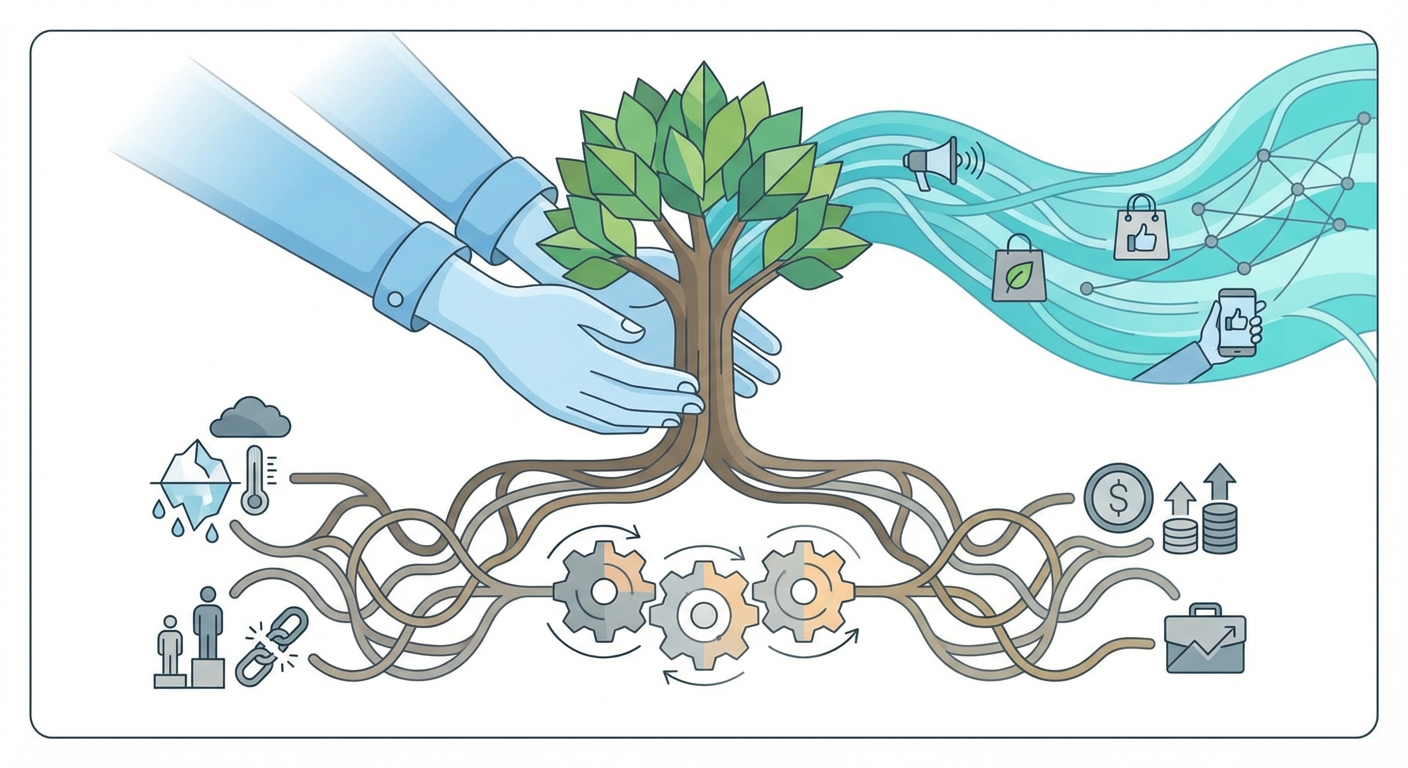
4. Purpose-Driven Entrepreneurship: Impact Beyond Profit
In an era defined by global challenges ranging from climate change to social inequality, a new generation of entrepreneurs is emerging, distinguished by a profound commitment to purpose beyond mere profit. These young innovators are not just seeking financial success; they are actively building ventures designed to address pressing social and environmental issues, fundamentally reshaping the landscape of global business. This section delves into the burgeoning trend of purpose-driven entrepreneurship among youth, examining their leadership in social enterprises, the catalytic role of consumer activism in fueling mission-driven brands, and the inherent challenges of balancing societal impact with financial viability. Furthermore, it explores the critical support ecosystems that enable these young visionaries to translate their ambitious goals into tangible, sustainable change.
4.1. The Rise of Value-Driven Ventures: A Generational Imperative
The entrepreneurial landscape is undergoing a significant transformation, driven by younger generations who view business not solely as a profit-making endeavor but as a powerful vehicle for positive change. This shift represents a departure from traditional business models, emphasizing ethical practices, sustainability, and social equity. This commitment to purpose is not anecdotal; it is reflected in compelling statistical data and widespread sentiment among young founders.
4.1.1. Prioritizing Impact: The Core Motivation of Young Entrepreneurs
A striking 85% of Gen Z entrepreneurs explicitly state that they prioritize having a positive social or environmental impact over purely maximizing profits8. This profound prioritization signals a fundamental redefinition of success within the entrepreneurial sphere. For this generation, a venture’s success is increasingly measured not just by its financial returns but by its contribution to a better world. This ethos permeates various sectors, from the development of climate-friendly technologies to the creation of community-focused services and equitable economic models. Young entrepreneurs are leveraging their innovative spirit to develop solutions that address systemic problems, from sustainable agriculture and clean energy to mental health support and inclusive education platforms. Their firsthand experience with global crises and digital interconnectedness has fostered a heightened sense of responsibility and urgency, compelling them to build businesses that tackle these challenges head-on. This values-alignment is not merely a theoretical construct; it manifests in the types of businesses young people are launching. Youth-run companies are demonstrably more likely to operate in sectors such as sustainability, education, and community development. They are driven by a desire to innovate solutions for pressing issues like climate change, poverty, and access to essential services. This focus on “profit with purpose” is transforming traditional industries and creating entirely new market niches focused on ethical consumption and socially responsible production. For instance, young founders are venturing into areas like fair trade products, ethical supply chains, circular economy initiatives, and accessible mental health services, all reflecting their deep-seated conviction that business can and should be a force for good.
4.1.2. Dominance in Social Entrepreneurship
The leadership role of young entrepreneurs is particularly pronounced within the social enterprise sector. Global data from the World Economic Forum indicates that a significant 60% of newly established social enterprises in recent years are led by founders who are under the age of 309. This statistic is not merely a reflection of demographic trends but underscores a deliberate choice by young innovators to commit their talents and energy to ventures that blend commercial strategies with a primary mission of generating social or environmental value. These youth-led social enterprises encompass a broad spectrum of activities. We see examples like a 22-year-old founder in India who developed an AI-powered platform to connect waste pickers directly with recycling centers, optimizing waste management and improving livelihoods. In other instances, university students are launching health technology solutions designed to deliver low-cost medical services to underserved communities, bridging critical gaps in healthcare access. The proliferation of such initiatives highlights how young people are identifying unmet needs in their communities and leveraging entrepreneurial approaches to create scalable, impactful solutions. They are not content with traditional charity models; instead, they seek to build sustainable, market-based approaches to social good, proving that impactful ventures can also be financially viable. This growing trend signifies that many emerging market niches, particularly those centered on social impact areas like clean energy access, inclusive finance, and educational equity, are being pioneered by young individuals with keen insights into local challenges.
4.2. Consumer Activism and Mission-Driven Brands: A Symbiotic Relationship
The rise of purpose-driven entrepreneurship among youth is intrinsically linked to broader shifts in consumer behavior, particularly the growing demand for ethical and sustainable products and services. Younger consumers, especially Gen Z and Millennials, are increasingly making purchasing decisions based on a brand’s values, social responsibility, and environmental impact. This consumer activism creates fertile ground for young, mission-driven entrepreneurs.
4.2.1. The Power of Values-Aligned Consumption
Modern consumers, particularly those from the younger generations, are not just buying products or services; they are buying into a brand’s mission and values. Research consistently indicates that Gen Z and millennial consumers actively seek out and prefer brands that authentically demonstrate social and environmental responsibility. This preference provides a significant competitive advantage for young entrepreneurs who are intrinsically motivated by purpose. A startup offering sustainable fashion, founded by a 25-year-old with a genuine commitment to ethical sourcing and production, can rapidly gain traction through platforms like TikTok, resonating deeply with an eco-conscious peer demographic. This dynamic creates a powerful feedback loop: young entrepreneurs launch businesses aligned with their values, and young consumers, who share these values, reward these brands with their loyalty and purchasing power. The fact that 85% of Gen Z entrepreneurs themselves prioritize purpose over profit8 speaks volumes about this alignment. They are not merely responding to market demand; they are authentically building brands that embody their personal principles. This authenticity is a key differentiator in a crowded marketplace, allowing these purpose-driven micro-brands and social enterprises to disrupt established incumbents who may struggle to pivot to genuinely mission-driven models. This symbiosis between young mission-driven entrepreneurs and young, activist consumers is thus giving rise to a new wave of brands that are both commercially successful and socially impactful.
4.2.2. Building for Transparency and Trust
In the digital age, young entrepreneurs are adept at leveraging social media and transparent communication to build trust and community around their mission. They understand that today’s consumers demand not just claims of sustainability or social responsibility, but verifiable evidence. This often translates to open-source supply chains, detailed impact reports, and direct engagement with communities affected by their business operations. This commitment to transparency further strengthens the bond with values-aligned consumers who are wary of “greenwashing” or performative activism. By embedding their purpose deeply into their brand identity and operational practices, young entrepreneurs are setting new standards for corporate responsibility and creating a loyal customer base that champions their dual bottom line.
4.3. Navigating the Double Bottom Line: Balancing Purpose and Profitability
While young entrepreneurs are adept at articulating and pursuing their purpose, the reality of running a mission-driven business involves navigating complex trade-offs between social impact and financial sustainability. The “double bottom line” approach, which aims to achieve both social and financial returns, presents unique challenges and opportunities.
4.3.1. The Inherent Challenges
One of the primary nuances of purpose-driven entrepreneurship is that social or environmental ventures can often face tougher business hurdles compared to purely profit-driven enterprises. These challenges can include:
- Smaller or Niche Markets: Some social innovations target underserved populations or niche environmental concerns, which may initially translate into smaller market sizes or lower purchasing power, making rapid scale and profitability more difficult.
- Funding Difficulties: Traditional investors, often focused purely on financial returns, may be hesitant to back ventures that measure success across multiple metrics. This can make securing early-stage capital or scaling investments more demanding. Young founders, with less experience and fewer assets, already face capital access barriers, which can be compounded when their business model is primarily social.
- Higher Operational Costs: Prioritizing ethical sourcing, fair labor practices, sustainable materials, or providing services to marginalized communities can sometimes lead to higher production costs or narrower profit margins.
- Impact Measurement: Quantifying social and environmental impact can be complex and expensive, yet it is crucial for attracting impact investors and demonstrating accountability to stakeholders.
Critics occasionally point out that idealistic young entrepreneurs, while well-intentioned, may sometimes underestimate the intricate financial sustainability aspects required for long-term viability. Without a robust business model, even the most noble purpose can falter.
4.3.2. Emerging Support Ecosystems
Fortunately, a dynamic support ecosystem is rapidly developing to help bridge the gap between purpose and profitability for young entrepreneurs. This ecosystem includes a range of specialized resources:
- Impact Investors: A growing segment of the investment community, known as impact investors, specifically seeks ventures that deliver measurable positive social or environmental impact alongside financial returns. These investors understand the unique metrics and longer timelines associated with purpose-driven businesses.
- Social Enterprise Incubators and Accelerators: Numerous programs are designed to nurture social enterprises, providing tailored mentorship, business development support, and access to networks. Many universities now host “social venture” accelerators, offering young founders guidance on balancing their dual bottom line.
- Grants and Competitions for Social Innovation: Organizations, foundations, and even governments offer grants and host competitions specifically for youth-led climate projects, community startups, and other social innovations. These provide crucial non-dilutive capital and visibility.
- Specialized Mentorship: Mentors with experience in social enterprise or specific impact sectors can provide invaluable guidance, helping young founders refine their business models to align purpose with sound financial strategies.
As a result of these evolving support structures, more young founders are successfully pursuing “double-bottom-line” business models. They are proving that doing good and doing well financially can indeed go hand-in-hand, opening up new and exciting avenues that transcend traditional charity or purely commercial paths. Mikaila Ulmer’s “Me & the Bees Lemonade” is a compelling example, transforming a simple product into a national brand while simultaneously championing bee conservation16. Similarly, Boyan Slat’s “The Ocean Cleanup” demonstrates how a bold, youth-led initiative can secure significant funding and achieve massive environmental impact17.
4.4. Influential Youth Leaders in Purpose-Driven Entrepreneurship
The narratives of young innovators turning their passion for change into impactful businesses serve as powerful inspiration and concrete evidence of this trend. Their stories highlight not only the potential for significant social and environmental impact but also the varied pathways through which young entrepreneurs are achieving it.
4.4.1. Mikaila Ulmer and Me & the Bees Lemonade (United States)
Mikaila Ulmer’s journey began at the tender age of four, transforming a family recipe into a national brand with a compelling mission. Using her great-grandmother’s flaxseed lemonade recipe, Mikaila decided to sweeten it with honey after being stung by bees twice, an experience that sparked her interest in bee conservation. By age nine, she formally founded *Me & the Bees Lemonade*. Her purpose-driven approach captured significant attention, culminating in a $60,000 investment on the TV show *Shark Tank* in 2015 when she was just 11 years old. This early exposure, combined with her passionate advocacy for bees, propelled her product into major retailers like Whole Foods. By February 2025, at the age of 20, Mikaila’s company had sold nearly 10 million bottles of lemonade across 40 states16. Her enterprise, reportedly exceeding $5 million in sales, now extends into bee-friendly product lines and educational materials, including a children’s book. Mikaila’s story is a testament to how a young, passionate founder can scale a simple idea into a commercially successful and socially impactful enterprise. Her ability to align her product with a compelling social cause—bee conservation—resonated deeply with consumers and facilitated rapid growth. Furthermore, her success highlights the critical role of early exposure to entrepreneurship (supported by family) and leveraging media opportunities to amplify a youth-led business to remarkable heights16.
4.4.2. Boyan Slat and The Ocean Cleanup (Netherlands)
Boyan Slat exemplifies how age is no barrier to tackling global challenges with groundbreaking innovation. At just 16, a diving trip inspired him to devise a solution for the pervasive problem of ocean plastic pollution. By 18, he founded *The Ocean Cleanup*, an ambitious project dedicated to developing and deploying autonomous systems to collect plastic from the world’s oceans, most notably the Great Pacific Garbage Patch. After facing initial setbacks and technical challenges, Boyan’s unwavering perseverance saw him successfully crowdfund $2 million and attract major donors. By his mid-20s, his vision bore fruit; as of 2023, The Ocean Cleanup has successfully removed over 19,000 tons of plastic from oceans and rivers globally17. The initiative is now expanding its efforts to intercept plastic in 1,000 rivers worldwide. The non-profit organization employs dozens of individuals and actively collaborates with companies to recycle the collected plastic into new products, creating a circular economy model. Slat’s work earned him the distinction of being the youngest recipient of the UN’s highest environmental award. His journey underscores that youthful idealism, when coupled with engineering prowess and relentless determination, can solve seemingly insurmountable problems. His ability to leverage his youth network and a viral TEDx talk to garner widespread support showcases how young innovators can effectively rally global communities around grand, ambitious projects17.
4.4.3. Tilak Mehta and Papers N Parcels (India)
In Mumbai, India, Tilak Mehta, at the age of 13 in 2018, identified a significant urban logistics gap and launched *Papers N Parcels (PNP)*. Observing the inefficiency of intra-city deliveries, he ingeniously saw an opportunity to repurpose Mumbai’s legendary dabbawalas—the traditional lunchbox deliverymen—for parcel delivery. Tilak successfully pitched his idea to a banker, who became his CEO, and convinced the century-old dabbawala association to adopt his modern approach. Within a year, PNP developed a mobile application and onboarded approximately 300 dabbawalas as delivery partners, managing around 1,200 deliveries daily across Mumbai18. His startup quickly gained media attention, being dubbed the “Uber of Dabbawalas,” and was reportedly valued at ₹100 crore (approximately $14 million) by 2019. Tilak’s initiative illustrates how a youthful perspective can uncover overlooked efficiencies within existing, informal systems. He transformed an age-old network into a tech-enabled logistics solution, demonstrating the potential of integrating traditional infrastructure with modern technology. His success, achieved while still in middle school, also highlights how a young entrepreneur can mobilize and manage a much older workforce by building trust and demonstrating the value of their innovative platform18. This venture showcases significant untapped opportunities in emerging markets’ informal sectors and how a seemingly simple idea can scale rapidly when it effectively addresses a critical pain point. These examples underscore a profound shift: young innovators are not just dreaming of change; they are actively building the businesses that will bring it about. Their commitment to purpose, combined with their entrepreneurial drive and readiness to leverage new technologies, positions them as key drivers of social and environmental progress globally.
4.5. Ecosystems of Support: Nurturing Youth-Led Impact Ventures
The ambition of young purpose-driven entrepreneurs, while immense, often requires substantial support to overcome inherent challenges, particularly relating to funding, mentorship, and navigating complex regulatory environments. A robust and evolving ecosystem of support is crucial for translating their innovative ideas into sustainable and impactful realities.
4.5.1. Addressing Funding Gaps for Double Bottom Line Ventures
One of the most persistent barriers young entrepreneurs face, especially those with a social or environmental mission, is securing adequate funding. Traditional financial institutions often view young founders as higher risk due to limited track records or collateral. Impact ventures, with their dual focus on social and financial returns, can also be perceived as less “investable” by conventional venture capitalists. As a Forbes report noted, 62% of Gen Z founders cite limited funding as a significant obstacle to growth15. However, specialized funding mechanisms are emerging to cater to this need:
- Impact Investing Funds: A growing number of venture capital funds and foundations are dedicated exclusively to impact investing, providing capital to businesses that explicitly target social and environmental objectives alongside financial returns. These funds often understand the longer-term horizons and unique metrics of impact ventures.
- Seed Grants and Philanthropic Capital: Non-dilutive funding, in the form of seed grants or philanthropic investments, is vital for early-stage social enterprises. These grants allow young founders to develop prototypes, test their models, and demonstrate impact without immediate pressure for high financial returns, thus mitigating initial financial risk.
- Crowdfunding Platforms: Digital crowdfunding has become a powerful tool, allowing young entrepreneurs to raise capital directly from a community of supporters who believe in their mission. This democratizes access to funding, bypassing traditional gatekeepers and leveraging the collective power of social networks.
These funding avenues are critical to ensuring that promising youth-led impact ventures are not stifled by a lack of capital, allowing them to scale their solutions and achieve broader impact.
4.5.2. Mentorship, Skills Development, and Networks
Beyond financial capital, human capital in the form of mentorship, specialized training, and strong professional networks is indispensable. Young entrepreneurs, by definition, often lack extensive business experience. This gap necessitates targeted support programs.
- Tailored Training Programs: Educational institutions and non-profit organizations are increasingly offering specialized training for social entrepreneurs. These programs often teach not only business fundamentals but also impact measurement, ethical leadership, and stakeholder engagement. Practical skills, such as financial literacy, business plan development, and legal compliance, are woven into curricula to equip young founders for real-world challenges. Many countries are also integrating entrepreneurship education into school curricula or extracurricular activities19.
- Mentorship Networks: Connecting young impact entrepreneurs with experienced mentors—individuals who have successfully navigated similar challenges—is incredibly valuable. Mentors can offer strategic advice, open doors to networks, and provide emotional support during the often-turbulent startup phase. Organizations like SCORE or specialized social entrepreneurship mentoring initiatives play a crucial role in facilitating these connections.
- Incubators and Accelerators: These programs provide structured environments where young founders can refine their business models, access shared resources, and benefit from peer learning. Many prestigious universities now run “social venture” accelerators that specifically cultivate purpose-driven startups, providing a blend of training, mentorship, and initial funding.
- Peer Networks and Communities: online forums, co-working spaces, and dedicated events allow young social entrepreneurs to connect with peers, share experiences, and troubleshoot challenges collectively. These networks foster a sense of community and reduce the isolation often felt by early-stage founders tackling complex societal issues.
The combination of training, mentorship, and robust networks significantly enhances the success rate of youth-led impact ventures, helping them to avoid common pitfalls and build more resilient businesses.
4.5.3. Enabling Policy and Regulatory Environments
Government policies and a supportive regulatory climate also play a significant role in fostering youth-led purpose-driven entrepreneurship.
- Simplified Business Registration: Streamlining the process of business registration, particularly for young entrepreneurs, can lower initial barriers. Online, one-stop registration portals are particularly beneficial for digitally native youth.
- Legal Recognition for Social Enterprises: Some jurisdictions are introducing specific legal forms for social enterprises (e.g., B-Corporations or Community Interest Companies). These legal structures provide clarity and legitimacy for organizations committed to both profit and purpose, making them more attractive to impact investors.
- “Youth-Friendly” Legislation: Policies such as reduced minimum age requirements for enterprise ownership or allowing student entrepreneurs to maintain student status while running a business can encourage earlier entrepreneurial engagement.
- Incentives and Grants: Governments can offer tax breaks, innovation grants, or procurement preferences for businesses that address specific social or environmental challenges, thereby stimulating growth in impact sectors.
By actively creating an environment that champions and supports purpose-driven ventures, governments can unlock significant economic and social value from their youthful populations.
4.6. The Global Landscape: Youthful Innovation in Emerging Markets
The trend of purpose-driven entrepreneurship is particularly salient and impactful in emerging economies, where large youth populations often face significant socio-economic challenges, yet possess immense innovative potential.
4.6.1. Demographic Dividends and Localized Solutions
Roughly 85% of the world’s youth reside in developing countries, a proportion projected to rise to 89.5% by 202510. This demographic dividend represents an unparalleled talent pool, particularly in regions like Asia (approximately 60% of global youth) and Africa/Latin America (23%). In these contexts, young entrepreneurs are uniquely positioned to address local problems with culturally sensitive and context-specific solutions. For example, young innovators in India are developing affordable water purification systems for rural areas, while Indonesian youth are launching motorcycle logistics apps to optimize urban delivery networks. These solutions often target niches previously overlooked by larger corporations, such as rural fintech, remote telehealth, or educational technology for low-income communities. The success of companies like Paystack in Nigeria, co-founded by entrepreneurs in their late 20s and later acquired by Stripe, exemplifies how young founders can innovate to address local needs, even outperforming global firms in specific contexts.
4.6.2. High Entrepreneurial Intent Driven by Necessity and Opportunity
In many emerging markets, entrepreneurship is not merely a choice but often a necessity due to limited formal employment opportunities. The Global Entrepreneurship Monitor consistently reports the highest entrepreneurial intention rates in regions like Sub-Saharan Africa, where over half of working-age adults intend to start a business11. This high intent among a young populace translates into a vibrant ecosystem of youth-led startups tackling foundational economic and social challenges. From college-age founders creating fintech solutions to enhance banking access to agritech startups improving food security, these young entrepreneurs are tapping into rapidly growing domestic markets that remain unsaturated.
4.6.3. The Power of Targeted Support: The Tony Elumelu Foundation
The efficacy of targeted support for young entrepreneurs in emerging markets is best illustrated by initiatives like the Tony Elumelu Foundation (TEF) in Africa. Since 2015, TEF has provided over $100 million in seed capital and training to more than 21,000 young entrepreneurs across 54 African countries12. The impact has been profound: these startups have collectively created an estimated 1.5 million new businesses and generated approximately $4.5 billion in combined revenue12. This program demonstrates that relatively modest investments, such as the average $5,000 seed grant provided by TEF, can unlock immense economic and social value when directed towards capable young innovators. Such initiatives not only provide financial capital but also foster a culture of entrepreneurship, create jobs, and stimulate local economies, directly contributing to sustainable development goals. The burgeoning landscape of purpose-driven entrepreneurship among young innovators is a powerful force for change. Fueled by a generational mandate to create positive impact, amplified by consumer activism, and increasingly supported by tailored ecosystems, these young leaders are not just building businesses; they are actively shaping a more equitable and sustainable future. Their contributions in both developed and emerging markets underscore that innovation and purpose are inextricably linked, driving progress beyond the conventional metrics of profit alone. The next section will delve deeper into “The Gig Economy and Digital Entrepreneurship,” exploring how digital platforms and flexible work models are further empowering young innovators to launch and scale their ventures with unprecedented ease and global reach.
References
- Santander UK survey of 2,000 adults, reported Sept 2024. Cited in: “Gen Z Brits want to be their own boss and start a business on their smartphone.” — CNBC — Sep 13, 2024 —
- OECD/European Commission. “The Missing Entrepreneurs 2023: Policies for Inclusive Entrepreneurship and Self-Employment.” Nov 30, 2023. —
- Intuit survey, Nov 2024. “The Side Hustle Generation: Gen Z and Millennials Redefine Financial Success.” — Intuit (QuickBooks Resource Center) — 2024 —
- Intuit, 2024. “The Side Hustle Generation: Gen Z and Millennials Redefine Financial Success.” — Intuit (QuickBooks Resource Center) — 2024 —
- Santander (2024) and Intuit (2024) surveys. Cited in: “Gen Z Brits want to be their own boss and start a business on their smartphone.” — CNBC — Sep 13, 2024 — and “The Side Hustle Generation: Gen Z and Millennials Redefine Financial Success.” — Intuit (QuickBooks Resource Center) — 2024 —
- Samsung Gen Z “AI-preneur” survey, Aug 2024. “New Samsung Study: For Nearly 70% of Gen Z Side Hustlers, AI is Critical to Success.” — Samsung Newsroom — Aug 14, 2024 —
- Intuit 2024 survey (global). “The Side Hustle Generation: Gen Z and Millennials Redefine Financial Success.” — Intuit (QuickBooks Resource Center) — 2024 —
- Forbes report (mid-2025). Cited in: “Youth-Led Social Entrepreneurship in 2025: Gen Z’s Revolution of Impact and Innovation.” — LinkedIn Pulse (Navid Ganji) —
- World Economic Forum. Cited in: “Youth-Led Social Entrepreneurship in 2025: Gen Z’s Revolution of Impact and Innovation.” — LinkedIn Pulse (Navid Ganji) —
- United Nations DESA (Youth FAQ) — (Data as of 2020/2025) —
- Global Entrepreneurship Monitor (around 2018). “Nearly Half of the World’s Entrepreneurs Are Between The Ages Of 25-44 According To Global Entrepreneurship Report.” — PR Newswire —
- Tony Elumelu Foundation. Cited in: “Tony Elumelu Foundation grants $15m to 3,000 African entrepreneurs.” — Premium Times (Nigeria) — Mar 23, 2025 —
- HubSpot and Bloomberg (2022–2023 surveys). Cited in: “20 Creator Economy Statistics That Will Blow You Away in 2023.” — Influencer Marketing Hub —
- Trendwatching.com. Cited in: “73% of Gen Z dream of starting a side hustle – and AI is their ultimate power-up.” — Trendwatching.com —
- Kratz, Julie. “What Gen Z Entrepreneurs Want.” — Forbes — Mar 3, 2024 —
- StyleBlueprint. “Meet the 20-Year-Old CEO of Me & the Bees Lemonade.” — Feb 9, 2025 —
- TIME. “Boyan Slat.” — Nov 1, 2023 —
- The Economic Times. “Meet the 13-year-old boy who made the ‘Ola and Uber’ of Dabbawalas.” — Jul 31, 2018 —
- OECD. “Youth in inclusive entrepreneurship.” —

5. Emerging Markets: Hotbeds for Youthful Innovation
The global entrepreneurial landscape is undergoing a significant transformation, with emerging markets increasingly recognized as dynamic epicenters of innovation, particularly driven by their burgeoning youth populations. While entrepreneurial ambition is a global phenomenon among younger generations, as evidenced by the 75% of Gen Z in the UK who aspire to be their own boss, far exceeding the 24% of Baby Boomers with similar ambitions[2][1], this drive manifests with particular intensity and urgency in developing economies. These regions, characterized by large youthful demographics, evolving digital infrastructures, and pressing societal challenges, offer fertile ground for young innovators to not only launch businesses but also to address critical local needs. This section delves into the profound influence of demographic trends in developing economies on the surge in youth entrepreneurship, examining how necessity often sparks innovation, the role of young innovators as embedded local problem-solvers, and the critical growth of supportive ecosystems and investor interest in these vibrant regions.
The concentration of youth in emerging markets is a foundational factor. The United Nations projects that approximately 85% of the world’s youth (aged 15–24) currently reside in developing countries, a figure expected to rise to nearly 89% by 2025. This vast demographic dividend, with significant proportions in Asia (~60%) and Africa/Latin America (~23%), fuels a unique entrepreneurial dynamic that differs substantially from more mature economies[6][10]. In these contexts, entrepreneurship is not merely an optional career path but often a vital pathway to economic participation and self-sufficiency, giving rise to unique forms of innovation and business models.
The Youth Dividend: Demographic Trends Driving Necessity-Driven Innovation
The demographic profiles of many developing economies present a powerful force for change: a disproportionately large and rapidly growing youth population. This “youth dividend” signifies a vast reservoir of potential human capital, but it also poses significant challenges, particularly in securing formal employment opportunities. In response, entrepreneurship often emerges as both a necessity and a significant opportunity for young people to carve out livelihoods and contribute to their economies.
- Unprecedented Youth Concentration: Currently, about 1.2 billion young people (15-24 years old) comprise roughly 16% of the global population. A staggering 85% of these young individuals live in developing economies, with projections indicating an increase to 89.5% by 2025[10]. This demographic reality places the entrepreneurial energy squarely within emerging markets, where sheer numbers amplify the potential for new ventures.
- Necessity as a Driver: In many developing regions, the formal job market struggles to absorb the massive influx of young job seekers. As a result, entrepreneurship is frequently a choice born out of necessity rather than pure ambition. For instance, sub-Saharan Africa exhibits the highest entrepreneurial intent globally, with 53% of working-age adults planning to start a business[11]. This contrasts sharply with highly developed economies, where only about 11% express similar intentions, largely due to the availability of stable employment alternatives[11]. This high intent among youth indicates a pragmatic approach to securing economic agency in contexts where traditional employment pathways are scarce or unstable.
- Filling Economic Gaps: Young innovators in these regions are not just creating jobs for themselves; they are often building entire sectors. They identify gaps in services and products that larger, often foreign, companies overlook or deem unprofitable. This includes micro-payment systems, localized e-commerce platforms, sustainable energy solutions for rural areas, and affordable educational technologies. Their proximity to the problems allows for highly contextualized and effective solutions.
The rapid growth of cities and increasing internet penetration in emerging markets further amplify these trends. Young urban populations, armed with digital literacy and smartphones, are uniquely positioned to leverage technology to build businesses. As will be discussed further, the “digital native” characteristic of Gen Z manifests globally, allowing young entrepreneurs in emerging markets to access tools and markets previously unavailable, irrespective of geographical location.
Young Innovators as Local Problem-Solvers
One of the most compelling aspects of youth entrepreneurship in emerging markets is its intrinsic connection to local problem-solving. Young innovators, often growing up amidst the very challenges they seek to address, possess intimate knowledge and empathy regarding community needs. This firsthand experience enables them to develop highly relevant and culturally appropriate solutions, fostering innovation where it is most needed.
- Intimate Understanding of Local Challenges: Unlike external development agencies or large corporations, young local entrepreneurs intimately understand the nuances of their communities. They know the transportation hurdles, the specific agricultural needs, the informal financial practices, and the educational gaps. This deep understanding translates into innovative solutions that resonate directly with local populations. For example, young entrepreneurs in India are developing inexpensive water purifiers for rural areas, while Indonesian youth are launching motorcycle logistics apps to optimize urban delivery challenges. These localized niches, such as rural fintech, telehealth for remote villages, or educational technology for low-income students, have often been overlooked by larger, more standardized business models.
- Frugal Innovation and Resourcefulness: Operating within environments with limited capital and infrastructure, young innovators in emerging markets are masters of “frugal innovation.” They devise cost-effective and scalable solutions utilizing locally available resources and existing informal networks. Tilak Mehta, a 13-year-old in India, exemplifies this by modernizing Mumbai’s historic dabbawala network for same-day courier services, demonstrating how an age-old system can be ingeniously repurposed with a tech-enabled approach[17]. By onboarding 300 dabbawalas as delivery partners, his company, Papers N Parcels (PNP), handled approximately 1,200 deliveries per day within a year, reportedly reaching a valuation of ₹100 crore (around $14 million) by 2019[17].
- Driving Local Economic Development: These youth-led ventures contribute significantly to local economic development beyond merely providing goods and services. They create employment opportunities, foster skill development, and recirculate capital within their communities. The success of companies like Paystack in Nigeria, co-founded by young entrepreneurs and later acquired by Stripe, underscores the potential for local solutions to achieve global recognition and value, solving problems that global firms might struggle to replicate locally.
- Mission-Driven Focus: As discussed in the overall context of youthful innovation, a strong sense of purpose and social impact drives many young entrepreneurs. In emerging markets, this translates into ventures explicitly designed to tackle social and environmental issues. From climate tech startups addressing clean energy access in rural villages to community-focused enterprises promoting sustainable agriculture, young founders are aligning their business models with the United Nations Sustainable Development Goals. This mission-driven approach is further validated by the statistic that 60% of new social enterprises worldwide are led by founders under 30 as of 2025[5][9].
The table below highlights specific areas where young innovators in emerging markets are making a notable impact:
| Sector/Challenge Area | Type of Youth-Led Innovation | Examples/Impact |
|---|---|---|
| Fintech & Financial Inclusion | Mobile banking, digital payments, micro-lending apps for unbanked populations | Allowing seamless transactions, access to credit for small businesses, and facilitating remittances in rural areas (e.g., young founders of mobile money agents, Paystack in Nigeria). |
| Agritech & Food Security | Precision farming solutions, market linkage platforms for farmers, sustainable agriculture practices | Improving crop yields, reducing waste, connecting farmers directly to consumers, enhancing food supply chains (e.g., student-led startups developing IoT for irrigation). |
| Edutech & Skill Development | Low-cost e-learning platforms, vocational training apps, language learning tools via mobile | Bridging educational access gaps, reskilling workforces, offering personalized learning experiences (e.g., young developers creating educational apps for local languages). |
| Clean Energy & Sustainability | Solar energy kits for off-grid homes, waste recycling initiatives, eco-friendly product development | Providing affordable, clean power; addressing pollution; promoting circular economy principles (e.g., youth distributing solar lanterns, Mikaila Ulmer’s “Me & the Bees Lemonade” in the US, with climate themes relevant globally[16][15]). |
| Logistics & E-commerce | Last-mile delivery services, localized online marketplaces, informal sector integration | Streamlining delivery, connecting rural producers to wider markets, leveraging existing networks (e.g., Tilak Mehta’s PNP for dabbawalas in Mumbai[17]). |
Growing Support Ecosystems and Investor Interest
The immense potential of youth entrepreneurship in emerging markets is not going unnoticed. A robust and increasingly interconnected ecosystem of support is forming, encompassing local and international initiatives, government programs, and a growing appetite from global investors. This comprehensive support is crucial for translating high entrepreneurial intent into sustainable and scalable ventures.
1. Local and International Support Programs:
- Incubators and Accelerators: Numerous incubators and accelerators are emerging across developing regions, specifically designed to nurture young talent. These programs offer mentorship, training, and networking opportunities. They provide young entrepreneurs with structured guidance, helping them refine business models, develop prototypes, and navigate the complexities of startup growth.
- Government Initiatives: Governments in many emerging economies are increasingly recognizing entrepreneurship, particularly among youth, as a key driver for economic growth and job creation. They are launching dedicated startup hubs, seed funds, and entrepreneurship programs, such as those seen in Rwanda and Vietnam. These initiatives often aim to simplify business registration processes and provide initial capital to reduce barriers to entry. Policies that relax age restrictions for business ownership or allow student entrepreneurs to maintain academic status while running ventures further facilitate this trend.
- NGOs and Foundations: International and local non-governmental organizations (NGOs) and philanthropic foundations play a vital role in providing access to training, micro-loans, and extended mentorship. Programs like Youth Business International, UNDP initiatives, and the Tony Elumelu Foundation are prominent examples. The Tony Elumelu Foundation, for instance, has disbursed over $100 million in seed capital and training to more than 21,000 young entrepreneurs across 54 African countries since 2015[12][7]. Critically, these recipients have collectively generated an estimated $4.5 billion in revenue and created approximately 1.5 million new enterprises, demonstrating the transformative power of targeted support for youth-led businesses[12].
2. Surging Investor Interest:
- Venture Capital Influx: Global venture capital is increasingly flowing into emerging market startups, many of which are founded by young entrepreneurs. Investors are attracted to the high growth potential, untapped consumer bases, and the innovative spirit of these young founders. India, for example, has seen a proliferation of youth-led startups, with the median age of founders around 31. The country managed to mint dozens of new “unicorns” (billion-dollar startups) even during the pandemic, many spearheaded by young CEOs in sectors like e-commerce, education, and mobility. Southeast Asia’s startup ecosystem similarly thrives on youthful founders who cater to the “mobile-first” populations.
- Impact Investing: Given the strong purpose-driven nature of many youth-led ventures in emerging markets, impact investing has become a significant source of funding. These investors seek both financial returns and measurable social or environmental impact. This alignment with the values of Gen Z entrepreneurs creates a powerful synergy, directing capital towards solutions for pressing societal issues, from renewable energy projects in rural communities to affordable healthcare technologies.
- Local Angel Investors and Funds: A growing network of local angel investors and specialized funds is emerging to specifically back young, often first-time, entrepreneurs. These investors understand the local market nuances and are often more willing to take risks on promising young talent than traditional financial institutions. The existence of successful young founders who reinvest in the ecosystem by becoming mentors or angel investors further stimulates this growth, creating a virtuous cycle of support and innovation.
3. The Role of Digital Infrastructure:
The proliferation of accessible digital tools and platforms plays a crucial enabling role. Young entrepreneurs in emerging markets can leverage smartphones, social media, and AI-powered tools to launch and scale businesses with minimal upfront capital. Just as 39% of Gen Z entrepreneurs globally believe a smartphone is sufficient to build a successful business[4][2], their counterparts in emerging markets utilize these same resources to compete on a global scale. This digital democratization of entrepreneurship significantly lowers barriers to entry and accelerates business development.
The combination of demographic urgency, localized insight, burgeoning support structures, and increasing investor confidence paints a compelling picture of emerging markets as dynamic hotbeds for youthful innovation. The success stories of young entrepreneurs, from Mikaila Ulmer in the US who turned her lemonade stand into a national brand with a social mission, to Boyan Slat who tackled ocean plastics at a global scale[15][16], resonate strongly in these regions, inspiring a new generation to see challenges as opportunities for groundbreaking ventures.
Unlocking Further Potential: Addressing Barriers and Leveraging Enablers
While the outlook for youthful innovation in emerging markets is overwhelmingly positive, several barriers persist that, if addressed, could unlock even greater potential. Simultaneously, understanding and maximizing existing enablers is paramount.
1. Persistent Barriers:
- Access to Finance: Despite growing investor interest, securing adequate funding remains a significant hurdle for young entrepreneurs. Traditional banks are often reluctant to lend to young borrowers lacking collateral or extensive business history. While seed capital programs and impact investors are helping, the scale of funding needed to support the vast number of aspiring youth entrepreneurs is still immense. In a Forbes report, 62% of Gen Z founders cited limited funding, staffing, or time as their biggest obstacle to growth[13].
- Lack of Formal Experience and Skills: Many young entrepreneurs, particularly those starting out of necessity, may lack formal business training, financial acumen, and management skills. While side hustles provide initial experience, transitioning to a scalable business requires sophisticated capabilities.
- Regulatory Hurdles: Complex or archaic business registration processes, permits, and tax regulations can be particularly daunting for young entrepreneurs with limited resources or legal expertise.
- Limited Networks and Mentorship: While support ecosystems are growing, access to experienced mentors and robust professional networks remains uneven across different regions and sectors, often hindering growth and problem-solving.
2. Key Enablers for Future Growth:
- Scaling Access to Inclusive Finance: Expanding microfinance options, youth-specific loan programs, crowdfunding platforms, and accessible grant opportunities is crucial. Initiatives like the Tony Elumelu Foundation serving as a model for scaled, culturally relevant capital injection.
- Strengthening Entrepreneurship Education: Integrating practical entrepreneurial skills into educational curricula from an early age, alongside vocational training and hands-on incubation programs, can bridge skill gaps. This extends beyond business theory to practical aspects like financial literacy, digital marketing, and legal compliance.
- Building Robust Mentorship and Networking Platforms: Expanding formal and informal mentorship programs, peer-to-peer networks, and online communities can provide invaluable guidance and support. The global and local success stories, like Benyamin Ahmed, the 12-year-old from the UK who monetized NFTs, serve as inspiration and demonstrate the global reach possible through digital skills[18][14].
- Favorable Policy and Regulatory Environments: Governments can play a proactive role by simplifying business registration, offering tax incentives for youth-led startups, and easing regulatory burdens in sectors friendly to young innovators (e.g., digital services, informal trade). Policymakers can learn from countries known for their startup-friendly environments, like Estonia or Chile.
- Leveraging Digital Tools and AI: Continued investment in digital infrastructure and digital literacy programs will empower more young entrepreneurs to harness technologies like AI – which nearly 70% of Gen Z side-hustlers already consider critical to their success[6][3] – to create efficient, scalable, and globally competitive ventures.
The entrepreneurial surge among youth in emerging markets is not a fleeting trend but a fundamental shift, powered by demographic realities and technological advancements. By strategically addressing challenges and amplifying enablers, these regions can continue to foster a generation of innovators who are not only building successful businesses but also spearheading sustainable development and solving the most pressing issues facing their communities and the world.
The next section will delve into the specific emerging market niches and untapped opportunities that these young innovators are uniquely positioned to capitalize on, exploring how their local insights and digital fluency are creating entirely new categories of businesses and services.

6. Unlocking Potential: Barriers and Enablers for Young Innovators
The landscape of entrepreneurship is undergoing a profound transformation, largely driven by the aspirations and innovative spirit of younger generations. Globally, youth entrepreneurial ambitions are surging, with surveys indicating a strong desire among Gen Z to be their own bosses rather than pursuing traditional career paths. For instance, a UK survey highlighted that 75% of Gen Z respondents harbored ambitions to be self-employed, a stark contrast to approximately 24% of Baby Boomers and 37% of Gen X who shared this sentiment[18], [19]. This significant generational shift signals a potential new wave of startups and small businesses propelled by young innovators. However, despite this widespread interest, there remains a notable gap between aspiration and actual entrepreneurial activity. While nearly 40% of European youth (15-30 years old) express a preference for self-employment, only a mere 9% are actively engaged in trying to start or manage a new business[2]. This disparity underscores a critical challenge: many young innovators face substantial barriers in translating their ideas and enthusiasm into tangible ventures. Understanding and addressing these barriers, while simultaneously bolstering key enablers, is crucial for unlocking the immense economic and social value that young entrepreneurs can generate. The inherent challenges often include limited access to funding, a deficit in practical business experience, and insufficient training. Yet, the same digital tools that enable many of these young entrepreneurs to innovate also provide pathways to overcome these hurdles. The rise of side hustles and micro-ventures, powered by readily available digital platforms and artificial intelligence (AI), is carving out new, accessible entrepreneurial avenues. Furthermore, the increasing focus on purpose-driven innovation and the unique dynamics of emerging markets offer fertile ground for youth-led enterprises. This section will delve deeply into the common hurdles faced by young founders, examine the pivotal role of skills training, mentorship, and supportive policy environments, and explore how inspiring success stories fuel future generations of innovators, ultimately contributing to a more robust and inclusive entrepreneurial ecosystem.
6.1. The Aspiration-Action Gap: Identifying Core Barriers
The enthusiastic embrace of entrepreneurship by younger generations presents both an opportunity and a challenge. While aspirational levels are at an all-time high, converting this interest into concrete business ventures requires navigating several significant obstacles. These barriers often coalesce around issues of capital, experience, and structural support.
6.1.1. Access to Funding and Financial Capital
One of the most consistently cited impediments for young entrepreneurs is the lack of adequate financial capital. Starting a business, even a lean digitally-native one, often requires some level of initial investment for equipment, marketing, legal fees, or early operational costs. * **Traditional Lending Reluctance:** Banks and other traditional financial institutions are typically risk-averse, making it challenging for young, unproven entrepreneurs to secure loans. Young founders often lack collateral, established credit histories, or the extensive business track record that conventional lenders require. This reluctance stems from a perceived higher risk associated with new ventures and young borrowers. * **Venture Capital Bias:** While venture capital (VC) and angel investment exist for startups, these sources often gravitate towards founders with established credentials, prior successful exits, or extensive professional networks. Young entrepreneurs, particularly those right out of school or in their early twenties, frequently lack these attributes, making it difficult to attract significant seed funding. Many VCs prefer to invest in serial entrepreneurs who have already demonstrated resilience and growth, a luxury not afforded to first-time, young founders. * **Limited Personal Savings:** Unlike older generations who may have accumulated savings over years of employment, young individuals often have limited personal capital to invest in their ventures. Student loan debts, lower starting salaries, and the general costs of living can further restrict their ability to self-fund their businesses. * **Data on Funding Challenges:** A Forbes report specifically highlighted this issue, noting that **62% of Gen Z founders** identify limited funding, staffing, or time as their biggest obstacle to growth[30]. This statistic underscores the pervasive nature of financial constraints for this demographic. Without sufficient capital, many innovative ideas remain conceptual, or nascent businesses struggle to scale beyond the side-hustle stage, despite their initial promise.
6.1.2. Lack of Experience and Business Acumen
While young innovators bring fresh perspectives and digital fluency, they often lack the practical business experience and acumen that comes with age and prolonged exposure to the corporate world. * **Operational Know-how:** Running a successful business involves a complex array of tasks beyond just the core product or service. This includes financial management (budgeting, accounting, cash flow), legal compliance, supply chain logistics, human resources, and sales strategies. Many young entrepreneurs have to learn these skills on the fly, which can lead to costly mistakes and inefficiency. * **Strategic Planning Deficiencies:** Developing a robust business plan, understanding market dynamics, identifying competitive advantages, and formulating long-term growth strategies requires a level of foresight and analytical thinking often developed through experience. Young founders might excel at ideation but struggle with the structured planning required for sustainable growth. * **Networking Gaps:** Building a strong professional network of potential partners, suppliers, investors, and advisors is critical for any startup. Younger entrepreneurs often have smaller or less diverse networks compared to their older counterparts, limiting their access to crucial resources and opportunities. * **Perceived Credibility:** Competing with established businesses or securing high-value contracts can be difficult when a founder is visibly young. Customers, clients, or partners may harbor unconscious biases regarding youth, perceiving them as lacking the seriousness or reliability of older business leaders.
6.1.3. Regulatory and Policy Environment
The broader regulatory landscape can inadvertently create hurdles for young entrepreneurs, particularly in regions with complex or inflexible business registration processes. * **Complex Bureaucracy:** Cumbersome business registration procedures, licensing requirements, and bureaucratic red tape can be daunting and time-consuming for anyone, but especially for young individuals who may not have legal or administrative experience. * **Age-Related Restrictions:** In some jurisdictions, minimum age requirements for registering a business, opening a corporate bank account, or entering into contracts can prevent very young innovators from formalizing their ventures. While less common in digitally-native sectors, this can still be a significant barrier for those operating offline. * **Lack of Youth-Specific Support:** While many governments promote SME development, programs specifically tailored to the unique needs of young entrepreneurs (e.g., small seed grants, simplified legal aid, youth-oriented incubators) are not universally available.
6.2. Enablers: Cultivating the Ecosystem for Youth Entrepreneurship
Despite the daunting barriers, several powerful enablers are emerging and expanding, promising to unlock the full potential of youth innovation. These enablers range from digital advancements to structured support systems and inspirational role models.
6.2.1. The Digital Foundation: Technology as a Great Equalizer
The innate digital fluency of young generations, particularly Gen Z, is transforming the entrepreneurial landscape by significantly lowering barriers to entry. * **Smartphone-Powered Ventures:** The ubiquity of smartphones has democratized entrepreneurship. A striking **39% of Gen Z** entrepreneurs believe that a smartphone is the only tool they need to build a successful business today[4]. This sentiment is translated into action, as thousands are launching ventures directly from their mobile devices, managing e-commerce stores, social media campaigns, and client communications on the go. * **Social Media as a Marketing & Sales Engine:** Younger entrepreneurs bypass traditional, expensive advertising channels by leveraging social media platforms. Nearly **44% of young entrepreneurs** globally use social media as their primary marketing tool, and **32% credit these platforms as the #1 driver of their business growth**[5], [23], [24]. Instagram, TikTok, YouTube, and other networks allow for viral marketing, direct customer engagement, and low-cost brand building. This capability has enabled young founders to create product brands (e.g., custom apparel, beauty products) that achieve significant reach and sales without traditional retail or advertising budgets. * **AI as a Productivity Multiplier:** Young innovators are quick to adopt cutting-edge technologies like artificial intelligence to amplify their capabilities. A 2024 Samsung survey revealed that **nearly 70% of Gen Z side-hustlers** consider AI tools and apps their “go-to” resource for work tasks[6], [25]. Furthermore, **73% of Gen Z side business owners report using AI** (e.g., chatbots, generative AI) to boost productivity and creativity in tasks such as generating marketing copy, customer service automation, or data analysis[26]. This early adoption of AI allows young, lean operations to perform tasks that previously required a larger team or more specialized skill sets. * **Global Reach from Day One:** Digital platforms inherently facilitate global reach, eliminating geographical constraints that once defined small businesses. A young entrepreneur in Nigeria can sell digital products or services to customers worldwide via app stores, or a student in Brazil can offer freelance design services to clients in Europe through online marketplaces. This immediate access to a global customer base opens up niches that were previously inaccessible to small-scale enterprises.
6.2.2. Skills Training and Entrepreneurship Education
Targeted education and practical skills training are pivotal in bridging the experience gap for young entrepreneurs. While formal education may not always provide real-world business skills, a growing ecosystem of specialized programs is emerging. * **Curriculum Integration:** There is a growing consensus among educators and policymakers that entrepreneurship should be embedded in school curricula from an earlier age. Many countries are now introducing entrepreneurship education as an academic subject or through extracurricular programs focused on practical skills like business plan writing, financial literacy, and marketing fundamentals[20], [31]. * **Experiential Learning:** Initiatives like startup weekends, student incubators, innovation contests, and hackathons provide young individuals with simulated or real-world business experience in a supportive, low-risk environment. These platforms enable them to test ideas, develop prototypes, gain feedback, and learn from mistakes without the significant financial pressures of a full-fledged launch. Junior Achievement, for example, reports that nearly 1 in 3 U.S. high-schoolers now learns about entrepreneurship or runs a micro-business before graduation. * **Practical Skill Development:** Beyond formal entrepreneurship courses, programs that offer training in specific, in-demand digital and business skills (e.g., digital marketing, coding, graphic design, project management) equip young people with tangible abilities to start and grow their ventures. Platforms like Coursera, edX, and numerous bootcamps offer accessible learning opportunities tailored to entrepreneurial needs. The success of young entrepreneurs often correlates with their ability to acquire and apply these practical skills.
6.2.3. Mentorship and Networking Opportunities
Guidance from experienced professionals and access to supportive networks can significantly enhance a young founder’s chances of success. * **Impact of Mentorship:** Research consistently shows that mentorship is particularly impactful for young entrepreneurs. Experienced mentors can provide invaluable advice on strategy, operational challenges, fundraising, and navigating the complexities of the business world, helping to refine business models and avoid common pitfalls. Programs like SCORE (Service Corps of Retired Executives) in the U.S. or global non-profits like TiE Young Entrepreneurs connect seasoned business leaders with budding youth founders. * **Peer Networks and Communities:** Beyond one-on-one mentorship, access to strong peer networks is vital. Alumni groups of entrepreneurial programs, online forums, coworking spaces, and industry-specific communities provide young innovators with platforms to share knowledge, collaborate, find co-founders, and offer mutual support. These networks combat the isolation often experienced by founders and foster a sense of community, critical for emotional and practical support. * **Structured Ecosystems:** Accelerators, incubators, and entrepreneurship hubs often build mentorship and networking into their core offerings. These ecosystems not only provide resources but also facilitate connections between young founders and a broader network of investors, industry experts, and potential partners.
6.2.4. Supportive Policy and Regulatory Environments
Government intervention and well-designed policies can create a more conducive environment for young entrepreneurs to thrive. * **Simplified Business Registration:** Governments can reduce major friction points by simplifying the process of business registration. Many developed and developing nations have moved towards online, one-stop registration portals, significantly easing the administrative burden for tech-savvy youth. * **Youth-Specific Incentives and Funding:** Policies such as tax breaks for young-founded startups, specialized innovation grants, or seed funds targeted specifically at youth-led ventures can address the critical funding gap. Examples include government-backed microfinance programs and startup loans with favourable terms for young entrepreneurs. * **Favorable Legal Frameworks:** Adjusting legal frameworks to support youth entrepreneurship, such as reducing the minimum age for business ownership or allowing student entrepreneurs to maintain their academic status while running a business, can remove artificial barriers. * **International Benchmarking:** Countries actively seeking to boost youth entrepreneurship often study successful models like Estonia or Chile, which have cultivated reputations for highly startup-friendly policies that benefit younger founders. These models emphasize ease of doing business, digital infrastructure, and supportive funding mechanisms. The OECD consistently advocates for such inclusive entrepreneurship policies, recognizing the long-term economic benefits[2].
6.3. The Power of Success Stories: Inspiring the Next Generation
One of the most potent enablers of youth entrepreneurship is the visibility and proliferation of success stories. These real-world examples serve to inspire, validate, and guide aspiring young innovators. * **Role Models and Validation:** When a 19-year-old app developer sells their startup for millions, or a teenage social entrepreneur addresses the United Nations, it sends a powerful message to peers: age is not a barrier to significant achievement. Such narratives challenge the conventional idea that entrepreneurship is reserved for older, experienced individuals and normalize the path of self-employment. * **Mikaila Ulmer (United States) – Me & the Bees Lemonade:** Starting with a simple lemonade stand at age four, Mikaila Ulmer transformed a childhood endeavor into a national brand, *Me & the Bees Lemonade*. By age 11, she secured a $60,000 investment on Shark Tank. Her mission-driven approach, tying her brand to bee conservation, resonated deeply with consumers. Now 20 years old, she has sold nearly **10 million bottles** of lemonade across 40 states and expanded into eco-friendly product lines and children’s books. Her company’s sales reportedly exceeded $5 million[33], [34]. Mikaila’s story illustrates how youthful passion, combined with a compelling social cause and strategic media exposure, can lead to scalable success. * **Boyan Slat (Netherlands) – The Ocean Cleanup:** Boyan Slat exemplifies how revolutionary innovation can stem from youthful idealism. At 16, he conceived a solution to ocean plastic pollution, leading him to found *The Ocean Cleanup* at 18. Despite initial setbacks, his perseverance and ability to attract over $2 million in crowdfunding led to the development of autonomous systems that have removed over **19,000 tons of plastic** from oceans and rivers by 2023[36]. Awarded the UN’s top environmental prize, Slat’s journey highlights that significant, global problems can be tackled by young innovators who blend technical acumen with unwavering vision[37]. * **Tilak Mehta (India) – Papers N Parcels:** At just 13, Tilak Mehta launched *Papers N Parcels (PNP)*, an app-based same-day courier service in Mumbai. He innovatively repurposed Mumbai’s legendary *dabbawalas* (lunchbox deliverymen) into delivery partners, leveraging an existing, trusted network. Within a year, PNP had onboarded around **300 dabbawalas** and handled approximately **1,200 deliveries per day**[39], [40]. By 2019, his venture was valued at an estimated ₹100 crore (approximately $14 million). Tilak’s success demonstrates the power of a keen youthful observation to identify market inefficiencies and develop tech-enabled solutions that integrate into local contexts. * **Benyamin Ahmed (United Kingdom) – NFT Artist:** Benyamin Ahmed taught himself to code at age 12 and quickly capitalized on the emerging NFT market. His collection of pixelated whale illustrations, *Weird Whales*, sold for approximately **£290,000 (around $400,000)** within months[41], [42]. His story became a global sensation, showcasing how low barriers to entry in digital economies allow young creators to monetize their skills directly, spot emerging trends, and generate substantial wealth without traditional gatekeepers.
6.3.1. The Role of Support Programs in Success
While individual talent and resilience are crucial, structured support programs play an instrumental role in nurturing and scaling young ventures. The Tony Elumelu Foundation in Africa stands as a prime example of targeted enablement. Since 2015, the Foundation has provided seed capital (averaging $5,000 per entrepreneur) and training to over **21,000 young entrepreneurs across 54 African countries**, disbursing more than $100 million[12], [16]. These youth-led startups have collectively generated an estimated **$4.5 billion in revenues** and contributed to the creation of approximately **1.5 million new enterprises** and jobs[13], [17]. This impactful outcome demonstrates that even modest investments, when combined with training and mentorship, can yield significant economic and social returns, validating the immense potential of young innovators in emerging markets.
6.4. The Path Forward: Momentum and Continued Support
The trajectory of youth entrepreneurship is undeniably on the rise worldwide, with predictions indicating an accelerating pace into 2025 and beyond. The global average annual growth rate for new entrepreneurs is estimated at approximately **21% through 2025**[14]. This momentum is powered by a confluence of factors: the digital fluency of younger generations, their strong desire for autonomy and purpose-driven work, and the opening of new market niches. However, sustaining and amplifying this growth requires concerted efforts to continuously address the persistent barriers. Access to funding, relevant skills training, robust mentorship networks, and a supportive policy environment remain critical. Governments and investors are increasingly recognizing the strategic importance of this next generation of business leaders, understanding that nurturing youthful creativity and energy is not merely a social good but a vital engine for future economic growth and social development. By systematically dismantling obstacles and fortifying enablers, the full potential of young innovators can be unleashed, paving the way for a more dynamic, inclusive, and innovative global economy. The next section will further explore the impact of specific entrepreneurial strategies employed by young innovators, diving into areas such as the creator economy and how they monetize passion and influence.
7. Case Studies: Inspiring Tales of Youth Entrepreneurial Success
The prevailing narrative surrounding entrepreneurship often paints a picture of seasoned professionals, equipped with years of experience, vast networks, and substantial capital. However, a seismic shift is underway, with younger generations increasingly demonstrating an unparalleled drive for self-employment and innovation. Globally, younger individuals are far more inclined toward entrepreneurship than their predecessors; for instance, a UK survey revealed that 75% of Gen Z respondents aspire to be their own boss, a stark contrast to only approximately 24% of Baby Boomers [18][2]. This generational ambition, coupled with the democratizing power of digital tools, has given rise to a new cohort of young innovators who are not only conceptualizing groundbreaking ideas but also successfully transforming them into thriving ventures. Despite this surging interest, there remains a notable gap between entrepreneurial aspiration and actual business formation. While nearly 40% of European youth (aged 15–30) express a preference for self-employment, only about 9% are actively engaged in launching or managing a new business [3]. This disparity underscores a significant untapped potential, highlighting the barriers that often prevent young people from translating their entrepreneurial visions into reality. Yet, the stories of those who *do* break through these barriers are exceptionally compelling, offering tangible proof that age is merely a number when it comes to vision, perseverance, and impactful execution. These young trailblazers are leveraging their digital fluency, passion for purpose, and keen understanding of emerging market niches to create businesses far beyond the traditional “lemonade stand” model. Their successes span diverse sectors, from social impact and environmental initiatives to digital art and sophisticated logistics solutions, demonstrating the breadth of opportunities available to a new generation of entrepreneurs. This section will delve into detailed case studies of four such young innovators: Mikaila Ulmer, Boyan Slat, Tilak Mehta, and Benyamin Ahmed. Their journeys exemplify the profound impact youth entrepreneurship can have, showcasing how fresh perspectives, tech-savviness, and unwavering determination can lead to remarkable achievements and inspire a global movement.
7.1. Mikaila Ulmer (United States): From Lemonade Stand to National Brand with a Purpose
Mikaila Ulmer’s entrepreneurial journey began at the tender age of four in Austin, Texas, when she decided to establish a lemonade stand. This seemingly typical childhood endeavor quickly evolved into something extraordinary, driven by a unique recipe and a profound social mission. Her great-grandmother’s flaxseed lemonade recipe formed the basis of her product, but it was Mikaila’s dedication to saving bees that truly set her venture apart. After being stung by bees twice, instead of developing a fear, Mikaila’s curiosity was piqued, leading her to research their importance and the threats they faced. This inquiry organically led to the idea of incorporating honey into her lemonade and dedicating a portion of her proceeds to organizations working to save honeybees. This fusion of a simple product with a compelling social cause laid the foundation for Me & the Bees Lemonade[39]. By the age of nine, Mikaila officially founded her company, and her compelling story, combined with a delicious product, began to attract significant attention. A pivotal moment arrived in 2015 when, at just 11 years old, she appeared on the popular television show *Shark Tank*. Her pitch, which eloquently articulated both her business model and her passion for bee conservation, captivated the investor panel. She successfully secured a $60,000 investment from Daymond John, one of the “Sharks” [39]. This capital infusion, combined with the immense exposure gained from national television, propelled Me & the Bees Lemonade into the national spotlight. The company’s growth was rapid and transformative. Her bottled lemonade secured coveted distribution deals with major retailers, most notably Whole Foods Market, and subsequently expanded to other large grocery chains across the United States. This expansion allowed her product to reach a broad customer base who resonated with both the quality of the lemonade and its impactful mission. By February 2025, Mikaila, now 20 years old, had successfully sold “nearly 10 million bottles” of lemonade across 40 states [39]. This achievement is not merely a testament to her entrepreneurial acumen but also to the power of a strong brand narrative rooted in purpose. The reported sales figures for Me & the Bees Lemonade have exceeded $5 million, a remarkable feat for a business started by a child [39]. Mikaila’s entrepreneurial spirit did not stop at lemonade; she strategically expanded her brand. This included launching new product lines that align with her mission, such as bee-friendly merchandise, and even authoring a children’s book. Her journey illustrates several critical lessons for aspiring young entrepreneurs:
- The Power of Purpose-Driven Business: Mikaila’s success highlights how integrating a compelling social cause directly into the business model can resonate deeply with consumers and create a unique selling proposition. In an era where 85% of Gen Z entrepreneurs prioritize purpose over profit [30], her early understanding of this dynamic was prescient.
- Scalability from a Simple Idea: What began as a local lemonade stand was meticulously scaled into a nationwide brand. This demonstrates that even the simplest concepts, when executed with vision and supported by strong values, can achieve significant market penetration.
- Leveraging Media and Support: Mikaila’s appearance on *Shark Tank* was instrumental. It provided not only capital but also invaluable mentorship and national brand recognition. Her story underscores how early exposure to entrepreneurship—supported by family, mentors, and media opportunities—can dramatically accelerate growth [39].
- Resilience and Continuous Innovation: Maintaining momentum from childhood to adulthood in the competitive food and beverage industry requires constant adaptation and innovation. Mikaila’s longevity in the market speaks to her ability to evolve her business while staying true to its core mission.
Mikaila Ulmer’s journey is a powerful example of how youthful passion, when channeled effectively, can transcend traditional business boundaries, build a successful enterprise, and contribute meaningfully to a social cause. Her story serves as an inspiration, particularly to young girls and minority entrepreneurs, demonstrating that substantial impact can begin at any age with a compelling idea and unwavering commitment.
7.2. Boyan Slat (Netherlands): Cleaning the Oceans with Teen-Driven Innovation
Boyan Slat embodies the spirit of youthful ingenuity tackling global-scale environmental crises. His journey began at the remarkable age of 16, not in a classroom or laboratory, but during a diving trip to Greece. Confronted by the overwhelming sight of plastic debris in the ocean, he experienced a profound realization: “Why can’t we just clean this up?” This simple yet powerful question sparked a mission that would redefine his life and inspire millions [40]. Traditionally, addressing marine plastic pollution was deemed an insurmountable challenge due to the vastness of the oceans, the dispersed nature of the plastic, and the prohibitive costs of conventional cleanup methods. However, Boyan approached the problem with a fresh perspective, untainted by conventional limitations. He conceived a novel technical solution: a passive system designed to harness ocean currents and natural forces to concentrate plastic, allowing for its efficient removal without harming marine life. This innovative concept, a floating autonomous system to capture plastic, became the cornerstone of his venture. In 2013, at just 18 years old, Boyan founded The Ocean Cleanup, a non-profit organization dedicated to developing and deploying advanced technologies to rid the world’s oceans of plastic [40]. The initial years were fraught with challenges. Early prototypes faced significant technical hurdles and even failed to robustly capture plastic effectively. Skepticism from the scientific community and seasoned engineers was abundant, with many questioning the feasibility of a teenager’s audacious plan. However, Boyan’s persistence proved unwavering. A critical turning point was his viral TEDx talk, which showcased his vision and the scientific feasibility of his approach. This presentation resonated globally, attracting widespread attention and translating into significant financial support. He initiated a crowdfunding campaign that successfully raised $2 million, demonstrating the power of public engagement and support for large-scale, purpose-driven projects led by young innovators. Subsequently, The Ocean Cleanup secured major donations from philanthropists and corporations, enabling further research, development, and scaling of his technology [40]. By his mid-20s, Boyan’s relentless efforts bore fruit. As of 2023, The Ocean Cleanup had achieved significant milestones, including the removal of “over 19,000 tons of plastic” from oceans and rivers worldwide [40]. Beyond the Great Pacific Garbage Patch, the organization expanded its strategy to include intercepting plastic in rivers, which are primary sources of ocean pollution. The goal is to deploy systems in 1,000 of the world’s most polluting rivers, preventing plastic from ever reaching the open sea. The impact of Boyan Slat’s work has been widely recognized. He was awarded the United Nations Environment Programme’s Champion of the Earth award, becoming the youngest recipient of the UN’s top environmental honor [40]. His non-profit now employs dozens of engineers, scientists, and operational staff, and actively collaborates with companies to recycle the collected plastic into new products, thereby closing the loop on plastic waste and driving a circular economy model. The lessons gleaned from Boyan Slat’s journey are profound:
- Age is No Barrier to Big Innovation: Boyan’s story is a compelling counter-argument to the notion that complex, impactful innovation is exclusive to experienced professionals. His combination of youthful idealism, engineering aptitude, and a bold vision enabled him to tackle a global problem that stumped many.
- Perseverance Against Adversity: The initial setbacks and scientific skepticism could have easily derailed a less determined individual. Boyan’s persistence in refining his technology and building a supportive network was crucial to overcoming these challenges.
- Leveraging Communication and Network: His ability to articulate a complex problem and an innovative solution through platforms like TEDx was critical. It not only generated funding but also rallied a global community of supporters, demonstrating how young innovators can mobilize public and private resources for ambitious endeavors [40].
- Systemic Thinking and Scaling Impact: Starting with ocean cleanup, The Ocean Cleanup evolved to address riverine plastic sources, showcasing a comprehensive approach to the problem rather than just addressing symptoms.
Boyan Slat’s narrative underscores that young entrepreneurs are not confined to small-scale ventures. With creativity, determination, and a willingness to learn and adapt, they can launch initiatives that address some of humanity’s most pressing challenges, demonstrating that innovative solutions can emerge from unexpected places, driven by a new generation of problem-solvers.
7.3. Tilak Mehta (India): Revolutionizing Logistics with Local Insight
In the bustling, densely populated metropolis of Mumbai, India, logistical challenges abound, particularly concerning last-mile parcel delivery. It was within this complex environment that Tilak Mehta, at the astonishing age of 13, identified a glaring inefficiency and conceived an innovative solution. In 2018, while still a middle-schooler, Tilak launched Papers N Parcels (PNP), a same-day courier service designed to address the city’s slow intra-city delivery system [41]. Tilak’s acute observation was not merely about the slowness of existing services but also about the untapped potential within Mumbai’s unique social fabric. The city is renowned for its “dabbawalas” – a highly efficient, century-old lunchbox delivery system where thousands of individuals transport hot meals from homes to offices daily with nearly flawless precision. Tilak realized that this existing, robust network of human carriers, familiar with every nook and cranny of the city, could be strategically repurposed to carry small parcels and documents [41]. His idea was audacious: integrate the傳統 (traditional) dabbawala network with modern technology to create a faster, more reliable, and cost-effective delivery solution. To bring this vision to life, Tilak demonstrated remarkable initiative. He boldly pitched his concept to a banker, who recognized the potential and eventually joined as the CEO of PNP. Crucially, Tilak also approached the Mumbai Dabbawala Association, the governing body of the traditional lunchbox delivery service. This required convincing a deeply ingrained, almost legendary, informal workforce to adopt a new digital platform and expand their services beyond their traditional scope [41]. The success of these preliminary engagements led to the rapid development of PNP. Within a year of its launch, the company had built its own mobile application, seamlessly integrating technology with human logistics. It successfully onboarded approximately “300 dabbawalas as delivery partners” [41]. This integration allowed PNP to leverage the dabbawalas’ existing routes and local knowledge, transforming them into tech-enabled couriers. The results were impressive: PNP was handling around “1,200 deliveries per day” across Mumbai, significantly improving the speed and reach of same-day intra-city logistics [41]. Tilak’s innovative approach quickly garnered media attention, earning him the moniker “Uber of Dabbawalas.” By 2019, just a year after its founding, PNP was reported to be valued at ₹100 crore, equivalent to approximately $14 million. This valuation underscored the commercial viability and transformative potential of his model [41]. The case of Tilak Mehta offers several critical insights:
- Youthful Perspective on Untapped Resources: Tilak’s age likely contributed to his ability to see beyond conventional solutions. He recognized the inherent efficiency and reliability of an existing informal network and envisioned its modern application, a perspective that older, more established entrepreneurs might have overlooked due to traditional business paradigms.
- Solving Local Problems with Local Solutions: His venture directly addressed a significant pain point within Mumbai’s unique urban environment. This focus on local needs, combined with an understanding of local cultural resources (the dabbawalas), allowed him to create a highly relevant and effective service. Such opportunities are abundant in emerging markets, where youth entrepreneurs are uniquely positioned to identify and solve localized challenges.
- Mobilizing Diverse Stakeholders: As a middle-schooler, Tilak displayed exceptional persuasive skills, convincing both seasoned professionals (the banker-turned-CEO) and a traditional, unionized workforce (the dabbawalas) to buy into his vision. This demonstrates the power of a clear idea and the ability to articulate value propositions effectively, regardless of age [41].
- The Potential in Informal Sectors: Tilak’s success highlights the vast untapped opportunities available in emerging markets’ informal sectors. By digitizing and optimizing existing human infrastructure, he created a scalable, profitable business, proving that innovation isn’t solely about inventing entirely new technologies, but also about intelligently repurposing existing ones.
Tilak Mehta’s story is a compelling testament to the fact that groundbreaking entrepreneurial ideas can emerge from unexpected sources and at any age, particularly when sharp observation is combined with an understanding of local context and a willingness to challenge the status quo. His success provides a powerful example for other young innovators in emerging economies to look for opportunities within their immediate environments.
7.4. Benyamin Ahmed (United Kingdom): Monetizing Digital Art and Crypto Trends
Benyamin Ahmed’s entry into the world of entrepreneurship is a vivid illustration of how young innovators are not just participants but pioneers in emergent digital economies. At the tender age of 12, Benyamin had already taught himself to code, a skill that would become his gateway to the rapidly evolving landscape of blockchain technology and Non-Fungible Tokens (NFTs) [42]. His fascination with NFTs peaked during their significant surge in popularity in 2021, marking a moment where digital artists and creators began to realize new avenues for monetizing their work. During his summer holidays, an age when many children are engrossed in play, Benyamin channelled his coding prowess and creative flair into developing a unique collection of pixelated whale illustrations. This collection, aptly named *Weird Whales*, was then launched as NFTs on an online marketplace. The project quickly captured the attention of the crypto-art community, not least due to Benyamin’s remarkably young age and the intrinsic appeal of his digital artwork. His story rapidly went viral, transforming him from a schoolboy coder into an international sensation. The financial outcome of the *Weird Whales* project was staggering. In a matter of months, Benyamin B. Ahmed earned approximately “£290,000 (≈$400,000)” from the initial sales of his NFT collection [42]. This unprecedented success was widely reported by international news outlets, presenting a compelling narrative of a child leveraging cutting-edge blockchain technology to generate substantial wealth and artistic recognition. Crucially, Benyamin, guided by an inherent understanding of the nascent crypto market, wisely opted to hold a significant portion of his earnings in cryptocurrency, positioning himself for potential future gains in the digital asset space. His success had ripple effects. By the time he was 13, Benyamin was not just a successful NFT artist but also a sought-after speaker, sharing his insights on blockchain and digital art at various events. He further continued to collaborate on new NFT projects, solidifying his stature as a credible and influential figure in the digital art community, all while managing the demands of attending school [42]. Benyamin Ahmed’s experience provides several key takeaways for young innovators:
- Low Barrier to Entry in Global Digital Markets: His journey exemplifies that the traditional barriers to market entry—such as age, location, or formal qualifications—are significantly diminished in the digital realm. A 12-year-old, armed with coding skills and an internet connection, can launch a global business from their bedroom, directly competing and succeeding with established players.
- Importance of Timely Trend-Spotting: Benyamin’s success was amplified by his agility in identifying and capitalizing on the burgeoning NFT trend. His ability to act quickly and decisively in a rapidly evolving technological landscape demonstrates the advantage young innovators often have in embracing new paradigms before they become mainstream.
- Direct Monetization of Creative Skills: NFTs and similar blockchain-based platforms empower creators, particularly young artists and developers, to monetize their work directly, circumventing traditional intermediaries. This allows for greater autonomy and a direct connection with their audience or buyers.
- Agile Innovation in Untapped Niches: The NFT space, at the time of Benyamin’s entry, was a relatively untapped niche. Younger, more agile innovators are often the first to explore and exploit such emerging opportunities, demonstrating a readiness to experiment and take calculated risks in new digital frontiers [42].
- The Power of Self-Taught Skills: Benyamin’s self-taught coding abilities were fundamental to his achievement. This highlights the importance of fostering digital literacy and encouraging independent learning among young people, as these skills are becoming increasingly vital for entrepreneurship in the 21st century.
Benyamin Ahmed’s story is a compelling testament to the transformative potential of digital entrepreneurship for young people. It showcases how, with the right skills, timing, and creativity, a child can not only participate in but also significantly contribute to and profit from the cutting edge of the digital economy, inspiring countless peers to explore the boundless possibilities of technology-driven innovation.
7.5. Comparative Analysis of Youth Entrepreneurial Success Stories
The diverse case studies of Mikaila Ulmer, Boyan Slat, Tilak Mehta, and Benyamin Ahmed offer a rich tapestry of youth entrepreneurial success. While each story is unique in its context and outcome, several common threads emerge, alongside distinct approaches to innovation and market penetration.
| Entrepreneur | Age at Launch/Key Milestone | Venture/Innovation | Primary Market Niche | Key Driving Force/Innovation | Scale of Impact/Success | Key Enablers of Success |
|---|---|---|---|---|---|---|
| Mikaila Ulmer (USA) | 4 (initial idea), 9 (founded), 11 (Shark Tank) | Me & the Bees Lemonade | Consumer Goods (Purpose-Driven Beverage) | Social impact (bee conservation) + Unique recipe | ~$5M+ in sales, 10M+ bottles sold across 40 states [39] | Family support, media exposure, compelling story, distribution deals |
| Boyan Slat (Netherlands) | 16 (idea), 18 (founded) | The Ocean Cleanup | Environmental Tech / Social Impact (Non-profit) | Innovative passive cleanup technology for marine plastic | Removed 19,000+ tons of plastic, global river interceptors [40] | Persistence, scientific rigor, viral communication (TEDx), crowdfunding |
| Tilak Mehta (India) | 13 (founded) | Papers N Parcels (PNP) | Logistics (Urban Same-Day Courier) | Repurposing existing informal network (dabbawalas) with tech | Valued at ~$14M (2019), 1,200 deliveries/day with 300 partners [41] | Local insight, strategic partnerships, technological integration, addressing market gap |
| Benyamin Ahmed (UK) | 12 (taught coding, created NFTs) | Weird Whales NFT Collection | Digital Art / Blockchain (Creator Economy) | Self-taught coding, early adoption of NFTs, digital art creation | ~$400K earnings from initial NFT sales [42] | Digital literacy, trend-spotting, low barriers of blockchain, direct monetization |
7.5.1. Common Themes and Distinctive Approaches
These case studies collectively underscore several crucial aspects of modern youth entrepreneurship:
- Early Identification of Problems and Opportunities: All four individuals demonstrated a remarkable ability to spot gaps or inefficiencies, whether it was plastic in the ocean [40], slow urban logistics [41], a market for purpose-driven products [39], or emerging digital asset classes [42]. Their youth often provided a fresh, uncluttered perspective.
- Leveraging Digital Fluency: While Mikaila’s product is tangible, her growth was amplified by media exposure and online presence. Boyan utilized digital communication for crowdfunding and awareness. Tilak’s entire model hinged on an app integrating traditional services. Benyamin’s venture was entirely digital, enabled by his coding skills [42]. The ability of young entrepreneurs to navigate and leverage digital tools is a recurring theme, echoing the statistic that 39% of Gen Z feel a smartphone is sufficient to launch a successful business [4].
- Purpose and Impact as a Motivator: Mikaila and Boyan explicitly built their ventures around social and environmental impact, reflecting the strong purpose-driven ethos of Gen Z, where 85% prioritize purpose over profit [9]. While Tilak and Benyamin’s ventures were overtly commercial, their success offered societal benefits (efficient logistics, new artist monetization).
- Resourcefulness and Perseverance: None of these ventures started with immense capital or established networks. They relied on bootstrapping, crowdfunding, cultivating partnerships, and an unwavering commitment to their vision, a testament to the low failure rates and quick profitability observed in many youth-led side hustles [7].
- Global Reach and Local Solutions: Benyamin’s NFTs achieved global reach from a bedroom in the UK [42], while Boyan’s ocean cleanup is an international effort [40]. Conversely, Tilak’s innovation was deeply rooted in local Mumbai conditions [41]. This duality highlights that youth entrepreneurship thrives in both hyper-local and broadly global contexts, often simultaneously.
The case studies also highlight a table of different approaches:
- Product-Centric (Mikaila Ulmer): Innovation centered on a distinct product, enhanced by a strong brand narrative and social mission.
- Technological and Visionary (Boyan Slat): Innovation driven by a bold technological solution to a massive environmental problem, requiring significant R&D and public mobilization.
- Operational and Integrative (Tilak Mehta): Innovation through the clever integration of existing, traditional resources with modern technology to solve a logistical challenge in an emerging market [41].
- Digital and Trend-Driven (Benyamin Ahmed): Innovation entirely within a new digital asset class, leveraging personal skills and riding emerging technological waves [42].
7.5.2. Implications for the Future of Youth Entrepreneurship
These inspiring tales are not isolated incidents but rather microcosms of a broader trend. They demonstrate that the enthusiasm for entrepreneurship among youth is translating into diverse, impactful, and often highly profitable ventures. The successes of these young innovators serve as powerful role models, further encouraging their peers to consider entrepreneurial paths. They validate the idea that with access to opportunities, mentorship, and a conducive ecosystem, young people can indeed “turn their ideas into successful ventures” across myriad domains [0]. This section has illuminated the incredible potential of young innovators by showcasing a diverse set of real-world success stories. As we transition to the final section, which will explore the policies and support systems essential for nurturing this burgeoning entrepreneurial spirit, these case studies will serve as a foundational reminder of what is possible when young talent is empowered and supported. The journey from nascent idea to commercial or social impact, as demonstrated by Mikaila, Boyan, Tilak, and Benyamin, provides compelling arguments for increased investment and strategic support for the next generation of global entrepreneurs.
8. The Future Outlook: Continued Growth and Opportunities
The landscape of entrepreneurship is undergoing a profound transformation, driven largely by the surging ambitions and inherent digital fluency of younger generations. This section delves into the trajectory of youth entrepreneurship, forecasting its continued growth and the myriad of emerging opportunities for young innovators across the globe. It also critically examines the essential support structures and resources required to bridge existing gaps and fully unleash the entrepreneurial potential of this demographic. The analysis reveals a powerful confluence of generational shifts, technological advancements, purpose-driven motivations, and the dynamic growth of emerging markets, all contributing to an unprecedented era for young innovators.
8.1. A Generational Shift Towards Entrepreneurial Ambition
The desire to “be my own boss” is no longer a fringe aspiration but a defining characteristic of today’s youth, marking a significant departure from previous generations. This shift is reshaping career paths and driving a new wave of enterprise creation.
8.1.1. Unprecedented Aspiration Levels
Contemporary data unequivocally illustrates a burgeoning entrepreneurial spirit among young people. In the UK, a striking **75% of Gen Z respondents** express a desire to be their own boss, eschewing traditional 9-to-5 employment models[8]. This figure stands in stark contrast to older cohorts, where only approximately **37% of Gen X and 24% of Baby Boomers** shared this sentiment[1]. This generational disparity underscores a fundamental recalibration of career priorities, with autonomy, flexibility, and personal fulfillment now ranking higher than the conventional lures of job security and corporate ladder climbing[10]. This intense aspiration level is not confined to Western economies; global trends confirm that younger generations are universally more inclined towards entrepreneurship than their predecessors, signaling a new wave of startups driven by young innovators[0].
A recent survey by Intuit in 2024 further supports this trend, revealing that **49% of Gen Z/Millennial founders** cite independence as their primary motivation, closely followed by **42%** who are driven by the opportunity to pursue work they are passionate about[10]. This contrasts sharply with traditional incentives such as job security, which historically played a more dominant role in career choices. The collective data points to a powerful cultural and psychological shift, where self-employment is increasingly viewed as a default, rather than an alternative, career pathway.
8.1.2. The Gap Between Aspiration and Action
Despite this fervent interest, a notable chasm exists between entrepreneurial ambition and actual startup rates. Nearly **40% of European youth (aged 15–30)** express a preference for self-employment, yet only about **9%** are actively engaged in trying to start or manage a new business[2]. Specifically, within the EU, only **5% of youth (18–30)** were in the process of starting a business between 2018–2022, with another **4%** already running a new business[7]. This substantial gap highlights significant untapped potential, indicating that many young innovators face considerable barriers in translating their ideas into viable ventures. These barriers often include a lack of funding, mentorship, practical skills, and robust support ecosystems[0]. If these obstacles can be systematically addressed, the current high interest levels suggest a strong pipeline of would-be young entrepreneurs ready to contribute significantly to economic growth and innovation[7].
8.1.3. The Rise of Side Hustles and Micro-Ventures
Compensating for some of these initial barriers, the emergence of the “side-hustle” economy has become a defining characteristic of youth entrepreneurship. A significant majority of young adults are now pursuing entrepreneurial endeavors through small-scale businesses operated alongside primary employment or education. Globally, **nearly 66% of Gen Z and Millennials (aged 18–35)** have either started or plan to start a side venture[9]. Furthermore, **65% of these young entrepreneurs intend to continue their side businesses into 2025**[9], indicating that these are not merely fleeting projects but rather long-term commitments to building sustainable income streams and gaining invaluable business experience.
This trend is creating a robust pipeline of young founders who are acquiring practical business acumen through low-risk, small-scale enterprises. The financial viability of these ventures is also notable: the average side business becomes profitable within a short timeframe of **3–6 months**, with only **3% reporting failure or discontinuation**[6]. This surprising success rate suggests that the digital ecosystems and low-cost entry points available today make it easier for young entrepreneurs to sustain their operations, often leveraging online monetization tools[13]. The side-hustle phenomenon is, therefore, serving as a powerful proving ground, allowing young people to develop business instincts, test market demand, and cultivate resilience without the immediate pressures of a full-fledged startup.
8.1.4. Cultural and Educational Shifts Supporting Entrepreneurship
The increasing prevalence of youth entrepreneurship is also a testament to evolving cultural perspectives and educational frameworks. Entrepreneurship is no longer seen as a path reserved for a select few but as a viable and respected career option. An estimated **one in three U.S. high-schoolers** now receives entrepreneurship education or runs a micro-business prior to graduation, indicating early exposure to entrepreneurial concepts[18].
Educational institutions are increasingly integrating entrepreneurship into their curricula, offering specialized courses, fostering student incubators, and organizing startup competitions. Post-COVID, governments worldwide have renewed their commitment to promoting youth entrepreneurship as a strategic solution to youth unemployment, further accelerating these educational reforms[21]. The high visibility of successful young founders and online content creators through social media platforms also provides relatable role models, demystifying the entrepreneurial journey and making it appear more accessible and desirable. These combined factors solidify the notion that founding a venture can begin in one’s teens or early twenties, rather than being a career step taken much later in life.
8.2. Digital Natives: Leveraging Technology to Create New Niches
The innate tech-savviness of young innovators is not merely a personal attribute but a foundational advantage, enabling them to navigate and exploit the digital landscape to carve out entirely new market niches.
8.2.1. Technology as an Equalizer and Amplifier
Young innovators’ comfort and proficiency with digital tools provide them with a distinct competitive edge. Many Gen Z founders have grown up with the internet, social media, and digital services, making them adept at leveraging these platforms for business. A significant **39% of Gen Z entrepreneurs** believe that a smartphone is the only tool necessary to launch and run a successful business today[3]. This perspective highlights the democratization of entrepreneurship, where minimal capital and readily available technology can facilitate market entry.
This digital fluency enables young founders to operate lean and agile ventures, often from non-traditional workspaces. Whether it’s a dropshipping operation, a graphic design micro-agency, or an indie game studio, these businesses often begin and thrive with just a laptop or smartphone and an internet connection. The ability to minimize overheads through digital tools allows them to compete effectively against larger, more established players.
8.2.2. Social Media as a Primary Business Engine
Social media platforms are not just communication tools for young entrepreneurs; they are fundamental business engines. **Nearly 44% of young entrepreneurs globally use social media as their primary marketing channel**[4]. These platforms act as multi-faceted hubs for their businesses, serving as primary channels for product showcases, customer engagement, sales funnels, and even customer support. This organic, low-cost marketing approach is pivotal in enabling young businesses to reach massive audiences and achieve viral growth without significant advertising budgets. Brands created by teens, such as those selling custom apparel or cosmetics, have successfully leveraged platforms like Instagram, TikTok, and YouTube to gain millions of followers and extensive reach[20]. Social media platforms effectively reduce geographical barriers and democratize access to markets, allowing young innovators to build global brands from their bedrooms.
Moreover, **32% of young business owners credit social platforms as the number one driver of their business growth**[12], underscoring the indispensable role of digital channels in their ventures. This integration of social media into their core business strategy allows for direct engagement with target demographics, rapid iteration based on feedback, and the cultivation of authentic brand communities.
8.2.3. The Boom of the Creator Economy
A notable niche pioneered by young innovators is the burgeoning creator and influencer economy. This sector intrinsically links personal content creation with direct monetization, transforming hobbies and personal brands into viable businesses. Approximately **30% of 18–24-year-olds globally now identify as content creators** within this economy[14]. The aspiration is high, with **one in four U.S. teenagers** expressing a desire to become a social media influencer or content creator over pursuing traditional careers[5].
This model allows young people to monetize various forms of digital content, including gaming streams on platforms like Twitch, podcasts, and short-form videos on TikTok. Top young influencers and gamers are reportedly earning six or even seven figures annually through ad revenue, sponsorships, and merchandise sales, illustrating the substantial economic potential of this emerging sector. This entrepreneurial niche capitalizes on the youth’s digital fluency and cultural relevance, offering a low barrier to entry while remaining intensely competitive and dynamic.
8.2.4. AI and Automation as Force Multipliers
Young innovators are also at the forefront of adopting emerging technologies like artificial intelligence (AI) to enhance and scale their ventures. A 2024 Samsung survey, which dubbed Gen Z individuals as “AI-preneurs”, found that **nearly 70% of young side-hustlers rely on AI tools** as their primary resource for various work tasks[6]. Another trend report shows that **73% of Gen Z who run side businesses** already utilize AI tools like chatbots and generative AI to boost productivity and creativity[12].
This proactive adoption of AI allows young founders to automate various business functions, such as generating marketing copy, developing chatbots for customer service, and analyzing sales data. Effectively, a solo young entrepreneur can leverage AI to perform the work of a small team, enabling ultra-lean operations. This also opens doors to entirely new business models, such as AI-driven tutoring apps developed by young coders or AI-powered content services, which were virtually non-existent just a few years ago. This technological agility allows them to explore cutting-edge niches and build businesses that leverage the very latest in technological innovation.
8.2.5. Global Reach from Inception
The digital native characteristic also implies that young founders inherently think globally. Their comfort with online operations across national borders means that youth-led startups often have international customers from their very inception. A 19-year-old in Nigeria can develop and sell a mobile game to a worldwide audience through app stores, while a student in Brazil can offer freelance design services to European clients via online marketplaces. This instantaneous global reach, facilitated by digital platforms, creates market niches previously inaccessible to small businesses. Young entrepreneurs are quick to identify and occupy these untapped digital marketplaces, leveraging the internet to transcend geographical limitations and build a globally distributed customer base.
8.3. Purpose-Driven Innovations: Young Entrepreneurs and Social Impact
A significant, distinguishing characteristic of many young innovators is their unwavering commitment to solving meaningful problems and generating positive social and environmental impact, often prioritizing purpose over profit. This ethical drive aligns with evolving consumer values and is birthing a new generation of mission-driven enterprises.
8.3.1. Prioritizing Impact Over Pure Profit
Surveys consistently reveal that for Gen Z, “making a difference” is a top career priority[15]. This intrinsic motivation translates directly into their entrepreneurial choices, leading to a large segment of youth-led startups focusing on areas like education, healthcare, sustainability, and broader social issues. Forbes reported in mid-2025 that **85% of Gen Z entrepreneurs prioritize having a positive social or environmental impact** over solely maximizing profits[15].
This generation’s firsthand experience with global challenges such as climate change, social inequality, and mental health crises fuels their desire to create ventures that actively address these gaps. Examples include teens developing waste-recycling applications, creating platforms to support mental well-being, or innovating eco-friendly product lines to reduce plastic consumption. These young innovators are building business models that could be accurately described as “profit with purpose,” demonstrating that commercial success and social good are not mutually exclusive but can be powerfully integrated.
8.3.2. Leadership in Social Enterprise
Young founders are playing an increasingly dominant role in the global social enterprise sector. According to the World Economic Forum, an estimated **60% of newly established social enterprises** in recent years have been led by founders under 30[16]. These ventures span a wide spectrum, from non-profits adopting innovative business models to for-profit companies engineered to prioritize social outcomes alongside financial returns.
Real-world instances abound: a 22-year-old in India develops an AI platform to connect waste pickers with recycling centers, optimizing resource recovery; or college students launch low-cost health technology solutions for underserved communities. This trend indicates that many emerging market niches within the social impact arena—such as clean energy solutions for rural villages, inclusive financial services, or educational technology for low-income students—are being pioneered by young entrepreneurs who possess acute insights into unmet local needs and global challenges.
8.3.3. Consumer Activism and Market Opportunities
The strong values orientation of young innovators resonates deeply with a broader market shift: an increasing segment of Gen Z and Millennial consumers actively prefer and support brands that demonstrate a genuine commitment to social and environmental causes. This alignment creates a fertile ground for youth-led brands that authentically embody purpose. For example, a sustainable fashion startup run by a 25-year-old can achieve rapid traction through platforms like TikTok if its mission to promote ethical production and environmental responsibility connects with a conscious consumer base.
Data consistently shows that the very entrepreneurs who prioritize purpose also attract a loyal customer base from their own generation that shares these ideals[17]. This symbiotic relationship between young, mission-driven entrepreneurs and young, values-conscious consumers is fueling the growth of purpose-oriented micro-brands and social enterprises, challenging and disrupting the status quo established by more traditional, profit-only focused incumbents.
8.3.4. Navigating Challenges in Mission-Driven Ventures
While purpose-driven entrepreneurship offers immense potential, it also presents unique challenges. Social or environmental ventures can sometimes face tougher business hurdles, including smaller niche markets, difficulties securing traditional funding, or complexities in measuring both social and financial returns. Young founders must adeptly navigate these complexities, and not all idealistic, purpose-driven startups achieve commercial sustainability without significant support.
However, a growing ecosystem of support is emerging to bridge this gap. This includes impact investors specifically seeking ventures with a measurable social return, specialized incubators for social innovations, and competitions designed to foster purpose-driven startups. Many universities now host “social venture” accelerators, and dedicated funds are emerging for youth-led climate projects or community-focused startups. Consequently, we are observing a rise in young founders successfully pursuing double-bottom-line business models, where financial viability and positive societal impact are pursued concurrently, opening innovative pathways beyond conventional charity or corporate social responsibility models.
8.3.5. Tangible Impact on Global Issues
The tangible impact of young social innovators is becoming increasingly evident. Individuals like Boyan Slat, who, at 16, conceived a system to clean ocean plastic and by his mid-20s had removed thousands of tons of waste through “The Ocean Cleanup” project, exemplify how youth can tackle global challenges with engineering prowess and visionary leadership[27]. His persistence, even after initial failures, and his ability to crowdfund millions, demonstrate the power of youthful idealism combined with technical skill and effective communication to address critical environmental issues. Similarly, young entrepreneurs in Africa are innovating in areas such as solar energy deployment in off-grid communities and job creation, while their Asian counterparts are addressing air pollution and sanitation. These successes collectively highlight how untapped opportunities in global societal challenges are being actively seized by the younger generation, who bring fresh perspectives and tech-enabled solutions to long-standing problems.
8.4. Emerging Markets: A Hotbed for Youthful Innovation
Emerging economies are poised to become critical engines of youth entrepreneurship, driven by their demographic profiles, unique market needs, and the increasing availability of support structures.
8.4.1. Demographic Dividend and Untapped Potential
The demographic landscape of emerging economies presents a unique catalyst for youth entrepreneurship. Approximately **85% of the world’s youth population—totaling about 1.2 billion people aged 15–24**—resides in developing countries, a figure projected to rise to nearly **89% by 2025**[19]. This concentration of youth, particularly in regions like Asia (approx. 60%) and Africa/Latin America (approx. 23%), constitutes an unparalleled human capital pool brimming with innovation potential. Countries such as India, Nigeria, and Indonesia annually add millions of digitally savvy and ambitious young adults to their working-age populations.
Crucially, these markets often lack the legacy industry constraints found in developed economies and simultaneously face pressing needs for new services and solutions. This combination creates extensive “white space” for young innovators, enabling them to launch ventures ranging from mobile payment solutions to low-cost e-commerce platforms meticulously tailored to local contexts and needs.
8.4.2. High Entrepreneurial Intent Driven by Necessity and Opportunity
In many developing regions, entrepreneurship is not merely an attractive option but often a vital pathway to economic participation, fueled by a blend of necessity and market opportunity. The Global Entrepreneurship Monitor (GEM) consistently reports the highest rates of entrepreneurial intention in Africa and Latin America. For instance, **over half of working-age adults in sub-Saharan Africa—many under 35—express an intent to start a business** in the near future[20]. This contrasts sharply with developed economies, where entrepreneurial intent hovers around **11%** due to the wider availability of stable formal sector jobs[21].
This dynamic means that a substantial portion of entrepreneurs in these regions are young individuals launching businesses early in their careers. In countries like Nigeria and Kenya, college-age founders are emerging with fintech and agritech startups that address prevalent local issues, such as limited access to banking services or inefficient agricultural supply chains. These young entrepreneurs are tapping into rapidly growing domestic markets that remain largely unsaturated by major global corporations, thereby securing significant first-mover advantages in underexplored sectors.
8.4.3. Solving Local Problems with Local Insights
Young innovators in emerging markets possess invaluable firsthand insights into their local challenges, which often leads them to devise highly relevant and innovative solutions. This phenomenon is evident in numerous examples: 20-somethings in India prototyping affordable water purification systems for rural communities, or Indonesian youth launching hyper-local ride-hailing and logistics apps to navigate complex urban environments and reduce delivery costs. Many niches, such as rural fintech, tele-health services for remote villages, or specialized educational technology for low-income students, have historically been overlooked by larger corporations.
Youth entrepreneurs, with their agility and cultural embeddedness, adeptly step into these voids, offering culturally attuned and resource-efficient business models. Some of these ventures experience rapid growth and evolve into market leaders. The success of companies like Paystack in Nigeria, co-founded by young entrepreneurs and later acquired by Stripe, exemplifies how local innovation by youth can achieve global recognition and impact, often by solving problems that global firms struggle to understand or address effectively[23].
8.4.4. Evolving Support Ecosystems
Recognizing the immense potential, various stakeholders are actively bolstering youth enterprise in developing regions. Governments are establishing startup hubs, innovation centers, and seed funds targeting young tech entrepreneurs in countries like Rwanda and Vietnam. International programs and non-governmental organizations (e.g., Youth Business International, UNDP) provide critical training, mentorship, and micro-loans to youth-led businesses across diverse sectors, including crafts, technology, and climate adaptation.
A shining example of such support is the Tony Elumelu Foundation (TEF) in Africa. Since 2015, TEF has provided **$5,000 seed grants and comprehensive training to over 21,000 young entrepreneurs across 54 African countries**[22]. These beneficiaries have, in turn, collectively generated an estimated **$4.5 billion in revenue** and created hundreds of thousands of jobs and enterprises. This initiative strikingly demonstrates that even modest, targeted investments can yield exponential economic and social returns when channeled to young talent in emerging markets[22].
8.4.5. Global Investor Interest in Emerging Youth Markets
The growing vibrancy of youth entrepreneurship in emerging markets is increasingly attracting global venture capital. In India, for example, where the median age of startup founders is around 31, the country has seen a proliferation of “unicorns” (billion-dollar startups) even during challenging periods. Many of these successful ventures, particularly in e-commerce, education, and mobility, are led by young CEOs. Similarly, Southeast Asia’s startup scene is characterized by a dynamic cohort of youthful founders whose tech firms cater to a rapidly expanding, mobile-first population.
Investors are drawn by a dual appeal: these markets possess vast, largely untapped consumer bases, and their young entrepreneurs often bring an ethos of frugal innovation and intense drive. Consequently, specialized funds and accelerators are emerging in business hubs from Nairobi to São Paulo, specifically designed to back Gen Z and Millennial founders who possess unique insights into the “next billion” consumers. This confluence of factors positions emerging markets as fertile ground for continued and accelerated growth in youth entrepreneurship, offering significant economic and social dividends.
8.5. Unlocking Youth Entrepreneurship: Addressing Barriers and Ensuring Support
While the trajectory for youth entrepreneurship is undeniably positive, realizing its full potential hinges on systematically addressing existing barriers and establishing comprehensive support mechanisms.
8.5.1. Overcoming Funding and Resource Hurdles
Despite their boundless enthusiasm, young entrepreneurs consistently identify access to capital and lack of experience as primary obstacles. A Forbes report from March 2024 indicated that **62% of Gen Z founders** consider limited funding, staffing, or time as their biggest impediment to growth[24]. Traditional financial institutions often exhibit reluctance to lend to young, unproven borrowers who lack collateral or an extensive credit history. Venture capitalists, too, frequently prefer older, serial entrepreneurs with established track records, making it difficult for younger founders to secure early-stage investment. Furthermore, young entrepreneurs often possess smaller professional networks, limiting their access to critical mentorship and strategic partnerships.
These resource gaps often cause promising youth-led ideas to falter or fail to scale. Bridging this gap requires multi-faceted interventions, including seed grants, specialized youth-focused loan programs, and accessible crowdfunding platforms. Philanthropic organizations and government initiatives also have a crucial role to play in de-risking early-stage youth ventures, allowing innovation to flourish where traditional finance might hesitate.
8.5.2. Enhancing Skills and Entrepreneurial Training
Another significant barrier is the relative lack of practical business experience and specific management skills among young founders. Running a business demands proficiency in financial management, strategic planning, marketing, and leadership—skills typically acquired through experience. There is a broad consensus that educational systems must evolve to better equip students with practical entrepreneurial skills, moving beyond theoretical knowledge to include hands-on training in business plan development, cash flow management, and regulatory navigation.
Many countries are making progress by integrating entrepreneurship into school curricula and extracurricular programs. Experiential learning initiatives, such as startup weekends, student incubators, and innovation contests, are expanding globally, providing simulated or real-world business experience in controlled, lower-risk environments. These programs are vital for helping young entrepreneurs build confidence, develop core competencies, and mitigate some of the risks associated with fully committing to a new venture.
8.5.3. The Indispensable Role of Mentorship and Networks
Access to experienced mentors and robust professional networks dramatically enhances a young founder’s probability of success. Research consistently shows that mentorship is particularly impactful for youth, providing crucial guidance in refining business models, avoiding common pitfalls, and navigating the complexities of the entrepreneurial journey. Programs like SCORE in the United States and TiE Young Entrepreneurs globally actively connect seasoned business professionals with nascent youth-led startups.
Similarly, peer networks—encompassing alumni associations, online forums, and co-working spaces—offer young innovators a sense of community, platforms for knowledge sharing, and opportunities for collaboration. Such support systems are instrumental in counteracting the isolation and steep learning curve that many young CEOs encounter. Evidence suggests that comprehensive support packages, which integrate training, mentorship, and financial assistance, yield superior outcomes for youth businesses compared to isolated interventions[25].
8.5.4. Favorable Policy and Regulatory Environments
Governments play a pivotal role in fostering a conducive environment for youth entrepreneurship through thoughtful policy and regulatory frameworks. This includes simplifying business registration processes, with many countries now offering online, one-stop registration portals that particularly benefit tech-savvy younger generations. Some governments also provide targeted incentives, such as tax breaks or innovation grants for young entrepreneurs. Reducing regulatory burdens in popular youth startup sectors—such as app-based services or small-scale artisanal businesses—can eliminate unnecessary friction.
Additionally, forward-thinking legal frameworks, such as lowered minimum ages for enterprise ownership or policies that allow student entrepreneurs to maintain their academic status while running a business, actively encourage more young individuals to engage in entrepreneurship early. Conversely, excessive bureaucracy or stringent failure norms (e.g., harsh bankruptcy laws) disproportionately deter young risk-takers. Countries aspiring to boost youth entrepreneurship often benchmark nations like Estonia or Chile, which have successfully established startup-friendly policies that specifically benefit younger founders.
8.5.5. The Virtuous Cycle of Success Stories
An often-underestimated enabler of youth entrepreneurship is the power of visible success. As more young entrepreneurs achieve recognition and media attention, it creates a powerful ripple effect, inspiring their peers and fostering a virtuous cycle. Witnessing a 19-year-old app developer sell their startup for millions or a teen social entrepreneur speaking at global forums like the United Nations validates the entrepreneurial path for countless others. This cultural shift progressively reduces the societal stigma associated with choosing an entrepreneurial path over a traditional career.
Furthermore, successful young founders frequently reinvest in the ecosystem, transitioning into roles as angel investors, mentors, or advocates for future generations of youth entrepreneurs. This “pay-it-forward” dynamic ensures that each cohort of successful young entrepreneurs actively paves the way for the next, incrementally unlocking opportunities that extend far beyond simplistic notions of traditional youth ventures. The cumulative effect of these successes is a deepening and broadening of the entrepreneurial landscape, demonstrating that age is no longer a definitive barrier to innovation and impactful business creation.
In conclusion, the future outlook for youth entrepreneurship is one of continued and accelerating growth, driven by a powerful blend of generational ambition, technological empowerment, and a profound commitment to purpose. While significant opportunities abound, particularly in digital niches and emerging markets, the realization of this potential is contingent on a concerted and sustained effort to provide adequate support, resources, and policy frameworks that nurture the next generation of innovators.
The subsequent section will delve into specific policy recommendations and actionable strategies for governments, educational institutions, and private sector entities to effectively support and scale youth entrepreneurship worldwide.
9. Frequently Asked Questions
The landscape of entrepreneurship is being reshaped by a new generation of innovators, especially those under 30. Their unique drivers, challenges, and approaches form the bedrock of the “Beyond the Lemonade Stand” phenomenon. This section addresses commonly posed questions about youth entrepreneurship, aiming to provide a comprehensive understanding of this dynamic field. From their primary motivations to the technological tools they wield and the geographical hotspots of their ventures, we delve into the multifaceted world of young innovators, drawing on recent data and real-world examples.
What are the primary motivations for youth entrepreneurship?
Unlike previous generations, younger entrepreneurs are driven less by traditional notions of job security or corporate advancement and more by personal fulfillment, autonomy, and the desire to make a tangible impact on the world. This represents a significant cultural and generational shift in career priorities.
- Autonomy and “Being Your Own Boss”: The overwhelming primary motivation for young people to venture into entrepreneurship is the desire for independence and control over their work. A substantial 75% of Gen Z respondents in a UK survey expressed a strong ambition to be “their own boss” rather than engage in a traditional 9-to-5 job. This figure dramatically contrasts with older cohorts, where only approximately 37% of Gen X and 24% of Baby Boomers shared this sentiment [2], [3]. Similarly, globally, 49% of Gen Z/Millennial founders cite independence as a primary motivator for starting a business [4]. This highlights a deep-seated aspiration for self-direction that transcends mere financial gain.
- Passion and Purpose-Driven Work: Following closely behind autonomy, the opportunity to pursue work they are genuinely passionate about is a powerful driver for young innovators. 42% of Gen Z/Millennial founders emphasize that being driven by passion is a key motivation [4]. This is intrinsically linked to a strong desire to create a positive social or environmental impact. A compelling 85% of Gen Z entrepreneurs prioritize purpose over profit, aiming to build ventures that address societal challenges [9], [20]. Such mission-driven approaches are evident in the fact that 60% of newly established social enterprises globally are led by founders under 30 [10], [21]. This generation, having grown up amidst global crises like climate change and social inequality, is inherently motivated to be part of the solution, often integrating these values directly into their business models.
- Flexibility and Work-Life Balance: While not explicitly quantified as a top two motivation in all surveys, the underlying desire for autonomy often encompasses a yearning for greater flexibility in work arrangements and a healthier work-life balance. The rise of the “side-hustle” economy, where 66% of Gen Z and Millennials globally have started or plan to start a side venture [5], [11], is a testament to this aim. These micro-ventures often allow young individuals to explore their passions and earn income on their own terms, providing a stark contrast to the rigid structures of traditional employment.
- Leveraging Digital Fluency: Young innovators are digital natives, and their comfort with technology often fuels their entrepreneurial inclination. The belief held by 39% of Gen Z that a smartphone is sufficient to launch a successful business [1], [12] underscores how readily they see digital tools as enablers for their ventures. This eliminates many traditional barriers to entry, making ambitious entrepreneurial pursuits feel more attainable.
These motivations collectively illustrate a generation seeking not just financial success, but also profound personal meaning and impact through their professional endeavors. This pursuit of purpose and autonomy is reshaping the entrepreneurial landscape, leading to innovative business models and a greater focus on ethical and sustainable practices.
What are the most significant barriers young innovators face?
Despite surging ambitions, young innovators encounter several significant hurdles that prevent many from translating their entrepreneurial interest into successful ventures. These barriers often reflect a lack of resources, experience, and supportive ecosystems.
| Barrier Category | Specific Challenges | Data/Context |
|---|---|---|
| Financial Constraints | Limited access to capital/funding Lack of collateral for loans Difficulty attracting early-stage investors | 62% of Gen Z founders identify limited funding/staff/time as their biggest obstacle [23]. Traditional banks are often reluctant to lend to unproven young borrowers. Venture capitalists may favor older, more experienced entrepreneurs. |
| Lack of Experience & Skills | Limited business acumen (e.g., financial management, strategic planning) Lack of management and leadership experience Navigating complex regulations | Running a company requires diverse skills, which youth typically have to acquire on the job. Education systems often do not adequately prepare students with practical entrepreneurial skills. |
| Limited Networks & Mentorship | Lack of access to experienced mentors Thinner professional networks for partnerships and advice Isolation and lack of a peer support system | Guidance from mentors is crucial, especially for young founders. Access to robust networks helps in refining business models and avoiding common pitfalls. |
| Gap Between Aspiration and Action | High interest in entrepreneurship but low actual startup rates Risk aversion or fear of failure | Nearly 40% of European youth (15–30) prefer self-employment, yet only about 9% are actively trying to start or manage a business [6]. In the EU, only 5% of youth (18-30) were in the process of starting a business, with another 4% running a new business (2018-2022) [7]. |
| Policy & Regulatory Environment | Heavy bureaucracy and complex business registration processes Lack of youth-friendly regulations or incentives Punitive failure norms (e.g., harsh bankruptcy laws) | Streamlined business registration and supportive policies can significantly lower barriers for young entrepreneurs. |
Overcoming these barriers requires a concerted effort from policymakers, educational institutions, investors, and established business communities to create a more inclusive and supportive ecosystem for young innovators.
What impact do digital tools and the digital economy have on youth entrepreneurship?
Digital tools and the wider digital economy have fundamentally transformed the landscape for young entrepreneurs, lowering traditional barriers to entry and enabling new business models that were unimaginable a generation ago. Young innovators, as digital natives, are uniquely positioned to leverage these advancements.
- Lowering Barriers to Entry and Capital Requirements: The accessibility of digital platforms has significantly reduced the capital and infrastructure needed to start a business. A striking 39% of Gen Z entrepreneurs believe that a smartphone is the only tool necessary to launch a successful venture [1], [12]. This sentiment is actualized through countless young individuals launching dropshipping stores, design micro-agencies, or indie game studios from their homes, often using just a laptop or smartphone and an internet connection. This eliminates the need for physical storefronts, large inventories, or extensive office setups, making entrepreneurship attainable with minimal upfront investment.
- Democratization of Marketing and Global Reach: Social media platforms have become indispensable marketing tools for young entrepreneurs. Nearly 44% of young business owners use social media as their primary marketing channel [13], [14], and 32% attribute social platforms as the number one driver of their business growth [13]. Platforms like Instagram, TikTok, and YouTube serve as product showcases, sales funnels, and customer support channels. This organic, low-cost marketing approach allows young brands to build a following and reach millions globally without traditional advertising budgets. Digital nativity means that young founders inherently think globally, selling handicrafts on Etsy to international customers or offering freelance design services across continents through online marketplaces. This instant global reach creates new niches previously inaccessible to small businesses.
- The Rise of the Creator Economy: The digital economy has given birth to the creator/influencer economy, a significant niche pioneered by young entrepreneurs. Approximately 30% of 18-24-year-olds globally now identify as content creators [15], [16], and as many as 1 in 4 U.S. teenagers aspire to become social media influencers rather than pursue traditional careers [15]. This paradigm shift allows young individuals to monetize their personal brands, content, and passions – from gaming streams on Twitch to educational videos on YouTube – transforming hobbies into legitimate revenue streams through ad revenue, sponsorships, and merchandise sales.
- AI and Automation as Force Multipliers: Young innovators are early and enthusiastic adopters of advanced technologies like Artificial Intelligence. A 2024 Samsung survey found that nearly 70% of Gen Z side-hustlers consider AI apps and tools their “go-to” resource for work-related tasks [17]. Furthermore, 73% of Gen Z running side businesses reported using AI (e.g., chatbots, generative AI) to enhance productivity and creativity [18]. This strategic use of AI enables solo young founders to automate tasks such as marketing copy generation, customer service chatbots, or sales data analysis, effectively performing the work of a small team and operating with remarkable agility and efficiency. This also catalyzes the creation of entirely new AI-based business models, such as intelligent tutoring apps developed by young coders.
- Fast Ramp-up and Sustainability of Ventures: Digital platforms facilitate quicker business establishment and profitability. The average side business started by Gen Z/Millennials becomes profitable within just 3-6 months [13]. This rapid “time to value” is largely due to the digital nature of their ventures, which allows for quick iteration, direct customer feedback, and efficient online monetization. The low failure rate, with only 3% of Gen Z/Millennial side hustlers reporting having to shut down or quit their ventures [13] implies that digital-first models are often more resilient at smaller scales.
- Massive Youth Population and Demographic Dividend: Approximately 85% of the world’s youth (15-24 years old) currently reside in developing countries [19]. This proportion is projected to increase to 89% by 2025 [24]. This vast youth demographic represents an enormous, relatively untapped talent pool eager for economic opportunities. Countries like India, Nigeria, and Indonesia contribute millions of young working-age individuals annually, many of whom are digitally literate and highly ambitious. Their sheer numbers create fertile ground for innovation, new business formation, and a robust consumer base for nascent ventures.
- Highest Entrepreneurial Intent and Necessity-Driven Entrepreneurship: In regions with fewer formal employment opportunities, entrepreneurship often becomes a path of necessity as much as opportunity. The Global Entrepreneurship Monitor consistently reports the highest entrepreneurial intention rates in Africa and Latin America. For instance, over half (53%) of working-age adults in sub-Saharan Africa intend to start a business within the next few years [25], [26]. This contrasts sharply with developed economies, where intent hovers around 11% [26]. This high intent, coupled with a lack of entrenched industries and pressing local needs, creates myriad opportunities for young innovators to build solutions from the ground up, often in overlooked niches.
- Local Problem-Solvers and Frugal Innovation: Young entrepreneurs in emerging markets possess firsthand insights into local challenges, enabling them to design highly relevant and context-specific solutions. Examples include 20-somethings in India developing affordable water purifiers for rural communities or Indonesian youth launching motorcycle logistics apps to optimize urban delivery. These innovators cater to market segments often ignored by larger corporations, such as rural fintech, remote telehealth, or educational technology for low-income students. Their agile, culturally attuned business models, often characterized by “frugal innovation” (achieving effective solutions with limited resources), allow them to rapidly enter and even dominate specific local markets. The success of enterprises like Paystack in Nigeria, co-founded by young entrepreneurs and later acquired by Stripe, exemplifies how youth can create significant impact and value in these environments.
- Evolving Support Ecosystems: A growing recognition of this potential is driving the development of supportive ecosystems in these regions. Governments in countries like Rwanda and Vietnam are establishing startup hubs and seed funds specifically for young tech entrepreneurs. International organizations and NGOs, such as Youth Business International and the UNDP, provide training and micro-loans. The Tony Elumelu Foundation in Africa stands out, having provided seed capital and training to over 21,000 young entrepreneurs across 54 countries since 2015, disbursing over $100 million [27], [28]. These initiatives have led to the creation of an estimated 1.5 million new enterprises and generated approximately $4.5 billion in combined revenue, demonstrating the immense return on investment in youth-led ventures [28].
- Global Investor Interest: Venture capital flows are increasingly directed toward emerging-market startups, many of which are founded by young individuals leveraging their region’s rapid growth. India, for instance, has a median founder age of 31 and has seen numerous youth-led unicorns (billion-dollar startups) in sectors like e-commerce, education, and mobility. Southeast Asia’s startup scene also thrives with youthful founders serving a “mobile-first” population. Investors are drawn by the dual prospects of vast untapped consumer bases and the innovative, resilient spirit of young entrepreneurs in these economies. Accelerators and funds are consequently proliferating from Nairobi to São Paulo, specifically seeking to back Gen Z and Millennial founders who possess a deep understanding of these high-growth markets.
- Purpose Over Profit: A defining characteristic of Gen Z entrepreneurs is their strong emphasis on making a positive societal or environmental impact. A staggering 85% of Gen Z entrepreneurs prioritize purpose over purely making profits [9], [20]. This means success is often measured by the difference their venture makes in addressing issues like climate change, social inequality, or mental health, rather than strictly by market share or revenue. This contrasts with older generations, where the primary drive was often wealth accumulation and career progression within established corporate structures.
- Autonomy and Flexibility: As highlighted earlier, “being your own boss” and having flexibility are paramount. Success, therefore, means achieving a degree of independence that allows them to control their work-life balance and pursue their passions. This stands in contrast to previous generations who might have seen success as climbing the corporate ladder or achieving a high-status job, even if it meant less personal autonomy.
- Impact and Legacy: Young innovators are often driven by the desire to leave a lasting positive mark on the world. The recognition of their contributions to solving pressing global issues often holds more weight than mere financial accolades. Boyan Slat, who founded The Ocean Cleanup at 18 and has removed thousands of tons of plastic, exemplifies this kind of success [29], [30]. His achievement is measured by environmental impact, not just financial viability.
- Rapid Prototyping and Learning: Due to the digital-first nature of their ventures, young innovators often define success in terms of rapid iteration, learning, and adapting. The ability to launch, test, and pivot quickly, with ventures becoming profitable within 3-6 months [13], suggests that achieving early viability and continuous improvement is a key marker of success. Failure is often viewed as a learning opportunity rather than a terminal setback, fostering a resilient entrepreneurial mindset.
- Personal Branding and Influence: In the age of the creator economy, success can also be defined by the ability to build a personal brand, influence others, and monetize content. The fact that 1 in 4 U.S. teenagers aspire to become social media influencers [15] indicates that success is increasingly measured by audience engagement, reach, and the ability to turn personal passions into viable income streams, often through direct connections with their audience.
- Building Foundational Skills: Traditional education systems are increasingly recognizing the need to prepare students for an entrepreneurial future. This involves not only teaching business theory but also practical skills such as financial literacy, strategic planning, marketing, and navigating regulatory environments. Many countries are integrating entrepreneurship into school curricula or offering it as an extracurricular activity [31].
- Fostering an Entrepreneurial Mindset: Beyond technical skills, entrepreneurial education helps cultivate a mindset of problem-solving, resilience, creativity, and risk-taking. Programs like Junior Achievement, which reports nearly 1 in 3 U.S. high-schoolers learning about entrepreneurship or running a micro-business before graduation, provide early exposure that normalizes and encourages entrepreneurial thinking.
- Experiential Learning Opportunities: Universities and accelerators now offer startup weekends, student incubators, and innovation contests. These initiatives provide simulated or real-world business experience in low-risk environments, allowing young entrepreneurs to build confidence and competence before fully committing to a venture.
Research indicates that comprehensive support packages encompassing training, mentorship, and financial assistance yield better outcomes for youth businesses than standalone measures [32]. Programs like the Tony Elumelu Foundation are prime examples of this integrated approach. By combining seed capital with training and robust mentorship, they have empowered over 21,000 young African entrepreneurs, leading to significant economic and social impact [27].
The success stories of young innovators like Mikaila Ulmer, who received crucial support via “Shark Tank” at age 11 [33], or Tilak Mehta, who convinced a banker to become his CEO and a network of traditional couriers to join his tech platform at age 13 [34], [35], underscore how catalytic mentorship and the ability to leverage existing networks can be for youth-led ventures.
As this section concludes, it’s clear that the answers to these frequently asked questions paint a picture of a transformative era for youth entrepreneurship. The enthusiasm is high, the tools are accessible, and the impact is increasingly tangible, especially in emerging markets. However, sustained growth and broader success will hinge on effectively addressing the prevailing barriers through well-designed support systems. The next section will delve into the specific emerging market niches that young innovators are successfully occupying, showcasing the diverse areas where their creativity and drive are creating new value.
References
- Young adults more likely to start a business than older generations – Business Money
- Gen Z Brits want to be their own boss and start a business on their smartphone
- The Missing Entrepreneurs 2023 | OECD
- Gen Z Brits want to be their own boss and start a business on their smartphone
- The Side Hustle Generation: Gen Z and Millennials Redefine Financial Success – Intuit Blog
- New Samsung Study: For Nearly 70% of Gen Z Side Hustlers, AI is Critical to Success
- The Side Hustle Generation: Gen Z and Millennials Redefine Financial Success – Intuit Blog
- The Side Hustle Generation: Gen Z and Millennials Redefine Financial Success – Intuit Blog
- 20 Creator Economy Statistics That Will Blow You Away in 2023
- Youth-Led Social Entrepreneurship in 2025: Gen Z’s Revolution of Impact and Innovation
- Youth-Led Social Entrepreneurship in 2025: Gen Z’s Revolution of Impact and Innovation
- Frequently asked questions | United Nations For Youth
- Nearly Half of the World’s Entrepreneurs Are Between The Ages Of 25-44 According To Global Entrepreneurship Report
- 3,000 African SMEs to get $15m in Tony Elumelu Foundation’s entrepreneurship programme | TheCable
- Entrepreneurship statistics 2025: Key trends, insights & global data
- The Missing Entrepreneurs 2023 | OECD
- The Missing Entrepreneurs 2023 | OECD
- Gen Z Brits want to be their own boss and start a business on their smartphone
- Young adults more likely to start a business than older generations – Business Money
- The Side Hustle Generation: Gen Z and Millennials Redefine Financial Success – Intuit Blog
- The Side Hustle Generation: Gen Z and Millennials Redefine Financial Success – Intuit Blog
- The Side Hustle Generation: Gen Z and Millennials Redefine Financial Success – Intuit Blog
- Gen Z Brits want to be their own boss and start a business on their smartphone
- The Side Hustle Generation: Gen Z and Millennials Redefine Financial Success – Intuit Blog
- New Samsung Study: For Nearly 70% of Gen Z Side Hustlers, AI is Critical to Success
- 73% of Gen Z dream of starting a side hustle – and AI is their ultimate power-up
- The Side Hustle Generation: Gen Z and Millennials Redefine Financial Success – Intuit Blog
- 20 Creator Economy Statistics That Will Blow You Away in 2023
- Youth-Led Social Entrepreneurship in 2025: Gen Z’s Revolution of Impact and Innovation
- Youth-Led Social Entrepreneurship in 2025: Gen Z’s Revolution of Impact and Innovation
- World Youth Report: Addressing the complex challenges facing young people today | United Nations
- Frequently asked questions | United Nations For Youth
- Nearly Half of the World’s Entrepreneurs Are Between The Ages Of 25-44 According To Global Entrepreneurship Report
- Nearly Half of the World’s Entrepreneurs Are Between The Ages Of 25-44 According To Global Entrepreneurship Report
- 3,000 African SMEs to get $15m in Tony Elumelu Foundation’s entrepreneurship programme | TheCable
- 3,000 African SMEs to get $15m in Tony Elumelu Foundation’s entrepreneurship programme | TheCable
- Gen Z Brits want to be their own boss and start a business on their smartphone
- Youth-Led Social Entrepreneurship in 2025: Gen Z’s Revolution of Impact and Innovation
- Young adults more likely to start a business than older generations – Business Money
- Youth in inclusive entrepreneurship | OECD
- Millennial – Economic Innovation Group
- Gen Z Brits want to be their own boss and start a business on their smartphone
- The Side Hustle Generation: Gen Z and Millennials Redefine Financial Success – Intuit Blog
- 20 Creator Economy Statistics That Will Blow You Away in 2023
- New Samsung Study: For Nearly 70% of Gen Z Side Hustlers, AI is Critical to Success
- Youth-Led Social Entrepreneurship in 2025: Gen Z’s Revolution of Impact and Innovation
- Youth-Led Social Entrepreneurship in 2025: Gen Z’s Revolution of Impact and Innovation
- Youth-Led Social Entrepreneurship in 2025: Gen Z’s Revolution of Impact and Innovation
- Frequently asked questions | United Nations For Youth
- Nearly Half of the World’s Entrepreneurs Are Between The Ages Of 25-44 According To Global Entrepreneurship Report
- 3,000 African SMEs to get $15m in Tony Elumelu Foundation’s entrepreneurship programme | TheCable
- What Gen Z Entrepreneurs Want
- Youth in inclusive entrepreneurship | OECD
- The Missing Entrepreneurs 2023 | OECD
- Meet the 20-Year-Old CEO of Me & the Bees Lemonade
- Meet the 20-Year-Old CEO of Me & the Bees Lemonade
- Boyan Slat
- Boyan Slat
- Budding with Dabbawalas – Meet the 13-year-old boy who made the ‘Ola and Uber’ of Dabbawalas | The Economic Times
- Budding with Dabbawalas – Meet the 13-year-old boy who made the ‘Ola and Uber’ of Dabbawalas | The Economic Times
- NFT: Boy makes £290,000 selling NFT – BBC Newsround
- NFT: Boy makes £290,000 selling NFT – BBC Newsround