Financial ROI of Youth Entrepreneurship Programs
This comprehensive report examines Measuring Impact: Quantifying the Social, Emotional, and Financial ROI of Youth Entrepreneurship Programs through extensive research and analysis.
Key Research Takeaways
- Comprehensive Analysis: This report covers all major aspects of Measuring Impact: Quantifying the Social, Emotional, and Financial ROI of Youth Entrepreneurship Programs
1. Executive Summary
Youth entrepreneurship programs globally represent a powerful, yet often undervalued, catalyst for transformative change, delivering substantial returns on investment across social, emotional, and financial dimensions. This executive summary provides a high-level overview of these multifaceted impacts, drawing from comprehensive research and detailed data points that underscore the profound benefits of nurturing entrepreneurial spirit among young people. While the ambition for self-employment among youth is remarkably high, with nearly 40% of young people (15–30) in the EU expressing a preference for self-employment, actual participation stands at a mere 7% as of 2022[1]. This significant gap highlights a vast, untapped reservoir of potential that, if fully realized, could address critical global challenges such as persistent youth unemployment and stagnant economic growth. Indeed, if young people aged 18-30 in advanced economies were as active in business creation as adults, an additional 3.6 million youth entrepreneurs would exist[3], offering immense opportunities for innovation, job creation, and socio-economic advancement.
The global youth unemployment rate, while improving to its lowest in 15 years at approximately 13% in 2023, remains alarmingly high—about 2-3 times greater than for older workers[4][5]. Such persistent joblessness underscores the imperative for alternative pathways to livelihoods, where entrepreneurship programs emerge not just as supplementary initiatives but as critical components of economic policy and social development strategy. Organizations like Youth Business International (YBI) exemplify the scaling effort, supporting approximately 141,000 young entrepreneurs in 2021 and expanding their reach to 365,000 by 2024[6][7]. These programs have been instrumental in launching over 14,000 new youth-led businesses annually in recent years[8], transforming individual lives and invigorating communities. This report synthesizes compelling evidence that youth entrepreneurship programs, through their targeted interventions, generate significant quantifiable returns, making a robust case for sustained and increased investment.
1.1 The Untapped Potential and Global Imperative of Youth Entrepreneurship
The global landscape reveals a stark contrast between young people’s entrepreneurial aspirations and their actual engagement in business creation. In the European Union, a substantial portion of youth, specifically 39% of those aged 15-30, express a desire for self-employment. Yet, the reality is that only 7% are actually self-employed[1]. This “ambition gap” is reflective of broader patterns across advanced economies, where a staggering “missing entrepreneur” potential of 3.6 million young adults (18-30) could be realized if youth business creation mirrored that of older age groups[3]. This disparity is not merely a statistical anomaly but represents missed opportunities for economic growth, innovation, and self-actualization. Young adults account for roughly 13% of these “missing” entrepreneurs, indicating significant room for proactive interventions to foster youth-led ventures.
Compounding this untapped potential is the persistent challenge of youth unemployment. Despite reaching a 15-year low, the global youth unemployment rate stood at approximately 13% in 2023[4]. This figure continues to be two to three times higher than the unemployment rate for adult workers (for instance, 4.3% for adults in 2018)[5]. In many regions, particularly developing nations, formal job markets are insufficient to absorb the burgeoning youth population, making entrepreneurship not just an aspiration but a necessity for survival and economic empowerment[12]. The Overseas Development Institute (ODI) highlights that with 1.3 billion individuals aged 15-24 globally, one-quarter of whom comprise the labor force, they also account for half of the world’s unemployed[13]. For these youth, particularly in contexts where formal jobs are scarce, self-employment becomes the primary, if not sole, viable path to a livelihood and a crucial contribution to poverty reduction[14]. The post-pandemic era has seen governments and international organizations redouble their commitment to youth entrepreneurship, integrating it into recovery plans and economic development strategies. Initiatives such as educational reforms, funding schemes, and startup incubators designed to combat youth joblessness have proliferated[2]. However, the uptake remains modest, pointing to the enduring structural barriers that prevent young people from fully embracing entrepreneurial careers. These barriers often include limited access to capital, insufficient experience, and inadequate support networks[1]. Addressing these systemic constraints through comprehensive youth entrepreneurship programs is therefore not just beneficial but imperative for global socio-economic stability and progress.
1.2 Quantifying the Economic and Social ROI
The investment in youth entrepreneurship programs yields remarkable and measurable economic and social returns. These programs are proven engines of job creation, contributing significantly to local and national economies. Data from Junior Achievement (JA) alumni, for example, reveal that 84% of their businesses employ staff, a stark contrast to the approximately 20% of small businesses overall in the U.S. that do so[9]. More impressively, 26% of JA alumni ventures scale to employ 100 or more people, a rate significantly exceeding the 1.7% observed among typical U.S. small firms[9]. These statistics underscore that youth entrepreneurship education fosters enterprises that are not only self-sustaining but also substantial job creators, multiplying their social impact. These high-growth businesses also demonstrate a robust financial return on investment; nearly 18% of JA alumni-owned businesses report annual revenues exceeding $5 million, which is about four times the rate of U.S. small businesses generally achieving such revenue levels[11]. This demonstrates that early entrepreneurial training translates into a higher likelihood of creating scalable, high-revenue companies.
Beyond direct economic contributions, youth entrepreneurship programs contribute to poverty reduction and community vitality. In regions grappling with high youth unemployment, fostering self-employment is a direct and potent strategy to alleviate poverty and stabilize social structures[14]. Each microenterprise established by a young person often lifts not only the owner but also their family out of poverty, potentially extending employment opportunities to other marginalized individuals. The United Nations highlights that social enterprises globally, including those led by youth, provide essential services and create jobs for vulnerable populations[15]. These businesses frequently address local needs, ranging from environmental conservation to educational gaps, thus generating profound social value. Young entrepreneurs also tend to be deeply integrated into their communities, often acting as role models and mentors, and are more likely to hire locally, including peers from disadvantaged backgrounds, thereby spreading opportunities and strengthening social cohesion. An exemplary case is the Youth Empowering Parents (YEP) program, where youth volunteers have contributed over 400,000 hours teaching and mentoring, an effort valued at more than $6 million in services[16]. This volunteerism not only enhances community capacity but also instills civic engagement and leadership skills in participating youth.
The aggregate financial return on investment of these programs can be quantified using frameworks like Social Return on Investment (SROI), which monetizes social benefits. For instance, an SROI study found that every $1 invested in a youth life-skills program generated $7.17 in social benefits within five years[17]. Even more impressive, another analysis calculated an SROI of $27 for every $1 invested in a youth-led tutoring program, achieved by monetizing outcomes such as volunteer hours and community impact[18]. In Uganda, the Social Innovation Academy (SINA) demonstrated a 5x to 10x return on program costs in graduates’ increased earnings and business value[19]. To date, SINA graduates have founded over 80 enterprises, creating 973 jobs which, even at minimum wage, inject over $420,000 in annual earnings into local economies[20][21]. These compelling figures illustrate that investments in youth entrepreneurship are repaid many times over through direct economic contributions, reduced social welfare costs, and enhanced community well-being, fostering a virtuous cycle of sustained development.
| Metric | Data Point | Source |
|---|---|---|
| JA Alumni Businesses with Employees | 84% (vs. ~20% for U.S. small businesses) | Junior Achievement Rocky Mountain[9] |
| JA Alumni Businesses with 100+ Employees | 26% (vs. 1.7% for U.S. small firms) | Junior Achievement Rocky Mountain[9] |
| JA Alumni Businesses with >$5M Annual Revenue | 18% (4x average U.S. small businesses) | Junior Achievement Rocky Mountain[11] |
| SROI: IYF’s Passport to Success | $7.17 in social benefits per $1 invested (over 5 years) | International Youth Foundation[17] |
| SROI: Youth Empowering Parents (YEP) | $27 in social benefits per $1 invested | Youth Empowering Parents (YEP)[18] |
| SINA Alumni Return on Training Cost | 5x–10x in increased earnings and business value | Social Innovation Academy (Uganda)[19] |
| Jobs Created by SINA Graduates | 973 jobs from 80+ enterprises | Social Innovation Academy (Uganda)[20] |
| Value of YEP Volunteer Hours | Over 400,000 hours, valued at >$6 million | Youth Empowering Parents (YEP)[16] |
1.3 The Profound Personal and Emotional Returns
Beyond the tangible economic and social impacts, youth entrepreneurship programs deliver profound personal and emotional returns that shape individuals for a lifetime. These benefits significantly enhance participants’ self-efficacy, confidence, and overall well-being, translating into improved life outcomes irrespective of whether they become full-time entrepreneurs. One of the most consistently reported outcomes is a dramatic increase in self-confidence. Approximately 90% of Junior Achievement alumni, for example, attribute their belief in achieving goals to their program experience, and 85% gained confidence in navigating new situations[10]. Such programs immerse youth in real-world challenges—developing business plans, pitching ideas, managing risks, and overcoming setbacks—which intrinsically builds resilience and a proactive mindset. The impact of this enhanced self-belief extends far beyond business; it empowers individuals to approach academic, professional, and personal hurdles with greater initiative and perseverance.
Moreover, youth entrepreneurship education is a powerful vehicle for holistic skill development. Participants acquire critical practical skills, including financial literacy, communication, problem-solving, and critical thinking. These competencies are highly transferable and invaluable for both entrepreneurial ventures and traditional employment pathways. Research indicates that such training significantly boosts entrepreneurial efficacy and alertness among adolescents[11]. These programs also play a crucial role in guiding youth towards more aligned and fulfilling career paths. A large majority of JA alumni (four out of five) credit the program with influencing their decision to pursue higher education and shaping their career trajectory[22]. This targeted guidance contributes to higher rates of career satisfaction and reduces the likelihood of entering fields unrelated to one’s studies, as evidenced by 73% of JA college graduates working in their field of study compared to 27% of all graduates[23]. By fostering clarity and purpose, these programs inherently enhance participants’ long-term earning potential and job satisfaction.
The long-term personal ROI is also reflected in increased life satisfaction and upward socio-economic mobility. A survey found that 88% of JA alumni are satisfied with their careers, a figure nearly double the general public’s satisfaction rate of 49%[24]. Furthermore, alumni often report higher rates of home ownership and perceive themselves as being in a better financial position than their parents, indicating significant intergenerational upward mobility[25]. These benefits are observed across diverse demographics, notably empowering low-income and minority youth, thereby helping to narrow existing opportunity gaps. The emphasis on soft skills and emotional resilience, cultivated through mentorship and teamwork, is equally vital. Mentored young entrepreneurs in the YBI network, for instance, reported improved ability and confidence in managing risk and uncertainty, with 95% affirming positive gains[26]. This cultivation of traits like adaptability, creativity, and leadership prepares young individuals not just to found businesses, but to thrive in any professional context and contribute meaningfully to society. Ultimately, the personal and emotional development nurtured by these programs forms the bedrock for a more purposeful, resilient, and engaged generation, impacting their lives and communities for decades to come.
1.4 Measuring Success: Frameworks and Future Directions
While the benefits of youth entrepreneurship programs are evident, measuring their full impact remains a nuanced and evolving field. The complexity arises from the diverse range of outcomes—financial, social, and emotional—that often unfold over extended periods and are influenced by numerous external factors. Organizations are increasingly adopting robust frameworks, such as Social Return on Investment (SROI), to systematically quantify these broad impacts. SROI provides a methodological approach to monetize both tangible and intangible benefits, allowing stakeholders to compare the value generated against the initial investment[27]. For example, improved educational attainment can be linked to higher lifetime earnings, and community engagement can be valued through volunteer hours or reduced social costs. This comprehensive approach helps bridge the gap between purely financial metrics and the wider societal contributions of such programs.
However, significant data collection challenges persist. Tracking alumni and their ventures over multiple years is resource-intensive, and isolating the specific impact of a program from other life events or economic trends can be difficult[28]. Despite these challenges, progress is evident through increased use of longitudinal studies, control groups, and advanced data analytics. Many programs are now implementing structured follow-up surveys that span 1, 3, and 5 years post-program, establishing national statistics as reliable baselines for comparison. Technological advancements, such as leveraging professional networking platforms like LinkedIn for alumni tracking, and strategic partnerships with academic research institutions are further enhancing the accuracy and robustness of impact assessments. The context-specific nature of entrepreneurship also means that what works in one environment may not directly translate to another, requiring localized evaluations and adaptive program designs[29]. For instance, a youth mini-company program in the Netherlands unexpectedly decreased participants’ desire to become entrepreneurs, possibly by exposing them to the inherent difficulties of business[30]. This highlights the critical need for tailored and continuously evaluated interventions.
Best practices in impact measurement advocate for a balanced approach, integrating both quantitative and qualitative data. While quantitative metrics—such as the number of businesses launched, revenue generated, jobs created, and income changes—provide concrete evidence, qualitative insights offer invaluable depth. Interviews, testimonials, and case studies capture the human stories behind the numbers, illustrating the personal transformations, increased sense of purpose, and community ripple effects that numerical data alone cannot convey[31][32][33]. This mixed-methods approach ensures that stakeholders receive a complete picture, understanding both the breadth and depth of impact. Furthermore, impact measurement serves as a critical feedback loop for program improvement. By identifying which aspects of a program yield the highest returns, organizations can refine their models, allocate resources more effectively, and innovate to maximize future impact. This commitment to continuous learning and adaptation, coupled with an increasing emphasis on blended ROI metrics that account for financial and social outcomes, will undoubtedly funnel greater resources into youth entrepreneurship, fostering a virtuous cycle of growth and positive change. The ongoing evolution of measurement techniques promises a more precise and compelling narrative about the transformative power of youth entrepreneurship programs.
1.5 Conclusion: A Compelling Case for Investment
In conclusion, the evidence overwhelmingly demonstrates that youth entrepreneurship programs offer compelling and multi-dimensional returns on investment. They effectively bridge the significant gap between entrepreneurial ambition and actual participation among young people, transforming an ambitious 39% of EU youth into a more active entrepreneurial force[1]. By addressing critical issues such as persistent youth unemployment—which stood at approximately 13% globally in 2023[4]—these programs create viable pathways to sustainable livelihoods and economic independence. The economic returns are substantial: youth-led businesses, particularly those emerging from structured programs like Junior Achievement, are significantly more likely to create jobs (84% employing staff vs. 20% of typical small businesses)[9] and achieve high revenue growth (18% exceeding $5 million annually, a fourfold increase over national averages)[11]. Social ROI studies further highlight the impressive leveraging of investments, with figures ranging from $7.17 to $27 in social benefits for every dollar invested[17][18], through mechanisms such as reduced welfare dependency, increased tax contributions, and valuable community volunteerism. On a personal level, these programs cultivate essential life skills, boost confidence and self-efficacy (as reported by 90% of JA alumni)[10], and lead to higher career satisfaction (88% for JA alumni vs. 49% of the general public)[24] and upward mobility. From impactful organizations like Uganda’s Social Innovation Academy, which generates a 5-10x return on training costs[19] and has created nearly a thousand jobs[20], to the Prince’s Trust Enterprise Programme in the UK, supporting over 80,000 young entrepreneurs[34], the successful examples are diverse and geographically widespread. The continuous refinement of impact measurement methodologies ensures that stakeholders can accurately gauge not only the immediate successes but also the long-term, compounding benefits of these initiatives. Therefore, investing in youth entrepreneurship is not merely a social expenditure but a strategic economic decision that yields significant, measurable, and enduring social, emotional, and financial returns for individuals, communities, and national economies. This compelling evidence provides a robust foundation for increased support and integration of youth entrepreneurship programs into global development agendas.
The subsequent sections of this report will delve deeper into each of these areas, providing a more granular analysis of the methodologies, case studies, and policy implications underlying these significant returns on investment.

2. The Untapped Potential of Youth Entrepreneurship
The landscape of youth employment and economic engagement today presents a paradoxical picture: a generation teeming with entrepreneurial ambition, yet facing significant barriers to realizing their self-employment aspirations. This section delves into this profound “ambition-reality gap,” exploring the enormous latent potential of young entrepreneurs, the persistent global challenge of youth unemployment, and the strategic policy initiatives being deployed to foster youth-led startups. Understanding this delicate balance between aspiration and actualization is crucial for appreciating the transformative power that youth entrepreneurship programs hold, not just for individual young people, but for entire economies and societies. Youth, broadly defined as individuals between 15 and 30 years old, represent a demographic dividend brimming with innovative ideas, digital fluency, and a proactive spirit. Their enthusiasm for self-employment, however, frequently collides with structural limitations, economic uncertainties, and a lack of supportive ecosystems. This creates a significant “missing entrepreneur” phenomenon, specifically in advanced economies, where millions of potential youth-led ventures remain unrealized. Beyond the immediate economic implications, persistent youth unemployment – even after recent global improvements – underscores the urgency of identifying and nurturing alternative pathways to economic participation and growth. Governments and non-governmental organizations (NGOs) are increasingly recognizing the multifaceted benefits of youth entrepreneurship, leading to a surge in programs designed to bridge this gap. These initiatives aim not only to equip young individuals with the skills and resources to launch businesses but also to harness their inherent potential for job creation, economic stimulus, and social innovation.
The Ambition-Reality Gap: A Chasm in Youth Self-Employment
A compelling indicator of youth entrepreneurial drive is the high level of interest in self-employment juxtaposed against disproportionately low actual engagement. In the European Union (EU), for instance, a striking 39% of young people aged 15–30 expressed a preference for self-employment in 2022. Yet, only approximately 7% of this demographic were actually self-employed during the same period[1]. This represents a substantial ambition-reality gap of 32 percentage points, highlighting a large pool of eager yet untapped entrepreneurial potential among youth. This disparity is not unique to Europe; global patterns reflect a similar trend where, on average, about 9% of young people in OECD nations were engaged in the process of starting a business (nascent entrepreneurs) between 2018–2022, a rate slightly above the 8% for the overall population[24]. However, a significant “drop-off” occurs after the nascent phase, indicating challenges in transitioning these nascent ventures into established, stable businesses[25]. The primary factors contributing to this ambition-reality gap are multi-faceted and often intersect. Young individuals frequently face lower resources, limited experience, and restricted access to capital compared to their older counterparts[2]. The OECD notes that despite high levels of entrepreneurial interest, young people often encounter significant barriers, particularly in accessing finance and a lack of robust support networks[4]. This gap is further exacerbated by gender disparities. In Europe, young men (20–29) were 1.6 times more likely to be self-employed than young women in 2022[5]. This underrepresentation of young women signals a substantial, untapped entrepreneurial potential and underscores the need for more inclusive support frameworks tailored to address specific gender-related challenges. Similarly, youth from rural areas and low-income backgrounds also exhibit fewer entrepreneurial opportunities, highlighting specific demographics where targeted interventions could yield significant impact by providing tailored support[23]. The phenomenon of the “missing entrepreneur” quantifies this latent potential with even greater precision. OECD data suggest that if young people (18–30) were as active in business creation as adults aged 30–49, advanced economies would see an additional 3.6 million youth entrepreneurs[3]. Youth account for approximately 13% of this overall entrepreneurship gap, indicating a significant opportunity to unlock innovation, economic growth, and job creation that is currently being lost[6]. Closing this gap is not merely an economic imperative, but a social one, as it promises to transform the prospects of millions of young individuals, redirecting their ambitions from passive interest to active participation in economic development.
The Persistent Challenge of Youth Unemployment and the Role of Entrepreneurship
The ambition-reality gap in youth entrepreneurship is set against a backdrop of persistently high global youth unemployment rates. Although recent years have seen improvements, the challenge remains substantial. In 2023, the global youth unemployment rate stood at approximately 13%[7]. While this figure marks the lowest youth jobless rate in 15 years, and a decrease from roughly 14% in 2019, it remains a critical concern[8]. To put this in perspective, the youth unemployment rate is still about 2–3 times higher than that for older workers, whose global unemployment rate was around 4.3% in 2018[9]. This stark disparity underscores the pressing need for alternative pathways to employment and livelihood for young people. With 1.3 billion individuals aged 15–24 globally, one-quarter of whom comprise the labor force, they regrettably account for half of the world’s unemployed population[20]. This situation is particularly acute in developing regions where formal job opportunities are scarce, often making self-employment the only viable economic path for many young individuals[21]. The Overseas Development Institute (ODI) emphasizes that in such contexts, supporting young people in starting small businesses is not just an economic opportunity but “crucial for poverty reduction”[22]. The societal costs of high youth unemployment are profound, extending beyond individual economic hardship to impact social cohesion and stability. It can lead to a loss of human capital, increased social welfare burden, and potential for social unrest. Therefore, fostering youth entrepreneurship emerges as a vital strategy for job creation and income generation, offering a proactive solution to a systemic problem. Entrepreneurship programs provide not only direct employment for the founders but also create jobs for others within their communities, thereby multiplying their social impact. The table below illustrates the contrasting unemployment rates between youth and adults:
| Category | Unemployment Rate (Latest Data) | Additional Context |
|---|---|---|
| Global Youth (15-24) | ~13% (2023)[7] | Lowest in 15 years; improved from ~14% in 2019. |
| Global Adults | ~4.3% (2018)[9] | Youth unemployment is 2-3 times higher than adults. |
| EU Youth (15-30) Interested in Self-Employment | 39% (Prefer self-employed); 7% (Actually self-employed, 2022)[1] | Significant ambition-reality gap. |
This stark contrast highlights the critical need for interventions that empower young people to become creators of economic opportunity rather than merely seekers of it. Youth entrepreneurship programs directly address these job gaps, offering a powerful mechanism for individuals to build their own livelihoods and contribute to broader economic resilience.
Policy Initiatives and Rising Support for Youth Startups
In recognition of both the untapped potential of young entrepreneurs and the persistent challenge of youth unemployment, governments, NGOs, and international bodies have significantly scaled up their commitment to supporting youth enterprise programs. This renewed focus has been particularly evident in the post-pandemic recovery era, where promoting entrepreneurship has become a key strategy for economic revitalization and job creation. Policy initiatives are increasingly designed to foster a more enabling ecosystem for young founders. Dozens of countries are actively promoting entrepreneurship as a viable career path for young people through a combination of educational reforms, dedicated funding schemes, and the establishment of startup incubators and accelerators[10]. For example, many post-COVID stimulus packages contained provisions for youth startup grants or specialized training programs aimed at mitigating youth joblessness. These efforts signify a broader recognition that an entrepreneurial mindset and skill set are crucial for navigating the evolving demands of the 21st-century labor market. Non-governmental organizations have been instrumental in the practical delivery of these support mechanisms. Youth Business International (YBI), a global network dedicated to supporting young entrepreneurs, exemplifies this rising tide of support. In 2021, YBI’s network supported over 141,000 young people globally[11]. This number expanded significantly to 365,000 in 2024, reflecting a major global expansion of training, funding, and mentorship efforts[13]. Such programs result in tangible outcomes, with YBI reporting over 14,000 new youth-led businesses launched annually in recent years[14]. Specifically, in 2021, YBI facilitated the start of 18,014 new businesses and helped 16,698 young people secure employment[11]. The following year, in 2022, they supported over 123,000 youth, leading to 14,923 new businesses and 35,472 existing businesses growing or strengthening their operations[12]. Key elements of these expanding support systems include:
- Entrepreneurship Education: Integrating entrepreneurial skills into formal education curricula and offering specialized workshops and courses.
- Access to Finance: Providing seed funding, micro-loans, grants, and facilitating connections with angel investors and venture capitalists, often tailored to the unique financial needs and risk profiles of young entrepreneurs.
- Mentorship and Coaching: Connecting young founders with experienced business professionals who offer guidance, support, and critical insights. YBI’s initiatives, for instance, highlight the profound impact of mentorship on young entrepreneurs’ confidence and ability to manage risks[18].
- Incubation and Acceleration: Offering structured programs that provide office space, shared resources, expert advice, and networking opportunities to help startups scale.
- Policy Advocacy: Influencing government policies to create a more favorable regulatory environment for youth-led businesses, such as simplified registration processes or tax incentives.
Despite the growth in these initiatives, there remains a challenge in translating governmental commitment into widespread youth entrepreneurship. Structural impediments still mean that only a fraction of young people ultimately succeed in initiating and sustaining businesses[23]. This points to the need for not just more programs, but sustained, well-integrated support within nurturing ecosystems. The trajectory, however, is positive: experts project a gradual rise in youth-founded startups and a narrowing of the ambition-action divide over the next decade as these efforts mature and gather momentum[23].
The Multiplier Effect: Job Creation and Economic Growth via Youth Ventures
The impact of successful youth entrepreneurship extends far beyond the individual founder, creating significant multiplier effects through job creation and broader economic stimulus. Young entrepreneurs, particularly those who have benefited from structured programs, often become powerful engines of employment within their communities. One standout example is the businesses founded by alumni of Junior Achievement (JA) programs. A survey revealed that an impressive 84% of businesses owned by JA alumni employ staff, a stark contrast to the approximately 20% of all small businesses in the U.S. that have employees[15]. This indicates that businesses started by individuals who have gone through entrepreneurship education are significantly more likely to generate employment for others. Furthermore, the capacity for scale among these youth-led ventures is remarkable: 26% of JA alumni businesses grow to employ over 100 people, compared to a mere 1.7% of typical U.S. small firms[16]. This data clearly demonstrates that companies founded by formerly “enterprising youth” are not only establishing themselves but also scaling effectively, thereby contributing substantially to job markets. The Social Innovation Academy (SINA) in Uganda provides a compelling real-world illustration of this phenomenon. SINA graduates have founded over 80 enterprises, which collectively created 973 jobs by 2023[17]. Even assuming only minimum wage salaries (approximately $36 per month in Uganda), these jobs contribute over $420,000 in annual earnings that circulate within local communities[17]. This direct injection of income has profound effects on local economies, reducing poverty and improving household livelihoods. Each new youth-led business thus not only supports its founder but also provides critical employment and income for many others, showcasing a clear social and economic return on investment. Beyond the sheer numbers of jobs, youth entrepreneurship also stimulates broader economic growth by fostering innovation and competitiveness. Many young founders leverage new technologies or fresh perspectives to tackle market gaps and address unmet needs. This can lead to the creation of high-growth ventures that disrupt established industries and contribute significantly to a nation’s Gross Domestic Product (GDP). For instance, 18% of JA alumni-owned businesses report annual revenues exceeding $5 million, a rate nearly four times higher than the 4.5% of U.S. small businesses that reach this scale generally[19]. This suggests that early entrepreneurship training equips young individuals to build high-revenue companies that contribute to significant economic returns. The positive ripple effects of youth entrepreneurship extend to reducing dependence on welfare, increasing tax contributions, and creating a more robust, dynamic economic environment. When young people successfully launch businesses, they transition from potential beneficiaries of social support to active contributors to the public purse. This cycle of self-reliance, wealth creation, and job generation underscores the profound societal benefits derived from investing in the entrepreneurial potential of youth.
From Personal Growth to Systemic Change: The Holistic Returns of Youth Entrepreneurship
The impact of youth entrepreneurship programs is not confined to economic metrics; it also yields significant personal, social, and emotional returns that collectively contribute to systemic change and societal well-being. These holistic benefits often lay the foundation for long-term success, irrespective of whether an individual pursues a lifelong entrepreneurial path or transitions into other career avenues.
Boosting Confidence and Entrepreneurial Self-Efficacy
One of the most immediate and profound benefits observed in participants of youth entrepreneurship programs is a substantial boost in confidence and entrepreneurial self-efficacy. Exposure to real-world business scenarios—such as developing business plans, pitching ideas, managing finances, and navigating setbacks—rapidly cultivates a sense of capability and resilience. For example, 90% of Junior Achievement (JA) alumni report that the program increased their belief in their ability to achieve goals and fostered personal development[27]. Similarly, 85% gained confidence in new situations[28]. This growth in self-belief is crucial as it empowers young people to approach future challenges, whether entrepreneurial or otherwise, with greater initiative and perseverance. Mentoring programs play a particularly vital role here; a Youth Business International (YBI) project found that 95% of mentored young entrepreneurs improved their ability and confidence in managing risk and uncertainty[18].
Developing Essential Skills and Fostering Career Success
Beyond confidence, youth entrepreneurship programs are instrumental in developing a broad range of practical and soft skills highly valued in any professional setting. These include financial literacy, problem-solving, critical thinking, communication, teamwork, and leadership. Formal evaluations corroborate these gains; a study in Singapore, for instance, found that teenagers undergoing entrepreneurship training exhibited significantly higher opportunity recognition and entrepreneurial skills compared to a control group[29]. These enhanced skills translate into tangible career advantages. Alumni of such programs often make more informed educational and career choices, leading to higher rates of satisfaction and upward mobility. An impressive 88% of JA participants report satisfaction with their careers, a figure far higher than the 49% reported by the general public[30]. Moreover, 51% of JA alumni hold a bachelor’s degree or higher, compared to 33% of the general U.S. population[17]. A large majority (4 out of 5) of JA alumni credit the program with influencing their decision to pursue higher education and shaping their career paths[17]. This enables them to pursue fields aligning with their studies – 73% of JA alumni who finished college work in a field related to their studies, versus just 27% of general graduates[26]. Such outcomes signify a more purposeful and competent workforce, contributing to long-term societal benefits.
Cultivating Emotional Resilience and Community Leadership
The immersive nature of entrepreneurship education, which often involves navigating failure, adapting to change, and working collaboratively, substantially builds emotional resilience. Young entrepreneurs learn to overcome fear of failure and develop a greater tolerance for uncertainty. This resilience, coupled with strengthened leadership skills, extends the impact of these programs beyond individual careers. Alumni often become active community leaders and mentors themselves, creating a powerful multiplier effect. The Youth Empowering Parents (YEP) program exemplifies this, where youth volunteers have contributed over 400,000 volunteer hours teaching others, valued at more than $6 million[31]. This volunteerism reinforces social cohesion and civic engagement, demonstrating how entrepreneurial training can instill a sense of civic responsibility and a desire to “pay it forward.” The qualitative gains from these programs—creativity, adaptability, leadership, and a comfort with risk—are highly prized in all sectors and contribute to a more innovative and engaged citizenry.
Quantifiable Social Return on Investment (SROI)
Measuring the full scope of these holistic returns necessitates innovative metrics like Social Return on Investment (SROI), which attempts to quantify social, emotional, and environmental outcomes in monetary terms. Pioneering SROI studies have underscored the exceptional value generated by youth programs. For instance, a study of the International Youth Foundation’s (IYF) Passport to Success life-skills program in Mexico found that every $1 invested generated $7.17 in social benefits within five years[32]. These benefits encompassed higher earnings due to better employment, and broader societal gains linked to stable livelihoods. Another analysis by Boston Consulting Group estimated an even higher SROI of $27 for every $1 invested in the Youth Empowering Parents program, largely due to its low operational costs and high community impact, including the monetized value of volunteer hours[33]. These impressive SROI ratios demonstrate that investments in youth entrepreneurship yield outsized benefits, far surpassing the initial expenditure. The returns manifest not just in increased individual earnings and reduced reliance on social services, but in a more confident, skilled, and civically engaged youth population. This collective impact contributes to healthier, more prosperous communities, creating a compelling case for sustained and expanded investment in youth entrepreneurship initiatives.
The Untapped Potential: A Summary
The evidence overwhelmingly points to a significant, yet largely untapped, reservoir of entrepreneurial potential among young people globally. The ambition-reality gap, persistent youth unemployment, and the quantifiable “missing entrepreneurs” in advanced economies all highlight a critical opportunity. By strategically investing in youth entrepreneurship programs, societies can:
- Bridge the Ambition-Reality Gap: Convert expressed interest into active self-employment by removing barriers related to resources, experience, and capital.
- Mitigate Youth Unemployment: Provide viable pathways to livelihood and economic participation, particularly in contexts where formal jobs are scarce.
- Unlock Economic Growth: Foster job creation at scale, stimulate local economies, and support the development of high-growth, innovative enterprises.
- Develop Human Capital: Cultivate essential skills, boost confidence, and enhance the overall career satisfaction and upward mobility of young individuals.
- Drive Social Innovation: Empower youth to become community leaders, address societal challenges, and contribute to a more engaged and resilient citizenry.
- Generate Outstanding ROI: Deliver substantial financial, social, and emotional returns, often several times the initial investment, through both direct and indirect benefits.
The imperative is clear: nurturing the entrepreneurial spirit of youth is not merely a philanthropic endeavor but a strategic investment with profound and far-reaching benefits for individuals, communities, and national economies. As measurement frameworks become more sophisticated, the true value of this untapped potential is only becoming more evident. The subsequent sections of this report will delve deeper into the specific mechanisms through which these programs generate social, emotional, and financial returns, further substantiating the value proposition of youth entrepreneurship.

3. Socio-Economic Impact: Job Creation and Community Development
Youth entrepreneurship programs are increasingly recognized not just as pathways for individual achievement but as potent catalysts for broader socio-economic development. By fostering entrepreneurial skills and supporting the establishment of youth-led ventures, these initiatives transcend mere job placement; they actively cultivate job creation, stimulate local economies, and establish sustainable mechanisms for poverty reduction. This section delves into the profound ways in which youth entrepreneurship programs contribute to societal well-being, presenting compelling data on job creation ratios, the emergence of high-growth enterprises, and the transformative social benefits they impart to communities through reinvestment and social entrepreneurship. The analysis underscores the critical role these programs play in turning aspirations into tangible economic and social impacts, tackling persistent challenges like youth unemployment, and harnessing the immense, often untapped, potential of the younger generation.
3.1 The Untapped Potential of Youth Entrepreneurship for Job Creation
The global landscape reveals a significant paradox: a robust interest in entrepreneurship among young people countered by a relatively low participation rate, signaling a vast reservoir of untapped potential for job creation. In the European Union, for instance, nearly 40% of young individuals aged 15-30 expressed a preference for self-employment in 2022, yet only about 7% were actually self-employed[1]. This substantial “ambition gap” is not unique to Europe, reflecting a global challenge where promising young minds are not translating their innovative ideas into functional businesses due to various systemic barriers[1]. The OECD identifies an enormous potential for “missing entrepreneurs” if young people were as active in business creation as adults. Specifically, if individuals aged 18-30 in advanced economies mirrored the entrepreneurial activity of those aged 30-49, there would be an additional 3.6 million youth entrepreneurs[3]. Young adults constitute approximately 13% of this entrepreneurship gap. Bridging this gap is critical, as it signifies a missed opportunity for considerable innovation and job creation. The underlying factors limiting youth business formation often include a lack of financial resources, limited experience, and insufficient access to robust support networks[1]. This untapped potential becomes critically important in the context of persistent global youth unemployment. While the global youth unemployment rate saw an improvement to approximately 13% in 2023, reaching its lowest point in 15 years, it still remains disproportionately high—two to three times higher than the rate for older workers (e.g., 4.3% for adults in 2018)[5]. This stark disparity highlights the urgency of exploring alternative pathways to economic stability for young people. Entrepreneurship offers a viable and impactful solution, transforming individuals from job seekers into job creators. The direct contribution of youth-led businesses to job creation is a compelling narrative. Data from Junior Achievement (JA) alumni in the U.S. offers a powerful illustration: a notable 84% of businesses founded by JA alumni employ staff, a stark contrast to the approximately 20% of small businesses overall that do so[7]. Furthermore, a remarkable 26% of JA alumni ventures have scaled significantly, employing 100 or more people, compared to just 1.7% of typical small firms[7]. These statistics underscore that youth entrepreneurship programs are not merely fostering micro-enterprises but are also nurturing ventures capable of substantial growth and significant contributions to employment. Each successful youth-led business not only provides a livelihood for its founder but also creates vital employment opportunities for peers and other community members, generating a significant ripple effect across the local economy. In developing regions, where formal employment opportunities are scarce, youth entrepreneurship is often a necessity and a crucial mechanism for poverty reduction[20]. The Overseas Development Institute (ODI) emphasizes that supporting young people in starting small businesses is fundamental to lifting individuals and their families out of poverty. For instance, a single microenterprise founded by a young entrepreneur can provide an income for the owner and potentially employ other marginalized individuals, directly contributing to economic upliftment and social stability. The consistent expansion of support networks for young entrepreneurs further demonstrates the recognized potential for job creation. Organizations like Youth Business International (YBI) have dramatically scaled their efforts, supporting around 141,000 young entrepreneurs in 2021 and an impressive 365,000 by 2024[4]. These programs have facilitated the launch of over 14,000 new youth-led businesses annually in recent years[6]. Such substantial growth in support and participation directly translates into a greater number of new businesses and, consequently, a significant number of newly created jobs, reaffirming the role of youth entrepreneurship as a powerful engine for employment generation.
3.2 Stimulating Local Economies and Fostering High-Growth Ventures
Beyond direct job creation, youth entrepreneurship programs significantly stimulate local economies by fostering dynamic, often high-growth, enterprises that inject capital, innovation, and competitiveness into their markets. The impact extends beyond the immediate income generation of individual businesses to broader economic development, innovation, and increased local economic resilience.
3.2.1 Emergence of High-Growth Enterprises
A critical contribution of youth entrepreneurship programs lies in their ability to nurture enterprises with significant growth potential. Alumni of well-structured entrepreneurship programs often establish businesses that outperform their peers in terms of revenue and scale. For example, nearly 18% of businesses founded by Junior Achievement alumni report annual revenues exceeding $5 million. This is approximately four times the rate for U.S. small businesses generally, where only about 4.5% reach this scale[8]. This substantial difference indicates that early exposure to entrepreneurship education imbues young founders with the skills, mindset, and networks necessary to build scalable, high-revenue companies. These high-growth ventures are disproportionately important for economic development. They are typically leaders in innovation, creating new products, services, and market categories. They also generate a larger number of jobs and contribute more significantly to tax revenues, thereby boosting Gross Domestic Product (GDP). Such enterprises often attract further investment, creating a virtuous cycle of growth and economic dynamism within local ecosystems. The success of these youth-led, high-growth firms is not confined to traditional economic sectors. Many young entrepreneurs are spearheading innovative solutions in emerging fields such as green energy, affordable fintech, and digital services, directly addressing unmet market needs and societal challenges. This infusion of youth-driven innovation can revitalize stagnant local economies, making them more competitive and future-ready.
3.2.2 Broader Economic Ripple Effects
The income generated by youth-led enterprises and the wages paid to their employees do not disappear; they circulate within the local economy, creating a powerful multiplier effect. As employees spend their earnings, they support other local businesses, from retailers and service providers to suppliers and manufacturers. This localized economic activity further stimulates demand, encouraging more businesses to establish and expand. Consider the example of the Social Innovation Academy (SINA) in Uganda. By 2023, alumni from SINA had founded over 80 enterprises, collectively creating 973 jobs[13]. Even conservatively estimating these jobs at Uganda’s minimum wage (approximately $36/month), these enterprises inject over $420,000 in annual earnings into local communities[13]. This figure represents direct economic stimulation, supporting numerous families and enabling individuals to meet basic needs, invest in education, and improve their quality of life. Such an influx of capital and purchasing power revitalizes local markets and supports community resilience. Furthermore, successful youth enterprises can lead to infrastructure development. As businesses grow, they often require better facilities, reliable utilities, and improved logistics, prompting investment in these areas. This can indirectly lead to more jobs in construction, utilities, and transport sectors, expanding the overall economic footprint of youth entrepreneurship. The long-term financial return on investment (ROI) for programs that support youth entrepreneurship is often substantial. For example, a Ugandan academy reported a 5x–10x return on program costs through graduates’ increased earnings and business value[14]. This demonstrates that initial investments in youth entrepreneurship yield significant financial benefits that accrue over time, validating the economic case for such interventions.
3.3 Community Development and Poverty Reduction
Youth entrepreneurship programs are instrumental in driving community development and reducing poverty, extending their impact far beyond individual economic gain. These initiatives contribute to stronger, more resilient communities by fostering local leadership, promoting social inclusion, and addressing critical societal needs through innovative solutions.
3.3.1 Direct Contribution to Poverty Reduction
For many young people, especially in developing countries, entrepreneurship is not merely an aspirational career choice but a vital pathway out of poverty. With a substantial portion of the global youth population (1.3 billion individuals aged 15-24) facing challenges in finding formal employment—where they constitute half of the global unemployed labor force—self-employment becomes a critical avenue for livelihood and economic security[18]. The Overseas Development Institute (ODI) highlights the crucial role of youth entrepreneurship in poverty reduction, particularly in contexts where formal job markets are insufficient to absorb the youth workforce[20]. Youth-led micro-enterprises can transform lives by providing a stable income for young founders and their families, breaking cycles of intergenerational poverty. Beyond the immediate beneficiaries, these ventures frequently create job opportunities for other marginalized individuals within their communities, further amplifying the poverty-reducing effect. By enabling young people to become economically self-sufficient, these programs reduce reliance on welfare and social safety nets, freeing up public resources for other developmental initiatives.
3.3.2 Social Benefits through Reinvestment and Social Entrepreneurship
The impact of youth entrepreneurship programs is often deeply embedded within the fabric of communities through reinvestment and the emergence of social enterprises. Many young entrepreneurs are driven by a desire to address social or environmental problems, leading to the creation of businesses with a dual mission of profit and positive social change. These social enterprises often focus on local issues such as environmental sustainability, access to education, healthcare, or innovative solutions for marginalized populations. An excellent example is the Tiwale Women’s Center in Malawi. Founded in 2014 by Ellen Chilemba when she was just 18, Tiwale aims to empower women living in poverty[25]. The center provides business skills workshops, micro-loans, and an artisan collective, helping over 150 women become entrepreneurs in fields ranging from tailoring to farming[25]. Beyond the economic empowerment, Tiwale has reshaped social norms, giving women a greater voice and economic independence, and inspiring other girls in the community. This youth-led initiative directly tackles gender inequality and poverty at the grassroots level, illustrating the transformative power of social entrepreneurship. Youth entrepreneurs also contribute to community development by acting as role models and mentors. Having navigated the challenges of starting a business, they are uniquely positioned to inspire and guide younger generations, fostering a culture of innovation and resilience. The Youth Empowering Parents (YEP) program exemplifies this, where youth volunteers tutor immigrant parents and other adults in essential skills. YEP participants have contributed over 400,000 volunteer hours, an effort valued at more than $6 million, which significantly strengthens social cohesion and civic engagement[14]. Such initiatives cultivate a spirit of civic responsibility and “paying it forward,” creating a positive multiplier effect in community development.
3.3.3 Enhanced Community Resilience and Leadership
By fostering entrepreneurial mindsets among youth, programs contribute to building more resilient communities. Entrepreneurs, by nature, are problem-solvers, innovators, and risk-takers. When a significant portion of a community’s youth develops these traits, the community as a whole becomes better equipped to adapt to economic shifts, address emerging challenges, and seize new opportunities. Youth-led businesses often prioritize local hiring and are more inclined to employ peers from disadvantaged backgrounds, thereby broadening access to economic opportunities within the community. The Social Innovation Academy (SINA) in Uganda stands out as a powerful example of fostering community resilience. SINA specifically targets unemployed and marginalized youth, enabling them to create their own businesses. The academy’s alumni have not only created numerous jobs but have also established enterprises that directly serve community needs, such as agritech startups improving agricultural practices and community schools addressing educational gaps. This holistic approach strengthens the community from within, making it more self-sufficient and vibrant. Youth entrepreneurship programs, therefore, are not just about individual success; they are strategic investments in the long-term health and vitality of communities. Through job creation, economic stimulation, social ventures, and the development of local leadership, these programs cultivate environments where both individuals and the broader community can thrive.
3.4 Measuring the Holistic Socio-Economic ROI
Quantifying the comprehensive socio-economic impact of youth entrepreneurship programs is a complex but crucial endeavor. It necessitates a holistic approach that captures not only direct financial gains but also the far-reaching social benefits that accrue to individuals and communities. Innovative metrics and evolving best practices are increasingly allowing organizations to illustrate the profound return on investment from these initiatives.
3.4.1 Capturing Diverse Forms of Value
The impact of youth entrepreneurship is multi-faceted, encompassing:
- Direct Economic Value: Jobs created, increased income for entrepreneurs and employees, business revenues, and tax contributions.
- Indirect Economic Value: Stimulated local spending, reduced reliance on welfare/unemployment benefits, and savings from averted social costs (e.g., crime, health issues related to unemployment).
- Social Value: Community development, social cohesion, enhanced civic engagement, increased diversity and inclusion in the entrepreneurial ecosystem, and solutions to social or environmental problems through social enterprises.
- Individual Human Capital: Development of soft skills (confidence, resilience, problem-solving), educational attainment, and career satisfaction.
As outlined in previous sections, the data consistently points to significant gains across these dimensions. For example, the fact that 84% of JA alumni businesses employ staff, and 26% employ over 100 people[7], directly quantifies economic value. The over 400,000 volunteer hours contributed by Youth Empowering Parents (YEP) participants, valued at over $6 million[14], highlight a tangible social contribution.
3.4.2 The Role of Social Return on Investment (SROI)
The Social Return on Investment (SROI) methodology has emerged as a key framework for quantifying these diverse forms of value by assigning monetary proxies to social outcomes that traditionally lack a market price. This enables a more comprehensive calculation of ROI that goes beyond purely financial indicators. Studies utilizing SROI reveal impressive returns:
- An SROI study of the International Youth Foundation’s (IYF) Passport to Success life-skills training program in Mexico found that every $1 invested generated $7.17 in social benefits within five years[11]. These benefits stemmed from higher earnings for graduates, reduced risky behaviors, and improved educational outcomes.
- The YEP program reportedly achieved an even higher SROI of $27 for every $1 invested, according to an analysis by Boston Consulting Group[12]. This exceptional return is largely attributed to the program’s low operational costs (utilizing youth volunteers) and high social payback, including improved adult literacy and significant volunteer contributions to the community.
These SROI figures demonstrate that investments in youth entrepreneurship are not just expenditures but generate substantial value for society that far exceeds the initial outlay. They articulate a compelling case to funders and policymakers that supporting youth ventures is a highly efficient way to address a multitude of societal challenges.
3.4.3 Long-Term Perspective and Cost-Benefit Examples
It is crucial to consider the long-term trajectory of ROI. The benefits of youth entrepreneurship often compound over time, meaning that a 1-2 year evaluation might capture only a fraction of the total impact. For instance, the SINA academy in Uganda, through a decade-long impact study, found that alumni generated a 5-10x return on their training costs over time[13]. This long-term perspective is essential for appreciating the full scope of benefits. Concrete cost-benefit examples further illustrate this:
- If a program spends $1,000 per youth on training and mentorship, and that youth subsequently starts a business that employs three people, the tax contributions from those jobs and the savings in unemployment benefits could quickly surpass the initial $1,000 investment.
- The Prince’s Trust Enterprise Programme in the UK, over nearly 40 years, has helped more than 80,000 young people start businesses[26]. The Trust estimates it generates a return of £7 for every £1 invested, primarily through reduced welfare payments and increased tax revenues. This exemplifies how large-scale, sustained programs can yield massive national-level economic and social benefits.
These examples highlight that even with initial investment costs, the long-term gains in terms of economic activity, tax generation, and reduced social welfare burdens make youth entrepreneurship programs remarkably cost-effective.
3.4.4 Challenges and Best Practices in Measurement
Despite the advances, measuring the full ROI of youth entrepreneurship remains challenging. Attribution can be difficult, as many factors influence an entrepreneur’s success. Context also plays a significant role; what works in one country or community may not be directly transferable to another[23]. Best practices in impact measurement, therefore, emphasize:
- Combining Quantitative and Qualitative Data: While metrics like jobs created and revenue generated are vital, qualitative insights (e.g., testimonials, case studies) provide depth and capture intangible benefits like increased self-worth and community pride[24].
- Longitudinal Studies: Tracking alumni over several years or even decades to assess business survival rates, income growth, and overall life satisfaction provides a more accurate picture of long-term impact.
- Contextualized Evaluation: Tailoring evaluation methods to specific local realities and program designs to ensure relevance and accuracy.
- Utilizing Control Groups: Where feasible, comparing outcomes of program participants with a similar group who did not receive the intervention helps establish causality more robustly.
As measurement science evolves, the ability to robustly demonstrate the socio-economic impact of youth entrepreneurship programs strengthens, providing a stronger incentive for continued investment and scaling of these vital initiatives. The evidence overwhelmingly supports the assertion that youth entrepreneurship programs are powerful drivers of socio-economic development. They create jobs, stimulate local economies, and build more vibrant, resilient communities. The next section will delve deeper into the educational and skill development benefits, exploring how these programs equip young people with the competencies for lifelong success, regardless of their ultimate career path.

4. Personal and Emotional Returns on Investment
Beyond the tangible economic benefits of job creation, revenue growth, and financial returns, youth entrepreneurship programs deliver profound personal and emotional dividends. These non-economic benefits are crucial for the holistic development of young participants, fostering attributes such as enhanced confidence, robust leadership skills, comprehensive personal development, and increased emotional resilience. While often more challenging to quantify than financial metrics, these “soft” outcomes are demonstrably linked to improved life satisfaction, better career alignment, and greater upward mobility among program alumni. This section will delve into the qualitative and quantitative evidence illustrating these significant, yet often undervalued, returns on investment.
The journey of entrepreneurship, particularly for young individuals, is inherently transformative. It immerses participants in real-world challenges, demanding innovative thinking, problem-solving, and a high degree of personal initiative. This experiential learning environment becomes a crucible for character building, forging competencies that extend far beyond the business venture itself. These personal and emotional gains equip young people to navigate the complexities of modern life, irrespective of their ultimate career paths, leading to more engaged, satisfied, and resilient individuals.
Fostering Confidence and Self-Efficacy
One of the most immediate and impactful returns of youth entrepreneurship programs is the significant boost in participants’ confidence and entrepreneurial self-efficacy. Self-efficacy, the belief in one’s ability to succeed in specific situations or accomplish tasks, is a vital psychological construct linked to performance, perseverance, and overall well-being. Youth entrepreneurship initiatives, by their very design, provide numerous opportunities for young people to test their ideas, accept challenges, and overcome setbacks, thereby building a robust sense of personal capability.
- Quantitative Evidence of Increased Confidence: A survey of Junior Achievement (JA) alumni provides compelling evidence of these gains. An impressive 90% of JA alumni reported that the program helped them believe they could achieve their goals. Furthermore, 85% indicated gaining confidence in new situations[5]. These figures underscore the profound psychological impact of engaging in entrepreneurial activities during formative years. Similarly, intensive mentoring programs have reported substantial improvements: a global Youth Business International (YBI) mentoring project found that 95% of young entrepreneurs credited their mentors with improving their ability to manage risk and uncertainty with confidence[15].
- Real-World Application and Resilience: The entrepreneurial process inherently involves pitching ideas, managing projects, and navigating unforeseen obstacles. These experiences, even when leading to apparent “failure,” serve as powerful learning opportunities that cultivate resilience. Young participants learn that setbacks are not endpoints but rather opportunities for learning and adaptation. This reframe of failure into a learning experience is critical for developing perseverance and a growth mindset, which are invaluable throughout life. The ability to confidently confront and manage risks and uncertainties, as reported by mentored YBI entrepreneurs, is a direct outcome of this experiential learning.
- Impact on Problem-Solving and Initiative: Entrepreneurship demands proactive problem-solving. Young people are tasked with identifying market needs, devising solutions, and implementing plans. This process cultivates initiative and a “can-do” attitude. When faced with real-world business scenarios, participants quickly learn that inertness yields no results, while taking calculated steps, even small ones, can create momentum. This engenders a belief in their own agency and capacity to influence outcomes, shifting them from passive recipients to active creators. Academic research supports this, with a controlled study in Singapore finding that adolescents undergoing entrepreneurship training demonstrated significantly higher opportunity recognition and entrepreneurial skills compared to a control group[11]. This demonstrates that entrepreneurship education yields measurable psychological and skill gains.
The development of confidence and self-efficacy is not merely abstract; it has tangible downstream effects. Young individuals who believe in their capabilities are more likely to pursue higher education, seek challenging career opportunities, and advocate for themselves in various life contexts. This foundational personal growth provides a springboard for future successes, contributing significantly to their overall personal and emotional returns.
Leadership Skills and Personal Development
Youth entrepreneurship programs are highly effective incubators for leadership development and broader personal growth, extending beyond mere business acumen. Participants are often thrust into roles that demand strategic thinking, team coordination, decision-making, and communication – all hallmarks of effective leadership.
- Cultivating Leadership Attributes: The very nature of starting and running a venture requires participants to take charge, inspire others, and make critical decisions, often with limited resources. Whether leading a small team within a program or directing their own nascent enterprise, young entrepreneurs develop essential leadership qualities, including:
- Vision Setting: Defining the direction and purpose of their venture.
- Team Building and Motivation: Learning to collaborate, delegate, and inspire peers.
- Decision-Making Under Uncertainty: Making informed choices with imperfect information and accepting responsibility for outcomes.
- Communication and Persuasion: Articulating ideas, pitching to potential customers or investors, and negotiating effectively.
- Adaptability: Adjusting strategies in response to market feedback and unforeseen challenges.
- Comprehensive Personal Development: Beyond specific leadership traits, these programs contribute to a broader spectrum of personal development. The experiential learning environment nurtures a range of competencies vital for life success:
- Financial Literacy: Understanding budgets, profits, losses, and investments.
- Problem-Solving: Developing critical thinking and analytical skills to address real-world business challenges.
- Networking: Learning the value of connections and building relationships with mentors, peers, and potential stakeholders.
- Time Management and Organization: Juggling multiple tasks and deadlines in a fast-paced environment.
- Creativity and Innovation: Encouraged to think outside the box to develop unique products, services, or solutions.
- Quantifiable Personal Growth: The Junior Achievement alumni report reinforces these personal development gains, with 87% stating that the program contributed positively to their personal development[5]. Such feedback highlights the deep, intrinsic value participants derive from these experiences. This development is not confined to those who become career entrepreneurs; every participant benefits from acquiring these transferable skills, making them more competitive in any chosen career path or educational pursuit.
In essence, youth entrepreneurship programs serve as accelerated personal development courses, teaching skills that are often overlooked in traditional educational settings. These skills form the bedrock of successful careers and fulfilling lives, creating individuals who are not just economically productive but also personally thriving.
Emotional Resilience and Risk Management
Entrepreneurship is a challenging endeavor characterized by inherent risks, uncertainties, and potential setbacks. Exposure to this environment, under the guidance of structured programs and mentors, is invaluable for cultivating emotional resilience and a pragmatic approach to risk management among young people.
- Learning to Manage Risk and Uncertainty: Entrepreneurs, by definition, embrace and navigate risk. Youth entrepreneurship programs provide a safe, structured space for young people to learn this critical skill. They encounter situations where outcomes are not guaranteed, requiring them to assess potential rewards against potential downsides, and to make decisions in the face of ambiguity. The aforementioned YBI mentoring project, which reported 95% of young entrepreneurs improving their ability to manage risk and uncertainty with confidence, attests to the program’s effectiveness in teaching this crucial life skill[15].
- Overcoming Fear of Failure: One of the most significant emotional hurdles in entrepreneurship, and in life, is the fear of failure. Youth programs, by emphasizing persistence, learning from mistakes, and iteration, help participants reframe failure as a stepping stone rather than a dead end. This mindset shift is foundational for emotional resilience. Instead of being paralyzed by the prospect of failure, young entrepreneurs learn to analyze missteps, adjust their strategies, and move forward with renewed determination.
- Developing Emotional Fortitude: The entrepreneurial journey is often emotionally taxing, comprising highs of success and lows of disappointment. Navigating these emotional fluctuations, often with peer support and mentor guidance, builds emotional fortitude. Participants learn to regulate their emotions, handle stress, and maintain motivation even when progress is slow or obstacles seem insurmountable. This resilience extends beyond business, arming them with the mental toughness needed for academic pressures, personal challenges, and professional demands.
- Impact on Mental Well-being: While direct data linking youth entrepreneurship to improved mental health can be complex, the development of self-efficacy, a sense of purpose, and effective coping mechanisms for stress and uncertainty are well-established contributors to positive mental well-being. Empowered youth who feel they have control over their future and possess the skills to pursue their aspirations are likely to experience higher levels of psychological health and lower rates of anxiety and depression.
The ability to manage risk and uncertainty, coupled with robust emotional resilience, stands as a critical personal return on investment from youth entrepreneurship programs. These qualities are not only vital for entrepreneurial success but also for mental health, adaptive coping, and overall life satisfaction in an ever-changing world.
Improved Life Satisfaction and Career Alignment
The cumulative effect of enhanced confidence, leadership skills, personal development, and emotional resilience manifests in significantly improved long-term outcomes for program alumni, particularly in terms of life satisfaction and career alignment. Young people who participate in entrepreneurship programs often report higher job satisfaction, clearer career paths, and increased overall happiness.
- Career Satisfaction and Purpose: A salient finding from an Ipsos survey is that 88% of Junior Achievement alumni are satisfied with their careers, a figure drastically higher than the approximately 49% reported for the general public[7]. This nearly doubled satisfaction rate suggests that exposure to entrepreneurship fosters a deep sense of purpose and alignment with one’s professional journey. Entrepreneurship can allow individuals to pursue their passions, solve problems they care about, and work autonomously, all of which are strong predictors of career satisfaction.
- Clarity in Career and Educational Paths: The immersive experience of developing a business idea compels young people to explore their interests, identify their strengths, and understand market dynamics. This self-discovery process often leads to more informed and purposeful decisions regarding further education and career choices. Four out of five JA alumni credit the program with influencing their decision to pursue higher education and shaping their career path[4]. This early clarity can prevent years of academic or professional wandering, leading to more direct and fulfilling trajectories.
Comparison of Career Satisfaction: JA Alumni vs. General Public Group Percentage Satisfied with Career JA Alumni 88%[7] General Public ~49%[7] - Higher Educational Attainment and Relevance: Youth entrepreneurship programs not only guide educational decisions but also contribute to higher attainment. For example, 51% of Junior Achievement alumni hold a bachelor’s degree or higher, compared to just 33% of the general U.S. population[9]. Furthermore, 73% of JA alumni who finished college work in a field related to their studies, whereas only 27% of all graduates typically do so[5]. This indicates that these programs are highly effective in helping youth choose and commit to relevant fields of study, maximizing the utility and satisfaction derived from their education.
- Upward Mobility and Economic Well-being: Alumni of youth entrepreneurship programs are also more likely to experience upward economic mobility. Many report being better off financially than their parents and show higher rates of homeownership[4]. While these are financial outcomes, they are deeply intertwined with personal satisfaction and a sense of progress. The belief in achieving goals, combined with practical skills and a clear career trajectory, directly contributes to greater financial stability and a feeling of generational advancement. This upward mobility has significant societal implications, particularly for youth from disadvantaged backgrounds, helping to break cycles of poverty and improve social equity.
In essence, youth entrepreneurship initiatives contribute to a virtuous cycle where personal growth leads to better life choices, which in turn leads to greater satisfaction and sustained success. This aspect of the return on investment underscores the transformative power of these programs on individual lives and their long-term societal contributions.
Community Leadership and Multiplier Effects
The personal and emotional development cultivated through youth entrepreneurship programs extends beyond individual benefit, creating powerful multiplier effects within communities. Alumni often transition into roles of active citizenship and community leadership, inspiring and mentoring subsequent generations.
- Becoming Role Models and Mentors: Young entrepreneurs who have successfully navigated the challenges of enterprise creation become potent role models for their peers and younger children. Their stories of perseverance, innovation, and success resonate deeply, providing relatable examples of what is achievable. Many alumni actively engage in mentoring programs or volunteer to share their experiences in schools and community centers. The Youth Empowering Parents (YEP) program exemplifies this, where youth volunteers teach and tutor adult learners. This program has seen participants contribute over 400,000 volunteer hours, an effort valued at more than $6 million in services[14]. This “paying it forward” mechanism demonstrates how personal growth in entrepreneurship fosters a strong commitment to community upliftment.
- Civic Engagement and Social Impact: Many youth-led ventures are inherently designed to address social or environmental problems, leading to direct social impact. Whether it’s Tiwale Women’s Center in Malawi empowering women through skills training and micro-loans[9], or other social enterprises, young entrepreneurs often channel their drive into solving community issues. This fosters a sense of civic responsibility and empowers youth to see themselves as agents of positive change. Even if a business is not explicitly a social enterprise, successful young entrepreneurs often contribute to their local economies by creating jobs, providing valuable goods and services, and paying taxes, all of which enhance community vitality.
- Creating a Culture of Innovation: When youth are encouraged to think entrepreneurially, it cultivates a broader culture of innovation and initiative within their communities. As more young people embrace the entrepreneurial mindset, it can spark a dynamic environment where creative problem-solving and new ventures become more commonplace. This can lead to localized economic growth and increased resilience, as communities become less dependent on traditional employment structures and more adept at generating their own opportunities.
The transformation of program participants into community leaders and mentors represents a significant, often undervalued, social return on investment. These multiplier effects amplify the initial impact of youth entrepreneurship programs, contributing to stronger, more self-reliant, and innovative communities.
Conclusion to Personal and Emotional Returns
The personal and emotional returns on investment from youth entrepreneurship programs are profound and far-reaching. They build a foundation of confidence, cultivate essential leadership and life skills, instil emotional resilience, and lead to greater life satisfaction and upward mobility. These non-economic benefits are critical for creating well-rounded, adaptive, and empowered young individuals who are better equipped to thrive in an increasingly complex world. While quantifying every aspect of personal growth remains a challenge, the overwhelming qualitative and quantitative evidence from alumni surveys, case studies, and controlled research firmly establishes that these programs are powerful catalysts for enduring positive change in the lives of young people and, by extension, within their communities.
Understanding these personal and emotional facets of impact is essential for a comprehensive valuation of youth entrepreneurship initiatives. They contribute to a societal fabric woven with more resilient, confident, and civically engaged citizens, forming a strong complement to the financial and economic benefits. The next section will delve deeper into the methodologies and frameworks used to measure this wide array of impacts, including the intricate process of quantifying Social Return on Investment (SROI) to capture both the economic and social value generated.

5. Financial Return on Investment for Stakeholders
The investment in youth entrepreneurship programs extends far beyond immediate programmatic costs, often generating substantial and quantifiable financial returns for a diverse range of stakeholders including funders, governments, and entire communities. While the social and emotional dividends of fostering entrepreneurial skills in young people are invaluable, a robust economic argument underpins the strategic allocation of resources to these initiatives. This section delves into the detailed quantification of the economic returns per dollar invested, primarily utilizing Social Return on Investment (SROI) methodologies and real-world examples to illustrate the profound financial benefits. It will demonstrate how these programs lead to increased earnings for participants, significant job creation, and a reduction in various social costs, thereby offering a compelling case for sustained and expanded investment.
5.1. The Economic Imperative: Why Invest in Youth Entrepreneurship?
Youth entrepreneurship programs address critical economic challenges, notably high youth unemployment and the vast untapped potential of a demographic eager for self-employment. Globally, youth unemployment stood at approximately 13% in 2023, the lowest in 15 years, yet still two to three times higher than the adult unemployment rate (around 4.3% in 2018)[3], [5]. This persistent gap highlights a structural problem that traditional employment pathways alone cannot fully resolve. Moreover, a significant disparity exists between youth entrepreneurial ambition and actual participation. In the EU, nearly 40% of young people (15–30) express a preference for self-employment, but only about 7% are actually self-employed[1], [23]. This ambition gap represents a substantial pool of 3.6 million “missing” young entrepreneurs in advanced economies, whose engagement could unlock significant innovation and job creation[3], [25]. Investing in youth entrepreneurship programs directly tackles these issues by providing young people with the skills, mentorship, and resources needed to convert their aspirations into viable businesses. This strategy not only creates direct economic opportunities for the entrepreneurs themselves but also generates a ripple effect of job creation and economic growth throughout communities.
5.2. Quantifying Financial Returns through Social Return on Investment (SROI)
Social Return on Investment (SROI) is a robust methodology used to measure and describe the social, environmental, and economic value created by activities or programs. It seeks to place a monetary value on the often-intangible outcomes of social interventions, allowing for a comprehensive understanding of value generated for every dollar invested[19], [42]. For youth entrepreneurship programs, SROI provides a powerful lens through which to illustrate the financial benefits to various stakeholders.
5.2.1. Impressive SROI Ratios in Youth Programs
Real-world SROI studies have consistently demonstrated significant financial benefits from youth entrepreneurship and life-skills programs: * **IYF’s Passport to Success (Mexico):** A Social Return on Investment study found that every $1 invested in the International Youth Foundation’s (IYF) Passport to Success life-skills training program generated $7.17 in social benefits within five years[11], [37]. These benefits were calculated by monetizing outcomes such as higher earnings for program graduates who secured better jobs, as well as broader societal gains like reduced incarceration rates and improved health outcomes often associated with stable employment. A 7:1 return on investment compares favorably to many public and private sector investments, presenting an undeniable financial argument. * **Youth Empowering Parents (YEP):** An even more striking SROI was estimated for the “Youth Empowering Parents” (YEP) program by Boston Consulting Group. This analysis calculated an SROI of **$27 for every $1 invested**[10], [36]. YEP’s exceptional ratio stems from its innovative model, which leverages youth volunteers to tutor adult learners in essential skills. This approach significantly reduces program costs while generating substantial community payback through improved adult education outcomes, leadership development for youth, and the monetary value of donated volunteer hours. Specifically, YEP participants have contributed over 400,000 volunteer hours, valued at more than $6 million in services[6], [13], [29]. * **Social Innovation Academy (SINA) in Uganda:** A 10-year longitudinal study of SINA graduates revealed that alumni generated a **5 to 10 times return** on the cost of their training[12], [38]. This return is manifested in increased earnings for the graduates and the growing value of their businesses. For stakeholders, this means that each dollar spent on a SINA scholar can result in $5–$10 of increased income or societal value over time, proving that even in developing contexts, holistic youth entrepreneurship education yields strong financial dividends. These examples illustrate that while measuring the full impact is complex, SROI analyses provide a compelling case for the financial viability and profitability of such interventions.
5.2.2. Components of Financial Return
The financial returns for stakeholders from youth entrepreneurship programs are multifaceted and include both direct and indirect benefits: * **Increased Earnings for Participants:** Program alumni statistically achieve higher education and career satisfaction, leading to greater lifetime earnings. For instance, 51% of Junior Achievement (JA) alumni hold a bachelor’s degree or higher, compared to 33% of the general U.S. population, and a large majority credit JA with influencing their educational and career decisions[4], [9], [34]. Increased educational attainment directly correlates with higher earning potential. In the case of SINA in Uganda, the increased income generated by graduates contributes directly to the program’s 5x–10x ROI[12]. * **Job Creation:** Youth entrepreneurs are significant job creators. A survey found that 84% of businesses started by Junior Achievement alumni employ staff, a stark contrast to only approximately 20% of small businesses overall in the U.S.[4], [7], [27]. Remarkably, 26% of JA alumni ventures employ over 100 people, compared to just 1.7% of typical U.S. small firms[4], [7], [28]. These additional jobs reduce unemployment, boost local economies, and decrease reliance on social welfare systems. SINA graduates, for example, founded over 80 enterprises creating 973 jobs in Uganda, injecting over $420,000 in annual earnings (at minimum wage) into local communities[13], [39]. * **Increased Tax Revenue:** More employed individuals and successful businesses translate directly into higher tax revenues for governments. These include income taxes, corporate taxes, and sales taxes generated by increased economic activity. * **Reduced Social Costs:** Successful entrepreneurship and meaningful employment reduce governments’ expenditures on social welfare programs, unemployment benefits, and potentially even public health services and criminal justice costs. For example, SROI studies often monetize the cost savings associated with reduced incarceration or healthcare expenses linked to stable employment and improved well-being. Investing in preventative programs like youth entrepreneurship can yield long-term savings by steering young people away from at-risk behaviors and into productive economic roles. For instance, every $1 invested in programs to prevent youth homelessness can yield $2.21 in social value by averting costs such as emergency shelter and policing[41]. * **Circulation of Wealth:** Money earned by youth entrepreneurs and their employees circulates within local economies, supporting other businesses, fostering further job creation, and stimulating community development. This multiplier effect means that the initial investment generates benefits far beyond the first recipients.
5.3. Case Studies of Financial Impact
Examining specific programs provides further context for the financial returns on investment.
5.3.1. Social Innovation Academy (SINA), Uganda
SINA’s model provides a compelling case for the financial viability of investing in youth entrepreneurship in developing countries. Founded around 2013, SINA focuses on empowering marginalized Ugandan youth to launch social enterprises. Its intensive residential program has equipped hundreds of young adults with entrepreneurial skills. * **Enterprises and Job Creation:** Graduates have established over 80 businesses, collectively creating 973 jobs. These businesses range from agritech startups to community schools, addressing local needs while generating income[13], [44]. * **ROI on Training Costs:** A 2023 study found that SINA alumni generated a **5 to 10 times return** on the cost of their training. This implies that for every dollar invested in a SINA scholar, $5 to $10 of economic value was created through increased earnings and business investments[12], [45]. * **Community Economic Injection:** Even assuming a modest minimum wage of about $36 per month in Uganda, the 973 jobs created by SINA graduates inject over $420,000 in annual earnings into local communities. This not only improves individual and household livelihoods but also stimulates local economic activity[13], [39]. * **Example ROI:** One compelling statistic from SINA highlights that the combined salaries of just the top 12 employees of a graduate’s startup are **19 times the monthly training cost per student**[40]. This illustrates the exponential impact that successful youth ventures can have.
5.3.2. Prince’s Trust Enterprise Programme, UK
The Prince’s Trust Enterprise Programme, launched in 1983, is a long-standing example of a national initiative with large-scale financial impact. Targeting unemployed youth aged 18-30 in the UK, the program offers training, mentorship, and startup loans. * **Scale of Impact:** Over nearly 40 years, the program has supported more than **80,000 young people** to become entrepreneurs[14], [49]. * **Economic Contribution:** The Prince’s Trust estimates that its programs return **£7 for every £1 invested**, through reduced welfare costs and increased tax contributions. This long-term, comprehensive approach demonstrates how sustained investment can build an entrepreneurial ecosystem that consistently contributes to the national economy and society[14]. The program’s reliance on a network of 6,000 volunteer business mentors also contributes to cost-effectiveness and deep impact[14], [50]. These examples underscore the fact that youth entrepreneurship programs are not merely social welfare initiatives but potent engines of economic development and financial self-sustainability for individuals and communities.
5.4. Long-Term ROI Trajectory and Compounding Benefits
A critical aspect of understanding the financial ROI of youth entrepreneurship programs is recognizing its long-term nature. The full benefits often accrue over several years, if not decades. * **Compounding Returns:** Initial investments in training and startup support may seem modest, but the benefits compound over time. As a business matures, it generates more revenue, creates more jobs, and contributes more significantly to the tax base. Similarly, an individual’s increased earning potential and reduced dependency on social assistance span their entire working life. * **Longer Measurement Horizons:** The IYF Passport to Success SROI of $7.17:$1 was calculated over five years. If measured only in the immediate year or two after program completion, the ratio would be substantially lower[11], [37]. The Ugandan SINA program’s 5x–10x return also unfolded over a decade of post-program activity[12], [38]. This highlights the importance of longitudinal studies and multi-year tracking to capture the true magnitude of financial returns. Funders and policymakers are increasingly recognizing this, shifting towards longer evaluation periods to understand the sustained impact. * **High-Growth Potential:** Youth entrepreneurship programs also foster a higher likelihood of creating high-growth ventures. 18% of JA alumni-founded businesses report annual revenues exceeding $5 million, a rate nearly four times higher than the 4.5% of U.S. small businesses that achieve this scale[4], [8]. These high-growth companies contribute disproportionately to economic output, innovation, and job creation, further amplifying the long-term ROI.
5.5. Challenges in Measurement and Best Practices
While the benefits are clear, accurately measuring the financial impact of youth entrepreneurship programs presents several challenges. * **Attribution Gaps:** Disentangling the specific impact of a program from other influencing factors (e.g., economic climate, individual motivation, family support) can be difficult. Longitudinal tracking of program alumni is essential but resource-intensive, as is the use of control groups for comparison[43]. * **Standardization vs. Context:** What constitutes “effective” intervention and how its ROI is calculated can vary significantly by geopolitical, economic, and cultural contexts[16], [52]. A microloan program that thrives in one country might falter in another due to differences in infrastructure, market access, or regulatory environments. This necessitates tailored approaches to measurement. * **Holistic Data Collection:** To overcome these challenges, best practices involve: * **Mixed-Methods Approach:** Combining quantitative data (e.g., job creation, revenue, income growth, tax contributions) with qualitative insights (e.g., surveys on confidence, testimonials on personal development, case studies of community impact) provides a richer and more comprehensive picture of value created[15], [47], [48]. * **Longitudinal Tracking:** Following cohorts of participants over extended periods (e.g., 5-10 years post-program) helps capture the compounding long-term benefits and allows for more accurate measurement of business survival rates and income growth. * **Utilization of SROI Frameworks:** Employing structured SROI methodologies helps monetize non-financial outcomes, translating them into economic terms that resonate with a wider range of stakeholders, including government bodies and private investors. * **Continuous Learning:** Impact measurement should not be a one-off exercise but an ongoing process that feeds back into program design. By analyzing which components yield the highest ROI, programs can optimize their strategies and resource allocation for maximum effectiveness.
Table 5.1: Summary of Quantified Financial Returns from Youth Entrepreneurship Programs | Program/Initiative | Focus Area | Geographic Scope | ROI Metric (per $1 invested) | Key Financial Outcomes (Examples) | Source | | :———————————- | :——————— | :————— | :————————— | :——————————————————————————————————————————————————- | :————————————————————– | | IYF Passport to Success | Life Skills & Employability | Mexico | $7.17 (over 5 years) | Increased graduate earnings, reduced social costs (e.g., incarceration) | IYF[11] | | Youth Empowering Parents (YEP) | Youth-led Tutoring | Global | $27.00 | Value of 400,000+ volunteer hours (~$6M), improved adult education outcomes, avoided welfare costs | YEP / Boston Consulting Group[10] | | Social Innovation Academy (SINA) | Social Entrepreneurship | Uganda | $5.00 – $10.00 (over 10 years)| Increased graduate earnings, over 973 jobs created, >$420,000 annual community income via wages | SINA[12] | | Prince’s Trust Enterprise Programme | Startup Support | UK | £7.00 | Reduced welfare dependency, increased tax contributions, 80,000+ businesses launched | Prince’s Trust[14] | | Junior Achievement Alumni Ventures | General Entrepreneurship | USA | *(Not direct SROI)* | 84% of businesses employ staff (vs 20% national), 26% employ 100+ people (vs 1.7% national), 18% revenues >$5M (vs 4.5% national); higher education & satisfaction | JA Rocky Mountain / JA USA[4], [8], [9] |
5.6. Conclusion: A Strategic Investment with Outsized Returns
The evidence overwhelmingly indicates that youth entrepreneurship programs represent a strategic and highly profitable investment for funders, governments, and communities. The financial returns, rigorously quantified through SROI methodologies, often demonstrate multiple returns on each dollar invested. From increased individual earnings and substantial job creation to reduced social costs and bolstered local economies, these programs deliver tangible economic benefits that compound over time. The “missing entrepreneurial potential” among youth is not merely a social statistic but a significant economic opportunity waiting to be unlocked. By equipping young people with the skills, confidence, and support to pursue entrepreneurial ventures, stakeholders can contribute to a more dynamic, prosperous, and equitable future, justifying sustained and increased investment in these impactful initiatives. Recognizing the robust financial ROI provided by youth entrepreneurship, the subsequent section will transition to explore the broader societal implications of these programs, focusing on their significant contribution to community development and collective well-being.
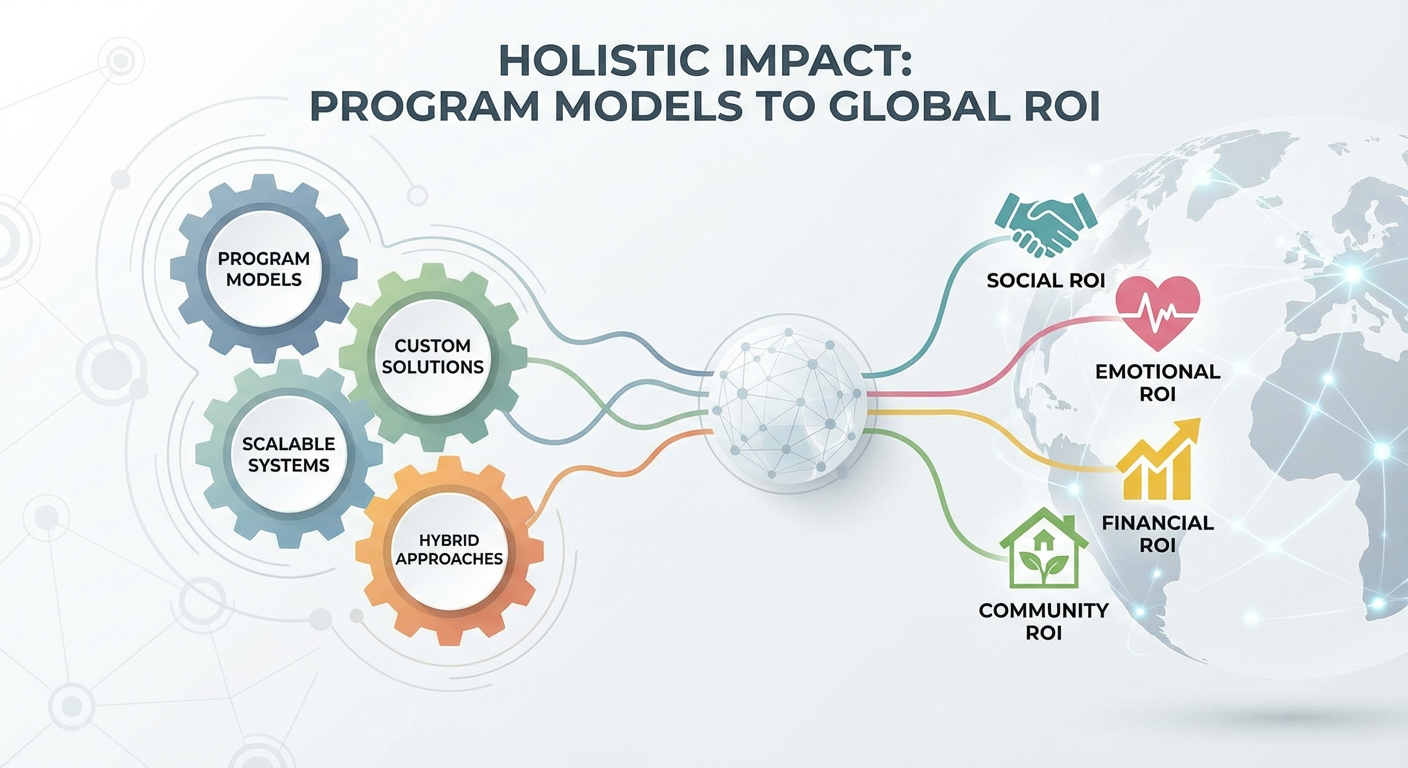
6. Key Program Models and Success Stories
The discourse surrounding youth entrepreneurship often centers on its potential to address myriad societal challenges, from youth unemployment to fostering economic growth and personal development. However, the true efficacy of such initiatives is best understood through the lens of successful program models, each demonstrating diverse approaches and yielding robust, quantifiable impacts. This section delves into notable examples of youth entrepreneurship programs, offering a comprehensive analysis of their methodologies, outcomes, and the profound social, emotional, and financial return on investment (ROI) they generate in various global contexts. These case studies illuminate the practical application of theoretical frameworks, showcasing how targeted interventions can transform individual lives and entire communities. Young people globally harbor a significant desire for self-employment, with nearly 40% of those aged 15–30 in the EU expressing a preference for entrepreneurship, though only about 7% actually achieve it [1]. This ambition gap underscores a vast reservoir of untapped potential that well-designed programs can convert into tangible ventures. The global youth unemployment rate, while improving to approximately 13% in 2023, remains two to three times higher than that for older workers, highlighting the critical role entrepreneurship programs play in offering alternative pathways to livelihood and economic independence [3], [4]. The examples presented here—ranging from grassroots initiatives in developing nations to established national programs in advanced economies—illustrate a spectrum of strategies. These models collectively demonstrate that investing in youth entrepreneurship is not merely a philanthropic endeavor but a strategic investment with significant, measurable returns across economic, social, and personal dimensions.
6.1. The Social Innovation Academy (SINA), Uganda: Cultivating Grassroots Change Agents
The Social Innovation Academy (SINA) in Uganda stands as a compelling testament to the transformative power of youth entrepreneurship programs, particularly in challenging environments. Founded around 2013, SINA specifically targets unemployed and often marginalized young Ugandans, providing them with a unique, intensive residential program focused on social entrepreneurship and holistic personal development [22]. The core philosophy of SINA is to empower these youth to not just start businesses, but to create innovative solutions that address pressing social and environmental issues within their communities.
6.1.1. Program Pedagogy and Focus
SINA’s approach diverges from traditional entrepreneurship education. Rather than relying on rigid curricula, it emphasizes a self-directed learning model where participants identify problems, ideate solutions, and develop their own enterprises with guidance from mentors. This free attitude and self-organized learning environment fosters a strong sense of ownership and resilience among the “scholars.” The program integrates practical skills training tailored to local contexts, alongside critical soft skills such as leadership, problem-solving, and adaptability. The focus on *social* entrepreneurship ensures that the ventures created are not solely profit-driven but are intrinsically linked to sustainable community development. This model is particularly effective in regions where systemic issues often leave traditional educational pathways insufficient for gainful employment.
6.1.2. Documented Impact and ROI
The impact of SINA has been rigorously evaluated, showcasing significant returns across multiple dimensions. A 2023 10-year longitudinal study provides compelling evidence of its long-term effectiveness:
- Enterprise Creation: Graduates of SINA have successfully launched over 80 businesses [22]. These enterprises span a diverse range of sectors, from agritech startups developing innovative farming solutions to community schools providing essential education services in underserved areas. This diversity highlights the program’s success in fostering varied entrepreneurial talent.
- Job Creation: These 80+ enterprises have collectively generated a substantial number of employment opportunities, with 973 jobs created to date [22]. This job creation is a direct and powerful antidote to the high youth unemployment prevalent in many developing countries. Even at a conservative estimate of minimum wage (~$36/month in Uganda), these jobs inject over $420,000 annually into local economies [17]. This illustrates a tangible economic ripple effect beyond the immediate businesses themselves.
- Financial Return on Investment (ROI): The 2023 study found that SINA alumni generated a remarkable 5x to 10x return on the cost of their training [22]. This means that for every dollar invested in a SINA scholar, between $5 and $10 in increased earnings or venture capital accumulation is realized. This robust financial ROI underscores the economic viability and efficiency of SINA’s model as an investment. Furthermore, the combined salaries of just the top 12 employees of a graduate’s startup can be 19 times the monthly training cost per student, demonstrating the rapid and substantial financial contributions of alumni enterprises [20].
- Social Impact: Beyond direct economic gains, SINA’s focus on social entrepreneurship means its impact extends to community problem-solving. Alumni ventures often address critical local needs, contributing to improved living standards, environmental sustainability, and increased access to vital services. The transformation of marginalized youth into job creators and community leaders also fosters social cohesion and reduces dependency.
- Personal Transformation: Qualitatively, participants undergo significant personal growth. Many of these young individuals, who previously faced bleak prospects and lacked opportunities, become confident business owners and change-makers. The program instills resilience, creativity, and a belief in their own agency to shape their futures and uplift their communities.
6.1.3. Key Learnings from SINA
The SINA model offers several crucial lessons for youth entrepreneurship programs worldwide:
- Holistic Support is Paramount: SINA’s success is not just in providing business skills, but in offering a comprehensive ecosystem that includes training, mentorship, and a supportive community. This holistic approach addresses not only the technical aspects of entrepreneurship but also the personal development and psychological well-being of the youth.
- Contextual Relevance: The program’s design is deeply rooted in the local Ugandan context, enabling it to cultivate solutions that are genuinely relevant and impactful for the community. This underscores the need for programs to be flexible and adaptable, rather than imposing a one-size-fits-all model.
- Empowering the Disadvantaged: SINA demonstrates that investing in marginalized youth can yield exceptionally high returns. By providing opportunities to those often overlooked, society gains not only economic contributors but also dedicated agents of positive social change.
- Sustainability through Social Enterprise: The emphasis on social entrepreneurship ensures that ventures are not only economically sustainable but also contribute to the long-term well-being of their communities, often creating a virtuous cycle of development.
The success of the Social Innovation Academy in Uganda concretely illustrates that with thoughtful design and dedicated support, youth entrepreneurship programs can deliver profound social and financial payoffs, even in some of the most resource-constrained environments.
6.2. Youth Empowering Parents (YEP): Maximizing Impact through Youth as Service Providers
Youth Empowering Parents (YEP) represents an innovative and highly impactful program model that flips the traditional dynamic of youth as recipients of support, instead positioning them as active service providers and educators within their communities. Operating across Canada, parts of Europe, and Africa, YEP leverages youth volunteers to tutor immigrant parents and other adults in essential skills such as language proficiency and computer literacy [23]. This intergenerational learning model generates substantial social value with remarkably low operational costs.
6.2.1. Unique Program Design and Reach
YEP’s distinctiveness lies in its multi-faceted approach. It serves over 1,000 youth and adult learners annually across five countries, including Spain, Poland, Ethiopia, and Niger [23]. The program operates on a lean budget by ingeniously utilizing community spaces and relying heavily on the dedication of its youth volunteers. This cost-effective structure is a key factor in its exceptional efficiency and high ROI. The youth, typically teenagers, are trained not only in the delivery of educational content but also in mentorship, communication, and leadership, thereby benefiting from the teaching experience as much as the adult learners benefit from the instruction.
6.2.2. Extraordinary Social Return on Investment (SROI)
The impact of YEP has been rigorously analyzed, most notably by Boston Consulting Group (BCG), which conducted a Social Return on Investment (SROI) study. The findings are staggering: for every $1 invested in YEP, society reaps an estimated $27 of benefit[23]. This extraordinary 27:1 SROI ratio is exceptionally high, even within the social impact sector, and primarily stems from several key outcomes:
- Improved Livelihoods for Adult Learners: By acquiring essential language and digital literacy skills, adult participants gain better access to employment opportunities, higher-paying jobs, and improved integration into their communities. This directly translates to increased income, reduced dependency on social welfare, and enhanced quality of life.
- Avoided Welfare Costs: As adult learners become more self-sufficient and gain employment, there is a consequential reduction in the need for social welfare services, generating significant savings for public funds.
- Value of Volunteer Hours: YEP participants have contributed over 400,000 volunteer hours teaching and mentoring others [23]. Monetizing these hours at market rates indicates a value exceeding $6 million in services [14]. This represents a massive infusion of social capital and skilled labor into communities, far surpassing the program’s direct financial investment.
- Youth Leadership and Skill Development: The younger volunteers acquire invaluable skills beyond the immediate subject matter being taught. They develop leadership, empathy, patience, communication, and organizational skills. This experience fosters a strong sense of civic engagement and self-efficacy, paving the way for future entrepreneurial or leadership roles. Testimonials indicate that several alumni teen tutors have been inspired to create their own social initiatives, illustrating a powerful multiplier effect [23].
YEP’s innovative model has earned it recognition, including a United Nations innovation award, celebrating its unique and highly effective approach to community development and youth empowerment [23].
6.2.3. Key Learnings from YEP
YEP provides critical insights into high-impact program design:
- Empowering Youth as Agents of Change: By redefining youth as contributors and educators rather than just beneficiaries, YEP taps into an immense, often underestimated, resource. This not only builds the skills and confidence of the youth but also amplifies the program’s reach and impact.
- Leveraging Volunteerism: The strategic utilization of youth volunteers and community resources dramatically reduces operational costs, allowing YEP to achieve exceptional levels of efficiency and SROI. This model is highly replicable in resource-constrained settings.
- Intergenerational and Cross-Cultural Benefits: The program fosters valuable intergenerational connections and cross-cultural understanding, breaking down barriers and strengthening community bonds.
- Multiplier Effect: The skills and confidence gained by youth tutors often lead to further community engagement and even the creation of new social enterprises, perpetuating a cycle of positive change.
The Youth Empowering Parents program unequivocally demonstrates that by fostering youth leadership and strategic volunteerism, highly impactful social and emotional returns can be generated, with an SROI that far exceeds conventional outcomes.
6.3. Tiwale Women’s Center (Malawi): Youth-Led Social Enterprise Addressing Gender Inequality
The Tiwale Women’s Center in Malawi exemplifies how a single, determined young entrepreneur can catalyze profound social change, particularly in addressing entrenched issues like gender inequality and poverty. Launched in 2014 by Ellen Chilemba when she was just 18 years old, Tiwale’s mission is to empower women living in deprived communities of Malawi [24]. This youth-led social enterprise offers a powerful model for grassroots-level development and economic upliftment.
6.3.1. Genesis and Growth of a Youth-Led Initiative
Tiwale began with modest resources—small grants and training in tie-dye techniques. However, its vision quickly expanded. It evolved into a comprehensive community center offering vital services, including business skills workshops, micro-loans, and an artisan collective [24]. This multi-pronged approach ensures that women receive not just training, but also access to capital and a platform to sell their goods, fostering sustainable economic independence.
6.3.2. Transformative Impact on Women and Community
The impact of the Tiwale Women’s Center extends far beyond economic metrics:
- Entrepreneurial Training and Business Creation: Tiwale has successfully trained over 150 women as entrepreneurs [24]. These women have gone on to establish a variety of micro-businesses, ranging from tailoring services to poultry farming, directly contributing to their household incomes and local economies.
- Income Generation and Financial Independence: Many beneficiaries have reported significant improvements in their financial standing, with some tripling their income. This enables them to become financially independent, a crucial step in breaking cycles of poverty and enhancing their agency within their families and communities.
- Social Empowerment and Norm Shifting: Perhaps the most profound impact of Tiwale is its role in transforming social norms. In a context where women historically had little say in financial matters, Tiwale empowers them to become business owners and decision-makers [24]. This shift not only benefits the trained women but also creates new role models, inspiring other girls and reshaping community perceptions of women’s roles.
- Global Recognition: Ellen Chilemba’s initiative garnered international attention, leading to her recognition in Forbes’ prestigious 30 Under 30 list. This highlights the global significance of youth-led solutions to local problems and brings visibility to initiatives in underserved regions.
- Sustainable Ecosystem: Tiwale has fostered a sustainable support system where empowered women entrepreneurs pay it forward by mentoring others, creating a ripple effect of empowerment and development within the community.
6.3.3. Key Learnings from Tiwale
Tiwale Women’s Center provides powerful insights into successful social entrepreneurship:
- Youth as Catalysts for Change: The initiative demonstrates that young individuals possess the vision and drive to address complex social issues effectively, even with limited initial resources. Their proximity to community challenges often makes their solutions highly relevant and authentic.
- Addressing Systemic Issues through Enterprise: By focusing on women’s economic empowerment, Tiwale directly tackles gender inequality, demonstrating how entrepreneurship can be a powerful tool for social justice.
- Modest Resources, Major Impact: The center’s growth from small grants to a multifaceted community resource illustrates that significant impact can be achieved without massive capital injections, relying instead on strategic training, community building, and sustainable models.
- Empowerment Multiplier: Empowering women leads to benefits that cascade through families and communities, improving health, education, and overall well-being.
The Tiwale Women’s Center stands as an inspiring narrative of youth-led social entrepreneurship, proving that a dedicated young individual can create lasting change and uplift an entire community from the most challenging circumstances.
6.4. Prince’s Trust Enterprise Programme (UK): A National Model of Enduring Impact
The Prince’s Trust Enterprise Programme in the United Kingdom offers a compelling example of a large-scale, long-running national initiative dedicated to fostering youth entrepreneurship. Established in 1983 by His Royal Highness the Prince of Wales (now King Charles III), this program specifically targets unemployed British youth aged 18 to 30, providing them with the necessary tools, skills, and support to start their own businesses [25]. Its decades of operation and consistent impact make it a benchmark for effective youth enterprise development.
6.4.1. Comprehensive Support Ecosystem
The Enterprise Programme is renowned for its holistic and structured approach, combining several critical elements:
- Tailored Training: Participants undergo training designed to equip them with essential business skills, covering areas from market research and business planning to financial management and marketing.
- One-on-One Mentorship: A cornerstone of the program is its extensive network of volunteer business mentors. Over 6,000 experienced business professionals volunteer their time, providing personalized, one-on-one guidance and support to young entrepreneurs through the challenges of launching and growing a business [25]. This long-term, individualized mentorship is critical for building confidence, imparting practical knowledge, and helping navigate obstacles.
- Startup Financing: The Trust provides access to crucial startup loans, typically up to £5,000, which are often difficult for young, unproven entrepreneurs to secure from traditional financial institutions [25]. This financial support, coupled with mentorship, significantly de-risks the entrepreneurial journey for participants.
- Ongoing Support: Beyond initial training and funding, the program offers continuous support and resources, addressing the common challenge of business sustainability beyond the initial startup phase.
6.4.2. Large-Scale and Enduring Impact
The Prince’s Trust Enterprise Programme boasts an impressive track record over its nearly 40 years of operation:
- Extensive Business Creation: The program has successfully enabled more than 80,000 young people to become entrepreneurs [25]. This vast number signifies its role as a major contributor to the UK’s small business sector and a significant driver of youth employment.
- Economic Contribution and ROI: An independent evaluation highlights the program’s effectiveness, noting that the majority of businesses launched with its support remain operational after one year, with many achieving sustained growth. The Prince’s Trust estimates a substantial societal return on investment, asserting that it generates £7 for every £1 invested in its programs [25]. This return is primarily derived from reduced welfare costs as young people move into self-employment, and increased tax contributions from successful ventures and their employees.
- Job Creation: While specific job creation numbers are not explicitly detailed in the provided text for the UK program, the sheer volume of businesses launched inherently translates into thousands of jobs created, both for the founders themselves and for subsequent employees as businesses scale.
- Personal and Social Development: Beyond economic outcomes, the program fosters significant personal development among participants, building confidence, resilience, and a sense of purpose. It integrates marginalized youth into productive roles, reducing social exclusion and providing alternative pathways to success.
6.4.3. Key Learnings from the Prince’s Trust
The Prince’s Trust Enterprise Programme offers valuable insights for policy-makers and program designers:
- Longevity and Consistency Build Ecosystems: Its decades of continuous operation have allowed it to build a formidable ecosystem for youth enterprise in the UK. This demonstrates that sustained, consistent support is crucial for embedding entrepreneurship as a viable career path.
- The Power of Mentorship: The emphasis on a large network of experienced volunteer mentors is a critical success factor, providing invaluable guidance and a powerful human connection for young entrepreneurs.
- Accessibility to Capital: Providing startup loans bridges a significant financial gap for young founders who often lack collateral or credit history, empowering them to transform ideas into viable businesses.
- Institutional Backing and Reputation: The patronage of the Prince of Wales (now King Charles III) has given the Trust significant credibility and visibility, contributing to its ability to attract funding, volunteers, and participants, and to mainstream youth entrepreneurship as a respected career choice.
The Prince’s Trust Enterprise Programme stands as a robust model for large-scale national youth entrepreneurship initiatives, demonstrating how a comprehensive, long-term approach can yield significant and enduring social and financial returns for both individuals and the broader economy.
6.5. Comparative Analysis of Program Models and Approaches
The success stories of SINA, YEP, Tiwale Women’s Center, and the Prince’s Trust Enterprise Programme highlight diverse yet effective approaches to fostering youth entrepreneurship. While each program is tailored to its specific context and target demographic, common threads and distinct innovations emerge.
6.5.1. Target Demographics and Contextual Relevance
| Program | Target Demographic | Primary Context | Key Distinctive |
|---|---|---|---|
| SINA (Uganda) | Unemployed, marginalized youth | Developing economy; high youth unemployment | Self-organized learning; social intra/entrepreneurship |
| YEP (Global) | Youth volunteers & adult immigrants | Diverse global, often urban/immigrant communities | Youth as educators; intergenerational learning |
| Tiwale (Malawi) | Young women in poverty | Developing economy; gender inequality | Youth-led for female empowerment |
| Prince’s Trust (UK) | Unemployed youth (18-30) | Developed economy; youth joblessness | National scale; extensive mentorship; royal patronage |
The programs illustrate that while overall youth unemployment is a global issue, the specific challenges vary greatly by context. SINA and Tiwale operate in developing economies where opportunities are scarce, necessitating models that address basic livelihood needs and systemic social issues like poverty and gender inequality. In contrast, the Prince’s Trust operates in a developed economy, focusing on providing structure and access to capital for youth who might otherwise struggle to enter the labor market. YEP’s model transcends specific economic contexts by focusing on educational gaps and community integration.
6.5.2. Approaches to Value Creation and Impact
Each program employs distinct mechanisms to create its significant social, emotional, and financial ROI:
- SINA’s Regenerative Model: By focusing on “social intrapreneurship” and “free attitude,” SINA empowers youth to develop ventures that not only generate income but also solve local problems. This creates a regenerative cycle where entrepreneurial activity directly contributes to community well-being, yielding a 5-10x financial return on training costs [16].
- YEP’s Multiplier Effect: YEP’s genius lies in tasking youth with tutoring adults, creating a dual benefit. Youth gain leadership and teaching skills, while adults improve literacy, leading to better jobs and reduced welfare dependency. The leveraging of volunteer time generates an exceptional 27:1 SROI, making it a highly efficient model for community-building and skill development [11].
- Tiwale’s Empowerment Focus: Tiwale demonstrates the profound impact of targeted empowerment. By providing business skills and micro-loans specifically to women, it directly addresses gender disparity and creates economic independence. The social transformation, with women gaining agency and inspiring others, represents immense social ROI that, while harder to quantify in monetary terms, is profoundly impactful.
- Prince’s Trust’s Ecosystem Approach: The Prince’s Trust excels in providing a full ecosystem of support—training, mentorship, and funding—over extended periods. This comprehensive, sustained approach, combined with institutional legitimacy, has enabled over 80,000 businesses [25], signaling a massive scale of direct and indirect economic contributions, estimated to be £7 for every £1 invested [25].
6.5.3. Key Takeaways and Best Practices
These examples collectively underscore several crucial best practices in youth entrepreneurship programming:
- Holistic Support: Successful programs recognize that entrepreneurship requires more than just business acumen. They integrate personal development, mentorship, and ongoing support to build confidence, resilience, and problem-solving skills [10], [15].
- Contextualization: What works in one setting may not in another [21]. Programs that deeply understand and adapt to local cultural, economic, and social conditions tend to be more impactful.
- Leveraging Untapped Potential: Initiatives that strategically identify and empower specific marginalized groups, such as unemployed youth or women in poverty, often yield disproportionately high returns.
- Long-Term Engagement: Entrepreneurship is not a short-term endeavor. The sustained success of the Prince’s Trust and the longitudinal evaluation of SINA highlight the importance of long-term support and follow-up to truly capture ROI. The benefits often compound over several years, meaning patience is key [19].
- Innovative Funding Models: YEP demonstrates that high impact does not necessarily require high expenditure; innovative models that leverage volunteerism and community assets can achieve extraordinary SROI.
- Measurable Impact: The use of rigorous evaluation methods, including SROI studies (as seen with YEP and IYF’s Passport to Success, which yielded a $7.17 for every $1 invested [18]), is critical for demonstrating effectiveness to stakeholders and ensuring continuous improvement.
In conclusion, the featured programs offer powerful demonstrations of “what works” in youth entrepreneurship. While their models differ, they uniformly highlight the immense potential for positive change when young people are equipped, supported, and empowered to create their own futures and contribute meaningfully to their societies.
The succeeding section, “Challenges and Enabling Factors,” will further explore the obstacles young entrepreneurs face and the policy and ecosystem elements that facilitate or hinder their success, building on the insights gleaned from these exemplary models. —
References
1 [www.oecd.org](https://www.oecd.org/en/topics/sub-issues/inclusive-entrepreneurship/youth.html#:~:text=Entrepreneurship%20holds%20potential%20for%20young,are%20in%20part%20due%20to) – Youth in inclusive entrepreneurship — *OECD* — 2023.
3 [www.ilo.org](https://www.ilo.org/resource/article/global-employment-trends-youth-2024-figures#:~:text=13,force%20is%20unemployed) – Global Employment Trends for Youth 2024: In Figures — *International Labour Organization* — Aug 2024.
4 [www.linkedin.com](https://www.linkedin.com/pulse/close-look-youth-unemployment-opportunity-fight-back-emanuele-musa#:~:text=The%20global%20youth%20unemployment%20rate,3) – A close look at Youth unemployment and the opportunity to fight back with entrepreneurship.
10 [jasouthflorida.org](https://jasouthflorida.org/ja-alumni-report-2021-2022/#:~:text=overall%2C%20and%20nearly%20as%20many,85) – Junior Achievement Alumni Report 2021–2022 (Ipsos Poll Highlights) — *Junior Achievement USA* — June 2022.
11 [yepeducation.com](https://yepeducation.com/sroi.html#:~:text=For%20every%20%241%20invested%20in,a%20societal%20benefit%20of%20%2427) – YEP SROI: Every $1 Donated = $27 in Social Benefit — *Youth Empowering Parents (YEP)* — 2025.
14 [yepeducation.com](https://yepeducation.com/sroi.html#:~:text=YEP%20is%20one%20of%20only,the%20United%20Nations%E2%80%99%20Innovation%20Award) – YEP SROI: Every $1 Donated = $27 in Social Benefit — *Youth Empowering Parents (YEP)* — 2025.
15 [stories.youthbusiness.org](https://stories.youthbusiness.org/impact-report-2022/#:~:text=match%20at%20L528%20total%20of,manage%20risks%20and%20uncertainty%20in) – Impact Report 2022: Unleashing the power of youth entrepreneurship — *Youth Business International* — 2023.
16 [socialinnovationacademy.org](https://socialinnovationacademy.org/return-on-investment-after-social-innovation-study-results-from-sina/#:~:text=Uganda,on%20their%20cost%20of%20attendance) – Return on Investment after Social Innovation: Study Results from SINA — *Social Innovation Academy (Uganda)* — 2023.
17 [socialinnovationacademy.org](https://socialinnovationacademy.org/return-on-investment-after-social-innovation-study-results-from-sina/#:~:text=To%20date%2C%20973%20total%20jobs,1x%20SROI%20per%20paid%20position) – Return on Investment after Social Innovation: Study Results from SINA — *Social Innovation Academy (Uganda)* — 2023.
18 [iyfglobal.org](https://iyfglobal.org/library_item/social-return-investment-iyfs-passport-success-mexico/#:~:text=identify%20the%20monetary%20value%20of,other%20words%2C%20PTS%20generates%20more%E2%80%A6) – Social Return on Investment of IYF’s Passport to Success in Mexico — *International Youth Foundation* — May 13, 2022.
19 [iyfglobal.org](https://iyfglobal.org/library_item/social-return-investment-iyfs-passport-success-mexico/#:~:text=every%20%241,other%20words%2C%20PTS%20generates%20more%E2%80%A6) – Social Return on Investment of IYF’s Passport to Success in Mexico — *International Youth Foundation* — May 13, 2022.
20 [socialinnovationacademy.org](https://socialinnovationacademy.org/return-on-investment-after-social-innovation-study-results-from-sina/#:~:text=paid%20employment%20for%20over%2048,scholar%20SINA%20training) – Return on Investment after Social Innovation: Study Results from SINA — *Social Innovation Academy (Uganda)* — 2023.
21 [odi.org](https://odi.org/en/about/our-work/maximising-the-impact-of-youth-entrepreneurship-support-in-different-contexts/#:~:text=Many%20different%20initiatives%20exist%20to,impact%20in%20practice%2C%20or%20how) – Maximising the impact of youth entrepreneurship support in different contexts — *ODI (Overseas Development Institute)* — 2019.
22 [socialinnovationacademy.org](https://socialinnovationacademy.org/return-on-investment-after-social-innovation-study-results-from-sina/#:~:text=To%20date%2C%20973%20total%20jobs,1x%20SROI%20per%20paid%20position) – Return on Investment after Social Innovation: Study Results from SINA — *Social Innovation Academy (Uganda)* — 2023.
23 [yepeducation.com](https://yepeducation.com/sroi.html#:~:text=Over%201%2C000%20participants%20benefit%20yearly%2C,Spain%2C%20Poland%2C%20Ethiopia%2C%20and%20Niger) – YEP SROI: Every $1 Donated = $27 in Social Benefit — *Youth Empowering Parents (YEP)* — 2025.
24 [www.un.org](https://www.un.org/hi/desa/unlocking-entrepreneurship-opportunities-youth-could-lower-unemployment-and-bring#:~:text=Young%20social%20entrepreneurs%20have%20already,Storytelling%20Furniture%20which%20uses%20reclaimed) – Unlocking entrepreneurship opportunities for youth could lower unemployment and bring social benefits — *United Nations DESA News* — Oct 2020.
25 [www.royal.uk](https://www.royal.uk/clarencehouse/speech/article-prince-wales-sunday-telegraph-about-princes-trusts-enterprise-programme#:~:text=of%20the%20same%20issues%20re,We%20now%20have%20an%20army) – An article by The Prince of Wales about The Prince’s Trust Enterprise Programme — *The Sunday Telegraph / royal.uk* — Mar 25, 2013.
7. Challenges and Best Practices in Impact Measurement
The multifaceted nature of youth entrepreneurship programs, designed to cultivate not only economic prosperity but also profound social and emotional development among young participants, inherently presents significant complexities for comprehensive impact measurement. While the preceding sections have thoroughly highlighted the impressive Social Return on Investment (SROI) and other tangible benefits generated by these initiatives, accurately quantifying these diverse outcomes remains a persistent challenge for program implementers, policymakers, and funders alike. This section delves into the intricate landscape of impact measurement in youth entrepreneurship, exploring the application and limitations of frameworks such as SROI, grappling with real-world data collection hurdles, emphasizing the critical role of longitudinal studies, and advocating for a balanced integration of quantitative metrics with qualitative insights to forge a truly holistic evaluation approach.
The Complexities of Multi-Faceted Impact Measurement
Youth entrepreneurship programs typically aim for a broad spectrum of outcomes, extending far beyond simple business creation or financial success. They seek to foster personal growth, enhance soft skills, improve career trajectories, and contribute to community development alongside generating economic benefits. This inherent breadth of ambition makes a single, straightforward metric inadequate for capturing the full scope of their impact. For instance, while economic metrics such as the number of businesses started, jobs created, or revenues generated are relatively quantifiable, assessing improvements in confidence, resilience, problem-solving abilities, or civic engagement requires more nuanced approaches. As noted, organizations are increasingly balancing traditional economic indicators with surveys designed to capture “soft outcomes” like confidence and resilience 20.
The interdependence of these outcomes further complicates measurement. For example, increased confidence (an emotional outcome) can directly lead to better decision-making in business (a financial/economic outcome), which in turn creates jobs (a social outcome). Isolating the precise contribution of the entrepreneurship program amidst a myriad of external factors (individual motivation, market conditions, family support, broader economic trends) is a daunting task. The Overseas Development Institute (ODI) points out that there is little understanding or guidance about how context affects impact
for youth entrepreneurship initiatives 27. This variability means that a program yielding high impact in one cultural or economic environment may not replicate that success in another, underscoring the need for tailored evaluation methods and careful interpretation of results.
Application of Social Return on Investment (SROI) Frameworks
To address the challenge of monetizing non-financial benefits, the Social Return on Investment (SROI) framework has emerged as a crucial tool for evaluating youth entrepreneurship programs. SROI provides a structured methodology to measure and account for the broader social, environmental, and economic value created by an intervention, beyond just financial returns 20. It attempts to assign monetary value to outcomes that traditionally resist easy quantification, such as improved confidence, enhanced quality of life, or reductions in social welfare dependency.
The core principle of SROI is to identify all relevant stakeholders, map out the inputs (resources invested), outputs (direct results), and outcomes (changes experienced by stakeholders), and then place a financial proxy on these outcomes. For example, improved educational attainment resulting from an entrepreneurship program could be valued by the increased lifetime earnings of participants, or the reduction in crime rates due to youth employment could be assigned a monetary value based on the averted costs to the justice system. The result is a ratio, indicating how many dollars of social value are created for every dollar invested.
Several youth entrepreneurship programs have successfully leveraged SROI to demonstrate their impact:
- The International Youth Foundation’s (IYF) Passport to Success training program in Mexico, focused on life skills and employability, achieved an SROI of $7.17 for every $1 invested over five years 17. This impressive ratio accounts for higher earnings for graduates and societal gains from reduced risky behaviors.
- The Youth Empowering Parents (YEP) program, which uniquely trains youth volunteers to tutor immigrant parents, reported an extraordinary SROI of $27 per $1 invested, as calculated by Boston Consulting Group 16. This high return is attributed to the program’s low operational costs (reliant on volunteer effort and donated spaces) and the significant value generated through improved adult literacy, avoided welfare costs, and over 400,000 volunteer hours contributed by youth 19. The value of these volunteer hours alone exceeded $6 million 19.
- Uganda’s Social Innovation Academy (SINA) found its alumni generated a 5x to 10x return on the cost of their training through increased earnings and business value over a decade 18. This demonstrates the capacity of SROI to capture long-term economic contributions.
- The Prince’s Trust in the UK, a long-standing national program, estimates it returns £7 for every £1 invested, primarily through reduced welfare costs and increased tax contributions 23.
These examples illustrate the power of SROI in making a compelling case for investment in youth entrepreneurship programs by translating complex social and emotional benefits into tangible economic terms. This approach helps funders, who increasingly demand accountability and measurable impact, understand the holistic value proposition of these programs. However, the application of SROI is not without its limitations, particularly concerning the subjectivity involved in assigning monetary proxies to certain qualitative outcomes and the inherent challenges in directly attributing broad societal changes solely to one intervention.
Data Collection Challenges
Robust impact measurement hinges on rigorous data collection, an area where youth entrepreneurship programs frequently encounter substantial challenges. These challenges stem from several factors:
- Long Time Horizons: The full impact of entrepreneurship, especially on individual empowerment and career trajectories, often takes years to materialize. Businesses can take time to stabilize and grow, and the “soft skills” gained may influence participants’ lives for decades. Tracking alumni effectively over several years requires sustained effort and resources that many programs lack. For instance, the 7.17:1 SROI for the Passport to Success program was calculated over five years, noting that a shorter measurement period would yield a much lower return 22. Similarly, SINA’s 5-10x return unfolded over a decade 12.
- Attribution vs. Contribution: It is difficult to definitively attribute all positive outcomes solely to the entrepreneurship program. Various external factors, such as family background, individual motivation, broader economic conditions, mentorship outside the program, and access to other resources, play significant roles. Isolating the program’s specific causal effect requires sophisticated methodologies, often including control groups, which are logistically and ethically challenging to implement in real-world program settings 25.
- Data Availability and Quality: Many youth programs operate with limited administrative capacity for extensive data collection. Information on participants’ socio-economic background, pre-program skill levels, or post-program income and business performance may be incomplete or inconsistent. Self-reported data, while valuable, can be subject to recall bias or social desirability bias.
- Participant Mobility: Young people, especially those seeking entrepreneurial opportunities, may relocate frequently for business or personal reasons, making long-term follow-up difficult. This can lead to attrition rates in longitudinal studies, reducing the representativeness and statistical power of the data.
- Measurement of Soft Skills: Quantifying gains in confidence, resilience, creativity, critical thinking, and leadership is inherently complex. While standardized psychological scales exist, their application requires expertise and resources, and the direct correlation between these scales and economic outcomes can be debated. Nevertheless, organizations like Junior Achievement have made progress, with 90% of alumni reporting increased belief in achieving goals and 85% gaining confidence in new situations 10.
Despite these challenges, improvements are being made. Programs are increasingly integrating follow-up surveys at 1, 3, and 5-year intervals to track multi-year outcomes. The use of digital tools for alumni tracking (e.g., LinkedIn) and partnerships with academic institutions for rigorous research designs are enhancing the quality and reliability of impact data.
The Importance of Longitudinal Studies
Given the long-term nature of entrepreneurial success and personal development, longitudinal studies are indispensable for accurately measuring the full impact of youth entrepreneurship programs. A snapshot evaluation at the end of a program would capture only immediate outputs, missing the sustained effects that truly signify transformative change.
Longitudinal studies allow evaluators to:
- Track Business Viability and Growth: They can monitor the survival rates of youth-led businesses, their revenue growth, and their job creation capacities over time. For example, Youth Business International’s network supported 14,923 new businesses in 2022 and helped 35,472 strengthen existing businesses 6. To understand if these are truly impactful, their trajectory past the initial startup phase must be tracked.
- Assess Career Trajectories and Income Changes: Longitudinal data can reveal how participation in entrepreneurship programs influences participants’ long-term career paths, educational attainment, and income levels. Junior Achievement alumni, for instance, are 88% satisfied with their careers, compared to approximately 49% of the general public 14. They are also more likely to achieve higher education and work in their field of study 9. These are outcomes that emerge over years, not months.
- Measure Shifts in Attitudes and Behaviors: Over time, longitudinal studies can capture sustained changes in entrepreneurial mindset, risk-taking propensity, leadership skills, and community engagement. The 95% of mentored young entrepreneurs who improved their ability and confidence in managing risk and uncertainty, as reported by Youth Business International, exemplifies such an evolving trait 11.
- Capture Societal ROI: Economic contributions like tax payments, reduced reliance on social welfare, and community development benefits accrue over many years. Only longitudinal studies can adequately capture these ripple effects. The finding from SINA that $420,000 in annual earnings circulates in local Ugandan communities due to graduate enterprises, and that graduates’ earnings generated a 5-10x return on training costs, illustrates long-term impact 13, 12.
The 10-year longitudinal study of Uganda’s Social Innovation Academy (SINA) stands out as a prime example. This study revealed that SINA alumni produced a 5x to 10x return on the cost of their training, in terms of increased earnings and business value, over a decade 12. This robust data, compared to a control group, provides strong evidence for the sustained impact of holistic entrepreneurship education, especially in developing contexts. Without such long-term observation, much of the true economic and social benefit would remain unseen and unquantified.
Balancing Quantitative Metrics with Qualitative Insights
While quantitative data offers statistical rigor and allows for comparisons and aggregations, qualitative insights provide depth, context, and a richer understanding of the human experience behind the numbers. The best practices in impact measurement for youth entrepreneurship programs involve a strategic balance of both.
Quantitative Metrics
Quantitative metrics are essential for establishing the scale and economic viability of the impact. These include:
- Business Creation & Survival Rates: Number of new businesses launched, percentage of businesses surviving after 1, 3, or 5 years.
- Job Creation: Number of full-time, part-time, or contract positions created by alumni businesses. For instance, 84% of Junior Achievement alumni businesses employ staff, compared to only 20% of U.S. small businesses 7, and 26% of JA alumni businesses employ over 100 people 8.
- Revenue & Profit Growth: Financial performance indicators of alumni businesses. 18% of JA alumni-founded businesses reported annual revenues above $5 million, a rate four times higher than the general U.S. small business population 8.
- Income & Wage Increases: Documented increases in participants’ personal income or wages post-program, compared to pre-program levels or a control group. SINA alumni’s ability to generate 5-10x return on investment through earning increases directly highlights this 12.
- Educational Attainment: Percentage of participants pursuing higher education or vocational training after the program. 51% of Junior Achievement alumni have a bachelor’s degree or higher, compared to 33% of the general U.S. population 9.
- Social Ratios: SROI figures, Cost-Benefit Analysis (CBA) ratios.
Qualitative Insights
Qualitative data helps uncover the why
and how
of impact, providing narratives that convey personal transformations and contextual nuances. These insights are often gathered through:
- Participant Testimonials and Case Studies: Personal stories illustrate how the program changed lives, provided opportunities, and fostered resilience. These capture the human element that quantitative data often misses 20, 28.
- In-depth Interviews: Structured interviews with alumni, mentors, and community stakeholders can reveal unintended positive consequences, challenges faced, and lessons learned.
- Focus Group Discussions: These allow for exploration of shared experiences, perceptions, and collective impacts on a community level.
- Observational Data: Direct observation of participants during program activities can provide insights into engagement, collaboration, and skill development.
The combination of these two data types creates a robust and credible evidence base. For example, a report might state that X participants started businesses generating Y revenue and Z jobs
(quantitative), followed by stories of how these entrepreneurs overcame personal adversity, created local community wealth, or served as role models for younger generations (qualitative). This holistic approach resonates better with diverse stakeholders, including policymakers who want to see both measurable scale and meaningful change 28, 29, 30.
One critical perspective is that qualitative data also helps in understanding the depth of impact
(meaningful change) which goes beyond just the breadth of impact
(scale) provided by quantitative data 20, 29. Understanding the specific program elements that contribute to enhanced confidence or leadership skills, for instance, often comes from qualitative exploration.
Best Practices in Impact Measurement
To overcome the challenges and maximize the effectiveness of impact measurement, several best practices are emerging:
- Start with a Clear Theory of Change: Before measuring, programs must clearly define their intended short-term, medium-term, and long-term outcomes, and how their activities are expected to lead to these changes (the “causal pathway”). This guides the selection of appropriate metrics.
- Integrate Measurement from Program Design: Impact measurement should not be an afterthought. Data collection tools, alumni tracking mechanisms, and evaluation plans should be built into the program design from the outset.
- Utilize Mixed Methods: Systematically collect both quantitative and qualitative data. Employ surveys, interviews, administrative records, and case studies to provide a comprehensive picture.
- Employ Longitudinal Tracking: Invest in systems and resources for long-term follow-up of participants over 3, 5, or even 10+ years, as exemplified by SINA. This is crucial for capturing the true, sustained impact.
- Benchmark and Contextualize: Compare program outcomes against relevant local, national, or global benchmarks (e.g., general youth unemployment rates versus participant employment rates). Recognize that context significantly influences impact 27.
- Ensure Data Disaggregation: Collect data disaggregated by gender, socioeconomic status, geographic location, and other relevant demographics to understand if the program is benefiting all target groups equitably and identifying where specific interventions may be needed. The gender disparity in EU youth entrepreneurship, where young men are 1.6 times more likely to be self-employed than young women, indicates the importance of such disaggregated data to reveal untapped potential 2.
- Promote Transparency and Sharing: Publish evaluation reports and share findings with stakeholders, beneficiaries, and the wider community. This fosters accountability and allows for collective learning.
- Use Measurement for Adaptive Learning: Impact data should inform program adaptation and improvement. If certain approaches are proving more effective, resources can be reallocated. Conversely, if some components are underperforming, they can be redesigned. This creates a powerful feedback loop for continuous program innovation.
By adhering to these best practices, youth entrepreneurship programs can move beyond anecdotal evidence to present a compelling and credible narrative of their social, emotional, and financial ROI. This, in turn, strengthens their advocacy efforts, attracts further funding, and ultimately ensures that these vital initiatives continue to evolve and maximize their positive impact on young people and their communities.
In conclusion, while measuring the full spectrum of impact from youth entrepreneurship programs is complex, the development of robust frameworks like SROI, coupled with an increasing commitment to longitudinal studies and a balanced approach to data collection, is steadily enhancing our understanding of their profound value. The challenges remain, particularly in data collection and attribution, but the progress in refining measurement methodologies points towards a future where the significant societal contributions of these programs are not only recognized but also strategically optimized. The next section will delve into Policy and Funding Implications, exploring how these detailed impact measurements can inform and influence strategic decisions by governments, philanthropies, and other stakeholders.
8. Policy Implications and Future Outlook
The compelling evidence of significant social, emotional, and financial returns on investment (ROI) from youth entrepreneurship programs presents a clear mandate for policymakers and program developers: strategic, sustained investment in nurturing young entrepreneurial talent is not merely a social good but an economic imperative. Despite a high interest in self-employment among young people—with nearly 40% of 15–30 year-olds in the EU expressing a preference for it, yet only about 7% actually engaged in it as of 2022—a vast pool of “missing entrepreneurs” persists [1]. OECD data suggests that if young people (18–30) were as active in business creation as adults (30–49), advanced economies would benefit from an additional 3.6 million youth entrepreneurs [3]. This ambition-reality gap, coupled with persistently high global youth unemployment rates (around 13% in 2023, still 2–3 times higher than for older workers) [4], underscores the urgent need for comprehensive policy frameworks that actively support and scale youth entrepreneurship initiatives. The demonstrated capacity of youth-led businesses to generate jobs, drive economic growth, and foster critical social-emotional skills demands a proactive and integrated government and civil society response. This section will delve into specific policy recommendations, strategies for fostering supportive ecosystems, addressing critical disparities such as gender, and outlining a future outlook that leverages the long-term societal benefits of investing in youth entrepreneurship.
8.1 Strategic Investment in Youth Entrepreneurship Programs
The substantial and multi-faceted ROI of youth entrepreneurship programs necessitates a re-evaluation of public and private funding priorities. The research unequivocally demonstrates that these programs yield impressive returns, ranging from a Social Return on Investment (SROI) of $7.17 for every $1 invested in life-skills training programs like IYF’s Passport to Success [17], to an astonishing $27 for every $1 for initiatives like the Youth Empowering Parents (YEP) program [18]. Furthermore, direct financial returns are evident, with the Social Innovation Academy (SINA) in Uganda reporting a 5-10 times return on program costs in graduates’ increased earnings and business value [19]. These figures are not mere theoretical constructs; they represent tangible economic and social gains that accrue to individuals, communities, and national economies. Policymakers should consider the following strategic investment areas:
8.1.1 Mainstreaming Entrepreneurship Education
Education systems must integrate entrepreneurship education from early schooling through vocational training and higher education. This goes beyond theoretical concepts, focusing on practical skill development, critical thinking, problem-solving, and resilience. For instance, programs like Junior Achievement (JA) have shown that 90% of their alumni believe the experience equipped them to achieve their goals, and 85% gained confidence in new situations [10]. This indicates that early exposure to entrepreneurial concepts fosters vital soft skills and a growth mindset that are beneficial regardless of whether one becomes an entrepreneur. * **Curriculum Development:** Governments should mandate or strongly encourage the inclusion of practical entrepreneurship modules in national curricula. These should not be limited to business principles but encompass financial literacy, digital skills, design thinking, and communication. * **Teacher Training:** Investing in the training and professional development of educators to effectively deliver entrepreneurship content is crucial. This could involve partnerships with existing entrepreneurial ecosystems and business leaders. * **Experiential Learning:** Support practical, hands-on learning experiences, such as mini-company programs, business plan competitions, and student-led social ventures. The Youth Empowering Parents (YEP) program, which trains youth to tutor adults, generates an SROI of $27:1, largely because it provides young people with real leadership and problem-solving experience while leveraging their time and talent [18].
8.1.2 Dedicated Funding and Financial Mechanisms
Access to capital remains a significant barrier for young entrepreneurs. While 9% of young people in OECD nations are nascent entrepreneurs, only a fraction successfully launch established businesses, partially due to lower resources and access to finance compared to older adults [8]. * **Seed Funding and Micro-loans:** Governments and financial institutions should establish dedicated funds, grants, and micro-loan programs specifically tailored for youth-led startups. These should feature simplified application processes, lower interest rates, and flexible repayment terms, recognizing the unique challenges faced by young founders. The Prince’s Trust Enterprise Programme, for example, successfully provides startup loans up to £5,000 for young British entrepreneurs [23]. * **Venture Capital for Youth:** Develop specialized venture capital funds or angel networks focused on youth-led high-growth potential businesses. The fact that 18% of JA alumni businesses report annual revenues over $5 million (four times the rate of U.S. small businesses generally) [7] highlights the potential for high-growth ventures among this demographic given the right support. * **Incubators and Accelerators:** Fund and create a network of youth-focused incubators and accelerators that provide not only workspace but also critical resources like legal advice, marketing support, and access to networks. These programs can help address the steep drop-off in youth businesses after the startup phase [8].
8.1.3 Robust Mentorship and Support Networks
Mentorship is consistently identified as a critical success factor for young entrepreneurs. Overwhelmingly, 95% of mentored young entrepreneurs improved their ability and confidence in managing risk and uncertainty [11]. * **Structured Mentoring Programs:** Policymakers should invest in and scale programs that connect young entrepreneurs with experienced mentors. This includes formal mentorship schemes, peer-mentoring networks, and industry-specific guidance. The Prince’s Trust, for example, leverages a network of 6,000 volunteer business mentors [23]. * **Entrepreneurial Hubs:** Establish physical and virtual hubs where young entrepreneurs can connect, collaborate, and access resources. These hubs can serve as central points for networking events, workshops, and shared learning. * **Psychosocial Support:** Acknowledge the emotional and psychological challenges of entrepreneurship. Programs should incorporate elements of mental health support, stress management, and resilience building to help young founders navigate setbacks.
8.2 Fostering Supportive Ecosystems
Creating an enabling environment is as crucial as direct program investment. A supportive ecosystem reduces barriers, encourages innovation, and increases the likelihood of long-term success for youth-led ventures. The Overseas Development Institute (ODI) has highlighted that “what works” in youth entrepreneurship support varies greatly by context, underscoring the need for tailored, localized strategies [25].
8.2.1 Regulatory and Policy Simplification
Bureaucratic hurdles can be disproportionately challenging for young entrepreneurs with limited experience and resources. * **Streamlined Business Registration:** Simplify and digitalize the process for business registration and licensing, making it faster and less costly for youth-led startups. * **Youth-Friendly Legal Frameworks:** Review and adapt existing regulations to better accommodate micro and small enterprises, potentially offering temporary exemptions or tailored requirements for youth-owned businesses. * **Access to Public Procurement:** Create mechanisms or quotas that allow young entrepreneurs to bid for small government contracts, providing early market opportunities and validation.
8.2.2 Data-Driven Policy Making and Impact Measurement
While impact measurement is complex, ongoing efforts are improving the ability to quantify the full scope of benefits. Organizations are increasingly combining hard metrics (revenue, jobs created) with soft outcomes (confidence, resilience) [15]. * **Standardized SROI Frameworks:** Encourage the adoption of comprehensive Social Return on Investment (SROI) methodologies to demonstrate the full spectrum of benefits, both financial and social. This allows for rigorous comparison and justification for continued investment. * **Longitudinal Studies:** Fund research that tracks youth entrepreneurship program alumni over extended periods (5-10 years or more) to capture the long-term ROI trajectory, including business survival rates, income growth, and career satisfaction. The 10-year longitudinal study of SINA in Uganda, which used a control group, is an exemplary model for assessing long-term impact [20]. * **Centralized Data Repositories:** Establish national or regional databases to track youth entrepreneurship rates, types of businesses, success rates, and the impact of various support programs. This data can inform policy adjustments and resource allocation.
8.2.3 Promoting Entrepreneurial Culture and Role Models
Societal perceptions and cultural norms play a significant role in encouraging or discouraging entrepreneurial pursuits among youth. * **Public Awareness Campaigns:** Launch campaigns to celebrate young entrepreneurs and highlight their contributions to society, showcasing successful role models and destigmatizing business failure. * **Media Engagement:** Work with media outlets to feature inspiring stories of youth entrepreneurs, particularly those from underrepresented groups or non-traditional sectors. * **Community Events:** Support local entrepreneurship events, hackathons, and innovation challenges that engage young people and connect them with the local business community.
8.3 Addressing Gender Disparities and Inclusive Growth
The research reveals a significant gender gap in youth entrepreneurship, with young men in Europe being 1.6 times more likely to be self-employed than young women in 2022 [2]. Similar disparities exist in other marginalized groups, such as rural youth and those from low-income backgrounds. Addressing these inequalities is vital for maximizing overall entrepreneurial potential and ensuring inclusive growth.
8.3.1 Tailored Support for Young Women
Policies must proactively dismantle barriers faced by young women entrepreneurs. * **Gender-Specific Training and Mentorship:** Develop programs that address the unique challenges faced by young women, such as access to finance, confidence building, and work-life balance. Providing female mentors can be particularly impactful. * **Access to Finance for Women:** Create specialized loan products or grant programs designed to support women-led startups, acknowledging historical biases in lending practices. * **Networking Opportunities:** Facilitate networking events and communities specifically for young women entrepreneurs to foster peer support and collaboration. The Tiwale Women’s Center in Malawi, founded by 18-year-old Ellen Chilemba, successfully trained over 150 women entrepreneurs, transforming social norms and empowering women financially [22].
8.3.2 Reaching Underserved Youth Populations
Entrepreneurship support must be accessible to all youth, regardless of their socioeconomic background or geographic location. * **Rural Entrepreneurship Initiatives:** Invest in programs that specifically target rural youth, providing access to digital tools, market linkages, and resources tailored to local agricultural or artisanal economies. * **Entrepreneurship for Disadvantaged Youth:** Develop outreach programs and tailored support for youth from low-income, marginalized, or at-risk backgrounds. This may include combining entrepreneurship training with basic literacy, numeracy, and life skills programs, similar to IYF’s Passport to Success, which achieved a 7:1 SROI [17]. * **Digital Inclusion:** Ensure that all entrepreneurship programs incorporate digital literacy and access to technology, recognizing the centrality of the digital economy. Provide subsidized internet access or device ownership for youth in need.
8.4 Long-Term Societal Benefits and Future Outlook
Investing in youth entrepreneurship is a long-term strategic decision that yields compounding benefits far beyond immediate economic indicators. These programs cultivate a generation of innovators, problem-solvers, and community leaders, shaping a more dynamic and equitable future.
8.4.1 Reduced Social Costs and Increased Well-being
By providing pathways to self-sufficiency and meaningful employment, youth entrepreneurship significantly reduces societal costs associated with unemployment, poverty, and social welfare programs. * **Improved Public Health:** Employed and engaged youth are less likely to suffer from mental health issues, substance abuse, and other social ills, leading to healthier communities. * **Decreased Crime Rates:** Economic opportunities provided by entrepreneurship can divert youth from illicit activities, contributing to public safety. Studies on preventing youth homelessness, for instance, show a $2.21 social value return for every $1 invested by averting costs like emergency shelter and policing [21]. * **Enhanced Civic Engagement:** Engaged young entrepreneurs often become active community members, leaders, and mentors, paying forward their success and fostering a culture of collective responsibility. The 400,000+ volunteer hours contributed by youth in the YEP program, valued at over $6 million, exemplify this civic engagement [14].
8.4.2 Innovation and Competitiveness
Young entrepreneurs are often at the forefront of innovation, bringing fresh perspectives and leveraging emerging technologies to solve societal challenges. * **Dynamic Economy:** A vibrant youth entrepreneurship ecosystem fuels economic dynamism, creating new industries, services, and products. * **Technological Advancement:** Many youth-led startups are digital-native, driving technological adoption and fostering digital transformation across various sectors. * **Global Competitiveness:** Nations that proactively support their young entrepreneurial talent will be better positioned to compete in the global economy, attract investment, and address future challenges.
8.4.3 Intergenerational Economic Mobility
For many youth, especially those from disadvantaged backgrounds, entrepreneurship offers a tangible path to upward mobility and breaking cycles of poverty. * **Breaking the Cycle:** Youth entrepreneurship programs can be transformative for individuals and their families, leading to improved living standards, better educational opportunities for future generations, and increased financial stability. JA alumni are more likely to attain higher education (51% have a bachelor’s degree or higher vs. 33% of the general US population) and believe they are financially better off than their parents [9]. * **Empowerment:** Beyond financial gains, entrepreneurship empowers young people to take control of their destinies, fostering a sense of agency and self-determination. The future outlook for youth entrepreneurship is promising, provided that policymakers and program developers acknowledge its proven impact and commit to sustained, evidence-based investment. The global trend observed in Youth Business International’s network, which supported 141,000 young entrepreneurs in 2021 and expanded to 365,000 in 2024 [5], points towards a growing recognition of this sector’s potential. However, to truly bridge the gap between entrepreneurial ambition and actualization, as evidenced by the 39% EU youth interest versus 7% actual self-employment [1], a concerted effort is needed from all stakeholders. This includes evolving educational paradigms, simplifying regulatory landscapes, ensuring equitable access to resources, and fostering a cultural environment that values and supports entrepreneurial endeavors as a cornerstone of societal progress. The long-term trajectory indicates that societies that invest strategically in their young entrepreneurs will reap significant dividends in economic prosperity, social cohesion, and individual well-being for decades to come.
The next section will delve deeper into the specific recommendations for program design and implementation, highlighting best practices and scalable models for youth entrepreneurship initiatives.
9. Frequently Asked Questions
Youth entrepreneurship programs have garnered increasing attention from policymakers, educators, and development practitioners as a potent strategy for addressing youth unemployment, fostering economic growth, and promoting social mobility. However, as with any emerging field, stakeholders often have practical questions regarding their efficacy, the best ways to measure their impact, and their potential for long-term sustainability and scalability. This section aims to address some of the most frequently asked questions, drawing upon the comprehensive research and data presented throughout this report to provide evidence-based answers. We will delve into the core aspects of these programs, from their theoretical underpinnings and practical implementation to their diverse and quantifiable social, emotional, and financial returns on investment. Understanding these facets is crucial for optimizing current initiatives, informing future policy, and ensuring that investments in youth entrepreneurship yield the maximum possible benefit for individuals and communities worldwide.
What evidence exists that youth entrepreneurship programs are truly effective?
The effectiveness of youth entrepreneurship programs is supported by a growing body of evidence, demonstrating positive outcomes across social, emotional, and financial dimensions. While the interest in self-employment among young people is high, with nearly 40% of youth (15–30) in the EU preferring self-employment, only about 7% are actually self-employed as of 20221. This significant gap underscores the need for effective interventions. Youth entrepreneurship programs play a crucial role in bridging this aspiration-to-action gap by providing the necessary skills, resources, and support. 1. Addressing the “Missing Entrepreneur” Potential: OECD data highlights a substantial “missing entrepreneur” potential. It suggests that if young people (ages 18–30) were as active in business creation as adults, there would be an additional 3.6 million youth entrepreneurs in advanced economies3. These programs directly contribute to unlocking this potential by equipping youth with the tools and confidence to start businesses. For instance, in 2021, Youth Business International’s (YBI) network supported over 141,000 young entrepreneurs, leading to 18,014 new businesses launched and 16,698 securing employment6. By 2024, YBI’s reach expanded significantly, supporting 365,000 young entrepreneurs globally7, demonstrating a robust expansion of training, funding, and mentorship efforts. 2. Significant Job Creation: One of the most compelling pieces of evidence for effectiveness is the job creation capacity of businesses founded by program alumni. A survey of Junior Achievement (JA) alumni revealed that 84% of businesses started by them employ staff, a stark contrast to only about 20% of small businesses overall in the U.S.9. Furthermore, a remarkable 26% of JA alumni ventures employ 100 or more people, whereas only 1.7% of typical U.S. small firms reach this scale10. This indicates that youth entrepreneurship programs not only foster business creation but also cultivate high-growth ventures that significantly contribute to employment, multiplying the social impact. 3. High Financial Returns and Economic Outperformance: The financial viability and growth trajectory of businesses founded by program participants often exceed those of typical small businesses. Nearly 18% of JA alumni-owned businesses report annual revenues exceeding $5 million, which is approximately four times the rate for U.S. small businesses generally12. This suggests a strong financial return on investment (ROI) for programs that empower youth to build scalable, high-revenue enterprises. In a developing context, Uganda’s Social Innovation Academy (SINA) found that its alumni generated a 5x to 10x return on the cost of their training through increased earnings and business value17. By 2023, SINA graduates had founded over 80 enterprises, creating 973 jobs, injecting over $420,000 in annual earnings into local communities19. 4. Personal and Social-Emotional Development: Beyond economic metrics, these programs provide substantial social-emotional returns. Approximately 90% of JA alumni reported that their experience increased their belief in achieving goals and personal development, and 85% gained confidence in new situations14. Similarly, intensive mentoring programs, such as those within the YBI network, reported that 95% of mentored young entrepreneurs improved their ability and confidence in managing risk and uncertainty16. These intangible benefits like self-efficacy, resilience, and leadership skills are critical for long-term success, irrespective of whether an individual continues as an entrepreneur or transitions into other career paths. 5. Long-Term Career Success and Upward Mobility: The positive impacts extend to long-term career outcomes. An impressive 88% of JA participants express satisfaction with their careers, significantly higher than the 49% reported by the general public15. Furthermore, youth entrepreneurship alumni are more likely to pursue higher education and work in fields related to their studies15, contributing to generational economic mobility. Many credit their youth enterprise programs for guiding their educational and career decisions, demonstrating the catalytic effect of early entrepreneurial exposure.
How is the impact of youth entrepreneurship programs typically measured, and what are the challenges?
Measuring the comprehensive impact of youth entrepreneurship programs is a complex but evolving field. It requires a multifaceted approach that captures social, emotional, and financial returns. 1. Frameworks for Measurement: The most common framework for comprehensive measurement is Social Return on Investment (SROI). SROI methodologies attempt to quantify outcomes, including social and emotional benefits, in monetary terms, alongside direct financial gains. For instance, an SROI study of the International Youth Foundation’s (IYF) Passport to Success program in Mexico found that every $1 invested generated $7.17 in social benefits within five years17. Another analysis by Boston Consulting Group calculated an even higher SROI of $27 per $1 for the “Youth Empowering Parents” (YEP) program, monetizing outcomes such as volunteer hours and community impact18. These SROI studies convert intangible benefits like improved confidence, reduced dependency, and volunteer contributions into measurable economic values. Typically, impact measurement combines: * Quantitative Data: Hard metrics such as: * Number of businesses launched and grown. * Revenue generated by these businesses. * Number of jobs created (both for the founder and others). * Increased income for participants. * Program completion rates and certification attainment. * Educational attainment and career progression of alumni. * Qualitative Data: Surveys, interviews, focus groups, and case studies to capture: * Changes in confidence, self-efficacy, and personal development. * Development of soft skills (e.g., leadership, problem-solving, teamwork, communication). * Increased resilience and ability to manage risk and uncertainty. * Community engagement and leadership roles taken by alumni. * Personal stories of transformation and overcoming challenges. 2. Key Challenges in Measurement: * Attribution vs. Contribution: A significant challenge is precisely attributing outcomes solely to the program. Many factors influence a young person’s success, including innate talent, family support, economic conditions, and other educational experiences. Isolating the specific impact of an entrepreneurship program can be difficult. For example, while SINA found its graduates produced a 5-10x ROI, acknowledging that other factors contribute to success is important17. * Longitudinal Tracking: The full impact of entrepreneurship education often unfolds over many years. Tracking alumni and their businesses for 3, 5, or even 10 years post-program requires sustained resources and sophisticated data collection systems. Most programs struggle with retaining contact and collecting consistent data over extended periods. * Defining and Monetizing Social Outcomes: While frameworks like SROI attempt to monetize social outcomes, there is inherent subjectivity in assigning monetary values to improved confidence, reduced social exclusion, or enhanced community vitality. Different models or assumptions can lead to vastly different ROI figures, making comparisons challenging. * Baseline Data and Control Groups: Ideally, impact studies would compare program participants with a control group of similar individuals who did not receive the intervention. However, creating true control groups is often ethically or practically challenging in real-world program settings. Program evaluations often rely on pre/post measures or comparisons with national averages, which are less robust. * Contextual Variability: The effectiveness and measurable impact of programs can vary significantly based on the local context. Socioeconomic conditions, cultural attitudes towards entrepreneurship, availability of ongoing support (like access to finance or markets), and governmental policies all play a role. As noted by the Overseas Development Institute (ODI), there is “little understanding or guidance about how context affects impact” for youth entrepreneurship initiatives51. A program yielding high returns in one setting might not translate similarly elsewhere. * Data Quality and Consistency: Gathering accurate and consistent data from a diverse group of young entrepreneurs, especially across different demographics and geographic regions, can be problematic. Self-reported data, while valuable for capturing emotional and attitudinal shifts, can also be subject to bias. 3. Best Practices and Emerging Trends: * Mixed Methods Approach: Combining quantitative data for scale and economic outcomes with qualitative data for depth and personal transformation provides the most holistic picture. * Long-Term Follow-up: Programs are increasingly emphasizing the importance of multi-year outcome tracking to capture the compounding benefits of entrepreneurial development. * Utilizing Technology: Digital platforms, alumni networks, and social media are being leveraged to facilitate longer-term engagement and data collection. * Standardized Indicators: Efforts to standardize key performance indicators (KPIs) allow for better comparison and aggregation of results across different programs and regions. * Capacity Building: Investing in the measurement and evaluation capacity of program staff is crucial for robust data collection and analysis. * Adaptive Learning: Using impact data not just for reporting, but as a feedback loop to continuously refine and improve program design and delivery. In summary, while challenges remain, the field of youth entrepreneurship impact measurement is maturing, with a growing emphasis on rigorous methodologies that capture the full spectrum of benefits.
What are the key factors contributing to the scalability of youth entrepreneurship programs?
The scalability of youth entrepreneurship programs is a critical consideration for maximizing their impact and addressing the substantial “missing entrepreneur” potential worldwide. Achieving scale means reaching more young people effectively and sustainably. Several factors contribute to a program’s ability to scale, drawing insights from successful initiatives globally. 1. Standardized and Adaptable Curriculum: * Modular Design: Curricula that are structured in modular units allow for flexibility and adaptation to various local contexts, age groups, and specific entrepreneurial sectors. This enables program delivery by different partners or in diverse settings without losing core content. * Digital Platforms: Leveraging online learning platforms and digital resources significantly enhances reach. Digital content delivery can supplement in-person training, making programs accessible to youth in remote areas or those with time constraints. This also facilitates trainer-of-trainer models, allowing for rapid expansion. The global reach of organizations like Youth Business International, supporting hundreds of thousands of youth annually7, relies on standardized yet adaptable program elements. 2. Strong Partnerships and Ecosystem Integration: * Government Support: Policy endorsement and funding from local, regional, and national governments are crucial for large-scale implementation and legitimacy. Many governments are actively promoting entrepreneurship through education and funding schemes23. * Private Sector Engagement: Partnerships with businesses for mentorship, internship opportunities, seed funding, and market access are invaluable. Companies can provide real-world insights and resources that educational institutions often lack. * NGO and Community Organizations: Collaborating with established local NGOs and community groups allows programs to tap into existing networks, build trust, and tailor interventions to specific community needs. * Educational Institutions: Integrating entrepreneurship education into school and university curricula provides a systemic pathway for wide reach and early exposure. Junior Achievement’s long-standing presence in schools is a testament to this model9. 3. Sustainable Funding Models: * Diversified Funding: Relying on a mix of funding sources – government grants, philanthropic donations, corporate sponsorships, and earned income (e.g., through consulting, product sales, or program fees from capable participants) – reduces dependence on any single source. * Social Impact Investing: Attracting impact investors who are interested in measurable social and financial returns can provide significant capital for scale. Demonstrated SROI, such as the $7.17 for every $1 invested in IYF’s Passport to Success17, is key to attracting such investors. * Alumni Networks: Engaged alumni who succeed can act as donors, mentors, and advocates, creating a self-sustaining ecosystem over time. 4. Robust Training-of-Trainers and Mentorship Programs: * Cascading Training: Developing a robust “train-the-trainer” model ensures that new facilitators can be quickly brought up to speed, expanding delivery capacity without relying solely on a small core team. * Volunteer Mentorship: Leveraging volunteer business mentors can drastically increase the personalized support available to young entrepreneurs. The Prince’s Trust Enterprise Programme, for example, relies on a network of 6,000 volunteer mentors to support its 80,000+ alumni55, showing how volunteer capacity can drive scale. * Peer Mentorship: Encouraging successful alumni to mentor newer participants creates a cost-effective and highly relevant support system. 5. Evidence-Based Program Design and Continuous Improvement: * Rigorous Evaluation: Consistent measurement of outcomes (as discussed in the previous FAQ) allows programs to demonstrate efficacy, attract funding, and identify areas for improvement. Data-driven decision-making is crucial for optimizing models for scale. * Iterative Design: Programs that are designed to be continuously updated based on feedback from participants, mentors, and market changes are more likely to remain relevant and effective as they grow. Contextual nuances, as highlighted by ODI, necessitate adaptability51. 6. Focus on Local Ownership and Sustainability: * Localization: Empowering local partners to take ownership of program delivery and adaptation enhances sustainability and relevance. This avoids a “one-size-fits-all” approach that might fail when scaled to diverse regions. * Community Integration: Programs deeply integrated into existing community structures are more likely to endure and attract local support. Tiwale Women’s Center in Malawi exemplifies how local initiatives, even youth-founded ones, can grow organically within a community to empower vulnerable groups54. Scalability is not just about size but also about impact. Programs must be scalable without diluting their core effectiveness, ensuring that the enhanced reach continues to deliver the strong social, emotional, and financial returns documented in this report.
What specific roles do mentorship and networking play in the long-term success of young entrepreneurs?
Mentorship and networking are often cited as critical components of successful youth entrepreneurship programs, and research strongly supports their profound impact on the long-term viability of young ventures and the personal development of founders. These elements provide crucial guidance, support, and access that formal training alone cannot offer. 1. Guidance and Knowledge Transfer (Mentorship): * Experience and Wisdom: Mentors, typically seasoned entrepreneurs or business professionals, provide invaluable practical advice gained from their experience. They can help young entrepreneurs navigate common pitfalls, make strategic decisions, and understand market dynamics which are often missing from a youth’s initial experience. * Skill Development: Mentors often help refine specific business skills such as financial management, marketing, sales, and operational efficiency. In the case of Youth Business International, 95% of mentored young entrepreneurs reported improved ability and confidence in managing risk and uncertainty16. * Emotional Support and Resilience: Starting a business is a challenging, often isolating, journey. Mentors provide encouragement, act as sounding boards, and help young entrepreneurs build emotional resilience, learn from failures, and persist through setbacks. This psychological support is as crucial as business acumen. * Role Modeling: Successful mentors serve as inspirational figures, demonstrating what is possible and providing a clear path for professional development. They embody the entrepreneurial spirit and success a young person might aspire to. The Prince’s Trust Enterprise Programme in the UK, having helped over 80,000 young people since 1983, underscores the value of its 6,000 volunteer business mentors in guiding these ventures55. 2. Access to Opportunities and Resources (Networking): * Capital and Funding: Networks can open doors to seed funding, angel investors, venture capitalists, or even traditional loans that might otherwise be inaccessible to young, unproven entrepreneurs. Introductions from trusted mentors or network contacts carry significant weight. * Market Access: Networking connects young entrepreneurs with potential customers, suppliers, distributors, and partners, which is vital for business growth. These connections can lead to early sales, valuable feedback, and strategic collaborations. * Talent Acquisition: Expanding one’s network can help identify and recruit skilled employees or co-founders, crucial for scaling operations. The fact that 84% of JA alumni businesses employ staff9 suggests effective networking (and therefore staffing) as a key differentiator. * Industry Insights and Trends: Being part of an active network provides access to current industry trends, competitive intelligence, and emerging opportunities, enabling young entrepreneurs to adapt their strategies and innovate effectively. * Peer Support: Networking with other young entrepreneurs fosters a community where they can share challenges, celebrate successes, and learn from each other’s experiences. This peer-to-peer learning and support can be a powerful motivator and resource. 3. Impact on Long-Term Success: * Increased Survival Rates: Businesses with strong mentorship and networking support tend to have higher survival rates beyond the critical initial years. The ongoing support helps them navigate economic downturns and competitive landscapes. * Faster Growth: Access to experienced advice and broader networks often accelerates business growth. This can be seen in JA alumni businesses, which demonstrate significantly higher revenue generation and job creation compared to average small businesses10, potentially due to better access to growth-enabling networks. * Enhanced Credibility: Being associated with reputable mentors and networks can build credibility for young startups, making it easier to attract customers, partners, and investors. * Continuous Learning and Adaptation: Mentorship fosters a mindset of continuous learning, crucial for long-term entrepreneurial success. Networking ensures entrepreneurs remain connected to evolving market demands and innovations. In essence, mentorship provides a personal compass and a guide through the entrepreneurial wilderness, while networking equips young entrepreneurs with a map and access to vital resources. Together, they create a formidable support system that significantly enhances the likelihood of long-term success for youth-led ventures.
How do youth entrepreneurship programs address global challenges like youth unemployment and gender inequality?
Youth entrepreneurship programs are increasingly recognized as vital tools in addressing pressing global challenges, particularly persistent youth unemployment and entrenched gender inequality. By fostering self-employment and business creation, these programs offer direct pathways to economic independence and systemic social change. 1. Tackling Youth Unemployment: * Alternative Livelihoods: Globally, youth unemployment remains high, recorded at approximately 13% in 2023, which is still 2–3 times higher than for older workers45. In many developing regions, formal job markets cannot absorb the large youth population, making entrepreneurship not just an option, but a necessity for survival and economic participation25. Entrepreneurship programs provide practical skills and resources, enabling youth to create their own jobs instead of waiting for employment opportunities. * Job Creation for Peers: A significant strength of youth entrepreneurship is its multiplier effect on employment. Businesses founded by young entrepreneurs often hire other young people and community members. For example, 84% of businesses started by Junior Achievement alumni employ staff, and 26% of these ventures employ over 100 people910. This demonstrates that youth-led enterprises are not just creating jobs for themselves but are becoming significant employers, directly contributing to reducing overall unemployment rates. Uganda’s Social Innovation Academy (SINA) alumni, for instance, created 973 jobs from over 80 enterprises, injecting hundreds of thousands of dollars into local economies19. * Economic Contributions: By stimulating economic activity, youth-led businesses reduce poverty and increase tax revenues, benefiting entire communities and governments. These programs often generate substantial Social Return on Investment (SROI), with some studies showing returns of $7 to $27 for every $1 invested, by monetizing outcomes like higher incomes and reduced welfare costs1718. 2. Addressing Gender Inequality: * Empowering Young Women: In many parts of the world, young women face greater barriers to economic participation, including lower access to education, finance, and support networks. In Europe, young men were 1.6 times more likely to be self-employed than young women in 202226. Youth entrepreneurship programs specifically designed to support young women can counteract these disparities. They provide safe spaces for learning, tailored mentorship, and access to capital that might otherwise be unavailable. * Building Confidence and Leadership: Entrepreneurial training fosters confidence, leadership skills, and decision-making abilities in young women, disrupting traditional gender roles. Programs often focus on building self-efficacy, with testimonials from participants highlighting increased belief in achieving goals and greater confidence in new situations14. * Economic Independence: For women, starting and owning a business can be a powerful tool for achieving financial independence, giving them greater agency and improving their family’s well-being. The Tiwale Women’s Center in Malawi, founded by 18-year-old Ellen Chilemba, exemplifies this by training over 150 women entrepreneurs, many of whom have tripled their income and achieved financial independence, thereby transforming social norms in their community54. * Role Models: Successful female entrepreneurs emerging from these programs serve as vital role models for other young women in their communities, encouraging more girls to consider entrepreneurship as a viable and empowering career path. 3. Broader Social Impact: * Community Development: Young entrepreneurs often identify and solve local problems, creating businesses that address community needs, from environmental sustainability to education gaps. This leads to bottom-up community development and increased civic engagement. Youth Empowering Parents (YEP) showcases this, with youth volunteers contributing over 400,000 hours valued at $6 million to their communities19. * Reduced Social Exclusion: By offering pathways to meaningful engagement and economic contribution, these programs can reduce social exclusion and marginalization among youth who might otherwise be drawn into illicit activities or protracted periods of disengagement. * Innovation and Adaptation: Young entrepreneurs bring fresh perspectives and innovative solutions to market challenges, contributing to overall economic dynamism and resilience. In conclusion, youth entrepreneurship programs are strategic investments that directly confront global challenges. By empowering young people to create their own opportunities and build sustainable enterprises, they not only alleviate unemployment and foster gender equality but also catalyze broader social and economic development, creating ripple effects that benefit entire societies.
What is the typical financial return on investment (ROI) for funders and communities investing in youth entrepreneurship programs?
The financial return on investment (ROI) for funders and communities investing in youth entrepreneurship programs is consistently high, often exceeding traditional public or philanthropic investments. This ROI is realized through multiple channels, including increased tax contributions, reduced welfare costs, wealth creation, and direct economic activity generated by new businesses. 1. High Social Return on Investment (SROI) Ratios: Financial ROI is frequently quantified using SROI, which monetizes both direct economic gains and indirect social benefits. * IYF’s Passport to Success: An SROI study for IYF’s life-skills training program in Mexico found that every $1 invested generated $7.17 in social benefits over five years17. These benefits included higher earnings for graduates who attained better jobs, and broader societal gains linked to stable employment, such as reduced crime or improved health outcomes. * Youth Empowering Parents (YEP): A particularly striking example is the YEP program, which achieved an SROI of $27 for every $1 invested, as calculated by Boston Consulting Group18. This exceptional ratio stems from the program’s low operational costs (it primarily uses youth volunteers and donated community spaces) and its significant societal contributions, including over 400,000 volunteer hours valued at more than $6 million19, improved literacy for adults, and averted welfare costs. 2. Increased Earnings and Business Value for Participants: The direct impact on participants’ financial well-being translates into broader economic contributions. * Uganda’s Social Innovation Academy (SINA): A 10-year longitudinal study of SINA in Uganda revealed that alumni generated a 5x to 10x return on the cost of their training through increased earnings and the value of their businesses17. This demonstrates a clear financial payback for the investment made in individuals, as their enhanced human capital directly contributes to economic productivity. 3. Job Creation and Local Economic Stimulus: Youth-led businesses become engines of local economic growth. * JA Alumni Job Creation: As detailed previously, 84% of businesses founded by Junior Achievement alumni employ staff, far surpassing the 20% average for small U.S. businesses9. Furthermore, 26% of these firms employ over 100 people10. These jobs lead to wages circulating in the local economy, which in turn stimulates local businesses and services. * SINA’s Impact in Uganda: SINA graduates created 973 jobs through their 80+ enterprises. Even at a minimum wage salary (approximately $36/month in Uganda), these jobs inject over $420,000 annually into local communities19. This direct injection of income has a profound effect on poverty reduction and local economic development. 4. Reduced Public Costs and Increased Tax Revenues: Successful youth entrepreneurship programs yield significant financial benefits for governments and communities by: * Decreased Unemployment Benefits and Social Welfare: When youth become gainfully employed or self-employed, they cease to rely on unemployment benefits or other social assistance, representing a direct saving to the public sector. * Increased Tax Contributions: Successful businesses and their employees pay income taxes, corporate taxes, and sales taxes, increasing public revenue that can be reinvested into public services. The Prince’s Trust in the UK estimates it returns £7 for every £1 invested through reduced welfare costs and increased tax contributions55, showcasing the long-term financial dividend for national economies. 5. Long-Term Compounding Benefits: The ROI of youth entrepreneurship tends to compound over time. Initial investments yield immediate gains (e.g., job creation, improved confidence), which then lead to secondary and tertiary benefits (e.g., businesses mature, individuals move into higher-paying roles, alumni become mentors and investors themselves). Therefore, measuring ROI over a longer horizon (e.g., beyond 5 years) often reveals even higher returns. In essence, investing in youth entrepreneurship is not merely a social expenditure; it is a strategic economic investment that offers demonstrable and often extraordinary financial returns for both direct funders and the broader community by fostering self-reliance, creating employment, and stimulating economic growth. This concludes our deep dive into the frequently asked questions surrounding youth entrepreneurship programs. The evidence overwhelmingly supports their effectiveness across multiple dimensions, highlighting their critical role in individual empowerment and community development. As we transition to the next section, we will explore the policy implications of these findings, discussing how governments and international bodies can best leverage these insights to create supportive ecosystems for aspiring young entrepreneurs.
References
- Youth in inclusive entrepreneurship | OECD
- Youth in inclusive entrepreneurship | OECD
- Youth in inclusive entrepreneurship | OECD
- Global Employment Trends for Youth 2024: In figures | International Labour Organization
- A close look at Youth unemployment and the opportunity to fight back with entrepreneurship
- Impact Report 2021 – Youth Business International
- Impact Report 2024 – Youth Business International
- Impact Report 2022 – Youth Business International
- New JA Alumni Survey Demonstrates Impact of JA for Participants and Communities – Junior Achievement Rocky Mountain
- New JA Alumni Survey Demonstrates Impact of JA for Participants and Communities – Junior Achievement Rocky Mountain
- New JA Alumni Survey Demonstrates Impact of JA for Participants and Communities – Junior Achievement Rocky Mountain
- JA Alumni Report 2021-2022
- JA Alumni Report 2021-2022
- Impact Report 2022 – Youth Business International
- Alumni – Junior Achievement
- New JA Alumni Survey Demonstrates Impact of JA for Participants and Communities – Junior Achievement Rocky Mountain
- Social Return on Investment of IYF’s Passport to Success in Mexico – International Youth Foundation
- YEP
- Return on Investment after Social Innovation: Study Results from SINA – SINA (Social Innovation Academy)
- Return on Investment after Social Innovation: Study Results from SINA – SINA (Social Innovation Academy)
- Measuring Social Return on Investment for Social Entrepreneurs – FasterCapital
- Youth in inclusive entrepreneurship | OECD
- Youth in inclusive entrepreneurship | OECD
- Youth in inclusive entrepreneurship | OECD
- Youth in inclusive entrepreneurship | OECD
- Youth in inclusive entrepreneurship | OECD
- Youth in inclusive entrepreneurship | OECD
- Global Employment Trends for Youth 2024: In figures | International Labour Organization
- A close look at Youth unemployment and the opportunity to fight back with entrepreneurship
- Impact Report 2021 – Youth Business International
- Impact Report 2022 – Youth Business International
- New JA Alumni Survey Demonstrates Impact of JA for Participants and Communities – Junior Achievement Rocky Mountain
- New JA Alumni Survey Demonstrates Impact of JA for Participants and Communities – Junior Achievement Rocky Mountain
- New JA Alumni Survey Demonstrates Impact of JA for Participants and Communities – Junior Achievement Rocky Mountain
- New JA Alumni Survey Demonstrates Impact of JA for Participants and Communities – Junior Achievement Rocky Mountain
- New JA Alumni Survey Demonstrates Impact of JA for Participants and Communities – Junior Achievement Rocky Mountain
- JA Alumni Report 2021-2022
- JA Alumni Report 2021-2022
- Social Return on Investment of IYF’s Passport to Success in Mexico – International Youth Foundation
- YEP
- Return on Investment after Social Innovation: Study Results from SINA – SINA (Social Innovation Academy)
- Return on Investment after Social Innovation: Study Results from SINA – SINA (Social Innovation Academy)
- Return on Investment after Social Innovation: Study Results from SINA – SINA (Social Innovation Academy)
- YEP
- Youth in inclusive entrepreneurship | OECD
- Youth in inclusive entrepreneurship | OECD
- Youth in inclusive entrepreneurship | OECD
- Global Employment Trends for Youth 2024: In figures | International Labour Organization
- A close look at Youth unemployment and the opportunity to fight back with entrepreneurship
- Maximising the impact of youth entrepreneurship support in different contexts | ODI: Think change
- Maximising the impact of youth entrepreneurship support in different contexts | ODI: Think change
- Youth in inclusive entrepreneurship | OECD
- Youth in inclusive entrepreneurship | OECD
- Impact Report 2021 – Youth Business International
- Impact Report 2024 – Youth Business International
- New JA Alumni Survey Demonstrates Impact of JA for Participants and Communities – Junior Achievement Rocky Mountain
- New JA Alumni Survey Demonstrates Impact of JA for Participants and Communities – Junior Achievement Rocky Mountain
- Maximising the impact of youth entrepreneurship support in different contexts | ODI: Think change
- Unlocking entrepreneurship opportunities for youth could lower unemployment and bring social benefits | संयुक्त राष्ट्र
- YEP
- New JA Alumni Survey Demonstrates Impact of JA for Participants and Communities – Junior Achievement Rocky Mountain
- Return on Investment after Social Innovation: Study Results from SINA – SINA (Social Innovation Academy)
- JA Alumni Report 2021-2022
- Frontiers | Impact of Entrepreneurship Training on Entrepreneurial Efficacy and Alertness among Adolescent Youth
- JA Alumni Report 2021-2022
- Alumni – Junior Achievement
- New JA Alumni Survey Demonstrates Impact of JA for Participants and Communities – Junior Achievement Rocky Mountain
- Impact Report 2022 – Youth Business International
- Social Return on Investment of IYF’s Passport to Success in Mexico – International Youth Foundation
- YEP
- YEP
- Social Return on Investment of IYF’s Passport to Success in Mexico – International Youth Foundation
- Return on Investment after Social Innovation: Study Results from SINA – SINA (Social Innovation Academy)
- Return on Investment after Social Innovation: Study Results from SINA – SINA (Social Innovation Academy)
- An article by The Prince of Wales for the Sunday Telegraph about The Prince’s Trust’s Enterprise Programme | The Royal Family
- Every $1 invested against youth homelessness yields $2.21 social value
- The Social Return on Investment in programs designed for young people living with a family member who experiences mental health challenges: study protocol – PMC
- Return on Investment after Social Innovation: Study Results from SINA – SINA (Social Innovation Academy)
- Maximising the impact of youth entrepreneurship support in different contexts | ODI: Think change
- (PDF) The Impact of Entrepreneurship Education on Entrepreneurship Competencies and Intentions: An Evaluation of the Junior Achievement Student Mini-Company Program
- Measuring Social Return on Investment for Social Entrepreneurs – FasterCapital
- Measuring Social Return on Investment for Social Entrepreneurs – FasterCapital
- Measuring Social Return on Investment for Social Entrepreneurs – FasterCapital
- Measuring Social Return on Investment for Social Entrepreneurs – FasterCapital
- Measuring Social Return on Investment for Social Entrepreneurs – FasterCapital
- Return on Investment after Social Innovation: Study Results from SINA – SINA (Social Innovation Academy)
- Return on Investment after Social Innovation: Study Results from SINA – SINA (Social Innovation Academy)
- YEP
- YEP
- YEP
- Unlocking entrepreneurship opportunities for youth could lower unemployment and bring social benefits | संयुक्त राष्ट्र
- Unlocking entrepreneurship opportunities for youth could lower unemployment and bring social benefits | संयुक्त राष्ट्र
- An article by The Prince of Wales for the Sunday Telegraph about The Prince’s Trust’s Enterprise Programme | The Royal Family
- An article by The Prince of Wales for the Sunday Telegraph about The Prince’s Trust’s Enterprise Programme | The Royal Family
- Youth in inclusive entrepreneurship | OECD
- Youth in inclusive entrepreneurship | OECD
- Impact Report 2022 – Youth Business International
- Global Employment Trends for Youth 2024: In figures | International Labour Organization
- New JA Alumni Survey Demonstrates Impact of JA for Participants and Communities – Junior Achievement Rocky Mountain
- New JA Alumni Survey Demonstrates Impact of JA for Participants and Communities – Junior Achievement Rocky Mountain
- JA Alumni Report 2021-2022
- Alumni – Junior Achievement
- YEP
- YEP
- Social Return on Investment of IYF’s Passport to Success in Mexico – International Youth Foundation
- Return on Investment after Social Innovation: Study Results from SINA – SINA (Social Innovation Academy)
- Return on Investment after Social Innovation: Study Results from SINA – SINA (Social Innovation Academy)
- Unlocking entrepreneurship opportunities for youth could lower unemployment and bring social benefits | संयुक्त राष्ट्र
- An article by The Prince of Wales for the Sunday Telegraph about The Prince’s Trust’s Enterprise Programme | The Royal Family
- An article by The Prince of Wales for the Sunday Telegraph about The Prince’s Trust’s Enterprise Programme | The Royal Family
- Frontiers | Impact of Entrepreneurship Training on Entrepreneurial Efficacy and Alertness among Adolescent Youth
- Maximising the impact of youth entrepreneurship support in different contexts | ODI: Think change
- Maximising the impact of youth entrepreneurship support in different contexts | ODI: Think change