How Gen Z is Redefining Entrepreneurship Through Micro-Businesses
Generation Z (Gen Z), broadly defined as individuals born between the late 1990s and early 2010s, is profoundly reshaping the global economic landscape through an unprecedented embrace of entrepreneurship, particularly in the realm of micro-businesses and the gig economy. This generation, having matured amidst technological disruption, economic uncertainty, and a heightened awareness of social and environmental issues, is not merely participating in the workforce but actively redefining the very nature of work. Their approach is characterized by a digital-first mindset, a fierce desire for autonomy, and a commitment to purpose-driven ventures that challenge traditional corporate structures and employment models. This report provides a comprehensive analysis of Gen Z’s significant impact, highlighting their entrepreneurial ambition, digital fluency, value-driven ethos, and the inherent challenges they confront as they carve out new pathways in the modern economy.
As Gen Z emerges as a dominant force in the global workforce, their unique perspectives and technological prowess are dismantling conventional employment models. Faced with economic pressures and a desire for flexibility, this generation has propelled the side hustle into a mainstream career component, often preferring short-term contracts and platform-based work over conventional 9-to-5 salaried positions. This report delves into the cultural shifts, motivations, and innovative business strategies employed by Gen Z entrepreneurs, examining how their digital-native instincts and commitment to social values are not only driving unprecedented levels of micro-business formation but also compelling a reevaluation of the very definition of “work” itself across industries and geographies.
Key Takeaways
- Nearly half of Gen Z workers globally engage in side hustles, with 72% in the U.S., driven by financial security and flexibility.
- 50% of young people (16-25) aspire to start their own businesses, making Gen Z the most entrepreneurially driven generation.
- Over 52% of Gen Z professionals in the U.S. freelanced in 2023, rejecting traditional 9-to-5 roles for diverse gigs and micro-enterprises.
- Around 80% of Gen Z businesses are launched with an online presence, leveraging social media (44% for marketing) to connect with customers.
- Many Gen Zers embrace portfolio careers, managing multiple micro-ventures and income streams for autonomy and diversification.
- Two-thirds of young founders prioritize social and environmental impact over pure profit, embedding purpose into their business models.
- Gen Z’s micro-business boom contributed to record new business formations, with the gig economy now comprising an estimated 12% of the global labor market.
1. Executive Summary
Generation Z (Gen Z), broadly defined as individuals born between the late 1990s and early 2010s, is profoundly reshaping the global economic landscape through an unprecedented embrace of entrepreneurship, particularly in the realm of micro-businesses and the gig economy. This generation, having matured amidst technological disruption, economic uncertainty, and a heightened awareness of social and environmental issues, is not merely participating in the workforce but actively redefining the very nature of work. Their approach is characterized by a digital-first mindset, a fierce desire for autonomy, and a commitment to purpose-driven ventures that challenge traditional corporate structures and employment models. This executive summary provides a high-level overview of Gen Z’s significant impact, highlighting their entrepreneurial ambition, digital fluency, value-driven ethos, and the inherent challenges they confront as they carve out new pathways in the modern economy.
Gen Z: The Side-Hustle Generation Reshaping Work Norms
Gen Z’s engagement with the gig economy is not merely a trend but a fundamental shift in how they view and participate in work. Faced with economic pressures and a desire for flexibility, this generation has propelled the side hustle into a mainstream career component. In 2023, nearly half of Gen Z workers globally held a second job or side gig in addition to their primary employment, a 3 percentage point increase from the previous year, as reported by Deloitte’s 2023 Gen Z and Millennial Survey[1]. This surge reflects a deeply ingrained need for financial resilience, with more than half of Gen Z reporting that they live paycheck to paycheck, an increase of 5% year-over-year[2]. In the U.S. specifically, an extraordinary 72% of Gen Z respondents reported having a side hustle, with typical earnings ranging from $500 to $1,000 per month, according to a Bank of America survey[3]. This phenomenon underscores how “Generation Hustle” is making multiple income streams the norm for young workers, often driven by a necessity to make ends meet amidst economic uncertainty and rising living costs.
Beyond financial motivations, a significant portion of Gen Z pursues side gigs for skill development, networking, or to transform personal hobbies into productive ventures. Approximately 25% of Gen Z side hustlers cite skill-building or hobby fulfillment as primary motivations[4]. This reflects a generational mindset that transcends the traditional view of employment, embracing work that is self-directed and personally fulfilling. Many young workers, having observed parents and older millennials grapple with layoffs and corporate burnout, perceive reliance on a single employer as inherently risky and limiting[5]. The “career portfolio” approach offers Gen Z the flexibility to pivot between roles and industries, providing a crucial sense of control over their earnings and professional development. This focus on autonomy is further evidenced by survey data indicating that 49% of young entrepreneurs are motivated by the desire to “be my own boss,” with 42% driven by personal passion[6].
This generational inclination has translated into record participation in the freelance economy. In 2023, 52% of Gen Z professionals in the U.S. engaged in freelance work, the highest participation rate among all generations, surpassing Millennials at 44%[7]. Having grown up as digital natives, Gen Z is entering the workforce with a “gig-first” mentality, often preferring short-term contracts, part-time entrepreneurship, or platform-based work over conventional 9-to-5 salaried positions. This preference is accelerating global freelance trends, with the gig economy already comprising an estimated 12% of the global labor market[8]. As Gen Z is projected to represent 27% of the global workforce by 2025[9], their impact on labor markets worldwide will inevitably deepen. Employers are consequently facing challenges in retaining young talent and are adapting by offering flexible roles, project-based contracts, and side-hustle-friendly policies. Simultaneously, policymakers are urged to modernize benefits systems, such as portable healthcare and gig worker protections, to address the needs of an increasingly fluid and independent workforce. Gen Z’s pervasive embrace of side hustles is thus dismantling traditional employment models and compelling a reevaluation of the very definition of “work” itself.
Unprecedented Entrepreneurial Drive in Generation Z
Gen Z possesses an unparalleled entrepreneurial drive, distinguishing them as the most entrepreneurially minded generation in recent history. Multiple surveys consistently indicate that Gen Z’s aspiration to start businesses far outstrips that of previous generations at similar life stages. A 2023 Morning Consult and Samsung survey revealed that 50% of Gen Z individuals (aged 16-25) plan to launch their own companies[10]. Another study by Square reported an even higher figure, with 84% of Gen Z respondents expressing a desire to be company owners in the future[11]. This marks a significant cultural shift, as entrepreneurship, once considered a risky or unconventional career choice, is now seen as a viable and often preferable path by Gen Z[12]. This entrepreneurial fervor is not confined to Western nations; a 2021 survey across eight Asia-Pacific countries found that 72% of young adults (Gen Z and millennials) aspire to own their businesses[13].
The global nature of this phenomenon is rooted in several interconnected factors. Gen Z’s upbringing in a digitally saturated world has provided them with easy access to online tools, e-commerce platforms, and social media marketing strategies, profoundly lowering the barriers to entry for new ventures. The ability to design a product, establish an online store, and reach a global customer base with minimal capital was unimaginable a generation ago. Furthermore, a deep-seated desire for independence heavily influences their entrepreneurial inclination; nearly half of young entrepreneurs are motivated by the prospect of being their own boss and controlling their destinies[14]. They often perceive entrepreneurship as a means to achieve creative and personal freedom that traditional corporate roles may not offer. Moreover, Gen Z’s commitment to value-driven work plays a crucial role. They seek work that aligns with their passions and contributes positively to society, and starting a business serves as a powerful avenue to fulfill these desires, whether by solving community problems or advocating for a particular lifestyle. This confluence of technological enablement, autonomy, and purpose acts as a powerful magnet drawing Gen Z toward business ownership.
The entrepreneurial journey for Gen Z often begins remarkably early, with many dipping into business ventures during their teenage years or early twenties, sometimes even before completing formal education. It is increasingly common to encounter young entrepreneurs running successful e-commerce brands from dorm rooms or monetizing content creation on platforms like YouTube and TikTok. This early engagement is bolstered by a growing ecosystem of support, including student venture funds and university incubator programs designed to nurture youth entrepreneurship. The 2021 Global Entrepreneurship Monitor (GEM) reported that 19% of Americans aged 18-24 were already operating or in the process of launching a new business[15], a figure significantly above historical norms. This robust pipeline of young entrepreneurs indicates that as Gen Z fully integrates into the workforce, a larger proportion will embark on entrepreneurial paths compared to previous generations, further solidifying their role as a driving force in the global economy. This shift necessitates adaptation from both educational institutions and established companies, with the former increasingly offering entrepreneurship minors and startup launch pads, and the latter recognizing the evolving landscape of talent.
Digital Natives Redefining Micro-Business Models
Gen Z’s inherent digital fluency is fundamentally reshaping micro-business models, establishing online platforms as the default launchpad for new ventures. Approximately 80% of Gen Z entrepreneurs initiate their businesses with an online or mobile presence[16]. This digital-first strategy streamlines operations, significantly reduces overheads, and provides instantaneous global reach. The ease of leveraging e-commerce platforms, social media storefronts, and specialized apps means a young entrepreneur can conceptualize, market, and sell products or services worldwide with minimal startup capital. For instance, the prevalence of print-on-demand services and dropshipping models allows Gen Z creators to fulfill orders without managing inventory, further lowering financial and logistical barriers. This accessibility has democratized entrepreneurship, empowering a broader demographic of young individuals to test innovative ideas and adapt rapidly to market demands. The use of digital tools to handle everything from payments to customer service exemplifies a lean, agile approach to business that leverages technology to maximize efficiency.
A distinctive and highly successful micro-business model pioneered by Gen Z is the “content creator” or “influencer-preneur.” The U.S. has witnessed a dramatic surge in full-time digital creators, from roughly 200,000 in 2020 to 1.5 million in 2024, a 7.5-fold increase[17]. Many of these creators are Gen Z individuals who have transformed their digital skills and social media acumen into thriving entrepreneurial careers. Platforms like TikTok, YouTube, and Instagram are not merely entertainment channels but potent marketplaces where Gen Z builds personal brands and monetizes their influence. Examples such as Addison Rae, who parlayed her TikTok fame into a multi-million dollar enterprise encompassing makeup lines, brand deals, and acting roles, exemplify this new entrepreneurial pathway[18]. These “micro-moguls” often begin with minimal capital, relying on creativity and a smartphone to scale rapidly. Their income streams are diversified, including ad revenue, sponsored content, merchandise sales, and fan subscriptions, effectively operating as solo media companies. This creator economy, estimated at $25-30 billion in the U.S.[19], represents a novel form of entrepreneurship where the individual’s content and influence are the core products, an arena decisively dominated by Gen Z who grew up fluent in digital storytelling and social media trends.
Beyond content creation, Gen Z is also making significant inroads in small-scale e-commerce and freelance services, expertly identifying and capitalizing on niche online opportunities. The story of Lachie Dickson and Taylor Reilly, two Australian teenagers who launched a dropshipping store during the COVID-19 lockdown, generating $70,000 in sales in just one month through savvy TikTok marketing, illustrates Gen Z’s agility and intuition[20]. These entrepreneurs frequently leverage online communities on platforms like Reddit, Discord, or Instagram to find their initial customer base without extensive advertising budgets. Their quick adoption of emerging platforms, such as TikTok’s shopping features or Web3 technologies, further distinguishes their approach. This results in a proliferation of micro-enterprises, often operated by just one or two individuals, which collectively form a vibrant and dynamic segment of the digital economy.
Gen Z’s digital fluency extends to the operational efficiency of their businesses. They masterfully utilize cloud-based tools for accounting, inventory, design, and marketing, maintaining lean and efficient operations. The integration of automation and AI is becoming increasingly common, with many young entrepreneurs using AI tools to save time on tasks like bookkeeping and customer inquiries[21]. Platforms such as Canva for graphic design, chatbots for customer service, and analytics apps for sales tracking are often self-taught and seamlessly integrated. Digital marketplaces provide essential infrastructure like payment processing and built-in traffic, enabling micro-businesses to focus on product development and customer engagement. The inherent flexibility of these models allows for rapid scaling—a viral social media post can lead to a surge in orders, which these entrepreneurs can meet through outsourced production or dropshipping. This redefinition of entrepreneurship demonstrates that launching and growing a business can be achieved with minimal overhead, primarily utilizing a smartphone and a suite of digital applications, thereby lowering entry barriers and fostering rapid iteration and innovation.
Values, Purpose, and the New Definition of Business Success
Gen Z entrepreneurs are distinctly characterized by their integration of purpose and values into the foundational aspects of their businesses, challenging traditional “profit-first” paradigms. Contemporary research indicates that 68% of entrepreneurs prioritize a positive social or environmental impact over pure profitability, a trend significantly driven by younger founders[22]. For example, SoundMind, an audio wellness app co-founded by Gen Z individuals Brian Femminella and Travis Chen, addresses youth mental health, illustrating how young entrepreneurs merge business objectives with social good. By 2023, SoundMind had reached 85,000 users across 30 countries and secured $2.25 million in seed funding[23]. Common themes in Gen Z ventures include sustainability (e.g., eco-friendly products, upcycling), community impact (e.g., local improvement projects, educational technology for underserved communities), and wellness initiatives, reflecting their passionate engagement with societal challenges. This “doing well by doing good” ethos resonates strongly with Gen Z consumers, creating a powerful feedback loop that rewards value-driven businesses.
Authenticity is a paramount value for Gen Z, shaped by their exposure to greenwashing and corporate missteps. They translate this value into their own brands, which typically mirror personal convictions and address generational concerns. Surveys show that 64% of Gen Z consumers are willing to pay more for sustainable products[24], and they expect brands to take clear stances on social issues. Consequently, young entrepreneurs often adopt transparency and ethical practices as core differentiators. A fashion entrepreneur, for instance, might meticulously document an ethically sourced supply chain on social media, knowing this resonates with their conscientious peers. Many Gen Z-led companies integrate charitable components or socially impactful missions into their business models, such as donating a portion of profits to a cause or establishing social enterprises that employ marginalized communities. This value-centric approach not only attracts loyal customers but also provides Gen Z business owners with a profound sense of purpose beyond financial gain, which serves as a key motivator.
This emphasis on purpose is subtly reshaping the metrics of success in business. For many young founders, success encompasses work-life balance, creative fulfillment, community building, and customer satisfaction, extending beyond mere revenue or growth figures. Global surveys identify personal fulfillment and flexibility as top career priorities for Gen Z, sometimes even outweighing salary considerations[25]. This perspective is reflected in their business strategies; Gen Z entrepreneurs might deliberately scale their companies modestly to maintain creative control and a flexible lifestyle, prioritizing these over rapid, investor-driven growth. While many certainly achieve traditional financial success, with some scaling startups to valuations in the hundreds of millions, the broader definition of entrepreneurial success among Gen Z includes living one’s values and effecting positive change. This expansion of success metrics contributes to a growing movement towards “stakeholder capitalism”, where business prosperity is measured alongside community well-being and environmental stewardship.
While purpose-driven, Gen Z founders face the practical challenge of balancing idealism with financial realities. Prioritizing ethical sourcing may increase costs, and focusing on social impact might limit rapid expansion. However, these entrepreneurs are demonstrating that profit and purpose are not mutually exclusive; indeed, a strong mission can attract loyal customers and employees, thereby fueling business growth. Established corporations are also adapting to these values, engaging Gen Z through authentic campaigns and integrating sustainability initiatives in response to the ethical standards set by young entrepreneurs and consumers.
Challenges and The Road Ahead for Gen Z Micro-Moguls
Despite their enthusiasm and innovation, Gen Z entrepreneurs face significant structural hurdles, particularly concerning the lack of traditional safety nets. A major concern is the absence of employer-provided benefits common in conventional employment. Only about 40% of U.S. gig workers have access to health insurance, and very few have employer-sponsored retirement plans[26]. This situation forces many young entrepreneurs to navigate high healthcare costs and sacrifice long-term financial security as they build their businesses. Access to funding is another persistent challenge; young founders often have limited credit histories, minimal savings, and may encounter age bias from lenders or investors. The average age of a successful startup founder is 45[27], underscoring the perceived advantage of experience and established networks. Many Gen Z founders report not being taken seriously due to their age[28], necessitating that they bootstrap their ventures—indeed, 45% of Gen Z entrepreneurs start their businesses entirely with their own money[29]—or rely on small-scale crowdfunding and community support.
The intense demands of running a business (or juggling multiple gigs) in one’s teens or early twenties often lead to concerns over burnout and mental health. Gen Z founders frequently operate as sole proprietors, managing marketing, customer service, product development, and finance simultaneously. This often means balancing studies or a day job with entrepreneurial pursuits, leading to long hours and irregular income. The result is a high risk of burnout, a particular concern given that Gen Z already reports elevated rates of anxiety and stress compared to other generations. Addressing this requires actively seeking balance and leveraging technology, such as scheduling apps and automation tools, to alleviate administrative burdens. Some young entrepreneurs are even pioneering concepts like “micro-retirements” or sabbaticals in their twenties to recharge their batteries, indicating a proactive approach to mental well-being and sustainability.
Gen Z entrepreneurs have come of age during periods of economic instability, including recessions and a global pandemic, which has fostered resilience but also left them vulnerable to market volatility. Many of their micro-businesses operate in rapidly evolving digital landscapes where platform algorithm changes can decimate an influencer’s audience, or shifts in consumer behavior can significantly impact e-commerce sales. The low barriers to entry in online markets also fuel intense competition, requiring constant innovation and differentiation to stay ahead. While Gen Z exhibits remarkable optimism and adaptability—with only 3% of young side hustlers admitting outright “failure,” instead opting to pivot quickly to new ideas[30]—the constant trial-and-error can be financially and emotionally draining.
The need for robust support systems and mentorship is critical. Traditional business networks often do not extend to young startup founders, necessitating the development of new avenues for guidance. Accelerators, non-profits, and online communities are increasingly providing youth entrepreneurship programs and mentorship opportunities. Enhanced education and mentorship can significantly aid young entrepreneurs in navigating legal, financial, and strategic complexities. Policy-makers are also beginning to recognize the burgeoning youth startup wave, exploring initiatives such as startup grants, entrepreneurship training in schools, and the development of portable insurance and benefits for the self-employed. Ensuring that Gen Z’s micro-businesses can scale into stable small and medium-sized enterprises (SMEs) requires improved access to capital, ranging from micro-loans to fintech solutions tailored for young founders. If these challenges are effectively addressed, Gen Z’s entrepreneurial wave has the potential to drive substantial economic growth and address societal needs through innovative, socially conscious businesses.
The long-term outlook suggests a profound mainstreaming of Gen Z entrepreneurship. As this large demographic cohort fully enters adulthood, their preferences are poised to redefine industries. We may see a future where having a side business or monetized hobby is as commonplace as traditional employment. Large corporations might increasingly partner with micro-entrepreneurs, leveraging their niche expertise and direct access to consumer segments. Gen Z’s fresh perspectives and digital savviness are already driving innovation across various sectors, forcing legacy companies to adapt. Despite economic headwinds such as inflation and rising living costs, Gen Z remains remarkably optimistic; 72% of Gen Z business owners believe their generation has faced greater economic challenges than previous ones, yet over a third plan to launch additional ventures[31]. This enduring optimism and adaptability suggest that Gen Z’s micro-business revolution is not just a passing phase but a foundational shift that will continue to produce a new generation of innovative and impactful businesses.
Table 1: Key Statistics on Gen Z Entrepreneurship and Gig Work
| Statistic | Figure | Source/Context |
|---|---|---|
| Gen Z with a second job/side gig (global) | 46% (2023) | Deloitte’s 2023 Gen Z and Millennial Survey[1] |
| Gen Z with a side hustle (U.S.) | 72% (2023) | Bank of America survey[3] |
| Gen Z aspiring to start their own business | 50% (aged 16–25) | Morning Consult & Samsung survey, 2023[10] |
| Gen Z (and Millennials) in APAC aspiring to be entrepreneurs | 72% | Herbalife Nutrition survey, 2021[13] |
| Gen Z professionals freelancing (U.S.) | 52% (2023) | Upwork research[7] |
| Gen Z businesses started online/mobile | ~80% | Intuit survey, 2023[16] |
| Gen Z using social media as primary marketing channel | 44% | Intuit survey, 2023[25] |
| Gen Z crediting social media for business success | 32% | Intuit survey, 2023[25] |
| Full-time digital creators (U.S.) | 1.5 million (2024, up 7.5x since 2020) | Axios report[17] |
| Gen Z will comprise of the global workforce | 27% by 2025 | World Economic Forum analysis[9] |
| Share of gig workers with employer health coverage (U.S.) | 40% | Velocity Global (citing World Bank, Pew, etc.)[26] |
| Gen Z who plan to run their business in 5 years | 84% | Square Gen Z Entrepreneur Report, 2023[11] |
| Gen Z motivated by being their own boss | 49% | Intuit survey, 2023[6] |
| Gen Z motivated by personal passion | 42% | Intuit survey, 2023[6] |
| Gen Z willing to pay more for sustainable products | 64% | Deloitte data[24] |
The subsequent sections of this report will delve deeper into each of these areas, providing a granular analysis of how Gen Z’s entrepreneurial spirit is manifesting across different sectors, the specific strategies they employ, and the broader implications for the economy and society.
References
[1] CNBC. (2023, May 17). *Almost half of Gen Zs have side jobs as money fears take over: Deloitte*.
[2] CNBC. (2023, May 17). *Almost half of Gen Zs have side jobs as money fears take over: Deloitte*.
[3] CBS News. (2023, September). *72% of Gen Z has a “side hustle,” survey finds*.
[4] CNBC. (2023, May 17). *Almost half of Gen Zs have side jobs as money fears take over: Deloitte*.
[5] Fortune. (2023, September 27). *Why Gen Z has side hustles*.
[6] Intuit Blog. (2023). *The Side Hustle Generation: Gen Z and Millennials Redefine Financial Success*.
[7] Upwork Press Release. (2024, May 14). *Gen Z Is Abandoning 9-to-5 for Freelancing, Upwork Research*.
[8] Velocity Global. (2023). *Gig Economy Statistics – 2024*.
[9] Fortune. (2023, December 17). *How Gen Z is rewriting the rules of entrepreneurship*.
[10] Samsung News (Morning Consult survey). (2023, October 19). *Gen Z is Defining the Future of Work – on Their Own Terms*.
[11] Square (Press Release). (2023, July 26). *Gen Z Entrepreneur Report: 84% Still Plan to Be Business Owners*.
[12] Forbes. (2024, June 18). *Why Gen Z Is Thriving In The Entrepreneur Life*.
[13] Herbalife Nutrition. (2021, December). *2021 Asia Pacific Young Entrepreneurs Survey*.
[14] Intuit Blog. (2023). *The Side Hustle Generation: Gen Z and Millennials Redefine Financial Success*.
[15] Babson College (GEM 2021/22). (2022, September 14). *New U.S. GEM Report: Gen Z Appetite for Entrepreneurship Grows*.
[16] Intuit Blog. (2023). *The Side Hustle Generation: Gen Z and Millennials Redefine Financial Success*.
[17] Axios. (n.d.). *Digital creator job growth*.
[18] South China Morning Post. (2023, April 10). *5 of the richest TikTok stars and their recent millions – ranked*.
[19] TV Technology. (n.d.). *IAB Creator Economy Ad Spend Now Dwarfs Ad Spend for Total Media Industry*.
[20] Oberlo. (n.d.). *How Two Teenagers Started a $70,000 Dropshipping Store Under Lockdown*.
[21] Intuit Blog. (2023). *The Side Hustle Generation: Gen Z and Millennials Redefine Financial Success*.
[22] Babson College (GEM 2021/22). (2022, September 14). *New U.S. GEM Report: Gen Z Interest in Entrepreneurship Grows*.
[23] Fortune Well. (2023, March 29). *‘I can’t just be on the sidelines’: Gen Z founders tackle youth mental health*.
[24] Fortune. (2023, December 17). *How Gen Z is rewriting the rules of entrepreneurship*.
[25] Intuit Blog. (2023). *The Side Hustle Generation: Gen Z and Millennials Redefine Financial Success*.
[26] Velocity Global. (2023). *Gig Economy Statistics – 2024*.
[27] Fortune. (2023, December 17). *How Gen Z is rewriting the rules of entrepreneurship*.
[28] Fortune. (2023, December 17). *How Gen Z is rewriting the rules of entrepreneurship*.
[29] Square (Press Release). (2023, July 26). *Gen Z Entrepreneur Report: 84% Still Plan to Be Business Owners*.
[30] Intuit Blog. (2023). *The Side Hustle Generation: Gen Z and Millennials Redefine Financial Success*.
[31] Square (Press Release). (2023, July 26). *Gen Z Entrepreneur Report: 84% Still Plan to Be Business Owners*.

2. The Rise of the Gen Z ‘Side-Hustle’ Generation
Generation Z, born roughly between 1997 and 2012, has entered the global workforce at a pivotal time, marked by unprecedented economic shifts, rapid technological advancements, and evolving societal values. Unlike previous generations who often sought clear-cut career paths and lifelong employment with a single organization, Gen Z is redefining the very essence of work, embracing a multi-faceted approach centered on side hustles, gig work, and micro-businesses. This section delves into the phenomenon of Gen Z’s embrace of gig work as a core component of their financial strategy and career paths, driven by a confluence of economic pressures, a desire for flexibility, and an inherent digital fluency. This deep dive will explore their motivations, the scale of their participation in the gig economy, the innovative ways they leverage technology, and the nascent challenges they face as they chart this new entrepreneurial landscape.
The Genesis of the Side-Hustle Phenomenon in Gen Z
The widespread adoption of side hustles by Generation Z is not merely a trend but a fundamental shift rooted in the economic realities and technological landscape they have grown up with. This generation matured amidst the lingering effects of the 2008 financial crisis, economic recessions, a global pandemic, and persistent inflation, fostering a deep-seated financial anxiety. As a result, securing multiple income streams has become less of a luxury and more of a necessity, an essential component of their financial planning and a hedge against uncertainty. Data unequivocally supports this assertion. Globally, nearly half of all Gen Z workers (46%) hold a second job or side gig in addition to their main employment [1]. This figure, reported in Deloitte’s 2023 Gen Z and Millennial Survey, represents a 3-percentage-point increase from the previous year, highlighting an accelerating reliance on supplemental income [20]. The situation is even more pronounced in the United States, where a Bank of America survey found that a staggering 72% of Gen Z respondents reported having a side hustle [2]. To put this in perspective, these side ventures typically yield between $500 and $1,000 per month, providing a crucial buffer in an economy where more than half of Gen Z report living paycheck to paycheck [22]. The primary driver for approximately 38% of these young moonlighters is the need for supplemental income to achieve financial stability and alleviate monetary concerns [23]. This stands in stark contrast to previous generations who, at a similar stage in their careers, might have focused predominantly on advancing within a single corporate structure. However, the motivations for embracing side hustles extend beyond mere financial survival. While economic pressures are significant, a substantial portion of Gen Z also seeks qualitative benefits from their additional ventures. Around 25% of Gen Z participants in gig work are driven by the desire to build new skills, expand their professional networks, or simply transform a personal hobby into a productive, income-generating activity [24]. This highlights a generational yearning for work that offers personal fulfillment and autonomy, attributes often perceived as lacking in traditional 9-to-5 corporate roles. The side hustle allows for experimentation, creative expression, and the pursuit of passions without the full financial risk associated with launching a primary business. The prevailing mindset within Gen Z views side hustles not as a sign of career instability but as a proactive strategy to build a diversified “portfolio career.” Many have observed older generations, including their parents and millennials, grapple with economic downturns, corporate layoffs, and job insecurity. This collective memory has instilled a cautious yet independent approach, where relying solely on one employer is seen as a risky proposition [26]. By diversifying their income streams and skill sets through various gigs and micro-enterprises, Gen Z aims to create a more resilient and adaptable career trajectory, thereby gaining a greater sense of control over their earnings and professional development. This approach signals a significant departure from traditional employment models and is rapidly reshaping labor market expectations and employer-employee dynamics.
Gen Z’s Dominance in the Freelance and Gig Economy
The term ‘gig economy,’ characterized by temporary, flexible jobs and independent contractors, has found its most fervent proponents in Generation Z. This cohort is not just participating in the freelance economy; they are leading its transformation. By 2023, an impressive 52% of Gen Z professionals in the U.S. engaged in freelance work [5]. This figure is significantly higher than any other generation, including Millennials (44%) and Gen X (30%) [5]. This makes Gen Z the fastest-growing segment within the broader U.S. freelance workforce, which now comprises 38% of all workers, or approximately 64 million people [27]. This high participation rate among Gen Z is intrinsically linked to their status as digital natives. Having grown up immersed in online platforms, social media, and instant connectivity, they are inherently comfortable with the tools and structures that underpin the gig economy. The barriers to entry for independent work have dramatically lowered, making it feasible for young individuals to offer their skills on a global scale instantly. Platforms like Upwork, Fiverr, Etsy, and TikTok have become not just communication channels but vital marketplaces where skills can be monetized, services exchanged, and products sold without the need for traditional gatekeepers or significant upfront capital. Rather than seeking immediate entry into a conventional 9-to-5 corporate job, Gen Z often approaches their career with a “gig-first” mentality. This involves prioritizing short-term contracts, project-based work, and diverse engagements over salaried employment. The appeal lies in the flexibility to choose projects, manage their own schedules, and avoid the perceived rigidity and bureaucracy of corporate structures. This embrace of non-traditional work arrangements signifies a fundamental recalibration of career aspirations, pushing for autonomy and diversified experiences over the stability that older generations might have sought. The profound shift in Gen Z’s work preferences has significant implications for traditional employers. Companies are increasingly finding themselves in a competitive landscape not just against other large corporations, but against the allure of entrepreneurial freedom and the variety offered by gig work. Employers are observing lower retention rates among young staff who are enticed by the possibility of being their own boss, a motivation cited by 49% of Gen Z/Millennial entrepreneurs [52]. In response, some organizations are adapting by offering more flexible work models, project-based contracts, or even “side-hustle friendly” policies to attract and retain this talent. However, the overarching effect is a blurring of traditional work-life boundaries, with Gen Z frequently balancing, mixing, and stacking various jobs and entrepreneurial ventures like never before. This constant juggling act is fundamentally redefining the conventional understanding of a “career path.”
Unprecedented Entrepreneurial Aspirations
Beyond merely supplementing income, Gen Z exhibits an entrepreneurial drive that surpasses that of any preceding generation. This ambition is not limited to side hustles but extends to a genuine desire to build and own businesses. Multiple surveys and reports consistently underscore this unparalleled spirit. A 2023 survey by Morning Consult and Samsung revealed that a remarkable 50% of Gen Z individuals (aged 16–25) express a desire to become entrepreneurs or start their own businesses [3]. This desire for independent venture creation is notably higher than that observed in older cohorts. Further reinforcing this trend, a survey by Square painted an even more striking picture, where 84% of Gen Z respondents articulated a future goal of owning their own company [4]. This suggests that for Gen Z, entrepreneurship is not merely a fallback option but a deeply held aspiration, reflecting a cultural paradigm shift where business ownership is seen as a viable and often preferable path, rather than an unconventional or risky one [30]. This entrepreneurial fervor is not confined to Western economies; it is a global phenomenon. In the Asia-Pacific region, for instance, a 2021 survey found that 72% of young adults (combining Gen Z and Millennials) harbored aspirations to own their businesses [7]. The global exposure to countless startup success stories, epitomized by “influencer” millionaires and tech moguls, has fostered a belief among Gen Z that starting a venture is an attainable goal. In economies with fewer traditional job opportunities, youth entrepreneurship flourishes out of necessity, becoming a direct pathway to livelihood. In developed nations like the U.S. and Europe, the disruptions caused by the COVID-19 pandemic further accelerated this trend, with millions launching side businesses, from online shops to app development consultancies, in record numbers. The Global Entrepreneurship Monitor (GEM) for 2021-2022 highlighted this unprecedented activity, noting that 19% of Americans aged 18-24 were either actively starting or already running a new business [8], a figure significantly above historical norms for this age bracket [32]. Several key factors converge to explain this strong pull towards entrepreneurship within Gen Z:
- Technological Democratization: Gen Z’s native fluency with digital tools, e-commerce platforms, and social media marketing has dramatically lowered the traditional barriers to entry for new businesses. The ability to design a product, establish an online storefront, and connect with a global customer base using minimal capital was unimaginable a generation ago.
- Desire for Independence and Autonomy: A significant driver for nearly half (49%) of young entrepreneurs is the fundamental desire to be their own boss and control their own destiny [13]. This generation often perceives entrepreneurship as a means to achieve creative and personal freedom that can be elusive in hierarchical corporate settings.
- Value-Driven Work: Gen Z prioritizes work that aligns with their personal passions and contributes positively to society. Entrepreneurship offers a direct avenue to integrate these values, enabling them to create businesses that address social challenges, promote sustainability, or support causes they believe in.
This combination of easier entry points through technology, a deep-seated demand for autonomy, and a strong value-driven ethos makes entrepreneurship exceptionally appealing to Gen Z. Moreover, the entrepreneurial journey for Gen Z often begins at a much earlier age. It is not uncommon to find teenagers running profitable online businesses or college students concurrently managing thriving e-commerce brands from their dorm rooms. Stories abound of high school students who leverage their digital prowess to build businesses and opt out of traditional higher education routes in favor of full-time self-employment [36]. The ecosystem supporting young founders is also evolving, with university incubators, student venture funds, and online communities providing guidance and resources. As Gen Z increasingly saturates the global workforce, projected to comprise 27% by 2025 [10], their impact on the entrepreneurial landscape will only grow, creating a workforce that is increasingly bifurcated between traditional employment and a burgeoning population of self-made entrepreneurs. This necessitates adaptation from both educational institutions and established companies, with many colleges now offering entrepreneurship minors and corporations seeking ways to harness this vibrant, independent talent pool.
Digital Natives Redefining Micro-Business Models
One of the most defining characteristics of Gen Z entrepreneurship is its intrinsically digital nature. This generation, as true digital natives, instinctively leverages online platforms and mobile technologies to launch, operate, and scale their micro-businesses, fundamentally reshaping traditional commercial models. For Gen Z entrepreneurs, “online” is the default setting for any new venture. A substantial 80% initiate their businesses with a strong online or mobile presence [9]. This digital-first approach means that storefronts, business operations, and customer interactions are primarily conducted through websites, social media channels, and e-commerce platforms rather than physical premises. This inherent digital fluency allows for instant global reach and unparalleled agility. For example, an 18-year-old can establish an Etsy shop selling custom products and reach customers across continents on day one, a logistical feat that was economically prohibitive only a generation ago. Even aspects that might traditionally require physical infrastructure, such as payment processing and customer service, are efficiently handled through mobile applications and Software-as-a-Service (SaaS) tools. The widespread availability of solutions like print-on-demand services and global dropshipping means that a Gen Z creator can design goods and fulfill orders without needing to manage inventory, significantly reducing startup costs and operational complexities. This ease of digital setup has dramatically lowered the barriers to entry, enabling more young individuals to experiment with entrepreneurship with minimal financial risk. A particularly prevalent and impactful micro-business model championed by Gen Z is the “creator economy,” centered on content creators and influencer-preneurs. The growth of this sector has been meteoric; in the U.S. alone, the number of full-time digital creators has skyrocketed 7.5 times in just four years, from 200,000 in 2020 to 1.5 million in 2024 [11]. Platforms such as TikTok, YouTube, and Instagram are no longer just social outlets for Gen Z; they are dynamic marketplaces where personal brands are built, communities are fostered, and content is monetized. Notable examples, such as Addison Rae, born in 2000, illustrate this trajectory vividly. Beginning as a college freshman posting dance videos on TikTok, she rapidly transformed her viral fame into a multi-million-dollar enterprise. By leveraging her massive following (over 80 million on TikTok), she launched her own makeup line (Item Beauty), secured lucrative endorsement deals with major brands like Reebok and Spotify, and even ventured into acting with a Netflix film [67]. Her annual income was estimated at $6 million by 2023, showcasing how personal influence, when strategically managed, can be diversified into product lines, media ventures, and other entrepreneurial endeavors [68]. These “micro-moguls” demonstrate that with creativity, digital savvy, and a smartphone, substantial economic success can be achieved without traditional startup capital. Creators monetize through a combination of advertising revenue, sponsored content, merchandise sales, and direct fan subscriptions, effectively operating as lean, solo media companies. This creator economy, estimated to be a $25-30 billion industry in the U.S. [11], is a testament to Gen Z’s innate understanding of digital storytelling and community building. Beyond the realm of influencers, Gen Z also excels in small-scale e-commerce and a diverse array of freelance services. They possess an innate ability to identify and capitalize on niche online opportunities. The story of Lachie Dickson and Taylor Reilly, two Australian high school students, perfectly encapsulates this agility. During the 2020 COVID-19 lockdowns, they swiftly launched a dropshipping store selling home fitness and entertainment products [71]. Capitalizing on demand and using savvy TikTok marketing, they generated an astonishing $70,000 in sales in a single month, all with minimal prior business experience [72]. Such instances are common, with young entrepreneurs reselling vintage clothing on platforms like Depop, self-publishing digital content, launching indie game studios, or offering specialized services like coding and graphic design through global freelance marketplaces. Their comfort with online communities means they often find their initial customer base through Reddit, Discord, or Instagram, bypassing the need for large traditional advertising budgets. This results in a proliferation of micro-enterprises, often operated by solo founders, that collectively form a dynamic and robust long-tail segment of the digital economy. The operational efficiency of Gen Z’s ventures is further amplified by their expert utilization of technology to maintain lean operations. Cloud-based software solutions manage everything from accounting and inventory to design and marketing. Automation and artificial intelligence (AI) are increasingly integrated, with many young entrepreneurs reporting that AI tools help them save time on administrative tasks such as bookkeeping or customer inquiries [42]. They are quick to adopt applications for graphic design (like Canva), deploy chatbots for customer service, and leverage analytics tools to track sales performance—often through self-taught proficiency. Digital marketplaces provide an invaluable infrastructure, handling payment processing, logistics, and even driving initial traffic, allowing micro-businesses to focus primarily on their core product or service. This inherent flexibility also enables rapid scaling: a viral social media post can lead to a surge in orders, which these entrepreneurs can often meet by outsourcing production or dropshipping, thanks to their adaptable models. In essence, Gen Z is demonstrating that entrepreneurship can be launched and grown with minimal overhead costs, largely powered by a smartphone and a curated suite of digital applications, thereby lowering the entry barrier and democratizing business ownership like never before.
Values, Purpose, and the New Definition of Business Success
One of the most distinctive aspects of Gen Z entrepreneurship is the pervasive integration of values and purpose into their business models. This generation distinguishes itself from previous cohorts, who were often characterized by a “profit-first” approach, by embedding social and environmental considerations at the core of their ventures. This shift reflects Gen Z’s broader reputation for demanding authentic action and accountability from brands and institutions. Research indicates a powerful trend: 68% of contemporary entrepreneurs, including a significant proportion of Gen Z, prioritize making a positive social or environmental impact over pure profitability [10]. Many Gen Z-led startups are explicitly designed to address pressing societal challenges. A compelling example is *SoundMind*, an audio wellness app co-founded by Brian Femminella (then 23) and Travis Chen (24). Driven by personal experiences and observations of mental health struggles among their peers, they developed an app offering music therapy for stress and anxiety [56]. By 2023, SoundMind had not only attracted 85,000 users across 30 countries but also secured $2.25 million in seed funding [57]. This venture perfectly illustrates how young entrepreneurs are fusing commercial aspirations with a strong social mission, demonstrating that purpose can be a powerful catalyst for business growth and investor interest. Common themes for Gen Z ventures revolve around sustainability (eco-friendly products, circular economy models), community impact (educational initiatives, local social enterprises), and mental health and wellness, areas where they perceive significant unmet needs and opportunities for positive change. This ethos of “doing well by doing good” resonates deeply with Gen Z consumers, creating a virtuous cycle where value-driven businesses are favored and rewarded. Growing up in an era defined by an overflow of information and pervasive corporate “greenwashing” and social responsibility claims, Gen Z naturally places a high premium on authenticity. They expect brands to genuinely embody their stated values and to take meaningful stances on social issues. Consequently, Gen Z entrepreneurs build brands that reflect their own personal values, often integrating transparency and ethical practices as core differentiators. For example, a young fashion entrepreneur might meticulously document their supply chain on social media to highlight ethically sourced materials, appealing directly to a Gen Z consumer base that is willing to pay more for sustainable products (64% of Gen Z indicate this preference [10]). Similarly, many Gen Z businesses embed philanthropic elements, such as donating a percentage of profits to a cause, or operate as social enterprises designed to uplift marginalized communities. This value-centric approach not only attracts customers and builds brand loyalty but also provides the business owners themselves with a profound sense of purpose that often supersedes purely financial motivations. This emphasis on purpose is also subtly redefining what constitutes “success” in business for Gen Z. While profitability and growth remain important, they are often balanced against more personal or impact-oriented metrics. Success might be measured by the creative freedom afforded, the positive feedback from customers, the ability to maintain a flexible work-life balance, or the tangible difference made in a community. In global surveys, “personal fulfillment” and “flexibility” are frequently cited as top career priorities, sometimes even ranked above salary [42]. This perspective is manifested in their business decisions; a Gen Z entrepreneur might intentionally keep their enterprise smaller and more manageable to retain creative control and a desired lifestyle, rather than pursuing rapid, external investor-fueled scaling. They celebrate “small wins” – a meaningful customer review, a modest but consistent online sales goal – alongside or even instead of traditional, high-growth benchmarks. While some Gen Z founders undoubtedly achieve substantial financial success and unicorn valuations, the collective impact of the generation is to broaden the definition of entrepreneurial success to encompass living one’s values and contributing positively to the world, alongside financial gain. While idealism is a powerful driver, Gen Z founders are not immune to the practical tensions between their social missions and financial realities. Prioritizing ethical sourcing, for instance, can lead to higher costs, and focusing on niche community impact might constrain rapid scalability. These trade-offs are part of the entrepreneurial journey, but Gen Z is demonstrating that profit and purpose are not mutually exclusive. Many find that a strong mission actively fuels business growth by attracting a loyal customer base and motivated employees who are drawn to the enterprise’s values. As this generation matures, their influence is likely to steer the broader business landscape towards a more inclusive “stakeholder capitalism,” where success is measured not just by shareholder returns but by a wider array of social and environmental metrics that reflect the well-being of all stakeholders.
Challenges and The Road Ahead for Gen Z Micro-Moguls
Despite their enthusiasm and innovative spirit, Gen Z entrepreneurs face a unique set of challenges, stemming from both their youth and the nascent, largely unregulated landscape of the gig economy. Navigating these obstacles will be critical for the long-term sustainability and growth of their micro-ventures. One of the most pressing issues is the structural lack of safety nets typically associated with traditional employment. For instance, only about 40% of U.S. gig workers have access to employer-provided health insurance, and a mere 16% have an employer-sponsored retirement plan [14]. Many Gen Z freelancers and micro-business owners, acting as independent contractors, completely lack these essential benefits. This exposes a significant vulnerability, as they often defer critical healthcare or retirement planning in their formative years while investing in their businesses. Furthermore, securing traditional funding can be particularly arduous for young founders, who often have limited credit history, scant personal savings, and may be perceived with less credibility by established lenders or investors. The stark reality is that the average successful startup founder is typically 45 years old [46], indicating that experience and established networks often favor older entrepreneurs. Gen Z founders frequently report being dismissed or not taken seriously due to age bias [47]. Consequently, a significant portion (45%) of Gen Z entrepreneurs bootstrap their businesses using personal funds [48], or rely on small-scale crowdfunding and community support, highlighting the need for more tailored financial solutions for young innovators. The relentless pace of entrepreneurship, especially when juggling multiple gigs or balancing a startup with education or a day job, also takes a heavy toll. Many Gen Z founders operate as “one-person armies,” managing marketing, customer service, product development, and finances simultaneously. Unsurprisingly, 44% of young side hustlers identify a “lack of enough time” as a major challenge [14]. This demanding lifestyle, often involving long hours and irregular income, significantly increases the risk of burnout. Gen Z already reports higher rates of anxiety and stress than previous generations, and the intense pressures of entrepreneurship can exacerbate these mental health concerns. While Gen Z is commendably more open about mental health and proactively seeks tools and strategies for balance, the need for systemic support, including better work-life integration and mental health resources targeted at young entrepreneurs, is clear. Some are even pioneering concepts like the “micro-retirement” to proactively combat overwhelm and recharge [50]. Gen Z entrepreneurs also navigate business in an inherently volatile and competitive market. Having come of age during recessions, a pandemic, and an era of rapid technological disruption, they possess a remarkable degree of resilience and adaptability. However, many of their ventures operate in fast-moving, trend-driven sectors where market shifts can have immediate and dramatic consequences. A change in an algorithm can erase an influencer’s audience overnight, or a sudden downturn in consumer spending can cripple a small e-commerce operation. The low barriers to entry online also mean intense competition; a successful product or service can be replicated by dozens of global competitors within weeks. This necessitates constant innovation and differentiation. While Gen Z is largely optimistic and quick to pivot (with only 3% of young side hustlers admitting “failure” and most simply moving on to new ideas [13]), the constant trial-and-error approach can be financially and emotionally draining. The current support systems for young entrepreneurs are also evolving but often fall short of their needs. Many Gen Z founders are learning through trial and error or from peer networks, without access to traditional business mentors or established industry connections. While accelerators and non-profits are developing youth entrepreneurship programs, and digital platforms facilitate mentorship, significant gaps remain. Increased mentorship, targeted education (especially in legal, financial, and strategic planning), and accessible funding mechanisms are crucial. Policymakers are beginning to recognize the burgeoning youth startup wave, with some governments offering grants and integrating entrepreneurship education into school curricula. To enable these micro-businesses to mature into stable small and medium-sized enterprises (SMEs), there is a clear need for better access to capital (e.g., micro-loans, fintech solutions), specialized training, and potentially new models of portable benefits or insurance tailored for the self-employed within the gig economy. Looking ahead, Gen Z’s entrepreneurial mindset is poised to leave a profound and lasting mark on the global economy. As this numerically large cohort fully integrates into adulthood, their preferences could reshape nearly every industry. The future workforce may see monetized hobbies or side businesses become as ubiquitous as traditional jobs once were. Large corporations might increasingly enter into collaborations with decentralized networks of micro-entrepreneurs, such as partnering with niche content creators or local Gen Z influencers, rather than relying solely on in-house marketing campaigns. The innovative drive and fresh perspectives offered by Gen Z are already spurring the creation of new products, services, and markets, forcing established players to adapt. However, the sustained trajectory of this entrepreneurial wave will depend on navigating persistent economic headwinds. Gen Z faces ongoing challenges such as high inflation, escalating housing costs, and geopolitical instability—factors that could dampen risk-taking. Yet, their inherent optimism remains resilient: 72% of Gen Z business owners acknowledge that their generation has faced greater economic hardships than previous ones, yet this does not deter them [15]. A significant portion (over a third) actively plans to launch additional ventures [15]. If this unwavering optimism and adaptability endure, Gen Z’s micro-business revolution is not only likely to persist but could well lead to the emergence of the next generation of dynamic businesses, driving economic growth and innovation while simultaneously addressing critical societal needs. We are witnessing the very beginning of countless lifelong entrepreneurial journeys that promise to reshape the future of work itself.
3. Unprecedented Entrepreneurial Drive and Aspirations
Generation Z, often characterized by their digital fluency and pragmatic worldview, is fundamentally reshaping the landscape of entrepreneurship. Far from being content with traditional career paths, this cohort exhibits an unparalleled drive to carve out their own economic destinies, primarily through micro-businesses and side hustles. This section delves into the profound entrepreneurial ambition of Gen Z, comparing their aspirations to those of preceding generations, exploring the global reach of this phenomenon, and dissecting the underlying factors that fuel this distinctive approach, including technological proficiency, a fervent desire for independence, and a commitment to purpose-driven ventures. The entrepreneurial surge among Gen Z is not merely a fleeting trend; it represents a seismic shift in work culture. Having come of age amidst economic turbulence, rapid technological advancement, and a global pandemic, this generation has cultivated a unique resilience and a proactive stance towards career building. This pragmatism, combined with innate digital literacy, has propelled them towards self-employment and micro-business ownership at rates significantly higher than their predecessors. The result is a dynamic ecosystem of digital-first, value-aligned ventures contributing profoundly to the burgeoning gig economy and, more broadly, to global economic activity.
The New Normal: Side Hustles and Freelancing as Career Cornerstones
The conventional 9-to-5 corporate job, once the aspiration for many, holds considerably less allure for Generation Z. Instead, they are actively constructing diversified career portfolios, integrating side hustles and freelance work as fundamental components of their professional lives. This trend is driven by a complex interplay of financial necessity, a desire for flexibility, and a deep-seated demand for autonomy.
A Financial Lifeline in Uncertain Times
Growing up in an era marked by economic uncertainty, including the lingering effects of the 2008 financial crisis, the COVID-19 pandemic, and soaring rates of inflation, Gen Z has, out of necessity and pragmatism, embraced multiple income streams. Data from Deloitte’s 2023 Gen Z and Millennial Survey reveals that nearly half of Gen Z workers globally, approximately **46%**, maintain a second job or side gig alongside their primary employment. This figure represents a notable 3-percentage-point increase from the previous year, underscoring a growing reliance on supplementary income as living costs escalate [1]. In the United States, this phenomenon is even more pronounced, with a Bank of America survey indicating that a staggering **72% of U.S. Gen Z** respondents have a side hustle [2]. These ventures typically generate between $500 and $1,000 per month, providing a crucial buffer against economic precarity [2]. The primary driver behind this “side hustle surge” is financial fragility. More than half of Gen Z individuals report living paycheck to paycheck, a figure that increased by 5% year-over-year [3]. Money concerns serve as the top motivator, with approximately **38% of Gen Z side-gig workers** explicitly stating that supplemental income is essential for financial stability [4]. High costs of living, student debt, and increasing rental prices converge to create an environment where a single income often proves insufficient. Consequently, Gen Z views the acquisition of multiple income streams not as a luxury, but as a strategic imperative for economic survival and resilience.
Prioritizing Flexibility and Autonomy Over Traditional Stability
Beyond financial considerations, Gen Z’s embrace of side hustles and freelancing is deeply rooted in a desire for flexibility and autonomy. Unlike previous generations who might have viewed moonlighting as a temporary measure or a sign of instability, Gen Z often makes a deliberate choice to diversify their work for non-financial reasons. Approximately a quarter of Gen Z side hustlers engage in these activities to acquire new skills, expand their professional network, or transform a personal hobby into a productive endeavor [5]. This reflects a fundamental generational mindset that challenges traditional notions of work. Gen Z values self-direction and fulfillment, often viewing traditional corporate structures as rigid and limiting. They have observed parents and older millennials grapple with corporate layoffs and burnout, leading to a natural inclination to mitigate risk by maintaining multiple gigs [6]. This “career portfolio” approach offers young professionals the agility to pivot, explore diverse interests, and exert greater control over their earnings and professional development. The freedom to “be their own boss” is a significant draw, with nearly half of young entrepreneurs (Gen Z and Millennials) citing this as a primary motivation for pursuing entrepreneurial ventures or side hustles [7]. Table 3.1: Motivations for Gen Z’s Side Hustle Engagement | Motivation | Percentage of Gen Z/Millennial Entrepreneurs Citing Cause [7] | Details | | :————————————— | :——————————————————————————————— | :——————————————————————————————————————————————————————————————————————————- | | To be my own boss | 49% | Desire for independence and control over their work environment and decisions. | | To follow a personal passion | 42% | Opportunity to monetize hobbies, interests, or causes that align with personal values, offering creative and personal satisfaction. | | Supplemental income (financial stability) | 38% [4] | Necessity to meet rising living costs, alleviate financial strain, and provide a buffer against economic uncertainties. | | Skill-building or hobby fulfillment | 25% [5] | Gaining new competencies, expanding professional networks, and turning personal interests into productive, potentially profitable, activities. | | Flexibility | Significant (implicit in “own boss” & “passion”) | The ability to set their own hours, work from anywhere, and determine their own work-life balance, contrasting with the rigidity of traditional employment. |
Dominating the Freelance Economy
Gen Z’s preference for flexible and autonomous work has positioned them as the driving force behind the expansion of the freelance economy. In 2023, **52% of Gen Z professionals in the U.S.** engaged in freelance work, marking the highest participation rate among all generations [8]. This figure significantly surpasses that of Millennials (44%) and Gen X (30%) [8]. Freelancers now constitute **38% of the entire U.S. workforce** (approximately 64 million individuals), with Gen Z being the fastest-growing segment [8]. This generational shift is having profound implications for labor markets globally. Gen Z enters the workforce with a “gig-first” mentality, often favoring short-term contracts, platform-based work, and entrepreneurial ventures over traditional salaried positions. Employers are increasingly compelled to adapt their recruitment and retention strategies, as young talent prioritizes flexibility to an extent that many will not compromise it for conventional stability. The result is a blurring of work-life boundaries and a redefinition of what a “career path” entails, as Gen Z meticulously mixes, matches, and stacks employment opportunities.
The Entrepreneurial Spirit: A Global, Unprecedented Phenomenon
Gen Z’s entrepreneurial drive is not merely about side gigs; it encompasses a profound aspiration to build and own businesses, establishing them as the most entrepreneurially minded generation in recent history. This ambition is global in scope and is underpinned by unique socio-economic factors and technological access.
Ambition at Record Levels
Across multiple surveys, Gen Z consistently expresses an extraordinary desire to become entrepreneurs. A 2023 Morning Consult-Samsung poll revealed that **50% of Gen Z individuals aged 16–25** aspire to start their own businesses [9]. Other research places this ambition even higher; a Square survey indicated that a striking **84% of Gen Z respondents** envision owning their own company in the future [10]. These figures dwarf similar aspirations in older generations, for whom entrepreneurship was often perceived as a significantly riskier or less conventional path. As one generational expert observes, what was once considered an unconventional career is now viewed by Gen Z as a viable and even preferable route [11]. This widespread interest signals a significant cultural shift, where business ownership has become a top aspiration for contemporary youth. This unprecedented drive translates into concrete action. In 2021, the U.S. witnessed a record-breaking **5.4 million new business applications**, exceeding the 2020 figures by approximately 1 million [12][13]. This surge, largely comprising sole proprietorships and micro-enterprises, coincided with the “Great Resignation” and global pandemic, highlighting how young entrepreneurs seized opportunities amidst a shifting labor market. The Global Entrepreneurship Monitor (GEM) reported that in 2021/2022, **20% of 18–24-year-olds** in the U.S. expressed high entrepreneurial intentions, and **19%** were already in the process of starting or actively running a new business [14]. Such levels of youth entrepreneurial activity are historically unprecedented and underscore Gen Z’s early engagement with business ownership compared to previous cohorts [15].
A Global Aspiration
The entrepreneurial fervor among Gen Z is not confined to Western economies; it is a global phenomenon. For instance, a 2021 survey conducted across eight countries in the Asia-Pacific (APAC) region found that **72% of young adults (Gen Z and millennials)** harbored aspirations to own their own businesses [16]. This global scope is partly fueled by the ubiquitous nature of digital platforms, which democratize access to entrepreneurship regardless of geographical location. Growing up, many Gen Z individuals worldwide have been exposed to success stories of startup founders and “influencer” millionaires, fostering a belief in the attainability of launching a venture. In emerging markets, high youth entrepreneurship rates are often a combination of optimism and necessity. In regions where formal job opportunities are scarce, many under-25s proactively create micro-enterprises to secure livelihoods. Meanwhile, in developed economies like the U.S. and Europe, pandemic-induced disruptions spurred teens and young adults to launch side businesses, ranging from Etsy shops to app development companies, in unprecedented numbers. This pervasive trend indicates that Gen Z’s entrepreneurial drive transcends national borders and cultural nuances.
Underlying Reasons for the Entrepreneurial Fire
Several interconnected factors contribute to Gen Z’s pronounced entrepreneurial zeal:
- Technological Democratization: Gen Z are true digital natives, inherently comfortable with technology. Their easy access to online tools, e-commerce platforms, and social media marketing has drastically lowered the barriers to entry for new businesses [17]. A young person can, with minimal capital, design a product, establish an online storefront, and reach a global customer base – a scenario unimaginable just a generation ago. Approximately **80% of Gen Z business owners** launch their ventures online or with a significant mobile component, highlighting this digital-first approach [18].
- Desire for Independence: As previously discussed, the motivation to “be my own boss” consistently ranks high among Gen Z entrepreneurs [7]. They view entrepreneurship as a direct route to creative and personal freedom, often perceiving corporate jobs as restrictive and less fulfilling [7]. This inherent drive for autonomy pushes them away from traditional employment structures towards self-directed ventures.
- Value-Driven Work: Gen Z emphasizes purpose and social impact, integrating these values into their business models. They actively seek work that aligns with their passions, addresses societal challenges, or contributes positively to their communities. Starting a business provides a direct avenue to fulfill these desires, whether by launching a sustainable product line, developing tech solutions for social issues, or building brands that resonate with their ethical stance [19].
This potent combination of technological enablement, a thirst for autonomy, and a commitment to purpose is a powerful magnet drawing Gen Z toward entrepreneurship.
The Rise of the “Micro-Mogul”: New Business Models and Digital Dominance
Gen Z’s entrepreneurial journey is particularly distinctive due to their innate understanding and masterful utilization of digital tools and platforms. They are not simply starting businesses; they are redefining what business creation and operation look like in the modern age, eschewing traditional models for lean, digital-native approaches.
Digital-First is the Default
For Gen Z, establishing an online presence is not an add-on; it is the foundational step for nearly any business venture. A striking **80% of Gen Z business owners** initiate their enterprises online or through mobile platforms [17]. This digital-first strategy allows for immediate global reach, significantly reduced overhead costs, and unparalleled agility. Whether it involves setting up a drop-shipping store, offering freelance services via online marketplaces, or developing mobile applications, the internet serves as their primary commercial arena. The ease with which a young entrepreneur can launch an Etsy shop or a custom design service and sell to customers worldwide exemplifies this paradigm shift. This approach is further facilitated by the proliferation of specialized digital tools and platforms that streamline operations. Gen Z entrepreneurs expertly leverage cloud-based software for accounting, inventory management, graphic design, and marketing. Automation and artificial intelligence (AI) are increasingly integrated into their workflows, helping to save time on tasks like bookkeeping and customer service [20][21]. Chatbots handle customer queries, Canva provides quick design solutions, and analytics apps track sales performance – often mastered through self-teaching. This tech-powered, lean operational model demonstrates how Gen Z is making entrepreneurship accessible with minimal capital, often requiring little more than a smartphone and a suite of applications.
Social Media Empires and the Creator Economy
A defining characteristic of Gen Z entrepreneurship is the rise of the “creator economy,” where content creation and personal branding are monetized into viable businesses. This trend has seen an explosive growth, with the number of full-time digital content creators in the U.S. skyrocketing by **7.5 times** in just four years, from approximately 200,000 in 2020 to **1.5 million in 2024** [22][23]. Many of these creators are Gen Z individuals who leverage their digital skills and social media savvy to build entrepreneurial careers. Platforms like TikTok, YouTube, and Instagram are transformed from mere entertainment venues into dynamic marketplaces where Gen Z can cultivate personal brands and generate significant revenue. Notable examples include young personalities like Addison Rae, who parlayed viral TikTok dance videos into a multimillion-dollar enterprise encompassing makeup lines, brand endorsements, and media appearances, with an estimated annual income of **$6 million** [24]. These “micro-moguls” typically start with minimal or no capital, relying on creativity and a smartphone, yet possess the potential for rapid scalability. Their revenue streams are diversified, including advertising revenue, sponsored content, merchandise sales, and fan subscriptions. Social media also serves as a crucial marketing engine for Gen Z entrepreneurs. A significant **44% of Gen Z and Millennial entrepreneurs** identify social media as their primary marketing channel [25], with **32% explicitly crediting social media as the key driver** of their business’s success [26]. This democratized marketing landscape enables young business owners to reach millions without requiring traditional advertising budgets, often achieving rapid growth through viral content, influencer collaborations, and engaged online communities. This contrasts sharply with pre-digital marketing paradigms and highlights Gen Z’s strategic advantage due to their inherent fluency in digital communication.
Values, Purpose, and the New Definition of Success
Gen Z entrepreneurs are not solely driven by profit; they are fundamentally redefining business success by integrating strong values and a sense of purpose into their ventures. This mission-driven approach distinguishes them from previous generations and resonates deeply with their consumer base.
Mission-Driven from Inception
A distinguishing characteristic of Gen Z entrepreneurship is the early integration of purpose and values into their business models. Research indicates that a substantial **68% of entrepreneurs** (across all age groups, though led by younger founders) prioritize making a positive social or environmental impact over pure profitability [19]. Many Gen Z-led startups are explicitly designed to address societal challenges. For instance, SoundMind, an audio wellness app founded by Gen Z individuals, aims to provide music therapy for mental health, reaching 85,000 users across 30 countries and raising significant seed funding [27]. This exemplifies how young entrepreneurs are adeptly merging business acumen with a commitment to social good. Common themes for Gen Z ventures include:
- Sustainability: Focused on eco-friendly products, upcycling, and circular economy models.
- Community Impact: Developing solutions for local problems, educational technologies, or initiatives for underserved groups.
- Wellness and Mental Health: Creating platforms and products that support mental well-being and personal development.
These areas reflect their passions and perceived gaps neglected by incumbent industries. The guiding philosophy is often “doing well by doing good,” which attracts a loyal customer base and fosters a favorable feedback loop for value-driven businesses.
Authenticity and Brand Values as Differentiators
Having grown up discerning genuine efforts from “greenwashing” and corporate performativity, Gen Z places a high premium on authenticity. They build brands that transparently reflect their personal values and address issues pertinent to their generation. Evidence suggests that **64% of Gen Z consumers** are willing to pay more for sustainable products [28], and they expect brands to actively engage with social issues. Consequently, Gen Z entrepreneurs embed transparency and ethical practices as core differentiators. For example, a young fashion entrepreneur might prioritize ethically sourced materials and openly document their supply chain on social media, knowing this resonates with their peers. Many Gen Z-led companies also incorporate charitable components, such as donating a portion of proceeds to a cause or building social enterprises that employ marginalized communities. This value-centric approach not only attracts ethically conscious consumers but also imbues business owners with a sense of purpose beyond financial gain.
Redefining Success Metrics
With a strong emphasis on purpose, Gen Z is subtly but surely transforming what “success” in business signifies. It extends beyond traditional metrics of revenue growth or market share. Many young founders prioritize more personal or impact-oriented definitions of success, including:
- Work-life balance
- Creative fulfillment
- Community building
- Customer satisfaction and loyalty
Surveys indicate that personal fulfillment and flexibility often rank as top career priorities for Gen Z, sometimes even superseding salary considerations [29][30]. This is reflected in their business strategies; a Gen Z entrepreneur might intentionally keep their company small to maintain creative control and a flexible lifestyle, rather than pursuing rapid scaling through external investment. They celebrate “small wins” and positive customer feedback, broadening the scope of entrepreneurial achievement beyond purely financial milestones. While many Gen Z founders are indeed achieving significant financial success, their generation is collectively expanding the definition of entrepreneurial triumph to encompass lived values, social contribution, and personal well-being.
Challenges and the Road Ahead for Gen Z Micro-Moguls
Despite their innovative spirit and formidable drive, Gen Z entrepreneurs face unique structural and personal challenges as they navigate the burgeoning micro-business landscape. Addressing these hurdles will be crucial for the sustained growth and success of this entrepreneurial wave.
Structural Hurdles and the Lack of Safety Nets
One of the most significant challenges for Gen Z micro-entrepreneurs is the absence of traditional employment benefits. In the U.S., only about **40% of gig workers** have access to employer-provided health insurance [31], and a mere 16% possess any employer-sponsored retirement plan [32]. This means that many young, independent workers are contending with rising healthcare costs and the absence of long-term financial security measures that were historically central to traditional employment. Furthermore, young founders often encounter difficulties in securing funding. Limited credit histories, minimal personal savings, and a perceived lack of experience can hinder access to loans or investment capital. The average age of a successful startup founder is frequently cited as **45 years old** [33], suggesting that experience and established networks still predominantly favor older entrepreneurs. Gen Z founders often experience age bias, where potential investors or partners may not take them seriously due to their youth [34]. As a result, many Gen Z entrepreneurs resort to bootstrapping their businesses, with **45% using entirely their own money** to start their ventures [35], or relying on small-scale crowdfunding and community support.
Burnout and Mental Health Concerns
The relentless pace of entrepreneurship, especially when juggling multiple gigs or balancing a startup with other commitments, poses a considerable risk of burnout for Gen Z founders. They often function as “one-person armies,” simultaneously managing marketing, customer service, product development, and financial oversight. A survey highlights that **44% of young side hustlers** identify “lack of enough time” as a major challenge [36]. Many navigate long hours, irregular income, and the constant pressure to innovate, which can exacerbate existing mental health challenges. Gen Z already reports higher rates of anxiety and stress than preceding generations, making them particularly vulnerable to the emotional toll of entrepreneurial endeavors. However, Gen Z’s openness about mental health also translates into a proactive approach to well-being. Many actively seek balance, leveraging technology for scheduling and automation. The concept of “micro-retirements” or short sabbaticals from work, even in their twenties, is gaining traction as a strategy to recharge and avoid exhaustion [37]. Ensuring both personal and professional sustainability will be vital for these young moguls to avoid early career flame-outs.
Market Volatility and Intense Competition
Coming of age during periods of significant economic turbulence, Gen Z entrepreneurs demonstrate remarkable resilience, yet their ventures are intrinsically vulnerable to market swings. Many micro-businesses operate in niche or trending digital spaces where success can be fleeting. A single algorithm change on a social media platform can severely impact an influencer’s reach, or a downturn in consumer spending can disproportionately affect a small e-commerce operation. The low barriers to entry online also lead to intense competition, with popular product ideas quickly spawning numerous copycats globally. While the closure rate for new businesses is historically high, Gen Z exhibits an optimistic and adaptable mindset. Very few young side hustlers (only 3%) admit outright “failure,” instead viewing unsuccessful ventures as learning experiences from which they quickly pivot to new ideas [38][39]. This trial-and-error approach, while fostering innovation, can be financially and emotionally taxing.
The Enduring Optimism and Future Outlook
Despite these challenges, Gen Z entrepreneurs remain overwhelmingly optimistic about their prospects and the future of the gig economy. Approximately **84% of Gen Z business owners** intend to continue operating their ventures five years into the future [40]. Furthermore, a significant **73% of Gen Z business owners** now consider their entrepreneurial venture as their primary source of income, indicating a long-term commitment beyond mere side projects [41]. This demonstrates a cultural shift where micro-businesses are increasingly viewed as serious, sustainable career paths rather than temporary stepping stones. The data also reveals a profound resilience: **72% of Gen Z entrepreneurs** believe their generation has faced greater economic challenges than previous cohorts [42], yet this perspective has only fueled their determination. In fact, over a third (**39%**) proactively plan to launch additional businesses or side ventures beyond their current undertakings [43]. This unwavering optimism is mirrored across the broader freelance community, with **86% of freelancers** (across all age groups) believing that the best days for the gig economy are still ahead [44]. This resilient and future-focused mindset suggests that Gen Z’s micro-business revolution is not a transient moment but a fundamental reshaping of economic activity. As Gen Z continues to enter the workforce en masse (projected to represent **27% of the global workforce by 2025** [45]), their entrepreneurial journey will profoundly influence global labor markets, drive innovation, and redefine the very definition of a successful career. Policymakers, educators, and established businesses must adapt to this evolving landscape, providing the necessary support systems, flexible policies, and educational pathways to harness the full potential of this unprecedented entrepreneurial generation. The stage is set for Gen Z to continue forging new paths, creating purpose-driven ventures, and demonstrating that agility, digital fluency, and a strong sense of purpose are the hallmarks of modern entrepreneurial success.
The following section will explore Gen Z’s innovative micro-business models and their digital-first approach to entrepreneurship, illustrating how they leverage technology to create and scale ventures with unprecedented efficiency.
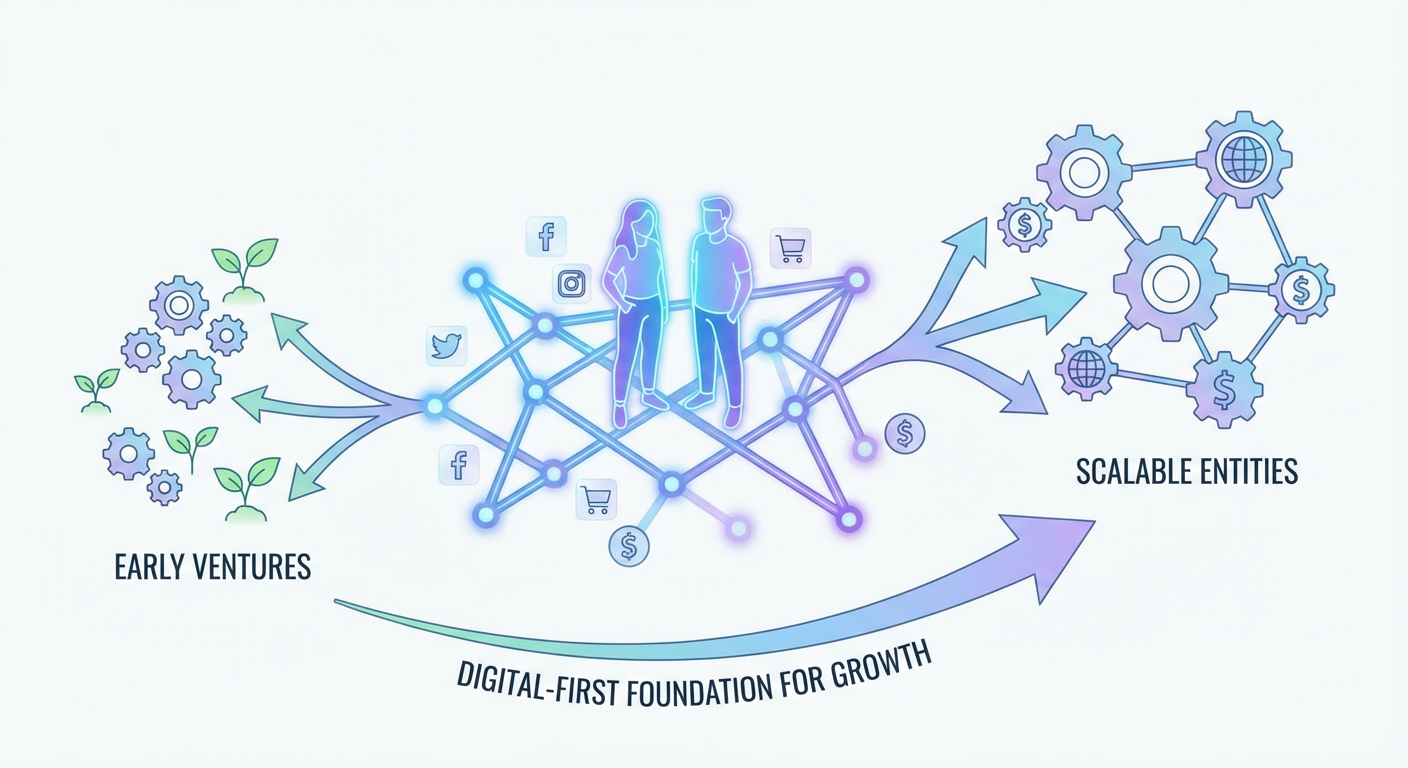
4. Digital Native Approaches to Micro-Business Models
Gen Z, the generation born roughly between 1997 and 2012, has entered the economic landscape equipped with an inherent fluency in digital technologies, a trait that fundamentally reshapes their entrepreneurial endeavors. Unlike previous generations who may have adapted to the digital realm as a tool for business, Gen Z approaches enterprise from a digital-first perspective, understanding the internet not merely as a marketing channel but as the foundational infrastructure for launching, operating, and scaling even the smallest of ventures. This section explores how Gen Z leverages digital platforms, social media, and e-commerce to create and grow micro-businesses, focusing on the rise of the creator economy, tech-powered lean operations, and the pervasive digital-first nature of their entrepreneurial models. The overwhelming majority of Gen Z entrepreneurs are launching online, with approximately 80% starting their ventures with a digital or mobile presence[14]. This digital native approach is not merely a preference but a strategic advantage, drastically lowering barriers to entry and connecting these micro-businesses to a global customer base from day one. The traditional trajectory of starting a business – requiring significant upfront capital for physical premises, inventory, and conventional advertising – is largely bypassed by Gen Z. Instead, they exploit readily available online tools and platforms that democratize entrepreneurship. This shift has unlocked unprecedented levels of entrepreneurial activity among young people, transforming hobbies and passions into viable income streams. As the global freelance economy now constitutes an estimated 12% of the labor market, and Gen Z is projected to make up 27% of the global workforce by 2025[7], their digital-first micro-business models are not just a passing trend but a significant force shaping the future of work and commerce.
The Digital-First Imperative: Online as the New Default
For Gen Z entrepreneurs, the online world is not an add-on; it is the default setting for business operations. This generation, having grown up immersed in an interconnected digital ecosystem, instinctively turns to internet-based solutions for every aspect of their ventures. A comprehensive survey from Intuit in 2023 indicates that nearly 80% of Gen Z business owners commence their entrepreneurial journey with a digital or mobile component[14]. Similarly, a Square study highlighted that 80% of young founders initiated their businesses online, with only 20% starting with a physical brick-and-mortar presence[15]. This stands in stark contrast to previous generations, for whom a physical storefront or office was often the first step in establishing credibility and customer reach. The pervasive adoption of digital-first strategies is driven by several key factors and yields numerous advantages:
- Lowered Barrier to Entry: The cost of establishing an online presence is dramatically lower than setting up a physical one. E-commerce platforms such as Shopify, Etsy, or specialized marketplaces allow individuals to create a functional online store with minimal investment. This financial accessibility empowers young entrepreneurs who may not have access to significant capital or traditional loans.
- Global Reach from Day One: A digital storefront inherently reaches a global audience, removing geographical limitations that traditionally constrained small businesses. A Gen Z entrepreneur in one country can sell products or services to customers anywhere in the world, fostering rapid scalability and diverse customer bases. The example of two Australian teenagers who, during the COVID-19 lockdowns, launched a dropshipping store and generated $70,000 in sales in a single month through savvy TikTok marketing illustrates this global reach and rapid traction[25].
- Agility and Flexibility: Online businesses are inherently more agile, allowing for quick pivots, product iterations, and real-time responses to market demands. This flexibility is particularly appealing to Gen Z, who often prioritize autonomy and experimentation in their entrepreneurial pursuits. They can test product ideas, gather feedback, and modify their offerings rapidly without the overhead associated with physical changes or inventory rehauls.
- Integrated Ecosystem of Tools: Gen Z leverages a sophisticated ecosystem of digital tools for everything from accounting and inventory management to design and marketing. Cloud-based software and Software-as-a-Service (SaaS) solutions allow micro-businesses to operate with the efficiency of much larger enterprises, often at a fraction of the cost.
This inherent comfort with digital technologies means that Gen Z entrepreneurs are not just using digital tools; they are building business models *around* them. The process of launching a micro-business might involve designing logos on Canva, setting up an Instagram shop, managing invoices with a mobile app, and fulfilling orders through dropshipping networks. This integrated approach highlights how the digital environment is not merely a channel but the very fabric of their business operations.
The Rise of the Creator Economy and Influencer-Preneurs
A particularly defining aspect of Gen Z’s digital-first entrepreneurship is their dominance in the rapidly expanding creator economy. For this generation, social media platforms are not solely for personal expression but also fertile ground for professional endeavors, personal branding, and direct monetization. The U.S. alone saw a staggering 7.5-fold increase in full-time digital content creators between 2020 and 2024, surging from approximately 200,000 to 1.5 million individuals[16], many of whom are Gen Z. This explosion has transformed social media personalities into formidable “influencer-preneurs.” The creator economy, now a robust ~$25–30 billion industry in the U.S.[18], represents a novel micro-business pathway grounded in monetizing content, personal brands, and online audiences. Key characteristics of Gen Z’s engagement with the creator economy include:
- Direct Monetization of Content: Platforms like YouTube, TikTok, and Instagram provide creators with multiple avenues for income generation, including advertising revenue, sponsored content collaborations with brands, direct sales of merchandise, and fan subscriptions. This diverse income stream allows creators to build sustainable businesses around their unique content.
- Personal Branding as the Core Product: Unlike traditional businesses, where products or services are distinct from the founder, in the creator economy, the individual’s personality, content, and personal brand *are* the product. Gen Z excels at cultivating authentic online presences that resonate with their peers, fostering loyal communities that translate into economic support.
- Leveraging Viral Mechanics: Having grown up with social media, Gen Z creators are adept at understanding platform algorithms and creating content with viral potential. A single TikTok video can launch a creator into stardom, leading to rapid audience growth and subsequent monetization opportunities. Addison Rae, for example, transformed her TikTok dance videos into a multimillion-dollar enterprise, with estimated annual earnings of $6 million by 2023, expanding into make-up lines, brand deals, and even acting[23]. This demonstrates how a Gen Z creator can leverage digital platforms to achieve entrepreneurial success traditionally reserved for seasoned celebrities.
- Low Barrier to Entry, High Potential for Scale: Becoming a content creator requires minimal upfront investment – often just a smartphone and creativity. Yet, the potential for scaling an audience and income is immense. This democratic nature of the creator economy allows individuals from diverse backgrounds to pursue entrepreneurial paths that were previously inaccessible.
- Community Building: Successful Gen Z creators often cultivate strong, engaged online communities. These communities are not just passive consumers but active participants who provide feedback, advocate for the brand, and contribute to the creator’s success. This community-driven approach mirrors Gen Z’s broader preference for authenticity and connection.
The creator economy exemplifies how Gen Z is reimagining entrepreneurship, demonstrating that influence and digital savvy can be potent business assets. These “micro-moguls” are essentially building lean media companies centered around their unique voices and perspectives, showcasing a new frontier of digital commerce.
E-Commerce and Specialized Digital Ventures
Beyond the creator economy, Gen Z consistently demonstrates prowess in establishing and growing diverse e-commerce and freelance micro-businesses. Their acute understanding of niche markets and digital trends allows them to identify and capitalize on opportunities with impressive speed. This segment of Gen Z entrepreneurship is characterized by:
- Niche Market Penetration: Gen Z excels at identifying underserved niches within vast online markets. This could range from reselling vintage clothing on platforms like Depop, as seen among many young fashion enthusiasts, to creating highly specialized digital products or services. Their familiarity with online communities, such as Reddit or Discord, enables them to find and engage with their target audience directly without heavy advertising budgets.
- Leveraging E-commerce Platforms: Platforms like Shopify (for independent stores), Etsy (for handmade/vintage goods), or even the direct e-commerce functionalities embedded within social media platforms (e.g., TikTok Shop, Instagram Shopping) serve as critical infrastructure. These platforms handle everything from storefront hosting to payment processing and customer management, allowing Gen Z entrepreneurs to focus on product development and marketing.
- Dropshipping and Print-on-Demand: These models significantly reduce the risk and capital requirements associated with inventory management. Dropshipping allows entrepreneurs to sell products without holding any stock, with manufacturers or wholesalers handling fulfillment. Print-on-demand services, similarly, enable creators to design custom products (e.g., t-shirts, mugs) that are only produced once an order is placed. This lean approach minimizes financial risk and allows for rapid product diversification and market testing. Lachie Dickson and Taylor Reilly, the Australian teenagers who generated $70,000 in sales in one month, are a prime example of successful dropshipping leveraged during a specific market demand[25].
- Freelance and Service-Based Digital Businesses: Gen Z’s strong presence in the freelance economy – 52% of U.S. Gen Z professionals freelanced in 2023, the highest of any generation[5] – translates into numerous service-based micro-businesses. From offering graphic design, web development, copywriting, or social media management services through platforms like Fiverr or Upwork, to building independent digital agencies, Gen Z leverages their digital skills to provide valuable services to clients worldwide. These ventures often thrive on referrals and online portfolios, underscoring the importance of digital reputation.
- Early Adoption of Emerging Technologies: Gen Z’s comfort with new technologies means they are often among the first to explore and integrate emerging platforms or trends into their business models. This includes early adoption of Web3 technologies, cryptocurrencies, NFTs, or even AI tools to enhance their offerings or operational efficiency.
These diverse digital ventures highlight Gen Z’s adaptability and resourcefulness in navigating the modern economic landscape. Their comfort with online systems enables them to launch businesses that are often lean, adaptable, and capable of reaching significant scale without substantial traditional investment.
Tech-Powered Lean Operations and Automation
A hallmark of Gen Z’s micro-business models is their exceptional proficiency in leveraging technology to maintain lean operations and maximize efficiency. This generation instinctively turns to digital solutions to automate tasks, minimize overhead costs, and streamline workflows, embodying a “tech-first, lean-later” philosophy. The impact of this approach is evident in several areas:
- Cloud-Based Productivity Tools: Gen Z entrepreneurs heavily rely on cloud-based software for managing nearly every aspect of their business. This includes project management platforms (e.g., Trello, Asana), communication tools (e.g., Slack, Zoom), customer relationship management (CRM) systems (even simple spreadsheets can function as lean CRMs), and file storage solutions (e.g., Google Drive, Dropbox). These tools are often subscription-based, offering enterprise-level functionality at an affordable monthly cost, eliminating the need for expensive on-premise infrastructure.
- Financial Management and Accounting Automation: Automating financial tasks is crucial for lean micro-businesses. Young entrepreneurs use apps and online platforms for bookkeeping, invoicing, expense tracking, and even tax preparation. Intuit’s research suggests that many young entrepreneurs are benefiting from AI tools that help them save time on tasks like bookkeeping or customer queries[26]. This reliance on digital financial tools ensures accuracy and frees up valuable time that would otherwise be spent on administrative overhead.
- Efficient Marketing and Customer Service: Social media platforms are not just for sales; they are integral to a lean marketing and customer service strategy. Gen Z entrepreneurs engage directly with customers through DMs, comments, and live sessions, providing personalized support without needing call centers. Chatbots powered by AI are increasingly deployed for instant customer queries, further automating low-level customer interactions. A remarkable 44% of Gen Z and Millennial entrepreneurs consider social media their primary marketing channel, with 32% attributing their business’s success directly to it[15].
- Outsourcing and Gig Economy Integration: To remain lean, Gen Z founders frequently outsource specialized tasks to other freelancers within the gig economy. This includes graphic designers, video editors, virtual assistants, or specialized marketers. This networked approach allows them to access expert skills on demand without the commitment or cost of full-time employees.
- Data-Driven Decision Making: Gen Z’s digital literacy extends to understanding and utilizing analytics. Many micro-businesses closely monitor website traffic, social media engagement, and sales data through built-in platform analytics or simple third-party tools. This data-driven approach enables them to make informed decisions about product development, marketing campaigns, and customer targeting, optimizing their limited resources for maximum impact.
This embrace of technology for lean operations signifies a fundamental shift in entrepreneurial methodology. Gen Z has demonstrated that a successful business can be launched and scaled with minimal physical infrastructure, relying instead on a robust digital toolkit and a strategic approach to automation. This model allows for incredible adaptability and resource efficiency, qualities that are highly valued in today’s rapidly changing market.
Values, Purpose, and Redefining Success Metrics
Beyond purely operational aspects, Gen Z’s digital native approach to micro-businesses is deeply intertwined with their core values and a redefined understanding of success. This generation infuses social and environmental consciousness into their entrepreneurial endeavors, challenging traditional “profit-first” paradigms.
- Mission-Driven Entrepreneurship: A significant proportion of Gen Z entrepreneurs prioritize social and environmental impact alongside financial gain. Research indicates that 68% of entrepreneurs today, a trend heavily influenced by younger generations, care more about making a positive impact than pure profitability[27]. This translates into businesses explicitly designed to address societal challenges. For instance, Brian Femminella and Travis Chen, both Gen Z, co-founded *SoundMind*, a music therapy app aimed at youth mental health. By 2023, the app had garnered 85,000 users across 30 countries and secured $2.25 million in seed funding, demonstrating that a strong social mission can attract both users and investors[28].
- Authenticity and Transparency: Gen Z demands authenticity from brands and reflects this in their own ventures. They build brands that mirror their personal values, often emphasizing ethical sourcing, sustainability, and social responsibility. A Deloitte report noted that 64% of Gen Z are willing to pay more for sustainable products[29], a preference they often project onto their own business practices. This transparency builds trust and loyalty among a demographic that is highly discerning about corporate integrity.
- Redefining Success Beyond Profit: For many Gen Z micro-entrepreneurs, success metrics extend beyond revenue figures. Personal fulfillment, work-life balance, creative freedom, and positive community impact are often equally, if not more, important. While financial stability remains a motivator, the desire “to be my own boss” (49%) and to “follow a personal passion” (42%) are primary drivers for Gen Z and Millennial entrepreneurs[20]. This perspective often leads them to build companies that intentionally stay small to maintain creative control or a flexible lifestyle, rather than pursuing aggressive VC-backed growth at all costs.
- “Doing Well by Doing Good”: This ethos is a cornerstone of Gen Z entrepreneurship. They believe that businesses have a responsibility to contribute positively to the world. Many integrate charitable components, create social enterprises, or focus on products and services that align with their ethical convictions, such as upcycled goods, eco-friendly alternatives, or wellness solutions. This values-driven approach helps attract not only loyal Gen Z customers but also employees and partners who share similar principles.
The integration of strong values into digital-first micro-business models is not just a moral stance but also a strategic advantage. It allows Gen Z entrepreneurs to differentiate themselves in crowded online marketplaces, build authentic connections with their target audience, and ultimately redefine what it means to be a successful business owner in the 21st century.
Challenges and Future Trajectories
While Gen Z’s digital native approach to micro-businesses offers immense opportunity, it also presents unique challenges. The very flexibility and independence that define their entrepreneurial journey can come with inherent trade-offs. A significant hurdle is the lack of traditional safety nets. Only 40% of U.S. gig workers have access to employer-provided health insurance, and even fewer (16%) have employer-sponsored retirement plans[21]. This means that many young entrepreneurs, while enjoying autonomy, navigate the complexities of healthcare, retirement planning, and other benefits largely on their own. The pressures of being a “one-person army” can lead to burnout, with 44% of young side hustlers citing “lack of enough time” as a major challenge[22]. Balancing their micro-business with education or other income sources often results in long hours and high stress levels. Moreover, while digital platforms lower barriers to entry, they also foster intense competition. The ease of setting up an online store means that markets can quickly become saturated, requiring constant innovation and differentiation. A shift in a platform’s algorithm can significantly impact an influencer’s reach, while economic downturns can quickly affect micro-businesses dependent on consumer discretionary spending. This volatility demands a high degree of adaptability and resilience. Despite these challenges, Gen Z micro-entrepreneurs maintain a remarkable level of optimism. A Square report found that 84% of Gen Z business owners plan to be running their ventures five years from now[12], and 39% already plan to start *another* business beyond their current one[24]. This long-term commitment and entrepreneurial ambition are powerful indicators of their potential impact. As Gen Z matures and their micro-businesses evolve, the ecosystem surrounding them must also adapt. This includes developing policies for portable benefits, accessible micro-loans, and educational programs that equip young entrepreneurs with essential business acumen (legal, financial, strategic). The increasing mainstreaming of Gen Z entrepreneurship may lead to a future where having a side business or monetized hobby is a prevalent career model, reshaping the labor market and forcing established companies to either compete with or integrate these innovative, digitally fluent micro-moguls. The pioneering spirit of Gen Z, fueled by digital tools and driven by purpose, suggests that their influence on entrepreneurship is only just beginning to unfold.
5. Purpose-Driven Entrepreneurship and Evolving Success Metrics
Gen Z, often characterized by their digital fluency and entrepreneurial drive, is also reshaping the landscape of business through a profound commitment to purpose and values. This generation, having matured amidst global challenges such as climate change, social injustice, and economic instability, approaches entrepreneurship not merely as a means to generate profit, but as a powerful vehicle for change and societal benefit. Their ventures inherently integrate social and environmental impact from inception, moving beyond traditional corporate social responsibility as an afterthought to embed purpose deeply within their business models. This section explores how Gen Z entrepreneurs are redefining what it means to be successful, prioritizing authenticity, brand values, and a holistic impact that extends far beyond bottom-line financial metrics.
The Genesis of Purpose: Responding to a Complex World
Growing up in an era defined by rapid technological advancements, stark economic inequalities, and escalating environmental concerns, Gen Z has developed a distinct worldview. This perspective directly translates into their entrepreneurial endeavors, where the drive for profit is frequently interwoven with a commitment to addressing pressing societal and ecological issues. Unlike previous generations that might have separated business from benevolence, Gen Z sees them as inextricably linked. This integrated approach to business reflects a deep-seated desire to contribute positively to the world, a sentiment echoed by research indicating that a significant majority of today’s entrepreneurs, particularly younger founders, prioritize social and environmental impact over pure profitability[10].
This generation has witnessed the consequences of unchecked corporate greed and environmental neglect, fostering a strong desire to create businesses that are both sustainable and ethically sound. Their experiences have cultivated a heightened sense of social awareness and a demand for authenticity from brands, qualities they then imbue into their own micro-businesses. For Gen Z entrepreneurs, the purpose is not a marketing strategy but a core philosophy that guides every decision, from product development to supply chain management and customer engagement. They aim to “do well by doing good,” a principle that resonates powerfully with their peers and a growing segment of the global consumer base.
Integrating Social Values into Business Models
The intentional integration of social and environmental values into Gen Z-led businesses is a defining characteristic of their entrepreneurial approach. This is not merely about philanthropy or sporadic charitable acts; it’s about building a business from the ground up with a clear mission that goes beyond financial metrics. For example, the phenomenon of two-thirds of young founders prioritizing social and environmental impact over pure profit exemplifies this fundamental shift in entrepreneurial motivation[10]. These young entrepreneurs view their businesses as platforms for advocacy and change, selecting niches and developing products or services that align with their ethical convictions.
Common thematic areas for Gen Z ventures include:
- Sustainability and Eco-conscious Products: Many Gen Z entrepreneurs are launching businesses centered around environmentally friendly products, sustainable sourcing, upcycling, or circular economy models. They tap into the strong consumer demand for green alternatives; indeed, 64% of Gen Z consumers are willing to pay more for sustainable goods[10]. Their businesses often feature transparent supply chains and a commitment to reducing waste and carbon footprint.
- Community Impact: Local improvement projects, educational technology for underserved communities, and initiatives aimed at fostering community well-being are common. These entrepreneurs understand the power of localized action and build businesses that directly contribute to the betterment of their immediate or chosen communities.
- Wellness and Mental Health: Reflecting a generational focus on well-being, many Gen Z-led businesses operate in the mental health and wellness space. A prime example is the startup SoundMind, co-founded by Gen Z entrepreneurs Brian Femminella and Travis Chen. Starting with the explicit goal of addressing youth mental health, their music-therapy app had reached 85,000 users across 30 countries and raised over $2.2 million in seed funding by 2023, showcasing how purpose can drive significant growth and impact[11].
- Ethical Production and Sourcing: Beyond environmental concerns, Gen Z entrepreneurs are keenly focused on ethical labor practices and fair trade. They will transparently communicate their sourcing methods, ensuring that their products are not associated with exploitation or unfair wages. This commitment builds trust and resonance with their equally value-driven consumer base.
- Social Justice Advocacy: Reflecting a desire for equality and representation, some Gen Z micro-businesses are built to support social justice causes, promote diversity, or create platforms for marginalized voices. These businesses often use their platforms to raise awareness, educate, and contribute financially to related movements.
This deliberate embedding of values isn’t just about altruism; it’s also a shrewd business strategy. Gen Z consumers, fluent in detecting “greenwashing” or performative activism, reward brands that demonstrate genuine commitment. This synergy creates a favorable feedback loop: purpose attracts customers, generates loyalty, and often empowers the business to achieve both its social mission and financial objectives.
The founder of SoundMind, Brian Femminella, for instance, was driven by his military experience and the mental health toll on his peers[11]. This personal connection to a social issue gave his venture profound authenticity and a clear mission, distinguishing it in a crowded market. Their growth, managing to accumulate 85,000 users and secure significant funding, illustrates that a strong social mission can be a powerful engine for business success[11]. Such examples demonstrate that for Gen Z, purpose is not a nice-to-have but a fundamental component that drives innovation, attracts talent, and fosters a loyal customer base.
Authenticity as a Core Brand Value
Authenticity is a non-negotiable for Gen Z, both as consumers and as entrepreneurs. Having grown up in an era rife with curated online personas and corporate spin, they possess a highly developed radar for inauthenticity. This translates into their business practices, where transparency, honesty, and genuine alignment with stated values are paramount. Young entrepreneurs aim to build brands that accurately reflect their personal beliefs and resonate with their generation’s deeply held concerns.
For a Gen Z-led micro-business, authenticity manifests in several ways:
- Transparent Communication: They often openly share their business journey, challenges, and successes on social media, fostering a sense of community and trust with their audience. This openness contrasts sharply with traditional corporate secrecy.
- Ethical Sourcing and Production: As mentioned, there’s a strong emphasis on knowing where products come from and how they are made. A young fashion entrepreneur, for instance, might meticulously document their use of ethically sourced materials or their manufacturing process, posting behind-the-scenes content on platforms like Instagram or TikTok. This level of transparency is what their peer group demands and rewards.
- Values Alignment: They refuse to compromise on their values for the sake of profit. If a business promotes sustainability, its internal operations will also reflect that commitment. If it advocates for social justice, its hiring practices and community involvement will demonstrate it. This coherence between stated values and actual practices is critical to maintaining authenticity.
- Personal Branding: Many Gen Z entrepreneurs fuse their personal brand with their business brand. The founder’s personality, beliefs, and lifestyle often become central to the company’s identity, making the brand feel more relatable and human. This is especially true in the creator economy, where the individual is the brand.
The statistic that 64% of Gen Z are willing to pay more for sustainable products underscores the commercial power of authenticity and values alignment[10]. This isn’t just a preference; it’s an expectation that businesses will take a stand on social issues and operate responsibly. Brands that fail to meet these expectations risk alienating a demographic that will soon constitute a significant portion of global purchasing power. Gen Z entrepreneurs are acutely aware of this, making authenticity a competitive differentiator and a cornerstone of their brand identity.
Redefining Traditional Measures of Success
Perhaps one of the most profound impacts of Gen Z’s entrepreneurial ethos is the recalibration of success metrics. While financial viability remains a practical necessity, it is often not the sole, or even primary, arbiter of success. Instead, Gen Z founders embrace a more holistic definition that integrates personal fulfillment, social impact, and lifestyle freedom along with profitability. This expansion of the success paradigm marks a departure from traditional business models that historically prioritized shareholder value above all else.
Key evolving success metrics for Gen Z entrepreneurs include:
| Traditional Metric | Gen Z Evolving Metric | Description |
|---|---|---|
| Revenue Growth | Impact Achieved | Beyond sales figures, key performance indicators might include number of beneficiaries served, carbon emissions reduced, or community initiatives supported. |
| Market Share | Community & Engagement | Success is measured by the strength of their online community, customer loyalty, and brand advocacy, which can be more valuable than sheer market volume. |
| Profit Maximization | Sustainable Livelihood & Ethical Profit | Focus on generating sufficient income to support a desired lifestyle and reinvest in the business’s mission, rather than maximizing profit at any cost. |
| Rapid Scaling (Unicorn Status) | Work-Life Balance & Creative Control | Many prefer to maintain small, agile businesses that offer personal fulfillment and flexibility, even if it means foregoing hyper-growth and external investment. |
| Exit Strategy (Acquisition/IPO) | Longevity & Legacy of Impact | The goal is often to build an enduring venture that continues to make a difference, rather than merely creating an asset for sale. |
Surveys illuminate this shift, revealing that personal fulfillment and flexibility often rank as top career priorities for Gen Z, sometimes even surpassing salary[6]. This is reflected in their business decisions; a Gen Z entrepreneur might intentionally keep their company small to maintain creative control and a flexible lifestyle, rather than pursuing rapid scaling fueled by venture capital. For them, a successful business might be one that allows them to travel, pursue other passions, or simply avoid the traditional 9-to-5 grind, all while making a positive contribution.
The “Creator Economy” exemplifies this new dimension of success. Individuals like Addison Rae, who leveraged TikTok fame into a multi-million-dollar empire spanning makeup lines, brand deals, and media projects[13], define success not just by earnings but by the freedom and influence gained from monetizing a personal brand. Her path from college freshman posting dance clips to a successful entrepreneur earning an estimated $6 million annually by 2023[13], is a testament to the fact that success can be forged outside traditional corporate structures and measured by a blend of financial independence and creative autonomy.
This redefined success paradigm also means they celebrate what might be considered “small wins” by older generations – positive customer feedback, hitting a modest online sales goal, or successfully completing a community project. These tangible impacts and personal satisfactions hold significant weight alongside financial achievements. While some Gen Z entrepreneurs, like Alexandr Wang of Scale AI, are indeed achieving traditional “unicorn” status and valuations in the billions[10], they often do so by tapping into cutting-edge technology and by being early adopters, leveraging their generational strengths. Wang’s journey, dropping out of MIT to build a company that would reach a $7 billion valuation by 2021[10], demonstrates that ambition for scale can coexist with an underlying drive to innovate and shape future technologies. Yet, even for those achieving such extraordinary financial success, the motivation frequently stems from a desire to solve complex problems and create significant societal advancement, rather than simply accumulating wealth.
The Tensions and Balance: Navigating Idealism and Practicality
While Gen Z’s commitment to purpose is strong, the entrepreneurial journey inevitably involves navigating the tensions between idealism and practicality. Prioritizing ethical sourcing, for example, can lead to higher production costs, potentially increasing prices and affecting competitiveness. Focusing on community impact might necessitate slower growth to ensure genuine, localized engagement rather than rapid, market-driven expansion. These trade-offs are a reality for many young founders, who must find a delicate balance between their social missions and the financial realities of running a business.
However, Gen Z entrepreneurs are demonstrating that purpose and profit are not always mutually exclusive. In many cases, a strong mission actively fuels business growth by attracting a loyal customer base – particularly among their peers who share similar values. Increasingly, consumers are willing to support businesses that align with their ethical stance, effectively turning Gen Z’s values into a competitive advantage. Furthermore, a clear mission can attract talent: employees, partners, and even volunteers are drawn to organizations with a meaningful purpose, contributing to a dedicated and passionate workforce.
This dynamic is likely to push the business world further towards “stakeholder capitalism,” where success is measured not only by financial returns for shareholders but also by benefits to employees, customers, communities, and the environment. Established companies are already observing and adapting to these trends, recognizing that to engage with Gen Z, both as consumers and as future talent, they must demonstrate genuine commitment to social and environmental responsibility.
The Road Ahead: Challenges and Lingering Optimism
Despite their enthusiasm and innovative spirit, Gen Z micro-entrepreneurs face considerable challenges. The gig-oriented nature of their work often means a lack of traditional safety nets; only 40% of U.S. gig workers have access to employer-provided health insurance, and very few have retirement plans through their gigs[14]. This highlights a significant vulnerability, as young entrepreneurs juggle income generation with a lack of comprehensive benefits. Moreover, the path of entrepreneurship is demanding, with 44% of young side hustlers citing time constraints as a major challenge, often leading to burnout as they balance multiple jobs or academic commitments with their ventures[14].
Funding can also be a hurdle for young founders who typically have limited credit histories or traditional collateral. While there’s a surge in informal funding and digital tools, obtaining significant capital often remains easier for older, more established entrepreneurs; the average successful startup founder is 45 years old, highlighting potential age bias in investment circles[10]. Gen Z founders may encounter skepticism from investors or partners who question their experience or longevity in the market, despite their technical prowess and entrepreneurial ambition. They frequently start their businesses with personal savings; 45% of Gen Z entrepreneurs funded their ventures entirely with their own money[18], underscoring both their resourcefulness and the financial pressures they endure.
However, Gen Z confronts these obstacles with remarkable resilience and optimism. Despite 72% believing their generation has faced fewer economic opportunities than previous ones, they remain undeterred[15]. This outlook fuels a continuous drive for innovation and adaptation. Over a third of Gen Z business owners plan to start additional ventures beyond their current ones[15], signifying a deep-seated entrepreneurial spirit that sees setbacks as learning opportunities rather than failures. The broader freelance community shares this positive sentiment, with 86% of freelancers believing the best days for the gig economy are still ahead[15].
This optimism, coupled with their inherent adaptability and digital fluency, suggests that Gen Z’s micro-business revolution is far from a passing trend. As they mature and gain more experience, their influence on the global labor market and entrepreneurial ecosystem will only grow. The blend of purpose, authenticity, and innovative business models will continue to challenge and redefine traditional corporate structures. Policymakers, educators, and larger corporations must recognize and adapt to this paradigm shift, providing much-needed support systems to ensure Gen Z’s entrepreneurial wave can flourish sustainably. This includes exploring portable benefits, fostering mentorship programs tailored for young founders, and creating access to capital that recognizes non-traditional credentials. The long-term outlook points to a future where entrepreneurial thinking and portfolio careers become mainstream, driven by a generation that views business as a powerful force for personal fulfillment and positive global impact.

6. Economic Impact and Future Workforce Trends
The ascendance of Generation Z (Gen Z) as a dominant force in the global workforce is not merely a demographic shift; it represents a profound redefinition of labor markets, entrepreneurial ecosystems, and economic structures. This generation, generally defined as individuals born between the mid-1990s and early 2010s, is characterized by its digital native fluency, a strong desire for autonomy, and a pragmatic approach to financial stability, often shaped by economic uncertainties experienced during their formative years. Their distinctive approach to work, particularly their embrace of micro-businesses and the gig economy, carries significant economic implications, influencing new business formation, consumption patterns, and the very nature of employment itself. By 2025, Gen Z is projected to constitute an estimated 27% of the global workforce[12], a figure that underscores their burgeoning influence. Understanding their entrepreneurial activities is, therefore, crucial for forecasting future workforce trends and preparing for the economic landscape they are actively shaping. At its core, Gen Z’s entrepreneurial surge is a direct response to a confluence of factors, including rapid technological advancements that lower market entry barriers, a widespread aspiration for independence, and the persistent need for financial resilience in an often unpredictable global economy. This section will delve into the broader economic ramifications of Gen Z’s micro-business boom, examining their contributions to new business formation, the expansion of the gig economy, and the long-term impact on labor markets.
6.1 The Gig Economy’s New Core: Gen Z’s Reshaping of Employment Structures
Gen Z’s relationship with work is fundamentally different from previous generations. Rather than viewing traditional, long-term employment as the sole or primary path, they have enthusiastically embraced portfolio careers, side hustles, and micro-entrepreneurship. This embrace is so widespread that it is actively reshaping the structure and perception of the gig economy, positioning Gen Z as its new core.
6.1.1 The Surge in Side Hustles and Freelance Work
The data unequivocally demonstrates Gen Z’s deep entanglement with the side hustle culture. Globally, nearly half (46%) of Gen Z workers possessed a second job or side gig in 2023, an increase of 3 percentage points from the previous year[1]. This trend is even more pronounced in the United States, where a Bank of America survey revealed that a staggering 72% of Gen Z respondents engage in a side hustle, typically generating an additional $500–$1,000 per month[2]. This widespread adoption of multiple income streams is often driven by financial necessity. More than half of Gen Z report living paycheck to paycheck, a figure that has risen by 5% year-over-year[1]. Money concerns are paramount, with roughly 38% of Gen Z side-giggers relying on supplemental income for financial stability, reflecting deep-seated fears about inflation and living costs[1]. A generational expert notes that Gen Z has witnessed older generations grapple with layoffs and corporate instability, prompting them to hedge their bets by diversifying their income sources[23]. Beyond financial imperatives, however, a significant proportion of Gen Z also pursues side gigs for reasons related to personal growth and passion. Approximately 25% of Gen Z side hustlers engage in these ventures to acquire new skills, expand their professional networks, or transform a hobby into a productive endeavor[1]. This highlights a generational shift: work is not merely a means to an end but an avenue for self-directed learning, creative expression, and autonomy. The freelance economy stands as a testament to this shift. In 2023, 52% of Gen Z professionals in the U.S. engaged in freelance work, marking the highest participation rate among all generations, surpassing Millennials (44%) and Gen X (30%)[5]. Freelancers now constitute 38% of the entire U.S. workforce, totaling 64 million individuals, with Gen Z representing its fastest-growing segment[5]. This preference for contract and independent work over traditional 9-to-5 roles indicates a fundamental realignment of career aspirations.
6.1.2 Implications for Labor Markets and Employer Strategies
The influx of Gen Z into the gig economy presents both opportunities and challenges for traditional employers and the broader labor market: * **Employee Retention and Competition:** Employers face increased competition from the allure of entrepreneurial freedom and are experiencing lower retention rates among young staff. A notable 49% of under-35 workers initiate side ventures primarily to be their own boss[6]. This desire for autonomy often outweighs the perceived stability of a single employer. * **A More Fluid Workforce:** The rise of portfolio careers means that labor markets are becoming increasingly fluid. Gen Z workers are less tethered to a single employer, fostering a dynamic environment where talent can flow to projects and opportunities that best align with their skills and values. * **Opportunities for Businesses:** Conversely, Gen Z’s entrepreneurial spirit offers a rich talent pool for businesses. Firms can leverage Gen Z freelancers for their digital skills, creative insights, and rapid execution on specific projects, integrating external talent into their operational models. * **Rethinking Benefits and Protections:** The proliferation of gig work necessitates a re-evaluation of traditional employee benefits and protections. Only 40% of U.S. gig workers have access to employer-provided health insurance, and a mere 16% have any employer-sponsored retirement plan[12]. As Gen Z increasingly relies on independent work, policymakers face pressure to develop portable benefits systems and stronger protections for gig workers. In essence, Gen Z’s embrace of the gig economy is challenging historical employment models, fostering a future where the blurring of work-life boundaries is the norm, and “career paths” are often self-designed and multi-faceted.
6.2 New Business Formation and Economic Growth Drivers
Gen Z’s entrepreneurial ambition is not just modifying existing labor structures; it is acting as a powerful engine for new business formation, significantly contributing to broader economic growth, particularly through the proliferation of micro-businesses.
6.2.1 Record-Setting Entrepreneurial Activity
Gen Z exhibits an unprecedented drive to establish their own businesses. A 2023 Morning Consult & Samsung survey found that 50% of young people (aged 16–25) aspire to become entrepreneurs or start their own businesses[3]. Other research, such as a Square survey, places this figure even higher, with 84% of Gen Z respondents expressing a desire to own their own company in the future[4]. This entrepreneurial intent far outstrips that of older generations, signaling a fundamental cultural shift where business ownership is now a top aspiration for youth[9]. During and after the COVID-19 pandemic, this entrepreneurial zeal translated into tangible economic activity. The U.S. witnessed a historic surge in new business applications in 2021, reaching 5.4 million—the highest number on record since tracking began in 2004[14]. This represented approximately 1 million more applications than in 2020, which was itself a record-setting year[14]. This boom was largely fueled by individuals, including a significant proportion of Gen Z and Millennials, creating their own job opportunities amid a shifting labor market and the “Great Resignation.” The Global Entrepreneurship Monitor (GEM) further highlights this unprecedented level of youth entrepreneurial activity. In the United States, 20% of 18–24-year-olds (mostly Gen Z) reported high entrepreneurial intentions, and 19% were already in the process of starting or running a new business in 2021/2022[8]. Such levels of early-stage business participation had not been observed in recent history, emphasizing Gen Z’s distinct “startup orientation” as they enter adulthood compared to preceding cohorts[8].
6.2.2 The Rise of Digital-First, Lean Micro-Businesses
A defining characteristic of Gen Z’s entrepreneurship is its overwhelmingly digital-first nature. Nearly 80% of Gen Z business owners launch their ventures online or with a strong mobile component[6]. This digital fluency translates into highly agile and lean operations, minimizing traditional startup costs. E-commerce platforms, apps, and social media storefronts are the primary avenues for commerce, replacing physical brick-and-mortar premises[6]. For example, 80% of young founders in a Square study initiated their businesses online, with only 20% starting with a physical location[9]. This approach democratizes entrepreneurship by removing significant financial barriers. A Gen Z entrepreneur can design a product, build an online store, and access a global customer base with minimal capital, a scenario unthinkable a generation ago. The integration of technology also allows for highly efficient management: * **Cloud-based tools** manage accounting, inventory, design, and marketing. * **Automation and AI** streamline tasks like bookkeeping and customer queries, saving time and resources[6]. * **Digital marketplaces** (e.g., Etsy, Fiverr, Shopify) provide built-in infrastructure, allowing micro-businesses to focus on product and service development without needing to build payment processing or traffic generation systems from scratch. This tech-powered lean operational model enables rapid iteration and scalability. A viral social media post can lead to a sudden influx of orders, which Gen Z entrepreneurs can often meet through flexible models like dropshipping or outsourcing, thanks to the inherent agility of their digital-first approaches. Gen Z’s digital fluency has also been a key driver in the explosion of the creator economy. The number of full-time content creators (e.g., YouTubers, TikTokers, streamers) in the U.S. skyrocketed 7.5 times between 2020 and 2024, growing from approximately 200,000 to 1.5 million[10]. Many of these “influencer-preneurs” are Gen Z, leveraging social media platforms not just for entertainment, but as marketplaces to build personal brands and monetize content through ad revenue, sponsored content, merchandise, and fan subscriptions. This booming creator economy, now a ~$25–30 billion industry in the U.S.[11], exemplifies a new micro-business pathway where personal brand and digital influence are the core products.
6.2.3 Economic Contribution of Micro-Businesses
Globally, small and medium-sized enterprises (SMEs), including micro-businesses, represent approximately 90% of all businesses worldwide and generate over 50% of global employment[12]. Gen Z’s entrepreneurial boom is substantially contributing to this critical economic segment. While individual micro-businesses may be small, their collective impact is enormous. Each new startup, freelance consultancy, or online store launched by a Gen Z founder adds to this diverse and resilient economic backbone. This robust activity highlights the importance of recognizing and supporting these micro-ventures, which collectively drive job creation, foster innovation, and increase market competition. The table below summarizes key data points related to Gen Z’s economic impact on business formation:
| Metric | Data Point (Year) | Source |
|---|---|---|
| Gen Z entrepreneurial aspiration | 50% (aged 16–25) desire to start own business (2023) | Morning Consult & Samsung[3] |
| New U.S. business applications | 5.4 million (2021) – record high | Stacker (U.S. Census BFS data)[14] |
| Youth (18–24) entrepreneurial activity (U.S.) | 19% actively starting/running a new business (2021/22) | Babson College (GEM)[8] |
| Percentage of Gen Z businesses started online | ~80% (2023) | Intuit Blog[6] |
| Growth in full-time U.S. digital creators | 7.5x increase (2020-2024) to 1.5 million | Axios[10] |
| Gig economy as % of global labor market | ~12% (2023) | Velocity Global[12] |
6.3 Future Workforce Trends: Gen Z’s Increasing Influence on Labor Markets
As the largest and most digitally fluent generation to enter the workforce, Gen Z is poised to exert an unprecedented influence on future labor market trends. Their dispositions towards flexibility, purpose-driven work, and continuous learning will compel employers, educators, and policymakers to adapt.
6.3.1 Long-Term Commitment to Entrepreneurial Paths
Despite the perceived instability of entrepreneurship, Gen Z displays a strong long-term commitment to their ventures. A Square report indicates that 84% of Gen Z entrepreneurs intend to be running their businesses five years from now[4]. Furthermore, 73% of Gen Z business owners state that their venture is already their primary source of income, solidifying its role beyond a mere side project[4]. This demonstrates a cultural shift where entrepreneurship is viewed not just as a temporary stint or a risky endeavor, but as a viable and sustainable career path. For many Gen Zers, the motivation to pursue entrepreneurship is rooted in a desire for greater autonomy and the ability to align work with personal passions, rather than solely financial gain. When surveyed, 49% of Gen Z/Millennial entrepreneurs cited “to be my own boss” as their top driver, and 42% were motivated by the desire to pursue a personal passion[6]. Traditional corporate career ladders or stability often rank lower in importance. This relentless pursuit of independence suggests that even as the economy fluctuates, Gen Z’s entrepreneurial spirit will likely endure.
6.3.2 Challenges and the Need for Evolving Support Systems
While Gen Z’s entrepreneurial optimism is high, they are not immune to challenges. Many come of age in economically turbulent times, with 72% believing their generation has faced fewer economic opportunities than prior ones[4]. Key challenges include: * **Lack of Safety Nets:** The gig economy frequently lacks the traditional benefits associated with full-time employment. As noted, only 40% of U.S. gig workers have employer-provided health insurance, and very few have employer-sponsored retirement plans[12]. This necessitates an evolution in policy, with calls for portable benefits and enhanced protections for independent workers. * **Burnout:** Juggling multiple gigs or running a new business can lead to significant stress. A substantial 44% of young side hustlers identify “lack of enough time” as a major challenge[6]. The intense demands of self-employment, especially when combined with financial responsibilities or educational pursuits, can contribute to burnout, which Gen Z already reports at higher rates than other generations. * **Access to Capital and Mentorship:** Young entrepreneurs often face hurdles in securing funding due to limited credit histories or traditional bias against young founders. The average successful startup founder is 45 years old[10], indicating that experience and networks are often crucial. Gen Z founders often bootstrap their ventures—45% started entirely with their own money[4]. Additionally, traditional mentorship networks may not readily connect with 19-year-old startup founders, requiring new support structures like youth incubators and peer-to-peer communities. Despite these hurdles, Gen Z’s resilience and optimism remain striking. Many seamlessly pivot from ideas that don’t gain traction, with only 3% of young side hustlers admitting outright “failure” (typically opting to move on to the next concept)[6]. This adaptability points to a continuous stream of new ideas and ventures, even in the face of setbacks.
6.3.3 The Growing Influence on Global Workforce Composition
By 2025, Gen Z will account for an estimated 27% of the global workforce[12]. This demographic shift, combined with their pronounced entrepreneurial and gig-oriented tendencies, suggests several key future workforce trends: * **Mainstreaming of Flexible Work:** The demand for flexible work arrangements, already accelerated by the pandemic, will become even more entrenched. Companies that offer greater autonomy, project-based roles, and “side hustle friendly” policies will likely have an advantage in attracting and retaining Gen Z talent. * **Rise of the “Blended Workforce”:** The distinction between employees, freelancers, and independent contractors will continue to blur. Organizations will increasingly operate with a blended workforce model, leveraging both traditional employees and a dynamic ecosystem of gig workers and micro-businesses. * **Demand for Purpose-Driven Employment:** Mirroring their entrepreneurial values, Gen Z will seek out employers who demonstrate a clear commitment to social and environmental responsibility, authentic brand values, and opportunities for meaningful work. Two-thirds of young founders prioritize social and environmental impact over pure profit[10], a mindset they will bring to employment as well. * **Continuous Skill Acquisition:** Gen Z’s pragmatic approach to building new skills through side hustles will translate into a workforce that values continuous learning and upskilling. Employers who invest in ongoing training and development will be essential for keeping pace with dynamic skill requirements.
6.4 Conclusion
Gen Z is undeniably an entrepreneurial generation, fundamentally altering the fabric of global labor markets and economic activity. Their propensity for side hustles, micro-businesses, and gig work, often driven by a combination of economic necessity and a deep desire for autonomy and purpose, has led to record-setting new business formation and a rapid expansion of the gig economy. Their digital-first approach and unique understanding of online platforms have democratized entrepreneurship, lowering entry barriers and enabling rapid innovation, particularly within the booming creator economy. While challenges such as a lack of traditional safety nets, the risk of burnout, and access to capital persist, Gen Z’s inherent resilience and optimism suggest a sustained push towards entrepreneurial and flexible work models. As they come to dominate the global workforce, their influence will compel employers and policymakers alike to adapt, revising traditional employment structures, benefits, and support systems to accommodate a generation that values independence and purpose above all else. The economic landscape they are forging will be characterized by greater fluidity, a proliferation of diverse business models, and a renewed emphasis on responsible and values-driven enterprise. This shift is not just a temporary trend but a foundational change that will define future economic and workforce dynamics for decades to come, underscoring the critical need for continued research and adaptive strategies in this evolving environment. The next section will delve into the societal implications of Gen Z’s entrepreneurial shift, exploring how their values and business practices are impacting consumer behavior and shaping cultural narratives.
7. Challenges and Hurdles for Gen Z Entrepreneurs
The entrepreneurial landscape is undergoing a dramatic transformation, largely driven by the ambitious and digitally native Generation Z. With aspirations to launch their own businesses at unprecedented rates and a burgeoning presence in the gig economy, Gen Z micro-moguls are redefining traditional career paths [3], [4]. However, beneath the veneer of entrepreneurial zeal and digital fluency lie significant challenges and structural hurdles that threaten to impede their long-term success and well-being. This section delves into the multifaceted difficulties faced by Gen Z entrepreneurs, ranging from the absence of traditional safety nets and the pervasive risk of burnout to market volatility, stiff competition, and systemic issues concerning funding and mentorship. Understanding these obstacles is crucial for developing supportive ecosystems that can nurture this generation’s innovative spirit and pave the way for sustainable micro-business growth.
7.1. Lack of Traditional Safety Nets and Precarious Benefits
One of the most profound challenges confronting Gen Z entrepreneurs, particularly those operating within the gig economy or as micro-business owners, is the conspicuous absence of traditional employment safety nets. Unlike employees in traditional 9-to-5 roles who often receive comprehensive benefits packages, independent contractors and sole proprietors are typically responsible for their own healthcare, retirement planning, and other forms of insurance. This responsibility often falls disproportionately on young entrepreneurs who may not fully grasp the implications or have the financial гдеwithal to secure these critical protections.
The data starkly illustrates this vulnerability. A 2023 report indicated that a mere 40% of U.S. gig workers had access to employer-provided health insurance [14]. This leaves a staggering 60% of gig workers, a demographic increasingly dominated by Gen Z, to navigate the complexities and exorbitant costs of the private health insurance market. Even more concerning, only 16% of gig workers had any employer-sponsored retirement plan [14]. This means that a significant portion of Gen Z micro-moguls are effectively forgoing long-term financial security in their pursuit of entrepreneurial freedom. While the immediate financial benefits of a successful micro-business can be appealing – with many U.S. Gen Z side hustlers reportedly earning $500-$1,000 per month [2] – these short-term gains often come at the expense of crucial benefits enjoyed by traditionally employed individuals.
The implications of this lack of safety net are far-reaching:
- Health Coverage: Without employer-subsidized health insurance, young entrepreneurs face high out-of-pocket costs, potentially leading to delayed medical care or significant financial strain in the event of illness or injury. This can erode their capital and ability to sustain their businesses.
- Retirement Planning: The absence of employer-sponsored 401(k)s or pension plans means Gen Z entrepreneurs must proactively set up and contribute to their own retirement accounts (e.g., IRAs). Given that many Gen Z are living paycheck to paycheck (over half, up 5% year-over-year) [1], long-term savings often take a backseat to immediate financial needs.
- Disability and Life Insurance: These critical protections, often standard in traditional employment, are typically overlooked or deemed too expensive by young entrepreneurs, leaving them vulnerable to unforeseen circumstances that could paralyze their business and personal finances.
- Unemployment Benefits: Independent contractors generally do not qualify for unemployment benefits, meaning that if their micro-business fails or experiences a sudden downturn, they lack the financial buffer that employed individuals might have.
This structural vulnerability is particularly pertinent given that nearly half (46%) of Gen Z workers globally hold a second job or side gig, and in the U.S., as many as 72% report having a side hustle [1], [2]. Many pursue these ventures out of necessity to supplement income amidst rising living costs and economic uncertainty [1], [14]. As a result, this generation, which is embracing self-employment at a higher rate than any before them, is also simultaneously exposing itself to a greater degree of financial and personal risk due to the gaps in social safety nets designed for a different era of work.
7.2. Increased Risk of Burnout and Mental Health Concerns
The allure of being one’s own boss, pursuing passions, and achieving financial independence is a strong motivator for Gen Z entrepreneurs [13]. However, this same drive often leads to an intense workload and blurred boundaries between work and personal life, substantially increasing the risk of burnout and exacerbating mental health challenges.
Gen Z micro-moguls frequently operate as “one-person armies,” juggling multiple roles that would typically be handled by an entire team in a larger organization. They are the chief product developer, marketer, sales representative, customer service specialist, accountant, and strategic planner, often simultaneously. This multifaceted responsibility, when coupled with the pressure to generate income and grow a venture, can be mentally and physically exhausting.
A significant indicator of this pressure is the finding that 44% of young side hustlers identify “lack of enough time” as a major challenge [14]. This statistic underscores the intense time commitment required to run a micro-business, especially when many Gen Z entrepreneurs are concurrently balancing education or a primary job. The constant demands, often extending late into the night or over weekends, can lead to chronic sleep deprivation, stress, and isolation.
The entrepreneurial path is inherently unpredictable, characterized by fluctuating income, market uncertainties, and the constant need for problem-solving. For a generation that already reports higher rates of anxiety and stress compared to older cohorts, these entrepreneurial pressures can be particularly detrimental. The emotional toll of business failures, setbacks, or even just the daily grind of self-employment can impact mental well-being significantly. While Gen Z is often more open about discussing mental health, the structural support systems within the entrepreneurial ecosystem for addressing these issues are still nascent.
Some Gen Z entrepreneurs attempt to mitigate burnout by adopting strategies such as “micro-retirements” or sabbaticals in their twenties to recharge [51]. However, these are often reactive measures rather than preventative ones. For the long-term sustainability of Gen Z entrepreneurship, proactive strategies are needed, including:
- Promoting Work-Life Integration, Not Just Balance: Encouraging entrepreneurs to consciously integrate their work with their personal values and lifestyle, rather than striving for an impossible separation.
- Building Support Networks: Fostering communities where young entrepreneurs can share experiences, seek advice, and find emotional support from peers facing similar challenges.
- Education on Self-Care: Incorporating self-care and stress management techniques into entrepreneurship training programs.
- Leveraging Automation and AI: Young entrepreneurs are already adept at using technology, and further education on how AI and automation tools can reduce administrative burdens (e.g., bookkeeping, customer inquiries) could free up valuable time [36], [37].
The persistent optimism of Gen Z entrepreneurs, with 84% planning to continue their ventures in five years [12], is commendable, but this resilience must be paired with an acknowledgment and mitigation of the very real risks of entrepreneurial burnout.
7.3. Market Volatility and Intense Competition
Gen Z entrepreneurs have come of age in an era defined by economic instability, including recessions, a global pandemic, and persistent inflation [15]. While this environment has fostered an adaptive and resilient mindset, it also means their micro-businesses are inherently vulnerable to rapid market shifts and intense competition.
7.3.1. Economic Instability and Consumer Behavior Shifts
The economic turbulence of the past decade has taught Gen Z to be resourceful, but it also creates a challenging operational environment. Their businesses, often small-scale and operating with limited capital, are highly susceptible to fluctuations in consumer spending. For instance, many micro-businesses experienced booms during the pandemic as online demand surged, but then faced struggles as consumer behaviors normalized post-lockdown. The persistent high inflation and living costs cited by Gen Z workers, with over half living paycheck to paycheck [1], can constrain the disposable income of their target customers, leading to unpredictable sales patterns.
7.3.2. Low Barriers to Entry and Hyper-Competition
The digital-first nature of Gen Z entrepreneurship, while lowering startup costs and expanding reach, simultaneously creates a landscape of hyper-competition. The ease of launching an online business or a content creation career means that market niches can quickly become saturated. If a Gen Z entrepreneur develops a popular product or service, dozens of copycats can emerge globally within weeks. This requires constant innovation and differentiation to maintain a competitive edge. The example of two Australian teenagers who generated $70,000 in sales in one month through dropshipping [55], [56] highlights the rapid success possible, but also the fleeting nature of such trends as markets quickly adapt and new entrants arrive.
The creator economy, a significant domain for Gen Z entrepreneurship, is particularly susceptible to algorithmic changes on platforms like TikTok or Instagram. A subtle tweak in a social media algorithm can drastically reduce an influencer’s reach and engagement overnight, directly impacting their revenue streams from sponsored content or merchandise sales. This dependence on external platforms introduces an element of risk that is largely beyond the entrepreneurs’ direct control.
The low barriers to entry table below illustrates the relative ease and cost of starting traditional versus digital micro-businesses:
| Aspect | Traditional Micro-Business | Digital Gen Z Micro-Business |
|---|---|---|
| Startup Capital | High (rent, inventory, equipment) | Low (website/platform fees, minimal inventory) |
| Physical Presence | Required (storefront, office) | Often none (online only) |
| Market Reach | Local/Regional | Global from day one |
| Marketing Costs | Significant (print, local ads) | Low (social media organic reach) [10] |
| Competition | Local/Regional | Global and intense |
| Adaptability | Slow (physical assets, fixed costs) | Fast (pivot products, marketing instantly) |
This heightened competition necessitates continuous learning, adaptation, and an unwavering commitment to quality and unique value propositions. Gen Z’s “fearless, experimentative mindset” [13], which allows them to pivot quickly rather than dwell on perceived failures, is a valuable asset in this environment. Indeed, only 3% of young side hustlers surveyed admitted outright “failure”, with most simply moving on to the next idea [13], [48], [49]. However, this trial-and-error approach, while fostering resilience, can be financially and emotionally draining in the long run.
7.4. Challenges with Funding and Access to Capital
Securing adequate funding is a perennial hurdle for entrepreneurs, but it presents unique difficulties for Gen Z micro-moguls due to their youth, limited financial history, and often non-traditional business models.
7.4.1. Limited Access to Traditional Funding Sources
Traditional avenues for entrepreneurial funding, such as bank loans, often require established credit histories, collateral, and comprehensive business plans, which young founders may lack. The average age of a successful startup founder is 45 years old [46], suggesting that experience, established networks, and personal financial stability often favor older entrepreneurs. This creates systemic age bias, leading to young entrepreneurs feeling they are “not being taken seriously by potential investors or partners due to age bias” [47].
Moreover, venture capital (VC) funding, while attractive, typically targets high-growth, scalable startups with significant market potential, often overlooking the smaller, purpose-driven micro-businesses that many Gen Zers create. The emphasis on social impact over pure profit, while a core Gen Z value [10], [38], [39], can sometimes be perceived as a less attractive investment proposition by traditional VC firms focused solely on financial returns.
7.4.2. Reliance on Self-Funding and Alternative Methods
Faced with these barriers, many Gen Z entrepreneurs resort to self-funding or alternative, smaller-scale financing methods. A Square survey revealed that an impressive 45% of Gen Z entrepreneurs started their business entirely with their own money [48]. This reliance on personal savings can be risky, especially for a generation where over half live paycheck to paycheck [1]. It limits their ability to invest in scaling, marketing, or even ensuring a stable personal income during critical growth phases.
Other funding avenues popular among Gen Z include:
- Bootstrapping: Utilizing personal resources, initial sales revenue, and keeping overhead costs extremely low.
- Crowdfunding: Leveraging platforms like Kickstarter or GoFundMe to raise small amounts of capital from a large number of individuals, often their online community.
- Pre-sales/Deposits: Funding production or service delivery through customer pre-orders.
- Micro-loans: Smaller, often community-based loans that require less stringent criteria than traditional bank loans.
While these methods demonstrate resourcefulness, they often provide insufficient capital for strategic expansion or for weathering unexpected market downturns. The need for more accessible and tailored financial products for young, independent entrepreneurs remains acute.
7.5. Gaps in Mentorship and Support Systems
While Gen Z entrepreneurs are digitally savvy and adept at leveraging online tools, a significant challenge they face is the absence of comprehensive mentorship and robust support systems traditionally available to older, more established business owners. The very nature of their ‘digital-first’ micro-businesses often means they operate in isolation from traditional business communities.
7.5.1. Limited Access to Experienced Mentors
The idea of a 19-year-old running a global e-commerce operation from their dorm room is a testament to Gen Z’s entrepreneurial spirit, but it also highlights a critical gap: who is guiding them? Traditional mentorship programs or business networks often do not organically reach this demographic. Young founders may struggle to find experienced mentors who can provide strategic guidance on legal structures, financial management, networking, or long-term growth strategies. While online communities and peer networks are valuable, they often lack the depth of experience and diverse perspectives that seasoned mentors can offer.
The need for mentorship is particularly pronounced in areas where young entrepreneurs’ enthusiasm might outpace their strategic foresight, such as:
- Legal Compliance: Navigating intellectual property, contract law, and regulatory requirements can be complex for inexperienced founders.
- Financial Management: Beyond basic bookkeeping, understanding cash flow, tax obligations, and financial projections for scaling can be challenging.
- Strategic Planning: While agile and adaptable, young entrepreneurs may benefit from guidance on long-term vision, market analysis, and sustainable growth plans.
- Leadership and Team Building: As micro-businesses scale, even to a small team, managing personnel effectively requires skills not necessarily inherent in young founders.
7.5.2. Evolving Support Ecosystems
Encouragingly, support systems are gradually evolving to meet the needs of young entrepreneurs. University incubators, startup accelerators, and non-profit organizations are increasingly developing programs specifically tailored for youth entrepreneurship. Online platforms like LinkedIn and Twitter are also facilitating mentor-mentee connections, though these are often informal and depend on individual initiative. The success story of SoundMind, where young founders utilized university incubators and pitch competitions to refine their product [54], exemplifies how formal support structures can significantly aid Gen Z ventures.
However, these resources are not universally accessible. There’s a need for broader outreach and more formalized programs that can:
- Bridge Generational Gaps: Connecting experienced older entrepreneurs with young Gen Z founders.
- Provide Practical Skills Training: Offering workshops on finance, legal aspects, HR, and advanced marketing.
- Facilitate Peer Learning: Creating collaborative spaces where Gen Z entrepreneurs can learn from each other’s successes and failures.
- Advocate for Policy Changes: Supporting government initiatives that offer startup grants for young people or incorporate entrepreneurship basics into educational curricula.
The transition from a micro-business run by a sole proprietor to a stable small or medium-sized enterprise (SME) requires more than just innovative ideas and hustle. It demands strategic guidance, foundational business knowledge, and a robust network of support, all of which are critical areas where Gen Z entrepreneurs currently face significant hurdles. Without enhanced mentorship and formalized support, many promising micro-businesses may struggle to mature and reach their full potential.
In conclusion, while Gen Z’s entrepreneurial drive is undeniable and their impact on the economy significant, the path is fraught with challenges. Addressing the lack of safety nets, mitigating burnout, navigating volatile markets, securing appropriate funding, and strengthening mentorship networks are critical to ensuring that this generation of micro-moguls can not only survive but thrive. As the next section will explore, the opportunities for Gen Z entrepreneurs are vast, particularly through digital platforms and purposeful ventures, but these must be viewed through the lens of the considerable hurdles they must overcome.
8. Resilience, Optimism, and the Road Ahead
Generation Z, often characterized by their upbringing amidst economic turbulence, geopolitical shifts, and rapid technological advancement, has emerged as a cohort defined by remarkable resilience and an unwavering optimism in the face of adversity. This generation, encompassing individuals born roughly between 1997 and 2012, is not merely adapting to a changing world; they are actively reshaping it, particularly within the entrepreneurial landscape. Despite confronting significant economic headwinds, including inflationary pressures, escalating housing costs, and the lingering impacts of a global pandemic, Gen Z entrepreneurs are demonstrating a profound, long-term commitment to their ventures, employing adaptive strategies, and demanding improved support systems that reflect the evolving nature of work. Their collective mindset, marked by a blend of pragmatism and idealism, positions them as the vanguard of a new entrepreneurial era. The journey of Gen Z into entrepreneurship is multifaceted, driven by both necessity and a deep-seated desire for autonomy and purpose. Growing up in an era where traditional career paths often seemed precarious, and witnessing older generations navigate recessions and corporate layoffs, Gen Z has cultivated a proactive approach to financial stability and career fulfillment. This has manifested in a surge of side hustles and micro-businesses, forming a dynamic “gig economy” that challenges conventional employment models. Their digital fluency and innate ability to leverage online platforms have lowered the barriers to entry for entrepreneurship, enabling them to launch and scale ventures with unprecedented agility and minimal capital investment. However, this innovative spirit is not without its trials; the absence of traditional safety nets, the pervasive risk of burnout, and the inherent volatility of the market present significant hurdles. Yet, the overwhelming sentiment among these young entrepreneurs remains steadfastly positive, reflecting a generation fundamentally believing that the best days of the independent workforce lie ahead [12]. This section delves into the intrinsic resilience and pervasive optimism that characterize Gen Z’s entrepreneurial journey. It explores the foundational motivations that drive their commitment, examines the adaptive strategies they employ to navigate complex market dynamics, and highlights the critical need for enhanced support structures to foster their continued success. By understanding these dimensions, we can better appreciate how Gen Z is not just participating in the gig economy but fundamentally redefining the very essence of entrepreneurship for future generations.
8.1 The Resilient Mindset of a Generation Forged in Uncertainty
Gen Z has come of age during a period marked by significant economic and social uncertainty, including the Great Recession, a global pandemic, and persistent inflationary pressures. Far from being deterred, these experiences appear to have forged a deep-seated resilience and a pragmatic approach to career development, propelling them towards entrepreneurship. A striking 72% of Gen Z entrepreneurs believe that their generation has faced fewer economic opportunities than previous ones [15]. Despite this perception, their determination to forge their own paths remains undimmed, indicating a generation that sees challenges not as roadblocks but as catalysts for innovation and self-reliance. This resilient mindset is evident in several key areas:
- Adaptive Financial Strategies: The pervasive economic uncertainty has made them highly adaptable. The concept of a “side hustle” is not merely supplemental income but a strategic imperative. Globally, nearly half (46%) of Gen Z workers hold a second job or side gig alongside their main employment, a figure that climbed by 3 percentage points from the prior year [1]. In the U.S., this trend is even more pronounced, with 72% of Gen Z reporting engagement in side hustles [2]. For many, these multiple income streams are a direct response to financial pressures, with over half reporting living paycheck to paycheck [1]. This multi-hustle approach reflects a conscious effort to diversify income, build financial security, and mitigate risks associated with traditional, singular employment. Approximately 38% of Gen Z individuals with side jobs underscore that supplementary income is crucial for maintaining financial stability [14].
- Experimentation and Risk Tolerance: Gen Z approaches business with a “fail fast, learn faster” philosophy. They are unafraid to experiment with new ideas, launch micro-ventures, and pivot quickly if an endeavor doesn’t yield the desired results. Notably, 97% of young entrepreneurs report not having “failed” at a side hustle, instead choosing to adapt or move on if an idea proves unprofitable [13]. This high degree of comfort with trial-and-error underscores their agile and iterative approach to entrepreneurship, viewing each experience as a learning opportunity rather than a definitive failure.
- Long-Term Commitment: Despite the inherent risks and lack of traditional safety nets, Gen Z entrepreneurs exhibit a remarkable long-term commitment to their ventures. A significant 84% of Gen Z business owners fully intend to still be operating their businesses five years into the future [12]. Furthermore, 73% of these young business owners state that their ventures are already their primary source of income [12], indicating that for many, entrepreneurship is not merely a transient phase but a serious, sustainable career path. This contrasts sharply with older generations, who might have viewed small business ownership as a temporary stepping stone or a high-risk proposition [9].
The table below illustrates the commitment of Gen Z to entrepreneurial ventures compared to their perception of economic opportunities:
| Statistic | Value | Source |
|---|---|---|
| Gen Z Entrepreneurs believing fewer economic opportunities exist than for previous generations | 72% | Square (2023)[15] |
| Gen Z Business Owners planning to continue their venture in 5 years | 84% | Square (2023)[12] |
| Gen Z Entrepreneurs for whom their venture is the primary source of income | 73% | Square (2023)[12] |
| Gen Z who plan to start another business beyond their current one | 39% | Square (2023)[15] |
This data strongly suggests that despite economic challenges, Gen Z is embracing entrepreneurship as a chosen, enduring career path, demonstrating an impressive resolve and forward-thinking attitude.
8.2 Optimism Amidst Headwinds: A Future-Focused Perspective
The optimism of Gen Z entrepreneurs is not naive; rather, it is a deeply rational response to the changing landscape of work, fueled by their digital fluency and a belief in their own agency. Despite structural disadvantages and the potential for burnout, this generation remains remarkably hopeful about the future of independent work. A significant 86% of freelancers, a group heavily populated by Gen Z, hold the belief that the best days for the gig economy are still ahead [12]. This optimistic outlook is rooted in several interconnected factors:
- Digital Tools as Enablers: Gen Z’s inherent digital savviness provides them with a powerful toolkit for entrepreneurship. The internet, social media, and e-commerce platforms have democratized access to markets, marketing channels, and operational efficiencies. They perceive these tools not just as conveniences but as fundamental enablers that flatten traditional hierarchies and allow for rapid business formation and growth. Approximately 80% of Gen Z business owners initiate their ventures with a digital or mobile component [6], leveraging platforms like Instagram and TikTok, which 44% use as their primary customer outreach method [6].
- Autonomy and Purpose as Core Motivators: Beyond financial considerations, many Gen Z entrepreneurs are driven by a desire for autonomy and the pursuit of passion. A study revealed that 49% of Gen Z and Millennial entrepreneurs embark on side hustles or startups specifically to “be my own boss,” while 42% are motivated by the desire to follow a personal passion [13]. This intrinsic motivation contributes significantly to their sustained optimism, as their work aligns more closely with personal values and aspirations than many traditional jobs might offer. The ability to infuse social and environmental impact into their businesses further reinforces this, with two-thirds of young founders prioritizing impact over pure profit [10].
- Adaptability as a Competitive Advantage: The rapid pace of technological change and market evolution means that adaptability is no longer just a desirable trait but a necessity. Gen Z’s comfort with continuous learning and reinvention positions them uniquely to thrive in this environment. The example of Lachie and Taylor, two Australian teenagers who generated $70,000 in sales in one month during lockdown by dropshipping niche products and marketing on TikTok [75], exemplifies this agility. Their ability to quickly identify a market need, leverage digital platforms, and adapt their strategy highlights a core strength of this generation.
This combination of pragmatic financial diversification, purpose-driven motivation, and digital fluency underpins their enduring optimism. For Gen Z, entrepreneurship isn’t merely about personal gain; it’s about building a future on their own terms, leveraging their skills, and contributing meaningfully to society.
8.3 Adaptive Strategies for Navigating Market Changes
The dynamic and often unpredictable nature of the modern economy necessitates highly adaptive strategies, and Gen Z entrepreneurs are proving particularly adept at refining their approaches. Their ability to pivot, leverage technology, and cultivate diversified income streams allows them to mitigate risks and seize emerging opportunities swiftly. Key adaptive strategies include:
- Portfolio Careers and Multiple Ventures: Instead of relying on a single source of income, many Gen Zers are embracing portfolio careers, managing several concurrent micro-ventures across different fields. This “multi-hustle” approach ensures a diversified income stream and hedges against market fluctuations in any single sector. A study highlighted that 39% of Gen Z freelancers manage multiple concurrent gigs [5]. This strategy not only provides financial stability but also fosters continuous skill development and networking across diverse industries. The agility to reallocate time and resources between these ventures based on market demand is a crucial adaptive advantage.
- Digital-First and Lean Operations: The overwhelming majority of Gen Z businesses are launched with a digital focus. Around 80% of Gen Z business owners initiate their ventures online or with a strong mobile presence [6]. This digital-first approach inherently supports lean operations, minimizing overhead costs associated with physical premises, traditional marketing, and extensive staffing. Cloud-based tools for accounting, inventory, marketing, and customer service further enhance efficiency, allowing single founders or small teams to manage complex operations. The use of automation and AI, for instance, helps many young entrepreneurs save time on tasks like bookkeeping and customer inquiries [30]. This lean operational model allows for rapid prototyping, quick market entry, and the ability to scale up or down efficiently in response to market signals.
- Social Media as a Marketing and Sales Powerhouse: Gen Z leverages social media not just for communication but as an integrated platform for marketing, sales, and community building. Platforms like TikTok and Instagram are primary channels for reaching customers, with 44% of Gen Z and Millennial entrepreneurs identifying social media as their main marketing engine [10]. Furthermore, 32% directly attribute their business success to social media engagement [10]. This direct, cost-effective access to target audiences enables them to build brands, gauge demand, and adapt product offerings in real-time, bypassing traditional advertising expenditures and market research cycles.
- Purpose-Driven Innovation: Their commitment to purpose-driven entrepreneurship acts as an adaptive strategy by fostering customer loyalty and differentiation in crowded markets. By focusing on social and environmental impact—a priority for two-thirds of young founders over pure profit [10]—they tap into a values-conscious consumer base. For instance, the success of SoundMind, a mental health app launched by Gen Z founders, demonstrates how a strong social mission (addressing youth mental health) can attract significant investment and a loyal user base, scaling to 85,000 users in 30 countries and raising $2.25 million in seed funding [11]. This alignment with consumer values creates a resilient business model that thrives on ethical engagement and authentic brand messaging.
These strategies collectively enable Gen Z entrepreneurs to navigate dynamic market environments effectively, rapidly adapting to new trends and maintaining viability even amidst economic flux.
8.4 The Critical Need for Improved Support Systems
While Gen Z’s resilience and adaptability are undeniable, their extensive engagement in the micro-business and gig economy highlights significant gaps in traditional support systems. The current infrastructure, largely designed for conventional employment, often leaves these independent workers vulnerable and without adequate protections. Addressing these systemic issues will be crucial for nurturing the next generation of entrepreneurs and ensuring their sustained success. The primary areas requiring improved support systems include:
- Lack of Safety Nets: The most pressing challenge is the absence of comprehensive benefits typically associated with full-time employment. A staggering 60% of U.S. gig workers lack employer-provided health insurance [14], and only 16% have access to any employer-sponsored retirement plan [14]. For young entrepreneurs, who are often in the early stages of wealth accumulation, this lack of access to affordable healthcare, retirement savings, and other social safety nets creates significant financial instability and personal vulnerability. The onus disproportionately falls on individuals to secure these essential protections, often at prohibitive costs.
- Access to Funding and Financial Education: While Gen Z exhibits remarkable entrepreneurial drive, accessing capital remains a significant hurdle. Many young founders lack the extensive credit history, substantial savings, or professional networks that traditional lenders or investors often require. Research indicates that the average successful startup founder is 45 years old [9], suggesting an inherent bias towards more experienced entrepreneurs. As a result, 45% of Gen Z entrepreneurs self-fund their businesses entirely from personal savings [9], limiting their growth potential and increasing personal financial risk. Improved access to micro-loans, fintech solutions tailored for young entrepreneurs, and comprehensive financial literacy programs are essential.
- Burnout and Mental Health Support: The pervasive “hustle culture” that often characterizes multi-gig employment and micro-entrepreneurship can lead to severe burnout and mental health challenges. Running a business, especially for young individuals who often serve as their own marketing, customer service, product development, and finance departments, is demanding. A notable 44% of young side hustlers identify “lack of enough time” as a major challenge [14]. Navigating the pressures of irregular income, competitive markets, and the constant need for innovation can take a toll. Accessible mental health resources and education on sustainable work-life balance for entrepreneurs are critically needed.
- Mentorship and Business Guidance: Many Gen Z entrepreneurs start their ventures with limited formal business education or access to seasoned mentors. Traditional mentorship networks often do not extend to 19-year-old startup founders. While online communities offer some peer support, structured mentorship programs, incubators, and accelerators specifically designed for young, independent entrepreneurs can provide invaluable guidance on legal, financial, and strategic aspects of business. These programs could help bridge the experience gap and equip young founders with the knowledge to establish more robust and sustainable businesses.
- Policy and Regulatory Evolution: The rapid growth of the gig economy and micro-businesses necessitates a reevaluation of labor laws and regulatory frameworks. Policies need to evolve to provide adequate protections and benefits for independent contractors, without stifling the flexibility and innovation that attract Gen Z to this work model. Discussions around portable benefits, universal basic income experiments, and reclassifying certain gig work relationships are critical to creating a more equitable and secure environment for young entrepreneurs.
Addressing these support gaps through targeted policy changes, innovative financial products, and robust educational and mentorship programs is vital. Failure to do so risks compromising the potential of this highly entrepreneurial generation and perpetuating inequalities within the evolving labor market.
8.5 The Enduring Impact and Outlook
Gen Z’s impact on entrepreneurship and the broader economy is profound and set to expand significantly. As they continue to enter the workforce in large numbers – projected to constitute 27% of the global workforce by 2025 [7] – their entrepreneurial preferences will increasingly shape labor markets worldwide. This generation is not just forming isolated micro-businesses; they are fostering a cultural shift where independent work, purpose-driven ventures, and digital-first strategies become mainstream. The long-term outlook for Gen Z micro-moguls is one of continued innovation and influence, but also of persistent adaptation:
- Mainstreaming of Entrepreneurship: Entrepreneurship, particularly in the form of side hustles and micro-businesses, is transitioning from an alternative career path to a widely accepted, and often preferred, mode of employment. We may see a future where having a monetized side project or a portfolio of gigs is as common as or even more prevalent than traditional single-employer jobs. This normalization could lead to greater societal acceptance and better support structures over time.
- Industry Redefinition: Gen Z entrepreneurs are already influencing consumer trends and forcing established industries to adapt. Their emphasis on sustainability, authenticity, and social impact is pushing brands towards more ethical practices and transparent communication. For instance, the rise of “influencer-preneurs” [67] has reshaped marketing and media, compelling companies to engage with niche content creators and embrace digital-first strategies.
- Continuous Innovation: Fueled by their digital native capabilities and a willingness to experiment, Gen Z will continue to drive innovation in business models, marketing techniques, and product development. Their comfort with emerging technologies like AI, Web3, and the creator economy positions them at the forefront of future economic shifts. Their iterative approach, where businesses can be launched, tested, and iterated quickly, will accelerate market evolution.
- Policy Imperatives: The sheer scale of Gen Z’s participation in the independent workforce will compel policymakers to accelerate the modernization of labor laws and social safety nets. The demand for portable benefits, revised tax structures for freelancers, and access to capital for small, digital-first ventures will become increasingly urgent.
Despite the economic hurdles they recognize—with 72% believing their generation faces fewer economic opportunities than previous ones [15]—their entrepreneurial spirit remains undiminished. In fact, more than a third (39%) of Gen Z business owners plan to start additional ventures beyond their current ones [15]. This unwavering optimism and consistent drive suggest that the micro-business revolution heralded by Gen Z is not a fleeting trend but a foundational shift. They are not merely responding to economic conditions; they are proactively constructing their careers and contributions to society, embodying a dynamic blend of resilience, optimism, and continuous adaptation that will shape the global economy for decades to come. The road ahead, while challenging, promises to be one where Gen Z’s entrepreneurial vision defines new paradigms of work and success. *** In summary, Gen Z’s entrepreneurial journey is characterized by a unique blend of resilience, born from navigating successive economic crises, and a deep-seated optimism about the future of independent work. They are adept at leveraging digital tools, embracing portfolio careers, and infusing their ventures with purpose, demonstrating remarkable adaptive capacities. However, to fully realize this generation’s potential, significant improvements in support systems—including comprehensive safety nets, access to funding, mental health resources, and tailored mentorship—are critically needed. As Gen Z continues to redefine the landscape of entrepreneurship, their innovative spirit and forward-looking mindset are poised to leave an indelible mark on the global economy. This profound shift necessitates a re-evaluation of how societies support and integrate this powerful new wave of micro-moguls.
9. Frequently Asked Questions
The rise of Generation Z as entrepreneurial forces, particularly within the gig economy and micro-business landscape, has sparked considerable interest and numerous inquiries. As this generation reshapes the future of work, understanding their motivations, behaviors, and the challenges they face becomes paramount. This section aims to address the most frequently asked questions regarding Gen Z’s entrepreneurial spirit, dissecting the underlying factors, exploring the implications for various stakeholders, and peering into the potential trajectory of their impact.
9.1. Why is Gen Z so keen on entrepreneurship and side hustles compared to previous generations?
Gen Z’s pronounced inclination towards entrepreneurship and side hustles is a multidimensional phenomenon, rooted in a unique combination of economic realities, technological fluency, and evolving values. Unlike previous generations that often viewed entrepreneurship as a high-risk, unconventional path, Gen Z perceives it as a viable, and often preferable, career trajectory .
One primary driver is economic uncertainty and the pursuit of financial security. Gen Z came of age during significant economic turbulence, including recessions, a global pandemic, and periods of high inflation. This upbringing instilled a pragmatic need for diversified income streams. For instance, nearly half (46%) of Gen Z workers globally hold a second job or side gig, a figure that climbed 3 percentage points in just one year . In the U.S., this trend is even more pronounced, with as many as 72% reporting a side hustle to supplement their income . The financial pressures are real: over half of Gen Z report living paycheck to paycheck, a 5% increase year-over-year . The top motivator for these side ventures is often money concerns, with approximately 38% of Gen Z side-giggers needing supplemental income for financial stability . This stands in stark contrast to generations that might have expected a single, stable career path with a clear ladder for advancement.
Another significant factor is the desire for independence and autonomy. Gen Z prioritizes being their own boss, controlling their work-life balance, and pursuing personal passions. Surveys reveal that 49% of Gen Z and Millennial entrepreneurs cite “to be my own boss” as their primary motivation, while 42% are driven by the desire to follow a personal passion . This reflects a deep-seated rejection of traditional 9-to-5 corporate roles, which are often perceived as rigid and unfulfilling. This generation has witnessed older cohorts experience corporate burnout and layoffs, fostering a cautionary approach that favors flexibility and self-direction . The concept of a “portfolio career,” where individuals manage multiple projects and income streams, has become the new norm, with 39% of Gen Z freelancers already managing multiple concurrent gigs .
Technological fluency and accessibility are also pivotal. Gen Z are digital natives, having grown up with smartphones, social media, and readily available online tools. This inherent comfort with technology significantly lowers the barrier to entry for starting a business. Around 80% of Gen Z business owners launch their ventures with a digital or mobile presence . Tools for e-commerce, digital marketing, and virtual collaboration are intuitive for them, enabling rapid setup and global reach with minimal initial capital. The sheer ease of doing business online, from designing a product to reaching customers worldwide, was unimaginable for previous generations without substantial investment.
Finally, purpose-driven entrepreneurship and evolving values play a crucial role. Gen Z is known for its social consciousness and desire for their work to have a positive impact. Two-thirds of young founders prioritize social and environmental impact over pure profit . This generation is willing to pay more for sustainable goods (64% would do so) , and they expect brands to align with their values. Starting their own businesses allows Gen Z to infuse their ventures with ethical practices, sustainable models, and social missions, creating a sense of fulfillment that traditional employment might not offer. This deep-seated need for purpose transforms their entrepreneurial efforts into something more than just earning money; it becomes a means of expressing their identity and values.
9.2. What exactly constitutes a “micro-business” in the context of Gen Z, and how are these different from traditional small businesses?
In the context of Gen Z, a “micro-business” typically refers to a very small-scale enterprise, often operated by one or a few individuals, heavily reliant on digital platforms, and characterized by low overheads and high agility. While traditional small businesses might encompass a wide range of enterprises, including those with physical locations, significant employee numbers, and established supply chains, Gen Z’s micro-businesses exhibit several distinctive characteristics:
- Digital-First Foundation: Almost 80% of Gen Z business owners start their ventures with a strong online or mobile presence . This contrasts with traditional small businesses that might have begun as brick-and-mortar stores, local service providers, or manufacturers before developing an online presence. For Gen Z, digital is the default, allowing them to tap into a global customer base from day one.
- Lean Operations and Minimal Overhead: Gen Z micro-businesses leverage technology to remain exceptionally lean. Instead of investing in physical infrastructure, inventory, or a large staff, they utilize dropshipping, print-on-demand services, freelance platforms, and cloud-based software to manage operations . This approach significantly reduces startup costs and ongoing expenditures, making entrepreneurship accessible to individuals with limited capital.
- Individual-Centric or Small Team: Many Gen Z micro-businesses are essentially “solo-preneur” or “duo-preneur” ventures. The concept of the “creator economy” is a prime example, where individuals monetize their content, personal brand, and online audience, effectively becoming a one-person media company . This is a fundamental departure from the traditional small business model that often focuses on hiring employees and building a larger team.
- Agility and Quick Pivoting: Gen Z micro-moguls are unburdened by legacy systems or large organizational structures, allowing them to adapt rapidly to market shifts and consumer trends. Their experimental mindset means they are quick to pivot if an idea doesn’t gain traction, with many achieving profitability within 3-6 months . This agility is crucial in fast-paced digital markets.
- Social Media as Primary Marketing and Sales Channel: Traditional small businesses often rely on local advertising, networking, or word-of-mouth. Gen Z micro-businesses, however, use social media platforms like Instagram, TikTok, and YouTube as their primary marketing engines, with 44% reporting this . A significant 32% credit social media as the key driver of their business success . This direct, often viral, engagement allows for rapid scaling and community building.
- Emphasis on Personal Brand and Authenticity: Because many micro-businesses are tied to the founder’s personal brand (especially in the creator economy), authenticity and transparent values are paramount. Gen Z consumers are discerning and responsive to brands that reflect their own values, giving these micro-businesses a unique advantage in building loyal customer bases.
In essence, while both traditional small businesses and Gen Z micro-businesses contribute significantly to the economy (SMEs, including micro-businesses, represent 90% of all businesses worldwide and generate over 50% of global employment ), the latter embodies a newer, digitally native, and more individual-driven approach to commerce, deeply intertwined with the gig economy and fueled by youthful ingenuity.
9.3. How does Gen Z utilize digital tools and social media to launch and scale their micro-businesses?
Gen Z’s innate digital literacy is perhaps their greatest asset in the entrepreneurial sphere, enabling them to launch and scale micro-businesses with unprecedented speed and efficiency. Their approach is characterized by a “digital-first” mentality, utilizing online platforms as foundational infrastructure rather than mere add-ons.
The majority of Gen Z ventures, nearly 80%, begin online or with a strong mobile component . This means they bypass traditional storefronts and leases, opting instead for e-commerce platforms like Shopify, Etsy, or specialized marketplaces. These platforms provide built-in functionalities such as payment processing, inventory management, and customer relations tools, allowing young entrepreneurs to focus on product development and marketing without significant technical overhead .
9.3.1. Social Media as a Business Backbone
Social media is not just a marketing channel for Gen Z; it’s often the entire ecosystem of their business. Platforms like TikTok, Instagram, and YouTube serve as:
- Primary Marketing & Sales Hubs: 44% of Gen Z and Millennial entrepreneurs consider social media their primary marketing channel . They utilize organic content, viral trends, and direct engagement to build communities around their brand. For instance, a small clothing brand might preview new designs on Instagram Stories, collect feedback via polls, and then sell directly through shoppable posts or link-in-bio to an e-commerce site.
- Direct Revenue Generators: Content creators, or “influencer-preneurs,” monetize their presence directly through sponsored content, affiliate marketing, digital products, and subscriptions. The number of full-time digital creators in the U.S. exploded 7.5x in four years, from 200,000 in 2020 to 1.5 million in 2024 . This creator economy, valued at ~$25-30 billion in the U.S., is largely driven by Gen Z, who leverage their social media savvy to turn personal interests into profitable ventures .
- Community Building Platforms: Gen Z understands that authenticity and connection drive loyalty. They foster communities on platforms like Discord, Reddit, and private social media groups, where they engage directly with customers, gather feedback, and create brand advocates. This organic word-of-mouth marketing is highly effective and cost-efficient.
Specific examples of this integration include Addison Rae, who transformed TikTok fame into a multi-million dollar makeup line and brand deals , or the Australian teenagers Lachie and Taylor, who utilized TikTok for viral marketing to achieve $70,000 in sales for their dropshipping business in just one month .
9.3.2. Lean Operations through Technology Adoption
Beyond social media, Gen Z entrepreneurs are adept at leveraging a suite of digital tools to maintain lean operations and maximize efficiency:
- Cloud-Based Solutions: They rely on cloud software for everything from accounting (e.g., QuickBooks Online) and project management (e.g., Asana, Trello) to customer relationship management (CRM) and graphic design (e.g., Canva). This eliminates the need for expensive licenses or IT infrastructure.
- Automation and AI: Many young entrepreneurs are early adopters of automation and AI tools. These can streamline repetitive tasks like bookkeeping, scheduling, content generation, and customer service (through chatbots), freeing up time for strategic activities. This is particularly crucial for solo founders who wear many hats .
- Analytics and Data-Driven Decisions: Growing up with personalized algorithms, Gen Z is comfortable with data. They use analytics dashboards provided by social media platforms, e-commerce sites, and email marketing services to track performance, identify trends, and make informed business decisions.
This comprehensive digital strategy allows Gen Z to launch businesses with minimal capital and quickly scale their reach, democratizing entrepreneurship and fundamentally redefining business models.
9.4. What role do “purpose” and “values” play in Gen Z entrepreneurship?
For Gen Z entrepreneurs, “purpose” and “values” are not just buzzwords but fundamental pillars upon which their businesses are built. This generation is often described as mission-driven, seeking to align their professional endeavors with their personal beliefs and societal concerns. This ethos has a profound impact on their business models, branding, and even their definition of success.
9.4.1. Mission-Driven Ventures
Unlike previous generations that might have prioritized profit above all else, Gen Z is redefining commercial success to include social and environmental impact. Research indicates that 68% of entrepreneurs today (a trend heavily influenced by younger founders) are more concerned with making a positive social or environmental impact than with pure profitability . This manifests in diverse ways:
- Social Causes: Many Gen Z-led startups directly address pressing social challenges. For example, Brian Femminella and Travis Chen (both Gen Z) co-founded SoundMind, a music therapy app initially designed to help youth deal with anxiety and trauma . Their venture successfully attracted over $2.2 million in seed funding and reached 85,000 users by 2023 , demonstrating how a strong social mission can attract both investors and a dedicated user base.
- Sustainability and Ethics: Gen Z entrepreneurs are committed to sustainable practices. They prioritize ethically sourced materials, eco-friendly production methods, and transparent supply chains. Knowing that 64% of their peers are willing to pay more for sustainable products , they embed these values into their brand identity, making them a core differentiator.
- Community Impact: Many focus on local improvement projects, educational technology for underserved communities, or wellness initiatives that resonate with their generation’s emphasis on mental and physical health.
This approach aligns with the principle of “doing well by doing good,” where success is measured not only by financial metrics but also by positive contributions to the world.
9.4.2. Authenticity and Brand Values
Gen Z grew up in an era of corporate scandals and “greenwashing,” making them highly attuned to authenticity. They expect brands, including their own, to be transparent and genuine. This leads to:
- Value-Centric Branding: Their businesses often reflect their personal values, taking stands on social issues, providing honest product information, and showcasing the human element behind the brand. This fosters trust and loyalty among their target audience.
- Personal Branding: Especially in the creator economy, the founder’s personal values are inextricably linked to the brand itself. Their audience follows them because they resonate with the creator’s personality, perspective, and ethics.
9.4.3. Redefining Success Metrics
The emphasis on purpose also reshapes Gen Z’s definition of business success. While financial viability is important, it’s often viewed through a broader lens that includes:
- Personal Fulfillment: Creative control, meaningful work, and aligning with passions rank high as motivators . Many Gen Z entrepreneurs might choose to keep their businesses small to maintain flexibility and creative freedom, rather than pursuing rapid scaling at all costs.
- Work-Life Balance: Flexibility and autonomy are prized, leading some to design businesses that accommodate a desired lifestyle rather than dictating it .
- Impact and Community: Positive customer feedback, observable community benefit, or achieving specific environmental goals can be as rewarding as financial milestones.
While economic realities require financial success, Gen Z demonstrates that profit and purpose are not mutually exclusive. Their entrepreneurial drive shows that businesses can be powerful vehicles for change, and that the modern consumer, particularly their peers, often rewards mission-driven brands. This influence is prompting even established companies to adapt by highlighting their own sustainability and social responsibility initiatives.
9.5. What are the biggest challenges Gen Z micro-entrepreneurs face, and how do they overcome them?
Despite their enthusiasm and innovation, Gen Z micro-entrepreneurs confront a unique set of challenges, often stemming from their youth, the nascent nature of their businesses, and the evolving gig economy landscape. However, their defining characteristics—resilience, adaptability, and digital fluency—often equip them to navigate these hurdles effectively.
9.5.1. Lack of Safety Nets and Structural Support
A significant challenge is the inherent lack of traditional benefits and safety nets associated with independent work. Only 40% of U.S. gig workers have access to employer-provided health insurance, and a mere 16% have an employer-sponsored retirement plan . For young entrepreneurs, this means they often forego crucial protections like health coverage and retirement savings while building their ventures, exposing them to financial precarity.
Furthermore, securing funding can be difficult for Gen Z. They typically have limited credit history, minimal personal savings, and may lack the professional networks that attract traditional investors. The average successful startup founder is 45 years old , suggesting an age bias where young entrepreneurs may not be “taken seriously by potential investors or partners” . As a result, 45% of Gen Z entrepreneurs bootstrap their businesses using personal funds , or rely on small-scale crowdfunding and community support.
To overcome this, Gen Z leverages several strategies:
- Bootstrapping & Lean Operations: Their digital-first approach and reliance on accessible tools enable them to launch with minimal capital, mitigating the need for external funding .
- Community & Peer Support: They turn to online communities, social media groups, and peer networks for advice, resources, and informal mentorship, substituting for traditional professional networks.
- Advocacy for Policy Change: As the gig economy expands, there’s growing pressure for policymakers to adapt benefits systems, such as portable healthcare and gig worker protections, which would eventually benefit this demographic.
9.5.2. Burnout and Mental Health
The relentless demands of running a micro-business, often while juggling school or another job, lead to significant time constraints. 44% of young side hustlers cite “lack of enough time” as a major challenge . This “one-person army” model, where the founder handles everything from marketing to customer service, can easily lead to burnout. Gen Z already reports higher rates of anxiety and stress, and entrepreneurial pressures can exacerbate these issues.
Their coping mechanisms include:
- Leveraging Automation & AI: To combat time constraints, Gen Z entrepreneurs heavily utilize automation and AI tools to streamline repetitive tasks and increase efficiency .
- Prioritizing Work-Life Balance: Their inherent value for flexibility and personal well-being means they are more likely to consciously design businesses that allow for better balance, and are open about discussing mental health in the workplace. Some are even exploring “micro-retirements” to recharge .
- Experimentation & Pivoting: Rather than viewing initial setbacks as failures, Gen Z entrepreneurs are quick to pivot or move on to new ventures if one idea proves too demanding or unprofitable, limiting prolonged periods of stress .
9.5.3. Market Volatility and Fierce Competition
Gen Z entrepreneurs operate in dynamic digital markets, which offer easy entry but also intense competition and volatility. A social media algorithm change can cripple an influencer’s reach overnight, and popular product trends can quickly become oversaturated, making differentiation difficult. The low barrier to entry means many copycats can emerge quickly, demanding constant innovation.
Their strategies for navigating this include:
- Agility and Adaptability: Unburdened by large structures, they can rapidly innovate, adapt business models, and pivot their product or service offerings in response to market shifts.
- Niche Identification: Gen Z excels at identifying and catering to highly specific online niches, building strong community loyalty that can withstand broader market fluctuations.
- Personal Branding: Strong personal brands provide a unique differentiator that is harder for competitors to replicate, building an authentic connection with their audience.
9.5.4. Need for Mentorship and Education
Many young founders operate in relative isolation, lacking access to traditional business mentors or established networks. This can lead to gaps in knowledge regarding legal, financial, and strategic aspects of business. While university incubators and online communities are emerging, formal support structures are still developing.
Solutions include:
- Digital Mentorship: They seek out mentors on LinkedIn, Twitter, and specialized online communities, leveraging digital connections to gain wisdom and advice.
- Self-Directed Learning: Their proactivity leads them to devour online courses, tutorials, and content from experienced entrepreneurs, fostering continuous learning and skill acquisition.
- Emerging Support Structures: The growth of youth entrepreneurship programs, student venture funds, and micro-loan initiatives are slowly providing more formal support.
Despite these significant hurdles, Gen Z’s resilience and optimism remain high. Even though 72% believe their generation has fewer economic opportunities than previous ones, they are undeterred , with 39% planning to start additional ventures . This persistent drive suggests that Gen Z will continue to push the boundaries of entrepreneurship, evolving strategies to overcome obstacles as they redefine the future of work.
9.6. What is the long-term outlook for Gen Z’s impact on the gig economy and traditional employment?
The long-term outlook for Gen Z’s impact on the gig economy and traditional employment is transformative and far-reaching, signaling a fundamental shift in how work is conceived, organized, and pursued. As Gen Z workers mature and represent an increasingly larger share of the global workforce, their entrepreneurial behaviors and preferences are set to reshape labor markets, organizational structures, and economic policy worldwide.
9.6.1. Mainstreaming of Entrepreneurship and Portfolio Careers
The most profound long-term impact is the mainstreaming of entrepreneurship, particularly micro-entrepreneurship, as a viable and attractive career path. The current trend of side hustles transitioning into primary income sources, with 73% of Gen Z business owners already relying on their ventures as their main livelihood , suggests that a portfolio career featuring multiple income streams and self-directed work will become increasingly common. This could mean:
- Blurred Lines Between “Job” and “Business”: The distinction between having a full-time job and running a small business will continue to blur. It may become standard for individuals to concurrently work a 9-to-5 role while managing a significant side-venture, leveraging both for financial stability, skill development, and personal fulfillment.
- Reduction in Full-Time Employee Loyalty: Traditional corporate employers may struggle even more with retention as Gen Z prioritizes autonomy and the ability to pivot. Companies that fail to adapt by offering flexibility, project-based roles, or “side-hustle friendly” policies risk losing top talent to the allure of self-employment.
- Increased Economic Fluidity: Labor markets will become more fluid, with individuals seamlessly moving between contract, freelance, and micro-business roles. This will necessitate new models for professional development, skill accreditation, and portable benefits.
9.6.2. Transformation of the Gig Economy
Gen Z will be central to the continued growth and evolution of the gig economy. By 2025, Gen Z will constitute 27% of the global workforce , and given their high participation rate in freelancing (52% in 2023 ), they will drive its expansion. The gig economy, which already comprises an estimated 12% of the global labor market , will continue to boom, shaping the nature of work for generations to come. This means:
- Specialized Niche Gigs: The gig economy will move beyond basic tasks, with Gen Z creating and filling highly specialized niche roles (e.g., AI prompt engineer, sustainable fashion consultant, Web3 developer), reflecting their diverse interests and digital expertise.
- Platform Innovation: Demand from Gen Z for more efficient, transparent, and fair gig platforms will spur further innovation in backend technologies, payment systems, and worker protections within the platform economy.
- Creator Economy Expansion: The creator economy will continue its explosive growth, with more young people monetizing their skills, passions, and unique voices through content creation, personal branding, and direct-to-consumer digital products .
9.6.3. Redefinition of Corporate Structures and Innovation
Traditional companies will face sustained pressure to adapt to Gen Z’s entrepreneurial mindset. This could lead to:
- Internal Entrepreneurship (Intrapreneurship): Companies may foster “intrapreneurial” environments, allowing employees to develop and run internal projects with a high degree of autonomy, mimicking the startup experience.
- Collaboration with Micro-Entrepreneurs: Large organizations might increasingly collaborate with a swarm of external micro-entrepreneurs for specialized projects, marketing campaigns (e.g., micro-influencers), and rapid innovation cycles. This leverages Gen Z’s agility and niche expertise without incurring full-time overheads.
- Values-Driven Corporate Culture: To attract and retain Gen Z talent, traditional firms will need to demonstrate genuine commitments to social responsibility, sustainability, and employee well-being, mirroring the values Gen Z embeds in their own ventures.
9.6.4. Policy and Regulatory Evolution
The growing prominence of Gen Z micro-moguls will necessitate significant policy changes to address fundamental gaps in the current system:
- Portable Benefits: There will be increasing pressure to implement portable benefits systems (healthcare, retirement, paid leave) that are not tied to a single employer but follow the individual, a critical need for a largely freelance workforce .
- Entrepreneurial Education: Educational institutions will need to integrate more robust entrepreneurship training, financial literacy, and digital skill development into curricula, preparing youth for an independent work future.
- Small Business Support: Governments may enhance support for micro-businesses through simplified regulations, accessible micro-loans, and mentorship programs tailored for young founders, ensuring that these ventures can grow into stable Small and Medium-sized Enterprises (SMEs).
Despite facing economic headwinds, including inflation and high living costs, Gen Z’s optimism remains strong. A staggering 86% of freelancers believe the best days for the gig economy are still ahead , and 84% of Gen Z business owners plan to continue their ventures five years from now . This enduring resilience and determination suggest that Gen Z’s micro-business revolution is not a fleeting trend but a foundational shift that will profoundly shape the global economy for decades to come, fostering a more agile, purpose-driven, and individual-centric future of work.
References
- Almost half of Gen Zs have side jobs as money fears take over: Deloitte
- 72% of Gen Z has a “side hustle,” survey finds – CBS News
- Gen Z is Defining the Future of Work – on Their Own Terms, Reveals Morning Consult & Samsung Survey
- 72% of APAC’s Generation Z, Millennials aspire to be entrepreneurs – SME horizon
- Gen Z Is Abandoning Conventional 9-to-5 Corporate Jobs for More Diverse, Flexible Careers in Freelancing, According to New Upwork Research | Upwork Inc.
- The Side Hustle Generation: Gen Z and Millennials Redefine Financial Success – Intuit Blog
- The Side Hustle Generation: Gen Z and Millennials Redefine Financial Success – Intuit Blog
- The Side Hustle Generation: Gen Z and Millennials Redefine Financial Success – Intuit Blog
- Gen Z Is Abandoning Conventional 9-to-5 Corporate Jobs for More Diverse, Flexible Careers in Freelancing, According to New Upwork Research | Upwork Inc.
- New U.S. GEM Report: Gen Z Interest in Entrepreneurship Grows
- How Gen Z is rewriting the rules of entrepreneurship | Fortune
- Here’s What Led to a Record-setting 5.4 Million Business Applications Last Year | Stacker
- Gig Economy Statistics for 2024 | Velocity Global
- How Gen Z is rewriting the rules of entrepreneurship | Fortune
- Gig Economy Statistics for 2024 | Velocity Global
- The Side Hustle Generation: Gen Z and Millennials Redefine Financial Success – Intuit Blog
- Why Gen Z Is Thriving in the Entrepreneurial World
- Gig Economy Statistics for 2024 | Velocity Global
- Almost half of Gen Zs have side jobs as money fears take over: Deloitte
- Almost half of Gen Zs have side jobs as money fears take over: Deloitte
- Almost half of Gen Zs have side jobs as money fears take over: Deloitte
- 72% of Gen Z has a “side hustle,” survey finds – CBS News
- Almost half of Gen Zs have side jobs as money fears take over: Deloitte
- Gen Z Is Abandoning Conventional 9-to-5 Corporate Jobs for More Diverse, Flexible Careers in Freelancing, According to New Upwork Research | Upwork Inc.
- Gen Z Is Abandoning Conventional 9-to-5 Corporate Jobs for More Diverse, Flexible Careers in Freelancing, According to New Upwork Research | Upwork Inc.
- Gen Z is Defining the Future of Work – on Their Own Terms, Reveals Morning Consult & Samsung Survey
- Why Gen Z Is Thriving in the Entrepreneurial World
- Why Gen Z Is Thriving in the Entrepreneurial World
- Here’s What Led to a Record-setting 5.4 Million Business Applications Last Year | Stacker
- Here’s What Led to a Record-setting 5.4 Million Business Applications Last Year | Stacker
- New U.S. GEM Report: Gen Z Interest in Entrepreneurship Grows
- New U.S. GEM Report: Gen Z Interest in Entrepreneurship Grows
- How Gen Z is rewriting the rules of entrepreneurship | Fortune
- Gig Economy Statistics for 2024 | Velocity Global
- Open Knowledge Repository
- The Side Hustle Generation: Gen Z and Millennials Redefine Financial Success – Intuit Blog
- Gen Z Entrepreneurs are Thriving: New Square Report Finds 84% Still Plan to be Business Owners 5 Years From Now
- The Side Hustle Generation: Gen Z and Millennials Redefine Financial Success – Intuit Blog
- The Side Hustle Generation: Gen Z and Millennials Redefine Financial Success – Intuit Blog
- 2025-05-09 | Exclusive: Digital creator jobs jump 7.5x since pandemic
- 2025-05-09 | Exclusive: Digital creator jobs jump 7.5x since pandemic
- 2025-11-20 | IAB: Creator Economy Ad Spend Now Dwarfs Ad Spend for Total Media Industry
- Why Gen Z Is Thriving in the Entrepreneurial World
- Gen Z Entrepreneurs are Thriving: New Square Report Finds 84% Still Plan to be Business Owners 5 Years From Now
- The Side Hustle Generation: Gen Z and Millennials Redefine Financial Success – Intuit Blog
- The Side Hustle Generation: Gen Z and Millennials Redefine Financial Success – Intuit Blog
- The Side Hustle Generation: Gen Z and Millennials Redefine Financial Success – Intuit Blog
- Gig Economy Statistics for 2024 | Velocity Global
- Gig Economy Statistics for 2024 | Velocity Global
- The Side Hustle Generation: Gen Z and Millennials Redefine Financial Success – Intuit Blog
- Almost half of Gen Zs have side jobs as money fears take over: Deloitte
- Gen Z Entrepreneurs are Thriving: New Square Report Finds 84% Still Plan to be Business Owners 5 Years From Now
- Gen Z Entrepreneurs are Thriving: New Square Report Finds 84% Still Plan to be Business Owners 5 Years From Now
- Gig Economy Statistics for 2024 | Velocity Global
- Almost half of Gen Zs have side jobs as money fears take over: Deloitte
- 72% of Gen Z has a “side hustle,” survey finds – CBS News
- Almost half of Gen Zs have side jobs as money fears take over: Deloitte
- Almost half of Gen Zs have side jobs as money fears take over: Deloitte
- Almost half of Gen Zs have side jobs as money fears take over: Deloitte
- Gen Z has side hustles because they fear layoffs | Fortune
- Gen Z Is Abandoning Conventional 9-to-5 Corporate Jobs for More Diverse, Flexible Careers in Freelancing, According to New Upwork Research | Upwork Inc.
- The Side Hustle Generation: Gen Z and Millennials Redefine Financial Success – Intuit Blog
- Gen Z is Defining the Future of Work – on Their Own Terms, Reveals Morning Consult & Samsung Survey
- Why Gen Z Is Thriving in the Entrepreneurial World
- Why Gen Z Is Thriving in the Entrepreneurial World
- 72% of APAC’s Generation Z, Millennials aspire to be entrepreneurs – SME horizon
- New U.S. GEM Report: Gen Z Interest in Entrepreneurship Grows
- The Side Hustle Generation: Gen Z and Millennials Redefine Financial Success – Intuit Blog
- Meet the Gen Zers who started their side hustles before even starting high school—now they’re making a fortune as their own bosses | Fortune
- How Gen Z is rewriting the rules of entrepreneurship | Fortune
- The Side Hustle Generation: Gen Z and Millennials Redefine Financial Success – Intuit Blog
- 2025-05-09 | Exclusive: Digital creator jobs jump 7.5x since pandemic
- 5 of the richest TikTok stars and their recent millions – ranked: how do Khabane ‘Khaby’ Lame, sisters Charli and Dixie D’Amelio, big brand-endorser Addison Rae and comedian Matt Rife stack up? | South China Morning Post
- How Two Teenagers Started a $70,000 Dropshipping Store Under Lockdown – Oberlo
- The Side Hustle Generation: Gen Z and Millennials Redefine Financial Success – Intuit Blog
- The Side Hustle Generation: Gen Z and Millennials Redefine Financial Success – Intuit Blog
- New U.S. GEM Report: Gen Z Interest in Entrepreneurship Grows
- Gen Z founders raised over $2 million to grow music therapy platform and tackle the youth mental health crisis | Fortune Well
- How Gen Z is rewriting the rules of entrepreneurship | Fortune
- The Side Hustle Generation: Gen Z and Millennials Redefine Financial Success – Intuit Blog
- The Side Hustle Generation: Gen Z and Millennials Redefine Financial Success – Intuit Blog
- Gig Economy Statistics for 2024 | Velocity Global
- How Gen Z is rewriting the rules of entrepreneurship | Fortune
- How Gen Z is rewriting the rules of entrepreneurship | Fortune
- Gen Z Entrepreneurs are Thriving: New Square Report Finds 84% Still Plan to be Business Owners 5 Years From Now
- The Side Hustle Generation: Gen Z and Millennials Redefine Financial Success – Intuit Blog
- 2025-07-21 | Could a Micro-Retirement Be the Refresh You Need?
- The Side Hustle Generation: Gen Z and Millennials Redefine Financial Success – Intuit Blog
- The Side Hustle Generation: Gen Z and Millennials Redefine Financial Success – Intuit Blog
- Gen Z Entrepreneurs are Thriving: New Square Report Finds 84% Still Plan to be Business Owners 5 Years From Now
- Gen Z Entrepreneurs are Thriving: New Square Report Finds 84% Still Plan to be Business Owners 5 Years From Now
- How Gen Z is rewriting the rules of entrepreneurship | Fortune
- Gen Z founders raised over $2 million to grow music therapy platform and tackle the youth mental health crisis | Fortune Well
- TikTok’s 7 Highest-Earning Stars: New Forbes List Led By Teen Queens Addison Rae And Charli D’Amelio
- TikTok’s 7 Highest-Earning Stars: New Forbes List Led By Teen Queens Addison Rae And Charli D’Amelio
- 5 of the richest TikTok stars and their recent millions – ranked: how do Khabane ‘Khaby’ Lame, sisters Charli and Dixie D’Amelio, big brand-endorser Addison Rae and comedian Matt Rife stack up? | South China Morning Post
- How Gen Z is rewriting the rules of entrepreneurship | Fortune
- How Gen Z is rewriting the rules of entrepreneurship | Fortune
- How Two Teenagers Started a $70,000 Dropshipping Store Under Lockdown – Oberlo
- How Two Teenagers Started a $70,000 Dropshipping Store Under Lockdown – Oberlo
- How Two Teenagers Started a $70,000 Dropshipping Store Under Lockdown – Oberlo