Gamification and Experiential Learning in Early Entrepreneurship Education (Ages 4-12)
The global economy increasingly demands innovation, adaptability, and resilience, making the cultivation of entrepreneurial skills from an early age more critical than ever. Traditional education often falls short in preparing younger generations for this dynamic landscape. This comprehensive report makes a compelling case for integrating gamification and experiential learning as the most effective pedagogical approaches to foster entrepreneurial acumen in children aged 4-12. It synthesizes robust research findings highlighting a significant paradox: while young children exhibit substantial innate entrepreneurial curiosity and ambition, current educational systems largely neglect these nascent talents, leading to a notable decline in interest by later schooling stages. By strategically leveraging the inherent engaging qualities of play (gamification) and the profound impact of hands-on application (experiential learning), educators can nurture a generation of innovative thinkers and proactive problem-solvers, transforming education from passive reception to active creation.
The foundational argument for early entrepreneurial intervention is rooted in both developmental psychology and economic necessity. Children aged 4-12 are at a critical stage for developing cognitive flexibility, creativity, and social-emotional skills, possessing uninhibited imagination and a natural inclination towards exploratory play—direct precursors to entrepreneurial thinking. Unfortunately, this fertile ground remains largely uncultivated in conventional schooling. A Gallup poll reveals that 85% of students feel they learn little about business, despite 84% expressing a desire for more entrepreneurship education. Moreover, the Global Entrepreneurship Monitor (GEM) 2023 survey rated entrepreneurial education at school as the weakest factor in 31 out of 49 surveyed economies. These statistics underscore a global systemic shortfall, a missed opportunity to tap into a wellspring of youthful potential. This report delves into how gamification and experiential learning can address this critical need, driving engagement, enhancing skill acquisition, and ultimately equipping children with essential 21st-century competencies.
Key Takeaways
- High Early Interest, Steep Decline: Over half of children aged 10-13 aspire to be entrepreneurs, yet this ambition plummets by high school due to inadequate early support.
- Widespread Educational Gap: A staggering 85% of students feel they learn “practically nothing” about business, despite strong demand for entrepreneurship education.
- Global Shortfall: Entrepreneurial education at school is rated as ‘weakest’ in 31 of 49 economies, highlighting a systemic failure to cultivate young innovators.
- Gamification Boosts Learning: Gamified environments significantly enhance performance, with students scoring 34% higher on tests and completing courses 15% more often.
- Hands-on Learning is Crucial: Experiential approaches (e.g., mini-businesses) improve practical skills, retention, and performance, making students 1.5 times less likely to fail.
- Positive Reception: 67% of US students prefer game-like learning, and nearly 90% of instructors report increased student motivation and creativity with gamification.
- Early Exposure is Key: Introducing entrepreneurial concepts before age 12 is pivotal for fostering an enduring entrepreneurial mindset and increasing the likelihood of future business creation.
1. Executive Summary
The imperative to cultivate entrepreneurial skills from an early age has never been more critical. In an increasingly dynamic and complex global economy, the traditional educational paradigm often falls short in preparing younger generations for the demands of innovation, adaptability, and resilience. This section provides a comprehensive overview of the escalating need for early entrepreneurship education for children aged 4-12, presenting a compelling case for the integration of gamification and experiential learning as the most effective pedagogical approaches. It synthesizes robust research findings to highlight a striking paradox: while global youth exhibit substantial innate entrepreneurial curiosity and ambition, particularly in their foundational years, current educational systems largely neglect to foster these nascent talents, leading to a significant drop-off in interest by later schooling stages. This report posits that by strategically leveraging the inherent engaging qualities of play (gamification) and the profound impact of hands-on application (experiential learning), educators can nurture a generation of innovative thinkers, proactive problem-solvers, and future economic contributors, transforming the educational landscape from one of passive reception to active creation.
The foundational argument for early entrepreneurial intervention rests on both developmental psychology and economic necessity. Children aged 4-12 are at a critical stage for developing cognitive flexibility, creativity, and social-emotional skills. They possess an uninhibited imagination and a natural inclination towards exploratory play, which are direct precursors to entrepreneurial thinking. Unfortunately, this fertile ground for cultivating innovation often remains uncultivated within conventional schooling. A Gallup poll starkly reveals that 85% of students feel they have learned “practically nothing” or very little about how business operates within the school system, despite an overwhelming 84% expressing a desire for more entrepreneurship education[7]. This pervasive educational gap is not unique to any single region; the Global Entrepreneurship Monitor (GEM) 2023 survey, encompassing 49 economies, rated entrepreneurial education at school as the weakest factor in 31 countries. Only a meager 5 countries’ school systems managed to earn a satisfactory rating in this crucial area[4]. Such statistics underscore a global systemic shortfall, a missed opportunity to tap into a wellspring of youthful potential.
The consequences of this educational oversight are profound. In the United States, for instance, a significant 43% of students in grades 5–12 articulate plans to start a business[2]. Among even younger students, aged 10-13, this ambition peaks at an impressive 55%[3]. However, this early enthusiasm rapidly wanes; by high school, the proportion of students intending to launch ventures drops significantly to just 27%[13]. This decline is observed despite a corresponding increase in access to business classes in high school (60%) compared to middle school (27%)[13], suggesting that late exposure, often through didactic methods, is less effective than early, engaging interventions. The research firmly advocates that introducing entrepreneurial concepts before age 12 is pivotal in capitalizing on children’s receptivity and fostering an entrepreneurial mindset that endures through adulthood, increasing the likelihood of future business creation[3],[13]. This executive summary will delve into the mechanisms through which gamification and experiential learning address this critical need, driving engagement, enhancing skill acquisition, and ultimately fostering a generation equipped with essential 21st-century competencies.
The Critical Need for Early Entrepreneurship Education (Ages 4-12)
The concept of nurturing entrepreneurial capabilities in young children is gaining international recognition as a fundamental component of future-ready education. Historically, entrepreneurship education has been relegated to higher education or specialized vocational training. However, contemporary insights into child development, coupled with an understanding of economic shifts, strongly challenge this delayed approach. Children between the ages of 4 and 12 are in formative stages where curiosity is high, imagination is boundless, and learning through play is the most natural and effective method. This period presents a golden opportunity to instill foundational entrepreneurial traits such as creativity, problem-solving, resilience, and initiative.
One of the most compelling arguments for early intervention stems from the observed patterns of entrepreneurial ambition among youth. In the US, Gallup polls consistently reveal a strong desire among younger students to pursue entrepreneurial paths. For example, 55% of students aged 10-13 express a desire to be entrepreneurs[3]. This high level of aspiration contrasts sharply with the reality of educational provision; 85% of students report learning “practically nothing” about business in school[7]. This disconnect is a significant concern as it suggests that an intrinsic motivation and natural aptitude are being left untapped or, worse, diminished over time. Research points to a “drop-off” phenomenon where entrepreneurial interest dramatically decreases with age if not properly cultivated. The same Gallup-HOPE survey of 2016 illustrated that while 55% of middle schoolers (grades 5-8) intended to start a business, this figure plummeted to just 27% among high schoolers[13]. This decline occurs despite a higher availability of business classes in high school (60%) compared to middle secondary education (27%)[13]. This pattern strongly suggests that late-stage, formal instruction may fail to reignite the enthusiasm that was present in earlier years. The consensus from experts is that early exposure significantly increases the likelihood of future business creation and builds a more robust foundation for self-efficacy and economic understanding[3],[13].
The global context further accentuates this need. Entrepreneurship is no longer seen as a niche career path but rather a core competency for navigating the complexities of the 21st century. The European Union (EU) explicitly lists “entrepreneurship competence” as one of its eight Key Competences for Lifelong Learning[5]. By 2025, 20 out of 38 European education systems had integrated entrepreneurship education into broader national strategies, often focusing on skills like digital literacy and youth empowerment[5]. Nations such as Slovakia have even mandated entrepreneurial learning objectives in primary grades as of 2023, requiring all schools to implement these by 2026[14]. This widespread policy movement underscores an international understanding that entrepreneurial thinking—which encompasses problem-solving, critical thinking, adaptability, creativity, and financial literacy—is indispensable for all citizens, regardless of their chosen profession. These valuable skills are best developed when children are most receptive and unburdened by academic pressures, allowing for organic growth through engagement.
Moreover, the absence of meaningful business education in schools leaves a significant void. Students want to learn about how the business world functions, with 84% indicating its importance[7]. Yet, as highlighted by the GEM 2023/24 Global Report, entrepreneurial education at the school level was identified as the weakest factor in 31 out of 49 economies surveyed globally, with only 5 countries demonstrating satisfactory provisions[4]. This global deficit means that a generation of potential innovators is growing up without adequate exposure to the possibilities and mechanics of economic creation. Cultivating these skills early on not only addresses the immediate educational gap but also equips children with the tools to understand and influence their personal finances and the broader economy, fostering a sense of agency and empowerment.
The Efficacy of Gamification in Early Entrepreneurship Education
Gamification, the application of game-design elements and game principles in non-game contexts, offers a uniquely powerful approach to teaching entrepreneurship to children aged 4-12. This methodology capitalizes on children’s natural inclination to play, transforming potentially abstract or complex business concepts into engaging, interactive, and comprehensible experiences. The benefits of gamified learning are extensively documented, demonstrating significant improvements in engagement, learning outcomes, and skill retention.
One of the most compelling pieces of evidence for gamification’s effectiveness is its impact on academic performance. Studies consistently show that students in gamified learning environments achieve higher test scores. For instance, children engaged in gamified learning environments score, on average, 34% higher on tests compared to their peers in traditional setups[1]. Some research even indicates that challenges incorporating game elements can boost student performance by up to 35%[1]. This remarkable improvement is not merely anecdotal; it is a measurable outcome of increased motivation, active participation, and sustained attention that gamified elements can induce. For entrepreneurial education, this translates into children more readily grasping concepts like market demand, pricing strategies, and resource allocation when presented as part of a game scenario or challenge.
Beyond academic performance, gamification significantly enhances student engagement and course completion rates. A striking 67% of US students express a preference for classes that incorporate game-like learning, citing increased engagement as the primary reason[8]. This preference aligns with a fundamental understanding of child development: learning through play is innate and highly effective for young minds. When learning feels like play, children are more likely to invest personal effort, persist through challenges, and remain motivated. Consequently, gamified courses demonstrate a 15% higher completion rate on average compared to their non-gamified counterparts[7]. This means that a gamified entrepreneurship curriculum is more likely to see students complete the full learning journey, internalizing a broader range of skills and concepts. Educators overwhelmingly recognize this advantage; nearly 90% of instructors believe that gamification elevates student motivation and creativity in the classroom[9], and 78% report that game elements make teaching more enjoyable and keep students engaged[9].
The application of gamification in entrepreneurial education for young children allows for the safe exploration of business principles. Imagine a virtual business simulator where a child can create a product, set a price, manage inventory, and observe the outcomes—all within a risk-free digital environment. If their virtual business “fails,” they learn valuable lessons about market dynamics, consumer behavior, or financial management without real-world consequences. This “safe space for failure” is critical for entrepreneurial development, fostering resilience and a growth mindset. According to a qualitative study in South Africa, gamified entrepreneurial experiences were found to build children’s risk-taking abilities, problem-solving skills, and financial decision-making capabilities within simulated business contexts[6]. Gamification also provides immediate feedback mechanisms (points, badges, leaderboards), which are highly motivating for children, reinforcing positive learning behaviors and progress. The burgeoning EdTech market, evidenced by a projected growth of the global gamification in education market from $1.14 billion in 2024 to $5.4 billion by 2029 (a 36% annual growth rate)[14], attests to the increasing recognition and investment in these engaging learning solutions. Innovations like virtual reality (VR) learning games, expected to grow 52% annually through 2024, further promise immersive, playful entrepreneurial experiences for young learners[15].
The Power of Experiential Learning (“Learning by Doing”)
Complementing gamification, experiential learning, often characterized as “learning by doing,” forms the second cornerstone of effective early entrepreneurship education. For children aged 4-12, abstract concepts are best internalized through concrete, hands-on experiences. Rather than merely hearing about supply and demand or profit margins, children gain a profound understanding by actively engaging in scenarios where these principles are at play. This approach not only builds practical skills but also greatly enhances knowledge retention and academic performance across subjects.
The superiority of active learning over passive methods like lecturing is well-established across educational research. A comprehensive meta-analysis of 225 studies in STEM education found that students in interactive, hands-on classes outperformed those in lectures, exhibiting higher achievement and a significantly lower failure rate. Specifically, average failure rates were 33.8% under traditional lectures versus a mere 21.8% with active learning, indicating a 55% higher failure rate in lecture-based environments[11]. This evidence strongly advocates for pedagogical models that prioritize student participation and real-world application, a necessity for the inherently practical nature of entrepreneurship.
For young entrepreneurs, experiential learning means engaging in projects that mimic real business scenarios. This could involve creating and selling products at a school market day, running a mini-company within the classroom, or participating in a community-wide event like Lemonade Day. Through these activities, children naturally encounter and solve practical challenges related to entrepreneurship:
- Product Development: Designing or creating a good or service.
- Marketing: Learning to communicate the value of their offering to potential customers.
- Pricing: Understanding the relationship between cost, value, and demand.
- Sales: Practicing negotiation and customer service skills.
- Financial Management: Budgeting for materials, calculating revenue, and understanding profit and loss.
- Teamwork: Collaborating with peers to achieve a common business goal.
Programs like BizWorld exemplify this approach. In their workshops, children as young as 9 to 11 form “companies” to create and sell products like friendship bracelets. They pitch for “startup capital” (play money), manufacture their goods, develop marketing strategies, and sell to peers or parents at a mock marketplace. BizWorld has reached over 500,000 students in 100+ countries, with assessments showing 100% of participating classrooms demonstrating improved understanding of business concepts post-program[10]. Moreover, such hands-on experiences build crucial “soft skills” that are vital for entrepreneurial success and life in general. These include problem-solving, critical thinking, communication, negotiation, and leadership. Observing quiet students emerge as leaders or academically struggling children shine in a practical setting is a common finding cited by educators utilizing experiential learning.
The impact extends to financial literacy. Children who run mini businesses or participate in simulations develop a clearer understanding of financial concepts, moving beyond rote memorization to applied knowledge. The nonprofit Lemonade Day, which has engaged over 1 million children in running real lemonade stands in 62 cities, is a testament to this. Participants learn to earn, save, and turn a profit, often averaging $150 in earnings, by as young as age 10[7],[12]. The direct experience of managing money, understanding costs, and generating revenue provides an indelible lesson that formal instruction often struggles to replicate. This “learning by doing” not only enhances cognitive understanding but also fosters personal agency, self-confidence, and a proactive outlook towards problem-solving and innovation.
From Play to Profit: Integrating Gamification and Experiential Learning
The convergence of gamification and experiential learning provides an exceptionally potent framework for entrepreneurship education for children aged 4-12. This integrated approach recognizes that kids at this developmental stage thrive on exploration, imagination, and tangible interaction. The transition “from play to profit” is therefore not merely a catchy phrase, but a pedagogical strategy grounded in how young children naturally learn and grow.
In practice, this integration involves designing curricula and activities that embed game-like elements within hands-on, real-world (or quasi-real-world) entrepreneurial projects. Consider the successful “My First Enterprise: Entrepreneurship by Playing” program in Mexico. Between 2009 and 2014, This initiative provided seed funding and mentorship to elementary student teams (typically 5th and 6th graders) to launch mini-companies within their schools. These student-led ventures, ranging from selling handmade crafts to offering school lunch delivery, demonstrated remarkable success, with over 80% successfully repaying their initial micro-loans (approximately 150-200 pesos) and becoming profitable within the school year[9]. This program served as a powerful illustration that children can grasp complex financial concepts like profit and loss and develop real entrepreneurial abilities when learning is structured as a playful, experiential challenge. The program underscored the importance of mentorship and how these experiences transcended basic business vocabulary, improving students’ math skills, teamwork, and overall initiative[9].
Children’s Business Fairs, such as those inspired by the Acton Children’s Business Fair model, provide another prime example. These fairs transform a traditional school event into a vibrant marketplace where children develop, market, and sell their own products or services. The day itself is highly gamified — kids compete for sales, interact with real customers, and experience the immediate rewards of their efforts. Through this direct experience, they learn about consumer preferences, price elasticity, and the thrill of a successful transaction. The example of Mikaila Ulmer, who, at age 4, participated in Lemonade Day in Austin, Texas, perfectly encapsulates this journey from play to profit. Her initial lemonade stand, evolving into “Me & the Bees” Lemonade with a $60,000 investment on Shark Tank and a distribution deal with Whole Foods, began with a playful, hands-on entrepreneurial experience[8]. This demonstrates how a spark ignited through playful, experiential learning can lead to significant real-world enterprise.
Even large-scale edutainment centers like KidZania embody this integrated philosophy. These “kid-sized cities” allow children aged 4-14 to role-play a multitude of professions, including entrepreneurial roles like shopkeepers or product designers. They earn “KidZos” (KidZania currency) for their work and learn about economics, the value of labor, and financial management through direct engagement. With 27 locations in 18 countries, KidZania has hosted over 9 million child visitors, vividly illustrating the demand for and impact of immersive, gamified experiential learning environments[12]. The success of such diverse initiatives — from individual lemonade stands to national school programs and international edutainment complexes — unequivocally demonstrates that children are inherently capable of understanding and engaging with entrepreneurial concepts far beyond adult expectations, provided the educational methodology aligns with their developmental stage.
Summary of Key Findings
The research underscores several critical insights that collectively make a compelling case for accelerating the integration of gamified and experiential learning into early entrepreneurship education:
- Early Ambition, Late Decline: Children globally exhibit high entrepreneurial aspirations, with 55% of 10-13 year-olds wanting to be entrepreneurs[3]. However, without early educational support, this interest plummets to 27% by high school[13]. This indicates a critical window of opportunity in their formative years.
- Significant Education Gap: A stark 85% of students feel schools teach “practically nothing” about business, despite 84% wanting more entrepreneurship education[7]. Globally, entrepreneurial education in schools is rated inadequate in 31 of 49 economies[4].
- Gamification Boosts Learning: Integrating game elements dramatically improves educational outcomes. Students in gamified environments score 34% higher on tests[1], and course completion rates are 15% higher[7]. A majority of students (67%) prefer gamified learning for its engagement, and nearly 90% of instructors find it increases motivation and creativity[9].
- Experiential Learning Builds Real Skills: “Learning by doing” leads to higher achievement and significantly lower failure rates (33% lower than lectures)[11]. Hands-on projects foster practical skills in problem-solving, financial literacy, and teamwork. Programs like Lemonade Day have shown millions of children successfully earning and managing profits[12].
- Policy and Market Trends Converge: Entrepreneurship is now a recognized core 21st-century skill, with the EU listing it as one of 8 key lifelong learning competences[5]. The market for gamified learning is booming, projected to reach $5.4 billion by 2029, signaling increasing investment and demand for engaging educational solutions[14].
The transition from “play to profit” is not just a metaphor; it’s a proven educational strategy that leverages children’s natural learning mechanisms to instill vital capabilities. By embracing play-based, hands-on learning, educators can prevent the early enthusiasm for entrepreneurship from fading, instead nurturing it into a robust foundation for lifelong creativity, innovation, and economic agency. As nations worldwide recognize the importance of developing an entrepreneurial mindset from primary school onwards, the models presented in this report offer a clear and effective pathway to achieve this crucial goal.
The subsequent sections of this report will delve deeper into the theoretical underpinnings of gamification and experiential learning, explore specific methodologies and curriculum design principles, and provide detailed case studies and best practices for implementing these integrated approaches in diverse educational settings. Further analysis will also address the challenges and potential solutions in scaling these initiatives globally.
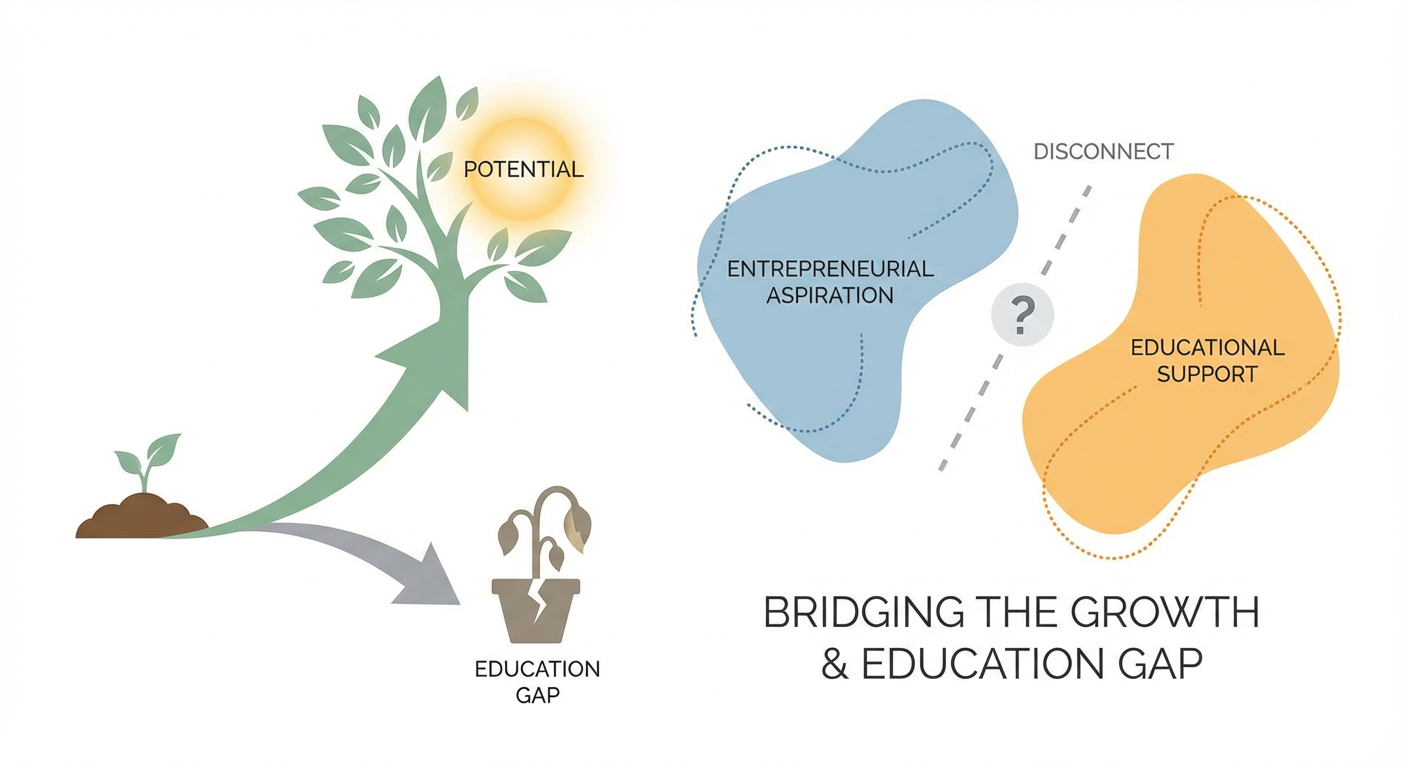
2. The Untapped Potential: Early Child Entrepreneurial Aspirations and the Education Gap
Entrepreneurship, once largely perceived as an adult pursuit, is increasingly being recognized as a critical life skill that can be cultivated from a surprisingly young age. The journey from playful curiosity to entrepreneurial acumen, however, is often characterized by a stark disparity between early aspirations and sustained educational support. This section delves into the compelling evidence of high initial entrepreneurial interest among children aged 4-12, juxtaposing it with the significant and often lamentable decline in this ambition by the time they reach high school. We will meticulously examine the systemic failures in current educational models globally, highlighting the pervasive inadequacy of entrepreneurship education within formal schooling and the profound impact this “education gap” has on nurturing the next generation of innovators and business leaders. Understanding this critical deficiency is paramount to appreciating the transformative potential of integrating gamified and experiential learning methods specifically tailored for young children.
2.1. The Budding Innovators: High Early Entrepreneurial Aspirations in Children
Children inherently possess many of the foundational traits associated with entrepreneurship: boundless curiosity, an innate drive to create, a willingness to experiment, and an often fearless approach to problem-solving. These characteristics naturally incline many young minds towards envisioning and even attempting to build their own ventures. Research consistently demonstrates a significant and often surprising level of entrepreneurial intent among elementary and middle school students, suggesting a fertile ground for cultivating future innovators. One compelling piece of evidence comes from the United States, where a 2012 Gallup-HOPE Index survey revealed that a substantial 43% of students in grades 5–12 expressed an intention to start their own businesses someday[2]. This figure, representing nearly half of the surveyed student population, underscores a powerful latent desire to engage in self-directed enterprise. Even more striking is the data pertaining to younger cohorts. A subsequent 2016 Gallup-HOPE survey, focusing on the ambition of middle school students (grades 5–8), found that over half, a remarkable 55%, wanted to be entrepreneurs[3]. This highlights a peak in entrepreneurial ambition during the pre-teen years, capturing a period when children are particularly open to imaginative play and the conceptualization of self-made endeavors. This enthusiasm is not merely passive interest; it reflects a genuine motivation that, if properly channeled, could lead to significant skill development. However, this early spark of ambition often diminishes as children progress through the educational system. The same 2016 Gallup-HOPE survey revealed a sharp decline in entrepreneurial intent, with only 27% of high schoolers retaining the desire to start a business[13]. This dramatic drop-off, from 55% in middle school to 27% in high school, signals a critical failure of the existing educational framework to sustain and nurture this initial wellspring of entrepreneurial interest. The discrepancy is particularly concerning given that older students often have greater access to formal business education — 60% of high schoolers reported having access to business classes, compared to just 27% of younger students[13]. This suggests that the availability of traditional business courses in later years does not inherently translate into sustained entrepreneurial zeal; rather, the early enthusiasm appears to fizzle out, perhaps due to a lack of relevant, engaging, and age-appropriate support in primary and early secondary education. The disparity between high aspirations and limited practical exposure further emphasizes this gap. While 43% of U.S. students in grades 5–12 planned to start a business, only 22% had any work experience, and a mere 7% were engaged in internships[2]. This highlights a profound disconnect: children express a keen interest in entrepreneurship but are rarely provided with the real-world experiences that could solidify and guide this ambition. This unmet need for practical, hands-on exposure at early ages is a central thematic element in understanding the “untapped potential” that the current educational system is failing to cultivate. These findings strongly suggest that the early years, specifically ages 4-12, represent a crucial, yet largely overlooked, window of opportunity for entrepreneurship education. It is during this formative period that the entrepreneurial mindset can be effectively shaped, leveraging children’s natural creativity and willingness to “dream big”[6]. If this innate curiosity is not engaged and supported through tailored educational experiences, a valuable and potent developmental stage for fostering innovative capabilities is irrevocably lost.
2.2. The Global Education Gap: A Systemic Failure in Entrepreneurship Education
Despite the clear and compelling evidence of early entrepreneurial aspirations among children, the global educational landscape is woefully unprepared to meet this demand. The inadequacy of entrepreneurship education within formal schooling is a widespread and deeply entrenched problem, contributing significantly to the observed decline in student interest. This segment meticulously outlines the systemic failures, citing key international and national reports that underscore the severity of this education gap. One of the most damning assessments comes from a Gallup poll, which revealed that an overwhelming 85% of students perceived they had learned “practically nothing” or very little about the intricacies of business operations through their schooling[7]. This revelation is especially jarring when contrasted with the fact that 84% of these same students expressed a strong desire for schools to teach more about entrepreneurship[7]. This stark mismatch between student demand and educational provision indicates a profound institutional oversight, leaving a vast majority of students feeling unprepared for the realities of the business world, even if they harbor entrepreneurial dreams. The problem is not confined to any single nation; it is a pervasive global phenomenon. The Global Entrepreneurship Monitor (GEM) 2023/24 Global Report, a comprehensive study spanning 49 economies, offered a critical indictment of the state of entrepreneurship education. Experts surveyed for the report rated “entrepreneurial education at school” as the weakest factor in a staggering 31 of the 49 economies studied[4]. Even more concerning, the report found that only 5 countries’ school systems earned a “satisfactory” rating for their entrepreneurship education programs at the primary and secondary levels[4]. This means that in nearly 90% of the countries examined, formal schooling is failing to adequately equip young people with entrepreneurial knowledge and skills. The implications of this global deficit are far-reaching. As the GEM report highlights, without early programs to nurture entrepreneurial thinking, youthful creativity can fade as children get older, and curricula traditionally focus strictly on academic subjects. This contributes directly to the “ambition drop-off” observed in students as they transition from middle school to high school, from 55% to 27% intending to start businesses, as noted earlier[13]. The report warns that the failure to address this gap risks allowing a “generation of schoolchildren [to] grow up unaware that starting a business is a possibility”[6]. This table summarizes key findings related to the education gap in entrepreneurship:
| Metric | Finding | Source |
|---|---|---|
| Students learning “practically nothing” about business in school | 85% | Gallup Poll[7] |
| Students wanting more entrepreneurship education | 84% | Gallup Poll[7] |
| Economies where school entrepreneurship education was the weakest factor | 31 out of 49 | GEM 2023/24 Global Report[4] |
| Countries with “satisfactory” primary/secondary entrepreneurship education | 5 out of 49 | GEM 2023/24 Global Report[4] |
| Middle schoolers intending to start a business | 55% | Gallup-HOPE Index 2016[13] |
| High schoolers intending to start a business | 27% | Gallup-HOPE Index 2016[13] |
| Middle schoolers with access to business classes | 27% | Gallup-HOPE Index 2016[13] |
| High schoolers with access to business classes | 60% | Gallup-HOPE Index 2016[13] |
| U.S. students (grades 5-12) with work experience | 22% | Gallup-HOPE Index 2012[2] |
| U.S. students (grades 5-12) with internships | 7% | Gallup-HOPE Index 2012[2] |
This table vividly illustrates the chasm between young students’ aspirations and the educational system’s current capacity to support them. The data suggests that existing educational approaches, particularly for younger age groups, are not resonating with students or effectively teaching them about entrepreneurship. The global context, however, is beginning to reflect a growing recognition of this problem. Entrepreneurship is now increasingly seen as a core 21st-century skill, essential for adaptability, innovation, and economic resilience. The European Union, for instance, has explicitly listed “entrepreneurship competence” as one of its 8 Key Competences for Lifelong Learning[5]. By 2025, a significant number of European education systems – 20 out of 38 – have moved to integrate entrepreneurship education into their national strategies, often embedded within broader initiatives for digital skills, innovation, or economic literacy[5]. Nations like Slovakia have even gone as far as mandating entrepreneurial learning objectives in primary grades as of 2023, with full implementation in schools expected by 2026[22]. These proactive measures, despite their nascent stage, signify a crucial shift in policy and pedagogy. They acknowledge that basic business concepts and entrepreneurial mindsets should be introduced early in primary curricula to build a solid foundation. However, the prevailing reality depicted by the GEM report and Gallup polls remains one of significant unmet potential. The challenge lies not just in the lack of dedicated entrepreneurship courses, but in the failure to adopt pedagogical approaches that are developmentally appropriate and engaging for young children. Traditional, lecture-based methods, when applied to entrepreneurial concepts, often fail to capture the imagination and enthusiasm that children naturally bring to creative endeavors. This points to the pressing need for innovative educational strategies that leverage children’s inherent curiosity and learning styles.
2.3. The Untapped Power of Gamification in Early Education
The pronounced education gap and the sharp decline in entrepreneurial ambition highlight an urgent need for more effective pedagogical approaches, particularly for younger learners. This is where gamification emerges as a potent, yet largely underutilized, tool. Gamification, defined as the application of game-design elements and game principles in non-game contexts, such as education, capitalizes on children’s natural inclination towards play, transforming learning into an engaging and intrinsically motivating experience. The benefits of gamification in education are not merely anecdotal; they are substantiated by robust research. Students in learning environments that incorporate gamified elements consistently exhibit superior academic performance compared to their peers engaged in traditional setups. For instance, studies indicate that students in gamified learning environments score, on average, a noteworthy 34% higher on tests[6]. This significant uplift in test scores is a strong indicator of improved comprehension and retention of material. Some studies even suggest that challenge-based gamified elements can elevate student performance by as much as 34% in specific contexts[6]. Beyond academic performance, gamification plays a crucial role in enhancing student engagement and persistence. Course completion rates, a critical measure of sustained interest and commitment, are approximately 15% higher in gamified courses compared to their non-gamified counterparts[73]. This improvement is particularly relevant for complex subjects like entrepreneurship, which require sustained effort and problem-solving. By introducing elements such as points, badges, leaderboards, and narratives, gamification can create a compelling learning journey that keeps children invested and motivated to reach educational milestones. The preference for gamified learning is also strongly expressed by students themselves. A survey of U.S. students revealed that 67% preferred classes that incorporated game-like learning, citing increased engagement as the primary reason[8]. This sentiment is vital; in a landscape where 84% of students desire more entrepreneurship education but 85% feel they learn “practically nothing”[7], gamification offers a bridge between aspiration and effective instruction. It speaks directly to the learning styles and preferences of today’s digital-native children, for whom interactive, game-based experiences are a natural mode of engagement. Educators, too, recognize the transformative power of gamification. Nearly 90% of instructors surveyed believe that gamification significantly increases student motivation and fosters creativity in the classroom[9]. Furthermore, approximately 78% of educators report that the integration of game elements makes teaching more enjoyable and keeps students actively engaged[9]. These figures demonstrate a strong positive reception from both learners and instructors, indicating that gamification is not merely a passing fad but a pedagogical approach with demonstrable benefits. The market trend of gamification in education further substantiates its growing impact. The global market for gamification in education is projected to expand significantly, from an estimated $1.14 billion in 2024 to an impressive $5.4 billion by 2029, representing an annual growth rate of approximately 36%[14]. This astronomical growth reflects a robust and increasing demand for engaging, interactive educational tools, particularly in foundational skill development for younger audiences. The game-based learning market specifically for children is expanding at about 21% annually[15]. This investment signals a future where playful, immersive learning environments become increasingly mainstream, providing an ideal context for fostering entrepreneurial skills in children aged 4-12. The appeal of gamification lies in its ability to harness intrinsic motivators. Children are driven by curiosity, mastery, autonomy, and purpose, all of which can be effectively embedded within a gamified learning design. For instance, in an entrepreneurial context, children might earn “idea points” for creative business concepts, “customer satisfaction badges” for successful interactions, or “virtual currency” for profits in a simulated market. These elements provide immediate feedback, a sense of progression, and a fun way to experience the cycles of business—from ideation and production to marketing and sales—all within a low-stakes, playful environment. This approach is instrumental in making complex entrepreneurial concepts accessible and enjoyable for young minds, transforming abstract ideas into concrete, interactive challenges.
2.4. Experiential Learning: Cultivating Entrepreneurial Skills through Direct Action
While gamification provides the engaging framework, experiential learning delivers the substance. “Learning by doing,” the core tenet of experiential approaches, is particularly effective in teaching entrepreneurship to young children, who typically assimilate knowledge best through direct experience rather than abstract instruction. This pedagogical philosophy is critical for building practical skills, fostering deeper understanding, and instilling confidence in aspiring young entrepreneurs. The advantages of active, project-based learning are well-documented across educational disciplines. A meta-analysis of 225 studies conducted across science, engineering, and mathematics (STEM) fields, published in PNAS in 2014, revealed that active learning significantly outperforms traditional lecturing[11]. Students in active, hands-on classes achieved higher exam scores and were 1.5 times less likely to fail compared to their counterparts in lecture-based settings. Specifically, average failure rates were 33.8% under traditional lectures versus just 21.8% with active learning, indicating a 55% higher failure rate in lecture formats[11]. For elementary-aged children, whose cognitive development favors concrete experiences, this approach is even more imperative for effective learning. In the context of entrepreneurship education, experiential learning translates into opportunities for children to directly engage in simplified business activities. This could involve running mini-businesses, participating in simulated markets, or engaging in project-based challenges that mimic real-world entrepreneurial tasks. Through these hands-on experiences, children develop a range of vital skills that are seldom acquired through passive learning. For example, when children operate mini-businesses or participate in business simulations, they are not just learning definitions; they are acutely experiencing the interplay of various business elements. They encounter concepts such as: * **Problem-solving:** Faced with challenges like a product not selling, or a budget constraint. * **Financial literacy:** Understanding costs, pricing, revenue, and profit-and-loss directly by managing money for their venture. * **Teamwork:** Collaborating with peers to develop and execute a business idea. * **Creativity and innovation:** Brainstorming unique product ideas or marketing strategies. * **Communication and persuasion:** Learning to articulate their business idea and convince “customers.” * **Resilience:** Experiencing setbacks and learning to adapt and try again. These programs measurably enhance students’ understanding and capabilities. An impact assessment for the BizWorld entrepreneurship simulation, for instance, found that 100% of participating classes demonstrated improvements in students’ business and financial knowledge[10]. Likewise, a qualitative study in South Africa highlighted how gamified entrepreneurial experiences cultivated strategic thinking and financial decision-making skills in children as they navigated simulated business scenarios[6]. Real-world programs vividly illustrate the power of experiential learning: * **Lemonade Day:** This long-running nonprofit program has engaged over 1 million children in 62 cities across the U.S., teaching them to plan, launch, and operate their own real lemonade stands[12]. Participants learn to earn, save, and turn a profit by age 10, often generating average profits of around $150[12]. The program encourages a “save, spend, and share” philosophy for their earnings, instilling crucial financial habits. * **”My First Enterprise: Entrepreneurship by Playing” (Mexico):** This primary school program provided seed funding and mentorship to student teams (ages 10-12) to create mini-companies. Remarkably, over 80% of these student-run businesses successfully repaid their initial micro-loans and became profitable within the school year[9]. This demonstrated unequivocally that even elementary students can grasp the principles of profit and loss through direct involvement. * **BizWorld and Children’s Business Fairs:** BizWorld, a global nonprofit, delivers hands-on entrepreneurship simulations where students form “companies” to pitch for capital, manufacture products, market them, and sell them at mock marketplaces[10]. Programs like the Acton Children’s Business Fair globally enable tens of thousands of kids to run their own one-day businesses, experiencing sales, profit, and customer interaction firsthand. These examples underscore that experiential learning in entrepreneurship is not merely theoretical; it yields tangible results. Children who participate in these programs gain concrete financial acumen, develop critical soft skills like problem-solving and teamwork, and build significant self-confidence. They internalize concepts of cause and effect in business, learning that effort leads to income, that creativity can be monetized, and that challenges can be overcome. This “learning by doing” transforms abstract business terms into lived experiences, creating lasting knowledge and an entrepreneurial mindset that remains long after a lesson about definitions might fade.
2.5. Bridging the Gap: Integrating Gamified and Experiential Learning into Curricula
Recognizing the compelling benefits of both gamified and experiential learning, the crucial next step is to effectively integrate these approaches into existing educational curricula for ages 4-12. This integration must be thoughtful, developmentally appropriate, and sustainable, moving beyond isolated extra-curricular activities to become a core component of early childhood education. One highly effective strategy involves **embedding entrepreneurship topics across existing school subjects** rather than presenting them as a standalone, separate discipline. This cross-curricular approach allows children to encounter entrepreneurial concepts in familiar contexts, making the learning more organic and relevant. For instance: * A math lesson could involve managing a mock store, where students practice arithmetic by calculating costs, prices, and change. * A language arts class might task students with writing persuasive advertisements or crafting compelling product descriptions for a pretend business, thereby honing their communication and creative writing skills. * Science experiments could be reframed as product development, where students innovate and test prototypes, exploring concepts of efficiency and market demand. * Social studies might explore local businesses, involving interviews with real entrepreneurs, thereby connecting classroom learning to the community. Many European countries are already adopting this integrated model, where entrepreneurship is viewed as a “key competence” to be woven into general subjects and thematic projects from primary school onwards[5]. This approach prevents children from being subjected to formal “Entrepreneurship 101” classes, which are often not developmentally appropriate for their age. Instead, they learn about simple business concepts and financial literacy through engaging stories, games, and collaborative team activities, making the learning process both enjoyable and effective. To facilitate gamification, educators can leverage a variety of tools, from low-tech classroom systems to advanced educational technology. Simple point systems or elaborate classroom “economies” can mirror real-world economic activities, rewarding students with virtual currency for task completion, teamwork, or innovative ideas. This currency can then be “spent” on classroom privileges or rewards, providing a tangible experience of earning and spending. The burgeoning EdTech market offers increasingly sophisticated solutions. Child-friendly business simulators, entrepreneurship apps, and game-based learning platforms are becoming more prevalent. An example is a **crowdfunding simulation game** designed by entrepreneurship educators, which allows students to pitch ideas and “earn” tokens from peers acting as investors, thereby experiencing a simplified version of fundraising and market validation[23]. Such interactive simulations are reported by teachers to generate enthusiasm and deeper understanding that traditional methods struggle to achieve. The market trend for gamification in education, projected to reach $5.4 billion by 2029 with a 36% annual growth rate, signifies a robust investment in these types of tools[14]. Emerging technologies like Virtual Reality (VR) are also making inroads, with VR learning games being the fastest-growing segment in educational technology (52% annual growth), offering immersive experiences where children can run virtual stores or startups, providing realistic and safe real-world exposure[15]. Furthermore, integrating entrepreneurship into existing school events provides readily available experiential learning opportunities. Transforming an annual school fair into a “Children’s Business Fair,” where every child manages a stall, allows for direct application of learned concepts. Organizations like Acton Children’s Business Fair have successfully propagated this model globally, offering a one-day, high-impact experiential learning format. **Policy support and curriculum reform** are indispensable for comprehensive integration. As mentioned, the European Union’s emphasis on “entrepreneurship competence” as a core skill motivates countries to embed relevant learning outcomes from primary school onward[5]. The case of Slovakia, which mandated entrepreneurial learning objectives in primary grades starting in 2023, is a prime example of top-down support ensuring that gamified, experiential learning becomes standard rather than optional[22]. However, a critical challenge remains: **equipping teachers** with the necessary training and resources to deliver these innovative methods. Shifting from traditional, lecture-centric pedagogy to facilitating games and projects requires significant professional development. Programs like the School Enterprise Challenge offer step-by-step guides for teachers worldwide, enabling them to build and run sustainable school businesses with their students, thereby providing practical support for curriculum integration[24]. Public-private partnerships, where tech companies sponsor innovation camps or hackathons for elementary students, also contribute by demonstrating and supporting new educational models. In conclusion, successful integration of gamified, experiential learning into the curriculum requires a multi-pronged approach. It involves: * **Curricular redesign:** Embedding entrepreneurial concepts across subjects. * **Technological leverage:** Utilizing gamified apps, simulators, and platforms. * **Event integration:** Transforming school events into entrepreneurial showcases. * **Policy endorsement:** Mandating and supporting entrepreneurship education from an early age. * **Teacher empowerment:** Providing robust training and resources for educators. By adopting these strategies, educational systems can effectively bridge the existing education gap, nurturing young children’s entrepreneurial aspirations and equipping them with essential 21st-century skills through engaging and impactful “play-to-profit” learning experiences. This proactive approach will empower a generation ready to innovate, create, and adapt in an ever-evolving global economy.
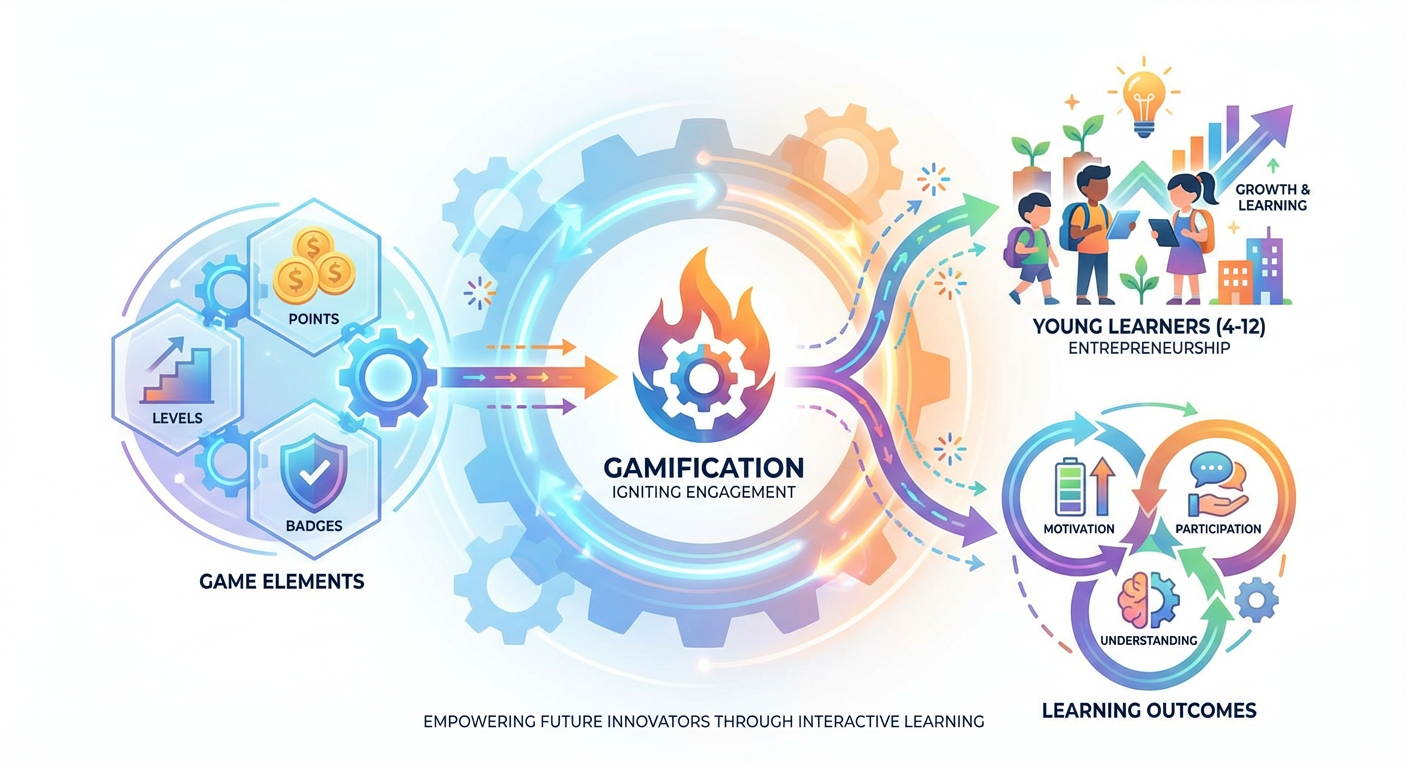
3. Gamification: Igniting Engagement and Boosting Learning Outcomes
The landscape of modern education is continually evolving, driven by an imperative to foster deeper engagement and demonstrable learning outcomes, particularly in critical skill areas such as entrepreneurship. For younger students, aged 4-12, traditional pedagogical methods often fall short in capturing sustained attention and translating theoretical concepts into practical understanding. In response, educators are increasingly turning to innovative approaches, with gamification emerging as a particularly potent strategy. Gamification, which involves integrating game-design elements and game principles into non-game contexts, has been shown to profoundly influence motivation, participation, and the overall effectiveness of learning. This section will delve into the mechanisms by which gamification ignites engagement and boosts learning outcomes in entrepreneurship education for young children, presenting compelling data that supports its efficacy and highlighting the overwhelmingly positive reception from both students and educators. The innate human inclination towards play, particularly pronounced in early childhood, provides a natural entry point for gamified learning. By leveraging elements such as points, levels, badges, leaderboards, rewards, and compelling narratives, gamification transforms potentially abstract or dry educational content into an interactive and intrinsically motivating experience. For entrepreneurship education, where concepts can be complex (e.g., profit, loss, market research, value proposition), making learning “playful” is not merely an enhancement but a fundamental shift in how these foundational ideas are introduced and internalized. This approach capitalizes on children’s natural curiosity and their desire for achievement, feedback, and social interaction, all of which are core components of well-designed games. As such, gamification moves beyond simple drill-and-practice, creating immersive environments where learning by doing becomes an enjoyable and rewarding journey.
3.1 The Mechanism of Engagement: How Gamification Captivates Young Minds
At its core, gamification transforms passive learning into an active quest. For children aged 4-12, whose cognitive development is deeply tied to concrete experiences and imaginative play, the structured yet flexible environment of a gamified setting is highly appealing. The primary mechanisms through which gamification captivates young learners include:
- Intrinsic Motivation: Unlike extrinsic motivators (like grades or parental pressure), gamified elements tap into intrinsic desires for mastery, autonomy, and purpose. Children are motivated by the challenge itself, the satisfaction of progressing, and the self-directed nature of many game tasks.
- Immediate Feedback: Games typically provide instant feedback on actions, allowing learners to understand the consequences of their decisions and adjust their strategies in real-time. In an entrepreneurial context, this could mean seeing immediate “virtual profits” or “customer satisfaction scores” based on pricing decisions or product quality. This rapid feedback loop is crucial for reinforcing correct understanding and self-correction.
- Achievement and Progression: The system of points, levels, badges, and leaderboards provides clear indicators of progress and achievement. Children gain a sense of accomplishment by accumulating points, advancing to higher levels, or earning badges for specific skills (e.g., “Marketing Maven” or “Budgeting Boss”). This visual representation of progress fuels their desire to continue learning and mastering new entrepreneurial competencies.
- Narrative and Storytelling: Integrating learning into a compelling story or mission engages children’s imagination. An entrepreneurship curriculum could be framed as a “Startup Adventure” where students are “venture capitalists” investing in their classmates’ “companies” or “business heroes” solving community problems with innovative products. This narrative context provides meaning and makes the learning journey more memorable.
- Social Interaction and Collaboration/Competition: Many gamified learning environments incorporate multi-player elements, fostering either collaborative teamwork or friendly competition. For young entrepreneurs, this can mean working in “teams” to launch a mini-business, negotiating with “suppliers,” or competing to achieve higher “sales” in a simulated marketplace. These social dynamics enhance engagement and develop crucial interpersonal skills such as negotiation, communication, and leadership.
- Safe Space for Failure: Games inherently offer a low-stakes environment where failure is not punitive but rather an opportunity for learning. In an entrepreneurial simulation, a child can “launch” a product that doesn’t sell, reflect on why, and then try a different strategy without real-world financial consequences. Researchers refer to this as providing a “safe space for failure” that games uniquely offer, which is critical for developing resilience and problem-solving skills inherent in entrepreneurship[25], [26].
This multi-faceted approach to engagement contrasts sharply with traditional classroom settings, where students might passively receive information. For entrepreneurial education designed for primary school students, these game elements are not merely decorative but foundational to effective learning.
3.2 Quantifiable Impact: Elevated Performance and Completion Rates
The benefits of gamification extend beyond anecdotal observations of increased student enthusiasm. Empirical research provides strong evidence of its positive impact on academic performance and persistence. The data unequivocally demonstrates that gamified learning environments consistently outperform traditional instructional methods in fostering knowledge acquisition and ensuring course completion.
3.2.1 Enhanced Learning Outcomes: Higher Test Scores
One of the most striking findings is the direct correlation between gamification and improved academic results. Students educated in gamified environments score, on average, 34% higher on tests than their peers in traditional setups[9]. This significant improvement is not an isolated finding; some studies further indicate that gamified challenges can boost student performance by up to approximately 35% in certain contexts[10].
| Metric | Performance in Gamified Environment | Compared to Traditional Methods | Sources |
|---|---|---|---|
| Average Test Score Increase | 34% higher | Compared to non-gamified learning | Teachn.com (2025)[9] |
| Performance Lift (Challenge-based) | Up to ~35% | In specific gamified challenge contexts | Teachn.com (2025)[10] |
This substantial increase in test scores highlights gamification’s capacity to deepen understanding and mastery of subject matter. For entrepreneurship education, this translates into children not just memorizing terms like “revenue” or “customer,” but truly internalizing the implications and applications of these concepts through interactive, game-based scenarios. The competitive yet collaborative nature inherent in many gamified activities encourages students to strive for better understanding and application of learned material, reflecting a more profound engagement with the educational content.
3.2.2 Increased Persistence: Higher Course Completion Rates
Beyond direct knowledge acquisition, gamification also plays a crucial role in student retention and perseverance. A key challenge in any educational program, especially those introducing new or complex skills, is keeping students motivated to complete the entire course. Gamified courses address this effectively, demonstrating approximately 15% higher completion rates compared to non-gamified courses[11]. For entrepreneurship education, this is particularly valuable. Entrepreneurial journeys naturally involve obstacles, setbacks, and a need for sustained effort. By integrating gamified experiences that reward persistence, acknowledge effort through progression systems (e.g., levels, badges), and maintain high engagement, students are more likely to see the learning process through to its conclusion. This fosters not only a comprehensive understanding of the entrepreneurial process but also cultivates resilience and determination, which are essential entrepreneurial traits. The achievement of visible milestones within a gamified framework provides tangible motivation to proceed, preventing early disengagement common in more passive learning formats.
3.3 Enthusiastic Reception: Student Preference and Teacher Endorsement
The quantitative evidence of improved outcomes is further substantiated by the qualitative feedback from the primary stakeholders: the students themselves and their educators. Both groups express overwhelming positivity towards gamified learning, reinforcing its practical impact in the classroom.
3.3.1 Student Preference: Learning Can Be Engaging
A significant majority of students actively prefer game-based learning. In the U.S., 67% of students expressed a preference for classes that incorporate game-like learning elements, citing increased engagement as the primary reason[12]. This strong preference among children, who are increasingly digital natives, underscores the effectiveness of leveraging familiar and enjoyable formats for educational purposes. For entrepreneurship, where early interest can wane without proper nurturing, this engagement is critical. When learning feels like a game, children are more eager to explore business concepts, make decisions, and reflect on outcomes, transforming what could be perceived as abstract topics into exciting, real-world challenges. The data indicates a clear mandate from the students themselves:
- 67% of U.S. students prefer gamified learning because it is more engaging and motivating[12].
- This preference reflects a generation accustomed to interacting with digital interfaces and reward systems found in games, making gamified education a natural fit for their learning styles.
This preference isn’t merely about entertainment; it points to a deeper level of engagement that facilitates learning. When students are genuinely interested and motivated, they dedicate more cognitive resources to the task, leading to better comprehension and retention of entrepreneurial skills and knowledge.
3.3.2 Teacher Endorsement: A Powerful Tool for Motivation
Educators, who are on the front lines of curriculum delivery and student engagement, also overwhelmingly support gamification. Their direct observations provide invaluable insights into its classroom efficacy. Nearly 90% of instructors state that using gamification actively increases student motivation and fosters creativity in their classes[13]. Furthermore, a substantial 78% of educators report that integrating game elements not only makes their teaching more effective but also more enjoyable for themselves, enhancing the overall classroom atmosphere[14].
| Stakeholder Group | Endorsement/Preference Rate | Key Benefit Cited | Sources |
|---|---|---|---|
| Students | 67% preference | More engaging and motivating | FinancesOnline (2020s)[12] |
| Instructors | ~90% endorsement | Increased student motivation and creativity | Teachning (2025)[13] |
| Educators | ~78% positive report | Makes teaching more effective and enjoyable, keeps students engaged | Imaginovation[14] |
Teachers observe tangible improvements in students who might otherwise struggle with traditional methods. Students who might typically disengage during lectures become active participants when entrepreneurship content is delivered through games or interactive challenges. This positive feedback from teachers is critical, as their acceptance and effective implementation are paramount to the success of any educational innovation. Their endorsement signals that gamification is not just a passing trend but a valuable and sustainable pedagogical tool, particularly well-suited for the dynamic and practical nature of entrepreneurship education for young learners. The consensus from both students and teachers paints a clear picture: gamification is a highly effective approach that resonates deeply with young learners and empowers educators to deliver more impactful and enjoyable lessons. This dual endorsement strongly supports the integration of gamified strategies into entrepreneurship curricula for children aged 4-12.
3.4 Gamification in Practice: Elements for Entrepreneurship Education
To fully appreciate the power of gamification in entrepreneurship education, it is essential to understand how specific game elements can be thoughtfully applied to teach business concepts. For children aged 4-12, these elements are typically integrated into practical, hands-on learning experiences, creating a bridge between abstract ideas and concrete actions.
3.4.1 Points and Virtual Currencies
In gamified entrepreneurship, points can be awarded for successful completion of tasks, such as generating a business idea, conducting market research (e.g., surveying classmates), creating a product prototype, or making a sales pitch. Virtual currencies can simulate real-world financial transactions. For example, in a classroom “economy,” students might earn “BizBucks” for entrepreneurial tasks, which they can then use to “purchase” materials for their mini-companies or “invest” in a classmate’s venture. This immediate, tangible reward system reinforces positive behaviors and helps children understand the value of effort and strategic decision-making in a financial context.
3.4.2 Levels and Milestones
Entrepreneurial education can be structured into “levels” representing progressive stages of business development. Level 1 might be “Idea Generation,” Level 2 “Product Development,” Level 3 “Marketing,” and so on. Advancing through levels provides a clear path of progression and celebrates mastery of specific entrepreneurial skills. Each level could unlock new tools, resources, or challenges, mirroring the growth trajectory of a real business. For instance, successfully completing a “Marketing Level” might unlock access to more “advertising budget” in a simulation.
3.4.3 Badges and Awards
Digital badges or physical certificates can be awarded for achieving specific competencies or demonstrating key entrepreneurial characteristics. Examples include a “Creative Innovator” badge for originating a unique business idea, a “Problem-Solver Pro” badge for overcoming a business challenge, or a “Customer Service Champion” badge for excellent interaction during a mock market day. These awards provide recognition, celebrate individual and team successes, and motivate children to develop a diverse set of entrepreneurial skills.
3.4.4 Leaderboards and Team Challenges
Leaderboards can track various metrics, such as “highest virtual sales,” “most innovative product ideas,” or “best team collaboration.” While individual leaderboards can foster healthy competition, team-based leaderboards or challenges can promote collaborative problem-solving, which is crucial in real-world business environments. For example, teams could compete to create the most profitable lemonade stand in a simulated environment, learning about supply, demand, and pricing strategies in the process.
3.4.5 Narrative and Role-Playing
Framing the entrepreneurial journey within a story or allowing substantial role-playing greatly enhances engagement. Children can become “startup founders,” “CEOs,” “marketing directors,” or “inventors.” This imaginative play allows them to embody entrepreneurial roles, make decisions from different perspectives, and experience the journey of business creation in a vivid, memorable way. Simulations, such as those found in environments like KidZania (where children role-play professions in a miniature city)[42], provide immersive opportunities for children to learn about earnings, spending, and the interconnectedness of a functional economy through active participation.
3.4.6 Quests and Missions
Breaking down the entrepreneurial process into specific “quests” or “missions” makes the learning manageable and purposeful. A “Market Research Mission” might involve interviewing five potential “customers,” while a “Budgeting Quest” could require allocating financial resources for a mini-business project. Successful completion of these quests leads to rewards, points, or progression to the next stage, providing clear objectives and a sense of purpose. By thoughtfully integrating these game elements, educators can construct dynamic and effective learning experiences that not only teach the mechanics of entrepreneurship but also cultivate essential soft skills like creativity, critical thinking, teamwork, and resilience. This approach harnesses children’s natural affinity for play, transforming the complex world of business into an accessible and exciting adventure.
3.5 The Future Trajectory: Market Growth and Technological Advancement
The demonstrated effectiveness and positive reception of gamification in education are driving significant investment and innovation in the field. The market trends indicate a strong and sustained growth trajectory for gamified learning solutions. The global gamification in education market is projected to experience remarkable growth, expanding from $1.14 billion in 2024 to an estimated $5.4 billion by 2029. This represents an exceptionally high Compound Annual Growth Rate (CAGR) of approximately 36%[15]. This rapid expansion signifies a widespread recognition of gamification’s potential to revolutionize learning across various domains, including entrepreneurship education. More broadly, the overall gamification market across all sectors is expected to reach $30.7 billion by 2025, more than tripling its value from 2020[16]. This burgeoning market reflects a larger societal shift towards engaging, interactive experiences, which naturally extends to education. Within this broader context, game-based learning specifically for children is expanding at approximately 21% annually[17]. This investment is fueling the development of new tools and platforms tailored for young learners, such as child-friendly business simulators and entrepreneurship-focused games. Emerging technologies are also playing a pivotal role in enhancing the immersive quality of gamified experiences. For instance, virtual reality (VR) learning games are identified as the fastest-growing segment, with an anticipated annual growth rate of approximately 52% through 2024[18]. These VR tools can transport children into realistic virtual business environments, allowing them to “run” a virtual store, manage a startup, or navigate complex economic scenarios in a highly engaging and experiential manner without the actual risks. Such advancements are poised to further amplify the effectiveness of entrepreneurship education for ages 4-12, offering increasingly sophisticated and immersive learning opportunities. The confluence of solid pedagogical benefits, overwhelming positive feedback, and significant market investment suggests that play-oriented, experiential entrepreneurship programs leveraging gamification will become an increasingly mainstream and integral part of early childhood education globally.
The evidence clearly establishes gamification as a powerful tool for igniting engagement and boosting learning outcomes in entrepreneurship education for children aged 4-12. By leveraging intrinsic motivators, providing immediate feedback, recognizing achievement, and fostering a safe environment for experimentation, gamified approaches lead to significantly higher test scores and course completion rates. This efficacy is strongly affirmed by both students, who prefer such engaging learning experiences, and teachers, who observe marked improvements in student motivation and creativity. As the educational technology market continues its rapid growth, further innovations in gamified and experiential learning are anticipated, promising even richer and more impactful entrepreneurial education for the next generation. The next section will explore the equally critical role of experiential learning, demonstrating how “learning by doing” translates these gamified concepts into tangible skills and real-world understanding.
4. Experiential Learning: Building Practical Skills Through ‘Learning by Doing’
The journey from playful curiosity to concrete entrepreneurial capability fundamentally hinges on the principle of ‘learning by doing.’ For children aged 4-12, abstract concepts related to business, finance, and problem-solving remain largely elusive without tangible interaction and direct engagement. Experiential learning, characterized by hands-on, active, and project-based approaches, transforms theoretical knowledge into practical skills, creating a deep and lasting impact that traditional pedagogical methods often fail to achieve. This section delves into the critical role of experiential learning in cultivating essential entrepreneurial competencies in young minds, examining how activities like running mini-businesses or intricate simulations serve as powerful catalysts for developing financial literacy, problem-solving prowess, teamwork, and overall business acumen. We will explore the compelling evidence demonstrating improved retention and performance in experiential settings, drawing on real-world examples and robust academic findings to underscore its transformative potential in entrepreneurship education.
4.1 The Foundational Efficacy of Active Learning: Beyond Rote Memorization
Decades of educational research consistently highlight the superiority of active learning over passive methods, especially for younger learners whose cognitive development thrives on exploration and direct manipulation of their environment. In the context of entrepreneurship education for children aged 4-12, this distinction is particularly pronounced. While a lecture might define ‘profit’ or ‘marketing,’ an experiential activity allows a child to discover these concepts firsthand, solidifying understanding through personal involvement.
A rigorous meta-analysis of 225 studies in STEM (Science, Technology, Engineering, and Mathematics) education, published in PNAS, provides compelling quantitative evidence for the effectiveness of active learning. The study found that students in interactive, hands-on classes consistently outperformed their peers in traditional lecture-based setups[11]. Specifically, average exam scores were about half a standard deviation higher in active learning environments. More strikingly, the failure rates in classes employing active learning were significantly lower, standing at just 21.8% compared to a staggering 33.8% in traditional lecture classes. This represents a 55% higher failure rate in lecture classes[10]. This data, though drawn from STEM, has direct applicability to entrepreneurship education, which inherently demands problem-solving, critical thinking, and application of knowledge – skills best fostered through active engagement.
For elementary-aged children, whose attention spans are naturally shorter and whose primary mode of learning is through concrete experience, the benefits of active learning are amplified. Abstract concepts remain distant until they are grounded in tangible activities. When a child manages a small budget for a class project, the concept of ‘cost’ becomes real; when they design a product and see it sell, ‘value proposition’ gains meaning. This contrasts sharply with the often-cited “education gap” where a Gallup poll revealed that 85% of students feel they’ve learned “practically nothing” or very little about how business works, despite 84% wanting schools to teach more about entrepreneurship[3]. This gap underscores the inadequacy of theoretical-only instruction in preparing young people for real-world entrepreneurial endeavors. Experiential learning offers a direct solution, bridging this chasm between aspiration and practical knowledge.
The importance of “learning by doing” for this age group cannot be overstated. It aligns with developmental psychology, facilitating the formation of neural pathways that connect action with consequence and outcome with effort. Children learn not just about entrepreneurship, but also develop a deeper appreciation for cause and effect, resource management, and social interaction, all of which are continuously put to the test in active learning scenarios.
4.2 Developing Core Entrepreneurial Skills Through Practical Activities
Experiential learning goes beyond merely improving academic performance; it is a powerful vehicle for the development of specific entrepreneurial skills crucial for success in any future endeavor, entrepreneurial or otherwise. Through hands-on activities, children cultivate competencies that are often difficult to teach through textbooks or lectures.
4.2.1 Problem-Solving and Decision-Making
When children are tasked with running a mini-business or engaging in a business simulation, they are inherently confronted with challenges that demand problem-solving. Whether it’s how to price a product to attract buyers, what materials to use to minimize costs, or how to handle an unexpected production hiccup, these real-time dilemmas require critical thinking and decision-making. A qualitative study in South Africa highlighted how gamified entrepreneurial experiences significantly improved children’s strategic thinking and financial decision-making skills as they navigated simulated business scenarios[6]. This continuous cycle of identifying problems, brainstorming solutions, implementing them, and evaluating outcomes builds resilient and adaptable problem-solvers. Unlike theoretical problems, experiential challenges carry direct, observable consequences, motivating children to find effective solutions.
4.2.2 Financial Literacy
Perhaps one of the most direct and tangible benefits of experiential entrepreneurship education is the development of financial literacy. Concepts like revenue, expenses, profit, loss, budgeting, and saving become concrete and comprehensible when children manage real (or simulated) money.
Consider the example of participants in the Lemonade Day program. These elementary-aged entrepreneurs learn to earn, save, and even turn a profit by age 10[7]. They are directly responsible for the finances of their lemonade stands, from calculating the cost of lemons and sugar to setting a sales price and managing their income. The program encourages participants to divide their profits into three categories: save, spend, and share for charity[23]. This direct handling of finances instills a practical understanding of money management that is far more effective than abstract explanations. The program reports that participants routinely earn profits, often averaging around $150, demonstrating that even grade-schoolers can successfully execute business plans and become financially literate[12].
A report from BizWorld, an international non-profit, further substantiates these claims. Its entrepreneurship simulation, reaching over 500,000 students in 100+ countries since 1997, demonstrated that 100% of participating classrooms showed improvement in students’ business and financial knowledge after the program[10]. These findings are critical, especially given reports that many children learn “practically nothing” about business in school[3].
4.2.3 Teamwork and Communication
Entrepreneurial endeavors are rarely solitary. Most experiential learning activities naturally foster teamwork and communication as children collaborate to achieve common goals. Whether forming “companies” in a classroom simulation or working together at a lemonade stand, they learn to divide tasks, negotiate roles, and communicate effectively to overcome obstacles.
In programs like Mexico’s “My First Enterprise: Entrepreneurship by Playing,” student teams (typically 5th and 6th graders) devise business ideas and manage mini-companies within their schools[9]. Teachers reported significant gains in students’ initiative and, crucially, in their teamwork and communication skills. Such projects require consensus building, delegation, and mutual support, all vital components of successful teamwork. Children learn to articulate their ideas, listen to others’ perspectives, and collectively make decisions that impact their shared venture. This direct application of interpersonal skills fosters a deeper understanding of collaboration than any classroom lecture could provide.
The following table illustrates the key skills fostered by experiential learning in entrepreneurship education for young children:
| Skill Area | How Experiential Learning Develops It | Empirical Evidence/Examples |
|---|---|---|
| Problem-Solving | Children encounter real-world challenges (e.g., product design, pricing, customer issues) and must devise creative solutions. | Qualitative studies show improvements in strategic thinking and adaptation in simulated business scenarios[6]. |
| Financial Literacy | Directly managing budgets, calculating costs, setting prices, tracking sales, and managing profits. | Lemonade Day participants routinely earn profits (avg. ~$150) and learn saving/spending habits[12]; BizWorld showed 100% of classes improved financial knowledge[10]. |
| Teamwork & Collaboration | Working in groups to launch and manage businesses, dividing tasks, and making collective decisions. | Mexico’s “My First Enterprise” noted improved teamwork and communication among student teams[9]. |
| Communication | Pitching ideas, marketing products, interacting with “customers,” and negotiating roles within a team. | Children communicate product value during mini-market days; articulate ideas during business planning. |
| Initiative & Self-Efficacy | Planning, executing, and taking ownership of a project from conception to completion. | Completing a school business project or lemonade stand builds immense confidence and a sense of capability. |
| Adaptability & Resilience | Learning from mistakes and adjusting strategies when initial plans don’t work, particularly in “safe-fail” environments like simulations. | Gamified simulations provide a low-stakes environment for iterating on business models[27]. |
4.3 Case Studies in Action: From Lemonade Stands to Micro-Ventures
Real-world examples powerfully illustrate the effectiveness of experiential learning in building practical entrepreneurial skills for young children. These initiatives transform abstract business principles into tangible, memorable lessons, demonstrating that children are far more capable of entrepreneurial thinking and execution than often assumed.
4.3.1 Lemonade Day: A National Movement for Young Entrepreneurs
One of the most widely recognized experiential entrepreneurship programs is Lemonade Day. This nonprofit initiative engages elementary-aged children in the process of planning, launching, and operating their own lemonade stands. Over its lifetime, Lemonade Day has involved more than 1 million children across 62 cities in the U.S. and Canada, with approximately 101,000 children participating in 2016 alone[7].
The program is designed to guide participants through a structured process that encompasses key business concepts:
- Business Planning: Children receive workbooks guiding them to set goals, create a business plan, and identify their product.
- Budgeting & Finance: They learn about costs (ingredients, cups, advertising), pricing their lemonade, and managing revenue.
- Marketing & Sales: Kids develop strategies to attract customers and learn direct sales skills through interaction with the public.
- Profit Allocation: A core lesson involves dividing their earnings into categories for saving, spending, and sharing (donating to a charity).
The impact is profound: participants not only earn real money (often averaging around $150 in profit) but also gain first-hand experience in financial management, customer service, and the satisfaction of building something of their own[12]. The ultimate success story from Lemonade Day is Mikaila Ulmer. At just 4 years old, she participated in a Lemonade Day event in Austin. Inspired by her great-grandmother’s recipe and a passion for saving bees, she continued her venture, “Me & the Bees” Lemonade. By age 10, Mikaila’s business secured a $60,000 investment on the TV show Shark Tank and landed a distribution deal with Whole Foods supermarkets[8]. Mikaila’s journey from a simple lemonade stand to a nationally recognized brand epitomizes the “from play to profit” potential of early experiential learning.
4.3.2 “My First Enterprise: Entrepreneurship by Playing” in Mexico
Another compelling example comes from Mexico, where the Ministry of Education and Economy piloted an initiative called “Mi Primera Empresa: Emprender Jugando” (“My First Enterprise: Entrepreneurship by Playing”). This program targeted primary school students (typically 5th and 6th graders) and was based on the premise that children could learn entrepreneurial skills through hands-on business creation[9].
Key features of the program included:
- Seed Funding: Student teams received small micro-loans (approximately 150-200 pesos) to kickstart their ventures.
- Mentorship: Teachers, and in some cases, volunteer business mentors, guided the student teams.
- Diverse Ventures: Students conceived and operated a wide array of businesses, from selling handmade crafts and baked goods to providing school lunch delivery or even setting up mini poultry farms in rural schools.
The results were remarkable: An evaluation found that over 80% of the student-run mini-companies successfully repaid their initial seed capital and became profitable within the school year[13]. Teachers observed significant improvements in students’ understanding of basic business concepts, their math skills (through managing money), and their overall initiative. The program fostered critical skills like teamwork, problem-solving, and adaptability as students navigated the practicalities of running a business[9]. The success of “Mi Primera Empresa” provided strong evidence that entrepreneurial abilities can be cultivated and thrive at the elementary level, particularly when supported by practical experience and mentorship[9].
4.3.3 BizWorld and Children’s Business Fairs: Global Impact
The reach of experiential learning extends globally through organizations like BizWorld. Since its inception in 1997, BizWorld has inspired over 500,000 students across more than 100 countries[10]. Their workshops immerse 9- to 11-year-olds in a hands-on simulation where they form companies, pitch for capital, manufacture products (e.g., friendship bracelets), develop marketing strategies, and ultimately sell their goods at a mock marketplace. A UK study of BizWorld revealed that 100% of participating classrooms showed a measurable improvement in students’ business and financial knowledge post-program[10].
Similarly, the Acton Children’s Business Fair model has spread worldwide, providing a one-day, experiential platform for young entrepreneurs. Events in places like Kuala Lumpur, Malaysia, see children (ages 8-12) selling their homemade products directly to the public in commercial venues. These fairs teach children about product creation, pricing, customer interaction, and the excitement of making a real profit. Many young participants sell out their inventory, gain confidence, and even reinvest their earnings for future fairs, thus reinforcing fundamental entrepreneurial cycles.
4.3.4 KidZania: Immersive Edutainment
KidZania presents another innovative model for experiential learning. Operating as a global chain of interactive edutainment parks, KidZania features miniaturized cities where children (ages 4-14) can role-play over 90 different professions, including entrepreneurial roles like shopkeepers, product designers, or restaurant owners[12]. Founded in Mexico in 1999, KidZania has expanded to 27 cities across 18 countries, welcoming over 9 million child visitors in its first two decades[12].
In this immersive environment, kids “earn” KidZania currency for their work, which they can then spend on goods and services within the park or save in a KidZania bank. This system provides a concrete, multi-sensory experience of economic and business cycles. For instance, a child running a miniature snack factory will go through the process of “manufacturing” a product, managing their “inventory,” and “selling” to customers, directly experiencing the link between effort, production, value, and earnings. Educators recognize that while KidZania is entertainment, it instills a practical understanding of economics and the various roles within an economy, fostering an appreciation for work, trade, and even basic entrepreneurial principles within a fun and imaginative context[12].
Each of these real-world examples underscores a critical insight: when provided with structured, hands-on opportunities, children aged 4-12 are not only capable of grasping complex business concepts but can also execute them successfully, often leading to tangible financial outcomes and significant personal development. These programs cultivate essential entrepreneurial mindsets and skills, moving beyond theoretical instruction to create lasting impact.
4.4 The Synergy with Gamification: Making ‘Doing’ Fun and Engaging
While experiential learning stresses the importance of practical application, its effectiveness with young children is significantly amplified when integrated with gamification principles. Gamification, the application of game-design elements and game principles in non-game contexts, makes learning by doing inherently more enjoyable, motivating, and sticky.
At ages 4-12, children are naturally drawn to play. By embedding experiential activities within gamified frameworks, educators transform learning tasks into engaging challenges. This synergy is particularly potent for entrepreneurship education because gamification provides a “safe space for failure” where risks can be taken without severe real-world consequences[27]. In a business simulation game, a child might “lose” money or see their “product” fail, but this becomes a learning opportunity rather than a discouraging setback.
The benefits of combining these approaches are well-documented:
- Increased Engagement: Statistics show that 67% of U.S. students prefer classes with game-like learning because they find them more engaging[8]. For hands-on entrepreneurial projects, this translates to sustained interest and deeper involvement, ensuring students see their ventures through to completion.
- Improved Performance: Gamified learning environments, when layered onto experiential tasks, lead to significant improvements. Students in gamified settings score, on average, 34% higher on tests than their peers in traditional setups[6]. For experiential entrepreneurship, this means a greater mastery of practical skills and conceptual understanding.
- Higher Completion Rates: Projects or courses that incorporate gamification see approximately 15% higher completion rates[7]. This is vital for multi-stage experiential projects like running a mini-business, where sustained effort over time is required.
For example, an experiential learning activity might be for a class to run a “market day” where they sell handmade products. Introducing gamified elements can elevate this experience:
- Points and Levels: Awarding points for successful product pitches, achieving sales targets, or demonstrating teamwork. Progressing through “levels” (e.g., from “Idea Generator” to “Profitable Entrepreneur”) adds a sense of achievement.
- Badges and Rewards: Granting virtual badges for identifying a market need, creating an innovative product, or providing excellent customer service. Tangible rewards (like small privileges or classroom currency) can also be used.
- Leaderboards: Optionally, a leaderboard (carefully managed to avoid discouragement) can track team sales or overall profit, fostering healthy competition.
- Narrative/Storytelling: Framing the entire project as a quest to solve a community problem or build a successful startup adds an engaging storyline element.
This integration ensures that the ‘doing’ is not only educational but also intrinsically motivating, appealing to children’s natural inclination towards play and challenge. Teachers corroborate this, with nearly 90% stating that gamification increases student motivation and creativity in class, and 78% finding it makes teaching more effective and enjoyable[9]. The combination of experiential learning and gamification creates a powerful, synergistic educational model that maximizes engagement, skill development, and long-term retention of entrepreneurial concepts for the 4-12 age group.
4.5 Conclusion: The Imperative of Experiential Learning in Early Entrepreneurship Education
The evidence unequivocally supports the critical role of hands-on, active, and project-based learning in developing practical entrepreneurial skills in children aged 4-12. The journey from playful curiosity to actual business acumen is most effectively navigated through direct experience, which significantly outperforms theoretical instruction in terms of knowledge retention and performance. Studies demonstrate a tangible improvement in practical skills, with students in active learning environments achieving higher scores and experiencing substantially lower failure rates[11].
Experiential approaches nurture a broad spectrum of competencies vital for future success, including problem-solving, financial literacy, and teamwork. By running mini-businesses, engaging in simulations, or participating in real-world micro-ventures like Lemonade Day, children internalize complex concepts like profit, loss, pricing, and marketing. The success of programs like Mexico’s “My First Enterprise,” where over 80% of student-run companies achieved profitability[13], offers compelling proof of concept. When coupled with gamification, experiential learning becomes even more potent, boosting engagement, motivation, and course completion rates[7]. This blend creates a “safe space for failure,” allowing young learners to experiment, iterate, and build resilience.
As entrepreneurial competence is increasingly recognized as a key 21st-century skill, with initiatives like the EU listing it among its 8 Key Competences for Lifelong Learning[5], the imperative to integrate robust experiential learning into early education grows stronger. Such pedagogical shifts are not merely about teaching business; they are about cultivating confident, creative, and capable individuals prepared to navigate and innovate in an ever-evolving world. Neglecting to provide these foundational experiences in primary years is a missed opportunity to capitalize on children’s natural curiosity and instill an entrepreneurial mindset that can flourish throughout their lives. The demonstrated success points to a clear path forward: prioritize and invest in experiential learning initiatives to build the next generation of innovators and problem-solvers.
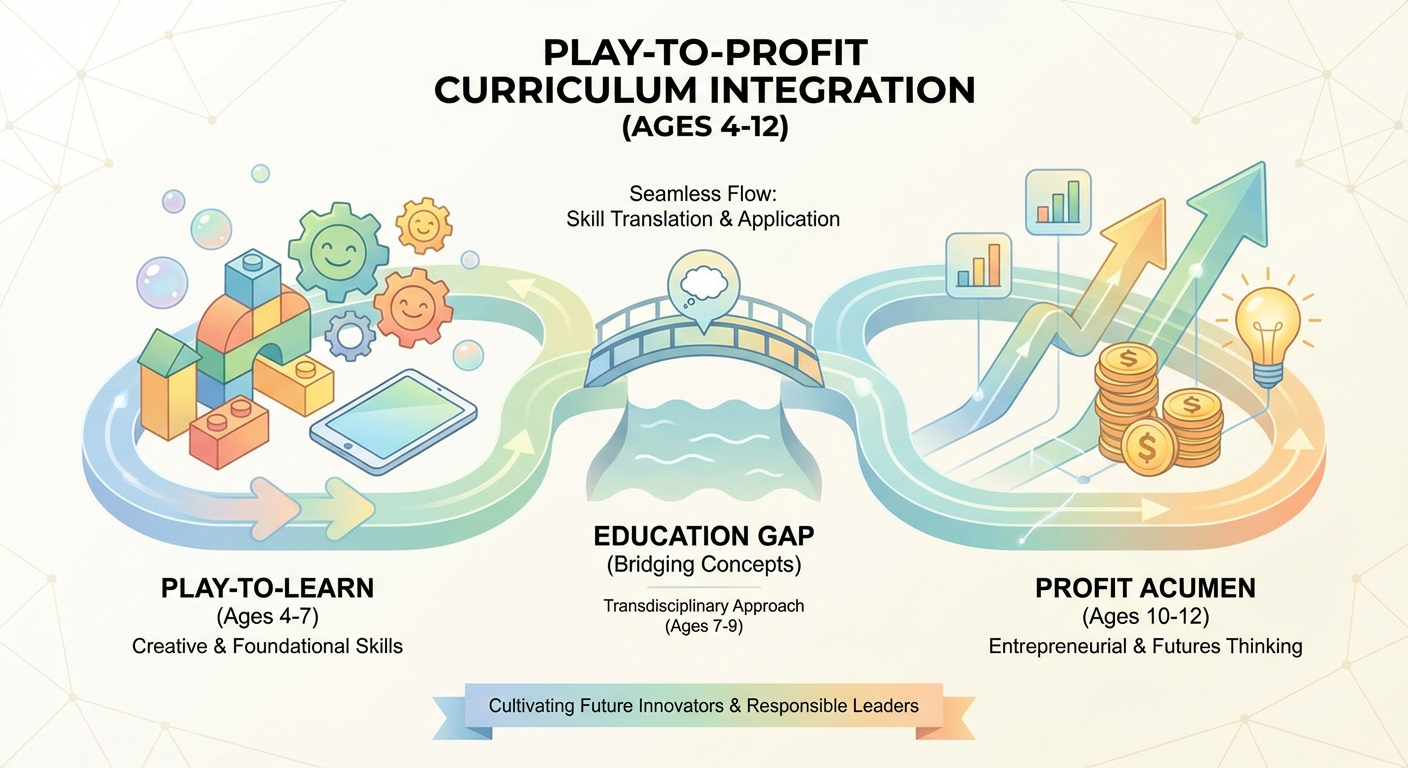
5. Integrating Play-to-Profit into Curricula: Strategies and Cross-Curricular Approaches
The burgeoning enthusiasm for entrepreneurship education among younger children, coupled with the proven efficacy of gamified and experiential learning methodologies, presents a compelling mandate for primary school systems worldwide: to strategically embed “Play-to-Profit” principles into their core curricula. Despite a documented high interest in entrepreneurship among children aged 4-12 – with over half (55%) of U.S. middle schoolers (grades 5-8) aspiring to start a business [3] – there remains a significant “education gap” where 85% of students report learning “practically nothing” about how business works [7]. This stands in stark contrast to the 84% who desire more entrepreneurship education in schools [7]. The urgency of this integration is further underscored by the “ambition drop-off” observed as students age, with entrepreneurial intent plummeting from 55% in middle school to just 27% by high school [3]. This decline is directly correlated with a lack of early reinforcement, as only 27% of middle school students reported having a class on how to start a business [4]. Therefore, the strategic integration of gamified and experiential entrepreneurship education is not merely beneficial but essential to cultivate and sustain this innate curiosity and develop crucial 21st-century skills from an early age. This section delves into effective methods for embedding such learning into primary school curricula, advocating for cross-curricular integration, leveraging educational technology, securing supportive policy frameworks, and emphasizing the critical role of teacher training and resource provision.
5.1 Cross-Curricular Integration: Weaving Entrepreneurial Thinking Across Subjects
One of the most effective strategies for embedding entrepreneurship education into primary school curricula is through a cross-curricular approach, rather than treating it as a standalone subject. This method allows entrepreneurial concepts to be naturally woven into existing lessons, making them accessible and developmentally appropriate for young learners aged 4-12 [8]. Instead of introducing a formal “Entrepreneurship 101” class, which might be too abstract for this age group, basic business and financial concepts can be integrated into everyday learning through stories, games, and team activities [8].
5.1.1 Examples of Interdisciplinary Connections
- Mathematics: Engaging students in mock business scenarios provides a practical context for arithmetic, fractions, percentages, and data analysis. For instance, children can manage budgets for a pretend bakery, calculate profits from selling handmade crafts, or track inventory. The Mexican primary school program, “My First Enterprise: Entrepreneurship by Playing,” saw students significantly improve their math skills by handling real money in their mini-companies [10].
- Language Arts: This subject offers numerous avenues for entrepreneurial skill development. Students can write persuasive advertising slogans for their products, develop marketing materials, create business plans, or even craft engaging pitches for their ventures. This hones persuasive writing, public speaking, and creative communication skills.
- Science and Social Studies: Entrepreneurship projects can be linked to understanding natural resources, production processes, supply chains, and market dynamics. For example, a project on sustainable products could integrate science (materials, environmental impact), social studies (consumer behavior, local economy), and entrepreneurial design thinking.
- Art and Design: Product development, branding, and packaging offer rich opportunities for creative expression. Students can design logos, product prototypes, and storefront displays, fostering innovation and aesthetic appreciation.
- Life Skills and Character Development: Beyond academic subjects, cross-curricular entrepreneurship inherently builds vital soft skills. Teamwork is fostered as students collaborate on mini-companies, problem-solving becomes essential when facing unexpected challenges in their ventures, and negotiation skills are developed during mock sales or resource allocation. A qualitative study in South Africa highlighted how gamified entrepreneurial experiences enhanced children’s strategic thinking and financial decision-making [6].
This approach is widely adopted, particularly in Europe, where “entrepreneurship competence” is recognized as one of the EU’s 8 Key Competences for Lifelong Learning [5]. Twenty out of 38 European education systems explicitly integrate entrepreneurship education into national strategies, often focusing on 21st-century skills, innovation, and economic literacy initiatives [5]. This embedding ensures that entrepreneurial thinking is not an isolated concept but a pervasive mindset fostered throughout the primary years.
5.2 Leveraging Educational Technology and Gamification
The “Play-to-Profit” model fundamentally relies on engaging, interactive learning experiences, and educational technology (EdTech) coupled with gamification is instrumental in achieving this. Gamification involves incorporating game-like elements such as points, levels, badges, leaderboards, and narratives into non-game contexts to boost engagement and motivation. This is particularly effective for children aged 4-12, who naturally learn through play [12].
5.2.1 Impact of Gamification
The benefits of gamified learning are statistically significant:
- Students in gamified environments score, on average, 34% higher on tests compared to their peers in traditional setups [1].
- Challenge-based game elements can boost student performance by up to approximately 35% [1].
- Course completion rates among gamified courses are approximately 15% higher [1].
- A significant majority of U.S. students (67%) prefer game-like learning because it is more engaging [1].
- Nearly 90% of instructors believe gamification increases student motivation and creativity [1], with 78% reporting it makes teaching more enjoyable and keeps students engaged [1].
These figures underscore the power of gamification in transforming passive learners into active participants, a crucial aspect of fostering an entrepreneurial mindset. For example, a classroom entrepreneurship project can utilize a point system for product development, award “customer satisfaction badges” for excellent teamwork, or implement a virtual currency system where students earn from sales in a simulated market. These elements tap into children’s natural competitive and imaginative instincts, making learning about business concepts like revenue, costs, and profit a fun and interactive process [12].
5.2.2 Role of Educational Technology
The market for gamified learning is experiencing rapid expansion, reflecting a strong demand for engaging educational solutions. The global gamification in education market is projected to surge from $1.14 billion in 2024 to $5.4 billion by 2029, representing a remarkable 36% annual growth rate [1]. Game-based learning specifically for children is expanding by approximately 21% annually [1]. This growth is driven by the emergence of new tools, including:
- Child-friendly business simulators: These applications allow children to “run” virtual lemonade stands, retail shops, or even manufacturing businesses, making decisions about pricing, inventory, and marketing in a safe, risk-free digital environment [13].
- Entrepreneurship games: Dedicated games that teach specific business concepts, such as a “crowdfunding simulation game” where students pitch ideas and earn tokens from classmates acting as investors, thereby experiencing a simplified version of fundraising [9].
- Virtual Reality (VR) Learning Games: This segment is the fastest-growing, with an anticipated 52% annual growth rate through 2024 [1]. VR can immerse children in highly realistic virtual business worlds, offering unparalleled experiential learning opportunities. Imagine a child designing and managing a virtual store, complete with supply chain challenges and customer interactions.
These technological advancements facilitate the creation of highly interactive and immersive learning experiences, transforming abstract business concepts into tangible, playable scenarios. Such tools provide a “safe space for failure,” allowing young entrepreneurs to experiment with ideas, make mistakes, and learn from them without real-world consequences—an invaluable aspect of entrepreneurial development [13].
5.3 Policy Support and Curricula Reform
For widespread and sustained integration of Play-to-Profit principles, robust policy support and systematic curricula reform are indispensable. While individual teachers and schools can initiate innovative programs, national-level directives ensure continuity and equitable access to entrepreneurship education.
5.3.1 Mandating Entrepreneurial Learning
Globally, educational experts have rated entrepreneurial education at school as inadequate in most countries, identifying it as the weakest factor in 31 out of 49 economies surveyed [4]. Only 5 countries received a satisfactory rating for entrepreneurship education in their school systems [4]. This stark global deficit highlights the critical need for policy intervention. Proactive governments are beginning to recognize entrepreneurship as a core 21st-century skill, leading to mandated integration into primary school curricula.
- The European Union champions “entrepreneurship competence” as one of its 8 Key Competences for Lifelong Learning [5]. By 2025, 20 out of 38 European education systems had embedded entrepreneurship into curricula from primary school upwards [5].
- Notably, nations like Slovakia are mandating entrepreneurial learning objectives in primary grades. As of 2023, Slovakia updated its national curriculum to specifically emphasize entrepreneurial skills, including initiative and critical thinking, from the primary level, with full implementation required by 2026 [8].
Such top-down approaches ensure that gamified, experiential learning is not merely an optional addition but a standard expectation across all primary schools. This helps to overcome potential barriers like lack of teacher confidence, resource constraints, or skepticism from traditional educators.
5.3.2 Benefits of Policy Integration
Policy integration offers several advantages:
- Standardization and Quality Assurance: Mandates can ensure a consistent level of quality and coverage for entrepreneurship education across all schools within a region or country.
- Resource Allocation: Government policies can allocate dedicated funding for teacher training, development of curriculum materials, and acquisition of EdTech tools necessary for effective gamified and experiential learning.
- Legitimacy and Prioritization: When entrepreneurship is enshrined in national curricula, it elevates its importance, encouraging schools and parents to embrace it as a vital component of a child’s holistic development.
- Long-term Impact: Early exposure, mandated through policy, ensures that an entrepreneurial mindset is nurtured consistently throughout a child’s educational journey, capitalizing on the high early interest that might otherwise wane [12].
5.4 Teacher Training and Resources: Empowering Educators
The successful integration of Play-to-Profit into primary curricula hinges significantly on the preparedness and confidence of educators. Adopting gamified and experiential learning methods represents a substantial pedagogical shift from traditional didactic teaching, requiring comprehensive teacher training and readily available resources.
5.4.1 The Need for Specialized Training
Many primary school teachers, trained in conventional methods, may lack familiarity with entrepreneurship concepts or the techniques required to facilitate play-based, hands-on learning. Therefore, training programs must address several key areas:
- Understanding Entrepreneurial Competencies: Teachers need to understand what entrepreneurial skills (e.g., creativity, problem-solving, risk-taking, financial literacy, initiative) look like in children aged 4-12 and how they can be developed through play.
- Gamification Pedagogy: Training should equip teachers with practical skills in designing and implementing gamified lessons, including how to integrate points, feedback, progression, and narrative elements effectively. This includes understanding the principles of “safe spaces for failure” that games provide, encouraging experimentation instead of punishment for mistakes [13].
- Facilitating Experiential Learning: Teachers need to learn how to move beyond lecturing to become facilitators of learning by doing. This involves guiding students through project-based activities, encouraging self-discovery, and fostering reflection on lessons learned from real-world simulations like running mini-companies.
- Cross-Curricular Integration Skills: Training should demonstrate how to seamlessly weave entrepreneurial themes into existing subjects without overburdening the curriculum. This includes providing examples and templates for interdisciplinary project design.
- Leveraging EdTech: Educators require training on how to effectively use child-friendly business simulators, entrepreneurship apps, and other digital tools to enhance learning experiences.
5.4.2 Provision of Resources
Beyond training, teachers need access to a wealth of resources to implement Play-to-Profit effectively:
- Curriculum Guides and Lesson Plans: Ready-to-use, age-appropriate curriculum frameworks and detailed lesson plans that incorporate gamification and experiential activities are crucial.
- Material Kits: Providing physical resources for hands-on projects, such as craft supplies for product creation, mock currency for financial simulations, or templates for business plans, reduces the burden on individual teachers.
- Digital Platforms and Software: Access to educational software, apps, and online platforms specifically designed for gamified entrepreneurship education for young children.
- Mentorship Programs: Connecting teachers with experienced entrepreneurial educators or local business mentors can provide invaluable support and real-world insights.
- Community of Practice: Establishing networks for teachers to share best practices, exchange ideas, and collaboratively develop new materials fosters continuous improvement and innovation. Programs like the School Enterprise Challenge offer step-by-step guides to teachers worldwide on building school businesses with students, illustrating the power of structured resources [14].
5.5 Real-World Examples: Models of Integrated Curricula
Numerous successful initiatives worldwide illustrate how gamified and experiential learning can be integrated into primary school curricula to foster entrepreneurial skills, moving children “from play to profit.” These case studies offer concrete examples of effective strategies:
5.5.1 Lemonade Day: A Holistic, Community-Driven Approach
Lemonade Day stands as a premier example of a scalable, experiential entrepreneurship program designed for elementary-aged children (K-5). This non-profit initiative engages over 1 million kids across 62 U.S. cities and Canada [7]. The program spans several weeks, guiding participants through a structured process:
- Planning: Children learn fundamental business principles such as budgeting, marketing, selecting optimal locations for their stands, and identifying their target customers.
- Implementation: On a designated “Lemonade Day,” thousands of children simultaneously launch and operate their lemonade stands.
- Financial Literacy: Participants are taught to divide their earnings into three categories: save, spend, and share (donating a portion to charity), imparting early lessons in financial management and social responsibility [15].
The program has demonstrably successful outcomes. For instance, in 2016 alone, approximately 101,000 children participated [7]. Success stories abound, such as Mikaila Ulmer, who at age 4 participated in a Lemonade Day event, evolving her unique “Me & the Bees” Lemonade into a profitable venture. By age 10, she secured a $60,000 investment on Shark Tank and a distribution deal with Whole Foods [16], a testament to the power of early experiential learning in fostering real entrepreneurial success. The Lemonade Day model effectively integrates curriculum by providing structured learning modules that can easily be incorporated into classroom activities or after-school programs, making entrepreneurial concepts tangible through direct action.
5.5.2 “My First Enterprise: Entrepreneurship by Playing” (Mexico): School-Based Micro-Ventures
Mexico’s “Mi Primera Empresa: Emprender Jugando” program, piloted in the early 2010s, exemplified successful school-based integration. This initiative:
- Targeted 5th and 6th graders.
- Provided micro-loans (150-200 pesos) and mentorship to student teams to launch mini-companies within their schools [9].
- Encouraged students to devise business ideas, from handmade crafts to service provision, under teacher supervision.
An evaluation revealed that over 80% of these student-run businesses successfully repaid their seed capital and became profitable within the school year [9]. Students not only gained business vocabulary but significantly improved math skills, displayed enhanced initiative, and developed teamwork abilities [17]. The program’s success, including a rural school’s 6th graders establishing a lucrative poultry farm [17], underscores the potential for elementary students to develop real entrepreneurial abilities through playful, experiential learning [10]. This demonstrates how a national policy initiative can effectively integrate entrepreneurship by transforming classrooms into functioning micro-enterprises.
5.5.3 BizWorld and Children’s Business Fairs: Global Hands-On Simulations
BizWorld, an international non-profit, provides a structured, hands-on entrepreneurship simulation for students aged 9-11. Students form “companies,” securing play money for startup capital, manufacturing products, developing marketing strategies, and selling their goods in a mock marketplace. BizWorld has reached over 500,000 students in 100+ countries [10]. Assessments show that 100% of participating classrooms in one UK study demonstrated improved understanding of business concepts [10]. Children’s Business Fairs, inspired by initiatives like the Acton Children’s Business Fair, also offer powerful one-day experiential learning opportunities. These fairs allow tens of thousands of children globally, such as those in Kuala Lumpur, Malaysia, to sell homemade products to real customers, gaining confidence and practical business acumen.
5.5.4 KidZania: Immersive Gamified Role-Playing
KidZania provides an exceptional example of large-scale, gamified experiential learning. These edutainment parks, established in 27 cities across 18 countries [12], simulate kid-sized cities where children aged 4-14 role-play various professions, including entrepreneurial roles:
- Children act as shopkeepers, product designers, or entrepreneurs, creating and “selling” items for KidZania currency [12].
- The immersive environment teaches a concrete sense of economics: work leads to earnings, earned money can be spent or saved, and products must be made before they are sold [12].
KidZania’s global success highlights the demand for and impact of engaging, gamified learning experiences that make complex concepts like economics and entrepreneurship accessible and fun for young children [12].
These examples collectively demonstrate that with appropriate guidance, playful frameworks, and supportive infrastructure, children can not only grasp business concepts but also execute them with tangible financial outcomes. They also highlight key lessons:
- Early Success Builds Confidence: Many children continue entrepreneurial activities after initial positive experiences.
- The Importance of Mentorship: Programs with engaged mentors show stronger results, as seen in Mikaila Ulmer’s journey and Mexico’s program.
- Community and Policy Support: Fairs and structured programs thrive with community and governmental encouragement.
In conclusion, integrating Play-to-Profit into primary school curricula requires a multi-faceted approach involving strategic cross-curricular embedding, innovative use of educational technology and gamification, supportive policy frameworks, and comprehensive teacher training with adequate resources. By adopting these strategies, educational systems can effectively nurture the entrepreneurial spirit in young children, equipping them with essential skills for an uncertain future and transforming their early curiosity into impactful capabilities.
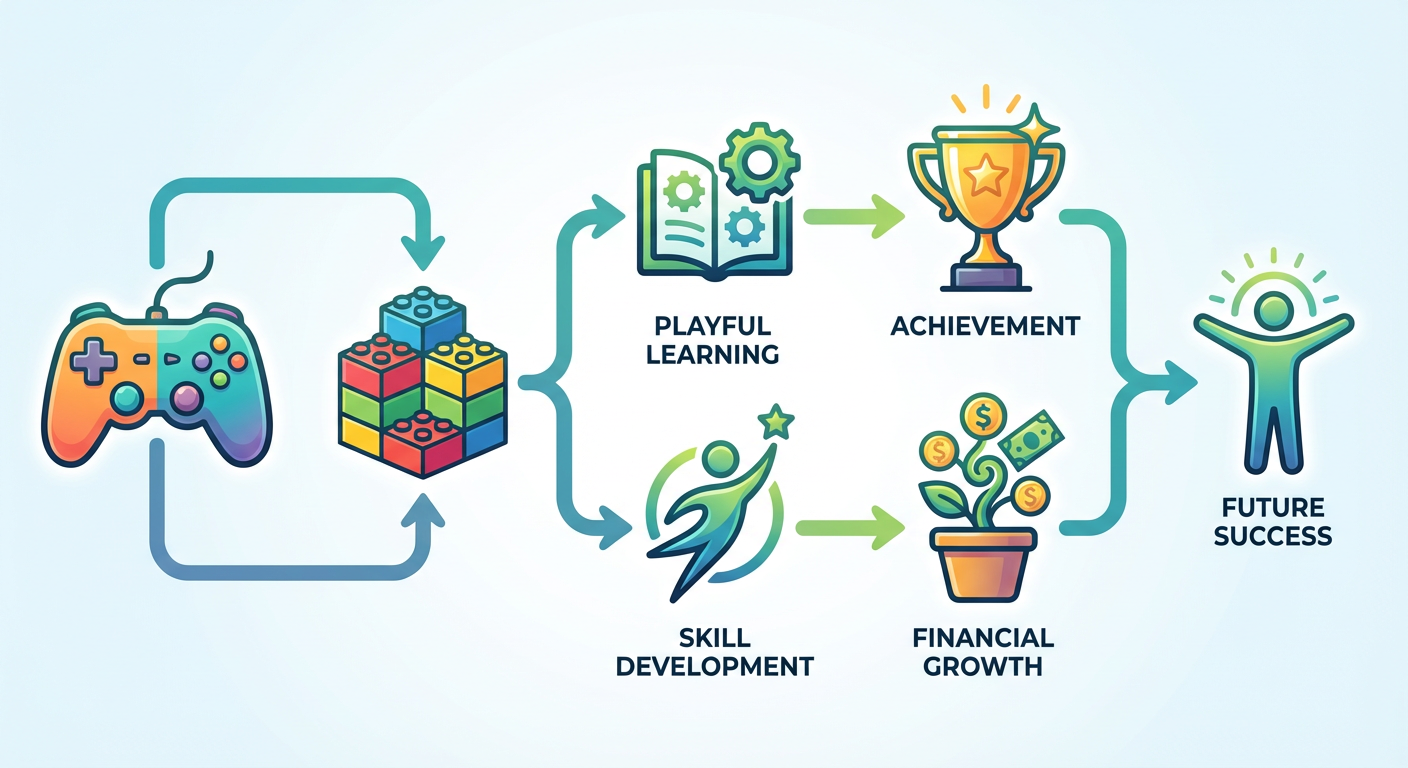
6. Real-World Impact: Case Studies of Successful Early Entrepreneurship Programs
The theoretical benefits of integrating gamified and experiential learning into entrepreneurship education for children aged 4-12 are substantial, pointing to enhanced engagement, improved skill acquisition, and sustained interest in entrepreneurial pursuits. However, the true measure of these pedagogical approaches lies in their tangible outcomes in real-world settings. This section presents compelling case studies of successful early entrepreneurship programs that have effectively translated playful learning into practical skills, financial literacy, and in some instances, even actual profits for young participants. These examples demonstrate that children, even at elementary ages, are remarkably capable of grasping complex business concepts and executing mini-ventures when provided with appropriate, engaging, and hands-on learning environments. The evidence gathered from programs like Lemonade Day, Mexico’s ‘My First Enterprise,’ BizWorld, and KidZania serves as a robust testament to the efficacy of “play-to-profit” education, illustrating not only skill development but also the potential for genuine financial outcomes and long-term entrepreneurial mindset formation. The urgency for such programs is underscored by a significant education gap. A Gallup poll revealed that a striking 85% of students reported learning “practically nothing” or very little about how business operates in school, despite 84% expressing a desire for more entrepreneurship education[7]. Globally, the situation is similarly stark, with entrepreneurial education in schools rated as the weakest factor in 31 out of 49 economies surveyed by the Global Entrepreneurship Monitor (GEM). Only 5 countries received a satisfactory rating for their school-based entrepreneurship education initiatives[4]. This pervasive deficit highlights a crucial missed opportunity, especially given the high early interest in entrepreneurship among young children. For instance, 55% of U.S. middle-schoolers (grades 5-8) expressed an intention to start a business, a figure that dramatically drops to 27% by high school[13]. This “ambition drop-off” signals a clear need for earlier and more engaging interventions to nurture this innate curiosity. The case studies presented below illustrate how various programs are successfully addressing this need, transforming nascent entrepreneurial interest into concrete learning experiences and demonstrable achievements.
6.1. Lemonade Day: A Catalyst for Young Entrepreneurs
Lemonade Day stands as a preeminent example of a large-scale, impactful program designed to foster entrepreneurial skills in elementary-aged children. Founded on the simple, yet profound, concept of running a lemonade stand, this nonprofit initiative provides a structured yet flexible framework for children to learn fundamental business principles by doing. The program’s success is not merely anecdotal; it is evidenced by its widespread adoption and the impressive engagement metrics it has achieved over the years. Since its inception, Lemonade Day has empowered over 1 million children across 62 cities in the U.S. and Canada to launch and operate their own lemonade stand businesses[20]. In 2016 alone, approximately 101,000 children participated in the program, setting up their stands and engaging with their local communities[21]. The core philosophy of Lemonade Day is to teach children to “earn, save, and share.” Participants are guided through a series of steps that mirror the real-world entrepreneurial journey: developing a business idea, creating a budget, securing a location, marketing their product, setting prices, selling their lemonade, and finally, managing their profits. The program encourages them to allocate their earnings into three categories: saving for the future, spending on something they desire, and sharing a portion with a charity of their choice[22]. The financial outcomes for these young entrepreneurs are notably positive. Participants routinely earn profits, often averaging around $150 per stand, a tangible demonstration that even grade-schoolers can successfully execute a business plan and achieve financial returns. Beyond the monetary gains, the program instills critical life skills. Children learn about financial literacy (understanding revenue, expenses, and profit), responsible money management (saving and giving back), problem-solving (adapting to weather changes or customer preferences), and communication (interacting with customers). One of the most celebrated success stories from Lemonade Day is that of Mikaila Ulmer. At just four years old, Mikaila participated in a Lemonade Day event in Austin, Texas[23]. Inspired by her great-grandmother’s flaxseed lemonade recipe and a passion for saving bees, she infused her venture with a unique product and a social mission. Her initial playful foray into entrepreneurship evolved into a burgeoning enterprise. By the age of 10, Mikaila’s “Me & the Bees Lemonade” had garnered national attention, leading to a significant $60,000 investment on the popular television show *Shark Tank* and a distribution deal with Whole Foods Market[25]. Mikaila’s journey from a small lemonade stand to a nationally recognized brand epitomizes the “from play to profit” trajectory that early entrepreneurship education can facilitate. Her story highlights several key aspects: * **Innovation and Differentiation:** Mikaila’s success stemmed from a unique product and a compelling brand story. * **Early Exposure and Nurturing:** Lemonade Day provided the initial spark and framework for her entrepreneurial journey. * **Social Entrepreneurship:** Aligning her business with a cause (saving bees) added deeper meaning and market appeal. * **Scalability and Growth:** The foundational lessons learned at a young age enabled her to scale her business significantly. Mikaila’s experience is not an isolated incident. The program proudly shares numerous accounts of children who, after participating in Lemonade Day, continued their entrepreneurial endeavors, developing further businesses or demonstrating enhanced problem-solving and financial acumen in their daily lives. The consistent feedback from parents and educators underscores that Lemonade Day successfully bridges the gap between theoretical learning and practical application, providing a memorable and empowering experience for young participants.
6.2. Mexico’s ‘My First Enterprise: Entrepreneurship by Playing’
Beyond individual initiatives, some governments have recognized the importance of integrating entrepreneurship education into mainstream primary school curricula. Mexico’s Ministry of Education and Economy, in the early 2010s, launched an innovative program titled “Mi Primera Empresa: Emprender Jugando” (My First Enterprise: Entrepreneurship by Playing), offering a unique model of government-supported, experiential entrepreneurship education for elementary students[26]. This program targeted students, primarily in 5th and 6th grades, providing them with seed funding and mentorship to create and operate mini-companies within their school environments[27]. The pedagogical approach was firmly rooted in gamified and experiential learning principles. Instead of traditional classroom lectures, students engaged in hands-on activities, transforming their classrooms into active business incubators. Over several weeks or months, teams of students worked collaboratively to: * **Brainstorm Business Ideas:** Developing concepts for products or services, from handmade crafts to school lunch delivery or even mini-farms. * **Market Research:** Identifying potential customers within the school and local community. * **Financial Planning:** Preparing simple budgets, calculating costs, and setting prices. * **Production and Marketing:** Creating their products and developing promotional strategies. * **Sales and Management:** Selling their goods or services, managing transactions, and tracking finances. The program’s outcomes, as documented in an evaluation study, were remarkably encouraging. Over 80% of the student-run mini-companies successfully repaid their initial micro-loans (typically 150-200 pesos) and went on to generate a profit within the school year[28]. This high success rate unequivocally demonstrated that children as young as 10-12 years old possess the capacity to understand and apply fundamental concepts of profit and loss in a practical business context. Hundreds of mini-companies were launched across participating schools, with many sustained over multiple years. The educational benefits extended far beyond financial literacy. Teachers reported significant improvements in students’ teamwork, problem-solving abilities, and even their mathematical skills, as they handled real money and performed calculations for their businesses[29]. Furthermore, students exhibited increased initiative and enthusiasm in other academic areas, suggesting a transfer of proactive learning attitudes cultivated through the entrepreneurial experience. A particularly illustrative example involved a rural school where 6th graders initiated a mini poultry farm project. This venture not only generated income to support school activities but also addressed a local community need for fresh eggs. The Mexican program underscored several critical factors for successful early entrepreneurship education: * **Experiential Learning Design:** The “learning by doing” approach allowed students to internalize business concepts more effectively than traditional methods. * **Mentorship and Guidance:** The involvement of teachers and, in some cases, volunteer business mentors, was crucial in guiding students through the entrepreneurial process. Programs with engaged mentors showed the strongest results[30]. * **Real-World Application:** The opportunity to manage actual funds and generate profits provided authentic learning experiences. * **Community Integration:** Some projects, like the poultry farm, demonstrated how student enterprises could benefit the wider community, fostering a sense of social responsibility. While the official program eventually concluded, its methodology and proven success have provided a valuable blueprint, inspiring non-governmental organizations and educators across Latin America to adapt and continue implementing similar experiential entrepreneurship initiatives in primary schools.
6.3. BizWorld and Acton Children’s Business Fairs: Cultivating Entrepreneurial Acumen
The power of structured simulations and public marketplaces in fostering entrepreneurial skills is vividly demonstrated by programs like BizWorld and the Acton Children’s Business Fair model. These initiatives focus on providing immersive, short-term experiences that allow children to engage with the full cycle of entrepreneurship in a simplified, child-friendly manner.
6.3.1. BizWorld: Hands-on Business Simulation
BizWorld is an international nonprofit organization that has been delivering hands-on entrepreneurship education for young students since 1997. The program typically runs as a workshop, often engaging children aged 9 to 11. In a typical BizWorld scenario, classrooms are transformed into bustling business environments where students are divided into teams, each forming their own “company.” These companies are tasked with creating a simple product, such as friendship bracelets. The learning journey within BizWorld includes several key entrepreneurial stages: * **Securing Capital:** Teams must pitch their business idea to secure “startup capital” using play money, teaching them about fundraising and resource allocation. * **Production and Operations:** They then manage the production process, designing and manufacturing their chosen product. * **Marketing and Branding:** Students develop marketing strategies, create advertisements, and brand their products. * **Sales and Distribution:** The culminating event is often a “BizWorld marketplace,” where students sell their products to peers, teachers, or parents. Over its more than two decades of operation, BizWorld has reached a significant milestone, impacting over 500,000 students across 100+ countries worldwide[31]. The effectiveness of this experiential model is supported by assessment data. A study in the UK, for instance, found that 100% of participating classrooms showed improved student understanding of business concepts after completing the BizWorld program[32]. Beyond the measurable academic gains, BizWorld also yields profound qualitative improvements in children’s development. Educators frequently observe that shy or academically struggling students often find their voice and excel in this practical, collaborative environment. The program provides a platform for children to discover hidden talents, develop leadership skills, and gain confidence through tangible achievements. The immediate feedback loop of selling a product and interacting with “customers” makes abstract business concepts concrete and unforgettable.
6.3.2. Acton Children’s Business Fairs: Real-World Marketplaces
Building on the power of direct sales, the Acton Children’s Business Fair model provides a single-day, high-impact experiential learning opportunity. These fairs allow tens of thousands of children globally to experience the thrill and challenge of running their own one-day business. The concept is simple: children (typically aged 6-12) design a product or service, create a business plan, market their venture, and then sell their creations at a public marketplace. These fairs are held in various locations, from schoolyards to shopping malls, bringing young entrepreneurs into direct contact with real customers. For example, an annual Children’s Business Fair in Kuala Lumpur, Malaysia, brings together 8- to 12-year-olds who set up stalls to sell homemade products. The experience is incredibly authentic: * **Product Creation:** Children pour creativity into crafting unique items, from handmade jewelry to baked goods. * **Customer Interaction:** They learn vital communication and sales skills by engaging with potential buyers. * **Financial Accountability:** They manage their own money, make pricing decisions, and track sales. * **Immediate Feedback:** The success or failure of their sales provides instant lessons in market demand and customer satisfaction. Many participants in these fairs report selling out their inventory and generating a profit. For some, the success is so motivating that they reinvest their earnings for future fairs or continue their ventures beyond the event. The Acton Children’s Business Fair model demonstrates that even a compressed, one-day experience can instill significant entrepreneurial savvy and boost self-confidence, proving that young children are fully capable of understanding and engaging with real economic activity.
6.4. KidZania: The Ultimate Edutainment City for Young Entrepreneurs
Pushing the boundaries of experiential and gamified learning to an immersive, city-sized scale is KidZania. This global chain of indoor edutainment parks offers a unique and highly engaging environment where children aged 4-14 can role-play various professions within a miniature, self-contained city. KidZania is not just an amusement park; it is a carefully designed educational ecosystem that integrates elements of work, economy, and citizenship into play. Established in Mexico in 1999, KidZania has rapidly expanded to 27 cities across 18 countries, hosting over 9 million child visitors in its first two decades alone[34]. Each KidZania facility is meticulously detailed, featuring replicas of real-world establishments such as banks, hospitals, fire stations, factories, and restaurants. Within this miniature city, children are presented with a wide array of career options, which crucially include entrepreneurial roles. Kids can choose to: * **Operate a Shop:** Running a mock retail store, managing inventory, and handling transactions. * **Design Products:** Working in a “factory” or design studio to create goods. * **Provide Services:** Engaging in roles that involve customer service or skill-based tasks. * **Manage Finances:** Using KidZania’s own currency (KidZos) to earn money for their “work” and then spending or saving it at the KidZania bank. The learning process at KidZania is entirely “learning by doing.” For instance, a child choosing to work in a pretend snack factory donns a uniform, follows a simulated production process to create a (toy) product, and is then compensated with KidZos for their labor. This direct experience connects effort to reward, teaching children fundamental economic principles in a memorable way. They learn that: * Work generates income. * Products and services have value. * Money can be earned, saved, or spent. * Businesses involve processes and teamwork. Educators and child development experts highlight that while KidZania is inherently entertaining, it provides concrete lessons in economics and civics. Children develop a clear understanding of the value of money, the interconnectedness of different professions, and the importance of financial responsibility. The immersive nature of the environment allows for continuous, low-stakes experimentation with different roles and career paths. KidZania’s remarkable success and global proliferation underscore the immense demand for large-scale, gamified, and experiential learning experiences. It demonstrates that when opportunities are presented in an engaging and realistic play context, children eagerly participate in activities that build critical life skills, including entrepreneurship, all while having fun and developing a more comprehensive understanding of the adult world. The platform effectively showcases how playful engagement can be a powerful vehicle for serious educational outcomes.
6.5. Synthesis of Impact and Key Lessons
The collective evidence from these diverse case studies—Lemonade Day’s widespread community engagement, Mexico’s ‘My First Enterprise’s’ in-school profitability, BizWorld’s structured simulations, and KidZania’s expansive edutainment cities—converges on several compelling conclusions regarding early entrepreneurship education: The intrinsic capability of young children to grasp and apply complex business concepts is often underestimated. As demonstrated, children as young as 4-12 can successfully engage in activities related to product development, marketing, sales, and financial management. This directly counters the traditional view that such concepts are too advanced for elementary ages. The integration of gamification and experiential learning approaches is not merely a pedagogical preference; it is a critical driver of engagement and effectiveness. By making learning fun, interactive, and relevant, these programs capitalize on children’s natural inclination to learn through play. As previously noted, students in gamified environments score 34% higher on tests[6], and active learning significantly reduces failure rates by 33% compared to traditional lectures[11]. This is visually evident in the enthusiasm and sustained involvement observed in these programs. The tangible financial outcomes achieved by young participants, whether it’s the $150 average profit from a Lemonade Day stand or the 80% profitability rate of ‘My First Enterprise’ mini-companies, provide powerful reinforcement. These real-money experiences solidify abstract concepts like profit, loss, saving, and investing, transforming them from theoretical ideas into deeply understood personal achievements. Furthermore, these programs cultivate a broad spectrum of transferable skills crucial for 21st-century success, far beyond just business acumen. These include: * **Problem-Solving:** Adapting to challenges like low sales or unexpected costs. * **Critical Thinking and Decision Making:** Making choices about pricing, product features, and marketing strategies. * **Teamwork and Collaboration:** Working effectively in groups to achieve shared business goals. * **Communication:** Interacting with customers, pitching ideas, and explaining products. * **Financial Literacy:** Understanding income, expenses, profit, saving, and charitable giving. * **Creativity and Innovation:** Developing unique products and solutions. * **Resilience:** Learning from setbacks and iterating on ideas. * **Self-Confidence and Initiative:** The empowerment derived from creating and successfully running their own venture. The stories of individuals like Mikaila Ulmer highlight the potential for early exposure to entrepreneurship to spark lifelong paths of innovation and achievement. Such early experiences can lay the groundwork for future business endeavors, as well as foster an entrepreneurial mindset that benefits individuals in any career path they choose. The consistent theme across these cases is that early success builds confidence and often inspires continued entrepreneurial activities. The role of supportive ecosystems is also paramount. This includes: * **Mentorship:** As seen in Mexico’s program, engaged mentors contribute significantly to student success. * **Community Support:** City-wide events like Lemonade Day or public fairs demonstrate the power of community engagement to amplify impact. * **Institutional Integration:** Government and school-led initiatives, whether through formal curriculum integration or partnerships, provide legitimacy and reach. In essence, these real-world examples unequivocally demonstrate that integrating gamified and experiential learning into early entrepreneurship education not only yields demonstrable financial results for children but, more importantly, cultivates a generation of more resourceful, resilient, and financially literate individuals prepared to navigate and shape the complexities of the future. The transition from play to profit is not merely a catchy phrase but a proven pathway to holistic child development, fostering the skills and mindset necessary for personal and societal flourishing. Moving forward, the challenge lies in scaling these successful models and ensuring that such enriching educational opportunities become standard practice rather than exceptional initiatives. The subsequent sections will delve into the pedagogical frameworks underpinning these successes, elaborate on curriculum integration strategies, and discuss the measurement of impact to further solidify the case for widespread adoption of “play-to-profit” entrepreneurship education for children aged 4-12.
7. Market Trends and Future Outlook: The Growth of Gamified Learning and EdTech
The landscape of education is undergoing a profound transformation, driven significantly by technological advancements and evolving pedagogical philosophies. At the forefront of this evolution is the integration of gamification and experiential learning, particularly within entrepreneurship education for children aged 4-12. This shift is not merely a transient educational fad but a burgeoning global market trend, underpinned by compelling data and accelerating investment, signaling a future where play-oriented entrepreneurship becomes deeply embedded in mainstream curricula. The global market for gamification in education, for instance, is not just growing; it is exploding, projected to surge from $1.14 billion in 2024 to an staggering $5.4 billion by 2029, demonstrating an exceptionally high Compound Annual Growth Rate (CAGR) of approximately 36%[17]. This rapid expansion reflects a fundamental recognition of gamified learning’s efficacy in enhancing engagement, motivation, and learning outcomes, especially among younger learners who instinctively gravitate towards play and interactive experiences. This section delves into the robust growth of gamified learning solutions, the increasing prevalence of child-friendly business simulators, and the substantial investment flowing into the broader EdTech sector. It will illustrate how these market forces are converging to create a fertile environment for the widespread adoption of innovative entrepreneurship education models that leverage play and real-world experiences. The analysis will highlight how this trajectory responds to a recognised global education gap in entrepreneurial training and aligns perfectly with the innate entrepreneurial curiosity observed in children, promising a future where foundational business skills are cultivated from an early age through enjoyable and highly effective methods.
7.1 The Explosive Growth of Gamification in Education
The integration of game elements into non-game contexts, known as gamification, has emerged as a powerful tool in education, especially for younger demographics. The market data unequivocally signals a paradigm shift in how education is designed and delivered. The global market for gamification in education is a testament to this trend, illustrating a dynamic and rapidly expanding sector. Forecasts indicate a monumental increase from a valuation of $1.14 billion in 2024 to an impressive $5.4 billion by 2029[17]. This growth is not merely incremental but represents a dramatic CAGR of approximately 36% over this five-year period[17]. Such a projection underscores a strong market confidence in the enduring value and effectiveness of gamified learning approaches. This burgeoning market is directly fueled by several factors, chief among them being the proven benefits of gamification on student engagement and academic performance. Research consistently shows that students in gamified learning environments achieve significantly higher test scores, averaging 34% more than their peers in traditional educational settings[6]. Some studies even suggest that challenge-based game elements can elevate student performance by up to 35% in specific contexts[7][8]. This quantifiable improvement directly translates into enhanced learning outcomes, making gamified solutions highly attractive to educators, parents, and policymakers alike. Beyond academic performance, gamification also plays a crucial role in improving course completion rates. Courses that incorporate gamified elements observe, on average, a 15% higher completion rate compared to their non-gamified counterparts[9]. This is particularly significant in online learning environments and for subjects that traditionally experience high dropout rates. For young learners, maintaining engagement is paramount, and gamification excels at transforming potentially mundane subjects into captivating experiences. The appeal of gamified learning is not just theoretical; it resonates strongly with students and educators alike. A substantial 67% of U.S. students express a preference for classes that incorporate game-like learning, citing increased engagement as the primary reason[10]. This preference among “digital natives”—children who have grown up with ubiquitous digital games and interactive media—highlights the necessity of aligning educational methodologies with their ingrained learning styles. Educators, too, are highly receptive to gamification. Nearly 90% of instructors report that using gamification actively boosts student motivation and creativity in their classrooms[11]. Moreover, approximately 78% of educators find that incorporating game elements makes their teaching more enjoyable and effectively sustains student engagement[12]. This widespread positive reception from both learners and teachers solidifies gamification’s position as a foundational element in the future of education. The growth extends broadly across the gamification industry itself, expected to reach $30.7 billion by 2025, a more than threefold increase from its 2020 valuation[18]. This overarching market trend supports and validates the specific educational segment, indicating a robust and sustainable trajectory for gamified learning solutions. The specific segment of “game-based learning for kids” is also expanding at a notable rate, exhibiting an annual growth of approximately 21%[19]. This growth signifies a focused investment in developing content and platforms tailored to the cognitive and developmental needs of young children, leveraging play as the primary modality for learning complex skills, including entrepreneurship. This targeted expansion paves the way for sophisticated and immersive learning experiences, moving beyond simple educational games to comprehensive simulations and interactive curricula specifically designed to nurture entrepreneurial thinking from an early age.
7.2 The Rise of Child-Friendly Business Simulators and Entrepreneurship Games
A key driver within the gamified learning market, particularly for entrepreneurship education, is the emergence and proliferation of child-friendly business simulators and dedicated entrepreneurship games. These tools translate complex business concepts into accessible, interactive, and engaging formats suitable for children aged 4-12. The underlying principle is to provide a “safe space for failure,” where children can experiment with business models, make decisions, experience consequences, and learn from mistakes without real-world repercussions[23][24]. This iterative learning process is crucial for developing resilience and critical thinking—hallmarks of a successful entrepreneur. Examples of such innovations include virtual reality (VR) learning games, which are projected to be the fastest-growing segment within gamified learning, with an anticipated annual growth rate of approximately 52% through 2024[20]. VR environments offer unparalleled immersion, allowing children to step into virtual roles, such as running a virtual store, managing a farm, or launching a startup. This sensory-rich experience can significantly enhance understanding and retention of business principles, making abstract concepts concrete and relatable. For instance, a child might manage the inventory of a virtual lemonade stand, adjust pricing based on demand, and observe the immediate impact of their decisions on virtual profits. Beyond advanced technologies like VR, a variety of entrepreneurship games and simulations are available, ranging from digital apps to board games and structured classroom activities. These tools often incorporate core entrepreneurial processes: ideation, market research, product development, pricing strategies, marketing, sales, and financial management (e.g., tracking income, expenses, and profit). The beauty of these simulators lies in their ability to simplify and contextualize these processes for young minds. One example of an innovative gamified approach is the educational crowdfunding game, designed by entrepreneurship educators, which teaches children about raising capital. In this game, students develop business ideas and then pitch them to their classmates, who act as investors and allocate virtual tokens to fund favored projects, thereby simulating a simplified fundraising process[25][26]. This hands-on experience demystifies the funding aspect of entrepreneurship and fosters skills in persuasion, proposal development, and understanding investor perspectives. Teachers using such interactive simulations report increased excitement and understanding among students, which traditional lectures often fail to achieve. The success of programs like Lemonade Day, which saw over 1 million children across 62 cities establish and run real lemonade stands, underscores the effectiveness of a hybrid approach combining playful learning with real-world application[13]. While not strictly a digital simulator, Lemonade Day provides a scaffolded, playful framework for children to engage in actual business operations, demonstrating that earning a profit, managing finances, and even charitable giving are achievable concepts for elementary-aged children[13]. This blend of virtual and tangible experiences is crucial for comprehensive skill development.
7.3 Accelerating Investment in EdTech and Entrepreneurship Education
The burgeoning market for gamified learning and child-friendly business simulators is a direct consequence of accelerating investment in the broader EdTech sector. Investors are recognising the massive potential for technology to address fundamental gaps in traditional education, particularly the documented lack of entrepreneurial education globally. The Global Entrepreneurship Monitor’s (GEM) 2023 survey, for example, highlighted that entrepreneurial education at school was rated as the weakest factor in 31 out of 49 economies studied, with only 5 countries receiving a satisfactory rating for their primary/secondary entrepreneurship training[4][3]. This striking deficit creates a significant opportunity for EdTech solutions to step in and fill the void. Investment is flowing into companies that are developing innovative curricula, platforms, and tools that make entrepreneurial concepts accessible and engaging for children. The overall EdTech market is experiencing robust growth, driven by several factors:
| Factor | Description |
|---|---|
| Demand for Engagement | High student preference for gamified and interactive learning experiences (67% of U.S. students prefer game-like classes)[10] drives investment in engaging EdTech. |
| Proven Efficacy | Gamified learning leads to higher test scores (34% average increase)[6] and better course completion rates (15% higher)[9], validating investment. |
| Global Education Gap | The inadequacy of traditional entrepreneurship education globally (rated weakest in 31 of 49 economies)[4] creates a clear market need for innovative solutions. |
| Policy Support | Recognising entrepreneurship as a key 21st-century skill, entities like the EU incorporate it into lifelong learning frameworks[5], encouraging national curricula development and associated EdTech investment. |
| Technological Advancement | New technologies like VR offer immersive learning experiences (predicted 52% annual growth for VR learning games)[20], attracting further investment. |
The recognition of entrepreneurship as a core 21st-century skill by international bodies like the European Union is also galvanizing investment. The EU includes “entrepreneurship competence” as one of its eight key competences for lifelong learning[5]. This policy-level endorsement translates into national strategies and curricula reforms in many countries. For example, 20 out of 38 European education systems have integrated entrepreneurship education into broader national strategies by 2025[5]. Nations such as Slovakia have gone so far as to mandate entrepreneurial learning objectives in primary grades, with implementation expected by 2026 for all schools[27]. This top-down push ensures a sustained demand for innovative teaching tools and programs, creating a stable market for EdTech companies specializing in this area. Moreover, the persistent interest in entrepreneurship among young children, which often wanes in high school due to a lack of nurturing experiences, presents a unique investment opportunity. A 2012 Gallup poll revealed that 43% of U.S. students in grades 5–12 planned to start a business[1]. Among younger students (ages 10-13), this figure was even higher, with over half (55%) expressing a desire to be entrepreneurs[2]. However, this early enthusiasm diminishes significantly by high school, dropping to 27%[2]. EdTech solutions aimed at ages 4-12 are perfectly positioned to capture and sustain this nascent entrepreneurial ambition, offering engaging and experiential learning at the crucial developmental stage when interests are formed and habits are shaped. The practical impact of existing youth entrepreneurship programs further validates this investment trend. Organizations like Lemonade Day have already reached over 1 million children, helping them to run real micro-businesses and grapple with concepts of earning, saving, and profit from as early as age 10[13]. Similarly, Mexico’s “My First Enterprise: Entrepreneurship by Playing” primary school program saw over 80% of student-run “mini-companies” successfully recoup their startup funding and turn a profit, demonstrating the inherent capability of young children to understand and execute basic business principles[14]. These compelling case studies offer strong evidence of the potential return on investment for EdTech ventures that can scale similar impactful experiences.
7.4 Future Outlook: Mainstreaming Play-Oriented Entrepreneurship Education
The confluence of technological advancements, evolving pedagogical methods, strong market demand, and significant investment points towards a future where play-oriented, experiential entrepreneurship programs for children aged 4-12 become increasingly mainstream. This shift will involve not just supplementary programs but a fundamental integration into core educational curricula. Several key trends are poised to drive this mainstreaming:
- Curriculum Integration and Policy Mandates: As nations worldwide recognize entrepreneurship as a vital competence for future generations, there will be continued pressure to integrate it into national curricula from primary school upwards. This structured integration, exemplified by European policies and Slovakia’s recent mandate, will necessitate scalable, engaging, and age-appropriate tools, largely to be provided by EdTech.
- Advanced Immersive Learning Experiences: The rapid development of technologies like VR and augmented reality (AR) will make business simulations even more immersive and realistic. Children will be able to navigate virtual marketplaces, design products in 3D, and interact with AI-driven customers, all within highly engaging, game-like environments. This technology will blur the lines between play and learning, making complex concepts intuitively understandable.
- Personalized Learning Pathways: Gamified EdTech platforms inherently offer opportunities for personalized learning. Adaptive algorithms can tailor challenges and content to each child’s pace, learning style, and specific entrepreneurial interests. This personalization will ensure maximum engagement and effectiveness, allowing children to explore different business roles and scenarios that align with their emerging talents.
- Global Accessibility and Scalability: EdTech solutions have the inherent advantage of scalability. Digital platforms can reach millions of children across diverse geographical locations, democratizing access to high-quality entrepreneurship education. This global reach will be crucial in addressing the educational shortfall identified by reports like GEM.
- Increased Teacher Training and Resources: As these methods become mainstream, there will be a corresponding increase in demand for teacher training and resources. EdTech companies that offer comprehensive pedagogical support alongside their platforms will gain a significant market advantage. Training will focus on facilitating experiential learning, integrating gamified elements effectively, and leveraging technology to enhance entrepreneurial instruction.
The ultimate outcome of these trends will be a generation of children who are not only comfortable with entrepreneurial concepts but also possess the foundational skills and mindset necessary for innovation, problem-solving, and economic agency. The early exposure, reinforced through playful and hands-on experiences, will foster qualities such as resilience, creativity, critical thinking, and financial literacy long before they enter the traditional workforce. This proactive approach aims to address the “ambition drop-off” observed in older students by nurturing entrepreneurial spirit when it is most malleable and potent. The transition from play to profit will cease to be an abstract concept and will become a tangible, lived experience for children even before they reach adolescence. The significant investment in EdTech, coupled with the proven benefits of gamification and experiential learning, suggests that this mainstreaming is not a distant possibility but an imminent reality. The next section will further explore the pedagogical foundations of integrating gamification and experiential learning, examining how these approaches align with child development theories and contribute to holistic skill development.
8. Policy Recommendations and Implementation Challenges
The journey from play to profit, as elucidated throughout this report, reveals a compelling case for integrating gamified and experiential learning into entrepreneurship education for children aged 4-12. The data consistently demonstrate the high innate entrepreneurial curiosity of young children, their capacity for understanding complex business concepts through hands-on engagement, and the profound benefits of gamification in terms of engagement and learning outcomes. However, translating these proven pedagogical approaches into widespread educational practice requires a concerted effort from policymakers, educational institutions, and stakeholders. This section outlines key policy recommendations designed to foster the widespread adoption of such programs, alongside an honest assessment of the significant implementation challenges that must be addressed to realize this transformative educational vision.
8.1. Policy Recommendations for Educational Institutions and Governments
The global inadequacy of entrepreneurial education in schools, as highlighted by the Global Entrepreneurship Monitor (GEM) report which rated it the weakest factor in 31 out of 49 economies and satisfactory in only 54, necessitates proactive policy intervention. Governments and educational bodies hold the primary responsibility to create an enabling environment for early entrepreneurship education to thrive. The following recommendations are designed to be comprehensive, addressing various facets from curriculum design to resource allocation and stakeholder engagement.
8.1.1. Mandate Early Entrepreneurship Education as a Core Competency
One of the most impactful policy changes would be to formally recognize and mandate entrepreneurship education as a core component of primary school curricula, beginning as early as age four. The European Union has already taken a significant step in this direction, identifying “entrepreneurship competence” as one of its eight Key Competences for Lifelong Learning5. This recognition provides a strong foundation upon which national curricula can be built. Slovakia, for example, updated its national curriculum in 2023 to emphasize entrepreneurial skills, with full implementation by 202633. Such mandates send a clear signal about the importance of these skills and ensure that entrepreneurship is not relegated to an optional or extracurricular activity.
- Integrate into Existing Subjects: Rather than creating a standalone “entrepreneurship class,” which might not be developmentally appropriate for young children, policies should encourage cross-curricular integration. This means infusing entrepreneurial concepts into subjects children already learn. For instance, math lessons could involve managing a mock budget for a class project, language arts could feature creating marketing materials for a pretend business, and science classes could explore innovative solutions to real-world problems. This approach ensures natural, contextualized learning.
- Define Age-Appropriate Learning Objectives: Policy frameworks need to clearly outline skill development progression. For 4-6 year olds, objectives might focus on creative problem-solving through play, sharing resources, and understanding simple exchanges. For 7-9 year olds, this could expand to identifying simple needs, developing product ideas, basic pricing, and teamwork. For 10-12 year olds, objectives would involve more complex business simulations, financial literacy fundamentals, value creation, and understanding profit and loss, as demonstrated by the success of programs like “My First Enterprise” in Mexico9, 14.
8.1.2. Invest in Teacher Training and Professional Development
The success of any new pedagogical approach hinges on the capabilities of educators. Teachers are currently ill-equipped to deliver entrepreneurship education, especially using gamified and experiential methods. The Gallup poll revealed that 85% of students feel they learned “practically nothing” about business in school7, which certainly reflects a gap in current teacher training. Therefore, significant investment in professional development is paramount.
- Mandatory Training Modules: Implement mandatory training modules for primary school teachers on gamified and experiential entrepreneurship education techniques. These modules should cover:
- Theories of play-based learning and gamification for young children.
- Practical strategies for designing and facilitating experiential projects (e.g., mini-company simulations, market days).
- Integrating entrepreneurial concepts across the curriculum.
- Assessment methods for entrepreneurial skills (e.g., creativity, resilience, problem-solving).
- Utilizing educational technologies and digital tools for gamified learning.
- Create Communities of Practice and Mentorship Programs: Establish networks where experienced teachers can mentor new ones, share best practices, and collaborate on curriculum development. Policies could fund regional training hubs or online platforms for this purpose. Encouraging business professionals to volunteer as classroom mentors, similar to the model that proved effective in Mexico’s “My First Enterprise” program40, would also enrich the learning experience.
- Revision of Teacher Preparation Programs: Update university-level teacher education programs to include entrepreneurship pedagogy as a standard component for early childhood and primary education majors.
8.1.3. Develop and Disseminate High-Quality Curriculum Resources
To ensure consistent quality and ease teacher adoption, governments and educational bodies should fund the creation and dissemination of standardized, yet flexible, curriculum resources.
- Open-Source Resource Hub: Create a national or regional online repository of age-appropriate lesson plans, gamified activities, project guides, and assessment tools. These resources should be freely accessible to all educators.
- Partnerships with EdTech Developers: Foster collaborations between educational ministries and EdTech companies to develop and validate innovative gamified learning platforms, child-friendly business simulators, and virtual reality (VR) tools specifically tailored for early entrepreneurship education. With the gamification in education market projected to reach $5.4 billion by 202914, there is significant potential for such partnerships.
- Pilot Programs and Best Practice Sharing: Fund pilot programs in diverse school settings to test new curricula and teaching methods. Document successful case studies, like Lemonade Day12, 7 and BizWorld10, and share their frameworks widely.
8.1.4. Foster Community and Industry Partnerships
Entrepreneurship is inherently connected to the community and economy. Policies should encourage schools to build bridges with local businesses, entrepreneurs, and non-profit organizations.
- Local Business Engagement Initiatives: Create incentives (e.g., tax breaks, recognition programs) for local businesses to sponsor school entrepreneurship projects, provide mentorship, or offer opportunities for student visits. This exposes children to real-world business environments.
- Non-Profit Collaboration: Facilitate partnerships with established organizations like Lemonade Day, Junior Achievement, and Acton Children’s Business Fair. These organizations have proven models and resources that can be integrated into school programs, providing ready-made experiential learning opportunities for over a million children combined12, 7.
- Parental Involvement Programs: Encourage parental participation in school entrepreneurship initiatives, recognizing that informal learning at home can significantly complement formal education. A qualitative study in South Africa noted that gamified entrepreneurial experiences built kids’ risk-taking and financial decision-making skills with parental involvement6.
8.1.5. Fund Research and Program Evaluation
Continuous improvement requires robust data. Policies should allocate funds for ongoing research into the effectiveness of different gamified and experiential approaches in diverse settings, as well as for rigorous evaluation of implemented programs.
- Longitudinal Studies: Fund studies that track the long-term impact of early entrepreneurship education on participants, monitoring factors such as career choices, financial literacy, and overall well-being.
- Impact Assessments: Mandate regular impact assessments for all funded programs, focusing not just on knowledge acquisition but also on the development of critical entrepreneurial mindsets and skills. These assessments can learn from existing programs such as BizWorld, which reported 100% of participating classes improved students’ business and financial knowledge10.
These policy recommendations, taken together, aim to create a supportive and structured ecosystem where gamified and experiential entrepreneurship education becomes an integral and effective part of primary schooling globally, nurturing the entrepreneurial potential identified in young children (43% of 5-12 graders wanting to start a business in the U.S.2).
8.2. Implementation Challenges
While the benefits of gamified and experiential entrepreneurship education for children aged 4-12 are clear, the path to widespread implementation is fraught with challenges. These obstacles manifest across various levels, from individual educators to systemic educational structures and societal perceptions.
8.2.1. Teacher Training and Capability Gap
One of the most significant hurdles lies in equipping the existing teaching workforce with the necessary skills and confidence to deliver these innovative programs. Traditional teacher training often emphasizes didactic, content-delivery models, which are antithetical to experiential, game-based learning.
- Lack of Pedagogical Knowledge: Many primary school teachers may lack formal training in entrepreneurship concepts, gamification theories, or facilitating open-ended, project-based learning. The Gallup poll indicating that 85% of students learned “practically nothing” about business underscores the current void in teacher expertise regarding entrepreneurial topics7. Teaching entrepreneurship requires a shift from being a knowledge dispenser to a facilitator and mentor, a role many are not prepared for.
- Resistance to Change: Implementing new methodologies requires educators to step out of their comfort zones. Resistance may arise from unfamiliarity, perceived increased workload, or skepticism about the educational value of “play.”
- Time and Resource Constraints for Professional Development: Schools often operate with tight budgets and schedules, making it challenging to allocate sufficient time and funds for comprehensive teacher training. Effective professional development for experiential and gamified learning often involves hands-on practice, not just theoretical sessions, which further complicates logistics.
8.2.2. Curriculum Integration and Overcrowding
Integrating entrepreneurship education into an already packed primary school curriculum presents a formidable challenge. Curriculum designers and educators face pressure to cover a vast array of core subjects and standardized test preparation.
- “Add-on” vs. Integration Mindset: Entrepreneurship is often viewed as an “add-on” rather than an embedded, cross-curricular element. This leads to it being squeezed into limited time slots or optional activities, diminishing its impact. Policies in Europe aim for integration, yet practical implementation remains complex5, 30.
- Lack of Standardized Resources: Without readily available, high-quality, and age-appropriate curriculum materials that integrate gamification and experiential learning, teachers are left to develop their own, leading to inconsistencies and varied quality.
- Measuring Outcomes for Non-Traditional Skills: Assessing entrepreneurial skills like creativity, resilience, initiative, and critical thinking is more challenging than evaluating rote memorization. Current assessment systems in many countries are not designed to capture these competencies, making it harder to demonstrate the value of such programs.
8.2.3. Resource Constraints
Effective experiential and gamified learning often requires specific resources, which may not be available in many primary school settings.
- Financial Resources: Implementing hands-on projects, simulations, and utilizing EdTech platforms can incur costs for materials, software licenses, and infrastructure upgrades (e.g., enhanced internet access). Mexico’s “My First Enterprise” program required seed funding for student mini-companies, even if small14.
- Technological Infrastructure: While the gamification in education market is booming14, schools in underserved areas may lack the necessary digital devices, reliable internet connectivity, or IT support to effectively utilize educational games and virtual simulations, especially emerging technologies like VR15.
- Physical Learning Spaces: Experiential learning thrives in flexible, collaborative spaces that can be reconfigured for group work, mock markets, or creative design workshops. Many traditional classrooms are not designed for this dynamism.
8.2.4. Parental and Societal Perceptions
Societal attitudes, particularly those of parents and communities, play a crucial role in the acceptance and success of new educational initiatives.
- Prioritization of Traditional Academics: Some parents and stakeholders may prioritize traditional academic subjects and standardized test scores over entrepreneurship education, viewing it as a “soft skill” or a distraction from core learning. This perception can hinder adoption and support.
- Misunderstanding of “Play” in Learning: Despite evidence that children naturally learn through play and that gamification boosts engagement and test scores by an average of 34%6, 8, some adults may view play-based learning as frivolous or less serious than conventional instruction, particularly when it comes to “business.”
- Equity Concerns: Parents in lower socioeconomic circumstances might worry that an emphasis on entrepreneurship could detract from foundational literacy and numeracy, potentially widening educational gaps if not implemented equitably.
8.2.5. Sustaining Momentum and Long-Term Support
Even if initial implementation is successful, ensuring the long-term sustainability and continuous improvement of these programs presents its own set of challenges.
- Political Will and Funding Fluctuations: Educational policies and funding priorities can shift with changes in government or economic climates, jeopardizing the continuity of entrepreneurship education initiatives.
- Scalability: Successfully piloting a program in a few schools is different from scaling it nationwide, or even across a large district, while maintaining quality. This involves significant coordination, resource allocation, and continuous adaptation.
- Measuring Long-Term Impact: The full benefits of early entrepreneurship education, such as increased business creation readiness or complex problem-solving skills, may not manifest until decades later. Convincingly demonstrating this long-term impact to skeptical stakeholders requires long-term commitment to data collection and analysis.
Addressing these challenges requires a multi-faceted approach involving strong political leadership, sustained funding, collaborative partnerships, and a cultural shift towards valuing entrepreneurial competencies from a young age. By proactively anticipating and strategically mitigating these obstacles, policymakers can pave the way for a generation of children more engaged, creative, and prepared for the challenges and opportunities of the 21st century.
The next section will delve into specific case studies and best practices from around the world, offering concrete examples of how some of these recommendations have been successfully implemented and challenges overcome.
9. Frequently Asked Questions
As the global educational landscape increasingly recognizes the critical importance of fostering entrepreneurial skills from an early age, questions naturally arise regarding the efficacy, implementation, and overall benefits of introducing entrepreneurship education to children aged 4-12. This section addresses common inquiries about integrating gamification and experiential learning into entrepreneurship curricula for this demographic. Drawing upon extensive research, case studies, and statistical data, we aim to provide comprehensive answers that shed light on why, how, and with what outcomes such innovative educational approaches can be successfully adopted.
The paradigm shift towards “play to profit” in early childhood education is not merely a trend but a response to clear educational gaps and the proven effectiveness of engaging, hands-on methodologies. For instance, despite strong early interest in entrepreneurship among children – with 43% of U.S. students in grades 5-12 planning to start a business, and over half (55%) of 10-13 year olds expressing similar aspirations [2] [3] – a significant decline in this ambition is observed by high school [3] [13]. This drop-off is often attributed to a lack of formal support and practical exposure to business concepts in primary and secondary education. A staggering 85% of students report learning “practically nothing” or very little about how business works in school, even though 84% express a desire for more entrepreneurship education [7]. Such statistics underscore a critical need for early intervention and support, which gamified and experiential learning methods are uniquely positioned to provide.
What are the primary benefits of introducing entrepreneurship education to children aged 4-12?
Introducing entrepreneurship education at a young age yields a multitude of benefits that extend far beyond simply learning about business. These advantages are foundational for developing well-rounded individuals equipped for the complexities of the 21st century.
- Nurturing Innate Curiosity and Ambition: Children possess an inherent curiosity and a natural inclination towards creative thinking. Research indicates that entrepreneurial ambition is high in early adolescence, with over half (55%) of U.S. middle schoolers (grades 5-8) intending to start a business [3] [13]. This innate drive, if nurtured, can lead to significant personal and professional development. Early entrepreneurship education capitalizes on this developmental stage, providing structured avenues for exploration and practical application. Without such early support, this ambition often declines dramatically by high school, dropping to 27% [3] [13], painting a picture of missed opportunities.
- Developing Essential 21st-Century Skills: Entrepreneurship education is a powerful vehicle for cultivating a wide array of soft and hard skills crucial for success in any field. These include:
- Problem-Solving and Critical Thinking: Children learn to identify problems, brainstorm solutions, and evaluate their feasibility. For example, in programs like Lemonade Day, kids must figure out how to attract customers, manage their inventory, and adapt to unforeseen challenges [12].
- Creativity and Innovation: Designing a product, developing a service, or finding a unique marketing angle all foster creative thinking. Mexico’s “My First Enterprise: Entrepreneurship by Playing” program encouraged students to devise their own business ideas, from handmade crafts to poultry farming, showcasing immense creative output [9].
- Financial Literacy: Concepts such as budgeting, pricing, revenue, profit, saving, and investing become tangible and understandable when children manage their own mini-businesses. The BizWorld program, for instance, has shown 100% of participating classes improve in business and financial knowledge [11].
- Teamwork and Collaboration: Most entrepreneurial ventures, especially in an educational setting, involve group work, teaching children how to communicate, delegate, and resolve conflicts.
- Resilience and Perseverance: Business ventures, even small ones, rarely go perfectly. Children learn to overcome setbacks, adapt their strategies, and persist in the face of challenges. Gamified learning environments, in particular, offer a “safe space for failure” where mistakes are part of the learning process [MI_2].
- Communication and Persuasion: Whether pitching an idea to classmates or selling a product to parents, children develop valuable oral and written communication skills.
- Enhancing Academic Performance: The hands-on, interactive nature of gamified and experiential learning significantly boosts academic outcomes across subjects. Studies show that students in gamified learning environments score on average 34% higher on tests than their peers in traditional setups [6]. Active learning methodologies, which form the core of experiential entrepreneurship education, lead to higher achievement and significantly lower failure rates compared to traditional lecture-based teaching [11]. This is because learning becomes relevant and engaging, making abstract concepts concrete.
- Building Self-Confidence and Initiative: Successfully launching even a small project cultivates a profound sense of achievement and self-efficacy. Mikaila Ulmer, who started “Me & the Bees” Lemonade after participating in Lemonade Day at age 4, is a prime example of how early entrepreneurial success can empower a child to pursue larger goals [8]. Her story, culminating in a Shark Tank investment and a deal with Whole Foods, underscores the long-term impact of early initiative [8].
- Addressing a Global Education Gap: Globally, entrepreneurial education in schools is often rated as inadequate. The Global Entrepreneurship Monitor (GEM) 2023 survey found it to be the weakest factor in 31 out of 49 economies, with only 5 countries receiving a satisfactory rating [4]. Early integration of gamified and experiential entrepreneurship education can directly address this critical shortfall, preparing a future generation with essential skills not adequately covered by traditional curricula. The European Union even recognizes “entrepreneurship competence” as one of its 8 Key Competences for Lifelong Learning [5].
Is it feasible to teach complex entrepreneurship concepts to children as young as 4-12?
Yes, it is not only feasible but increasingly recognized as highly effective. The key lies in adapting the content and methodology to be developmentally appropriate, leveraging children’s natural playfulness and capacity for concrete learning.
- Leveraging Play-Based Learning: Children aged 4-12 learn best through play and direct experience. Gamification transforms potentially complex business concepts into engaging activities that children can easily understand and remember. Instead of lectures on supply and demand, a child might participate in a classroom “market day” where they sell handmade items, experiencing these concepts firsthand. This intuitive approach makes learning feel less like work and more like an exciting game.
- Concrete Experiences over Abstract Theories: Experiential learning focuses on “learning by doing.” For instance, rather than defining “profit,” children in Mexico’s “My First Enterprise” program understood it by managing their seed capital and seeing their mini-companies earn actual money [9]. Over 80% of student-run businesses in this program were able to repay their initial micro-loans and become profitable [9] [14], proving that even elementary-aged children can grasp the fundamentals of profit and loss.
- Simplified Concepts and Real-World Relevance: Entrepreneurship education for young children breaks down complex ideas into simple, manageable steps. Starting a lemonade stand, as thousands of children do annually through Lemonade Day [12], involves budgeting, marketing, customer service, and product development—all simplified to a child’s level but maintaining real-world relevance. These programs teach kids to “earn, save, and turn a profit by age 10” [S_6].
- Proven Success of Existing Programs: Numerous programs worldwide demonstrate this feasibility:
- Lemonade Day: Has engaged over 1 million kids across 62 cities, successfully teaching them to run real businesses and manage profits [12].
- “My First Enterprise: Entrepreneurship by Playing”: In Mexico, this program saw hundreds of student teams successfully launching and profiting from mini-companies [9].
- BizWorld: This simulation program, reaching over 500,000 students globally, has consistently shown 100% improvement in students’ business and financial knowledge in participating classrooms [11].
- KidZania: These edutainment parks, now in 27 cities across 18 countries, immerse children in role-playing various professions, including entrepreneurial ones. Kids earn and spend virtual currency, giving them a concrete understanding of economic principles [12_2].
- Teacher and Student Reception: Both educators and students show high receptivity to these methods. Nearly 90% of instructors report that gamification boosts student motivation and creativity [9_2], and 78% of educators find game elements make teaching more enjoyable and engaging [S_4]. Students agree, with 67% preferring gamified learning environments due to increased engagement [8_2]. This positive reception facilitates successful implementation rather than resistance.
What are the best practices for integrating gamification and experiential learning into entrepreneurship education for this age group?
Effective integration requires a thoughtful approach that combines pedagogical best practices with an understanding of child development and the specific goals of entrepreneurship education.
- Design Age-Appropriate Experiences:
- For younger children (4-7), focus on foundational concepts like needs vs. wants, counting money, and simple exchanges through imaginative play. Use storytelling, dress-up, and very simple role-playing games. KidZania excels at this by creating an immersive, low-stakes environment for role-play [12_2].
- For older children (8-12), gradually introduce more complex concepts like budgeting, marketing strategies, product development cycles, and simple profit/loss calculations. Programs like Lemonade Day and BizWorld are perfectly suited for this, allowing children to run and manage their own mini-businesses with tangible outcomes [12] [11].
- Emphasize Hands-On “Learning by Doing”:
- Mini-Businesses & Simulations: Create opportunities for children to create and sell their own products or services. This could be a “Children’s Business Fair” at school, a classroom store, or participation in programs like Lemonade Day.
- Project-Based Learning: Structure learning around projects that require identifying a need, developing a solution, and presenting it. This could involve ideating a new toy, designing a community service, or creating a small invention.
- Real or Simulated Currency: Use play money, tokens, or even real small amounts of money to make financial transactions concrete. The Mexican “My First Enterprise” program provided small stipends (150-200 pesos) as seed capital, making the experience more realistic [9] [14].
- Strategic Gamification Elements:
- Points and Badges: Award points for completing tasks (e.g., market research, product design), reaching milestones, or demonstrating entrepreneurial skills (e.g., teamwork, creative problem-solving). Use digital badges or physical stars/stickers.
- Levels and Progress Paths: Structure the learning journey with clear “levels” that students can advance through, each with increasing complexity and new challenges.
- Leaderboards (Optional and Carefully Managed): Use leaderboards sparingly and focus on team achievements or self-improvement rather than purely individual competition to avoid demotivation.
- Narrative and Storytelling: Frame entrepreneurial challenges within engaging stories or scenarios to capture children’s imaginations. For example, a “mission” to solve a community problem by starting a business.
- Choice and Ownership: Allow children choices in their projects, how they approach problems, and how they allocate resources. This fosters a sense of ownership, analogous to a real entrepreneur’s autonomy.
- Integrate Across the Curriculum:
- Entrepreneurship should not be an isolated subject but woven into existing subjects. Math classes can calculate costs and profits, language arts can involve writing mission statements and marketing slogans, and art classes can design product prototypes or logos. This cross-curricular approach is increasingly adopted in European education systems [MI_4].
- Provide Mentorship and Guided Reflection:
- Teachers act as facilitators, guiding children through the process, prompting critical thinking, and helping them learn from successes and failures.
- Inviting local entrepreneurs or business professionals as guest speakers or mentors can provide real-world insights and inspiration. The Mexican “My First Enterprise” program noted stronger results in classes with engaged volunteer business mentors [E_2].
- Encourage children to reflect on their experiences, what they learned, what worked, and what they would do differently. This meta-cognition deepens learning beyond just completing a task.
- Embrace Technology Thoughtfully:
- Utilize child-friendly business simulators, educational apps, and virtual reality (VR) learning games where appropriate. The gamification in education market is rapidly growing, projected to reach $5.4 billion by 2029 [14_2], indicating a wealth of emerging tools. VR games, in particular, offer immersive experiential learning with an anticipated 52% annual growth rate through 2024 [15].
By adhering to these best practices, educators can create a stimulating and effective learning environment where children develop not only entrepreneurial skills but also a resilient, creative, and problem-solving mindset.
What resources are available to support educators and parents in implementing these programs?
The growing recognition of early entrepreneurship education has led to a proliferation of resources for both formal and informal learning environments.
For Educators and Schools:
- Curriculum Frameworks and Programs:
- Lemonade Day: Provides comprehensive guides, curriculum materials, and resources for schools and community organizations to host lemonade stand events [7].
- BizWorld: Offers structured simulation programs with teacher manuals, student workbooks, and materials to run in-class companies [10].
- Junior Achievement: A global non-profit that delivers age-appropriate K-12 programs focused on entrepreneurship, work readiness, and financial literacy, often utilizing volunteers from the business community.
- School Enterprise Challenge: This international program offers step-by-step guides for teachers to help students plan, set up, and run sustainable school businesses [MI_4].
- European Commission on Entrepreneurship Education: Publishes reports and guidelines, such as “Entrepreneurship Education at School in Europe,” detailing policy approaches and good practices across member states [5].
- Online Platforms and EdTech Tools:
- A rapidly expanding market exists for gamified learning solutions. The global gamification in education market is projected to reach $5.4 billion by 2029 [14_2], indicating a diverse array of digital tools for various age groups and learning objectives. These include:
- Child-friendly business simulators: Apps and online games that allow children to manage virtual shops, plan budgets, and make business decisions.
- Educational crowdfunding games: Such as the “Educational Crowdfunding Game” designed to teach fundraising concepts in a gamified environment where students pitch ideas and earn tokens from peer-investors [MI_4].
- VR Learning Games: Emerging technologies like virtual reality offer immersive experiences for children to explore entrepreneurial scenarios, such as designing products or running a virtual storefront [15].
- A rapidly expanding market exists for gamified learning solutions. The global gamification in education market is projected to reach $5.4 billion by 2029 [14_2], indicating a diverse array of digital tools for various age groups and learning objectives. These include:
- Teacher Training and Professional Development:
- Many organizations (like Junior Achievement and BizWorld) offer training and workshops for educators on how to effectively deliver entrepreneurship curricula.
- Online courses and webinars focused on gamification and experiential learning techniques can equip teachers with the pedagogical skills needed to implement these methods effectively.
For Parents and Community Organizations:
- Community-Based Programs:
- Lemonade Day: Easy for parents and community groups to organize locally, providing a framework for children to run their own businesses with local support [12].
- Children’s Business Fairs (e.g., Acton Children’s Business Fair model): These one-day events allow children to create, market, and sell their products to real customers, often hosted by schools, community centers, or local businesses.
- Kidpreneur Camps/Workshops: Many local organizations offer summer camps or after-school programs that focus on entrepreneurship through fun, hands-on activities.
- Family-Oriented Activities:
- Household projects: Encourage children to “earn” money through chores, help manage a family budget or savings goals, or even start a small family enterprise like a bake sale for charity.
- Books and games: Numerous children’s books and board games are designed to teach financial literacy and basic business concepts in an engaging way.
- Mentorship: Connecting children with local entrepreneurs or small business owners can provide invaluable real-world insights and inspiration.
How can the impact of gamified and experiential entrepreneurship education be measured in young children?
Measuring the impact of these educational approaches goes beyond traditional test scores and focuses on a holistic assessment of skill development and changes in mindset.
| Category of Impact | Specific Metrics / Observable Outcomes | Measurement Methods |
|---|---|---|
| Cognitive & Academic Skills | Improved business and financial literacy (e.g., understanding of profit, cost, revenue, saving). Enhanced problem-solving and critical thinking abilities related to business challenges. Increased academic performance in related subjects (math, language arts). | Pre/post-program quizzes/assessments on financial literacy. BizWorld, for example, reported 100% of participating classes showing improved knowledge [11]. Observation of strategy adjustments in simulations or mini-businesses. Comparative analysis of grades in core subjects. Active learning methods are known to boost exam scores and lower failure rates by 33% [11]. |
| Affective & Behavioral Traits | Increased entrepreneurial intention and self-efficacy. [MI_1] Demonstrated initiative, creativity, and willingness to take calculated risks. Improved resilience and perseverance in the face of setbacks. Greater motivation and engagement in learning environments. | Student self-reports/surveys on entrepreneurial aspirations. Teacher observations and anecdotal accounts of student behavior and participation. Nearly 90% of instructors note increased motivation and creativity with gamification [9_2]. Portfolio assessment of creative outputs. Observation of persistence in completing projects or overcoming challenges. |
| Social & Emotional Development | Enhanced teamwork and collaboration skills. Improved communication and negotiation abilities. Increased self-confidence and leadership qualities. Development of empathy and social responsibility (e.g., donating profits). | Peer evaluations in group projects. Observation of interaction dynamics during team-based business activities. Teacher assessment of communication clarity and ability to persuade. Reflection journals or presentations where students discuss their experiences and learning. |
| Real-World Outcomes | Successful launch and operation of mini-businesses (e.g., sales, profit, repayment of seed capital). Actual savings accumulated or donations made from business proceeds. Continued entrepreneurial activities beyond the program. | Tracking of business performance (e.g., sales records, profit margins). In Mexico’s program, over 80% of student businesses repaid seed capital and turned a profit [9]. Documentation of savings or charitable contributions. Lemonade Day participants learn to earn, save, and donate [S_6]. Follow-up surveys with alumni for long-term impact analysis (e.g., Mikaila Ulmer’s sustained success after Lemonade Day [8]). |
By employing a combination of quantitative data (e.g., assessment scores, sales figures) and qualitative observations (e.g., teacher reports, student reflections, case studies), educators and researchers can gain a comprehensive understanding of the profound impact that gamified and experiential entrepreneurship education has on young children. This multi-faceted approach acknowledges that entrepreneurial learning is about developing a mindset and toolkit of skills rather than just accumulating knowledge.
The evidence strongly suggests that early intervention in entrepreneurship education, powered by gamification and experiential learning, is not only beneficial but essential for nurturing a generation of creative, resilient, and financially literate individuals. This integrated approach addresses existing educational gaps and prepares children for an increasingly dynamic future, whether they choose to become entrepreneurs or apply their skills in other capacities. The shift “from play to profit” represents a powerful pedagogical movement that transforms learning into an engaging, impactful, and memorable journey for children aged 4-12.
This concludes our discussion on the frequently asked questions regarding gamified and experiential entrepreneurship education. The next section will delve into the future outlook and recommendations for further adoption and research in this burgeoning field.
Sources
- Antony C. Teachn.com. *Compilation of global stats on gamified learning outcomes and market growth*. May 29, 2025. Source. Source.
- Gallup News. *U.S. Students’ Entrepreneurial Aspirations Still Undeveloped*. Dec 2012. Source. Source.
- Gallup/Operation HOPE via PR Newswire. *New Gallup-HOPE Index Reveals Areas of Opportunity for Youth Entrepreneurship*. Apr 12, 2017. Source. Source.
- Global Entrepreneurship Monitor. *GEM 2023/24 Global Report on Entrepreneurial Education*. Feb 13, 2024. Source. Source.
- Eurydice/European Commission. *Entrepreneurship Education at School in Europe – 2025*. Nov 5, 2025. Source. Source.
- Teachn.com. *+21 Gamification in Education Statistics [2025] Gamification Trends*. Source.
- LemonadeDay.org. *The Case for Introducing Entrepreneurship to Kids*. Source. Source.
- Dallas Morning News/Working Woman Report. *10-Year-Old CEO: Mikaila Ulmer’s Lemonade Success*. May 1, 2015. Source. Source.
- ScienceDirect. *Developing entrepreneurship in primary schools. The Mexican experience of “My first enterprise: Entrepreneurship by playing”*. May 2017. Source. Source.
- Teachn.com. *+21 Gamification in Education Statistics [2025] Gamification Trends*. Source.
- BizWorld UK. *BizWorld Impact – Inspiring Children Through Business*. 2014. Source.
- PNAS. *Active learning increases student performance in science, engineering, and mathematics – PMC*. June 2014. Source. Source.
- WIPO Magazine. *KidZania: Role-Play City for Kids*. Oct 2019. Source. Source.
- Gallup News. *2016 Gallup-HOPE Index (High School vs Middle School)*. Mar 2017. Source. Source.
- Revista Mexicana de Investigación Educativa. *My First Enterprise Program Highlights (Spanish)*. 2013. Source. Source.
- Teachn.com. *+21 Gamification in Education Statistics [2025] Gamification Trends*. Source.
- Teachn.com. *+21 Gamification in Education Statistics [2025] Gamification Trends*. Source.
- SciELO. *Parental Perspectives on Gamified Experiences and Entrepreneurial Skill Development in Children: A Qualitative Study from South Africa’s Eastern Cape*. 2025. Source. Source.
- SciELO. *Parental Perspectives on Gamified Experiences and Entrepreneurial Skill Development in Children: A Qualitative Study from South Africa’s Eastern Cape*. 2025. Source. Source.
- Winssolutions.org. *Entrepreneurship education in European schools, 2025 report*. Source. Source. Source. Source. Source. Source. Source.
- ScienceDirect. *Developing entrepreneurship in primary schools. The Mexican experience of “My first enterprise: Entrepreneurship by playing”*. Source. Source.
- Teachn.com. *+21 Gamification in Education Statistics [2025] Gamification Trends*. Source.
- LemonadeDay.org. *The Case for Introducing Entrepreneurship to Kids*. Source.
References
- U.S. Students’ Entrepreneurial Aspirations Still Undeveloped
- U.S. High School Students’ Entrepreneurial Ambition at New Low
- U.S. High School Students’ Entrepreneurial Ambition at New Low
- U.S. High School Students’ Entrepreneurial Ambition at New Low
- The Case for Introducing Entrepreneurship to Kids | Lemonade Day
- GEM 2023/2024 Global Report Underscores the Need to Improve Entrepreneurial Education Worldwide – GEM – Global Entrepreneurship Monitor
- GEM 2023/2024 Global Report Underscores the Need to Improve Entrepreneurial Education Worldwide – GEM – Global Entrepreneurship Monitor
- +21 Gamification in Education Statistics [2025] Gamification Trends
- +21 Gamification in Education Statistics [2025] Gamification Trends
- +21 Gamification in Education Statistics [2025] Gamification Trends
- +21 Gamification in Education Statistics [2025] Gamification Trends
- +21 Gamification in Education Statistics [2025] Gamification Trends
- +21 Gamification in Education Statistics [2025] Gamification Trends
- +21 Gamification in Education Statistics [2025] Gamification Trends
- Active learning increases student performance in science, engineering, and mathematics – PMC
- Active learning increases student performance in science, engineering, and mathematics – PMC
- Parental Perspectives on Gamified Experiences and Entrepreneurial Skill Development in Children: A Qualitative Study from South Africa’s Eastern Cape
- Parental Perspectives on Gamified Experiences and Entrepreneurial Skill Development in Children: A Qualitative Study from South Africa’s Eastern Cape
- Developing entrepreneurship in primary schools. The Mexican experience of “My first enterprise: Entrepreneurship by playing” – ScienceDirect
- The Case for Introducing Entrepreneurship to Kids | Lemonade Day
- Entrepreneurship education at schools in Europe 2025 | European School Education Platform
- Entrepreneurship education at schools in Europe 2025 | European School Education Platform
- Entrepreneurship education in European schools, 2025 report
- +21 Gamification in Education Statistics [2025] Gamification Trends
- +21 Gamification in Education Statistics [2025] Gamification Trends
- U.S. Students’ Entrepreneurial Aspirations Still Undeveloped
- U.S. Students’ Entrepreneurial Aspirations Still Undeveloped
- U.S. High School Students’ Entrepreneurial Ambition at New Low
- U.S. High School Students’ Entrepreneurial Ambition at New Low
- The Case for Introducing Entrepreneurship to Kids | Lemonade Day
- Lemonade Day Youth Entrepreneurship Program Influences Future Business Startups | Lemonade Day
- GEM 2023/2024 Global Report Underscores the Need to Improve Entrepreneurial Education Worldwide – GEM – Global Entrepreneurship Monitor
- GEM 2023/2024 Global Report Underscores the Need to Improve Entrepreneurial Education Worldwide – GEM – Global Entrepreneurship Monitor
- Entrepreneurship education at schools in Europe 2025 | European School Education Platform
- Entrepreneurship education at schools in Europe 2025 | European School Education Platform
- +21 Gamification in Education Statistics [2025] Gamification Trends
- +21 Gamification in Education Statistics [2025] Gamification Trends
- +21 Gamification in Education Statistics [2025] Gamification Trends
- +21 Gamification in Education Statistics [2025] Gamification Trends
- +21 Gamification in Education Statistics [2025] Gamification Trends
- +21 Gamification in Education Statistics [2025] Gamification Trends
- +21 Gamification in Education Statistics [2025] Gamification Trends
- Active learning increases student performance in science, engineering, and mathematics – PMC
- Active learning increases student performance in science, engineering, and mathematics – PMC
- Impact – Inspiring children through business
- The Case for Introducing Entrepreneurship to Kids | Lemonade Day
- The Case for Introducing Entrepreneurship to Kids | Lemonade Day
- Developing entrepreneurship in primary schools. The Mexican experience of “My first enterprise: Entrepreneurship by playing” – ScienceDirect
- Developing entrepreneurship in primary schools. The Mexican experience of “My first enterprise: Entrepreneurship by playing” – ScienceDirect
- +21 Gamification in Education Statistics [2025] Gamification Trends
- +21 Gamification in Education Statistics [2025] Gamification Trends
- +21 Gamification in Education Statistics [2025] Gamification Trends
- Parental Perspectives on Gamified Experiences and Entrepreneurial Skill Development in Children: A Qualitative Study from South Africa’s Eastern Cape
- Parental Perspectives on Gamified Experiences and Entrepreneurial Skill Development in Children: A Qualitative Study from South Africa’s Eastern Cape
- U.S. High School Students’ Entrepreneurial Ambition at New Low
- GEM 2023/2024 Global Report Underscores the Need to Improve Entrepreneurial Education Worldwide – GEM – Global Entrepreneurship Monitor
- U.S. High School Students’ Entrepreneurial Ambition at New Low
- U.S. High School Students’ Entrepreneurial Ambition at New Low
- GEM 2023/2024 Global Report Underscores the Need to Improve Entrepreneurial Education Worldwide – GEM – Global Entrepreneurship Monitor
- Lemonade Day Youth Entrepreneurship Program Influences Future Business Startups | Lemonade Day
- GEM 2023/2024 Global Report Underscores the Need to Improve Entrepreneurial Education Worldwide – GEM – Global Entrepreneurship Monitor
- U.S. High School Students’ Entrepreneurial Ambition at New Low
- GEM 2023/2024 Global Report Underscores the Need to Improve Entrepreneurial Education Worldwide – GEM – Global Entrepreneurship Monitor
- +21 Gamification in Education Statistics [2025] Gamification Trends
- +21 Gamification in Education Statistics [2025] Gamification Trends
- +21 Gamification in Education Statistics [2025] Gamification Trends
- +21 Gamification in Education Statistics [2025] Gamification Trends
- Parental Perspectives on Gamified Experiences and Entrepreneurial Skill Development in Children: A Qualitative Study from South Africa’s Eastern Cape
- Parental Perspectives on Gamified Experiences and Entrepreneurial Skill Development in Children: A Qualitative Study from South Africa’s Eastern Cape
- Active learning increases student performance in science, engineering, and mathematics – PMC
- Active learning increases student performance in science, engineering, and mathematics – PMC
- Parental Perspectives on Gamified Experiences and Entrepreneurial Skill Development in Children: A Qualitative Study from South Africa’s Eastern Cape
- Entrepreneurship education in European schools, 2025 report
- Entrepreneurship education in European schools, 2025 report
- In-Class gamification for spurring experiential learning in entrepreneurship education: The educational crowdfunding game
- In-Class gamification for spurring experiential learning in entrepreneurship education: The educational crowdfunding game
- Entrepreneurship education in European schools, 2025 report
- School Enterprise Challenge | Skills-based learning
- School Enterprise Challenge | Skills-based learning
- The Case for Introducing Entrepreneurship to Kids | Lemonade Day
- The Case for Introducing Entrepreneurship to Kids | Lemonade Day
- The Case for Introducing Entrepreneurship to Kids | Lemonade Day
- Texas 10-year-Old Turns Lemonade Day Into A Drink Sold At Whole Foods – Working Woman Report
- Texas 10-year-Old Turns Lemonade Day Into A Drink Sold At Whole Foods – Working Woman Report
- Texas 10-year-Old Turns Lemonade Day Into A Drink Sold At Whole Foods – Working Woman Report
- Developing entrepreneurship in primary schools. The Mexican experience of “My first enterprise: Entrepreneurship by playing” – ScienceDirect
- Developing entrepreneurship in primary schools. The Mexican experience of “My first enterprise: Entrepreneurship by playing” – ScienceDirect
- Developing entrepreneurship in primary schools. The Mexican experience of “My first enterprise: Entrepreneurship by playing” – ScienceDirect
- Developing entrepreneurship in primary schools. The Mexican experience of “My first enterprise: Entrepreneurship by playing” – ScienceDirect
- Developing entrepreneurship in primary schools. The Mexican experience of “My first enterprise: Entrepreneurship by playing” – ScienceDirect
- Developing entrepreneurship in primary schools. The Mexican experience of “My first enterprise: Entrepreneurship by playing” – ScienceDirect
- Developing entrepreneurship in primary schools. The Mexican experience of “My first enterprise: Entrepreneurship by playing” – ScienceDirect
- Impact – Inspiring children through business
- Impact – Inspiring children through business
- About KidZania | KidZania Istanbul
- KidZania: get ready for a better world
- KidZania: get ready for a better world
- +21 Gamification in Education Statistics [2025] Gamification Trends
- +21 Gamification in Education Statistics [2025] Gamification Trends
- U.S. Students’ Entrepreneurial Aspirations Still Undeveloped
- U.S. Students’ Entrepreneurial Aspirations Still Undeveloped
- New Gallup-HOPE Index Reveals Areas of Opportunity for Youth Entrepreneurship
- New Gallup-HOPE Index Reveals Areas of Opportunity for Youth Entrepreneurship
- GEM 2023/2024 Global Report Underscores the Need to Improve Entrepreneurial Education Worldwide – GEM – Global Entrepreneurship Monitor
- GEM 2023/2024 Global Report Underscores the Need to Improve Entrepreneurial Education Worldwide – GEM – Global Entrepreneurship Monitor
- Entrepreneurship education at schools in Europe 2025 | European School Education Platform
- Entrepreneurship education at schools in Europe 2025 | European School Education Platform
- Parental Perspectives on Gamified Experiences and Entrepreneurial Skill Development in Children: A Qualitative Study from South Africa’s Eastern Cape
- Parental Perspectives on Gamified Experiences and Entrepreneurial Skill Development in Children: A Qualitative Study from South Africa’s Eastern Cape
- The Case for Introducing Entrepreneurship to Kids | Lemonade Day
- The Case for Introducing Entrepreneurship to Kids | Lemonade Day
- Texas 10-year-Old Turns Lemonade Day Into A Drink Sold At Whole Foods – Working Woman Report
- Texas 10-year-Old Turns Lemonade Day Into A Drink Sold At Whole Foods – Working Woman Report
- Developing entrepreneurship in primary schools. The Mexican experience of “My first enterprise: Entrepreneurship by playing” – ScienceDirect
- Developing entrepreneurship in primary schools. The Mexican experience of “My first enterprise: Entrepreneurship by playing” – ScienceDirect
- Impact – Inspiring children through business
- Impact – Inspiring children through business
- Active learning increases student performance in science, engineering, and mathematics – PMC
- Active learning increases student performance in science, engineering, and mathematics – PMC
- KidZania: get ready for a better world
- About KidZania | KidZania Istanbul
- U.S. High School Students’ Entrepreneurial Ambition at New Low
- U.S. High School Students’ Entrepreneurial Ambition at New Low
- Developing entrepreneurship in primary schools. The Mexican experience of “My first enterprise: Entrepreneurship by playing” – ScienceDirect
- Developing entrepreneurship in primary schools. The Mexican experience of “My first enterprise: Entrepreneurship by playing” – ScienceDirect
- +21 Gamification in Education Statistics [2025] Gamification Trends
- +21 Gamification in Education Statistics [2025] Gamification Trends