Measuring Social Responsibility & Sustainability in ‘Kid-Owned’ Businesses
The entrepreneurial landscape is being reshaped by a new generation: ‘kid-owned’ businesses. Far from simple childhood ventures, these enterprises are increasingly sophisticated, purpose-driven, and intrinsically tied to principles of social responsibility and sustainability from their inception. This report delves into this dynamic phenomenon, exploring the global surge in youth entrepreneurial ambition, the innovative ways young founders integrate socially conscious and eco-friendly practices, and the critical role these values play in their business models. We examine how this emerging wave of business leaders is not only charting new economic territories but also redefining the very essence of corporate responsibility for the 21st century.
This comprehensive analysis highlights the significant shift in entrepreneurial motivations, where profit is increasingly intertwined with purpose. Gen Z entrepreneurs, armed with digital fluency and a keen awareness of global challenges, are building ventures that aim to solve social problems, promote environmental stewardship, and foster ethical production. We delve into how these young founders are embedding sustainability as a core imperative, from material selection and waste minimization to ethical sourcing. Furthermore, the report explores the growing emphasis on measuring and demonstrating impact, moving beyond mere aspirations to quantifiable outcomes. By understanding the drivers and practices of this influential group, we gain insights into the future of business – a future where authenticity, social good, and environmental consciousness are paramount.
Key Takeaways
- Youth entrepreneurial interest is surging globally, with high aspirations among Gen Z, though an ‘interest-to-action gap’ persists.
- Over 80% of Gen Z entrepreneurs view their companies as purpose-driven, blending social impact with financial success.
- Sustainability is a non-negotiable core imperative for youth-led businesses, integrated from material sourcing to waste reduction.
- Young entrepreneurs are actively tackling complex social and environmental problems, often aligned with UN Sustainable Development Goals.
- There’s an increasing focus on measuring and formalizing social and environmental impact, even from an early age.
- Kid-owned businesses are redefining authenticity and consumer trust, often outperforming traditional models by prioritizing values.
- Success stories of scaled youth ventures demonstrate that age is no barrier to significant economic and societal contributions.
1. Executive Summary
The landscape of entrepreneurship is undergoing a profound transformation, driven significantly by the burgeoning interest and active participation of youth. This report delves into the phenomenon of ‘kid-owned’ businesses, exploring their impactful contribution to both economic growth and social progress. Far from being mere lemonade stands, these ventures are increasingly sophisticated, purpose-driven, and intrinsically linked to principles of social responsibility and sustainability from their inception. This section provides a comprehensive overview of this dynamic field, highlighting the global scale of youth entrepreneurial ambition, the innovative ways young founders integrate sustainable and socially conscious practices, and the critical support systems and challenges shaping their journey. It sets the stage for a deeper exploration of how this emerging generation of business leaders is not only charting new economic territories but also redefining the very essence of corporate responsibility for the 21st century.
The Global Surge in Youth Entrepreneurial Ambition and Reality
The global interest in entrepreneurship among young people is experiencing an unprecedented surge. Data from various regions unequivocally points to a generation that views self-employment and business ownership as a highly attractive and viable career path. In the United States, a late-2023 survey by Junior Achievement and EY revealed that an impressive 76% of teens (ages 13-17) expressed a likelihood to consider starting a business[1]. This highlights a robust appetite for entrepreneurial endeavors among Gen Z, often fueled by the pervasive influence of social media figures and celebrated business founders[2]. The trend is not confined to the U.S.; in Europe, nearly 40% of young people aged 15–30 would reportedly prefer to be self-employed rather than traditional employees[3]. Breaking it down further, in India in 2025, a striking 85.5% of Gen Z youth aspire to launch their own ventures, with over a third ranking entrepreneurship as a top life goal[4]. This particular enthusiasm positions India as a significant hub for youth startups, contributing to its status as the world’s third-largest startup ecosystem. The widespread nature of this aspiration underscores a fundamental cultural shift where entrepreneurship is increasingly viewed as an accessible and desirable early-career option.
Despite this overwhelming interest, there exists a notable “interest-to-action gap”[5]. While aspirations are high, actual participation in launching and running businesses remains relatively low. For instance, in the European Union, only approximately 5% of young people aged 18–30 were actively engaged in starting or operating a business in recent years (2018–2022)[6]. The Organisation for Economic Co-operation and Development (OECD) estimates that across its member countries, millions of “missing” entrepreneurs exist, representing a substantial untapped reservoir of ideas, innovation, and job creation potential[7]. A significant portion of these missing entrepreneurs, specifically one-eighth, are individuals under 30 years old[8]. This discrepancy between intent and execution stems from various structural barriers that young people encounter, such as limited access to capital, insufficient business experience, and regulatory hurdles, which are further elaborated later in this report.
The economic impact of empowering young entrepreneurs is substantial. Globally, new businesses founded by young individuals are estimated to create approximately 30 million jobs each year[9]. These jobs encompass direct employment within the growing startup and indirect employment through their associated supply chains. Moreover, given that Micro, Small, and Medium Enterprises (MSMEs) constitute about 90% of all businesses worldwide and more than 50% of global employment[10], youth-led ventures, which almost invariably begin as micro-enterprises, possess an outsized collective potential for job creation and economic stimulation. Supporting these nascent businesses is therefore critical for economic dynamism and opportunity generation.
Purpose-Driven Entrepreneurship: Redefining Success
A defining characteristic of the current generation of youth entrepreneurs, particularly Gen Z, is their innate commitment to purpose-driven business models. More than 80% of Gen Z entrepreneurs globally describe their companies as “purpose-driven”[11]. This statistic signals a profound shift from traditional business paradigms, where profit often reigned supreme. For these young founders, societal and environmental impact is as crucial as financial return. They are building ventures around causes they deeply care about, such as equality, mental health awareness, and climate action, embedding principles of profit with purpose from the very outset[12]. As a 22-year-old entrepreneur observed, “our generation doesn’t want to compromise – we believe companies shouldn’t trade social ideals for financial success”[13].
The range of social problems being addressed by youth entrepreneurs is broad and diverse, often aligning with the United Nations Sustainable Development Goals (SDGs)[14]. Examples include fair wage initiatives for marginalized workers and the development of technological solutions, such as apps designed to assist small-scale farmers[15]. These young business leaders are driven by the ambition to achieve measurable social outcomes alongside conventional financial success. This integrated approach to business reflects Gen Z’s heightened awareness of global challenges and their proactive stance in leveraging entrepreneurship as a means to effect positive change.
The authenticity of their missions often gives youth-led businesses a competitive edge. Younger consumers (Gen Z and Millennials) are increasingly prioritizing brands that demonstrate genuine social and environmental commitments; approximately 77% report feeling a stronger connection to companies actively working to improve the world[16]. This aligns perfectly with the ethos of many kid-owned ventures, where personal stories and deep convictions often underpin their business models, resonating profoundly with a conscious consumer base. Such ventures include Mikaila Ulmer’s “Me & the Bees Lemonade,” which donates a portion of profits to honeybee conservation[17], and sisters Evie and Lexi Krzanich who donate 10% of their craft sales to animal welfare charities[18]. These acts of giving are not peripheral but are integral to their business operations and brand narratives.
Sustainability as a Core Business Imperative
For youth entrepreneurs, sustainability is not an optional add-on but a non-negotiable component of their business philosophy. Growing up in an era defined by urgent environmental concerns, Gen Z inherently integrates eco-friendly practices from the ground up. This commitment manifests in various forms:
- Material Selection: Many youth-led businesses prioritize the use of recycled, upcycled, or organic materials. For instance, guides for young entrepreneurs frequently recommend using materials like bamboo and metal over traditional alternatives to minimize environmental footprint[19].
- Waste Minimization: Young founders are acutely aware of waste reduction. They embed practices such as using only necessary packaging, opting for biodegradable or compostable mailers, and adopting paperless operations wherever possible[20].
- Ethical Sourcing & Logistics: There is a strong preference for supply chains that ensure fair trade, cruelty-free processes, and carbon-neutral shipping options where feasible[21]. This holistic approach reflects a deep understanding that sustainability encompasses the entire lifecycle of a product or service.
Beyond operational sustainability, a significant number of youth entrepreneurs directly tackle environmental challenges as their primary business objective. Examples abound, from a 17-year-old Kenyan founder who established a company producing 1,500 recycled plastic paving bricks daily[22] to an elementary school student in Kuwait who launched a non-profit responsible for recycling 3.5 tons of plastic and 10 tons of paper by 2021[23]. These initiatives showcase how youth entrepreneurship can directly contribute to environmental restoration and protection on a tangible scale.
This ingrained eco-consciousness provides a distinct advantage, as 70% of Gen Z and Millennials consider a company’s environmental sustainability crucial when choosing an employer[24], a sentiment extending to their purchasing decisions. Consequently, embedding sustainability allows these businesses to gain trust and differentiate themselves in a competitive market.
Measuring Impact: Accountability and Formal Recognition
Kidpreneurs are not only committed to social and environmental responsibility but are also increasingly focused on rigorously measuring and demonstrating their impact. This commitment goes beyond anecdotal evidence, as young entrepreneurs adopt tools and certifications to quantify their contributions. For example, some youth-led startups are pursuing B Corp certifications, even in their early teens[25]. B Corp certification requires companies to meet stringent standards of social and environmental performance, transparency, and accountability, providing a robust third-party validation of their claims. Sarina Chugani, at just 12 years old, obtained B Corporation certification for her organic snack bar company, Angel Energy Bars, demonstrating that early commitment to formal accountability is within reach for youth enterprises[26].
Furthermore, educational programs targeted at young founders are beginning to teach sophisticated impact measurement models, such as the “theory of change.” This framework helps entrepreneurs articulate how their activities are expected to lead to specific social outcomes, moving beyond mere outputs to actual changes effected[27]. Young businesses are also pledging portions of their profits to charitable causes and developing informal impact reports to communicate their contributions transparently to their stakeholders. Measures often include tracking:
- Depth of Impact: How profoundly a business affects individual beneficiaries.
- Breadth of Impact: The number of people or communities reached.
- Additionality: Whether the impact would have occurred without the business’s intervention[28].
These practices not only enhance credibility but also serve as a feedback loop for continuous improvement, pushing young entrepreneurs to refine their strategies for maximum positive effect. This level of rigor suggests a future where impact metrics are as essential as financial statements for all businesses.
Scalable Successes and Economic Contributions
The entrepreneurial spirit of youth is translating into genuine commercial success and significant economic contributions. Age is proving to be no barrier to scaling successful businesses. Remarkable statistics highlight this trend: approximately 20% of today’s billion-dollar “unicorn” startups were founded by entrepreneurs between the ages of 20 and 24[29]. This demonstrates that youthful vision, often coupled with fresh ideas and a strong sense of purpose, can lead to substantial enterprise value. Teen-run companies have secured major retail deals and achieved multi-million dollar revenues, challenging the traditional notion that extensive experience is a prerequisite for entrepreneurial success.
A prime example is Alina Morse, who, at age 7, founded Zolli Candy. By age 13, her company, selling sugar-free lollipops and candies, was distributed in major retailers like Walmart and Kroger and was projected to achieve $6 million in sales by the end of 2018[30]. Besides commercial success, Alina initiated the “Million Smiles Initiative,” donating free Zollipops to schools and educating children about oral hygiene[31]. Similarly, Mikaila Ulmer’s “Me & the Bees Lemonade” secured a national distribution deal with Whole Foods at age 9 and continues to thrive, contributing to bee conservation efforts[17]. Another compelling example is Dylan Siegel, who at age 6, wrote and sold a book, “Chocolate Bar,” raising over $1,000,000 for his friend’s rare liver disease research, showcasing the power of youth-driven charitable enterprise[32].
These ventures generate jobs and stimulate economic activity, contributing to national GDPs and fostering innovation. The cumulative effect of these micro-enterprises, often launched with minimal capital and leveraging digital platforms, creates significant economic momentum. Children’s Business Fairs, for example, have involved 97,555 young entrepreneurs across 4,297 fairs in 792 cities worldwide, providing hands-on experience and demonstrating the widespread engagement of youth in entrepreneurial activities[33].
The Vital Role of Support Systems and Education
While the enthusiasm for youth entrepreneurship is high, a critical gap exists in the knowledge and support required to translate aspirations into successful ventures. Over half of U.S. teens (56%) admit they lack sufficient knowledge on how to succeed as entrepreneurs, and nearly a third (32%) express a need for a mentor who is a business owner[34]. These findings underscore the necessity of robust support networks and educational initiatives.
In recognition of these needs, a global ecosystem of support is rapidly developing:
- Mentorship Programs: Organizations like Junior Achievement (JA) integrate entrepreneurship education into school curricula, connecting students with experienced business professionals. Such programs are crucial for imparting practical skills and building confidence.
- Global Initiatives: Youth Business International (YBI) exemplifies large-scale support, having trained over 365,000 young individuals in entrepreneurship skills in 2024 alone[35]. YBI’s global bootcamps also focus on youth-led solutions to climate and social challenges, specifically aiding young founders in overcoming barriers and accelerating growth[36].
- Government Support: Governments worldwide are increasingly launching youth startup funds and incubators. India’s seed funding scheme and the UAE’s initiative to train 10,000 young entrepreneurs are notable examples, providing crucial financial and infrastructural backing[37].
- Challenging Regulatory Barriers: International bodies like the UN and OECD highlight that existing regulatory and financial systems often inadvertently hinder young entrepreneurs. Issues such as restrictions on minors accessing business loans or banking services demand policy changes to unlock the full potential of this demographic[38].
These support structures are not just about fostering individual business success; they are investments in future economic drivers and socially conscious leaders. By reducing barriers and providing essential resources, societies can convert youthful ambition into tangible, impactful businesses that benefit communities and economies at large. The momentum for youth social entrepreneurship is building, suggesting that the next generation of business leaders will undoubtedly place an even greater emphasis on social responsibility and sustainable practices as foundational to their enterprises.
The subsequent sections of this report will delve deeper into each of these themes, providing detailed analyses of the specific types of businesses being launched, the innovative sustainable practices they employ, the methodologies for measuring their social impact, and the policy recommendations necessary to foster an even more supportive environment for these burgeoning young entrepreneurs. The “kid-owned” business phenomenon is not merely a transient trend; it represents a fundamental reshaping of entrepreneurial culture, prioritizing purpose and planet alongside profit.

2. The Global Rise of Youth Entrepreneurship: Trends and Drivers
The landscape of entrepreneurship is undergoing a profound transformation, spearheaded by a new generation of innovators: Gen Z[3]. This demographic, comprising individuals born roughly between the mid-1990s and early 2010s, is exhibiting an unprecedented surge of interest in starting their own businesses globally[1]. Far from merely seeking employment, a significant proportion of today’s youth views entrepreneurship not just as a career path, but as a powerful avenue for self-expression, problem-solving, and enacting meaningful social and environmental change[3]. This section delves into the multifaceted trends and drivers fueling this global rise, examining the pivotal role of digital native proficiencies, the influence of compelling entrepreneurial role models, and the expanding support ecosystems designed to nurture these burgeoning ventures, while also acknowledging the persistent chasm between entrepreneurial aspiration and actual venture creation. The traditional career trajectory of joining a large corporation or seeking stable employment is increasingly less appealing to a generation acutely aware of global challenges and deeply rooted in digital connectivity[3]. Instead, the allure of autonomy, purpose-driven work, and the potential to craft solutions to pressing issues like climate change, social inequality, and mental health crises are drawing young minds towards founding their own enterprises[3]. This shift marks a significant departure from previous generations, where the startup world was often perceived as the domain of seasoned professionals or highly specialized technologists. Today, the barriers to entry are demonstrably lower, fostering an environment where even children and early teenagers are conceptualizing, launching, and often successfully scaling businesses[9]. This section will meticulously explore the factors contributing to this phenomenon, from the innate digital fluency of Gen Z that democratizes access to markets and tools, to the pervasive influence of social media and celebrity entrepreneurs who redefine success beyond conventional metrics. It will also highlight the critical role of a growing support infrastructure, including educational programs, mentorship initiatives, and accessible funding mechanisms, which are essential for translating youthful ambition into concrete business realities. Finally, it will critically assess the inherent “interest-to-action gap,” where high aspirations do not always translate into actual business launches, and identify the systemic hurdles that still need to be addressed to fully unleash the entrepreneurial potential of today’s youth.
The Surging Global Interest in Youth Entrepreneurship
The sheer scale of entrepreneurial interest among Gen Z is one of the most striking trends. This isn’t a localized phenomenon; it’s a global current running through diverse economies and cultures. A late-2023 survey by Junior Achievement USA and EY revealed that an overwhelming 76% of U.S. teens (ages 13–17) are likely to consider becoming entrepreneurs[1]. This statistic is not an isolated outlier but reflects a broader sentiment. In Europe, nearly 40% of young people aged 15–30 express a preference for self-employment over traditional employment[2]. Such figures underscore a powerful entrepreneurial mindset developing among this generation. The drive is particularly pronounced in emerging economies. In India, for example, a staggering 85.5% of Gen Z aspire to launch their own ventures, with over a third ranking entrepreneurship as a top life goal in 2025[17]. This intense startup culture contributes significantly to India’s status as the world’s third-largest startup ecosystem, demonstrating how youth in these markets view entrepreneurship as a crucial pathway to economic and social advancement[17]. This cross-cultural consistency signals a fundamental shift in how young people envision their professional futures, moving away from purely employment-driven aspirations towards a more creative, independent, and impact-oriented approach to work. The statistics are summarized in the table below:
| Region/Demographic | Metric | Value | Source |
|---|---|---|---|
| U.S. Teens (13-17) | Likely to consider entrepreneurship | 76% | Junior Achievement USA/EY[1] |
| European Youth (15-30) | Prefer self-employment | Nearly 40% | OECD[2] |
| Indian Gen Z | Aspire to launch own ventures | 85.5% | LinkedIn (2025 data)[17] |
This widespread enthusiasm for entrepreneurship among youth is rooted in several interconnected factors that empower and inspire them.
Digital Natives Lowering Barriers to Entry
One of the most significant catalysts for youth entrepreneurship is Gen Z’s innate digital fluency. Having grown up in an era defined by the internet, smartphones, and social media, these young individuals are “digital natives” who leverage technology with intuitive ease. This proficiency fundamentally alters the landscape of business creation by lowering traditional barriers to entry that once demanded substantial capital, physical infrastructure, and extensive marketing budgets. For previous generations, starting a business often necessitated securing a brick-and-mortar storefront, investing heavily in advertising, and building complex distribution channels. Today, a young entrepreneur can launch a venture with minimal capital, often directly from their home, by harnessing online platforms[18]. The research indicates that a substantial 80% of Gen Z entrepreneurs began their businesses either online or through mobile applications[18]. Platforms such as Instagram, Etsy, YouTube, TikTok, and various e-commerce sites provide readily available marketplaces and marketing channels. A teenager with a unique product or service can reach a global audience with just a smartphone and an internet connection. This democratization of tools means that the need for a large marketing budget is supplanted by creative content creation and engagement on social media. Logistics barriers are diminished by readily available shipping services and dropshipping models. Even manufacturing can be outsourced or simplified through 3D printing and digital design. This accessibility empowers a child with a good idea and Wi-Fi to become a business owner almost overnight. Consider the case of young artisans selling handmade jewelry on Etsy, aspiring artists monetizing their digital art through online marketplaces, or even gamers building communities and earning revenue through streaming platforms. These avenues, largely non-existent or niche for older generations, are second nature to Gen Z. The ability to prototype, gather feedback, and iterate quickly using digital tools further accelerates the entrepreneurial journey, making the path from concept to commercialization shorter and more accessible than ever before. This technological empowerment is transforming entrepreneurship into a feasible and attractive option for youth, enabling them to bypass many of the traditional hurdles that once deterred younger individuals from pursuing their business ambitions.
The Influence of Entrepreneurial Role Models and Media
The pervasive influence of media and the rise of visible entrepreneurial role models significantly contribute to the surging interest in youth entrepreneurship. Contemporary culture, heavily shaped by startup success stories and the phenomenon of “kidpreneurs,” actively normalizes and even glamorizes the idea of starting a business at a young age. Television shows, documentaries, YouTube vlogs, and online content created by entrepreneurial influencers constantly showcase individuals, often peers of Gen Z, launching and growing successful companies. This consistent exposure demystifies entrepreneurship, presenting it not as an elusive pursuit for the elite, but as an achievable goal. A late-2023 study by Junior Achievement revealed that teens’ top inspirations for starting a business include social media influencers (cited by 30% of respondents) and famous businesspeople featured in the media[19]. Unlike in the past, where “entrepreneur” often conjured images of older, established figures, today’s youth regularly encounter news stories and social media profiles of teenage app developers, young inventors, or adolescent CEOs. These narratives make entrepreneurship feel tangible, exciting, and even “cool.” This peer inspiration creates a powerful, self-reinforcing loop: each well-publicized success story, whether it’s a 13-year-old reselling sneakers or a teen founder of a climate-tech startup, inspires others to consider similar paths. For example, Mikaila Ulmer, who started Me & the Bees Lemonade at age four and secured a national distribution deal with Whole Foods, serves as a powerful example of what is possible[8]. Similarly, Alina Morse, who launched Zolli Candy as a 9-year-old, built a multi-million dollar company by age 13, disrupting the confectionery industry with a healthy product[42]. These stories, and countless others circulating on social media, demonstrate that age is not a barrier to innovation or market success. The omnipresence of these narratives fosters a belief in young people that they too possess the creativity, drive, and resources (especially digital) to build something of their own. It transforms entrepreneurship from an abstract concept into an immediate and relatable aspiration, encouraging a generation to view themselves as potential founders and change-makers rather than just future employees.
The Growing Support Ecosystem for Youth Entrepreneurship
As the interest in youth entrepreneurship expands, so too does the ecosystem designed to support and nurture it. This burgeoning support system includes educational initiatives, mentorship programs, and financial backing, signaling a global acknowledgment of the value youth entrepreneurs bring. Educational institutions and non-profit organizations are increasingly integrating entrepreneurship into curricula at earlier stages. Schools are introducing entrepreneurship clubs, pitch competitions, and mini-incubators specifically tailored for teenagers. An excellent example is the **Acton Children’s Business Fairs**, which have engaged nearly 100,000 children worldwide across 4,297 fairs in 792 cities. These fairs provide a unique, hands-on experience for children to create products, market them, and manage their own mini-businesses for a day[20]. Such initiatives provide a safe and encouraging environment for young people to gain practical experience and confidence in business fundamentals. Beyond localized programs, international organizations are stepping up. Youth Business International (YBI), for instance, supported 365,007 young people in developing their entrepreneurship skills in 2024 alone[6]. YBI’s activities include global bootcamps and summits focused on empowering youth-led solutions to pressing climate and social challenges, reflecting a broader movement to align youth entrepreneurship with sustainable development goals[16]. Governments are also recognizing the strategic importance of fostering youth entrepreneurship. Several countries have implemented national strategies and funding mechanisms. The UAE, for example, is training 10,000 young entrepreneurs, while India’s Startup India seed fund offers grants up to ₹50 lakh (approximately USD 60,000) for young startups[21]. These governmental initiatives validate youth entrepreneurship as a legitimate economic driver and provide crucial financial resources that were historically inaccessible to young founders. Mentorship is another critical pillar of this support ecosystem. A significant challenge identified by teens themselves is a lack of knowledge on how to succeed as entrepreneurs and a desire for guidance. Around 56% of teens express a need for more information on running a successful business, and 32% seek a business owner as a role model or mentor[10]. Programs like Junior Achievement (JA) actively connect aspiring young entrepreneurs with experienced business professionals, providing practical advice, encouragement, and a sounding board for ideas. The impact of such mentorship is profound, with JA alumni reporting higher rates of business formation and attributing confidence in overcoming challenges to the guidance they received[24]. This burgeoning ecosystem, comprising educational programs, non-profit support, government initiatives, and invaluable mentorship, is collectively building a more conducive environment for young people to translate their entrepreneurial aspirations into viable, responsible businesses.
The Persistent Gap Between Aspiration and Venture Creation
Despite the widespread enthusiasm and growing support for youth entrepreneurship, a significant “interest-to-action gap” persists between entrepreneurial aspirations and actual venture creation. While many young people express a strong desire to start businesses, a comparatively smaller number ultimately do so. This disparity highlights persistent structural and systemic barriers that young entrepreneurs, particularly minors, face. For example, while nearly 40% of young Europeans (ages 15–30) prefer self-employment, only about 5% of youth in the EU were actively attempting to start or running a business between 2018 and 2022[2]. This 8-fold difference illustrates the substantial hurdles that prevent many aspiring young entrepreneurs from launching their ventures. The OECD’s “Missing Entrepreneurs” report further accentuates this issue, estimating that there are millions of “missing” entrepreneurs across OECD countries due to various barriers[11]. A significant portion of these, roughly one-eighth, are individuals under the age of 30[23]. This suggests that if systemic barriers were removed, the number of early-stage entrepreneurs in advanced economies could increase by 40-50%[23]. Several key obstacles contribute to this gap: * **Access to Capital:** This remains a primary challenge. Traditional financial institutions are often hesitant to lend to minors or very young adults due to perceived risk, lack of credit history, and legal restrictions. Young entrepreneurs typically rely on personal savings, family support, or crowdfunding, which limits the scale and scope of their ventures[11]. * **Legal and Administrative Hurdles:** Age-based restrictions present significant challenges. In many jurisdictions, individuals must be 18 to legally register a business, open a business bank account, or sign binding contracts. This necessitates adult co-signers or guardians, adding complexity and potential dependency that can hinder autonomy and agility for young founders[11]. * **Lack of Business Know-How:** While young people are often highly creative and digitally savvy, they may lack fundamental business skills in areas such as financial management, marketing strategy, supply chain logistics, or navigating regulatory compliance. The Junior Achievement survey noted that 56% of teens feel they lack sufficient knowledge on how to succeed as entrepreneurs[10]. * **Time Management and Competing Priorities:** Many young entrepreneurs are still enrolled in school or university, juggling academic responsibilities with the demands of starting and running a business. This constant balancing act can be incredibly demanding and may force difficult choices between educational attainment and entrepreneurial pursuits. * **Limited Experience and Networks:** Young entrepreneurs often lack the professional networks and practical experience that more seasoned founders possess. Building credibility, securing partnerships, and attracting early customers can be more challenging without an extensive professional history. Addressing these persistent issues is crucial for converting the high interest in youth entrepreneurship into tangible new ventures. Without targeted interventions in policy, finance, and education, a substantial portion of this generation’s entrepreneurial potential risks remaining untapped, representing a loss of innovative ideas and job creation opportunities. The subsequent sections will further explore some of these barriers and the ongoing efforts to mitigate them.
Purpose Over Profit – Gen Z Entrepreneurs Embrace Social Responsibility
A defining characteristic of youth entrepreneurship today is the inherent focus on purpose and social responsibility, often eclipsing purely financial motivations[3]. This generation, having grown up amidst global challenges such as climate change, social injustice, and increasing awareness of mental health issues, views business not just as a means to generate wealth but as a powerful platform for enacting positive change. Polling data underscores this ethos: over 80% of Gen Z entrepreneurs describe their ventures as “purpose-driven”[3]. This statistic signals a profound generational shift, where meaning, values, and tangible impact are considered as important as, if not more important than, revenue. As one 22-year-old entrepreneur articulated, “our generation doesn’t want to compromise – we believe companies shouldn’t trade social ideals for financial success”[4]. This mindset compels young founders to embed ethics and responsibility into their business models from inception. The range of social causes tackled by youth-led businesses is broad, yet common themes emerge. Environmental protection (climate action, conservation), social justice (equality, diversity, inclusion), mental and physical health, and community development are frequently at the forefront. For example, many college-aged founders are developing mental wellness apps or inclusive hiring platforms, directly addressing issues relevant to their lived experiences[19]. High school students might launch fair-trade fashion lines to combat labor exploitation or eco-friendly product lines to reduce waste. This emphasis aligns strongly with the concept of “social entrepreneurship,” where the primary goal is to resolve a societal problem through a self-sustaining business model, pursuing both profit and social impact[5]. This approach is a natural extension of Gen Z’s upbringing, characterized by intense social media activism and participation in movements like climate strikes, fostering an expectation that businesses should actively contribute to solutions rather than exacerbate problems. Kid-owned businesses often integrate giving and ethical practices as standard operating procedures. Charitable contributions are frequently baked into their business plans, a practice once largely confined to Corporate Social Responsibility (CSR) departments of large corporations. Mikaila Ulmer, founder of Me & the Bees Lemonade, donates a portion of her profits to honeybee conservation groups[8]. Similarly, sisters Evie and Lexi Krzanich contribute 10% of each sale from their crafts business to animal welfare charities[9]. These philanthropic commitments are not afterthoughts; they are integral to the businesses’ identity and often serve as a marketing draw, leveraging the appeal of “every purchase helps X cause.” Beyond donations, young founders prioritize ethical sourcing, such as using cruelty-free materials, ensuring fair trade suppliers, or refusing partnerships that contradict their values. This principled approach transforms ethics and generosity into powerful selling points, resonating deeply with conscious consumers, especially peers and parents, who are increasingly drawn to brands that genuinely “give back.” The focus on strong social responsibility is not only values-driven but also a shrewd market strategy. Gen Z consumers, along with Millennials, demonstrate a clear preference for brands that embody positive social values, with 77% reporting a stronger connection to companies striving to improve the world[25]. This preference creates a competitive advantage for youth entrepreneurs who authentically integrate social good into their core business. A teen developing a vegan skincare line to reduce animal testing, or inventing a device for clean water access, naturally appeals to this conscious demographic. Authenticity is paramount, as Gen Z can discern genuine purpose from performative marketing. For young entrepreneurs, their passion is often deeply personal, rooted in direct experience or strong conviction, which translates into powerful brand narratives. By aligning profit with purpose, these young changemakers not only differentiate their brands in crowded markets but also tap into a growing consumer desire to support impactful products. This trend highlights that the new generation of founders is effectively elevating the standard for corporate social responsibility across the business world. While the “purpose over profit” ideal is strong, young entrepreneurs must still navigate the complexities of balancing mission and financial viability. Trade-offs can arise; for instance, using eco-friendly materials might increase production costs, or significant profit donations could reduce reinvestment capital. Despite these challenges, young founders are innovating solutions. They leverage volunteer support, utilize cost-effective digital marketing, and adopt social enterprise models where profits are intentionally reinvested into their social mission. Significantly, Gen Z founders often expand their definition of business success beyond purely financial metrics to include social impact measures, such as the number of lives improved or the amount of carbon reduced. This comprehensive view often leads them to forgo certain potential customers or funding sources if they are misaligned with their core values. This principled approach generally fosters stronger, more resilient brands in the long run, demonstrating that doing good and doing well can indeed be synergistic from the very beginning of a venture.
Green from the Beginning: Sustainable Practices in Kid-Owned Businesses
Gen Z entrepreneurs are inherently eco-conscious, a reflection of growing up amidst increasing awareness of climate change and environmental degradation. For many, sustainability is not an optional add-on but a fundamental value woven into the fabric of their businesses from day one[9]. This ingrained environmental sensibility means that many kid-owned ventures are, by default, green startups, actively seeking earth-friendly operational methods. Youth business guides often recommend practical, easy-to-implement steps for sustainability. These include using **recycled or biodegradable materials** for products and packaging, minimizing waste, and opting for carbon-neutral shipping[26][27]. It is common to see a teen craft business utilizing upcycled fabrics or a young e-commerce entrepreneur choosing compostable mailers over traditional plastic. Beyond materials, young founders adopt practices such as paperless operations, relying on digital documentation, and conscientiously conserving energy and water in their workspaces[28][29]. This commitment demonstrates that green practices are becoming the rule rather than the exception in youth entrepreneurship. Beyond internal operations, many young entrepreneurs make solving environmental problems the core mission of their businesses through eco-innovation. This can involve developing alternative materials, creating water-saving devices, or designing renewable energy gadgets. Some establish social enterprises focused on recycling or reforestation efforts. A notable example is a 17-year-old Kenyan entrepreneur who founded Gjenge Makers, a company that transforms waste plastic into paving bricks. This venture now produces approximately **1,500 recycled plastic bricks per day**, contributing to affordable, sustainable construction[7]. Another inspiring case is an elementary school student in Kuwait who launched a non-profit to collect household recyclables, amassing **3.5 tons of plastic and 10 tons of paper** by 2021[7]. These examples illustrate how youth-led businesses directly contribute to tangible environmental benefits, such as waste reduction and carbon emissions mitigation, on a meaningful scale. These entrepreneurial solutions often address market gaps overlooked by larger entities, proving that young innovators can devise effective ways to “restore” the planet while building viable businesses. To demonstrate and uphold their commitment, some youth founders pursue third-party green certifications or formal pledges. Impressively, a select number of kid-owned companies have achieved the rigorous **B Corporation certification**, which assesses a company’s social and environmental performance[13]. For example, Sarina Chugani, a 12-year-old from Dubai, successfully obtained B Corp status for her organic snack bar company, Angel Energy Bars, emphasizing sustainably sourced ingredients, eco-friendly packaging, and community donations[39]. This level of commitment signifies that these businesses are not merely making claims but are willing to undergo external audits and adhere to strict standards, mirroring the accountability expected of large corporations. Other young entrepreneurs might participate in initiatives like “1% for the Planet,” pledging a portion of sales to environmental causes, thereby transparently measuring and communicating their environmental impact. This emphasis on sustainable practices provides youth-led businesses with a crucial competitive advantage, particularly among conscious consumers. Gen Z and Millennials are notably willing to pay a premium for eco-friendly products, with nearly 75% of respondents under 40 reporting this willingness in a 2024 survey[14]. Young entrepreneurs capitalize on this by making sustainability a core part of their brand narrative. For instance, a teen apparel business might highlight that their garments are upcycled and produced using low-waste dyes, appealing directly to environmentally-minded buyers. Moreover, many utilize their small scale as an advantage, enabling more localized production, smaller batch quantities, and greater agility in adopting green innovations. Authentic commitment to sustainability builds trust; customers often support these youth businesses not only due to the founders’ age but because they embody a tangible shift towards more responsible consumption values. While the ambition for sustainability is strong, young entrepreneurs face practical challenges. Eco-friendly materials and processes can be more expensive or harder to source for a lean startup. A young founder might struggle to find suppliers for organic fabrics in small quantities. There is also a steep learning curve involved in understanding lifecycle assessments, navigating complex certifications, or managing sustainable supply chains without prior industry experience. This often forces a balance between idealism and practical constraints. However, as digital natives, these young entrepreneurs are adept at research and community-sourcing solutions. They frequently adopt iterative approaches, starting with partially sustainable practices and progressively improving over time. The growing consumer demand for green products continues to drive down the cost and increase the availability of sustainable options, which will further benefit youth-run businesses. Ultimately, the foundational commitment to sustainability in these nascent ventures suggests that as they scale, they are poised to become significantly greener enterprises than many older companies attempting to retrofit environmental responsibility.
Measuring Social Impact: How Young Entrepreneurs Track Responsibility
A distinguishing feature of many youth-led businesses is their reimagined definition of “success,” extending far beyond traditional financial metrics like revenue or market share to include social impact. Young entrepreneurs inherently set goals for quantifiable social and environmental outcomes, even if initially informal[30]. For example, a teen running a social enterprise might track meals donated to shelters, pounds of waste recycled, or the number of individuals positively affected by their product. This approach aligns with the broader social entrepreneurship movement, which seeks a dual bottom line of financial and social returns[30]. Initially, measuring impact can be challenging for young founders new to business metrics. They often start with easily quantifiable outputs, such as: * “We donated 100 meals to local shelters.” * “We replaced 500 plastic straws with reusable ones.” * “We provided job training to 20 underprivileged youth.” These output metrics are readily tangible and serve as strong motivators. As they gain experience, some young entrepreneurs learn to evaluate deeper outcomes, assessing the actual improvements in beneficiaries’ lives or environmental conditions, though this requires more sophisticated analysis[34]. Critically, young founders understand that merely claiming social responsibility is insufficient; there is an inherent pressure from themselves, their peers, and often their customer base to demonstrate impact with verifiable data or certifications. Remarkably, teenagers are beginning to utilize impact measurement frameworks traditionally employed by CSR departments or NGOs. Entrepreneurship programs, such as those at the Wharton School, teach methodologies like the **Theory of Change model**[31]. This model helps young founders map backwards from a desired long-term social outcome to identify necessary inputs and outputs. With guidance, youth-led startups develop “impact scorecards,” evaluating aspects like: * **Depth of Impact:** How significantly a solution impacts each beneficiary. * **Breadth of Impact:** How many people or areas are reached. * **Additionality:** Whether the impact would have occurred without their specific business intervention[32]. While this represents advanced strategic thinking, ambitious teen founders embrace these tools to maintain their mission-driven focus. They also employ simpler methods like surveys and feedback loops. A high school founder of a community project might collect testimonials or data directly from beneficiaries to gauge results[33]. This emphasis on learning and continuous improvement ensures that impact measurement is not just a reporting exercise but a dynamic process for enhancing their social good efforts. Certifications and external reporting serve as crucial proof points for the social responsibility of youth businesses. Achieving **Certified B Corporation** status is a premier example. This rigorous certification evaluates a company’s performance across governance, workers, community, and environmental impact. The fact that a 12-year-old entrepreneur like Sarina Chugani successfully navigated this complex process for her Angel Energy Bars demonstrates an extraordinary commitment to accountability[39]. These certifications provide a quantifiable, third-party verified score of their impact, akin to a responsibility “report card.” Beyond formal certifications, young founders often release informal “impact reports” on their websites or social media, particularly if they have engaged in crowdfunding or cultivated a strong community following. These reports might highlight: “Year End Impact: 200 solar lanterns donated, 50 tons CO2 saved, 95% of materials sustainably sourced.” Such reports foster accountability, serve as marketing tools, and strengthen storytelling efforts. Many savvy young entrepreneurs even align their metrics with global frameworks like the UN Sustainable Development Goals (SDGs), articulating how their micro-actions contribute to larger societal objectives (e.g., “we contributed to SDG 13 (Climate Action) by planting 500 trees”). These practices significantly enhance the credibility of youth-run businesses. However, quantifying social impact remains inherently challenging, even for established organizations, and youth entrepreneurs face similar hurdles. A common difficulty is distinguishing between *outputs* (what a business does) and *outcomes* (the actual change produced)[34]. Young founders may lack the time, resources, or specialized knowledge required for deep impact evaluations, often managing all business facets single-handedly. There is also the potential risk of “mission drift” or overstating impact. Mentorship and education are crucial in guiding young entrepreneurs to set realistic impact goals and collect data transparently. Despite these challenges, many kid-owned businesses are refreshingly transparent about their journey, sharing both successes and setbacks in their mission to make a difference. This honesty builds trust and illustrates that impact measurement for them is an ongoing learning process, not solely a PR endeavor. The implications of youth entrepreneurs prioritizing impact measurement are far-reaching. For consumers and investors, it signifies greater accountability and the ability to verify claims, combating “greenwashing.” For the entrepreneurs themselves, it establishes a valuable feedback loop, blending business KPIs with non-profit evaluation mindsets. If this generation carries these habits forward, future mainstream businesses may routinely publish impact data alongside financial reports. This focus on outcomes also spurs innovation; young tech entrepreneurs are even developing new apps and platforms to simplify impact tracking for small businesses. As these kid-owned companies mature and potentially scale, their ingrained culture of “impact accounting” could redefine corporate governance, making quarterly impact reports as commonplace as earnings reports. In essence, youth entrepreneurs are not only reshaping *what* businesses prioritize but also *how* success is defined and measured, with potential ripple effects across the global business landscape. This detailed examination of the global rise of youth entrepreneurship reveals a dynamic and evolving landscape. The next section will further explore the groundbreaking nature of these ventures, specifically focusing on their commitment to social responsibility and sustainable practices.
Notable Examples: Youth Entrepreneurship in Action
To illustrate the trends and drivers discussed, examining specific examples of successful, impactful kid-owned businesses is crucial. These stories underscore the immense potential of youth entrepreneurship to combine innovative business models with a profound commitment to social and environmental responsibility, even at very young ages.
Mikaila Ulmer – Me & the Bees Lemonade (USA, 2009–present)
Mikaila Ulmer’s journey began at just four years old, inspired by her great-grandmother’s flaxseed lemonade recipe and a fascination with bees. After learning about the critical decline of honeybee populations, she made bee conservation a central pillar of her business model. By 2014, at the tender age of nine, Mikaila achieved a remarkable feat: she secured a national distribution deal with Whole Foods Market for her **Me & the Bees Lemonade**[8]. This was an almost unprecedented accomplishment for a child entrepreneur. By 2016, her lemonade was sold in 62 Whole Foods stores across four states, with further expansion supported by a low-interest loan from Whole Foods’ local producer program[35]. Mikaila’s commitment to her mission is evident in her ongoing practice of donating a portion of her profits to organizations dedicated to saving pollinators, such as the Texas Beekeepers Association and Heifer International[8]. Her advocacy extended to hosting educational workshops for over 1,000 students about bees and even meeting President Obama, garnering significant recognition for her work[36]. Today, Mikaila Ulmer, now a young adult, continues to lead Me & the Bees as a thriving social enterprise. Her company has sold over a million bottles of lemonade, significantly contributing to both awareness and funding for bee conservation efforts[37]. Her story exemplifies how a child’s passion can evolve into a sustainable social enterprise, demonstrating that a classic product can scale tremendously when driven by a clear, impactful purpose, especially with the right support and strategic partnerships.
Dylan Siegel – “Chocolate Bar” Book for Charity (USA, 2012–2014)
In 2012, six-year-old Dylan Siegel from California transformed his concern for his best friend, Jonah, who suffered from a rare liver disease called GSD Type 1b, into a remarkable philanthropic endeavor. Recognizing the lack of research funding for this incurable condition, Dylan decided to raise money by writing and selling a book. His 14-page illustrated book, titled *”Chocolate Bar”* (his personal term for “awesome”), was initially sold for $20 a copy at school and community events with the help of his parents[10]. What began as a heartfelt local project quickly gained international traction. Within two years, Dylan’s book, complemented by actual chocolate bars donated by a local market, had raised an astonishing **over $1,000,000** for GSD research[38]. Donations poured in from all 50 U.S. states and 60 countries, fueled by extensive media coverage, including a feature on NBC Nightly News by Chelsea Clinton[39]. The funds were directed to a research center at the University of Florida, which consequently made significant breakthroughs in understanding the disease. Dylan’s initiative, while not a traditional for-profit business, brilliantly showcases entrepreneurial thinking applied to a philanthropic goal. He created a product, marketed it, and successfully rallied broad community and global support, demonstrating that age is no barrier to monumental impact. His story underscores the power of authenticity, personal connection, and effective storytelling in inspiring widespread contributions to a cause.
Sarina Chugani – Angel Energy Bars (UAE, 2023)
Sarina Chugani, a 12-year-old in Dubai, leveraged her twin passions for healthy eating and community service to launch **Angel Energy Bars** in 2023. This line of organic, nutrient-rich snack bars stands out due to Sarina’s unwavering commitment to ethical standards. At just 12, she successfully pursued and obtained **B Corporation certification** for her startup[10]. This achievement is particularly notable, as it positions Angel Energy Bars among the youngest-run companies to meet B Corp’s stringent environmental and social performance criteria. Sarina ensures that her ingredients are sustainably sourced, prioritizing organic and local suppliers when feasible, and utilizes eco-friendly packaging for her products[40]. Beyond production, her social mission is deeply integrated: a portion of proceeds from each batch sold is donated to local homeless shelters and food banks in the UAE[10]. Furthermore, she partners with neighborhood bakeries and shops to distribute leftover or unsold bars to underprivileged families, effectively minimizing waste and maximizing community impact. Her venture has thrived due to strong support from her school and local community. Sarina’s case is a powerful testament that age does not impede adherence to the highest ethical business standards. By securing B Corp status, she demonstrated her micro-business’s capability to maintain accountability alongside large corporations, effectively measuring its impact on people and the planet. Her success highlights the vital role of family and community support in fostering successful kid entrepreneurship, proving that financial viability and active community improvement can go hand-in-hand from a venture’s inception.
Alina Morse – Zolli Candy (USA, 2014–present)
Alina Morse, by age 13, was a multi-millionaire CEO who revolutionized the confectionery industry with a health-conscious and socially responsible twist. At seven years old, a simple question to her father—”Why can’t we make a lollipop that’s actually good for your teeth?”—sparked the creation of **Zolli Candy**[41]. After two years of intensive formulation, using natural, tooth-friendly sweeteners like xylitol, Zollipops launched in local stores in 2014, when Alina was nine[42]. The product quickly gained traction. By 2018, Zollipops were available in major retailers such as Walmart and Kroger, and the company was projected to hit **$6 million in sales** by the end of the year[43]. Zolli Candy not only became Amazon’s best-selling sugar-free candy but also expanded into international markets. Equally impressive is Alina’s dedication to social impact through oral health education. She established the **“Million Smiles Initiative,”** which channels a portion of Zolli’s profits to donate free Zollipops to schools across America and educate children on cavity prevention[44]. To date, countless lollipops and educational materials have been distributed to promote dental hygiene nationwide. Alina’s entrepreneurial journey demonstrates how a child’s innovative spirit can disrupt an industry by marrying a product with a health mission. By identifying and addressing a genuine problem—childhood tooth decay—with an entrepreneurial solution, she achieved remarkable commercial success before completing middle school. Her story also illustrates the immense value of aligning products with a social need; parents embraced a candy that is not only guilt-free but actively beneficial for dental health. Alina expertly leveraged media attention to amplify her message, effectively balancing rapid business growth with a sustained philanthropic commitment. Zolli Candy’s continued expansion and Alina’s advocacy prove the profound impact a youth entrepreneur can have on both commerce and community, embodying a vision of making the world both sweeter and healthier[45]. This section illuminates the powerful trends, drivers, and remarkable examples of youth entrepreneurship globally. The next section will delve deeper into the specific ways in which these young entrepreneurs are embedding social responsibility and sustainable practices into the DNA of their businesses, moving beyond mere compliance to genuine impact.
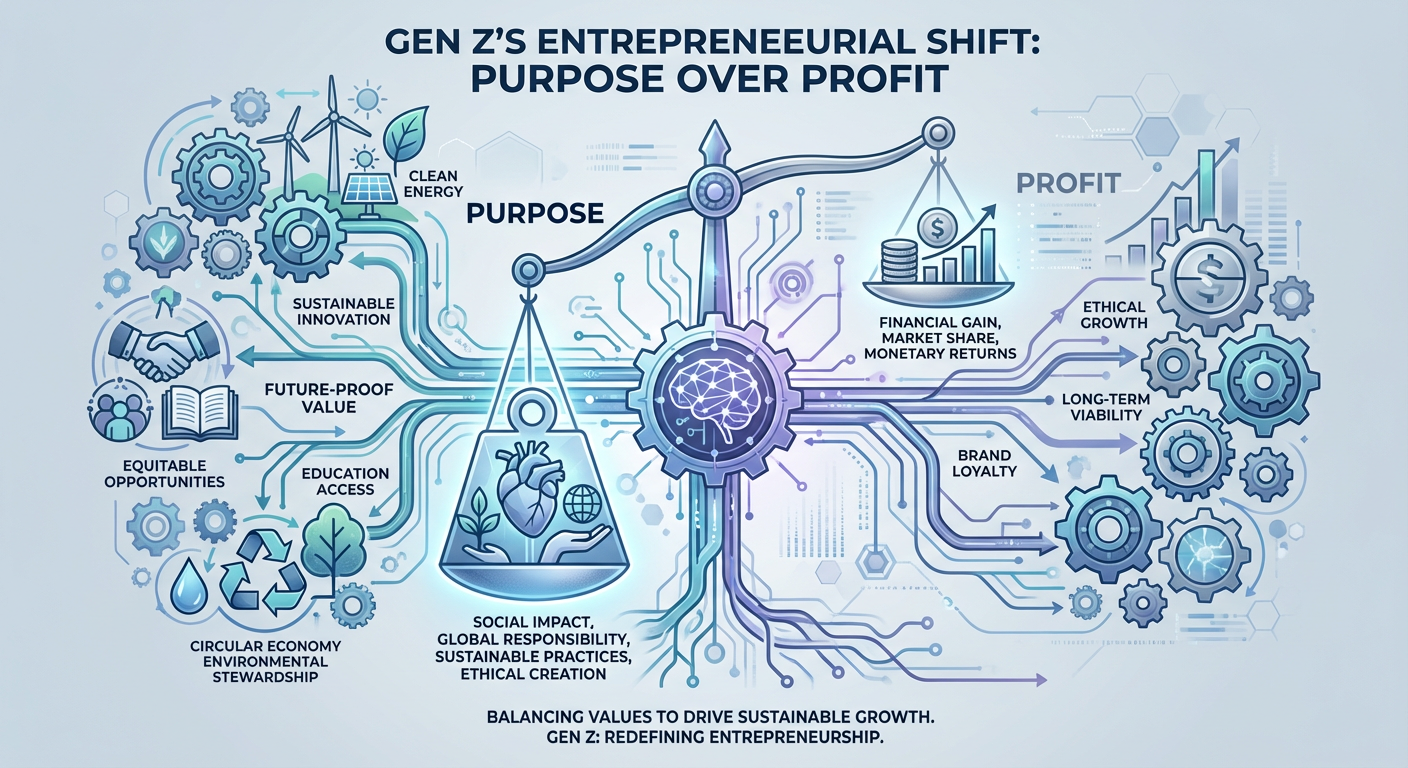
3. Purpose Over Profit: Gen Z Entrepreneurs and Social Responsibility
The landscape of entrepreneurship is undergoing a profound transformation, spearheaded by the youngest generation of founders: Generation Z. Unlike their predecessors, who often prioritized financial gain as the primary metric of business success, Gen Z entrepreneurs are redefining the very essence of commerce by embedding purpose and social responsibility at the core of their ventures. This shift reflects a broader generational ethos, shaped by global challenges such as climate change, social injustice, and mental health crises, fostering a belief that businesses should actively contribute to solving societal problems rather than merely generating profit5. This section delves into the purpose-driven nature of youth-led businesses, exploring their focus on critical social causes, their integration of ethical and sustainable practices, and the authentic consumer appeal that arises from this principled approach.
3.1 The Rise of Purpose-Driven Business Models Among Gen Z
A salient characteristic distinguishing Gen Z entrepreneurs is their unwavering commitment to purpose. More than just a marketing buzzword, “purpose” for this cohort translates into tangible actions and embedded values that guide every aspect of their business. A remarkable statistic highlights this trend: over 80% of Gen Z entrepreneurs globally describe their companies as *purpose-driven*3. This figure signifies a fundamental reorientation of entrepreneurial ambition, where meaning and social impact are considered as crucial, if not more so, than financial returns. This approach contrasts sharply with older business paradigms where social responsibility was often an afterthought, relegated to Corporate Social Responsibility (CSR) departments, or seen as a separate philanthropic endeavor. For Gen Z, purpose is not an add-on; it is foundational, interwoven into the business model from its inception. This intrinsic drive is deeply rooted in Gen Z’s lived experiences. Having grown up amidst a global economic recession, the climate crisis, and a heightened awareness of social inequalities, this generation views business not just as a means of livelihood but as a powerful platform for enacting positive change3. As a 22-year-old entrepreneur eloquently stated, “our generation doesn’t want to compromise – we believe companies shouldn’t trade social ideals for financial success”4. This sentiment encapsulates a revolutionary mindset: the belief that commercial success and social good are not mutually exclusive but rather symbiotic objectives. Consequently, young founders are intentionally building businesses around causes that resonate with their values, such as environmental protection, social justice, mental health awareness, and community empowerment3. The integration of purpose extends beyond mere rhetoric. It manifests in the practical decisions these young entrepreneurs make, from product development and supply chain management to marketing and sales. For instance, a common practice among kid-owned businesses is to pledge a portion of their profits or revenue to charitable causes. This commitment is often made from the very beginning of the venture, becoming an integral part of their brand identity. Mikaila Ulmer, who started Me & the Bees Lemonade at age four, dedicated a portion of her profits to honeybee conservation after learning about their endangered status8. Similarly, sisters Evie and Lexi Krzanich, aged 10 and 12, donate 10% of each sale from their crafts business to animal welfare charities9. These examples illustrate that giving back is not a reactive measure but a proactive, embedded strategy for youth entrepreneurs. This authentic commitment to social causes brings a significant advantage in terms of consumer appeal, particularly among their peers and older generations with similar values. Younger consumers, specifically Gen Z and Millennials, are increasingly seeking out brands that align with their ethical and sustainable values. A significant 77% of these younger consumers report feeling more connected to companies that actively strive to make the world a better place27. This preference means that a kid entrepreneur launching a vegan skincare line to reduce animal testing, or a teen developing a device for clean water, naturally appeals to a conscious audience looking to support meaningful ventures. The stories behind these young founders—their personal motivations for tackling a specific problem—often resonate deeply, differentiating their brands in competitive markets and fostering unwavering customer loyalty. However, the pursuit of purpose is not without its challenges. Young entrepreneurs must navigate the delicate balance between mission and financial viability. Ethical sourcing, sustainable materials, or generous charitable donations can sometimes increase operational costs, potentially impacting profitability. Yet, rather than compromising their values, many Gen Z founders display remarkable ingenuity in finding innovative solutions. They might leverage volunteer support, utilize low-cost digital marketing strategies, or adopt social enterprise models where profits are intentionally reinvested to amplify social impact. This generation also often redefines success, prioritizing impact metrics alongside traditional financial indicators. This principled stance, though it might occasionally limit short-term opportunities, consistently builds stronger, more reputable brands in the long run.
3.2 Environmental Protection: Sustainability as a Non-Negotiable
The environment is a central concern for Gen Z, a generation that has grown up witnessing the escalating severity of climate change, deforestation, and pollution. This pervasive awareness translates directly into their entrepreneurial endeavors, making sustainability a non-negotiable element of their business models. For young founders, incorporating eco-friendly practices is not merely a competitive advantage; it is an inherent responsibility. When youth-led businesses emerge, they are often “green startups” by default, irrespective of their primary industry. Young entrepreneurs instinctively seek out environmentally sound operational methods from the outset. This commitment is evident in choices such as: * **Material Selection:** Many opt for recycled, upcycled, or biodegradable materials for their products and packaging67. For example, a teen crafts business might use repurposed fabrics, while an e-commerce venture run by a 15-year-old might choose compostable mailers over plastic packaging. * **Waste Reduction:** Minimizing waste is a common focus. This includes everything from going paperless and using digital documentation instead of printouts to finding creative ways to utilize byproducts or unsold inventory for charitable purposes. * **Energy Conservation:** Young entrepreneurs are often mindful of their energy consumption, implementing practices to conserve power in their workshops or home offices3031. * **Carbon-Neutral Shipping:** Some kid-owned businesses go the extra mile by opting for carbon-neutral shipping options, offsetting the environmental impact of transportation6. Beyond integrating sustainable operational practices, many young entrepreneurs make addressing environmental issues the *core mission* of their ventures. This leads to innovations specifically designed to solve pressing ecological problems. Examples abound: teenagers developing alternatives to single-use plastics, designing water-saving devices, or creating renewable energy gadgets. Some even establish social enterprises focused on large-scale initiatives like recycling or reforestation programs.
| Entrepreneur/Project | Impact Area | Tangible Outcome |
|---|---|---|
| Nzambi Matee (Kenya, age 17) | Waste Plastic Recycling | Produces ~1,500 recycled plastic paving bricks/day for construction, reducing plastic waste and providing eco-friendly building materials32 |
| Amina Al-Houti (Kuwait, elementary school) | Household Waste Recycling | Recycled 3.5 tons of plastic and 10 tons of paper by 2021 through her non-profit initiative33 |
| Mikaila Ulmer (USA, Me & the Bees Lemonade) | Honeybee Conservation | Donates a portion of profits; raised awareness for pollinators, contributing to significant awareness and funds for bee conservation825 |
| Sarina Chugani (UAE, Angel Energy Bars) | Sustainable Sourcing & Waste Reduction | Uses organic, locally-sourced ingredients and eco-friendly packaging; partners with bakeries to redistribute unsold bars3738 |
The pursuit of sustainability is further formalized through certifications. While many certifications are typically designed for larger, adult-run businesses, some young founders have impressively met the rigorous criteria for external validation. The **B Corporation certification**, which assesses a company’s social and environmental performance, is a prime example. Sarina Chugani, at just 12 years old, attained B Corp status for her Angel Energy Bars, demonstrating a commitment to accountability and impact that transcends her age37. This pursuit of third-party validation signals to consumers and stakeholders that these young entrepreneurs are not merely “greenwashing” but are genuinely committed to measurable and verifiable sustainable practices. Despite their strong intentions, challenges remain. Eco-friendly materials can sometimes be more expensive or harder to source, especially for small-scale startups with limited capital and purchasing power. Young entrepreneurs also face a steep learning curve in navigating complex supply chains, understanding lifecycle assessments, and adhering to various environmental standards. However, their digital fluency and innate adaptability enable them to research solutions, crowdsource ideas, and iterate quickly, often finding creative compromises that balance idealism with practicality. As consumer demand for sustainable products continues to grow, and as more affordable eco-friendly alternatives emerge, the path for these green youth-led businesses is likely to become smoother, positioning them to be significantly more sustainable as they grow than older companies attempting to retroactively implement green practices.
3.3 Social Justice and Mental Health Initiatives
Beyond environmental concerns, Gen Z entrepreneurs are deeply invested in addressing social injustice and promoting mental well-being. These issues are deeply personal for many young people, who have witnessed racial strife, gender inequality, and a growing mental health crisis exacerbated by digital pressures. Their businesses often reflect these lived experiences, becoming vehicles for social change. Social justice initiatives tackled by youth-led businesses are diverse, often focusing on: * **Equality and Inclusion:** Creating platforms for marginalized voices, developing inclusive products or services, or advocating for fair labor practices. * **Poverty Alleviation:** Businesses that provide fair wages to marginalized workers, support community development projects, or offer affordable access to essential goods and services. * **Education and Empowerment:** Ventures that bridge educational gaps, provide skill-building opportunities for disadvantaged youth, or empower vulnerable communities. For instance, young founders have initiated fair-trade fashion lines to combat labor exploitation, demonstrating a clear awareness of global supply chain ethics. Others develop apps aimed at providing resources to underserved communities or addressing specific social disparities. This approach aligns with the principles of social entrepreneurship, where the primary goal is inherently social or environmental, and profits serve as a means to sustain and scale that mission5. Mental health support is another critical area for Gen Z entrepreneurs. This generation is acutely aware of the stigma surrounding mental illness and the gaps in accessible mental healthcare. Consequently, many youth-led businesses are emerging in this space, often leveraging technology: * **Mental Wellness Apps:** Developing mobile applications for mindfulness, emotional regulation, or connecting users with mental health resources. * **Peer Support Platforms:** Creating online communities where young people can share experiences and support each other in a safe environment. * **Products Promoting Well-being:** Designing physical products like anxiety-reducing tools or content (e.g., guided meditations, journals) that foster mental well-being. The authenticity of these youth-led initiatives is a powerful draw for consumers. Gen Z, in particular, is adept at discerning genuine purpose from performative activism. When young founders build businesses around causes they personally care about and have often experienced, that authenticity resonates profoundly. Their personal stories become part of the brand narrative, fostering a deeper connection with customers. For example, a teenager who starts an organic snack bar company due to a family member’s illness, aiming to promote healthier eating, creates a compelling and trustworthy brand story. By integrating sincere social causes and ethical practices, these young changemakers not only differentiate their brands in a crowded market but also tap into a growing consumer demand for products and services that align with their values.
3.4 Integrating Ethical Practices and Giving Back
The integration of ethical practices and a culture of “giving back” is not an external mandate for youth entrepreneurs; it is an intrinsic component of their core business models. This generational tendency reflects a proactive approach to corporate social responsibility, setting a new standard for business operations. Young founders are often guided by a strong moral compass that informs their decisions regarding sourcing, production, labor, and profit distribution. Key aspects of integrating ethics and giving back include: * **Pledging Profits/Revenue to Causes:** As mentioned, a common practice is to commit a percentage of sales or profits to charitable organizations related to their mission. This direct contribution is often a primary marketing point, allowing customers to feel that their purchase directly supports a cause. Mikaila Ulmer’s donation of profits to bee conservation efforts25 and the Krzanich sisters’ 10% pledge to animal welfare9 are exemplary models. * **Ethical Sourcing:** Young entrepreneurs prioritize sourcing materials and products ethically, whether it means ensuring fair trade practices for global suppliers, avoiding cruelty-tested ingredients, or selecting local suppliers to reduce carbon footprint and support community economies. This dedication to ethical sourcing often means extra effort in research and potentially higher costs, yet it is a trade-off they are willing to make to maintain integrity. * **Transparency:** Gen Z founders embrace transparency in their operations, often openly sharing their production processes, sourcing details, and the quantifiable impact of their charitable efforts. This openness builds trust with consumers who value authenticity. * **Community Engagement:** Many youth-led businesses are deeply rooted in their local communities. They might hire local talent, partner with community organizations, or offer mentorship to younger aspiring entrepreneurs. This localized approach strengthens community ties and fosters a sense of collective responsibility. These practices are not merely a response to market trends; they stem from a deeply held belief that businesses have a moral obligation to contribute positively to society. This belief system is cultivated from a young age through education, social media exposure, and a general cultural climate that increasingly expects corporations to act as good citizens.
3.5 Measuring Social Impact: Moving Beyond Outputs to Outcomes
A crucial and increasingly sophisticated aspect of youth entrepreneurship is the emphasis on measuring social impact. While traditional businesses primarily focus on financial metrics, Gen Z entrepreneurs recognize that true success for purpose-driven ventures must also be assessed by their tangible contributions to societal well-being and environmental health. The journey of impact measurement for young entrepreneurs typically begins with quantifying easily trackable outputs: * Number of meals donated42 * Pounds of waste recycled33 * Trees planted * Beneficiaries served These output metrics are concrete, motivating, and straightforward to report. However, as they mature, many youth founders are guided to delve deeper, moving beyond mere outputs to evaluate actual *outcomes*. This involves asking whether their actions have led to meaningful change in beneficiaries’ lives or improved environmental conditions. This distinction between “outputs” (what you do) and “outcomes” (what changes as a result) is critical for authentic impact measurement43. To address this, young entrepreneurs are increasingly adopting sophisticated impact measurement frameworks, often learned through educational programs and mentorship. Programs at institutions like the Wharton School teach future leaders, including young founders, about the **Theory of Change model**44. This model encourages entrepreneurs to map out their desired social outcomes and work backward to identify the specific activities and inputs required to achieve them. Some youth-led startups even develop mini “impact scorecards” to track various dimensions of their impact, such as: * **Depth of impact:** How significantly they affect each individual or specific environmental issue. * **Breadth of impact:** The number of people or areas reached. * **Additionality:** Whether the impact would have occurred without their specific intervention45.
| Entrepreneur/Business | Approach to Impact Measurement | Example Metrics/Proof Points |
|---|---|---|
| Mikaila Ulmer (Me & the Bees Lemonade) | Donates percentage of profits; educates | Funds given to bee conservation, number of students taught about bees. |
| Dylan Siegel (“Chocolate Bar” book) | Fundraising for specific research | Over $1,000,000 raised for GSD research, leading to breakthroughs10. |
| Sarina Chugani (Angel Energy Bars) | B Corp Certification; donations; waste reduction | Achieved B Corp status, portion of proceeds to homeless shelters, redistribution of unsold bars3746. |
| Alina Morse (Zolli Candy) | “Million Smiles Initiative” | Donations of hundreds of thousands of sugar-free lollipops to schools, oral health education to kids1323. |
Certifications further solidify their commitment to accountability. Obtaining **Certified B Corporation** status, as demonstrated by Sarina Chugani, signifies adherence to rigorous standards of social and environmental performance. This certification provides a numeric score, essentially a report card, that quantifies their impact efforts. Beyond formal certifications, many young founders publish “impact reports” on their websites or social media, sharing quantitative data (e.g., “Year One Impact: 200 solar lanterns donated, 50 tons CO2 saved”) and often linking their efforts to global benchmarks like the UN Sustainable Development Goals (SDGs)42. While measuring impact is challenging, even for established organizations, young entrepreneurs, despite their limited resources and experience, are committed to learning and improving. They often seek feedback from beneficiaries and mentors to refine their approaches. This learning-oriented mindset ensures that impact measurement is not just a tool for public relations but a genuine mechanism for enhancing the effectiveness of their social mission. This dedication suggests a future business landscape where impact data is as routinely reported and scrutinized as financial performance, potentially setting new standards for corporate governance across the board.
3.6 Authenticity and Consumer Appeal: A Competitive Advantage
The purpose-driven nature and integrated social responsibility of youth-led businesses are not only ethical choices but also powerful drivers of consumer appeal and, ultimately, commercial success. In today’s market, particularly among younger demographics, authenticity is currency. * **Alignment with Consumer Values:** Gen Z and Millennials, who represent a significant and growing consumer base, increasingly base their purchasing decisions on a brand’s values and social impact. As previously noted, 77% of these consumers feel more connected to companies that strive to make the world better27. This alignment means that businesses led by young founders inherently resonate with a large segment of the market because their core values often mirror those of their target audience. * **Trust and Transparency:** The transparent and genuine commitment to social causes by youth entrepreneurs fosters a deep sense of trust. Unlike large corporations that might be perceived as having a cynical motive for CSR initiatives, the passion of young founders is almost always personal and sincere. This authenticity is a significant competitive advantage in an era of skepticism towards corporate motives. * **Storytelling and Emotional Connection:** The personal stories behind youth-led businesses are incredibly compelling. Whether it’s Mikaila Ulmer’s concern for bees, Dylan Siegel’s desire to help his friend with a rare disease, or Alina Morse’s mission for tooth-friendly candy, these narratives create an emotional connection with consumers81013. Customers are not just buying a product; they are investing in a dream, a cause, and a young person’s vision for a better world. * **Differentiation in a Crowded Market:** In a highly competitive marketplace, a strong social mission serves as a potent differentiator. A product that not only meets a consumer need but also contributes to a positive cause stands out. For example, Zolli Candy’s unique value proposition of being a sugar-free candy that is good for oral health, combined with its “Million Smiles Initiative,” sets it apart from traditional confectionery brands13. Alina Morse identified a health concern and used her entrepreneurial spirit to solve it, reaping significant commercial rewards13. * **Influence on Mainstream Business:** The success of these youth-led, purpose-driven ventures is starting to influence established companies. As younger generations, both as consumers and emerging executives, demand more ethical and sustainable business practices, conventional corporations are being pushed to re-evaluate their own approaches to social responsibility. The “kidpreneurs” are effectively raising the bar for corporate behavior. The authenticity derived from a genuine commitment to purpose allows youth-led businesses to build strong brand loyalty, attract conscious consumers, and garner positive media attention. This synergy between doing good and doing well demonstrates that profit and purpose can, indeed, go hand-in-hand, providing a blueprint for the future of ethical commerce. The collective impact of this generation’s purpose-driven entrepreneurship on social responsibility and sustainable practices suggests a future business landscape where ethical conduct and measurable impact are as fundamental as profitability. However, despite their soaring ambitions and innovative spirit, young entrepreneurs face considerable barriers that hinder the realization of this potential, particularly concerning access to capital, mentorship, and legal frameworks. The next section will explore these systemic challenges in detail.
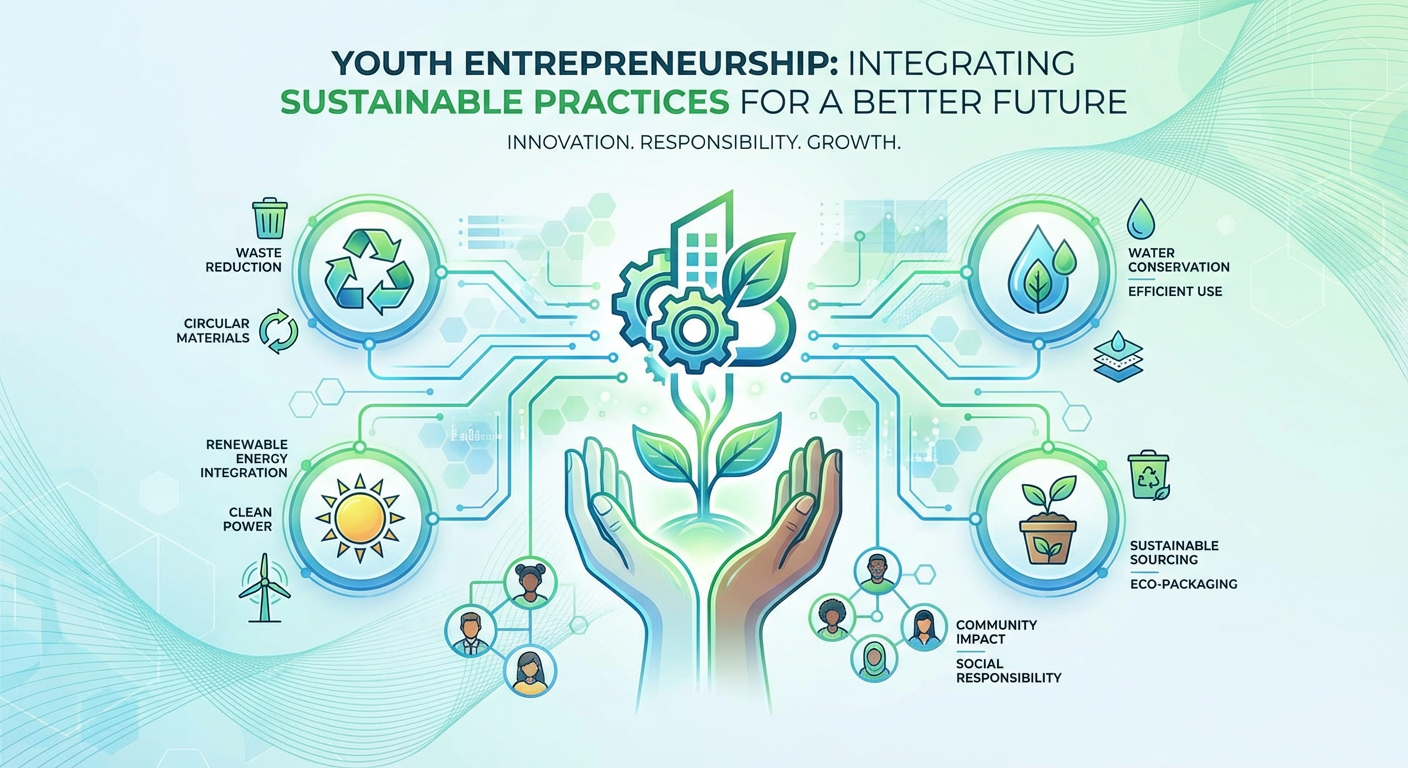
4. Green from the Beginning: Integrating Sustainable Practices
The rising tide of youth entrepreneurship is marked not only by innovation and ambition but also by a profound commitment to environmental stewardship. Unlike previous generations of business founders, today’s young entrepreneurs, often characterized as Gen Z, instinctively embed sustainable practices into the core of their ventures from inception. This is not merely an optional addition but a fundamental approach, reflecting their generation’s heightened awareness of ecological challenges, particularly climate change, and their desire to leverage commerce as a tool for positive environmental impact [15]. From the mindful selection of raw materials to the meticulous management of waste streams and the proactive pursuit of green certifications, these kid-owned businesses are demonstrating that profitability and planetary health are not mutually exclusive but can, in fact, be deeply intertwined. This section delves into how youth entrepreneurs are championing sustainability, exploring their operational choices, their solutions to environmental problems, and their embrace of accountability through formal green standards. This deep-rooted commitment to eco-consciousness stands in stark contrast to the historical trajectory of many established corporations, which have often adopted sustainability measures as a response to regulatory pressures, consumer demand, or public relations concerns, often retrofitting them onto existing, less sustainable models. For youth entrepreneurs, sustainability is a default setting, an intrinsic value that shapes every aspect of their business model [15]. This nascent philosophy is paving the way for a new paradigm in business, where ecological responsibility is as critical a performance indicator as financial viability.
4.1. Eco-Conscious by Default: Operationalizing Sustainability
The contemporary youth entrepreneur has been raised in an era dominated by discussions of climate crisis, environmental degradation, and the urgent need for sustainable living. This upbringing has instilled a fundamental understanding that businesses bear a significant responsibility for their environmental footprint. Consequently, for many kid-owned ventures, sustainability is not an afterthought or a secondary corporate social responsibility initiative; it is a foundational principle [15]. This intrinsic eco-consciousness manifests in several key operational areas:
- Sustainable Material Sourcing: One of the most immediate and impactful ways young entrepreneurs integrate sustainability is through their choice of materials. Guidelines for youth business often emphasize the use of recycled, upcycled, or naturally derived materials for both products and packaging [8], [23]. For example, a teen crafts business might exclusively use upcycled fabrics derived from thrifted clothing, or a young e-commerce entrepreneur might opt for compostable mailers made from plant-based materials instead of traditional plastic packaging. The focus is on materials that minimize environmental impact throughout their lifecycle, from production to disposal. This extends to ingredients in consumable products as well, with a strong preference for organic, locally sourced, and non-GMO components to reduce chemical impact and carbon emissions associated with long-distance shipping.
- Waste Reduction and Circularity: Minimizing waste is another core tenet for these businesses. Youth entrepreneurs frequently adopt strategies to reduce waste generation across their operations. This includes careful production planning to avoid excess inventory, designing products for durability and repairability rather than disposability, and actively seeking ways to reuse or repurpose waste materials. The concept of a circular economy, where resources are kept in use for as long as possible, is often intuitively applied. For instance, some kid-owned businesses might implement take-back programs for their packaging or offer discounts for customers who return containers for reuse. An elementary school student in Kuwait launched a non-profit that, by 2021, had recycled an impressive 3.5 tons of plastic and 10 tons of paper, demonstrating the significant impact of youth-led waste reduction efforts [7].
- Energy Conservation and Efficiency: While many kid-owned businesses may operate from home or small workshops, the principles of energy conservation are still actively applied. This includes simple yet effective practices like adopting paperless operations, utilizing natural light, and conscientiously turning off lights and electronics when not in use [23]. For those with slightly larger operations, choices like energy-efficient equipment or even exploring renewable energy sources might be considered. Though individual contributions may seem small, collectively, these practices contribute to a reduced carbon footprint.
- Carbon-Neutral Shipping and Logistics: With the prevalence of online sales, young entrepreneurs are also conscious of the environmental impact of shipping. Many proactively seek out carriers that offer carbon-neutral shipping options or incorporate carbon offsetting into their pricing models [23]. This commitment extends to optimizing delivery routes and choosing local suppliers to further minimize transportation-related emissions.
This inherent sustainable mindset is not just about avoiding harm; it’s about actively seeking better, greener ways of doing business. It reflects Gen Z’s high expectations for environmental sustainability, as evidenced by data showing that 70% of Gen Z and Millennials consider a company’s environmental practices important when choosing an employer [15]. This strong internal value system translates directly into their entrepreneurial endeavors, making green practices the norm rather than the exception in youth entrepreneurship.
4.2. Environmental Problem-Solving at the Core
Beyond merely integrating sustainable practices into their operations, a significant number of young entrepreneurs are building businesses specifically designed to address pressing environmental challenges. For these founders, eco-innovation is not a byproduct but the central mission of their venture. They respond to climate change, pollution, and resource scarcity with entrepreneurial solutions. Notable examples of this proactive problem-solving include:
- Developing Sustainable Alternatives: Many young entrepreneurs focus on creating products that offer environmentally superior alternatives to existing market options. This could involve biodegradable plastics, water-saving technologies, or renewable energy gadgets. Their businesses aim to disrupt conventional, less sustainable industries by providing viable green solutions.
- Waste-to-Value Ventures: A powerful trend is the conversion of waste materials into valuable new products. A prominent example is a 17-year-old in Kenya who founded Gjenge Makers, a company that transforms waste plastic into paving bricks. This innovative enterprise produces approximately 1,500 recycled plastic bricks daily, providing an affordable and sustainable construction material [7]. Such ventures not only reduce landfill waste but also create economic value from previously discarded materials, showcasing a tangible approach to the circular economy.
- Reforestation and Conservation Initiatives: Some youth-led businesses are structured as social enterprises with a direct focus on environmental restoration. This could involve selling products where a portion of proceeds funds tree-planting initiatives or wildlife conservation efforts. Mikaila Ulmer’s Me & the Bees Lemonade, for example, donates a portion of its profits to organizations dedicated to honeybee conservation, turning a commercial endeavor into a vehicle for ecological protection [8]. This model demonstrates how commercial activity can directly support environmental goals.
These examples illustrate that youth-led businesses are not content with merely reducing their own footprint; they aspire to deliver entrepreneurial solutions that contribute meaningfully to global environmental sustainability. Their fresh perspectives often lead to creative and impactful solutions that might be overlooked by larger, more entrenched industries.
4.3. Accountability Through Green Certifications and Standards
A critical aspect of authentic sustainability is accountability. Young entrepreneurs are demonstrating an impressive commitment to transparency and measurable impact by pursuing third-party certifications and adhering to recognized green standards. This practice signals that their dedication to sustainability extends beyond rhetoric, showcasing a willingness to undergo rigorous evaluation and external validation.
- B Corp Certification: Perhaps the most striking example of this commitment is the pursuit of Certified B Corporation status. This certification assesses companies on their social and environmental performance, accountability, and transparency, requiring them to meet stringent standards across areas from governance to community and environmental impact. The fact that some kid-owned companies have achieved this rigorous certification is remarkable. For instance, Sarina Chugani, a 12-year-old from Dubai, successfully obtained B Corp status for her organic snack business, Angel Energy Bars [9]. To qualify, she meticulously sourced organic and local ingredients, utilized eco-friendly packaging, and integrated community giveback through donations to homeless shelters. This demonstrates that even micro-businesses led by youth are capable of meeting the same high standards of accountability as much larger, adult-run corporations, providing a quantifiable measure of their commitment.
- Other Certifications and Pledges: Beyond B Corp, youth entrepreneurs may engage with other certifications or pledges. This could include joining initiatives like “1% for the Planet,” committing to donate a percentage of sales to environmental causes, or seeking certifications for organic, fair trade, or cruelty-free products. While securing such certifications can be a complex and resource-intensive process, the pursuit by young founders underscores their dedication to differentiating their businesses through verified green credentials.
- Informal Impact Reporting: Even without formal certification, many youth-led businesses engage in informal impact reporting. They might publish “impact scorecards” on their websites or social media, detailing metrics such as carbon emissions avoided, waste diverted from landfills, or the number of trees planted. This practice, often linked to global benchmarks like the UN Sustainable Development Goals (SDGs), demonstrates a self-imposed accountability and a desire to communicate their positive contributions to their customers and community [4]. For example, a young entrepreneur might proudly state that their product contributed to SDG 13 (Climate Action) by financing the planting of 500 trees.
The adoption of these formal and informal accountability mechanisms by youth entrepreneurs is a powerful testament to their belief in measurable impact. It helps build consumer trust, combats “greenwashing,” and ultimately strengthens the credibility of the youth entrepreneurship movement as a force for genuine environmental change.
4.4. Consumer Trust and Market Differentiation through Sustainability
The emphasis on sustainable practices provides youth-led businesses with a significant competitive advantage in today’s market. Consumers, particularly Gen Z and Millennials, are increasingly making purchasing decisions based on a company’s social and environmental values. Research indicates that close to 75% of consumers under 40 are willing to pay a premium for eco-friendly goods [25]. Young entrepreneurs skillfully tap into this demand by weaving sustainability into their brand narrative, creating products and services that align with the values of conscious consumers. When a teen apparel brand highlights that its t-shirts are upcycled from thrifted clothes and printed with low-impact dyes, it immediately resonates with an eco-conscious segment of the market. This authenticity distinguishes youth-led businesses from competitors. Unlike larger corporations that might struggle to integrate sustainability authentically due to complex supply chains or legacy infrastructure, nascent kid-owned businesses can build these values in from the ground up. Their smaller scale can also be an advantage, allowing for local production, reduced transportation needs, and more agile implementation of green innovations. Moreover, many youth entrepreneurs turn sustainability into an educational and interactive engagement with their customer base. They might include recycling tips with product shipments, organize community clean-up events, or run social media campaigns to raise awareness about environmental issues relevant to their products. This approach fosters a deeper connection with customers, who often become advocates for the brand not just because of the product, but because of the genuine commitment to making a positive difference. This combination of authentic purpose, tangible sustainable practices, and transparent communication builds a foundation of trust and loyalty, demonstrating that ethical business can profoundly influence purchasing behavior.
4.5. Challenges in Maintaining and Scaling Green Practices
While the commitment to sustainability among youth entrepreneurs is undeniable, they do encounter practical challenges, especially as they consider scaling their ventures. These challenges often revolve around cost, sourcing, knowledge gaps, and the inherent trade-offs between idealism and practicality.
| Challenge Area | Description of Challenge | Example for Youth Entrepreneurs |
|---|---|---|
| Cost of Sustainable Materials | Eco-friendly and ethically sourced materials (e.g., organic fabrics, compostable packaging) often come at a higher price point than conventional alternatives. | A middle-school entrepreneur making handmade jewelry might find biodegradable packaging significantly more expensive, impacting profit margins or product pricing. |
| Sourcing Difficulties | Finding reliable suppliers for sustainable materials, particularly in small quantities (low Minimum Order Quantities – MOQs), can be challenging for startups. | A high schooler developing a natural skincare line may struggle to find a local supplier for certified organic shea butter in bulk appropriate for a small batch production. |
| Knowledge Gaps | Understanding complex ecological footprints, navigating intricate supply chains, or deciphering various green certifications and their implications requires expertise. | A young founder may not fully grasp the lifecycle assessment of their product or the nuances of international fair-trade regulations. Mentorship and education become critical here. |
| Balancing Idealism with Practicality | Sustainable choices can sometimes conflict with business practicality, such as speed of production, ease of distribution, or customer price sensitivity. | Implementing a zero-waste policy might require extensive manual labor or specialized equipment, which could slow down production and increase costs, potentially pricing the product out of its target market. |
| Scaling Sustainable Operations | As a business grows, maintaining sustainable practices across a larger supply chain, increased production, and wider distribution becomes exponentially more complex. | Transitioning from local delivery to national shipping while ensuring carbon neutrality and sustainable packaging for thousands of orders can be a logistical and financial hurdle. |
Despite these hurdles, the digital fluency and interconnectedness of Gen Z offer unique advantages. Young entrepreneurs can leverage online communities, research tools, and peer networks to identify creative solutions and learn from others’ experiences. Their inherent adaptability allows them to pivot quickly if a particular material or process proves unfeasible. Furthermore, as consumer demand for green products grows, the market for affordable sustainable alternatives is expanding, which will gradually reduce some of these cost and sourcing barriers. The fundamental commitment to sustainability from the outset means that as these kid-owned businesses mature and potentially scale, they are inherently designed to be greener. This proactive integration provides a distinct advantage over older companies attempting to retrofit sustainability into established, often less flexible, models. The trajectory of youth entrepreneurship suggests a future business landscape where environmental responsibility is not a luxury, but an ingrained necessity.
The profound integration of sustainable practices from the very beginning of kid-owned businesses highlights a transformative shift in entrepreneurial values. This emphasis on eco-consciousness, coupled with a strong drive to solve environmental problems and robust commitment to accountability, positions youth entrepreneurs as powerful agents of change. Their approach is not just financially driven, but purpose-driven, setting a new standard for how businesses can contribute positively to planetary well-being. The next section will further explore this purpose-driven ethos by delving into how youth entrepreneurs are measuring their broader social responsibility, defining success beyond pure profit, and adopting impact measurement frameworks to ensure their ventures truly make a difference in the world.

5. Measuring Social Impact: Accountability in Youth Ventures
The landscape of youth entrepreneurship is undergoing a profound transformation, moving beyond traditional notions of business success measured solely by financial gains. Today’s young entrepreneurs, particularly those from Gen Z, are intrinsically driven by purpose, seeking to create ventures that deliver measurable positive social and environmental outcomes alongside profitability[3]. This paradigm shift necessitates a robust approach to accountability, where “kid-owned” businesses not only claim social responsibility but actively define, measure, and report on their impact. This section delves into how young entrepreneurs are embracing this challenge, adopting sophisticated impact measurement frameworks and pursuing certifications like B Corp status, while also navigating the inherent complexities and learning curves associated with quantifying their social and environmental contributions. At its core, success for a young, purpose-driven entrepreneur is not merely about accumulating wealth but about making a tangible difference in the world. Over 80% of Gen Z entrepreneurs describe their companies as purpose-driven, indicating that meaning and social impact are as crucial as financial returns from the outset[3]. Whether addressing climate change, promoting social justice, or fostering community well-being, these young founders view their businesses as vehicles for solving pressing global issues, often aligning their efforts with the United Nations Sustainable Development Goals (SDGs)[5]. However, the path from noble intent to demonstrable impact is challenging, requiring young entrepreneurs to develop a nuanced understanding of impact measurement and reporting. This section will explore the motivations behind this commitment, the methods employed, the challenges encountered, and the implications for the future of business accountability.
5.1. Defining Success Beyond Financial Metrics
For an increasing number of young entrepreneurs, the traditional balance sheet does not fully capture the value their ventures create. While financial viability remains essential for survival and growth, it is often seen as a means to an end – the end being positive social or environmental change. This redefinition of success is a hallmark of the current generation of youth entrepreneurs. They are driven by a desire to contribute meaningfully to society and the planet, often reflecting their upbringing amidst global crises like climate change and social inequality. Young entrepreneurs tend to set dual bottom lines, incorporating both financial and impact metrics into their definition of a successful venture. For example, a teenager running a social enterprise might track both sales figures and the number of people their product has helped, or the amount of waste diverted from landfills. This approach consciously “blends financial and social returns”[20] in a way that prioritizes the mission. Initially, young entrepreneurs might focus on easily quantifiable outputs and activities, such as “We donated 100 meals to shelters” or “We replaced 500 plastic straws with reusable ones.” These immediate, tangible results provide early motivation and a clear sense of achievement. The critical distinction, however, lies in moving beyond mere outputs to measuring deeper outcomes and ultimately, long-term impact. While easier to quantify, outputs alone do not fully convey the actual change generated. As young entrepreneurs mature in their understanding, they learn that true impact measurement involves assessing whether their actions lead to actual improvements in beneficiaries’ lives or environmental conditions. This deeper level of analysis, while more complex, aligns with their inherent desire to “truly make a difference”[6]. This mindset is exemplified by a broader generational shift. As one 22-year-old entrepreneur at the Wharton Global Youth Program stated, “Our generation doesn’t want to compromise – we believe companies shouldn’t trade social ideals for financial success”[4]. This sentiment reflects a demand for businesses to integrate social purpose and environmental stewardship into their core operations from the very beginning, rather than treat them as peripheral CSR activities. For youth-led businesses, social impact is not an add-on; it is an inherent part of their value proposition and a key differentiator in a crowded marketplace, appealing to a growing segment of conscious consumers[23].
5.2. Impact Measurement Frameworks and Certifications
To lend credibility and rigor to their social and environmental claims, young entrepreneurs are increasingly adopting formal impact measurement frameworks and seeking third-party certifications. This move from anecdotal impact to verifiable data represents a significant learning curve but also a strong commitment to accountability.
5.2.1. Early Adoption of Impact Measurement Frameworks
Remarkably, young founders are learning to apply sophisticated tools like the “theory of change” model, traditionally used by non-profits and large social enterprises. This framework helps them map out the causal links between their activities, outputs, and desired social outcomes. For instance, the Wharton Global Youth Program offers an “impact entrepreneurship” course that teaches students, many of whom are young founders, how to utilize the Theory of Change model to ensure their businesses are effectively creating change[6]. This involves: * **Inputs:** The resources invested (time, money, materials). * **Activities:** The actions taken by the business (e.g., producing eco-friendly products, running educational workshops). * **Outputs:** The direct results of activities (e.g., number of products sold, number of workshops conducted). * **Outcomes:** The short- to medium-term changes that occur as a result of the outputs (e.g., increased awareness, changed behaviors, reduced waste). * **Impact:** The long-term, significant changes to individuals, communities, or the environment. Beyond the Theory of Change, some ambitious teen founders are instructed to develop “impact scorecards,” evaluating their initiatives based on metrics such as: * **Depth of Impact:** How significantly they help each beneficiary or address a problem. * **Breadth of Impact:** How many individuals or areas are positively affected. * **Additionality:** Whether the impact would have occurred without their business intervention[4]. These frameworks guide young entrepreneurs in setting realistic goals, identifying key performance indicators (KPIs) for social impact, and collecting relevant data to demonstrate progress. While they may start with simpler methods like collecting customer testimonials or conducting basic feedback surveys, the exposure to these more formal approaches helps them think critically about their impact narrative[21]. The iterative nature of measuring impact means that early measurements serve not just as proof points, but also as learning experiences to refine their business model for greater effectiveness.
5.2.2. Certifications as a Proof Point: The B Corp Example
Perhaps the most compelling evidence of young entrepreneurs’ commitment to accountability is their pursuit of rigorous third-party certifications, most notably the Certified B Corporation status. B Corp certification is a global standard for businesses that meet high standards of verified social and environmental performance, public transparency, and legal accountability to balance profit and purpose. Over 6,000 companies worldwide are B Corps as of 2023[13]. Intriguingly, young entrepreneurs are increasingly joining the ranks of B Corps. A powerful example is 12-year-old Sarina Chugani, the founder of Angel Energy Bars in the UAE. Sarina successfully navigated the stringent B Corp assessment process for her organic snack bar venture. Her company satisfied the criteria by sourcing sustainable and organic ingredients, utilizing eco-friendly packaging, and integrating community giving (donations to homeless shelters) into her business model[13]. Achieving B Corp status at such a young age is a testament to the founder’s dedication and the increasing recognition that businesses can and should operate with a dual mission. This trend signifies that young founders are “not just claiming to be sustainable – they’re willing to be audited and held accountable like any large corporation”[33]. The B Corp framework provides a numeric score, essentially a “report card” for responsibility, which quantifies their impact efforts across various domains (governance, workers, community, and environment). This level of dedication to external validation demonstrates a strong desire for genuine, transparent accountability. Beyond B Corp, similar efforts include aligning with labels like 1% for the Planet (committing a percentage of sales to environmental causes) or seeking Green Business Bureau membership. These certifications not only enhance credibility but also provide a structured framework for continuous improvement in social and environmental performance.
5.2.3. Impact Reporting and SDG Alignment
Many young entrepreneurs also engage in informal or formal “impact reporting” to their stakeholders. This might involve publishing a dedicated section on their website or social media channels detailing their achievements:
“Year One Impact: 200 solar lanterns donated, 50 tons CO2 saved, 95% of materials sustainably sourced.”
These reports serve multiple purposes: firstly, they hold the entrepreneur accountable to their stated mission; secondly, they provide transparency to customers and supporters; and thirdly, they act as powerful marketing and storytelling tools that resonate with conscious consumers. Some tech-savvy young entrepreneurs take it a step further by aligning their reported metrics with globally recognized benchmarks, such as the UN Sustainable Development Goals (SDGs)[5]. By connecting their micro-actions to these larger global objectives – for example, stating, “We contributed to SDG 13 (Climate Action) by planting 500 trees” – they articulate the broader significance of their work and demonstrate a global perspective on their local efforts. This practice not only reinforces their commitment but also educates their audience on global challenges and the role of business in addressing them.
5.3. Challenges and Learning Curves in Quantifying Impact
While the enthusiasm for impact measurement among young entrepreneurs is high, the process itself is fraught with challenges, even for seasoned professionals. Young founders, often operating with limited resources and experience, face a steep learning curve.
5.3.1. Distinguishing Outputs from Outcomes
One of the primary difficulties lies in differentiating between outputs and outcomes. It is relatively easy for a young entrepreneur to count outputs like the number of products sold or the amount of money donated. However, measuring actual outcomes – the meaningful changes these outputs generate – is considerably more complex[4]. For example, a business that donates school supplies can easily quantify the number of notebooks distributed (output). But measuring the outcome – whether those notebooks improved students’ academic performance or attendance – requires longitudinal tracking, comparative analysis, and a deeper understanding of evaluation methodologies, all of which are resource-intensive. Young entrepreneurs, often juggling school and business operations, may lack the time, expertise, or financial resources to conduct such in-depth evaluations.
5.3.2. Data Collection and Analysis Limitations
Collecting reliable data to measure social and environmental impact can be challenging. Small businesses typically lack dedicated staff or sophisticated software for data management. Young entrepreneurs often rely on manual tracking or free online tools, which may not provide the comprehensive data needed for robust impact assessment. Furthermore, analyzing this data to draw meaningful conclusions and attribute causality is another hurdle. Understanding statistical significance, control groups, and potential confounding factors usually requires specialized knowledge.
5.3.3. Avoiding “Mission Drift” and Overstating Impact
There is a constant tension between idealistic goals and the practical realities of running a business. Young founders can be susceptible to “mission drift,” where the pressures of profitability or growth might inadvertently dilute their social or environmental objectives. There’s also a risk of inadvertently overstating impact due to genuine enthusiasm or a lack of objective evaluation. For example, claiming a product “solved” a problem when it only addressed a small facet of it. Education and mentorship are crucial here. Experienced social entrepreneurs and educators can guide young founders on how to set realistic impact goals, gather data ethically, and communicate their achievements responsibly.
5.3.4. Cost and Resource Constraints
Implementing comprehensive impact measurement and pursuing certifications like B Corp status can be costly and time-consuming. The B Corp assessment alone requires significant effort and potentially fees that might be prohibitive for a nascent, youth-led startup. Even simpler tools, if used effectively, require training and consistent application, which demands resources that young entrepreneurs often don’t have. This can create a barrier to formal accountability, relegating some impactful ventures to informal tracking methods.
5.4. Opportunities and Future Implications
Despite these challenges, the proactive stance of young entrepreneurs toward impact measurement presents significant opportunities and promises to shape the future of business accountability.
5.4.1. Driving Authenticity and Combating “Greenwashing”
The youth generation’s ingrained commitment to responsibility fosters authenticity in their ventures. This contrasts sharply with “greenwashing” or “purpose-washing,” where larger companies might make unsubstantiated claims of social or environmental good for marketing purposes. By genuinely embedding impact measurement and seeking third-party verification, young entrepreneurs set a higher standard, compelling other businesses to follow suit for competitive reasons and to maintain consumer trust. This generation of consumers (Gen Z and Millennials) is particularly discerning, with 77% saying they feel more connected to companies striving to make the world better[23], and are willing to pay a premium for eco-friendly goods[34].
5.4.2. Innovation in Impact Tracking Tools
The demand for accessible impact measurement tools from youth entrepreneurs is likely to spur innovation in this space. Young tech-savvy founders themselves may develop simpler, more intuitive applications and platforms for small businesses and social ventures to track their metrics. This could democratize impact reporting, making it more feasible for micro-enterprises to demonstrate their contributions.
5.4.3. Influencing Mainstream Business Practices
If today’s youth entrepreneurs carry their impact measurement habits into their future careers and ventures, it could fundamentally alter mainstream business practices. Imagine a future where quarterly impact reports are as standard as financial earnings reports, and businesses are routinely evaluated by investors and consumers on their contributions to societal well-being and environmental health. The precedent set by young founders now could accelerate this shift, embedding a culture of accountability at all levels of the economy.
5.4.4. A Feedback Loop for Enhanced Effectiveness
For the entrepreneurs themselves, the process of measuring impact creates a crucial feedback loop. It’s not just about proving their good intentions but about understanding what works and what doesn’t. This allows them to refine their strategies, adapt their products or services, and ultimately maximize their positive contributions. This blend of business KPI thinking with a non-profit’s evaluation mindset makes them more effective agents of change. The move toward rigorous impact measurement by young entrepreneurs is a clear indicator of their vision for a more responsible business world. It signifies a generation that demands accountability not just from others, but from their own ventures. While the path is challenging, their innovative spirit and commitment to genuine change are paving the way for a new era of purpose-driven business, where social and environmental impact are integral to the definition of success.
5.5. Notable Examples in Measuring Social Impact
The following table highlights how specific youth-owned businesses have exemplified the commitment to social impact and accountability:
| Entrepreneur/Business | Impact-Driven Mission | Measurement/Accountability Strategy | Quantifiable Impact/Outcome/Certification |
|---|---|---|---|
| Mikaila Ulmer – Me & the Bees Lemonade (USA)[8] | Bee conservation, environmental awareness | Donates a portion of profits, educational workshops, media outreach | Portion of profits to bee conservation organizations; educated over 1,000 students; contributed to significant awareness and funds for bee conservation[8]. |
| Dylan Siegel – “Chocolate Bar” Book (USA)[10] | Fundraising for rare liver disease research (GSD Type 1b) | Direct fundraising via book sales, community engagement | Raised over $1,000,000 for GSD research; money went to a research center making breakthroughs on the disease[10]. |
| Sarina Chugani – Angel Energy Bars (UAE)[13] | Healthy snacks, community support, sustainable practices | Obtained B Corp certification; sustainable ingredient sourcing; eco-friendly packaging; profit donation; partnership with food banks | Certified B Corporation at age 12; donates proceeds and unsold bars to homeless shelters and food banks; uses organic, locally sourced, and eco-friendly materials[13]. |
| Alina Morse – Zolli Candy (USA)[14] | Promoting oral health, cavity prevention | “Million Smiles Initiative”: donates tooth-friendly candy and educational materials to schools | Donated hundreds of thousands of lollipops to schools; provided educational materials to promote dental hygiene[14]. |
| Nzambi Matee – Gjenge Makers (Kenya)[30] | Solving plastic waste problem, creating affordable construction materials | Manufactures paving bricks from recycled plastic waste | Produces ~1,500 recycled plastic bricks per day for affordable construction from waste plastic[30]. |
These examples underscore that young entrepreneurs are not merely dabbling in social responsibility; they are strategically integrating it into their business models and actively seeking ways to quantify their contributions. Their efforts demonstrate that impact measurement is not just a theoretical exercise but a practical, essential component of building a “purpose-driven” venture that is accountable to its stakeholders and its mission. The evolving commitment to measuring social impact in youth entrepreneurship highlights a critical divergence from conventional business models. This generation’s insistence on tangible, verifiable impact, supported by frameworks and certifications, is laying the groundwork for a future where accountability is inseparable from enterprise. This deep dive into understanding how youth define and measure success beyond financials sets the stage for exploring the specifics of their sustainable practices, which will be the focus of the next section.
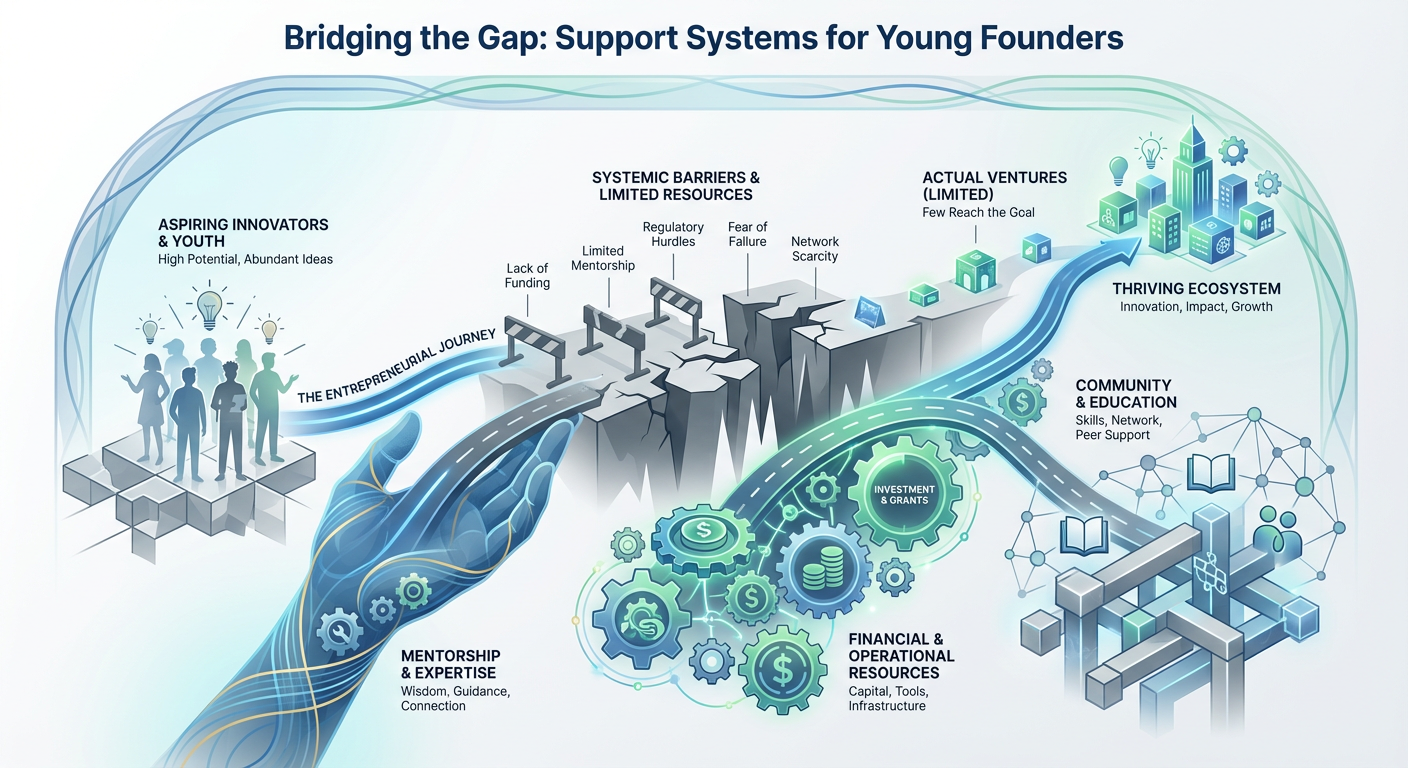
6. Overcoming Barriers: Support Systems for Young Founders
Despite the burgeoning interest and inherent creativity of young individuals worldwide in pursuing entrepreneurship, a significant gap exists between aspiration and actual venture creation. While three in four teens (76%) in the U.S. express a likelihood to consider starting a business, and nearly 40% of young Europeans (15-30) would prefer self-employment [1][2], only about 5% of EU youth (18-30) were actively initiating or running businesses in recent years [3]. This disparity highlights the substantial obstacles that young founders encounter, preventing many from translating their entrepreneurial zeal into tangible enterprises. The OECD estimates millions of “missing” young entrepreneurs, representing a vast reservoir of untapped ideas and potential job creation [4]. To bridge this gap and foster a more robust ecosystem for youth entrepreneurship, it is crucial to understand these common impediments and examine the support systems vital for their success. This section will delve into the primary challenges faced by young entrepreneurs, including limited access to capital, legal restrictions, and insufficient business knowledge, and subsequently detail the critical role played by mentorship, educational programs, and supportive governmental and non-profit initiatives in cultivating their entrepreneurial journey.
6.1. Common Obstacles Faced by Young Entrepreneurs
The journey of a young entrepreneur is often fraught with a unique set of challenges that can deter even the most passionate individuals. These obstacles range from financial constraints and regulatory hurdles to a fundamental lack of practical business acumen. Understanding these barriers is the first step towards developing effective support mechanisms.
6.1.1. Limited Access to Capital
One of the most significant impediments for young founders is securing adequate funding. Traditional financial institutions and investors are typically risk-averse, particularly when it comes to lending to minors or very early-stage startups that lack a proven track record or significant assets. This caution is often amplified for young entrepreneurs who may not have established credit histories or substantial collateral. As a result, many youth-led ventures are initially self-funded through personal savings, relied upon family support, or crowdfunded small amounts [5]. This reliance on limited personal resources significantly caps their ability to scale operations, invest in marketing, or develop new products. For instance, a teen wishing to procure specialized machinery for sustainable manufacturing or to purchase a large inventory of eco-friendly materials might find their ambitions curtailed by the unavailability of traditional business loans. The United Nations points out that many regulatory and financial systems inadvertently block youth from starting businesses, noting that under-18 founders frequently cannot access business loans or even basic banking services without an adult guardian [6]. This systemic exclusion from formal financial channels makes it incredibly difficult for young innovators to obtain the necessary seed capital to formalize and grow their enterprises, representing a substantial barrier to entry for many aspiring ‘kidpreneurs.’
6.1.2. Legal and Administrative Restrictions
Beyond financial limitations, young entrepreneurs often grapple with a complex web of legal and administrative restrictions primarily due to their age. In most jurisdictions, individuals must be 18 years or older to legally register a business, open a dedicated business bank account, or enter into legally binding contracts and agreements [7]. These age-based limitations necessitate the involvement of adult co-signers or legal proxies, adding layers of complexity and potential dependence that can stifle autonomy and speed of operation. For example, a 16-year-old with an innovative e-commerce idea might struggle to set up payment processing or sign supplier contracts independently. This regulatory red tape, while often intended to protect minors, can unintentionally exclude them from the formal entrepreneurial landscape. The UN further highlights that various financial products and startup grants are simply “off-limits to people under 18” [8], creating systemic hurdles that can be frustrating and demotivating for young founders determined to launch their ventures professionally. These legal nuances often require young entrepreneurs to navigate complex workarounds or delay their formal establishment, hindering rapid growth and market entry.
6.1.3. Lack of Business Knowledge and Experience
While young entrepreneurs brim with ideas and digital fluency, many face a practical deficit in fundamental business knowledge and operational experience. A significant proportion of teens (56%) admit they lack sufficient knowledge on how to succeed as entrepreneurs [9]. This gap encompasses crucial areas such as financial management (e.g., accounting, budgeting, pricing strategies), marketing and sales (e.g., market research, brand building, customer acquisition), supply chain management, legal compliance, and strategic planning. Young founders are often learning these critical skills on the fly, which can lead to costly mistakes, inefficiencies, and premature venture failure. For instance, a visually creative teen might excel at product design and social media marketing but struggle with managing inventory, understanding profit margins, or negotiating with suppliers. Moreover, juggling the demands of schooling with the responsibilities of running a business presents a considerable challenge. Academic commitments, extracurricular activities, and social lives can make time management a monumental task for young founders. “Preparing for exams while fulfilling customer orders” is a common scenario that highlights the intense pressure and necessity for robust time management and organizational skills [10]. This balancing act can lead to burnout or compromise the quality of either their academic pursuits or their business operations. The cumulative effect of these challenges explains why, despite high levels of interest, a relatively smaller percentage of young people actually translate their entrepreneurial intentions into successful enterprises. Addressing these specific pain points through targeted interventions is paramount to unlocking the full potential of youth entrepreneurship.
6.2. The Crucial Role of Mentorship and Education
Recognizing the multifaceted challenges, effective support systems are indispensable for cultivating youth entrepreneurship. Mentorship and specialized educational programs stand out as particularly vital components, offering guidance, knowledge transfer, and confidence-building to young founders. A significant percentage of teens (32%) explicitly desire a role model or mentor who is a business owner for guidance [11], underscoring the perceived value of such relationships.
6.2.1. The Power of Mentorship
Mentorship provides young entrepreneurs with practical advice, emotional support, and crucial connections within the business world. An experienced mentor can guide a young founder through the complexities of writing a business plan, navigating permits, securing initial clients, or even handling conflict [12]. Beyond specific tasks, mentors offer encouragement, validation, and a belief in the young person’s vision, which can be invaluable when facing setbacks. Organizations like Junior Achievement (JA) actively connect aspiring young business leaders with seasoned professionals, bringing local business volunteers into schools to mentor student companies [13]. These relationships often go beyond mere instruction, offering a safe space for young entrepreneurs to discuss fears, celebrate small victories, and learn from an elder’s perspective that blends experience with empathy. Alumni of JA programs, for instance, report higher rates of business formation and credit the mentorship aspect for instilling the confidence needed to overcome challenges [14]. The role of informal mentorship, such as advice from a family friend who is a business owner, also frequently proves pivotal, providing accessible and trusted counsel [15]. The core insight is that youth often possess the intrinsic motivation and capability but require a bit of external guidance and knowledge transfer to effectively channel their efforts and solve problems independently.
6.2.2. Targeted Educational Programs
Formal educational programs tailored to youth entrepreneurship are equally critical in equipping young founders with the essential business acumen they often lack. These programs aim to demystify business concepts and provide foundational skills in an age-appropriate and practical manner. Examples include: * **School-based Entrepreneurship Curricula:** Many schools are now integrating entrepreneurship education into their curriculum, offering courses, clubs, and even pitch competitions. These initiatives often focus on core business principles like market analysis, product development, financial literacy, and basic marketing. * **Youth Business Bootcamps and Accelerators:** During summer breaks or after-school hours, short, intensive bootcamps are becoming common. These programs introduce participants to methodologies like the Lean Startup, customer research, and effective pitching techniques. They often culminate in a demo day where young founders present their ideas to a panel of judges or potential investors. * **Non-profit Initiatives:** Global organizations like Youth Business International (YBI) provide comprehensive training to hundreds of thousands of young people annually. In 2024 alone, YBI’s network supported 365,007 young individuals in developing entrepreneurship skills [16]. Such programs often focus on skill-building across various business functions and include training on social and environmental responsibility, reflecting the purpose-driven nature of Gen Z entrepreneurs. * **Children’s Business Fairs:** Programs like the Acton Children’s Business Fairs, which have engaged nearly 100,000 children across thousands of fairs worldwide [17], offer a hands-on, low-stakes environment for kids to create, market, and sell products. This experiential learning provides a real-world taste of running a micro-venture, fostering creativity and problem-solving skills from a young age. These educational offerings move beyond theoretical knowledge, emphasizing practical application and real-world scenarios. They empower young founders to build confidence, iterate on their ideas, and understand the practicalities and challenges of business operation, thereby significantly reducing the initial knowledge gap that often dissuades aspiring entrepreneurs.
6.3. Supportive Government and Non-Profit Initiatives
Beyond mentorship and education, strategic support from governmental bodies and non-profit organizations is instrumental in dismantling systemic barriers and creating an enabling environment for young entrepreneurs. These initiatives often focus on financial access, policy reform, and ecosystem development.
6.3.1. Financial and Policy Support Changes
Addressing the critical funding gap for young entrepreneurs, several initiatives are designed to provide youth-tailored financial assistance. * **Microgrant and Prize Programs:** Dedicated microgrant programs and innovation prizes for young innovators are becoming more widespread. For instance, the Anzisha Prize in Africa offers funding and comprehensive support to entrepreneurs aged 15-22, fostering a new generation of African leaders. These programs often provide not just capital but also crucial training and networking opportunities. * **Youth Entrepreneurship Loans:** Some financial institutions and non-profits offer specialized loan products for young entrepreneurs. These may involve lower interest rates, more flexible repayment terms, or mechanisms like parental co-signing to mitigate risk, granting young individuals access to capital they wouldn’t traditionally receive [18]. * **Government Seed Funding:** Governments globally are recognizing the economic potential of youth startups. India, for example, has its Startup India seed funding scheme, which offers grants of up to ₹50 lakh (~$60,000 USD at current rates) for young startups, explicitly supporting their growth and innovation [19]. Such schemes aim to inject capital into early-stage ventures that might otherwise struggle to attract private investment. * **Policy Reforms:** Progress is also being made in policy reform to ease legal restrictions. Some U.S. states have begun introducing legislation that allows teenagers to form certain types of business entities or establish custodial accounts for business funds, reducing the need for constant adult oversight [20]. The United Nations and organizations like the OECD and ILO actively advocate for more inclusive entrepreneurship policies that specifically address and support youth, acknowledging that removing systemic barriers could significantly increase the number of entrepreneurs in an economy [21]. These financial and policy adjustments are vital for creating a more accessible and equitable playing field for young entrepreneurs, allowing them to focus more on innovation and growth rather than navigating restrictive bureaucratic processes.
6.3.2. Community and Peer Support Networks
The power of community and peer networks cannot be overstated in fostering entrepreneurial success among youth. Creating environments where young founders can connect, share experiences, and collaborate is crucial. * **Online Platforms and Communities:** Digital natives readily leverage online forums, social media groups (e.g., Reddit communities for teen startups, Discord servers for young founders), and dedicated platforms to connect with peers facing similar challenges [22]. These spaces offer 24/7 access to advice, problem-solving discussions, and a sense of belonging, alleviating the isolation that can sometimes accompany the entrepreneurial journey. * **Youth-Focused Entrepreneurial Events:** Conferences, workshops, and competitions specifically designed for young entrepreneurs, such as those hosted by TiE Young Entrepreneurs or DECA, bring high school entrepreneurs together to pitch ideas, learn from experts, and network. These events cultivate a dynamic ecosystem where ideas are exchanged, partnerships are formed, and mutual encouragement thrives. * **Incubation Spaces:** Emerging models include dedicated incubation spaces for youth, sometimes integrated into libraries or community centers. These hubs provide physical resources, shared workspaces, and opportunities for spontaneous interaction and mentorship, mirroring adult co-working spaces but tailored to the needs of young founders. * **Peer-to-Peer Learning:** The sight of a fellow teen succeeding – whether securing a major client or gaining media recognition – serves as a powerful motivator. This peer ecosystem creates a supportive culture where young entrepreneurs feel empowered, thinking “if they can do it, I can too.” It fosters healthy competition and collaboration, leading to potential co-founding opportunities where diverse skill sets are combined. These strong social and professional networks are critical for nurturing confidence, facilitating skill development, and fostering an entrepreneurial identity among young people.
6.4. Long-Term Impact and Future Outlook
Investing in support systems for young entrepreneurs yields significant long-term dividends, extending beyond individual success to societal development. Economically, empowering more youth to start businesses translates to increased innovation, the creation of new small and medium-sized enterprises (SMEs), and crucially, job creation, directly addressing youth unemployment challenges common in many nations [23]. Enterprises founded by young entrepreneurs are estimated to generate approximately 30 million jobs globally each year [24]. Furthermore, the purpose-driven nature of Gen Z entrepreneurs ensures that these new ventures often tackle pressing social problems through market-based solutions. Youth-led social enterprises are particularly effective, often hiring from marginalized groups and operating in underserved areas [25]. By fostering such initiatives, societies can advance inclusive growth and address complex issues that governments alone struggle to resolve. Culturally, nurturing entrepreneurship among youth develops a generation of proactive, resilient, and resourceful individuals. These skills are invaluable, irrespective of whether they continue as entrepreneurs or transition into other professional careers. Early success stories provide compelling evidence of this potential. Alumni of youth enterprise programs have scaled their companies to employ dozens of individuals, some maintaining their social mission even after being acquired by larger firms. For example, Alina Morse, founder of Zolli Candy, not only built a multi-million-dollar business before finishing middle school but also launched the “Million Smiles Initiative” to promote oral health education [26]. Likewise, Mikaila Ulmer of Me & the Bees Lemonade successfully combined a product with a cause, scaling her bee conservation efforts alongside her business [27]. These examples highlight that today’s efforts in education, mentorship, and policy are not merely about supporting minor business ventures; they are about seeding a future economy. This future economy is one where businesses, regardless of size, are inherently mindful of their community and environmental impact, driven by a generation that has grown up with responsibility and sustainability as core values. By constructively overcoming the barriers faced by kid-owned businesses, a new wave of innovative, principled companies is being empowered to positively transform society for decades to come.
The next section will build upon these support infrastructures by examining specific strategies for integrating social responsibility and sustainable practices directly into the curriculum and operational frameworks for young entrepreneurs. It will explore how formal education and informal learning can embed these values from the very inception of a kid-owned business, ensuring a foundation for impactful growth. *** ### References
- Survey: Social Media Influencers Inspiring Teens to Consider Starting a Business. Junior Achievement USA / EY (Press Release via PR Newswire). Nov 1, 2023. https://www.prnewswire.com/news-releases/survey-social-media-influencers-inspiring-teens-to-consider-starting-a-business-301974236.html
- The Missing Entrepreneurs 2023: Policies for Inclusive Entrepreneurship. OECD/European Commission Report. November 30, 2023. https://www.oecd.org/en/publications/the-missing-entrepreneurs-2023_230efc78-en.html
- The Missing Entrepreneurs 2023: Policies for Inclusive Entrepreneurship. OECD/European Commission Report. November 30, 2023. https://www.oecd.org/en/publications/the-missing-entrepreneurs-2023_230efc78-en.html
- New report estimates there are 35 million “missing entrepreneurs” across the OECD area. OECD. November 2021. https://www.oecd.org/en/about/news/announcements/2021/11/new-report-estimates-there-are-35-million-missing-entrepreneurs-across-the-oecd-area.html
- The Missing Entrepreneurs 2023: Policies for Inclusive Entrepreneurship. OECD/European Commission Report. November 30, 2023. https://www.oecd.org/en/publications/the-missing-entrepreneurs-2023_230efc78-en.html
- World Youth Report 2020: Youth Social Entrepreneurship and the 2030 Agenda. UN Department of Economic & Social Affairs (UN DESA). Jan 2020. https://www.un.org/development/desa/youth-world-youth-report-2020.html
- World Youth Report 2020: Youth Social Entrepreneurship and the 2030 Agenda. UN Department of Economic & Social Affairs (UN DESA). Jan 2020. https://www.un.org/development/desa/youth-world-youth-report-2020.html
- World Youth Report 2020: Youth Social Entrepreneurship and the 2030 Agenda. UN Department of Economic & Social Affairs (UN DESA). Jan 2020. https://www.un.org/development/desa/youth-world-youth-report-2020.html
- Survey: Social Media Influencers Inspiring Teens to Consider Starting a Business. Junior Achievement USA / EY (Press Release via PR Newswire). Nov 1, 2023. https://www.prnewswire.com/news-releases/survey-social-media-influencers-inspiring-teens-to-consider-starting-a-business-301974236.html
- Survey: Social Media Influencers Inspiring Teens to Consider Starting a Business. Junior Achievement USA / EY (Press Release via PR Newswire). Nov 1, 2023. https://www.prnewswire.com/news-releases/survey-social-media-influencers-inspiring-teens-to-consider-starting-a-business-301974236.html
- Survey: Social Media Influencers Inspiring Teens to Consider Starting a Business. Junior Achievement USA / EY (Press Release via PR Newswire). Nov 1, 2023. https://www.prnewswire.com/news-releases/survey-social-media-influencers-inspiring-teens-to-consider-starting-a-business-301974236.html
- Survey: Social Media Influencers Inspiring Teens to Consider Starting a Business. Junior Achievement USA / EY (Press Release via PR Newswire). Nov 1, 2023. https://www.prnewswire.com/news-releases/survey-social-media-influencers-inspiring-teens-to-consider-starting-a-business-301974236.html
- Survey: Social Media Influencers Inspiring Teens to Consider Starting a Business. Junior Achievement USA / EY (Press Release via PR Newswire). Nov 1, 2023. https://www.prnewswire.com/news-releases/survey-social-media-influencers-inspiring-teens-to-consider-starting-a-business-301974236.html
- Survey: Social Media Influencers Inspiring Teens to Consider Starting a Business. Junior Achievement USA / EY (Press Release via PR Newswire). Nov 1, 2023. https://www.prnewswire.com/news-releases/survey-social-media-influencers-inspiring-teens-to-consider-starting-a-business-301974236.html
- Survey: Social Media Influencers Inspiring Teens to Consider Starting a Business. Junior Achievement USA / EY (Press Release via PR Newswire). Nov 1, 2023. https://www.prnewswire.com/news-releases/survey-social-media-influencers-inspiring-teens-to-consider-starting-a-business-301974236.html
- Youth Business International Impact Report 2024. Youth Business International (YBI). 2024. https://youthbusiness.org/blog/resource/impact-report-2024/
- Acton Children’s Business Fair. One-day fairs for children to create & launch their own businesses. https://www.childrensbusinessfair.org/
- World Youth Report 2020: Youth Social Entrepreneurship and the 2030 Agenda. UN Department of Economic & Social Affairs (UN DESA). Jan 2020. https://www.un.org/development/desa/youth-world-youth-report-2020.html
- Gen Z’s Entrepreneurial Zeal: A Societal Shift. LinkedIn Pulse. Pankaj Deval. https://www.linkedin.com/pulse/gen-zs-entrepreneurial-zeal-societal-shift-pankaj-deval-rct9c/
- World Youth Report 2020: Youth Social Entrepreneurship and the 2030 Agenda. UN Department of Economic & Social Affairs (UN DESA). Jan 2020. https://www.un.org/development/desa/youth-world-youth-report-2020.html
- New report estimates there are 35 million “missing entrepreneurs” across the OECD area. OECD. November 2021. https://www.oecd.org/en/about/news/announcements/2021/11/new-report-estimates-there-are-35-million-missing-entrepreneurs-across-the-oecd-area.html
- Why Gen Z is Redefining Entrepreneurship. Intuit QuickBooks Blog. Sept 2024. https://www.intuit.com/blog/innovative-thinking/gen-z-entrepreneurs/
- World Youth Report 2020: Youth Social Entrepreneurship and the 2030 Agenda. UN Department of Economic & Social Affairs (UN DESA). Jan 2020. https://www.un.org/development/desa/youth-world-youth-report-2020.html
- Top 9 statistics about young entrepreneurs in 2023. SugerMint. https://sugermint.com/top-9-statistics-about-young-entrepreneurs-in-2023/
- World Youth Report 2020: Youth Social Entrepreneurship and the 2030 Agenda. UN Department of Economic & Social Affairs (UN DESA). Jan 2020. https://www.un.org/development/desa/youth-world-youth-report-2020.html
- Our Story. Zollicandy. https://shop.zollipops.com/pages/our-story
- Meet the 11-Year-Old Who Has a Lemonade Contract With Whole Foods. ABC News. March 31, 2016. https://abcnews.go.com/Business/meet-11-year-lemonade-contract-foods/story?id=38057688
7. Success Stories and Economic Impact of Kid-Owned Businesses
The burgeoning landscape of youth entrepreneurship is characterized by a remarkable blend of innovative spirit and a profound commitment to social responsibility. While the preceding sections have established the growing interest in entrepreneurship among young individuals and their inherent drive toward purpose-driven and sustainable practices, this section dives deeper into tangible outcomes. It will showcase compelling success stories of “kid-owned” businesses that have not only achieved impressive commercial milestones but have also carved out significant social and environmental impacts. Furthermore, this section aims to quantify the broader economic contributions of youth entrepreneurship, highlighting job creation and the vital role played by micro, small, and medium enterprises (MSMEs) in fostering economic dynamism. The evidence presented herein demonstrates that age is not a barrier to significant business achievement and that the next generation of founders is poised to redefine economic success by integrating profit with principle.
7.1 Noteworthy Examples of Scalable and Impact-Driven Youth Ventures
The narrative of youth entrepreneurship is often punctuated by inspiring examples of young individuals who transform simple ideas into impactful businesses. These ventures demonstrate that with passion, innovation, and strategic execution, even children and teenagers can build enterprises that achieve considerable scale and contribute positively to society. These success stories not only serve as powerful role models but also underscore the potential for significant economic and social returns when young entrepreneurs are supported.
7.1.1 Mikaila Ulmer – Me & Your Bees Lemonade
Mikaila Ulmer’s journey with Me & the Bees Lemonade stands as a quintessential example of a kid-owned business scaling successfully while embedding a deep social mission. Starting at the tender age of four, Mikaila leveraged her great-grandmother’s flaxseed lemonade recipe and a fascination with honeybees into a burgeoning enterprise [8]. The turning point in her business model occurred after she learned about the critical decline of honeybee populations. This pivotal moment transformed her simple lemonade stand into a social enterprise dedicated to bee conservation [8]. Her remarkable ascent in the business world began in 2014, when at just nine years old, Mikaila secured a national distribution deal with the leading natural food retailer, Whole Foods Market [8]. This was an unprecedented achievement for a business founded and run by a child. By 2016, Me & the Bees Lemonade had expanded its reach significantly, selling in 62 Whole Foods stores across four U.S. states. The company’s growth was further bolstered by a low-interest expansion loan from Whole Foods’ local producer program, demonstrating increasing support from established companies for promising youth ventures [8]. Mikaila’s commitment to her mission is evident in her actions: she consistently donates a portion of her company’s profits to organizations actively involved in pollinator preservation, such as the Texas Beekeepers Association and Heifer International [8]. Beyond financial contributions, she actively engages in educational outreach, having hosted workshops on bee importance for over 1,000 students and even receiving recognition from President Obama for her work [8]. Today, Mikaila Ulmer, now a young adult, continues to lead Me & the Bees as a thriving enterprise, which has sold over a million bottles of lemonade. Her story highlights how a child’s genuine passion can evolve into a sustainable social enterprise, combining a popular product with a meaningful cause. The success of her venture, supported by strategic partnerships and a clear purpose, underscores that “even a lemonade stand can scale up… when driven by purpose” [9]. Mikaila’s narrative also emphasizes the crucial role of parental guidance and community support in fostering such exceptional youth entrepreneurial journeys [9].
7.1.2 Dylan Siegel – “Chocolate Bar” Book for Charity
Dylan Siegel’s endeavor with his book, “Chocolate Bar,” illustrates an unconventional yet profoundly impactful model of child-led social entrepreneurship. At six years old in 2012, Dylan learned of his best friend Jonah’s rare liver disease, GSD Type 1b, which lacked sufficient research funding. Driven by a desire to help, Dylan decided to create and sell a book to raise money [10]. He authored and illustrated a 14-page book titled “Chocolate Bar,” a phrase he associated with “awesome” [10]. With parental assistance, he began selling it for $20 per copy at school and community events, generating approximately $7,000 initially [10]. What began as a local initiative rapidly transformed into a global fundraising phenomenon. Within two years, Dylan’s book, alongside actual chocolate bars donated by a local merchant, had surpassed an incredible $1,000,000 in donations for GSD research [10]. The story garnered international attention, with contributions flowing in from all 50 U.S. states and 60 countries across the globe [10]. The funds were directed to a research center at the University of Florida, which subsequently reported breakthroughs in treating the disease. Dylan’s story is a testament to how even a first-grader’s simple idea, imbued with authenticity and strong personal motivation, can achieve monumental social impact. It demonstrates how entrepreneurial thinking – product creation, marketing, and community mobilization – can be harnessed not just for profit, but for significant philanthropic goals. His project highlights the power of storytelling and personal connection in inspiring widespread support for a cause. The phrase “so chocolate bar” has since become an idiom for positive impact within the GSD community, underscoring the lasting legacy of his initiative [10].
7.1.3 Sarina Chugani – Angel Energy Bars
Sarina Chugani, a 12-year-old entrepreneur from Dubai, presents another compelling case of youth entrepreneurship infused with high standards of social responsibility. In 2023, she launched Angel Energy Bars, a brand of organic, nutrient-dense snack bars [9]. Sarina’s commitment to ethical business practices is particularly remarkable, having obtained B Corporation certification for her company at just 12 years old [9]. This achievement positions Angel Energy Bars among the youngest-run companies to meet B Lab’s stringent environmental and social performance criteria, reflecting her dedication to accountability from an early age. Her business model emphasizes sustainable sourcing, with ingredients—wherever possible—being organic and locally procured, and her packaging is designed to be eco-friendly [9]. Beyond product integrity, Angel Energy Bars incorporates a direct social mission: Sarina donates a portion of her proceeds to local homeless shelters and food banks in the UAE. Moreover, she partners with local bakeries and shops to distribute surplus bars to underprivileged families, exemplifying a commitment to waste reduction and community welfare [9]. The profitability of her venture has been significantly aided by robust support from her school and local community. Sarina’s story effectively counters the notion that youth and ethical rigor are mutually exclusive in business. Her successful pursuit of B Corp certification at a young age showcases that micro-businesses, even those initiated by children, can adhere to the highest standards of social and environmental governance. It underscores the critical role of family and community backing in enabling young entrepreneurs to not only achieve financial viability but also actively contribute to societal betterment [9].
7.1.4 Alina Morse – Zolli Candy
Alina Morse, CEO of Zolli Candy, is a powerful testament to how a child’s innovative idea can disrupt an established industry and generate multi-million dollar revenue while championing a social cause. At age seven, Alina questioned why there wasn’t a lollipop that was good for teeth [19]. This simple inquiry led to the creation of Zolli Candy, a line of sugar-free lollipops and other candies that are beneficial for oral health, utilizing natural sweeteners like xylitol to neutralize mouth acids [19]. With the crucial assistance of her father, Alina dedicated two years to product formulation. By the age of nine in 2014, Zollipops made its debut in local stores [20]. The product quickly gained traction, and by the age of 13, Zollipops were stocked in major retail chains such as Walmart and Kroger. The company was projected to achieve an impressive $6 million in sales by the close of 2018 [21]. Zolli Candy not only became a top-selling sugar-free candy on Amazon but also began to expand into international markets [22]. Alina’s commitment extends beyond commercial success into significant social impact through her “Million Smiles Initiative.” A portion of Zolli’s profits is dedicated to donating free Zollipops to schools across the United States, coupled with educational programs on cavity prevention [23]. To date, she has distributed hundreds of thousands of lollipops and educational materials to promote dental hygiene [24]. Alina’s narrative exemplifies how youthful innovation can address a genuine health problem (childhood tooth decay) through an entrepreneurial lens. Her success highlights the commercial potential of products that fulfill a societal need; parents readily supported a candy that was not only enjoyable but also beneficial for their children’s teeth, leading to robust sales. Furthermore, Alina has skillfully leveraged media attention and accolades (including being recognized by *TIME’s Kid of the Year* and ringing the Nasdaq bell) to amplify her message [27]. Her sustained leadership and dedication to both business growth and philanthropy demonstrate the profound impact a youth entrepreneur can have on both the market and community, effectively merging the goals of making profit and promoting well-being [27].
7.2 Quantifying the Economic Impact of Youth Entrepreneurship
The collective contribution of kid-owned businesses, particularly when viewed through the lens of micro, small, and medium enterprises (MSMEs), represents a substantial and often underestimated force in the global economy. Youth entrepreneurship is not merely about individual success stories; it forms a significant pipeline for job creation, innovation, and economic development, particularly impacting local economies.
7.2.1 Job Creation and Employment Generation
Youth-led ventures are pivotal engines of job creation. Globally, enterprises founded by young entrepreneurs are estimated to generate approximately 30 million jobs each year[6]. This figure encompasses both direct employment within the startups themselves and indirect job creation through associated supply chains, services, and related economic activities. As these nascent businesses grow, they become employers, providing opportunities that contribute to reducing youth unemployment and fostering economic stability in communities. An overwhelming majority of these youth-led businesses, especially in their early stages, fall under the category of MSMEs. MSMEs are the backbone of virtually every economy worldwide, accounting for 90% of all businesses and over 50% of global employment[5]. When young entrepreneurs launch their ventures, they are almost invariably starting micro-businesses. Therefore, empowering and supporting young entrepreneurs has a disproportionately positive effect on job creation and economic vitality. Strengthening the socially responsible and sustainable practices within these youth-led MSMEs can subsequently have a significant impact on global sustainability outcomes [5].
7.2.2 Broader Economic Contributions
Beyond direct job figures, youth entrepreneurship contributes to economies in several profound ways:
- Innovation and Market Disruption: Young entrepreneurs often bring fresh perspectives and digital fluency, leading to innovative products, services, and business models. This is particularly evident in the 20% of current “unicorn” startups (companies valued over $1 billion) that were founded by entrepreneurs aged 20–24 [8]. This statistic challenges the conventional wisdom that extensive experience is a prerequisite for entrepreneurial success, highlighting that youthful vision and novel ideas can drive significant market value and change.
- Filling “Missing Entrepreneur” Gaps: Despite high aspirations, only about 5% of EU youth (18–30) were actively starting or running a business in recent years [2]. The OECD estimates that millions of “missing” young entrepreneurs exist due to systemic barriers [3]. Removing these barriers could result in a dramatic increase, potentially 40–50% more early-stage entrepreneurs in advanced economies [3]. Unlocking this latent entrepreneurial potential represents an immense opportunity for economic growth and diversification.
- Localized Economic Development: Many kid-owned businesses start small and serve local communities. They can invigorate local economies by creating niche markets, providing unique products, and fostering community engagement. Programs like the Children’s Business Fair, which has seen 97,555 young entrepreneurs participate across 4,297 fairs in 792 cities worldwide, demonstrate how youth entrepreneurship can stimulate local commerce and provide practical business education on a broad scale [9].
- Contribution to Gross Domestic Product (GDP): While precise GDP contributions of kid-owned businesses are challenging to isolate, their collective economic activity as MSMEs, their role in job creation, and their propensity for innovation undoubtedly feed into the national and global economy. As these businesses mature and scale, their economic footprint expands significantly.
7.2.3 The Role of Social Enterprises in Economic Value Creation
A distinctive characteristic of contemporary youth entrepreneurship is the strong emphasis on purpose-driven ventures. Over 80% of Gen Z entrepreneurs describe their companies as “purpose-driven”, signaling a shift where meaning and social impact are on par with financial goals [4]. This aligns with the United Nations’ call for businesses to pursue both profit and social impact [4]. Social enterprises, many of which are youth-led, make substantial economic and social contributions. For instance, in 2016, social enterprises in just nine countries across Europe and Central Asia provided products or services benefiting 871 million people, with an estimated value of €6 billion[7]. This demonstrates the immense potential for market-based solutions to address societal challenges, ranging from healthcare and education services to environmentally friendly products. When young entrepreneurs address issues like fair wages for marginalized workers or develop apps for small farmers [4], they are not only creating businesses but also contributing to the Sustainable Development Goals (SDGs) and building more equitable and sustainable economies. The integration of social responsibility and sustainability into business models from inception, as demonstrated by the success stories detailed earlier, leads to more resilient and often more appealing businesses. Consumers, particularly Gen Z and Millennials, increasingly favor brands that stand for something positive, with 77% reporting feeling more connected to companies working to improve the world[18]. This consumer preference translates into market advantage and economic reward for responsibly managed youth-led businesses. The table below summarizes the key economic contributions of youth entrepreneurship based on the provided research:
| Economic Impact Area | Description & Key Statistics | Source |
|---|---|---|
| Job Creation | Estimated 30 million jobs created globally each year by young entrepreneurs. These include direct and indirect employment. | Sugermint.com[6] |
| MSME Contribution | Youth-run businesses typically start as MSMEs, which comprise 90% of all businesses worldwide and account for over 50% of global employment. | UNEP[5] |
| High-Growth Companies | Approximately 20% of current billion-dollar “unicorn” startups were founded by entrepreneurs aged 20–24. | Wharton Global Youth Program[8] |
| Social Enterprise Value | In 2016, social enterprises (many youth-led) benefited 871 million people across 9 European/Central Asian countries, with an estimated value of €6 billion. | UN (2020 World Youth Report)[7] |
| “Missing Entrepreneurs” Opportunity | Millions of “missing” young entrepreneurs due to barriers, with 1/8th of these being under 30. Removing these barriers could add 40-50% more early-stage entrepreneurs. | OECD[3] |
| Consumer Preference for Purpose | 77% of consumers feel more connected to companies striving to make the world better, benefiting purpose-driven youth ventures. | Forbes (social entrepreneurship trend data)[18] |
The economic impact of youth entrepreneurship is thus multifaceted, extending beyond direct financial gains to encompass significant social value and a powerful impetus for innovation and sustainable development. The success stories of young entrepreneurs underscore that fostering and supporting these ventures is not just a social imperative but a strategic economic one. The robust examples and quantifiable impacts discussed in this section lay a strong foundation for understanding the real-world implications of youth entrepreneurial activity. The subsequent section will delve into the critical support systems, initiatives, and educational frameworks that are essential for nurturing this burgeoning ecosystem and helping more young entrepreneurs achieve their full potential.
8. The Future of Youth Entrepreneurship: Policy and Ecosystem Recommendations
The entrepreneurial landscape is undergoing a profound transformation, significantly driven by the emergent generation of young business leaders. While the sheer enthusiasm for entrepreneurship among youth is undeniable, with 76% of U.S. teens expressing interest in starting a business and nearly 40% of young Europeans preferring self-employment over traditional employment, a substantial gap exists between aspiration and actual venture creation[1][2]. Only about 5% of EU youth aged 18–30 were actively launching or running a business in recent years, highlighting systemic barriers that stifle potential innovation and economic growth[2]. The future trajectory of youth entrepreneurship, therefore, hinges critically on targeted policy changes designed to alleviate these barriers, the further development and integration of robust support networks, and the enhancement of educational curricula to better equip young individuals for the creation of purpose-driven and sustainable businesses. This section will delve into these crucial areas, proposing actionable recommendations to nurture a thriving ecosystem where young entrepreneurs can fully realize their potential, contributing not only to economic prosperity but also to meaningful social and environmental impact. The current generation, particularly Gen Z, is distinguished by an innate drive for purpose. Over 80% of Gen Z entrepreneurs globally describe their businesses as “purpose-driven,” indicating a profound shift where social and environmental impact are as central as financial viability[5]. This cohort is building ventures that actively address global challenges, aligning their efforts with the UN Sustainable Development Goals, from crafting ethical supply chains to developing technological solutions for community problems[8][9]. Moreover, a commitment to sustainability is non-negotiable for many youth-led startups, with practices like using recycled materials, minimizing waste, and opting for carbon-neutral shipping integrated from inception[6][7]. These young founders are not merely responding to market trends; they are actively shaping them, embedding social responsibility and ecological consciousness into the very DNA of their enterprises. This deep-seated commitment to impact, coupled with impressive success stories – including roughly 20% of today’s “unicorn” startups having founders aged 20-24 – underscores the immense potential of youth entrepreneurship to generate significant employment (around 30 million jobs annually) and drive innovation[10][11]. However, converting widespread interest into widespread impactful action demands concerted efforts from governments, educational institutions, private sector entities, and civil society.
8.1. Policy Changes to Reduce Barriers to Youth Entrepreneurship
The “missing entrepreneurs” phenomenon, characterized by millions of potential young business founders who do not launch ventures due to various obstacles, represents a significant societal loss of innovation and economic dynamism[3]. Addressing these structural impediments requires deliberate and proactive policy interventions.
8.1.1. Revisiting Age-Related Legal and Administrative Hurdles
A primary hurdle for aspiring young entrepreneurs is the often-discriminatory legal and administrative framework that assumes a minimum age of 18 for full legal capacity in business matters. The United Nations highlights that regulatory and financial systems frequently obstruct youth from legitimate business activities, such as accessing business loans or even basic banking services without adult co-signatories[15]. This creates an unnecessary bureaucratic burden and discourages formal business registration.
- Recommendation: Create Youth-Friendly Legal Frameworks. Policymakers should explore legislative changes that allow minors, under appropriate supervision or with designated safeguards, to register businesses, open business bank accounts, and enter into contracts.
- Example: Implement a tiered system where young entrepreneurs below 18 can benefit from designated “junior business licenses” or “custodial business accounts” managed with parental or guardian oversight, distinct from typical personal bank accounts. Some U.S. states have begun to pilot legislation facilitating this, demonstrating a path forward.
- Benefit: Formal recognition validates youth ventures, grants access to essential business tools, and fosters early financial literacy and compliance understanding.
- Recommendation: Streamline Business Registration Processes. Simplify the business registration process for youth, potentially offering free or subsidized registration for young entrepreneurs under a certain age for micro-enterprises.
8.1.2. Enhancing Access to Capital and Financial Literacy
Access to startup capital remains one of the most formidable challenges for young founders. Traditional lending institutions are often reluctant to provide loans to minors or to early-stage ventures run by youth due to perceived higher risk and lack of credit history.
- Recommendation: Establish Dedicated Youth Startup Funds and Microgrant Programs. Governments and private philanthropic organizations should collaborate to create specific funding mechanisms tailored to the unique needs of young entrepreneurs.
- Example: India’s Startup India seed funding scheme, which offers grants up to ₹50 lakh, is an exemplar of government initiative fueling the youth startup ecosystem[14]. Similar programs could offer smaller, accessible microgrants (€500-€5,000) for proof-of-concept and initial seed funding, reducing reliance on personal or family savings.
- Benefit: These funds acknowledge the lower capital requirements of many youth-led digital or micro-businesses and provide crucial early-stage financing.
- Recommendation: Develop Youth-Focused Financial Products. Financial institutions should innovate in creating banking services that cater to young entrepreneurs, such as low-fee business accounts or small business loans with flexible collateral requirements and mentorship components.
- Recommendation: Integrate Financial Literacy and Angel Investing Education. Educational curricula should include compulsory modules on financial planning, fundraising, and distinguishing between different funding sources (e.g., grants, loans, equity). Simultaneously, policies could incentivize angel investors to support youth startups through tax breaks or matching programs.
8.1.3. Promoting Inclusive Entrepreneurship Policies
Policies addressing youth entrepreneurship should be embedded within broader national and regional strategies for inclusive growth, recognizing the role of youth-led businesses in job creation and addressing societal challenges.
- Recommendation: Mandate Youth Representation in Economic Dialogues. Ensure that youth entrepreneurs and advocates are consulted during the development of economic and small business policies. Their perspectives are crucial for identifying specific challenges and crafting effective solutions.
- Recommendation: Create Incentives for Socially Responsible Youth Businesses. Given Gen Z’s clear preference for purpose-driven ventures, governments could offer preferential support mechanisms (e.g., procurement advantages, expedited grants) for youth-led businesses demonstrably contributing to UN SDGs or local community development.
- Recommendation: Streamline International Exchange Programs. Expand and promote programs like the EU’s Erasmus for Young Entrepreneurs, which facilitate cross-border learning and networking for young founders, as these can be invaluable for skill development and market expansion.
8.2. Developing and Integrating Robust Support Networks
While policy creates the framework, robust support networks provide the essential scaffolding for young entrepreneurs to thrive. The current data indicates a significant knowledge and mentorship gap, with 56% of teens desiring more business knowledge and 32% seeking a business owner mentor[13].
8.2.1. Strengthening Mentorship Programs
Mentorship is consistently cited as a critical need and a powerful enabler for young entrepreneurs.
- Recommendation: Scale-up Formal Mentorship Initiatives. Expand existing programs and establish new ones that systematically connect young, aspiring entrepreneurs with experienced business leaders.
- Example: Organizations like Youth Business International (YBI) have already supported over 365,007 young people in developing entrepreneurship skills in 2024, often through mentorship-driven programs[18]. Scaling these models, possibly through public-private partnerships, is crucial.
- Key Elements: These programs should offer structured guidance, practical advice, and emotional support. Training for mentors on how to best guide youth (e.g., adopting a coaching approach rather than a directive one) would also be beneficial.
- Recommendation: Facilitate Peer-to-Peer Mentoring. Encourage the creation of peer support groups where young entrepreneurs can learn from each other, share challenges, and celebrate successes. Online platforms and local meetups can facilitate this.
8.2.2. Building Accessible Incubation and Acceleration Ecosystems
Specialized spaces and programs can provide young ventures with the resources, training, and community they need to grow.
- Recommendation: Establish Youth-Centric Incubators and Co-working Spaces. Develop physical and virtual incubators tailored for youth, offering flexible workspace, shared resources (e.g., tools, meeting rooms), and access to a curated network of experts.
- Benefit: These spaces can address cost barriers for young startups and foster a collaborative environment. They can also offer specific legal and financial advisory services appropriate for youth, such as navigating early-stage investment or intellectual property.
- Recommendation: Develop “Youth Business Fairs” into Ongoing Support Hubs. Events like the Children’s Business Fairs, which have engaged nearly 100,000 young entrepreneurs globally, are excellent entry points[14]. These fairs could be expanded to include follow-up support, micro-pitch competitions with seed funding, and connections to sustained mentorship.
8.2.3. Fostering Entrepreneurial Networks and Communities
A vibrant community empowers young entrepreneurs by providing a sense of belonging and reducing the isolation often felt by solo founders.
- Recommendation: Support Local and Digital Youth Entrepreneur Networks. Fund and promote organizations that build, connect, and empower youth entrepreneur networks both locally and online. This includes facilitating meetups, workshops, and online forums dedicated to young founders.
- Recommendation: Promote Success Stories and Role Models. Continuously highlight and celebrate the achievements of young entrepreneurs, especially those with strong social and environmental impact. This inspires others and normalizes entrepreneurship as a viable and impactful career path for youth. Studies show social media influencers and famous businesspeople are top inspirations for teens for young founders demonstrates how advanced frameworks like the “Theory of Change” can be taught to enable structured impact measurement, moving beyond simple output tracking to genuine outcome evaluation[9].
- Curriculum Focus: Emphasize design thinking, lean startup methodologies adapted for impact, ethical supply chain management, circular economy principles, and impact assessment techniques.
8.3.2. Fostering a Culture of Purpose and Sustainability
Given that over 80% of Gen Z entrepreneurs are purpose-driven and sustainability is non-negotiable for many, educational reforms must reflect this ethos.
- Recommendation: Prioritize Experiential Learning with a Social/Environmental Focus. Shift from theoretical teaching to practical projects where students identify real-world social or environmental problems and develop entrepreneurial solutions.
- Recommendation: Teach Impact Measurement and Reporting. Equip young entrepreneurs with the tools to quantify their social and environmental contributions effectively. This includes introducing concepts like B Corp certification criteria, UN SDGs, and basic impact reporting frameworks.
- Benefit: This ensures authenticity, prevents “greenwashing,” and allows young founders to integrate accountability from the outset, appealing to a consumer base (including 70% of Gen Z and Millennials) that highly values a company’s environmental sustainability[16].
- Recommendation: Promote Ethical Leadership and Governance. Teach young entrepreneurs about corporate governance, ethical decision-making, and the importance of integrity in business, regardless of scale.
8.3.3. Equipping Educators and Providing Resources
Successful curriculum reform requires investment in the educators who will deliver it.
- Recommendation: Provide Training and Resources for Teachers. Offer professional development for educators to build their capacity in entrepreneurship, sustainability, and social impact education. This could include workshops, access to best practices, and connections to local entrepreneurs.
- Recommendation: Develop Open-Source Educational Modules and Tools. Create readily accessible, high-quality educational materials (e.g., case studies, lesson plans, digital simulations) that integrate business acumen with purpose-driven and sustainable principles. These resources should be adaptable to diverse cultural and economic contexts.
The table below summarizes key policy and ecosystem recommendations:
| Category | Specific Recommendation | Primary Impact | Relevant Data/Examples |
|---|---|---|---|
| Policy Changes | Youth-Friendly Legal Frameworks: Allow minors to register businesses and access banking with appropriate safeguards. | Reduces legal barriers, fosters early financial literacy. | UN identifies regulatory barriers for under-18 founders[15]; “Missing entrepreneurs” report on 35M potential founders blocked by systemic issues[3]. |
| Dedicated Youth Startup Funds: Establish microgrant and seed funding programs for young entrepreneurs. | Addresses capital access gap, kickstarts ventures. | India’s Startup India scheme (up to ₹50 lakh)[14]; Anzisha Prize for 15-22 year olds. | |
| Incentives for Impact: Offer preferential support for youth-led businesses tackling social/environmental issues. | Encourages purpose-driven entrepreneurship. | 80% of Gen Z entrepreneurs are purpose-driven[5]; 70% of Gen Z/Millennials value environmental sustainability[16]. | |
| Support Networks | Scaled Mentorship Programs: Systematically connect young entrepreneurs with experienced mentors. | Provides guidance, builds confidence, transfers knowledge. | 56% of teens lack business knowledge, 32% desire a mentor[13]; YBI supported 365,007 youth in 2024[18]. |
| Youth-Centric Incubators & Fairs: Create specialized spaces and expand existing platforms like Children’s Business Fairs. | Provides resources, community, and practical experience. | Children’s Business Fairs engaged 97,555 young entrepreneurs[14]. | |
| Peer Support Networks: Foster online and local communities for young founders to collaborate and share. | Reduces isolation, promotes collaboration, amplifies motivation. | Many young founders use online forums and social media groups. | |
| Educational Curricula | Integrated Entrepreneurship Education: Embed entrepreneurship, sustainability, and social impact across all education levels. | Develops skills, mindset, and ethical framework from early age. | UN highlights need for education in addressing youth unemployment[16]; JA Worldwide’s positive alumni outcomes[13]. |
| Experiential Learning with Impact Focus: Prioritize practical projects addressing real-world challenges. | Translates purpose into action, fosters innovative solutions. | Mikaila Ulmer’s Me & the Bees Lemonade[20]; Sarina Chugani’s B Corp certified Angel Energy Bars[22]. | |
| Impact Measurement Training: Teach frameworks like Theory of Change, B Corp criteria, and SDG alignment. | Ensures accountability, enables genuine impact reporting. | Wharton’s “Impact Entrepreneurship” course teaches Theory of Change[9]; 12-year-old attained B Corp status[17]. |
The future of youth entrepreneurship is undeniably bright, characterized by a generation deeply committed to combining profit with principle. However, capitalizing on this potential requires a concerted, multi-faceted effort. By diligently implementing policy reforms that dismantle age-based barriers, fostering robust support networks that provide mentorship and resources, and evolving educational curricula to explicitly integrate purpose-driven and sustainable business creation, societies can unlock an unprecedented wave of innovative, responsible, and impactful kid-owned ventures. These proactive measures will not only address the current “interest-to-action gap” but will also cultivate a new generation of business leaders who contribute significantly to a more equitable and sustainable world. The next section will delve into the societal implications of this emerging paradigm, exploring how these young entrepreneurs are shaping broader corporate responsibility norms and driving systemic change.
9. Frequently Asked Questions
The burgeoning landscape of youth entrepreneurship presents a dynamic and evolving field, prompting numerous questions from parents, educators, policymakers, and indeed, the young entrepreneurs themselves. Understanding the nuances of “kid-owned” businesses is crucial for fostering their growth, ensuring their ethical operation, and maximizing their positive social and environmental impact. This section addresses common inquiries, drawing upon the comprehensive research to provide evidence-based answers regarding the characteristics, challenges, opportunities, and support mechanisms relevant to youth entrepreneurship. From dissecting what motivates young founders to outlining practical steps for their development, we aim to clarify key aspects of this transformative movement and illuminate paths forward for various stakeholders. The insights presented here consolidate findings from surveys, reports, and real-world examples, painting a comprehensive picture of youth entrepreneurship in the 21st century.
What constitutes a “kid-owned” business, and how does it differ from adult-led ventures?
A “kid-owned” business, often interchangeably referred to as youth entrepreneurship or “kidpreneurship,” refers to an enterprise initiated, managed, and typically owned by individuals under the age of 18, or sometimes up to 30 years old depending on the definition of “youth” in specific contexts like the European Union’s 15-30 age bracket for statistical purposes[2]. While the legal definitions can vary by jurisdiction, the core characteristic is that the primary decision-making, creative energy, and often the legwork, comes from a young person. The fundamental differences from adult-led ventures are multifaceted:
- Motivation and Purpose Prioritization: Unlike many traditional adult businesses historically driven primarily by profit, kid-owned businesses are overwhelmingly “purpose-driven” from their inception. Over 80% of Gen Z entrepreneurs globally describe their companies as purpose-driven[3]. Young founders often build ventures around causes they deeply care about, such as equality, mental health, or climate action, blending profit with principle from the start[3]. This stands in contrast to many adult-led businesses that may integrate social responsibility as an add-on or a corporate social responsibility (CSR) initiative after establishing profitability. For youth, the mission often precedes the business model. As one 22-year-old social impact entrepreneur noted, “our generation doesn’t want to compromise – we believe companies shouldn’t trade social ideals for financial success”[4].
- Scale and Scope: Kid-owned businesses frequently begin as micro-enterprises, often operating online or through local sales. While they can scale significantly (as demonstrated by teenage founders of “unicorn” startups[8] or those achieving multi-million dollar sales[51]), they typically start smaller, leveraging digital tools and social media for reach rather than significant capital investment. Adults generally have greater access to funding and experience, allowing them to launch at a larger scale from the outset.
- Resource Constraints and Support Networks: Young entrepreneurs often operate with limited financial capital, relying on personal savings, family support, or micro-grants. They face legal hurdles, such as difficulty opening business bank accounts or signing contracts without adult co-signers[11]. In contrast, adult entrepreneurs typically have broader access to traditional funding channels, established professional networks, and greater legal autonomy. Consequently, kid-owned businesses often depend heavily on mentorship and educational programs to fill knowledge gaps, as 56% of teens feel they lack sufficient knowledge on how to succeed as entrepreneurs[10].
- Learning and Development Focus: For many young entrepreneurs, the business is also a significant learning experience – a hands-on education in problem-solving, financial literacy, communication, and resilience. Participation in programs like Children’s Business Fairs, which have engaged nearly 100,000 kids globally, underscores this educational aspect[13]. While adult entrepreneurs also learn, their ventures are typically framed more as a career path or investment, with less emphasis on holistic personal development as a primary outcome.
- Digital Fluency and Innate Sustainability: Gen Z entrepreneurs are digital natives, with 80% starting their businesses online or via mobile apps, leveraging platforms like Instagram and Etsy[1]. This innate digital fluency dramatically lowers barriers to entry. Furthermore, sustainability is “non-negotiable” for many youth-led startups, embedding eco-friendly practices from day one, such as using recycled materials or carbon-neutral shipping[9]. This contrasts with older generations, where digital and sustainable adaptations often require a strategic shift or overhaul.
In essence, a kid-owned business is a micro-venture deeply rooted in purpose, leveraging digital tools, and navigating unique age-related constraints, often serving as a powerful platform for both personal development and social change.
How do kid-owned businesses approach social responsibility and sustainable practices differently than mainstream businesses?
Kid-owned businesses demonstrate a distinctive approach to social responsibility and sustainable practices, largely because these principles are often foundational to their identity rather than being retrofitted or adopted as a strategic imperative.
Social Responsibility: Purpose-Driven from Inception
The core difference lies in the *intentionality* and *integration* of purpose.
- Authentic Mission Alignment: For youth entrepreneurs, the business often originates from a desire to solve a social or environmental problem they deeply care about[3]. This means their ventures are “purpose-driven by design.” Over 80% of Gen Z entrepreneurs articulate their companies as having a core purpose beyond profit[3]. Mainstream businesses, while increasingly embracing CSR, often face pressures to balance these initiatives with shareholder demands, sometimes leading to accusations of “greenwashing” or performative altruism. For young founders, the social cause *is* the business model, as exemplified by Mikaila Ulmer’s bee conservation initiatives integrated into “Me & the Bees Lemonade” from the start[8].
- Transparency and Personal Connection: Kidpreneurs often market their social contributions directly and personally. They are more likely to tell the story of *why* they started their business and how it contributes to a cause, creating a stronger emotional connection with consumers. Dylan Siegel’s “Chocolate Bar” book, which raised over $1 million for a friend’s rare disease research, highlights how a personal narrative and authentic desire to help can drive significant social impact through an entrepreneurial endeavor[10]. This often feels more genuine to consumers than the sometimes detached CSR reports from large corporations.
- Direct Profit Sharing and Initiatives: Giving back is often baked into their operational model. From pledging a portion of profits to specific charities to initiating educational campaigns, young entrepreneurs embed philanthropy as a standard practice. Alina Morse, founder of Zolli Candy, launched the “Million Smiles Initiative,” donating tooth-friendly lollipops and oral health education to schools, effectively turning her product into a vehicle for public health improvement[]. This direct, often percentage-based, contribution contrasts with the more complex charitable giving structures of larger corporations.
- Tackling Social Problems at Scale: Youth entrepreneurs view business as a vehicle to solve community and global issues, aligning with UN Sustainable Development Goals[5]. Examples include developing apps for small farmers or providing fair wages to marginalized workers. This bottom-up, problem-first approach often results in highly innovative, targeted solutions born from direct experience or strong empathy.
Sustainable Practices: Eco-Conscious by Default
Sustainability for young entrepreneurs is an inherent value, informed by their upbringing in a climate-aware world.
- Innate Environmental Awareness: Gen Z has grown up with pervasive awareness of climate change and environmental degradation. As such, sustainability is “non-negotiable” and deeply ingrained in their business model from day one[]. They instinctively opt for eco-friendly choices in materials, packaging, and operations. This contrasts with many older businesses that may struggle with costly transitions to greener practices. For youth, it’s often the *only* way they consider doing business.
- Material and Operational Choices: Many youth-led businesses embed eco-friendly practices from day one – using recycled or organic materials, minimizing waste, and opting for carbon-neutral shipping[]. Examples include using bamboo and metal in products, going paperless, and conserving energy and water in their workshops[]. These practices are often simpler for new, small businesses to implement from the ground up, avoiding the inertia of established supply chains.
- Eco-Innovation as Core Product: Beyond sustainable operations, many youth entrepreneurs specifically create products or services designed to solve environmental problems. This includes innovations like biodegradable plastics, water-saving devices, or turning waste into valuable products, such as the 17-year-old Kenyan who founded a company producing 1,500 recycled plastic bricks daily from waste plastic[7].
- Early Adoption of Certifications: A notable trend is the pursuit of formal certifications that validate their sustainability claims. Some kid entrepreneurs have pursued rigorous third-party standards such as B Corp certification even in their early teens, demonstrating a commitment to accountability and measurable environmental performance comparable to adult-led firms[9]. Sarina Chugani, at 12 years old, obtained B Corp certification for her Angel Energy Bars, prioritizing sustainable sourcing and eco-friendly packaging[9]. This early commitment to formalized sustainability assessment is less common in typical early-stage adult startups.
In essence, kid-owned businesses are not merely adopting social or sustainable practices; they are *defining* a new paradigm where business success is inextricably linked to positive societal and environmental impact.
What are the key barriers preventing more young people from turning their entrepreneurial interests into actual businesses?
Despite a widespread entrepreneurial spark among youth, a significant gap exists between aspiration and actual participation. While nearly 40% of young Europeans (15-30) would prefer self-employment, only about 5% were actively starting or running a business during 2018-2022[2]. Similarly, 76% of U.S. teens are likely to consider starting a business[1], yet few follow through. The research identifies several critical barriers:
- Lack of Knowledge and Skills: A formidable barrier is the “know-how.” More than half of teens (56%) admit they lack the necessary knowledge to run a successful business[10]. Understanding legal structures, financial management, marketing strategies, and supply chain logistics requires specific education that is often not part of standard curricula. This knowledge gap translates into uncertainty about how to proceed and a higher perceived risk of failure.
- Limited Access to Funding: Traditional financial systems are often not structured to accommodate minors. The United Nations notes that regulatory and financial systems inadvertently block youth from starting businesses, with under-18 founders often unable to access business loans or even banking services without a guardian[11]. This forces reliance on personal savings, family contributions, or small grants, severely limiting the capital available for development and scaling.
- Absence of Mentorship and Role Models: Approximately one-third of teens (32%) explicitly state they need a role model or a business-owner mentor for guidance[10]. Lacking experienced advice can lead to isolation and difficulty navigating complex business decisions. Mentors provide not just business acumen but also encouragement and validation, which are crucial for young entrepreneurs.
- Legal and Administrative Hurdles: Age of majority laws typically restrict minors from entering contracts, owning property, or registering legal business entities independently. These restrictions necessitate adult involvement (e.g., co-signing agreements, acting as a legal representative), which can add layers of complexity, administrative burden, and potential external influence on the youth’s vision.
- Time Constraints Due to Education: Young entrepreneurs, particularly students, must balance their business ambitions with academic responsibilities. This includes homework, exams, and extracurricular activities, which can significantly limit the time available for business development and execution. The demanding schedule can lead to burnout or force young individuals to prioritize one over the other.
- Perceived Risk of Failure: While youth are often resilient, the absence of a safety net and formal support systems can make the prospect of failure daunting. Without adequate financial backing or mentoring, the perceived risks associated with launching a business can be high enough to deter many interested individuals.
- Societal and Cultural Expectations: In some cultures, there can be a strong emphasis on traditional career paths (e.g., university then corporate employment) over entrepreneurship, especially for young people. This can lead to a lack of encouragement from family or community, further dampening entrepreneurial pursuits.
Addressing these systemic barriers through targeted education, accessible funding mechanisms, robust mentorship programs, and policy reforms is essential to unlock the full potential of the estimated millions of “missing” young entrepreneurs identified by organizations like the OECD[1].
How can parents best support their child’s entrepreneurial endeavors without taking over?
Parents play a pivotal role in nurturing youthful entrepreneurial spirit without stifling the child’s ownership and learning experience. The key is to provide a supportive ecosystem rather than direct management.
- Be a Facilitator, Not a Director:
- Provide Resources: Offer to help with initial seed money (e.g., matching savings, small loans) or access to basic equipment. Mikaila Ulmer’s parents helped her navigate deals and fulfill orders, but her vision for “Me & the Bees Lemonade” remained her own[8].
- Logistic Support: Help with transportation to supplier meetings, business fairs (like the Children’s Business Fairs that have engaged nearly 100,000 kids globally[]), or marketing events.
- Legal Guidance: Assist with understanding legal requirements and obtaining any necessary permits or licenses, particularly around issues where minors cannot legally sign documents[11]. Act as a co-signer for bank accounts or contracts when absolutely necessary, but ensure the child understands the implications.
- Encourage Learning and Skill Development:
- Seek Educational Opportunities: Look for youth entrepreneurship programs, workshops, or online courses. Initiatives like those from Youth Business International supported 365,007 young people in developing entrepreneurship skills in 2024[6].
- Financial Literacy: Teach budgeting, pricing, and basic accounting. Help them track revenues and expenses.
- Problem-Solving: When challenges arise, guide them to find solutions rather than solving problems for them. Ask open-ended questions like, “What do you think is the best way to handle this?”
- Be a Supportive Mentor and Sounding Board:
- Listen Actively: Hear their ideas, concerns, and frustrations without judgment. Be an attentive listener to their business pitches and challenges.
- Offer Constructive Feedback: Provide honest but encouraging feedback. Help them think critically about their product, marketing, and customer service. However, remember that “one-third of teens want a mentor who’s a business owner”[10] – not necessarily a parent in that role exclusively.
- Connect with Experts: If you know individuals with relevant business experience, facilitate introductions, always with the child’s consent and understanding.
- Foster Social and Sustainable Values:
- Reinforce Purpose: Remind them of the social or environmental mission that often underpins their business decisions. Help them understand how their ventures can tackle community problems, aligning with the values that over 80% of Gen Z entrepreneurs prioritize[3].
- Promote Ethical Practices: Discuss the importance of fair pricing, ethical sourcing, and honest marketing. Encourage them to consider eco-friendly packaging or materials, as many youth-led businesses already embed such practices from day one[].
- Celebrate Efforts and Resilience:
- Acknowledge Hard Work: Celebrate milestones, big or small, and acknowledge the effort they put in regardless of the financial outcome.
- Encourage Persistence: Entrepreneurship is full of setbacks. Help them learn from failures and avoid discouragement. The journey itself is as valuable as the destination.
By providing a safety net, access to resources, and guidance rather than control, parents can empower their child to develop essential entrepreneurial skills and values, fostering independence and resilience.
What role can educators and policymakers play in fostering a more supportive environment for youth entrepreneurs?
Educators and policymakers are critical in shaping an ecosystem that enables youth entrepreneurship to flourish and deliver its full potential for social and economic impact. Their roles are distinct yet complementary.
Role of Educators:
Educators are on the front lines, directly influencing the entrepreneurial mindset and skill development of young people.
- Integrate Entrepreneurial Education: Move beyond traditional business classes to infuse entrepreneurial thinking across subjects. This could involve problem-solving challenges in science, marketing projects in art, or social enterprise models in civics. Programs like Junior Achievement (JA) bring business volunteers into schools to teach basic business concepts and provide real-world mentoring[1].
- Offer Practical, Experiential Learning: Facilitate practical experiences such as school-based enterprises, student-run markets, or participation in events like Children’s Business Fairs, where nearly 100,000 children have gained hands-on experience selling products[]. These experiences are vital for building confidence and practical skills.
- Foster a “Purpose-Driven” Mindset: Given that over 80% of Gen Z entrepreneurs prioritize purpose[3], educators can integrate discussions about social and environmental issues, encouraging students to identify problems and think of entrepreneurial solutions that align with their values and UN Sustainable Development Goals[5].
- Connect Students with Mentors: Establish mentorship programs by leveraging local business communities. As 32% of teens desire a business owner mentor[10], educators can act as crucial conduits, linking aspiring youth with experienced professionals who can offer guidance and support.
- Develop Digital and Financial Literacy: Provide early training in e-commerce, digital marketing (given 80% of Gen Z businesses start online[]), and basic financial management, including budgeting, pricing, and understanding revenue streams.
- Promote Resilience and Learning from Failure: Create a classroom culture where experimentation and learning from mistakes are valued. Entrepreneurship is iterative, and educators can highlight that setbacks are part of the learning process rather than outright failures.
Role of Policymakers:
Policymakers have the power to create an enabling legal and financial environment that reduces systemic hurdles for young entrepreneurs.
- Reform Age-Related Legal and Financial Barriers: Address legal restrictions that prevent minors from opening business bank accounts, registering businesses, or signing contracts independently[11]. This might involve creating special legal frameworks or allowing custodial accounts for business funds or requiring adult co-signatories for essential services.
- Establish Youth-Specific Funding Mechanisms: Develop grants, micro-loan programs, or seed funding schemes tailored for young entrepreneurs. India’s Startup India scheme, for instance, offers grants up to ₹50 lakh for young startups[], which serves as an example of direct government support.
- Incentivize Mentorship and Incubator Programs: Provide tax incentives or funding to businesses and organizations that offer mentorship, training, and incubation services specifically for youth. Support initiatives like Youth Business International, which assisted 365,007 young people in 2024[6].
- Integrate Entrepreneurship into National Curricula: Mandate or strongly encourage entrepreneurship education in primary and secondary schools across the nation. This ensures universal access to foundational business knowledge and skills.
- Promote Inclusive Entrepreneurship Policies: As recommended by the OECD, implement policies that explicitly include youth, as removing systemic barriers could increase early-stage entrepreneurship by 40-50%[]. This includes access for youth from diverse socioeconomic backgrounds.
- Support Digital Infrastructure: Ensure widespread access to affordable internet and digital tools, recognizing that 80% of Gen Z entrepreneurs start their businesses online[].
- Recognize and Promote Youth Achievements: Create national awards, showcases, and media opportunities for successful young entrepreneurs to inspire others and validate entrepreneurship as a valuable career path.
By collaborating effectively, educators can equip the next generation with the mindset and skills, while policymakers can dismantle the structural barriers, together fostering a dynamic and responsible youth entrepreneurship ecosystem.
What impact do kid-owned businesses have on local communities and the broader economy?
Kid-owned businesses, though often small in scale, collectively exert a significant and multifaceted impact on local communities and the broader economy, acting as catalysts for innovation, job creation, and social change.
Impact on Local Communities:
- Problem Solvers and Innovators: Many youth-led businesses emerge from a desire to address local problems, whether it’s providing unique services, sustainable products, or addressing social needs. For example, a youth-run food delivery service might connect local restaurants with elderly residents, solving a community problem while generating income. Their proximity to community issues often allows for more relevant and innovative local solutions.
- Economic Contribution at the Micro Level: While individual sales might be modest, kid-owned businesses contribute to local economic activity through sales, often sourcing materials locally, and keeping money circulating within the community. Holiday markets, school fairs, and online local groups become vibrant micro-economies fueled by young entrepreneurs.
- Community Engagement and Inspiration: When young people launch successful ventures, they inspire their peers, younger children, and even adults. They become role models who demonstrate that age is no barrier to innovation and impact. This fosters a sense of possibility and encourages more community members to engage in creative and entrepreneurial pursuits. The 97,555 young entrepreneurs participating in Children’s Business Fairs across 792 cities globally[], illustrate this widespread community engagement.
- Building Local Social Capital: Many youth businesses are purpose-driven, actively supporting local charities, environmental causes, or disadvantaged groups. Sarina Chugani’s Angel Energy Bars, for instance, donates proceeds to local homeless shelters and food banks in the UAE[9]. This direct community engagement strengthens social fabric and addresses local needs where governments or larger corporations might not reach.
- Skills Development in Action: These businesses provide real-world training for young individuals in their communities, developing skills like financial literacy, customer service, marketing, and leadership. These are invaluable life skills that strengthen the human capital of the community.
Impact on the Broader Economy:
- Significant Job Creation Potential: Globally, enterprises started by young entrepreneurs are estimated to create “nearly 30 million jobs each year”[6]. While many youth businesses start small, their collective power in generating direct employment (as they hire staff) and indirect employment (through their supply chains) is substantial. This directly tackles youth unemployment, a persistent global challenge.
- Fueling Innovation and Economic Dynamism: Young entrepreneurs often bring fresh perspectives, leverage new technologies (like the 80% of Gen Z founders who start online[]), and are willing to take risks, which are crucial for economic dynamism. They challenge existing markets and contribute to a culture of innovation. About 20% of today’s billion-dollar “unicorn” startups were founded by entrepreneurs aged just 20–24[], demonstrating their capacity to create high-growth ventures.
- Drivers of Inclusive Growth: Youth entrepreneurship can be a powerful tool for inclusive economic growth, especially in developing economies where traditional employment may be scarce. It empowers marginalized youth, provides avenues for self-sufficiency, and can lead to the creation of businesses that specifically serve underserved populations or use inclusive hiring practices.
- Influencing Mainstream Business Practices: The purpose-driven and sustainability-focused nature of youth-led businesses is influencing older, more established companies. As younger generations demand more ethical and sustainable products, the practices pioneered by kidpreneurs (like B Corp certification at a young age[9] and integrated social missions) are becoming benchmarks for corporate responsibility.
- Contribution to MSME Sector Growth: Micro, small, and medium enterprises (MSMEs) account for 90% of all businesses worldwide and over 50% of global employment[7]. Youth-run companies almost always start as micro-ventures, and empowering them strengthens this vital segment of the economy, which is a primary engine for job creation and local economic resilience.
In conclusion, far from being mere hobbies, kid-owned businesses represent a vital force for economic growth and societal progress, fostering innovation, creating jobs, and modeling a new, more responsible form of capitalism from the ground up. This comprehensive overview highlights the intricate world of kid-owned businesses, underscoring their unique characteristics, significant potential, and the supportive roles that various stakeholders can play. The next section will delve further into specific case studies, providing more granular examples of impactful kid-owned businesses and their journeys.
References
- Survey: Social Media Influencers Inspiring Teens to Consider Starting a Business
- The Missing Entrepreneurs 2023 | OECD
- The Missing Entrepreneurs 2023 | OECD
- New report estimates there are 35 million “missing entrepreneurs” across the OECD area
- Why Gen Z is Redefining Entrepreneurship – Intuit Blog
- Why Gen Z is Redefining Entrepreneurship – Intuit Blog
- %title
- %title
- 2020 World Youth Report | Umoja wa Mataifa
- Measuring Entrepreneurs’ Social Impact: ‘Our Generation Doesn’t Want to Compromise’ – Wharton Global Youth Program
- %title
- Measuring Entrepreneurs’ Social Impact: ‘Our Generation Doesn’t Want to Compromise’ – Wharton Global Youth Program
- Measuring Entrepreneurs’ Social Impact: ‘Our Generation Doesn’t Want to Compromise’ – Wharton Global Youth Program
- Meet the teenage millionaire who invented Amazon’s top-selling lollipops
- Top 9 statistics about young entrepreneurs in 2023
- Five young entrepreneurs embracing sustainable business models | Champions of the Earth
- Survey: Social Media Influencers Inspiring Teens to Consider Starting a Business
- Impact Report 2024 – Youth Business International
- 🌱 Gen Z’s Entrepreneurial Zeal: A Societal Shift
- Acton Children’s Business Fair | One-day fairs for children to create & launch their own businesses.
- Survey: Social Media Influencers Inspiring Teens to Consider Starting a Business
- The Missing Entrepreneurs 2023 | OECD
- The Missing Entrepreneurs 2023 | OECD
- Why Gen Z is Redefining Entrepreneurship – Intuit Blog
- 🌱 Gen Z’s Entrepreneurial Zeal: A Societal Shift
- Five young entrepreneurs embracing sustainable business models | Champions of the Earth
- Top 9 statistics about young entrepreneurs in 2023
- 2020 World Youth Report | Umoja wa Mataifa
- Measuring Entrepreneurs’ Social Impact: ‘Our Generation Doesn’t Want to Compromise’ – Wharton Global Youth Program
- Acton Children’s Business Fair | One-day fairs for children to create & launch their own businesses.
- Survey: Social Media Influencers Inspiring Teens to Consider Starting a Business
- 2020 World Youth Report | Umoja wa Mataifa
- 70% of Gen Z & Millennials Prioritize Sustainability in Job
- %title
- Impact Report 2024 – Youth Business International
- Impact Report 2024 – Youth Business International
- Survey: Social Media Influencers Inspiring Teens to Consider Starting a Business
- 🌱 Gen Z’s Entrepreneurial Zeal: A Societal Shift
- 🌱 Gen Z’s Entrepreneurial Zeal: A Societal Shift
- The Missing Entrepreneurs 2023 | OECD
- Why Gen Z is Redefining Entrepreneurship – Intuit Blog
- Survey: Social Media Influencers Inspiring Teens to Consider Starting a Business
- Acton Children’s Business Fair | One-day fairs for children to create & launch their own businesses.
- 🌱 Gen Z’s Entrepreneurial Zeal: A Societal Shift
- The Missing Entrepreneurs 2023 | OECD
- New report estimates there are 35 million “missing entrepreneurs” across the OECD area
- New report estimates there are 35 million “missing entrepreneurs” across the OECD area
- New report estimates there are 35 million “missing entrepreneurs” across the OECD area
- Why Gen Z is Redefining Entrepreneurship – Intuit Blog
- Measuring Entrepreneurs’ Social Impact: ‘Our Generation Doesn’t Want to Compromise’ – Wharton Global Youth Program
- Why Gen Z is Redefining Entrepreneurship – Intuit Blog
- 2020 World Youth Report | Umoja wa Mataifa
- Meet the 11-Year-Old Who Has a Lemonade Contract With Whole Foods – ABC News
- %title
- Why Gen Z Is Thriving in the Entrepreneurial World
- %title
- %title
- %title
- %title
- Five young entrepreneurs embracing sustainable business models | Champions of the Earth
- Five young entrepreneurs embracing sustainable business models | Champions of the Earth
- %title
- %title
- Gen Z, Millennials Willing To Pay More For Sustainable Products | ESM Magazine
- 2020 World Youth Report | Umoja wa Mataifa
- Measuring Entrepreneurs’ Social Impact: ‘Our Generation Doesn’t Want to Compromise’ – Wharton Global Youth Program
- Measuring Entrepreneurs’ Social Impact: ‘Our Generation Doesn’t Want to Compromise’ – Wharton Global Youth Program
- Child Social Entrepreneurship: From Lemonade Stands to Social Change: The Rise of Child Social Entrepreneurs – FasterCapital
- %title
- Measuring Entrepreneurs’ Social Impact: ‘Our Generation Doesn’t Want to Compromise’ – Wharton Global Youth Program
- 2020 World Youth Report | Umoja wa Mataifa
- Survey: Social Media Influencers Inspiring Teens to Consider Starting a Business
- Survey: Social Media Influencers Inspiring Teens to Consider Starting a Business
- Survey: Social Media Influencers Inspiring Teens to Consider Starting a Business
- New report estimates there are 35 million “missing entrepreneurs” across the OECD area
- 2020 World Youth Report | Umoja wa Mataifa
- Meet the 11-Year-Old Who Has a Lemonade Contract With Whole Foods – ABC News
- Meet the 11-Year-Old Who Has a Lemonade Contract With Whole Foods – ABC News
- Meet the 11-Year-Old Who Has a Lemonade Contract With Whole Foods – ABC News
- Meet the 11-Year-Old Who Has a Lemonade Contract With Whole Foods – ABC News
- Meet the 11-Year-Old Who Has a Lemonade Contract With Whole Foods – ABC News
- Meet the 11-Year-Old Who Has a Lemonade Contract With Whole Foods – ABC News
- Third-graders’ ‘Chocolate Bar’ raises $1 million for rare disease | The Times of Israel
- Third-graders’ ‘Chocolate Bar’ raises $1 million for rare disease | The Times of Israel
- Third-graders’ ‘Chocolate Bar’ raises $1 million for rare disease | The Times of Israel
- Third-graders’ ‘Chocolate Bar’ raises $1 million for rare disease | The Times of Israel
- %title
- %title
- %title
- Our Story – Zollicandy
- Alina Morse: the teenager who made a million | MoneyWeek
- Meet the teenage millionaire who invented Amazon’s top-selling lollipops
- Meet the teenage millionaire who invented Amazon’s top-selling lollipops
- Our Story – Zollicandy
- Our Story – Zollicandy
- Meet the teenage millionaire who invented Amazon’s top-selling lollipops
- Our Story – Zollicandy