Motivating High School Students for Leadership and Entrepreneurship in 2026
Generation Z, who are fundamentally reshaping the traditional paradigms of career and leadership. Moving beyond the conventional corporate ladder, today’s youth are exhibiting an unprecedented inclination towards self-direction, innovation, and direct social impact. This comprehensive research report delves into the intricate motivations, identifies persistent barriers, and outlines critical educational strategies required to nurture this emerging cohort of future leaders and entrepreneurs. Our findings spotlight a profound cultural shift in career aspirations, providing invaluable insights for educators, policymakers, and industry leaders aiming to empower the next wave of innovators.
At the core of this transformation is a dramatic surge in entrepreneurial interest. Recent data reveals that approximately 3 in 5 teenagers (60%) express a stronger desire to launch their own businesses than to pursue traditional employment – a substantial leap from just 41% in 2018. This isn’t merely a fleeting trend; it’s a foundational re-evaluation of what constitutes a desirable and fulfilling career path. With three-quarters of teens (75-76%) indicating they would consider entrepreneurship, and continued high interest even with a slight dip, the message is clear: the entrepreneurial mindset is now a mainstream aspiration. This report explores how digital influences, a strong drive for purpose, and innovative educational approaches can harness this powerful potential, preparing students not just for jobs, but to create their own futures.
Key Takeaways
- Booming Entrepreneurial Ambition: 3 in 5 teens (60%) prefer starting a business over traditional jobs, a significant increase since 2018.
- Widespread Interest: 75-76% of high school students consider entrepreneurship as a future career path.
- Digital Inspiration: Social media influencers and successful businesspeople in media are primary motivators for 30% of teens.
- Purpose-Driven Entrepreneurship: 58% of teens would start a business to address a societal need, even if it means less income.
- Narrowing Gender Gap: Entrepreneurial ambition among teen girls (61%) is on par with, or exceeding, boys (54%).
- Key Hurdles: Fear of failure and significant knowledge gaps hinder aspiring young entrepreneurs.
- Education is Crucial: Over half of teens (55-56%) seek more information and guidance for entrepreneurial success.
1. Executive Summary
The landscape of career aspirations among high school students in 2025 is undergoing a profound transformation, marked by a burgeoning interest in entrepreneurship and leadership. No longer confined to traditional corporate ladders, a significant majority of today’s youth, identified as Generation Z, are seeking paths of self-direction, innovation, and social impact. This executive summary provides an overview of key findings from recent research, illustrating the motivators, identifying the barriers, and outlining the critical educational needs required to cultivate this emerging generation of leaders and entrepreneurs.
Our analysis reveals a startling shift: approximately 3 in 5 teenagers (60%) express a stronger inclination towards starting their own businesses rather than pursuing traditional employment, a substantial increase from just 41% in 2018[1][2]. This seismic change is not merely a passing trend but reflects a foundational re-evaluation of what constitutes a desirable and fulfilling career. The ambition to create, innovate, and lead is widespread, with three-quarters of teens (75-76%) indicating they would consider becoming entrepreneurs in the future[3][4][5]. Even with a slight dip to 71% in 2024, this sustained high level of interest signifies a broad enthusiasm for entrepreneurial endeavors among high school students[6].
This report delves into the intricate factors driving this phenomenon, from the pervasive influence of social media figures and successful business people to a deep-seated desire for purpose and social impact. It also critically examines the barriers that persist, such as fear of failure and significant knowledge gaps, while highlighting how innovative educational approaches can effectively address these challenges. Ultimately, this section underscores the long-term societal and economic benefits of nurturing youth entrepreneurship, positioning it as a powerful incubator for future leaders and a crucial strategy for workforce resilience and economic growth.
Gen Z Students Driving an Entrepreneurial Boom
The current generation of high school students, Gen Z, is demonstrably steering a significant wave of entrepreneurial ambition, redefining traditional career trajectories and illustrating a preference for self-starter roles over conventional employment. This shift is not anecdotal but profoundly supported by compelling statistical data from recent surveys.
Entrepreneurial Intent at Unprecedented Levels
Current research indicates that entrepreneurial interest among high school students has reached unprecedented highs. Surveys conducted between 2022 and 2023 reveal that roughly 75% of teenagers plan to consider starting a business in their careers[7][8]. This represents a significant year-over-year increase compared to previous generations; for instance, in 2018, only 41% of teenagers were open to entrepreneurship as an alternative to a traditional job[9]. While there was a slight adjustment in 2024, with interest settling around 71%, this figure remains remarkably elevated, confirming that the entrepreneurial mindset is now a mainstream aspiration for young people[10]. This sustained enthusiasm suggests a fundamental cultural shift in how young people perceive their future careers.
Generation Z Rethinking Career Paths and Leadership
This generational pivot extends beyond mere interest; it reflects a deeper rethinking of career fulfillment and leadership. A global survey by Deloitte indicates that a mere 6% of Gen Z (and young millennials) prioritize reaching a senior leadership position within a traditional corporate structure as their primary career goal[11]. Instead, this generation places a premium on work-life balance, purpose-driven work, and the autonomy that comes with being their own boss[12]. Their ambition is often channeled towards founding their own ventures, pursuing creative endeavors, or transforming personal hobbies into profitable businesses. This perspective suggests that for many young people, leading by creating something novel is inherently more appealing than inheriting a title within an existing organizational hierarchy. This redefinition of leadership manifests in a strong desire for direct impact and ownership.
The Proliferation of Teen Side-Hustlers
A tangible manifestation of this growing entrepreneurial spirit is the explosion of “side hustles” and student-run enterprises among teenagers. Historically, in the early 1980s, only about 38% of students engaged in a side job or small business during their academic years. However, by the early 2020s, this figure surged to 65% of students (aged approximately 14-22) actively maintaining a side hustle or part-time job alongside their studies[13]. This dramatic increase signals a fundamental shift in youth engagement with economic activity. Today’s teenagers are proactively seeking entrepreneurial experiences, whether it involves online product sales, managing YouTube channels, offering freelance services, or launching other micro-businesses. This early exposure to business operations fosters foundational skills and builds confidence. It’s driven by both economic factors, such as the desire for supplementary income amidst rising educational costs and an uncertain job market, and technological enablers, which have democratized the ability to start online businesses and promote services via social media platforms.
A Global Phenomenon with Local Roots
The upsurge in youth entrepreneurship is not confined to specific regions but is a recognized global phenomenon. Surveys and initiatives across various continents echo similar trends. For instance, in India, the GUESSS 2023 report indicates that about 14% of students plan to immediately pursue entrepreneurship post-graduation[14], a figure that is growing as startup culture gains momentum. From students in Kenya launching agribusinesses to European teens monetizing apps and Latin American youth developing social enterprises, the common thread is a generation increasingly leveraging expanded access to information, technology, and global markets to fuel their entrepreneurial aspirations. This diverse landscape illustrates that youth entrepreneurship spans beyond the tech sector, encompassing a wide range of industries and community-based solutions.
Implications for Education and Industry
This generational shift toward entrepreneurship necessitates a significant adjustment from educational institutions and businesses. Traditional career guidance, often focused on linear progression through higher education to corporate employment, may no longer align with Gen Z’s aspirations. Future talent acquisition strategies for businesses may need to account for individuals who have honed their skills as founders of small businesses or as creative freelancers, rather than solely through conventional entry-level pipelines. Forward-thinking companies are addressing this by implementing internal entrepreneurship-like programs (intrapreneurship) and innovation labs to attract young talent seeking creativity and autonomy. Concurrently, educational institutions are increasingly offering entrepreneurship clubs, startup incubators, and business competitions to cultivate this inherent interest. The overarching message is clear: youth entrepreneurship is becoming a cornerstone of the emerging workforce, and organizations that embrace and support it will be better positioned to engage and retain Gen Z talent.
Social Media, Influencers & Purpose Inspire Young Entrepreneurs
The contemporary high school student’s journey into entrepreneurship is markedly shaped by digital influences and a strong drive for social impact, fundamentally altering the landscape of inspiration and motivation for business creation.
The Shifting Pantheon of Role Models
Today’s teenagers draw entrepreneurial inspiration from a new pantheon of figures. When asked about their biggest motivators, 30% of teens cite social media influencers and an equal 30% point to successful businesspeople in media, topping the list[15]. This represents a significant divergence from previous generations, where parents or established corporate CEOs might have been primary role models. Now, figures such as YouTube creators, TikTok business gurus, and celebrity entrepreneurs (e.g., Elon Musk or personalities from *Shark Tank*) hold considerable sway. Nearly 37% of interested teens find inspiration from influencer or celebrity success stories, observing peers or young adults build brands and generate income, which fosters a belief in their own capabilities (“I could do that too”)[16]. While this trend normalizes entrepreneurship and makes it seem attainable, it also carries the risk of glamorizing business ownership without fully portraying the inherent challenges and hard work involved.
Purpose-Driven Entrepreneurship and Social Impact
Beyond the allure of online fame, a powerful motivator for Gen Z is a deep sense of purpose. Many high school students are profoundly invested in social and environmental issues, viewing entrepreneurship as a potent vehicle for positive change. According to Junior Achievement, a striking 58% of teens would be willing to launch a business specifically to address a societal need, even if it meant earning less profit[17]. This altruistic inclination fuels interest in ventures focused on sustainable products, community improvement applications, mental health initiatives, and other socially conscious enterprises, moving beyond a sole pursuit of financial gain. Events like youth hackathons frequently generate ideas for reducing plastic waste or enhancing educational access. The willingness of a majority of teens to prioritize social impact over maximizing profit underscores Gen Z’s values-driven mindset. Businesses and mentors seeking to engage this generation should highlight how entrepreneurship can be a tool for solving real-world problems, rather than solely for wealth accumulation.
Empowering Female Entrepreneurs
The expanding influence of social media and the visibility of diverse role models appear to be particularly effective in encouraging young women to pursue leadership and business creation. Recent surveys show that teen girls are slightly more inclined than boys to consider entrepreneurship, with 61% of girls compared to 54% of boys having contemplated starting a business[18]. This can be partly attributed to the growing representation of successful female founders and leaders in media, ranging from established figures like Sara Blakely or Whitney Wolfe Herd to young women dominating various influencer niches (beauty, fashion, ed-tech). As more stories of women entrepreneurs are disseminated across platforms like Instagram, YouTube, and the press, high school girls increasingly perceive entrepreneurship as an achievable career path. Targeted programs, such as Girls Who Startup clubs and the Technovation Challenge, further normalize the idea that entrepreneurship is not a male-dominated field. This development is crucial for fostering diversity in entrepreneurship, leading to a broader array of problems being addressed and inspiring more underrepresented youth to launch their own ventures.
The Balance Between Celebrity Inspiration and Practical Mentorship
While social media influencers spark initial interest, teens consistently express a need for practical guidance from experienced individuals. Nearly 45% of teens believe that the most beneficial way to learn about starting a business is by hearing from actual business owners about their experiences[19]. Many prefer advice from a local entrepreneur or a family business owner to solely relying on online personalities. This is further supported by the finding that approximately one-third of teens (32%) feel they would need a personal mentor who is an entrepreneur to help them take the next steps[20]. This implies that transforming initial inspiration into actionable steps requires direct connections with relatable role models and coaches. Programs like Junior Achievement’s ‘Launch Lesson,’ which brings entrepreneurs into classrooms to share real-world stories, are vital in validating and grounding the expectations set by social media. The synergy between aspirational digital content and practical, direct mentorship is key to empowering students to transition from conceptualization to execution.
Developing Mission-Driven Brands Early
Growing up in the digital age, many teens inherently grasp the concepts of personal branding and storytelling, skills that are invaluable in business creation. They often consider the “why” behind their potential ventures from the outset—such as a mission to serve a community or help others—influenced by observing how cause-driven brands garner support online. It is noteworthy that while 76% of teens are “likely” to consider becoming an entrepreneur[21], their motivations extend beyond just money or fame. Focus groups with high school entrepreneurs frequently reveal aspirations to “make a difference” or “create something meaningful.” This fusion of personal passion and exposure to entrepreneurial icons through various media channels is cultivating a cohort of young founders who often strive to balance profit with purpose. Educators and organizations engaging with Gen Z should leverage this by framing entrepreneurship as a powerful tool for achieving social good or personal fulfillment, which resonates deeply with today’s students.
Key Barriers: Fear of Failure and the Need for Support
Despite their enthusiasm for entrepreneurship, high school students confront significant psychological and practical obstacles that require targeted interventions. The primary barriers identified in research are the pervasive fear of failure and substantial gaps in practical knowledge and mentorship.
The Paradox of Ambition and Fear of Failure
A critical barrier to entrepreneurial pursuit among teenagers is the deep-seated fear of failure. A survey by Junior Achievement found that 67% of teens identified the possibility of failure as a major deterrent to starting a business[22]. This concern surpasses other practical issues like funding or skill acquisition. Strikingly, this apprehension mirrors that of experienced adult entrepreneurs, with 65% of them also acknowledging fear of failure as a significant worry[23]. For high school students, who have had fewer opportunities to build resilience, the prospect of a venture not succeeding—and the potential public or personal embarrassment—can be paralyzing. Questions like, “What if my idea flops?” or “What if I lose money?” often arise, leading to inaction. Overcoming this requires fostering a learning environment where failure is reframed as an inherent part of the learning process, not a definitive endpoint. Many youth entrepreneurship programs now adopt a “fail fast, fail forward” philosophy, encouraging small-scale experimentation and normalizing setbacks as stepping stones to future success.
Bridging the Practical Knowledge Gap
Another substantial hurdle is the simple lack of practical know-how. A significant majority of teenagers recognize their deficiency in the requisite knowledge and training for business launch and operation. Recent surveys indicate that between 55% and 56% of teens feel they would require “more information on how to be successful” as entrepreneurs before committing to the endeavor[24][25]. Standard high school curricula rarely cover essential business concepts such as business plan development, marketing strategies, budgeting, or effective networking. Consequently, many students possess innovative ideas but lack the foundational understanding of how to execute them. This knowledge void presents a clear opportunity for structured entrepreneurship education and workshops, where topics like lean startup methodologies, financial literacy, and basic market analysis can demystify the entrepreneurial journey. These educational initiatives can transform an intimidating challenge into a series of manageable, teachable steps.
The Critical Absence of Mentorship
The importance of mentorship cannot be overstated. Approximately one in three teens (32%) state they would need a mentor who is a business owner to feel confident enough to embark on their own venture[26]. Unlike previous generations that might have had more immediate exposure to family or community entrepreneurs, many Gen Z teenagers lack an entrepreneurial figure in their immediate social circle. If parents and relatives are predominantly salaried employees, the concept of independent business creation can seem foreign. Organizations such as Junior Achievement, NFTE (Network for Teaching Entrepreneurship), and SCORE actively address this gap by pairing young entrepreneurs with experienced business professionals. Additionally, exposure to successful entrepreneurs from similar backgrounds (e.g., age, gender, ethnicity) can significantly lower psychological barriers by offering relatable role models. For instance, initiatives by organizations like *MENTOR* in the U.S. connect high school students with entrepreneur mentors across diverse industries, demonstrably increasing the rate of business launches among participants.
Perceived Financial and Personal Risks
Teenagers are also practical, and financial concerns often weigh heavily on their minds. Roughly 27% of teens expressed that starting a business is “too risky” financially, and an equal percentage cited “not enough money in it” as a deterrent[27]. This often stems from a perception that entrepreneurship equates to unstable income, particularly in an era where stability is often emphasized. Furthermore, around 11% of teens doubted whether entrepreneurship aligned with their personality or skills, indicating a potential lack of self-confidence in leadership or business acumen[28]. Addressing these concerns necessitates not only educational and mentorship support but also financial literacy training and confidence-building initiatives. Providing access to seed funding (e.g., small grants or pitch competition prizes) can mitigate perceived financial risks. Additionally, teaching that successful entrepreneurs embody diverse personality types and leverage various strengths can help students overcome self-doubt.
Addressing Systemic Barriers
It is important to acknowledge that entrepreneurial opportunities are not equally accessible to all high school students. Socioeconomic disparities and geographical limitations often create systemic barriers. Students from lower-income communities or rural areas may lack access to critical resources like reliable broadband, local startup networks, or even basic business information. In some countries, legal or cultural restrictions may impede minors from registering businesses or accessing credit. These systemic issues demand policy-level interventions, such as the establishment of youth business registries, micro-loan programs, and the formal integration of entrepreneurship into public education curricula. Encouragingly, several nations, such as Malaysia with its *RYSE* program, are actively working to lower these entry barriers, ensuring that aspiring young entrepreneurs are not disadvantaged by their circumstances. Identifying and actively addressing these multifaceted barriers is crucial for fostering an inclusive and thriving ecosystem for youth entrepreneurship.
New Educational Approaches Ignite Entrepreneurial Learning
The traditional educational paradigm, ill-equipped to nurture embryonic entrepreneurial talent, is being challenged by innovative pedagogies designed to engage high school students and catalyze their leadership potential.
The Shortcomings of Traditional Curricula
Historically, entrepreneurship and modern leadership skills have been largely absent from mainstream school curricula. The Global Entrepreneurship Monitor (GEM) highlighted this deficiency, reporting that school-based entrepreneurship education ranked last among 13 factors in the national entrepreneurship ecosystems of 39 out of 50 countries in a 2021 global study[29]. This means that in approximately 78% of the economies surveyed, experts identified early entrepreneurship training as the weakest link in supporting a startup ecosystem. For years, the emphasis in high school has been on academic knowledge acquisition, often at the expense of practical business skills, financial literacy, and leadership training. As a result, students may excel in theoretical subjects but lack the practical ability to budget, market ideas, or lead teams—competencies now critical for entrepreneurship and broader career success. As 2025 approaches, there is a growing consensus that educational systems must adapt to prepare students for an increasingly innovation-driven economy, integrating skills such as creativity, initiative, adaptability, and resilience into core learning outcomes.
The Rise of Experiential Learning
To effectively motivate and equip young entrepreneurs, educational institutions are increasingly adopting a “learning by doing” approach. Experiential entrepreneurship programs are becoming more prevalent in high schools globally, encompassing a range of activities from operating school-based businesses (e.g., student-run cafes) to participating in entrepreneurship competitions, incubators, and summer startup camps. The positive impact is measurable: over one in five teens (22%) who are likely to start a business reported that their interest was initially sparked by a class or program at school[30]. Notable examples include the Diamond Challenge, a global high school startup competition that has engaged tens of thousands of students from over 100 countries, providing a platform for pitching ventures and acquiring fundamental business knowledge. Similarly, organizations like DECA and Junior Achievement’s Company Program empower students to conceptualize and manage actual small businesses throughout the academic year. These hands-on experiences make entrepreneurship tangible, conveying practical lessons that textbooks alone cannot fully impart.
Leveraging Digital Tools and Simulations
Technology is revolutionizing entrepreneurship education by offering immersive and engaging learning experiences. Educators are utilizing business simulation games, startup simulators, and virtual marketplaces to teach real-world skills in a low-risk environment. Platforms like *Startup Wars* and *SAP’s ERPsim* enable students to simulate running a company—managing inventory, finances, and strategic decisions—within a classroom setting, thereby building practical workforce skills[31]. Gamified learning is particularly effective for digital-native students; studies indicate that 81% of students report increased motivation when game-like elements are integrated into their education[32]. Moreover, such interactive approaches yield measurable academic improvements; one high school observed a 22% increase in academic performance in business concepts after students engaged in a competitive business simulation program[33]. These virtual experiences facilitate safe trial-and-error, allowing students to learn from simulated failures, which in turn builds confidence for real-world application. The global surge in online searches for entrepreneurship courses (up 25% worldwide) further demonstrates a growing appetite for accessible, flexible learning opportunities[34].
Curriculum Integration and Elective Offerings
School systems are increasingly integrating entrepreneurship into core curricula, offering specialized electives, certification programs, and even mandatory courses at the high school level. Ireland, for instance, has reformed its national curriculum to embed entrepreneurship and innovation skills into secondary education, transforming schools into “hubs of innovation and leadership development”[35]. In the U.S., states like Illinois and Texas have introduced high school entrepreneurship incubator classes, allowing students to earn academic credit for developing business plans and pitching them to expert panels. There is also a growing trend towards cross-curricular projects, where entrepreneurial thinking is applied in various subjects—e.g., science students prototyping a product or language arts students developing a marketing campaign. While challenges remain in teacher training and securing adequate resources, the momentum is undeniable. Educational conferences and teacher development programs now frequently include sessions on project-based learning, financial literacy, design thinking, and student enterprise projects.
Enhancing Engagement and Equity Through Entrepreneurship
Beyond skill development, these new educational approaches serve as potent tools for addressing student disengagement, particularly in higher grades where only 47% of U.S. high school students feel engaged in traditional learning[36]. Entrepreneurship projects re-energize students by providing a sense of ownership, real-world applicability, and direct relevance to their interests. When given the opportunity to solve a genuine problem or launch a venture, students who might otherwise be disengaged often demonstrate remarkable enthusiasm and leadership qualities. Furthermore, entrepreneurship education plays a crucial role in promoting equity by empowering students from disadvantaged backgrounds to create their own opportunities. Nonprofits and corporations are forging partnerships with underserved urban and rural schools to establish entrepreneurship clubs and competitions. The Network for Teaching Entrepreneurship (NFTE), for example, specifically targets low-income school districts and has a proven track record of boosting student interest in academics and future aspirations through its programs[37][38]. By reimagining education through an entrepreneurial lens, institutions can foster both increased engagement and essential skill-building, ensuring that more students graduate with the mindset necessary to thrive in the 21st-century economy.
Entrepreneurship Training Cultivates Future Leaders
Entrepreneurship education extends far beyond the mechanics of starting a business; it serves as a powerful incubator for developing essential leadership skills, shaping students into adaptable, confident, and proactive individuals, regardless of their future career paths.
The Entrepreneurial Journey as a Leadership Bootcamp
The act of launching and managing a business, even on a small scale during high school, is an intensive training ground for leadership. It demands that students formulate a vision, motivate peers, make critical decisions under uncertainty, and assume accountability for outcomes—all fundamental aspects of effective leadership. Unlike traditional team assignments where teachers provide explicit guidance, a student entrepreneur must demonstrate initiative and self-direction. The World Economic Forum highlights that entrepreneurship education cultivates “durable skills” such as creativity, initiative, teamwork, problem-solving, and adaptability that are vital for leadership across diverse sectors[39]. Organizations like NFTE even employ an Entrepreneurial Mindset Index to quantify growth in traits like opportunity recognition, critical thinking, and comfort with risk, which are hallmarks of entrepreneurial leaders[40][41]. By engaging in the process of business creation, students actively practice these competencies, solidifying mental models essential for effective leadership. For example, a student developing a solution to a school problem learns about team management, strategic planning, and resilience when confronting setbacks, experiences that directly mirror those faced by corporate leaders.
Enhancing Soft Skills and Self-Confidence
One of the most profound outcomes of youth entrepreneurship programs is the marked increase in self-confidence and the development of crucial soft skills. Research consistently demonstrates that students participating in entrepreneurship projects exhibit enhanced communication, teamwork, problem-solving, and leadership abilities. Surveys of NFTE program alumni, for instance, frequently report that a significant majority feel more confident in public speaking and collaborative work, attributes gained through pitching business ideas and working in venture teams. An NFTE follow-up study revealed that 70% of participants reported an increased motivation to start or expand a business, alongside substantial improvements in skills such as presentation abilities[42]. Even if these students do not become lifelong entrepreneurs, these skills are invaluable assets in higher education and professional careers. Employers often observe that young candidates with entrepreneurial experience demonstrate greater initiative and problem-solving prowess, having already operated as “young leaders.”
Leadership Through Mentorship and Peer Guidance
Interestingly, some high school entrepreneurship programs facilitate leadership development beyond individual projects by enabling students to take on mentorship roles. In initiatives like Junior Achievement’s Company Program, students assume C-suite level positions (e.g., CEO, CFO) within a team venture, learning to lead peers in specific functional areas. High-achieving student entrepreneurs often transition to mentoring younger students in subsequent years, fostering a cascading leadership development model. This near-peer mentorship benefits both the mentor, by solidifying their understanding and leadership capabilities, and the mentee, by providing relatable guidance. Such structures emulate real-world business hierarchies, teaching leadership in an organic and practical manner.
Recognition and the Weight of Responsibility
Holding a title like “founder” or “president” of a student-run startup can profoundly alter a teenager’s self-perception. Numerous accounts highlight how introverted or shy students, when given the responsibility of a business project, discover their voice and capacity to motivate others. For example, a student tasked with managing inventory and a team for a school store reported a significant improvement in organizational skills and comfort in delegating tasks. This underscores a psychological principle: entrepreneurship grants youth a legitimate leadership *role* at an early age, which may not be fully replicated by other school activities. The concrete responsibility of potentially generating real revenue or delivering a tangible product under deadline pressure catalyzes personal growth and a deeper sense of ownership.
Employer Valuation of Entrepreneurial Experience
From a career perspective, early entrepreneurial leadership offers a significant advantage. Hiring managers have noted that candidates with entrepreneurship backgrounds often exhibit superior initiative and problem-solving skills in the workplace. A 2023 survey of employers ranked attributes such as leadership, teamwork, and creativity as top skills sought in new graduates[43]—precisely the competencies nurtured through entrepreneurship. Some progressive companies actively recruit teenage entrepreneurs for internships, recognizing their real-world acumen. Similarly, universities often offer scholarships or preferential admission to student entrepreneurs, valuing their innovative potential. This trend affirms that entrepreneurial experience is not merely an extracurricular activity but a increasingly recognized indicator of leadership potential. Whether these students continue as founders or pursue roles within established organizations, their ability to think entrepreneurially—to identify opportunities, take initiative, and mobilize resources—positions them as future change-makers across various fields.
Long-Term Payoff: Youth Entrepreneurship’s Broader Impact
The investment in motivating high school students to become leaders and entrepreneurs transcends individual success, yielding substantial and far-reaching benefits for economies and societies globally.
Building a Startup Pipeline for Economic Growth
Fostering entrepreneurship among high school students has significant macroeconomic implications. Small and medium-sized enterprises (SMEs) constitute an estimated 90% of all businesses worldwide and contribute to over 50% of global employment[44]. By cultivating entrepreneurial skills early, societies enlarge the pipeline of future innovators who will launch new companies, develop groundbreaking products and services, and drive economic growth for decades to come. This is particularly crucial for economies facing stagnation, where new enterprises are vital for dynamism and job creation. In regions grappling with high youth unemployment, nurturing youth entrepreneurship can transform a challenge into an opportunity, enabling youth to become job creators rather than just job seekers. Governments from South Africa to Malaysia have recognized this potential, launching dedicated youth entrepreneurship funds and incubators to stimulate local economies and combat joblessness effectively.
Addressing Youth Unemployment through Self-Employment
Globally, youth unemployment remains a persistent issue, approximately three times higher than the adult unemployment rate (e.g., 13% for youth versus 4% for adults globally)[45]. In certain regions, limited formal job opportunities make entrepreneurship not just an option, but a necessary pathway for many young people. Equipping high school students with entrepreneurial skills provides them with a crucial toolkit to create their own livelihoods if traditional employment avenues are unavailable or scarce. This has been observed in various contexts; in parts of Africa and South Asia, secondary school entrepreneurship programs have led many graduates to establish micro-enterprises, ranging from local crafts to tech services, providing them with self-sufficiency and contributing to local economies. The OECD’s “Missing Entrepreneurs” report underscores that inclusive entrepreneurship, particularly among youth, women, and minority groups, represents an underutilized resource that could significantly boost employment rates if adequately supported.
Fostering Innovation and Problem-Solving on a Societal Level
Young entrepreneurs frequently identify and address problems that established adults might overlook due to ingrained perspectives. Encouraging leadership and entrepreneurship in high school unleashes fresh, innovative approaches to societal challenges. Teenagers have been observed inventing low-cost medical devices, developing mental health applications, and creating eco-friendly products. For instance, in 2023, a team of Indian middle and high school girls won an international Social Enterprise Challenge by creating a plan for affordable sanitary pads in their village, offering an innovative solution to a local public health need[46]. These grassroots innovations, if cultivated and scaled, have the potential to improve quality of life and fill market gaps. The inherent energy and idealism of youth, when channeled into entrepreneurship, often result in the creation of social enterprises and non-profits dedicated to addressing critical issues such as poverty, climate change, and education inequality. Thus, motivating students to become entrepreneurs and community leaders can foster a generation of changemakers actively contributing to the Sustainable Development Goals and other global priorities.
Cultivating Global Networks and Collaboration
A significant long-term benefit of robust youth entrepreneurship initiatives is the cultivation of a globally minded, interconnected workforce. Many high school entrepreneurship programs and competitions now operate internationally, enabling students to collaborate across borders through online challenges and conferences. Organizations like the Diamond Challenge, JA Worldwide, and the Google Science Fair connect teenagers from dozens of countries, fostering not only skill exchange but also cross-cultural understanding. When a student in Brazil collaborates with a counterpart in Canada on a startup concept, they build shared knowledge and experiences that can lead to future international business ventures and partnerships. This global networking within youth entrepreneurship ecosystems is seeding a worldwide community of young innovators who share ideas and best practices. By 2025, large-scale (often virtual) events such as the Global Youth Entrepreneurship Summit and Youth Co:Lab in the Asia-Pacific region have engaged thousands, creating enduring networks. In the long run, this may result in more globally integrated businesses and a generation of leaders with a trans-national perspective.
Nurturing Lifelong Leaders and Learners
The encouragement of entrepreneurship and leadership in high school has a powerful, self-reinforcing effect, as students exposed to these experiences often continue to seek out leadership roles and entrepreneurial ventures throughout their lives. Longitudinal studies suggest that individuals who receive entrepreneurship education in their youth are more likely to launch businesses as adults and tend to report higher career satisfaction, even if they ultimately pursue intrapreneurial roles within established companies. A Junior Achievement study revealed that adults who participated in JA programs during high school were 2.5 times more likely to eventually start a business. Similarly, NFTE reports that many of its high school alumni become business owners or apply entrepreneurial thinking in various professional fields. The earlier this seed of entrepreneurship is planted, the more experience and resilience individuals accumulate over time. Ultimately, some of these young people will become the leaders who address major global challenges or helm Fortune 500 companies with an entrepreneurial management style. In essence, investing in young entrepreneurs constitutes an investment in the future leadership of society. The payoff is measured not solely in the number of startups created, but in the development of a more innovative, adaptable economy and a more resilient, proactive community. Every motivated teenager has the potential to become an adult who drives positive change, creating an enormous multiplier effect.
Notable Examples
The impact of structured entrepreneurship and leadership education on high school students is best illustrated through real-world examples, demonstrating how these programs can profoundly alter individual trajectories and inspire broader educational reform.
Foróige’s Youth Entrepreneurship Program – Ireland
Ireland’s Foróige Youth Entrepreneurship Program stands as a compelling model of national-scale success. Launched in the 2010s as a modest pilot for 700 young people in disadvantaged areas of Donegal and Dublin, the initiative has since expanded to reach approximately 7,000 young individuals across 24 counties in Ireland[47]. This program is now integrated into many secondary school curricula. Students form mini-companies, develop products or services, and participate in an annual Youth Entrepreneurship Awards competition. The program’s success has transformed participating schools into “hubs of innovation and leadership development”[48]. For instance, Irish student groups have launched successful ventures such as handmade jewelry businesses and mobile applications addressing mental health issues, with some receiving national innovation accolades. The case of Foróige highlights the scalability of well-designed youth entrepreneurship programs, demonstrating that with governmental and community support, such initiatives can significantly enhance teenagers’ entrepreneurial skills nationwide. Its recognition by the European Union further underscores its impact. The program also exemplifies inclusivity, as many participants from rural or economically challenged backgrounds have gone on to establish profitable enterprises or pursue further business education, thereby breaking cycles of unemployment. Foróige’s proven track record serves as an inspiration for similar models globally, showcasing the profound potential of investing in the leadership capabilities of youth.
Kiera’s Startup Journey – From Teen Mom to Harvard
Kiera’s story exemplifies how entrepreneurial experiences can reignite a student’s educational passion and unlock seemingly impossible opportunities. In her junior year of high school (late 2010s) in the U.S., Kiera faced the profound challenge of teenage pregnancy. Rather than being deterred, she enrolled in a NFTE (Network for Teaching Entrepreneurship) program. Inspired by her personal situation, Kiera developed a plan for a portable fetal monitoring device to address the need for improved prenatal health monitoring for young mothers. Despite early difficulties, Kiera, guided by NFTE mentors, dedicated herself to market research and prototyping. This hands-on entrepreneurial project was a catalyst, as Kiera frequently stated that “NFTE reignited my passion for learning.” Her venture garnered recognition in NFTE’s regional competition, impressing judges with its social impact and Kiera’s unwavering determination. The transformative outcome was life-changing: Kiera not only successfully graduated from high school but also earned an acceptance letter from Harvard University[49]. Her NFTE experience—which included developing a business plan, pitching to expert panels, and iterating her product—played a crucial role in her college applications, demonstrating exceptional resilience and leadership. Kiera’s journey underscores the fact that entrepreneurship education can be a powerful motivator for at-risk students, providing them with purpose and confidence during pivotal life stages. Now in her twenties, Kiera continues her entrepreneurial journey in the healthcare sector and mentors teen parent support groups, illustrating how early leadership opportunities can fundamentally alter an individual’s trajectory and empower them to become role models themselves.
Zoe’s Fashion Line – Teenage Entrepreneur to Corporate Leader
Zoe’s narrative vividly demonstrates how teenage entrepreneurial drive can transition into corporate leadership success. Growing up in challenging circumstances in the U.S., Zoe experienced periods of homelessness during her teenage years[50]. Despite these hardships, she harbored a passion for fashion design. Through a local youth entrepreneurship initiative, Zoe acquired the skills to establish a business around her talent, developing an innovative fashion line centered on upcycled clothing. She successfully pitched her venture at a citywide teen startup competition, where her designs and compelling personal story attracted media attention. At only 17, Zoe earned a remarkable achievement by being featured on the cover of *Seventeen Magazine* for her entrepreneurial work[51]. With mentor support, Zoe navigated her initial successes and secured partnerships to sell her creations at pop-up stores. This exposure led to further opportunities: by her early twenties, Zoe had become one of the youngest head designers at Macy’s, a prominent American retail brand, and is now a Design Director at the company[52]. Her journey from a resourceful teenage startup founder to a leadership position within a Fortune 500 company highlights the significant impact of early entrepreneurial skill development. Zoe’s challenging background instilled resourcefulness and self-drive, while her high school venture honed these skills, encompassing everything from budgeting to branding and negotiation. Macy’s recognized her unique experience, valuing her ability to innovate and lead, and she is known for injecting a startup-like ethos into her design team. Zoe often attributes her teenage venture to teaching her resilience and creativity, underscoring that entrepreneurial grit developed early can lead to substantial long-term professional rewards. Her story also emphasizes the critical importance of providing opportunities to talented youth irrespective of their socioeconomic status, demonstrating that when barriers are removed, their ingenuity can flourish and even influence major industries.
Matthew’s Teen Business – Learning by Earning
Matthew, a high school student from Pennsylvania, provides a clear example of how direct application of entrepreneurial lessons can lead to both financial and personal success. At 16 years old, Matthew enrolled in his school’s entrepreneurship elective. During this course, he launched a streetwear apparel business, targeting classmates and online followers with trendy, affordable clothing. Starting with a few t-shirt designs and limited savings, Matthew effectively leveraged social media marketing on Instagram and organized pop-up sales at school events, leading to rapid local brand recognition. In under a year, his venture generated approximately $25,000 in revenue[53][54], a significant achievement for a high school student. Beyond the financial gain, Matthew reported feeling “empowered to own his future”[55]. He managed all aspects of his company, from inventory (stored in his bedroom) to customer feedback, trend analysis, and even preparing his first tax returns. He sought advice from his entrepreneurship teacher and a volunteer mentor, who helped him refine his pricing and scale responsibly. By his senior year, Matthew had a small team of friends assisting with modeling and logistics and had established a strong local brand presence. His success earned him the Youth Entrepreneur of the Year award in his state, and he continued to operate his business part-time while attending college. Matthew’s story underscores the immense value of *real-world practice*: he gained more practical knowledge from actually running a business than from any theoretical study. He developed not only critical business skills like marketing and accounting but also essential leadership qualities, including managing peers, and resilience, which was tested by setbacks like a batch of misprinted shirts highlighting the importance of quality control. Matthew’s case is frequently cited as a model by his school district, advocating for the expansion of entrepreneurship programs, emphasizing that students can achieve remarkable outcomes when given the opportunity to apply their knowledge creatively and practically. His journey demonstrates that even without a “unicorn” idea, a determined teenager can build a profitable enterprise, discover a viable career path, and cultivate profound self-confidence.
These examples collectively demonstrate that engaging high school students in entrepreneurship and leadership development is not just about fostering economic growth or creating new businesses; it is fundamentally about empowering a generation to define their own success, overcome adversity, and contribute meaningfully to society. The next section of this report will delve into the societal impact and economic significance of these burgeoning trends.
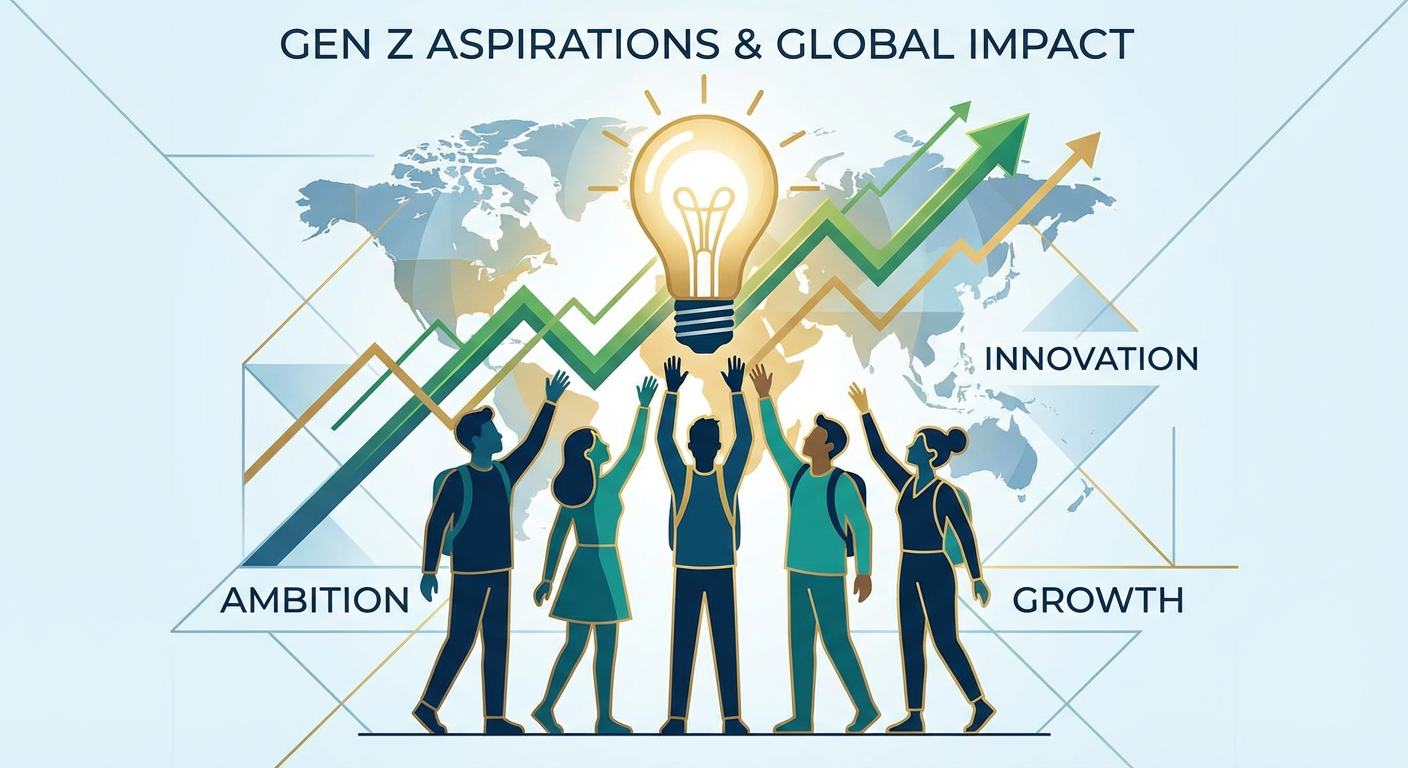
2. The Rise of Gen Z Entrepreneurial Ambition
The landscape of career aspirations among high school students in 2025 is undergoing a profound transformation, marked by an unprecedented surge in entrepreneurial ambition. Far from the traditional pursuit of stable, lifelong employment within established corporations, Generation Z is demonstrating a distinct preference for self-starter paths. This section delves into the significant increase in high school students’ desire to become entrepreneurs, exploring their inclination towards founding businesses over conventional jobs, the ubiquity of side hustles, and the global trends contributing to this generational shift. The data compellingly illustrates that today’s teenagers are not just considering entrepreneurship; they are actively preparing for it, driven by a unique blend of digital fluency, a desire for purpose, and exposure to influential role models. This marks a critical juncture for educational institutions, policymakers, and industry leaders to recognize and foster this burgeoning entrepreneurial spirit, shaping the future workforce and economy.
The Shifting Sands of Career Aspirations: From Traditional Jobs to Entrepreneurial Ventures
A fundamental re-evaluation of what constitutes a desirable career path is evident among Gen Z high school students. The allure of starting one’s own business now rivals, and often surpasses, the appeal of traditional employment. This preference represents a significant generational shift, moving away from the industrial-era model of climbing a corporate ladder towards a more agile, independent, and self-directed professional life.
Recent surveys underscore this dramatic change in sentiment. A Junior Achievement/Wakefield survey conducted in December 2021 revealed that roughly three in five American teens (60%) would rather start their own business than work a traditional job [1]. This figure represents a remarkable increase from just four years prior, when in 2018, only 41% of teens expressed a similar inclination towards business ownership over a conventional career [2]. Such a sharp rise signifies that the entrepreneurial mindset has crossed over from a niche aspiration to a broadly preferred career trajectory.
The broader interest in entrepreneurship as a future consideration is even more pronounced. Surveys in late 2022 indicated that 75% of teenagers would consider becoming entrepreneurs in adulthood [3]. This figure slightly increased to 76% in 2023 [4], before experiencing a marginal dip to 71% in 2024 [5]. While the 2024 figure shows a slight moderation, it steadfastly remains at an elevated level, confirming that entrepreneurial ambition is a persistent and mainstream aspiration among today’s high school students. These statistics paint a clear picture: a vast majority of Gen Z views entrepreneurship as a viable, and often preferable, option for their future careers.
Reasons for the Shift: A Reimagined Definition of Career Success
This pivot away from traditional career paths is not arbitrary; it’s rooted in Gen Z’s unique values and experiences. Multiple factors contribute to their reimagined vision of professional success:
- Independence and Self-Direction: The desire to be their own boss and control their work-life balance is a strong driver. This generation values autonomy, a stark contrast to older generations who often sought security within large organizations.
- Purpose-Driven Work: A significant segment of Gen Z is deeply motivated by social and environmental issues. Entrepreneurship offers a direct avenue to address these concerns, aligning their work with their values. As will be discussed further, 58% of teens would start a business to tackle a societal need, even if it meant making less money [6].
- Access to Technology: The digitalネイティブ advantage means readily available tools and platforms for starting and scaling businesses, from e-commerce sites to social media marketing, democratizing access to entrepreneurship.
- Disillusionment with Traditional Corporate Structures: A Deloitte global survey in 2024 found that only a minority, specifically 6% of Gen Z (and young millennials), cite “reaching a senior leadership position” as their primary career goal [24]. Instead, they prioritize work-life balance, personal fulfillment, and purposeful work over climbing a hierarchical ladder. This strongly suggests that they seek leadership through creation and innovation, not through inherited titles.
This disinclination towards traditional corporate structures is not indicative of a lack of ambition, but rather a redefinition of what ambition means. Gen Z is ambitious on its own terms, often preferring to lead by creating their own ventures or pursuing creative projects. Entrepreneurship offers an alternative route to leadership and success, unbound by the conventional 9-to-5 corporate framework [25].
The Proliferation of Side Hustles and Early Ventures
The entrepreneurial ambition of high school students is not merely theoretical; it is manifesting in a tangible phenomenon: the widespread adoption of side hustles and the early launch of ventures. This practical engagement provides invaluable hands-on experience and builds a foundation for future entrepreneurial pursuits.
The rise of the teen side-hustler is one of the most striking manifestations of this trend. A report comparing student economic activity across generations found a dramatic increase in entrepreneurial engagement. In the early 1980s, only approximately 38% of students held a side job or operated a small business while in school. By the early 2020s, this figure had soared to 65% of students (aged approximately 14–22) who have a side hustle or part-time job during their studies [26]. This marked generational shift highlights that today’s teens are actively seeking entrepreneurial experiences at a far younger age than previous generations.
These early ventures take diverse forms, ranging from selling products online and offering freelance services to running social media channels or developing minor applications. Regardless of the specific nature of the side hustle, each provides invaluable exposure to foundational business principles and cultivates essential skills:
- Financial Literacy: Managing earnings, understanding pricing, and basic bookkeeping.
- Marketing and Sales: Promoting products or services, engaging with customers, and closing deals.
- Problem-Solving: Overcoming logistical challenges, dealing with customer issues, and adapting to market feedback.
- Time Management: Balancing academic responsibilities with business operations.
The increased ease of starting online businesses and promoting services through social media platforms has been a critical enabler of this trend. The economic realities, such as the desire to earn extra income to offset rising education costs and navigate uncertain job markets, also play a significant role. This early exposure not only builds foundational skills and self-confidence but also normalizes the idea of entrepreneurship as a practical and achievable endeavor.
Table 1: Evolution of Student Side Hustle Engagement
| Generation/Era | Percentage with Side Hustle/Part-Time Job (during school) | Key Drivers |
|---|---|---|
| 1980s Students | ~38% | Traditional part-time jobs, limited self-employment opportunities |
| 2020s Students (Gen Z) | 65% [27] | Digital platforms, e-commerce, social media, desire for independence, economic necessity |
The data clearly indicates that Gen Z is not merely thinking about entrepreneurship; they are actively engaging with it, transforming their ideas into tangible sources of income and valuable learning experiences. This pervasive hands-on approach distinguishes them from previous generations and prepares them for a future where entrepreneurial skills will be increasingly critical, whether as founders or innovative employees.
Inspiration and Influences: The Role of Social Media, Purpose, and Emerging Role Models
The entrepreneurial ambitions of high school students are profoundly shaped by their contemporary environment, where digital media, purpose-driven narratives, and a new breed of role models exert significant influence. This section explores how these factors ignite and sustain the entrepreneurial spark in Gen Z.
Social Media Influencers and Media Icons as Catalysts
Inspiration for entrepreneurship among teenagers today stems largely from digital sources. When asked about their primary inspirations, Gen Z points directly to the figures they encounter online and through media. Surveys indicate that the top inspirations for roughly one in three teens (30%) are social media influencers they follow, a figure matched by successful entrepreneurs showcased in the media (30%) [7]. This contrasts sharply with past generations who might have cited parents or local business owners as their primary role models.
The digital realm has democratized access to entrepreneurship, making it appear more attainable. Celebrities, YouTube creators, TikTok business gurus, and startup founders depicted online now wield considerable influence. Nearly 37% of teens interested in starting a business report drawing inspiration from influencer or celebrity success stories [8]. The ability to witness peers or young adults building brands and generating income on platforms like Instagram and TikTok fosters a tangible sense of “I could do that too.” While this trend normalizes entrepreneurship and makes it seem achievable, it also carries the risk of glamorizing business ownership without fully depicting the inherent challenges and diligent work required for success.
It is also noteworthy that while influencers hold sway, formal education also plays a role. A significant 22% of interested teens cite a class or school program as the catalyst for their entrepreneurial drive [14], demonstrating the tangible impact of well-designed entrepreneurship education.
The Power of Purpose: Social and Values-Driven Entrepreneurship
Beyond the allure of digital fame, a powerful and often more profound motivator for Gen Z entrepreneurs is the pursuit of purpose. This generation is deeply attuned to social and environmental issues, perceiving entrepreneurship as a potent vehicle for enacting positive change.
A Junior Achievement survey revealed that a striking 58% of teens would be willing to launch a business specifically to address a societal need, even if it meant earning less profit [9]. This speaks volumes about Gen Z’s values-driven mindset, where impact can often trump purely financial gain. Examples abound, from ventures focused on sustainable products and community improvement apps to initiatives addressing mental health or educational disparities. Youth hackathons frequently yield innovative solutions aimed at reducing plastic waste or enhancing access to learning resources.
This altruistic streak implies that mentor figures and educational programs should emphasize how entrepreneurship can serve as a tool to solve real-world problems, rather than solely focusing on wealth creation. This approach resonates strongly with Gen Z’s inclination towards social entrepreneurship, blurring the lines between profit and purpose.
Closing the Gender Gap and Expanding Inclusivity
The evolving landscape of entrepreneurial inspiration is also contributing to a more inclusive entrepreneurial ecosystem. Historically, entrepreneurship has been a male-dominated field. However, recent data suggests a significant shift in interest among young women.
A 2018 survey found that 61% of teen girls had considered starting a business, slightly surpassing the 54% of teen boys who reported the same [10]. This indicates that the gender gap is not only narrowing but potentially reversing at the high school level. This positive development can be attributed to several factors:
- Increased Visibility of Female Role Models: The growing prominence of successful female founders and leaders in media—from prominent business figures like Sara Blakely and Whitney Wolfe Herd to young women dominating influencer niches—provides tangible aspirations for teen girls.
- Targeted Programs: Initiatives like “Girls Who Startup” clubs and “Technovation Challenge” for girls in tech actively encourage and empower young women to explore entrepreneurial pathways.
- Social Media Stories: Platforms like Instagram and TikTok amplify stories of women challenging traditional norms and building successful ventures, making entrepreneurship relatable and exciting.
This trend is crucial for fostering a broader range of entrepreneurial solutions and ensuring that diverse perspectives are brought to the forefront of innovation. Empowering young women to envision themselves as leaders and founders contributes to a more equitable and dynamic future economy.
The Need for Realistic Mentorship
While social media and high-profile figures spark initial interest, teens acknowledge the necessity of grounded, practical guidance. A significant 45% of teens believe that the most beneficial way to learn about starting a business is by directly hearing from actual business owners about their experiences [8]. This preference for authentic, firsthand accounts over curated online personas is critical. Approximately one in three teens (32%) state they would need a personal mentor who is an entrepreneur to guide them through the process [11].
This highlights a crucial gap between aspirational inspiration and practical execution. Connecting youth with relatable, accessible mentors can bridge this divide, offering realistic insights into the challenges and rewards of entrepreneurship. Organizations like Junior Achievement, NFTE (Network for Teaching Entrepreneurship), and SCORE actively facilitate such mentorship, pairing young aspiring entrepreneurs with experienced business professionals. These mentor relationships provide not only technical guidance but also emotional support, helping students navigate the complexities and uncertainties of launching a venture. For instance, Junior Achievement’s “Launch Lesson” program brings entrepreneurs directly into classrooms to share real-world stories with nearly 80,000 high schoolers annually, tempering expectations while validating entrepreneurial dreams [42].
The combination of broad inspirational figures and targeted, realistic mentorship appears to be the most effective strategy for nurturing Gen Z’s entrepreneurial ambition, guiding them from initial sparks of interest to concrete action. This dual approach acknowledges both the digital influences that shape their worldview and their innate desire for practical, personalized guidance.
Key Barriers and the Demands for Enhanced Support
Despite the undeniable enthusiasm for entrepreneurship among Gen Z high school students, significant barriers and knowledge gaps persist. Addressing these challenges is paramount to translating interest into successful ventures and fostering a truly entrepreneurial generation.
The Pervasive Fear of Failure
One of the most formidable obstacles to youth entrepreneurship is the omnipresent fear of failure. Despite their adventurous spirit, many teens harbor anxieties about the potential downside of launching a business. A Junior Achievement survey found that a substantial 67% of teens identified the risk of failure as a major deterrent to starting a business [12]. This was the most frequently cited concern, even outweighing issues like funding or skills.
This fear is not unique to teenagers; the same study noted that even among adult entrepreneurs, 65% admitted that fear of failure was a significant concern, irrespective of the fact that 92% of their businesses ultimately proved profitable [13]. For high school students, who may lack extensive experience with setbacks and resilience, the prospect of a venture not succeeding can be paralyzing. The potential for public embarrassment, financial loss, or letting down supporters can prevent them from even attempting to innovate. To overcome this, there is a critical need to cultivate an environment—both within educational settings and broader communities—that reframes failure not as an end, but as an indispensable learning step. Youth entrepreneurship programs increasingly adopt a “fail fast, fail forward” philosophy, encouraging experimentation and normalizing small failures as inherent components of the innovation process.
The Practical Knowledge Gap
Another significant hurdle is the sheer lack of practical knowledge and training required to launch and sustain a business. A large majority of teens admit they feel unprepared. Recent surveys indicate that 55–56% of teens believe they would require “more information on how to be successful” as entrepreneurs before taking the plunge [11][15]. Traditional school curricula often do not cover essential business fundamentals such as:
- Developing a comprehensive business plan.
- Executing effective marketing and sales strategies.
- Managing budgets and financial projections.
- Building and nurturing professional networks.
- Navigating legal and regulatory requirements.
This knowledge void means that while students may have innovative ideas, they often lack the tactical ability to execute them. This is precisely where structured entrepreneurship education, practical workshops, and accessible resources can make a profound difference. Implementing lean startup methodologies, teaching basic financial literacy, and providing practical tools can demystify the entrepreneurial process, transforming an intimidating challenge into a series of manageable steps.
Critical Need for Mentorship and Role Models
The absence of accessible, relatable mentors constitutes a major barrier. Approximately one in three teens (32%) emphasize the necessity of a mentor who is a business owner to guide them in their entrepreneurial journey [11]. Unlike previous generations that might have had more direct exposure to family businesses or local entrepreneurs, many Gen Z teens come from backgrounds where entrepreneurship is not a prevalent career path among their immediate circles. This makes the idea of striking out on their own seem foreign and daunting without a guiding hand.
Organizations such as Junior Achievement, NFTE, and SCORE play a vital role in bridging this gap by connecting aspiring young entrepreneurs with experienced business professionals. Such mentorship provides invaluable advice, opens doors to networks, and offers psychological support. The presence of successful entrepreneurs from similar demographics (age, gender, ethnicity, or socioeconomic background) can significantly lower psychological barriers, making the entrepreneurial path more relatable and achievable for diverse groups of students.
Perceived Financial and Personal Risks
Beyond the fear of failure, teenagers are acutely aware of the perceived financial and personal risks associated with entrepreneurship. Survey results indicate that approximately 27% of teens view starting a business as “too risky” financially, while another 27% believe “there’s not enough money in it” [16]. This perception often stems from a societal emphasis on stable employment with benefits, leading many to equate entrepreneurship with an unstable or insufficient income.
Furthermore, some teens express doubts about their inherent suitability for entrepreneurship. Around 1 in 10 (11%) feel they “might not have the right personality or skills” for it [17]. This suggests a lack of self-confidence in their leadership abilities or innate business acumen. Addressing these concerns requires a multi-faceted approach:
- Financial Education: Demonstrating how many successful businesses start with minimal capital and grow iteratively can alleviate the perception that substantial upfront investment is required.
- Self-Efficacy Training: Highlighting that successful entrepreneurs possess diverse personality traits and skill sets, and that traits like resilience, creativity, and adaptability can be cultivated.
- Access to Seed Funding: Providing opportunities for small grants, micro-loans, or prizes from pitch competitions can reduce perceived financial risk, allowing students to experiment with minimal personal cost.
Systemic Barriers to Equitable Access
It is crucial to acknowledge that access to entrepreneurial opportunities is not uniform across all high school students. Socioeconomic backgrounds and geographical location often create systemic barriers. For instance, students from low-income communities may lack reliable internet access, exposure to local startup ecosystems, or mentors. Legal and cultural barriers can also exist, such as restrictions on minors registering businesses or accessing credit in certain regions or countries. These disparities necessitate policy-level interventions, such as government-backed youth business registries, micro-loan programs, and the integration of entrepreneurship education into publicly funded schools, particularly in underserved areas. Encouragingly, some nations, like Malaysia with its RYSE program, are actively addressing these disparities to foster inclusive youth entrepreneurship. The collective effort of stakeholders is essential to dismantle these barriers, ensuring that an enterprising student with a promising idea is not held back by a lack of resources, guidance, or institutional support.
New Educational Approaches and Experiential Learning: Igniting Engagement
The burgeoning entrepreneurial ambition among high school students necessitates a fundamental re-evaluation of traditional educational paradigms. Recognizing that conventional curricula often fall short in fostering practical business acumen and leadership skills, educators worldwide are increasingly adopting innovative, experiential learning approaches.
The Shortcomings of Traditional Education
Historically, entrepreneurship has been largely absent from mainstream K-12 education. The Global Entrepreneurship Monitor’s 2021/22 report, an assessment across 50 economies, poignantly highlights this deficiency: “Entrepreneurial Education at School” ranked last among 13 factors in 39 of those 50 countries [18]. This stark global gap underscores a pervasive failure of traditional systems to equip youth with crucial business and leadership skills necessary for a rapidly evolving, innovation-driven economy.
For decades, high school education prioritized academic knowledge, often at the expense of practical skills. Consequently, students might excel in subjects like mathematics or history but lack fundamental abilities such as budgeting, marketing an idea, or leading a team—all indispensable for entrepreneurial success. By 2025, there’s widespread consensus that education systems must adapt to cultivate skills like creativity, initiative, financial literacy, and resilience, which are no longer “extras” but essential outcomes alongside academic achievement.
The Rise of Experiential Learning
To engage and enable young entrepreneurs, schools are increasingly embracing “learning by doing.” Experiential entrepreneurship programs are expanding globally, transforming how students interact with business concepts. These programs range from operating school-based businesses (e.g., student-run cafes or small retail shops) to participation in diverse entrepreneurship competitions, incubators, and summer startup camps. The impact is measurable: over one in five teens (22%) who are likely to start a business attribute their initial interest to a class or program at school [14].
- The Diamond Challenge, a global high school startup competition, has engaged thousands of students from over 100 countries since 2012, providing a platform for pitching ventures and learning business fundamentals.
- Many U.S. high schools have integrated curricula from organizations like DECA and Junior Achievement Company Program, allowing students to conceptualize, launch, and manage small businesses over an academic year.
These hands-on experiences make entrepreneurship tangible, allowing students to directly apply theoretical knowledge and acquire practical skills that cannot be replicated through textbooks alone.
Leveraging Digital Tools and Simulations
Technology is a game-changer in modern entrepreneurship education. Innovative educators are deploying business simulation games, startup simulators, and virtual marketplaces to teach real-world skills within a controlled, low-risk environment [19]. Platforms such as *Startup Wars* allow students to simulate running businesses, managing inventory, finances, and strategic decisions in a classroom setting. This gamified learning approach resonates strongly with digital-native students; studies indicate that 81% of students feel more motivated when learning incorporates game-like elements [20].
The efficacy of these digital tools is evidenced by tangible outcomes: one high school reported a remarkable 22% improvement in academic performance after students engaged in a competitive business simulation program [21]. These virtual experiences allow for iterative learning and “failure” without real-world consequences, building the confidence necessary for students to pursue actual ventures. The global surge in online searches for entrepreneurship courses, which climbed 25%, further underscores the student demand for accessible, digital learning pathways [22].
Curriculum Integration and Electives
School systems are increasingly formalizing entrepreneurship education by integrating it into core curricula or offering dedicated electives and certificate programs. Ireland provides a compelling example, where its national curriculum has been revised to embed entrepreneurship and innovation skills into secondary education, transforming schools into “hubs of innovation and leadership development” [23]. In the U.S., states like Illinois and Texas have introduced high school incubator classes where students earn academic credit for developing business plans and pitching them to expert panels.
Beyond dedicated courses, there is a growing trend of cross-curricular projects, where entrepreneurial thinking is woven into various subjects. For instance, a science class might involve students prototyping a product, or a language arts class might develop a marketing campaign. While challenges remain in teacher training and resource allocation, the momentum toward this integrated approach is undeniable. Education conferences and professional development programs increasingly feature topics like project-based learning, financial literacy, and design thinking, reflecting a broader shift towards hands-on, relevant pedagogy.
Addressing Engagement and Equity through Entrepreneurship
These innovative educational approaches are not merely about career preparation; they are also powerful tools for addressing student disengagement, particularly in high school. Gallup polling indicates that only 47% of U.S. high school students feel engaged in traditional learning environments [43], a figure that declines as students progress through grade levels. Entrepreneurship projects, by providing a sense of ownership and immediate applicability, can re-energize students who might otherwise be disaffected.
Furthermore, entrepreneurship education holds significant potential for advancing equity. It empowers students from disadvantaged backgrounds by equipping them with the skills to create their own opportunities, thereby breaking cycles of unemployment and poverty. Non-profit organizations like the Network for Teaching Entrepreneurship (NFTE) specifically target low-income school districts, demonstrating success in boosting students’ academic engagement and future aspirations. NFTE programs have shown that 86% of participating youth agree that the program increased their sense of pride in their work [44]. This focus on inclusive entrepreneurship pathways ensures that talent is recognized and nurtured regardless of socioeconomic status. In essence, reimagining education through an entrepreneurial lens is becoming a catalyst for enhanced student engagement, skill development, and greater equity, preparing a generation of students to thrive in the 21st-century economy.
Cultivating Future Leaders: Entrepreneurship as a Leadership Incubator
The entrepreneurial journey, even at the high school level, serves as a powerful incubator for leadership development. It inherently demands and cultivates a unique set of skills that are increasingly valued in all professional spheres, far beyond the realm of startup founders.
Entrepreneurship as a Leadership Bootcamp
Engaging in entrepreneurship during high school is akin to undergoing a rigorous leadership bootcamp. It compels students to formulate a vision, mobilize peers or partners, navigate uncertainty in decision-making, and assume accountability for tangible outcomes [45]. These are core competencies of effective leadership. In contrast to traditional team projects where external guidance is prevalent, student entrepreneurs must exhibit self-direction and initiative. The World Economic Forum highlights that entrepreneurship education cultivates “durable skills” – such as creativity, initiative, teamwork, and problem-solving – which are foundational for effective leadership across all sectors [46]. Organizations like NFTE even employ an Entrepreneurial Mindset Index to measure growth in critical leadership traits like adaptability, opportunity recognition, and comfort with calculated risk-taking [47]. Through the process of creating a business, students internalize these competencies within a practical context, thereby reinforcing mental models essential for future leaders [48].
Consider a high school student launching a venture to address a problem within their school community. Such an endeavor requires them to:
- Exhibit Strategic Planning: Conceptualizing the problem, developing a solution, and outlining a realistic implementation strategy.
- Practice People Management: Leading and coordinating peers, delegating tasks, and resolving team conflicts.
- Demonstrate Resilience: Overcoming unforeseen obstacles, adapting to setbacks (such as a failed prototype or negative feedback), and persisting toward their objectives.
These experiences directly mirror the challenges and responsibilities encountered by corporate CEOs and managers, providing invaluable real-world training.
Building Soft Skills and Confidence
Beyond technical business expertise, one of the most profound outcomes of youth entrepreneurship programs is the significant enhancement of self-confidence and critical soft skills. Research consistently demonstrates that students participating in entrepreneurship projects exhibit notable growth in:
- Communication: Developing and effectively presenting ideas through pitches and marketing.
- Teamwork and Collaboration: Working synergistically with others towards a shared objective.
- Problem-Solving: Critically analyzing challenges and devising creative solutions.
- Adaptability: Adjusting strategies in response to evolving circumstances or market feedback.
Alumni of NFTE programs, for instance, frequently report feeling more confident in public speaking and collaborative settings after pitching their business ideas and working in venture teams. One NFTE follow-up study indicated that 70% of participants felt their motivation to start or expand a business increased, simultaneously noting tangible skill gains such as improved presentation abilities [49]. Even if these students do not pursue entrepreneurship as their primary career, these cultivated skills render them stronger candidates for higher education and more valuable employees. Employers increasingly recognize that young hires with entrepreneurial backgrounds possess higher initiative and superior problem-solving skills, having already functioned as “young leaders.”
Leadership Through Mentorship Roles
Many high school entrepreneurship programs intentionally structure opportunities for students to assume leadership roles that extend beyond their immediate projects. In programs like Junior Achievement’s Company Program, students adopt C-suite roles (e.g., CEO, CFO) within a team venture, thereby gaining experience in leading peers within specific functional domains. Critically, high-achieving students often transition into roles where they then mentor younger students in subsequent academic years, creating a cascading model of leadership development. This near-peer mentorship benefits both parties: experienced students refine their leadership and communication skills, while mentees gain relatable insights and encouragement. Such structures emulate real-world business hierarchies, providing organic and experiential leadership training.
Recognition and Responsibility: Fostering Self-Perception
The formal recognition associated with being a “founder” or “president” of a student-led startup can profoundly alter a teenager’s self-perception. Numerous anecdotal accounts illustrate how previously reserved or shy students, when entrusted with the responsibility of a business project, discover an innate ability to articulate their vision and motivate others. For example, a high school student who managed a small school store reported significant improvements in organization and confidence in giving instructions to peers, fundamentally transforming her self-image. Educators consistently observe that disengaged students often exhibit remarkable ownership and leadership qualities when engaged in projects they perceive as “theirs.” The tangible responsibility of generating actual revenue or delivering a real product, coupled with deadlines, imbues the experience with a weight that actively catalyzes personal growth and leadership development. Entrepreneurship provides youth with a legitimate leadership role that traditional school roles often cannot fully replicate.
Employer Valuation of Entrepreneurial Experience
From a career development perspective, early entrepreneurial leadership is a significant differentiator. Hiring managers increasingly seek candidates who demonstrate greater initiative and superior problem-solving capabilities. In 2023, surveys of employers revealed that attributes like leadership, teamwork, and creativity were among the most coveted skills in new graduates [50] – precisely the skills that entrepreneurship intrinsically fosters. This has led some forward-thinking companies to specifically recruit teen entrepreneurs for internships and apprenticeships, recognizing that individuals who have managed their own businesses, however small, often possess a more developed real-world acuity than those whose experiences are solely academic. Furthermore, universities are increasingly offering preferential admissions or scholarships to student entrepreneurs, viewing them as individuals who will contribute innovatively to campus life. This demonstrates that entrepreneurial experience is not a peripheral extracurricular activity but an increasingly mainstream indicator of significant leadership potential. Regardless of whether these teens ultimately become founders or enter established organizations, their ability to think entrepreneurially – to identify opportunities, take initiative, and inspire others – positions them as formidable agents of change in any field they choose to pursue.
Long-Term Payoff: The Broader Societal and Economic Impact of Youth Entrepreneurship
Investing in and motivating high school students to become entrepreneurs transcends individual achievement; it yields profound, long-term societal and economic benefits. This cultivates a generation poised to drive innovation, create jobs, address critical societal challenges, and foster a more resilient global economy.
Building the Startup Pipeline for Economic Growth
Nurturing entrepreneurial talent at the high school level is a strategic investment in future economic dynamism. Small and medium-sized enterprises (SMEs) constitute a staggering 90% of all businesses worldwide and account for over 50% of global employment [51]. Today’s aspiring high school entrepreneur could very well be tomorrow’s significant job creator. By instilling entrepreneurial skills early, societies enlarge the pipeline of innovators who will found companies, develop groundbreaking products and services, and propel economic growth for decades to come. This is particularly crucial in an era where many economies face slowing growth and require new enterprises to invigorate markets and sectors.
In regions grappling with high youth unemployment, fostering entrepreneurship transforms a potential crisis into an opportunity. Instead of solely seeking employment, young people are empowered to create their own livelihoods and, critically, employment opportunities for others. Governments in countries from South Africa to Malaysia have recognized this imperative, launching youth entrepreneurship funds and incubators to stimulate local economies and alleviate joblessness among young cohorts.
Addressing Youth Unemployment through Self-Creation
Global youth unemployment remains a pressing concern, persistently hovering at approximately three times the adult unemployment rate (e.g., around 13% for youth versus 4% for adults globally) [52]. In certain geographies, formal job opportunities for graduates are so scarce that entrepreneurship is not merely an alternative, but often a necessity for survival and advancement. Providing entrepreneurial skills in high school equips students with the essential toolkit to forge their own economic pathways, even in challenging labor markets. This phenomenon is observed in regions of Africa and South Asia, where secondary school entrepreneurship programs have enabled graduates to establish micro-enterprises ranging from local crafts to tech services, thereby creating self-employment and community upliftment. The OECD’s *Missing Entrepreneurs* report underscores that empowering inclusive entrepreneurship across demographics, particularly among youth, represents an underutilized resource capable of dramatically improving employment rates when adequately supported.
Catalyzing Innovation and Societal Problem-Solving
Young entrepreneurs frequently possess a unique vantage point, identifying and addressing societal problems that established adults might overlook or normalize. Encouraging leadership and entrepreneurship in high school unleashes fresh perspectives on entrenched challenges. Teenagers have demonstrated capabilities in inventing low-cost medical devices, developing mental health applications, and creating eco-friendly products. For example, in 2023, a team of Indian middle and high school girls earned international recognition in a Social Enterprise Challenge by developing a plan for producing affordable sanitary pads for women in their village [53]. Such grassroots innovations, when supported and scaled, can significantly enhance quality of life and fill critical market gaps. The inherent energy, idealism, and digital fluency of youth, when channeled into entrepreneurial endeavors, often lead to the creation of potent social enterprises and non-profits dedicated to tackling issues such as poverty, climate change, and educational inequality. Consequently, motivating students to embrace entrepreneurship and community leadership cultivates a generation of changemakers prepared to contribute meaningfully to global priorities like the Sustainable Development Goals.
Fostering Global Networks and Cross-Cultural Collaboration
A further long-term benefit of robust youth entrepreneurship initiatives is the cultivation of a globally-minded, interconnected entrepreneurial workforce. Many contemporary high school entrepreneurship programs are inherently international, facilitating collaboration among students across geographical borders through online challenges and conferences. Platforms and initiatives such as the Diamond Challenge, JA Worldwide, and the Google Science Fair connect young innovators from diverse nations. When a teenager in Brazil collaborates with a peer in Canada on a startup concept, they not only exchange skills and ideas but also build crucial cross-cultural understanding. This early global networking seeds future international business ventures and partnerships, fostering a worldwide community of young innovators who share best practices and collectively drive progress. By 2025, large-scale virtual and in-person events such as the Global Youth Entrepreneurship Summit and Youth Co:Lab in the Asia-Pacific region will have engaged thousands of young participants, forging lasting connections and promoting a more integrated global economy led by a generation uninhibited by traditional borders.
Cultivating Lifelong Leaders and Learners
Perhaps the most enduring payoff is the self-reinforcing effect of early entrepreneurial and leadership exposure. Longitudinal studies indicate that individuals exposed to entrepreneurship education during their youth are significantly more likely to launch businesses as adults and tend to report higher career satisfaction, even if they ultimately pursue intrapreneurial roles within established organizations. A Junior Achievement study found that adults who participated in JA programs in high school were 2.5 times more likely to eventually start a business. Similarly, NFTE reports that many of its high school alumni become business owners or consistently apply entrepreneurial thinking within their chosen fields. The earlier the seeds of entrepreneurship are sown, the more experience, resilience, and adaptive capacity individuals accumulate over their lifetimes. Ultimately, some of these early entrepreneurs will evolve into leaders who solve major global challenges or steer Fortune 500 companies with an entrepreneurial management style. Investing in young entrepreneurs is, therefore, an investment in the future leadership of society. The returns on this investment are not merely quantifiable in the number of startups, but in the creation of a more innovative, adaptable economy and a vibrant, engaged citizenry. Every high school student motivated today has the potential to become an adult who drives positive change, catalyzing an enormous multiplier effect across society.
The rise of Gen Z entrepreneurial ambition is not a fleeting trend but a fundamental recalibration of career values. As this generation enters the workforce, their preference for self-direction, purpose-driven work, and the creative spirit of entrepreneurship will continue to shape economic and social landscapes. The subsequent sections of this report will delve into the specific mechanisms and interventions required to harness this powerful wave of youthful ambition, ensuring that high school students are not just inspired but fully equipped to become the leaders and entrepreneurs of tomorrow.
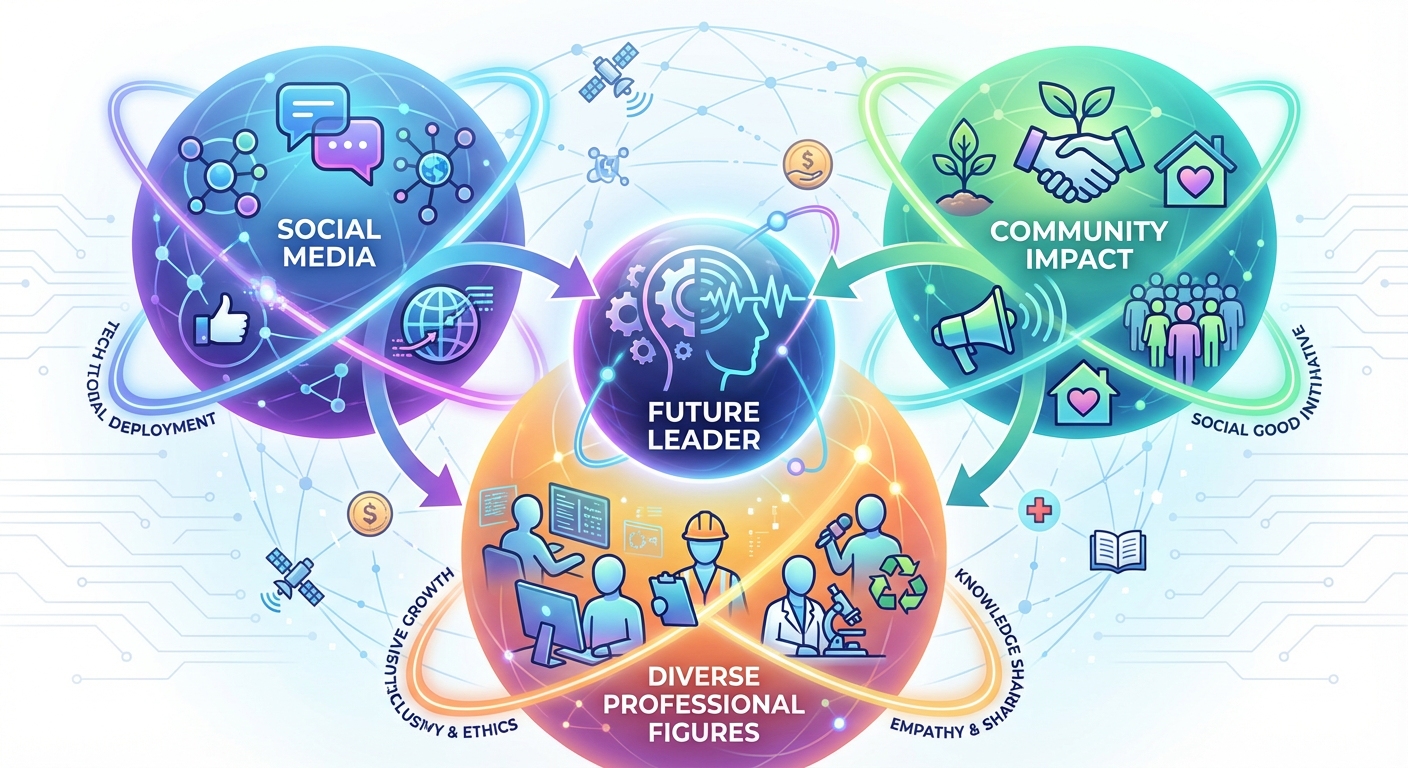
3. Influencers, Social Impact, and Diverse Role Models
The landscape of youth ambition in 2025 is profoundly shaped by new forms of inspiration and a heightened sense of purpose. While past generations might have looked to traditional corporate titans or family businesses for entrepreneurial guidance, today’s high school students are drawing their cues from a dynamic blend of social media personalities, media-savvy business leaders, and an innate desire to create positive societal change. This section delves into the powerful influence of these modern role models, the burgeoning imperative for social entrepreneurship, and the significant narrowing of the gender gap in entrepreneurial interest, all while acknowledging the persistent challenges of knowledge and mentorship gaps that educators and programs must address to fully cultivate this generation’s leadership potential. The intersection of digital culture, social consciousness, and a shifting understanding of what constitutes a successful career path is redefining what it means to be a young leader or entrepreneur.
The Shifting Landscape of Inspiration: From Corporate Titans to Digital Creators
The digital age has fundamentally altered how young people envision success and identify role models. For high school students in 2025, the traditional archetypes of corporate leadership are being rapidly supplemented, if not overshadowed, by figures who have leveraged technology and direct-to-consumer models to build their empires. This new pantheon of influencers includes not just celebrities and established entrepreneurs, but also a growing cohort of social media personalities who demonstrate the possibility of turning passion into profit and personal brand into business. The data unequivocally supports this shift. A 2023 survey revealed that when teens were asked about their entrepreneurial aspirations, two sources tied for the top spot: “social media influencers” (30%) and “successful businesspeople in media” (30%)[3]. This finding is critical, highlighting that for nearly one-third of interested teenagers, their primary inspiration to start a business stems from digital platforms and media portrayals rather than traditional institutional figures. Furthermore, nearly 2 in 5 interested teens, specifically 37%, directly attribute their entrepreneurial drive to online influencers or celebrity success stories [7]. This phenomenon is a direct consequence of Gen Z growing up immersed in digital ecosystems where success is often visually documented and publicly shared, making entrepreneurial journeys seem more accessible and relatable than ever before. The appeal of social media influencers lies in their perceived authenticity and proximity. Unlike distant corporate CEOs, influencers often present themselves as ordinary individuals who have scaled their passions into profitable ventures (e.g., a gaming streamer who built an e-commerce brand, a beauty blogger who launched a cosmetics line, or a lifestyle vlogger who created subscription boxes). This narrative of “self-made” success resonates deeply with high school students who are accustomed to consuming content from peers and near-peers online. These influencers demystify the entrepreneurial process, showcasing the initial steps, struggles, and eventual triumphs in a digestible and often entertaining format. The visual nature of platforms like Instagram and TikTok allows young people to see the direct results of entrepreneurial effort, from product launches to lifestyle perks, which provides a strong aspirational pull. However, the “successful businesspeople in media” category also holds substantial sway. This group includes well-known figures like Mark Zuckerberg, Elon Musk, or personalities from popular shows like “Shark Tank.” While these individuals may not interact with their audience in the same intimate way as micro-influencers, their stories are often amplified across various media channels, including news, documentaries, and social media. They represent larger-scale success and innovation, demonstrating the potential for entrepreneurship to impact industries and create significant wealth. The combined influence of these two categories underscores a broader trend: young people are inspired by visible, often digitally mediated, examples of individuals who have taken control of their economic destinies and built something new. It is noteworthy that amidst this digital influence, traditional educational settings also play a role, albeit a smaller one for initial inspiration. Approximately 22% of teens who are interested in entrepreneurship reported that their interest was sparked by a class or school program [4]. This suggests that while informal digital exposure is a powerful initial hook, formal education can solidify and channel that interest. The blend of these inspirations—the casual, aspirational exposure of social media combined with the structured learning environment of schools—creates a multifaceted pathway to entrepreneurial awakening for high school students. The implications of this shift are significant for educators, policymakers, and business leaders. It means that traditional outreach methods may need to be augmented or entirely rethought. To effectively motivate future leaders and entrepreneurs, programs must either integrate with digital platforms where teens spend their time, or highlight role models who have achieved success through non-traditional, digitally-savvy means. Entrepreneurship education can also leverage these trends by studying real-world examples of successful influencers and using their business models as case studies, thereby making the curriculum more relevant and engaging for a digitally native generation.
The Rise of Social Impact and Purpose-Driven Entrepreneurship
Beyond the allure of personal success and fame, a defining characteristic of Gen Z’s entrepreneurial ambition is its strong connection to social impact and purpose. This generation is often described as values-driven, deeply concerned with global issues ranging from climate change to social justice, and they increasingly see entrepreneurship as a powerful tool to address these challenges. Profit maximization, while still important, often takes a backseat to making a tangible positive difference in the world. A landmark finding from a 2022 Junior Achievement/EY survey illuminates this trend: 58% of teens stated they would likely start a business that addresses a societal need, even if it meant earning less money[2]. This statistic is a powerful testament to the altruistic and purpose-driven mindset prevalent among today’s high school students. It signifies a profound generational shift from purely profit-motivated business ventures to more integrated models of social entrepreneurship, where commercial success is intertwined with positive societal or environmental outcomes. This strong motivation for social entrepreneurship manifests in various ways. Young people are interested in ventures that:
- Solve local community problems: Teens are attuned to issues in their immediate surroundings, whether it’s lack of access to healthy food, educational disparities, or insufficient recreational facilities.
- Address global challenges: Topics like climate change, poverty, and human rights resonate strongly, leading to ideas for sustainable products, ethical supply chains, or technology solutions for underserved populations.
- Promote equity and inclusion: Businesses focused on diversity, accessibility, and supporting marginalized groups are highly appealing.
Examples from youth hackathons and entrepreneurship competitions frequently showcase this passion. Students often devise innovative solutions for reducing plastic waste, improving mental health support for peers, or developing apps to connect vulnerable populations with resources. The emphasis is not just on creating a product or service, but on ensuring it aligns with their values and contributes to a better world. This purpose-driven approach is further underscored by Gen Z’s broader career aspirations. A 2024 Deloitte global survey found that only 6% of Gen Z (and young millennials) cited “reaching a senior leadership position” in a traditional corporate structure as their primary career goal [8]. Instead, they prioritize work-life balance, personal fulfillment, and, crucially, purpose. They are not shying away from leadership; rather, they prefer to lead through creating something new—launching their own ventures or pursuing creative projects that allow them to integrate their values into their work. This attitude fuels the startup culture, positioning entrepreneurship as a viable and more appealing route to leadership and personal satisfaction outside conventional corporate hierarchies. Therefore, for anyone seeking to motivate high school students, framing entrepreneurship solely as a path to wealth accumulation is likely to be less effective than emphasizing its potential for positive impact. Educational programs and mentorship initiatives should highlight how business skills can be applied to solve pressing global and local issues. Showcasing successful social enterprises and entrepreneurs who balance profit with purpose will likely resonate more deeply with this generation than stories of purely financially driven success. This alignment of personal values with professional aspirations creates a powerful intrinsic motivator for young people to become leaders and innovators.
Narrowing the Gender Gap and Diverse Role Models
Historically, entrepreneurship has been a field characterized by a significant gender gap, often perceived as male-dominated. However, recent data suggests a substantial shift, particularly among high school students, indicating that the gender gap in entrepreneurial interest is not only narrowing but potentially reversing. This development is a crucial element in fostering a more diverse and inclusive entrepreneurial ecosystem for the future. A 2018 survey conducted by Junior Achievement revealed compelling statistics: 61% of teen girls had considered starting a business, compared to 54% of teen boys[5]. This finding is significant because it challenges long-held assumptions about entrepreneurial inclination and suggests that young women are increasingly embracing the idea of business ownership and leadership roles. This slight but notable lead by teen girls is indicative of changing perceptions, increased visibility of female role models, and focused efforts to empower young women in business. Several factors contribute to this narrowing gap:
- Increased Visibility of Female Founders: The media landscape has seen a rise in the portrayal of successful female entrepreneurs and leaders, from tech founders to CEOs of major companies. Figures like Sara Blakely (Spanx) or Whitney Wolfe Herd (Bumble) serve as tangible examples of women who have built successful ventures. Similarly, within the social media sphere, many influential creators and business owners are women, particularly in highly visible sectors such as fashion, beauty, and lifestyle. As high school girls consume content and witness these successes, entrepreneurship becomes a more normalized and attractive career path.
- Targeted Programs and Initiatives: Organizations dedicated to empowering women and girls in STEM and entrepreneurship have proliferated. Programs like Girls Who Startup, Technovation Challenge, and various initiatives by non-profits are specifically designed to provide young women with skills, mentorship, and opportunities in entrepreneurship. These programs actively work to dismantle stereotypes and build confidence.
- Changing Societal Norms: Broader societal shifts towards gender equality and female empowerment contribute to an environment where young women feel more supported in pursuing ambitious, leadership-oriented careers. The narrative is increasingly moving away from traditional gender roles, encouraging girls to aim for any path they choose.
- Social Impact Focus: As discussed, Gen Z is highly motivated by social impact. Given that women historically tend to lead social impact initiatives, the convergence of entrepreneurial ambition with a desire to solve societal problems may uniquely appeal to young women, providing an additional layer of motivation beyond traditional profit motives.
While the 2018 data showed a lead for girls in considering entrepreneurship, it’s also important to note that **6% of teen boys and 4% of teen girls** in the same survey reported having already started a business while in high school[5]. This indicates that while more girls *think* about it, there’s still a slight edge for boys in the actual implementation phase based on this specific snapshot. However, both figures represent a population of proactive young entrepreneurs who are not just aspiring but actively engaged in venture creation during their secondary education. This early engagement provides invaluable real-world experience, preparing them for future leadership challenges. The implications of these trends are far-reaching. A more diverse pool of entrepreneurs means a wider range of ideas, perspectives, and solutions to societal problems. Encouraging young women to pursue entrepreneurship can lead to:
- Economic Empowerment: Greater financial independence and wealth creation for women.
- Innovation: More diverse businesses addressing unique market needs and contributing to innovation across various sectors.
- Role Models for Future Generations: A growing base of female leaders who can inspire even younger girls to pursue similar paths.
For mentorship and educational programs, this emphasizes the importance of nurturing the entrepreneurial spark in all students, with a particular focus on continuing to support and elevate young women’s entrepreneurial journeys. Providing diverse role models, including successful female entrepreneurs and those from various ethnic and socioeconomic backgrounds, is crucial. Representation matters immensely; when students see leaders who look like them and share similar life experiences, it strengthens their belief in their own potential.
Key Barriers: The Dual Challenge of Knowledge Gaps and Fear of Failure
Despite the widespread enthusiasm and innovative spirit seen among high school students, a significant chasm exists between aspiration and implementation. This gap is largely attributable to two interconnected barriers: a pronounced lack of practical knowledge and skills, and an overarching fear of failure. Addressing these challenges is paramount to translating youthful entrepreneurial ambition into concrete startup ventures and effective leadership.
The Knowledge Gap
Today’s teens are keenly aware that their interest needs to be matched with practical know-how. Over half of interested teens—specifically 55-56%—explicitly stated that they would require “more information or education on how to run a successful business” before committing to an entrepreneurial path [3][2]. This sentiment highlights a critical deficiency in standard educational curricula, which often do not equip students with foundational business skills such as:
- Business Plan Development: Many students have innovative ideas but struggle to formalize them into a viable business model.
- Financial Literacy: Understanding budgeting, funding, pricing strategies, and basic accounting remains a challenge. Teenagers’ concerns that “there’s not enough money in it” (27%) or that it’s “too risky” (27%) [2] often stem from a lack of financial understanding and risk management strategies.
- Marketing and Sales: Converting an idea into a marketable product and reaching customers is a foreign concept to many.
- Legal and Ethical Considerations: Basic understanding of intellectual property, contracts, and ethical business practices is often absent.
This “practical knowledge gap” is further exacerbated by the fact that many teens lack direct access to entrepreneurial role models within their immediate circles. Only about one-third of teens (32%) reported needing a mentor who is a business owner to guide them [3][2]. This demand for mentorship underscores the need for practical, real-world guidance that cannot be solely fulfilled by online influencers or abstract concepts. When family or community members are primarily salaried employees, the path of entrepreneurship can seem unfamiliar and unsupported, making dedicated mentors indispensable.
The Fear of Failure
Perhaps an even more potent psychological barrier than the knowledge gap is the profound **”fear of failure.”** A 2018 Junior Achievement survey found that a staggering 67% of teens identified the risk of failure as a major deterrent to starting a business [5]. This fear is not unique to teenagers; even 65% of adult entrepreneurs admit to similar anxieties, despite 92% of their ventures eventually turning a profit [5]. For high school students, this fear is often amplified by several factors:
- Public Perception: The fear of public embarrassment or judgment from peers and family if a venture doesn’t succeed.
- Lack of Experience with Setbacks: Many teenagers have not yet developed the resilience or coping mechanisms for significant professional setbacks.
- Financial Stakes: Even small financial losses can feel substantial to a young person with limited resources.
- Perfectionism: Modern education often emphasizes achieving perfect grades, which can inadvertently foster an aversion to risk and error.
These concerns contribute to a cautious approach, with 27% of teens echoing the sentiment that entrepreneurship is “too risky” [2]. Moreover, about 11% express doubts about their own suitability, believing they “might not suit my personality/skills” [2], indicating a fear of personal inadequacy.
Addressing the Barriers
Overcoming these barriers requires a multi-pronged approach:
- Structured Entrepreneurship Education: Schools must prioritize comprehensive entrepreneurship curricula that move beyond theory to hands-on experience. This includes teaching practical skills (business model canvas, basic financial planning, marketing principles) and providing opportunities for ideation, prototyping, and pitching.
- Mentorship Programs: Developing robust mentorship initiatives that connect aspiring teen entrepreneurs with seasoned business owners is crucial. Organizations like Junior Achievement and NFTE successfully pair students with mentors, providing real-world advice, encouragement, and a safe space to ask questions.
- Normalizing Failure: Educators and mentors must actively foster a culture that views failure not as an endpoint, but as an essential learning experience. Encouraging a “fail fast, learn faster” mindset, celebrating lessons learned from mistakes, and sharing personal stories of entrepreneurial setbacks can help demystify and de-stigmatize failure.
- Access to Seed Funding and Resources: Providing small grants, facilitating access to micro-loans, or organizing pitch competitions with modest seed funding can help mitigate perceived financial risks and lower the entry barrier for students.
- Building Confidence and Resilience: Programs should incorporate design thinking, problem-solving challenges, and opportunities for public speaking and pitching to build students’ self-efficacy and resilience. Hearing success stories from peers strengthens the belief that they, too, can overcome challenges.
By proactively tackling these knowledge gaps and fears, stakeholders can empower high school students to move beyond inspiration and actively pursue their entrepreneurial and leadership ambitions, creating a generation of confident, capable innovators.
New Educational Approaches and the Demand for Experiential Learning
The traditional educational model, characterized by lecture-based instruction and rote memorization, is increasingly failing to engage high school students, especially when it comes to fostering entrepreneurial and leadership skills. A significant challenge lies in the declining student engagement as they progress through high school, with only 47% of U.S. high school students feeling engaged in their learning[15]. This disengagement highlights the urgent need for pedagogical innovations that align with the interests and learning styles of Gen Z. The solution lies in embracing new educational approaches, particularly those centered around experiential learning and digital tools, which have proven highly effective in sparking and sustaining entrepreneurial interest.
Experiential Learning as a Catalyst
Hands-on, real-world experiences are paramount for motivating young entrepreneurs. This approach goes beyond textbooks and theoretical concepts, allowing students to actively participate in the process of creating and managing a venture.
- Running Student Businesses: Programs where students establish and operate small businesses (e.g., school stores, product lines, service ventures) provide direct exposure to the challenges and rewards of entrepreneurship. More than 1 in 5 teens (22%) report that their interest in entrepreneurship was sparked by a class or school program [4], underscoring the impact of formal, practical instruction.
- Entrepreneurial Competitions and Incubators: Initiatives like the Diamond Challenge or various hackathons offer platforms for students to develop ideas, build prototypes, and pitch their ventures to judges and potential investors. These competitive environments foster critical thinking, teamwork, and presentation skills.
- Simulations and Gamified Learning: Digital tools, such as business simulation games and startup simulators, create a low-risk environment for students to experiment with business strategies, manage finances, and make critical decisions. Research shows that 81% of students are more motivated when learning includes game-like elements [12]. Such approaches have demonstrated tangible benefits; one program saw a **22% jump in academic performance** after implementing interactive business simulations [13]. The global demand for entrepreneurship education is also on the rise, with online searches for entrepreneurship courses climbing **25% worldwide**, and interest in in-person courses growing 7.3% [6].
These experiential methods resonate with Gen Z because they provide a sense of ownership, relevance, and immediate feedback, which traditional classroom settings often lack.
Curriculum Integration and Electives
Recognizing the limitations of outdated teaching methods, school systems worldwide are beginning to formally integrate entrepreneurship into their curricula. This includes:
- Dedicated Electives and Courses: Offering entrepreneurship classes, sometimes in partnership with local businesses or universities, provides structured learning about venture creation.
- Cross-Curricular Projects: Embedding entrepreneurial thinking into various subjects. For example, a science class might tasks students with developing a marketable invention, or an English class might require students to create a marketing campaign for a hypothetical product.
- National Initiatives: Countries like Ireland exemplify a proactive approach. The Foróige Youth Entrepreneurship Program, starting as a small pilot, now reaches **about 7,000 young people across 24 counties** [6] and has transformed participating schools into “hubs of innovation and leadership development” [6].
Despite this momentum, significant challenges remain. The Global Entrepreneurship Monitor’s 2021/22 report indicated that **”Entrepreneurial Education at School” ranked last out of 13 factors** in national entrepreneurship ecosystems in 39 of 50 countries surveyed[10]. This stark gap underscores the continuing need for widespread education reform to embed entrepreneurial skills more effectively into K-12 learning. Without adequate training for teachers and systemic support for resources, these promising approaches may struggle to scale.
Addressing Engagement and Equity
The adoption of entrepreneurial education is not merely about career preparation; it’s also a powerful strategy to combat student disengagement. When students can apply their learning to real-world problems and projects, their motivation and attendance significantly improve. Furthermore, entrepreneurship education can act as an equalizer, empowering students from disadvantaged backgrounds by providing them with the skills to create their own opportunities. Organizations like NFTE, which work specifically in low-income school districts, have demonstrated how such programs boost students’ interest in school and future aspirations [16][17]. By providing authentic, relevant, and engaging learning experiences, entrepreneurship education can re-energize high schools and ensure that a broader, more diverse group of students gains the skills necessary to succeed.
The Cultivation of Future Leaders: Entrepreneurship as a Training Ground
Entrepreneurship education transcends the mere creation of new businesses; it serves as a profound training ground for cultivating critical leadership skills that are increasingly in demand in every sector. For high school students, engaging in entrepreneurial activities offers a unique, hands-on opportunity to develop what are often called “durable skills”—qualities that are essential for success in any career path. The World Economic Forum highlights that entrepreneurship education specifically cultivates these “durable skills” of leadership, such as creativity, initiative, teamwork, and problem-solving[14]. These are not abstract concepts but are practically honed through the process of launching and managing a venture, even a small, school-based one. Students learn to:
- Envision and Articulate a Goal: Every entrepreneurial venture begins with an idea and a vision, requiring students to define what they want to achieve and how their product or service will benefit others.
- Mobilize Resources and People: This involves recruiting team members, allocating tasks, and motivating peers, mirroring the responsibilities of a CEO or project manager.
- Make Decisions Under Uncertainty: Entrepreneurs constantly face choices with incomplete information, fostering decisive thinking and risk assessment. NFTE, for instance, uses an Entrepreneurial Mindset Index to measure growth in traits like adaptability and risk-taking [14].
- Problem-Solve and Adapt: Business ventures rarely go exactly as planned. Students learn to identify setbacks, troubleshoot solutions, and pivot their strategies when necessary—core competencies of resilient leaders.
- Communicate Effectively: Pitching ideas, negotiating with suppliers, and engaging with customers all require strong verbal and written communication skills and the ability to persuade and influence.
- Exhibit Resilience: Overcoming obstacles and learning from failures builds tenacity and perseverance, crucial for long-term leadership.
These experiences, derived from forming mini-companies or participating in startup competitions, provide students with practical leadership experience that is often more profound and directly applicable than traditional extracurricular roles. For example, a student who takes on the role of CEO in a Junior Achievement Company Program learns not just about business operations, but also about managing a team, handling conflict, and celebrating group success. The development of these skills directly translates into increased self-confidence in students. NFTE program alumni frequently report higher self-confidence, improved public speaking abilities, and enhanced collaboration skills due to presenting their business ideas and working in venture teams. One NFTE follow-up even found that 70% of participants reported an increased motivation to start or expand a business[18], indicating a significant boost in both vision and self-efficacy. These soft skills are highly valued by employers, who consistently rank attributes like leadership, teamwork, and creativity among the top competencies sought in new graduates [19]. Furthermore, entrepreneurial training helps Gen Z redefine their understanding of leadership itself. With only 6% of Gen Z and young millennials prioritizing traditional senior corporate leadership roles [8], their ambition is not diminished, but redirected. They seek to lead by creating, innovating, and driving change, often on their own terms. Entrepreneurship provides an alternative route to leadership mastery outside the conventional hierarchical structures, appealing to a generation that values autonomy, purpose, and impact. This early exposure to leadership through entrepreneurship has long-term payoffs. Studies suggest that individuals with early entrepreneurial education are more likely to pursue entrepreneurial careers as adults and exhibit higher career satisfaction. The experiences of individuals like Kiera, who leveraged her NFTE project to gain admission to Harvard [21], or Zoe, who parlayed her high school fashion line into a Design Director role at Macy’s [22], vividly illustrate how early entrepreneurial leadership can provide a unique springboard for future success, whether within an existing corporate structure or as an independent founder. These personal narratives underscore the transformative power of entrepreneurship education in shaping adaptable, confident, and innovative leaders.
Long-Term Payoffs: The Broader Impact of Youth Entrepreneurship
Investing in high school students to become leaders and entrepreneurs carries immense long-term benefits that extend far beyond individual success. This early cultivation of an entrepreneurial mindset has significant macroeconomic, societal, and global payoffs, shaping not only the future workforce but also the resilience and innovativeness of entire economies.
A Robust Pipeline for Economic Growth and Job Creation
A fundamental economic reality is that small and medium-sized enterprises (SMEs) constitute 90% of all businesses globally and employ over half the world’s workforce[20]. By encouraging youth entrepreneurship, we are directly fostering the next generation of job creators. Today’s high school student with a nascent business idea or a passionate side hustle can evolve into tomorrow’s founder, establishing enterprises that generate employment, stimulate local economies, and drive innovation. This is particularly vital in periods of slower economic growth, where new ventures provide crucial dynamism. Governments worldwide recognize this potential. Many, from South Africa to Malaysia, have initiated youth entrepreneurship funds and incubators, understanding that empowering young founders can be a potent strategy to invigorate local economies and foster resilience. These initiatives acknowledge that high school entrepreneurship is not merely an extracurricular activity but a strategic investment in a nation’s economic future.
Addressing Youth Unemployment
Globally, youth unemployment remains a significant challenge, often hovering at about three times higher than the adult unemployment rate[20]. In many regions, formal job opportunities for young graduates are scarce, making entrepreneurship not just an aspiration but a necessity for survival. High school entrepreneurship programs equip young people with the skills to create their own livelihoods. When traditional employment pathways are blocked, these young entrepreneurs can leverage their creativity and learned business acumen to establish micro-enterprises or social ventures, often serving local needs and providing opportunities for others in their communities. This capacity for self-employment offers a crucial safety net and a pathway to economic independence, turning potential societal burdens into engines of economic activity.
Innovation and Societal Problem-Solving
Young entrepreneurs bring fresh perspectives unburdened by traditional thinking, often leading to innovative solutions for societal challenges. Whether it’s developing low-cost medical devices, creating apps for mental health support, or pioneering eco-friendly products, high school students frequently tackle problems that established organizations might overlook. For example, a team of Indian schoolgirls won an international challenge by designing an affordable sanitary pad solution for their village [27]—a grassroots innovation with significant public health implications. The idealism of youth, when channeled into entrepreneurship, frequently results in the creation of social enterprises and non-profits dedicated to addressing issues like poverty, climate change, and education inequality. By embracing purpose-driven entrepreneurship, students become proactive change-makers, contributing directly to the United Nations Sustainable Development Goals and other global priorities.
Cultivating Global-Minded Leaders and Learners
Many high school entrepreneurship initiatives are inherently international, fostering collaboration across borders. Programs like the Diamond Challenge, JA Worldwide, and the Google Science Fair connect students from diverse cultural backgrounds, promoting cross-cultural understanding and global networking. This early exposure to global collaboration seeds a future where business ventures and partnerships are not confined by geographical boundaries. Events like the Global Youth Entrepreneurship Summit and Youth Co:Lab engage thousands of participants, creating lasting networks that contribute to a more interconnected and innovative global economy. Ultimately, encouraging leadership and entrepreneurship in high school cultivates lifelong learners and leaders. Individuals exposed to entrepreneurship education in their youth are more likely to pursue entrepreneurial ventures as adults and exhibit higher career satisfaction. They develop an adaptable, resilient mindset that allows them to thrive in an ever-changing world. The journey of Matthew, who as a high schooler built a streetwear apparel business earning substantial revenue and gained the confidence “to own his future” [24][25][26], is a testament to the fact that practical experience helps shape both financially savvy individuals and well-rounded, proactive citizens. Investing in young entrepreneurs is, therefore, an investment in the future leadership of society—individuals poised to drive positive change on an enormous scale. As we move forward into understanding the specific **Challenges and Opportunities in Entrepreneurial Education in 2025**, it will become clear how these foundational influences and motivations among high school students must be met with responsive and innovative educational frameworks to truly unleash their potential.
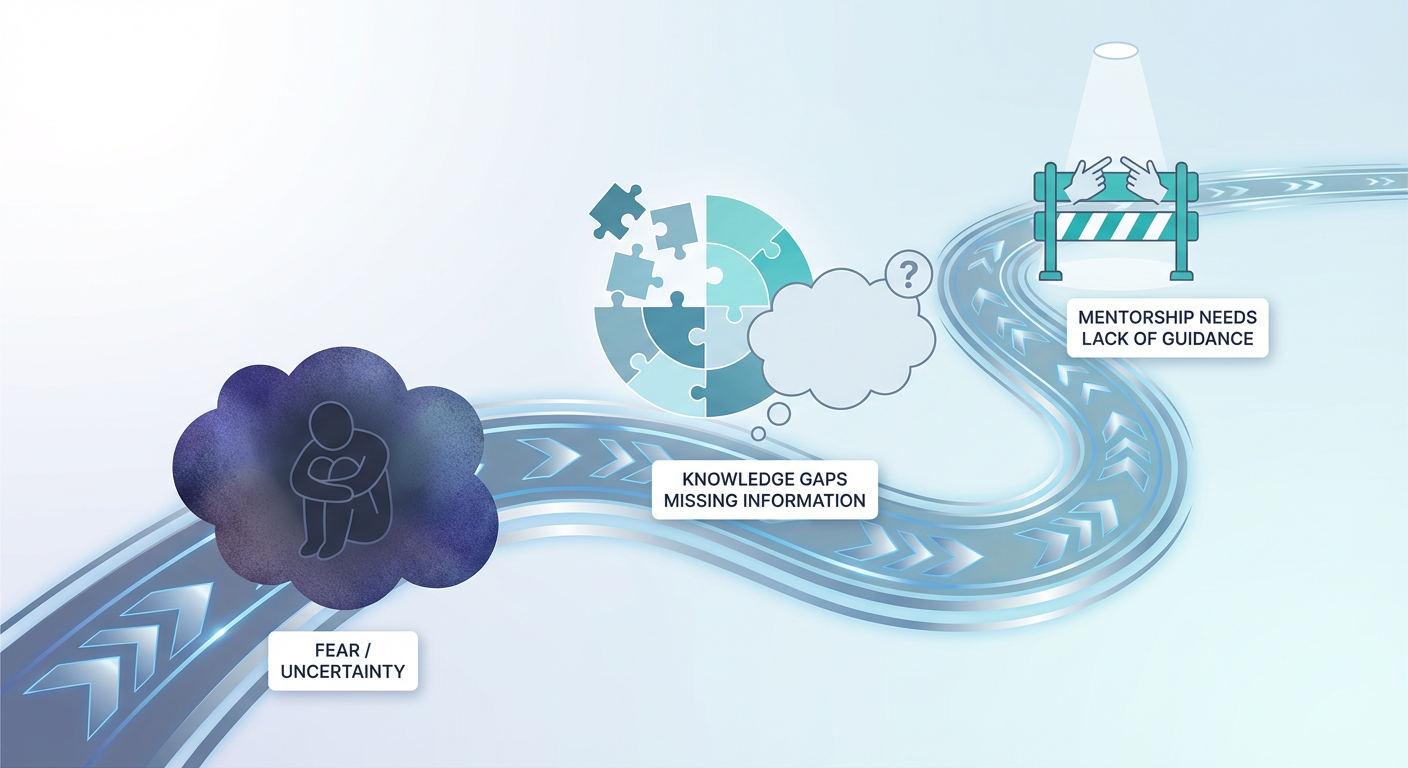
4. Barriers to Entry: Fear, Knowledge Gaps, and Mentorship Needs
While the entrepreneurial spirit among high school students in 2025 is remarkably high, characterized by an unprecedented interest in launching businesses and making a societal impact, this burgeoning ambition is not without its significant hurdles. A closer examination reveals that several primary challenges act as substantial barriers to entry for these aspiring young leaders and entrepreneurs. These include pervasive feelings of fear, particularly the fear of failure, significant gaps in practical business knowledge, the widespread absence of accessible mentor figures, and perceived financial risks that often deter them from taking the crucial first steps toward enterprise creation. Understanding and addressing these barriers is paramount to translating the current wave of entrepreneurial interest into tangible, successful ventures and developing a generation of innovative leaders.
The Pervasive Shadow of Fear and Perceived Risk
Despite the vibrant enthusiasm for entrepreneurship, fear remains a dominant psychological barrier for high school students. The most frequently cited concern among teens contemplating entrepreneurship is the “fear of failure.” A 2018 Junior Achievement survey found that as many as 67% of teens reported this apprehension as a major deterrent that might prevent them from starting a business[5]. This concern is not unique to young aspiring entrepreneurs; it resonates even with seasoned adults, as 65% of adult entrepreneurs in the same study confessed that the fear of failing was a significant worry, even though a remarkable 92% of their businesses ultimately proved profitable[8]. This suggests that the fear of failure is a deeply ingrained human response to risk, amplified in young individuals who may lack previous experience to contextualize or overcome professional setbacks.
For high school students, the concept of “failure” can extend beyond financial loss; it often encompasses the fear of public embarrassment, disappointing parents or peers, or the perceived wastage of time and resources. This psychological pressure can be paralyzing, leading many to abandon their entrepreneurial dreams before they even begin. The teenage years are a period of significant self-consciousness and social comparison, making the prospect of publicly failing particularly daunting. Consequently, the cultural perception of failure — often viewed as a definitive end rather than a learning opportunity — requires re-framing within educational and societal contexts to encourage risk-taking.
Beyond the inherent fear of failure, high school students also express practical concerns about the financial and personal risks associated with entrepreneurship. In a 2022 survey, a significant portion of teens — 27% — identified starting a business as “too risky” financially[9]. An equal percentage, 27%, believed there was “not enough money in it,” suggesting a perception of entrepreneurship as an unstable or financially unrewarding path compared to traditional employment[9]. These perceptions are likely influenced by a lack of financial literacy and limited exposure to the diverse realities of business — from bootstrapping and gradual growth to the potential for significant returns. Many students are raised with the expectation of seeking stable, salaried employment with benefits, making the uncertainty of entrepreneurial income seem particularly unappealing or irresponsible. This economic uncertainty is a substantial barrier, leading many to choose perceived security over the pursuit of innovative ventures.
Moreover, some students also harbor self-doubt regarding their personal suitability for entrepreneurship. Around 11% of teens in the 2022 survey felt that entrepreneurship “might not suit my personality or skills,” indicating an apprehension about their innate capabilities for leadership, decision-making, or problem-solving under pressure[9]. This lack of self-confidence can stem from a narrow understanding of what constitutes a “successful entrepreneur” — often driven by media portrayals of charismatic, extroverted founders — and a failure to recognize the diverse skill sets and personality types that can thrive in business. The perceived high-pressure environment of entrepreneurship, coupled with a lack of practical experience, can thus intimidate students who might otherwise possess valuable innovative thinking or problem-solving aptitudes.
The table below summarizes the key fears and perceived risks among high school students:
| Barrier Category | Specific Fear/Risk | Percentage of Teens Affected | Year | Source |
|---|---|---|---|---|
| Psychological | Fear of Failure | 67% | 2018 | Junior Achievement[5] |
| Financial | “Too Risky” Financially | 27% | 2022 | Junior Achievement[9] |
| Financial | “Not Enough Money in It” | 27% | 2022 | Junior Achievement[9] |
| Personal/Skill-based | “Might Not Suit My Personality/Skills” | 11% | 2022 | Junior Achievement[9] |
These findings underscore a critical need to cultivate an educational environment that demystifies entrepreneurship, normalizes failure as a learning process, and broadens students’ understanding of financial viability and personal applicability in venture creation. Addressing these fears requires more than just encouragement; it demands practical tools, knowledge, and a supportive ecosystem.
Critical Gaps in Practical Business Knowledge and Education
A significant practical barrier for high school students is a pronounced lack of fundamental business knowledge. Despite the high interest in entrepreneurship — with 75% to 76% of teens expressing consideration for future entrepreneurial careers in 2022-2023, slightly dipping to 71% in 2024[2][4] — a large majority acknowledge their unpreparedness. Surveys consistently show that over half of teens (55-56%) explicitly state they would require “more information or education” on how to successfully run a business before they would feel confident enough to take the plunge[7]. This widespread admission highlights a critical disconnect between ambition and practical readiness.
The current educational landscape often fails to equip students with the “how-to” of business creation and management. While traditional high school curricula excel at imparting academic knowledge in subjects like mathematics, literature, and science, they typically do not cover crucial entrepreneurial competencies such as developing a business plan, understanding market dynamics, effective marketing and sales strategies, basic accounting and budgeting, legal considerations for startups, or networking skills. These are practical, hands-world skills that are essential for converting an idea into a viable enterprise. As a result, many students possess innovative ideas but lack the foundational roadmap for execution.
The global inadequacy of entrepreneurship education at the K-12 level is stark. According to a 2021 Global Entrepreneurship Monitor (GEM) analysis, “Entrepreneurial Education at School” ranked last out of 13 factors contributing to national entrepreneurship ecosystems in 39 out of 50 countries surveyed[10]. This means that in approximately 78% of the economies studied, experts deemed school-based entrepreneurship training as the weakest link in supporting the early development of future entrepreneurs. This systemic gap underscores a global challenge where traditional education systems are simply not designed to foster entrepreneurial skills, leaving a vast majority of aspiring young business owners without the necessary practical toolkit.
The deficiency in formal education manifests in several ways:
- Lack of Business Plan Development: Students may have creative ideas but don’t understand the structured process of validating an idea, researching a market, or projecting financials.
- Marketing and Sales Ignorance: While adept at using social media, many lack an understanding of strategic marketing, branding, customer acquisition, or the art of selling.
- Financial Literacy Deficiencies: Basic concepts like startup costs, pricing strategies, profit margins, cash flow, and sources of funding are often alien to high school students, contributing to their perceived financial risks.
- Operational Challenges: Practical aspects such as supply chain management, legal entity formation, intellectual property, or regulatory compliance are completely outside their current knowledge base.
However, the demand for this knowledge is rapidly increasing. The World Economic Forum reported a global surge in interest, with online searches for entrepreneurship courses climbing by 25% worldwide, and in-person course interest growing by 7.3%[11]. This surge indicates that students themselves recognize this knowledge gap and are actively seeking ways to fill it outside traditional school settings. This presents a clear opportunity for schools, educational institutions, and entrepreneurial organizations to step in and provide structured, accessible, and relevant business education. Implementing practical workshops, project-based learning, business simulations, and even basic economics courses focused on entrepreneurship can significantly bridge this knowledge divide. For example, the success of programs like Junior Achievement’s “Launch Lessons” demonstrates that even a one-hour workshop can introduce fundamental concepts and inspire students by connecting them with real business volunteers[12].
The Critical Need for Accessible Mentorship
Beyond theoretical knowledge, the absence of relatable and accessible mentor figures represents another significant barrier for high school students aspiring to leadership and entrepreneurship. While social media influencers and successful business figures seen in the media inspire many — with 30% of teens citing both categories as top inspirations[3] — this inspiration often lacks the practical, personalized guidance needed to navigate the complexities of starting a business.
Close to one-third of teens, specifically 32%, explicitly stated that they would need a “role model/mentor who is a business owner” to guide them before pursuing entrepreneurship actively[7]. This highlights a critical need: abstract admiration for a distant celebrity entrepreneur is not a substitute for hands-on, personalized mentorship. Many high school students do not have entrepreneurs within their immediate family or social circles. If their parents, relatives, and neighbors are primarily salaried employees, the path of launching one’s own venture can seem foreign, daunting, and without a clear roadmap. This lack of proximate role models makes the journey feel more isolated and uncertain.
Mentorship offers several invaluable benefits:
- Practical Guidance: Mentors can provide practical advice on specific business challenges, helping students navigate everything from market research and product development to financial management and legal setup.
- Emotional Support and Confidence Building: An experienced mentor can offer encouragement, share personal stories of overcoming setbacks, and help normalize challenges, thereby diminishing the fear of failure. They can instill confidence by validating ideas and providing constructive feedback.
- Networking Opportunities: Mentors can introduce young entrepreneurs to essential contacts, opening doors to potential partners, investors, or customers that students would otherwise struggle to access.
- Skill Development & Role Modeling: Beyond explicit advice, mentors demonstrate leadership, problem-solving, and professional conduct through their own example. They can guide students in developing “durable skills” like adaptability, resilience, and strategic thinking.
- Accountability: A mentor can serve as a sounding board and a source of gentle accountability, helping students stay focused on their goals and progress.
Organizations such as Junior Achievement, NFTE (Network for Teaching Entrepreneurship), and SCORE actively work to bridge this mentorship gap by connecting young people with experienced business owners. The NFTE program profiles, such as Kiera (who developed a fetal monitoring device and gained Harvard acceptance) and Zoe (who launched a fashion line and became a design director at Macy’s), powerfully illustrate how mentorship and structured entrepreneurial experiences can completely transform a student’s trajectory[11]. These stories demonstrate that it’s often not just the idea, but the tailored guidance and support from a mentor that enables students to overcome personal and practical obstacles.
Furthermore, the desire for direct engagement with entrepreneurs is strong. When surveyed, nearly 45% of teens indicated that the “most beneficial way” to learn about starting a business is by hearing directly from “actual business owners” about their experiences[29]. This preference underscores that while digital inspiration is a starting point, tangible, real-world connection is what truly resonates and translates into action. The JA Launch Lesson program, for example, successfully leverages this by bringing business volunteers into classrooms, reaching over 80,000 high schoolers to share real-world stories and basic concepts[12]. Scaling such initiatives and creating more formal or informal mentorship programs tailored to the high school level is crucial for nurturing the next generation of leaders and entrepreneurs.
Systemic and Educational Barriers: Outdated Models and Disengagement
Beyond individual fears and knowledge gaps, systemic issues within the educational framework present significant barriers. The traditional high school model often struggles to keep students engaged, with only 47% of U.S. high school students feeling actively engaged in their learning, a metric that declines as students progress through grades[13]. This disengagement highlights a deficiency in traditional lecture-based approaches that fail to captivate “digital native” students who are accustomed to interactive and relevant content.
This lack of engagement is directly relevant to entrepreneurship because traditional pedagogical methods rarely foster critical entrepreneurial characteristics such as creativity, initiative, problem-solving, and adaptability. The Global Entrepreneurship Monitor’s finding that school-based entrepreneurship education is the weakest link in most national startup ecosystems confirms this systemic issue[10]. Schools, by and large, are not designed to teach students how to start a company or develop an entrepreneurial mindset, focusing instead on rote learning and standardized test performance. This creates a challenging environment for students interested in non-traditional career paths.
However, emerging educational approaches are beginning to address these systemic shortcomings. The growing demand for entrepreneurship education, evidenced by a 25% increase in online searches for related courses globally[11], is pushing educators to innovate. Experiential learning — through simulations, gamified programs, student-run businesses, and pitch competitions — has proven highly effective in re-engaging students and imparting entrepreneurial skills. Studies show that 81% of students are more motivated when game-like elements are integrated into their learning, and some programs have seen a 22% jump in academic performance after adopting interactive business simulations[12].
The movement toward integrating entrepreneurship into core curricula or offering specialized electives, as seen in Ireland’s Foróige program which has expanded to reach 7,000 young people across 24 counties[16], and in various U.S. high school incubator classes, is a positive development. These programs not only provide practical knowledge but also create a safe space for students to experiment, fail, and learn without severe repercussions, thereby mitigating the fear of failure. This shift in pedagogical approach demonstrates a growing recognition that fostering an entrepreneurial mindset requires a fundamental change in how education is delivered, moving away from passive instruction to active, hands-on creation and problem-solving.
Furthermore, broader systemic barriers like socioeconomic disparities and geographic limitations can hinder access to entrepreneurial opportunities for some students. A teen from an underserved community might lack internet access, resources, or local networks that are readily available to peers in wealthier regions. Legal and cultural barriers in some countries also impose restrictions on minors engaging in business activities. Addressing these requires a multi-pronged approach involving government policies, community partnerships, and inclusive educational initiatives. By lowering these barriers, society can ensure that a wider range of talented and spirited young individuals have the chance to explore their entrepreneurial potential.
Conclusion: Bridging the Gap Between Aspiration and Action
The entrepreneurial fervor gripping high school students in 2025 is an incredibly promising indicator for future leadership and economic vitality. However, for this aspiration to translate into widespread action and sustained impact, the identified barriers of fear, knowledge gaps, and mentorship deficits must be consciously addressed. Young people are clearly motivated to create and lead, but they need systematic support to overcome the psychological hurdles, acquire the necessary practical skills, and connect with experienced guides who can illuminate the path forward.
Effective interventions will involve fostering a culture that views failure as intrinsic to learning, formalizing comprehensive yet engaging entrepreneurial education within schools, and creating robust mentorship programs that connect budding teen entrepreneurs with diverse, successful business owners. By systematically dismantling these barriers, educational institutions and communities can empower high school students to not only dream of becoming leaders and entrepreneurs but to confidently and competently realize those dreams, thereby enriching their lives and contributing significantly to societal prosperity and innovation.
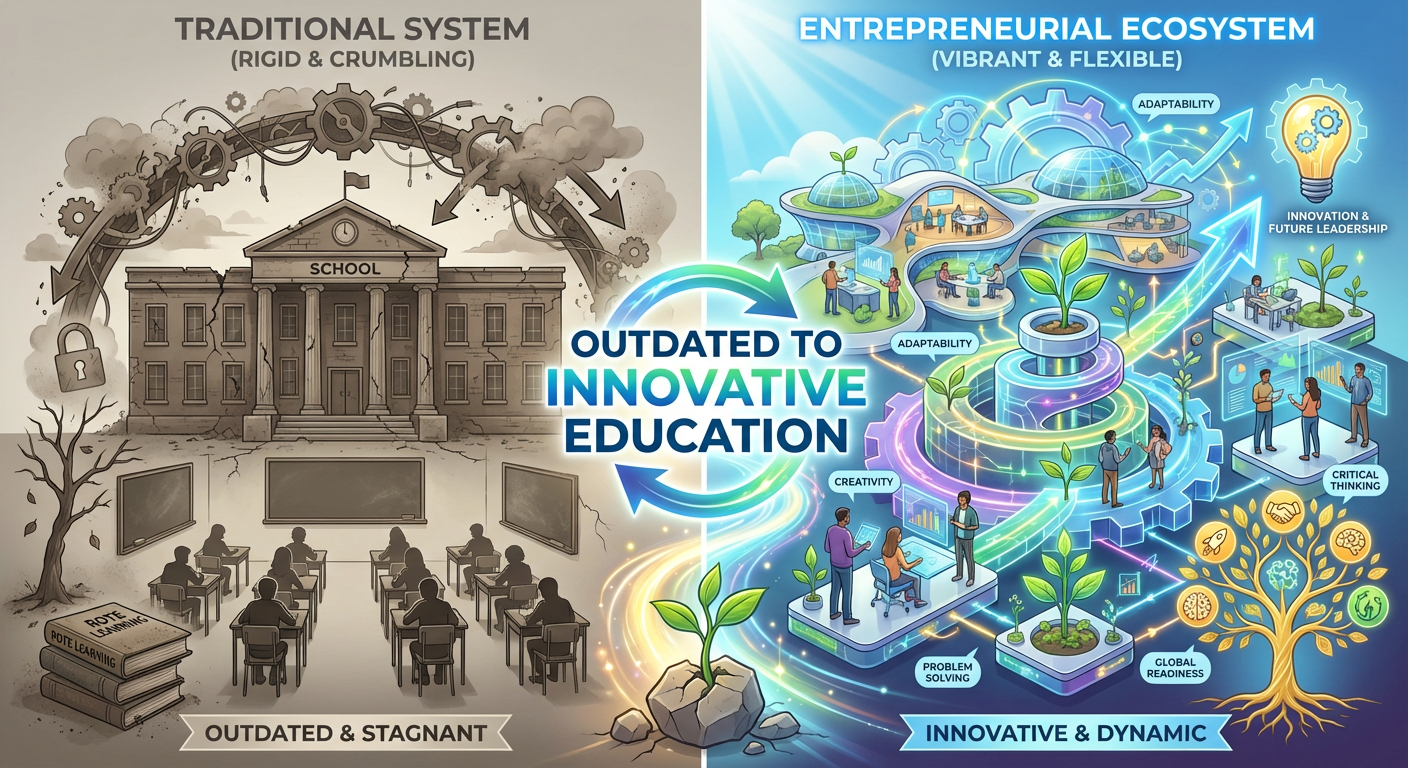
5. The Need for Modern Entrepreneurship Education
The traditional educational paradigm, predominantly characterized by a rigid, lecture-based approach, is increasingly proving insufficient in preparing students for the dynamic and rapidly evolving demands of the 21st-century economy. Historically, high school curricula have prioritized academic specialization, often at the expense of practical, real-world skills crucial for innovation, problem-solving, and leadership. However, as we approach 2025, a profound generational shift is underway, with high school students demonstrating an unprecedented entrepreneurial ambition. This burgeoning interest, coupled with the shortcomings of conventional schooling, highlights an urgent and compelling need for modern entrepreneurship education that is tailored to cultivate the leaders and innovators of tomorrow. This section will delve into the inadequacies of traditional systems, quantify the growing demand for specialized entrepreneurial programs, and argue for a pedagogical evolution that addresses the aspirations and challenges faced by today’s youth.
The Chasm Between Traditional Education and Entrepreneurial Ambition
The conventional model of education, largely established during the industrial age, was designed to prepare students for predictable career paths within established hierarchies. It emphasizes rote learning, standardized testing, and individual academic achievement, often sidelining critical skills such such as creativity, adaptability, and collaborative problem-solving. This system is now struggling to keep pace with the entrepreneurial zeal of Generation Z.
The Rise of the Entrepreneurial Generation
Data unequivocally points to a seismic shift in career aspirations among high school students. Roughly **3 in 5 teenagers (60%)** are now more interested in starting their own business than pursuing a traditional job, a significant leap from just 41% in 2018[1][2]. This signals a fundamental re-evaluation of career trajectories, where independence and self-direction are increasingly valued over conventional employment security. Further underscoring this trend, recent surveys reveal that **three-quarters of teens (75-76%)** would consider becoming entrepreneurs in the future[3][4]. While this figure saw a slight dip to 71% in 2024, it still represents a profoundly elevated level of interest, indicating that entrepreneurial ambition has become widespread among high schoolers[5]. This surge in entrepreneurial intent extends beyond abstract interest into concrete action. A 2018 survey reported that **6% of teen boys and 4% of teen girls** had already started a business while in high school[8]. This early engagement is further evidenced by the explosion of “side hustles” among students. In the 1980s, only 38% of students had a side job or small business; by the early 2020s, a staggering **65% of students (aged ~14-22)** have a side hustle or part-time job during their studies[22]. This represents a monumental generational shift, highlighting that today’s teens are actively seeking entrepreneurial experiences, often leveraging digital platforms to launch selling products online, freelance services, or run social media channels. What’s driving this ambition? Social media and contemporary media are powerful catalysts. A significant **30% of teens** cite social media influencers as a top inspiration to start a business, tied with seeing successful businesspeople in the media[6]. Nearly **2 in 5 interested teens** draw their entrepreneurial drive from online influencers or celebrities[7]. These figures suggest that modern role models, often accessible through digital channels, have a tangible impact on youth aspirations. Beyond personal gain, there is a strong purpose-driven component. A majority of teens (particularly Gen Z) are keen on leveraging entrepreneurship for positive societal impact. **58% of teens** would actively start a business addressing a societal need, even if it meant making less money[9]. This emphasis on social entrepreneurship indicates a generation that seeks meaning and impact alongside profit, aligning their ventures with values such as climate action, social justice, or community improvement. Furthermore, the entrepreneurial landscape is becoming more inclusive. Historically, entrepreneurship has been male-dominated, but current trends show a narrowing, and in some cases, a reversal, of this gender gap. A survey found that **61% of teen girls** had considered starting a business, compared to 54% of boys[8]. This suggests that young women are increasingly envisioning themselves in leadership and entrepreneurial roles, reflecting successful outreach and the growing visibility of female founders and leaders.
Traditional Education’s Engagement Deficit
Amidst this entrepreneurial boom, traditional educational environments are struggling to maintain student engagement. Nationally, only **47% of U.S. high school students** feel engaged in their learning[15]. This engagement rate steadily declines as students progress through grade levels, with much higher engagement reported in elementary school. The prevailing lecture-based, curriculum-heavy models often fail to captivate “digital native” students who are accustomed to interactive, personalized, and relevant content. The mismatch between an increasingly entrepreneurial student body and a curriculum largely unequipped to foster these aspirations is stark. The Global Entrepreneurship Monitor (GEM) reports a critical global gap: in 2021, “Entrepreneurial Education at School” ranked last out of 13 factors in **39 of 50 countries** surveyed for their national entrepreneurship ecosystems[11]. This means that in approximately 78% of the economies studied, experts deemed school-based entrepreneurship training to be the weakest link in the startup ecosystem. This comprehensive assessment highlights a worldwide failure to equip youth with the essential business and leadership skills required for modern innovation. The table below summarizes key shortcomings of traditional education in preparing students for entrepreneurship:
| Aspect of Traditional Education | Impact on Entrepreneurial Readiness | Data/Evidence |
|---|---|---|
| Lecture-based, passive learning | Stifles creativity, initiative, and active problem-solving. | Only 47% of U.S. high schoolers feel engaged[15]. |
| Emphasis on academic knowledge over practical skills | Leaves students without critical business acumen (e.g., finance, marketing). | 55-56% of teens need more information on how to succeed[10]. |
| Lack of real-world application or project-based learning | Fails to connect learning to students’ aspirations for impact and independence. | 22% of teens interested in entrepreneurship were inspired by a class/program[27]. |
| Limited exposure to entrepreneurial role models or mentors | Perpetuates knowledge and experience gaps, increases “fear of failure.” | 32% of teens need a business-owner role model/mentor[10]. |
| Structured, risk-averse environments | Does not teach resilience, calculated risk-taking, or iterative learning from failure. | 67% of teens cite “fear of failure” as a major concern[10]. |
This disconnect poses a significant challenge. If educational systems do not adapt, they risk failing to meet the aspirations of an entire generation, potentially stifling innovation and future economic growth.
The Urgent Demand for Tailored Entrepreneurship Programs
The burgeoning entrepreneurial spirit among high school students is not merely a passing fad; it is a clear signal for educational systems to respond with bespoke programs and courses. The demand for such education is not only evident in student surveys but also in global trends, signaling a systemic shift towards recognizing entrepreneurship as a vital skill set for future leadership.
Surging Interest in Entrepreneurship Education
Globally, there’s a demonstrable surge in the appetite for entrepreneurship education. World Economic Forum reports indicate that online searches for entrepreneurship courses have climbed **25% worldwide**, while interest in in-person courses grew by 7.3%[12]. This spike, observed during the early 2020s, suggests a broad acknowledgment, both among students and working professionals, that entrepreneurial skills are invaluable in today’s rapidly changing economic landscape. This is fueled by factors like pandemic-driven career re-evaluation and the proliferation of accessible online learning platforms. Business schools, non-profits, and independent educators are actively expanding their offerings to meet this growing demand. Students themselves explicitly state their need for this type of education. Despite high interest, many teens recognize their knowledge gaps. **Over half of teens (55-56%)** indicate they would need “more information or education on how to run a successful business” before they would pursue entrepreneurship[10]. This highlights a clear request for practical, actionable knowledge that traditional curricula often omit.
Experiential Learning: The Gateway to Engagement
Traditional education’s failure to engage students (with only 47% of high schoolers feeling engaged[15]) demands innovative, hands-on approaches. Entrepreneurship education, by its very nature, is ideally suited to experiential learning, which has proven highly effective in boosting student motivation and performance. For example, studies reveal that **81% of students** report increased motivation when learning incorporates game-like elements[16]. These interactive methods, such as simulations and gamified learning, not only capture the attention of digital-native students but also yield measurable academic gains. One program that adopted interactive business simulations saw a remarkable **22% jump in academic performance** among participating students[17]. Examples of effective experiential learning in entrepreneurship education include:
- Business Simulations: Digital platforms and competitive games allow students to run virtual companies, manage finances, make strategic decisions, and experience the consequences of their choices in a low-risk environment.
- Student-Run Businesses: Many schools are implementing programs where students develop, launch, and operate actual businesses, from school stores and cafes to online services and product sales. This provides holistic learning across all business functions.
- Entrepreneurship Competitions and Incubators: Programs like the Diamond Challenge or local “pitch competitions” motivate students to develop and present viable business ideas, often with mentorship and seed funding opportunities.
- Hackathons and Design Sprints: These intense, collaborative problem-solving events encourage innovative thinking and rapid prototyping, teaching students to identify needs and develop solutions quickly.
These hands-on experiences make abstract business concepts tangible and directly applicable, fostering immediate relevance for students who might otherwise be disengaged.
Cultivating “Durable Skills” for Future Leaders
Modern entrepreneurship education extends beyond simply teaching students how to start a business; it serves as a powerful incubator for critical leadership skills. These are often referred to as “durable skills” or “power skills” – attributes like creativity, initiative, adaptability, teamwork, problem-solving, and resilience. Employers consistently rank these soft skills among the top competencies they seek in new graduates[14]. Entrepreneurship programs inherently cultivate these traits:
- Creativity and Innovation: Students are challenged to identify problems and devise novel solutions, essential for new ventures.
- Initiative and Self-Direction: Starting a business requires proactivity and the ability to drive projects forward without constant supervision.
- Problem-Solving and Critical Thinking: Entrepreneurs constantly face unforeseen challenges, demanding quick and effective solutions.
- Teamwork and Collaboration: Most ventures require collaboration with peers, mentors, and partners, teaching negotiation and communication.
- Resilience and Adaptability: The journey of entrepreneurship is rarely smooth; students learn to navigate setbacks, pivot, and persevere.
- Financial Literacy: Budgeting, pricing, and managing revenue provide practical financial understanding that is often lacking in standard curricula.
Organizations like the Network for Teaching Entrepreneurship (NFTE) even employ an Entrepreneurial Mindset Index to measure growth in traits such as adaptability and risk-taking among their participants[18]. This indicates a deliberate focus on developing the foundational mindset of an entrepreneur, which is transferable to any career path. Launching a venture in school provides students with practical leadership experience, an asset highly sought after by employers who recognize the resourcefulness and proactive mindset cultivated through entrepreneurial endeavors. The shift in career aspirations among Gen Z further underscores the need for these skills. A stark finding from a Deloitte global survey indicates that only **6% of Gen Z (and young millennials)** cite “reaching a senior leadership position” within an existing corporation as their primary career goal[19]. Instead, they prioritize work-life balance, purpose, and personal fulfillment. This doesn’t imply a lack of ambition; rather, it suggests a preference for leading by creating their own ventures or driving change in less hierarchical ways. Entrepreneurship education provides an alternative route to leadership and success, aligning with Gen Z’s desire for autonomy and impact.
Addressing Barriers and Gaps: The Imperative for Support
Despite the high interest and evident benefits, significant barriers persist that prevent many high school students from pursuing their entrepreneurial dreams. Addressing these concerns is crucial for any effective modern entrepreneurship education framework.
Confronting the “Fear of Failure”
The most pervasive barrier articulated by teens is the “fear of failure.” Approximately **two-thirds of teens** cite this as a primary concern that might deter them from starting a business[10]. This anxiety is not unique to young people; even among experienced adult entrepreneurs, 65% admit a substantial fear of failure. For high school students, who often face immense societal pressure to succeed, the prospect of a public failure can be paralyzing. Modern entrepreneurship education must, therefore, cultivate a culture that normalizes failure as an integral part of the learning process. This involves:
- Emphasizing Iteration: Teaching design thinking and lean startup methodologies, where rapid prototyping and continuous improvement are encouraged, shifts the focus from avoiding failure to learning from each attempt.
- Celebrating Resilience: Showcasing stories of entrepreneurs who overcame numerous setbacks to achieve success helps students understand that failure is rarely final.
- Creating Safe Spaces: School-based programs offer controlled environments where students can experiment and “fail forward” without severe external repercussions.
By reframing failure as a learning opportunity, programs can empower students to take calculated risks and develop the resilience essential for genuine innovation.
Bridging the Knowledge and Mentorship Gap
A substantial number of teens recognize that they lack the practical know-how to launch a successful venture. **Over half (55-56%)** state they need “more information on how to be successful” as entrepreneurs[10]. This practical knowledge gap extends to areas like developing business plans, marketing strategies, financial management, and legal considerations. Traditional curricula seldom cover these topics in depth, leaving students with grand ideas but no roadmap for execution. Complementing this, there is a clear demand for mentorship. About **one-third (32%) of teens** would need a business-owner role model or mentor for guidance before pursuing entrepreneurship[10]. Many high school students do not have entrepreneurs in their immediate family or social circles, making the path seem daunting and isolating. Effective entrepreneurship education must, therefore, integrate robust mentorship components, connecting aspiring young entrepreneurs with experienced business leaders. Organizations like Junior Achievement (JA) and NFTE have proven successful in pairing students with mentors, often leveraging volunteer networks. For instance, the JA Launch Lesson program brings entrepreneurs directly into classrooms to share real-world stories and practical advice, reaching nearly 80,000 high schoolers annually[34]. These mentors provide not only practical advice but also crucial psychological support, demystifying the entrepreneurial journey and building students’ confidence. The data confirms the importance of direct interaction: nearly **45% of teens** believe the most beneficial way to learn about starting a business is by hearing from actual business owners about their experiences[30].
Addressing Perceived Risks and Systemic Disparities
Beyond fear of failure, teens are pragmatic about perceived risks. Approximately **27% consider entrepreneurship “too risky” financially**, and another 27% believe there is “not enough money in it”[10]. These concerns stem from a lack of financial literacy and limited exposure to diverse entrepreneurial models. Modern education needs to:
- Demystify Funding: Explain that many small businesses start with minimal capital, highlighting bootstrapping, micro-loans, and grant opportunities.
- Showcase Diverse Success: Presenting examples of profitable ventures that are not necessarily “unicorn” startups can normalize achievable financial success.
Furthermore, around **11% of teens** express concerns that entrepreneurship “might not suit my personality or skills”[10]. This indicates a self-confidence gap that can be addressed by demonstrating that successful entrepreneurs come in all forms, and by helping students identify and leverage their unique strengths. Finally, systemic barriers, particularly for students from disadvantaged backgrounds, must be acknowledged and mitigated. These include lack of access to technology, social capital, information, and financial resources. Modern entrepreneurship education must strive for equity by:
- Targeted Outreach: Partnering with schools in low-income or rural communities to ensure equal access to programs and resources.
- Resource Provision: Offering seed funding, access to digital tools, and workshops on navigating legal and financial hurdles specific to their contexts.
- Policy Support: Advocating for government policies that support youth entrepreneurship, such as youth business registries or start-up grants.
The Transformative Power of Modern Entrepreneurship Education
The need for modern entrepreneurship education is not merely about equipping students with business skills; it’s about transforming their learning experience and shaping them into resilient, innovative leaders ready to impact the world. The examples of successful programs and individual students underscore this profound potential. Kiera’s journey from being a pregnant high school junior to acceptance at Harvard University, ignited by her participation in an NFTE program, exemplifies how entrepreneurship education can “reignite a passion for learning” and provide purpose during challenging times[32]. Zoe, a homeless teenager who launched a fashion line and later became a Design Director at Macy’s, illustrates how entrepreneurial grit developed early can lead to significant professional and leadership roles[33]. Matthew, who generated $25,000 in revenue from his streetwear apparel business at age 16, showcases the tangible financial and personal empowerment that hands-on experience can provide[34]. These stories, alongside the global success of programs like Ireland’s Foróige Youth Entrepreneurship Program, which scaled from 700 to 7,000 students and transformed schools into “hubs of innovation and leadership development,” demonstrate that impactful, scalable models exist[25][26]. In conclusion, the confluence of rising youth entrepreneurial ambition, the engagement deficit in traditional schooling, and the urgent demand for durable leadership skills creates an undeniable imperative for modern entrepreneurship education. By embracing experiential learning, providing robust mentorship, confronting fears, and addressing systemic barriers, educators can empower high school students to not only launch successful ventures but also to become the agile, purpose-driven leaders that the global community desperately needs in 2025 and beyond. The future economic impact and societal innovation critically depend on this pedagogical evolution. Next, we will explore the core components and best practices of modern entrepreneurship education models.
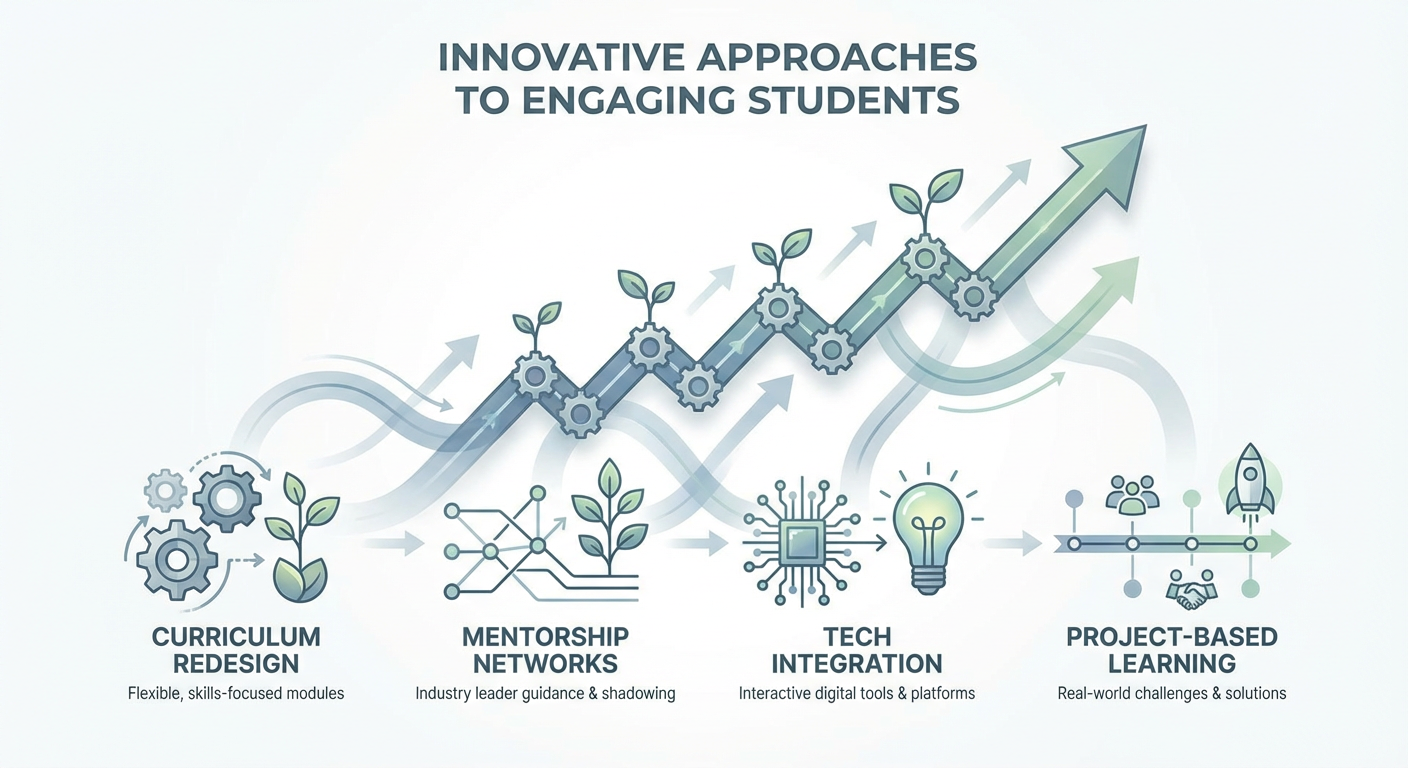
6. Innovative Approaches to Engaging Students
The burgeoning entrepreneurial ambition among today’s high school students presents both an opportunity and a challenge for educational institutions. With approximately three in five teenagers (60%) expressing a preference for starting their own business over traditional employment in 2022, a significant rise from 41% in 2018, there is a clear generational shift towards entrepreneurship as a preferred career path [1] [2]. This enthusiasm is further underscored by widespread interest, with three-quarters of teens (75-76%) indicating they would consider becoming entrepreneurs in the future, a figure that remained strong through 2022-2023, even after a slight dip to 71% in 2024 [3] [4] [5]. However, despite this high interest, traditional educational models often fall short in engaging these “digital native” students. Only 47% of U.S. high school students feel engaged in their learning, a metric that declines significantly from earlier grades, suggesting that conventional lecture-based approaches are failing to captivate modern learners [16]. This disengagement highlights an urgent need for new pedagogies that can harness and nurture entrepreneurial potential.
The global demand for entrepreneurship education is surging, with online searches for related courses climbing 25% worldwide and in-person interest growing by 7.3% [13]. This rising demand explicitly calls for innovative teaching methods that move beyond rote memorization and passive learning, focusing instead on practical application, problem-solving, and critical thinking. Innovative educational approaches such as experiential learning, business simulations, gamification, and digital tools are proving to be highly effective in boosting student engagement, improving academic performance, and cultivating the durable skills essential for leadership and entrepreneurship. This section delves into these pedagogies, exploring their implementation, impact, and potential to transform high school entrepreneurship education.
6.1. The Imperative for Pedagogical Innovation in Entrepreneurship Education
The traditional education system, often characterized by its reliance on standardized curricula and conventional teaching methods, has historically struggled to adequately prepare students for the dynamic and unpredictable world of entrepreneurship. A stark illustration of this gap comes from the Global Entrepreneurship Monitor (GEM), which reported in 2022 that “Entrepreneurial Education at School” ranked last out of 13 factors in 39 out of 50 countries surveyed, indicating a widespread failure to provide effective entrepreneurship education at the K-12 level [14]. This deficiency is particularly concerning given that high school is a critical period for developing foundational skills and shaping career aspirations. For a generation that increasingly views entrepreneurship as a viable and desirable career path, the absence of relevant educational opportunities represents a significant missed opportunity.
Moreover, the modern high school student, often termed a “digital native,” brings different expectations to the classroom. Accustomed to interactive digital environments, personalized content, and immediate feedback, they often find traditional lecture-based learning disengaging. The statistic that only 47% of U.S. high school students feel engaged in their learning underscores this disconnect, emphasizing the need for pedagogies that resonate with their learning styles and interests [16]. Entrepreneurship, by its very nature, demands creativity, initiative, collaboration, and resilience – skills that are best learned through active participation and real-world application, rather than through passive reception of information. Therefore, pedagogical innovation is not merely an enhancement but an absolute necessity to effectively nurture the entrepreneurial spirit among high school students in 2025 and beyond.
The need for innovation is also driven by the changing nature of work and leadership. While only 6% of Gen Z and young millennials prioritize reaching a senior leadership position in traditional corporations [18], this does not imply a lack of ambition. Instead, it signals a preference for leadership roles that allow for autonomy, purpose, and impact, often found within entrepreneurial ventures [18]. Consequently, educational approaches must prioritize the development of “durable skills” such as creativity, initiative, teamwork, and problem-solving, which are inherently cultivated through entrepreneurial activities [17]. These skills are increasingly sought after by employers, further validating the importance of integrating innovative entrepreneurship education into high school curricula.
6.2. Experiential Learning: Bridging Theory and Practice
Experiential learning, often summarized as “learning by doing,” is a powerful pedagogical approach gaining traction in entrepreneurship education. It directly addresses the shortcomings of traditional classroom instruction by providing students with hands-on, authentic experiences that mimic real-world entrepreneurial challenges. This method is particularly effective for high school students who are motivated by relevance and tangible outcomes.
6.2.1. Practical Implementation of Experiential Learning
Experiential learning in entrepreneurship can manifest in various forms within a high school setting:
- Student-Run Businesses: This involves students collectively setting up and operating a real business within or outside the school environment. Examples range from school-based cafes, print shops, or stores selling student-designed products to online ventures managed by student teams. This model provides direct exposure to all facets of a business, including product development, marketing, sales, customer service, and financial management. Organizations like the Junior Achievement Company Program enable students to conceptualize and operate a small business over an academic year, offering invaluable practical experience.
- Entrepreneurship Competitions and Incubators: Programs such as the Diamond Challenge, a global high school startup competition, provide platforms for students to develop business ideas, create comprehensive business plans, and pitch their ventures to panels of judges [23]. School-based incubators offer a more sustained environment where student teams can refine their ideas, receive mentorship, and even secure seed funding. These competitions often culminate in presenting to real investors or community leaders, adding a high-stakes, authentic dimension to the learning process.
- Project-Based Learning (PBL) with an Entrepreneurial Focus: PBL units can be designed across various subjects to incorporate entrepreneurial principles. For example, a science class might tasked with prototyping an innovative solution to an environmental problem and then developing a business model for its commercialization. A humanities class could analyze social issues and then design a social enterprise to address them. This interdisciplinary approach enhances the perceived relevance of academic subjects and seamlessly integrates entrepreneurial thinking.
- Community-Based Entrepreneurship Projects: Connecting students with local businesses or community organizations to solve real problems can be highly impactful. Students might conduct market research for a local startup, develop a marketing campaign for a small business, or assist a non-profit in fundraising efforts. These projects offer genuine client interaction, problem-solving under real constraints, and the satisfaction of contributing to their community.
6.2.2. Impact on Engagement and Skill Development
The research clearly indicates a strong positive correlation between experiential learning and student engagement. A significant 22% of teens whose interest in business was sparked by a school class or program highlights the effectiveness of structured educational experiences [23]. This hands-on engagement contrasts sharply with the general disengagement reported in traditional high school settings. For example, Kiera, a high school student who became pregnant, found renewal in a Network for Teaching Entrepreneurship (NFTE) program where she developed a portable fetal monitoring device. Her experience, which involved market research and prototyping, “reignited her passion for learning” and ultimately led to her acceptance at Harvard University [37]. Similarly, Zoe, who experienced homelessness as a teenager, launched an upcycled clothing line through a youth entrepreneurship initiative, leading to her being featured on the cover of Seventeen Magazine and eventually becoming a Design Director at Macy’s [38]. These examples underscore how experiential learning can provide a sense of purpose, build confidence, and offer pathways to success for students from diverse backgrounds.
Beyond engagement, experiential learning cultivates essential leadership and entrepreneurial skills. Students learn:
- Problem-solving: Identifying real-world needs and devising innovative solutions.
- Critical thinking: Analyzing market trends, evaluating risks, and making informed decisions.
- Teamwork and collaboration: Working effectively in groups to achieve common goals.
- Communication: Pitching ideas, negotiating with suppliers, and communicating with customers.
- Resilience: Navigating setbacks, learning from failures, and adapting strategies.
- Financial literacy: Managing budgets, tracking expenses, and understanding profit and loss.
These experiences provide a “leadership bootcamp,” where students must set a vision, rally teammates, make decisions under uncertainty, and be accountable for results [17]. The Network for Teaching Entrepreneurship (NFTE) specifically measures growth in attributes such as creativity, opportunity recognition, and comfort with risk, all of which are hallmarks of effective leaders and entrepreneurs [17].
6.3. Gamification and Business Simulations: Immersive Learning Experiences
To further capture the attention of digital-native students and provide a safe space for experimentation, gamification and business simulations have emerged as highly effective pedagogical tools in entrepreneurship education. These approaches leverage the motivational power of games and immersive digital environments to enhance learning outcomes.
6.3.1. The Power of Gamification
Gamification involves applying game-design elements and game principles in non-game contexts. In education, this means incorporating points, badges, leaderboards, challenges, and narrative elements into learning activities. The impact on student motivation is significant: studies show that 81% of students are more motivated when learning includes game-like elements [15]. For entrepreneurship, gamification can be used to:
- Incentivize participation: Awarding points or badges for completing market research, developing a prototype, or presenting a business idea.
- Create healthy competition: Leaderboards can track progress in business challenges or pitch competitions. This taps into students’ competitive nature while fostering skill development in a low-stakes environment.
- Provide immediate feedback: Game mechanics often offer instant feedback on actions, allowing students to understand the consequences of their decisions more quickly than in traditional classroom settings.
- Increase engagement: The narrative aspect of games can make the entrepreneurial journey more compelling and memorable. For example, a “startup quest” where students progress through various stages of business development.
6.3.2. Business Simulations: Virtual Practice for Real-World Decisions
Business simulations take gamification a step further by providing immersive, interactive virtual environments where students can practice running a company. Platforms like *Startup Wars* or *SAP’s ERPsim* allow students to manage various aspects of a fictional business, including inventory, finances, marketing, and strategic decision-making [24]. These simulations offer a unique advantage:
- Risk-Free Experimentation: Students can make costly mistakes within the simulation without real-world financial repercussions. This fosters a willingness to experiment and learn from failure, an essential entrepreneurial trait. The normalisation of failure as a learning step helps alleviate the “fear of failure” cited by 67% of teens as a top barrier to entrepreneurship [12].
- Complex Decision-Making: Simulations require students to consider multiple variables simultaneously, such as pricing, production capacity, competitor actions, and customer demand. This trains critical thinking and strategic foresight in a dynamic context.
- Real-time Consequences: Changes in strategy within the simulation lead to immediate results, allowing students to observe cause and effect relationships and refine their approaches.
- Team Collaboration: Most simulations are designed for teams, promoting collaboration, negotiation, and division of labor, replicating the dynamics of a real startup team.
The impact of business simulations on academic performance has been demonstrably positive. One high school, after integrating a competitive business simulation week, reported a remarkable 22% improvement in student test scores and performance related to business concepts [15]. This measurable gain highlights the efficacy of these tools in enhancing both engagement and comprehension. These virtual experiences allow students to “fail forward,” building the confidence to apply their learnings in real-life scenarios.
6.4. Digital Tools: Enhancing Accessibility and Learning Pathways
The pervasive presence of digital technology in students’ lives provides a natural avenue for enhancing entrepreneurship education. From online learning platforms to social media tools, digital resources can make entrepreneurial learning more accessible, personalized, and engaging.
6.4.1. Online Learning Platforms and Resources
The surge in demand for entrepreneurship courses, with online searches up 25% globally, clearly indicates a growing appetite for digital learning experiences [13]. Online platforms offer:
- Flexibility: Students can access course materials, lectures, and assignments at their own pace and convenience, fitting learning around their other commitments.
- Scalability: High-quality entrepreneurship content can reach a vast number of students, overcoming geographical and resource limitations.
- Diverse Content: Online resources include video tutorials, interactive modules, podcasts, and digital case studies, catering to various learning preferences. Many allow students to gain knowledge outside the traditional classroom, often for free.
- Expert Access: Platforms can host virtual guest speakers, interviews with successful entrepreneurs, and online mentorship programs, connecting students with a broader network of expertise. For example, JA Launch Lesson brings entrepreneurs into classrooms to share real-world stories for over 80,000 high schoolers [39].
6.4.2. Leveraging Social Media and Digital Marketing
Given that 30% of teens cite social media influencers as a top inspiration for starting a business, and nearly 37% draw entrepreneurial drive from online influencers or celebrities [6] [7], integrating social media into entrepreneurship education is crucial. Students can:
- Practice Digital Marketing: Create and manage social media campaigns for their nascent businesses, learning about target audiences, content creation, and analytics. Matthew, a high school student, earned $25,000 from his streetwear apparel business largely through savvy social media marketing on Instagram [40] [41].
- Develop Online Presence: Learn to build e-commerce websites or use platforms like Etsy or Shopify to sell products and services.
- Connect with Mentors and Peers: Use professional networking sites or youth entrepreneurship forums to seek advice, collaborate, and find inspiration.
- Conduct Market Research: Utilize online surveys, social listening, and competitor analysis tools to understand their markets.
The ability to harness digital tools for business operations, marketing, and networking is a fundamental skill for any 21st-century entrepreneur. By integrating these tools into the curriculum, educators ensure students are not only inspired by digital entrepreneurs but also possess the practical skills to become one themselves.
6.5. Curriculum Integration and Holistic Development
Effective innovation in entrepreneurship education extends beyond individual activities to embedding entrepreneurial thinking throughout the curriculum and fostering holistic student development. Traditional curricula often fall short, with experts in 39 out of 50 countries rating school-based entrepreneurship education as the weakest link in their startup ecosystems [14]. This calls for a more structured and pervasive approach.
6.5.1. Formal and Informal Integration
Schools are beginning to formally weave entrepreneurship into the curriculum through:
- Dedicated Electives and Programs: Offering standalone entrepreneurship courses, certificates, or even multi-year programs that culminate in students launching real ventures. States like Illinois and Texas have introduced high school incubator classes where students earn credit for developing and pitching business plans.
- Cross-Curricular Projects: Integrating entrepreneurial concepts into existing subjects. For instance, a mathematics class could involve financial modeling for a business plan, while an English class might focus on developing persuasive pitch presentations. This approach makes entrepreneurial training accessible to all students, regardless of their career ambitions, and enhances the relevance of core academic subjects.
- After-School Clubs and Workshops: Providing informal opportunities for students to explore entrepreneurship outside regular class hours. These clubs often host guest speakers, organize field trips to local businesses, or facilitate mini-pitch competitions.
Ireland provides a compelling example, where Foróige’s youth entrepreneurship program, initially a small pilot, now reaches about 7,000 young people across 24 counties and is embedded in many secondary school curricula, transforming participating schools into “hubs of innovation and leadership development” [35] [36].
6.5.2. Cultivating Durable Skills and Entrepreneurial Mindset
Beyond specific business knowledge, entrepreneurship education is crucial for developing “durable skills” – often referred to as soft skills – that are critical for success in any career path. Employers increasingly prioritize attributes like leadership, teamwork, creativity, and problem-solving, ranking them among the top competencies sought in new graduates [20]. Entrepreneurship training inherently fosters these: students building a business must practice communication, teamwork, decision-making, and resilience.
An entrepreneurial mindset encompasses qualities such as:
- Adaptability: The ability to pivot and adjust in response to new information or challenges.
- Risk-taking: Understanding and judiciously taking calculated risks.
- Opportunity recognition: Identifying unmet needs and turning them into viable business opportunities.
- Self-efficacy: Belief in one’s own ability to succeed and overcome obstacles.
- Initiative: Proactively seeking out tasks and responsibilities without external prompting.
Organizations like NFTE even use an Entrepreneurial Mindset Index to measure growth in traits like adaptability and risk-taking [17]. This makes entrepreneurship training a powerful leadership incubator. By taking initiative to launch even a small venture, students gain practical leadership experience that is distinct from traditional school activities.
6.6. Addressing Barriers: Mentorship, Confidence, and Inclusive Design
While interest in entrepreneurship is high, significant barriers persist, primarily the “fear of failure” (cited by 67% of teens) and a “knowledge gap” (55-56% of teens need more information) [11] [12]. Innovative approaches must actively address these challenges through structured mentorship, confidence-building activities, and inclusive program design.
6.6.1. Structured Mentorship Programs
The need for mentorship is profound, with about one in three teens (32%) desiring a business owner as a role model or mentor [11]. While social media influencers inspire, real-world mentors provide practical guidance and demystify the entrepreneurial journey. Mentorship programs can be established through:
- Volunteer Networks: Partnering with local chambers of commerce, small business associations, or alumni networks to connect students with experienced entrepreneurs.
- Near-Peer Mentorship: Engaging successful university student entrepreneurs or recent high school alumni to guide younger students. This creates relatable role models.
- Dedicated Mentorship Platforms: Utilizing digital platforms to facilitate mentorship connections, especially for students in remote areas.
These relationships not only provide practical advice but also crucial emotional support, helping students navigate uncertainties and learn from potential setbacks, reframing “failure” as a learning opportunity. The example of Matthew, who consulted with his entrepreneurship teacher and a volunteer mentor, illustrates how guidance can help a teen responsibly scale their business and manage challenges [40].
6.6.2. Building Confidence and Resilience
Addressing the fear of failure requires creating a culture where experimentation and learning from mistakes are celebrated. Innovative pedagogies contribute by:
- Providing Safe Spaces: Simulations and gamified learning allow students to make “mistakes” without real-world consequences, building confidence before applying skills to actual ventures.
- Focusing on Process, Not Just Outcome: Emphasizing critical thinking, problem-solving, and adaptability throughout the entrepreneurial journey, rather than solely on the success of the final product.
- Showcasing Diverse Success Stories: Presenting a wide range of entrepreneurial role models, including those who have faced challenges and pivots, can normalize the realities of business development. Kiera’s story, for instance, highlights how entrepreneurship education can empower at-risk students, leading to significant academic and personal turnaround [37].
The NFTE program, for example, consistently finds that participants report increased self-confidence and improved communication skills after pitching their business ideas [27].
6.6.3. Inclusive Program Design
To ensure equitable access to entrepreneurial opportunities, innovative programs must be designed with inclusivity in mind. This means:
- Reaching Underserved Communities: Partnering with schools in low-income or rural areas, and offering scholarships or subsidies for program participation. Organizations like NFTE specifically work in low-income school districts, demonstrating success in boosting student interest and aspirations [32] [33].
- Addressing Gender Disparities: Designing programs that specifically encourage girls, who in 2018 were slightly more inclined towards entrepreneurship than boys (61% vs. 54%) [8]. Showcasing successful female founders and offering tailored support can help maintain this positive trend.
- Considering Financial Barriers: Offering micro-grants, seed funding, or opportunities to secure small investments through pitch competitions to alleviate concerns about financial risk (27% of teens cite “too risky” or “not enough money in it” as concerns) [12].
By actively mitigating these barriers, innovative pedagogies can ensure that the entrepreneurial boom is accessible to all high school students, equipping them with the confidence, knowledge, and support needed to turn their ambitions into reality.
***
The next section of this report will delve into the critical role of mentorship and community partnerships, exploring how external support systems can further amplify the impact of these innovative educational approaches.
7. Cultivating Leadership Through Entrepreneurship
The landscape of career aspirations for high school students in 2025 is undergoing a profound transformation, moving away from traditional corporate hierarchies towards a fervent interest in self-determination, purpose-driven work, and entrepreneurial ventures. This generational shift, particularly among Gen Z, is not merely a fleeting trend but a fundamental reevaluation of what constitutes a fulfilling and impactful career. Entrepreneurship education, therefore, emerges as an indispensable tool for cultivating essential ‘durable skills’ that are critical for leadership in any field. By providing hands-on experience in business creation and management, these programs foster creativity, problem-solving, teamwork, adaptability, and resilience—qualities that are increasingly sought after by employers and vital for navigating a dynamic global economy. This section will delve into how entrepreneurship education serves as a powerful incubator for future leaders, preparing students not just for starting their own businesses, but for assuming influential roles wherever their paths may lead.
The Surging Appeal of High School Entrepreneurship
A burgeoning entrepreneurial ambition defines Gen Z. Recent data indicates a significant and sustained increase in the number of teenagers who aspire to start their own businesses rather than pursuing a traditional job. In 2022, roughly three in five teenagers (60%) expressed a preference for launching their own ventures over conventional employment opportunities[1]. This represents a sharp rise from just 41% in 2018[2], illustrating a clear generational pivot. The interest remains profoundly high, with approximately three-quarters of teens (75-76%) in surveys conducted between 2022 and 2023 stating they would consider becoming entrepreneurs in the future[3][4]. Although there was a slight dip to 71% in 2024, this figure still signifies broad and enduring enthusiasm for entrepreneurship among high school students[5]. This trajectory signifies that entrepreneurial ambition has become firmly embedded in the mainstream consciousness of today’s youth.
This shift isn’t just about starting a business; it reflects a broader rethinking of career paths by Gen Z. A striking finding from a Deloitte global survey in 2024 revealed that only about 6% of Gen Z and young millennials cite “reaching a senior leadership position” within an established corporation as their primary career goal[8]. Instead, this generation prioritizes work-life balance, purpose, and personal fulfillment[8]. Entrepreneurship offers an appealing alternative route to leadership, allowing individuals to create their own structures and pursue impactful work without conforming to existing corporate hierarchies. The proliferation of “side hustles” among students further underscores this trend. By the early 2020s, 65% of students (aged 14-22) had engaged in a side venture or part-time job during their studies, a significant increase from 38% in the 1980s[9]. This early, hands-on exposure to practical business experience fosters foundational skills and builds confidence from an early age.
The entrepreneurial boom is not a localized phenomenon but a global one. From India, where approximately 14% of students plan to pursue entrepreneurship immediately after graduation[22], to Kenya, where young individuals are launching agribusinesses, and Europe, where app-based ventures are thriving, the common threads are increased access to technology, information, and global markets. This creates an environment ripe for what could become the most entrepreneurial generation in history, provided they receive the appropriate support and educational frameworks. The rising demand for entrepreneurship education is evident in global trends, with online searches for entrepreneurship courses climbing 25% worldwide and interest in in-person courses growing by 7.3%[11]. This clearly signals a strong desire among youth to acquire the skills necessary for self-employment and venture creation.
The Role of Inspiration: From Influencers to Social Impact
The sources of inspiration for high school entrepreneurs have evolved with the digital age. Rather than traditional corporate titans, many teens now look to modern role models. A 2023 survey indicated that 30% of teens are primarily inspired by social media influencers, a figure matched by those inspired by successful businesspeople in traditional media[6]. This underscores the profound impact of digital platforms where young creators and entrepreneurs openly share their journeys, making business ownership seem both accessible and aspirational. Nearly two in five interested teens (37%) credit online influencers or celebrities for their entrepreneurial drive[7]. This phenomenon normalizes entrepreneurship and demystifies the process, sometimes giving a glamorous, albeit incomplete, view of the challenges involved.
Beyond the allure of digital fame, a powerful intrinsic motivator for Gen Z is purpose. This generation is deeply concerned with social and environmental issues, leveraging entrepreneurship as a means to effect change. A significant 58% of teens would be willing to launch a business specifically to address a societal need, even if it meant making less money[3]. This priority for social impact over profit highlights a values-driven mindset, leading to ventures focused on sustainability, mental health, community development, and other critical areas. Such purpose-driven entrepreneurship, or social entrepreneurship, aligns perfectly with the desire to make a difference through their work, resonating strongly with schools and mentors who emphasize problem-solving and positive societal contribution.
Breaking down gender barriers in entrepreneurship is another notable development. Teen girls are exhibiting entrepreneurial ambition on par with, and in some cases exceeding, that of boys. A 2018 survey found that 61% of teen girls had considered starting a business, compared to 54% of teen boys[10]. This shift can be attributed to the increasing visibility of successful female founders and leaders across various media, including social platforms, as well as targeted programs designed to encourage young women in business and tech. This positive trend promises greater diversity in the entrepreneurial ecosystem, leading to a broader array of innovative solutions and inspiring more young individuals from diverse backgrounds to pursue their own ventures.
While social media influences provide initial inspiration, teens also recognize the need for practical, grounded guidance. Approximately one in three teens (32%) state that they would need a business owner role model or mentor to provide guidance before pursuing entrepreneurship[6][10]. This points to a crucial gap between aspiration and practical knowledge that mentorship and structured education can fill. Organizations such as Junior Achievement and NFTE actively bridge this gap by connecting students with experienced business professionals. Such real-world advice and support are essential for converting nascent ideas into viable businesses and building the confidence required to overcome potential hurdles.
Addressing Barriers: Fear, Knowledge Gaps, and Support Systems
Despite the widespread enthusiasm, significant barriers prevent many high school students from fully embracing entrepreneurship. The most prominent concern is the fear of failure. A Junior Achievement survey found that 67% of teens cited the risk of failure as a top concern that might deter them from starting a business[5]. This fear is not unique to young entrepreneurs; even 65% of adult entrepreneurs admit to sharing this concern[5]. For high school students, who may lack significant life experience or emotional resilience, the thought of public or personal failure can be paralyzing. Education and mentorship must therefore cultivate an environment where failure is reframed as a learning opportunity rather than a final judgment, encouraging a “fail fast, learn faster” mindset.
Compounding this fear is a palpable knowledge gap. Over half of teens (55-56%) say they require more information or education on how to succeed as an entrepreneur before they would commit to starting a business[6][3]. Traditional secondary education often omits practical business skills such as developing a business plan, marketing strategies, financial management, or networking. This leaves many students with innovative ideas but no practical roadmap for execution. This is where structured entrepreneurship education can make a profound difference, demystifying the process by teaching lean startup methodologies, basic financial literacy, and marketing fundamentals. Mentors play a critical role here, offering step-by-step guidance that transforms an intimidating entrepreneurial journey into a series of manageable tasks.
The absence of adequate mentorship is a consistent theme. Roughly one in three teens (32%) explicitly state the need for a personal mentor who is a business owner to guide them[6][10]. Many Gen Z individuals grow up without direct exposure to business owners in their immediate families or communities, making the entrepreneurial path seem abstract and complex. Programs that facilitate direct connections between students and seasoned entrepreneurs are crucial for filling this void, offering not just advice but also practical insights and psychological support. The importance of near-peer mentorship, where older student entrepreneurs guide younger ones, also allows for relatable role models and builds a community of practice.
Financial and personal risks also weigh on students’ minds. About 27% of teens consider starting a business to be “too risky” financially, and another 27% believe “there’s not enough money in it”[3]. These perceptions highlight a need for improved financial literacy education that clarifies the realities of startup costs, revenue generation, and sustainable growth. Furthermore, around 11% of teens question whether entrepreneurship suits their personality or skills[3], indicating a lack of self-confidence or awareness of the diverse personality types that can succeed in business. Addressing these concerns involves not only practical instruction but also fostering self-awareness and celebrating varied entrepreneurial styles. Providing access to seed funding, micro-grants, or opportunities in pitch competitions can significantly mitigate the perceived financial risks and instill confidence.
Ultimately, systemic barriers also need to be addressed to ensure equitable entrepreneurial opportunities. Disparities in socioeconomic status and geography can hinder access to resources, networks, and fundamental infrastructure. Many countries globally are recognized for providing inadequate entrepreneurship education at the K-12 level, with the Global Entrepreneurship Monitor reporting in 2021 that school-based entrepreneurship education ranked last out of 13 factors in 39 out of 50 economies surveyed[12]. This highlights a critical, worldwide gap in equipping young people with essential business and leadership skills, calling for comprehensive education reform and policy-level interventions to make entrepreneurship accessible to all students, regardless of background.
Innovative Educational Approaches for Entrepreneurial Learning
Traditional education methods often fail to captivate today’s “digital native” students. Only 47% of U.S. high school students feel engaged in their learning, a figure that declines significantly from earlier grades[13]. This disengagement highlights the urgent need for pedagogical innovations that connect learning to real-world relevance and student interests. Entrepreneurship education emerges as a powerful solution, offering hands-on, experiential learning that re-energizes students by providing a sense of ownership and direct applicability.
Experiential learning is at the forefront of modern entrepreneurship education. High schools worldwide are increasingly adopting approaches that range from running student-led businesses (e.g., school cafes or online stores) to participating in elaborate entrepreneurship competitions and incubators. These initiatives allow students to directly apply theoretical knowledge. Evidence suggests this approach works: one in five teens (22%) who are likely to start a business report that their interest was first ignited by a class or program at school[5]. Programs like the Diamond Challenge and Junior Achievement Company Program provide platforms for students to conceptualize, develop, and operate small businesses, thereby experiencing the entrepreneurial journey firsthand. For instance, in the Junior Achievement Company Program, students take on real roles such as CEO or CFO within a student-run enterprise, gaining invaluable experience in leadership, team management, and strategic decision-making.
Digital tools and simulations are revolutionizing how entrepreneurship is taught. Business simulation games, startup simulators, and virtual marketplaces allow students to practice critical thinking, decision-making, and problem-solving in a low-risk, engaging environment. The use of gamified learning significantly boosts student motivation, with studies showing that 81% of students feel more motivated when education includes game-like elements[14]. Such approaches have demonstrated tangible improvements in academic performance; one high school reported a 22% increase in academic performance after students participated in a business simulation program[15]. These interactive experiences provide a safe space for trial and error, fostering resilience and confidence without the harsh consequences of real-world business failure.
The integration of entrepreneurship into formal curricula is also gaining momentum. Some school systems are introducing entrepreneurship electives, certificates, or even mandatory courses. Ireland, for example, has embedded entrepreneurship and innovation skills into its national secondary education curriculum, transforming schools into “hubs of innovation and leadership development”[16]. This comprehensive approach recognizes that entrepreneurial thinking is not just for aspiring business owners but for all students, equipping them with adaptive and innovative mindsets. Cross-curricular projects, where entrepreneurial principles are applied across various subjects (e.g., science students prototyping products or language arts students developing marketing campaigns), further embed these skills across the educational experience. These initiatives require significant investment in teacher training and resources, but the long-term benefits in student engagement and skill development are substantial.
Moreover, entrepreneurial education helps address issues of student engagement and equity. For many high schoolers, especially in later grades, traditional instruction can feel disconnected from their realities and aspirations. Entrepreneurship projects offer a powerful means of re-engaging them by providing direct relevance and ownership over their learning. When students are tasked with creating a business to solve a real-world problem, their motivation often dramatically increases. This is particularly impactful for students from disadvantaged backgrounds, as entrepreneurship education can empower them to create their own economic opportunities. Organizations like the Network for Teaching Entrepreneurship (NFTE) specifically target low-income communities, demonstrating significant success in boosting students’ academic engagement and future aspirations through hands-on entrepreneurship programs[17][18]. By making learning relevant, participative, and inclusive, entrepreneurship education acts as a catalyst for both skill-building and empowering a more diverse cohort of future leaders.
Entrepreneurship: A Leadership Incubator
Entrepreneurship education is fundamentally a leadership bootcamp. The process of launching and managing a venture, even a simulated one, demands the exercise of core leadership competencies. Students must articulate a vision, mobilize resources, make critical decisions under uncertainty, and take accountability for outcomes. The World Economic Forum emphasizes that entrepreneurship education cultivates “durable skills” such as creativity, initiative, teamwork, problem-solving, and adaptability—skills that are indispensable for effective leadership in any sector[19]. Organizations like NFTE even utilize an Entrepreneurial Mindset Index to measure the growth of traits like adaptability, risk-taking, and opportunity recognition among participants[20]. By stepping into the shoes of a founder or CEO, students gain practical experience in orchestrating collective effort, navigating challenges, and inspiring their peers, mirroring the responsibilities of leaders in established organizations.
Beyond technical skills, entrepreneurship programs significantly boost self-confidence and refine critical soft skills. Through pitching ideas, collaborating in teams, and addressing real-world challenges, students enhance their communication abilities, teamwork, and resilience. Alumni of NFTE programs consistently report increased confidence in public speaking and collaboration, which stems directly from presenting their business concepts and working effectively in venture teams. According to an NFTE follow-up, 70% of participants felt more motivated to start or expand a business, and many highlighted improvements in presentation skills[21]. These “power skills” are highly valued by employers, who increasingly rank them among the top competencies sought in new graduates[14]. Students with entrepreneurial backgrounds often differentiate themselves in interviews and workplace performance due to their proactive problem-solving and mature communication, essentially having served as “young leaders” already.
Many high school entrepreneurship programs intentionally build leadership hierarchies, with students assuming specific C-suite roles (e.g., CEO, CFO) within their mini-companies. This structured approach provides a safe environment for students to practice leading peers within defined domains. Successful participants often transition into mentorship roles for younger students, creating a cascading leadership development pipeline. This near-peer mentorship is particularly effective, as younger students often find guidance from someone slightly more experienced and relatable to be highly impactful. Such structures not only teach leadership but also foster a culture of support and expertise sharing within school communities.
The very act of holding a title like “founder” or “president” of a student-run venture can be transformative for a teenager’s self-perception. Numerous anecdotes highlight how shy or reserved students discover their voice and capacity to motivate others when entrusted with a business project. This legitimate leadership role, accompanied by the responsibility of generating real value (products, services, or revenue), provides a profound sense of purpose and achievement. For example, Zoe, who faced homelessness as a teenager, found her voice and path through launching an upcycled fashion line. Her entrepreneurial journey, which garnered media attention and led to her becoming a Design Director at Macy’s, demonstrates how early entrepreneurial leadership can provide a unique springboard for career success and personal growth[23][24][25]. Such experiences instill grit and resourcefulness, making individuals unafraid to take initiative and innovate in diverse professional contexts.
From a career perspective, early entrepreneurial leadership is a significant asset. Employers actively seek candidates who demonstrate initiative, problem-solving capabilities, and a proactive mindset, which are directly honed through entrepreneurial experience. Many forward-thinking companies are recognizing this value, often giving preference to students with entrepreneurship backgrounds for internships and entry-level positions. Colleges and universities also increasingly value entrepreneurial experience, often offering scholarships or preferential admissions to student entrepreneurs, viewing them as innovative contributors to campus life. This demonstrates that entrepreneurial experience is not a mere extracurricular activity; it is a powerful indicator of leadership potential that translates into tangible advantages in future academic and professional endeavors.
The Long-Term Societal Impact of Youth Entrepreneurship
Investing in youth entrepreneurship yields benefits that extend far beyond individual students, contributing significantly to broader economic and societal development. Economically, small and medium-sized enterprises (SMEs) are the backbone of global economies, accounting for approximately 90% of all businesses worldwide and over 50% of global employment[26]. By nurturing entrepreneurial skills in high school, we are expanding the pipeline of future innovators and job creators who will drive economic growth and create new opportunities. This is particularly crucial in regions struggling with high youth unemployment, where entrepreneurship can transform job-seekers into job-creators, fostering local economic resilience. Governments across various nations, such as South Africa and Malaysia, have initiated programs supporting youth entrepreneurship as a direct strategy to combat unemployment and stimulate local economies.
Globally, youth unemployment remains a persistent challenge, typically around three times higher than adult unemployment rates[27]. In contexts where formal job opportunities are scarce, entrepreneurship education provides students with the critical toolkit to create their own livelihoods. This self-employment can offer not only economic independence but also foster community development by providing essential services and training opportunities for others. The OECD’s ‘Missing Entrepreneurs’ report emphasizes that inclusive entrepreneurship, particularly among youth, women, and marginalized groups, represents an under-tapped resource with immense potential to improve employment rates if adequately supported. For example, Kiera, whose high school entrepreneurship project led to her acceptance into Harvard, embodies how entrepreneurship can provide a pathway to upward mobility and personal agency, especially for students facing adversity[28].
Young entrepreneurs often bring fresh perspectives to societal challenges, identifying and addressing problems that established systems might overlook. Encouraging leadership and entrepreneurship in high school unleashes a torrent of innovative solutions. Teenagers have been known to invent low-cost medical devices, develop mental health applications, and create eco-friendly products. An inspiring example is an Indian team of middle and high school girls who won an international Social Enterprise Challenge by developing a plan for affordable sanitary pads for their village, demonstrating how grassroots innovation can address public health needs effectively[29]. These types of social enterprises, driven by the idealism and energy of youth, contribute directly to achieving Sustainable Development Goals and fostering positive change on a broader scale.
The globalized nature of many modern high school entrepreneurship initiatives fosters international collaboration and cross-cultural understanding. Programs like the Diamond Challenge and Junior Achievement Worldwide connect students from diverse backgrounds, enabling them to collaborate on startup ideas, share skills, and build global networks. This early exposure to international perspectives can lead to future global business ventures and a generation of leaders who think beyond national borders. Such engagement seeds a worldwide community of young innovators who are poised to tackle global challenges collaboratively, demonstrating the profound long-term impact of investing in youth entrepreneurship today.
Conclusion
The evidence overwhelmingly supports the notion that entrepreneurship education is a powerful catalyst for cultivating leadership skills among high school students in 2025. It aligns perfectly with Gen Z’s aspirations for purpose, autonomy, and impact, providing a practical pathway to develop critical ‘durable skills’ like creativity, problem-solving, teamwork, and resilience. By embracing experiential learning, providing robust mentorship, addressing inherent fears, and creating inclusive educational frameworks, we can effectively empower this generation to become innovative leaders, whether they choose to launch their own businesses or drive change within existing organizations. The long-term payoffs are substantial, contributing not only to individual success but also to a more dynamic economy, a more engaged workforce, and a society better equipped to tackle complex challenges. The future leaders are emerging from classrooms and hackathons today, shaping a world where entrepreneurial thinking drives progress and innovation for all.
8. Economic and Societal Impact of Youth Entrepreneurship
The burgeoning interest in entrepreneurship among high school students in 2025 transcends individual career aspirations; it represents a profound societal trend with far-reaching economic and social implications. Nurturing young entrepreneurs is not merely about creating successful business owners; it is about cultivating a generation equipped with the skills, mindset, and drive to address complex global challenges, foster innovation, and build resilient economies. This section delves into the broader impacts of this youth entrepreneurial boom, exploring its potential to revitalize local and national economies, combat persistent issues like youth unemployment, and infuse societies with a renewed sense of purpose and innovation. From driving job creation to addressing critical societal needs, the ripple effects of supporting high school entrepreneurs promise to shape a more dynamic and equitable future.
8.1. Catalyzing Job Creation and Economic Growth
The economic impact of fostering youth entrepreneurship is arguably one of its most compelling benefits. Small and medium-sized enterprises (SMEs) are the backbone of global economies, constituting an estimated 90% of businesses worldwide and employing over 50% of the global workforce[34]. By identifying and nurturing high school students with entrepreneurial potential, societies are strategically investing in the future architects of these vital economic engines. Each successful youth venture, no matter how small initially, represents a potential future employer, an innovator, and a contributor to the tax base.
The prevailing entrepreneurial ambition among Generation Z underscores this potential. Roughly 3 in 5 teenagers (60%) expressed a preference for starting their own business over traditional employment in 2022[1]. This figure marks a significant uptick from 41% in 2018[2], indicating a generational shift in career aspirations. This rising tide of interest translates into a larger pool of potential founders. If even a fraction of these aspiring young entrepreneurs successfully launch and scale their ventures, the job creation capabilities are immense. Consider the compounding effect: a single startup might initially employ its founder and a few part-time associates. As it grows, it hires more permanent staff, creates demand for suppliers, and contributes to a vibrant local economy. This process, replicated across thousands of youth-led ventures, can significantly boost national output and prosperity.
Furthermore, youth entrepreneurship fosters a culture of innovation. Young people, unburdened by traditional constraints or corporate hierarchies, often approach problems with fresh perspectives, leading to novel solutions and disruptive technologies. These innovations can open entirely new markets, streamline existing industries, and enhance productivity – all crucial ingredients for sustained economic growth. For instance, the World Economic Forum emphasizes that entrepreneurship education cultivates “durable skills” such as creativity, initiative, and opportunity recognition[20], which are foundational for innovation. By developing these attributes in high school, students are better positioned to drive the next wave of economic dynamism.
Governments and policymakers globally are increasingly recognizing this value proposition. They view youth entrepreneurship as a cornerstone strategy not only for job creation but also for developing a more resilient and adaptable workforce. Education systems need to respond by integrating practical business skills and fostering an entrepreneurial mindset, ensuring that the next generation is prepared to capitalize on its innate ambition rather than being confined to traditional career paths that may no longer be as abundant or fulfilling.
8.2. Addressing Youth Unemployment through Self-Employment
One of the most pressing socio-economic challenges globally is youth unemployment. On average, the unemployment rate for young people is about three times higher than that for adults[23]. This disparity can lead to significant social and economic repercussions, including widespread disillusionment, underutilization of human capital, and potential social unrest. Historically, youth have been particularly vulnerable during economic downturns, often being the first to be laid off and the last to be hired back. In this context, youth entrepreneurship emerges as a powerful antidote.
By empowering high school students to become entrepreneurs, societies are providing them with the tools and mindset to create their own opportunities, rather than waiting for existing structures to provide them. This shift from job-seeking to job-creating can absorb significant numbers of young people into productive work. For many, particularly in regions with limited formal sector employment, self-employment isn’t just an aspiration; it’s a necessity for survival and upward mobility.
Consider the stark numbers: in some developing economies, where formal employment opportunities are scarce, entrepreneurship programs in secondary schools have led to graduates launching micro-enterprises rather than joining the ranks of the unemployed. These ventures, ranging from local crafts to tech services or agricultural initiatives, not only provide income for the founders but also frequently generate employment for others within their communities. They can create local supply chains, provide essential services, and keep wealth circulating within the community.
The sentiment is already present among students. With only 6% of Gen Z and young millennials aspiring to senior corporate leadership roles, many are seeking alternative paths to success and fulfillment[25]. The rise of the “side-hustler” further illustrates this trend, with 65% of students between 2020 and 2025 engaging in a side venture or part-time job during their studies, significantly up from 38% in the 1980s[26]. This generation is already demonstrating a proactive approach to generating income and gaining experience outside traditional employment. These early ventures, whether online businesses, freelancing, or providing local services, represent tangible steps towards self-sufficiency and economic independence, directly countering youth unemployment statistics.
International organizations, such as the OECD, have highlighted that inclusive entrepreneurship, particularly among youth, is an under-tapped resource that could significantly improve employment rates if properly supported. This support includes dedicated programs, access to seed funding, mentorship, and a regulatory environment that facilitates youth-led businesses. When young people are equipped with entrepreneurial skills, they gain the agency to shape their economic future, transforming a demographic challenge into a powerful driver of economic resilience.
8.3. Fostering Innovation and Problem-Solving for Social Impact
Beyond direct economic contributions, youth entrepreneurship is a potent catalyst for addressing societal challenges. Gen Z is characterized by a strong sense of purpose and a desire to make a difference. This value-driven mindset directly translates into their entrepreneurial ambitions. A significant 58% of teens reported in 2022 that they would likely start a business to address a societal need, even if it meant making less money[6]. This willingness to prioritize impact over profit indicates a generational shift towards social entrepreneurship, where business acumen is explicitly applied to create positive change.
High school students, often intimately familiar with local community issues or global problems through digital media, are uniquely positioned to conceive innovative solutions. Their fresh perspectives can challenge conventional wisdom and introduce novel approaches to seemingly intractable problems. For example, rather than waiting for government or large corporations to act, young entrepreneurs might develop apps to connect local food waste with charities, design sustainable products to reduce plastic pollution, or create educational platforms to bridge learning gaps in their neighborhoods. These initiatives often fall under the umbrella of social enterprises – businesses that exist to achieve a social or environmental mission alongside financial sustainability.
Examples abound across the globe. A team of Indian middle-school and high-school girls won an international Social Enterprise Challenge by devising a plan to produce affordable sanitary pads for women in their village[36]. Such grassroots innovations, born out of a keen understanding of local needs and a desire to help, exemplify how youth entrepreneurship can deliver direct, tangible social benefits. These ventures do not just offer products or services; they improve public health, promote environmental sustainability, enhance education, and foster community cohesion. The problem-solving skills honed through entrepreneurial activities – identifying a need, developing a solution, prototyping, testing, and refining – are invaluable, regardless of whether the venture achieves massive scale. These skills contribute to a citizenry that is more engaged, critical-thinking, and proactive in addressing collective challenges.
Empowering young people to identify problems and create solutions also contributes to a more democratic and inclusive form of innovation. Instead of relying solely on top-down initiatives, youth entrepreneurship cultivates a bottom-up approach, where solutions are often tailored to specific community contexts and driven by those directly affected. This fosters local resilience and strengthens social capital, ultimately leading to a more engaged and innovative society capable of tackling a broader spectrum of issues from within. Organizations and schools that encourage social entrepreneurship implicitly tell students that their ideas about change are valid and that they have the power to implement them.
8.4. Cultivating Future Leaders and Adaptable Workforces
The act of launching and nurturing a business, even a nascent one, is an unparalleled leadership development exercise. Entrepreneurship education, therefore, is not solely for those destined to be business owners; it’s a powerful incubator for leadership skills that are highly transferable across all sectors. Running a student venture compels individuals to articulate a vision, motivate peers, make strategic decisions, manage resources, and navigate uncertainty. These are precisely the “durable skills” – creativity, initiative, teamwork, problem-solving, and adaptability – that employers universally seek[20]. The World Economic Forum highlights that entrepreneurship education builds these durable skills, which are crucial for leadership across diverse professional settings[20].
According to surveys, attributes like leadership, teamwork, and creativity were ranked among the top competencies sought by employers in new graduates in 2023[30]. These are not typically taught effectively through traditional lecture-based methods, which, tellingly, engage only 47% of US high school students[17]. Instead, they are best cultivated through experiential learning environments characteristic of entrepreneurship programs. For example, a student leading a project to develop a new school product must practice communication to gather feedback, teamwork to delegate tasks, and problem-solving to overcome unexpected obstacles – experiences that mirror the complexities faced by leaders in any organization.
The confidence gained through entrepreneurial endeavors is particularly noteworthy. Many students, initially shy or lacking self-belief, find their voice and leadership capabilities when given ownership of a project. Presenting a business plan, pitching an idea to judges, and responding to critical questions builds resilience and public speaking prowess. Organizations like NFTE (Network for Teaching Entrepreneurship) explicitly track growth in traits like adaptability, risk-taking, and opportunity recognition among their participants[20]. Their alumni frequently report increased self-confidence and improved communication skills, even years after their high school programs. Kiera’s story, a teen mom who developed a portable fetal monitoring device through an NFTE program, exemplifies how entrepreneurship can reignite passion for learning and leadership, ultimately leading to an acceptance at Harvard University[39]. Similarly, Zoe’s journey from homelessness to launching a fashion line and later becoming a Design Director at Macy’s underscores the long-term professional rewards of early entrepreneurial grit and resourcefulness[40].
Moreover, youth entrepreneurship fosters an entrepreneurial mindset that prepares individuals for a rapidly evolving job market. In an era where technological advancements (like AI) are reshaping industries, and traditional career paths are becoming less predictable, an ability to innovate, adapt, and create value is paramount. The 2024 Junior Achievement survey, for instance, found that nearly half of teens interested in entrepreneurship foresee using AI in their ventures to streamline operations, indicating an early embrace of new technologies for efficiency and innovation[4]. By cultivating this adaptability from a young age, high schools are not just producing future entrepreneurs; they are nurturing a generation of leaders capable of thriving in uncertainty and driving change across all sectors of society. This commitment to fostering early leadership through entrepreneurship translates into a more dynamic and resilient future workforce, ensuring that human capital remains competitive and innovative in a globalized knowledge economy.
8.5. Global Connectivity and Cross-Cultural Collaboration
The modern entrepreneurial landscape is inherently global, and high school entrepreneurship programs are increasingly reflecting this reality. Many initiatives now encourage or facilitate international collaboration, linking young aspiring business leaders across continents. This global connectivity holds significant long-term payoffs, fostering cross-cultural understanding, building international networks, and preparing a workforce capable of navigating diverse markets. Programs like the Diamond Challenge, JA Worldwide, and initiatives within the Google Science Fair frequently bring together teens from dozens of countries, allowing them to share ideas, co-create solutions, and even form international partnerships on startup ventures.
When a student in Brazil collaborates with a peer in Canada on a startup idea, they are not only exchanging technical skills but also gaining invaluable insights into different cultures, market dynamics, and problem-solving approaches. This early exposure to global perspectives helps break down preconceived notions and builds empathetic leaders who are comfortable operating in a multicultural world. Such experiences can lead to future international business ventures and partnerships, strengthening global trade and diplomatic ties in the long run. The World Economic Forum, for instance, highlights how such programs contribute to building workforce resilience through youth innovation[14].
Furthermore, online platforms and virtual events make global collaboration more accessible than ever before. Initiatives like the Global Youth Entrepreneurship Summit and Youth Co:Lab in the Asia-Pacific engage thousands of young participants annually, creating lasting networks that transcend geographical boundaries. These platforms allow students to learn from diverse mentors, understand global trends, and address problems that have universal relevance, such as climate change, poverty, or public health.
This early immersion in global networks cultivates leaders with a broadened worldview, an appreciation for diversity, and the practical skills to operate in an interconnected world. Such leaders are better equipped to tackle complex global challenges that require collaborative and cross-cultural solutions. The ability to empathize with different cultural contexts and to adapt business models to varied local conditions is a distinct advantage that youth exposed to global entrepreneurial programs will carry into their adult careers, whether as founders of multinational corporations or as leaders within international organizations. Ultimately, investing in global youth entrepreneurship helps to forge a more integrated, cooperative, and prosperous global community.
In summation, the burgeoning phenomenon of high school entrepreneurship in 2025 is far more than a passing trend. It is a fundamental shift in educational and career paradigms with profound implications for economic vitality, social equity, and global progress. By cultivating leadership, resilience, and an innovative mindset in young people, societies can address critical challenges, from job creation and unemployment to fostering inclusive growth and catalyzing social impact. The data overwhelmingly points to a generation eager to lead and create, and the imperative for educational institutions and governments is clear: provide the support structures necessary to transform this ambition into tangible, long-term benefits for all. As we transition into the next section, ‘9. Recommendations for Education Systems and Policy Makers,’ we will explore specific, actionable strategies to harness this potential and build a robust ecosystem for young entrepreneurs.
9. Frequently Asked Questions
The burgeoning interest in entrepreneurship and leadership among high school students in 2025 presents both exciting opportunities and significant challenges for educators, parents, and community leaders. As this generation, often referred to as Gen Z, redefines career aspirations and approaches learning with a distinctly digital and purpose-driven mindset, a common set of questions inevitably arises. This section aims to address these frequently asked questions, drawing upon comprehensive research data, revealing key trends, and offering practical insights to foster a vibrant entrepreneurial ecosystem for young people. From understanding the core motivations driving this shift to navigating the barriers and leveraging effective educational strategies, our goal is to provide a thorough guide for cultivating the next generation of innovators and leaders.
What is driving the surge in entrepreneurial interest among high school students?
Several intertwined factors are fueling the remarkable increase in entrepreneurial ambition among today’s high school students. This is not a fleeting trend but rather a significant generational shift, underpinned by changes in technology, societal values, and career expectations. The most compelling data indicates a pronounced preference for self-employment over traditional career paths. Roughly 3 in 5 teenagers (60%) are more interested in starting their own business than working a traditional job, a sharp rise from 41% in 2018[1][5]. This willingness to forge their own paths is a defining characteristic of Gen Z.
- Desire for Autonomy and Flexibility: Unlike previous generations who might have prioritized job security within established corporate structures, many Gen Z youth eschew the traditional corporate ladder. A Deloitte global survey in 2024 found that only 6% of Gen Z (and young millennials) cite “reaching a senior leadership position” as their primary career goal[8]. Instead, they emphasize work-life balance, purpose, and personal fulfillment, leading them to gravitate towards entrepreneurship as a means to create work on their own terms. This isn’t a lack of ambition, but a redefinition of what success and leadership look like[8].
- Influence of Digital Culture and Role Models: Social media is a powerful catalyst. When asked about inspiration, 30% of teens cite social media influencers, tied with successful businesspeople in media, as top inspirations to start a business[3][5]. Nearly 2 in 5 interested teens say their entrepreneurial drive comes from influencers or celebrities online[1]. They witness peers and young adults building brands and generating income through platforms like YouTube, TikTok, and Instagram, making entrepreneurship seem accessible and aspirational. These digital role models demystify the process and normalize early business ventures.
- Purpose and Social Impact: This generation is highly purpose-driven. A significant majority, 58% of teens, would start a business to address a societal need even if it meant making less money[2][5]. This altruistic streak means many young entrepreneurs are focused on social enterprises that align profit with purpose, addressing issues from environmental concerns to social justice. This provides a strong intrinsic motivation often absent in traditional career paths.
- Side Hustle Economy & Early Exposure: The rise of the side hustle among students is noteworthy. While only 38% of students in the 1980s had a side job, 65% of students (aged ~14–22) in the 2020s have a side venture or part-time job during their studies[9]. This early exposure to earning and managing their own money, often facilitated by online platforms, cultivates an entrepreneurial mindset and foundational business skills long before they enter the workforce.
These combined forces demonstrate that for Gen Z, entrepreneurship is increasingly viewed not just as a career choice, but as a lifestyle offering independence, impact, and alignment with personal values.
What are the primary barriers preventing more students from pursuing entrepreneurship, and how can they be addressed?
Despite the high interest, several significant barriers prevent high school students from fully embracing entrepreneurship. Understanding these hurdles is crucial for developing effective support systems:
- Fear of Failure: This is arguably the most pervasive concern. Roughly two-thirds (67%) of teens cite “fear of failure” as a top concern that might stop them from launching a business[5]. This fear is not unique to teens; 65% of adult entrepreneurs share this worry[5]. For young people, the potential embarrassment or perceived waste of time and resources can be paralyzing.
- Lack of Practical Knowledge and Know-How: Many students simply don’t know where to start. Over half of teens (55–56%) say they need more information on how to succeed[3][2]. Traditional school curricula often lack practical business education in areas like business planning, marketing, finance, or legal aspects. The Global Entrepreneurship Monitor (GEM) reported in 2021 that “Entrepreneurial Education at School” ranked last out of 13 factors in 39 of 50 countries, indicating a stark global gap[7].
- Absence of Mentorship and Role Models: While social media influencers inspire, teens also crave tangible guidance. About one-third (32%) need a business-owner role model for guidance before pursuing entrepreneurship[3][2]. Many lack entrepreneurs in their immediate family or community circles, making the path seem abstract or distant.
- Perceived Financial and Personal Risks: Beyond the fear of failure, financial concerns weigh heavily. 27% of teens find entrepreneurship “too risky” and another 27% worry “not enough money in it”[2]. Some also doubt their own aptitude, with 11% believing it “might not suit my personality/skills”[2].
To address these barriers:
- Normalize Failure as Learning: Educators and mentors should foster environments where experimentation and “failing forward” are encouraged. Highlighting personal stories of setbacks that led to success can humanize the entrepreneurial journey.
- Implement Robust Entrepreneurship Education: Schools need to integrate comprehensive, practical entrepreneurship education into curricula, as evidenced by the rise in demand for entrepreneurship courses (25% increase in online searches globally)[6]. This includes hands-on projects, simulations, and real-world case studies.
- Facilitate Mentorship Connections: Programs that connect students with experienced entrepreneurs are vital. Organizations like Junior Achievement (JA) and the Network for Teaching Entrepreneurship (NFTE) actively bridge this gap. Practical exposure through events like JA’s Launch Lesson, which brings entrepreneurs into classrooms, can be highly effective[12].
- Provide Access to Resources and Funding: Demystifying financial aspects, offering micro-grants, and connecting students to business incubators or seed funding can alleviate financial anxieties. Showcasing how many businesses start small, like Matthew’s streetwear venture which generated $25,000 in revenue from humble beginnings, can be motivating[11].
How can high schools effectively integrate entrepreneurship and leadership education into their curriculum?
Traditional lecture-based approaches are struggling to engage high school students, with only 47% of U.S. high school students feeling engaged in their learning[13]. Entrepreneurship education offers a potent remedy, but effective integration requires innovative strategies:
| Strategy | Description | Impact/Evidence |
|---|---|---|
| Experiential Learning Programs | Hands-on projects where students create and run real or simulated businesses (e.g., student-run cafes, pop-up shops, product development). | More than 1 in 5 teens (22%) attribute their entrepreneurial interest to a school class or program[4]. Foróige’s program in Ireland scaled to 7,000 students through practical application[6]. |
| Business Simulations & Gamification | Utilizing digital tools, games, and competitive projects that allow students to experience business dynamics in a low-risk environment. | 81% of students are more motivated with game-like elements[12]. One high school saw a 22% jump in academic performance after integrating business simulations[12]. |
| Curriculum Integration & Electives | Incorporating entrepreneurial thinking into existing subjects (e.g., marketing in English, product design in science) or offering dedicated electives/certificate programs. | Nations like Ireland have revised national curricula to embed entrepreneurship from secondary school[6]. This ensures broad exposure and skill development. |
| Mentorship & Real-World Connections | Connecting students with local entrepreneurs, business leaders, or alumni through guest lectures, workshops, or mentorship pairings. | Teens desire guidance from “actual business owners”[11]. |
| Pitch Competitions & Incubator Programs | Structured opportunities for students to develop business plans, present them to judges, and potentially secure seed funding. | The Diamond Challenge, a global high school startup competition, engages students from over 100 countries, providing a platform for project-based learning and idea validation. |
These dynamic methods not only teach business concepts but also cultivate critical leadership skills like problem-solving, communication, and resilience, which are highly valued by employers[14].
How does entrepreneurial education foster leadership skills, and why are these “durable skills” important?
Entrepreneurship education is a powerful incubator for leadership development, cultivating what are often called “durable skills” – qualities that remain relevant across any industry or technological shift. These are the soft skills that employers increasingly prioritize. The World Economic Forum highlights that entrepreneurship education cultivates “durable skills” of leadership, such as creativity, initiative, teamwork, and problem-solving[6].
When high school students engage in entrepreneurial activities, they are not just learning about business; they are actively practicing leadership in a real-world, albeit often scaled-down, context:
- Initiative and Self-Direction: Starting a venture demands self-starter qualities. Students must take the initiative to identify problems, conceive solutions, and drive projects forward, often without constant supervision. This contrasts sharply with traditional classroom assignments where tasks are typically pre-defined.
- Problem-Solving and Critical Thinking: Entrepreneurs constantly encounter unforeseen obstacles, from product development challenges to marketing hurdles. Navigating these requires creative problem-solving and adaptable thinking – key leadership traits.
- Teamwork and Collaboration: Most ventures require a team. Students learn to delegate tasks, resolve conflicts, and motivate peers, often taking on roles like ‘CEO’ or ‘CFO’ in mock companies like those in Junior Achievement’s Company Program. They learn to lead, and also to be effective team members.
- Communication and Presentation Skills: Pitching an idea, negotiating with suppliers, or marketing a product all require strong communication. Students gain invaluable public speaking and interpersonal communication skills through opportunities to present their businesses to judges, mentors, and potential customers. NFTE reports that 70% of participants increased their motivation to start or expand a business and improved their presentation abilities[11].
- Resilience and Adaptability: The entrepreneurial journey is rarely smooth. Students learn to cope with setbacks, iterate on ideas, and adapt to feedback – attributes vital for any leader facing volatile environments. As Zoe’s story illustrates, overcoming personal and business challenges fosters incredible resilience[11].
- Accountability and Decision-Making: When a project is “their own,” students feel a greater sense of ownership. They learn the consequences of good and bad decisions, and how to take responsibility, whether for a product launch or a team’s performance.
These “durable skills” are critical because they are highly transferable and increasingly sought after in the modern workforce. Despite technological advancements, human-centric skills like creativity, emotional intelligence, and leadership remain indispensable. Employers consistently rank leadership, teamwork, and problem-solving as top competencies for new graduates[14]. Therefore, by participating in entrepreneurship programs, high school students are not just preparing for potential business ownership; they are cultivating the essential qualities needed to lead effectively in any future career path, whether as founders, managers, or innovative employees.
What role do parents and community leaders play in fostering youth entrepreneurship?
While schools are vital, parents and community leaders are indispensable partners in cultivating the next generation of entrepreneurs and leaders. Their roles extend beyond the classroom, providing critical support, resources, and encouragement:
Role of Parents:
- Encourage Curiosity and Problem-Solving: Parents can foster an entrepreneurial mindset by encouraging children to question things, look for solutions to everyday problems, and experiment with ideas, even if they fail.
- Support Experiential Learning: Actively seek out and support participation in school entrepreneurship programs, summer camps, or community workshops. For example, parents can help children enter local pitch competitions or set up a stand at a community fair.
- Provide Mentorship (Direct or Indirect): If parents are business owners, they can share their experiences, both successes and failures. If not, they can help connect their children with local mentors through their network or by seeking out organizations like SCORE or Junior Achievement.
- Financial Literacy and Risk Management: Teach children about budgeting, saving, and the concept of calculated risk. For instance, allowing them to manage small budgets for their own micro-ventures (like a lemonade stand or online shop) can be a practical lesson.
- Celebrate Effort Over Outcome: Emphasize the learning process and resilience gained, rather than solely focusing on financial success. This helps mitigate the “fear of failure” that is a significant barrier for teens[5].
- Model Entrepreneurial Behavior: Even if not running a business, parents can model traits like adaptability, resourcefulness, and a positive attitude towards challenges in their own lives.
Role of Community Leaders:
- Provide Mentorship Opportunities: Local entrepreneurs, business owners, and professionals can volunteer as mentors, offering their expertise and real-world guidance to high school students. This direct interaction is highly valued by teens; 32% specifically seek a business-owner role model[3].
- Create Access to Resources: Community organizations, chambers of commerce, and local government can establish and promote youth business incubators, co-working spaces, or seed funding programs (even small micro-grants) to help students launch their ventures.
- Host Events and Competitions: Organizing local pitch competitions, hackathons, or entrepreneurial fairs provides platforms for students to showcase their ideas, receive feedback, and network with local business people.
- Advocate for Entrepreneurship Education: Community leaders can work with school boards and local governments to advocate for integrating robust entrepreneurship curricula into high schools, as exemplified by Ireland’s nationwide program[6].
- Offer Internships and Apprenticeships: Local businesses can provide opportunities for high school students to gain practical experience, even if it’s a short-term internship or project-based work, allowing them to apply their entrepreneurial skills in a professional setting.
- Promote Success Stories: Highlighting and celebrating local young entrepreneurs can inspire others and create a positive community culture around youth innovation.
When parents, educators, and community leaders work in concert, they create a comprehensive ecosystem that nurtures entrepreneurial talent, equips students with invaluable leadership skills, and prepares them to tackle future challenges and opportunities, whether they choose to start a business or lead within an existing organization.
What is the long-term societal impact of fostering youth entrepreneurship?
Investing in high school entrepreneurship extends far beyond individual career success; it generates significant long-term societal benefits, shaping the economy, addressing pressing issues, and developing future leaders on a broader scale. This strategy is increasingly recognized by governments and international bodies as a crucial lever for development and resilience.
The core impacts include:
- Economic Growth and Job Creation: Small and medium-sized enterprises (SMEs) are the backbone of global economies, constituting 90% of businesses worldwide and employing over half the world’s workforce[6]. By nurturing young entrepreneurs, we are creating the pipeline for tomorrow’s job creators who will launch innovative companies, develop new products and services, and drive local and national economies forward. This is especially vital as many advanced economies face slowing growth and need new enterprises to spur dynamism.
- Mitigating Youth Unemployment: Globally, youth unemployment remains a significant challenge, often three times higher than adult unemployment rates[2]. Encouraging youth entrepreneurship channels this idealism into tangible solutions. Young people often identify and address problems that older generations might overlook, leading to innovations in areas like environmental sustainability, healthcare (like Kiera’s fetal monitoring device[11]), and education. These grassroots social enterprises contribute directly to community well-being and progress towards global sustainability goals.
- Cultivating Adaptive and Resilient Workforces: The “durable skills” of leadership, creativity, adaptability, and problem-solving cultivated through entrepreneurship are essential for navigating an increasingly complex and rapidly changing world. A workforce trained in entrepreneurial thinking is more agile, innovative, and resilient – qualities beneficial whether individuals become founders or intrapreneurs within larger organizations. This strengthens overall societal capacity to adapt to future challenges.
- Promoting Inclusivity and Equity: Entrepreneurship education can empower students from diverse backgrounds, providing them with the tools to create their own opportunities regardless of socioeconomic status. Programs like NFTE specifically target students in low-income communities, helping to close opportunity gaps and foster economic mobility. Zoe’s journey from homelessness to a design directorship at Macy’s demonstrates how entrepreneurial opportunities can transform lives that might otherwise be overlooked[11].
- Developing Lifelong Leaders and Global Citizens: Early exposure to leadership and the autonomy of entrepreneurship often leads to continued leadership roles and entrepreneurial pursuits later in life. Longitudinal studies suggest that individuals exposed to entrepreneurship education as youth are more likely to start businesses and have higher career satisfaction as adults. Furthermore, global youth entrepreneurship programs foster cross-cultural collaboration, preparing a generation of leaders who can think globally and work across borders to tackle shared challenges.
In essence, motivating high school students to become leaders and entrepreneurs is a strategic investment in creating a more prosperous, innovative, and equitable future for all. It cultivates a generation of proactive citizens who are equipped not just to participate in the economy, but to actively shape it and solve its most pressing problems.
The insights and strategies discussed in this section lay a robust foundation for understanding and nurturing the entrepreneurial spirit in high school students. The subsequent sections of this report will delve deeper into specific methodologies, policy recommendations, and case studies that can further reinforce these efforts, ensuring that by 2025 and beyond, we are effectively preparing young people for a future brimming with self-created opportunities and responsible leadership.
References
- 60% of teens want to launch businesses instead of working regular jobs
- National Entrepreneurship Month Research Shows 41 Percent of Teens would Consider Starting a Business as Career Option | Junior Achievement USA
- Survey: 58 Percent of Teens Would Start a Business to Address a Societal Need, even if it Meant Making Less Money | Junior Achievement USA
- Survey: Social Media Influencers Inspiring Teens to Consider Starting a Business
- Nearly Half of Teens Interested in Being Entrepreneurs as Adults “Likely” to Use AI Instead of Hiring Employees
- Survey: Social Media Influencers Inspiring Teens to Consider Starting a Business
- Survey: 60% of Teens Would Prefer to Start a Business Over Having a Traditional Job | Junior Achievement USA
- Survey: 58 Percent of Teens Would Start a Business to Address a Societal Need, even if it Meant Making Less Money | Junior Achievement USA
- National Entrepreneurship Month Research Shows 41 Percent of Teens would Consider Starting a Business as Career Option | Junior Achievement USA
- Survey: Social Media Influencers Inspiring Teens to Consider Starting a Business
- Survey: 58 Percent of Teens Would Start a Business to Address a Societal Need, even if it Meant Making Less Money | Junior Achievement USA
- National Entrepreneurship Month Research Shows 41 Percent of Teens would Consider Starting a Business as Career Option | Junior Achievement USA
- Entrepreneurship: Innovation can build workforce resilience | World Economic Forum
- State of Entrepreneurship 5 Powerful High School Trend 2026
- State of Entrepreneurship 5 Powerful High School Trend 2026
- The State of Entrepreneurship Education in 2025 for High Schools
- Entrepreneurship: Innovation can build workforce resilience | World Economic Forum
- Entrepreneurship: Innovation can build workforce resilience | World Economic Forum
- A close look at Youth unemployment and the opportunity to fight back with entrepreneurship
- 65% of 2020s students have embarked on a side hustle or part-time job – survey | Perspective Media
- 60% of teens want to launch businesses instead of working regular jobs
- National Entrepreneurship Month Research Shows 41 Percent of Teens would Consider Starting a Business as Career Option | Junior Achievement USA
- Survey: 58 Percent of Teens Would Start a Business to Address a Societal Need, even if it Meant Making Less Money | Junior Achievement USA
- Survey: Social Media Influencers Inspiring Teens to Consider Starting a Business
- Nearly Half of Teens Interested in Being Entrepreneurs as Adults “Likely” to Use AI Instead of Hiring Employees
- National Entrepreneurship Month Research Shows 41 Percent of Teens would Consider Starting a Business as Career Option | Junior Achievement USA
- National Entrepreneurship Month Research Shows 41 Percent of Teens would Consider Starting a Business as Career Option | Junior Achievement USA
- Survey: Social Media Influencers Inspiring Teens to Consider Starting a Business
- Nearly Half of Teens Interested in Being Entrepreneurs as Adults “Likely” to Use AI Instead of Hiring Employees
- Survey: 58 Percent of Teens Would Start a Business to Address a Societal Need, even if it Meant Making Less Money | Junior Achievement USA
- Survey: Social Media Influencers Inspiring Teens to Consider Starting a Business
- Survey: 58 Percent of Teens Would Start a Business to Address a Societal Need, even if it Meant Making Less Money | Junior Achievement USA
- Survey: Social Media Influencers Inspiring Teens to Consider Starting a Business
- Survey: 58 Percent of Teens Would Start a Business to Address a Societal Need, even if it Meant Making Less Money | Junior Achievement USA
- National Entrepreneurship Month Research Shows 41 Percent of Teens would Consider Starting a Business as Career Option | Junior Achievement USA
- National Entrepreneurship Month Research Shows 41 Percent of Teens would Consider Starting a Business as Career Option | Junior Achievement USA
- Survey: 58 Percent of Teens Would Start a Business to Address a Societal Need, even if it Meant Making Less Money | Junior Achievement USA
- The Failure of Entrepreneurship Education in Schools GEM Global Entrepreneurship Monitor
- Entrepreneurship: Innovation can build workforce resilience | World Economic Forum
- State of Entrepreneurship 5 Powerful High School Trend 2026
- The State of Entrepreneurship Education in 2025 for High Schools
- State of Entrepreneurship 5 Powerful High School Trend 2026
- State of Entrepreneurship 5 Powerful High School Trend 2026
- Only 6 Percent of Gen Z Workers Want a Senior Leadership Role
- Survey: 58 Percent of Teens Would Start a Business to Address a Societal Need, even if it Meant Making Less Money | Junior Achievement USA
- Survey: Social Media Influencers Inspiring Teens to Consider Starting a Business
- National Entrepreneurship Month Research Shows 41 Percent of Teens would Consider Starting a Business as Career Option | Junior Achievement USA
- Nearly Half of Teens Interested in Being Entrepreneurs as Adults “Likely” to Use AI Instead of Hiring Employees
- Only 6 Percent of Gen Z Workers Want a Senior Leadership Role
- Only 6 Percent of Gen Z Workers Want a Senior Leadership Role
- 65% of 2020s students have embarked on a side hustle or part-time job – survey | Perspective Media
- The 2023 GUESSS Survey on India’s Promising Youth Entrepreneurship
- Survey: Social Media Influencers Inspiring Teens to Consider Starting a Business
- Survey: 60% of Teens Would Prefer to Start a Business Over Having a Traditional Job | Junior Achievement USA
- Survey: 58 Percent of Teens Would Start a Business to Address a Societal Need, even if it Meant Making Less Money | Junior Achievement USA
- National Entrepreneurship Month Research Shows 41 Percent of Teens would Consider Starting a Business as Career Option | Junior Achievement USA
- Survey: 60% of Teens Would Prefer to Start a Business Over Having a Traditional Job | Junior Achievement USA
- Survey: Social Media Influencers Inspiring Teens to Consider Starting a Business
- Survey: Social Media Influencers Inspiring Teens to Consider Starting a Business
- National Entrepreneurship Month Research Shows 41 Percent of Teens would Consider Starting a Business as Career Option | Junior Achievement USA
- National Entrepreneurship Month Research Shows 41 Percent of Teens would Consider Starting a Business as Career Option | Junior Achievement USA
- Survey: Social Media Influencers Inspiring Teens to Consider Starting a Business
- Survey: 58 Percent of Teens Would Start a Business to Address a Societal Need, even if it Meant Making Less Money | Junior Achievement USA
- Survey: 58 Percent of Teens Would Start a Business to Address a Societal Need, even if it Meant Making Less Money | Junior Achievement USA
- Survey: 58 Percent of Teens Would Start a Business to Address a Societal Need, even if it Meant Making Less Money | Junior Achievement USA
- Survey: 58 Percent of Teens Would Start a Business to Address a Societal Need, even if it Meant Making Less Money | Junior Achievement USA
- The Failure of Entrepreneurship Education in Schools GEM Global Entrepreneurship Monitor
- Nearly Half of Teens Interested in Being Entrepreneurs as Adults “Likely” to Use AI Instead of Hiring Employees
- State of Entrepreneurship 5 Powerful High School Trend 2026
- State of Entrepreneurship 5 Powerful High School Trend 2026
- The State of Entrepreneurship Education in 2025 for High Schools
- Entrepreneurship: Innovation can build workforce resilience | World Economic Forum
- Entrepreneurship: Innovation can build workforce resilience | World Economic Forum
- State of Entrepreneurship 5 Powerful High School Trend 2026
- News & Research – NFTE
- News & Research – NFTE
- Entrepreneurship: Innovation can build workforce resilience | World Economic Forum
- Entrepreneurship: Innovation can build workforce resilience | World Economic Forum
- Entrepreneurship: Innovation can build workforce resilience | World Economic Forum
- News & Research – NFTE
- State of Entrepreneurship 5 Powerful High School Trend 2026
- Entrepreneurship: Innovation can build workforce resilience | World Economic Forum
- A close look at Youth unemployment and the opportunity to fight back with entrepreneurship
- School Enterprise Challenge | Winners List 2023
- Entrepreneurship: Innovation can build workforce resilience | World Economic Forum
- Entrepreneurship: Innovation can build workforce resilience | World Economic Forum
- Our Impact – NFTE
- Our Impact – NFTE
- Our Impact – NFTE
- Our Impact – NFTE
- Our Impact – NFTE
- Our Impact – NFTE
- Our Impact – NFTE
- Survey: 60% of Teens Would Prefer to Start a Business Over Having a Traditional Job | Junior Achievement USA
- 60% of teens want to launch businesses instead of working regular jobs
- Survey: 58 Percent of Teens Would Start a Business to Address a Societal Need, even if it Meant Making Less Money | Junior Achievement USA
- Survey: 58 Percent of Teens Would Start a Business to Address a Societal Need, even if it Meant Making Less Money | Junior Achievement USA
- Survey: Social Media Influencers Inspiring Teens to Consider Starting a Business
- Survey: Social Media Influencers Inspiring Teens to Consider Starting a Business
- Nearly Half of Teens Interested in Being Entrepreneurs as Adults “Likely” to Use AI Instead of Hiring Employees
- Nearly Half of Teens Interested in Being Entrepreneurs as Adults “Likely” to Use AI Instead of Hiring Employees
- National Entrepreneurship Month Research Shows 41 Percent of Teens would Consider Starting a Business as Career Option | Junior Achievement USA
- National Entrepreneurship Month Research Shows 41 Percent of Teens would Consider Starting a Business as Career Option | Junior Achievement USA
- Entrepreneurship: Innovation can build workforce resilience | World Economic Forum
- Entrepreneurship: Innovation can build workforce resilience | World Economic Forum
- The Failure of Entrepreneurship Education in Schools GEM Global Entrepreneurship Monitor
- The Failure of Entrepreneurship Education in Schools GEM Global Entrepreneurship Monitor
- Only 6 Percent of Gen Z Workers Want a Senior Leadership Role
- Only 6 Percent of Gen Z Workers Want a Senior Leadership Role
- 65% of 2020s students have embarked on a side hustle or part-time job – survey | Perspective Media
- 65% of 2020s students have embarked on a side hustle or part-time job – survey | Perspective Media
- ‘I’m gonna have to make my own money’: the rise of the side hustle | Entrepreneurs | The Guardian
- ‘I’m gonna have to make my own money’: the rise of the side hustle | Entrepreneurs | The Guardian
- Our Impact – NFTE
- Our Impact – NFTE
- Our Impact – NFTE
- Our Impact – NFTE
- National Entrepreneurship Month Research Shows 41 Percent of Teens would Consider Starting a Business as Career Option | Junior Achievement USA
- National Entrepreneurship Month Research Shows 41 Percent of Teens would Consider Starting a Business as Career Option | Junior Achievement USA
- National Entrepreneurship Month Research Shows 41 Percent of Teens would Consider Starting a Business as Career Option | Junior Achievement USA