Navigating the Regulatory Maze: Legal and Ethical Considerations for Child and Teen Business Owners in the Digital Age
The digital era has catalyzed an unprecedented surge in entrepreneurial spirit among children and teenagers, transforming the landscape of youth engagement and economic participation. Far from the traditional lemonade stand, today’s young innovators are leveraging technology and social media to launch diverse ventures encompassing e-commerce, content creation, application development, and social enterprises. This burgeoning trend of “kidpreneurs” and “teen entrepreneurs” signifies a profound shift in generational aspirations, with Generation Z widely recognized for its entrepreneurial drive. However, this exciting wave of youthful innovation is met with a complex array of legal and ethical considerations, demanding a delicate balance between fostering independent enterprise and safeguarding the well-being of minors.
This comprehensive report delves into the intricate legal and ethical challenges confronting young business owners in the digital age. From the fundamental restrictions on minors’ contractual capacity to the nuanced regulations governing online platforms and data privacy (like COPPA and GDPR), we examine the multifaceted “regulatory maze” that aspiring youth entrepreneurs must navigate. We also explore critical ethical concerns, such as potential child labor, parental exploitation, and the psychological burdens of premature business responsibility, highlighting emerging regulatory responses and best practices designed to protect children while nurturing their entrepreneurial potential.
Key Takeaways
- Youth entrepreneurship is surging, with 75% of teens open to starting a business (up from 41% in 2018).
- Legal age restrictions (typically 18) pose significant barriers, requiring adult involvement for contracts and business formation.
- Regulations for minors in business vary drastically by jurisdiction, creating a complex global patchwork of rules.
- Digital platforms often impose age restrictions, necessitating parental accounts for young online entrepreneurs.
- Data privacy laws (e.g., COPPA, GDPR) require parental consent for collecting minor’s data, impacting online business models.
- Ethical concerns abound, including potential child labor, exploitation, and the psychological impact of early business responsibility.
- New regulations are emerging to protect child influencers and curb exploitation, alongside initiatives promoting youth entrepreneurship education.
1. Executive Summary
The digital age has ushered in an unprecedented era of entrepreneurial ambition among adolescents and children, transforming the traditional landscape of youth engagement and economic participation. No longer confined to the lemonade stand at the end of the driveway, today’s young people are leveraging technology and social media to launch ventures that span e-commerce, content creation, application development, and social enterprise. This burgeoning trend of “kidpreneurs” and “teen entrepreneurs” represents a significant shift in generational aspirations, with Generation Z widely recognized as the most entrepreneurial demographic to date[3]. However, this exciting wave of youthful innovation is met with a complex array of legal and ethical considerations, demanding a delicate balance between fostering independent enterprise and safeguarding the well-being of minors. This executive summary provides a high-level overview of the rising phenomena of child and teen business owners, delves into the intricate legal and ethical challenges they encounter, and highlights emerging solutions and best practices.
The landscape of youth entrepreneurship is characterized by both soaring interest and significant practical hurdles. Recent surveys indicate a dramatic increase in entrepreneurial interest among teens, with 75% in 2022 expressing openness to starting a business, a sharp rise from 41% in 2018[1][2]. More than half of Gen Z globally plans to launch their own venture within the next decade[3]. While this ambition is widespread, the actual number of minors operating formal businesses remains relatively small in advanced economies. For instance, only about 5% of U.S. teens have started an entrepreneurial venture by high school age[5]. This gap between aspiration and realization often stems from the inherent legal complexities associated with minors engaging in business activities.
At the core of the regulatory maze lies the legal principle that most jurisdictions set 18 as the age of majority for contractual and business activities[6]. Minors generally lack the legal capacity to form binding contracts or incorporate companies without adult involvement[7][8]. This fundamental restriction means that critical business functions—such as registering a company, signing supplier agreements, opening bank accounts, or securing investments—typically necessitate a parent or legal guardian to act as a co-signer, legal owner, or establish specialized legal structures like trusts[9][10].
Compounding these challenges is a diverse and often inconsistent patchwork of regulations across different regions. While some jurisdictions, like South Africa, permit children as young as 7 to enter into contracts with parental consent[11], and the Netherlands provides a “limited legal capacity” framework for 16-17 year-olds[12], other nations, such as India and the UK, broadly consider agreements by under-18s unenforceable, effectively curtailing unsupervised business dealings[13]. Even within the United States, regulations vary significantly by state, with some historically prohibiting minors from company formation (e.g., Colorado) and others offering more flexibility under adult supervision (e.g., Texas, California)[14].
The digital realm, while lowering barriers to market entry for young entrepreneurs due to the accessibility of global customers and marketing channels, simultaneously introduces novel challenges. Online platforms, including payment processors like Stripe[15][17] and e-commerce sites such as Etsy[16][18], commonly impose age restrictions, often requiring users to be 18 or necessitating parental account holders. Furthermore, young online entrepreneurs must navigate stringent data and content regulations designed for minor protection. Laws like the Children’s Online Privacy Protection Act (COPPA) in the U.S. and the General Data Protection Regulation (GDPR) in Europe mandate parental consent for collecting personal data from users under specific age thresholds (e.g., 13 for COPPA, 16 for some GDPR contexts)[19][20]. Social media platforms, typically barring children under 13, present a complex ethical and legal grey area when teen content creators, who might not be legally old enough to agree to platform terms, build significant revenue streams[21][22].
Beyond legal frameworks, significant ethical concerns surround youth entrepreneurship. While celebrating “kidpreneurs,” critics voice apprehensions about potential child labor, parental exploitation, and the psychological burdens of premature business responsibility. High-profile cases, particularly involving family vloggers, have drawn attention to the risks of blurring the lines between hobby and work, and the imperative to protect minors from undue pressure or financial exploitation[23][24]. Safeguarding children’s education, well-being, and social development is paramount, requiring parental guidance and mentorship to ensure a balanced childhood[25]. Regulatory efforts are beginning to emerge to address these ethical dimensions, such as France’s 2020 law regulating “kid influencers” as child performers[26][27], and similar U.S. state laws requiring a portion of child influencer earnings to be set aside in protected accounts[28][29].
Recognizing the entrepreneurial spirit, governments are also gradually adapting archaic regulations. The proliferation of “lemonade stand laws” in over a dozen U.S. states since 2017 exemplifies a move to exempt incidental, low-revenue youth businesses from permits, acknowledging their value as learning experiences rather than formal commercial enterprises[30][31]. However, these exemptions often apply only to very small, informal operations, and full-scale youth businesses must still navigate standard regulations.
Crucially, overcoming the dual barriers of legal compliance and the fear of failure hinges on education and mentorship. Surveys reveal that two-thirds of teens are deterred by the prospect of business failure, and 55% feel insufficiently informed to succeed[32][33]. Nearly one-third express a need for mentorship, underscoring the vital role of educational programs, youth incubators, and industry role models in guiding aspiring young entrepreneurs[34]. The consensus among educators and policymakers is that with robust support systems – including educational resources, effective mentorship, and responsible parental involvement – young innovators can successfully traverse the regulatory landscape and realize their entrepreneurial potential.
1.1 The Resurgence of Youth Entrepreneurship
The 21st century has seen a significant revitalization of entrepreneurial ambitions among youth, diverging from previous generations’ career expectations. Generation Z, born between the mid-1990s and early 2010s, is particularly noted for its inclination towards entrepreneurship, often dubbed the “most entrepreneurial generation” to date[3]. This shift is not merely aspirational; it is visibly translated into a growing number of young people actively pursuing business ventures, frequently powered by digital tools and platforms.
1.1.1 Rising Entrepreneurial Ambition and Activity
The statistical evidence underscores this burgeoning trend. In 2018, market research indicated that 41% of teenagers were inclined to consider starting a business as a career option. By 2022, this figure had dramatically surged to 75%[1][2]. This nearly doubling of interest within four years highlights a profound shift in career paradigms. Looking ahead, a 2021 global survey of young people projected that 53% plan to launch their own business within the next decade. For older Gen Z individuals already engaged in the workforce, this ambition was even higher, with 65% aiming to start a venture within the same timeframe[35][36]. This indicates that direct exposure to the professional world further catalyzes entrepreneurial intent among this age group.
While interest is high, the actual conversion into operational businesses, especially formal ones, is more modest in advanced economies. For example, only approximately 5% of U.S. teenagers embark on an entrepreneurial venture by high school age[5], with a breakdown of 6% for boys and 4% for girls. This suggests that while the desire to innovate and create is strong, practical constraints and existing legal frameworks can impede widespread formal business formation among minors in these regions. Conversely, in developing economies, youth self-employment is a more prevalent phenomenon, often driven by necessity due to limited formal employment opportunities. Globally, about 25% of young people (aged 15–24) were self-employed or ran small businesses as per 2015 data[4]. However, in advanced economies like the European Union, only 6.5% of employed youth (20–29 years old) were self-employed in 2018, which is less than half the overall adult self-employment rate of 13.5%[37][38].
1.1.2 The Role of Technology and Shifting Mindsets
Several factors contribute to this rise in youth entrepreneurship:
- Digital Accessibility: The internet, social media, and readily available digital tools have lowered the barriers to entry for many types of businesses. A teenager can launch an e-commerce store, a content creation channel, or develop an application with minimal upfront capital and significant global reach[15].
- DIY Ethic: Gen Z exhibits a strong “Do It Yourself” (DIY) ethos, accustomed to self-learning through online tutorials and communities. This fosters confidence in initiating and managing projects independently[40][41].
- Influencer Culture and Role Models: The success stories of young influencers and startup founders, frequently amplified through social media, present entrepreneurship as an attainable and glamorous career path, inspiring peers to follow suit.
- Autonomy and Purpose-Driven Ventures: Modern youth often value autonomy, flexibility, and the ability to pursue work aligned with their values. Surveys indicate a strong inclination towards social entrepreneurship, with 58% of teens in 2022 willing to start a business addressing societal or environmental needs, even if it entails lower profits[42][43]. This generation seeks careers enabling “original thought and ideas,” a promise often fulfilled by entrepreneurial pursuits[44].
1.1.3 Implications and Opportunities
The increasing engagement of minors in business has broad implications:
- Educational Integration: Schools and educational institutions have an opportunity to integrate entrepreneurship education, incubators, and pitch competitions into curricula, transforming extracurricular ventures into valuable learning experiences. Organizations like Junior Achievement actively support this trend through programs like “JA Launch Lesson”[34].
- Economic Upside: Nurturing young entrepreneurs can foster future job creation, economic growth, and innovation, contributing to the overall competitiveness of economies.
- Parental and Mentorship Roles: Parents and guardians play a crucial role in supporting these endeavors, providing financial literacy, problem-solving skills, and ensuring a healthy balance between business and childhood. Mentorship is particularly vital, with 32% of teens indicating a need for a business owner role model[33].
1.2 Legal Barriers and Adult Engagement
Despite the enthusiastic surge in youth entrepreneurship, minors encounter significant legal impediments rooted in the foundational principles of contract and business law. These barriers necessitate diligent parental or guardian involvement to ensure legitimacy and mitigate risks.
1.2.1 The Age of Majority and Contractual Capacity
The primary legal hurdle is the “age of majority,” typically 18 years old in most jurisdictions. Below this age, individuals are deemed minors and generally lack the legal capacity to enter into binding contracts[6][7]. This protective measure, designed to shield minors from exploitation or detrimental agreements, inadvertently restricts their ability to conduct conventional business transactions. For example, a contract signed by a 17-year-old with a supplier or investor might be voidable, meaning the minor could unilaterally cancel the agreement without legal consequence. This uncertainty makes other parties hesitant to engage directly with underage entrepreneurs[39][22].
Table 1: Legal Age Thresholds for Business Activities
| Jurisdiction | Standard Age of Majority | Specific Provisions for Minors in Business |
|---|---|---|
| United States (most states) | 18 | Requires parent/guardian for contracts, business registration; few state-specific flexibilities (e.g., Texas, California)[14]; “lemonade stand laws” for micro-businesses[30]. |
| Netherlands | 18 | 16-17 year-olds can petition for “limited legal capacity” (handlichting) for business affairs[12]. |
| South Africa | 18 | Minors can enter contracts with guardian’s consent or assistance[11]. |
| India, United Kingdom | 18 | Most agreements by under-18s are unenforceable (exception for necessities), effectively barring unsupervised business dealings[13]. |
1.2.2 The Indispensable Role of Adults
To navigate these restrictions, underage entrepreneurs almost invariably require significant adult involvement:
- Legal Guardianship and Co-signing: Parents or guardians typically act as legal signatories for all business operations. This includes co-signing contracts, appearing as the registered owner of the business entity (e.g., an LLC), and opening business bank accounts, which minors cannot do independently[10].
- Trust Structures: For more substantial ventures or investments, a trust can be established where an adult trustee holds the business assets until the minor reaches the age of majority, ensuring the child is the beneficial owner[10].
- Corporate Roles: While a minor might be the visionary “CEO” of their startup, they often cannot legally hold certain formal corporate positions, such as a company director, in an incorporated entity without meeting age requirements (e.g., 18 in Malaysia)[46][47]. In such cases, parents or other adults serve as official directors, managing operational and legal responsibilities.
- Financing Access: Young entrepreneurs often face challenges accessing traditional finance. A significant 82% of youth-led companies report needing loans or external funding, yet banks are reluctant to lend to minors[45]. Adult co-signers or alternative funding methods (grants, crowdfunding, parental investment) become essential.
1.2.3 Patchwork Regulations and Evolving Legal Interpretations
The regulatory landscape is inconsistent, with some regions making strides to accommodate youthful enterprise:
- State-Level Variations: In the U.S., states like Colorado historically barred minors from forming companies, while others like Texas and California offer greater flexibility for teen entrepreneurs under adult supervision[14].
- Limited Legal Capacity: The Netherlands provides a pioneering model with “handlichting,” allowing 16-17 year-olds, via court petition, to gain limited legal capacity for business decisions, making them personally responsible for related obligations and reducing reliance on parental approval[12].
- “Lemonade Stand Laws”: A more informal adjustment, these laws (now in over a dozen U.S. states) exempt children’s small-scale, occasional businesses from permit requirements, acknowledging their role as educational experiences[30][31].
These varying approaches highlight a broader legislative challenge: balancing the protection of minors with increasing calls to foster early entrepreneurship. The growing presence of young founders pushes for legal innovation, perhaps moving towards a tiered system of contractual capacity that evolves with age and verified maturity, akin to other rights and responsibilities minors acquire. In the interim, diligence, clear legal structuring (often involving parents), and expert consultation remain critical for underage business owners and their families.
1.3 Balancing Business Endeavors with Child Labor Laws and Education
The rise of child and teen entrepreneurship introduces a compelling tension between established child labor laws, which are fundamentally designed to protect minors from exploitation, and the empowerment of young individuals to pursue their own ventures. Furthermore, the universal priority placed on education deeply impacts the operational realities of these youthful businesses.
1.3.1 Child Labor Laws in the Context of Self-Employment
Traditional child labor laws, such as the Fair Labor Standards Act (FLSA) in the U.S., set minimum working ages (often 14 for non-agricultural, non-hazardous work) and restrict working hours during school terms[48][49]. However, these laws were primarily formulated to regulate employment by external employers, not self-employment or work within a family business. This creates a nuanced area for kidpreneurs:
- Exemptions for Self-Employment and Family Businesses: Generally, self-employment and work in businesses wholly owned by parents are largely exempt from federal child labor restrictions, provided the work is not hazardous and does not interfere with schooling[50][52]. For instance, a 12-year-old can operate an online craft store or a landscaping service, or assist in a family-owned shop, activities that would typically be restricted if they were employed by an unrelated third party. This flexibility is intended to allow children to learn work skills in a supervised, safe environment.
- The “Employer” Dilemma: The primary concern for labor authorities often hinges on the employment relationship. If a minor’s business grows to a point where they hire other individuals, especially other minors, then the conventional child labor laws apply to those employees, and the young entrepreneur (or their adult proxy) assumes the responsibilities of an employer.
- Blurred Lines: Entrepreneurship vs. Exploitation: This distinction leads to ethical complexities. While a child running a small, self-directed venture is generally viewed positively, the line blurs if a child is coerced into an extensive, parent-driven business, especially if profits are not transparently allocated for the child’s benefit, or if the workload is excessive. This was highlighted by scandals involving family YouTube vloggers exploiting their children for revenue, leading to new protective legislation.
1.3.2 Educational Priority and Time Management
Education universally takes legal precedence over business activities for minors. Truancy laws and mandatory school attendance (up to 16 or 18 in many regions) restrict working hours during the school day or late into the night. Young entrepreneurs must demonstrate effective time management to balance academic responsibilities with their ventures. Mikaila Ulmer, founder of Me & the Bees Lemonade, famously maintained a 9 PM bedtime and operated her business only after homework and on weekends, highlighting a common strategy among successful kidpreneurs[53]. While some opt for homeschooling or online school for greater flexibility, these are not typical solutions for most. Policymakers and child advocates consistently stress that business pursuits should not compromise a minor’s academic performance or overall development.
1.3.3 Legal Relaxations for Micro-Enterprises: The “Lemonade Stand Laws”
In response to public outcry over instances where children’s informal businesses (like lemonade stands or bake sales) were shut down for lacking permits or violating health codes, a movement to simplify regulations for micro-enterprises has gained traction. Since 2017, at least 14 U.S. states have enacted “lemonade stand laws,” which exempt incidental, low-revenue youth businesses from permit and licensing requirements[30][31]. These legislative changes symbolize a recognition that fostering entrepreneurial spirit and teaching life skills at an early age outweighs the strict enforcement of regulations on such small-scale, educational ventures. Texas, for example, passed a “Bottle Bill” in 2019, while Illinois enacted the *Kid’s Lemonade Stand Act*, exempting unpermitted sales by minors under 16 up to a certain revenue threshold. These reforms illustrate a legislative willingness to differentiate between genuine learning experiences and more formal commercial undertakings, giving children a freer hand at the micro-business level.
1.3.4 Modern Protections for Child Entrepreneurs and Influencers
The digital age’s unique forms of child enterprise have spurred new regulatory responses targeting potential exploitation:
- France’s Influencer Law (2020): France pioneered legislation treating child influencers (under 16) as child performers, requiring government authorization for professional online content creation and mandating that a significant portion of their earnings be placed in a protected savings account until adulthood[26][27][54].
- U.S. State-Level Protections (2023-2024): Following suit, states like Illinois, California, Minnesota, and Utah passed laws compelling parents to save a percentage (often 15%) of income generated by featuring their children on social media. These laws also grant adult children the right to request the removal of past content and provide legal recourse for misused earnings[28][29][56].
These new regulations represent a critical evolution of child labor protections, extending them to the digital content creation economy and asserting accountability for adults benefiting from minors’ online activities. They aim to safeguard children’s financial future and agency, curbing exploitation while acknowledging the legitimacy of earning income through digital means.
In essence, navigating this domain requires vigilance from parents, clear guidance from mentors, and adaptable legislation. The objective is to cultivate the innovative spirit of young entrepreneurs without inadvertently subjecting them to excessive workloads, compromising their education, or exposing them to exploitation. The balance relies on a framework that enables responsible business exploration while prioritizing child welfare and development.
1.4 Digital Platforms: Enabling Ventures and Posing Compliance Challenges
The internet, social media, and digital platforms are double-edged swords for child and teen business owners. They have democratized access to markets and tools, enabling young entrepreneurs to reach global audiences from their bedrooms. However, this accessibility comes with a complex web of platform-specific policies and stringent regulatory requirements, particularly concerning age, data privacy, and content.
1.4.1 Age Restrictions on Online Platforms and Financial Services
A significant hurdle for young entrepreneurs operating online is the pervasive age restriction on most digital services critical for running a business:
- Payment Processors: Services like Stripe and PayPal generally require users to be at least 18 years old to create an account and process payments[15][17]. This means a teen selling products or services online must rely on a parent or guardian to set up and manage the payment gateway under their adult name.
- E-commerce Platforms: Marketplaces such as Etsy allow sellers aged 13-17, but only under the direct supervision of a parent or guardian, who must be the account holder and legally responsible for the shop[16][18]. Other platforms like Amazon or eBay also have similar age verification processes that necessitate adult proxy ownership for minors.
- App Stores and Developer Accounts: Even for aspiring app developers, while a minor can code an app, the legal entity or individual registering as a developer with platforms like Apple App Store or Google Play must typically be an adult.
These restrictions necessitate that young founders enlist adult allies not only for legal capacity but also for practical management of online transactions and financial liability. The business is formally registered under the adult’s name on these platforms, though the teen is often the creative force. This arrangement can lead to complications, especially concerning intellectual property ownership, if expectations are not clearly established between the minor and the adult proxy.
1.4.2 Social Media, Content Creation, and Monetization
For teen entrepreneurs who leverage content creation for marketing or as their primary business model (e.g., influencers, YouTubers), social media platforms introduce distinct rules:
- Minimum Age for Accounts: Major platforms like Instagram, TikTok, and YouTube generally require users to be at least 13 years old, primarily driven by U.S. COPPA regulations[21]. While many younger children circumvent these rules by misrepresenting their age, legally, they risk account termination.
- Monetization Limits: Even for teens aged 13-17, platform functionalities may be restricted. TikTok, for instance, prohibits live streaming or gifting for under-18 users. Crucially, monetization programs (e.g., YouTube Partner Program for ad revenue) demand the channel owner to be 18 or older, or that a legal guardian manages the payments. Similarly, brand deals or sponsorship contracts almost universally require an adult to sign on behalf of the minor.
This means that while teens can build massive audiences and influential brands online, the legal and financial mechanisms for monetizing their efforts require adult oversight. This “two-tier” system ensures that formal financial agreements and liabilities are managed by legally capable individuals.
1.4.3 Data Privacy Regulations: COPPA, GDPR, and Beyond
Young online entrepreneurs, particularly those whose businesses involve user data or cater to younger audiences, must comply with stringent data privacy laws:
- Children’s Online Privacy Protection Act (COPPA): In the U.S., COPPA prohibits the collection of personal information from children under 13 without verifiable parental consent[19]. A teen developer creating an app or game, even unintentionally, that appeals to this age group must implement age-screening and parental consent mechanisms to avoid hefty fines from the FTC.
- General Data Protection Regulation (GDPR): Europe’s comprehensive data protection law includes specific provisions for minors, generally requiring parental consent for processing personal data of those under 16 (though member states can set this age between 13 and 16)[20]. This complex, international regulation means a teenage entrepreneur with global customers needs to understand and comply with varying age-of-consent requirements.
Ignoring these regulations, regardless of age, can lead to severe penalties. Therefore, young online business owners are well-advised to minimize data collection, utilize platform-provided compliance tools (e.g., YouTube’s “made for kids” designation), and seek adult guidance to understand their legal obligations. Proactive measures, such as developing privacy policies and terms of service, are essential.
1.4.4 Content Guidelines, Safety, and Financial Prudence
Beyond legal and privacy concerns, young online entrepreneurs must navigate platform content policies, online safety, and financial best practices:
- Community Guidelines: Adherence to platform-specific community guidelines is critical. This includes rules on advertising disclosures (e.g., for sponsored content) and appropriate content.
- Cybersecurity and Fraud: Minors, often less experienced in the nuances of online commerce, can be targets for scams. Implementing caution, using secure payment methods, and verifying partners are crucial.
- Taxes: A often-overlooked aspect is taxation. Regardless of age, if a minor earns income beyond a certain threshold, they are legally obligated to report it and pay taxes. This necessitates careful record-keeping and potentially consulting a tax professional.
The digital realm offers unparalleled opportunities for young entrepreneurs to innovate and thrive. However, it equally demands a high degree of digital literacy, legal awareness, and responsible adult oversight. Successful navigation requires young founders to treat their online ventures seriously, understanding that scaling success means adhering to a growing set of rules and responsibilities.
1.5 Ethical and Safety Considerations: Safeguarding Young Entrepreneurs
The increasing visibility and success of child and teen entrepreneurs bring forth a host of ethical and safety considerations, primarily focused on balancing the developmental needs and well-being of young individuals with the demands and potential pitfalls of running a business. This section examines the delicate balance between fostering youthful initiative and protecting minors from exploitation, undue pressure, and potential harm.
1.5.1 Parental Involvement: Support vs. Exploitation
Parents and guardians are almost universally involved in the ventures of underage entrepreneurs, serving roles ranging from legal representatives and financial managers to mentors and emotional support. In the most beneficial scenarios, this involvement fosters valuable life skills (financial literacy, problem-solving, resilience) and ensures that profits are managed prudently, typically for the child’s future education or business reinvestment. Mikaila Ulmer’s parents, for instance, helped with logistics but allowed her creative leadership, ensuring profits benefited her and bee conservation efforts[57][59]. Similarly, Moziah Bridges’ mother handled the legal paperwork, allowing him to focus on design and brand development, including securing a significant NBA licensing deal[61].
However, the ethical line can be crossed if parental involvement devolves into exploitation. Cases of “stage parents” pushing children into ventures they don’t enjoy or siphoning off profits for personal gain are a serious concern. The lack of legal capacity for minors makes them particularly vulnerable, as they often cannot easily sue their parents or understand their financial rights. This vulnerability has spurred protective legislation, such as California’s Coogan Law (and its modern extensions to social media influencers), which mandates that a portion of a child’s earnings be placed in court-monitored trust accounts until they reach adulthood[63]. Ethically, it is widely accepted that a child’s business earnings, after reasonable expenses, belong to the child, and parents should act as fiduciaries rather than outright owners. Transparency in financial management, even as simple as reviewing ledgers with the teen, can build trust and critical financial literacy.
1.5.2 Financial Literacy and Fair Dealings
Operating a business exposes young people to complex financial concepts such as pricing strategies, cost analysis, investment, and equity negotiation. Without proper guidance, minors are susceptible to making ill-informed decisions, such as taking on excessive debt or undervalue their intellectual property. The story of Nick D’Aloisio, who sold his Summly app to Yahoo for $30 million at 17, underscores the importance of experienced legal counsel. His parents and lawyers were heavily involved in the negotiation, ensuring trust accounts held a portion of the payout until he came of age and that Yahoo was comfortable with the legality of the contracts[65][67]. Such high-stakes transactions necessitate independent legal advice to protect the minor’s interests. Some jurisdictions even require court approval for contracts involving minors above a certain financial threshold, especially in the entertainment industry, which arguably should extend to significant entrepreneurial deals. Beyond specific transactions, teaching comprehensive financial literacy (beyond merely making money) is an ethical imperative for any adult guiding a young entrepreneur.
1.5.3 Health, Well-being, and Avoiding Burnout
Entrepreneurship is inherently demanding, and for children and teenagers, balancing business responsibilities with academic life, social development, and personal well-being can be overwhelming. There is a tangible risk of burnout, particularly if a venture achieves rapid success and the young founder feels compelled to meet adult-level expectations. The pressure of public visibility can also lead to stress, bullying from peers, or unwanted media attention. Experts and parents alike emphasize that a child’s holistic development and mental health must take precedence over business success[25]. This includes ensuring adequate sleep, maintaining strong social connections, and participating in age-appropriate leisure activities. Parents and mentors should actively monitor for signs of stress and be prepared to scale back the business or bring in additional adult support (e.g., hiring a manager) if the workload becomes detrimental to the child. The ethical stance is clear: no amount of business success justifies compromising a child’s physical or mental health.
1.5.4 Professional Conduct and Online Safety
Young entrepreneurs frequently interact with adults as customers, suppliers, investors, or collaborators. A unique challenge arises from being taken seriously while simultaneously navigating the inherent power imbalance. While many adults are supportive, there are unfortunately cases of predatory behavior. Therefore, safety protocols are critical for minors: always involving a trusted adult in communications, and never agreeing to private meetings without supervision in public spaces. Building a network of supportive peers through organizations like DECA or NFTE can provide a crucial sounding board and peer support. Online interactions also carry risks, from scams to inappropriate solicitations. Minors need to be educated on digital safety, responsible online conduct, and the importance of maintaining professional boundaries. The digital exposure of operating an online business can amplify these risks, underscoring the need for continuous vigilance and adult guidance.
1.5.5 Regulatory Ethics: Fostering a Fair Ecosystem
On a broader societal level, the rise of child entrepreneurs compels a discussion about the ethical responsibility of regulators and the business ecosystem. Should there be special support mechanisms (e.g., grants, tax breaks tailored for under-18s) to encourage youth entrepreneurship? While fostering innovation is valuable, it must be balanced with preventing mechanisms that could allow parents to circumvent labor laws or transfer liabilities. The new influencer laws, which compel funds to be placed into child-specific accounts, aim to create a fairer playing field by direct legislative intervention. The ongoing ethical debate centers on how to create an environment that truly empowers young people to innovate and learn, rather than inadvertently creating pathways for their exploitation. Ultimately, the ethical bedrock of child and teen entrepreneurship must prioritize the child’s welfare and long-term development above short-term profits or business achievements. When responsibly managed, youth ventures can be transformative learning experiences, instilling confidence and valuable skills that extend far beyond the balance sheet.
Notable Examples: Illustrating the Landscape
The narratives of successful child and teen entrepreneurs vividly demonstrate the opportunities, legal complexities, and critical need for adult guidance and support within this emerging landscape. These case studies highlight how young visionaries, with the right framework, can achieve extraordinary success.
Mikaila Ulmer – BeeSweet/Me & the Bees Lemonade (USA)
Mikaila Ulmer started her lemonade business at the remarkable age of four in Austin, Texas, inspired by a mission to save honeybees with her great-grandmother’s recipe. With parental assistance, her early sales at local fairs gained traction. Her national breakthrough occurred at age nine in 2015 when she secured a $60,000 investment from Daymond John on the television show *Shark Tank*[14]. By age 11, Mikaila’s product, rebranded as “Me & the Bees Lemonade,” was distributed in over 55 Whole Foods Market stores, a deal reportedly worth millions[59]. By 2018, it was in over 500 stores, and she had authored a children’s book. Her parents were instrumental, managing contracts (including a low-interest loan from Whole Foods) and establishing a proper business entity with Mikaila as the founder and CEO while providing adult oversight[59]. Profits also funded bee conservation, aligning with her social mission. Mikaila’s unwavering commitment to education, even amid business success, showcases how responsible parental guidance and a strong purpose can scale a child-led startup into a sustainable enterprise, navigating complex partnerships and finances.
Moziah “Mo” Bridges – Mo’s Bows (USA)
Moziah Bridges initiated Mo’s Bows at nine, hand-sewing bow ties in Memphis. Seeking stylish children’s accessories, he created his own and started selling them, with his mother managing the necessary business paperwork. At 12, Mo appeared on *Shark Tank* in 2014, where he famously accepted Daymond John’s offer of ongoing mentorship without an equity deal—a testament to wise guidance and a long-term vision. Under John’s mentorship, Mo’s Bows gained significant recognition. In 2017, at just 15 years old, Moziah inked a landmark licensing deal with the NBA to design bow ties representing all 30 professional basketball teams[61]. Valued in the seven figures, this deal was unprecedented for such a young entrepreneur. His mother, Tramica, formally served as CEO and signed the critical NBA contract, maintaining a family-run business structure with Mo as the creative director[61]. This partnership prioritized gradual growth and brand building over immediate financial gain. Mo’s story exemplifies how strong mentorship is crucial for youth navigating major corporate deals, ensuring legal and financial responsibilities are handled appropriately while the young founder focuses on their passion.
Nick D’Aloisio – Summly app (UK)
Nick D’Aloisio taught himself coding in London and at 15 developed “Summly,” a mobile app that used AI to summarize news articles. The app’s innovative approach quickly garnered attention, leading D’Aloisio to secure approximately $1.5 million in venture capital while still in high school. In March 2013, at only 17, D’Aloisio sold Summly to Yahoo for an estimated $30 million, a deal primarily structured as a cash and stock transaction[65]. Following the acquisition, he joined Yahoo’s London office as a product manager before his 18th birthday. Given his minor status, his parents and legal team were extensively involved in the acquisition negotiations, and trust accounts were established for a portion of the payout until he reached adulthood[65]. The Yahoo deal essentially involved acquiring his incorporated company (which required adult oversight) and subsequently employing D’Aloisio. His experience highlights the potential for extraordinary success in the tech sector for young entrepreneurs, but it also underscores the absolute necessity of robust legal support to manage complex transactions when the founder is still a minor. D’Aloisio’s story sparked public debate on minors owning valuable intellectual property (Time magazine provocatively titled an article: “Why Is That 17-Year-Old’s $30 Million App Even Legal?”)[67].
Tilak Mehta – Papers N Parcels (India)
Tilak Mehta, from Mumbai, presented a non-Western example of precocious entrepreneurship. At 13 years old in 2018, he founded “Papers N Parcels,” a courier service offering same-day delivery within the city. Drawing inspiration from Mumbai’s traditional dabbawalas, he partnered with a logistics veteran who took on the CEO role while Tilak provided the vision. Within a year, the company had expanded to employ hundreds of delivery personnel (including dabbawalas) and received significant media coverage. By 2021, at the age of 16, Papers N Parcels reportedly achieved a turnover exceeding ₹100 crore (approximately $13 million), with Tilak’s stake valued at about ₹65 crore (~$8 million)[68]. Due to his minor status, Tilak could not legally serve as a company director or sign contracts in India; thus, his business was formally registered with adult directors (his family and partner). His father played a crucial role in initial funding and ensuring compliance. Despite initial skepticism from clients regarding a 13-year-old founder, the company transparently communicated that experienced adults managed daily operations, with Tilak contributing ideas and promotional efforts. Tilak’s success demonstrates that even in traditional industries like logistics, young innovators can thrive with a blend of youthful vision and experienced adult management, urging local discussions on encouraging student entrepreneurship for problem-solving within ethical and legal frameworks.
These examples illustrate the growing capacity of minors to build successful businesses across diverse industries and geographies. They collectively underscore the indispensable role of supportive, ethical adult guidance within appropriate legal structures to navigate the complexities posed by age-of-majority laws, financial regulations, and the unique challenges of public visibility. The journey for these young founders is not just about profit, but also an accelerated education in business acumen, resilience, and the intricate dance between ambition and compliance.

2. The Rise of Youth Entrepreneurship in the Digital Age
The entrepreneurial landscape is undergoing a significant transformation, with young people increasingly at its forefront. Fueled by advancements in digital technology, a shifting cultural mindset, and a desire for autonomy and impact, a new generation of “kidpreneurs” and “teen CEOs” is emerging. This phenomenon represents a departure from traditional career paths and reflects a proactive engagement with economic opportunities, often at ages previously considered too young for serious business endeavors. This section delves into the dramatic ascent of youth entrepreneurship, examining the statistical evidence, global trends, and the underlying drivers that propel young individuals into the world of business ownership in the digital age.
2.1 A Surge in Entrepreneurial Aspirations Among Youth
The past few years have witnessed a remarkable uptick in entrepreneurial ambition among young people, particularly teenagers. Data from various surveys paints a clear picture of this accelerating trend. In 2018, only 41% of teenagers reported being open to the idea of starting their own business[1]. By 2022, this figure had soared to a striking 75%[2], indicating a near doubling of interest in just four years. This substantial increase highlights a fundamental shift in career perceptions among youth. Generation Z, broadly defined as those born between the mid-1990s and early 2010s, is frequently characterized as the most entrepreneurial generation to date[3]. A 2021 survey revealed that over half (53%) of young people in this demographic plan to launch their own venture within the next decade[5]. For the segment of Gen Z already in the workforce, this ambition was even higher, with 65% intending to start a business within a similar timeframe[5]. This demonstrates that as young individuals gain real-world experience, their entrepreneurial intent tends to solidify, recognizing opportunities to carve their own paths.
| Category | 2018 Data | 2022 Data | Trend/Observation |
|---|---|---|---|
| Teens Considering Entrepreneurship | 41%[1] | 75%[2] | Significant increase in entrepreneurial ambition (nearly doubled). |
| Teens Who Have Already Started a Business (by high school age) | ~5%[6] (6% of boys, 4% of girls) | (Data not updated, but generally remains a minority) | Large gap between aspiration and current active participation, though early starts are notable. |
Despite the burgeoning interest, the actual number of minors actively operating businesses remains a distinct minority, particularly in advanced economies. In the U.S., for instance, only about 5% of teenagers had already initiated an entrepreneurial venture by high school age as of 2018[6]. This figure, though relatively small, signifies a tangible increase in the visibility of young founders. Globally, the landscape is more varied. An estimated one in four young people (ages 15–24) worldwide are self-employed or running a small business, though this is largely driven by necessity in developing regions where formal employment opportunities are scarce[3]. In contrast, advanced economies like the European Union saw a much lower rate of youth self-employment, with only about 6.5% of employed youth (20–29 years old) being self-employed in 2018, less than half the overall adult self-employment rate of 13.5%[4]. Moreover, the number of self-employed youth in the EU actually decreased from 2.7 million in 2009 to 2.5 million in 2018[4], suggesting differing regional dynamics and drivers. The current generation of young entrepreneurs is not solely motivated by financial gain. There is a strong undercurrent of social consciousness driving many of these ventures. A significant 58% of teenagers surveyed in 2022 expressed a willingness to start a business focused on addressing a societal or environmental need, even if it meant potentially earning less money[2]. This highlights a generational preference for purpose-driven enterprise, where impact is as important as profit. This intrinsic motivation to “start young to make a difference” is further supported by the sentiment that nearly 80% of teens believe the ideal age to launch a business is before 30[2].
2.2 Digital Platforms: Lowering Barriers and Raising Challenges
The proliferation of digital technologies has irrevocably altered the entry barriers to entrepreneurship for young people. The internet and social media have effectively democratized access to markets, customers, and even funding, enabling enterprising children and teenagers to establish ventures from their homes that can reach a global audience. Whether it is an Etsy shop selling handmade crafts, a monetized YouTube channel, a dropshipping business, or a sophisticated app startup, digital natives possess the tools to transform ideas into viable businesses. This accessibility is a primary driver behind the surge in youth entrepreneurial interest.
2.2.1 Platform Age Restrictions and Parental Involvement
While digital platforms provide unprecedented opportunities, they also introduce a complex layer of age-related restrictions. Most major online services crucial for business operations—including payment processors like Stripe and PayPal, e-commerce sites such as Etsy, and platforms like YouTube that facilitate content monetization—mandate users to be at least 18 years old or require direct parental supervision or account ownership. For instance, Stripe necessitates a legal guardian’s sign-off for any account operated by an individual under 18[10]. Similarly, Etsy permits teenagers aged 13 to 17 to sell goods, but only under the direct supervision of a parent or guardian who holds the account[11]. This reality means that while a young founder might be the creative and operational force behind their online business, an adult ally is almost always required to navigate critical aspects such as payment processing, contractual obligations, and legal liability. This reliance on adult intermediaries can sometimes complicate the perceived ownership structure. The business might be formally registered under a parent’s name on a platform, even if the creative vision and daily operations are entirely the child’s. Clear communication and documentation within families are crucial to ensure that the youth’s ownership of the intellectual property and overall venture is recognized and protected, safeguarding against potential disputes should relationships sour.
2.2.2 Data Privacy and Content Regulations
Young entrepreneurs operating in the digital sphere must also contend with a specific set of regulations designed to protect minors online, primarily related to data collection and content. Laws such as the U.S. Children’s Online Privacy Protection Act (COPPA) and Europe’s General Data Protection Regulation (GDPR) are highly relevant. COPPA, for example, strictly regulates the collection of personal information from children under 13, requiring verifiable parental consent[14]. This means a 17-year-old app developer creating a game for younger children must implement age screening mechanisms and parental consent protocols. Failure to comply can lead to significant penalties, underscoring that these laws apply irrespective of the business owner’s age. Similarly, GDPR imposes strict requirements for processing personal data of children, typically setting the age of consent between 13 and 16, depending on the member state[15]. A teen operating a global website could unintentionally violate GDPR if they collect data from a 15-year-old in a region where the age of consent for data processing is 16. The complexity of these international regulations poses a significant challenge for young, often unadvised, entrepreneurs. Beyond data privacy, social media and video platforms enforce their own content and conduct guidelines. Most major social media platforms bar users under 13, a measure often stemming from COPPA guidelines[16]. Teenagers aged 13-17 often face reduced functionality; for example, TikTok limits live streaming and gifting for under-18 users, and YouTube disables personalized advertising on content designated as “made for kids.” The monetization of content for minors also necessitates adult involvement, with platforms like YouTube requiring channel owners to be 18 or have a guardian handle payments through the YouTube Partner Program. This creates a fascinating paradox: a minor might create hugely popular content or a successful digital product, yet legally be too young to fully contract with the platforms that facilitate their business. This regulatory gray area highlights the evolving challenges in governing online youth enterprise.
2.3 Global Trends and Underlying Drivers
Youth entrepreneurship is a global phenomenon, though its manifestations and drivers vary considerably across different economic contexts.
2.3.1 Divergent Paths in Developed vs. Developing Economies
While 25% of young people globally (15-24 years old) are self-employed or entrepreneurs[3], this aggregation masks important regional distinctions. In many developing nations across Africa, Asia, and Latin America, youth entrepreneurship is often a necessity-driven response to high youth unemployment and limited formal job markets. Young individuals, faced with a lack of conventional employment, turn to micro-enterprises in sectors like retail, agriculture, or handicrafts to create their own livelihoods. Conversely, in high-income countries, youth startups are typically opportunity-driven, fueled by innovation, personal interest, and leveraging digital tools. Examples include teenage app developers, online fashion boutiques, or specialized craft shops on platforms like Etsy. The motivation here is often to pursue a passion, develop skills, or address a perceived market gap, rather than mere survival. Nonetheless, a unifying factor worldwide is the transformative power of the internet and mobile technology, which enables young entrepreneurs, even in rural areas of emerging economies, to connect with broader markets.
2.3.2 The Shifting Mindset: DIY Ethic and Social Impact
Several factors contribute to the “why now?” inquiry regarding the rise of youth entrepreneurship:
- Technological Accessibility: The ease with which a teenager can build a brand, develop a product, and market it globally using a smartphone and internet access has dismantled many traditional barriers to entry.
- DIY Ethic: Gen Z exhibits a strong “Do It Yourself” ethos, comfortable with self-directed learning and leveraging online resources (e.g., YouTube tutorials) to acquire new skills. This fosters confidence in initiating independent projects[35], [36].
- Influence of Digital Role Models: The highly visible success stories of young influencers and startup founders in the digital space make entrepreneurship seem more attainable and glamorous, often contrasting with the perceived drudgery of cubicle jobs.
- Autonomy and Purpose: This generation values autonomy, flexibility, and the ability to contribute to meaningful causes. Entrepreneurship offers a direct path to personal agency and impactful work, aligning with the “yearn for careers that enable original thought and ideas”[37] noted by Junior Achievement’s CEO.
- Decline of Traditional Youth Jobs: As traditional entry-level jobs like paper routes or retail positions have diminished in some regions, creating one’s own opportunities has become a practical alternative.
2.4 Challenges and Obstacles: The Gap Between Aspiration and Reality
Despite the enthusiasm, young aspiring entrepreneurs face significant hurdles, preventing many from translating their ambition into actual business ventures.
2.4.1 Fear of Failure and Knowledge Gaps
A primary deterrent for young entrepreneurs is the apprehension of failure. A 2018 survey indicated that 67% of teens (aged 13-17) cited the possibility of business failure as a reason that might prevent them from pursuing entrepreneurship[8]. This fear is a universal entrepreneurial challenge but can be particularly paralyzing for young individuals who may lack the experience and resilience that come with age. Furthermore, many young people feel ill-equipped with the necessary knowledge and skills. In 2022, over half (55%) of teenagers reported needing more information on how to succeed as an entrepreneur[9]. The absence of practical guidance and mentorship is also acutely felt, with 32% of teens stating that a business-owner mentor or role model would be crucial for their entrepreneurial journey[9]. This highlights the critical role of support systems:
- Education: Schools and non-profit organizations (e.g., Junior Achievement with programs like “JA Launch Lesson”) are increasingly integrating entrepreneurship curriculum, incubators, and networking events tailored to youth[10], [11].
- Mentorship: Connecting young founders with experienced entrepreneurs can provide invaluable guidance, build confidence, and help demystify the complexities of business.
- Low-Stakes Opportunities: Providing environments for experimentation, such as school business projects or supervised pop-up markets, can help alleviate the fear of failure and build practical skills.
2.4.2 Legal Barriers: Contractual Capacity and Business Formalities
The most significant systemic barrier to youth entrepreneurship lies in legal frameworks. Most jurisdictions globally establish 18 as the age of majority, the legal threshold at which an individual can enter into binding contracts, assume legal obligations, and form corporate entities without adult intervention[7], [74]. This is primarily a protective measure, shielding minors from being exploited or entering into agreements they may not fully understand. The consequence for aspiring young business owners is profound:
- Contractual Incapacity: A contract signed by a minor is typically voidable at the minor’s discretion[74]. While this protects the minor, it makes other parties hesitant to enter into agreements directly with them, as the contract might not be enforceable.
- Entity Formation: Minors generally cannot independently incorporate companies or act as primary directors or officers without adult involvement[8], [75].
- Financial Access: Underage individuals often face immense difficulty opening business bank accounts or securing loans, as financial institutions require adult guarantors or official account holders[11]. This “catch-22” forces young founders to rely on personal savings, parental support, or alternative funding mechanisms like grants and crowdfunding.
The legal landscape for minor entrepreneurs is a patchwork of rules:
- Standard Adult Involvement: The most common solution involves a parent or guardian acting as the legal signatory for the business – co-signing contracts, serving as directors, or opening accounts on behalf of the child. The child remains the beneficial owner, with informal or formal agreements for future ownership transfer[30].
- Regional Variations: Regulations for minors in business vary widely.
- In the [9]”>Netherlands, 16- and 17-year-olds can petition a court for “limited legal capacity” (handlichting), granting them the ability to make specified business decisions independently[10].
- [5]”>South African law allows minors as young as 7 to enter contracts, provided they have parental or guardian consent[12].
- Contrastingly, countries like [5]”>India and the UK treat most agreements by under-18s as unenforceable (exceptions typically for necessities), significantly restricting unsupervised business dealings[12].
- Within the [7]”>U.S., some states (e.g., Colorado) historically prohibited minors from forming companies, while others (e.g., Texas, California) offer more flexibility with adult supervision[13].
- Corporate Roles: While a minor can undoubtedly function as a “CEO” in practice, holding formal corporate positions like a company director on the board (e.g., in the UK) or being an incorporator is often restricted until age 18. Shares can sometimes be held in custodial accounts for a minor, with adults managing the entity.
These complexities mean that navigating the legal maze often requires professional advice and continuous parental involvement to structure the business legitimately and protect all parties.
2.5 Evolving Regulations: Adapting to the New Reality
Governments and regulatory bodies are beginning to acknowledge the rise of youth entrepreneurship and are slowly adapting legal frameworks, albeit often prompted by public outcry or specific incidents.
2.5.1 Child Labor Laws and Exceptions
Traditional child labor laws are designed to protect youth from exploitation in employment settings, setting minimum working ages (e.g., 14 for non-hazardous work in the U.S. FLSA), limiting work hours during school semesters, and prohibiting dangerous occupations[14]. However, these laws typically target relationships where a minor is *employed by another party*. They generally include exemptions for:
- Self-employment: Children working for themselves on small-scale ventures (e.g., an online crafts shop, lawn care) are largely unregulated by child labor laws, provided it does not interfere with schooling or safety[15].
- Family businesses: Minors can often work in businesses wholly owned by their parents at younger ages and for longer hours than in external employment, with exceptions for hazardous work[15].
This distinction means a 12-year-old running their own micro-enterprise generally operates within legal boundaries, whereas that same child couldn’t be hired as an employee by an unrelated company. The intent is to foster skill development and allow involvement in family enterprises without enabling exploitation.
2.5.2 “Lemonade Stand” Laws
A symbolic victory for young entrepreneurs has been the widespread adoption of “lemonade stand laws.” After numerous instances where children’s informal stands were shut down for lacking permits or violating health codes, public backlash led to legislative changes. Since 2017, over a dozen U.S. states have passed laws exempting children’s occasional, small-scale businesses from permit and licensing requirements[16]. Utah’s 2017 law, for example, prevents local authorities from requiring licenses or fees for businesses operated by minors on a limited basis[17]. These laws, enacted in states like Utah, Colorado, and Texas, recognize these ventures as valuable learning experiences rather than formal commercial enterprises, effectively creating carve-outs for low-revenue youth businesses.
2.5.3 Protections for Child Influencers
The digital age has introduced a new category of child entrepreneur: the “child influencer” or content creator. The lucrative nature of online content, coupled with instances of parental exploitation, has spurred new regulations.
- In 2020, [18]”>France passed a pioneering law regulating “kid influencers” under 16, treating them as child performers under labor law. This legislation mandates prior government approval for their online activities and requires a significant portion of their earnings to be set aside in a protected account until they turn 18[19], [20].
- Inspired by similar concerns, at least [11]”>four U.S. states (Illinois, California, Minnesota, Utah) enacted laws by 2024 compelling parents to save a percentage (typically 15%) of income generated by featuring their children on social media[21], [22]. These laws also grant former child influencers the right to request the deletion of videos once they reach adulthood and provide legal recourse for misused earnings.
These developments represent a crucial extension of child protection laws into the rapidly evolving digital economy, signaling a systemic effort to balance entrepreneurial opportunity with safeguarding children’s welfare.
2.6 Ethical Implications and Well-being Safeguards
The growing visibility of youth entrepreneurs has brought to the forefront critical ethical considerations surrounding exploitation, undue pressure, and the overall well-being of young business owners.
2.6.1 The Line Between Support and Exploitation
While many advocate for “kidpreneurs” as a positive developmental opportunity, critics warn against the potential for hidden child labor or parental overreach. Parents play an indispensable role in youth ventures, often serving as legal representatives, mentors, and financial managers. The ethical dilemma arises when parental involvement shifts from supportive guidance to coercive control or exploitation. High-profile scandals involving family YouTube vloggers misusing their children for revenue underscore the need for robust safeguards[12]. These incidents necessitate clear distinctions where the child’s earnings are protected (as exemplified by the new influencer laws), and parental actions prioritize the child’s best interests as fiduciaries, not owners, of the business. Transparency in finances and teaching financial literacy are key to fostering trust and responsible management.
2.6.2 Burnout and Balancing Childhood Development
Entrepreneurship, a demanding pursuit for adults, can be particularly challenging for children and teenagers who are simultaneously navigating academic pressures, social development, and physical growth. There is an inherent risk of burnout if business demands overshadow schooling, downtime, and normal childhood experiences. Experts consistently emphasize that minors should not sacrifice their education or holistic development for business success[13]. Inspiring young entrepreneurs like Mikaila Ulmer of “Me & the Bees Lemonade” famously balanced her booming business with her schoolwork, stating, “I work on the business after I do my homework”[14]. Maintaining a healthy balance requires:
- Time Management: Integrating business activities around school schedules, extracurriculars, and personal time.
- Parental Oversight: Parents and mentors must be vigilant for signs of stress, ensuring adequate rest, social engagement, and academic performance.
- Scope Management: Occasionally, it may be necessary to scale down the business or delegate responsibilities to adults if the workload becomes overwhelming for the young founder.
The ethical imperative here is clear: the child’s well-being and healthy development must always take precedence over business profits or rapid growth.
2.6.3 Need for Mentorship and Educational Support
The significant knowledge and mentorship gaps identified by surveys reinforce the need for comprehensive support systems. Young entrepreneurs require not just capital, but human capital—experienced guidance to overcome challenges. Educational institutions, non-profits, and even corporations are increasingly stepping in to provide this support through:
- Entrepreneurship courses and specialized programs.
- Business incubators and pitch competitions for youth.
- Mentoring networks connecting young founders with seasoned professionals.
- Innovation challenges and funding opportunities specifically for under-18 ventures.
The consensus among educators and policymakers is that with the right combination of educational resources, mentorship, and parental guidance, young innovators can successfully navigate both the entrepreneurial journey and its associated regulatory complexities.
2.7 Conclusion
The rise of youth entrepreneurship in the digital age is a powerful trend, driven by technological accessibility, a generational shift towards purpose-driven work, and a natural inclination for autonomy. While the entrepreneurial ambition among young people is at an all-time high, translating this interest into actual ventures is often complicated by a web of legal restrictions, knowledge gaps, and ethical considerations. The evolving regulatory landscape, marked by reforms like “lemonade stand laws” and protections for child influencers, indicates a growing recognition of the unique challenges and opportunities presented by this demographic. As more young minds leverage digital tools to innovate and create, the onus is on society to provide the necessary support—legal clarity, educational resources, and ethical safeguards—to nurture this burgeoning entrepreneurial spirit responsibly. The next section will delve deeper into the legal framework surrounding minors’ contractual capacity, exploring the historical basis for these restrictions and examining how different jurisdictions attempt to balance protection with empowerment.
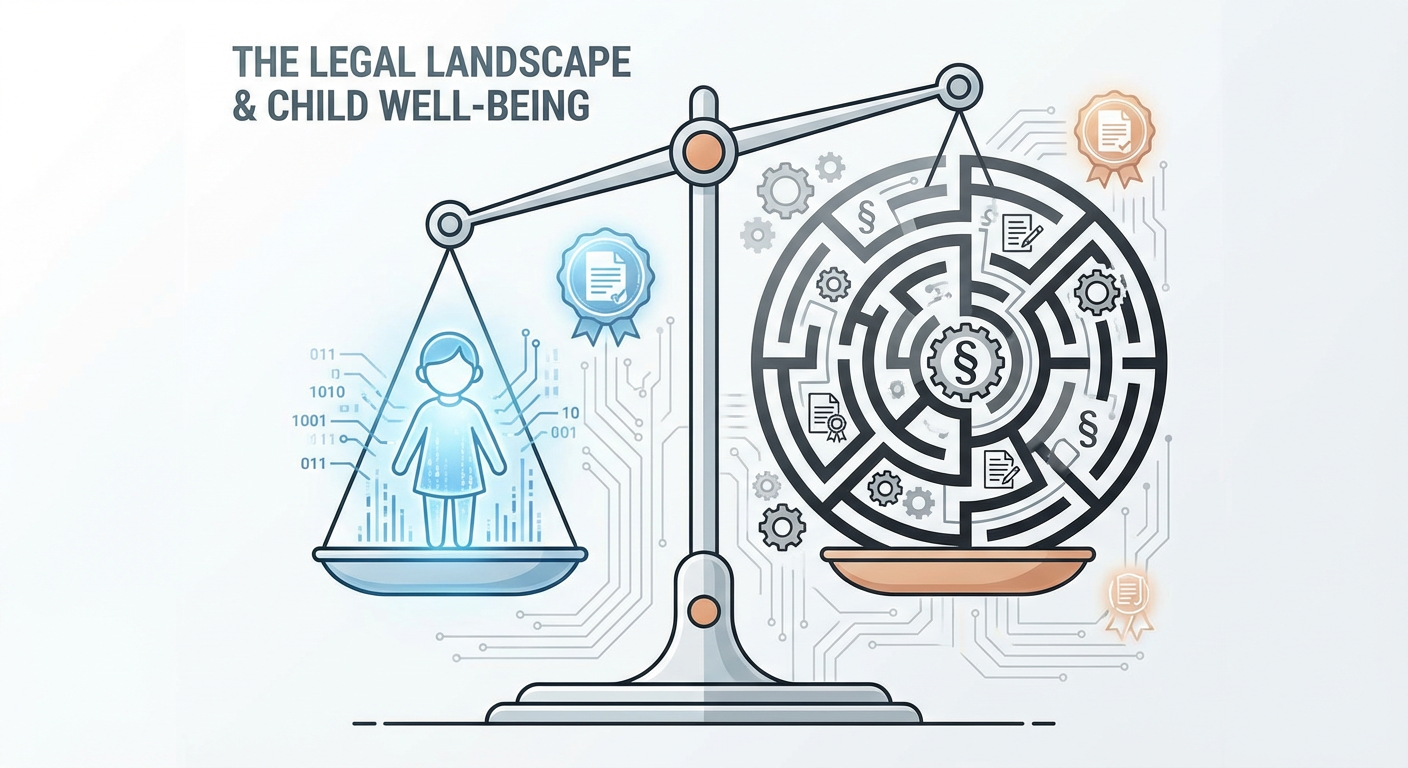
3. Legal Capacities and Contractual Limitations for Minors
The burgeoning interest in youth entrepreneurship, often fueled by the accessibility of digital platforms and a generational inclination towards self-driven ventures, presents a complex legal and ethical landscape. While the digital age has significantly lowered barriers to entry for aspiring young business owners – enabling teens to launch e-commerce stores, develop apps, or manage social media channels from their bedrooms – the fundamental legal structures governing minors remain largely rooted in traditional principles designed to protect children, not empower them as CEOs. This section delves into the intricate legal capacities and contractual limitations that minors encounter when pursuing business activities, highlighting the critical need for adult involvement in critical processes such as business registration, contractual agreements, and financial management across various jurisdictions. Drawing on specific data points, legal precedents, and real-world examples, we will explore the disparities in regulatory frameworks globally, the evolution of certain laws to accommodate youth enterprise, and the ongoing tension between safeguarding minors and fostering their entrepreneurial spirit.
3.1. The Age of Majority: A Foundational Barrier to Business Autonomy
At the heart of the legal challenges faced by child and teen business owners is the prevailing concept of the “age of majority.” This legal designation marks the transition from childhood to adulthood, granting individuals full legal rights and responsibilities. In most jurisdictions worldwide, including the vast majority of the United States, the age of majority for engaging in binding business activities and forming legal contracts is 18 years old9. This internationally recognized threshold is primarily intended to protect minors from exploitation, harmful decisions, and contractual obligations that they may not fully comprehend due to their age and presumed lack of maturity and business experience. The implications of this legal standard are profound for young entrepreneurs. While an enterprising 15-year-old might possess an innovative product idea, a strong business plan, and even a burgeoning customer base, their legal status as a minor significantly curtails their ability to operate independently in the formal business world. They generally cannot:
- Form Binding Contracts: Agreements signed by someone under 18 can often be voided or disaffirmed by the minor, even if the other party understood they were dealing with a minor5. This means a minor cannot reliably enter into agreements with suppliers, landlords, customers, investors, or engage in any other transaction that requires a legally enforceable contract7. The ability of a minor to avoid a contract is a safeguard but also a deterrent for businesses reluctant to deal with them directly.
- Register a Business Entity: Most governmental bodies responsible for business registration (e.g., for an LLC or corporation) require the principal individuals (organizers, directors, managing members) to be of legal age. This often restricts minors from formally incorporating a company or holding significant corporate roles9.
- Open Business Bank Accounts or Obtain Loans: Financial institutions typically require account holders to be at least 18 years old to open an account or independently apply for credit. This makes it challenging for minors to manage business finances, receive payments, or secure necessary funding without adult intervention12. Indeed, surveys indicate that 82% of youth-led companies need external funding, yet youth-led firms are less likely to even have a business bank account12.
These limitations mean that despite the growing entrepreneurial ambition among youth—with 75% of teenagers in 2022 expressing interest in starting a business, a sharp increase from 41% in 201812—only a small fraction, approximately 5% of U.S. teens by high school age, have actually launched a venture1. This gap highlights the significant legal barriers that transform aspiring “kidpreneurs” into fully operational business owners. The requirement for adult involvement isn’t merely a bureaucratic hurdle; it stems from a legal philosophy that minors, by definition, may lack the judgment and experience to fully understand the consequences of their commercial actions. This protective stance, while well-intentioned, often forces young innovators to navigate a labyrinth of adult proxies and legal structures, as demonstrated by the case of Mikaila Ulmer, who started her lemonade business at 4. At age 9, she secured a $60,000 investment on *Shark Tank*, and by 11, her “Me & the Bees Lemonade” was distributed in over 55 Whole Foods stores1415. Throughout this incredible growth, her parents were indispensable, managing contracts and loans, and setting up the formal business entity with appropriate adult oversight14. Similarly, Moziah “Mo” Bridges, who founded Mo’s Bows at age 9, leveraged the constant legal and operational support of his mother, who served as the de facto CEO and signatory for major deals, including a seven-figure licensing agreement with the NBA when Mo was 15 years old1316. Such real-world success stories consistently underscore that while a minor can be the creative force and public face of a business, an adult’s legal capacity is almost always essential for formal operations.
3.2. Patchwork of Regulations: Jurisdictional Variations and Limited Legal Capacities
The legal landscape governing minors in business is not uniform; instead, it presents a “patchwork of rules” that vary significantly across different jurisdictions. This global disparity offers unique challenges and opportunities for young entrepreneurs, as some regions provide more flexibility than others.
3.2.1. Global Variations in Legal Capacity
While 18 is the standard age of majority in many countries, exceptions and specialized pathways exist.
- South Africa: South African law offers a notable degree of flexibility, allowing children as young as 7 to enter into contracts, provided they have a guardian’s assistance or consent at the time of the agreement5. This means that a contract entered by a minor with guardian approval is not automatically voidable, a significant departure from many other common law systems.
- Netherlands: The Netherlands provides a specific mechanism for 16–17-year-olds to gain “limited legal capacity” (known as “handlichting”) by petitioning a court6. If granted, this status allows the minor to make certain business decisions independently, free from parental approval, and holds them personally responsible for their business obligations until they reach full adulthood at 186. This legal recognition of increasing maturity for specific purposes offers a valuable pathway for older teens seeking more autonomy.
- India and the UK: In contrast, countries like India and the United Kingdom adhere to stricter interpretations of contractual capacity for minors. Many agreements entered by individuals under 18 are generally considered unenforceable, except for contracts pertaining to “necessities” (such as food, clothing, or essential services). This effectively bars unsupervised business dealings and places a greater onus on adult involvement. Legal scholar Shivangi Gangwar’s analysis highlights the comparative differences in how these countries handle minors’ contracts in the digital age, underscoring the enduring protective stance in India and the UK5.
3.2.2. U.S. State-Level Discrepancies
Even within a single country like the United States, the rules can differ significantly from state to state.
- Restrictive States: Some states, such as Colorado and Illinois, have historically maintained strict policies that effectively prevent individuals under 18 from formally incorporating a company or holding directorships10. This can create substantial hurdles for young entrepreneurs in these regions, necessitating more elaborate adult-led structures.
- More Flexible States: Other states, however, offer greater flexibility. For example, Texas and California provide more leeway, allowing minors to engage in business activities with parental consent or, in certain circumstances, through court petitions for emancipation710. While emancipation is a relatively rare and rigorous process, usually tied to self-sufficiency rather than purely entrepreneurial aims, it signifies a legal pathway to full contractual capacity.
These varying regulations mean that the feasibility of a teen formally registering and operating a business can be heavily dependent on their geographic location. This lack of uniformity complicates the journey for young entrepreneurs and emphasizes the need for localized legal advice.
3.2.3. Parental Consent and Guardianship Structures: The Primary Workaround
Given the prevalent age restrictions and contractual limitations, the most common and practical solution for minors striving to run a business involves significant parental or guardian involvement. These adults act as legal proxies, providing the necessary contractual capacity and formal structure.
- Co-signing and Formal Roles: Parents or guardians often must co-sign contracts, serve as managing members for LLCs, or act as directors for corporations on behalf of the minor7. For example, a 16-year-old wishing to establish an LLC typically needs an adult to be listed as the organizer or a designated managing member with legal authority7.
- Business Registration and Banking: The adult typically registers the business entity in their own name, or as a co-owner, and opens business bank accounts, as minors generally cannot do so independently. Mikaila Ulmer’s father, for instance, accompanied her to meetings and managed contracts and loans with Whole Foods, reflecting this critical adult role14.
- Trusts and Custodial Accounts: For higher-value assets or significant earnings, minors’ business assets can be held in formal trust accounts or custodial arrangements (e.g., under the Uniform Gifts/Transfers to Minors Act – UGMA/UTMA). These legal vehicles ensure that ownership beneficially resides with the minor, but the assets are managed by an adult trustee or custodian until the minor reaches the age of majority. This was a critical safeguard in the sale of Nick D’Aloisio’s Summly app to Yahoo for $30 million when he was 17; trust accounts were set up for some of the proceeds until he turned 1817.
- Protecting Against Liability: While minors are generally shielded from personal liability arising from contractual obligations, operating informally can expose parents to significant personal risk. Establishing a formal business structure (like an LLC or corporation), even if registered by an adult proxy, can help protect the family’s personal assets from business debts or lawsuits. This requires careful consideration of appropriate business liability insurance.
The essential takeaway is that minors with business aspirations must proactively seek adult allies to navigate the legal and financial frameworks, transforming their innovative ideas into legitimate and protected ventures.
3.3. Intersecting Legal Frameworks: Child Labor Laws vs. Entrepreneurship
Another critical area of legal consideration for child and teen business owners involves the complex interplay between child labor laws and entrepreneurial activities. These laws, meticulously designed to prevent the exploitation of minors, often struggle to neatly categorize and regulate self-employment versus traditional “employment.”
3.3.1. Child Labor Laws: Not Designed for Self-Employment
Historically, child labor laws, such as the Fair Labor Standards Act (FLSA) in the U.S., set minimum working ages (often 14 for non-hazardous work) and restrict working hours for minors, particularly during school days and late evenings8. The primary intent is to protect children from unsafe conditions, excessive work that interferes with their education and development, and general exploitation by employers. However, these laws were largely conceived for conventional employer-employee relationships and typically do not explicitly cover situations where a minor is working *for themselves*.
- Self-Employment Exemption: Generally, if a child is solely “employing themselves” through a small, self-run venture (like an online craft store, yard work service, or even coding an app), federal child labor laws are less likely to apply, provided the work is non-hazardous and does not interfere with schooling8. This is a crucial distinction that allows many young entrepreneurs to operate informal micro-businesses.
- Family Business Exemption: A significant exemption pertains to family-owned businesses. In the U.S., a child can typically work for a business wholly owned by their parents (outside of hazardous occupations or manufacturing) at any age without violating federal child labor laws8. This exception highlights a cultural recognition of children learning work ethic within a family context and provides a legal avenue for minors to be actively involved in their “parent-formalized” startups.
The challenge arises when a minor’s business grows to a point where it resembles a formal enterprise. If a 16-year-old business owner were to start hiring other minors as employees, for instance, they (or their adult proxy) would then be subject to the full spectrum of child labor laws concerning wages, hours, and working conditions for their employees.
3.3.2. Prioritizing Education and Well-being
Despite the exemptions for self-employment, the overarching principle in most jurisdictions is that a minor’s education and well-being take precedence over business activities. This means:
- Mandatory School Attendance: School attendance is compulsory until a specified age (e.g., 16 in many places, 18 in others), and truancy laws can override any entrepreneurial aspirations. Young entrepreneurs must schedule their business activities around their academic commitments. Mikaila Ulmer, despite running a burgeoning lemonade empire, always prioritized her homework and school, conducting business only afterward and on weekends15.
- Ethical Considerations in Growth: The line between fostering entrepreneurial skills and pushing a child into exploitative labor can be fine. While a “lemonade stand” is largely seen as a positive learning experience, a situation where a child is compelled by parents to fulfill extensive business orders may cross into exploitative territory. This ethical dilemma has led to new regulatory protections, particularly in the realm of child influencers.
3.3.3. Adapting Regulations: Lemonade Stand Laws and Child Influencers
Recognizing the value of early entrepreneurial experiences, some jurisdictions are actively adapting their laws to provide clarity and reduce unnecessary bureaucratic burdens on minor entrepreneurs.
- “Lemonade Stand Laws”: Following public outcry over real-world incidents where police shut down children’s lemonade stands due to lack of permits or health code violations, at least 14 U.S. states have passed “lemonade stand laws” since 20179. These laws specifically exempt children’s occasional, low-revenue micro-businesses (like lemonade and bake sales) from permit and licensing requirements, effectively legalizing these informal ventures9. Utah’s 2017 law, for instance, prevents local authorities from requiring permits or fees for minor-operated businesses conducted on a limited basis9. This trend signifies a shift in regulatory thinking, acknowledging the educational and developmental benefits of child-led micro-enterprises.
- Protection for Child Influencers: The rise of child influencers and content creators on platforms like YouTube and TikTok has illuminated a new grey area concerning child labor and earnings. France made groundbreaking moves in 2020 by passing a law that treats under-16 content creators as child performers under labor law, requiring government approval for their professional online activities and mandating that a significant portion of their earnings be placed in protected accounts until they turn 181011. Inspired by this, several U.S. states (Illinois, California, Minnesota, Utah) have enacted similar protections by 2024, generally requiring at least 15% of a minor influencer’s earnings to be saved in a trust and granting minors the right to request content removal once they reach adulthood1213. These laws represent an expansion of child labor protections into the digital sphere, aiming to prevent exploitation and ensure that child entrepreneurs benefit from their own work.
These evolving regulations demonstrate a gradual, albeit piecemeal, adaptation of legal frameworks to the realities of contemporary youth entrepreneurship. The key is to foster entrepreneurial spirit while rigorously protecting the minor’s welfare, education, and long-term interests.
3.4. Navigating the Digital Marketplace: Platform Policies, Privacy, and Online Commerce
The digital age offers unprecedented access for young entrepreneurs to global markets and sophisticated tools, yet it introduces a new layer of regulatory complexity primarily through platform-specific policies and data privacy laws. While an enterprising teen can build a business from their bedroom, they are still bound by the terms of service of the online platforms they utilize.
3.4.1. Platform Age Restrictions and Adult Proxies
Many of the fundamental digital services required to run an online business come with strict age requirements, often aligning with the legal age of majority.
- Payment Processors: Services like Stripe and PayPal, essential for accepting online payments, typically require users to be 18 years old to create an account or process transactions77. For minors, this necessitates an adult (usually a parent or guardian) to act as the primary account holder, legally responsible for all transactions. This means that while a teen may be selling products, the revenue technically flows through an adult’s account.
- E-commerce Platforms and Marketplaces: Platforms such as Etsy have specific policies for minors. While teens aged 13-17 can sell on Etsy, it must be done under the direct supervision of a parent or legal guardian, who holds the account and is responsible for all shop activities8. Similarly, full access to developer accounts for app stores (like Apple’s App Store or Google Play) generally requires the account holder to be an adult, even if the minor is the app’s creator.
- Implications of Proxy Accounts: Relying on adult proxy accounts for critical business functions like payment processing and platform registration can create legal and ethical ambiguities. While expedient, it means the adult is officially recognized as the “owner” or responsible party by the platform. It is crucial for families to have clear internal agreements, potentially documented, outlining that the minor is the beneficial owner and creative force, even if the adult is the legal signatory. This also raises questions of intellectual property ownership and financial control, which need to be managed transparently to avoid disputes.
3.4.2. Social Media, Content Monetization, and Age Gating
For many young entrepreneurs, especially those in the influencer or content creation space, social media platforms are central to business operations.
- Minimum Age for Accounts: Most major social media platforms (e.g., YouTube, TikTok, Instagram) enforce a minimum age of 13 for user accounts. This is largely driven by compliance with privacy regulations like COPPA9. While enforcement can be inconsistent, and many underage children circumvent these rules by misrepresenting their age, for legitimate business operations, adherence is expected.
- Monetization Limits: Even for teens aged 13-17, monetization options are often restricted. For instance, YouTube’s Partner Program, which enables ad revenue, requires the channel owner to be 18, or a minor supported by a legal guardian who manages payments. Similarly, many brand sponsorship deals require adult signatures, meaning a parent or manager must formalize commercial agreements on behalf of a minor influencer. TikTok also imposes age restrictions on features like live streaming and gifting for users under 18. These limitations underscore that while minors can create and engage online, critical financial and contractual elements typically require adult legal capacity.
3.4.3. Data Privacy Laws: COPPA, GDPR, and Global Reach
Young founders operating online must also be acutely aware of and comply with data privacy regulations, especially if their target audience includes other minors.
- Children’s Online Privacy Protection Act (COPPA): In the U.S., COPPA makes it illegal to collect personal information from children under 13 without verifiable parental consent10. This applies to any website or online service, including apps or games, that either targets children under 13 or has actual knowledge that users are under 13. A teen developer creating a game for younger kids, for example, must implement age screening and parental consent mechanisms; failure to do so could result in FTC enforcement actions.
- General Data Protection Regulation (GDPR): Europe’s GDPR includes stringent provisions for children’s data. It generally requires parental consent for processing the personal data of individuals under 16, though member states can set this age between 13 and 1611. A teenage entrepreneur with an international online presence must consider these differing age thresholds for consent, as a website allowing a 15-year-old from a GDPR country (where the consent age is 16) to sign up without parental consent could be in violation.
Compliance with these complex privacy laws can be daunting for small, youth-led startups. Simpler approaches include minimizing personal data collection, utilizing platform-provided compliance tools (e.g., YouTube’s “made for kids” designation), and seeking adult guidance for understanding legal obligations. Generic legal templates for privacy policies and terms of service are also essential starting points.
3.4.4. Content Guidelines, Cybersecurity, and Financial Prudence
Beyond age restrictions and privacy laws, young entrepreneurs in the digital space must also adhere to platform community guidelines, advertising rules, and general cybersecurity best practices.
- Content and Advertising Standards: Online businesses must comply with rules on truth-in-advertising, intellectual property, and content moderation. For example, a teen running a dropshipping store must ensure their marketing is not misleading and disclose affiliate relationships. For child influencers, the U.S. FTC has issued guidance implying that parents treating children’s online appearances as business endeavors must adhere to truth-in-advertising and child labor standards.
- Cybersecurity and Fraud: Minors, by virtue of their age and potentially less experience, can be targets for online scams or fraud. Education on secure online practices, using escrow services, verifying suppliers, and maintaining professional online conduct are crucial skills for young digital entrepreneurs.
- Taxes: A often-overlooked aspect is tax liability. If a minor’s online earnings exceed a certain threshold, they, or their adult proxies, are legally obligated to report and pay taxes. Tax authorities do not differentiate by age; income is income. This necessitates proper record-keeping and potentially consulting a tax preparer, marking a significant step towards managing a business “like an adult.”
In essence, while the digital marketplace offers unparalleled opportunities for young business owners to build and scale ventures quickly, it also demands diligent adherence to a complex web of platform policies, privacy regulations, and financial responsibilities. The successful navigation of this landscape consistently requires proactive adult oversight and a commitment to understanding and adapting to digital compliance needs.
3.5. Case Studies: Learning from Trailblazing Kidpreneurs and Their Legal Guides
Examining real-world examples of successful child and teen entrepreneurs vividly illustrates the practical application of legal capacities and contractual limitations, as well as the indispensable role of adult involvement. These case studies underscore how young innovators, with proper guidance, navigate these challenges to achieve remarkable success.
3.5.1. Mikaila Ulmer – Me & the Bees Lemonade (USA)
Mikaila Ulmer began her lemonade business in Austin, Texas, at the tender age of 4, driven by a desire to help save honeybees and using her great-grandmother’s recipe14. Her journey is a prime example of a minor achieving significant business success through consistent adult support.
- Early Stages: In the initial years, Mikaila sold her lemonade at local events and stands, with her parents handling all operational logistics and legalities.
- Major Breakthroughs: At age 9, Mikaila garnered a $60,000 investment from Daymond John on *Shark Tank*14. By 11, her brand, “Me & the Bees Lemonade,” secured a major distribution deal with Whole Foods Market, expanding to over 55 stores nationwide and reportedly worth millions1515(P. 1).
- Adult Role and Legalities: During these critical phases, Mikaila was legally a minor. Her father, Theo Ulmer, played a crucial role, accompanying her to business meetings, managing complex contracts (including the Whole Foods deal and a low-interest local producer loan from Whole Foods)14, and handling the formal business registration and financial management. While Mikaila was the CEO and creative visionary, her parents served as the legal and operational backbone, ensuring compliance and protecting her interests.
- Ethical Management: The Ulmer family ensured that the business’s profits were managed transparently for Mikaila’s future and reinvested into the company and bee conservation efforts. This commitment to the child’s welfare and social mission highlights ethical business practices.
Mikaila’s story demonstrates that with unwavering parental support, strategic adult mentorship, and careful legal structuring, a child-led venture can achieve significant scale while remaining protected.
3.5.2. Moziah “Mo” Bridges – Mo’s Bows (USA)
Moziah Bridges started sewing bow ties for “Mo’s Bows” at age 9 in Memphis, aided by his grandmother. His journey illustrates the power of mentorship and responsible phased growth for a minor entrepreneur.
- Initial Growth and Parental Support: Mo’s mom managed the initial business paperwork and operations, allowing Mo to focus on design and production.
- Shark Tank and Mentorship: At 12, Mo appeared on *Shark Tank*. Rather than accepting an investment, he recognized the value of mentorship and accepted Daymond John’s offer of ongoing guidance without giving up equity13.
- Major Deal and Adult Proxy: In 2017, at 15 years old, Mo secured an unprecedented licensing deal with the NBA to create bow ties for all 30 professional basketball teams, a reported seven-figure agreement1316. Due to his minor status, his mother, Tramica Morris, was the formal CEO and signatory on this and other major contracts. She had previously incorporated the company, serving as the legal entity required for such large-scale business dealings16. The family consciously decided against rapid expansion, prioritizing Mo’s education and well-being.
Mo’s journey exemplifies how adult legal representation and a strong mentorship network allowed a minor with exceptional talent to navigate highly complex corporate agreements, ensuring both legal compliance and ethical protection.
3.5.3. Nick D’Aloisio – Summly App (UK)
Nick D’Aloisio, a self-taught coder from London, created Summly, an AI-powered news summary app, at 15. His story represents the high-stakes end of teen entrepreneurship, involving venture capital and a multi-million-dollar acquisition well before his legal majority.
- Early Funding: While still in high school, Nick attracted significant venture capital, raising approximately $1.5 million from investors like billionaire Li Ka-shing17.
- Acquisition by Yahoo: In 2013, at just 17 years old, Nick sold Summly to Yahoo for roughly $30 million17. He then joined Yahoo’s London office as a product manager, all before turning 18.
- Legal Maneuvers for a Minor: Such a high-value transaction involving a minor required meticulous legal handling. His parents and legal counsel were deeply involved in the acquisition negotiations. Trust accounts were established to hold a portion of the proceeds until Nick reached 18, safeguarding his future17. Yahoo, as the acquiring company, insisted on full disclosure of Nick’s age to ensure the validity of all contracts. The company acquired the legal entity (which would have required adult oversight in its incorporation) and employed Nick as a compensated minor, ensuring all agreements had proper parental consent and legal structures.
Nick D’Aloisio’s experience vividly demonstrates that while a minor can conceptualize and develop highly valuable intellectual property, executing major business transactions – particularly multi-million-dollar acquisitions – necessitates sophisticated legal support and careful structuring to circumvent the inherent contractual limitations of minority.
3.5.4. Tilak Mehta – Papers N Parcels (India)
Tilak Mehta, at 13 years old in Mumbai, India, founded “Papers N Parcels,” a same-day logistics service. His case illustrates adapting youth entrepreneurship to specific cultural and legal contexts outside Western models.
- Vision and Adult Partnership: Inspired by Mumbai’s “dabbawalas” (lunchbox delivery system), Tilak partnered with a logistics veteran who became the CEO, while Tilak served as the visionary behind the concept and the public face.
- Rapid Growth: In little over a year, the company recruited hundreds of delivery personnel (many of whom were previously dappawalas) and generated significant media attention. By 2021, at 16, the company reportedly achieved a turnover of over ₹100 crore (approximately $13 million), with Tilak holding an estimated $8 million stake18.
- Regulatory and Cultural Context: Due to legal restrictions in India, Tilak, as a minor, could not legally be a company director or sign contracts. Therefore, the business was formally registered with adult directors, including his professional partner and family members. Tilak’s father provided the initial capital and handled operational and compliance aspects. The company made it transparent that while Tilak was the inspiration, experienced adults managed daily operations, addressing cultural skepticism regarding a 13-year-old’s involvement in such a substantial business.
Tilak Mehta’s success story highlights that the legal and cultural barriers for minors in business can be overcome through strategic adult partnerships, transparent management, and a clear division of roles where the minor drives innovation and vision while adults ensure legal and operational stability. These examples collectively reinforce a singular truth: while young entrepreneurs are increasingly capable of innovation and business generation, their legal capacity remains constrained by age. The pathway to formal, large-scale success invariably involves the close collaboration, legal representation, and unwavering support of adults who can navigate the regulatory maze on their behalf.
3.6. Conclusion: Toward an Evolving Framework for Youth Entrepreneurship
The examination of legal capacities and contractual limitations reveals a nuanced and often challenging environment for child and teen business owners. Though entrepreneurial ambition among youth is at an all-time high, the legal reality is that most jurisdictions maintain a protective stance, viewing minors as lacking full contractual capacity until the age of 18. This fundamental principle necessitates significant adult involvement in virtually every formal aspect of a minor’s business, from registration and contract signing to financial management and platform access. However, the landscape is gradually evolving. The emergence of specialized legal pathways, such as the Netherlands’ “handlichting” or the increasing adoption of “lemonade stand laws” in the U.S., signals an acknowledgement by lawmakers that fostering early entrepreneurial spirit is beneficial. Furthermore, targeted legislation like France’s and several U.S. states’ laws protecting child influencers indicates a new frontier in child labor law, adapting traditional protections to the digital age’s unique earning opportunities. Ultimately, for youth entrepreneurship to flourish responsibly, a multi-faceted approach is required:
- Continued Legal Adaptation: Jurisdictions should explore further mechanisms that grant limited legal capacity to older minors for business purposes, potentially mirroring how other rights and responsibilities (like driving) are tiered by age.
- Enhanced Parental and Guardian Awareness: Adults involved with young entrepreneurs need clear guidance on their roles, responsibilities, and the importance of appropriate business structures (e.g., LLCs), trust accounts, and insurance to protect both the minor’s assets and the family’s liability.
- Education and Mentorship: Bridging the “knowledge gap” for young entrepreneurs is crucial. Entrepreneurship education, mentorship programs, and accessible legal and financial literacy resources can empower minors to understand the complexities they will encounter.
- Ethical Safeguards: Robust ethical frameworks and, where necessary, legal protections must be in place to prevent exploitation, burnout, and negative impacts on a child’s education and well-being, ensuring that the child’s best interests always remain paramount.
As the digital age continues to lower practical barriers to entry, the legal framework must continue to evolve to strike a delicate balance: enabling and encouraging the next generation of innovators while rigorously upholding the fundamental principle of child protection. This ongoing dialogue between youth ambition and legal tradition will define the future of child and teen entrepreneurship.
The subsequent section will delve into the ethical responsibilities of parents and guardians, further expanding on the crucial role they play in guiding and safeguarding young business owners.
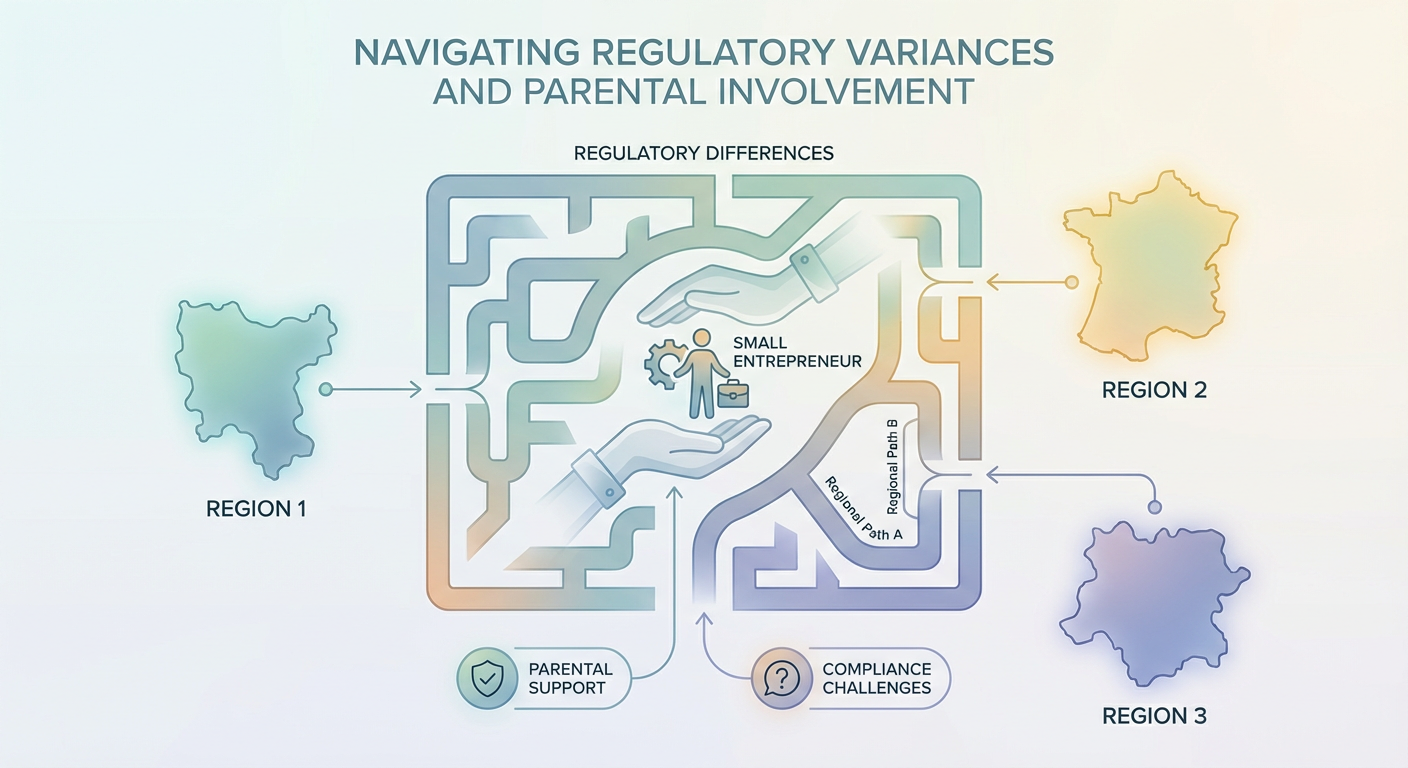
4. Navigating Regulatory Variances and Parental Involvement
The landscape of youth entrepreneurship in the digital age is marked by both burgeoning ambition and a complex web of legal and ethical considerations. As more young people, particularly those in Generation Z, gravitate towards business ownership as a viable career path, the traditional legal frameworks designed for adult-led enterprises are increasingly being challenged and re-evaluated[20]. This section delves into the intricate regulatory variances that underage business owners face across different regions, highlighting the critical role of parental consent and guardianship, and examining the diverse state-by-state differences in the United States. It explores how legal systems are slowly adapting to accommodate, yet also protect, this growing demographic of “kidpreneurs,” while simultaneously addressing the ethical dilemmas that arise from merging childhood with commerce. A significant shift in entrepreneurial interest among young people has been observed in recent years. In 2018, only 41% of teenagers indicated they would consider starting a business; by 2022, this figure had dramatically surged to 75%[1][2]. Gen Z, often lauded as the most entrepreneurial generation to date, sees business ownership not as a peripheral option, but as an attractive primary career choice, with over half planning to launch a venture within the next decade[3]. Despite this soaring interest, the actual number of minors operating formal businesses remains relatively small. For instance, only about 5% of U.S. teens have reportedly started an entrepreneurial venture by high school age[6], a figure that pales in comparison to the 25% of youth (ages 15–24) globally who are self-employed, an activity often driven by necessity in developing regions[4]. This disparity between aspiration and reality is largely attributable to the legal barriers inherent in most jurisdictions, where the age of majority for business activities is set at 18[7]. The essence of the regulatory challenge lies in the fundamental legal principle of contractual capacity. Minors, generally defined as individuals under the age of 18, are typically deemed to lack the full legal capacity to enter into binding contracts[8]. This protection, while intended to safeguard young people from exploitation or entering into disadvantageous agreements, creates a substantial impediment for those who wish to formally establish and operate a business. It means that a child CEO rarely stands alone in the eyes of the law; parental or guardian involvement is almost invariably essential, often requiring adult co-signatures, designations as legal business owners, or the establishment of specialized legal structures like trusts[10]. This section will thoroughly analyze these mechanisms and the varied approaches taken by different legal systems to balance the promotion of youth initiative with the imperative of child protection.
4.1. Legal Capacity and Contractual Obstacles for Minors
The cornerstone of commercial activity is the ability to form legally binding contracts. However, most legal systems globally operate under the principle that individuals below a certain age—typically 18, but with regional variations—possess limited contractual capacity. This is not merely a bureaucratic hurdle but a protective measure rooted in the presumption that minors may lack the maturity, experience, or judgment to fully understand the implications of their contractual obligations. The implications for an underage entrepreneur are profound. If a 17-year-old startup founder enters into an agreement with a supplier, a landlord, or an investor, that contract might be voidable at the minor’s discretion[5]. This means the minor could potentially repudiate the agreement without legal consequence. While this offers protection to the minor, it simultaneously creates significant risk for the other party, making businesses and institutions hesitant to engage in direct contractual relationships with individuals under 18. As a result, securing essential services such as business loans, supplier agreements, payment processing accounts, or even formal incorporation becomes exceptionally challenging, if not impossible, without adult intervention[7][9]. This legal principle extends beyond simple contracts to the very formation of a business entity. In most jurisdictions, a minor cannot independently incorporate a company or serve as a director without an adult’s formal involvement. For instance, in the United States, 18 years old is the standard minimum age to form a legal business entity or sign contracts[44]. The inability of minors to own legal entities directly, access traditional financing (82% of youth-led companies need external funding, but banks are hesitant to lend to minors)[49], or open dedicated business bank accounts creates a significant chasm between entrepreneurial ambition and practical execution.
4.2. The Indispensable Role of Parental Consent and Guardianship
Given the limitations on a minor’s legal capacity, parental consent and guardianship become critical enablers for young entrepreneurs. In the absence of specific legal provisions for underage business owners, parents or legal guardians often step into a multifaceted role, acting as legal proxies, co-signatories, and stewards of the young person’s entrepreneurial endeavors. The most common approach involves parents serving as the legal signatory for the business. This means the parent or guardian would:
- Co-sign Contracts: Any agreement requiring a binding signature, from leasing commercial space to purchasing equipment or engaging with vendors, would be co-signed by the parent. This ensures the contract is legally enforceable.
- Serve as Formal Officers/Directors: For incorporated businesses, such as an LLC or corporation, the parent may need to be formally listed as the managing member, president, or director. While the minor can still be recognized as the founder and lead the creative and operational aspects, the parent assumes the legal responsibility and capacity to act on behalf of the entity. For instance, many teen-owned LLCs are formally registered under a parent’s name, or a parent is designated as the managing member with contractual authority[46].
- Manage Financial Accounts: Minors typically cannot open business bank accounts independently. Parents or guardians are instrumental in establishing and managing these accounts, which are essential for receiving payments, paying expenses, and maintaining financial records. Digital payment platforms like Stripe also typically mandate users to be over 18 or require a legal guardian’s sign-off for accounts held by minors[14][16].
- Oversee Equity and Assets: If a business generates significant assets or equity (e.g., in a startup that takes investment), these might be held in a trust or custodial account managed by the parent until the minor reaches the age of majority. This ensures legal ownership and protection while allowing the minor to retain beneficial interest.
This parental involvement, while crucial, also presents its own ethical considerations. The clear distinction between parental support and potential exploitation can sometimes blur. Best practices suggest that while parents provide the legal and administrative backbone, the entrepreneurial vision, innovation, and day-to-day creative input should genuinely emanate from the young founder. Transparency regarding finances, with earnings typically reserved for the child’s future, helps maintain ethical standards. The examples of Mikaila Ulmer of “Me & the Bees Lemonade” and Moziah Bridges of “Mo’s Bows” vividly illustrate this model, where parents provided essential legal and logistical support while the children remained the creative and public face of their ventures[74][75][77]. Minors involved in industries like content creation, particularly those generating substantial wealth, have prompted new legislation designed to safeguard their earnings. Following France’s pioneering 2020 law for “kid influencers” which mandates government approval and protected accounts for minors’ earnings[10][19][21], several U.S. states have initiated similar protections. Illinois, California, Minnesota, and Utah have passed laws requiring a percentage (often 15%) of income generated by featuring children on social media to be saved in a trust for the child until they turn 18[22][23]. These legislative efforts signify a growing recognition of the unique challenges and vulnerabilities faced by young entrepreneurs, especially in the digital sphere, and aim to prevent potential exploitation.
4.3. Diverse Legal Frameworks: Variances Across Regions
The regulatory landscape for underage business owners is far from uniform, exhibiting significant variances across different regions and countries. This patchwork of rules can either enable or hinder youth entrepreneurial ventures, depending on the specific legal environment.
4.3.1. International Examples of Limited Legal Capacity
While generally minors lack full contractual capacity, some jurisdictions have devised specific mechanisms to grant limited legal capacity to young entrepreneurs, acknowledging their burgeoning economic contributions. A notable example is the **Netherlands**, where 16- and 17-year-olds can petition a court for “limited legal capacity” (known as “handlichting”)[11]. If granted, this status allows the minor to conduct specific business activities independently of their parents, thereby assuming personal responsibility for their business obligations. This legal emancipation, albeit partial, empowers young individuals to operate with greater autonomy while still providing some oversight through the judicial system. It lasts until the individual reaches 18. In **South Africa**, the legal framework allows children as young as 7 to enter into contracts, provided they have the assistance or consent of a guardian at the time of agreement[12]. This approach means that contracts involving minors are not automatically void, but rather valid if parental/guardian approval is secured. This flexibility provides a relatively lower barrier to entry for young business owners compared to many other nations. Conversely, countries like **India** and the **United Kingdom** maintain a stricter stance regarding agreements involving minors. In these jurisdictions, most contracts entered into by individuals under 18 are treated as unenforceable, with exceptions generally limited to contracts for “necessities” (e.g., food, shelter, education)[13]. This effectively restricts unsupervised business dealings by minors and necessitates robust adult involvement for any formal commercial activity. For instance, in India, while a guardian can contract on behalf of a minor, the minor themselves cannot enter into contracts as a principal.
4.3.2. State-by-State Differences in the U.S.
Even within a single country like the United States, the regulatory environment for underage entrepreneurs varies considerably at the state level. While the general age of majority for contractual purposes is 18 across most states, specific provisions concerning business formation and ownership differ. Some U.S. states have historically maintained more restrictive policies. For example, states like **Colorado** and **Illinois** previously had regulations that effectively prevented under-18 individuals from incorporating companies or holding directorships[14]. This meant that any formal business entity would have needed to be entirely owned and managed by adults on paper, even if the creative and operational force was a minor. In contrast, other states offer more flexibility. **Texas** and **California**, for instance, have carved out greater leeway for teen entrepreneurs under adult supervision[14]. While direct individual proprietary ownership might still be challenging for minors, these states often facilitate business operations through parental consent or specific legal arrangements. In California, for example, minors can pursue court emancipation, which grants them the legal capacity of an adult, though this is typically rare and involves demonstrating self-sufficiency, not just entrepreneurial ambition. The evolving nature of youth entrepreneurship has also prompted specific legislative responses, particularly evident in the rise of “lemonade stand laws.” In response to incidents where local authorities shut down children’s micro-businesses for lacking permits or violating obscure codes, public backlash catalyzed legislative change. As of 2025, at least 14 U.S. states have passed laws making it legal for children to operate occasional small businesses, such as lemonade stands or bake sales, without requiring permits or licenses[17]. **Utah’s 2017 law**, for example, explicitly prevents local governments from enforcing licensing or fee requirements on businesses operated by minors on a limited basis[18]. These laws, while seemingly minor, represent a significant policy shift: they acknowledge these ventures as valuable learning experiences rather than formal commercial enterprises, thereby fostering early entrepreneurial spirit without undue bureaucratic burden[9]. This table illustrates some key variances:
| Region/Country | Age of Majority / Full Contractual Capacity | Specific Provisions for Minors in Business | Key Example |
|---|---|---|---|
| United States (General) | 18 years old | Minors generally cannot enter binding contracts or incorporate companies without adult involvement. | Parent/guardian as co-signer or legal owner. |
| United States (Specific States like Colorado, Illinois) | 18 years old | Historically stricter, preventing minors from incorporating or holding directorships. | Adult must fully own and manage the formal entity. |
| United States (Specific States like Texas, California) | 18 years old | More flexible; allows for greater leeway under adult supervision or mechanisms like court emancipation. | Parental consent or court petition for emancipation. |
| Netherlands | 18 years old | 16-17 year olds can apply for “limited legal capacity” (handlichting) via court petition to conduct specific business activities independently. | “Handlichting” allows increased business autonomy. |
| South Africa | 18 years old | Minors as young as 7 can enter contracts with a guardian’s assistance or consent. | Guardian’s consent validates minor’s contracts. |
| India, United Kingdom | 18 years old | Most contracts by minors are unenforceable, except for “necessities,” effectively barring unsupervised business dealings. | Strong adult involvement crucial for any formal business engagement. |
4.4. Child Labor Laws vs. Child Entrepreneurs: A Nuanced Distinction
The rise of child and teen business owners necessitates a careful navigation of child labor laws. These regulations are primarily designed to protect minors from exploitation, ensure their health and safety, and prioritize their education[15]. However, their application to self-employed young entrepreneurs presents a nuanced challenge, as the traditional employee-employer relationship is often absent.
4.4.1. The Scope and Exemptions of Child Labor Laws
In many jurisdictions, child labor laws set minimum working ages and limit working hours, particularly during school days. For instance, in the U.S., federal law generally sets 14 as the minimum age for most non-farm work and restricts hazardous occupations for those under 18[15][16]. However, these laws typically do not apply directly to minors who are self-employed or involved in family businesses. This distinction is crucial:
- Self-Employment Exemption: If a child is generating income by selling products they made (e.g., crafts, baked goods) or providing services (e.g., yard work, dog walking) on their own behalf, they are generally not considered “employed” in the traditional sense, and thus, federal child labor laws like the Fair Labor Standards Act (FLSA) are less likely to apply to their own activities[51]. They are working *for themselves*, not *for an employer*.
- Family Business Exemption: A significant exemption exists for children working for a business wholly owned by their parents. In the U.S., federal law generally permits children of any age to work for their parents’ business (excluding manufacturing or hazardous jobs) without the child labor restrictions that would apply if they were employed by an unrelated company[52]. This allows parents to involve their children in family enterprises, fostering work ethic and practical skills. This exemption allows many young entrepreneurs to operate their ventures under the formal umbrella of a parent-owned entity, thereby aligning with legal requirements while still allowing the child to be the driving force.
This legal flexibility has been instrumental for many young entrepreneurs, allowing them to gain early business experience. However, when a minor’s business activities begin to resemble a formal enterprise that might include hiring other individuals, particularly other minors, then the full force of child labor laws regarding minimum wage, working conditions, and permissible hours would apply to those employees. The young founder, or more likely, their adult proxy, would then become an employer with all associated legal responsibilities.
4.4.2. Education as the Foremost Priority
Despite the exemptions for self-employment and family businesses, the overarching legal and ethical principle is that education must remain the primary focus for minors. Compulsory school attendance laws apply universally, meaning entrepreneurial pursuits cannot legitimately interfere with a child’s schooling. Child labor laws, even when exceptions are made, often stipulate that work cannot occur during school hours. Mikaila Ulmer, the founder of Me & the Bees Lemonade, famously stated, “I work on the business after I do my homework”[25], illustrating the necessary balance.
4.4.3. The Evolution of Protection for Child Influencers
The digital age has introduced a new category of child entrepreneurs: “kid influencers” who generate substantial income through social media content. This phenomenon has exposed new child exploitation risks, prompting regulatory innovation. France’s groundbreaking 2020 law explicitly treats minors under 16 engaged in lucrative online activities as child performers under labor law[19]. This law mandates prior government approval for such activities and requires a significant portion of the child’s earnings to be placed in a protected account until they turn 18[21]. Inspired by these concerns, at least four U.S. states (Illinois, California, Minnesota, Utah) have passed similar laws by 2024. These laws compel parents or guardians to save a specified percentage (often 15%) of income derived from featuring their children in social media content[22][56]. Furthermore, these new protections grant child performers a “right to be forgotten,” allowing them to request the removal of their content once they reach adulthood, and provide legal recourse if their earnings are misused[24]. This legislative trend reflects a critical adaptation of child protection principles to the realities of the digital economy, drawing a clearer line between empowering young content creators and preventing their exploitation.
4.5. Digital Platform Policies and Online Age Restrictions
The internet and social media have profoundly democratized entrepreneurship, offering young individuals unprecedented access to global markets and audiences from their homes. However, a significant regulatory layer for these digital ventures comes from the platforms themselves, which often impose age restrictions and terms of service that necessitate adult involvement.
4.5.1. Payment Processors and E-commerce Platforms
Many foundational tools for online business operations are subject to age restrictions:
- Payment Processors: Services like Stripe generally require account holders to be 18 years old or older. If a minor wishes to use these services, a legal guardian must set up and manage the account, providing their own credentials and assuming legal responsibility for the transactions[14][16]. This ensures compliance with financial regulations and contractual capacity requirements.
- Online Marketplaces: Platforms such as Etsy, a popular venue for craft sales, permit sellers aged 13-17 only under strict parental or guardian supervision. This means the parent typically owns and manages the account, overseeing listings, sales, and financial transactions[14]. Amazon, eBay, and other direct-selling platforms also generally require users to be 18 or older.
- Developer Accounts: Even for aspiring app developers, publishing an application on platforms like Apple App Store or Google Play requires an adult account holder to sign the developer agreement. While the minor can create the app, a parent’s legal involvement is necessary for distribution and monetization.
These platform policies mean that youth entrepreneurs in the digital space almost invariably require an adult ally to manage the logistical and financial aspects of their online presence. This often leads to situations where the business is formally registered under the adult’s name, with the understanding that the minor is the true innovator. Clear internal agreements between the minor and their adult proxy are essential to clarify ownership and profit distribution, safeguarding against potential disputes.
4.5.2. Social Media and Content Monetization
For many teen entrepreneurs, social media platforms are crucial for marketing, brand building, and increasingly, direct monetization.
- Platform Age Restrictions: Major social media platforms like Instagram, TikTok, and YouTube generally enforce a minimum age of 13 for account creation. This restriction is primarily driven by child online privacy laws such as the U.S. Children’s Online Privacy Protection Act (COPPA), which regulate the collection of personal data from children under 13[10][10][26]. While enforcement can be challenging and many younger children may create accounts by misrepresenting their age, these rules create a baseline for formal engagement.
- Monetization Requirements: Earning revenue directly from content on platforms often comes with additional age criteria. For example, YouTube’s Partner Program, which enables ad revenue, requires the channel owner to be 18 or older. Minors can still participate, but their earnings must be managed through a parent or legal guardian’s associated Google AdSense account. Similar requirements apply to direct brand sponsorships or affiliate marketing deals, where adult signatures are typically required for contractual validity.
These digital gatekeepers underscore that while minors can be the creative force and public face of an online venture, the formal, revenue-generating mechanisms almost universally default to requiring an adult’s legal capacity.
4.5.3. Data Privacy Laws: COPPA and GDPR
Young entrepreneurs running online businesses, especially if they target a youth audience, must navigate complex data privacy regulations. Key laws include:
- Children’s Online Privacy Protection Act (COPPA – U.S.): This federal law prohibits the collection of personal information from children under 13 without verifiable parental consent[26]. A teen developer creating a game or app for children, for example, must implement robust age-gating mechanisms and parental consent procedures to avoid severe penalties from the Federal Trade Commission (FTC).
- General Data Protection Regulation (GDPR – EU): Europe’s GDPR, and similar regulations in other regions, include stringent provisions for minors’ data. It typically requires parental consent for processing the personal data of children under 16, though individual member states can set this age between 13 and 16[27]. A teenage entrepreneur with a global reach could inadvertently violate GDPR if they collect data from a 15-year-old in a country where the consent age is 16 without proper authorization.
Compliance with these privacy laws can be particularly challenging for small, youth-led startups that may lack legal expertise. The best advice for young online entrepreneurs is to adopt a “privacy-by-design” approach: minimize data collection, be transparent about data usage, and lean on their adult advisors for legal guidance or to use built-in platform features (like YouTube’s “made for kids” designation) that help automate compliance. In essence, while the digital age lowers the barrier to entry for youth entrepreneurship, it simultaneously introduces a new layer of regulatory complexity dictated by platform terms and international privacy laws. Navigating this environment successfully requires not only entrepreneurial drive but also astute adult guidance and adherence to legal and ethical digital practices.
4.6. Emerging Ethical Considerations and Safeguards for Youth Business Owners
The explosion of youth entrepreneurship, particularly in the digital realm, has brought to the forefront a range of ethical considerations that extend beyond purely legal compliance. These concerns revolve around balancing the empowerment of young innovators with their fundamental rights to a healthy childhood, education, and protection from exploitation.
4.6.1. Balancing Parental Support with Potential Exploitation
The involvement of parents is almost always critical for underage business owners. Ideally, this involvement manifests as unwavering support, mentorship, and legal facilitation, with profits transparently managed for the child’s future. The “Mo’s Bows” case, where Moziah Bridges’ mother handled the business paperwork while he focused on design and marketing, and Daymond John provided mentorship, exemplifies ethical parental involvement[75]. However, the line between supportive involvement and exploitation can become blurred, especially when a child’s business achieves significant financial success. Concerns arise when “stage parents” might unduly pressure children into ventures they don’t enjoy, or worse, appropriate the profits for themselves. Because minors typically lack the legal standing to sue their parents or fully understand their own rights, independent safeguards become paramount. The recent laws in France, California, Illinois, Minnesota, and Utah mandating that a portion of a child influencer’s earnings be placed in protected trust accounts address this directly[22][23][56]. These proactive measures aim to ensure that minors genuinely benefit from their labor and that their financial future is secured, reflecting a societal recognition that a child’s welfare must supersede commercial gain.
4.6.2. The Risk of Burnout, Pressure, and Sacrificing Childhood
Entrepreneurship, even for adults, is inherently demanding. For children and teens, balancing the rigors of running a business with academic demands, social development, and general well-being can lead to significant stress and potential burnout. High-profile cases of child influencers or young entrepreneurs experiencing undue pressure highlight this ethical pitfall. Experts consistently emphasize that a minor’s education and normal childhood experiences should not be sacrificed for business success[28][29]. Parents and mentors play a crucial role in monitoring for signs of stress, ensuring adequate rest, and maintaining a balance between entrepreneurial activity and other vital developmental aspects of a child’s life. This might involve strategic decisions to scale down a business, hire adult management, or even temporarily pause operations to prioritize the child’s health and academic performance. Mikaila Ulmer’s parents, for example, ensured she maintained a 9:00 pm bedtime and prioritized homework despite her growing lemonade empire[25]. Public and media attention, while often beneficial for a young business, can also be a source of pressure, exposing young entrepreneurs to scrutiny, jealousy from peers, and unrealistic expectations. Ethical guidelines for media and public engagement are therefore important to protect the child’s privacy and manage external pressures.
4.6.3. Financial Literacy and Protection Against NaivetÉ
Young entrepreneurs, by definition, have limited experience in complex financial and legal matters. This can make them vulnerable to making suboptimal decisions regarding pricing, investment, debt, and equity, or even to predatory practices from less scrupulous adult partners.
- Mentorship and Education: This vulnerability underscores the critical need for financial literacy education and robust mentorship. Parents, educators, and experienced business mentors must guide young founders through the intricacies of contracts, negotiations, taxes, and accounting.
- Independent Advice: For significant transactions (e.g., securing venture capital, signing major licensing deals), it is an ethical imperative that the minor receive independent legal and financial advice, separate from any advice provided by the counterparty or even their own parents who might have conflicting interests. The Summly app sale by 17-year-old Nick D’Aloisio, with a reported value of $30 million, required extensive legal precautions, including parent and lawyer involvement to ensure the contracts were sound and his earnings protected in trust accounts until he turned 18[78].
The goal is to empower young individuals to make informed decisions and understand the implications of their business choices, rather than being exploited due to inexperience.
4.6.4. Addressing Exploitation and Safeguarding Against Predatory Behavior
The unique vulnerability of minors also demands strong safeguards against predatory behavior. This includes:
- Online Safety: Young online entrepreneurs can be targets for scams, fraud, or inappropriate approaches from adults posing as business partners. Emphasizing online safety protocols, such as involving a trusted adult in all communications, avoiding private meetings, and maintaining professional boundaries, is crucial.
- Legal Recourse: As seen with the child influencer laws, providing minors (or their guardians) with clear legal recourse for misuse of earnings or objectionable content is an ethical imperative. This establishes accountability for adults involved in their ventures.
The evolving legal and ethical framework for youth entrepreneurship seeks to create an environment where the immense potential of young business owners can flourish while ensuring their holistic development and protection from harm. This continuous adaptation of regulations, platform policies, and parental guidance is essential for nurturing the next generation of innovators responsibly.
4.7. Conclusion and Transition to Next Section
Navigating the regulatory maze is undoubtedly one of the most critical challenges facing child and teen business owners today. The traditional legal doctrine of limited contractual capacity for minors necessitates significant parental or guardian involvement, acting as legal proxies and stewards for young entrepreneurs. While this provides essential protection and facilitates operational capabilities (from contract signing to financial management), it also introduces ethical dilemmas concerning exploitation and genuine autonomy. The diverse legal frameworks across regions, from permissive “handlichting” in the Netherlands to stricter contractual unenforceability in places like India and the UK, underscore the global variance in how legal systems balance protection and empowerment. Within the U.S., state-level differences, exemplified by the “lemonade stand laws,” indicate a growing, albeit piecemeal, recognition of the unique needs of young entrepreneurs. The digital age, while lowering barriers to market entry, has introduced new layers of regulatory complexity through platform-specific age restrictions (e.g., payment processors, social media) and stringent data privacy laws like COPPA and GDPR. These necessitate careful adult oversight for online operations. Beyond legalities, ethical considerations surrounding burnout, financial literacy, and protection from exploitation demand proactive measures, including protected earnings for child influencers and robust mentorship. The narratives of successful young entrepreneurs like Mikaila Ulmer, Moziah Bridges, Nick D’Aloisio, and Tilak Mehta consistently highlight the indispensable role of adult guidance, legal structuring, and a strong support system in translating youthful vision into sustainable commercial success. As the entrepreneurial ambitions of Gen Z continue to rise, the imperative for legal and ethical frameworks to adapt becomes even more pressing. The current landscape is a dynamic interaction between existing legal norms, technological advancements, societal values, and individual ingenuity. The successes and challenges faced by young business owners today will undoubtedly shape future policy, necessitating continued dialogue and innovation in how society encourages, regulates, and above all, protects its youngest economic contributors. The next section will delve deeper into the specific ethical considerations surrounding parental and guardian involvement, exploring the fine line between support and exploitation, and examining the psychological impacts of early entrepreneurship on minors.
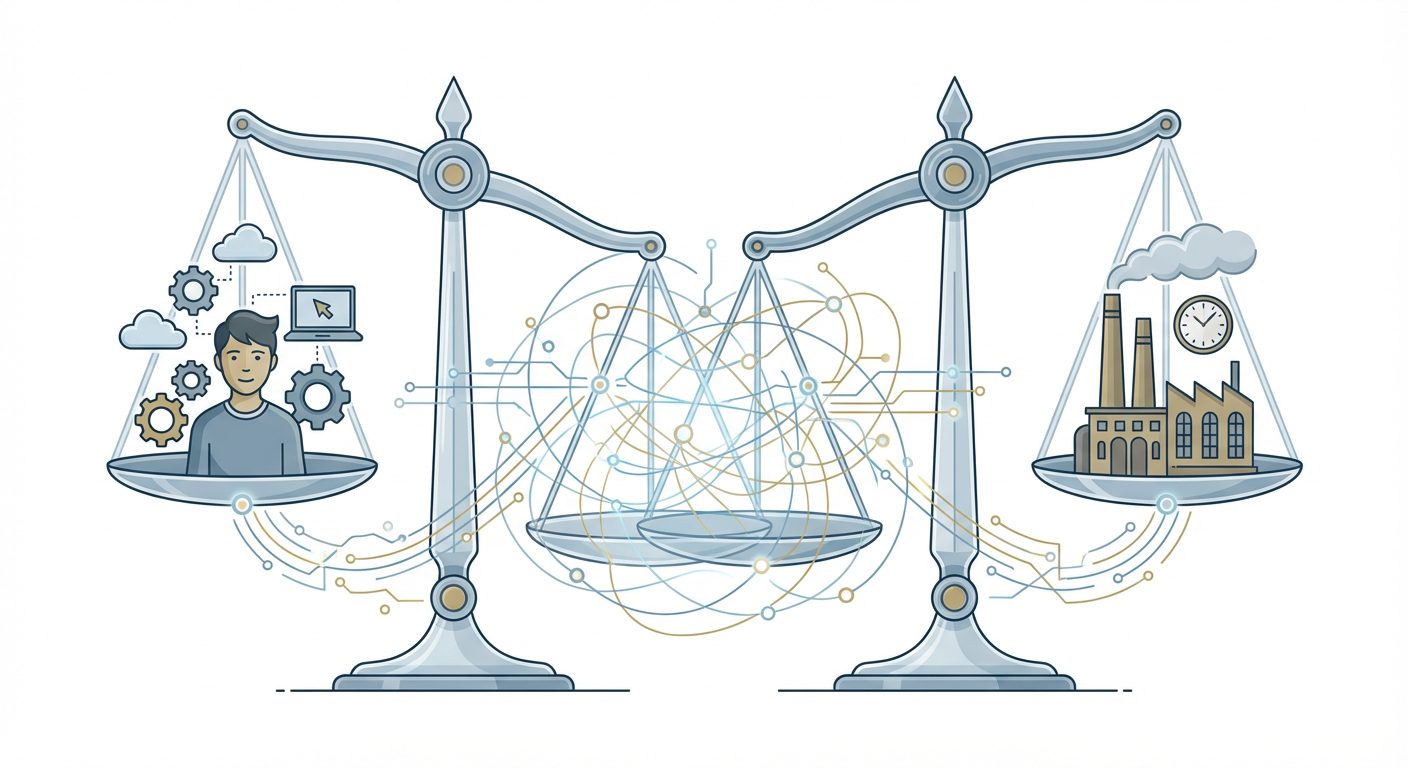
5. Child Labor Laws vs. Child Entrepreneurship: A Delicate Balance
The burgeoning landscape of youth entrepreneurship presents a compelling paradox for legal and ethical frameworks that were largely conceived in a bygone era. While the entrepreneurial ambition among young people has surged dramatically – with 75% of teens in 2022 expressing openness to starting a business, a significant leap from 41% in 2018[1], and over half of Gen Z (53%) planning to launch a venture within the next decade[5] – the traditional legal infrastructure governing minors and work struggles to adequately categorize and regulate this new phenomenon. On one hand, society seeks to foster innovation, cultivate financial literacy, and empower the next generation of business leaders. On the other hand, a fundamental responsibility remains to protect children and adolescents from exploitation, ensure their educational development, and safeguard their overall well-being. This section delves into the intricate balance between these two imperatives, exploring how existing child labor laws apply to self-employed minors, the specific exemptions and adaptations for family businesses and micro-enterprises, and the ethical tightrope walked by parents, regulators, and society as a whole in nurturing an entrepreneurial spirit without inadvertently sanctioning exploitation. We will examine the legal nuances, statistical realities, and the evolving policy responses to this dynamic intersection.
5.1 The Modern Landscape of Youth Entrepreneurship: A Shifting Paradigm
The digital age has fundamentally altered the accessibility and nature of entrepreneurial pursuits for minors. What once required significant capital, physical presence, and complex supply chains can now be initiated from a bedroom with merely a smartphone and internet access. This technological democratization has led to a noticeable rise in youth entrepreneurial interest and activity.
5.1.1 Rising Ambition vs. Actual Engagement
While aspirations are high, the actual number of actively operating businesses by minors in advanced economies remains relatively low. For instance, in the U.S., only about 5% of teens have started an entrepreneurial venture by high school age[1]. This gap between ambition and realization highlights existing barriers, some of which are legal and regulatory in nature. Globally, a larger proportion of youth self-employment (25% of 15–24 year-olds) is observed, particularly in developing regions, often driven by necessity rather than opportunity in formal job markets[3]. In contrast, youth self-employment rates in the European Union were significantly lower, at 6.5% for employed youth aged 20-29 in 2018, less than half the adult self-employment rate[4]. This disparity underscores that the motivations and manifestations of youth entrepreneurship are diverse and geographically specific. The shift in mindset among Gen Z is a critical factor. Unlike previous generations that might have viewed entrepreneurship as overly risky, many contemporary teens consider it a primary career aspiration. This perspective is fueled by a “DIY ethic” and exposure to successful young creators and founders online, making business ownership seem more attainable[31]. As the CEO of Junior Achievement notes, Gen Z “yearns for careers that enable original thought and ideas”[31], which entrepreneurship inherently offers. This context sets the stage for the regulatory challenges, as legal frameworks designed for traditional employer-employee relationships struggle to accommodate the self-directive, often digital-native economic activities of minors.
5.2 Traditional Child Labor Laws: An Imperfect Fit for Self-Employment
Child labor laws, historically, were enacted to protect children from the perils of industrialization and exploitative working conditions. They typically establish minimum working ages, restrict working hours, prohibit hazardous occupations, and prioritize education. However, these laws primarily target employment relationships where a minor is hired by an unrelated third party. The concept of a minor being self-employed or operating their own business largely fell outside the original scope or explicit definitions of such regulations.
The U.S. federal Fair Labor Standards Act (FLSA), for example, sets 14 as the minimum age for most non-farm work and restricts hazardous jobs for those under 18[8]. While these regulations are clear for minors working for an employer, they become ambiguous when a minor is the sole proprietor of their own venture. As one legal expert from LawShun.com notes, child labor laws exist to ensure education, health, and well-being, usually by regulating the conditions under which an employer can hire a minor[8].
The distinction often hinges on whether the minor is an “employee” or an “entrepreneur.” If a child manufactures and sells crafts online or offers lawn care services, they are generally considered self-employed. The law usually grants minors the right to engage in such activities, provided they don’t interfere with schooling, health, or safety. However, this informal regulatory treatment can quickly become complex if the business scales. For instance, a 16-year-old operating a successful online storefront who decides to hire another teen to help with order fulfillment could inadvertently become an “employer” and thus subject to the full suite of child labor laws for their employee, including minimum wage, hour restrictions, and other compliance obligations. This scenario highlights the delicate balance: while fostering entrepreneurial spirit, accidental non-compliance with labor laws for employees can arise, especially if the minor or their parents are unaware of their new obligations as employers.[8]
5.3 Exemptions and Adaptations: Carving Out Space for Young Entrepreneurs
Recognizing the value of nurturing entrepreneurial skills, some jurisdictions have developed explicit exemptions or informal leniencies for self-employed minors and family businesses.
5.3.1 The “Family Business” Exemption
A significant exemption in many child labor statutes, particularly in the U.S., pertains to family-owned businesses. Under federal law, children of any age can generally work for a business exclusively owned by their parents, as long as the work is not in manufacturing or deemed hazardous[8]. This provision dates back to agricultural and small family store traditions, where children routinely assisted in the family enterprise. This exemption proves crucial for many young entrepreneurs whose parents serve as nominal legal owners or co-signatories for their ventures due to the minor’s lack of contractual capacity. For example, if a minor’s business is formally registered under a parent’s name, the minor can essentially “work” in that business without violating child labor laws regarding minimum age or hours. This allows for what is effectively self-employment under the protective umbrella of the family business exemption. This approach has been instrumental in the success stories of “kidpreneurs” like Mikaila Ulmer of Me & the Bees Lemonade and Moziah Bridges of Mo’s Bows, where parents played an active role in managing the formal business structure while their children remained the creative and public face[49][47]. However, this exemption comes with an inherent ethical component. While it facilitates youth entrepreneurship, it also places immense trust in parents to act in their child’s best interest. The line between supportive parental involvement and potential exploitation can be blurred, a concern that new legislation for child influencers seeks to address.
5.3.2 The “Lemonade Stand Laws” Movement
Perhaps the most visible and widely embraced adaptation to accommodate micro-enterprises by minors is the proliferation of “lemonade stand laws.” For years, well-meaning but overzealous enforcement of local business licensing, health, or vending permit regulations led to numerous instances of children’s roadside stands being shut down. These incidents often sparked public outrage, highlighting a disconnect between bureaucratic rules and common sense. In response, a grassroots movement (often spearheaded by advocacy groups) led to legislative changes. As of 2025, at least 14 U.S. states have passed laws specifically exempting children’s occasional, small-scale businesses from such permit requirements[9]. Utah’s 2017 law, for example, prevents local authorities from requiring permits or fees for limited operations by minors[9]. Texas, in 2019, enacted a “Bottle Bill” to protect lemonade stands, and Illinois passed the *Kid’s Lemonade Stand Act*, allowing kids under 16 to sell without a permit up to a certain revenue limit. These laws explicitly recognize these ventures as learning experiences rather than formal commercial enterprises. They signal a policy shift towards encouraging early entrepreneurial spirit while maintaining a distinction between casual, low-revenue activities and larger, more established businesses that warrant full regulatory oversight. The implication is clear: start-up activities have a lower regulatory threshold, reflecting a societal value placed on fostering ingenuity.
5.3.3 Limited Legal Capacity and State-Specific Flexibility
Beyond exemptions, a few jurisdictions have introduced more formal mechanisms to grant minors limited business capacity. The Netherlands provides an example with its “handlichting” procedure, allowing 16- or 17-year-olds to petition a court for “limited legal capacity.” This grants them the ability to independently make specified business decisions, taking personal responsibility for those obligations[6]. South African law offers another model, permitting minors as young as 7 to enter contracts, provided a guardian provides assistance or consent at the time[12]. Within the U.S., while the age of majority for business contracts is typically 18, individual states vary in their flexibility. Some states, like Colorado, have historically been more restrictive, effectively prohibiting minors from forming companies without adult proxy. Others, such as California and Texas, offer more leeway, allowing minors to engage in business with explicit parental consent or, in certain cases, through successful petitions for legal emancipation, which grants them adult legal status for business purposes[7]. These localized adaptations illustrate a gradual, albeit fragmented, movement toward accommodating entrepreneurial minors within existing legal structures.
5.4 The Digital Age Paradox: Online Barriers and New Protections
The internet has dramatically lowered the barriers to market entry for young entrepreneurs. A teenager can launch an e-commerce store, develop an app, or monetize a social media channel with relative ease compared to traditional brick-and-mortar operations. However, this digital accessibility introduces a new layer of complexity, as minors must navigate platform-specific terms of service and evolving privacy regulations.
5.4.1 Platform Age Restrictions
Many widely used digital platforms crucial for online businesses impose age restrictions that align with the age of majority (18) or privacy laws (13). For instance:
- Payment Processors: Services like Stripe and PayPal require users to be 18 to create an account and receive payments. Minors typically need a legal guardian to sign off, or the account must be held by an adult who then transfers funds to the minor[16][17].
- E-commerce Marketplaces: Etsy permits sellers aged 13–17 only under direct parental supervision and within a parent’s registered account[18]. Other platforms have similar rules.
- Developer Accounts: To publish apps on platforms like Apple’s App Store or Google Play, the legal account holder must typically be an adult, even if the minor coded the app.
This means that while minors can be the creative force and visionary behind an online business, they almost invariably require an adult to act as the official account holder, signatory, and ultimate financial manager. This arrangement, while practical, underscores the legal limitations on minors in conducting binding transactions. It requires substantial trust between the minor and the adult, as the adult holds the legal leverage.
5.4.2 Privacy Laws and Minors Online
Beyond platform terms, young entrepreneurs operating online must also comply with data privacy regulations explicitly designed to protect children. The U.S. Children’s Online Privacy Protection Act (COPPA) forbids collecting personal data from children under 13 without verifiable parental consent[19]. This has broad implications: a teen developing a game or an educational app targeted at younger users must implement age-screening and consent mechanisms, or risk significant fines from the FTC. Similarly, Europe’s General Data Protection Regulation (GDPR) mandates parental consent for processing the personal data of children under 16 (or 13-16, depending on the member state)[20]. These laws create a unique challenge: a minor may be legally prohibited from agreeing to terms of service or privacy policies, yet their business may be subject to strict compliance requirements if it serves other minors. This regulatory irony highlights the need for careful adult guidance and legal counsel in navigating the digital marketplace, even for seemingly modest ventures.
5.5 Ethical Concerns: Preventing Exploitation and Prioritizing Well-being
The rise of “kidpreneurs” raises profound ethical questions that extend beyond mere legal compliance. Enthusiastic advocates celebrate the entrepreneurial spirit, but critics voice concerns about potential hidden child labor, undue pressure, and the erosion of a normal childhood. The fine line between fostering talent and exploiting it is a constant challenge.
5.5.1 The Exploitation Spectrum: From Lemonade Stands to Child Influencers
The distinction between an empowering learning experience and exploitative labor is highly contextual. A child voluntarily operating a lemonade stand for a few hours is widely accepted as harmless and beneficial. However, the online world introduces scenarios that push these boundaries. The phenomenon of “child influencers” and family vlogging, where children’s lives are monetized on platforms like YouTube and TikTok, has brought these ethical concerns to the forefront. High-profile scandals involving parents exploiting their children for content and revenue underscore the need for stronger safeguards[22]. Legislators worldwide are beginning to respond. France, in 2020, passed a groundbreaking law treating under-16 content creators as child performers under labor law. This mandates government approval for lucrative online activities and requires a significant portion of their earnings to be set aside in a protected account until they turn 18[24]. Inspired by similar concerns, at least four U.S. states (Illinois, California, Minnesota, and Utah) passed similar laws between 2023–2024. These laws compel parents to save a percentage (often 15%) of any income generated by featuring their kids on social media in a trust, and grant child performers the right to request the removal of videos once they are adults[21][22]. These proactive measures represent an effort to extend traditional child labor protections into the new digital economy, aiming to ensure children benefit from their work and are not merely instruments of their parents’ financial gain.
5.5.2 Education and Well-being as Priorities
A universal ethical principle governing minors is the primacy of their education and healthy development. Any entrepreneurial activity, no matter how successful, should not compromise these fundamental rights. Child labor laws and truancy regulations implicitly enforce this, restricting work during school hours. Mikaila Ulmer, for example, famously balanced her BeeSweet Lemonade business with strict rules from her parents, who ensured she completed her homework before engaging in business activities and maintained a 9:00 pm bedtime[23]. The pressure of running a business can lead to burnout, stress, and anxiety for young individuals. Experts emphasize that minors should not sacrifice their education or normal childhood experiences for business success[25]. Parents and mentors play a crucial role in monitoring workload, setting boundaries, and ensuring that the entrepreneurial journey remains a positive, developmental experience. This includes safeguarding against public scrutiny or negative media attention that can be particularly difficult for young people to navigate. Ultimately, while fostering entrepreneurship is valuable, the child’s physical, mental, and emotional well-being must always take precedence.
5.6 Navigating Contractual Capacity and Financial Realities
The age of majority (typically 18) for forming binding contracts is a cornerstone of business law. This principle, designed to protect minors from unfavorable agreements, poses a significant hurdle for underage entrepreneurs.
5.6.1 The Challenge of Contractual Incapacity
In most jurisdictions, contracts entered into by minors are voidable at their option. This means a minor can choose to enforce or nullify a contract after reaching the age of majority, or even during minority. While intended as a protective measure, this legal reality makes businesses wary of contracting directly with minors, as any agreement could be unilaterally disavowed. This necessitates adult involvement for almost any formal business activity, from signing supplier agreements to leasing workspace or securing investment[7]. Minors also face significant barriers to accessing conventional financing. A study showed 82% of youth-led companies need external funding, yet banks are hesitant to lend to minors, and youth-led firms are less likely to even have a business bank account[27]. This “catch-22” often forces reliance on parental support, personal savings, or alternative funding mechanisms like grants or crowdfunding.
5.6.2 The Role of Adult Proxies and Trusts
To circumvent contractual limitations, young entrepreneurs almost invariably rely on adult proxies. Parents or legal guardians typically:
- Co-sign contracts and legal documents.
- Act as the legal owner, director, or officer of the business on paper.
- Open bank accounts for the business (which minors generally cannot do independently).
- Establish trusts or custodial accounts to hold business assets or earnings until the minor comes of age.
This approach is exemplified by Moziah Bridges’ Mo’s Bows, where his mother handled the incorporation and signed crucial deals like the NBA licensing agreement, while Mo remained the creative vision and brand ambassador[28]. Similarly, when Nick D’Aloisio sold his Summly app to Yahoo for approximately $30 million at age 17, his parents and lawyers were heavily involved, with trust accounts established for some of the payout until he turned 18[29]. While effective, these arrangements require meticulous planning and transparency to ensure the minor’s beneficial ownership is protected and that the adult truly acts in a fiduciary capacity, rather than as a controlling principal.
5.7 Policy Directions and the Path Forward
The growing interest in youth entrepreneurship, coupled with the unique legal and ethical considerations, points to a clear need for evolving policy frameworks.
5.7.1 Encouraging Entrepreneurship Through Education and Mentorship
A significant barrier for aspiring young entrepreneurs is a lack of knowledge and fear of failure. Approximately two-thirds of teens (67%) report that the fear of business failure might deter them from becoming entrepreneurs[30], and 55% feel they lack sufficient information to succeed[30]. Critically, 32% indicate a need for a mentor or role model who is a business owner[30]. These findings highlight the importance of educational initiatives and mentorship programs. Organizations like Junior Achievement, and programs run by schools and nonprofits, are increasingly offering entrepreneurship education, incubators, and networking opportunities tailored to youth. Corporations and local business communities are also stepping up with innovation challenges and funding for under-18 founders. The consensus is that structured support—including educational resources, mentorship, and parental guidance—is vital for young innovators to navigate challenges and thrive.
5.7.2 Regulatory Modernization for a New Generation
The tension between protective child labor laws and encouraging youth enterprise suggests that existing regulations need continuous adaptation. The “lemonade stand laws” and the emergence of specific protections for child influencers are examples of how policy can evolve to provide appropriate safeguards without stifling legitimate endeavors. This might include:
- Clearer definitions: Distinguishing between casual entrepreneurial activity, full-scale self-employment, and traditional employment under child labor laws.
- Tiered legal capacity: Exploring models, like the Dutch “handlichting,” that grant older teens (e.g., 16-17) limited contractual capacity for business purposes under specific conditions.
- Standardized parental oversight: Developing guidelines or model agreements for parents acting as proxies to ensure transparency, accountability, and the safeguarding of a minor’s interests and earnings.
- Youth-specific business resources: Providing simplified guides, online portals, and legal clinics tailored to the unique needs of minor entrepreneurs, covering topics like taxes, basic contract law, and online safety.
The goal is to cultivate an environment where young people can explore their entrepreneurial potential within a supportive and protective framework. By acknowledging the unique circumstances of child and teen business owners, regulators can create a path that balances the prevention of exploitation with the promotion of innovation.
In conclusion, the conversation surrounding child labor laws and child entrepreneurship is a microcosm of broader societal debates about childhood, work, and personal autonomy in the digital age. It is a quest for a dynamic equilibrium – one that honors the past’s lessons of protection while embracing the future’s promise of innovation. The challenge lies in creating legal and ethical ecosystems that permit young founders to “work after homework,” as Mikaila Ulmer put it, ensuring their ventures contribute positively to their development without detriment to their fundamental rights as children. This delicate balance requires ongoing dialogue, adaptable legislation, and a steadfast commitment to the well-being of the youngest members of the business world.
The succeeding section will further explore the digital dimension of these challenges, focusing on the specific regulatory implications of online platforms for intellectual property and digital content creators. —
Sources:
- 1 Junior Achievement & EY. (2018, November 6). *National Entrepreneurship Month Research Shows 41 Percent of Teens Would Consider Starting a Business as a Career Option*. JA.org. Link
- 2 Junior Achievement USA/EY. (2022, November 7). *58% of Teens Would Start a Business to Address a Societal Need, Even If It Meant Making Less Money, Says Survey*. In Business PHX Magazine. Link
- 3 International Trade Centre / ILO Data. (2021, July 1). *Youth Entrepreneurship Around the World – Fast Facts*. ITC News. Link
- 4 OECD/European Commission. (2019, December 10). *The Missing Entrepreneurs 2019: Policies for Inclusive Entrepreneurship – Youth Chapter*. OECD Report. Link
- 5 Squareup. (n.d.). *Gen Z in the Workplace and Entrepreneurship: What That Means for Employers*. Square. Link
- 6 Government of the Netherlands. (2021). *Starting a Business as a Minor – Rules in the Netherlands*. Business.gov.nl. Link
- 7 BBCIncorp (global business consultancy). (2023). *Can a Minor Own a Business? Understanding Age Requirements*. bbcincorp.com. Link
- 8 Miranda, C. (2024, November 7). *Child Labor Laws: Do They Apply To Young Entrepreneurs?*. LawShun.com. Link
- 9 Alberty, E. (2025, July 15). *Utah provides special legal protections for children’s lemonade stands, aligning with over a dozen other states*. Axios (Salt Lake City). Link
- 10 Stripe. (n.d.). *Age requirement to create an account*. Support.stripe.com. Link ; Etsy. (n.d.). *Can Minors Sell on Etsy?*. Help.etsy.com. Link
- 11 Global Compliance News. (2023, September 7). *Global: Kids’ and teens’ online privacy and safety*. Bakermckenzie.com. Link ; TermsFeed. (n.d.). *How to Handle Consent for Minors: Complying with US COPPA, EU & UK GDPR, and Other Emerging Privacy Laws*. Termsfeed.com. Link
- 12 AP News. (2024, September 26). *California requires parents to save earnings for child influencers under new laws*. Link ; AP News. (2025, March 25). *Utah adds protections for child influencers after YouTuber abuse case*. Link ; Forbes. (2024, June 18). *Why Gen Z Is Thriving in the Entrepreneur Life*. Link ; In Business PHX Magazine. (2022, November 7). *58% of Teens Would Start a Business to Address a Societal Need, Even If It Meant Making Less Money, Says Survey*. Link ; International Trade Centre / ILO Data. (2021, July 1). *Youth Entrepreneurship Around the World – Fast Facts*. ITC News. Link
- 13 NPR/WVXU. (2017, July 21). *Teen Entrepreneur Moziah Bridges Lands NBA Licensing Deal for Mo’s Bows*. NPR News. Link; TIME. (n.d.). *Why Is That 17-Year-Old’s $30 Million App Even Legal?*. Link
- 14 Kim, S. (2016, March 31). *Meet the 11-Year-Old Who Has a Lemonade Contract With Whole Foods*. ABC News / Good Morning America. Link
- 15 Perna, M. C. (2024, June 18). *Why Gen Z Is Thriving in the Entrepreneur Life*. Forbes. Link
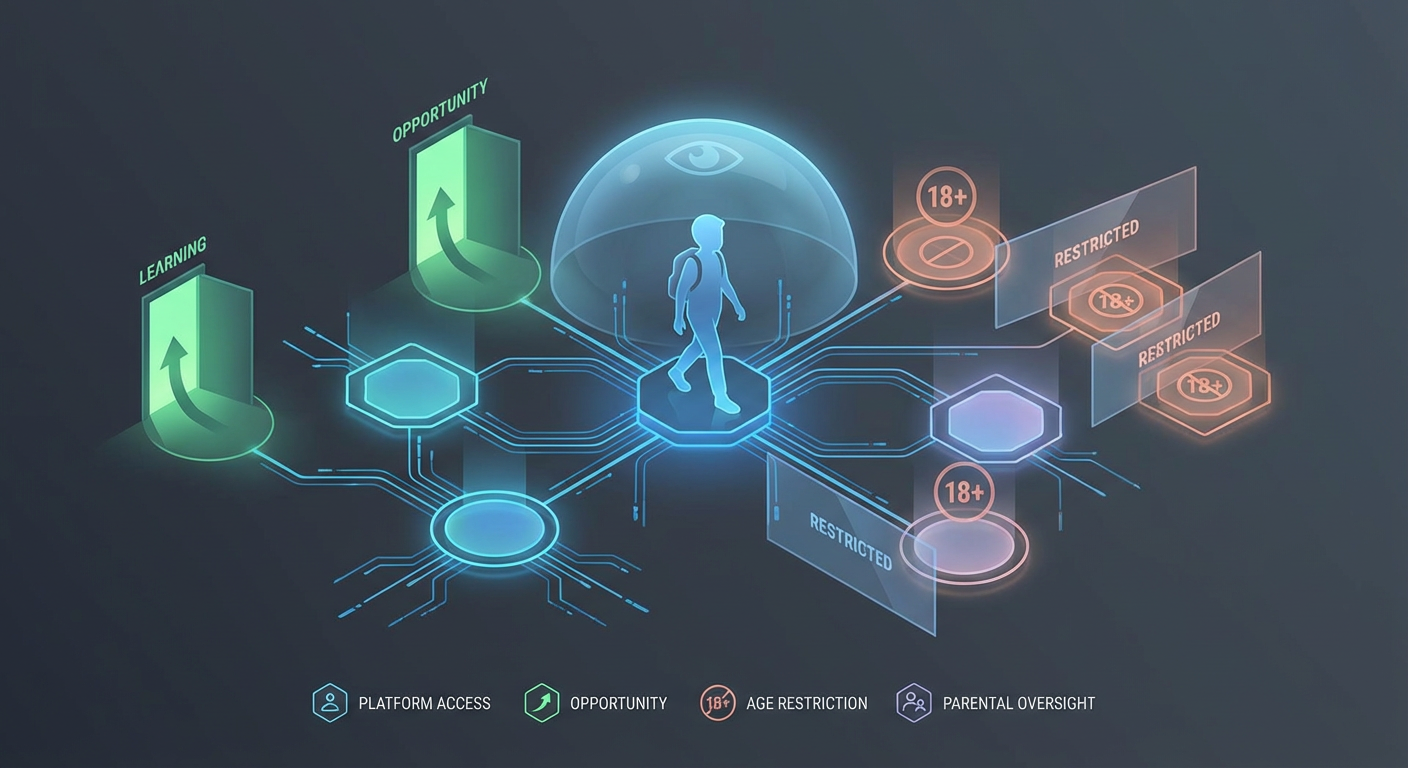
6. Digital Platforms: Opportunities, Age Restrictions, and Parental Oversight
The digital age has fundamentally reshaped the landscape of entrepreneurship, creating unprecedented opportunities for individuals of all ages to launch and scale businesses. For children and teenagers, in particular, online platforms have dismantled many traditional barriers to entry, enabling a new generation of “kidpreneurs” to tap into global markets from their bedrooms. Whether it’s an Etsy craft shop, a monetized YouTube channel, an innovative app, or a dropshipping business, the internet provides tools and audiences that were unimaginable just a few decades ago. This surge in youthful entrepreneurial ambition is evident in recent statistics: in 2022, a remarkable 75% of teenagers expressed an interest in becoming entrepreneurs, a significant jump from 41% in 2018[1][2]. Known as the most entrepreneurial generation to date, over half of Gen Z plans to launch a venture within the next decade[3]. However, this digital revolution comes with its own complex set of challenges, especially when minors are involved. While online platforms offer boundless opportunities, they also impose intricate age restrictions, terms of service, and regulatory obligations that necessitate significant adult involvement. This section will delve deep into the dual nature of digital platforms for young business owners: the vast opportunities they provide and the critical legal and ethical hurdles presented by age restrictions, data privacy laws, content regulations, and the overarching need for parental oversight. We will explore how online environments facilitate youth entrepreneurship while also requiring adult supervision for account management, financial transactions, and legal liability, ultimately shaping a new paradigm for how the youngest generation engages with the commercial world.
6.1. The Digital Revolution and Youth Entrepreneurship: Opportunities Unbound
The internet and its myriad platforms have acted as powerful catalysts for youth entrepreneurship, empowering millions of children and teenagers to transform creative ideas into revenue-generating ventures. This phenomenon is driven by several key factors that significantly lower the traditional barriers historically faced by young business hopefuls.
6.1.1. Accessibility and Global Reach
The most prominent advantage of digital platforms is their unparalleled accessibility. With just a smartphone and an internet connection, a young person can access tools and markets previously reserved for established businesses. This democratized access allows a 15-year-old in London to develop an AI-powered news summary app like Nick D’Aloisio’s Summly[87], or a 13-year-old in Mumbai to conceptualize a same-day courier service like Tilak Mehta’s Papers N Parcels[93]. These examples highlight a crucial shift: geographical limitations are virtually non-existent, enabling direct interaction with global customers and collaborators. As the research indicates, whether it’s an Etsy craft shop or a YouTube channel, children and teens can now reach customers worldwide from their own rooms[25]. Even in developing economies, young entrepreneurs leverage mobile technology and social media to grow businesses, ranging from rural artisans utilizing Facebook Marketplace to teen developers creating ride-share apps[42].
6.1.2. Low Barrier to Entry and Cost-Effectiveness
Starting a traditional brick-and-mortar business typically requires significant capital for rent, inventory, and staff. Digital platforms drastically reduce these initial outlays. For instance, a teenager can establish a dropshipping store via Shopify, marketing products through Instagram, without ever physically holding inventory. The upfront costs are minimal, often just platform fees or marketing spend. This cost-effectiveness encourages experimentation and allows young entrepreneurs to test ideas and pivot quickly. The informality of e-commerce means minors can start small, validating their concepts without requiring massive upfront investment or navigating extensive bureaucracy[71]. This stands in contrast to the traditional model where substantial seed money or loans were often prerequisites, a significant hurdle given that young entrepreneurs, with 82% of youth-led companies reporting a need for external funding, often struggle to access finance[33].
6.1.3. Skill Development and Learning Resources
Digital platforms aren’t just marketplaces; they are also powerful educational tools. Gen Z exhibits a strong DIY ethic, often learning through online tutorials, YouTube videos, and communities[44][45]. This innate digital literacy translates into confidence to embark on independent projects. Numerous platforms offer free or low-cost resources, tutorials, and communities for aspiring entrepreneurs. For example, a teenager interested in graphic design can learn software skills online, create designs, and then sell them on platforms like Redbubble or Etsy. The iterative process of building an online business—from website design and digital marketing to customer service and analytics—provides invaluable real-world learning experiences that are difficult to replicate in traditional educational settings.
6.1.4. Monetization and Social Entrepreneurship
The digital age has also diversified avenues for monetization. Beyond selling physical products, young creators can monetize their content through advertising revenue (e.g., YouTube Partner Program), sponsorships (influencers on TikTok or Instagram), or selling digital goods (e.g., custom filters, digital art, or app features). Furthermore, many teen entrepreneurs are driven by social consciousness. A 2022 survey found that 58% of teens would be likely to start a business addressing a societal or environmental need, even if it meant earning less money[20]. Digital platforms are ideal for this, enabling social enterprises to raise awareness, build communities, and sell products that align with their values. Mikaila Ulmer, who started Me & the Bees Lemonade at age 4 and later landed a distribution deal with Whole Foods, exemplifies this, explicitly linking her business to saving honeybees[82][83]. Her focus on bee conservation resonates with the purpose-driven ethos prevalent among young entrepreneurs. The ease with which young people can establish an online presence and potentially generate income aligns with the generational mindset of Gen Z, who view entrepreneurship as an exciting first-choice career rather than a risky alternative[37]. The visible success stories of under-18 CEOs and influencers amplified by social media further fuel this ambition, demonstrating that age is no longer a definitive barrier to business success.
6.2. Age Restrictions and Terms of Service: The Adult Gatekeepers
While online platforms offer unparalleled opportunities, they also operate under a complex web of legal and contractual obligations, primarily concerning the age of their users. The vast majority of digital services require users to be 18 years old or to have an adult account holder, creating a significant challenge for ambitious minors.
6.2.1. Contractual Capacity and Platform Requirements
At the heart of these restrictions lies the legal principle of contractual capacity. Most jurisdictions establish 18 as the age of majority, meaning individuals under this age generally lack the legal capacity to enter into binding contracts[7][8]. Since platform terms of service are essentially contracts, young entrepreneurs cannot, in most cases, legally bind themselves to these agreements. This is designed to protect minors from being exploited or entering financially ruinous agreements. This fundamental legal barrier manifests in various ways across different digital services:
- Payment Processors: Services like Stripe and PayPal, crucial for online sales, explicitly require users to be at least 18 years old to create an account and accept payments[26][28]. For minors, this necessitates a legal guardian’s sign-off or the account being registered and managed by an adult. Stripe, for instance, mandates a legal guardian’s involvement for any account held by someone under 18[27].
- E-commerce Platforms: Marketplaces heavily favored by young entrepreneurs, such as Etsy, typically have age limitations. Etsy, for example, permits sellers aged 13–17 only under the direct supervision of a parent or legal guardian, with the adult being responsible for the account[29].
- App Stores and Developer Accounts: Even for coding prodigies, publishing an app on platforms like Apple’s App Store or Google Play usually requires the legal account holder to be an adult who can sign the developer agreement.
- Investment and Financial Services: Minors generally cannot directly open business bank accounts, obtain loans, or negotiate venture capital deals independently. Financial institutions are bound by the same contractual capacity rules. This is a significant barrier, as 82% of youth-led companies report needing external funding, yet banks are hesitant to lend to minors, and youth-led firms are less likely to have business bank accounts[33].
This “adult gatekeeper” model means that while the creative and operational tasks can be driven by the minor, the legal and financial backbone of the business must rest with a supervising adult. In practice, this often means the business is officially registered and operated under a parent’s name on these platforms, even if the teen is the primary creative and strategic force[39]. It also presents potential complications regarding intellectual property ownership if the adult is formally listed as the “owner” of an app or shop. Effective communication and clear internal agreements within the family are crucial to navigate potential disputes.
| Platform/Service Type | Typical Age Requirement / Restriction | Required Adult Role | Citation |
|---|---|---|---|
| Payment Processors (e.g., Stripe, PayPal) | 18+ for account holder | Legal guardian sign-off, or adult as primary account holder | [26][27][28] |
| E-commerce Marketplaces (e.g., Etsy, eBay) | 18+ for independent selling; 13-17 with parental supervision | Parent/guardian responsible for account and legal compliance | [29] |
| App Store Developer Accounts (e.g., Apple, Google) | Adult for legal account holder status | Parent/guardian to sign developer agreements | [General knowledge, inferred from legal capacity] |
| Social Media (e.g., YouTube, Instagram, TikTok) | 13+ for most platforms; 18+ for monetization/certain features | Parent/guardian to manage monetization, handle contracts, ensure COPPA compliance, manage payments | [30][31][32] |
6.2.2. Social Media and Content Creation: Monetization Roadblocks
For teen entrepreneurs relying on audience building and content creation, platforms like YouTube, TikTok, and Instagram are indispensable marketing tools. However, these platforms also have specific age-related policies, largely influenced by child online privacy laws. Most major social media platforms require users to be at least 13 years old, primarily due to the U.S. Children’s Online Privacy Protection Act (COPPA)[30]. While many younger children circumvent these rules by misrepresenting their age, for legitimate business purposes, adherence is critical to avoid account suspension or legal issues. Even for teens aged 13-17, full platform functionality or monetization may be restricted. For instance:
- TikTok prohibits live streaming or gifting for users under 18.
- YouTube disables personalized ads on content designated as “made for kids.”
- The YouTube Partner Program, essential for earning ad revenue, requires the channel owner to be 18, or a minor accompanied by a guardian who manages payments.
Moreover, most brand deals and sponsorship contracts, a primary revenue stream for many teen influencers, require the signee to be an adult. This means parents or managers typically negotiate and sign these agreements on behalf of the minor. This structure effectively creates a two-tiered system: minors can create engaging content and build an audience, but formal monetization and legal agreements almost always require adult consent and involvement[61].
6.3. Data Protection and Content Regulations: Navigating Compliance
In addition to platform-specific age requirements, young entrepreneurs operating online must also meticulously navigate a complex landscape of data privacy laws and content regulations designed to protect minors and consumers. Failure to comply can result in severe penalties, irrespective of the entrepreneur’s age.
6.3.1. Children’s Online Privacy Protection Act (COPPA) and GDPR
If a young entrepreneur’s online business targets or interacts with children, stringent data privacy laws come into play. The U.S. Children’s Online Privacy Protection Act (COPPA) mandates parental consent before collecting personal information from children under 13[30][63]. This applies not only to websites and apps specifically designed for children but also to general audience platforms that collect data from underage users. For instance, a 17-year-old developing an educational app or a game targeted at a younger demographic must implement age-screening mechanisms and obtain verified parental consent for data collection, otherwise risking enforcement actions from the Federal Trade Commission (FTC), just like large corporations. Similarly, in Europe, the General Data Protection Regulation (GDPR) includes provisions for children’s data, generally requiring parental consent for processing personal data of those under 16, though individual member states can set this age between 13 and 16[64]. A teenage entrepreneur running an online business with a global reach could inadvertently violate GDPR if, for example, they allow a 15-year-old from a country with a 16-year-old consent age to sign up without parental authorization. Compliance with these complex regulations can be daunting for a young, small-scale startup. Key strategies for youth entrepreneurs and their adult supervisors include:
- Minimizing or avoiding the collection of unnecessary personal data.
- Utilizing platform-provided tools, such as YouTube’s content designation for “made for kids,” which triggers built-in compliance measures.
- Seeking guidance from parents or legal advisors to understand and fulfill legal obligations.
- Employing template services and guides for privacy policies and consent forms to navigate these requirements efficiently.
6.3.2. Content and Conduct Guidelines
Beyond privacy, young online business owners must adhere to platform-specific community guidelines and broader regulatory frameworks concerning content and advertising. These include rules against misleading advertising, requirements for disclosing sponsored content (affirmative disclosure for advertisements under FTC guidelines), and adherence to appropriate conduct standards. For content creators, this also extends to child labor protections. States like California have explicitly extended worker protections to children featured in lucrative social media content (like family vlogs), treating excessive video production as work subject to limitations and mandated savings[55]. Cybersecurity and fraud are additional dimensions of online safety. Minors, being less experienced, can be particularly vulnerable to scams or predatory behavior in business settings. Training young entrepreneurs to:
- Practice caution online, including verifying suppliers.
- Utilize secure payment methods like escrow services.
- Involve a trusted adult in communications and avoid private, unsupervised meetings.
These measures are essential safeguarding practices. Ultimately, operating an online business demands a sophisticated understanding of digital compliance, a skill that young founders must acquire early in their entrepreneurial journey.
6.4. Parental Oversight and Support: The Indispensable Role
The pervasive age restrictions and complex regulatory landscape of digital platforms highlight the indispensable role of parental oversight and support for child and teen business owners. Parents or legal guardians act as critical bridges, enabling minors to navigate legal frameworks and access the commercial tools necessary for their ventures.
6.4.1. Legal Representation and Account Management
As previously discussed, minors generally lack the legal capacity to enter into binding contracts. Therefore, a parent or guardian often serves as the legal signatory for the business[7]. This includes co-signing contracts, registering the business entity under their name, and opening essential business accounts that minors cannot access independently, such as bank accounts or payment processor accounts like Stripe or PayPal[26]. Moziah Bridges, founder of Mo’s Bows, exemplifies this; his mother, Tramica, incorporated the company and signed the seven-figure licensing deal with the NBA on his behalf when he was 15[13][85]. This adult involvement is not merely a formality but a necessity for the business to operate legitimately on modern digital platforms. Without it, a young entrepreneur would be unable to accept payments, list products on major e-commerce sites, or formally enter into partnerships.
6.4.2. Financial and Liability Management
Parents play a crucial role in managing the financial aspects and mitigating liability risks for their child’s business. Since minors are generally not held liable for debts or contractual breaches, the adult acting as the legal owner or signatory assumes this liability. This makes careful business structuring vital. For instance, establishing a Limited Liability Company (LLC) where the parent is the managing member can protect family assets from business debts, while the child can still be recognized as the beneficial owner or CEO in practice[10][51]. Furthermore, parents often manage the financial inflows and outflows, including setting aside funds for taxes (as even minors earning above a certain threshold are subject to taxation), reinvesting profits, and channeling earnings into protected accounts for the child’s future. The French law requiring a portion of child influencers’ earnings to be placed in a locked savings account until adulthood, and similar U.S. state laws, institutionalize this protective oversight[10][11].
6.4.3. Mentorship, Guidance, and Ethical Boundaries
Beyond legal and financial duties, parental oversight extends into mentorship and guidance. Parents navigate the delicate balance between supporting their child’s entrepreneurial spirit and ensuring their well-being. This includes:
- Time Management: Ensuring the business does not interfere with education or normal childhood development. As Mikaila Ulmer’s parents emphasized, business work happened after homework and on weekends[50].
- Ethical Conduct: Teaching responsible business practices, transparency, and dealing fairly with customers and partners.
- Protecting Against Exploitation: Ensuring that the venture remains child-led and that earnings primarily benefit the child. High-profile incidents of family vloggers exploiting their children for revenue highlight the necessity of safeguards and legal protections against undue pressure or even hidden child labor instances[34][35].
- Providing Expertise: Offering invaluable experience in areas where the minor lacks knowledge, such as contract negotiation, product development, or marketing strategy. Moziah Bridges’ choice of Daymond John’s mentorship over a direct investment from *Shark Tank* illustrates the critical role of experienced guidance in scaling a business responsibly[84].
This ethical tightrope requires parents to act as fiduciaries, prioritizing their child’s physical and mental health above business success[73]. Transparency in financial management and involving the child in key decisions about their business can foster trust and promote financial literacy.
6.5. Evolution of Regulation: Adapting to the Digital Kidpreneur
The rapid emergence of digital youth entrepreneurship has spurred a gradual, but significant, evolution in regulatory frameworks. Governments and policymakers are increasingly recognizing the need to balance fostering young talent with protecting minors from potential exploitation, adapting traditional laws to the nuances of the digital marketplace.
6.5.1. “Lemonade Stand Laws” as a Precedent
One of the earliest and most symbolic legislative responses to youth entrepreneurship has been the introduction of “lemonade stand laws” in various U.S. states. These laws, enacted in at least 14 states by 2025[23], exempt small, occasional businesses run by children (such as lemonade stands or bake sales) from permit and licensing requirements. They gained momentum after widely publicized incidents of authorities shutting down children’s stands for technical violations, which sparked public outrage[24]. These laws, while seemingly minor, signify a crucial shift in regulatory philosophy: acknowledging that low-revenue youth businesses are valuable learning experiences rather than formal enterprises requiring adult-level regulation[25]. This effectively creates a “safe harbor” for very small-scale entrepreneurial endeavors, allowing children to develop foundational business skills without encountering bureaucratic hurdles.
6.5.2. Child Influencer Legislation: A New Frontier
Perhaps the most direct and impactful regulatory adaptations to digital youth entrepreneurship are the emerging laws governing child influencers and content creators. France led the way in 2020 with a pioneering law regulating child content creators under 16 on platforms like YouTube and TikTok. This law treats these minors as child performers under labor law, mandating prior government approval for their lucrative online activities and requiring a significant portion of their earnings to be set aside in a blocked account until they reach 18[10][11][12]. Inspired by these concerns, four U.S. states (Illinois, California, Minnesota, and Utah) passed similar laws between 2023 and 2024. These laws typically mandate that at least 15% of a minor influencer’s earnings be placed in a trust for them and grant enhanced rights, such as the ability for former child influencers to request the removal of their content once they become adults. These protections extend traditional child labor laws, originally designed for actors and models, to the rapidly growing digital creator economy[11][12]. The goal is clear: prevent exploitation, ensure fair compensation directly benefits the child, and hold adults accountable for the minors under their charge.
6.5.3. Towards Tiered Legal Capacity
The variations in regulation across different jurisdictions (e.g., South Africa allowing minors as young as 7 to enter contracts with guardian consent, or the Netherlands allowing 16-17-year-olds to petition for “limited legal capacity” to run a business independently) illustrate that legal systems can adapt to youthful enterprise[10][6]. There is a growing discussion about implementing tiered approaches, similar to how driving privileges or criminal responsibility increase with age, to grant older teens (e.g., 16-17) limited contractual rights for business purposes[10][52]. This would recognize the maturity and capabilities of older minors while still providing necessary safeguards. For now, however, such comprehensive reforms remain piecemeal. The digital marketplace has not only opened doors for young entrepreneurs but also necessitated a re-evaluation of how societies protect and regulate children in a commercially active online world. The ongoing evolution of regulations underscores a commitment to fostering entrepreneurial skills while upholding the foundational principle that a child’s welfare, education, and healthy development must always take precedence over commercial gains.
6.6. Conclusion: Opportunities, Regulations, and the Future of Digital Kidpreneurs
The rise of child and teen business owners in the digital age is a powerful testament to the entrepreneurial spirit of Gen Z, fueled by accessible online platforms that eliminate traditional barriers to market entry. These platforms empower young individuals to create, connect, and commercialize their ideas with unprecedented ease, reaching global audiences from their homes. However, this exciting new frontier is fraught with complexities. The legal principle of contractual capacity, age restrictions imposed by digital service providers, intricate data privacy regulations like COPPA and GDPR, and the nuanced application of child labor laws all conspire to create a regulatory maze. These challenges necessitate significant parental or adult oversight, transforming parents or guardians into essential facilitators who manage legal responsibilities, financial transactions, and provide crucial mentorship. The role of adults shifts from mere support to active legal and financial proprietorship on behalf of minors, ensuring compliance and mitigating risks. The regulatory landscape is slowly adapting, seen in the prevalence of “lemonade stand” laws and the nascent, yet significant, legislation protecting child influencers. These signify a societal recognition of youthful enterprise and a commitment to protecting minors within the commercial sphere. The key takeaway for young entrepreneurs, and critically, their adult allies, is that the digital marketplace, while full of opportunities, is a rules-based system. Success hinges not only on innovation and product-market fit but also on diligent navigation of these legal and platform-specific requirements. As youth entrepreneurship continues to flourish, further dialogue between policymakers, platform providers, educators, and families will be essential to cultivate an environment that nurtures young talent responsibly. This includes exploring more direct pathways for mature minors to participate legally in commerce, while robustly safeguarding their privacy, well-being, and educational development. The experiences of digital kidpreneurs today are shaping a future where age is less of a barrier to business entry, but adult guidance remains paramount for both opportunity realization and ethical protection. The next section will delve into the broader “Regulatory Landscape: Key Laws and Protections for Minors,” examining specific legislation and policy frameworks that underpin many of the requirements discussed in this section, and how they apply to various aspects of child and teen business ownership.
7. Privacy, Content Regulations, and Ethical Considerations Online
The digital age has ushered in an unprecedented era of opportunity for young entrepreneurs, allowing them to transform nascent ideas into global ventures from their bedrooms. However, this accessibility comes with a complex web of legal, ethical, and regulatory challenges specifically designed to protect minors. While platforms like Etsy, YouTube, and Stripe have democratized business creation, they also impose age restrictions and terms of service that young aspiring CEOs must navigate, often requiring adult involvement. Beyond platform policies, critical data privacy regulations such as the U.S. Children’s Online Privacy Protection Act (COPPA) and Europe’s General Data Protection Regulation (GDPR) introduce stringent requirements for any online business interacting with children’s data. Layered upon this legal landscape are profound ethical considerations surrounding the potential for child exploitation, undue pressure, and the mental well-being of these young founders. This section delves deeply into these intertwined issues, examining how digital tools lower barriers while simultaneously raising new safeguarding challenges, ultimately shaping the experience of child and teen business owners in the modern economy.
The allure of online entrepreneurship is strong among today’s youth. Surveys show a significant increase in entrepreneurial ambition among young people, with 75% of teenagers in 2022 considering starting a business, a sharp rise from 41% in 2018 [1][2]. Often dubbed the most entrepreneurial generation to date, over half of Gen Z plans to launch a venture within the next decade [3]. This enthusiasm, fueled by accessible technology and the visibility of successful young creators, means that more minors are engaging in commerce online than ever before. However, the very digital tools that empower them also expose them to a regulatory environment originally designed for adult-run enterprises or for the passive consumption of content by children, not for active participation in the economy. The following subsections dissect the multifaceted challenges and protections in this evolving domain.
7.1. Navigating Online Platform Policies and Age Restrictions
The internet provides a powerful infrastructure for young entrepreneurs, enabling them to connect with global markets, manage finances, and promote their products or services with relative ease. However, these digital platforms are not universally accessible to minors without caveats. Most online service providers, including payment processors, e-commerce sites, and social media platforms, enforce strict age requirements, primarily to comply with regional privacy laws and to mitigate contractual and liability risks associated with minors. The age of majority for business activities is generally 18 years old in most jurisdictions [7], and digital platforms often reflect this legal standard.
7.1.1. Payment Processors and E-commerce Marketplaces
For any online business, the ability to accept payments is fundamental. Yet, payment gateways like Stripe and PayPal typically mandate that users be at least 18 years old to create an account [16][17]. This means a child or teen entrepreneur, even if they have a thriving online store, cannot independently set up the primary mechanism for receiving revenue. Stripe, for instance, explicitly states that a legal guardian’s sign-off is required for any account held by someone under 18 [16][17].
Similarly, major e-commerce platforms like Etsy, which are popular among young crafters and artists, have specific policies for minors. While Etsy allows teenagers aged 13–17 to sell, it stipulates that such activity must occur “under direct parental supervision” [18]. The parent or legal guardian is typically required to be the registered account holder, acting as the seller of record, and is responsible for all shop activities, complying with Etsy’s policies, and managing financial transactions. This arrangement ensures that the platform has a legally responsible adult with whom to contract, circumventing the minor’s limited contractual capacity.
The implication of these platform policies is significant: while online tools lower the creative and logistical barriers for young entrepreneurs, they necessitate an adult intermediary for formal operations and financial management. This usually means that young founders need adult allies to manage online transactions, legal liability, and account compliance. Without this adult involvement, a minor’s online business can face severe limitations, including the inability to process payments, ship products professionally, or list items on popular marketplaces.
7.1.2. App Development and Digital Services
For technologically adept teens, developing mobile applications or digital services presents another entrepreneurial avenue. However, even here, age restrictions apply. For example, Apple’s developer program, necessary for publishing apps on the App Store, requires the legal account holder to be an adult. While a minor can undoubtedly code an app, a parent or guardian must sign the developer agreement and manage the account. This structure ensures that Apple contracts with an adult who can assume legal responsibility for the app, its content, and any associated financial agreements (e.g., app sales, in-app purchases).
The common workaround for these platform restrictions is for the business to be officially registered under an adult’s name, with the explicit understanding that the young entrepreneur is the creative and operational force. However, this raises questions of ownership and control, especially if relationships sour. It is crucial for families to transparently document that the youth is the true owner, even if an adult’s name is on the account for administrative and legal compliance purposes.
7.2. Data Privacy Regulations: Protecting Minors Online
Beyond platform-specific terms of service, young entrepreneurs operating online must rigorously comply with data privacy regulations designed to protect children. If their business targets or involves children, these laws impose significant obligations regarding the collection, use, and storage of personal data.
7.2.1. The Children’s Online Privacy Protection Act (COPPA)
In the United States, the Children’s Online Privacy Protection Act (COPPA), enforced by the Federal Trade Commission (FTC), is a cornerstone of child online privacy. COPPA makes it illegal for operators of commercial websites and online services directed at children under 13, or who have actual knowledge that they are collecting personal information from a child under 13, to collect personal information from these children without verified parental consent [19]. This regulation applies not only to large corporations but also to any individual or entity, including young entrepreneurs, who operate a website or online service that meets the criteria.
- Scope of Application: If a 17-year-old develops a popular mobile game or an educational app that could appeal to children under 13, they are obligated to implement age-screening mechanisms and obtain verifiable parental consent before collecting any personal data, such as names, email addresses, precise geolocation information, or even persistent identifiers used for tracking.
- Enforcement: Ignorance of the law is not a defense. The FTC has actively pursued enforcement actions against various entities, both large and small, for COPPA violations. Young entrepreneurs, seemingly operating small ventures, could find themselves subject to these regulations if their activities fall within COPPA’s scope.
- Practical Implications: For a young entrepreneur, this means a careful assessment of their target audience and data collection practices. The simplest and safest approach is to avoid collecting any personal data from users, especially if the service is likely to be used by children. If data collection is necessary, engaging with adult advisors or legal counsel to ensure proper consent mechanisms are in place is critical. Platforms like YouTube offer tools for content creators to designate their content as “made for kids,” which automatically triggers COPPA-compliant settings, such as disabling personalized ads and comments.
7.2.2. The General Data Protection Regulation (GDPR)
For young entrepreneurs whose online businesses reach users in the European Union (EU) or the UK, the General Data Protection Regulation (GDPR) introduces similar, and in some cases, even stricter, data privacy requirements pertaining to minors. The GDPR stipulates that parental consent is required for the processing of personal data of children, defining a child as anyone under the age of 16 [20]. Importantly, individual EU member states have the flexibility to lower this age of consent to anywhere between 13 and 16 years old [20].
- Consent and Age Verification: If a teenage entrepreneur’s website or online service in a non-EU country allows a 15-year-old from a country like Spain (where the age of consent is 14) to sign up, but another user is a 15-year-old from Germany (where the age for data consent is 16), the entrepreneur must navigate these varying age thresholds. Without proper parental consent for the German user, the entrepreneur could be in violation of GDPR.
- Global Reach, Local Impact: The internet’s global nature means that a small online venture started by a teen in the US could inadvertently fall under GDPR’s jurisdiction if it processes the data of EU residents. This necessitates a proactive approach to privacy by design, even for nascent businesses.
- Complexity for Small Operators: Compliance can be particularly tricky for small, youth-led startups that lack dedicated legal teams or resources. The general advice remains: minimize data collection, be transparent about data practices, and seek adult guidance to understand and implement necessary privacy policies. Template privacy policies and consent forms can provide a starting point, but customization for specific business models and target demographics is often required.
7.2.3. Social Media and Content Age Requirements
Beyond privacy regulations for data collection, social media platforms themselves enforce age restrictions for account creation, largely driven by COPPA and similar international standards. Most major social media platforms, including TikTok, Instagram, and Facebook, require users to be at least 13 years old to create an account [21]. While enforcement can be challenging, with many underage users misrepresenting their age, these rules are in place for liability and compliance. If a minor below the age threshold operates a business account on such a platform, it risks deletion if their true age is discovered [22].
For entrepreneurs aged 13-17, platforms may permit accounts but often impose restrictions. For example, TikTok limits features like live streaming and gifting for users under 18, and YouTube disables personalized ads on content designated as “made for kids.” Furthermore, monetizing content through platforms like YouTube’s Partner Program typically requires the channel owner to be 18, or for a guardian to manage the payouts. This “two-tier system” underscores that while minors can create and engage, an adult’s consent is usually required to monetize or formalize their online activities [23].
7.3. Ethical Considerations: Exploitation, Pressure, and Mental Well-being
The burgeoning trend of youth entrepreneurship, particularly online, raises significant ethical questions that extend beyond legal compliance. While proponents celebrate the development of “kidpreneurs,” critics voice concerns about potential exploitation, undue pressure, and the impact on the mental well-being and normal development of young individuals.
7.3.1. The Fine Line Between Support and Exploitation
Behind almost every successful child or teen business owner stands a parent or guardian. This adult involvement is often crucial, serving as a legal representative, advisor, or financial backer. However, the ethical boundary is crossed when this support morphs into exploitation. Parents hold legal authority over minors and frequently manage the finances and critical decisions within a child’s business. In ideal scenarios, parents foster their child’s initiative, teach responsibility, and transparently manage earnings, often saving them for the child’s future or reinvesting in the business. Cases like Mikaila Ulmer of Me & the Bees Lemonade and Moziah Bridges of Mo’s Bows exemplify positive parental involvement, where parents provide critical support and guidance without overshadowing the child’s vision or exploiting their labor [30][31].
However, darker scenarios exist. The rise of child influencers and family vloggers has brought to light instances of “stage parents” who may pressure children into entrepreneurial ventures they don’t enjoy or divert a significant portion of their earnings for personal gain. High-profile scandals, such as family YouTube vloggers exploiting their kids for revenue, highlight the urgent need for safeguards [24][25]. Since minors generally lack the legal capacity to independently challenge their parents or may not even be aware of their rights, this is a particularly sensitive area. Ethically, the consensus is that a child’s earnings, minus reasonable business expenses, belong to the child, and parents should act as fiduciaries, managing these funds in the child’s best interest, not as owners [30]. New laws in France and several U.S. states (Illinois, California, Minnesota, Utah) address this by mandating that a significant portion of minors’ earnings from online content creation be set aside in protected accounts until they reach adulthood, mirroring protections afforded to child actors [28][29].
7.3.2. Undue Pressure and Mental Well-being
Entrepreneurship is inherently stressful, regardless of age. For children and teenagers, balancing the demands of running a business with education, social development, and the normal experiences of childhood can be overwhelmingly challenging. There is a tangible risk of burnout, especially if a venture gains significant traction, forcing young founders to meet adult-level expectations. Experts stress that minors should not sacrifice education or normal childhood experiences for business success [26][27]. The 11-year-old CEO of Me & the Bees Lemonade, Mikaila Ulmer, famously articulated this balance, stating, “I work on the business after I do my homework” [32]. This highlights the importance of strong time management and boundaries.
Public exposure also presents a unique challenge. A successful teen entrepreneur might attract media attention, peer jealousy, or scrutiny that can be unsettling and add considerable social strain. Parents and mentors must be vigilant for signs of stress and be prepared to scale down the business or bring in additional adult help (e.g., adult managers or assistants) to alleviate pressure on the young founder. The ethical imperative here is clear: no business success is worth compromising a child’s physical or mental health.
Furthermore, without proper guidance, minors are susceptible to making significant business mistakes. Decisions about pricing, investment, and contractual agreements require a level of financial literacy and experience that few young people possess. Ethical adults interacting with young entrepreneurs should acknowledge this power imbalance and ideally ensure the young person receives independent advice, perhaps from a neutral lawyer or business mentor. Cases of predatory behavior, where unscrupulous adults sought to take advantage of young talent, underscore the need for constant adult supervision and protective measures, such as avoiding private meetings and maintaining transparent communications.
7.3.3. Learning Opportunities and Ethical Development
Despite the risks, youth entrepreneurship, when ethically managed, offers immense developmental benefits. It can instill confidence, practical skills (like financial literacy, marketing, and problem-solving), and a sense of purpose. Turning real business scenarios into learning curves about contracts, taxes, and customer service can provide an education far beyond the classroom [34]. The challenge lies in ensuring that these learning opportunities are prioritized over purely financial gains and that the child’s holistic development remains central.
7.4. The Evolving Regulatory Response: New Protections for Young Online Earners
Recognizing the unique vulnerabilities and opportunities associated with child and teen entrepreneurs in the digital space, regulatory bodies worldwide are beginning to adapt existing laws and create new protections. This movement is particularly notable for “kid influencers” and content creators, whose work often blurs the lines between hobby, creative expression, and professional labor.
7.4.1. France’s Pioneering ‘Influencer’ Law
France took a groundbreaking step in 2020 by enacting a law specifically regulating “kid influencers” on platforms like YouTube and TikTok. This legislation treats content creators under 16 as child performers under existing labor law, providing a comprehensive framework for their protection [10][11]. Key provisions of the French law include:
- Prior Government Authorization: Professional online activities by children now require prior government approval, ensuring oversight before a child’s lucrative online career begins.
- Work Hour Limits: The law imposes strict limits on the number of hours a child can spend on content creation, aligning with traditional child labor protections.
- Protected Earnings: Crucially, a significant portion of the child’s earnings from their online activities must be set aside in a locked savings account, inaccessible until they turn 18 [12]. This aims to prevent parental misuse of funds and ensure the child benefits directly from their work in the long term.
This law represents a significant extension of established protections for child actors and models into the digital realm, acknowledging that online content creation can be a form of professional employment for minors.
7.4.2. U.S. State-Level Protections for Child Influencers
Inspired by concerns similar to those addressed by France, and often spurred by high-profile cases of alleged child exploitation by family vloggers, at least four U.S. states have passed similar laws by 2024 tailored to child influencers:
- Mandatory Savings: States like Illinois, California, Minnesota, and Utah now compel parents to save a percentage (often 15%) of any income generated by featuring their children on social media [11][12]. This income is deposited into a trust or protected account for the child until they reach adulthood, echoing the Coogan Laws traditionally applied to child actors.
- Right to Content Removal: These U.S. laws also grant child performers a “right to be forgotten,” allowing them, once they are adults, to request the removal of videos or content featuring them that was created during their minority [13][14]. This provision addresses concerns about a child’s digital footprint and autonomy over their image once they mature.
- Legal Recourse: The legislation provides legal recourse for minors if their earnings are misused by parents or guardians [13].
These evolving protections signify a growing recognition that the digital economy has created new forms of work for minors that require specific protective measures. They aim to safeguard children from exploitation, ensure they receive fair compensation for their labor, and empower them with greater control over their digital past once they come of age. These laws represent a forward-thinking attempt to bridge the gap between traditional child labor laws and the realities of modern online self-employment for minors.
7.5. Conclusion and Transition
The journey for child and teen business owners in the digital age is one of immense potential yet fraught with intricate regulatory and ethical challenges. While the internet has significantly lowered barriers to entry, enabling young innovators to launch global ventures, it has also thrust them into a complex landscape governed by evolving privacy laws (like COPPA and GDPR), strict platform age restrictions, and critical ethical considerations related to exploitation and well-being. Navigating these requires a delicate balance of adult mentorship, legal compliance, and a steadfast commitment to the child’s overall development above all else. The emerging body of law around child influencers, exemplified by France’s pioneering efforts and subsequent U.S. state legislations, indicates a global movement towards providing more robust protections for young online earners. As youth entrepreneurship continues its impressive ascent, continuous adaptation of legal frameworks and heightened ethical awareness will be crucial to ensure that these young individuals can thrive creatively and commercially without sacrificing their childhood or future. The transition from informal childhood ventures to formally recognized businesses with adult-level responsibilities is often abrupt, necessitating clear guidance and structured support.
The next section will explore the financial and tax implications for these young entrepreneurs, detailing how earnings are managed, the responsibilities of parents, and the nascent financial literacy required to sustain and grow a self-owned enterprise.
8. Emerging Protections and Supportive Ecosystems
The landscape of youth entrepreneurship is rapidly evolving, driven by the digital age’s accessibility and a significant uptick in entrepreneurial ambition among young people. While the traditional legal framework often presents substantial hurdles for minors seeking to establish and operate businesses, there is a growing recognition among policymakers, educators, and the broader community of the need to foster and protect these young innovators. This section delves into the emerging legislative measures and the burgeoning supportive ecosystems designed to safeguard minors’ earnings and rights while simultaneously encouraging their entrepreneurial spirit. It explores how legal systems are adapting to the realities of a new generation of business owners, from “lemonade stand laws” to specialized protections for child influencers, and highlights the indispensable role of mentorship and educational support in this new era.
8.1 The Shifting Regulatory Landscape: From Barriers to Support
Historically, minors have faced significant legal barriers to full participation in business activities, primarily due to the age of majority requirement (typically 18 in most jurisdictions) for forming binding contracts or incorporating companies[7]. This legal incapacity was designed to protect children from exploitation and premature financial liabilities. However, as youth entrepreneurship surges, with approximately 75% of teenagers in 2022 expressing interest in starting their own businesses, up from 41% in 2018[1], this protective framework has increasingly been perceived as stifling innovation and impeding valuable learning experiences. In response, a notable trend of legislative adaptation is emerging, seeking to balance protection with empowerment. This shift is rooted in the observation that despite high aspirations, only around 5% of U.S. teens have actually launched a venture by high school age[3]. The discrepancy between ambition and execution can often be attributed to these legal and regulatory complexities. The absence of a uniform approach to minor entrepreneurship across regions further complicates matters, with some jurisdictions like South Africa allowing children as young as 7 to enter contracts with guardian consent[12], while others, such as India and the UK, treat most agreements by under-18s as unenforceable[12]. Even within the U.S., states like Colorado historically prohibited minors from forming companies, whereas others like Texas and California offered more flexibility under adult supervision[11]. The evolution of regulatory frameworks acknowledges that the nature of youth business has broadened significantly beyond traditional part-time jobs. Digital platforms have made it possible for minors to reach global markets from their homes, whether through Etsy craft shops, YouTube channels, or app development. This increased visibility and potential for significant earnings have necessitated a re-evaluation of existing laws.
8.1.1 The Rise of ‘Lemonade Stand Laws’
Perhaps the most visible and symbolic aspect of this regulatory shift is the widespread adoption of “lemonade stand laws” across the United States. These legislative measures emerged as a direct response to public outcry over instances where children’s informal micro-businesses, such as lemonade stands or bake sales, were shut down by local authorities for lacking permits or violating health codes[9]. These incidents, often perceived as bureaucratic overreach, spurred a movement to enshrine legal protections for such low-stakes entrepreneurial endeavors. As of 2025, at least 14 U.S. states have passed laws specifically exempting children’s occasional small businesses from the need for permits or licenses[9]. Utah’s 2017 law, for example, prevents local governments from requiring licenses or fees for businesses operated by minors on a limited basis[9]. Similarly, Texas’s “Bottle Bill” in 2019 and Illinois’s “Kid’s Lemonade Stand Act” allowed minors under 16 to sell without a permit up to certain revenue limits. These laws serve several critical purposes:
- Encouraging entrepreneurship: By removing regulatory obstacles, they validate and encourage early entrepreneurial spirit, recognizing these ventures as valuable learning experiences rather than formal commercial enterprises[9].
- Promoting life skills: These laws support the development of practical skills like money management, customer service, and problem-solving in a low-risk environment.
- Public relations and perception: They project a positive image of local governance as supportive of youth initiative, contrasting with previous negative narratives of overzealous enforcement.
This legislative trend reflects a nuanced understanding that not all economic activity by minors requires the same stringent oversight as a fully-fledged adult business. It carves out a legal space for “learning experience” businesses, while acknowledging that larger, more structured youth ventures will still need to comply with broader regulations as they scale.
8.1.2 Protections for Child Influencers and Digital Earners
The proliferation of online platforms and social media has created entirely new avenues for minors to generate substantial income, often blurring the lines between play, performance, and labor. Child influencers, content creators, and young entrepreneurs leveraging digital marketplaces can quickly amass significant earnings, prompting new ethical and legal dilemmas regarding their protection. This has led to groundbreaking legislative measures, particularly in France and several U.S. states, aimed at safeguarding these minors’ financial futures and overall well-being. France led the way in 2020 with a pioneering law regulating child influencers under 16 on platforms like YouTube and TikTok[10]. This legislation uniquely treats these young content creators as child performers under labor law, imposing several critical safeguards:
- Prior government approval: Professional online activities by children now require explicit authorization from state labor authorities[10].
- Earnings safeguarding: A significant portion of the child’s earnings must be placed into a protected bank account, inaccessible until they reach adulthood (18 years old)[10].
- Work hour limitations: The law also introduces restrictions on working hours to prevent exploitation and ensure the child’s education and well-being are not compromised.
Inspired by these concerns and high-profile cases of potential exploitation, several U.S. states have followed suit. By 2024, at least four states (Illinois, California, Minnesota, and Utah) passed similar laws to protect child influencers and online content creators:
- Mandatory earnings trusts: These laws compel parents or guardians to set aside a specified percentage (often 15%) of any income generated by featuring their children on social media or other online platforms into a protected trust or savings account for the minor[11].
- Right to content removal: Crucially, these new statutes grant child performers a “right to be forgotten,” allowing them to request the permanent removal of videos or content featuring them once they reach adulthood[12]. This addresses concerns about privacy and reputation management for individuals who were too young to consent to their online presence.
- Legal recourse: The laws also provide minors with legal recourse if their earnings are misused or withheld by parents or third parties[11].
These measures represent a significant expansion of child labor and child welfare laws into the digital realm, adapting historical protections for child actors and models to the emerging economy of online content creation. They aim to prevent parental exploitation, ensure that minors directly benefit from their work, and establish accountability for adults managing their online careers.
8.2 Supportive Ecosystems: Mentorship, Education, and Resources
Beyond legislative measures, a crucial element in fostering responsible youth entrepreneurship is the development of robust supportive ecosystems. Research indicates that a lack of knowledge and fear of failure are significant impediments for aspiring young entrepreneurs. Surveys show that 67% of teens are deterred by the possibility of failure, and 55% feel they lack sufficient information to succeed [1],[2]. Moreover, a substantial 32% of teens would require a mentor or role model to guide them[2]. This highlights the indispensable role of educational, mentorship, and community resources.
8.2.1 The Critical Role of Mentorship
Mentorship is repeatedly cited as a cornerstone of success for young entrepreneurs. The “fear of failure” (67% of teens) and the “lack of knowledge” (55%) can be directly addressed by experienced guidance. Moziah “Mo” Bridges, founder of Mo’s Bows, serves as a prime example. At age 12, Mo Bridges secured a $60,000 investment from Daymond John of *Shark Tank* and, crucially, also accepted John’s ongoing mentorship without an equity deal. This relationship proved invaluable, guiding Mo to secure a seven-figure licensing deal with the NBA by age 15[13]. This demonstrates how a seasoned mentor can help a young entrepreneur navigate complex negotiations and responsible growth. Mentors provide:
- Practical advice: Guidance on business operations, financial management, marketing, and legal compliance (especially relevant when parents are also learning).
- Confidence building: Reassurance and encouragement to overcome the fear of failure.
- Networking opportunities: Connecting young entrepreneurs with valuable industry contacts.
- Objective viewpoint: An external perspective that can help discern viable opportunities from unsustainable ideas.
For minors, who often lack typical adult business networks, mentors can bridge the knowledge and experience gap, allowing them to make informed decisions and avoid common pitfalls.
8.2.2 Entrepreneurship Education in Schools and Non-Profits
Educational institutions and non-profit organizations are increasingly stepping up to fill the knowledge gap and cultivate entrepreneurial skills from a young age. Programs and initiatives include:
- Curriculum integration: Schools are incorporating entrepreneurship courses and projects into their curricula, teaching business fundamentals.
- Business incubators and pitch competitions: These provide structured environments for young people to develop business ideas, receive feedback, and even secure initial funding. Junior Achievement’s “JA Launch Lesson” program is one such initiative, offering entrepreneurship education to youth[2].
- Workshops and camps: Specialized programs focusing on specific skills like coding, digital marketing, or eco-friendly business models.
These educational efforts are critical in demystifying the entrepreneurial process and equipping young people with the foundational knowledge they need. They also help distinguish between self-employment as a hobby and a career path requiring formal business acumen.
8.2.3 Corporate and Community Support
The broader business community also plays a growing role in supporting young entrepreneurs. This includes:
- Innovation challenges and grants: Corporations sometimes sponsor challenges or provide grants specifically for under-18 founders, offering seed funding and exposure.
- Internships and experiential learning: Opportunities for young people to gain practical experience within established businesses.
- Youth-specific funding initiatives: Recognizing that young entrepreneurs often struggle to access traditional finance (with 82% of youth-led companies needing external funding versus 60% of adult-led ones[14], and banks hesitant to lend to minors), some organizations offer tailored funding solutions.
These efforts aim to overcome the “catch-22” often faced by young founders who need capital but lack the legal standing to access it through traditional means[14]. Minors like Mikaila Ulmer of “Me & the Bees Lemonade” benefited from such ecosystems. Her participation in *Shark Tank* at age 9 secured a $60,000 investment from Daymond John[16], and by age 11, she landed a major distribution deal with Whole Foods Market—a deal supported and managed by her parents due to her minor status[17]. Similarly, Tilak Mehta, who founded “Papers N Parcels” in India at age 13, relied on adult partners and family for initial capital and compliance, highlighting the importance of a blended team of youth vision and adult management[19].
8.3 Ethical Safeguards and Promoting Well-being
As the push for youth entrepreneurship gains momentum, ethical considerations and the well-being of young business owners remain paramount. Balancing the drive for success with the need to protect a child’s health, education, and normal developmental experiences is a complex task.
8.3.1 Parental Involvement: Delineating Support from Exploitation
The involvement of parents and guardians is almost universally essential for minor entrepreneurs. They often act as legal representatives, co-sign contracts, and manage finances. However, this close involvement necessitates clear ethical boundaries to prevent exploitation. The line between supportive parental guidance and undue pressure or appropriation of profits can be subtle, emphasizing the importance of legislative measures such as those adopted in France and several U.S. states that mandate setting aside a portion of a child’s earnings in protected accounts[10],[11]. These laws explicitly recognize that a child’s earnings ultimately belong to the child, and parents act as fiduciaries. Transparency in financial management and clear communication within the family are critical to building trust and fostering the child’s financial literacy.
8.3.2 Prioritizing Education and Avoiding Burnout
A core ethical priority is ensuring that entrepreneurial pursuits do not compromise a minor’s education or lead to burnout. Most jurisdictions mandate school attendance until a certain age, and labor laws typically restrict work during school hours or late nights[8]. Successful young entrepreneurs, such as Mikaila Ulmer, often structure their business activities around their academic schedules, prioritizing homework and school commitments[18]. Entrepreneurship can be immensely demanding, and for children, juggling it with adolescence can be overwhelming. Monitoring for signs of stress, ensuring adequate downtime, and fostering a social life outside of business are crucial responsibilities for parents and mentors. The goal is to cultivate resilience and business acumen without sacrificing a healthy childhood.
8.3.3 Navigating Digital Safety and Privacy
The online environment, while an enabler of youth entrepreneurship, also presents unique ethical and safety challenges. Young entrepreneurs often need to navigate complex platform policies, age restrictions for payment processors (like Stripe, which requires users to be 18 or have an 18+ account holder[15]), and privacy regulations like COPPA (Children’s Online Privacy Protection Act) and GDPR (General Data Protection Regulation)[6]. Ethical online conduct extends to issues of data collection, content moderation, and professional interactions. Minors might be less equipped to identify and mitigate risks such as scams or predatory behavior. Therefore, trusted adult oversight in digital communications, transaction management, and the development of robust privacy policies are not merely legal requirements but essential ethical safeguards. The supportive ecosystems described, encompassing legislative shifts, mentorship initiatives, educational programs, and community resources, are designed to create an environment where young entrepreneurs can thrive safely and responsibly. These emerging protections acknowledge the dual imperative of fostering innovation while upholding the fundamental rights and well-being of children. By providing both a clearer legal pathway and a robust support network, societies are increasingly empowering the next generation of business leaders to navigate the complexities of the modern commercial world. The evolution of these protections and ecosystems will be critical in shaping the future of youth entrepreneurship. As more young people engage in business, the collaboration between legal frameworks, educational institutions, and community stakeholders will determine how effectively the potential of this entrepreneurial surge can be harnessed while minimizing its risks. The ultimate goal is to ensure that entrepreneurial experiences contribute positively to a child’s development, equipping them with valuable skills for the future, whether they choose to continue their business ventures or pursue other paths. The next section will delve deeper into the specific parental responsibilities and liabilities associated with minors operating businesses, providing practical guidance for guardians navigating this unique landscape. —
Table 1: Overview of Emerging Protections and Support Mechanisms for Young Entrepreneurs
| Category | Key Measures/Initiatives | Purpose | Examples/Details |
|---|---|---|---|
| Legislative Protections (Micro-Businesses) | “Lemonade Stand Laws” | Legalize occasional, low-revenue youth businesses without permits/licenses. | As of 2025, 14+ U.S. states (e.g., Utah, Texas, Illinois) exempt small youth enterprises from permit requirements after public backlash against closures.[9] |
| Legislative Protections (Digital Earners/Influencers) | Child Influencer Laws | Safeguard minor’s earnings and well-being in online content creation. | France (2020): Goverment approval, portion of earnings saved until 18, work hour limits.[10] U.S. States (2023-2024): Illinois, California, Minnesota, Utah require 15% of child influencer earnings to be saved in trust; grant right to content deletion at adulthood.[11][12] |
| Legal Capacity Enhancements | Limited Legal Capacity / Guardian Consent | Provide pathways for minors to engage in business transactions. | Netherlands: “Handlichting” allows 16-17 year olds court-granted limited legal capacity for business.[6] South Africa: Minors can enter contracts with guardian’s assistance/consent.[12] |
| Mentorship & Guidance | Formal Mentorship Programs | Offer experienced guidance and role modeling to young founders. | Daymond John’s mentorship of Moziah Bridges (Mo’s Bows). Junior Achievement programs connecting youth with business professionals.[13] |
| Education & Skill Building | Entrepreneurship Education | Equip youth with business knowledge and practical skills. | School curricula, non-profit programs (e.g., Junior Achievement’s “JA Launch Lesson”), youth business incubators, pitch competitions.[2] |
| Financial Support | Youth-Specific Funding and Access | Address difficulty minors face in accessing traditional finance. | Initial capital from family (e.g., Tilak Mehta[19]), grants, prize money, venture capital with adult oversight for minors (e.g., Mikaila Ulmer[16], Nick D’Aloisio[20]), specialized youth grants/competitions. |
| Platform Adaptations | Adult-Supervised Account Creation | Enable minors to use online platforms while adhering to age restrictions. | Etsy allows 13-17 year olds to sell under parental supervision.[15] Stripe requires 18+ account holder for payment processing.[15] |
—
References
[1] Junior Achievement & EY. (2018, November 6). National Entrepreneurship Month Research Shows 41 Percent of Teens Would Consider Starting a Business as a Career Option. JA.org. Link
[2] Junior Achievement USA/EY. (2022, November 7). 58% of Teens Would Start a Business to Address a Societal Need, Even If It Meant Making Less Money, Says Survey. In Business PHX Magazine. Link
[3] Junior Achievement & EY. (2018, November 6). National Entrepreneurship Month Research Shows 41 Percent of Teens Would Consider Starting a Business as a Career Option. JA.org. Link
[4] International Trade Centre / ILO Data. (2021, July 1). Youth Entrepreneurship Around the World – Fast Facts. ITC News. Link
[5] OECD/European Commission. (2019, December 10). The Missing Entrepreneurs 2019: Policies for Inclusive Entrepreneurship – Youth Chapter. OECD Report. Link
[6] Gangwar, S. (2022, June 21). Minors’ Contracts in the Digital Age. Liverpool Law Review, vol. 43(2). Link
[7] BBCIncorp (global business consultancy). (2023). Can a Minor Own a Business? Understanding Age Requirements. bbcincorp.com. Link
[8] Miranda, C. (2024, November 7). Child Labor Laws: Do They Apply To Young Entrepreneurs? LawShun.com. Link
[9] Alberty, E. (2025, July 15). Utah provides special legal protections for children’s lemonade stands, aligning with over a dozen other states. Axios (Salt Lake City). Link
[10] Boring, N. (2020, October 30). France: Law to Protect Child ‘Influencers’ on Social Media. Library of Congress – Global Legal Monitor. Link
[11] Associated Press. (2024, September 26). California requires parents to save earnings for child influencers under new laws. AP News. Link
[12] Metz, S. (2025, March 25). Utah adds protections for child influencers after YouTuber abuse case. Associated Press. Link
[13] NPR/WVXU (Audie Cornish interview). (2017, July 21). Teen Entrepreneur Moziah Bridges Lands NBA Licensing Deal for Mo’s Bows. NPR News. Link
[14] International Trade Centre / ILO Data. (2021, July 1). Youth Entrepreneurship Around the World – Fast Facts. ITC News. Link
[15] Stripe. Age requirement to create an account. Support.stripe.com. Link
[16] Kim, S. (2016, March 31). Meet the 11-Year-Old Who Has a Lemonade Contract With Whole Foods. ABC News / Good Morning America. Link
[17] NextShark. (n.d.). Eleven-Year-Old Lemonade Entrepreneur Lands Multi-Million Dollar Deal With Whole Foods. NextShark.com. Link
[18] Kim, S. (2016, March 31). Meet the 11-Year-Old Who Has a Lemonade Contract With Whole Foods. ABC News / Good Morning America. Link
[19] Times of India. (2023, August 16). Meet Tilak Mehta, who became an entrepreneur at 13 and now owns a Rs 100 Crore company. Etimes. Link
[20] Time. (2013, March). Why Is That 17-Year-Old’s $25 Million News App Even Legal? Time.com. Link
9. Frequently Asked Questions
Navigating the landscape of youth entrepreneurship in the digital age presents a complex array of legal, ethical, and practical considerations. As the entrepreneurial spirit surges among young people, questions frequently arise regarding the feasibility, legality, and responsible pursuit of business ventures by minors. This section addresses common inquiries, providing detailed answers backed by research and examples, to offer clarity for aspiring child and teen business owners, their parents, educators, and policymakers.
What are the current trends in youth entrepreneurship, and how interested are young people in starting businesses?
Youth entrepreneurship is experiencing a significant surge, reflecting a notable generational shift towards self-employment and venture creation. In 2018, only 41% of teenagers considered starting a business; however, this figure jumped dramatically to 75% by 2022, indicating a substantial increase in entrepreneurial ambition among young people[17][18]. Gen Z, specifically, is often heralded as the “most entrepreneurial generation to date,” with over half (53%) planning to launch their own business within the next decade[5]. Among older Gen Z individuals who have already entered the workforce, this ambition is even higher, with 65% aiming to start a business within a decade[5]. This suggests that entrepreneurial intent appears to strengthen as young individuals gain real-world work experience and identify opportunities for independent ventures. This heightened interest is not merely a passing trend. Research indicates that modern teen entrepreneurs are driven by purpose as much as profit. For instance, 58% of teens in 2022 expressed a willingness to start a business addressing a societal or environmental need, even if it meant earning less money[6]. Furthermore, nearly 80% believe the ideal age to launch a business is before 30[6], showcasing a proactive “start young to make a difference” mindset. Despite this high level of interest, the actual number of minors operating formal businesses remains relatively small in advanced economies. For example, only approximately 5% of U.S. teens had started an entrepreneurial venture by high school age as of 2018[2]. In the European Union, only 6.5% of employed youth (20–29 years old) were self-employed in 2018, which is less than half the overall self-employment rate for all working-age adults (13.5%)[4]. Globally, about 25% of young people (ages 15–24) are self-employed or running small businesses, though this is largely driven by necessity in developing regions where formal job opportunities are scarce[3]. The disparity between aspiration and actual business ownership highlights the barriers and complexities minors face, which are often rooted in legal and practical challenges.
Can a child or teen legally own and operate a business?
Generally, the age of majority for business activities is 18 in most jurisdictions. This means that minors typically cannot form legally binding contracts or incorporate companies without adult involvement[7][8]. The legal principle behind this is to protect minors from being exploited or entering into agreements they may not fully comprehend, which could lead to significant financial liabilities. A contract signed by someone under 18 can often be voided in many jurisdictions, which makes other parties hesitant to enter into agreements directly with minors[30][31]. However, this doesn’t mean minors cannot participate in entrepreneurship. It simply means that their business endeavors usually require the formal involvement of a parent or legal guardian. Common workarounds include: * **Adult Co-signing/Legal Ownership:** A parent or guardian often needs to co-sign documents, act as the business’s legal owner on paper, or serve as the managing member of a legal entity (like an LLC) that the minor conceptually runs[7][9]. This allows the business to enter into contracts for suppliers, customer agreements, and financial transactions. Profits may still be informally designated for the child, with agreements to transfer formal ownership upon reaching legal age. * **Trusts or Custodial Accounts:** For significant assets or earnings, specific legal structures like trusts or custodial accounts can be established. An adult trustee manages the business assets or funds on behalf of the minor until they turn 18, ensuring the assets are protected and managed according to the child’s best interests[0]. * **Limited Legal Capacity:** Some jurisdictions offer specific legal pathways. For instance, in the Netherlands, 16- and 17-year-olds can petition a court for “limited legal capacity” (known as “handlichting”) to operate a company independently, taking personal responsibility for their business obligations until age 18[10][12]. South African law even allows children as young as 7 to enter contracts, provided a guardian consents or assists[11]. * **State-by-State Variations (U.S.):** Within the U.S., regulations vary significantly. While the general age of majority is 18[24], some states like Colorado and Illinois have historically been very strict, effectively prohibiting minors from forming companies or holding directorships[14]. In contrast, states like Texas and California offer more flexibility for teen entrepreneurs under adult supervision[14][15]. These legal requirements mean that while a child may be the visionary CEO, an adult usually needs to be the “CEO on paper” for formal legal and financial dealings. This adult oversight is crucial for managing contracts, opening bank accounts, and ensuring compliance on behalf of the minor.
How do child labor laws apply to child and teen entrepreneurs?
Child labor laws are primarily designed to protect minors from exploitation in traditional employment settings, setting minimum working ages (often 14 for non-hazardous work in the U.S.[13]) and limiting working hours, especially during school days[16]. However, these laws typically distinguish between being “employed by others” and “self-employment” or “family business.” * **Exemptions for Self-Employment and Family Businesses:** In many jurisdictions, child labor laws often exempt children working in their own *self-directed* ventures or those assisting in a *family-owned business*[16]. For example, a 12-year-old operating a small online craft shop or a landscaping service, or helping in a parent’s store, would generally not be subject to the same strict federal labor laws that govern an outside employer hiring a minor[28][29]. The underlying intent is to allow children to gain valuable work skills in safe, supervised environments without being exploited. * **School Comes First:** Despite these exemptions, mandatory school attendance laws take precedence over any business activities. Child labor laws and truancy regulations typically restrict minors from working during school hours or late at night[27]. Young entrepreneurs must balance their academic responsibilities with their ventures. Mikaila Ulmer, founder of Me & the Bees Lemonade, famously stated, “I work on the business after I do my homework”[26], illustrating this necessary balance. * **When Child Labor Laws May Apply:** The line between a child’s business and child labor becomes critical if the venture scales significantly. If a minor’s business starts employing *other* minors, then all standard child labor laws related to working conditions, hours, and wages would apply to those employees. Similarly, if the “self-employment” involves hazardous work, or if the workload becomes excessive and exploitative, authorities can and may intervene. * **”Lemonade Stand Laws”:** A notable legislative development are “lemonade stand laws,” which have been passed in at least 14 U.S. states by 2025[19]. These laws exempt children’s occasional, low-revenue micro-businesses (like lemonade stands or bake sales) from permit and licensing requirements, often after public backlash from incidents where children’s stands were shut down for technical violations[20][21]. These reforms acknowledge such ventures as learning experiences rather than formal enterprises, demonstrating a governmental effort to encourage early entrepreneurial spirit without burdensome regulation. In essence, while traditional child labor laws do not directly restrict a child from running their own basic business, any involvement of hired help or significant scale would bring the business under closer scrutiny for labor compliance. The overarching ethical consideration is to ensure that entrepreneurial pursuits do not compromise a child’s education, well-being, or protect them from undue pressure.
What specific challenges do child and teen business owners face navigating digital platforms and online commerce?
The digital age has opened unprecedented opportunities for young entrepreneurs, allowing them to reach global customers from their homes. However, this also introduces specific challenges related to platform terms of service, privacy regulations, and financial transactions. * **Platform Age Restrictions:** Most major online services crucial for e-commerce and digital content creation have age restrictions, usually requiring users to be 18 or older to open accounts or enter into agreements. * **Payment Processors:** Services like Stripe require users to be 18, or a legal guardian must provide sign-off for accounts held by someone under 18[22][23]. Without adult involvement, a minor cannot legally process payments online. * **E-commerce Marketplaces:** Etsy permits sellers aged 13–17 only under direct parental supervision, with a parent’s account and payment information[24]. * **App Stores:** To publish an app, a minor typically needs an adult to act as the legal account holder for developer programs. This means that even if a teen is the primary operator, an adult ally is essential for managing online transactions, account creation, and legal liability on these platforms. The business often needs to be officially registered under an adult’s name, with clear agreements within the family about ownership and management. * **Privacy and Content Regulations (COPPA, GDPR):** Young entrepreneurs operating online, especially if their business targets or involves children, must comply with stringent data privacy laws. * **COPPA (Children’s Online Privacy Protection Act):** In the U.S., COPPA prohibits collecting personal information from children under 13 without verified parental consent[25]. A teen developing a game or app for younger children must implement age screening and consent mechanisms to avoid legal penalties from the FTC. * **GDPR (General Data Protection Regulation):** In Europe, GDPR mandates parental consent for processing personal data of children under 16 (with national variations between 13-16)[26]. Non-compliance, even unintentional, can lead to significant fines. Navigating these complex regulations requires careful attention to data handling practices, privacy policies, and age-gating mechanisms, often necessitating adult guidance. * **Social Media and Monetization:** Social media platforms generally require users to be 13 or older (due to COPPA)[27]. For content creators and influencers, monetization rules add another layer of complexity: * **Monetization Eligibility:** Platforms like YouTube’s Partner Program typically require the channel owner to be 18, or a minor accompanied by a guardian who handles payments. * **Sponsorships and Brand Deals:** Many influencer contracts demand sign-off from an adult, meaning teen influencers must involve a parent or manager to formalize brand partnerships. This creates a two-tiered system where minors can create and engage, but adult consent is almost always required to monetize or formalize business dealings. The digital landscape offers incredible access but requires diligence in understanding and complying with platform-specific rules and broader privacy laws. Collaboration with trusted adults who can manage the legal and financial aspects of online operations is paramount for young digital entrepreneurs.
What ethical considerations should be addressed for child and teen business owners?
The rise of “kidpreneurs” brings with it significant ethical questions concerning child welfare, potential exploitation, and the balance between ambition and healthy development. * **Avoiding Exploitation and Undue Pressure:** While entrepreneurial activity can be empowering, there’s a fine line between supportive parental involvement and exploitation. Highly visible cases, such as family YouTube vloggers exploiting their children for revenue, highlight this concern[0][1]. Ethically, a child’s business should remain an initiative driven by their genuine interest, with profits primarily benefitting the child (e.g., for education or future investment), not solely the parents. Transparency in finances and clear agreements about earnings are crucial. New protections reflect this concern: France’s 2020 law for “kid influencers” treats under-16 content creators as child performers, mandating government approval for professional online activities and requiring a significant portion of earnings to be set aside in a protected account until age 18[0][1][2]. Similarly, by 2024, at least four U.S. states (Illinois, California, Minnesota, Utah) passed laws requiring parents to save a percentage (often 15%) of income generated by featuring their children on social media[0][1]. These laws aim to prevent exploitation and ensure minors benefit from their work. * **Prioritizing Education and Well-being:** Experts consistently emphasize that minors should not sacrifice their education or normal childhood experiences for business success[0][1]. Running a business, especially a successful one, can be incredibly demanding and stressful. There’s a genuine risk of burnout, as juggling academics, social life, and startup responsibilities can be overwhelming. Parents and mentors play a crucial role in monitoring for signs of stress, ensuring adequate downtime, and being prepared to scale back the business or hire adult support if needed. The core ethical principle here is that the child’s physical and mental health, and their education, must always take precedence over business profits. * **Financial Literacy and Fair Dealings:** Young entrepreneurs often lack experience in complex financial negotiations. Any adult or entity doing business with a minor has an ethical responsibility to ensure the minor receives independent advice (e.g., from a lawyer or financial advisor not affiliated with the other party). This prevents a minor from being taken advantage of due to their naiveté. This is also an opportunity to teach financial literacy, turning real business scenarios into practical lessons on contracts, taxes, and investments. * **Safety and Professional Boundaries:** Child and teen business owners may face unique safety challenges, particularly when interacting with unfamiliar adults (suppliers, customers, investors). Trusted adults should be involved in all communications and physical meetings, preferably in public settings. Minors should be coached on maintaining professional boundaries and recognizing potential predatory behavior. Online safety, including cybersecurity and protection against scams, is also critical for young entrepreneurs. * **Mentorship and Support:** To navigate these ethical complexities, mentorship and educational support are key. Many teens (55%) feel they don’t know enough to succeed as entrepreneurs[22], and nearly one in three (32%) say they’d need a mentor[23]. Providing access to entrepreneurship programs, incubators, and role models can equip young founders with the knowledge and ethical framework to manage their ventures responsibly. The consensus is that with the right support, young innovators can thrive without compromising their well-being. In summary, the ethical landscape of youth entrepreneurship requires a proactive, child-centric approach. Safeguards, transparency, and a strong support system are essential to ensure young business owners are empowered and protected rather than exploited or overwhelmed.
What resources and support systems are available for young entrepreneurs and their families?
As youth entrepreneurial interest grows, various organizations, educational institutions, and government bodies are stepping up to offer support and resources. * **Entrepreneurship Education Programs:** * Nonprofits like **Junior Achievement (JA)** offer programs such as “JA Launch Lesson,” providing entrepreneurship education, curricula, and hands-on experiences tailored to youth[42][43]. Many schools are integrating entrepreneurship into their curriculum, offering business clubs, and hosting pitch competitions. * Organizations like **DECA** and the **Network for Teaching Entrepreneurship (NFTE)** provide opportunities for young people to develop business skills, compete, and connect with peers and mentors. * **Mentorship Networks:** * A significant challenge for young entrepreneurs is the lack of knowledge and fear of failure, with 55% feeling they don’t know enough about how to succeed[22], and 32% desiring a mentor[23]. Connecting with an experienced business owner can provide invaluable guidance, helping young founders refine their ideas, navigate challenges, and build confidence. Many local Chambers of Commerce or entrepreneurship centers may also offer mentorship pairings. * **Legal and Financial Guidance:** * For families, consulting with *attorneys specializing in business or family law* is crucial to correctly structure the business and protect assets. This is especially important for establishing trusts, custodial accounts, or formal business entities that involve minors. * *Financial advisors* and *tax preparers* can help manage earnings, understand tax obligations (minors are subject to income tax if they earn above certain thresholds), and plan for the future (e.g., college savings). * Some online services provide *templates and guides* for managing aspects like privacy policies (e.g., TermsFeed, for COPPA/GDPR compliance) that can be adapted with adult supervision. * **Government Initiatives and Regulatory Adjustments:** * The “lemonade stand laws” in over a dozen U.S. states are one example of governments easing regulatory burdens for very small-scale youth enterprise, treating them as learning experiences rather than formal businesses[19]. * Laws protecting child influencers in France and several U.S. states demonstrate a growing awareness of the need to adapt labor laws to the networked digital economy, safeguarding minors’ earnings and rights to privacy[0][1][2]. * **Digital Platforms and Marketplaces:** * While many mainstream platforms have age restrictions, some, like Etsy, provide clear guidelines for how minors (aged 13-17) can sell under parental supervision[24]. Some platforms may even highlight youth-run businesses. * Specialized **youth entrepreneur communities and forums** exist online where young founders can share advice, support each other, and find resources tailored to their age group. * **Family Support:** Ultimately, the most immediate and impactful support comes from the family. Parents can: * **Encourage and Advise:** Provide guidance on business decisions, rather than dictate them. * **Manage Legalities:** Handle the formal business registration, contracts, banking, and tax obligations until the child comes of age. * **Protect Well-being:** Ensure a healthy balance between business, school, and social life, prioritizing the child’s development over profits. By leveraging these multifaceted support systems, young entrepreneurs can navigate the legal and ethical complexities, turning their innovative ideas into valuable learning experiences and potentially successful ventures.
Table: Key Considerations for Child & Teen Business Owners
| Category | Question/Challenge | Guidance/Solution | Relevant Data/Example |
|---|---|---|---|
| Legal Capacity & Contracts | Can a minor legally enter into contracts or form a business entity? | Generally no, not without adult involvement. An adult (parent/guardian) must typically co-sign contracts, legally own the business, or serve as managing member. Trusts or custodial accounts can hold assets. | Most jurisdictions set age of majority at 18. Some exceptions: Netherlands offers “handlichting” for 16-17 year olds[12]. Mikaila Ulmer’s parents managed her Whole Foods deal[51]. |
| Child Labor Laws | Do child labor laws restrict a minor’s own business activity? | Generally exempt for self-employment or family businesses, as long as it doesn’t interfere with schooling or involve hazardous work. Laws mainly target employment by others. | U.S. federal law sets 14 as minimum age for non-farm work; family businesses are broadly exempt[13][28]. Over 14 U.S. states have “lemonade stand laws” exempting kids’ micro-businesses from permits[19]. |
| Digital Platform Policies | Can minors use online platforms (payment processors, e-commerce, social media) for business? | Most platforms require users to be 18 or have an adult account holder/supervision for financial transactions and account creation. Minors can create content, but monetization often requires adult mediation. | Stripe requires 18+, or guardian sign-off[22]. Etsy allows 13-17 year olds to sell under parental supervision[24]. |
| Data Privacy | What about collecting personal data from users, especially children, online? | Strict laws like COPPA (U.S.) and GDPR (EU) require parental consent for collecting data from users under 13/16. Young entrepreneurs must be mindful of this if their business targets or involves children. | COPPA in U.S. for under 13s. GDPR for under 16s (varies by country)[25][26]. |
| Ethical Concerns & Well-being | How to ensure the child isn’t exploited or overwhelmed by the business? | Prioritize education and mental/physical health. Ensure earnings primarily benefit the child. Active, transparent parental involvement and mentorship are crucial. Watch for signs of burnout. | New laws in France, California, Illinois, Minnesota, Utah protect child influencers’ earnings (e.g., 15% in trust accounts)[0][1][2]. Mikaila Ulmer still had a 9 p.m. bedtime and prioritized homework[26]. |
| Financial Management & Taxes | Do minor business owners have to pay taxes? How to manage money? | Yes, if income exceeds certain thresholds. Parents or guardians should guide financial literacy, help with bookkeeping, and consult tax professionals. Earnings are often held in custodial accounts. | Nick D’Aloisio’s $30M sale of Summly involved trust accounts for his payout until 18[52]. |
| Mentorship & Education | What support do young entrepreneurs need to succeed? | Education on business fundamentals, financial literacy, and marketing. Access to experienced mentors and role models. Opportunities for networking and practical experience. | 67% of teens fear failure; 55% need more knowledge; 32% need a mentor[22][23]. Junior Achievement offers entrepreneurship programs[42]. Daymond John mentored Mo’s Bows[50]. |
The landscape for child and teen business owners is clearly dynamic, shaped by evolving technology, shifting societal attitudes, and a patchwork of regulations. While the digital age has democratized access to entrepreneurship for youth, success hinges on navigating these legal, ethical, and practical complexities with careful consideration. The next section will delve deeper into policy recommendations, exploring how governments, educators, and industry can further support and safeguard the next generation of innovators.
References
- National Entrepreneurship Month Research Shows 41 Percent of Teens would Consider Starting a Business as a Career Option | Junior Achievement of Greater Washington
- 58 Percent of Teens Would Start a Business to Address a Societal Need, Even If It Meant Making Less Money, Says Survey – Greater Phoenix In Business Magazine
- Gen Z in the Workplace and Entrepreneurship: What That Means for Employers | Square
- Youth Entrepreneurship Around the World | ITC
- Youth self-employment and entrepreneurship activities: The Missing Entrepreneurs 2019 | OECD
- National Entrepreneurship Month Research Shows 41 Percent of Teens would Consider Starting a Business as a Career Option | Junior Achievement of Greater Washington
- Legal Age To Register A Business In The USA: What You Need To Know
- Can a Minor Own a Business? Understanding Age Requirements
- Can a Minor Own a Business? Understanding Age Requirements
- Starting a business as a minor
- Can a Minor Own a Business? Understanding Age Requirements
- Minors’ Contracts in the Digital Age – PMC
- Starting a business as a minor
- Minors’ Contracts in the Digital Age – PMC
- Can a Minor Own a Business? Understanding Age Requirements
- Child Labor Laws: Do They Apply To Young Entrepreneurs? | LawShun
- Child Labor Laws: Do They Apply To Young Entrepreneurs? | LawShun
- Child Labor Laws: Do They Apply To Young Entrepreneurs? | LawShun
- In Utah, kids’ lemonade stands get special legal protections
- In Utah, kids’ lemonade stands get special legal protections
- In Utah, kids’ lemonade stands get special legal protections
- Age requirement to create an account : Stripe: Help & Support
- Can Minors Sell on Etsy? – Etsy Help
- Age requirement to create an account : Stripe: Help & Support
- Age requirement to create an account : Stripe: Help & Support
- Can Minors Sell on Etsy? – Etsy Help
- Global: Kids’ and teens’ online privacy and safety – Global Compliance News
- How to Handle Consent for Minors: Complying with US COPPA, EU & UK GDPR, and Other Emerging Privacy Laws – TermsFeed
- Minors’ Contracts in the Digital Age – PMC
- Minors’ Contracts in the Digital Age – PMC
- Minors’ Contracts in the Digital Age – PMC
- Minors’ Contracts in the Digital Age – PMC
- Parents will have to set aside some earnings for child influencers under new California laws
- Utah adds protections for child influencers following YouTuber Ruby Franke’s child abuse conviction
- Why Gen Z Is Thriving in the Entrepreneurial World
- 58 Percent of Teens Would Start a Business to Address a Societal Need, Even If It Meant Making Less Money, Says Survey – Greater Phoenix In Business Magazine
- Eleven-Year-Old Lemonade Entrepreneur Lands Multi-Million Dollar Deal With Whole Foods
- France: Parliament Adopts Law to Protect Child “Influencers” on Social Media | Library of Congress
- France: Parliament Adopts Law to Protect Child “Influencers” on Social Media | Library of Congress
- France: Parliament Adopts Law to Protect Child “Influencers” on Social Media | Library of Congress
- Parents will have to set aside some earnings for child influencers under new California laws
- Utah adds protections for child influencers following YouTuber Ruby Franke’s child abuse conviction
- Parents will have to set aside some earnings for child influencers under new California laws
- Utah adds protections for child influencers following YouTuber Ruby Franke’s child abuse conviction
- National Entrepreneurship Month Research Shows 41 Percent of Teens would Consider Starting a Business as a Career Option | Junior Achievement of Greater Washington
- 58 Percent of Teens Would Start a Business to Address a Societal Need, Even If It Meant Making Less Money, Says Survey – Greater Phoenix In Business Magazine
- 58 Percent of Teens Would Start a Business to Address a Societal Need, Even If It Meant Making Less Money, Says Survey – Greater Phoenix In Business Magazine
- 58 Percent of Teens Would Start a Business to Address a Societal Need, Even If It Meant Making Less Money, Says Survey – Greater Phoenix In Business Magazine
- 58 Percent of Teens Would Start a Business to Address a Societal Need, Even If It Meant Making Less Money, Says Survey – Greater Phoenix In Business Magazine
- National Entrepreneurship Month Research Shows 41 Percent of Teens would Consider Starting a Business as a Career Option | Junior Achievement of Greater Washington
- 58 Percent of Teens Would Start a Business to Address a Societal Need, Even If It Meant Making Less Money, Says Survey – Greater Phoenix In Business Magazine
- National Entrepreneurship Month Research Shows 41 Percent of Teens would Consider Starting a Business as a Career Option | Junior Achievement of Greater Washington
- Youth Entrepreneurship Around the World | ITC
- Youth self-employment and entrepreneurship activities: The Missing Entrepreneurs 2019 | OECD
- Youth self-employment and entrepreneurship activities: The Missing Entrepreneurs 2019 | OECD
- Youth self-employment and entrepreneurship activities: The Missing Entrepreneurs 2019 | OECD
- Gen Z in the Workplace and Entrepreneurship: What That Means for Employers | Square
- Gen Z in the Workplace and Entrepreneurship: What That Means for Employers | Square
- 58 Percent of Teens Would Start a Business to Address a Societal Need, Even If It Meant Making Less Money, Says Survey – Greater Phoenix In Business Magazine
- 58 Percent of Teens Would Start a Business to Address a Societal Need, Even If It Meant Making Less Money, Says Survey – Greater Phoenix In Business Magazine
- 58 Percent of Teens Would Start a Business to Address a Societal Need, Even If It Meant Making Less Money, Says Survey – Greater Phoenix In Business Magazine
- National Entrepreneurship Month Research Shows 41 Percent of Teens would Consider Starting a Business as a Career Option | Junior Achievement of Greater Washington
- 58 Percent of Teens Would Start a Business to Address a Societal Need, Even If It Meant Making Less Money, Says Survey – Greater Phoenix In Business Magazine
- 58 Percent of Teens Would Start a Business to Address a Societal Need, Even If It Meant Making Less Money, Says Survey – Greater Phoenix In Business Magazine
- Legal Age To Register A Business In The USA: What You Need To Know
- Can a Minor Own a Business? Understanding Age Requirements
- Can a Minor Own a Business? Understanding Age Requirements
- Can a Minor Own a Business? Understanding Age Requirements
- Can a Minor Own a Business? Understanding Age Requirements
- Starting a business as a minor
- Youth Entrepreneurship Around the World | ITC
- Youth Entrepreneurship Around the World | ITC
- Child Labor Laws: Do They Apply To Young Entrepreneurs? | LawShun
- Child Labor Laws: Do They Apply To Young Entrepreneurs? | LawShun
- Child Labor Laws: Do They Apply To Young Entrepreneurs? | LawShun
- In Utah, kids’ lemonade stands get special legal protections
- In Utah, kids’ lemonade stands get special legal protections
- France: Parliament Adopts Law to Protect Child “Influencers” on Social Media | Library of Congress
- France: Parliament Adopts Law to Protect Child “Influencers” on Social Media | Library of Congress
- France: Parliament Adopts Law to Protect Child “Influencers” on Social Media | Library of Congress
- Parents will have to set aside some earnings for child influencers under new California laws
- Utah adds protections for child influencers following YouTuber Ruby Franke’s child abuse conviction
- Why Gen Z Is Thriving in the Entrepreneurial World
- Why Gen Z Is Thriving in the Entrepreneurial World
- National Entrepreneurship Month Research Shows 41 Percent of Teens would Consider Starting a Business as a Career Option | Junior Achievement of Greater Washington
- Impact Report 2022 – Youth Business International
- Youth Entrepreneurship Around the World | ITC
- Gen Z in the Workplace and Entrepreneurship: What That Means for Employers | Square
- Gen Z in the Workplace and Entrepreneurship: What That Means for Employers | Square
- Gen Z in the Workplace and Entrepreneurship: What That Means for Employers | Square
- Youth Entrepreneurship Around the World | ITC
- Minors’ Contracts in the Digital Age – PMC
- Can a Minor Own a Business? Understanding Age Requirements
- Minors’ Contracts in the Digital Age – PMC
- Minors’ Contracts in the Digital Age – PMC
- Can a Minor Own a Business? Understanding Age Requirements
- Starting a business as a minor
- Minors’ Contracts in the Digital Age – PMC
- Is it legal for children to be entrepreneurs or to work in Malaysia?
- Is it legal for children to be entrepreneurs or to work in Malaysia?
- Minors’ Contracts in the Digital Age – PMC
- Minors’ Contracts in the Digital Age – PMC
- Child Labor Laws: Do They Apply To Young Entrepreneurs? | LawShun
- Child Labor Laws: Do They Apply To Young Entrepreneurs? | LawShun
- Child Labor Laws: Do They Apply To Young Entrepreneurs? | LawShun
- Meet the 11-Year-Old Who Has a Lemonade Contract With Whole Foods – ABC News
- Eleven-Year-Old Lemonade Entrepreneur Lands Multi-Million Dollar Deal With Whole Foods
- Parents will have to set aside some earnings for child influencers under new California laws
- Child Labor Laws: Do They Apply To Young Entrepreneurs? | LawShun
- Child Labor Laws: Do They Apply To Young Entrepreneurs? | LawShun
- In Utah, kids’ lemonade stands get special legal protections
- Age requirement to create an account : Stripe: Help & Support
- Age requirement to create an account : Stripe: Help & Support
- Can Minors Sell on Etsy? – Etsy Help
- Minors’ Contracts in the Digital Age – PMC
- Minors’ Contracts in the Digital Age – PMC
- Minors’ Contracts in the Digital Age – PMC
- Global: Kids’ and teens’ online privacy and safety – Global Compliance News
- How to Handle Consent for Minors: Complying with US COPPA, EU & UK GDPR, and Other Emerging Privacy Laws – TermsFeed
- 15-Year-Old CEO Of Mo’s Bows Enters Licensing Deal With NBA | WVXU
- 15-Year-Old CEO Of Mo’s Bows Enters Licensing Deal With NBA | WVXU
- Parents will have to set aside some earnings for child influencers under new California laws
- France: Parliament Adopts Law to Protect Child “Influencers” on Social Media | Library of Congress
- Parents will have to set aside some earnings for child influencers under new California laws
- Meet the 11-Year-Old Who Has a Lemonade Contract With Whole Foods – ABC News
- Eleven-Year-Old Lemonade Entrepreneur Lands Multi-Million Dollar Deal With Whole Foods
- Meet the 11-Year-Old Who Has a Lemonade Contract With Whole Foods – ABC News
- 15-Year-Old CEO Of Mo’s Bows Enters Licensing Deal With NBA | WVXU
- 15-Year-Old CEO Of Mo’s Bows Enters Licensing Deal With NBA | WVXU
- Nick D’Aloisio Gets $30 Million From Yahoo for Summly App | TIME
- Nick D’Aloisio Gets $30 Million From Yahoo for Summly App | TIME
- Nick D’Aloisio Gets $30 Million From Yahoo for Summly App | TIME
- Meet Tilak Mehta, who became an entrepreneur at 13 and now owns a Rs 100 Crore company – Times of India