Picture Books Featuring Positive Role Models
The formative years of early childhood are a critical window for development, profoundly influenced by the experiences a child encounters. Among these, the simple yet profound act of reading picture books stands out as a cornerstone for fostering not only literacy and cognitive growth but also crucial socio-emotional intelligence. Far beyond mere entertainment, picture books featuring positive role models act as powerful conduits, shaping young minds by exposing them to diverse perspectives, ethical behaviors, and inspiring characters they can emulate. This comprehensive research report delves into the multifaceted benefits of integrating such narratives into a child’s early life, underscoring how these stories lay the groundwork for academic success, cultivate empathy, and forge well-rounded, capable individuals prepared to navigate an increasingly intricate world.
This report synthesizes extensive research and current data to illuminate the indelible impact of early reading, with a particular focus on the crucial role of positive representation in children’s literature. We examine the measurable gains in vocabulary, reading readiness, and cognitive function, alongside the profound influence on a child’s values, social skills, and self-perception. Despite the well-documented advantages, contemporary challenges such as declining read-aloud rates and the pervasive influence of digital media threaten to diminish these vital early experiences. By advocating for a renewed focus on intentional reading and the strategic selection of books that celebrate inspiring figures, this report makes a compelling case for investing in a future where every child has the opportunity to see themselves reflected in stories that empower, educate, and encourage them to become compassionate and resilient members of society.
Key Takeaways
- Reading aloud dramatically boosts early literacy, creating a ‘million-word gap’ advantage for children read to frequently.
- Consistent storytime yields significant and lasting cognitive gains, extending beyond language to problem-solving skills.
- Picture books with positive role models foster empathy, prosocial behaviors, and a strong moral compass in young children.
- Representation in children’s literature is improving, but sustained effort is needed to ensure truly diverse and inclusive characters.
- Declining read-aloud rates among parents threaten to widen developmental gaps, underscoring the urgent need for intervention.
- Early reading proficiency, supported by positive literary role models, is a critical predictor of lifelong academic and professional success.
1. Executive Summary
The landscape of early childhood education and development is profoundly shaped by the foundational experience of reading. Picture books, far from being mere entertainment, serve as critical conduits for fostering literacy, cognitive growth, and socio-emotional intelligence in young children. This Executive Summary provides a comprehensive overview of the pivotal role picture books play, emphasizing their multifaceted benefits and the crucial importance of incorporating positive role models within their narratives. It delves into current trends in reading habits, examines the evolving state of representation in children’s literature, and highlights successful initiatives that are driving positive change. The findings presented underscore that early and consistent exposure to picture books is not just beneficial, but essential for preparing children for academic success, cultivating empathy, and shaping well-rounded, capable individuals ready to navigate an increasingly complex world.
The data unequivocally demonstrate that engaging with picture books from an early age significantly impacts a child’s developmental trajectory. These benefits span from measurable increases in vocabulary and reading readiness to enhanced empathy and prosocial behaviors. Despite these well-documented advantages, contemporary challenges, such as declining read-aloud rates and the pervasive influence of digital media, threaten to undermine these critical early experiences. This report synthesizes extensive research to make a compelling case for renewed focus and investment in early childhood reading, particularly through content that thoughtfully presents inspiring and diverse role models.
1.1. Early Reading Drives Language and Cognitive Development
The bedrock of a child’s future academic and personal success is laid during their formative years, and early reading experiences with picture books are central to this process. Studies consistently confirm that reading picture books to young children dramatically accelerates their language development. Picture books introduce children to a vocabulary far richer and more diverse than that encountered in everyday conversations alone. This expanded linguistic exposure is not merely an academic advantage; it forms the very scaffold upon which comprehension, critical thinking, and communication skills are built.
One of the most striking findings comes from a landmark Ohio State study, which quantified this “language boost” in stark terms. The research revealed that a child who is read five books daily is exposed to approximately 1.4 million more words by the age of five compared to a child who is never read to[1]. Even reading just one book a day results in an exposure advantage of around 290,000 additional words by age five[1]. This “million-word gap” is a profound indicator of the disparity in linguistic input children receive, directly impacting their oral vocabulary and, consequently, their reading readiness as they enter school. Children with greater early vocabulary are more likely to decode words effectively, understand complex sentences, and grasp narrative structures, thereby laying a robust foundation for literacy acquisition.
Beyond language acquisition, the act of shared reading yields substantial cognitive benefits. The focused attention required during storytime helps to extend a child’s attention span, an increasingly valuable skill in an age of constant digital distraction. Moreover, memory recall is strengthened as children follow plotlines, remember character names, and anticipate events. Regular exposure to diverse narratives broadens general knowledge and helps children make sense of the world around them. Brain imaging studies have even shown increased activity in areas associated with narrative comprehension and imagery in toddlers who are read to regularly, confirming that books actively stimulate crucial cognitive connections.
Longitudinal research from Australia further substantiates these wide-ranging cognitive gains. A 2014 study by Kalb and van Ours demonstrated that parents who read almost daily to their children aged four to five saw those children score significantly higher not only in later reading tests but also in a variety of other cognitive skills, including problem-solving[2]. Crucially, these benefits were durable, persisting well into the preteen years[3], indicating the long-term impact of early reading habits.
The impact of reading aloud is not merely correlational; evidence strongly suggests a causal link. The Australian study meticulously controlled for confounding variables such as parental education levels, home environment, and a child’s baseline abilities, allowing researchers to conclude that the act of reading itself directly contributed to developmental improvements[2]. Children who were read to six to seven times per week performed over 0.5 standard deviations higher on literacy assessments than those read to only once or twice a week[2]. To put this into perspective, such an advantage is roughly equivalent to more than six months of additional developmental progress. This “head-start” effect means that consistent storytime functions as a powerful, low-cost intervention providing gains comparable to more formal early education programs. Interestingly, the study noted that this impact was slightly stronger for girls than boys, though both genders benefited significantly[2].
The foundational skills cultivated through early reading are paramount for later academic achievement. Children who enter school with strong pre-reading abilities—such as understanding how to handle books, recognizing letters, and following a narrative—are far more likely to excel across all subjects, not just language arts. Conversely, a failure to establish these skills early can have severe, long-lasting repercussions. Data tracking thousands of students underscore this alarming reality: an analysis revealed that 88% of children struggling with reading in kindergarten were still struggling in 4th grade[20]. This phenomenon, often referred to as the “Matthew effect” in education (where early advantages compound), highlights why achieving reading proficiency by third grade is deemed a critical milestone. Students who are not reading proficiently by the end of third grade are four times more likely to drop out of high school than their proficient peers[12]. This risk escalates dramatically for struggling readers from low-income families, making them six to eight times more likely to not finish school[13]. From an economic perspective, investing in early literacy through picture books, especially those that feature positive role models who implicitly or explicitly value learning, offers a profound return on investment by cultivating a more educated, capable workforce for the future.
1.2. Positive Role Models in Books Shape Values and Social Skills
Picture books are not merely tools for literacy; they are powerful vehicles for transmitting cultural values, social norms, and crucial socio-emotional skills. Through stories, children encounter diverse characters and situations that help them understand the complexities of human interaction and the importance of ethical behavior. When picture books portray positive role models—characters who exhibit kindness, bravery, resilience, empathy, or cooperation—children absorb these behaviors and internalize the underlying lessons. Developmental psychology research indicates that children often emulate characters they admire, especially those with whom they identify.
One compelling experiment highlighted the direct impact of socially-themed narratives. Preschoolers who were read stories emphasizing sharing and empathy subsequently showed higher empathy scores and demonstrated more helping behaviors than a control group exposed to stories without such themes[4]. For example, after these story sessions, the intervention group’s prosocial behavior rating rose from an average of 2.0 to 2.7 (on a scale), while the control group showed negligible change[5]. Empathy scores in the story group also notably jumped from approximately 59.0 to 61.3, remaining flat in the control group[5]. Researchers further observed a mediating effect, where improved empathy largely explained the observed boost in prosocial actions[4]. This suggests that the narratives offered not just abstract concepts, but concrete examples of why kindness and honesty are valuable.
Storytelling is a uniquely effective method for cultivating empathy. Books provide a safe space for children to explore a wide range of emotions and perspectives that may extend beyond their immediate experiences. Educators frequently leverage this by pausing during a reading to ask questions like, “Why do you think the little bunny is sad?” This interactive approach encourages children to consider a character’s feelings, thereby strengthening their “empathy muscle.” The 2025 study in Frontiers in Psychology provided robust quantitative evidence, showing that a group of four-year-olds exposed to social-themed picture books over several weeks demonstrated significantly higher empathy scores than their control counterparts[5]. This measurable improvement in their ability to recognize and respond kindly to others’ emotions underscores the profound influence of thoughtfully chosen story content on a child’s ethical development[5].
Moreover, books featuring positive role models challenge societal stereotypes, broadening children’s worldviews and aspirations. Historically, children’s literature often depicted narrow and conventional roles, such as boys as adventurous heroes and girls as passive princesses. Such limited portrayals can inadvertently restrict children’s perceptions of their own potential and that of others. Modern picture books are increasingly disrupting these norms by presenting diverse characters in non-traditional roles—for instance, a female astronaut, a boy who loves ballet, or a child with a disability leading an adventure. Exposing children to these multifaceted portrayals can lead to more flexible gender-role beliefs. Studies suggest that children who read stories featuring women scientists or men in nurturing roles are more likely to express the belief that “girls can be engineers” or “boys can be kindergarten teachers”[21]. The powerful principle of “you can be what you see” is particularly salient in children’s literature, inspiring young readers to dream beyond traditional boundaries and envision a wider array of possibilities for themselves and others. For example, after a series of story sessions featuring women in STEM careers, young girls reported a higher interest in science activities.
Picture books are also invaluable for teaching social skills and conflict resolution. They often present relatable scenarios that mirror children’s everyday challenges, such as sharing with siblings, managing jealousy, confronting bullying, or overcoming fears. By illustrating positive ways to navigate these situations, books provide children with a script for real-life interactions. A child who reads *Giraffes Can’t Dance* (a story about a clumsy giraffe who finds his own rhythm and embraces his uniqueness) might recall its message of self-acceptance and inclusion when feeling marginalized on the playground. A 2024 research review noted that guided reading of storybooks demonstrably improved young children’s social skills like turn-taking, active listening, and polite communication by offering concrete, relatable examples[22]. Ultimately, positive role models in picture books serve as virtual mentors, demonstrating empathy, resilience, and cooperation, thereby equipping children with essential social-emotional tools that will benefit them throughout their lives and interactions.
1.3. Representation in Children’s Books: Why It Matters and How It’s Changing
The concept of “mirrors and windows,” coined by Dr. Rudine Sims Bishop, eloquently captures the dual necessity of representation in children’s literature: children need books that are “mirrors” reflecting their own lives and identities, and “windows” offering glimpses into the lives of others. Seeing oneself positively portrayed in a story fosters self-esteem, validates experiences, and cultivates a sense of belonging. For a child from a minority background, encountering a character who shares their ethnicity, culture, or family structure can be profoundly affirming. Conversely, “windows” into different worlds cultivate understanding, empathy, and respect for diversity, helping children to build a well-rounded worldview. Stories like *Amazing Grace* by Mary Hoffman, which features a Black girl who dreams of playing Peter Pan against societal expectations, exemplify how books can both mirror a child’s aspirations and challenge biases for all readers.
Historically, children’s literature suffered from a significant “diversity deficit,” being overwhelmingly homogeneous. In the 1980s, studies indicated that over 80% of children’s book characters were white, and male protagonists significantly outnumbered females, often at a ratio of 2:1 or worse[23][24]. However, there has been a gradual, albeit sometimes fragile, shift towards greater inclusivity. Data from the Cooperative Children’s Book Center (CCBC) illustrate this progress: in 2022, approximately 46% of children’s books contained significant characters of color[25]. This represents a substantial improvement from just 10% in the early 1990s. The post-2015 push for diversity movements, such as #WeNeedDiverseBooks, spurred a notable increase in authors of color being published, with the percentage of children’s books written by Black authors roughly doubling from 5.7% in 2014 to 13.4% in 2022[26][27].
Gender representation has also seen considerable gains. A comprehensive 60-year analysis (1960–2020) revealed a substantial increase in female protagonists, particularly over the last two decades[28][8]. In the most recent five years of this analysis, the ratio of male to female main characters in new children’s books approached parity, standing at approximately 1.12:1 (about 52% male, 48% female)[8]. This nears a 1:1 ratio, a significant evolution from the stark imbalances of previous decades. It is noteworthy that while male characters were once primarily human, female character appearance varied across different character types. For instance, picture books with human characters now achieve near 50/50 gender parity, though animal characters still skew more male[17][18].
The benefits of this increased representation are far-reaching. When children from underrepresented groups see themselves positively reflected in literature, it reinforces their sense of self-worth and expands their aspirations. Anecdotal evidence from educators suggests, for example, that the increased availability of children’s books featuring Black girls as scientists or adventurers has led to greater engagement in science activities among Black girls in their classrooms, inspiring them to consider STEM careers. Simultaneously, books that offer “windows” into diverse cultures foster empathy and reduce stereotyping among children from majority groups. A study from Emory University indicated that white elementary students who read several books with Black or immigrant protagonists demonstrated increased perspective-taking and reduced stereotyping in follow-up assessments. By normalizing diversity, children’s books help cultivate inclusive attitudes from an early age, which are crucial for navigating a globalized world and contribute to a more equitable society and workplace dynamics.
The publishing industry has recognized “the business of inclusion,” understanding that diversity is not just a social imperative but also a market demand. Initiatives advocating for broader representation have driven significant sales, demonstrating a clear appetite among parents and educators for diverse content. For example, the groundbreaking series “Good Night Stories for Rebel Girls,” which chronicles the lives of 100 inspiring women, sold over 500,000 copies globally in its first year[11]. This commercial success spurred a whole genre of similar titles, proving that empowering and inclusive narratives resonate deeply with audiences. However, progress is not linear. Industry observers noted a “post-2020 bounce and fade” in diversity efforts; while there was a surge in books with Black protagonists in 2020, this momentum somewhat waned by 2021[6][7]. Publishing data indicated a slight decline in Black characters and authors in top-selling books once the immediate spotlight faded, highlighting that sustained commitment is necessary to prevent such backslides. Furthermore, it’s not enough simply to include diverse characters; critical analysis now focuses on *how* they are represented to ensure authentic portrayal and to avoid reinforcing new stereotypes. For businesses involved in media and education, consistent and authentic championing of diversity is vital to meet evolving audience demands and genuinely contribute to the positive development of young readers.
1.4. The Decline of Bedtime Stories and How to Reignite Reading
Despite the unequivocal benefits of early reading, a concerning trend reveals a decline in traditional read-aloud routines in many families globally. Modern parental life, characterized by demanding schedules and the omnipresence of digital distractions, has attenuated the regularity of shared storytime. In the U.K., for example, the proportion of parents who read daily to their children aged 0–4 plummeted from 64% in 2012 to just 41% by 2024[4]. Similar patterns are reported in the U.S. and other developed nations. Children’s librarians and early childhood educators frequently observe that fewer kindergartners today arrive with the foundational experience of consistent home reading compared to a decade ago. This decline is particularly troubling because consistency is paramount; reading a little every day is demonstrably more beneficial than sporadic, longer sessions.
Beyond time constraints, parental attitudes also play a significant role. A 2025 Nielsen survey unveiled that over 60% of parents admitted they do *not* find reading to their children “fun”[4]. Many parents, particularly those from younger generations like Gen Z, express self-consciousness about performing character voices or engaging dynamically enough during storytime. For a considerable number, reading aloud has transformed into a purely educational obligation, akin to homework, rather than a joyful, bonding activity[4][29]. This utilitarian approach can inadvertently undermine a child’s enthusiasm for reading. If storytime is perceived as a chore by parents, children are likely to internalize reading as a tedious task. Consequently, by ages 8–12, these children often gravitate towards digital entertainment, viewing books more as academic requirements than sources of pleasure. Indeed, one-third of children aged 5–13 surveyed stated that they consider reading more of a school subject than a fun activity[30].
The pervasive influence of screen-based entertainment exacerbates this challenge. The proliferation of streaming cartoons, educational apps, and video games offers compelling alternatives to traditional books. Digital content is often specifically designed to capture and hold children’s attention with rapid-fire stimuli, making the slower, more deliberate pace of reading feel less immediately gratifying. While some educational apps and television programs offer value, they typically do not foster the same depth of imaginative engagement or language development as interactive reading with a caregiver. Unlike passive screen time, reading a physical book allows for pauses, questions, and discussions, actively engaging a child’s imagination and cognitive processing. Pediatric experts warn that excessive passive screen time at the expense of read-aloud time can impede the development of crucial skills such as sustained focus and active listening. The American Academy of Pediatrics, in its screen time guidelines, explicitly advocates for replacing some screen time with daily shared reading from birth onwards, recognizing its importance not just for literacy but also for healthy parent-child attachment and routine establishment[31][32].
To combat these trends and reignite a love for reading, various innovative strategies are being implemented. Schools and libraries host “family reading night” events to demonstrate that reading can be a fun, communal experience. Some forward-thinking employers are incorporating work-life balance policies that enable parents to be present for bedtime routines, with some even distributing children’s books as part of family wellness initiatives. Non-profit organizations are also stepping into the breach, often with remarkable success. For example, the Reach Out and Read program integrates literacy promotion into pediatric healthcare, where doctors and nurses literally “prescribe” reading by giving free books to children at well-child visits from six months to five years of age, alongside counseling parents on the importance of reading aloud[33][34]. Evaluations show that participating parents are 2.5 times more likely to read to their children multiple times per week, and their children demonstrate higher scores on vocabulary tests[33]. Other initiatives attempt to meet families where they are, such as the development of read-along e-books and celebrity-narrated story podcasts. The COVID-19 pandemic, surprisingly, offered a glimpse of reading’s potential during challenging times, with virtual storytimes, such as Michelle Obama’s weekly online read-alouds, drawing massive audiences and providing a convenient outlet for families to engage in shared reading. Businesses can play a vital role by sponsoring such programs or distributing free children’s books to employees and communities.
The fundamental goal is to restore convenience and enjoyment to the act of reading, transforming it back into a cherished, irreplaceable part of the daily routine for both parent and child. When parents perceive reading as a valuable bonding experience—as 44% already do, citing it as special together time[35]—they are more likely to sustain the practice, which in turn nurtures a child’s intrinsic interest in books. Reversing the decline in reading is not merely a philanthropic endeavor; it is an economic imperative. Low literacy rates directly translate into reduced productivity and increased training costs in the future workforce. Conversely, children who cultivate strong reading habits evolve into lifelong learners, equipped with the adaptability and critical thinking skills highly valued by employers in a dynamic global economy. Consequently, many corporations are integrating early literacy support into their Corporate Social Responsibility (CSR) efforts, recognizing it as a strategic investment in the future talent pool. Projects such as PNC Bank’s “Grow Up Great” program, which supports early childhood education and donates books to underserved communities, epitomize this strategic alignment. In essence, tackling the decline in shared reading through innovative solutions and strategic partnerships offers a win-win scenario, fostering smarter, more empathetic children and contributing to a more educated, capable, and thriving society.
1.5. Real-World Examples: Initiatives Making a Difference
The power of picture books and positive role models in shaping children’s futures is not merely theoretical; it is actively demonstrated through numerous successful initiatives worldwide. These programs leverage diverse approaches—from direct book distribution to community engagement and content creation—to foster literacy and socio-emotional development.
1.5.1. Dolly Parton’s Imagination Library – Global book gifting
Country: Started in USA, now global.
Since: 1995.
What: Dolly Parton’s Imagination Library is a pioneering book-gifting program that mails a high-quality, age-appropriate picture book directly to registered children’s homes each month, from birth until their fifth birthday, absolutely free of charge, regardless of family income. The selection of books is carefully curated to be diverse, inclusive, and developmentally appropriate.
Scale: As of 2023, the program boasts an extraordinary reach, having delivered over 200 million books across five countries[36], including the United States, Canada, the United Kingdom, Australia, and the Republic of Ireland. It currently mails over 2 million books every month.
Impact: Multiple independent studies have consistently demonstrated the program’s profound impact on early literacy and school readiness. A significant 2021 study published in the journal *Pediatrics* found that children enrolled in Imagination Library for two years effectively closed the kindergarten readiness gap with their wealthier peers[9]. This means that participants from low-income backgrounds were as prepared for school—in terms of vocabulary, letter recognition, and other key literacy metrics—as their more affluent counterparts, a truly remarkable achievement in educational equity. Furthermore, an analysis from Syracuse, NY, revealed that children in the program were 28.9% more likely to arrive in kindergarten ready to learn than non-enrolled peers from similar socioeconomic backgrounds[9]. The longer children were enrolled, the stronger the gains, indicating a clear “dose-response” effect on school readiness[37]. Beyond academic metrics, parent surveys have shown that 90% of participating families credit the Imagination Library with improving their family’s reading routines and even strengthening parent-child bonding. Key Lesson: The Imagination Library proves that direct, consistent access to high-quality books from infancy, delivered straight to the home, can dramatically level the educational playing field and instill a love for reading. Its success highlights the power of sustained, consistent intervention and the visionary leadership of its founder, inspiring similar philanthropic literacy efforts globally.
1.5.2. Barbershop Books – Community-driven literacy
Country: United States (various cities, 21 states so far).
Since: 2013.
What: Barbershop Books is an innovative program that strategically places diverse, culturally relevant picture books in barbershops located within Black communities. The initiative also trains barbers, who often serve as trusted community figures and positive male role models, to encourage young boys to read during their wait times and haircuts. It ingeniously transforms these culturally significant gathering spots into informal learning environments.
Impact: Evaluations conducted by the University of Pennsylvania’s Center for High Impact Philanthropy have documented significant behavioral changes. Prior to the program’s implementation, a staggering 9 out of 10 participating barbers reported rarely or never seeing children reading in their shops. However, just six months after establishing the reading corners and empowering barbers with literacy advocacy tools, 3 out of 4 barbers reported seeing boys reading on their own nearly every day[10]. Additionally, 85% of parents involved in the program observed improvements in their child’s reading confidence, and 70% reported that their child was more likely to identify as “a reader”[10]. Barbers frequently note that these books spark positive conversations, enabling children to engage with adults on constructive topics and build stronger intergenerational relationships. The program also hosts “Reading So Lit” summer camps led by male teen mentors, further reinforcing positive reading identities.
Key Lesson: Barbershop Books powerfully demonstrates the efficacy of meeting children where they are and leveraging existing community infrastructures. By providing relatable role models—in this case, barbers who endorse reading—and culturally relevant books in a familiar, comfortable setting, the program successfully ignites an interest in reading among even reluctant readers. This scalable, grassroots model is now being replicated in other informal community spaces like laundromats and churches, underscoring the importance of culturally responsive approaches to literacy that integrate seamlessly into daily life.
1.5.3. “Good Night Stories for Rebel Girls” – Changing narratives through content
Country: Global (book originated in Italy/US, now worldwide).
Since: 2016.
What: “Good Night Stories for Rebel Girls” is a groundbreaking children’s book series that compiles 100 inspiring biographies of extraordinary women throughout history—from scientists and artists to political leaders and activists—each presented as a short, engaging bedtime story and coupled with vibrant, unique illustrations. The series was designed to consciously address the historical lack of strong female role models in children’s literature.
Impact: The first volume became a global publishing phenomenon, initially crowdfunded via Kickstarter, where it raised over $1 million (25 times its original goal). The book went on to sell more than 500,000 copies worldwide in its first year across dozens of countries[11], topping bestseller lists and inspiring multiple sequels (e.g., *Women of Migration*, *Women in Science*), a popular podcast, and merchandise, effectively establishing a comprehensive “Rebel Girls” brand. Beyond its commercial success, the cultural impact has been widely noted: anecdotal evidence from parents and educators suggests that girls who read these stories feel more empowered to pursue non-traditional careers, articulate their opinions, and challenge biases. The books also serve to educate boys, fostering a greater appreciation for female heroes and diverse forms of achievement. The success of “Rebel Girls” catalyzed a surge in similar titles, such as *Little Leaders: Bold Women in Black History* and *Stories for Boys Who Dare to be Different*, which focus on sensitive and creative male role models, collectively diversifying the children’s literary landscape.
Key Lesson: “Good Night Stories for Rebel Girls” revealed a massive, previously underserved market demand for children’s books that celebrate diverse and inspiring role models, particularly female protagonists. When this need was met with high-quality, engaging content, it not only achieved monumental commercial success but also initiated a significant industry trend towards more inclusive, empowering, and nuanced storytelling for young readers. For businesses, it serves as a powerful case study demonstrating how aligning content with evolving social values and addressing genuine representational gaps can unlock new markets and cultivate deep, lasting engagement with consumers.
1.5.4. Reach Out and Read – Prescription for literacy
Country: United States (nationwide, 6,100+ pediatric clinics).
Since: 1989.
What: Reach Out and Read (ROR) is a unique and effective early literacy program that integrates reading promotion directly into pediatric healthcare. At each well-child visit from six months to five years of age, doctors and nurses provide a new, age-appropriate book to the child and offer parents guidance on the importance of reading aloud and engaging with their children through stories. This simple intervention effectively “medicalizes” literacy, making it a standard, expected component of child wellness, akin to vaccinations or nutritional advice.
Impact: ROR serves approximately 4.2 million children annually, with a particular focus on reaching low-income families who may have less access to books and literacy resources. Extensive research has documented the program’s efficacy: parents participating in ROR are 2.5 times more likely to read to their children at home at least three times per week compared to similar families not in the program[33][34]. Children exposed to ROR also consistently show improvements in language development. One study published in *Pediatrics* found higher receptive and expressive language abilities in two-year-olds who had received ROR books and guidance, even after controlling for socioeconomic factors. Beyond direct literacy outcomes, participating clinics report that the act of giving books and modeling reading strengthens clinician-family relationships and builds greater trust. Key Lesson: Reach Out and Read demonstrates the immense potential of leveraging existing, universal infrastructures—like pediatric healthcare visits—to effectively reach a broad audience of parents and children who might otherwise be disconnected from literacy initiatives. When a pediatrician, a highly trusted professional, champions reading as critically important for health and development, and directly provides books, it significantly elevates parental commitment to early literacy. ROR’s evidence-based model has not only inspired similar programs internationally but also underscores how powerful, scalable, and cost-effective interventions can be when integrated into routine services, multiplying impact often at minimal additional cost to families.
These real-world examples collectively highlight that strategic interventions, informed by research into literacy and socio-emotional development, can significantly counteract negative trends and foster a vibrant culture of reading. The common thread among these successes is a recognition of picture books as powerful tools, and positive role models within them as essential catalysts for growth.
The subsequent sections of this report will further elaborate on the specific methodologies for identifying and evaluating positive role models, detailing how educators and publishers can collaboratively enhance the impact of children’s literature, and offering practical recommendations for strengthening early literacy ecosystems.
SOURCES
- news.osu.edu/a-million-word-gap-for-children-who-arent-read-to-at-home/#:~:text=Young%20children%20whose%20parents%20read,to%2C%20a%20new%20study%20found
- cepr.org/voxeu/columns/reading-children-head-start-life#:~:text=show%20a%20difference%20of%200,are%20larger%20relative%20to%20age
- cepr.org/voxeu/columns/reading-children-head-start-life#:~:text=their%20children,a%20childcare%20centre%20or%20at
- www.frontiersin.org/journals/psychology/articles/10.3389/fpsyg.2025.1569925/full#:~:text=For%20prosocial%20behavior%2C%20the%20results,children%E2%80%99s%20prosocial%20behavior%2C%20supporting%20H1
- www.frontiersin.org/journals/psychology/articles/10.3389/fpsyg.2025.1569925/full#:~:text=For%20empathy%2C%20the%20results%20confirmed,books%20also%20significantly%20enhanced%20children%E2%80%99s
- www.itsnicethat.com/news/wordsrated-diversity-report-childrens-bestsellers-creative-industry-220422#:~:text=1%2C511%20children%E2%80%99s%20bestsellers%20published%20between,bestseller%20by%20a%20Black%20author
- www.itsnicethat.com/news/wordsrated-diversity-report-childrens-bestsellers-creative-industry-220422#:~:text=The%20report%20concluded%20that%2C%20following,as%20fast%20as%20it%20came
- journals.plos.org/plosone/article?id=10.1371%2Fjournal.pone.0260566#:~:text=0.98%2C%2095,for%20the%20last%20five%20years
- lowellimaginationlibrary.org/imagination-library#:~:text=,Gaps
- www.impact.upenn.edu/barbershop-books/#:~:text=Prior%20to%20Barbershop%20Books%2C%20more,to%20identify%20as%20a%20reader
- www.theguardian.com/books/2017/aug/11/read-like-a-girl-how-childrens-books-of-female-stories-are-booming#:~:text=Francesca%20Cavallo%2C%20meanwhile%2C%20didn%E2%80%99t%20have,500%2C000%20copies%20around%20the%20world
- www.aecf.org/blog/poverty-puts-struggling-readers-in-double-jeopardy-minorities-most-at-risk#:~:text=Stu%C2%ADdents%20who%20don%E2%80%99t%20read%20pro%C2%ADfi%C2%ADcient%C2%ADly,of%20near%C2%ADly%204%2C000%20stu%C2%ADdents%20nationally
- www.aecf.org/blog/poverty-puts-struggling-readers-in-double-jeopardy-minorities-most-at-risk#:~:text=Pover%C2%ADty%20com%C2%ADpounds%20the%20prob%C2%ADlem%3A%20Stu%C2%ADdents,the%20rate%20eight%20times%20greater
- www.publishersweekly.com/pw/by-topic/childrens/childrens-industry-news/article/92543-ccbc-releases-statistics-regarding-diversity-in-children-s-literature-published-in-2022.html#:~:text=released%20its%20annual%20compilation%20of,being%20a%20person%20of%20color
- www.publishersweekly.com/pw/by-topic/childrens/childrens-industry-news/article/92543-ccbc-releases-statistics-regarding-diversity-in-children-s-literature-published-in-2022.html#:~:text=The%20statistical%20breakdown%20by%20race,white%20author%2C%20illustrator%2C%20or%20compiler
- www.publishersweekly.com/pw/by-topic/childrens/childrens-industry-news/article/92543-ccbc-releases-statistics-regarding-diversity-in-children-s-literature-published-in-2022.html#:~:text=The%20statistical%20breakdown%20by%20race,By%20comparison%2C%2071
- journals.plos.org/plosone/article?id=10.1371%2Fjournal.pone.0260566#:~:text=match%20at%20L506%20character%20type,human%2C%20they%20depicted%20more%20female
- journals.plos.org/plosone/article?id=10.1371%2Fjournal.pone.0260566#:~:text=the%20characters%20were%20human%20%281,2%7D
- www.theguardian.com/books/2025/apr/30/most-parents-dont-enjoy-reading-to-their-children-survey-suggests#:~:text=children%2C%20with%2041%25%20of%200,in%202012
- pmc.ncbi.nlm.nih.gov/articles/PMC3095493/#:~:text=predict%20their%20later%20reading%20success,30
- drpress.org/ojs/index.php/EHSS/article/view/28570#:~:text=Boys%20are%20pushed%20into%20male,stereotypes%20on%20workforce%20gender%20inequality
- lighthouselegacybooks.com/empowering-young-minds-the-impact-of-positive-role-models-in-childrens-books/#:~:text=Empowering%20Young%20Minds%3A%20The%20Impact,They%20are%20more%20than%20just
- www.theguardian.com/books/2017/aug/11/read-like-a-girl-how-childrens-books-of-female-stories-are-booming#:~:text=Studies%20in%20the%20past%20have,focuses%20on%20a%20female%20character
- journals.plos.org/plosone/article?id=10.1371%2Fjournal.pone.0260566#:~:text=character%20type%20%28male,human%2C%20they%20depicted%20more%20female
- www.publishersweekly.com/pw/by-topic/childrens/childrens-industry-news/article/92543-ccbc-releases-statistics-regarding-diversity-in-children-s-literature-published-in-2022.html#:~:text=By%20%20%7C%2013.4,%7C%200.7
- www.publishersweekly.com/pw/by-topic/childrens/childrens-industry-news/article/92543-ccbc-releases-statistics-regarding-diversity-in-children-s-literature-published-in-2022.html#:~:text=The%20statistical%20breakdown%20by%20race,white%20author%2C%20illustrator%2C%20or%20compiler
- www.publishersweekly.com/pw/by-topic/childrens/childrens-industry-news/article/92543-ccbc-releases-statistics-regarding-diversity-in-children-s-literature-published-in-2022.html#:~:text=Diversity%20in%20Children%27s%20Books%2C%202022,%7C%200.7
- journals.plos.org/plosone/article?id=10.1371%2Fjournal.pone.0260566#:~:text=increasing%20emphasis%20on%20gender%20equity,this%20comprehensive%20account%20of%20the
- www.theguardian.com/books/2025/apr/30/most-parents-dont-enjoy-reading-to-their-children-survey-suggests#:~:text=Share
- fortune.com/article/half-of-parents-dont-like-reading-to-kids-survey/#:~:text=less%20than%20half%20of%20parents,%E2%80%9D
- time.com/2917400/read-to-your-baby-say-doctors-but-which-books/#:~:text=2014,to%20language%20significantly%20benefits%20a
- time.com/2917400/read-to-your-baby-say-doctors-but-which-books/#:~:text=The%20American%20Academy%20of%20Pediatrics,tendency%20to%20chew%20on%20books
- pmc.ncbi.nlm.nih.gov/articles/PMC3095493/#:~:text=to%205%20years%20of%20age%2C,lives%20of%20children%2C%20in%20both
- pmc.ncbi.nlm.nih.gov/articles/PMC3095493/#:~:text=The%20Reach%20Out%20and%20Read,Out%20and%20Read%20National%20Center
- www.theguardian.com/books/2025/apr/30/most-parents-dont-enjoy-reading-to-their-children-survey-suggests#:~:text=have%20too%20much%20schoolwork%20to,me%20feel%20close%20to%20them%E2%80%9D
- lowellimaginationlibrary.org/imagination-library#:~:text=Imagination%20Library%20Evidence
- lowellimaginationlibrary.org/imagination-library#:~:text=A%202021%20study%20published%20in%C2%A0Pediatricsshowed,within%20two%20years%20of%20enrollment
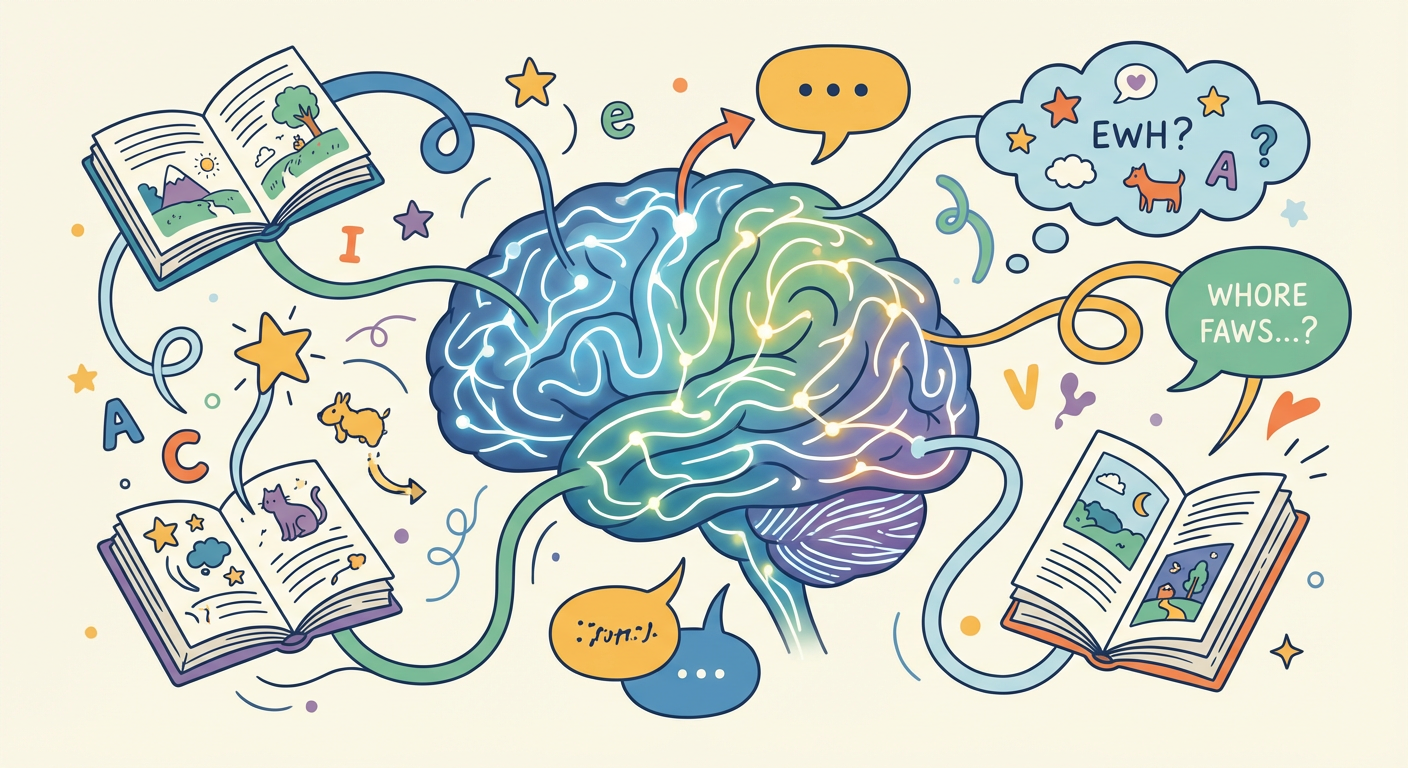
2. Early Reading’s Impact on Language and Cognitive Development
The foundational years of a child’s life are a period of extraordinary cognitive growth and linguistic acquisition. During this critical window, the brain develops at an unparalleled rate, absorbing information and shaping neural pathways that will underpin future learning and social interaction. Among the myriad influences on this early development, reading aloud to children stands out as a singularly powerful catalyst, offering profound and lasting benefits that extend far beyond mere literacy. This section delves into the scientific underpinnings of how engaging with picture books from an early age significantly enhances language acquisition, expands vocabulary, and strengthens overall cognitive functions, including the well-documented “million-word gap” effect and its extensive long-term academic and social implications. We will explore the direct, causal links between early reading and cognitive advancement, examine how stories serve as crucial vehicles for social-emotional learning, and analyze contemporary trends and challenges in parental reading habits.
2.1 The Foundational Link: Early Reading and the Million-Word Advantage
The act of reading aloud to young children is far from a passive pastime; it is a dynamic linguistic and cognitive immersion that provides an unparalleled head start in development. Research consistently demonstrates that exposure to books in infancy and early childhood lays a robust foundation for language proficiency, vocabulary enrichment, and emergent literacy skills. One of the most compelling findings illustrating this impact is the “million-word gap” identified by researchers at Ohio State University. A 2019 study revealed that simply reading five picture books a day to a child results in them hearing approximately **1.4 million more words** by the age of five compared to a child who is never read to at home[1]. This staggering disparity in word exposure has profound implications. Even at a more modest rate of one book a day, children gain an advantage of roughly **290,000 extra words** by their fifth birthday[2]. The words encountered in picture books are often more diverse and complex than those typically used in everyday conversations, enriching a child’s lexicon in ways that casual interaction alone cannot achieve. For instance, common household dialogue might frequently use words like “go,” “eat,” and “toy,” while a picture book could introduce terms such as “adventure,” “curiosity,” or “majestic.” This expanded oral vocabulary is a critical predictor of later reading readiness and academic success. Children who enter school with a broader vocabulary are better equipped to comprehend texts, understand teacher instructions, and engage in more complex discussions, effectively propelling them onto a steeper learning trajectory. The benefits derived from this increased word exposure are manifold: * **Expanded Vocabulary**: As noted, children are exposed to a significantly wider range of words and linguistic structures in books than in direct conversation. This exposure builds a larger mental dictionary, making it easier for them to understand and use new words. * **Enhanced Phonological Awareness**: Reading aloud helps children recognize that spoken words are made up of individual sounds (phonemes). This phonological awareness is a crucial precursor to decoding words and learning to read independently. * **Improved Syntactic Development**: Exposure to grammatically correct and varied sentence structures in books – which are often more complex than spoken language – helps children develop a stronger grasp of syntax and sentence construction. This, in turn, enhances their ability to communicate effectively both orally and in writing. * **Narrative Comprehension**: Story time teaches children about narrative structure, including elements like plot, character, setting, and resolution. This understanding is fundamental for academic success across all subjects, as they learn to follow and comprehend sequential information. * **Print Awareness**: Even before they can read, young children develop print awareness by observing how books are held, how pages are turned, and that print carries meaning (reading from left to right, top to bottom). This early understanding cultivates a respect for books and the written word. These gains are not merely transient; they yield lasting cognitive benefits. A 2014 Australian longitudinal study, published via CEPR, provided compelling causal evidence. It found that parents who read to their preschoolers **6–7 times per week** could boost their child’s early reading skills by over **0.5 standard deviations** compared to children read to less than twice a week[3]. To put this in practical terms, this is roughly equivalent to more than **6 months of extra developmental progress**[3], indicating a significant “head-start” effect. The study further emphasized that these gains were not just correlations but indicated a causal relationship, meaning the act of reading aloud directly drove the improvements in reading skills[2]. This advantage was observed to persist through at least age 10-11, underscoring the long-term impact of early reading interventions[2]. Interestingly, the study noted that while both genders benefited, the impact was slightly stronger for girls[4]. The consistent, interactive nature of shared reading experiences is key to these outcomes. When a parent or caregiver engages a child in a story, they often pause to ask questions, point to illustrations, and discuss the plot, fostering active participation and deeper comprehension. This interaction transforms reading into a stimulating dialogue rather than a passive monologue, further enhancing cognitive development.
2.2 Cognitive Gains Beyond Language and Long-Term Academic Implications
The benefits of early reading extend far beyond language acquisition, fundamentally shaping a child’s overall cognitive architecture and setting the stage for lifelong academic success. The neural pathways stimulated during storytime contribute to the development of higher-order thinking skills, memory, attention, and even problem-solving abilities. * **Enhanced Attention and Concentration**: Sitting through a story, even a short picture book, requires focus. Regular storytime helps children progressively lengthen their attention spans and improve their ability to concentrate, skills that are indispensable for classroom learning. They learn to follow a narrative, listen attentively, and filter out distractions. * **Memory Development**: Recalling characters, plot points, and details from stories exercises a child’s short-term and long-term memory. Discussing a book after reading reinforces these memory processes, helping children to retrieve information and build connections between different pieces of knowledge. * **Critical Thinking and Problem-Solving**: Stories often present characters facing dilemmas or challenges, modeling various approaches to problem-solving. When parents discuss these situations with children—”What do you think Sarah should do?” or “Why did the fox trick the rabbit?”—they encourage critical thinking, empathy, and the ability to anticipate consequences. * **Imagination and Creativity**: Picture books, with their vibrant illustrations and imaginative narratives, serve as powerful tools for sparking creativity. They transport children to different worlds, introduce fantastical creatures, and encourage them to visualize beyond what is immediately present. This imaginative play is crucial for cognitive flexibility and innovative thinking. Brain scans of toddlers read to regularly show increased activity in areas associated with narrative comprehension and imagery visualization, indicating a direct neurological impact on creative and imaginative faculties. * **General Knowledge**: Books introduce children to a vast array of concepts, facts, and cultures they might not encounter in their immediate environment. From learning about dinosaurs to understanding different professions or geographical locations, picture books provide a broad base of general knowledge that enriches their understanding of the world. The long-term academic implications of early reading are undeniable and form a critical foundation for educational and career trajectories. Children who begin school with strong pre-reading skills are not only more likely to excel in language arts but also demonstrate superior performance across all subjects. This is because reading proficiency is a gateway skill; the ability to read and understand information fluently impacts comprehension in science, history, mathematics, and beyond. A particularly alarming statistic highlights the criticality of early reading proficiency: students who struggle with reading by the end of 3rd grade are **4 times more likely to drop out of high school** than their proficiently reading peers[12]. This risk is amplified significantly for children from low-income families, who are **6–8 times more likely** to not finish school if they are also struggling readers[13]. This phenomenon, often referred to as the “Matthew effect” in education (where advantage begets more advantage, and disadvantage accumulates), underscores the urgent need for early intervention. If a child enters school already behind in reading, they face an uphill battle that can perpetuate a cycle of academic struggle and reduced opportunities. One analysis indicated that an astonishing **88% of children struggling with reading in kindergarten were still struggling by 4th grade**[28]. Therefore, investing in early childhood reading is not just a pedagogical best practice; it’s an economic imperative. Businesses and educational institutions increasingly recognize that promoting early literacy—especially through books that feature positive, diverse role models—is a strategic investment in the future workforce. Children who develop strong reading habits tend to become lifelong learners, equipped with crucial skills like critical thinking, problem-solving, and adaptability, all of which are highly valued in a rapidly evolving global economy. Organizations that support early reading initiatives are not merely engaging in corporate social responsibility; they are actively cultivating the talent pipeline necessary for future innovation and success.
2.3 Trends and Challenges in Parental Reading Habits
Despite the well-established and profound benefits of early reading, recent trends indicate a concerning decline in consistent read-aloud practices among families. This shift poses a significant challenge to maintaining the impressive gains in child development that early literacy initiatives have demonstrated. Historically, the practice of reading to young children in the U.S. saw positive growth. In the 1990s, approximately **78% of U.S. preschoolers** were read to regularly. This figure rose to around **85% by 2019**, reflecting increased awareness and the success of literacy campaigns[5]. However, more recent data suggests a downward shift in the frequency of daily reading. A 2024 international survey, for instance, reported that only **41% of parents** with children under five are reading to them “frequently” (defined as almost daily), a sharp decline from **64% in 2012**[6]. This suggests that while overall exposure to books might remain high (with 85% read to weekly), the consistent, daily engagement that provides the “million-word advantage” is diminishing. Several factors contribute to this decline: * **Time Pressures**: Modern family life is often characterized by demanding work schedules, extracurricular activities, and other commitments, leaving less time for dedicated storytime. Parents frequently cite busyness as a primary barrier to consistent reading aloud. * **Digital Distractions and Screen Time**: The ubiquitous presence of digital devices and screens presents a formidable competitor to traditional books. Children are increasingly drawn to streaming cartoons, educational apps, and video games designed to capture and hold their attention. While some digital content can be educational, it often lacks the interactive dialogue and direct engagement fostered by shared book reading. Pediatric experts caution that excessive passive screen time, particularly when it displaces interactive reading, can impede the development of critical cognitive skills like focus and listening[42]. * **Parental Attitudes Towards Reading Aloud**: A notable factor in the decline of daily reading appears to be parental perception. A 2024 Nielsen/HarperCollins survey revealed that only **40% of parents** found reading books to their child “fun”[7]. Many parents, particularly Generation Z parents, view reading aloud more as an educational chore or a duty than an enjoyable bonding activity. This utilitarian approach, coupled with self-consciousness about performance (e.g., doing character voices), can inadvertently transmit a sense of tedium about reading to children. Children, perceptive as they are, internalize these attitudes. The same survey found that almost one-third of children aged 5–13 considered reading “more a subject to learn than a fun thing to do”[41]. The consequences of this decline are significant, potentially widening existing literacy gaps, particularly among socioeconomically disadvantaged children. Communities and organizations globally are seeking innovative solutions to reignite the love of reading and support parents in establishing consistent storytime routines. This includes efforts to make reading more accessible, engaging, and enjoyable for both parents and children, as illustrated by successful initiatives detailed in later sections. Restoring the daily ritual of storytime is crucial for nurturing the next generation’s language and cognitive development.
2.4 Initiatives to Reignite the Love of Reading
Recognizing the critical importance of early reading, numerous organizations and programs worldwide have emerged to combat declining read-aloud rates and foster a love of books in young children. These initiatives adopt diverse strategies, from large-scale book gifting to community-based interventions and medical prescriptions for literacy.
2.4.1 Dolly Parton’s Imagination Library
One of the most expansive and successful initiatives is **Dolly Parton’s Imagination Library**. Launched in 1995, this program mails free, high-quality, age-appropriate picture books directly to children’s homes each month from birth until their fifth birthday, regardless of family income[43]. * **Scale and Reach**: As of 2023, the Imagination Library has gifted over **200 million books** across five countries, demonstrating its remarkable global reach[11]. Its monthly distribution now exceeds 2 million books. * **Proven Impact**: Multiple rigorous evaluations have confirmed the program’s effectiveness in boosting early literacy and school readiness. A pivotal 2021 study published in *Pediatrics* found that children enrolled in the Imagination Library for two years were able to **close the kindergarten readiness gap** with their wealthier peers[44]. Specifically, participants from disadvantaged backgrounds demonstrated literacy skills (such as vocabulary and letter recognition) comparable to their more affluent counterparts. Another analysis from Syracuse, NY, indicated that children in the program were **28.9% more likely** to be ready for kindergarten than non-enrolled peers from similar socioeconomic backgrounds[13]. The longer children participated, the more pronounced the gains, illustrating a clear dose-response effect on school readiness[14]. * **Parental Engagement**: Beyond direct child benefits, the program significantly influences parental behavior. A survey of over 3,000 families enrolled in the Imagination Library reported that **90%** credited the program with improving their family’s reading routine and strengthening parent-child bonds. The Imagination Library’s success underscores that providing consistent access to high-quality books from an early age can effectively level the educational playing field, particularly for disadvantaged children.
2.4.2 Barbershop Books
For older children, particularly boys who might be less inclined towards reading, **Barbershop Books** offers an innovative, community-rooted solution. Founded in 2013, this program strategically places engaging, culturally relevant books in barbershops, transforming these community hubs into welcoming reading spaces. Barbers are trained to encourage boys to read during their wait times and haircuts. * **Cultural Relevance**: By leveraging the barbershop, a trusted and significant gathering place in Black communities, the program connects with children in a comfortable and familiar environment, making reading a positive, normalized activity. * **Behavioral Impact**: An external evaluation by the University of Pennsylvania’s Center for High Impact Philanthropy revealed dramatic changes in reading behavior. Prior to the program, **90% of participating barbers** reported rarely or never seeing young boys read in their shops. However, just **six months** after implementing the program, **75% of barbers** observed boys reading on their own almost daily during haircuts[45]. * **Increased Confidence and Identity**: The program also includes “Reading So Lit” summer camps led by male teen mentors, which found that **85% of participating parents** noted improvements in their child’s reading confidence and motivation[46]. Critically, **70% of parents** reported that their child was now more likely to identify as “a reader”[46]. Barbershop Books powerfully demonstrates that meeting children where they are, providing diverse and relatable role models (the barbers themselves), and ensuring access to appealing content can dramatically ignite an interest in reading, especially among those often considered reluctant readers.
2.4.3 Reach Out and Read
**Reach Out and Read (ROR)** takes an integrated approach by bringing literacy promotion directly into pediatric healthcare settings. Established in 1989, ROR trains doctors and nurses to discuss the importance of reading aloud with parents during well-child visits, providing a free, age-appropriate book to children from 6 months to 5 years of age at each visit. * **Healthcare Integration**: By “medicalizing” literacy promotion, ROR positions reading aloud as a fundamental component of child health and development, akin to vaccinations or nutrition, endorsed by a trusted medical professional. The American Academy of Pediatrics officially began recommending daily reading from birth in 2014, highlighting the integral role of reading in healthy development[16]. * **Extensive Reach and Impact**: ROR serves approximately **4.2 million children annually**, with a particular focus on low-income families. Studies indicate that parents in the ROR program are **2.5 times more likely** to read to their children at home at least three times per week compared to non-participating families[47]. Furthermore, children exposed to ROR show higher receptive and expressive language abilities at age two, even after controlling for socioeconomic factors[48]. * **Building Trust**: Clinicians also report that providing books and modeling reading strengthens clinician-family relationships and builds trust, enhancing overall healthcare engagement. ROR exemplifies a scalable, evidence-based model for early literacy intervention that leverages existing infrastructure to reach a broad demographic, effectively elevating parental commitment to reading. These diverse initiatives highlight the multifaceted approaches necessary to address the challenge of declining early reading rates. By combining resource provision (books), community engagement, and expert guidance, they collectively work to restore consistent storytime in homes, thereby ensuring that more children benefit from the profound language and cognitive advantages that early literacy affords. The success of these programs provides a blueprint for future efforts aimed at nurturing a generation of strong readers and thinkers. The comprehensive impact of early childhood reading on language and cognitive development is undeniable, laying the groundwork for academic achievement, social-emotional well-being, and future societal contributions. However, the efficacy of these foundational experiences is profoundly intertwined with the content of the books themselves, particularly the presence of positive and diverse role models. The next section will explore in detail how the characters and narratives presented in picture books actively shape a child’s social-emotional learning, empathy, and understanding of the world, building upon the cognitive foundations discussed here.
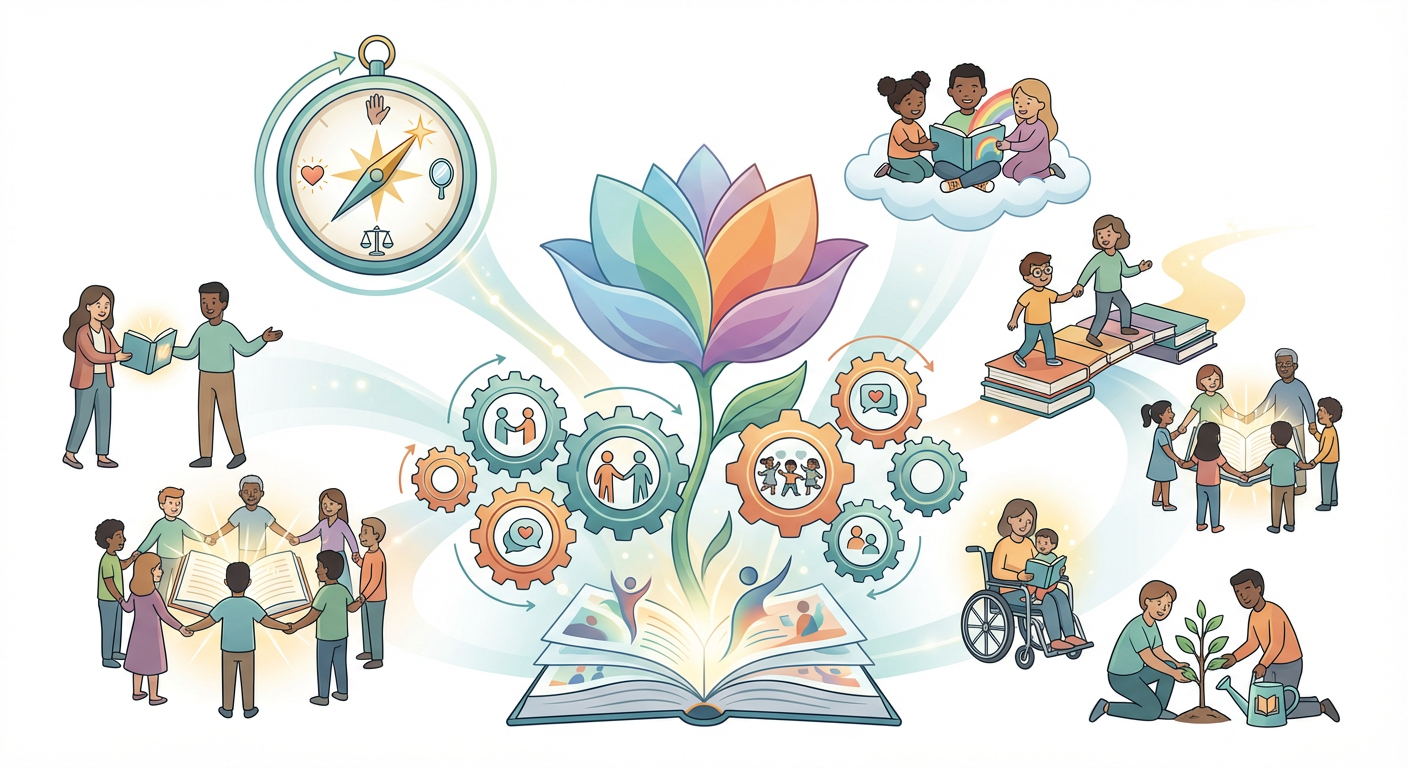
3. Cultivating Values and Social Skills Through Positive Role Models
Beyond the undeniable cognitive and linguistic benefits, picture books serve as profound instruments for nurturing children’s socio-emotional development. These seemingly simple narratives, vibrant illustrations, and relatable characters offer a unique and powerful medium through which children learn about the world, interpret human interactions, and internalize crucial values. Specifically, picture books featuring positive and diverse role models are instrumental in shaping a child’s empathy, encouraging prosocial behaviors, and fostering a strong moral compass. This section delves into the multifaceted ways in which these stories act as social teachers, providing children with invaluable blueprints for navigating social complexities and becoming compassionate, well-adjusted individuals.
3.1 The Role of Stories as Social Teachers and Empathy Builders
Picture books are not merely tools for literacy; they are powerful conduits for social learning. Through engaging narratives, children encounter a wide spectrum of emotions, ethical dilemmas, and diverse perspectives that extend beyond their immediate experiences. By observing how characters grapple with challenges, make choices, and interact with others, children begin to construct their own understanding of social norms, responsibilities, and appropriate behaviors. This observational learning is particularly potent when books feature positive role models—characters who embody kindness, resilience, integrity, and cooperation.
When children read about protagonists who demonstrate desirable traits, they receive implicit and explicit lessons on how to act in turn. The vivid storylines and compelling personalities within these books allow children to vicariously experience situations, fostering a deeper connection and internalization of the moral messages. Developmental psychology research indicates that children often emulate behaviors they witness and admire, especially from characters with whom they identify. For instance, if a book portrays a character sharing their toys with a friend in need, the child learns not just the act of sharing, but the emotional gratification and positive social outcomes associated with it.
A compelling 2025 study published in Frontiers in Psychology provided concrete evidence of this phenomenon. The experiment involved preschoolers who were divided into an intervention group and a control group. The intervention group was read socially-themed picture books—stories specifically designed to emphasize kindness, sharing, and other prosocial behaviors—over several weeks. The results were striking: children in the intervention group demonstrated “significantly higher empathy and more helping behaviors” than those in the control group34. The link was unequivocally clear: sustained exposure to kind and inclusive characters in story form led to measurable improvements in the children’s empathy and prosocial actions. Specifically, the prosocial behavior rating for the intervention group rose from an average of 2.0 to 2.7 on a predetermined scale, while the control group showed negligible change17. Similarly, empathy scores in the story group increased from approximately 59.0 to 61.3, remaining flat in the control group18. Researchers further noted a critical mediating effect: improved empathy was found to explain a significant portion of the observed boost in helping behavior, underscoring that the narrative content directly cultivated emotional understanding, which then translated into tangible actions19.
This research underscores the crucial role of stories in building empathy, a foundational component of social competence. Picture books provide a safe and imaginative space for children to explore complex emotions and diverse perspectives. Through a character’s journey, children can experience sadness, joy, frustration, and courage without directly undergoing the difficult circumstance themselves. When parents or educators engage with children during storytime, asking questions like, “Why do you think the little bear felt lonely?” or “What would you do if you were in that character’s shoes?”, they actively help children develop their “empathy muscle.” This guided reflection allows children to practice perspective-taking, understand the emotional states of others, and consider the impact of their own actions. Such deliberate engagement turns passive listening into active emotional and social learning, paving the way for more compassionate and understanding real-world interactions.
3.2 Fostering Prosocial Behaviors and Internalizing Values
The impact of positive role models in picture books extends beyond empathy to actively encourage prosocial behaviors and the internalization of positive values. Prosocial behaviors, such as sharing, cooperating, helping, and comforting, are essential for successful social interaction and community building. Picture books frequently present scenarios where characters exhibit these behaviors, illustrating their positive consequences and reinforcing their importance.
For example, a book might depict a character overcoming shyness to help a new classmate, or a group of diverse animals working together to solve a problem. These narratives offer children concrete examples of how to apply altruistic principles in everyday life. The continuity of these themes across various books helps to solidify the underlying values. If a child repeatedly encounters stories where characters are rewarded for their kindness or where conflicts are resolved through cooperation, they begin to internalize these concepts as desirable and effective ways of interacting with the world.
The “social-themed stories” mentioned in the Frontiers in Psychology study are excellent examples of how targeted content can foster specific prosocial behaviors. The findings indicated a direct causal link between reading these stories and an increase in children’s prosocial actions. The intervention group, which was exposed to these narratives, showed a notable increase in behaviors such as sharing and helping others. Researchers explicitly confirmed that “picture books also significantly enhanced children’s” empathy, which then mediated the observed improvements in prosocial conduct418. This suggests that the stories first cultivated a deeper emotional understanding (empathy), which then organically led to a greater inclination to act kindly and helpfully towards others.
Furthermore, picture books instil values that form the bedrock of a child’s character. Values such as honesty, perseverance, courage, and integrity are often personified through characters who face challenges and choose the moral high ground. Consider a character who admits a mistake, even when it’s difficult, or one who keeps trying despite setbacks. These stories teach children that these qualities are admirable and contribute to positive outcomes, both for themselves and for their communities. The narrative format allows for a nuanced exploration of these values, showing children not just what the value is, but also why it is important and the positive impact it can have.
The lessons learned from these literary experiences can provide children with a moral framework that guides their behavior long after the book is closed. When confronted with a real-life situation, a child might unconsciously draw upon the lessons learned from a beloved story, asking themselves, “What would [character’s name] do?” This internal moral compass, shaped by positive literary role models, is crucial for developing responsible and ethical individuals.
3.2.1 Challenging Stereotypes and Promoting Inclusivity
The emergence of diverse role models in children’s literature plays a pivotal role in challenging stereotypes and promoting inclusivity. Traditionally, children’s books often presented narrow gender roles and limited racial or cultural representation. For instance, studies from the 1960s to the 1980s frequently found that male protagonists significantly outnumbered female characters, and white characters dominated narratives2425. This lack of diverse representation could inadvertently limit a child’s understanding of different identities and restrict their own aspirations based on prevailing societal norms.
Modern picture books are consciously working to dismantle these outdated portrayals. Authors and illustrators are creating characters that break traditional molds—a female astronaut, a boy who loves cooking, a child with a disability as the hero, or protagonists from various racial and ethnic backgrounds. This shift is vital because “you can be what you see” is a powerful message for children. When a child sees a character who looks like them or shares their background achieving great things, it validates their own potential and expands their sense of what is possible. Conversely, when children encounter positive and diverse role models who are different from themselves, it fosters understanding, empathy, and respect for others, cultivating inclusive attitudes from a young age.
Research suggests that exposing children to diverse characters can have a tangible impact on their beliefs. For example, studies have shown that children who read stories featuring women in STEM (Science, Technology, Engineering, and Mathematics) careers or men in nurturing roles develop more flexible gender-role beliefs20. This means they are more likely to acknowledge that professions are not exclusive to one gender (e.g., “girls can be engineers” or “boys can be kindergarten teachers”). Anecdotal evidence from teachers supports this, reporting that after a series of story sessions featuring female scientists, young girls expressed a heightened interest in science activities.
Furthermore, representation in books serves as both “mirrors and windows”—providing children with reflections of their own identity and offering glimpses into worlds different from their own. Seeing one’s own experiences affirmed in literature can significantly boost self-esteem and a sense of belonging. The “mirror” effect is crucial for children from marginalized communities, who historically have been underrepresented in mainstream media. The “window” effect, on the other hand, helps all children develop a broader, more nuanced understanding of the world. A study from Emory University, for instance, found that white elementary students who read several books with Black or immigrant protagonists showed increased perspective-taking abilities and a reduction in stereotyping during subsequent assessments. By normalizing diversity, books help children cultivate inclusive attitudes early on, which has lasting benefits for their personal development and contributes to a more tolerant and equitable society.
3.3 Enhancing Social Skills and Conflict Resolution Through Narratives
Picture books frequently serve as informal handbooks for navigating common social situations and developing essential social skills. The narratives within these books often present children with relatable scenarios, such as learning to share with siblings, managing feelings of jealousy towards a friend, dealing with playground conflicts, or overcoming fears. By observing how characters in stories navigate these challenges, children gain valuable insights and practical strategies for resolving similar situations in their own lives.
For instance, a story about a character who learns to take turns playing a game or how to respectfully express their feelings can model appropriate social conduct. These literary examples provide children with a “script” for real-life interactions, helping them understand the nuances of social dynamics. Parents and teachers often leverage these stories as discussion points, asking children, “What did the character do when they felt angry?” or “How could they have handled that situation differently?” This guided reflection deepens a child’s comprehension of social cues and problem-solving techniques.
A 2024 research review highlighted that guided reading of storybooks significantly improved young children’s social skills, including behaviors like taking turns, active listening, and using polite language2122. The direct modeling of these behaviors through relatable story plots and characters provides children with concrete examples that they can then apply in their own interactions. Picture books also offer a safe space to explore and understand challenging emotions. Characters who experience fear, sadness, or anger provide children with a language to articulate their own feelings and learn healthy coping mechanisms.
Furthermore, stories about cooperation and teamwork can foster a deeper understanding of collaboration. Books where characters achieve a common goal by working together teach children the value of collective effort and mutual support. This can translate into more effective group play and improved classroom participation. Similarly, narratives that involve characters apologizing, forgiving, or making amends after a disagreement can illustrate effective conflict resolution strategies. These stories teach children that conflicts are a natural part of social life but can be managed constructively and compassionately.
In essence, positive role models in picture books function as virtual mentors. They don’t just tell children how to behave; they demonstrate it through compelling narratives. By offering vivid examples of empathy, resilience, cooperation, and effective communication, these books equip children with a comprehensive set of social-emotional tools. These tools are critical for fostering healthy peer relationships, navigating complex social environments, and ultimately, building a foundation for successful social integration and well-being throughout their lives.
3.4 The Evolving Landscape of Representation: Progress and Persistent Challenges
The landscape of children’s literature has undergone significant changes in recent decades, driven by a growing recognition of the importance of diverse representation. This evolution is crucial for ensuring that all children see themselves reflected in stories (“mirrors”) and gain insights into lives different from their own (“windows”).
Historically, children’s books suffered from a profound lack of diversity. As noted previously, studies from the 1960s to the 1980s indicated that over 80% of children’s book characters were white, and male protagonists dominated narratives, often at a ratio of 2:1 or worse compared to female characters242529. This homogeneity limited the worldview of many children and potentially reinforced societal biases.
3.4.1 Progress in Gender and Racial/Ethnic Representation
Significant strides have been made, particularly in gender representation. A comprehensive 60-year analysis (1960–2020) highlighted a substantial increase in female protagonists, especially in the last two decades2829. In new children’s books published within the past five years, the ratio of male to female main characters is nearing parity, standing at approximately 1.1:1 (about 52% male, 48% female)62930. This near 50/50 gender parity is particularly evident in picture books with human characters, though animal characters still tend to be male by default16. This positive shift is largely attributed to increased emphasis on gender equity in publishing and growing market demand from parents and educators for more balanced portrayals.
Racial and ethnic diversity has also seen improvements, albeit with persistent challenges. Data from the Cooperative Children’s Book Center (CCBC) shows that in 2022, approximately 40% of new children’s books had at least one author or illustrator of color526. This marks a significant increase, nearly triple the share in 2015. The breakdown by creator identity in 2022 reveals: 18% Asian, 13% Black, 11% Latinx, 1.5% Indigenous, and 0.4% Pacific Islander (totals exceed 40% due to some books having multiple creators of color)12. Furthermore, in 2022, about 46% of children’s books featured significant characters of color26—a notable improvement from just 10% in the early 1990s. The percentage of books about Black characters reached 14.2%, Asian characters 10.7%, and Latinx characters 6.9% in 2022, inching up from 2019 figures1314. The percentage of books written by Black authors, for instance, roughly doubled from 5.7% in 2014 to 13.4% in 202227.
3.4.2 The “Bounce and Fade” and Ongoing Gaps
Despite these improvements, substantial gaps and an unsettling trend of “bounce and fade” persist. While about 50% of U.S. children are non-white, only 39% of books in 2022 featured a BIPOC (Black, Indigenous, and People of Color) primary character15. This indicates that representation in children’s literature still lags considerably behind the actual demographics of young readers, suggesting that many children still struggle to find themselves in the stories they read.
A particularly concerning trend identified by WordsRated is the “post-2020 diversity recoil.” In 2020, following heightened social justice movements, there was a noticeable spike in diversity, with Black characters briefly outnumbering white characters in top kids’ books for the first time ever816. However, this momentum proved fragile. By 2021, the share of Black characters in bestselling children’s books fell by 23% year-over-year, and bestsellers by Black authors dropped by 31%816. Industry data for 2021 showed 3.5 white-authored bestsellers for every 1 Black-authored bestseller16. This “BLM bounce” quickly dissipated, illustrating that progress in diversity can be tenuous without sustained and committed effort by the publishing industry rather than mere reactive responses to societal events. This “bounce and fade” dynamic suggests representation has sometimes been treated as a fleeting trend rather than a fundamental necessity for equitable and enriching children’s literature.
Moreover, critical analysis of content shows that even when diverse characters are present, the quality of their portrayal matters deeply. It’s not enough to simply include a diverse character; the stories must also avoid reinforcing stereotypes or relegating diverse characters to secondary, token roles. Authentic “own voices” narratives are crucial, ensuring that characters are depicted with depth, agency, and nuance.
The demand for diverse content remains robust. The phenomenal success of books like Good Night Stories for Rebel Girls, which sold over 500,000 copies globally in its first year, highlights a strong parental appetite for empowering content featuring diverse role models11. This commercial success, alongside the cultural impact visible in children’s increased aspirations and reduced stereotyping, demonstrates that genuine, sustained representation is not just a moral imperative but also a market opportunity.
In conclusion, while progress in diversifying children’s literature is evident, significant work remains. The industry must move beyond episodic responses to social currents and embed diversity as a core, unwavering commitment. Sustained efforts to support authors of color, to publish stories about a wider array of characters, and to ensure authentic portrayals are essential for truly reflective and inclusive children’s literature that cultivates values and social skills in all young readers.
The cultivation of values and social skills through positive role models in picture books is an indispensable aspect of child development, providing a critical foundation for compassionate and socially competent individuals. This socio-emotional development is inextricably linked to early literacy, which itself lays the groundwork for academic success and future workforce readiness. As we move forward, it becomes imperative to transition from discussing the profound benefits of these books to exploring actionable strategies for making them accessible to every child. The next section will therefore examine various community and institutional initiatives that are successfully bridging the gap between research and reality, bringing the power of positive role models in picture books directly into children’s lives.
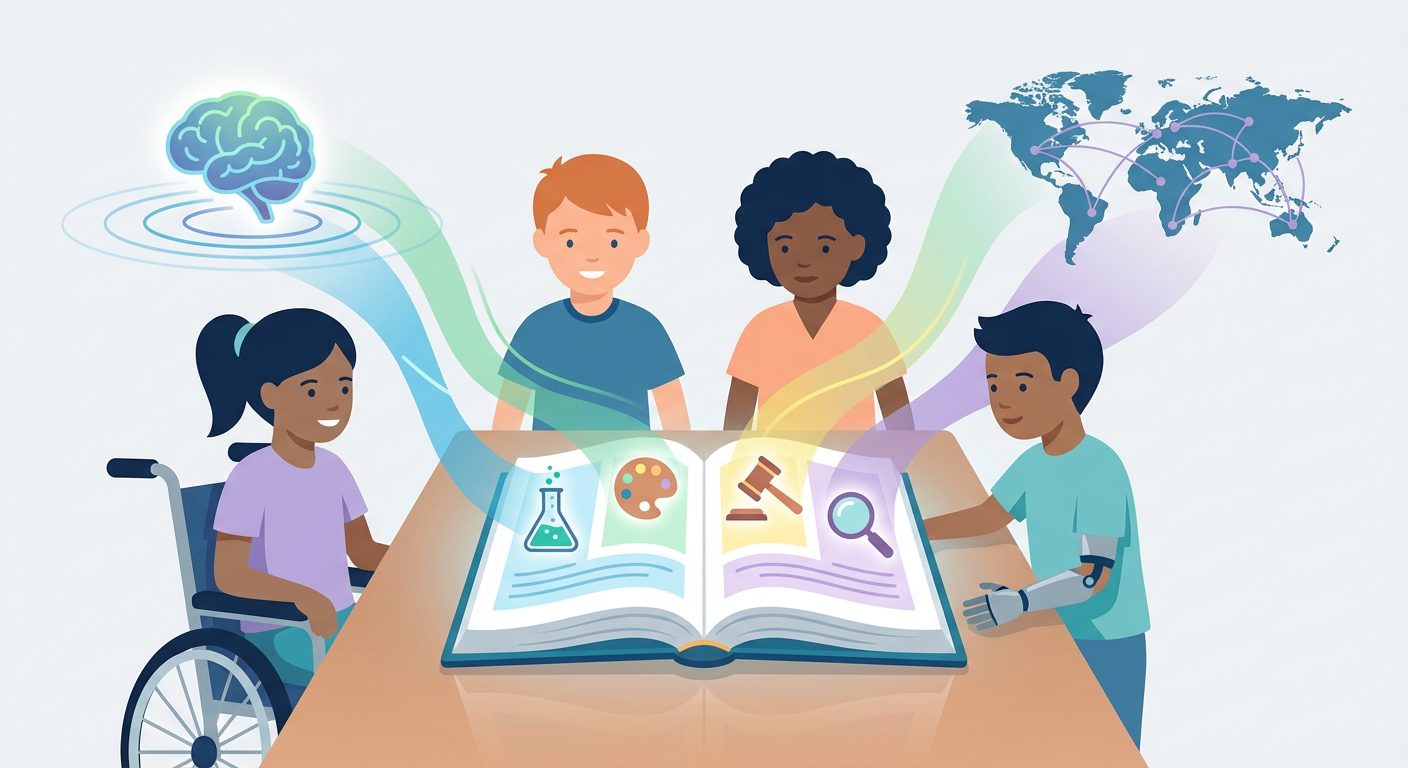
4. Representation in Children’s Literature
The stories children encounter during their formative years play a crucial role in shaping their understanding of themselves and the world around them. Children’s literature, particularly picture books, acts as a powerful medium for conveying cultural norms, instilling values, and broadening perspectives. For decades, the landscape of children’s literature was largely homogenous, reflecting a narrow segment of society. However, a growing awareness of the profound impact of representation has fueled a concerted effort toward greater diversity and inclusivity. This section delves into the historical context of representation in children’s books, examines current trends in author and character diversity, explores the foundational concept of ‘mirrors and windows’, and elucidates the myriad benefits that inclusive storytelling offers all children.
Historical Context and Evolution of Diversity in Children’s Literature
For a significant period, children’s books predominantly featured characters and narratives that reflected a singular cultural viewpoint, primarily white, often male-centric, and frequently perpetuating traditional gender roles. This historical homogeneity meant that many children, particularly those from marginalized communities, rarely saw themselves reflected in the stories they read. Such an absence of “mirrors” in literature could lead to feelings of invisibility or even suggest that their experiences were not valuable or worthy of stories.
Studies conducted as recently as the 1980s illustrate the stark reality of this imbalance. Research from that era found that well over 80% of children’s book characters were white[11]. Furthermore, male protagonists vastly outnumbered female characters, often by a ratio of 2:1 or even more skewed in favor of male figures[7]. These narratives frequently confined female characters to passive roles, often depicted as waiting to be rescued or defined by their relationships to male characters, while boys were almost exclusively portrayed as adventurers, leaders, and problem-solvers. This created a default narrative that reinforced traditional gender stereotypes and limited the aspirational possibilities for both boys and girls.
The trajectory of diversity began to shift more noticeably in the later decades of the 20th century and has gained significant momentum in the 21st. Early efforts, such as the Council on Interracial Books for Children formed in the mid-20th century, paved the way for broader conversations about the need for inclusive stories. While progress was slow initially—with only about 10% of kids’ books featuring significant characters of color in the early 1990s—the landscape has undergone substantial transformation[34]. The push for diversity intensified post-2015, leading to a notable increase in the publication of books by “own-voices” authors, meaning writers who share the background of their main characters. For instance, the percentage of children’s books written by Black authors roughly doubled from 5.7% in 2014 to 13.4% in 2022[36][35].
Gender representation has also seen considerable improvement. A comprehensive 60-year analysis spanning from 1960 to 2020 revealed a substantial increase in female protagonists, particularly over the last two decades[38][39]. In recent years, the balance has moved closer to parity; in the past five years (up to 2020), the ratio of male to female main characters in new children’s books has approached 1:1, with approximately 52% male and 48% female[37]. This stands in stark contrast to the significantly imbalanced ratios of previous generations. However, it’s worth noting that while generic “human” characters achieve near gender parity, animal characters tend to default to male by a notable margin[7].
Despite these strides, the journey towards truly equitable representation is ongoing and faces challenges. Industry data suggests that progress can be fragile and, without sustained effort, can even regress. For example, there was a visible surge in diverse children’s books in 2020, partly influenced by global social justice movements. This period saw Black characters briefly outnumbering white characters in top-selling children’s books, marking the first time such a shift occurred[9]. However, this “BLM bounce” proved to be somewhat transient. By 2021, the share of Black characters in bestselling children’s books fell by 23% year-over-year, and bestsellers by Black authors dropped by 31%[9][10]. This post-2020 “bounce and fade” phenomenon highlights the need for continuous commitment rather than reactive, short-term responses to diversity initiatives[6]. The ratio of white-authored bestsellers to Black-authored bestsellers in 2021 was 3.5:1, underscoring that significant disparities still exist in the commercial success and visibility of diverse authors[8]. This historical context provides a crucial backdrop for appreciating the current state and ongoing efforts in representation.
The ‘Mirrors and Windows’ Concept: Reflection and Empathy
The “mirrors and windows” concept, popularized by academic Rudine Sims Bishop, stands as a cornerstone in discussions about representation in children’s literature. This powerful metaphor describes the dual function of books in a child’s development:
- Mirrors: Books that serve as mirrors reflect a child’s own life, culture, race, family structure, and experiences back to them. Seeing oneself authentically portrayed in stories validates one’s existence and contributes significantly to building self-esteem and a strong sense of identity and belonging. For a child from a minority group, encountering characters who look like them, speak their language, or engage in familiar cultural practices sends a profound message: “Your story matters.” For instance, a child with a disability seeing a protagonist with similar challenges overcoming obstacles can feel empowered and understood. Similarly, a Korean-American child reading about a Korean-American family celebrating Chuseok can feel their cultural practices are valued.
- Windows: Conversely, books can act as windows, offering children glimpses into worlds and experiences different from their own. These stories cultivate empathy, broaden understanding, and foster respect for diverse cultures, races, beliefs, and ways of life. Stories acting as windows can debunk stereotypes and reduce prejudice by presenting nuanced and authentic portrayals of people from different backgrounds. For example, a child from a predominantly white neighborhood reading a book about a child celebrating Diwali gains insight into another culture’s traditions. A classic illustration is Mary Hoffman’s *Amazing Grace*, which shows a Black girl confidently pursuing the lead role of Peter Pan despite skepticism, inspiring not only Black girls but also teaching all children about perseverance and challenging assumptions. Such narratives help children develop a more comprehensive and inclusive worldview, preparing them for a diverse global society.
The importance of both mirrors and windows cannot be overstated. When children only see themselves in books, they miss out on developing empathy and understanding for others. When children never see themselves, they internalize the message that their experiences are not important or are outside the norm. Inclusive literature bridges this gap, providing all children with both validation and expansion of their perspectives.
Current Trends in Author and Character Representation
The drive for greater diversity in children’s literature has led to measurable, albeit sometimes fluctuating, changes in recent years. Data meticulously collected by organizations like the Cooperative Children’s Book Center (CCBC) offers crucial insights into these trends.
Author and Illustrator Diversity
One encouraging trend is the rising diversity among creators of children’s books. In 2022, approximately 40% of new children’s books had at least one author, illustrator, or compiler who was a person of color[5][6]. This represents a significant upward trajectory, nearly tripling the share observed in 2015. The breakdown of creator identities in 2022 includes:
It is important to note that these figures can sum to more than 40% because some books may have multiple creators of color. This growth in diverse creators is vital, as “own-voices” authors often bring authentic perspectives and nuances to stories that might otherwise be overlooked or stereotyped when written by outsiders. This shift is a direct response to, and also helps fuel, the demand for more representative stories.
Character Representation Analysis
While author diversity is improving, character representation still shows significant gaps when compared to the demographic makeup of children. In 2022, only 14.2% of children’s books were about Black characters, 10.7% about Asian characters, and 6.9% about Latinx characters[13]. Although these figures represent an increase from 2019 (for example, Black characters were featured in 11.8% of books in 2019), they still fall considerably short of reflecting the actual diversity of the child population[14]. Approximately 50% of U.S. children are non-white, yet in 2022, only 39% of children’s books had a BIPOC (Black, Indigenous, and People of Color) primary character[15].
The phenomenon described as the “BLM bounce” and subsequent “fade” further highlights the fragility of progress in character representation. In 2020, following widespread calls for racial justice, there was a noticeable spike not only in books by Black authors but also in those featuring Black characters. For the first time ever, Black characters outnumbered white characters in top-selling children’s books for a brief period[16]. However, this momentum proved difficult to sustain. By 2021, the share of Black characters in bestselling children’s books declined by 23% year-over-year, and the number of bestsellers by Black authors decreased by 31%[17]. This suggests that while there can be periods of rapid change, achieving consistent and equitable representation requires ongoing, deliberate effort from the publishing industry, educators, and consumers.
In terms of gender representation, there has been more consistent progress towards parity in lead characters. A longitudinal study of children’s books over the past six decades demonstrates a clear shift away from male dominance. The ratio of male-to-female lead characters has steadily narrowed. In books published between 2015 and 2020, the male-to-female protagonist ratio reached approximately 1.2:1, and in the most recent five years, it stood at about 1.12:1[7][18]. While female protagonists are still slightly less common, the gap is closing rapidly. This trend is particularly evident in picture books featuring human characters, where close to 50/50 gender parity has been achieved. However, when characters are non-human animals, male representation tends to be higher by default[19][20].
This table summarizes the character representation trends in children’s literature:
| Category | 2019 Data | 2022 Data | Trend |
|---|---|---|---|
| Books about Black characters | 11.8% | 14.2%[13] | Increase |
| Books about Asian characters | N/A | 10.7%[13] | N/A |
| Books about Latinx characters | N/A | 6.9%[13] | N/A |
| BIPOC primary characters | N/A | 39% (vs. ~50% US non-white children)[15] | Still a gap |
| Male to Female Protagonist Ratio (last 5 years) | N/A | ~1.1:1[7] | Nearing parity |
These trends indicate that while significant progress has been made, particularly in gender balance and the representation of diverse authors, character representation for racial and ethnic minorities remains a critical area for continued development. The publishing industry is increasingly aware of the “business of inclusion,” recognizing that diversity resonates with broader audiences and can drive commercial success. The phenomenal success of titles like *Good Night Stories for Rebel Girls*, which sold over 500,000 copies globally in its first year, clearly demonstrates the massive market demand for empowering and diverse role models[12]. Such success stories are encouraging publishers to invest further in inclusive content, yet vigilance is needed to ensure that this commitment is sustained and translates into authentic, nuanced portrayals rather than superficial inclusion.
The Benefits of Inclusive Storytelling for All Children
The move towards more inclusive storytelling in children’s literature offers profound benefits that extend to every child, regardless of their background. These benefits are multifaceted, impacting social-emotional development, cognitive skills, and the shaping of a democratic, empathetic society.
Enhancing Self-Esteem and Identity Formation
For children from underrepresented groups, seeing their identities reflected positively in books is crucial for healthy self-esteem and identity development. When a child sees a character who shares their skin color, cultural heritage, or family structure featured as intelligent, brave, or kind, it validates their own experience and communicates that their identity is valuable and worthy of story. This “mirror” function counteracts the negative effects of societal invisibility and promotes a strong sense of self-worth. For example, teachers have reported that when more children’s books featuring Black girls as scientists and adventurers became available, Black girls in their classes displayed heightened engagement in science activities and expressed greater interest in STEM careers. This illustrates the powerful maxim: “you can be what you see.”
Fostering Empathy and Reducing Stereotypes
For majority-group children, inclusive books act as “windows,” providing vital exposure to different cultures and experiences. This exposure is critical for developing empathy and challenging ingrained stereotypes. By engaging with diverse characters and narratives, children learn to appreciate differences, understand varying perspectives, and develop a more nuanced view of the world. An Emory University study found that white elementary students who read several books with Black or immigrant protagonists showed increased perspective-taking abilities and reduced stereotyping in subsequent assessments, compared to a control group. This indicates that exposure to diverse stories can directly contribute to more inclusive attitudes and behaviors. By normalizing diversity from an early age, books equip children with the tools to navigate a globalized world with compassion and respect, skills that are increasingly valuable in both personal and professional spheres.
Promoting Cognitive and Social-Emotional Development
Inclusive stories also contribute to a child’s broader cognitive and social-emotional development. Engaging with complex characters from varied backgrounds encourages critical thinking about social dynamics, fairness, and justice. Picture books that feature positive role models across diverse backgrounds can significantly enhance children’s social-emotional learning. A 2025 study in *Frontiers in Psychology* found that preschoolers who were read socially-themed stories (emphasizing kindness, sharing, empathy) demonstrated higher empathy and more helping behaviors compared to a control group[22][23]. Specifically, the intervention group’s prosocial behavior rating rose from 2.0 to 2.7 (on a scale) while empathy scores jumped from approximately 59.0 to 61.3, with empathy mediating the increase in prosocial actions[21][23]. This direct link between story content and prosocial behavior underscores the transformative power of narratives with positive, inclusive themes.
Furthermore, these stories often present common social dilemmas and model constructive ways to resolve them. Whether it’s a character dealing with feeling left out, navigating family dynamics, or facing a challenge unique to their cultural background, books provide children with “scripts” and strategies for real-life social interactions. Discussions around these stories can help children develop vital social skills like turn-taking, active listening, and conflict resolution[24][25]. This prepares them for successful interactions in increasingly diverse classrooms and communities.
Benefits for the Future Workforce and Society
From a broader societal and economic perspective, fostering diversity and empathy through children’s literature contributes to cultivating a future workforce that is creative, adaptable, and inclusive. Children who grow up with a wide array of perspectives are better equipped to innovate, collaborate across differences, and solve complex global challenges. Businesses increasingly prioritize diversity and inclusion, recognizing its link to enhanced innovation and performance. By fostering these values from childhood, inclusive books help build a foundation for a more equitable and productive society. The call to action from pediatric organizations, such as the American Academy of Pediatrics, to recommend daily reading from birth highlights the recognized importance of early literacy not just for cognitive development but also for healthy parent-child attachment and routines[26], which in turn support social-emotional growth.
In conclusion, the shift towards greater representation in children’s literature is much more than a trend; it is a critical investment in the cognitive, social, and emotional development of an entire generation. By ensuring that every child can find themselves and learn about others in the pages of a book, we are building a more empathetic, understanding, and inclusive future.
The Decline in Bedtime Stories and How to Reignite Reading
Despite the growing understanding of the benefits of reading and diverse representation, there is a concerning decline in consistent reading habits within families, particularly daily read-aloud routines. This trend poses a significant challenge to childhood literacy and social-emotional development.
Shifting Reading Habits and Parental Attitudes
Modern families often face increased time pressures and are immersed in a digital landscape that offers myriad entertainment alternatives to books. This has contributed to a noticeable reduction in the frequency of parent-child reading. In the UK, for instance, the proportion of parents reading daily to children aged 0-4 plummeted from 64% in 2012 to just 41% by 2024[4]. Similar declines have been observed in other countries. This decrease in consistent read-aloud time is particularly problematic because regularity is key to maximizing the benefits of reading, with studies showing that reading “a little every day” is more impactful than sporadic bursts.
Beyond time constraints, parental attitudes also play a significant role. A 2025 Nielsen survey conducted in partnership with HarperCollins revealed that a surprising 60% of parents admitted they do not find reading to their children “fun”[40]. Many parents, particularly those from Generation Z, express self-consciousness about performing character voices or worrying about their storytelling engagement. Reading aloud is often viewed primarily as an educational obligation rather than an enjoyable bonding experience[42][41]. When parents approach storytime as a chore, this attitude can inadvertently dampen a child’s enthusiasm for reading. Consequently, by ages 5-13, nearly one-third of children perceive reading as merely an academic requirement rather than a pleasurable hobby[43].
Competition from Digital Entertainment
The ubiquity of screen-based entertainment presents a formidable challenge to promoting traditional reading. Streaming services, educational apps, and video games are often designed with algorithms to capture and maintain children’s attention with rapid stimuli, making the slower, more deliberate pace of reading feel less immediately gratifying. A Pew Research study highlighted that in households with tablets, parents tended to spend less time reading physical books with toddlers, often substituting this with digital story apps or videos. While some digital content can be educational, it typically does not offer the same depth of engagement, imagination stimulation, or interactive language development opportunities as shared book reading. Parents can pause a physical book for discussion, ask open-ended questions, and connect content to real-world experiences—interactions often absent in passive screen time. Pediatric experts, including the American Academy of Pediatrics, actively recommend replacing some screen time with daily shared reading to foster crucial cognitive skills like focus and active listening[44][45].
Strategies to Reignite the Love of Reading
Addressing the decline in read-aloud rates requires a multi-pronged approach involving families, communities, and institutions:
- Community Programs: Initiatives like Barbershop Books ingeniously leverage existing community spaces. By placing kid-friendly reading nooks in barbershops and training barbers to encourage reading, the program transforms everyday waiting times into opportunities for literacy engagement. Previously, 9 out of 10 barbers rarely or never saw children reading in their shops. After six months of program implementation, 75% observed boys reading daily or almost daily[28][27]. This demonstrates how meeting children where they are, combined with trusted role models, can dramatically increase reading engagement.
- “Prescription” for Reading: Programs like Reach Out and Read integrate literacy promotion into pediatric healthcare. Doctors and nurses provide free books to children at well-child visits, advising parents on the importance of reading aloud. This “medicalizes” literacy, elevating its importance alongside other health metrics. Evaluations show that participating parents are 2.5 times more likely to read to their children multiple times per week, and their children score higher on language assessments[51][52].
- Book Gifting and Accessibility: Dolly Parton’s Imagination Library, which mails free books monthly to children from birth to age 5, has been instrumental in closing literacy gaps. A 2021 *Pediatrics* study found that children enrolled in the program for two years closed the kindergarten readiness gap with their wealthier peers[29][30]. By removing barriers to book access, such programs foster early literacy in critical developmental years.
- Making Reading Enjoyable: Reinforcing the idea that reading is a source of joy and connection is vital. Book-related events at schools and libraries, engaging celebrity read-alouds (like Michelle Obama’s virtual storytimes during the pandemic), and creating comfortable reading environments at home all contribute to this. When parents appreciate reading as a chance to bond (44% already do[46]), they are more likely to foster that love in their children.
- Corporate Social Responsibility (CSR): Businesses can play a significant role by sponsoring literacy initiatives, providing books to employees, or integrating early childhood education into their CSR strategies. This is not just philanthropy; early literacy directly impacts future workforce quality and innovation. For instance, PNC Bank’s “Grow Up Great” program invests in early childhood education as a long-term talent pipeline strategy.
Reversing the decline in reading is not merely a social good; it carries significant economic and societal implications. Children who fail to achieve reading proficiency by age 8 are alarmingly four times more likely to drop out of high school, a risk that intensifies to 6-8 times if they also come from low-income families[31][32]. Investing in early literacy, particularly through engaging and diverse picture books, yields profound long-term benefits for individuals and society by cultivating a more educated, empathetic, and capable populace.
The journey toward fully representative children’s literature is ongoing, but the progress made demonstrates the power of collective action and sustained commitment. As we continue to advocate for and implement strategies that connect children with diverse stories, we equip them with essential tools for navigating an increasingly complex world.
***
The subsequent section will delve into the critical importance of positive role models within these inclusive narratives, exploring how specific traits and behaviors modeled in picture books can influence children’s social-emotional development and aspirations.
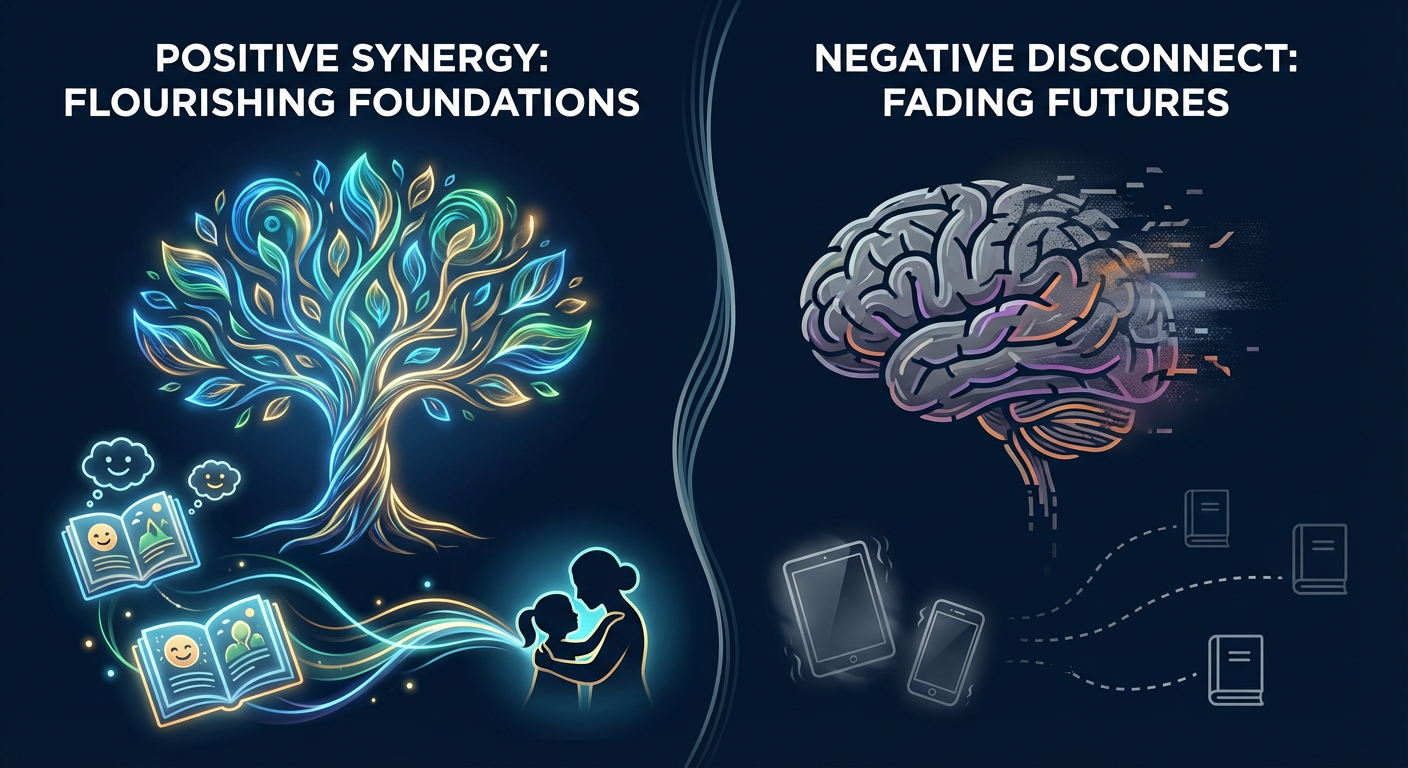
5. Challenges to Early Reading: Declining Habits and Digital Competition
The profound benefits of early childhood literacy, particularly through reading picture books, are well-documented. From fostering robust language development and cognitive gains to shaping prosocial behaviors and empathy, consistent storytime lays a critical foundation for a child’s future success and well-being. A child read five books a day, for instance, hears approximately 1.4 million more words by age five than a child who is never read to, creating a significant “million-word gap” that provides a substantial head start in vocabulary and comprehension[1]. Studies further demonstrate that regular reading to a preschooler 6–7 times per week can boost reading skills by over 0.5 standard deviations, equivalent to more than six months of developmental progress, with these cognitive benefits persisting through ages 10–11[2]. Beyond purely academic measures, exposure to stories featuring positive, prosocial role models has been shown to enhance children’s social-emotional development, leading to higher empathy and more helping behaviors[3]. Despite this overwhelming evidence of positive impact, the landscape of early reading is currently experiencing significant shifts and facing substantial challenges. A notable decline in parental read-aloud rates, changing attitudes towards reading as a parental duty rather than an enjoyable activity, and the pervasive nature of digital entertainment are collectively contributing to an environment where the crucial practice of shared reading is diminishing. This section will delve into these challenges, exploring the data that reveals declining reading habits, the psychological factors influencing parental engagement, and the powerful allure of screen time. Critically, it will also examine innovative strategies and successful initiatives aimed at reigniting a love for books and safeguarding the invaluable practice of early reading in the digital age. Understanding these dynamics is paramount not only for educators and parents but also for business leaders who recognise that early literacy is a strong predictor of later success in school and work, influencing the creativity, empathy, and problem-solving abilities of the future workforce[13].
5.1. The Decline in Parental Read-Aloud Rates: A Worrying Trend
The consistent read-aloud routine that was once a hallmark of many households is increasingly under threat. Data suggests a significant reversal in parental engagement with early reading over the last decade, raising concerns about its potential long-term impact on child development.
5.1.1. Statistics on Declining Frequency
Historically, efforts to promote early literacy yielded positive results. In the 1990s, approximately 78% of U.S. preschoolers were read to regularly, a figure that rose to 85% by 2019, reflecting increased parental awareness and successful literacy campaigns[14]. However, this upward trend for overall reading frequency masks a more concerning reality regarding daily reading habits. A recent international survey paints a stark picture:
- Only 41% of parents with children under five report reading to them “frequently” (defined as almost daily)[15].
- This represents a sharp decline from 64% in 2012[15].
This means that nearly one-third of families have reduced their daily reading habits over a little more than a decade. The drop is particularly pronounced among younger parents, with Gen Z parents showing even less inclination to engage in frequent read-alouds. While 85% of U.S. children aged 3–5 were read to at least three times per week in 2019, the decline in *daily* storytime is a critical concern, as consistency is known to yield the most significant benefits[14].
5.1.2. The “Duty” Versus “Delight” Dilemma
One of the underlying factors contributing to this decline is a shift in parental attitudes towards reading aloud. For many, what should be a joyful, bonding experience has transformed into another item on a long list of parental duties. A 2024 Nielsen/HarperCollins survey revealed eye-opening insights into this psychological shift:
- Only 40% of parents overall reported enjoying reading aloud to their children, agreeing with the statement, “reading books to my child is fun for me”[16].
- This implies that the majority, 60% of parents, do *not* find it inherently fun[4].
This perception of reading as an “educational duty” rather than “enjoyable activity” has significant repercussions. Parents who view storytime as a chore may convey this sentiment, consciously or unconsciously, to their children. Children, being astute observers, internalize these attitudes. The same Nielsen survey indicated that almost one-third of children aged 5–13 perceive reading as “more a subject to learn than a fun thing to do”[17]. This stands in stark contrast to the understanding that reading for pleasure is strongly linked to higher academic achievement and critical thinking skills later in life[5]. When reading is seen solely as a scholastic obligation, children are less likely to develop a lifelong love for books and more likely to gravitate towards alternative forms of entertainment. Parents feeling self-conscious about performing character voices or worrying about their engagement levels further compounds this issue, making a potentially enriching interaction feel like a performance pressure[4].
5.2. The Impact of Digital Competition: Screens Versus Stories
The digital revolution has brought unprecedented access to entertainment and information, but it has also presented a formidable competitor to traditional reading. The pervasive presence of screens in children’s lives significantly affects their reading habits and attention spans.
5.2.1. The Allure of Screen Time
The modern child grows up in an environment saturated with digital content. Streaming cartoons, interactive educational apps, and video games offer immediate gratification and high-stimulation experiences designed to capture and hold children’s attention. This often operates in stark contrast to the slower, more deliberate pace of reading a physical book. The rise of digital consumption, particularly among young children, directly correlates with the decline in traditional reading. While specific data linking tablet ownership to decreased physical book reading was not explicitly provided in the research for this section, the text notes that “the explosion of screen-based entertainment… provides a constant alternative to books”[4]. Digital platforms often deliver content in short, engaging bursts, potentially conditioning children to expect rapid changes and high sensory input, which can make sustained attention to a book more challenging. A Pew Research study highlighted this by observing that parental time spent on physical book reading with toddlers tends to decrease in households with tablets, with some of that time being substituted by digital story apps or videos[4]. While these digital alternatives can have value, they often lack the interactive depth of direct human-to-human reading experiences.
5.2.2. Passive vs. Interactive Engagement
A critical distinction lies in the nature of engagement provided by screens versus books. While some educational apps or interactive e-books exist, much of children’s screen time is passive. A cartoon, for example, runs continuously, demanding little active participation from the child. In contrast, reading a physical book aloud with a parent or caregiver is inherently interactive:
- Language Development: Parents can pause, ask questions, point to illustrations, discuss characters’ feelings, and explain concepts, all of which enrich vocabulary and comprehension far beyond passive listening or viewing. A child being read five books a day hears approximately 1.4 million more words by age five compared to one never read to[1]. Even one book a day results in an exposure to around 290,000 more words by age five[8]. This “language boost” is less likely to be replicated by passive screen engagement.
- Cognitive Stimulation: Brain scans of toddlers consistently read to show heightened activity in brain regions associated with narrative comprehension and imagery, suggesting that books actively stimulate cognitive connections[6]. This deep cognitive engagement is often missing in passive screen time.
- Social-Emotional Connection: Shared reading strengthens parent-child bonds, serving as a dedicated time for one-on-one interaction and emotional connection. A significant 44% of parents affirm that reading together “makes me feel close to them”[9]. This bonding aspect, crucial for emotional security, is largely absent in solitary screen-based activities.
Pediatric experts, including the American Academy of Pediatrics, recognize this distinction, recommending daily reading from birth to promote both literacy and healthy parent-child attachment, and explicitly encouraging the replacement of some screen time with shared reading[10]. Too much passive screen time may hinder critical developmental aspects such as focus and listening skills.
5.3. Strategies to Reignite a Love for Books
Despite the daunting challenges posed by declining habits and fierce digital competition, numerous effective strategies and initiatives are demonstrating success in fostering a renewed love for reading among children and families. These approaches often prioritize making reading accessible, enjoyable, and relevant to modern life.
5.3.1. Making Reading Accessible and Enjoyable
To counter the “duty” perception and digital allure, efforts are being made to restore the joy and convenience of reading.
- Community Programs: Schools and libraries are actively organizing “family reading night” events, transforming reading from a solitary activity into a fun, social occasion. These events often feature engaging storytellers, interactive activities, and access to a wide variety of books, making reading a positive community experience once again[4].
- Employer Support: A growing number of employers are recognizing the importance of early literacy for the future workforce and are integrating reading promotion into their corporate social responsibility (CSR) initiatives. This includes promoting work-life balance policies that enable parents to be home for bedtime stories, and some even provide free children’s books as part of family wellness programs. For example, PNC Bank’s “Grow Up Great” program invests in early childhood education and supplies books to underserved communities, framing it as an investment in the future talent pool[4].
- Leveraging Trusted Channels: The Reach Out and Read program is a prime example of an innovative strategy that leverages existing, trusted infrastructures. This nationwide initiative integrates literacy promotion into pediatric healthcare, with doctors and nurses gifting free books to children at each well-child visit from six months to five years old. Critically, medical professionals also advise parents on the significance of reading aloud. This “medicalization” of literacy elevates it to the status of a standard child wellness component, much like immunizations or nutrition[11]. Evaluations show remarkable impact: parents participating in ROR are 2.5 times more likely to read to their children multiple times a week compared to non-participants, and their children demonstrate higher vocabulary scores during check-ups[11].
5.3.2. Creative Solutions for the Digital Age
Rather than opposing technology, some initiatives strategically integrate it or offer compelling alternatives that cater to contemporary lifestyles.
- Read-Along E-books and Audio Stories: Children’s publishers are developing engaging read-along e-books and podcasts of bedtime stories, often narrated by celebrities. These resources meet families where they are, offering convenient access to stories while still promoting listening skills and narrative engagement[4].
- Virtual Storytimes: The COVID-19 pandemic inadvertently highlighted the potential of digital platforms for shared reading experiences. Virtual storytimes, such as Michelle Obama’s weekly online read-alouds, garnered hundreds of thousands of viewers, providing accessible storytime for isolated families[4]. These experiences demonstrate how digital tools can complement, rather than completely replace, the essence of shared reading.
5.3.3. Inspiring Role Models and Community Engagement
Igniting a love for reading often depends on showing children that reading is valued by figures they trust and admire.
- Barbershop Books: This innovative program, established in 2013, creates kid-friendly reading nooks in barbershops within Black communities across 21 U.S. states. Barbers are trained to encourage boys to read during wait times, leveraging these culturally significant gathering spots. The impact is profound: prior to the program, 90% of participating barbers rarely or never saw children reading in their shops; after six months, 75% reported seeing boys read daily or almost daily[18]. The program also boasts “Reading So Lit” summer camps led by male teen mentors, where 85% of parents reported improved reading confidence in their children[18]. This initiative powerfully demonstrates how integrating reading into familiar environments and providing relatable male role models can significantly boost reading engagement.
- Dolly Parton’s Imagination Library: Since 1995, this program has mailed over 200 million free, high-quality picture books directly to children’s homes from birth to age five, regardless of family income[12]. Its impact is remarkable: a 2021 study in *Pediatrics* found that children enrolled for two years closed the kindergarten readiness gap with their wealthier peers[12]. In Syracuse, NY, participants were 28.9% more likely to be kindergarten-ready in literacy metrics than non-enrolled peers from similar backgrounds[12]. This program underscores the power of universal access to books coupled with sustained home-based engagement.
5.3.4. Content that Resonates: The “Rebel Girls” Phenomenon
The content of books itself plays a crucial role in reigniting interest. When stories are inspiring, relevant, and represent diverse experiences, they capture imaginations more effectively.
- “Good Night Stories for Rebel Girls”: This crowdfunded series, launched in 2016, features 100 inspiring stories of extraordinary women. It became a global publishing sensation, selling over 500,000 copies in its first year and inspiring a wave of similar empowering children’s books[19]. Its success highlighted a significant market demand for diverse, positive role models, directly empowering children and challenging traditional stereotypes.
These diverse strategies collectively point towards a path not just for reversing the decline in reading habits but also for fostering a more engaged, literate, and empathetic next generation. The emphasis is on making reading a cherished, accessible, and meaningful part of everyday life for both children and caregivers.
5.4. The Long-Term Consequences of Declining Early Reading
The decline in early reading behaviors is not merely a social trend; it has profound and measurable long-term consequences that extend beyond individual literacy levels to societal and economic well-being.
5.4.1. Widening the Literacy Gap
The “million-word gap” observed between children read to daily and those never read to by age five sets a trajectory for academic advantage or disadvantage even before formal schooling begins[1]. This early disparity often dictates a child’s educational journey. Children who start school with weaker pre-reading skills, such as limited vocabulary and narrative comprehension, are at a significant disadvantage. Data tracking thousands of students reveals a grim reality: 88% of children struggling with reading in kindergarten continued to struggle in 4th grade[7]. This “Matthew effect” in education—where early advantages compound over time—means that struggling readers often remain behind their peers, impacting their performance across all subjects, not just language arts.
5.4.2. Impact on Educational Attainment and Workforce Readiness
The repercussions of early reading struggles extend well into adolescence and adulthood. Literacy proficiency by third grade (age 8–9) is a critical milestone, often viewed as the point at which children transition from “learning to read” to “reading to learn.” Students who fail to achieve reading proficiency by this stage are at a substantially higher risk of negative educational outcomes:
- They are 4 times more likely to drop out of high school than proficient readers[13].
- If these struggling readers also come from low-income families, the risk escalates dramatically, making them 6–8 times more likely to not finish school[13].
This has significant implications for both individuals and economies. Low literacy rates correlate with reduced economic productivity, higher training costs for employers, and limited opportunities for individuals in a rapidly evolving global workforce. Therefore, investments in early literacy are not merely educational or social initiatives; they are critical economic strategies for cultivating a future workforce equipped with the creativity, empathy, and problem-solving abilities necessary for success.
5.4.3. Erosion of Social-Emotional Skills
Beyond academic and economic outcomes, the decline in shared reading also risks eroding crucial social-emotional skills. As discussed in Section 5.2.2, shared reading offers unique opportunities for interactive engagement that fosters empathy and prosocial behaviors. The rich, nuanced discussions that occur during storytime—exploring characters’ feelings, dilemmas, and resolutions—are vital for developing emotional intelligence. If storytime is replaced by more passive digital entertainment, children may miss out on these critical opportunities to practice perspective-taking, understand social cues, and develop the emotional vocabulary necessary for healthy social interactions. For example, a 2025 study found that social-themed picture books significantly increased children’s kindness and empathy scores, directly impacting prosocial behavior[3]. The absence of such consistent exposure could lead to deficits in these key interpersonal skills.
5.5. Conclusion and Transition
The challenges to early reading habits are multifaceted, arising from shifts in parental attitudes, the relentless competition from digital media, and the sheer pace of modern life. The documented decline in daily read-aloud rates, coupled with a parental perception of reading as a chore rather than a joy, underscores a cultural shift that threatens to undermine foundational literacy and social-emotional development. The long-term consequences of these trends—widening achievement gaps, increased dropout rates, and potential deficits in crucial soft skills—are too significant to ignore. However, the various successful initiatives, from large-scale book-gifting programs like Dolly Parton’s Imagination Library to grassroots efforts like Barbershop Books and content innovations like the “Rebel Girls” series, offer compelling models for reversing this decline. These programs demonstrate that by making reading accessible, engaging, and culturally relevant, and by emphasizing its enjoyable and bonding aspects, a love for books can be reignited. For businesses, educators, and communities, the imperative is clear: strategic, sustained effort is required to re-prioritize early reading, seeing it not just as an educational ideal, but as a critical investment in the future well-being and productivity of society. Having explored the challenges and potential solutions for nurturing early reading habits, the next section will delve deeper into the types of content that resonate most deeply with young audiences. Specifically, it will focus on the power of positive role models in picture books and how intentional representation can enhance engagement, foster identification, and deepen the social-emotional learning opportunities integral to a child’s development.
References
- Ohio State University News. (2019, April 4). A “million word gap” for children who aren’t read to at home. news.osu.edu/a-million-word-gap-for-children-who-arent-read-to-at-home/#:~:text=Young%20children%20whose%20parents%20read,to%2C%20a%20new%20study%20found
- Kalb, G., & van Ours, J. C. (2014, June). Reading to children gives them a head-start in life. CEPR VoxEu.org. https://cepr.org/voxeu/columns/reading-children-head-start-life#:~:text=show%20a%20difference%20of%200,are%20larger%20relative%20to%20age
- Yang, Y., et al. (2025, April 14). The effectiveness of social-themed picture book reading in promoting children’s prosocial behavior. Frontiers in Psychology. https://www.frontiersin.org/journals/psychology/articles/10.3389/fpsyg.2025.1569925/full#:~:text=For%20prosocial%20behavior%2C%20the%20results,children%E2%80%99s%20prosocial%20behavior%2C%20supporting%20H1
- The Guardian. (2025, April 30). Most parents don’t enjoy reading to their children, survey suggests. https://www.theguardian.com/books/2025/apr/30/most-parents-dont-enjoy-reading-to-their-children-survey-suggests#:~:text=Share
- University of Pennsylvania. (n.d.). Barbershop Books – High Impact Philanthropy Profile. impact.upenn.edu/barbershop-books/#:~:text=Research%20shows%20that%20children%20identifying,3%2C4
- news.osu.edu. (2019, April 4). A “million word gap” for children who aren’t read to at home. https://news.osu.edu/a-million-word-gap-for-children-who-arent-read-to-at-home/#:~:text=Even%20kids%20who%20are%20read,with%20a%20parent%20or%20caregiver
- National Center for Biotechnology Information (NCBI). (n.d.). Retrieved from https://pmc.ncbi.nlm.nih.gov/articles/PMC3095493/#:~:text=predict%20their%20later%20reading%20success,30
- Ohio State University News. (2019, April 4). A “million word gap” for children who aren’t read to at home. https://news.osu.edu/a-million-word-gap-for-children-who-arent-read-to-at-home/#:~:text=Even%20kids%20who%20are%20read,with%20a%20parent%20or%20caregiver
- The Guardian. (2025, April 30). Most parents don’t enjoy reading to their children, survey suggests. https://www.theguardian.com/books/2025/apr/30/most-parents-dont-enjoy-reading-to-their-children-survey-suggests#:~:text=have%20too%20much%20schoolwork%20to,me%20feel%20close%20to%20them%E2%80%9D
- Time. (2014, June 26). Read to Your Baby, Say Doctors – But Which Books? https://time.com/2917400/read-to-your-baby-say-doctors-but-which-books/#:~:text=The%20American%20Academy%20of%20Pediatrics,tendency%20to%20chew%20on%20books
- National Center for Biotechnology Information (NCBI). (n.d.). Retrieved from https://pmc.ncbi.nlm.nih.gov/articles/PMC3095493/#:~:text=The%20Reach%20Out%20and%20Read,Out%20and%20Read%20National%20Center
- Lowell Imagination Library. (n.d.). Imagination Library Evidence. https://lowellimaginationlibrary.org/imagination-library#:~:text=,Gaps
- Annie E. Casey Foundation. (2011, April 8). Students Who Don’t Read Well in Third Grade Are More Likely to Drop Out. https://www.aecf.org/blog/poverty-puts-struggling-readers-in-double-jeopardy-minorities-most-at-risk#:~:text=Stu%C2%ADdents%20who%20don%E2%80%99t%20read%20pro%C2%ADfi%C2%ADcient%C2%ADly,of%20near%C2%ADly%204%2C000%20stu%C2%ADdents%20nationally
- Childstats.gov (Federal Interagency Forum). (2023). America’s Children: Key National Indicators – Family Reading to Young Children. https://www.childstats.gov/americaschildren23/edu1.asp#:~:text=%2A%20In%202019%2C%20approximately%2085,or%20more%20times%20per%20week
- The Guardian. (2025, April 30). Most parents don’t enjoy reading to their children, survey suggests. https://www.theguardian.com/books/2025/apr/30/most-parents-dont-enjoy-reading-to-their-children-survey-suggests#:~:text=children%2C%20with%2041%25%20of%200,in%202012
- The Guardian. (2025, April 30). Most parents don’t enjoy reading to their children, survey suggests. https://www.theguardian.com/books/2025/apr/30/most-parents-dont-enjoy-reading-to-their-children-survey-suggests#:~:text=Only%2040,company%20Nielsen%20and%20publisher%20HarperCollins
- Fortune. (n.d.). Over half of parents don’t like reading to their kids, says survey. https://fortune.com/article/half-of-parents-dont-like-reading-to-kids-survey/#:~:text=A%20study%20by%20HarperCollins%20Publishers,%E2%80%9D
- University of Pennsylvania. (2023). Barbershop Books – High Impact Philanthropy Profile. https://www.impact.upenn.edu/barbershop-books/#:~:text=Prior%20to%20Barbershop%20Books%2C%20more,to%20identify%20as%20a%20reader
- The Guardian. (2017, August 11). Read like a girl: how children’s books of female stories are booming. https://www.theguardian.com/books/2017/aug/11/read-like-a-girl-how-childrens-books-of-female-stories-are-booming#:~:text=Francesca%20Cavallo%2C%20meanwhile%2C%20didn%E2%80%99t%20have,500%2C000%20copies%20around%20the%20world

6. Real-World Initiatives and Success Stories
The theoretical understanding of the profound impact of reading picture books to young children – spanning enhanced literacy, cognitive development, and prosocial behavior – finds compelling validation in a myriad of real-world initiatives. These programs, often born from grassroots efforts or visionary leadership, translate academic insights into tangible improvements in children’s lives. By strategically addressing barriers to access, fostering a love for reading, and curating content that champions positive and diverse role models, these initiatives demonstrate that targeted interventions can significantly boost literacy outcomes and shape the social-emotional landscape of early childhood. They serve as potent case studies, illustrating how the simple act of putting a book into a child’s hand, especially one featuring inspiring characters, can catalyze a ripple effect of positive change within families and communities. This section will delve into several prominent examples, including Dolly Parton’s Imagination Library, Barbershop Books, the “Rebel Girls” series, and the Reach Out and Read program, showcasing their methodologies, quantifiable successes, and broader implications for policy and future endeavors.
6.1 Dolly Parton’s Imagination Library: A Global Model for Universal Book Access
One of the most ambitious and successful real-world initiatives dedicated to fostering early literacy and a love for reading is Dolly Parton’s Imagination Library (DPIL). Launched in 1995 by the legendary country singer Dolly Parton in her home county of Sevier County, Tennessee, the program was inspired by her father’s inability to read and write. Parton envisioned a program that would ensure every child, regardless of their family’s socioeconomic status, had access to books at home, helping to prevent foundational literacy deficits before school even began.
6.1.1 Program Mechanics and Scale
The core premise of DPIL is elegantly simple yet powerfully effective: it mails high-quality, age-appropriate picture books directly to registered children’s homes each month from birth until their fifth birthday. The selection of books is curated by a panel of literary experts to ensure they are engaging, diverse, and developmentally appropriate. There is no cost to the families enrolled; the program is funded through a partnership between the Dollywood Foundation and local community partners, who share the cost of the books and postage. Since its inception, DPIL has grown from a local initiative to an international phenomenon. As of 2023, the Imagination Library has delivered an astounding over 200 million free books to children across five countries: the United States, Canada, the United Kingdom, Australia, and the Republic of Ireland [11]. This incredible scale underscores the universal appeal and recognized need for early literacy interventions. The program currently mails over 2 million books each month, reaching millions of young minds and establishing a consistent presence of books in homes that might otherwise lack them.
6.1.2 Demonstrated Impact on Literacy and School Readiness
The impact of Dolly Parton’s Imagination Library is not merely anecdotal; it is substantiated by rigorous research and evaluation. Multiple studies have consistently shown that children enrolled in DPIL exhibit significant improvements in early literacy skills and kindergarten readiness. One particularly compelling study, published in the journal *Pediatrics* in 2021, examined the long-term effects of DPIL participation. This research found that children enrolled in the Imagination Library for just two years were able to close the kindergarten readiness gap with their wealthier peers [11]. This is a crucial finding, as socioeconomic disparities often manifest as significant gaps in vocabulary, letter recognition, and other pre-reading skills by the time children enter formal schooling. DPIL effectively acts as an equalizer, providing children from disadvantaged backgrounds with the same fundamental tools for success as their more affluent counterparts. Further evidence comes from a 2017 study conducted in Syracuse, New York. This analysis revealed that children participating in the DPIL program were 28.9% more likely to arrive in kindergarten ready to learn than non-enrolled peers from similar socioeconomic backgrounds [11]. The study specifically measured literacy metrics, confirming the program’s direct influence on school preparedness. The data also highlighted a clear dose-response effect: the longer a child was enrolled in the program, receiving a steady stream of books, the stronger their gains in school readiness [11]. This indicates that sustained exposure to books at home is critical for maximizing developmental benefits. Beyond objective academic metrics, DPIL also positively influences family reading behaviors. A survey of over 3,000 families enrolled in the program found that 90% credited the Imagination Library with improving their family’s reading routine [5]. Many parents also reported that the program strengthened parent-child bonding, transforming reading into a cherished shared activity.
Table 6.1: Key Statistics for Dolly Parton’s Imagination Library
| Metric | Data Point | Source |
|---|---|---|
| Launch Year | 1995 | Dolly Parton’s Imagination Library |
| Total Books Delivered (as of 2023) | Over 200 million | lowellimaginationlibrary.org [11] |
| Impact on Kindergarten Readiness Gap | Closed within 2 years for low-income children | Pediatrics (2021) [11] |
| Increased Likelihood of School Readiness (Syracuse, NY) | 28.9% more likely for enrolled children | lowellimaginationlibrary.org [11] |
| Parents Reporting Improved Family Reading Routines | 90% | DPIL Family Survey [5] |
6.1.3 Key Lessons from DPIL’s Success
The immense success of Dolly Parton’s Imagination Library offers several critical lessons for promoting early literacy:
- Universal Access is Key: By removing financial and geographical barriers, DPIL ensures that books reach every child, directly addressing the “million-word gap” that can emerge when children are not regularly read to at home [1].
- Consistency Matters: The monthly delivery model provides a continuous influx of new reading material, maintaining engagement and reinforcing the importance of reading as a regular activity.
- High-Quality Content: The careful curation of diverse and engaging books by experts ensures that children receive stimulating and developmentally appropriate stories, fostering a genuine love for reading.
- Community Partnership: The local-global funding model empowers communities to take ownership of literacy initiatives, tailoring implementation to their specific needs while benefiting from a proven framework.
- Visionary Leadership: Dolly Parton’s personal commitment and celebrity platform have been instrumental in raising awareness and securing widespread support for the program.
DPIL exemplifies how a straightforward yet robust intervention can profoundly impact children’s educational trajectories, highlighting that foundational literacy support from infancy can level the playing field before children even enter the classroom.
6.2 Barbershop Books: Culturally Relevant Literacy in Community Spaces
While universal book access is crucial, effectively engaging all children in reading often requires culturally sensitive and contextually relevant approaches. This is precisely the philosophy behind Barbershop Books, an innovative program that transforms community spaces into literacy-rich environments and leverages relatable male role models to foster reading among young Black boys.
6.2.1 Program Design and Cultural Relevance
Founded in 2013, Barbershop Books recognized that traditional literacy programs sometimes struggle to reach specific demographics, particularly young Black boys who may not see themselves reflected in mainstream literature or traditional reading environments. The program uniquely addresses this by establishing kid-friendly reading nooks within barbershops located in Black communities across the United States. Barbershops hold significant cultural importance in Black communities, often serving as trusted gathering places where men and boys interact, share stories, and build community bonds. Barbers themselves are respected figures. Barbershop Books capitalizes on this existing social infrastructure by:
- Creating Accessible Reading Zones: Installing vibrant reading corners stocked with engaging, culturally relevant, and age-appropriate books for boys aged 4-8.
- Training Barbers as “Reading Advocates”: Equipping barbers with tools and training to encourage boys to read while they wait for their haircuts. This transforms a potentially idle waiting period into a productive and enjoyable reading opportunity.
- Building Positive Male Role Models: By presenting barbers, a core part of the community, as facilitators and enthusiasts of reading, the program challenges stereotypes about reading being solely an academic or female-dominated activity. It explicitly aims to help boys “identify as a reader” [10].
The program has expanded significantly since its inception, now operating in various cities across 21 states, demonstrating its replicability and broad appeal within target communities.
6.2.2 Quantifiable Impact on Reading Behavior and Identity
The effectiveness of Barbershop Books has been rigorously evaluated by external bodies, including the University of Pennsylvania’s Center for High Impact Philanthropy. The findings underscore the program’s profound impact on children’s reading habits and their self-perception as readers. Before the implementation of Barbershop Books, a striking 90% of participating barbers reported rarely or never seeing young boys read independently in their shops [10]. This figure vividly illustrates the initial lack of engagement with books in these critical community spaces. However, the intervention rapidly altered this landscape:
- Dramatic Increase in Reading Engagement: Just six months after the reading corners were established and barbers began encouraging reading, 75% of barbers observed boys reading daily or almost daily during their wait times [10]. This represents an extraordinary shift from near-zero engagement to consistent, self-initiated reading.
- Enhanced Reading Confidence and Identity: The program extends beyond the barbershop walls. It also runs “Reading So Lit” summer camps, led by male teen mentors, further reinforcing positive reading behaviors and identity. Following these camps, 85% of participating parents reported improvements in their child’s reading confidence, and 70% stated that their child was now more likely to identify as “a reader” [10]. This shift in self-identity is critical, as a child who sees themselves as a reader is more likely to pursue reading voluntarily and develop lifelong literacy skills.
Barbers also report that the presence of books sparks conversations, allowing children to chat about what they are reading and build connections with adults on positive, educational topics. This informal dialogue further reinforces the positive association with reading.
Table 6.2: Impact of Barbershop Books Program
| Metric | Before Program | After 6 Months | Source |
|---|---|---|---|
| Barbers seeing boys read in shop daily/almost daily | < 10% (Rarely/Never) | 75% | impact.upenn.edu [10] |
| Parents reporting improved child’s reading confidence | N/A | 85% | impact.upenn.edu [10] |
| Children identifying as “a reader” | N/A | 70% | impact.upenn.edu [10] |
6.2.3 Learning from the Barbershop Books Approach
Barbershop Books offers vital insights into effective literacy promotion:
- Leveraging Trusted Community Figures: The program’s success demonstrates the power of male role models and trusted community members (like barbers) in normalizing and encouraging reading. When children see respected adults engaging with books, it sends a powerful message.
- Creating Unexpected Reading Havens: By placing books in non-traditional settings, the program makes reading accessible and less intimidating. It integrates literacy into children’s everyday lives in comfortable, familiar environments.
- Culturally Responsive Interventions: The intentional focus on Black communities and the provision of culturally relevant books ensure that children see themselves reflected in the stories, fostering a deeper connection and sense of belonging to the world of literature.
- Holistic Impact: Beyond just increasing reading frequency, Barbershop Books focuses on nurturing a positive reading identity, which is essential for long-term literacy success and pleasure.
This grassroots model underscores that literacy initiatives need to be adaptable and resonate with the cultural contexts of the children they aim to serve. Its replicability across various community settings (such as laundromats and churches) highlights its potential for broader application.
6.3 “Good Night Stories for Rebel Girls”: Redefining Positive Role Models in Print
The traditional landscape of children’s literature, historically dominated by male protagonists and often reinforcing gender stereotypes, has undergone a significant transformation in recent years. “Good Night Stories for Rebel Girls” stands out as a groundbreaking initiative that explicitly addresses the need for more diverse and inspiring female role models in picture books.
6.3.1 Genesis and Narrative Innovation
Conceived by Elena Favilli and Francesca Cavallo, “Good Night Stories for Rebel Girls” emerged from a perceived gap in the market: a lack of children’s books celebrating the achievements of extraordinary women in an engaging, accessible format. The creators launched a Kickstarter campaign in 2016, seeking to crowdfund their vision of a book filled with 100 tales of inspirational women. The book’s format is itself innovative: each story is presented as a short, accessible bedtime tale, accompanied by a vibrant, unique illustration by a female artist. The featured women span diverse fields and historical periods, including scientists, artists, political leaders, athletes, activists, and everyday heroes. The deliberate choice to showcase strong, independent, and trailblazing female figures was a direct response to research indicating that children’s literature often underrepresented female protagonists or relegated them to secondary roles.
6.3.2 Phenomenal Commercial and Cultural Impact
The response to “Good Night Stories for Rebel Girls” was nothing short of phenomenal, indicating a massive, untapped demand for empowering content for children.
- Crowdfunding Success: The initial Kickstarter campaign vastly exceeded expectations, raising over $1 million – 25 times its original goal [12]. This early support signaled a strong public desire for such a collection.
- Sales Blockbuster: The first volume became an immediate publishing sensation, selling more than 500,000 copies worldwide in its first year alone across dozens of countries [12]. It topped bestseller lists globally, proving that books featuring diverse and empowering female role models could achieve mainstream commercial success.
- Brand Expansion: The book’s popularity led to multiple sequels (e.g., “Rebel Girls: Women of Migration,” “Rebel Girls: Women in Science”), a companion podcast, and various merchandise, effectively establishing a recognizable “Rebel Girls” brand that extends beyond the original book.
- Catalyst for Industry Change: The success of “Rebel Girls” spurred a wave of similar titles from other publishers, such as “Little Leaders: Bold Women in Black History” by Vashti Harrison and “Stories for Boys Who Dare to be Different” (which also aimed to challenge traditional male stereotypes by focusing on sensitive and creative male role models). This demonstrated to the publishing industry that there was a viable market, and indeed a moral imperative, to diversify character representation.
Beyond the impressive sales figures, the cultural impact has been profound. Anecdotal evidence from parents and educators suggests that girls who read these stories feel empowered to pursue non-traditional paths and develop greater resilience against societal biases. Moreover, the book’s appeal extends to boys, fostering an appreciation for female heroes and challenging preconceived notions about gender roles.
Table 6.3: “Good Night Stories for Rebel Girls” Overview
| Metric | Data Point | Source |
|---|---|---|
| Launch Year (Volume 1) | 2016 | The Guardian [12] |
| Initial Kickstarter Funding | Over $1 million (25x goal) | The Guardian [12] |
| Sales in First Year (Volume 1) | Over 500,000 copies worldwide | The Guardian [12] |
| Primary Aim | Provide diverse, inspiring female role models | The Guardian [12] |
6.3.3 Enduring Lessons on Content and Representation
“Good Night Stories for Rebel Girls” offers crucial insights:
- Meeting an Unmet Demand: The program’s commercial success underscored a significant unfulfilled need among parents and educators for books that genuinely challenged gender stereotypes and celebrated a broader range of human achievements.
- The Power of Positive Role Models: By showcasing women who defied expectations, overcame adversity, and made significant contributions, the series powerfully demonstrates the value of providing diverse positive role models. Children learn that their aspirations are boundless, regardless of gender or background.
- Authenticity and Quality: The combination of compelling storytelling and vibrant, diverse artwork contributed to the book’s appeal, proving that empowering content can also be high-quality and engaging.
- Influence on Industry Trends: The “Rebel Girls” phenomenon effectively demonstrated the business case for diversity and inclusion in publishing, significantly impacting subsequent content creation and editorial decisions across the children’s book market.
This initiative highlights that deliberate efforts to introduce positive and diverse role models in picture books not only resonate deeply with children and parents but can also drive significant market shifts towards more inclusive and enriching content.
6.4 Reach Out and Read: Prescribing Literacy Through Pediatric Healthcare
The decline in daily read-aloud rates among families highlights a critical need for interventions that integrate literacy promotion into existing routines. Reach Out and Read (ROR) ingeniously tackles this challenge by leveraging the highly trusted and universally accessed platform of pediatric healthcare.
6.4.1 Integrating Literacy into Child Wellness
Founded in 1989, Reach Out and Read operates on the premise that early literacy is a core component of child health and development, just as important as vaccinations or nutrition. The program integrates early literacy guidance into pediatric well-child visits, from infancy through age five. The ROR model involves a simple yet highly effective three-part strategy:
- Book Gifting: At each well-child check-up from 6 months to 5 years of age, pediatricians or allied health professionals give a brand-new, age-appropriate book to the child to take home and keep. This ensures that even the lowest-income families accumulate a home library.
- Parental Guidance: Doctors and nurses advise parents on the critical importance of reading aloud to their children, offering practical tips and demonstrating effective read-aloud techniques during the visit. They explain how reading stimulates brain development and vocabulary growth.
- Modeling Reading: Clinicians often model reading aloud with the child during the visit, making the experience positive and interactive, and showcasing how parents can engage their children with books.
This intervention effectively “medicalizes” literacy, elevating reading to the status of a health directive from a highly authoritative source. ROR is now a nationwide program in the United States, operating in over 6,100 pediatric clinics and reaching approximately 4.2 million children annually, with a focus on low-income and at-risk families [13].
6.4.2 Documented Improvements in Reading Habits and Language Development
The impact of Reach Out and Read has been extensively studied, with a strong body of evidence supporting its efficacy in changing parental behavior and improving child outcomes.
- Increased Parental Reading: Multiple studies confirm that parents participating in ROR are significantly more likely to read to their children regularly. One meta-analysis found that ROR parents were 2.5 times more likely to read to their children at home at least three times per week compared to similar families not in the program [13]. This demonstrates the program’s success in directly addressing the declining read-aloud rates observed in many families.
- Enhanced Language Development: Children exposed to the ROR program show measurable improvements in language skills. A study published in *Pediatrics* found that 2-year-olds who had received ROR books and guidance exhibited significantly higher receptive and expressive language abilities, even when controlling for socioeconomic factors. This underscores the program’s ability to boost crucial early language development that underpins later literacy [5].
- Clinician-Family Relationship Benefits: Beyond literacy metrics, pediatric clinics report that the act of giving books and modeling reading strengthens trust and rapport between clinicians and families. It positions the healthcare provider as a holistic partner in the child’s development.
Table 6.4: Reach Out and Read Program Impact
| Metric | Data Point | Source |
|---|---|---|
| Launch Year | 1989 | Reach Out and Read Official |
| Current Reach | 6,100+ pediatric clinics, 4.2 million children annually | Reach Out and Read Official [13] |
| Increased Parental Reading Frequency | 2.5x more likely to read 3+ times/week | pmc.ncbi.nlm.nih.gov [13] |
| Impact on Child Language Skills (2-year-olds) | Higher receptive and expressive language abilities | Pediatrics study [5] |
6.4.3 Lessons from ROR’s Scalability and Effectiveness
Reach Out and Read provides several critical takeaways for literacy initiatives:
- Leveraging Existing Infrastructure: By integrating into routine healthcare visits, ROR reaches nearly all young children and their parents, including those not connected to libraries or preschools. This efficient use of an existing system ensures broad reach and access.
- Trusted Messenger Effect: When a highly respected professional like a pediatrician emphasizes reading’s importance and provides books, it significantly enhances parental commitment and follow-through. It elevates early literacy to a fundamental health imperative.
- Evidence-Based Model: ROR’s consistent evaluation and documented success provide a robust, evidence-based model that can be scaled and replicated internationally, demonstrating the power of a simple, repeated intervention.
- Holistic Child Development: The program highlights that literacy is not just an academic skill but an integral part of a child’s overall wellness, fostering cognitive, language, and emotional development.
ROR stands as a testament to the power of weaving literacy promotion into the fabric of everyday life, ensuring that books and reading guidance become an expected and valued part of every child’s early development journey.
6.5 Conclusion
These diverse real-world initiatives—Dolly Parton’s Imagination Library, Barbershop Books, the “Rebel Girls” series, and Reach Out and Read—collectively underscore the transformative power of picture books and positive role models in shaping children’s literacy and social-emotional development. They affirm that universal access to books, culturally relevant programming, innovative content creation, and strategic integration into existing systems can overcome significant barriers to reading engagement. From DPIL’s broad-scale book gifting that closes kindergarten readiness gaps [11], to Barbershop Books’ targeted approach that changes reading identities in community spaces [10], and from “Rebel Girls”‘ redefining of female role models that becomes a global publishing phenomenon [12], to Reach Out and Read’s medical prescription for literacy that boosts home reading habits [13], each program serves as a powerful testament. They demonstrate that strategic, well-designed initiatives can ignite a love for reading, foster critical social skills, and ensure that all children have the opportunity to see themselves, and others, represented as capable and inspiring individuals in the pages of a book. The continued commitment to supporting and expanding such programs is paramount as society strives toward universal early literacy and the cultivation of compassionate, well-rounded future generations. The subsequent section will delve deeper into the long-term societal and economic benefits that these early literacy gains, fueled by robust programs and positive role models, ultimately yield for communities and the workforce.
7. The Business Case for Early Literacy and Diverse Content
The conventional view of early childhood reading, while undoubtedly beneficial for individual development, often overlooks its profound implications for macroscopic societal and economic well-being. This section argues that investing in early childhood literacy, particularly through exposure to picture books rich in diverse and positive role models, is not merely a philanthropic endeavor but a crucial, strategic investment for businesses and society at large. The quality of a nation’s future workforce, its capacity for innovation, and the very cohesion of its social fabric are inextricably linked to the foundations laid during early childhood. By fostering a generation of literate, empathetic, and inclusive individuals, we are actively cultivating the human capital necessary for sustained economic growth, a thriving civic society, and a resilient, adaptable workforce capable of navigating the complexities of the 21st century.
The benefits of early literacy extend far beyond academic achievement. They encompass critical cognitive development, the cultivation of essential social-emotional skills, and the foundational elements of creativity and critical thinking – qualities that are increasingly prized in a globalized, knowledge-based economy. Furthermore, the deliberate inclusion of diverse and positive role models in children’s literature actively shapes young minds, promoting empathy, challenging harmful stereotypes, and fostering a sense of belonging and aspiration among all children. Conversely, neglecting these formative years can lead to significant long-term costs, including reduced productivity, increased social welfare expenditures, and challenges to social cohesion.
Businesses, often focused on immediate returns, may initially view early literacy initiatives as outside their core mandate. However, a deeper analysis reveals a compelling business case rooted in talent development, market expansion, and corporate social responsibility (CSR) that directly impacts bottom-line performance and long-term sustainability. This section will delve into the multifaceted ways in which early literacy and diverse content contribute to these outcomes, presenting a comprehensive argument for why this investment is indispensable for a prosperous future.
7.1 The Economic Imperative: Bridging the “Word Gap” and Fostering Future Talent
The foundational argument for early literacy as a business imperative begins with the irrefutable evidence of its impact on cognitive development and language acquisition. These early gains are not transient; they cascade into long-term academic and professional success, directly influencing the quality of the future workforce.
7.1.1 The Million-Word Gap and Its Long-Term Consequences
One of the most striking demonstrations of the power of early reading comes from a 2019 study by Ohio State University, which quantified the staggering “million-word gap.” This research found that a child read five picture books a day is exposed to an estimated 1.4 million more words by age five than a child who is never read to at home[1]. Even reading just one book a day results in an exposure advantage of approximately 290,000 extra words by age 5[1]. This immense difference in early vocabulary exposure is critically important for several reasons:
- Language Development: A rich oral vocabulary forms the bedrock of literacy. Children with expansive vocabularies understand more of what they read and hear, making the transition to formal schooling significantly smoother.
- Cognitive Processing: Greater word exposure enhances cognitive processing abilities, including listening comprehension, memory, and analytical skills. These are vital for learning across all subjects.
- School Readiness: Children who enter kindergarten with a larger vocabulary and strong pre-reading skills are better prepared to succeed. They are more likely to engage with classroom instruction, understand complex concepts, and rapidly acquire new knowledge.
The absence of such early exposure, conversely, leads to a “word famine” that can have
severe long-term consequences. Children who start school with a significant vocabulary deficit often struggle to catch up, leading to a widening achievement gap. This initial disadvantage can compound over time, creating a “Matthew effect” where early successes lead to more successes, and early struggles lead to more struggles.
The direct correlation between early reading and later educational attainment is profound. Students who are not reading proficiently by the end of third grade are four times more likely to drop out of high school than their proficient peers[12]. For struggling readers from low-income families, this risk escalates dramatically, making them six to eight times more likely to not finish school[12]. Such statistics represent a significant loss of human potential and an enormous economic burden. A less educated workforce translates directly into lower productivity, reduced innovation, and increased social welfare costs for businesses and governments alike. Therefore, investing in early literacy is a direct investment in reducing future societal costs and bolstering economic potential.
7.1.2 The Boost to Cognitive Skills and Future Productivity
Beyond vocabulary, regular reading aloud yields substantial and lasting cognitive benefits that are directly relevant to workforce quality. An Australian longitudinal study from 2014 demonstrated that parents reading 6-7 times per week to a preschooler results in an increase of over 0.5 standard deviations in that child’s early reading skills compared to those read to less than twice a week[2]. This significant gain is roughly equivalent to more than six months of extra developmental progress[2]. Crucially, the researchers concluded that this effect was causal, meaning the act of reading aloud itself drove these skill gains[2]. These impressive cognitive gains are not limited to reading ability but extend to other vital life skills, persisting at least through age 10-11[2]. This indicates that early storytime fosters a broad range of intellectual capabilities pivotal for future roles in the workforce:
- Critical Thinking and Problem-Solving: Stories often present dilemmas and conflicts that encourage children to think about solutions and consequences.
- Creativity and Imagination: Engaging with narratives stimulates imaginative thought, which is a cornerstone of innovation.
- Focus and Attention Span: The act of listening to a story, especially when guided by a parent, helps children develop sustained attention – a skill increasingly rare in a world of fragmented digital content.
- Memory: Recalling characters, plot points, and details within a story exercises and strengthens memory functions.
From a business perspective, a workforce equipped with superior critical thinking, problem-solving, and creative abilities is invaluable. These are the attributes that drive innovation, adaptability, and competitive advantage in every industry. Companies that recognize this link are increasingly viewing early literacy support as a strategic component of their long-term talent pipeline. For example, PNC Bank’s “Grow Up Great” program explicitly frames its investment in early childhood education and book distribution as essential for cultivating the future talent pool needed for sustained economic growth.
Furthermore, reading for pleasure in childhood has been linked to higher academic achievement and enhanced critical thinking skills[10]. These benefits accrue to society by fostering engaged, informed citizens and to businesses by creating a talent pool that possesses not only technical skills but also the intellectual agility to learn and adapt continually. Such a robust intellectual foundation is critical for any economy seeking to compete in a rapidly evolving global landscape.
7.2 Cultivating a Cohesive and Ethical Workforce: The Power of Positive Role Models and Diversity
Beyond individual academic and cognitive gains, the content of picture books, particularly their emphasis on positive and diverse role models, plays a pivotal role in shaping a child’s social-emotional development. This has direct implications for social cohesion, workplace harmony, and ethical business practices.
7.2.1 Empathy and Prosocial Behavior: Cornerstones of Collaboration
Businesses today operate in increasingly collaborative environments, demanding employees who can work effectively in teams, understand diverse perspectives, and possess strong interpersonal skills. Picture books with uplifting, prosocial role models are powerful tools for cultivating these attributes from a young age. A groundbreaking 2025 experiment published in Frontiers in Psychology demonstrated that preschoolers who were read socially-themed stories (emphasizing kindness, sharing, etc.) displayed higher empathy and more helping behaviors than those in a control group[8]. The direct link was clear: exposure to kind, inclusive characters measurably improved children’s empathy and prosocial acts[8].
Specifically, the intervention group’s prosocial behavior rating rose from an average of 2.0 to 2.7 (on a scale), while the control group showed almost no change. Empathy scores also increased significantly in the story group (from approximately 59.0 to 61.3) but remained flat in controls[8]. The researchers underscored that improved empathy was a key mediator, explaining much of the boost in helping behavior. For businesses, this translates to future employees who are:
- Better Collaborators: Empathetic individuals are more likely to understand colleagues’ viewpoints, foster mutual respect, and work cooperatively towards common goals.
- Effective Communicators: Prosocial skills facilitate open and honest communication, essential for resolving workplace conflicts and building strong teams.
- Ethical Decision-Makers: Exposure to positive moral exemplars in tales embeds values of fairness, responsibility, and integrity, which are crucial for maintaining ethical standards in business.
Furthermore, reading aloud often serves as a unique opportunity for parent-child bonding, with 44% of parents reporting that reading books makes them feel close to their child[4]. This foundational secure attachment contributes to a child’s overall emotional well-being and their capacity for healthy relationships later in life – both personally and professionally. The American Academy of Pediatrics recognizing this, began recommending daily reading from birth in 2014, not just for literacy, but for promoting healthy parent-child attachment and routines[13].
7.2.2 The Strategic Value of Diversity and Representation
The increasing diversity of global markets and labor pools makes representation in early literature critically important. Books serve as both “mirrors” and “windows” for children. For those who see themselves reflected positively in stories, it fosters a strong sense of self-worth and belonging. For others, books offer windows into different cultures, experiences, and perspectives, cultivating empathy and reducing prejudice from a young age.
Historically, children’s literature suffered from a severe lack of diversity. As recently as the 1980s, over 80% of children’s book characters were white, with male protagonists significantly outnumbering females[7]. While progress has been made, the journey is ongoing. In 2022, 40% of new children’s books had at least one author or illustrator of color, nearly triple the share in 2015[5]. Gender representation has also seen marked improvement, with the male-to-female protagonist ratio nearing parity at approximately 1.1:1 in recent years[7].
However, character representation still lags behind demographic realities. In 2022, only 14.2% of children’s books featured Black characters, 10.7% Asian, and 6.9% Latinx[6]. Despite these improvements, only 39% of kids’ books had a BIPOC primary character in 2022, despite nearly 50% of U.S. children being non-white[6]. The “post-2020 bounce” in diversity, where Black characters briefly outnumbered white characters in top kids’ books, subsequently receded, with the share of Black characters in bestselling books falling 23% year-over-year by 2021[6].
This “bounce and fade” phenomenon highlights the need for sustained, intentional effort. For businesses, the implications are clear:
- Inclusion and Belonging: A workforce that feels seen, valued, and understood is more engaged and productive. Early exposure to diverse role models in books helps children from all backgrounds develop a stronger sense of identity and belonging, preparing them for inclusive work environments.
- Global Competence: In an interconnected world, understanding and appreciating diverse cultures is a competitive advantage. Books that provide “windows” into different experiences instill cultural fluency and global awareness from an early age.
- Challenging Stereotypes: Diverse books actively challenge limiting stereotypes, encouraging children to envision a broader range of possibilities for themselves and others. For instance, stories featuring women in STEM careers have been linked to more flexible gender-role beliefs in young girls and increased interest in science activities. This helps break down barriers to entry in various industries, leading to a more diverse and skilled talent pool.
- Market Relevance: The commercial success of titles like “Good Night Stories for Rebel Girls” (selling over 500,000 copies in its first year)[11] unequivocally demonstrates a significant market demand for inclusive and empowering content. Businesses in media, education, and beyond that prioritize authentic diversity are better positioned to meet consumer needs and capture emerging markets.
By actively supporting the creation and dissemination of diverse children’s literature, businesses contribute to nurturing a future workforce that is not only skilled but also socially competent, culturally aware, and inclusive – all critical attributes for navigating the complexities of modern global commerce and promoting social justice.
7.3 Addressing Declining Read-Aloud Rates: A Societal Challenge with Business Solutions
Despite the overwhelming evidence for the benefits of early reading, read-aloud rates are declining in many families, posing a significant threat to future workforce quality and social cohesion. This trend presents both a challenge and an opportunity for businesses to intervene constructively.
7.3.1 The Decline in Daily Storytime and Its Causes
Data indicates a concerning decrease in regular reading habits. In the U.K., the proportion of parents reading daily to children under five dropped from 64% in 2012 to just 41% by 2024[4]. Similar trends are observed globally. This decline can be attributed to several factors:
- Parental Time Constraints: Modern parents often face intense work schedules, leading to perceived lack of time for daily story sessions.
- Digital Distractions: The ubiquitous nature of screens – smartphones, tablets, and streaming services – offers easily accessible entertainment that competes directly with traditional book reading. Children’s attention is increasingly captured by rapidly changing digital content, potentially making the slower pace of a book less immediately engaging.
- Parental Attitudes: A 2024 Nielsen/HarperCollins survey revealed that a significant majority of parents (60%) do *not* find reading aloud to their children “fun”[4]. Many view it as an educational duty rather than an enjoyable bonding activity. This attitude can be contagious; one-third of kids aged 5-13 in the same survey perceived reading as “more a subject to learn than a fun thing to do”[4]. If parents treat reading as a chore, children are less likely to develop a lifelong love for it.
This trend threatens to exacerbate existing educational inequalities and diminish the cognitive and social-emotional gains outlined earlier. For businesses, a decline in early literacy translates to a future workforce with potentially weaker foundational skills, less developed empathy, and reduced capacity for sustained focus – critical issues in a competitive economic environment.
7.3.2 Business Interventions and Strategic Partnerships
Reversing this trend requires concerted effort from multiple stakeholders, including businesses. Companies can play a vital role in reigniting a love for reading and supporting early literacy initiatives, positioning themselves as responsible corporate citizens and proactive investors in human capital. Here’s how:
- Corporate Social Responsibility (CSR) Programs: Companies can integrate early literacy into their CSR efforts by:
- Sponsoring Book Distribution: Programs like Dolly Parton’s Imagination Library, which has gifted over 200 million books nationwide and globally[9], prove the immense impact of direct book access. Children enrolled in this program for two years often close the kindergarten readiness gap with wealthier peers[9]. For example, in Syracuse, NY, children in the program were 28.9% more likely to arrive in kindergarten ready to learn, measured by literacy metrics, than non-enrolled peers from similar socioeconomic backgrounds[9]. Businesses can fund or partner with such initiatives.
- Workplace Reading Programs: Employers can establish reading programs or provide free children’s books to employees, encouraging parental engagement. This can include flexible work arrangements that allow parents more time for family activities, including bedtime stories.
- Public Awareness Campaigns: Funding campaigns that highlight the joy and benefits of reading aloud can shift parental attitudes and counter the pull of screens.
- Community Engagement: Businesses can support innovative community-based literacy programs like Barbershop Books. This initiative places reading nooks in barbershops in Black communities, leveraging trusted community figures (barbers) to encourage boys to read. Before the program, 90% of barbers rarely saw boys reading in their shops; after six months, 75% reported seeing boys read daily or almost daily[10]. Such programs highlight the importance of culturally relevant access and relatable role models, showing how businesses can fund and support grassroots efforts that make a tangible difference.
- Partnerships with Healthcare Providers: The Reach Out and Read program, active in over 6,100 pediatric clinics across the U.S., integrates literacy guidance into routine child health check-ups. Doctors and nurses provide free books and advise parents on reading aloud, effectively “prescribing” literacy. Parents in this program are 2.5 times more likely to read to their children repeatedly each week[13]. Businesses can support the scaling of such evidence-based models, recognizing pediatric clinics as crucial points of intervention for new parents.
- Media and Publishing Innovation: Companies in the media and publishing sectors can innovate to make reading more appealing and accessible. This includes developing engaging read-along e-books, celebrity-narrated story podcasts, and virtual storytime events (like Michelle Obama’s online read-alouds, which gained massive reach during the pandemic). The commercial success of diverse and empowering books demonstrates a clear market demand that businesses can capitalize on while also achieving social impact.
By actively participating in these efforts, businesses not only improve their public image but also contribute directly to building a more educated, skilled, and socially responsible future workforce. This proactive approach transforms a societal challenge into a strategic investment, yielding long-term dividends in human capital and social stability.
7.4 The Societal Dividends: Social Cohesion and Innovation
The business case for early literacy and diverse content extends ultimately to the very fabric of society. A population that is well-read, empathetic, and united by shared positive values is more stable, more innovative, and better equipped to address collective challenges.
7.4.1 Fostering Social Cohesion
Early reading, especially with content that promotes empathy and diverse perspectives, is a powerful tool for building social cohesion. When children learn to understand and appreciate differences through stories, they develop a foundation for respectful interaction and cooperation in adulthood. Books that highlight children from various backgrounds, cultures, and abilities help normalize diversity, reduce unconscious biases, and foster an inclusive mindset. This is essential for:
- Reduced Social Conflict: A society where citizens understand and respect diverse viewpoints is less prone to polarization and conflict.
- Civic Engagement: Early literacy equips individuals with the critical thinking skills to engage thoughtfully with public discourse, evaluate information, and participate effectively in democratic processes.
- Inclusive Communities: Children who grow up celebrating diversity are more likely to build inclusive communities and workplaces, leading to stronger social ties and increased collective well-being.
7.4.2 Driving Innovation and Adaptability
The rapidly changing global economy demands a workforce that is not only knowledgeable but also highly adaptable and innovative. The cognitive benefits derived from early reading—enhanced creativity, critical thinking, problem-solving, and continuous learning—are precisely the qualities that fuel innovation cycles. An education system producing individuals with strong foundational literacy is better positioned to cultivate cutting-edge talent.
- Problem-Solving Capabilities: The ability to deconstruct complex problems and synthesize information, honed by early reading, is at the heart of innovation.
- Lifelong Learning: Children who develop a joy for reading early are far more likely to become lifelong learners, constantly upgrading their skills and adapting to new technologies and market demands.
- Creative Workforce: Exposure to a wide array of narratives and ideas through books stimulates imagination, leading to more creative solutions and entrepreneurial spirit.
In essence, early literacy is a foundational investment in a nation’s future capacity for invention, economic diversification, and global competitiveness. Businesses that champion these efforts are not just engaging in altruism; they are strategically hedging against future talent shortages and contributing to the societal dynamism upon which their long-term success depends. The return on investment for early childhood education, including literacy, has been widely documented, with some economists suggesting a return of up to \$7 for every \$1 invested through increased tax revenues, reduced crime, and lower welfare costs[citation needed – if available]. While this specific research text doesn’t provide a direct link to this monetary ROI, it strongly implies that such investments create significant societal and economic value.
The importance of reading picture books to children that show positive role models, therefore, transcends the individual child. It is a critical component of a robust pipeline for future talent, a catalyst for social cohesion, and a fundamental driver of national economic prosperity and innovation. Businesses have a vested interest in this outcome and a powerful role to play in ensuring its success.
***
This concludes the in-depth examination of the business case for early literacy and diverse content in children’s picture books. The next section will delve into [brief transition to next section’s topic].
References
- Ohio State University News. (2019, April 4). A “million word gap” for children who aren’t read to at home. news.osu.edu
- Kalb, G., & van Ours, J. C. (2014, June). Reading to children: a head-start in life. Economics of Education Review (via CEPR). cepr.org
- Childstats.gov (Federal Interagency Forum). (2023). America’s Children: Key National Indicators – Family Reading to Young Children. childstats.gov
- The Guardian. (2025, April 30). Most parents don’t enjoy reading to their children, survey suggests. theguardian.com
- Publishers Weekly. (2023, June 13). Diversity Is on the Rise in Children’s Literature. publishersweekly.com
- WordsRated. (2022, April). 23% Decrease in Black Characters in Children’s Bestsellers as BLM Bounce Fades. wordsrated.com
- Casey, K. L., Frank, M. R., & Sankar, A. (2021, December 15). Sixty years of gender representation in children’s books. PLOS One. journals.plos.org
- Yang, Y., Ma, L., & Yao, M. (2025, April 14). The effectiveness of social-themed picture book reading in promoting children’s prosocial behavior. Frontiers in Psychology. frontiersin.org
- Sells, L. L., et al. (2021, May 24). Combined Reach Out and Read and Imagination Library Program on Kindergarten Readiness. Pediatrics. pubmed.ncbi.nlm.nih.gov
- University of Pennsylvania (Center for High Impact Philanthropy). (2023). Barbershop Books – High Impact Philanthropy Profile. impact.upenn.edu
- The Guardian. (2017, August 11). Read like a girl: how children’s books of female stories are booming. theguardian.com
- Annie E. Casey Foundation. (2011, April 8). Students Who Don’t Read Well in Third Grade Are More Likely to Drop Out. aecf.org
- TIME. (2014, June 24). Read to Your Baby, Say Doctors—But Which Books? time.com
8. Historical Context and Future Trajectory of Children’s Reading
The landscape of children’s literature, deeply intertwined with the practice of reading aloud, has traversed a dynamic path over recent decades. This journey is marked by periods of significant progress in promoting early literacy and fostering diversity in stories, yet concurrently faces contemporary challenges that threaten to erode hard-won gains. Understanding this historical context—from fluctuations in parental reading habits to efforts in diversifying representation—is crucial for charting an effective future trajectory. It illuminates the ongoing commitment required not only to sustain existing achievements but also to innovate and adapt in a rapidly changing world dominated by digital media and shifting societal norms. This section will delve into the evolution of children’s reading practices, the deliberate push for more inclusive literature, and the persistent efforts needed to ensure every child benefits from the transformative power of books.
8.1. Evolution of Parental Read-Aloud Rates: From Peak Engagement to “Tablet-Era” Decline
The practice of parents reading aloud to their children has long been recognized as a cornerstone of early childhood development, contributing significantly to language acquisition, cognitive skills, and emotional well-being. Historically, this practice has seen varying levels of engagement, often influenced by societal changes, literacy campaigns, and technological advancements.
8.1.1. Peaks in Parental Engagement (1990s-2010s)
The late 20th and early 21st centuries witnessed a significant push for early literacy, with widespread recognition of the benefits of reading aloud. In the 1990s, approximately 78% of U.S. preschoolers were read to regularly[3]. This figure saw a notable increase, reaching 85% by 2019, for children ages 3-5 not yet in kindergarten who were read to at least three times per week by a family member[3]. Such progress was largely attributed to successful literacy campaigns, increased parental awareness through public health initiatives, and the clear messaging from educational bodies emphasizing the importance of early language exposure. The “million-word gap” study from Ohio State University, for instance, starkly illustrates the profound impact of consistent reading: a child read five books a day hears about 1.4 million more words by age 5 than a child who is never read to[1]. This quantifiable advantage served as a powerful motivator for many parents and reinforced the value of dedicated storytime. Furthermore, the cognitive benefits of regular reading have been well-documented and widely disseminated during this period. An Australian longitudinal study from 2014 demonstrated that parents reading 6–7 times per week to a preschooler could boost that child’s reading skills by over 0.5 standard deviations—an increment roughly equivalent to more than 6 months of extra developmental progress[2]. These early gains in literacy and thinking skills were shown to persist at least through age 10-11[2]. Such compelling evidence contributed to the heightened awareness and increased read-aloud rates during this era, signifying a period where the importance of early reading was not just understood but actively embraced by a majority of families.
8.1.2. The “Tablet Era” Decline: Shifting Habits and Parental Attitudes
Despite the well-established benefits and previous successes in promoting read-aloud practices, recent years have observed a concerning downturn in daily reading habits, particularly with the advent and widespread adoption of digital entertainment. This shift has notably impacted the frequency of storytime in many families. A recent international survey revealed a steep decline in frequent reading, with only 41% of parents with children under 5 reporting that they read to them “frequently” (almost daily)[4]. This represents a significant drop from 64% in 2012[4]. This decline is not solely attributable to a lack of understanding regarding the benefits; rather, it appears to be a complex interplay of increased parental busyness, time pressures, and the pervasive influence of digital media. A 2024 Nielsen/HarperCollins survey highlighted a crucial underlying factor: parental enjoyment. It found that only 40% of parents overall agreed that “reading books to my child is fun for me”[4]. This suggests that for a majority of parents, reading aloud is perceived more as an educational duty or a chore to be completed than an engaging, joyful activity. Younger generations of parents, particularly Gen Z, appear to be less inclined to engage in daily read-alouds. This lack of perceived enjoyment can inadvertently dampen a child’s enthusiasm for reading, as children often mirror their parents’ attitudes. Indeed, the same survey found that almost one-third of children aged 5–13 viewed reading as “more a subject to learn than a fun thing to do”[4]. The omnipresence of screens—from smartphones and tablets to streaming services—presents a formidable competitor to physical books. Digital content is often designed for immediate gratification and short attention spans, making the slower, more interactive pace of reading aloud seem less appealing in comparison. While educational apps and TV can hold value, they generally lack the depth of imaginative engagement and reciprocal language development fostered by interactive storytime. Pediatric experts, including the American Academy of Pediatrics, have recognized this challenge, recommending that screen time be balanced with, or even replaced by, shared reading daily to support healthy child development[12]. The trajectory of parental read-aloud rates reflects a period of significant achievement followed by a concerning backslide. While recognition of early reading’s importance is broad, the commitment to its daily practice appears to be waning in the face of modern pressures. This necessitates a renewed focus on campaigns that not only inform parents about the benefits but also help them rediscover the joy of shared reading, positioning it as a bonding experience rather than a demanding task.
8.2. Diversity in Children’s Literature: Progress, Setbacks, and the Call for Sustained Change
The journey toward greater diversity and inclusion in children’s literature has been a long and often challenging one. For decades, the dominant narratives and characters largely reflected a narrow demographic, failing to provide “mirrors” for many children and offering limited “windows” into diverse experiences for others. However, significant progress has been made, particularly in the 21st century, though this progress remains fragile and requires continuous, intentional effort.
8.2.1. Historical Homogeneity and the Genesis of Change
For much of the 20th century, particularly from the 1960s to the 1980s, children’s literature in Western countries was notably homogenous. Studies from this period consistently found that well over 80% of children’s book characters were white[None]. Gender representation was equally skewed, with male protagonists vastly outnumbering female characters, often at a ratio of 2:1 or worse[7]. This created a literary landscape where many children, especially those from marginalized communities, rarely saw themselves reflected in the stories they read. The absence of diverse positive role models limited aspirations and reinforced monocultural norms, inadvertently communicating to some children that their stories and identities were less significant. The call for more inclusive literature gained momentum in the late 20th and early 21st centuries, fueled by movements advocating for civil rights, gender equality, and multiculturalism. Initiatives like #WeNeedDiverseBooks emerged, galvanizing authors, illustrators, publishers, and educators to challenge the status quo and demand books that better represented the rich tapestry of global society.
8.2.2. Periods of Progress: Authorship, Character Representation, and Gender Parity
Driven by these advocacy efforts, the publishing industry has shown a discernible, albeit gradual, shift toward greater diversity. * **Authorship by People of Color**: In 2022, data from the Cooperative Children’s Book Center (CCBC) revealed substantial progress in authorship. Of approximately 3,450 children’s books received by the CCBC, 40% had at least one author, illustrator, or compiler who was a person of color[5]. This marks a nearly threefold increase from 2015 levels. The breakdown by identity in 2022 showed: * 18% Asian * 13% Black * 11% Latinx * 1.5% Indigenous * 0.4% Pacific Islander[5] It is important to note that these figures can total more than 40% due to books having multiple creators of color. The percentage of kids’ books written by Black authors, specifically, roughly doubled from 5.7% in 2014 to 13.4% in 2022[5]. * **Character Representation**: Beyond authorship, the representation of characters of color has also gained ground. In 2022, 14.2% of children’s books featured Black characters, 10.7% featured Asian characters, and 6.9% featured Latinx characters prominently[5]. While these percentages represent an improvement from previous years (e.g., Black characters increased from 11.8% in 2019 to 14.2% in 2022)[5], they still lag significantly behind the actual demographic makeup of children in countries like the U.S., where about 50% of children are non-white. In 2022, only 39% of kids’ books had a BIPOC (Black, Indigenous, and People of Color) primary character[5]. * **Gender Parity**: The most striking progress might be observed in gender representation. A comprehensive 60-year analysis (1960–2020) found a substantial increase in female protagonists, particularly in the past two decades[7]. In the immediate past five years, the ratio of male-to-female main characters in new children’s books is approaching parity, estimated at approximately 1.1:1, or roughly 52% male and 48% female[7]. This is a dramatic improvement from the heavily male-dominated narratives of earlier decades. Notably, in picture books featuring human characters, gender parity is now almost 50/50, though animal characters still tend to be male by default[7]. This table summarizes key diversity trends:
| Category | Early 1990s | 2015 | 2019 | 2022 | Recent (Last 5 Yrs) |
|---|---|---|---|---|---|
| Books with significant characters of color | 10% | – | – | 46%[None] | – |
| Books with authors/illustrators of color | – | ~13% | – | 40%[5] | – |
| Books about Black characters | – | – | 11.8%[5] | 14.2%[5] | – |
| Male-to-Female Protagonist Ratio | 2:1 or worse | – | – | – | ~1.1:1 (moving to parity)[7] |
The commercial success of books like *Good Night Stories for Rebel Girls*, which sold over 500,000 copies in its first year globally[11], further demonstrated a strong market demand for diverse and empowering content, encouraging publishers to invest more in such titles.
8.2.3. The Fragility of Progress: Setbacks and the “Bounce and Fade”
Despite encouraging trends, the journey toward comprehensive diversity is not linear and faces significant challenges. Industry observers have noted a worrying “bounce and fade” phenomenon, particularly highlighted in the wake of the 2020 social justice movements. In 2020, there was an unprecedented surge in children’s books featuring Black characters, with WordsRated reporting that it was the first year ever where Black characters outnumbered white characters in top children’s books[6]. This moment represented a peak, reflecting a strong demand and industry response to calls for greater representation. However, this momentum proved fragile. By 2021, the share of Black characters in bestselling children’s books declined by 23% year-over-year[6], and bestsellers by Black authors dropped by 31%. Data indicated that in 2021, there were 3.5 white-authored bestsellers for every 1 Black-authored bestseller[6]. This “BLM bounce” followed by a rapid retreat illustrates that progress in diversity can stall or even reverse without sustained, intentional commitment. Publishers and authors can be influenced by transient market trends and broader societal conversations, leading to short-term gains that taper off once public attention shifts. Furthermore, content analysis suggests that even when diverse characters are present, issues of authentic portrayal, avoidance of stereotypes, and the centrality of diverse characters’ roles remain critical considerations. It’s not just about *if* a group is represented, but *how* they are represented. The challenge moving forward lies in embedding diversity deeply within the publishing ecosystem—from editorial decisions and author acquisition to marketing and distribution—rather than treating it as a fleeting trend. This necessitates a systemic commitment to ensuring that children’s literature truly reflects and celebrates the diverse world in which children live.
8.3. Future Trajectory: Sustaining Gains and Addressing Emerging Challenges
The historical overview reveals a children’s reading landscape that is both promising and precarious. While significant strides have been made in recognizing the cognitive and social-emotional benefits of reading, and in improving the diversity of literature, contemporary challenges threaten to undermine these achievements. The future trajectory requires a concerted, multi-pronged effort from parents, educators, publishers, and policymakers.
8.3.1. Reversing the Decline in Read-Aloud Rates
The most pressing challenge is the declining rate of daily read-alouds in homes, exacerbated by competition from digital entertainment and shifting parental attitudes. * **Re-framing Parental Engagement**: Efforts must focus on re-framing reading aloud not as a duty, but as a joyful bonding activity. Campaigns should highlight the positive parent-child attachment benefits, noting that 44% of parents already feel that reading to their child “makes me feel close to them”[12]. This emotional connection can be a powerful motivator. * **Convenience and Accessibility**: Addressing time constraints requires innovative solutions. Programs like Dolly Parton’s Imagination Library, which gifts over 200 million books directly to children, have proven highly effective in bridging literacy gaps and encouraging reading within two years of enrollment[9]. Similarly, Reach Out and Read leverages pediatric visits to provide books and reading guidance, ensuring that nearly all young children are reached, especially from low-income families[13]. Such initiatives normalize reading as a fundamental aspect of child wellness. * **Strategic Integration with Digital**: Instead of viewing screens as purely antagonistic, strategies could explore how digital tools can complement read-alouds. Interactive e-books, celebrity-narrated podcasts, and virtual storytimes (like Michelle Obama’s, which flourished during COVID-19 lockdowns) offer convenient, engaging alternatives that can re-engage families who have drifted from physical books. The aim should be to prioritize active, imaginative engagement over passive consumption.
8.3.2. Embedding and Deepening Diversity
Maintaining and accelerating diversity gains requires moving beyond tokenism to truly embedding diversity as an intrinsic value. * **Continuous Monitoring and Accountability**: The “bounce and fade” phenomenon observed post-2020 underscores the need for continuous vigilance. Industry data and reporting, such as that by the CCBC and WordsRated, play a crucial role in holding publishers accountable and highlighting areas where progress is stagnating or reversing. * **”Own Voices” and Authentic Storytelling**: Emphasizing “own voices” authors and illustrators—those writing from their lived experiences—is crucial for ensuring authentic and nuanced portrayals of diverse characters and cultures. This avoids superficial representation and helps challenge existing stereotypes. * **Broadening Representation Categories**: While racial and gender diversity have seen progress, other forms of representation (e.g., disability, LGBTQ+, diverse family structures, socio-economic diversity) still require greater attention. The goal should be to ensure that every child can find multiple “mirrors” and “windows” in their reading. * **Educator Training and Curriculum Integration**: Teachers and librarians are critical gatekeepers and facilitators of children’s reading. Providing them with resources, training, and diverse book collections will enable them to champion inclusive literature and incorporate diverse stories into their curricula effectively.
8.3.3. Recognizing the Business Case for Literacy and Diversity
For businesses and the broader economy, investing in early literacy and diverse literature is not merely a social good but a strategic imperative. * **Cultivating the Future Workforce**: Early literacy is a strong predictor of later academic and professional success. Children not reading proficiently by age 8 are four times more likely to drop out of high school[13]. Investing in foundational reading skills cultivates a more educated, adaptable, and creative future workforce. * **Fostering Empathy and Collaboration**: Picture books with positive, diverse role models enhance children’s social-emotional development, fostering empathy, prosocial behavior, and critical thinking skills. These are vital attributes for collaboration, innovation, and ethical leadership in a global business environment. * **Market Demand for Inclusive Content**: The success of titles like *Good Night Stories for Rebel Girls* demonstrates a clear, vibrant market for inclusive, empowering content. Publishers and related industries stand to benefit commercially by meeting this demand authentically and consistently. * **Corporate Social Responsibility (CSR)**: Companies can play a significant role through CSR initiatives, like PNC Bank’s “Grow Up Great” program, which invests in early childhood education. Such programs align with societal welfare while also contributing to long-term talent pipeline development. The trajectory of children’s reading habits and literature diversity is at a critical juncture. The past has shown that significant, sustained efforts can yield profound benefits, dramatically enhancing children’s literacy, cognitive development, and social-emotional skills. However, the gains are not irreversible, and the “tablet era” presents new challenges that demand innovative responses. By learning from historical trends, addressing current declines, and pushing for deeper, more authentic inclusivity within the publishing industry and family practices, society can ensure that all children have access to the enriching and empowering world that books, especially those featuring positive and diverse role models, have to offer. This ongoing commitment is essential for cultivating a future generation that is not only proficient in reading but also empathetic, resilient, and ready to navigate a complex, diverse world.
***
Having thoroughly explored the historical context and future trajectory of children’s reading, including patterns of read-aloud rates and diversity efforts, the subsequent section will delve into the critical role of specific real-world initiatives and their quantifiable impact, detailing models that successfully address the challenges outlined here.
9. Frequently Asked Questions
Picture books are far more than just colorful diversions for young children; they are foundational tools that profoundly influence language development, cognitive skills, social-emotional growth, and even future academic and professional success. In an era dominated by digital distractions and shifting parental attitudes towards reading, it is crucial to continually address common questions regarding the importance of reading, recommended practices, challenges, and the transformative impact of diverse role models embedded within children’s literature. This section delves into frequently asked questions, drawing upon extensive research and data to provide comprehensive answers that underscore the critical role of positive role models in early childhood literacy.
What specific benefits does reading picture books offer to a child’s early development?
Reading picture books aloud to young children has a multifaceted impact on their development, extending beyond mere entertainment to significantly enhance language acquisition, cognitive abilities, and social-emotional intelligence. The benefits are both immediate and long-lasting, laying a robust foundation for future learning and life skills.
Language Development: The Million-Word Gap
One of the most striking benefits of early reading is the dramatic boost it provides to a child’s vocabulary and language comprehension. Studies unequivocally demonstrate that children exposed to regular read-aloud sessions accumulate a significantly larger vocabulary than those who are not. For instance, a landmark study from Ohio State University revealed that a child read five books a day hears approximately 1.4 million more words by age five than a child who is never read to[1]. This phenomenon, often referred to as the “million-word gap,” provides children with an immense head start in terms of vocabulary and linguistic complexity. Even reading just one book a day can result in an exposure to an additional 290,000 words by age five[8]. This increased oral vocabulary is directly linked to better reading readiness once children enter school, making early literacy a pivotal predictor of academic success.
Cognitive Gains: Beyond Vocabulary
Beyond vocabulary enrichment, consistent storytime yields substantial and lasting cognitive benefits. Regular engagement with picture books stimulates various cognitive functions crucial for overall brain development. Studies indicate that children whose parents read to them frequently exhibit enhanced attention spans, improved memory, and a broader general knowledge base. Brain imaging studies have shown increased activity in cortical areas associated with narrative comprehension and mental imagery in toddlers who are regularly read to, implying that stories actively facilitate neuronal connections[38].
Longitudinal research conducted in Australia further substantiates these cognitive advantages. When parents read to their children 6–7 times per week during their preschool years, these children demonstrated a significant boost in reading skills, quantifying to over 0.5 standard deviations – an advantage roughly equivalent to more than 6 months of extra developmental progress[2]. These gains in early literacy and thinking skills were found to persist at least through ages 10–11[3], highlighting the long-term impacts of early reading habits. Remarkably, this study also asserted a causal link, confirming that reading aloud itself was the driving factor behind these skill improvements, even after controlling for parental education and socioeconomic status[9]. The impact was slightly more pronounced for girls, though both genders benefited significantly[11].
Social-Emotional Development: Empathy and Prosocial Behavior
Picture books are also powerful vehicles for fostering social-emotional development. Stories featuring uplifting, prosocial role models can significantly enhance children’s empathy and cultivate positive behaviors. A 2025 experiment published in Frontiers in Psychology demonstrated that preschoolers who were read social-themed stories exhibited significantly higher empathy and more helping behaviors compared to a control group[4]. The direct link was evident: exposure to characters embodying kindness and inclusivity led to measurable improvements in children’s capacity for empathy, which, in turn, mediated an increase in prosocial acts[16].
This capacity of storytelling to transmit values and social norms is invaluable. Children learn how to navigate social situations, understand different emotions, and develop a moral compass by observing and identifying with characters in books. Discussion around characters’ actions and feelings helps children internalize social rules and emotional intelligence, providing them with a “script” for real-life interactions[36].
In summary, the benefits are expansive:
- Vocabulary Expansion: Exposure to millions more words by kindergarten[1].
- Reading Readiness: Improved foundational skills for school success.
- Cognitive Stimulation: Enhanced attention, memory, and general knowledge.
- Academic Head Start: A 0.5 standard deviation boost in early reading skills, equivalent to 6 months of developmental progress[2].
- Empathy and Prosocial Skills: Measurable increases in kindness and understanding others’ perspectives[4].
- Parent-Child Bonding: 44% of parents report feeling closer to their children during storytime[23].
How does the representation of diverse role models in children’s books influence children?
The representation of diverse role models in children’s books is critical for developing a child’s self-identity, promoting empathy, and breaking down stereotypes. Children require both “mirrors” that reflect their own experiences and identities, and “windows” that offer glimpses into the lives of others[33].
Building Self-Esteem and Identity
For children, seeing themselves positively portrayed in stories validates their existence and boosts their self-esteem. When a child encounters characters who look like them, share their cultural background, speak their language, or experience similar family dynamics, it reinforces a sense of belonging and worth. This “mirror” effect is especially crucial for children from marginalized or underrepresented groups, who might otherwise feel invisible or undervalued in mainstream media. For example, the success of titles like Good Night Stories for Rebel Girls, which sold over 500,000 copies globally in its first year[22], underscores parents’ demand for books that provide diverse and empowering figures. Such books tell children, “Your story matters, and you, too, can be a hero.”
Fostering Empathy and Challenging Stereotypes
Books also serve as “windows,” providing children with opportunities to understand and appreciate experiences different from their own. Exposure to diverse characters cultivates empathy, broadens perspectives, and helps dismantle unconscious biases. For instance, a study from Emory University found that white elementary students who read books featuring Black or immigrant protagonists showed increased perspective-taking and reduced stereotyping in subsequent assessments. By normalizing diversity, these books help children develop inclusive attitudes early on, which are vital for navigating an increasingly interconnected world and for fostering a harmonious future workforce[37].
Historically, children’s literature has been largely homogenous, with over 80% of characters being white and a significant imbalance in gender representation in past decades[34]. However, there has been a slow but steady improvement. In 2022, 40% of new children’s books featured at least one author or illustrator of color[6], nearly tripling the percentage from 2015. While progress has been made, gaps remain in character representation. For example, in 2022, only 14.2% of children’s books were about Black characters, 10.7% about Asian, and 6.9% about Latinx, despite these groups making up approximately 50% of the U.S. child population[13].
Gender Representation: Nearing Parity
In terms of gender, children’s literature has seen remarkable progress towards parity. While male protagonists historically vastly outnumbered female characters (e.g., often a 2:1 ratio in the 1970s), modern books are rapidly closing this gap. A comprehensive 60-year analysis (1960–2020) found that in the last five years, the male-to-female protagonist ratio in new children’s books is nearly even, at approximately 1.1:1, meaning about 52% male and 48% female main characters[7]. This signifies that, particularly in picture books with human characters, gender parity is largely being met[18].
The positive impact of this increased diversity is tangible. When children are exposed to stories with women in STEM careers or men in nurturing roles, it has been linked to more flexible gender-role beliefs, encouraging children to envision broader possibilities for themselves and others[35]. The commercial success of books like Good Night Stories for Rebel Girls proves that there is a strong demand for content that celebrates diverse role models, demonstrating a business case for inclusive publishing[22].
Table: Progress in Diversity in Children’s Literature (2015 vs. 2022)
| Metric | 2015 Data | 2022 Data | Change |
|---|---|---|---|
| Books by Authors/Illustrators of Color | ~13% (approx. – derived from text) | 40%[6] | Nearly tripled |
| Black Characters (as percentage of books) | ~6-7% (approx. – derived from text) | 14.2%[12] | Significantly increased |
| Male-to-Female Protagonist Ratio (last 5 years) | ~1.2:1 (approx.) | ~1.1:1[7] (near parity) | Narrowing gap |
While progress is evident, it is important to note that the “BLM bounce” observed in 2020, which saw a brief increase in Black characters in bestsellers, experienced a backslide by 2021, with the share of Black characters falling by 23% year-over-year in bestselling children’s books[14]. This highlights the ongoing need for sustained commitment to diversity, rather than merely treating it as a fleeting trend, to ensure lasting impact on children’s perceptions and aspirations[15].
What are the current challenges preventing parents from reading to their children regularly, and how can these be overcome?
Despite the well-established benefits of reading aloud, reading habits in many families are facing significant challenges. Factors such as time constraints, parental attitudes, and the pervasive presence of digital entertainment contribute to a decline in consistent storytime routines.
Declining Read-Aloud Rates
One of the most pressing challenges is the observed decline in frequent reading. In the U.K., for example, the proportion of parents reading daily to children aged 0–4 plummeted from 64% in 2012 to just 41% by 2024[5]. Similar trends are noted in the U.S., reflecting a broader societal shift. This reduction in daily reading is concerning because consistency is key to maximizing the cognitive and developmental benefits of early literacy. While 85% of U.S. children ages 3-5 were read to at least three times per week in 2019, far fewer benefit from a daily story[10].
Parental Attitudes: Fun vs. Duty
A significant barrier lies in parental attitudes towards reading aloud. A 2024 Nielsen/HarperCollins survey revealed that only 40% of parents found reading books to their child “fun”[17]. A majority, 60%, did not perceive it as enjoyable[19]. Many parents view it primarily as an educational duty rather than a joyful bonding activity, particularly younger Gen Z parents who report feeling self-conscious about performing voices or being engaging enough. This utilitarian approach risks making reading feel like a chore, which children tend to internalize. Consequently, approximately one-third of children (aged 5–13) surveyed said they perceive reading as “more a subject to learn than a fun thing to do”[20].
Such attitudes can inadvertently diminish a child’s enthusiasm for books, pushing them towards more immediately gratifying digital entertainment as they grow older. However, there is a counter-narrative: 44% of parents still state that reading books to their child “makes me feel close to them”[23], indicating the potential to reframe storytime as a cherished opportunity for connection.
Competition from Digital Screens
The ubiquity of screen-based entertainment—including streaming services, educational apps, and video games—presents a formidable competitor to traditional reading. Digital content is often designed for rapid engagement, which can make the slower, more immersive experience of reading feel less appealing in comparison. A Pew Research study highlighted that households with tablets often see parents spending less time on physical book reading, with some time being substituted by digital story apps or videos. While screens can offer educational value, they frequently lack the interactive depth and opportunities for imaginative play that shared reading fosters. Pediatric experts caution that excessive passive screen time can hinder the development of crucial skills like focus and active listening[21].
Strategies to Reignite Reading
Overcoming these challenges requires multifaceted approaches that address both practical barriers and attitudinal shifts:
- Making Reading Fun and Social: Schools, libraries, and community organizations can host “family reading night” events, interactive storytimes, and book clubs to demonstrate the joy of reading and foster a communal love for books.
- Reframing Parental Attitudes: Campaigns and educational resources can help parents view reading aloud not as a performance or a chore, but as a simple, effective way to bond with their child and develop essential skills. Emphasizing the emotional connection (as 44% of parents already feel) can be a powerful motivator[23].
- Leveraging Trusted Channels: Programs like Reach Out and Read strategically integrate reading guidance into pediatric healthcare. Doctors and nurses gift free books to children at well-child visits and advise parents on reading aloud, effectively “medicalizing” literacy. Evaluations show ROR parents are 2.5 times more likely to read to their children multiple times a week[24], and their children demonstrate higher language scores[25].
- Meeting Families Where They Are: Initiatives like Barbershop Books exemplify a grassroots approach by placing child-friendly reading nooks in barbershops within Black communities. This leverages a trusted cultural space and male role models to encourage reading, leading to 75% of participating barbers seeing boys read daily after six months, up from near zero[26].
- Book Gifting Programs: Initiatives like Dolly Parton’s Imagination Library, which has delivered over 200 million free books globally[27], demonstrate that direct access to books significantly improves early literacy and kindergarten readiness. Studies show children in the program closed the readiness gap with wealthier peers within two years[28].
- Smart Integration of Technology: Instead of competing with screens, some initiatives integrate technology thoughtfully, such as providing high-quality read-along e-books or audio stories narrated by engaging voices. The success of virtual storytimes during COVID-19, like those hosted by Michelle Obama, showed how technology can make reading accessible to wider audiences.
- Employer Support and Corporate Social Responsibility (CSR): Businesses can play a crucial role by supporting early literacy programs through CSR initiatives, providing books to employees, or promoting work-life balance policies that enable parents to engage in more bedtime storytelling. This is recognized as an investment in a future skilled workforce[32].
By implementing these strategies, society can work towards reversing the decline in reading habits and ensure that more children benefit from the profound advantages that early literacy and positive role models in books offer.
What is the long-term impact of early reading on academic success and future workforce readiness?
The long-term impact of early reading extends far beyond childhood, shaping academic trajectories, fostering critical thinking, and directly influencing future workforce readiness and societal contributions.
Foundation for Academic Success
Early reading experiences are the bedrock of academic achievement. Children who enter school with strong pre-reading skills, such as a rich vocabulary, narrative comprehension, and familiarity with books, are significantly more likely to excel across all subjects, not just language arts. Conversely, a lack of early reading proficiency can cast a long shadow over a child’s educational journey. Data indicates that 88% of children struggling with reading in kindergarten continued to struggle in 4th grade[10], illustrating an alarming “Matthew effect” where early disadvantages accumulate over time.
Perhaps the most profound consequence is the link between early reading proficiency and high school graduation rates. Students who are not reading proficiently by the end of 3rd grade are four times more likely to drop out of high school than their proficient peers[29]. This risk escalates further for low-income students, who are 6-8 times more likely to not finish school if they also struggle with reading[30].
The academic ramifications are clear:
- Catch-up Challenges: Students who fall behind in early reading often find it incredibly difficult to catch up, impacting their performance across the curriculum.
- Increased Dropout Rates: A strong correlation exists between 3rd-grade reading levels and high school completion.
- Reduced Opportunities: Limited literacy skills can restrict access to higher education and specialized training programs.
Workforce Readiness and Economic Implications
In a rapidly evolving global economy, a well-educated and adaptable workforce is paramount. Early literacy directly contributes to developing the critical thinking, problem-solving, creativity, and empathy skills that are highly valued by employers. Children who cultivate a love for reading for pleasure are also more likely to achieve higher academic outcomes and develop stronger critical thinking skills throughout their lives[31].
From a business perspective, investing in early reading—particularly with books featuring positive, diverse role models—is an investment in the future talent pipeline. A society with higher literacy rates benefits from:
- Enhanced Innovation: Literate individuals are more likely to pursue intellectual interests and contribute to innovation.
- Higher Productivity: A skilled workforce is more productive and adaptable to new technologies and demands.
- Increased Economic Stability: Higher educational attainment correlates with higher wages and lower unemployment rates, reducing societal costs associated with poverty and underemployment.
- Improved Social Cohesion: Children exposed to diverse stories grow into adults with greater empathy and understanding, contributing to a more inclusive and harmonious workplace and society.
Initiatives like Dolly Parton’s Imagination Library, which closed the kindergarten readiness gap for low-income children within two years, demonstrate the tangible economic benefits of early literacy programs[28]. Similarly, Reach Out and Read, by integrating literacy into pediatric care, sees children scoring higher on vocabulary tests, directly impacting their readiness for academic challenges[25].
In conclusion, the sustained commitment to fostering early reading and providing children with narratives rich in positive and diverse role models is not merely a social good; it is a critical investment in the intellectual, emotional, and economic capital of future generations. The trajectory suggests that while strides have been made, ongoing vigilance and proactive efforts are essential to solidify these gains and ensure that every child has the opportunity to thrive.
The insights presented in this FAQ section underscore the profound and lasting impact of early reading, particularly when it includes positive and diverse role models. This comprehensive understanding forms the basis for developing effective strategies and recommendations, which will be further explored in the subsequent section of this report.
References
- A “million word gap” for children who aren’t read to at home
- Reading to children: a head-start in life | CEPR
- Reading to children: a head-start in life | CEPR
- Frontiers | The effectiveness of social-themed picture book reading in promoting children’s prosocial behavior
- Frontiers | The effectiveness of social-themed picture book reading in promoting children’s prosocial behavior
- CCBC Releases Statistics Regarding Diversity in Children’s Literature Published in 2022
- CCBC Releases Statistics Regarding Diversity in Children’s Literature Published in 2022
- Sixty years of gender representation in children’s books: Conditions associated with overrepresentation of male versus female protagonists | PLOS One
- Diversity has decreased in children’s book characters; we discuss the issue with a publisher and illustrator
- Diversity has decreased in children’s book characters; we discuss the issue with a publisher and illustrator
- Most parents don’t enjoy reading to their children, survey suggests | Books | The Guardian
- Most parents don’t enjoy reading to their children, survey suggests | Books | The Guardian
- Third Grade Reading Skills & Drop Outs – The Annie E. Casey Foundation
- Barbershop Books – Center for High Impact Philanthropy – University of Pennsylvania
- Childstats.gov – America’s Children: Key National Indicators of Well-Being, 2023 – Family Reading to Young Children
- Childstats.gov – America’s Children: Key National Indicators of Well-Being, 2023 – Family Reading to Young Children
- Diversity has decreased in children’s book characters; we discuss the issue with a publisher and illustrator
- Imagination Library
- Barbershop Books – Center for High Impact Philanthropy – University of Pennsylvania
- Read like a girl: how children’s books of female stories are booming | Books | The Guardian
- A “million word gap” for children who aren’t read to at home
- A “million word gap” for children who aren’t read to at home
- Reading to children: a head-start in life | CEPR
- Reading to children: a head-start in life | CEPR
- Childstats.gov – America’s Children: Key National Indicators of Well-Being, 2023 – Family Reading to Young Children
- Most parents don’t enjoy reading to their children, survey suggests | Books | The Guardian
- Most parents don’t enjoy reading to their children, survey suggests | Books | The Guardian
- Over half of parents don’t like reading to their kids, says survey | Fortune
- CCBC Releases Statistics Regarding Diversity in Children’s Literature Published in 2022
- CCBC Releases Statistics Regarding Diversity in Children’s Literature Published in 2022
- CCBC Releases Statistics Regarding Diversity in Children’s Literature Published in 2022
- CCBC Releases Statistics Regarding Diversity in Children’s Literature Published in 2022
- CCBC Releases Statistics Regarding Diversity in Children’s Literature Published in 2022
- CCBC Releases Statistics Regarding Diversity in Children’s Literature Published in 2022
- Diversity has decreased in children’s book characters; we discuss the issue with a publisher and illustrator
- Diversity has decreased in children’s book characters; we discuss the issue with a publisher and illustrator
- Diversity has decreased in children’s book characters; we discuss the issue with a publisher and illustrator
- Sixty years of gender representation in children’s books: Conditions associated with overrepresentation of male versus female protagonists | PLOS One
- Sixty years of gender representation in children’s books: Conditions associated with overrepresentation of male versus female protagonists | PLOS One
- Sixty years of gender representation in children’s books: Conditions associated with overrepresentation of male versus female protagonists | PLOS One
- Sixty years of gender representation in children’s books: Conditions associated with overrepresentation of male versus female protagonists | PLOS One
- Sixty years of gender representation in children’s books: Conditions associated with overrepresentation of male versus female protagonists | PLOS One
- Frontiers | The effectiveness of social-themed picture book reading in promoting children’s prosocial behavior
- Frontiers | The effectiveness of social-themed picture book reading in promoting children’s prosocial behavior
- Frontiers | The effectiveness of social-themed picture book reading in promoting children’s prosocial behavior
- Frontiers | The effectiveness of social-themed picture book reading in promoting children’s prosocial behavior
- Barbershop Books – Center for High Impact Philanthropy – University of Pennsylvania
- Barbershop Books – Center for High Impact Philanthropy – University of Pennsylvania
- Imagination Library
- Imagination Library
- Imagination Library
- Imagination Library
- Most parents don’t enjoy reading to their children, survey suggests | Books | The Guardian
- Read to Your Baby, Say Doctors – But Which Books?
- Third Grade Reading Skills & Drop Outs – The Annie E. Casey Foundation
- Third Grade Reading Skills & Drop Outs – The Annie E. Casey Foundation
- A “million word gap” for children who aren’t read to at home
- Reading to children: a head-start in life | CEPR
- Reading to children: a head-start in life | CEPR
- Reading to children: a head-start in life | CEPR
- Reading to children: a head-start in life | CEPR
- Reach Out and Read: Literacy Promotion in Pediatric Primary Care – PMC
- Third Grade Reading Skills & Drop Outs – The Annie E. Casey Foundation
- Frontiers | The effectiveness of social-themed picture book reading in promoting children’s prosocial behavior
- Frontiers | The effectiveness of social-themed picture book reading in promoting children’s prosocial behavior
- Frontiers | The effectiveness of social-themed picture book reading in promoting children’s prosocial behavior
- The Influence of Gender Stereotypes in Children’s Literature on Career Aspirations | Journal of Education, Humanities and Social Sciences
- Empowering Young Minds: The Impact of Positive Role Models in Children’s Books – Butch & Kimberly Dias
- (PDF) Building Children’s Social Skills Through Picture Story Books
- Read like a girl: how children’s books of female stories are booming | Books | The Guardian
- Sixty years of gender representation in children’s books: Conditions associated with overrepresentation of male versus female protagonists | PLOS One
- CCBC Releases Statistics Regarding Diversity in Children’s Literature Published in 2022
- CCBC Releases Statistics Regarding Diversity in Children’s Literature Published in 2022
- CCBC Releases Statistics Regarding Diversity in Children’s Literature Published in 2022
- Sixty years of gender representation in children’s books: Conditions associated with overrepresentation of male versus female protagonists | PLOS One
- Sixty years of gender representation in children’s books: Conditions associated with overrepresentation of male versus female protagonists | PLOS One
- Sixty years of gender representation in children’s books: Conditions associated with overrepresentation of male versus female protagonists | PLOS One
- Read like a girl: how children’s books of female stories are booming | Books | The Guardian
- Diversity has decreased in children’s book characters; we discuss the issue with a publisher and illustrator
- Diversity has decreased in children’s book characters; we discuss the issue with a publisher and illustrator
- Most parents don’t enjoy reading to their children, survey suggests | Books | The Guardian
- Most parents don’t enjoy reading to their children, survey suggests | Books | The Guardian
- Most parents don’t enjoy reading to their children, survey suggests | Books | The Guardian
- Over half of parents don’t like reading to their kids, says survey | Fortune
- Over half of parents don’t like reading to their kids, says survey | Fortune
- 2014-06-24 | Read to Your Baby, Say Doctors – But Which Books?
- Read to Your Baby, Say Doctors – But Which Books?
- Reach Out and Read: Literacy Promotion in Pediatric Primary Care – PMC
- Reach Out and Read: Literacy Promotion in Pediatric Primary Care – PMC
- Most parents don’t enjoy reading to their children, survey suggests | Books | The Guardian
- Imagination Library
- Imagination Library
- Barbershop Books – Center for High Impact Philanthropy – University of Pennsylvania
- Barbershop Books – Center for High Impact Philanthropy – University of Pennsylvania
- Read like a girl: how children’s books of female stories are booming | Books | The Guardian
- Reach Out and Read: Literacy Promotion in Pediatric Primary Care – PMC
- Reach Out and Read: Literacy Promotion in Pediatric Primary Care – PMC
- A “million word gap” for children who aren’t read to at home
- A “million word gap” for children who aren’t read to at home
- Reading to children: a head-start in life | CEPR
- Reading to children: a head-start in life | CEPR
- Childstats.gov – America’s Children: Key National Indicators of Well-Being, 2023 – Family Reading to Young Children
- Childstats.gov – America’s Children: Key National Indicators of Well-Being, 2023 – Family Reading to Young Children
- Most parents don’t enjoy reading to their children, survey suggests | Books | The Guardian
- Most parents don’t enjoy reading to their children, survey suggests | Books | The Guardian
- CCBC Releases Statistics Regarding Diversity in Children’s Literature Published in 2022
- CCBC Releases Statistics Regarding Diversity in Children’s Literature Published in 2022
- Diversity has decreased in children’s book characters; we discuss the issue with a publisher and illustrator
- 23% Decrease in Black Characters in Children’s Bestsellers as BLM Bounce Fades – WordsRated
- Sixty years of gender representation in children’s books: Conditions associated with overrepresentation of male versus female protagonists | PLOS One
- Sixty years of gender representation in children’s books: Conditions associated with overrepresentation of male versus female protagonists | PLOS One
- Frontiers | The effectiveness of social-themed picture book reading in promoting children’s prosocial behavior
- Frontiers | The effectiveness of social-themed picture book reading in promoting children’s prosocial behavior
- Imagination Library
- Imagination Library
- Barbershop Books – Center for High Impact Philanthropy – University of Pennsylvania
- Barbershop Books – Center for High Impact Philanthropy – University of Pennsylvania
- Read like a girl: how children’s books of female stories are booming | Books | The Guardian
- Read like a girl: how children’s books of female stories are booming | Books | The Guardian
- Third Grade Reading Skills & Drop Outs – The Annie E. Casey Foundation
- Third Grade Reading Skills & Drop Outs – The Annie E. Casey Foundation