What age can kids start a business?
Research Report
This comprehensive report examines What age can kids start a business? through extensive research and analysis.
Key Research Takeaways
- Comprehensive Analysis: This report covers all major aspects of What age can kids start a business?
1. Executive Summary
The landscape of entrepreneurship is undergoing a profound transformation, driven significantly by the burgeoning interest and active participation of younger generations. This Executive Summary provides a comprehensive overview of key findings regarding the age at which children can embark on entrepreneurial ventures, synthesizing the dynamic shifts in youth attitudes, the prevailing legal frameworks, the inherent challenges faced by young founders, the multifaceted benefits of early entrepreneurship, and illustrative success stories. It highlights a clear trend: starting a business is no longer solely the domain of adults, with technology and shifting cultural norms enabling and encouraging minors to pursue their entrepreneurial aspirations at increasingly younger ages.
A striking statistic reveals that approximately 60% of American teens express a preference for starting their own business rather than pursuing a traditional job, signaling a powerful shift in career aspirations among today’s youth[1]. This sentiment is further underscored by the fact that 75% of teenagers would consider becoming an entrepreneur, demonstrating a pervasive entrepreneurial drive within this demographic[2]. The shift is not merely aspirational; a notable percentage of minors are already translating this interest into action. By 2018, 6% of teen boys and 4% of teen girls in the U.S. had already launched their own businesses[3]. On a global scale, an impressive 1 in 4 young people aged 15-24 are self-employed or actively running new businesses, reflecting a significant youth presence in the entrepreneurial ecosystem[4].
Despite this surge in youth entrepreneurship, legal frameworks present a complex and often varying landscape. While there is frequently no universal minimum age to simply “start” a business, minors face specific legal constraints. In the United States, formal business formation, such as establishing an LLC or corporation, typically necessitates the involvement of an adult (18 years or older)[5]. The UK, however, offers a more permissive environment, allowing 16-year-olds to serve as company directors. Yet, even there, practical hurdles persist, with banks and contract agreements often requiring adult co-signers or guarantors[6]. A progressive shift is observed in some regions, particularly in the U.S., where over a dozen states have passed “lemonade stand laws” by 2025. These laws exempt children’s casual businesses from certain permit and license requirements, easing regulatory burdens and fostering early entrepreneurial experiences[7].
The acceleration of entrepreneurship among younger individuals is undeniable. In the UK, the number of teen entrepreneurs witnessed an eightfold increase between 2009 and 2019, growing from approximately 500 to over 4,000 annually[5]. This remarkable growth is largely attributed to the accessibility provided by technology and online business opportunities. Digital platforms, including e-commerce sites, app development tools, and social media, have dramatically lowered the barriers to entry for aspiring young business owners. Social media influencers, for example, serve as a significant source of inspiration, with 37% of entrepreneurial teens citing them as a top motivator[8]. The extraordinary success of figures like 8-year-old Ryan Kaji, who earned $26 million in one year through YouTube, exemplifies the immense potential for today’s children to leverage online channels into lucrative ventures[9].
While not universally the norm, significant successes are possible early on. A 13-year-old’s candy startup, Zolli Candy, projected over $5 million in sales in 7,500 stores, illustrating the potential for rapid scaling[10]. Similarly, another 13-year-old fashion CEO had achieved sales of $200,000 with seven employees[11]. These cases, though exceptional, highlight the real-world impact and financial scale that youth-led businesses can attain.
However, young founders navigate a unique set of challenges. Access to finance remains a primary hurdle, with over 64% of participants in young business programs identifying lack of capital as their biggest barrier, given the difficulty minors face in securing traditional bank loans[12]. Balancing academic responsibilities with business operations, legal limitations, and the inherent “fear of failure” are also prevalent concerns[13][14]. Supportive ecosystems, including parental guidance, mentorship from experienced entrepreneurs, and targeted educational programs, are critical in helping young individuals overcome these obstacles and foster their entrepreneurial journey.
1.1 Rising Youth Entrepreneurship Interest
The current generation of children and adolescents exhibits an unparalleled enthusiasm for entrepreneurship, setting them apart from previous generations. A survey by Junior Achievement USA and PRNewswire in early 2022 revealed that nearly three out of five U.S. teens (60%) would rather establish their own businesses than pursue conventional employment, marking a significant cultural and generational shift[1]. This figure represents a considerable increase from 2018, when 41% of teens considered entrepreneurship a viable career path[3], to 75% in late 2022 expressing direct interest in becoming entrepreneurs[2]. This accelerated interest is not confined to the U.S.; globally, youth are 1.6 times more likely than adults to plan a business[15], with 25% of young people aged 15-24 already self-employed or running new ventures worldwide[4].
Several factors contribute to this surge:
- Technological Accessibility: The advent of digital platforms, e-commerce, and social media has democratized entrepreneurship, lowering traditional barriers to entry such as capital and physical storefronts. Youth can now launch businesses with minimal overhead, reaching global audiences from their bedrooms.
- Cultural Shift: The media frequently highlights success stories of young founders, creating role models and normalizing the concept of being a “kidpreneur.” Social media influencers, often fellow young individuals, serve as significant inspiration sources, motivating 37% of aspiring teen entrepreneurs[8].
- Values-Driven Motivation: Today’s youth are not solely driven by profit. A compelling 58% of teens indicated they would start a business to address a societal need, even if it meant earning less money[2]. This commitment to purpose-driven ventures aligns with broader Gen Z values, emphasizing social and environmental impact alongside financial success.
- Economic Uncertainty: Post-pandemic, many teens perceive entrepreneurship as a means to gain control over their futures and navigate economic uncertainties, leading to a spike in teen startups[16][17].
This dynamic environment suggests a future workforce increasingly populated by self-starters and innovators, challenging traditional career paths and fostering a new era of business creation.
1.2 Legal Age Limits and Frameworks for Kid-Run Businesses
Navigating the legal landscape is perhaps one of the most critical and complex aspects for child entrepreneurs. While the spirit of entrepreneurship can ignite at any age, the capacity to legally establish and operate a business is generally tied to the age of majority, which is 18 in most jurisdictions. This creates a dichotomy between a minor’s ability to innovate and their legal standing to formalize their ventures.
1.2.1 The Age of Majority and Contractual Capacity
In the United States and many other countries, individuals under 18 years old are considered minors and typically lack full contractual capacity[18]. This means that contracts signed by a minor can often be voided at their discretion, or require the co-signature of an adult or guardian to be legally binding[19]. For a business, this has significant implications:
- Leasing & Property: Minors generally cannot independently lease commercial property or sign long-term agreements for office space or retail storefronts[19].
- Banking & Finance: Opening a dedicated business bank account or securing loans is typically not possible for a minor without an adult co-signer or guardian’s involvement. Banks are hesitant to engage in financial contracts with individuals who can later void agreements[20]. Indeed, 64.2% of young entrepreneurs cited lack of capital as their biggest barrier, largely due to their inability to secure traditional loans[12].
- Supply Agreements & Partnerships: Entering into formal agreements with suppliers, distributors, or partners usually requires an adult’s signature to ensure enforceability.
Therefore, while a child can conceptually own and even operate a business, the practical execution of key business functions often relies heavily on parental or guardian support and legal representation.
1.2.2 Business Registration and Entity Formation
The ability to formally register a business or create a legal entity also varies by age and jurisdiction:
- United States: There is no federal minimum age to *operate* a business in the U.S.[5]. Minors can engage in entrepreneurial activities informally. However, to form statutory legal entities such as Limited Liability Companies (LLCs) or corporations, states generally require at least one incorporator or managing member to be an adult (18+)[5]. This often leads young entrepreneurs to register businesses under a parent’s name, or establish a custodial trust.
- United Kingdom: The UK offers a more flexible framework, allowing individuals as young as 16 to legally become a company director and establish a private limited company under the Companies Act 2006[6]. Despite this, practical challenges persist; minors may still need a trustee for shares or a guarantor for various filings until they turn 18[21].
- Global Context: Other countries present a diverse range of regulations. Some emerging economies may have less stringent formal requirements, allowing young individuals to operate businesses by necessity. Conversely, some developed nations might require court emancipation or explicit guardian consent for minors to form enterprises[22]. Across cultures, the phenomenon of 1 in 4 young people (ages 15-24) globally being self-employed underscores a widespread engagement in entrepreneurship, often formalized through parental proxies where legal age limits apply[4].
1.2.3 Licenses, Permits, and Taxation
Beyond formation, ongoing operational requirements also carry age considerations:
- Business Licenses and Permits: Many local and state jurisdictions mandate that applicants for business licenses be 18 years or older[23]. This means parents often need to apply for or co-sign licenses on behalf of their child’s business.
- Taxation: Regardless of age, any individual earning income from self-employment usually has tax obligations. In the U.S., if a minor’s self-employment income exceeds $400, they are required to pay income tax[24]. Parents play a crucial role in ensuring compliance, often reporting the child’s income on their own returns or filing a separate return for the minor.
- Child Labor Laws: If a youth business plans to hire employees, strict child labor laws come into effect. A 15-year-old founder, for instance, cannot employ younger minors in violation of regulations governing working hours, types of employment, and safety standards[25].
1.2.4 Recent Legal Reforms: “Lemonade Stand Laws”
Acknowledging the growing trend of youth entrepreneurship and to prevent instances of authorities shutting down children’s micro-businesses, a movement to ease regulations for casual kid-run ventures has gained traction. By 2025, over a dozen U.S. states had enacted “lemonade stand laws.” These legislative reforms aim to shield children’s small-scale operations, such as lemonade stands or yard services, from requiring formal permits or licenses, typically if their revenue falls below a certain threshold and the operator is under 18[7]. Utah’s 2025 law, for example, specifically protects children’s lemonade stands from local regulations[26]. This positive legislative trend reflects a societal recognition of the developmental benefits of early exposure to entrepreneurship and a willingness to remove unnecessary bureaucratic obstacles for budding business owners.
In summary, while there is no strict “age to start a business” in an informal sense, formalizing and scaling a venture as a minor invariably requires significant adult involvement to navigate contractual limitations, legal entity formation, and regulatory compliance. The evolving legal landscape, particularly with youth-friendly micro-business laws, suggests a growing effort to support young entrepreneurs while still ensuring legal protections.
1.3 Challenges Young Entrepreneurs Face (and How to Overcome Them)
While the allure of starting a business at a young age is strong, and the support mechanisms are improving, child entrepreneurs encounter distinct challenges that their adult counterparts often do not. Understanding and strategizing to overcome these hurdles is crucial for sustained success.
1.3.1 Access to Capital and Financial Barriers
The most commonly cited challenge for young entrepreneurs is the difficulty in accessing sufficient capital. Traditional funding avenues, such as bank loans and lines of credit, are largely inaccessible to minors due to their lack of credit history and legal capacity to enter binding financial agreements[20]. A survey in China revealed that 64.2% of young entrepreneurs considered the lack of capital their biggest obstacle[12]. This forces young founders to be incredibly resourceful:
- Reliance on Personal & Family Funds: Most young entrepreneurs start with personal savings, gifts, or “loans” from parents, family, and friends.
- Bootstrapping & Reinvestment: Many learn to bootstrap their businesses, starting small, reinvesting profits, and growing organically without external funding.
- Youth-Specific Programs: Opportunities like pitch competitions, youth entrepreneurship grants, and crowdfunding platforms designed for younger audiences offer alternative avenues for securing seed money.
Overcoming Strategy: Parents can act as co-signers or set up custodial accounts, while mentorship programs can guide young entrepreneurs in lean startup methodologies and identifying non-traditional funding sources. Advocate for more financial products tailored for minors with appropriate safeguards.
1.3.2 Navigating Regulations and Administrative Complexity
The administrative burden of running a business can be overwhelming for anyone, let alone a minor. Licenses, permits, tax requirements, and understanding legal structures are often designed for adult operators. As discussed in 1.2, a child’s business often needs a parent to register the entity, apply for licenses, and handle tax filings[23][24]. Furthermore, interacting with online platforms (e-commerce, payment processors) often involves age verification, leading to situations where a parent’s account might be necessary, potentially complicating ownership and responsibility.
Overcoming Strategy: Parental involvement is key here, acting as administrative support and legal proxy. Youth entrepreneurship programs can offer practical workshops on legal and financial literacy, demystifying the bureaucratic aspects. The “lemonade stand laws” movement is a step in the right direction, advocating for simplified regulations for micro-businesses.
1.3.3 Balancing School and Business
Unlike adult entrepreneurs, young founders have a primary preoccupation: their education. Juggling homework, exams, extracurricular activities, and a budding business demands exceptional time management and discipline. This can lead to stress or even academic underperformance if not managed effectively[27]. Some young entrepreneurs choose to scale back their business activities during peak academic periods, while others delegate more responsibilities to family members or staff.
Overcoming Strategy: Schools can play a supportive role by recognizing entrepreneurial pursuits as valuable learning experiences, perhaps offering flexible scheduling or academic credit for business activities. Parents can help establish clear boundaries and priorities. Mentors can provide guidance on effective time management and work-life balance (or school-life balance in this case).
1.3.4 Credibility and Emotional Hurdles
Young entrepreneurs frequently face a lack of credibility due to their age. Convincing adult customers, suppliers, or investors to take a “kid CEO” seriously can be an uphill battle. This bias often necessitates a parent to front initial negotiations until the business gains significant traction. Additionally, the “fear of failure” is a prominent concern, with 67% of teens citing it as a potential deterrent[14]. For young individuals, early failures can be particularly disheartening without proper guidance and perspective.
Overcoming Strategy: Mentorship is invaluable. Pairing young founders with experienced business owners can not only lend credibility to their ventures during initial stages but also provide emotional support and guidance on handling setbacks. Participation in structured programs like Junior Achievement fosters confidence and provides a supportive community. Highlighting success stories and encouraging a growth mindset, where failure is seen as a learning opportunity, can mitigate these emotional hurdles.
In essence, overcoming these challenges requires a layered approach: active parental support, mentorship, tailored educational programs, and a progressively evolving legal and societal framework that recognizes and supports the unique position of young entrepreneurs.
1.4 Benefits of Starting a Business Young
Despite the inherent challenges, the benefits of initiating entrepreneurial ventures at a young age are profound and far-reaching, extending beyond financial gain to encompass significant personal, educational, and future career advantages. Early entrepreneurship serves as a unique and powerful developmental experience, laying a strong foundation for future success in any chosen path.
1.4.1 Real-World Skills and Practical Learning
Starting a business as a child or teenager offers an unparalleled “real-world” education that complements and occasionally surpasses traditional academic learning. Young entrepreneurs are thrust into practical scenarios that demand the application of diverse skills:
- Financial Literacy: Managing budgets, tracking expenses, pricing products, and managing profits directly teach concepts of economics, investment, and sound financial habits – often more effectively than classroom lessons[28].
- Problem-Solving and Critical Thinking: Every business faces challenges, from production issues to customer complaints. Young founders learn to identify problems, devise creative solutions, and adapt quickly, fostering adaptable mindsets.
- Communication and Negotiation: Interacting with customers, suppliers, and potential partners hones communication, sales, and negotiation skills. A child who can confidently pitch their product gains invaluable interpersonal abilities.
- Time Management and Organization: Balancing school, personal life, and business operations necessitates strong organizational skills and effective time management, teaching discipline and priority setting.
The low-stakes nature of early ventures often allows for experimentation and learning from mistakes without the significant repercussions that adult entrepreneurs might face, providing a valuable “learning laboratory.”
1.4.2 Enhanced Confidence and Leadership Development
The act of creating something, nurturing it, and seeing it succeed (even on a small scale) is a potent builder of self-esteem and confidence for young individuals. Earning their own money, making independent decisions, and solving problems independently instills a sense of accomplishment and self-reliance. This experience:
- Fosters Independence: Young entrepreneurs develop a stronger sense of autonomy and the belief in their ability to shape their own destiny.
- Cultivates Leadership: Being “the boss” of their own project, even if it’s a household endeavor, allows them to practice decision-making, delegation, and taking initiative – foundational leadership qualities[29].
- Builds Resilience: Dealing with rejection, unexpected challenges, or even business failures teaches perseverance and adaptability, crucial traits for navigating life’s complexities.
1.4.3 Innovative Outlook and Creativity
Children and teenagers bring a unique, unfiltered perspective to problem-solving. Unburdened by conventional wisdom or industry norms, they are often more creative and willing to experiment:
- Fresh Perspectives: Young founders are adept at identifying trends among their peers and developing products or services that resonate with their generation, often spotting niches that older entrepreneurs might miss.
- Embracing Technology: Inherently digital natives, young entrepreneurs are comfortable leveraging new technologies, apps, and social media platforms to innovate in marketing, sales, and product development.
- Risk Tolerance: Compared to older adults with established careers and financial commitments, young people often have a higher tolerance for risk, allowing them to pursue bolder, more unconventional ideas[30].
1.4.4 Future Career and Academic Advantages
The entrepreneurial journey undertaken in youth provides a significant differentiator for future academic and professional pursuits:
- Enhanced College Admissions: A history of entrepreneurship stands out on college applications, demonstrating initiative, leadership, problem-solving skills, and a proactive mindset, setting applicants apart from their peers.
- Career Pathways: The skills acquired are highly transferable. Whether a young entrepreneur continues with their business, starts another, or seeks traditional employment, they possess a valuable skill set that includes project management, marketing, sales, and financial acumen. Many “kidpreneurs” continue to be “serial entrepreneurs” later in life[30][31].
- Networking: Early engagement in the business world provides opportunities to meet mentors, industry leaders, and like-minded peers, building a valuable professional network from a young age.
Ultimately, youth entrepreneurship is not just about making money; it’s about cultivating a dynamic skill set, building self-assurance, fostering innovation, and opening doors to a future rich with possibilities.
1.5 Support Systems and Success Factors
The journey of a young entrepreneur, while often self-driven, rarely happens in isolation. A robust ecosystem of support is critical in nurturing their ideas, navigating complexities, and sustaining their ventures. Key success factors often revolve around the quality and accessibility of these support systems.
1.5.1 Parental Involvement and Mentorship
For most minor entrepreneurs, parental support acts as the foundational pillar. This can range from providing initial capital or logistical help (e.g., driving to suppliers) to serving as the legal representative for contracts and formal registrations. Mikaila Ulmer, the founder of Me & the Bees Lemonade, had her parents’ continuous guidance from age 4, helping her navigate entrepreneurship contests and contractual agreements[32]. Parental support often transitions into active mentorship by experienced business owners or community leaders. Data indicates that 32% of teens would require a business owner role model to guide them through their startup dreams[33]. Mentors provide invaluable advice, share experiences, offer emotional support, and open doors to networks and resources that would otherwise be inaccessible to a minor. Organizations like Junior Achievement actively pair students with mentors to bridge this gap, enhancing credibility and guiding young founders through challenges.
1.5.2 Formal Education and Entrepreneurial Programs
The integration of entrepreneurship into formal education is gaining traction globally. Schools are increasingly offering specialized programs, business clubs, and elective courses designed to foster entrepreneurial skills. Specific examples include:
- Lemonade Day: A widely adopted program that teaches foundational business skills by guiding children through the process of setting up and operating a lemonade stand.
- Pitch Competitions: Events organized by schools or community organizations allow young entrepreneurs to present their ideas, receive feedback, and sometimes secure seed funding.
- Startup Incubators for Teens: Specialized programs, often summer camps or after-school initiatives, provide structured learning environments, access to resources, and expert guidance for developing business ideas.
These programs are proving effective. A 2020 survey highlighted that nearly 45% of alumni from youth entrepreneurship programs managed to operate profitable businesses[34]. This underscores the transformative power of structured learning in converting entrepreneurial interest into tangible success, equipping young people with financial literacy, problem-solving abilities, and teamwork skills.
1.5.3 Peer Networks and Youth Communities
Being a young entrepreneur can sometimes be an isolating experience, especially if one’s peer group is not similarly engaged. The emergence of peer networks and youth-focused communities provides crucial support:
- Online Forums and Social Media Groups: Platforms where young founders can connect, share challenges, exchange tips, and celebrate successes.
- Teen Entrepreneur Summits and Conferences: Events designed to bring young entrepreneurs together, fostering networking, collaboration, and a sense of shared journey.
These networks build a sense of belonging and provide validation, demonstrating that their ambitions are shared and achievable. Collaborative ventures often spring from these communities, allowing young individuals to combine diverse skill sets.
1.5.4 Personal Qualities and Mindset
Beyond external support, certain inherent personal qualities significantly contribute to a young entrepreneur’s success:
- Curiosity and Creativity: The ability to identify unmet needs, ask “why not?”, and imagine novel solutions is foundational.
- Grit and Resilience: The entrepreneurial path is fraught with setbacks. The capacity to persevere, learn from failures, and adapt is crucial.
- Proactiveness and Initiative: Successful young founders don’t wait for opportunities; they create them.
While some of these traits might be innate, they can also be cultivated through experience and supportive environments. Young people, naturally more risk-tolerant and adaptable, possess an inherent advantage in embracing new technologies and unconventional approaches, contributing to higher rates of innovation[30].
The combination of these support systems and personal attributes creates a fertile ground for young individuals to not only start businesses but also to sustain and grow them, transforming their early ventures into valuable learning experiences and potential future enterprises.
1.6 Notable Examples of Young Entrepreneurs
The burgeoning trend of youth entrepreneurship is best illustrated by the remarkable achievements of several young individuals who have transformed simple ideas into significant businesses. These examples not only highlight the potential for success at a young age but also underscore the various enabling factors, challenges faced, and the diverse nature of ventures.
1.6.1 Mikaila Ulmer (Me & the Bees Lemonade)
Mikaila Ulmer from Austin, Texas, started her entrepreneurial journey at the tender age of 4. Inspired by a bee sting and her great-grandmother’s flaxseed lemonade recipe, she founded “Me & the Bees Lemonade.” Her initial motivation was to help save honeybees, donating a portion of her earnings to bee conservation efforts[35]. With significant parental support, Mikaila developed her business acumen, participating in youth entrepreneurship programs and local fairs. At age 11, she gained national attention after securing a $60,000 investment from Daymond John on the popular TV show *Shark Tank*[36]. By 2016, her bottled lemonade was available in regional Whole Foods Market stores, eventually expanding to major national retailers like Target and Costco[37]. Now in her late teens, Mikaila continues to lead a thriving national brand, recognized for both its commercial success and its social mission. Her story was instrumental in inspiring the “lemonade stand laws” movement, demonstrating how a child’s business can influence policy and public perception.
1.6.2 Moziah Bridges (Mo’s Bows)
Moziah “Mo” Bridges, from Memphis, Tennessee, identified a gap in the market for stylish bow ties at just 9 years old. With his grandmother’s help, he began sewing his own unique designs, launching “Mo’s Bows” in 2011[38]. By age 11, Mo had amassed $30,000 in sales through online platforms like Etsy and local markets[39]. His charming personality and keen fashion sense led him to *Shark Tank* in 2014, where Daymond John offered him mentorship. By 2015, at 13, Mo’s Bows had generated $200,000 in sales and employed a small team, including his mother and grandmother[11]. A pivotal moment came in 2017 when, at 15, Mo secured a licensing deal with the NBA to produce bow ties featuring team logos, entering a multi-billion-dollar sports merchandise market[40][41]. Mo’s story exemplifies how a clear vision, family support, and strategic mentorship can elevate a hobby into a nationally recognized brand and secure major corporate partnerships.
1.6.3 Alina Morse (Zolli Candy)
Alina Morse, from Michigan, was only 7 years old when she conceived the idea for “healthy” candy. Her curiosity led her to develop “Zollipops,” sugar-free lollipops designed to clean teeth. With her father’s guidance, she refined her product and officially launched Zolli Candy at age 9, investing $7,500 of her grandparents’ savings[42]. The unique value proposition resonated with health-conscious consumers. By age 13, Alina’s Zollipops were stocked in approximately 7,500 stores, including major retailers such as Whole Foods, Kroger, and Walmart[10]. In 2018, her company achieved an impressive $5-6 million in annual retail sales, making her one of the youngest individuals to be featured on *Forbes’ 30 Under 30* list[10]. Alina’s journey highlights the power of innovation driven by a child’s unique perspective and the potential for rapid market penetration through strategic retail partnerships.
1.6.4 Suhas Gopinath (Globals Inc.)
From Bangalore, India, Suhas Gopinath became an international sensation as the “world’s youngest CEO.” At 14, in 2000, after teaching himself web programming, he founded Globals Inc., an IT company specializing in website and software services[43]. Due to Indian law not permitting a minor to incorporate a company, Suhas strategically registered his business in the USA with the assistance of contacts, allowing him to be legally recognized as CEO. By 2010, at 24, Globals Inc. had evolved into a multi-million dollar technology firm with over 100 employees and offices in 11 countries[44]. Suhas’s extraordinary story demonstrates how determination, self-taught skills, and creative circumvention of legal barriers can lead to global business success, particularly in the tech sector, even from an emerging economy backdrop. His accolades include appointments to the World Bank ICT Advisory Board and recognition as a Young Global Leader by the World Economic Forum[45].
1.6.5 Ryan Kaji (Ryan’s World)
While perhaps not a traditional “CEO,” Ryan Kaji, the face of the “Ryan’s World” YouTube channel, exemplifies the unprecedented entrepreneurial opportunities presented by the digital age. Starting at just 3 years old, Ryan, with his parents’ support, began reviewing toys on YouTube. The channel rapidly gained immense popularity due to its authentic child-centric content. By 2019, at age 8, Ryan was the highest-paid YouTuber globally, earning an astounding $26 million primarily through ad revenue, sponsored content, and merchandise deals[9]. His brand has expanded into major retail lines of toys and clothing, and even a Nickelodeon show[46]. Ryan’s World illustrates the enormous financial potential for child creators in the content economy, where a child’s natural charisma and simple concept can attract millions of subscribers and build a multi-platform empire. This example, however, also raises important discussions about the legal and ethical implications of child influencers and the complex interplay of guardianship in a digital business model.
These diverse examples collectively demonstrate that age is less a barrier and more a starting point for innovation. Whether driven by a social cause, personal passion, or keen observation, young entrepreneurs are leveraging available resources, family support, and their innate creativity to forge successful paths in a rapidly evolving business world.
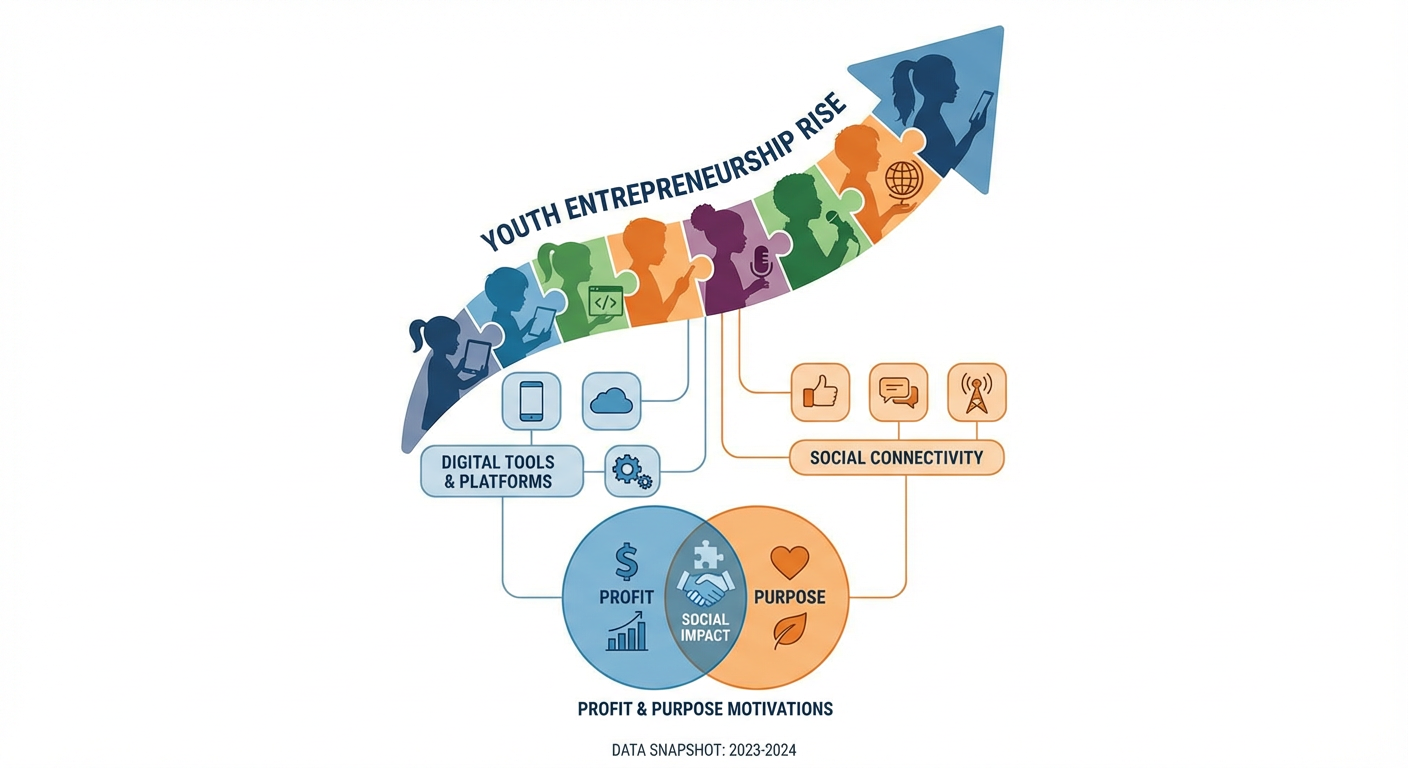
2. The Rise of Youth Entrepreneurship: Trends and Motivations
The landscape of career aspirations among younger generations is undergoing a profound transformation. Historically, notions of professional success often revolved around ascending corporate ladders or securing stable, traditional employment. However, a significant paradigm shift is now evident, with an increasing number of young people, including those still in their formative years, demonstrating a strong inclination towards entrepreneurship. This section delves into the burgeoning phenomenon of youth entrepreneurship, exploring the underlying trends, generational motivations, the pivotal role of enabling technologies like social media, and the unique blend of profit and purpose-driven ambitions that characterize young founders across the globe.
The entrepreneurial spirit among today’s youth is not merely a passing fad; it represents a fundamental re-evaluation of career paths and societal contribution. Data reveals a compelling narrative: approximately 60% of American teenagers would opt to launch their own business rather than pursue a conventional job, a sentiment reported in early 2022 and indicative of a notable shift in career preferences [1]. Furthermore, a broader survey conducted in late 2022 showed that a striking 75% of teenagers (aged 13–17) are open to considering entrepreneurship in their future [2]. This marks a sharp increase from 41% in 2018, which already viewed entrepreneurship as a viable career option [3], illustrating a rapid acceleration in the appeal of self-employment among minors. This section will meticulously unpack these trends, examine the factors fueling this rise, and highlight the distinct characteristics of this new generation of business leaders.
The Youthful Entrepreneurial Spirit: A Generational Shift
The surge in entrepreneurial interest among children and teenagers is a defining characteristic of recent years, signifying a generational departure from traditional career expectations. This rise is not uniformly distributed but shows clear patterns and motivations that differentiate it from previous adult-led entrepreneurial waves.
Generational Trends and Career Preferences
The current generation of young individuals, often referred to as Gen Z, exhibits a marked preference for autonomy, innovation, and direct impact, all of which are central to the entrepreneurial ethos. The statistic that 60% of U.S. teens prefer starting their own business over a traditional job underscores this shift [1]. This is a dramatic cultural change; in prior decades, such a high percentage would have been unfathomable, with most young people aspiring to roles within established corporations or professions. The data from Junior Achievement USA in 2022 further solidifies this, indicating that 75% of surveyed teens (aged 13-17) would actively consider becoming entrepreneurs [2]. This represents an almost twofold increase from 2018, when 41% of teens considered entrepreneurship a viable career path [3]. This rapid acceleration suggests a systemic shift, potentially influenced by increased media exposure to successful young entrepreneurs and the widespread availability of digital tools that lower barriers to entry.
Post-pandemic surveys have also revealed an additional layer to this trend, indicating that many teens perceive entrepreneurship as a means to gain control over their future, especially amidst economic uncertainties [20]. This desire for control and self-determination is a potent motivator that resonates deeply with a generation that has witnessed rapid technological change and unprecedented global events. The cultural aspect is also undeniable; being a “kidpreneur” has gained considerable prestige, often highlighted through school competitions, dedicated clubs, and viral online content showcasing successful young founders [21].
The global perspective further reinforces this pattern. An International Trade Centre report from 2021, citing 2015 GEM data, notes that one-quarter of young people (aged 15-24) worldwide are already self-employed or managing new ventures [11]. In the UK, the increase has been particularly stark, with the number of teen entrepreneurs rising eightfold from approximately 500 in 2009 to over 4,000 annually by 2019 [5]. This boom is largely attributed to the advent and accessibility of online platforms and tech startups, which have significantly reduced the capital and technical expertise required to launch a business.
Motivations: Purpose Beyond Profit
What drives this new wave of young entrepreneurs? While financial independence and the desire to “be their own boss” remain strong motivators, a distinct characteristic of Gen Z entrepreneurship is the blending of profit with purpose. A significant finding from Junior Achievement USA in 2022 indicates that 58% of surveyed teens would embark on a business venture specifically to address a societal cause, even if it meant earning less money [2]. This values-driven approach signals the rise of social entrepreneurship among the youth, where addressing issues such as environmental sustainability, social inequality, or community needs is as important, if not more important, than maximizing financial returns. This contrasts with earlier entrepreneurial generations, where profit maximization was often the primary, if not sole, objective.
The influence of role models also plays a crucial role. Nearly 45% of teens find direct communication with real business owners most helpful in guiding their entrepreneurial ambitions [18]. Additionally, social media influencers and celebrities who showcase entrepreneurial lifestyles significantly inspire 37% of aspiring young founders [19]. These digital role models often highlight the perceived freedom, creativity, and impact associated with running one’s own venture, making it an attractive career path. The accessibility of these narratives through platforms like YouTube, Instagram, and TikTok allows young people to see entrepreneurial success as attainable and relatable.
There is also a nuanced gender dynamic in emerging youth entrepreneurship. While 61% of teen girls surveyed have considered starting a business, compared to 54% of boys, actual venture launch rates show slight differences, with 6% of teen boys and 4% of teen girls reporting having already started a business by 2018 [12]. This suggests that while interest is high among girls, converting that interest into action might still face some barriers, highlighting a potential area for targeted support programs. However, early interest among girls often reflects their desire for financial independence and the appeal of seeing successful female entrepreneurs.
| Category | Statistic | Source (Year) | Significance |
|---|---|---|---|
| Teens prefer owning business | 60% (US teens) | Junior Achievement USA (2022)[1] | Major shift from traditional employment preference. |
| Teens consider entrepreneurship | 75% (US teens) | Junior Achievement USA (2022)[2] | Broad acceptance of entrepreneurial path. |
| Teens start businesses for societal cause | 58% (US teens) | Junior Achievement USA (2022)[2] | Highlights purpose-driven motivation. |
| Teen boys already started business | 6% (US) | Junior Achievement (2018)[3] | Actual early participation by minors. |
| Teen girls already started business | 4% (US) | Junior Achievement (2018)[3] | Actual early participation by minors. |
| Global youth entrepreneurship | 25% (ages 15-24) | ITC/GEM (2015)[11] | Global prevalence of youth in ventures. |
| UK teen startups increase (2009-2019) | 8x increase (500 to 4,000 annually) | The Guardian (2019)[5] | Rapid growth in developed economies. |
The Role of Technology and Social Media as Enablers
The exponential growth in youth entrepreneurship is inextricably linked to the democratization of tools and platforms offered by contemporary technology and social media. These digital mediums have effectively dismantled many traditional barriers to entry that once existed for young, aspiring business owners.
Lowering Barriers to Entry
The internet, in general, and social media, in particular, have vastly simplified the process of starting and growing a business. Aspiring young entrepreneurs no longer require significant capital for physical storefronts or extensive marketing budgets for broad reach. Instead, platforms like Etsy, Shopify, YouTube, and various social media channels provide ready-made infrastructures for e-commerce, content creation, and direct-to-consumer sales. This has led to a significant shift, especially seen in the UK, where the eightfold increase in teen entrepreneurs between 2009 and 2019 was largely driven by tech-related startups and online business models [5].
- E-commerce Platforms: Teens can set up online stores with relative ease, selling physical products (handmade crafts, clothing, custom items) or digital goods (artwork, music presets, educational templates) to a global audience. The technical overhead is minimal, often requiring little more than a smartphone and basic digital literacy.
- Content Creation: Platforms like YouTube, TikTok, and Twitch allow young individuals to monetize their creativity and hobbies. The “creator economy” has opened avenues for everything from gaming commentary and educational tutorials to lifestyle vlogging and product reviews. A prime example is Ryan Kaji, who, by age 8, became the highest-paid YouTube entrepreneur in 2019, earning a staggering $26 million from his toy-review channel and associated merchandise deals. He started posting videos at just three years old, demonstrating the extreme end of what digital platforms can enable [9].
- App Development: For tech-savvy youth, app development offers a direct path to innovation and market entry. Ben Pasternak, at 15, developed a viral app called “Impossible Rush,” which then led to him securing venture funding for a startup in San Francisco [15]. This illustrates how digital products can quickly gain traction and attract significant investment without the need for traditional age validation.
- Digital Marketing: Social media provides powerful, often free or low-cost, marketing channels. Young entrepreneurs can leverage platforms to build brands, engage with customers, and conduct market research, all within their native digital environment. Personal branding and direct interaction with the target audience are skills inherently understood and utilized by digital-native youth.
The Power of Social Media as an Inspirational and Practical Tool
Social media serves not only as a sales and marketing channel but also as a powerful source of inspiration and a means of community building among young entrepreneurs. The visibility of successful young founders and the “influencer” culture normalizes entrepreneurship as an achievable goal. As noted earlier, 37% of teens interested in entrepreneurship are inspired by social media influencers [19]. These influencers often share their journeys, tips, and successes, creating a relatable roadmap for aspiring kidpreneurs.
Moreover, online communities and peer networks are vital for nascent entrepreneurs. Digital platforms facilitate connections with like-minded individuals, offering avenues for advice, collaboration, and emotional support. These informal networks can often fill the void left by a lack of traditional business connections or mentorship opportunities for minors.
The Blend of Profit and Purpose: Driving Factors
A distinctive feature of the current youth entrepreneurship movement is the strong emphasis on social impact and purpose. While the pursuit of profit is inherent in any business, for many young founders, it is often intertwined with a desire to effect positive change in the world.
Values-Driven Ventures
The statistic that 58% of teens would start a business to address a societal need, even if it meant earning less, is highly revealing about the values of Gen Z [2]. This generation is acutely aware of global challenges, from climate change and social justice to mental health and equality. They often perceive business not just as a means of wealth creation but as a powerful tool for solving these problems. Examples of this blend include Mikaila Ulmer, who, at age 4, started her “Me & the Bees Lemonade” business not just to sell a product but also to contribute to bee conservation through her Healthy Hive Foundation [14]. Similarly, Alina Morse created “Zollipops,” a sugar-free lollipop, driven by the purpose of offering a healthier candy option that also benefits dental health [6]. These ventures demonstrate that young entrepreneurs are often intrinsically motivated by a desire to make a tangible difference in areas they care deeply about.
Global Perspectives on Motivation
While purpose-driven entrepreneurship is a strong theme in developed economies, global motivations can vary due to economic necessity. In regions facing high youth unemployment, entrepreneurship can be a survival strategy rather than a choice. The finding that one in four young people globally are self-employed or running a new business underscores that in many parts of the world, youth turn to entrepreneurship out of necessity to create their own livelihoods [11]. Supporting these necessity-driven startups is critical for economic development and job creation in emerging economies, where formal employment opportunities may be limited. Regardless of the initial impetus, whether opportunity-driven or necessity-driven, all young entrepreneurs gain invaluable skills and contribute to economic dynamism.
Legal Age Limits and Practical Considerations for Young Founders
Despite the surging interest and enabling technologies, young entrepreneurs often navigate a complex legal and administrative landscape designed primarily for adults. Understanding these constraints and workarounds is crucial for both young founders and their adult supporters.
Discrepancy Between Ambition and Legal Capacity
While there is generally no federal minimum age to “start a business” informally in the United States, minors face significant practical and legal limitations once they attempt to formalize their operations [4]. The core issue revolves around the age of majority, which in most jurisdictions is 18 years old [24]. Anyone under this age is considered a minor and has limited contractual capacity. This means young people cannot independently sign binding contracts, lease property, secure business loans, or typically open business bank accounts without adult involvement [4], [25]. For example, if a 16-year-old wanted to rent commercial space or take out a loan for inventory, a parent or legal guardian would almost certainly need to co-sign the agreements, effectively making them legally responsible.
Business registration presents another hurdle. While a minor can operate a sole proprietorship, forming a legal entity like an LLC or corporation typically requires at least one managing member or incorporator to be 18 or older [4], [26]. This often necessitates parents or guardians registering the business in their name or establishing a custodial trust for the young entrepreneur. The UK offers a slightly more permissive environment, allowing individuals as young as 16 to be company directors and establish private limited companies under the Companies Act 2006 [8], [27]. However, even there, practical challenges remain, as banks and payment processors often require adult co-signers, and minors are advised against signing significant contracts without guidance [8].
Licenses, Permits, and Taxation
Operating requirements, including business licenses and permits, frequently come with age restrictions. Many municipal and county licensing bodies require applicants to be 18 or older [28]. This means a parent usually has to apply for and hold the license on behalf of the child. Taxation is another key consideration, as any individual, regardless of age, must file taxes if their self-employment income exceeds $400 in the U.S [29]. Parents are typically advised to report and pay taxes from their child’s profitable business, often integrating it into their own tax return or establishing a separate return for the minor. Furthermore, if a youth business employs others, child labor laws must be meticulously followed, including strict regulations on working hours, types of work, and working conditions for minors employed by the business [30].
Youth-Friendly Legal Reforms
In response to the growing wave of child-led micro-enterprises, some jurisdictions have begun to ease regulatory burdens. In the U.S., by 2025, over a dozen states have implemented “lemonade stand laws” or similar legislation that exempts casual children’s businesses from needing permits or licenses [4], [31]. These reforms, often spurred by public outrage over authorities shutting down child-run lemonade stands, typically include age cut-offs (e.g., under 18) and sometimes revenue caps, beneath which formal licensing requirements are waived. This trend reduces governmental red tape and encourages early entrepreneurial experiences for children, allowing them to participate in simple commerce without fear of legal repercussions. While these reforms are generally limited to small-scale, casual ventures, they demonstrate a growing recognition of youth entrepreneurship as a valuable activity to be nurtured rather than hindered by bureaucracy.
Notable Examples of Early Success
The stories of young entrepreneurs who have achieved significant commercial success at remarkably early ages serve as powerful inspirations and concrete evidence of this trend. While these are exceptional cases, they illustrate the potential scale and impact of youth-led ventures in today’s interconnected world.
- Mikaila Ulmer (Me & the Bees Lemonade): Mikaila began her lemonade business in Austin, Texas, at the tender age of four. Inspired by a family recipe and a passion for bee conservation, she launched “Me & the Bees Lemonade.” By age 11, she secured a $60,000 investment on ABC’s *Shark Tank* from Daymond John [14]. Her product rapidly expanded, first into Whole Foods Market regional stores, and subsequently into major retailers like Target and Costco [46], [47]. Beyond profit, Mikaila established the Healthy Hive Foundation, donating a portion of her earnings to save bees, embodying the essence of social entrepreneurship [48]. Her influence was such that her story contributed to the passing of “lemonade stand laws” in several states.
- Moziah Bridges (Mo’s Bows): Moziah Bridges, from Memphis, started crafting and selling his own bow ties at age nine in 2011 because he couldn’t find any he liked [49]. Operating as “Mo’s Bows,” he sold his handmade creations online and locally. By age 11, he had already made $30,000 in sales [50], and by 13, his company had generated $200,000 in sales and employed seven individuals, including his mother and grandmother [51]. His charisma and talent also led him to appear on *Shark Tank*, securing mentorship from Daymond John. At just 15, Moziah signed a significant licensing deal with the NBA to produce bow ties featuring team logos, tapping into a multi-billion-dollar sports merchandise market [52], [53].
- Alina Morse (Zolli Candy): At age seven, Alina Morse from Michigan conceptualized “Zollipops,” a sugar-free lollipop designed to be beneficial for dental health. With her father’s assistance, she launched Zolli Candy at age nine, investing $7,500 of her grandparents’ savings [54]. Her innovative products quickly resonated with health-conscious consumers. By age 13, Zollipops were available in 7,500 stores, including major retailers like Whole Foods, Kroger, and Walmart [55]. In 2018, her company achieved an astounding $5–6 million in annual retail sales [56], making her a multi-millionaire in middle school and the youngest person to be featured on *Forbes’ 30 Under 30* list that year.
- Suhas Gopinath (Globals Inc.): Suhas Gopinath, often recognized as one of the world’s youngest CEOs, founded his tech company, Globals Inc., in India at the remarkably young age of 14. Due to legal restrictions in India preventing minors from forming companies, he ingeniously registered his venture in the USA, leveraging connections to become CEO at 14 [57]. By 2010, when Suhas was 24, Globals Inc. had grown into a multi-million-dollar IT firm with over 100 employees and operations across 11 countries [58]. His proactive approach and talent earned him global recognition, including an invitation to the World Bank ICT Advisory Board at 17 and being named a Young Global Leader by the World Economic Forum at 21 [59].
- Ryan Kaji (Ryan’s World): While not a traditional CEO, Ryan Kaji’s “Ryan’s World” YouTube channel exemplifies extreme success in the digital entrepreneurial space. Starting at just three years old, Ryan, with parental guidance, reviewed toys. The channel exploded in popularity, leveraging an authentic child’s perspective. By 2019, at age eight, Ryan earned an estimated $26 million, making him the highest-paid YouTuber globally that year [60]. His brand has since expanded into merchandise, licensing deals, and even a show on Nickelodeon [61]. This case highlights the new frontiers of entrepreneurship available to children in the digital content economy, albeit with ongoing discussions around child labor and guardianship in the creator space.
These examples, while extraordinary, underline several common themes: the importance of early passion, parental and mentor support, leveraging emerging technologies (like e-commerce and YouTube), and often, a strong underlying purpose beyond mere profit. They demonstrate that age is increasingly less of a barrier to groundbreaking business achievement in the modern era.
The rise of youth entrepreneurship is a multifaceted phenomenon driven by generational aspirations, enabled by technological advancements, and characterized by a forward-thinking, purpose-driven approach. While legal and financial hurdles persist, the trend toward earlier business ventures is clear, promising a future workforce that is more self-reliant, innovative, and socially conscious.

3. Legal Landscape for Young Entrepreneurs
The entrepreneurial spirit among young people is undeniably on the rise, with approximately 60% of American teens expressing a preference to start their own business over pursuing a traditional job[1]. A further 75% of teenagers indicate they would consider becoming entrepreneurs, showcasing a strong and growing interest in self-employment among today’s youth[2]. Indeed, by 2018, 6% of teen boys and 4% of teen girls in the U.S. had already launched their own businesses, demonstrating that minors are not just interested but are actively engaging in entrepreneurial ventures[3]. Globally, this trend is even more pronounced, with one in four young people aged 15-24 reported as self-employed or running a new business[4]. This surge in youth-led enterprises, however, brings to the forefront a critical and often complex aspect: the legal landscape governing minor entrepreneurship. While there is no universal minimum age for starting a business, minors face specific legal constraints, particularly concerning contracts, business registration, and financial acquisition. These regulations often necessitate adult involvement, leading to a unique set of challenges and opportunities for young founders.
Navigating the legalities of business ownership can be challenging for adults, and for minors, it presents additional layers of complexity. From the age of majority for signing legally binding contracts to the specific requirements for formal business registration (e.g., forming an LLC or corporation), legal frameworks are generally designed with adults in mind. This section will delve into these critical legal thresholds and requirements, examining how they impact young entrepreneurs in jurisdictions like the U.S. and the UK. It will also explore the evolving legislative efforts, such as the introduction of ‘lemonade stand laws,’ which aim to alleviate regulatory burdens for micro-businesses run by minors, thereby encouraging early entrepreneurial engagement. By understanding these legal parameters, aspiring young entrepreneurs and their adult supporters can better maneuver the pathways to legitimate business operation.
3.1 Age of Majority and Contractual Capacity
One of the most significant legal hurdles for young entrepreneurs revolves around the concept of the “age of majority” and its direct impact on contractual capacity. In most legal systems, including the United States, the age of majority is set at 18 years[6]. This threshold is pivotal because it dictates when an individual can legally enter into binding agreements and assume full legal responsibility. For minors (individuals under 18), their ability to form contracts is significantly limited, creating practical obstacles for operating a business.
3.1.1 Voidability of Contracts by Minors
A fundamental principle of contract law is that contracts entered into by minors are generally voidable at the minor’s discretion. This means that a minor can, in most cases, choose to uphold or renege on a contract they have signed, even if the other party wishes to enforce it. The purpose of this legal protection is to shield minors from exploitation due to their presumed lack of experience and judgment. However, for young entrepreneurs, this protection becomes a double-edged sword. While it safeguards them from unfavorable deals, it also makes third parties (such as suppliers, landlords, or financial institutions) hesitant to enter into agreements with them. As a result, a minor often cannot legally:
- Lease commercial property or equipment: Essential for many businesses, a lease agreement is a legally binding contract. A minor attempting to lease a storefront or specialized equipment would typically need an adult guarantor[7].
- Open business bank accounts independently: Banks often require account holders to be 18 or older to prevent legal complications related to contractual capacity[7].
- Secure business loans or lines of credit: Lenders are notoriously reluctant to provide credit to minors due to the unenforceability of their debt obligations. The vast majority of banks will not lend to a minor without an adult co-signer or guarantor[13]. This lack of access to capital is cited as the biggest barrier by 64.2% of young entrepreneurs in a 2016 survey[13].
- Enter into supply agreements or distribution contracts: Acquiring raw materials or arranging for product distribution often requires formal contracts that could be voided by the minor.
- Hire employees: While a minor might technically be able to hire someone, the employment contract itself would be voidable, creating significant risk for the employee and the business. Furthermore, comprehensive labor laws, including child labor laws, would apply, which can be complex for a minor to navigate[8].
Therefore, even for a simple online venture requiring agreements with payment processors or e-commerce platforms, adult involvement is almost always a prerequisite. Practical reality dictates that a parent or legal guardian must often step in to co-sign, guarantee, or directly enter into these contracts on behalf of the minor’s business. This arrangement, while providing necessary legal grounding, can sometimes blur the lines of ownership and responsibility, requiring clear internal agreements within the family.
3.2 Business Registration Requirements and Adult Involvement
While the act of operating a micro-business (like selling crafts online or mowing lawns) may not always require formal registration, any venture seeking legitimacy, growth, or liability protection typically needs to be registered with governmental authorities. Here, age discrepancies between informal operation and formal establishment become apparent.
3.2.1 U.S. Context: No Federal Minimum, State-Level Hurdles
In the United States, there is no federal minimum age to start a business. Minors are not prohibited from engaging in business activities[5]. However, the practicalities of formal business registration introduce an implicit age barrier. If a young entrepreneur wishes to establish a legal entity, such as a Limited Liability Company (LLC) or a corporation, states generally require at least one member or incorporator to be an adult (18 years or older)[5]. This means a minor cannot typically file the necessary paperwork directly to form these entities. Instead, common approaches include:
- Parental Ownership: The most common solution involves a parent or guardian registering the business (e.g., an LLC) in their own name, effectively making them the legal owner. The minor then operates the business under the parent’s legal umbrella. The parent might then draft an operating agreement or trust document to specify the minor’s actual ownership and operational control.
- Custodial Trust: Assets and ownership stakes can be held in a custodial account or trust for the minor, managed by an adult until the minor reaches legal age.
- Sole Proprietorship (less formal): For very small, informal businesses not seeking liability protection, a minor can operate as a sole proprietor. Technically, a sole proprietorship does not require formal registration beyond obtaining necessary licenses or permits (if applicable). However, any significant contractual dealings would still face the voidability issue discussed above.
This necessity for adult involvement underscores that while young people can conceptualize and operate businesses from a very early age, the formal legal and financial infrastructure of business ownership is predominantly structured for adults.
3.2.2 UK Context: A More Permissive Approach with Caveats
The United Kingdom presents a slightly different, and in some ways more permissive, legal framework for young entrepreneurs. In the UK, individuals as young as 16 years old can legally be appointed as a company director and establish a private limited company[6]. This allowance stems from the Companies Act 2006, which lowered the minimum age for directorship. This means that a 16-year-old in the UK can, theoretically, incorporate a company and hold a senior management position within it, a capability not universally granted in the U.S. without explicit adult involvement in the registration process.
However, even with this more accommodating directorship age, practical hurdles remain for UK minors:
- Banking and Payment Processing: Banks and financial institutions frequently require account holders (or at least primary signatories) to be 18 or older. This means that a 16-year-old company director may still need an adult to co-sign the business bank account or manage financial transactions[6].
- Contracts and Liability: While a 16-year-old director can guide the company, the issue of contractual capacity still pertains to contracts signed in a personal capacity or direct personal guarantees. For significant contracts, adult oversight or guarantees often become necessary to provide reassurance to third parties.
- Shares and Ownership: If the minor is also a shareholder, their shares might need to be held in trust by an adult until they reach 18, depending on the complexity and size of the company.
Thus, while the UK legal system offers a clearer path for younger individuals to formally participate in company structures, the practicalities of business operation, particularly financial and contractual aspects, still lean heavily on adult support and guidance.
| Aspect | United States (General) | United Kingdom (General) |
|---|---|---|
| Age of Majority | 18 years for full contractual capacity[6] | 18 years for full contractual capacity |
| Minimum Age to Start Business (Informal) | No federal minimum; allowed by most states | No specific minimum; allowed |
| Minimum Age for Legal Entity Formation (e.g., LLC, Corp) | Typically 18 for incorporator/managing member; requires adult involvement[5] | 16 for Company Director[6] |
| Contractual Capacity for Minors | Contracts generally voidable by minor; requires adult co-signer/guarantor for enforceability[7] | Contracts generally voidable; adult co-signer needed for major agreements |
| Access to Business Loans/Credit | Very limited; requires adult co-signer/guarantor[13] | Very limited; requires adult co-signer/guarantor |
| Business Bank Accounts | Requires adult (18+) as primary account holder or co-signer[7] | Requires adult (18+) as primary account holder or co-signer |
| Licenses & Permits | Often requires applicant to be 18+; parent typically applies on behalf[8] | Varies by local authority; adult likely needed for application |
3.3 Regulatory Easing and ‘Lemonade Stand Laws’
In response to the growing interest in youth entrepreneurship and to address incidents where child-run micro-businesses faced regulatory obstacles, a legislative trend has emerged, particularly in the United States, aimed at easing regulatory burdens. These reforms are often colloquially referred to as “lemonade stand laws.”
3.3.1 The Rationale Behind Deregulation
The impetus for these laws stemmed from highly publicized cases where local authorities shut down children’s lemonade stands or other small, informal businesses due to a lack of permits or licenses. These incidents often sparked public outcry, drawing attention to a disconnect between well-intentioned regulations designed for adult commercial enterprises and the casual, educational endeavors of child entrepreneurs. Legislators recognized that such rigid enforcement could stifle valuable learning experiences and discourage the development of entrepreneurial skills from a young age.
3.3.2 Scope and Impact of ‘Lemonade Stand Laws’
As of 2025, more than a dozen U.S. states have enacted laws specifically exempting children’s casual businesses from requiring licenses or permits[9]. For example, Utah’s 2025 law protects kids’ lemonade stands from local regulations[10]. This legislative movement, gaining momentum since 2017, includes states like Texas and Colorado that have implemented similar provisions. Key characteristics of these laws typically include:
- Age Limitation: The exemption usually applies to minors, often defined as individuals under 18 years of age.
- Type of Business: These laws specifically target “casual,” “micro,” or “informal” businesses. This can include lemonade stands, cookie sales, small craft sales, or yard work services. They are generally not intended for large-scale, formal ventures.
- Revenue Caps: Some laws establish a reasonable revenue threshold, below which the exemption applies, to ensure it doesn’t extend to significant commercial operations that should adhere to full regulatory compliance.
- Health and Safety Provisions: While easing permit requirements, most laws emphasize that such businesses must still adhere to basic health and safety standards. For instance, selling food items would still implicitly require common-sense hygiene, even if no formal health permit is needed.
The direct impact of these laws is two-fold:
- Reduced Red Tape: They directly remove administrative barriers that could otherwise frustrate or prematurely end a child’s entrepreneurial attempt.
- Encouragement and Validation: By codifying protections, states send a clear message that youth entrepreneurship is valued and encouraged, fostering a more supportive environment for young innovators. These laws help reduce the risk of “shutdowns” of kid-run stands, promoting early entrepreneurial experiences.
This trend represents a critical shift in policy, moving towards a more nuanced understanding of youth-led businesses. It acknowledges the developmental benefits of early entrepreneurship while striving for a balance with public welfare. However, it’s crucial to note that these laws primarily address permits for very small, casual operations. They do not generally circumvent the more fundamental legal issues related to contractual capacity, business entity formation, or significant financial transactions, which still typically require adult supervision or co-involvement. For example, Mikaila Ulmer’s “Me & the Bees Lemonade” business, while originating from a simple stand, quickly scaled to require formal business structuring and parental involvement to manage contracts with Whole Foods and other retailers[20].
3.4 Taxation for Youth-Led Businesses
An often-overlooked aspect for young entrepreneurs and their families is taxation. While the idea of a child running a business might seem informal, any income generated is generally subject to tax laws, regardless of the age of the earner. This adds another layer of complexity that frequently requires adult guidance.
3.4.1 Income Tax Obligations
In the U.S., if a minor’s business generates income above a certain threshold from self-employment, they are obligated to file taxes. Specifically, if a child earns more than $400 from self-employment, they must file a tax return and pay self-employment taxes (Social Security and Medicare)[8]. Beyond that, general income tax rules apply. The income might be reported on the child’s own tax return (Form 1040) or, in some cases, on the parent’s return if the income is below a certain amount and comprises only interest and dividends (though self-employment income typically necessitates the child’s own filing). Parents are advised to consult with tax professionals to ensure compliance, as the rules can be complex and vary based on the type and amount of income. For example, Ryan Kaji, the highest-paid YouTuber in 2019 with earnings of $26 million, clearly operates an enterprise with significant tax implications, handled by his parents and a professional team[11].
3.4.2 Sales Tax and Other Levies
Depending on the products or services sold and the state or local jurisdiction, a minor’s business may also be responsible for collecting and remitting sales tax. This requires obtaining a sales tax permit (often under the parent’s name) and diligently tracking sales. Other potential taxes include property taxes (if owning physical assets), and potentially excise taxes for specific goods. These administrative tasks add to the burden and often fall on the shoulders of the supporting adults.
3.5 Employment Laws and Operational Oversight
Should a minor’s business grow to the point of hiring employees, a whole new set of legal responsibilities arises, particularly concerning employment law.
3.5.1 Child Labor Laws
Even if the business is run by a minor, all applicable federal and state labor laws, including child labor laws, must be followed. This means a 15-year-old founder cannot employ younger minors in violation of regulations governing working hours, types of jobs, or educational interference[8]. These laws are designed to protect children from exploitation and ensure their primary focus remains on education and healthy development. Any business employing individuals, regardless of the owner’s age, must also:
- Withhold and remit payroll taxes.
- Adhere to minimum wage and overtime laws.
- Provide workers’ compensation insurance in most states.
These responsibilities are intricate and require significant oversight, invariably from an adult. For example, Moziah Bridges’ “Mo’s Bows” business, which had 7 employees by the time he was 13, certainly involved significant parental management of these logistical and legal complexities[12].
3.5.2 Liability and Insurance
Another crucial consideration is liability. If a minor’s business causes harm to a customer or property, the minor, and potentially their parents, could be held liable. For instance, if a child’s baked goods cause food poisoning, or a lawn care service damages a customer’s property, legal consequences can arise. Insurance (general liability, product liability) is essential for any business to mitigate these risks, but obtaining such policies often requires an adult signatory and thorough understanding of potential exposures. Without proper legal structuring (like an LLC which provides limited liability) and adequate insurance, a family’s personal assets could be at risk.
3.6 Conclusion (Legal Landscape)
The legal landscape for young entrepreneurs is a patchwork of protections, restrictions, and evolving reforms. While the sheer enthusiasm for entrepreneurship among youth is undeniable, with an eightfold increase in teen entrepreneurs in the UK over a decade[5] and impressive success stories from around the globe, navigating the legal requirements typically necessitates significant adult involvement. Key takeaways include:
- Age of Majority: The age of 18 is a critical threshold for full contractual capacity, making adult co-signers or guarantors essential for many business agreements.
- Business Registration: Formal entity formation (LLCs, corporations) almost universally requires an adult as an incorporator or managing member in the U.S., though the UK allows 16-year-olds to be company directors.
- Financial Access: Minors face severe limitations in obtaining traditional loans or setting up business bank accounts independently, making parental support or alternative funding (e.g., crowdfunding, grants) crucial.
- Regulatory Easing: “Lemonade stand laws” signify a positive trend towards reducing red tape for casual, micro-businesses run by children, acknowledging the educational and developmental benefits of early entrepreneurship.
- Compliance: Taxation, labor laws, and liability considerations apply to all businesses, irrespective of the owner’s age, demanding adult oversight and expertise.
Ultimately, while there is no explicit minimum legal age to *start* a business idea or engage in trade, the journey towards forming a legally recognized, independently operating, and scalable enterprise is inherently linked to achieving the age of majority or securing robust adult sponsorship. This reality underscores the vital role of parents, mentors, and supportive legislative frameworks in nurturing the next generation of entrepreneurs, ensuring their ventures are not only innovative but also legally sound. The continuous efforts to simplify regulations for youth micro-businesses and provide educational support are critical steps towards creating a more inclusive and enabling environment for young founders to thrive.
The next section of this report will explore the role of technology and social media as powerful enablers for young entrepreneurs, detailing how digital platforms have significantly lowered barriers to entry and access to markets, allowing kids to globalize their ventures from their bedrooms.

4. Key Challenges Faced by Kidpreneurs
The burgeoning interest in entrepreneurship among young people, with 60% of American teens surveyed preferring to start their own business over a traditional job and 75% considering entrepreneurship as a future path, underscores a vibrant, emerging economic landscape led by what are often termed “kidpreneurs”[1][2]. However, despite this enthusiastic drive and the undeniable success stories of young innovators like Mikaila Ulmer of Me & the Bees Lemonade or Moziah Bridges of Mo’s Bows, the entrepreneurial journey for minors is fraught with unique and significant challenges[3][4][5]. Navigating the complexities of business ownership at an age when most peers are focused solely on academics and social life requires exceptional resilience, adaptability, and, critically, robust support systems. This section delves into the primary obstacles encountered by young entrepreneurs, ranging from limited access to crucial resources like capital and formal legal structures to the intricate balancing act of academic responsibilities with business operations, and the intangible yet powerful hurdles of credibility and the omnipresent fear of failure.
The shift towards youth entrepreneurship is evident in statistics showing that by 2018, 6% of teen boys and 4% of teen girls in the U.S. had already launched their own businesses[3]. Globally, a substantial 25% of young people aged 15-24 are either self-employed or actively running new businesses[6]. While technology and online platforms have significantly lowered barriers to entry for these ventures, enabling success stories such as 8-year-old YouTube sensation Ryan Kaji, who earned $26 million in a single year, these instances often overshadow the systemic difficulties young founders face[7]. The challenges are multi-faceted, encompassing legal restrictions designed for adults, financial constraints due to age, the demanding schedule of academia, and the psychological impact of societal perceptions and personal anxieties. Addressing these obstacles is paramount to fostering a truly inclusive and innovative entrepreneurial ecosystem for the next generation.
Limited Access to Capital and Traditional Financing
One of the most formidable barriers confronting young entrepreneurs is the severely restricted access to capital and traditional financing options. Unlike adult founders who can leverage credit history, personal assets, or established networks to secure loans, minors typically lack these prerequisites. A 2016 survey highlighted this stark reality, revealing that a staggering 64.2% of young entrepreneurs cited a lack of capital as their biggest impediment to business growth and sustainability[8].
The core of this challenge lies in the legal framework surrounding financial agreements and credit. Banks and lending institutions operate under stringent regulations that often prohibit them from issuing loans or credit cards to individuals under the age of 18 (the age of majority in most jurisdictions)[9]. Minors generally cannot enter into legally binding contracts, meaning any loan agreement they sign could be deemed voidable, presenting an unacceptable risk for lenders. This legal incapacity effectively shuts off traditional avenues of debt financing for kidpreneurs. As a result, even a 17-year-old with a promising business plan trying to open a business bank account might face resistance, with most financial institutions requiring an adult co-owner or guarantor to mitigate risk.
The implications of this restriction are profound. Young entrepreneurs are often forced to rely on unconventional or limited funding sources, which can constrain their growth potential and the scale of their ambitions:
- Personal Savings: Many young founders initially fund their ventures through their own savings, typically from allowances, gifts, or part-time jobs. While commendable, these funds are usually insufficient for significant startup costs or scaling operations.
- Family and Friends (F&F) Rounds: This is arguably the most common source of early-stage funding for young entrepreneurs. Parents, grandparents, and other relatives often provide seed money, either as gifts or informal loans. For instance, Alina Morse of Zolli Candy initially leveraged $7,500 of her grandparents’ savings to launch her sugar-free lollipop business[11]. While invaluable, this option is not universally available and can put strain on personal relationships.
- Crowdfunding Platforms: Some young entrepreneurs turn to crowdfunding. While platforms like Kickstarter or Indiegogo can provide exposure and capital, they require careful campaign management and a compelling product or story, and may still have age-related terms of service that necessitate adult supervision.
- Pitch Competitions and Grants: A growing number of youth entrepreneurship programs, educational institutions, and non-profits offer pitch competitions where young founders can win seed money or grants. These are highly competitive but can provide crucial funding and mentorship.
- Bootstrapping: Many kidpreneurs resort to bootstrapping, meaning they fund their business entirely through initial sales and reinvestment of profits. This approach, while fostering financial discipline, often leads to slower growth and limited capacity for large-scale production or marketing initiatives.
The lack of capital significantly impacts a young business’s ability to innovate, hire staff (even part-time), or invest in marketing and inventory. For a kidpreneur, every dollar raised must be stretched further, and opportunities that require upfront investment may be out of reach. This barrier highlights a critical gap in the entrepreneurial ecosystem, as the enthusiasm and innovative ideas of young founders are often stifled by practical financial limitations. Overcoming this requires greater awareness among financial institutions, the development of youth-specific micro-lending programs, and continued growth of grants and pitch opportunities tailored for minors.
Complexities in Navigating Legal and Administrative Requirements
The world of business is inherently governed by a dense web of legal and administrative regulations, a landscape primarily designed for and understood by adults. For kidpreneurs, navigating these complexities presents a significant hurdle that often requires substantial parental involvement and guidance.
There is generally no universal minimum age to simply “start a business” in terms of operating a basic service or selling homemade goods. However, as soon as a venture steps beyond the realm of a casual lemonade stand, formal requirements quickly emerge. The age of majority, typically 18, profoundly impacts a minor’s ability to engage in crucial business activities. This means that minors generally cannot independently:
- Sign Legally Binding Contracts: Whether it’s a supplier agreement, a lease for commercial space, an advertising contract, or even terms of service for an online platform, contracts signed by minors are often voidable at the minor’s discretion[9][14]. This lack of contractual capacity makes adult co-signers or guardians indispensable for most formal business dealings.
- Form Legal Entities: While a minor can operate an informal business (like a sole proprietorship) under their parents’ supervision, forming a formal legal entity such as a Limited Liability Company (LLC) or a corporation almost invariably requires at least one of the incorporators or managing members to be an adult (18+)[16]. This often necessitates parents registering the business in their name or as a custodial trust, adding a layer of indirect ownership and management. In the UK, company law allows 16-year-olds to be company directors[18], offering a slightly more permissive framework, but practical challenges with banking and other contracts still demand adult oversight.
- Obtain Licenses and Permits: Many types of businesses require specific licenses or permits to operate legally, issued by municipal, state, or federal authorities. The application processes for these often assume an adult applicant and minimum age requirements. A well-intentioned 13-year-old CEO may find their venture stalled if their parent is unwilling or unable to apply for the necessary permits on their behalf[14].
- Manage Business Banking and Finances: Opening a dedicated business bank account is crucial for separating personal and business finances, a fundamental principle of financial management. However, banks typically require account holders to be 18 years or older. This means young entrepreneurs frequently have to operate through a parent’s personal account or a joint account, which can complicate financial tracking and control.
- Tax Compliance: Even minors are subject to tax obligations if their self-employment income exceeds a certain threshold (e.g., $400 in the U.S.)[9]. Understanding and fulfilling these obligations, including estimated tax payments, self-employment taxes, and proper expense deductions, is a complex task for adults, let alone a young person. Parents are usually tasked with reporting and paying taxes for their child’s profitable business, often integrating it into their own tax filings or a separate minor’s return.
- Child Labor Laws: If a young entrepreneur expands to hire employees, they must contend with complex child labor laws, which dictate hiring ages, working hours, types of work permitted, and safety regulations. A 15-year-old founder, for instance, cannot employ younger minors in violation of these laws[14], a detail often overlooked by first-time teen bosses.
The inconsistent application of these rules across jurisdictions further complicates matters. While some U.S. states, recognizing the value of nurturing young entrepreneurs, have passed “lemonade stand laws” by 2025 – over a dozen states now exempt children’s casual businesses from certain permits and licenses – this applies primarily to micro-enterprises and doesn’t alleviate the burden for more formalized ventures[23]. These legal reforms, while a positive step, only scratch the surface of the administrative labyrinth. The overarching challenge is that the legal and administrative infrastructure simply hasn’t caught up with the reality of a growing cohort of highly ambitious, business-minded minors. This often places an immense responsibility on parents or adult mentors to essentially act as administrative and legal proxies, a role not all adults are equipped or willing to undertake.
Balancing School and Business
For most young entrepreneurs, their business ventures are not their sole commitment; primary responsibilities still lie with their education. Balancing the demanding rigors of school with the practicalities of running a business represents a significant and often overwhelming challenge. This duality separates kidpreneurs from adult entrepreneurs, for whom business is typically a full-time, primary pursuit.
The academic schedule alone is formidable: daily classes, homework assignments, exams, extracurricular activities, and for older teens, college applications and standardized tests. Layering the responsibilities of a business on top of this creates an intense pressure cooker environment. Kidpreneurs must often:
- Manage Time Effectively: Juggling school hours, study time, product development, customer service, marketing, and order fulfillment requires exceptional time management skills. Many young founders find themselves working on their businesses late into the evening or dedicating entire weekends and school breaks to their ventures.
- Prioritize Competing Demands: A critical school project might directly conflict with an urgent business order or a key market opportunity. Deciding which demands take precedence can be a source of stress and requires a maturity beyond their years.
- Risk Burnout: The relentless pace can lead to exhaustion, stress, and even burnout. Unlike adult entrepreneurs who can theoretically adjust their work hours, a kidpreneur’s school schedule is largely fixed and non-negotiable.
- Integrate Business into Academic Life: Some resourceful young entrepreneurs manage to connect their business projects with their schoolwork, such as using their venture for a business class assignment or a science fair project. However, this synergy is not always possible or encouraged by school curricula.
The specific impact of this challenge can be seen in various ways:
- Sacrifice of Leisure Time: Often, the first casualty is leisure time, social activities, or hobbies not related to the business. While this can build discipline, it can also lead to social isolation or a feeling of missing out on typical childhood experiences.
- Academic Performance: While many kidpreneurs are highly motivated and perform well academically, there’s always a risk that business commitments could negatively impact school performance, especially during periods of high business demand or examination.
- Business Growth Limitations: The finite nature of a minor’s available time inherently limits the capacity for business growth. A young founder may have to scale back ambitions or reject opportunities that would require more time than they can realistically allocate. This might involve delegating tasks (often to parents or siblings) or consciously maintaining a smaller, more manageable operation.
To overcome this, supportive parents and schools play a pivotal role. Parents can help by setting boundaries, prioritizing academic work, and assisting with tasks that consume a lot of time. Schools can also contribute by offering flexible schedules, providing entrepreneurial education programs that count for academic credit, or linking students with mentors who understand the dual demands. For instance, programs that allow young entrepreneurs to earn academic credit or receive mentorship for their business activities help to bridge the gap between their two worlds. Ultimately, a successful kidpreneur often needs to master the art of equilibrium, ensuring that neither their education nor their entrepreneurial dream is neglected but rather integrated as much as possible for mutual benefit.
Issues of Credibility and Fear of Failure
Beyond the tangible challenges of capital and legal frameworks, young entrepreneurs also face significant intangible hurdles related to credibility and psychological factors such as the fear of failure.
Credibility
Being a “kidpreneur” carries both novelty and skepticism. While media stories often celebrate young innovators, in practical business dealings, age can be a disadvantage. Issues of credibility manifest in several ways:
- Perception by Suppliers and Partners: Convincing adult suppliers, distributors, or potential business partners to take a 13-year-old CEO seriously can be an uphill battle. They may question the minor’s business acumen, reliability, or long-term commitment. Young founders sometimes find it necessary for a parent or adult mentor to be present, or even act as the primary contact, during initial negotiations to ensure fair treatment and secure advantageous terms. Alina Morse, for example, physically pitched her Zolli Candy to Whole Foods at age 10, but the initial engagement and follow-through undoubtedly relied heavily on adult support to establish trust[11].
- Customer Trust: While some customers are charmed by a young entrepreneur, others may have reservations about the quality, consistency, or longevity of a product or service offered by a minor. Building a reputation for professionalism and reliability is crucial and can take longer for a young founder compared to an adult.
- Investment Opportunities: Even when pitch competitions cater to young entrepreneurs, seasoned investors evaluating potential funding often look for experience and maturity, which minors inherently lack. Presenting a compelling business plan and vision requires a level of confidence and articulation that can be challenging for young individuals.
- Lack of Professional Network: Adults typically build professional networks over years, comprising mentors, advisors, and industry contacts. Young entrepreneurs often start with a limited network, making it harder to access crucial advice, introductions, or strategic partnerships.
Overcoming the credibility gap often involves strong parental guidance, presenting a highly polished product or service, and consistently delivering on promises. As the business gains traction and proves its viability, age becomes less of a factor, with achievements speaking louder than birth certificates.
Fear of Failure
The entrepreneurial journey is inherently risky, and the specter of failure can be particularly daunting for young individuals. Unlike older entrepreneurs who might have accumulated savings, a professional resume, or a family to fall back on, teens typically operate with fewer safety nets. Research indicates that this fear is widespread: about 67% of teens surveyed expressed that the fear of their business failing might deter them from starting in the first place[25].
The psychological impact of failure on a young person can be significant if not managed appropriately:
- Erosion of Confidence: An early, highly visible business failure could lead to a loss of self-confidence and discouragement, potentially deterring future entrepreneurial endeavors.
- Public Perception: For young people, social reputation is often paramount. The idea of public failure, especially if their venture is known among peers, can be a major source of anxiety.
- Financial Loss: While the financial stakes are often smaller for kidpreneurs, the loss of personal savings or family investments can feel devastating and create a sense of responsibility beyond their years.
Organizations like Junior Achievement, which specifically foster youth entrepreneurship, often emphasize mentorship and experiential learning to help mitigate this fear[27]. Mentors can provide much-needed perspective, teaching young founders that failure is a natural part of the learning process and an opportunity for growth, rather than a definitive end. They can help frame setbacks as lessons, encouraging resilience and iteration. Furthermore, a supportive family environment that celebrates effort and learning, regardless of outcome, is crucial. Highlighting the benefits of starting young – where the costs of failure are comparatively lower and the lessons learned can be applied across a longer career span – also helps to reframe the narrative around risk. By addressing both credibility and fear of failure, the ecosystem can better support kidpreneurs in developing the resilience and self-belief necessary for long-term entrepreneurial success.
In conclusion, while the rising wave of youth entrepreneurship presents exciting opportunities for innovation and economic growth, it simultaneously exposes a series of unique and significant challenges that specifically impact young founders. From the practicalities of securing capital and navigating complex legal structures designed for adults, to the delicate balance required to reconcile demanding business operations with academic responsibilities, and the deeply personal struggle with credibility and fear of failure, kidpreneurs face hurdles distinct from their adult counterparts. Addressing these challenges requires a concerted effort from parents, educators, policymakers, and the wider business community to create more supportive legal frameworks, accessible financing options, mentorship programs, and educational initiatives. By proactively confronting these obstacles, we can ensure that the formidable entrepreneurial spirit evident in today’s youth is nurtured, allowing them to transform their innovative ideas into successful, impactful ventures that shape the future.
The next section will delve into the societal and economic impact of fostering youth entrepreneurship, examining how supporting young founders contributes to skill development, economic growth, and an innovative workforce for the future.

5. Benefits and Skill Development from Early Entrepreneurship
The landscape of youth aspirations is undergoing a profound transformation, with an increasing number of young individuals looking beyond traditional employment toward the compelling prospect of entrepreneurship. This shift is not merely a passing fad but a robust societal trend, driven by a confluence of technological accessibility, inspiring success stories, and a generational desire for purpose-driven work. The decision to embark on an entrepreneurial journey at a young age carries with it a wealth of advantages, extending far beyond immediate financial gains. It serves as a potent incubator for critical life skills, fostering personal growth, and shaping future academic and career trajectories in remarkably beneficial ways. By diving into the world of business early, young people acquire real-world education that often transcends conventional classroom learning, equipping them with a unique toolkit for success in an ever-evolving global economy. The psychological and practical dividends of early entrepreneurship are extensive. These experiences cultivate genuine financial literacy, sharpen problem-solving acumen, and significantly enhance confidence and leadership capabilities from a formative age. Furthermore, engaging in business ventures instills an innovative mindset, encouraging creativity and strategic thinking. In the long term, these early forays into entrepreneurship provide distinct advantages for academic pursuits, college admissions, and ultimately, professional careers. This section will thoroughly explore these multifaceted benefits, leveraging specific data points, statistical insights, and compelling examples of young entrepreneurs who have successfully navigated this path, thereby illustrating the profound impact of initiating business ventures during childhood and adolescence.
Real-World Skills and Foundational Learning
One of the most compelling arguments for encouraging early entrepreneurship lies in its unparalleled ability to impart vital real-world skills that are often difficult to teach in a formal educational setting. Young entrepreneurs are thrust into practical situations where abstract concepts take on tangible meaning, leading to deep, experiential learning. This hands-on engagement fosters the development of a diverse skill set, which is crucial for personal and professional growth.
Financial Literacy and Management
At the core of any business, regardless of scale, is finance. Young entrepreneurs quickly learn the fundamental principles of financial management, transforming theoretical understanding into practical application. They grapple with earning money, understanding profit margins, managing expenses, and tracking cash flow. Consider a child operating a lemonade stand: they must calculate the cost of lemons, sugar, and cups, set a price that attracts customers, manage daily sales, and ultimately determine their profit. This seemingly simple exercise lays the groundwork for budgeting, saving, and understanding return on investment. For slightly older entrepreneurs managing more complex ventures, the financial lessons become more sophisticated. They might learn about inventory management, pricing strategies, and even rudimentary bookkeeping. For instance, Alina Morse, creator of Zolli Candy, started her business at age nine. Her father helped her secure a $7,500 investment from her grandparents, immediately immersing her in concepts of capital investment and financial responsibility [50]. By the time she was 13, her company was generating $5-6 million in annual retail sales [52], a testament to effective financial management from a young age. These experiences cultivate strong organizational and budgeting abilities, giving them a significant advantage over peers who may not grasp these concepts until much later in life [34]. This early exposure helps young individuals develop a sophisticated understanding of how money works, moving beyond simple transactions to grasp complex financial ecosystems.
Problem-Solving and Critical Thinking
Entrepreneurship is, by its very nature, a continuous exercise in problem-solving. Every customer complaint, every supply chain hiccup, and every marketing challenge presents an opportunity for critical thinking and creative solutions. Unlike academic problems with defined answers, business challenges are often ambiguous and require innovative approaches. For example, when Mikaila Ulmer’s “Me & the Bees Lemonade” started expanding, she faced logistical hurdles inherent in scaling a product [46]. Navigating distribution, production, and maintaining quality requires significant problem-solving skills. Similarly, Moziah Bridges started designing his own bow ties because he couldn’t find any he liked in stores [47]. This direct response to a personal problem led to the creation of Mo’s Bows, which eventually secured a licensing deal with the NBA [49]. These experiences teach young individuals to identify problems, brainstorm solutions, evaluate risks, and adapt when initial plans don’t work out. This iterative process builds resilience and fosters a solution-oriented mindset.
Communication, Negotiation, and Sales
Running a business necessitates constant interaction with people. Young entrepreneurs learn to communicate effectively with customers, suppliers, partners, and even investors. They develop persuasive communication skills, whether they are convincing a neighbor to buy their homemade cookies or pitching their product to a major retailer. Alina Morse, for instance, personally pitched her Zollipops to Whole Foods at age 10, demonstrating remarkable poise and persuasive ability for her age [52]. Negotiation skills are honed as they seek fair prices from suppliers or secure advantageous deals. These interactions build confidence and hone interpersonal abilities far beyond what might be learned in a classroom. The ability to articulate ideas clearly, listen actively, and build rapport are invaluable in any career path.
Adaptability and Resilience
The business world is unpredictable. Market conditions change, competitors emerge, and plans often go awry. Young entrepreneurs, being closer to the ground, experience these fluctuations acutely. A key benefit is the development of adaptability – the ability to pivot strategies in response to new information – and resilience, the capacity to bounce back from setbacks. A failed product launch or a slow sales day can be discouraging, but learning to analyze what went wrong, adapt the approach, and move forward is a crucial entrepreneurial lesson. This early exposure to “failure as a learning step” is particularly valuable, as a failed venture at 15 carries lower stakes than a business failure later in life [34]. This cultivates a growth mindset where challenges are seen as opportunities for improvement rather than insurmountable obstacles.
Enhanced Confidence and Leadership Abilities
Beyond the acquisition of tangible skills, early entrepreneurship profoundly impacts a young person’s self-esteem and leadership potential. The journey of transforming an idea into a functioning business is inherently empowering, building confidence in their capabilities and fostering a sense of autonomy.
Self-Belief and Independence
Successfully launching and maintaining a business, however small, provides undeniable validation of a young person’s ideas and hard work. Earning their own money and seeing their products or services positively impact others creates a profound sense of accomplishment. Many young entrepreneurs describe the immense pride derived from their independence and the leadership role they assume [35]. This self-belief extends beyond the business realm, influencing their academic performance, social interactions, and willingness to take on new challenges. They learn that they are capable of initiating, executing, and achieving goals, a powerful lesson that can shape their entire lives.
Decision-Making and Responsibility
As “the boss” of their venture, young entrepreneurs are constantly making decisions—from product design and pricing to marketing strategies and customer service. These decisions carry real consequences, teaching them accountability and the weight of responsibility. Mikaila Ulmer, for instance, had to make strategic decisions about her product line and expansion into national retailers [46]. This continuous cycle of decision-making and experiencing outcomes develops strong judgment and a proactive approach to challenges. They learn to weigh pros and cons, assess risks, and take ownership of their choices, all critical attributes of effective leaders.
Initiative and Proactiveness
Entrepreneurship demands initiative. There’s no manager telling them what to do; they must identify needs, see opportunities, and take action. This cultivates a proactive mindset, encouraging young people to seek out problems to solve and to seize opportunities rather than waiting for them. The spirit of self-starting and an eagerness to pursue innovative paths are cultivated early on. This translates into a drive to explore new ideas, take calculated risks, and make things happen, rather than being passive recipients of instructions.
Fostering an Innovative Mindset
One of the most dynamic aspects of youth entrepreneurship is its propensity to cultivate a deeply innovative mindset. Unburdened by conventional wisdom and established industry norms, young entrepreneurs often approach problems with fresh perspectives, leading to creative and sometimes disruptive solutions.
Creativity and Out-of-the-Box Thinking
Children and teenagers possess a natural inclination towards creativity, which entrepreneurship channels into productive outcomes. They are often less constrained by what is deemed “possible” or “traditional,” allowing them to envision novel products, services, or business models. Examples like Alina Morse’s Zolli Candy, which transformed traditional sweets into a dental-friendly alternative [50], or Moziah Bridges’ unique approach to bow ties [47], highlight this inherent creativity. They identify gaps in the market that older, more jaded entrepreneurs might overlook simply because they are closer to emerging trends and cultural shifts among their peer groups. This fosters an environment where bold ideas are not only encouraged but actively pursued.
Trend Spotting and Market Sensitivity
Young entrepreneurs are often acutely aware of the latest trends, especially those influencing their demographic. This innate understanding allows them to be early adopters and innovators in niches that might otherwise be missed. Many successful youth-led businesses, particularly in the digital sphere, thrive because their founders intuitively understand what their peers want. Social media influencers, for example, often start as content creators who identify a need or interest within their audience and monetize it. Ryan Kaji, whose YouTube channel Ryan’s World became a multi-million-dollar enterprise at just 8 years old [9], capitalized on his understanding of what kids want to watch, creating a content and merchandise empire. This ability to identify and respond rapidly to emerging market demands is a hallmark of an innovative spirit.
Experimentation and Iteration
The entrepreneurial journey is rarely linear. It involves constant experimentation, testing, and iteration. Young founders learn that initial ideas may need refinement, and continuous improvement is key to staying relevant. They become comfortable with the concept of prototyping and gathering feedback, which encourages a growth mindset. This iterative process, vital for innovation, teaches them not to fear failure but to view it as a data point for future improvements. Such comfort with experimentation makes them more adaptable and resilient innovators as they mature.
Long-Term Career and Academic Advantages
The benefits of early entrepreneurship extend far into a young person’s future, providing distinct academic and career advantages that differentiate them in competitive environments. The skills and experiences acquired lay a robust foundation for success, whether they continue as entrepreneurs or pursue other professional paths.
Enhanced College Admissions and Academic Success
For high school students, a demonstrated history of entrepreneurial activity can significantly bolster college applications. Admissions committees increasingly value applicants who exhibit initiative, leadership, problem-solving skills, and a genuine passion beyond academics. Starting and running a business provides concrete examples of these highly sought-after qualities. It conveys a level of maturity, drive, and real-world experience that few traditional extracurriculars can match. Moreover, the financial literacy, critical thinking, and communication skills honed through entrepreneurship can directly translate into academic success. Students who understand budgeting may manage their college finances more effectively, while those skilled in problem-solving can excel in complex academic projects. The self-discipline required to balance schoolwork and business also prepares them for the rigors of higher education.
Foundational for Future Career Paths
The skills developed through early entrepreneurship are highly transferable and valuable across a multitude of career paths. Even if a young person decides not to pursue entrepreneurship as a lifelong career, the experience of running a business equips them with competitive advantages. Understanding how businesses operate from the ground up makes them more effective employees, managers, and leaders within established organizations. They bring a strategic, financially literate, and problem-solving perspective that is highly prized by employers. Table 1: Key Skills Developed Through Early Entrepreneurship and Their Applications | Skill Developed | Description | Academic Application | Career Application | | :——————————— | :—————————————————————– | :——————————————————- | :——————————————————- | | **Financial Literacy** | Budgeting, pricing, profit/loss, cash flow management | Managing student loans, personal finance, economics courses | Budgeting, sales, project management, financial analysis | | **Problem-Solving** | Identifying issues, root cause analysis, solution generation | Research projects, complex assignments, logical reasoning | Strategic planning, crisis management, innovation | | **Communication & Negotiation** | Presenting ideas, persuasive speaking, active listening, conflict resolution | Group projects, presentations, debate, writing | Client relations, team leadership, marketing, sales | | **Leadership** | Decision-making, delegation, motivation, team building | Student government, club leadership, project management | Managerial roles, team leadership, business development | | **Innovation & Creativity** | Idea generation, design thinking, adapting to change | Creative writing, art, science fair projects, engineering | Product development, marketing campaigns, R&D | | **Resilience & Adaptability** | Overcoming setbacks, learning from failure, adjusting strategies | Handling academic pressure, improving study habits, course changes | Project pivots, managing organizational change, overcoming business challenges | | **Time Management & Organization** | Prioritization, scheduling, task delegation | Meeting deadlines, study planning, balancing extracurriculars | Project management, operational efficiency, personal productivity |
Entrepreneurial Trajectory and Economic Impact
For those who do continue on an entrepreneurial path, an early start provides an invaluable head start. They build networks, gain market insights, and develop a track record that can attract future investors and partners. According to research, individuals who establish companies earlier in life are more likely to launch multiple ventures later on and contribute significantly to innovation and job creation [38]. The Global Entrepreneurship Monitor (GEM) reports that youth under 35 are 1.6 times more likely to plan a business than older adults [19], indicating that early exposure fosters a lifetime of entrepreneurial activity. Successful early ventures can also lead directly to future career paths. A teenager who ran a popular e-commerce store might evolve that into a larger online retail business or leverage their digital marketing skills in another industry. Suhas Gopinath, who founded Globals Inc. at age 14, saw his tech company expand globally, employing over 100 people across 11 countries by the time he was 24 [10]. His story exemplifies how early initiative can build a formidable career and economic footprint. The long-term impact of youth entrepreneurship is therefore not just individual but societal, contributing to a dynamic and innovative economy. In conclusion, the decision for young individuals to explore entrepreneurship is laden with educational, developmental, and strategic advantages. From cultivating astute financial management and robust problem-solving skills to imbuing self-confidence, leadership qualities, and an innovative spirit, the benefits are profound and far-reaching. These early experiences provide a unique form of real-world education, equipping young ‘kidpreneurs’ with an invaluable toolkit that enhances their academic prospects and positions them for greater success in their future careers, whether as business owners or leaders in other fields. The rise of youth entrepreneurship is a powerful trend that promises to shape a generation of capable, resourceful, and impactful individuals. The next section will delve into the challenges that young entrepreneurs typically face, offering insights into common obstacles and potential strategies for overcoming them.
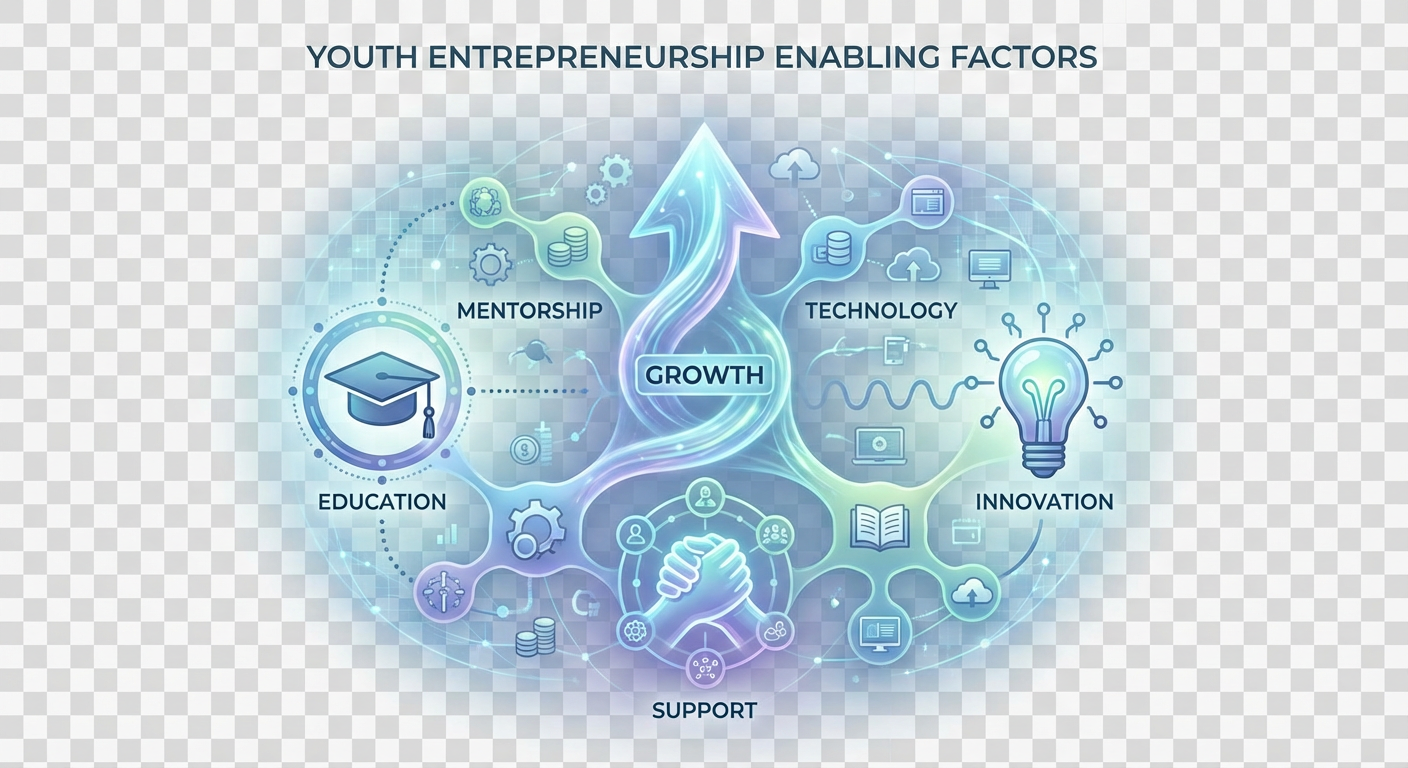
6. Enabling Factors: Support Systems and Education
The burgeoning interest in youth entrepreneurship, with approximately 60% of American teens[1] expressing a preference to start their own businesses over traditional employment, underscores a significant shift in aspirational career paths. This entrepreneurial zeal is not merely theoretical; by 2018, 6% of teen boys and 4% of teen girls in the U.S. had already launched their own ventures[3], illustrating a tangible movement towards early business engagement. Globally, this trend is even more pronounced, with one in four young people (ages 15–24) involved in self-employment or new business ventures[4]. Such statistics highlight the increasing relevance of understanding the ecosystem that fosters these young innovators. While minors undeniably face legal limitations, such as contractual capacity and access to finance, the success stories of child entrepreneurs turning small ideas into multi-million dollar enterprises, like Zolli Candy reaching over $5 million in sales projections[6] or Mo’s Bows achieving $200,000 in sales by age 13[7], reveal the immense potential that can be unlocked with the right support. This section delves into the critical role played by various enabling factors in nurturing young entrepreneurs. It investigates how robust support systems, including familial involvement, mentorship, and dedicated educational programs, counteract inherent challenges like lack of capital and regulatory hurdles. The analysis will traverse the impact of parental and mentor support, the structured learning environments provided by entrepreneurship education and clubs, and the burgeoning strength of peer networks. Furthermore, it will explore the personal qualities and mindsets that are cultivated through early entrepreneurial experiences, demonstrating how a comprehensive scaffolding of support can transform youthful ambition into tangible, impactful, and sustainable business success. Understanding these enabling factors is paramount for policymakers, educators, and parents seeking to empower the next generation of business leaders and innovators.
6.1 The Indispensable Role of Parental and Mentor Support
At the core of nearly every successful young entrepreneur’s journey lies a strong network of adult support, primarily from parents and dedicated mentors. These figures often act as the foundational pillars, providing the necessary guidance, resources, and emotional resilience for minors navigating the complexities of business.
6.1.1 Parental Involvement: From Seed Funding to Legal Sponsorship
Parents often serve as the initial and most consistent support system for their entrepreneurial children. Their involvement spans a wide spectrum, from practical assistance to crucial legal and financial backing.
- Initial Capital and Resources: For many young ventures, the first source of funding comes from parents. This can range from providing a small allowance to buy initial supplies (e.g., ingredients for a bakery, materials for crafting) to more substantial investments. Mikaila Ulmer, the founder of Me & the Bees Lemonade, received pivotal guidance from her parents, who helped her enter entrepreneurship contests at age 4 and supported her in handling contracts as her company expanded[28]. Without this initial capital and logistical support, many child-led businesses would struggle to get off the ground.
- Logistical and Operational Assistance: Running a business, even a small one, involves numerous tasks that children may not be able to handle independently. Parents frequently assist with transportation (e.g., driving to suppliers, market events), inventory management, and even aspects of production. For instance, Moziah Bridges, the founder of Mo’s Bows, started sewing his own bow ties with the help of his grandmother[29], a clear example of familial hands-on support.
- Navigating Legal and Financial Complexities: Perhaps the most critical role parents play is in addressing the legal and financial limitations minors face. As discussed, minors typically cannot sign binding contracts, open business bank accounts, or secure loans without adult involvement[41]. In the U.S., forming a legal entity (like an LLC or corporation) generally requires someone 18 or older to be involved[17]. Parents often act as the legal signatory, co-signer, or register the business in their own name until the child reaches the age of majority. Alina Morse, founder of Zolli Candy, launched her venture with her father’s help in perfecting the recipe and navigating the business landscape[31]. Even highly successful child entrepreneurs like Ryan Kaji of “Ryan’s World” rely heavily on their parents to manage the complex business operations, legal agreements, and financial aspects of their multi-million dollar enterprises[34]. This adult oversight ensures compliance and protects the young entrepreneur.
- Emotional Support and Encouragement: Entrepreneurship is fraught with challenges, including setbacks, rejections, and the fear of failure. Approximately 67% of teens report that the fear of their business failing might hold them back from pursuing entrepreneurship[25]. Parents provide crucial emotional bolstering, helping children learn from mistakes, build resilience, and maintain motivation. They often serve as confidantes and cheerleaders, fostering the psychological fortitude necessary for sustained effort.
- Modeling Entrepreneurial Behavior: Children raised in entrepreneurial families often develop an entrepreneurial mindset early, witnessing firsthand the dedication and problem-solving involved in running a business. This informal exposure can significantly shape their own aspirations and capabilities.
6.1.2 The Power of Mentorship: Guidance Beyond the Family Unit
While parental support is foundational, mentorship from experienced business owners or community leaders offers an invaluable external perspective, specialized knowledge, and networking opportunities that parents might not possess.
- Bridging Knowledge Gaps: Mentors can provide practical advice on business planning, marketing strategies, product development, and financial management that goes beyond what a parent might know. They offer insights gleaned from their own experiences, helping young entrepreneurs avoid common pitfalls. Moziah Bridges, for instance, secured mentorship from Daymond John of *Shark Tank*, which significantly propelled his business, Mo’s Bows[40]. This partnership was more than just financial; it provided unparalleled strategic guidance and connections.
- Credibility and Networking: A mentor’s involvement can lend credibility to a young entrepreneur, especially when dealing with suppliers, investors, or larger corporate partners who might initially be skeptical of a minor. Mentors can open doors to vital networks, facilitating partnerships and growth opportunities. Mikaila Ulmer’s deal with Whole Foods Market, for example, was undoubtedly facilitated by her growing platform and the credibility afforded by adult guidance[44].
- Emotional and Psychological Development: Mentors can help young founders navigate the emotional turbulence of entrepreneurship. They offer an objective viewpoint, helping to manage “fear of failure” and understand that setbacks are part of the learning process. Around 32% of teens indicate they would need a role model who is a business owner to guide them through their startup dreams[29], emphasizing the demand for such external guidance.
- Structured Mentorship Programs: Organizations like Junior Achievement actively address this need by pairing students with seasoned business mentors[29]. These structured programs provide a systematic way for young people to gain access to expert advice and hands-on coaching, extending beyond the informal support system of family. Communities are increasingly hosting “young entrepreneur” meetups that connect budding kidpreneurs with experienced advisors.
The symbiotic relationship between parental support, serving as a stable and protective foundation, and mentorship, offering specialized growth-oriented guidance, creates a robust environment for young entrepreneurs to flourish. This combined adult involvement not only mitigates many of the challenges associated with age but also amplifies the learning and development opportunities, significantly enhancing the sustainability and success of youth-led ventures.
6.2 Education and Structured Entrepreneurial Programs
Beyond individual adult support, formalized educational initiatives and dedicated entrepreneurial programs play a pivotal role in equipping young people with the knowledge, skills, and confidence to launch and sustain a business. These programs address a critical gap by providing structured learning environments and practical experiences.
6.2.1 School-Based Entrepreneurship Education
Schools are increasingly recognizing the importance of entrepreneurship as a valuable life skill, integrating relevant curricula and extracurricular activities.
- Curriculum Integration: While not universally adopted, a growing number of high schools now offer entrepreneurship electives. These courses teach fundamental business principles, including market research, business plan development, financial literacy, and marketing strategies. For example, the hands-on experience of managing earnings and expenses, learned in such programs, provides a practical understanding of financial literacy that often surpasses traditional classroom economics.
- Business Clubs and Competitions: School-based business clubs provide platforms for students to explore their entrepreneurial interests in a collaborative environment. These clubs often culminate in “pitch competitions,” where young entrepreneurs present their business ideas to judges, gaining valuable public speaking skills and feedback. These competitions serve as excellent simulated business experiences, helping students refine their concepts and understand investor perspectives.
- Practical Learning Initiatives: Some schools partner with external organizations to host startup workshops or entrepreneurial bootcamps. These can be particularly impactful during events like National Entrepreneurship Month, providing intensive, focused learning experiences[51]. Such initiatives bridge the theoretical with the practical, offering real-world problem-solving challenges.
6.2.2 Dedicated Youth Entrepreneurship Programs and Incubators
A variety of non-profit organizations and community groups have developed specialized programs designed specifically for young entrepreneurs.
- Junior Achievement (JA): Junior Achievement is a prominent example of an organization dedicated to fostering youth entrepreneurship. JA programs often involve hands-on activities, direct mentorship, and experiential learning, allowing students to learn by doing. Their “Launch Lesson” and other initiatives provide comprehensive frameworks for business development. Data suggests that participants in youth enterprise programs, such as those offered by JA, report higher confidence and a greater likelihood of actually launching a venture[52]. In fact, a 2020 survey showed that nearly 45% of youth entrepreneurship program alumni had businesses that turned a profit[52], indicating the tangible utility of these programs.
- Lemonade Day: This national program, active across various cities, is a prime example of teaching foundational business skills through a simple, scalable activity. Lemonade Day guides children through the process of planning, launching, and operating a lemonade stand, covering aspects like budgeting, marketing, and customer service. Hundreds of thousands of children participate annually, gaining practical business experience from a young age. This program effectively lowers the barrier to entry for entrepreneurial learning.
- Youth Incubators and Accelerators: Responding to the increased interest, some universities and private organizations have started offering summer innovation camps or incubators tailored for under-18 founders. These programs provide more intensive support, often including access to resources, expert workshops, and seed funding opportunities. They aim to accelerate the development of promising youth-led ventures.
6.2.3 Impact of Entrepreneurial Education
The benefits of these structured programs extend far beyond simply starting a business:
- Skill Development: Participants acquire a diverse set of transferable skills, including critical thinking, problem-solving, decision-making, financial literacy, communication, and teamwork. These skills are valuable not only for business but for any career path or life endeavor.
- Confidence and Self-Efficacy: Successfully completing an entrepreneurial project or winning a bid competition significantly boosts a young person’s confidence and sense of self-efficacy. It empowers them to believe in their own ideas and abilities.
- Exposure to Real-World Economics: These programs provide a practical understanding of economic principles, supply chains, market dynamics, and customer needs that theoretical classroom learning might miss.
- Innovation and Creativity: By encouraging creative problem-solving and idea generation, entrepreneurial education fosters an innovative mindset crucial for future success in a rapidly changing world.
- Addressing Barriers: Entrepreneurial programs often address common hurdles for young founders, such as access to capital (through pitch competitions or connections to grants) and navigating regulations (through simplified modules or expert sessions).
The increasing presence and success of these educational and programmatic interventions highlight a growing understanding that entrepreneurship is a skill that can be taught and nurtured. By providing structured learning and a supportive environment, these programs are instrumental in channeling the burgeoning entrepreneurial ambition of young people into viable and impactful ventures, preparing them not just for business ownership but for engaged and innovative citizenship.
6.3 The Strength of Peer Networks and Youth Communities
While institutional and adult support are crucial, the role of connection among young entrepreneurs themselves—through peer networks and dedicated youth communities—is increasingly recognized as a powerful enabling factor. Being a young founder can be an isolating experience, and these networks provide a unique space for shared learning, mutual encouragement, and collaborative growth.
6.3.1 Overcoming Isolation and Fostering Belonging
Being a child CEO, especially in an age group where most peers are not engaged in commercial ventures, can lead to feelings of isolation. Young entrepreneurs often grapple with unique challenges, such as balancing schoolwork with business responsibilities, that friends not engaged in entrepreneurship may struggle to understand.
- Shared Experiences: Peer networks create a sense of community where young founders can connect with others facing similar struggles and triumphs. This shared experience helps validate their efforts and reduces feelings of being an outlier. When a 16-year-old entrepreneur can discuss inventory management or marketing strategies with another 16-year-old who truly understands from experience, it fosters a unique bond and accelerates learning.
- Moral Support and Encouragement: Entrepreneurship is inherently risky and comes with setbacks. Peer support can be a powerful antidote to discouragement. A community of like-minded individuals can offer encouragement, celebrate successes, and provide empathy during failures. Seeing peers succeed also makes entrepreneurial goals feel more attainable, motivating others to push forward.
6.3.2 Platforms for Collaboration and Knowledge Exchange
These networks are not just for emotional support; they are vibrant hubs for practical information and collaboration.
- Online Communities: The digital age has significantly democratized access to peer networks. Online forums, dedicated subreddits, Discord groups, and social media communities allow young entrepreneurs from diverse backgrounds and geographies to interact. These platforms facilitate instant knowledge exchange, where advice on everything from e-commerce platforms to patent applications can be collectively sourced.
- Events and Conferences: In-person events like the “Teen Entrepreneur Summit” or youth-focused startup weekend hackathons bring young founders together for intensive learning and networking. These events often feature peer-led workshops, ideation sessions, and opportunities for young people to present their ideas and receive feedback from both peers and adult mentors.
- Partnership and Skill Sharing: Peer networks often lead to valuable collaborations. A young coder might team up with a graphic designer, or a marketing enthusiast with a product developer, both discovered through these communities. This shared skill set allows for more robust business development and teaches invaluable lessons in collaboration and delegation.
- Crowdsourced Problem Solving: When a young entrepreneur faces a specific business challenge (e.g., how to accept payments as a minor, or which social media platform is best for their niche), peer communities can be an invaluable source of crowdsourced solutions and creative workarounds that have been proven successful by others in similar situations.
6.3.3 Cultivating a Culture of Innovation and Adaptability
The dynamic nature of peer networks also contributes to cultivating essential entrepreneurial traits.
- Exposure to Diverse Perspectives: Interacting with peers from different backgrounds, who might have tackled different types of businesses (e.g., online retail vs. service-based; tech vs. craft), broadens a young entrepreneur’s perspective and understanding of market opportunities.
- Rapid Learning and Trend Adoption: Young entrepreneurs within these networks are often highly attuned to emerging trends, especially within digital spaces and youth culture. They can quickly share insights on new platforms, marketing tactics, or product ideas, fostering an environment of continuous adaptation and innovation. This collective intelligence contributes to the innovative outlook often found in youth entrepreneurship.
- Fostering a “Growth Mindset”: These communities normalize experimentation and learning from mistakes. In an environment where peers openly share their challenges and how they overcame them, a healthy “growth mindset” is fostered, where failure is seen as a stepping stone rather than a terminal event.
In summary, peer networks and youth communities act as vital incubators of support, knowledge, and shared understanding. They not only provide a critical emotional safety net for young individuals embarking on entrepreneurial journeys but also serve as potent accelerators for learning, collaboration, and trend adoption, significantly bolstering their chances of success in the dynamic world of business. This collective power is an often-underestimated, yet profoundly impactful, enabling factor for the burgeoning wave of youth entrepreneurs.
6.4 Personal Qualities and Mindset Cultivated Through Early Entrepreneurship
While external support systems are undeniably crucial, the internal transformation undergone by young entrepreneurs—the cultivation of specific personal qualities and a distinct mindset—is perhaps the most enduring benefit. Early engagement in business can profoundly shape an individual’s character and approach to life, offering long-term advantages regardless of whether their initial ventures succeed.
6.4.1 The Development of Core Character Traits
Surveys of youth entrepreneurs consistently highlight a range of positive character traits that are either innate or significantly enhanced through their experiences.
- Curiosity and Creativity: Young entrepreneurs often start with a genuine interest or passion. Whether it’s baking, coding, or fashion, their inherent curiosity drives them to explore new ideas and creative solutions to problems. Alina Morse, for example, founded Zolli Candy from a simple question at age 7: “Why can’t candy clean your teeth?”[31]. Such curiosity is a powerful catalyst for innovation.
- Grit and Resilience: The entrepreneurial path is rarely smooth. Young founders frequently encounter skepticism, rejections, and outright failures. The ability to persevere through these setbacks demonstrates and reinforces grit. Mikaila Ulmer’s journey to get her lemonade into Whole Foods involved numerous pitches and persistence[44]. Learning to bounce back from initial failures, especially at a young age when the stakes are relatively low, builds critical resilience that serves them throughout life. Approximately 67% of teens cite fear of failure as a potential barrier[25]; overcoming this fear through practical engagement is a profound personal victory.
- Initiative and Proactiveness: Instead of waiting for opportunities, young entrepreneurs actively create them. This self-starting attitude is a hallmark of an entrepreneurial mindset. They identify needs, conceive solutions, and take the necessary steps to bring ideas to fruition. Starting a business requires a high degree of initiative.
- Problem-Solving and Critical Thinking: Every business faces problems, from sourcing materials to managing customer feedback. Young entrepreneurs are constantly engaged in hands-on problem-solving, which hones their critical thinking abilities. This practical application of logic and creativity far exceeds what might be learned theoretically in a classroom.
- Adaptability: Markets change, customer preferences evolve, and new technologies emerge. Young entrepreneurs, particularly those operating in dynamic digital spaces, learn to adapt quickly. Their relative lack of ingrained habits makes them more flexible than older counterparts, allowing them to pivot strategies or embrace new tools with greater ease. Scholars note that young people are generally more risk-tolerant and adaptable, which is an advantage in starting a business[55].
6.4.2 Development of an Entrepreneurial Mindset
Beyond individual traits, youth entrepreneurship fosters a holistic entrepreneurial mindset characterized by a unique outlook on challenges and opportunities.
- Growth Mindset: Through managing their own ventures, young people learn that effort and dedication can lead to success, and that setbacks are opportunities for growth. This is a fundamental aspect of a growth mindset, where intelligence and abilities are seen as malleable rather than fixed.
- Ownership and Responsibility: Being the “boss” of their own project instills a strong sense of ownership and responsibility. Young entrepreneurs learn about accountability—both for their successes and their missteps. This direct consequence of their actions is a powerful learning tool.
- Resourcefulness: Faced with limited capital and potentially complex regulations, young entrepreneurs are forced to be resourceful. They learn to maximize available assets, find creative solutions to budget constraints, and leverage unconventional avenues to achieve their goals.
- Customer-Centric Thinking: Direct interaction with customers teaches young entrepreneurs the importance of understanding needs, gathering feedback, and delivering value. This customer-centric approach is vital for any successful business.
- Financial Literacy: By managing their own earnings, expenses, pricing, and perhaps even tax obligations (with parental guidance), young entrepreneurs gain invaluable practical financial literacy. This early exposure helps them understand the real-world implications of financial decisions. Studies affirm that teen business owners often develop stronger organizational and budgeting abilities[54].
6.4.3 Long-Term Advantages and Future Pathways
The qualities and mindset cultivated through early entrepreneurship provide a robust foundation for future success, regardless of the chosen career path.
- Enhanced Career Prospects: Early entrepreneurial experience is a significant differentiator on college applications and job resumes. It demonstrates initiative, leadership, and a practical skill set that stands out. Colleges and employers often value candidates who have shown autonomy and problem-solving abilities outside of traditional academic settings.
- Foundation for Lifelong Learning: The continuous learning curve of entrepreneurship instills a desire for lifelong learning and self-improvement, which is crucial in an constantly evolving global economy.
- Impact on Future Entrepreneurship: Individuals who start businesses young are more likely to pursue entrepreneurial ventures later in life, driving innovation and economic growth. According to the Global Entrepreneurship Monitor, young people are 1.6 times more likely to plan a business than adults[35]. This suggests a powerful compounding effect, where initial endeavors build capacity for subsequent, potentially larger-scale, ventures. Suhas Gopinath, who became the “world’s youngest CEO” at 14, is a prime example of sustained entrepreneurial drive impacting economic development on a global scale[33].
- Social Impact Orientation: A significant proportion of today’s young entrepreneurs are motivated by a desire to address societal needs[22]. Developing a business mindset grounded in purpose from a young age can lead to a generation of leaders who prioritize both profit and positive impact on the world, like Mikaila Ulmer and her Hives for Humanity efforts[45].
The comprehensive development of personal qualities and an entrepreneurial mindset through early business endeavors is arguably the most profound enabling factor for young aspiring business leaders. This internal transformation equips them with essential skills, resilience, and a forward-thinking perspective that will serve them well throughout their lives, whether they continue as entrepreneurs or apply these attributes in other professional domains.
6.5 Conclusion
The journey of a young entrepreneur is facilitated by a multifaceted web of support systems and educational opportunities. From the nurturing environment provided by parents and the strategic guidance offered by mentors, to the structured learning within dedicated programs and the collaborative spirit of peer networks, each element plays a vital role in transforming youthful ambition into tangible success. These enabling factors collectively address the inherent challenges faced by minors in the business world—such as legal constraints and access to capital—while simultaneously cultivating crucial personal qualities like grit, initiative, and an innovative mindset. The stories of Mikaila Ulmer, Moziah Bridges, Alina Morse, Suhas Gopinath, and Ryan Kaji vividly illustrate that with the right combination of support and internal drive, age becomes less of a barrier and more of a unique advantage. As interest in youth entrepreneurship continues to surge globally, fostering and strengthening these support systems becomes increasingly vital for equipping the next generation to not only build businesses but also to develop into adaptable, resilient, and impactful leaders ready to shape the future economy. The next section will delve deeper into the specific legal and regulatory considerations that shape the landscape for young entrepreneurs, exploring the evolving frameworks and the continuing need for legislative adaptation to accommodate this growing demographic.
7. Notable Examples of Successful Child Entrepreneurs
The narrative surrounding entrepreneurship is often dominated by stories of seasoned adults, venture capitalists, and Silicon Valley titans. However, a closer look at the evolving landscape reveals a growing phenomenon: children and teenagers are not just dreaming of starting businesses; they are actively launching and scaling them to remarkable success. This section delves into the inspiring journeys of several young entrepreneurs who have defied conventional age barriers, transforming simple ideas into thriving enterprises. Their stories not only highlight the incredible potential residing within young minds but also illuminate the critical factors contributing to their accomplishments, including innovative ideas, robust support systems, and the leveraging of modern platforms. These examples serve as powerful illustrations of how early exposure to entrepreneurship can foster invaluable skills, drive economic activity, and even influence policy changes. The surging interest in youth entrepreneurship is palpable, with approximately 60% of American teens expressing a preference to start their own business over traditional employment, a significant shift in career aspirations observed in early 2022 [1]. Furthermore, a staggering 75% of teenagers aged 13–17 would consider becoming entrepreneurs in the future, indicating a strong and widespread entrepreneurial drive among today’s youth [2]. This ambition is not merely hypothetical; by 2018, 6% of teen boys and 4% of teen girls in the U.S. had already launched their own businesses [3]. Globally, the trend is even more pronounced, with one in four young people (ages 15–24) being self-employed or running a new business [4]. These statistics underscore a dynamic environment where young innovators are making their mark, often guided by a desire to address societal needs – 58% of teens would start a business for a societal cause, even if it meant less money [2]. The following case studies exemplify this burgeoning movement, demonstrating how youthful vision, combined with strategic execution and adult support, can lead to substantial achievements.
Mikaila Ulmer (Me & the Bees Lemonade)
The story of Mikaila Ulmer, founder of Me & the Bees Lemonade, is a powerful testament to how a simple childhood inspiration can evolve into a nationally recognized brand. Mikaila began her entrepreneurial journey at the remarkably young age of four in Austin, Texas. Her initial spark came from two distinct sources: a bee sting, which prompted her to learn more about bees and their critical role in the ecosystem, and an old flaxseed lemonade recipe from her great-grandmother Helen [29]. These seemingly unrelated events converged into an ingenious business idea. With the crucial guidance and support of her parents, Mikaila started by selling her “Me & the Bees” lemonade at local events, community fairs, and a nearby pizza shop. Her mission extended beyond just selling lemonade; she wanted to help save the bees, an objective that resonated deeply with customers and gave her brand a powerful social cause. This dual focus on profit and purpose is a hallmark of many successful young entrepreneurs today [2]. A pivotal moment for Mikaila came in 2015, at the age of 11, when she appeared on the popular television show *Shark Tank*. Her pitch, combining her passion for bees with a delicious, unique product, captivated investor Daymond John, who committed a **$60,000 investment** [30]. This investment provided not just capital, but invaluable mentorship and exposure that propelled her business to new heights. Following her *Shark Tank* appearance, Me & the Bees Lemonade secured a significant deal in 2016 to stock its bottled lemonade in Whole Foods Market, initially across four states [31]. This was a monumental achievement for any business, let alone one founded by a child. The partnership quickly expanded, and Mikaila’s lemonade soon became available in major retailers such as Target and Costco [32]. By 2023, Mikaila, now in her late teens, presides over a thriving national brand, having sold well over a million bottles of her lemonade. Mikaila’s impact extends beyond commercial success. She established the Healthy Hive Foundation, committing a portion of her company’s earnings to support bee conservation efforts [33]. This dedication to her mission exemplifies the values-driven approach increasingly seen among younger generations of entrepreneurs. Her success story also had a broader societal impact, drawing attention to a legal hurdle for many young sellers: the often-restrictive regulations around casual businesses like lemonade stands. Her efforts and high-profile status contributed to conversations that led many U.S. states to pass “lemonade stand laws,” exempting children’s small-scale ventures from needing permits and licenses [7]. This highlights how individual youth entrepreneurship can even influence legislative changes, making it easier for others to follow in their footsteps. Key Success Factors for Mikaila Ulmer:
- Mission-Driven Business: Her clear purpose to “save the bees” resonated with consumers and provided a unique selling proposition.
- Parental Support and Guidance: Mikaila’s parents provided the necessary administrative, financial, and logistical support, particularly in navigating early business stages and legal complexities.
- Strategic Marketing and Media Leverage: *Shark Tank* provided unparalleled exposure and a significant capital injection, along with expert mentorship.
- Scalable Product: Lemonade is a consumable product with broad appeal, allowing for widespread distribution.
- Resilience and Charisma: Mikaila’s ability to articulate her vision and connect with people at a young age was crucial for pitching and networking.
Moziah Bridges (Mo’s Bows)
Moziah “Mo” Bridges transformed a personal fashion preference into a flourishing enterprise, proving that a unique sense of style can be highly profitable. At just nine years old, Mo, who hailed from Memphis, struggled to find bow ties that truly reflected his vibrant personality and fashion sensibilities. Frustrated by the limited choices available, he decided to take matters into his own hands. With the help of his grandmother, who taught him to sew, Mo began crafting his own distinctive bow ties [34]. In 2011, at the tender age of nine, he officially launched Mo’s Bows. Initially, he sold his handmade creations online through platforms like Etsy and at local markets, quickly gaining a reputation for his unique designs and impeccable craftsmanship. By the time he was 11, Mo’s Bows had already generated an impressive **$30,000 in sales** of his handmade accessories [35]. Mo’s charming personality and eye-catching products soon caught the attention of local and national media. Like Mikaila Ulmer, Moziah also appeared on *Shark Tank* in 2014, seeking to expand his business. While he didn’t secure a direct investment on the show, he famously secured invaluable mentorship from Daymond John, who recognized Mo’s potential and provided strategic guidance. This mentorship proved to be instrumental in Mo’s Bows’ trajectory. By 2015, at the age of 13, Mo’s Bows had achieved significant sales, exceeding **$200,000** in total. The business had also expanded its operations, employing a team of seven individuals, including his mother and grandmother, who continued to support the enterprise [15]. This demonstrated a critical aspect of youth entrepreneurship: while the vision may come from the child, adult support in management and operations is often key to scale. A major milestone for Mo came in 2017 when, at just 15 years old, he inked a monumental **licensing deal with the NBA**. This partnership allowed Mo’s Bows to produce bow ties featuring the logos of various NBA teams [16]. This was an extraordinary achievement, granting Mo access to the multi-billion-dollar sports merchandise market, which at the time was valued at approximately $6 billion in retail sales [17]. The NBA deal provided Mo’s Bows with unparalleled exposure and distribution channels, solidifying its place as a significant player in the fashion accessories market. Key Success Factors for Moziah Bridges:
- Unique Product and Brand Identity: Mo’s distinct style and commitment to handmade quality created a memorable brand.
- Mentorship from Industry Leaders: Daymond John’s guidance after *Shark Tank* was crucial for scaling and navigating complex deals like the NBA licensing.
- Family Support: Early operational and skill development support from his grandmother and ongoing management assistance from his mother were vital.
- Media Savvy: Mo’s charismatic presence and compelling story made him a media darling, generating free publicity.
- Vision and Professionalism: Despite his young age, Mo approached his business with remarkable professionalism, helping him secure deals typically reserved for much older entrepreneurs.
Alina Morse (Zolli Candy)
Alina Morse’s entrepreneurial journey began with a simple, yet profound, question: “Why can’t candy be good for your teeth?” At just seven years old, after being offered a lollipop by her father and being told it was bad for her teeth, Alina was inspired to create a healthier alternative. This childhood curiosity laid the foundation for Zolli Candy. From Rochester, Michigan, Alina, with the essential support of her father, dedicated herself to developing a unique line of sugar-free lollipops, later named “Zollipops.” These weren’t just any sugar-free candies; they were formulated specifically to neutralize acidity in the mouth and help reduce tooth decay. After two years of research, experimentation, and product development, Alina launched Zolli Candy at the age of nine in approximately 2014 [36]. Her initial capital, a modest **$7,500 investment**, came from her grandparents’ savings, demonstrating the critical role family often plays in funding early-stage child ventures [36]. Zolli Candy quickly found a receptive market among health-conscious parents, dentists, and children looking for guilt-free treats. Alina’s personal drive and the innovative nature of her product propelled her business forward. A significant aspect of her early success was her direct engagement with buyers. At the age of 10, Alina personally pitched her product to Whole Foods Market, a testament to her confidence and belief in her product. By the age of 13, Alina’s “sensibly sweet” candies had achieved an impressive distribution footprint, being available in **7,500 stores** across the United States. This included major retailers such as Whole Foods, Kroger, and Walmart [6]. The sales figures mirrored this rapid expansion. In 2018, just a few short years after its launch, Zolli Candy was reporting **annual retail sales of $5–6 million** [6], making it a multimillion-dollar company while Alina was still navigating middle school. Her remarkable achievements earned her the distinction of being the youngest person ever to be named to *Forbes’ 30 Under 30* list in the manufacturing category. Today, still in her late teens, Alina continues to serve as CEO of Zolli Candy, overseeing a growing product line that includes Zolli drops and Zaffi Taffy, and expanding into international markets. Her story perfectly illustrates how a problem-solving mindset, combined with market research and strong execution, can lead to incredible commercial success, even from a very young age. Key Success Factors for Alina Morse:
- Innovative Product Addressing a Clear Need: Zolli Candy filled a void in the market for healthy, teeth-friendly sweets.
- Strong Scientific Backing (with Adult Help): Her father’s assistance in research and formulation ensured a credible and effective product.
- Proactive Sales and Marketing: Alina’s willingness to personally pitch to major retailers at a young age demonstrated exceptional drive.
- Early Investment and Family Support: Initial capital from family allowed her to bring the product to market.
- Exceptional Growth Strategy: Focusing on national distribution channels and health-conscious consumer segments fueled rapid expansion.
Suhas Gopinath (Globals Inc.)
Suhas Gopinath, from India, stands out as a pioneering figure in child entrepreneurship, often recognized as the “world’s youngest CEO.” His journey into the realm of technology began at an astonishingly early age. At 14, in 2000, Gopinath developed a profound interest in web programming, teaching himself the intricacies of coding at a local cybercafé in Bangalore. This self-taught skill quickly led him to establish his own IT company, **Globals Inc.**, at an age when most peers were still focused on elementary schooling [10]. The unique challenge Gopinath faced was not technical or market-related, but legal. Indian corporate law at the time did not permit minors to incorporate a company or serve as a CEO. Demonstrating remarkable ingenuity, Gopinath found a workaround: he registered Globals Inc. in the United States with the assistance of international contacts, thereby legally circumventing the age restriction and officially becoming CEO at 14 [10]. Globals Inc. specialized in offering website development and software services, leveraging the burgeoning demand for digital solutions at the turn of the millennium. Under Gopinath’s leadership, the company experienced steady and substantial growth. By 2010, when Gopinath was 24 years old, Globals Inc. had transformed into a **multi-million dollar IT firm, boasting over 100 employees** and a global footprint with offices in 11 countries [10]. This demonstrated not only his technical acumen but also his sophisticated understanding of business strategy and international operations. Gopinath’s groundbreaking achievements earned him global recognition. At merely 17, he was invited to join the World Bank ICT Advisory Board, an extraordinary honor for someone so young [10]. Later, at 21, he was celebrated as a Young Global Leader by the World Economic Forum, further solidifying his status as an influential figure in both technology and global business [10]. Gopinath’s story is particularly striking because it highlights how an individual from an emerging economy, with sheer determination and intellectual capability, could leverage the internet to build a sophisticated global business. His ingenious solution to a legal barrier by incorporating abroad exemplifies the resourcefulness often seen in successful entrepreneurs, regardless of age. His success also underscores the immense opportunities presented by the tech industry to young innovators, enabling them to compete in a global market from virtually anywhere. Key Success Factors for Suhas Gopinath:
- Self-Taught Technical Expertise: His ability to master web programming at a young age was the foundation of his business.
- Ingenuity in Overcoming Legal Barriers: Registering his company in the USA to bypass Indian laws for minors was a critical strategic move.
- Global Vision from the Start: Targeting international markets allowed for significant scaling and diversified revenue streams.
- Early Recognition and Networking: His accolades and invitations to prestigious bodies like the World Bank provided credibility and further opportunities.
- Sustained Growth and Adaptation: The company’s expansion over a decade demonstrated robust business models and adaptability in the fast-paced IT sector.
Ryan Kaji (Ryan’s World)
While traditionally not categorized as a “CEO” in the corporate sense, Ryan Kaji represents a new paradigm of child entrepreneurship enabled by the digital age. His story exemplifies how a child’s natural curiosity and play can, with parental support and strategic management, blossom into a multi-million dollar content empire. Ryan’s journey began at just three years old in 2015 when he expressed a desire to review toys, inspired by similar channels on YouTube. With his parents’ help, he started producing videos for the channel “Ryan ToysReview,” later rebranded as “Ryan’s World.” The channel’s authenticity, featuring Ryan’s wholesome and enthusiastic reactions to new toys, quickly resonated with a massive global audience of children and parents. The channel’s popularity exploded, turning young Ryan into a YouTube superstar. By 2018, at the age of seven, his influence was undeniable. In **2019, Ryan earned an astounding $26 million**, making him the highest-paid YouTuber globally for that year [9]. This figure alone highlights the immense economic potential of digital content creation, especially when spearheaded by a child with mass appeal. The brand “Ryan’s World” rapidly expanded beyond YouTube videos. His parents expertly diversified his revenue streams, venturing into merchandise. Ryan’s World branded toys, clothing, and other products became available in major retailers worldwide. This cross-platform strategy further cemented his brand’s presence in the children’s entertainment market. He even secured a show on Nickelodeon, demonstrating the successful transition from user-generated content to traditional media [9]. While Ryan is the face and creative inspiration for the brand, his parents are responsible for managing the colossal business operations. This includes overseeing a dedicated production team, handling intricate licensing deals, and managing the vast sums of revenue generated annually. The scope of Ryan’s World illustrates the extreme potential of a child-driven “business” in the social media era, where personal branding and authentic content can lead to unprecedented financial success. Key Success Factors for Ryan Kaji:
- Authentic Content and Niche Appeal: His natural, child-like approach to toy reviews resonated strongly with kids globally.
- Parental Management and Strategic Diversification: His parents’ ability to manage production, legal aspects, and expand into merchandise and traditional media was crucial.
- Leveraging Digital Platforms: YouTube provided a free, global platform with immense reach, lowering traditional startup barriers.
- Consistent Content Creation: A regular stream of engaging videos kept his audience growing and returning.
- Brand Extension: Successful expansion beyond videos into physical products and TV shows broadened the income base and brand longevity.
Conclusion and Transition
These remarkable young entrepreneurs – Mikaila Ulmer, Moziah Bridges, Alina Morse, Suhas Gopinath, and Ryan Kaji – not only demonstrate that age is not a barrier to business success, but also illustrate a number of common themes. They often begin with a genuine passion or a problem they wish to solve, leverage strong adult support (typically parental), and capitalize on modern platforms (e-commerce, social media, online services) to reach broader markets. Their stories collectively underscore that innovative ideas, coupled with determination and a supportive ecosystem, can enable children to build substantial, impactful businesses. From social enterprise to fashion, and from tech services to viral content, these “kidpreneurs” are reshaping perceptions of who an entrepreneur can be. Their journeys also highlight the growing need for legal frameworks and educational initiatives designed to nurture, rather not stifle, such youthful ambition. These notable examples serve as aspirations for the legions of young people globally who are increasingly interested in entrepreneurship. The factors contributing to their success, particularly the role of parental support, mentorship, and access to relevant tools and education, provide valuable insights for nurturing the next generation of child entrepreneurs. However, while these individuals have achieved extraordinary success, the path of youth entrepreneurship is not without its significant challenges, which will be explored in detail in the next section.
Comparison of Notable Child Entrepreneurs
The following table provides a concise overview of the key details and accomplishments of the featured child entrepreneurs, highlighting their age at inception, the nature of their businesses, and their most significant achievements or impacts.
| Entrepreneur (Age at Start) | Business Name | Industry/Product | Key Accomplishments/Impact | Age at Major Milestone | Key Success Factors |
|---|---|---|---|---|---|
| Mikaila Ulmer (4) | Me & the Bees Lemonade | Beverage (Lemonade) | – $60k *Shark Tank* investment from Daymond John – National distribution in Whole Foods, Target, Costco – Founded Healthy Hive Foundation for bee conservation – Influenced “lemonade stand laws” for kids | 11 (Shark Tank) | Mission-driven, parental guidance, media & mentorship, scalable product |
| Moziah Bridges (9) | Mo’s Bows | Fashion (Bow Ties) | – Over $200k in sales by age 13 – Mentorship from Daymond John after *Shark Tank* – Major licensing deal with NBA for team-branded bow ties | 15 (NBA Deal) | Unique product, strong mentorship, family support, professional approach |
| Alina Morse (7) | Zolli Candy | Confectionery (Dental Health Candy) | – $5-6 million in annual retail sales by age 13 – Distribution in 7,500+ stores (Whole Foods, Kroger, Walmart) – Youngest person on *Forbes’ 30 Under 30* list | 13 (Million-dollar sales) | Innovative product, problem-solving, strategic retail pitching, early capital |
| Suhas Gopinath (14) | Globals Inc. | Information Technology (Web & Software Services) | – Founded at 14 (youngest CEO at time) – Multi-million dollar IT firm with 100+ employees, 11 countries by 24 – Invited to World Bank ICT Advisory Board at 17 | 14 (CEO), 17 (World Bank) | Self-taught skills, international strategy, ingenuity to bypass legal limits, global recognition |
| Ryan Kaji (3) | Ryan’s World (YouTube Channel) | Digital Content (Toy Reviews & Merchandise) | – Highest-paid YouTuber globally at $26 million/year (2019) – Brand expansion into toys, clothing, Nickelodeon show – Massive global audience (millions of subscribers) | 8 (Highest-paid YouTuber) | Authentic content, parental management, leveraging digital platforms, brand diversification |
The next section will delve deeper into the specific challenges that young entrepreneurs face, ranging from legal and financial constraints to balancing academic life with business demands, and how these hurdles can be navigated.
8. The Impact of Technology on Youth Business Ventures
The dawn of the digital age has fundamentally reshaped the landscape of entrepreneurship, particularly for younger generations. What was once a domain largely restricted by capital, connections, and geographical limitations, has been transformed into an accessible avenue for innovation and commerce, even for children. The proliferation of digital platforms, the rise of e-commerce, the omnipresence of social media, and the relative ease of app development have collectively dismantled traditional barriers to entry, enabling young entrepreneurs to launch and scale ventures with unprecedented speed and reach. This section will delve into the profound influence of technology on youth business ventures, exploring how these digital tools empower young individuals, facilitate global market access, and allow for significant earnings, as exemplified by the phenomenon of ‘kidfluencers’ like Ryan Kaji. This technological revolution has not only democratized entrepreneurship but has also catalyzed a surge in entrepreneurial interest among youth, positioning them as significant players in the modern economy.
8.1 Digital Democratization of Entrepreneurship for Youth
The internet and related technologies have acted as a powerful democratizing force, leveling the playing field for aspiring young entrepreneurs. Historically, starting a business required substantial upfront investment in physical infrastructure, inventory, and marketing. These requirements often presented insurmountable obstacles for minors lacking access to significant capital or legal capacity to enter into binding agreements. However, the digital economy has dramatically reduced these hurdles.
8.1.1 Lowering Barriers to Entry
One of the most significant impacts of technology is the substantial reduction of barriers to entry for youth-led businesses. Digital platforms require minimal physical overhead, enabling children and teenagers to launch ventures from their bedrooms or local community spaces. The traditional need for a physical storefront, for instance, has been largely supplanted by virtual equivalents. The financial investment required to access a global market has also plummeted, replacing costly traditional advertising with digital marketing strategies that can be executed with a smartphone and an internet connection.
- Minimal Startup Capital: For many online ventures, the primary investment is time and creativity, not large sums of money. A YouTube channel, an Etsy shop, or a simple website can be initiated with little to no financial outlay beyond existing personal devices and internet access.
- Ease of Access to Tools: Graphic design software, video editing tools, website builders, and social media scheduling apps are often free or available at low cost, placing professional-grade resources into the hands of young people.
- Direct-to-Consumer Models: E-commerce platforms like Shopify, Etsy, and even Instagram allow young entrepreneurs to directly sell products or services to customers without needing intermediaries, distributors, or traditional retail channels. This direct interaction simplifies logistics and enhances profit margins.
The entrepreneurial ambition among today’s youth is remarkably high, directly correlated with this ease of access. Approximately 60% of American teens, for example, would prefer to start their own business over working a traditional job, a sentiment reported in early 2022 and reflecting a significant shift in career preferences [1]. This enthusiasm is further evidenced by the statistic that 75% of teenagers (ages 13–17) would consider becoming entrepreneurs in the future [2]. Such a pronounced interest suggests that a vast majority of teens are open to entrepreneurship, marking a sharp increase from 41% in 2018 [3]. This cultural trend aligns with the accessibility provided by technology, normalizing the idea that one can be a founder at any age.
8.1.2 The E-commerce Revolution
E-commerce has been a game-changer for young entrepreneurs. Platforms built specifically for online sales and fulfillment have simplified the entire retail process. A child can, with parental guidance, set up an online store, upload product images, set prices, and begin accepting payments in a matter of hours or days. This capability was unimaginable just a few decades ago.
Illustrating this point is Moziah Bridges, who founded Mo’s Bows at age 9. He began by sewing his own bow ties and selling them online via Etsy and locally [8]. By age 11, he had already generated $30,000 in sales, demonstrating the rapid growth potential of digitally enabled artisan businesses [8]. Similarly, Alina Morse, the founder of Zolli Candy, launched her company at age 9. Her sugar-free lollipops found a niche with health-conscious consumers, and by age 13, Zolli Candy products were available in 7,500 stores, including major retailers like Whole Foods, Kroger, and Walmart [6]. The ability to launch an online presence initially was crucial for these ventures to gain early traction and prove their market viability before expanding into traditional retail. The revenue generated by such young entrepreneurs is often significant; Zolli Candy, for instance, reached $5-6 million in annual retail sales by 2018 [6].
| Entrepreneur/Business | Age at Launch | Key Online Platform | Notable Achievement | Digital Impact |
|---|---|---|---|---|
| Moziah Bridges (Mo’s Bows) | 9 | Etsy, Mo’s Bows website | $30,000 sales by age 11 [8]; NBA licensing deal by age 15 [14] | Enabled direct sales of handmade products to a global audience, facilitated brand building and early revenue generation before traditional expansion. |
| Alina Morse (Zolli Candy) | 9 | Zolli Candy Website, Retailer websites | $5-6 million annual sales by age 13 [6]; 7,500 stores nationally [6] | Allowed for initial market testing and brand development, creating proof of concept that attracted major retail partnerships. |
| Ben Pasternak (Impossible Rush) | 15 | App Store, Social Media | Viral app success, led to venture-funded startup [15] | Leveraged app development and social media for massive user acquisition and investor attention. |
8.2 Social Media and the Rise of ‘Kidfluencers’
Social media platforms are arguably the most transformative technological force impacting youth entrepreneurship. Beyond traditional e-commerce, social media provides a direct channel for young individuals to build personal brands, connect with audiences, and monetize content or influence. This has given rise to the phenomenon of “kidfluencers” – child entrepreneurs who leverage their digital presence to garner massive followings and substantial income.
8.2.1 Content Creation and Monetization
Platforms like YouTube, TikTok, and Instagram have enabled children and teenagers to become content creators, sharing their passions, talents, and unique perspectives with a global audience. The monetization models on these platforms, including advertising revenue, brand sponsorships, and affiliate marketing, allow these young creators to generate significant income even before reaching legal age for traditional employment.
The most prominent example of this trend is Ryan Kaji. Starting at just 3 years old, Ryan began reviewing toys on his YouTube channel, “Ryan’s World.” By age 7, he had become a global sensation. In 2019, Ryan, then 8 years old, earned an astounding $26 million, making him the highest-paid YouTuber in the world [9]. His brand extended beyond video content, encompassing merchandise, clothing lines, and even a show on Nickelodeon [9]. While his parents manage the business aspects, Ryan’s authentic persona and content are the core drivers of this multi-million dollar enterprise. This case vividly illustrates how digital content creation can translate into a massive business for a minor.
The allure of such success stories is substantial. Survey data indicates that 37% of teens interested in entrepreneurship cite social media influencers as a top inspiration to start a business [17]. This demonstrates a clear cause-and-effect relationship between visible online success and the aspirations of young people. The barriers to becoming a content creator are virtually non-existent, requiring only a camera (often a smartphone) and an internet connection, making it an attractive and accessible entrepreneurial path for youth worldwide.
8.2.2 Global Reach and Brand Building
Social media provides an unparalleled global reach that traditional businesses struggle to achieve without significant investment. A single viral video or post can connect a young entrepreneur with millions of potential customers, followers, and collaborators across continents. This global exposure is critical for brand building.
- Audience Engagement: Social media allows for direct interaction with the target audience, fostering a sense of community and loyalty around the young entrepreneur’s brand.
- Authenticity and Relatability: Young creators often succeed because their content feels authentic and relatable to their peers, building trust and engagement that can be challenging for established brands to replicate.
- Cross-Promotion: Platforms can be used to drive traffic to e-commerce sites, apps, or other ventures, creating an integrated digital ecosystem for the young entrepreneur.
The boom in teen startups in the UK, which saw an eightfold increase from about 500 in 2009 to over 4,000 annually in 2019, was largely driven by tech startups and online business opportunities accessible to youth [5]. This growth aligns precisely with the period of rapid social media and smartphone adoption, underscoring the role these technologies play in enabling youth entrepreneurship. One in four young people globally (ages 15–24) is now self-employed or running a new business, reflecting a broad youth presence in entrepreneurship catalyzed by digital opportunities [11].
8.3 App Development and Digital Innovation
Beyond content creation and e-commerce, technology has opened doors for young people to become innovators in app development and software solutions. The widespread availability of coding education, user-friendly development tools, and app distribution platforms (like Apple’s App Store and Google Play) means that a brilliant idea from a motivated child can quickly become a globally used application.
8.3.1 Accessibility of Development Tools and Knowledge
The resources needed for app development, once exclusive to large corporations, are now widely accessible. Online tutorials, coding bootcamps, and educational apps introduce programming concepts to children as young as elementary school. This early exposure fosters a generation of digital natives who are not just consumers, but creators of technology.
A notable example is Ben Pasternak. At just 15 years old, he created a viral app called “Impossible Rush,” which gained significant traction and eventually led to him securing venture capital funding for a startup in San Francisco [15]. This illustrates that age is not a barrier to creating impactful digital products, and that a successful app can rapidly attract serious investment and professional opportunities.
Similarly, Suhas Gopinath, often cited as the “world’s youngest CEO,” founded his tech company, Globals Inc., at age 14 in 2000 [10]. He taught himself web programming and started offering web and software services. While having to navigate legal workarounds due to his age (registering his company in the USA), Globals Inc. grew into a multi-million dollar IT firm with over 100 employees across 11 countries by the time he was 24 [10]. His story, though pre-dating the smartphone app boom, highlights the enduring power of digital skills and remote work in enabling early entrepreneurial success.
8.3.2 Global Distribution and Market Feedback
The global distribution networks provided by app stores mean that a young developer can publish an app and instantly reach billions of potential users worldwide. The feedback mechanisms built into these platforms (reviews, ratings) also provide invaluable market insights, allowing young entrepreneurs to iterate and improve their products in real-time, much like seasoned tech companies.
- Instant Reach: Apps can be downloaded by anyone with a compatible device, offering immediate market access globally.
- Scalability: Digital products like apps often have low marginal costs, meaning they can scale to serve millions of users without proportional increases in expenditure.
- Data-Driven Decisions: Analytics tools readily available for app developers provide insights into user behavior, enabling young entrepreneurs to make informed business decisions.
8.4 The Path Forward: Opportunities and Remaining Challenges
While technology has undoubtedly opened doors for youth entrepreneurship, it is crucial to acknowledge that challenges still persist. These, too, are often intertwined with the digital landscape.
8.4.1 Navigating Legal and Financial Hurdles in a Digital Age
Despite the ease of launching an online venture, legal and financial complexities remain. While there is no federal minimum age to start a business in the United States, formal business formation (such as an LLC or corporation) generally requires an adult to be involved [6]. Minors cannot typically sign binding contracts, which affects everything from digital service agreements to bank accounts. For example, most online payment processors and e-commerce platforms require users to be at least 18 years old to sign up for an account. This necessitates parental involvement, often requiring the business to be registered in a parent’s name or managed through a custodial account. This reliance on adults creates a unique dynamic, blurring the lines of ownership and responsibility.
Access to capital also remains a significant barrier for young entrepreneurs, even in the digital realm. Historically, 64.2% of young entrepreneurs in a 2016 survey cited lack of capital as their biggest obstacle [12]. While online crowdfunding platforms have emerged, they often still require an adult to oversee financial transactions and account management for minors. Traditional bank loans are generally inaccessible given minors’ lack of credit history [12].
However, technology also offers solutions. Crowdfunding (with adult oversight) and peer-to-peer lending platforms can provide alternative funding sources. Digital financial literacy tools can help young entrepreneurs and their adult guardians manage finances effectively. Furthermore, the trend of some U.S. states passing “lemonade stand laws” – exempting children’s casual businesses from needing permits – signifies a growing recognition and adaptation of legal frameworks to encourage young entrepreneurs in the micro-business space, often facilitated by online promotion [4].
8.4.2 Balancing Digital Entrepreneurship with Education and Well-being
The allure of significant earnings at a young age, as seen with figures like Ryan Kaji, raises important questions about the balance between entrepreneurial pursuits, education, and childhood well-being. Unlike adult entrepreneurs, child entrepreneurs also have the primary responsibility of schooling.
Managing both school and a burgeoning business can be challenging. Many young entrepreneurs must juggle homework, exams, and social lives with business demands like inventory management, customer service, and digital marketing campaigns [32]. The digital nature of modern youth businesses can exacerbate this, as the internet is ever-present, making it difficult to switch off. Parental support and structured guidance are crucial to ensure that academic performance and personal development are not sacrificed for entrepreneurial gains.
The intense public scrutiny and the pressure to continuously produce popular content or products can also be a unique challenge for young digital entrepreneurs. While technology grants global reach, it also exposes them to broader public opinion and potential negativity, which can be particularly sensitive for children and teenagers. This necessitates strong support systems from parents, mentors, and sometimes professional management teams to protect their mental and emotional well-being.
In conclusion, technology has undeniably been the primary catalyst behind the explosive growth of youth entrepreneurship. Digital platforms, e-commerce solutions, and social media have collectively dismantled traditional barriers, empowering a new generation of founders to innovate, create, and generate substantial income often from a very young age. From the global reach of ‘kidfluencers’ to the viral success of teen-developed apps, the digital world offers unparalleled opportunities. While challenges related to legal frameworks, finance, and work-life balance persist, the evolving technological landscape continues to create an environment where entrepreneurial dreams can become a reality for children, fundamentally reshaping the future of business and driving a significant cultural shift towards self-starting and innovation.
9. Frequently Asked Questions
The landscape of youth entrepreneurship is rapidly evolving, driven by unprecedented access to technology, shifting societal values, and a growing desire among young people for self-determination and purposeful work. This section addresses some of the most frequently asked questions surrounding kids starting businesses, covering practical considerations, legal frameworks, and the broader implications for aspiring young founders and their support networks. From the fundamental question of “what age can a child legally start a business?” to queries about financing and balancing school, we delve into the nuances of this burgeoning field. The increasing interest and early successes of “kidpreneurs” underscore a significant cultural shift, where starting a venture is no longer solely the domain of adults, but a viable and attractive path for minors. This detailed exploration aims to provide clarity and comprehensive insights for young aspiring entrepreneurs, their parents, educators, and policymakers alike. The surge in youth entrepreneurial interest is undeniable. Approximately 60% of American teens, as of early 2022, express a preference for starting their own business over pursuing a traditional job, reflecting a notable shift in career aspirations [1]. This sentiment is reinforced by another late 2022 survey, which found that 75% of teenagers (aged 13–17) would consider becoming entrepreneurs in the future [2]. This represents a significant increase from just 41% in 2018 who viewed entrepreneurship as a viable career option [4]. These statistics highlight a generational shift towards self-employment and innovation. Globally, this trend is even more pronounced, with one in four young people aged 15–24 being self-employed or actively running a new business [11]. This phenomenon is not merely theoretical; actual business launches by minors are on the rise. By 2018, 6% of teen boys and 4% of teen girls in the U.S. had already launched their own businesses [4]. In the UK, the number of teen entrepreneurs soared from around 500 in 2009 to over 4,000 annually by 2019, an eightfold increase in a decade [5]. This growth is largely attributed to the accessibility provided by technology and online platforms, which have lowered traditional barriers to entry for young founders.
What is the minimum age for a child to start a business?
This is perhaps the most common question, and the answer is often multifaceted due to varying legal interpretations and practical limitations.
Legal Age Thresholds and Formalities
In the United States, there is no blanket federal minimum age that explicitly prevents a minor from engaging in business activities [6]. A child can, in principle, operate a sole proprietorship, such as a lemonade stand, pet-sitting service, or online craft shop, at virtually any age. However, the complexities arise when these informal ventures need to formalize. The age of majority in most U.S. states is 18. This legal threshold has significant implications for business operations, particularly concerning:
- Contracts: Minors typically cannot enter into legally binding contracts in the U.S. without a parent or guardian co-signing or acting on their behalf [6]. Any contract signed solely by a minor is generally voidable at their discretion, which makes adult businesses hesitant to engage in agreements with them. This applies to crucial aspects like leasing commercial space, purchasing inventory on credit, or even signing agreements with suppliers or customers for larger deals [15].
- Business Registration: While an unincorporated business can be run by anyone, forming a legal entity such as an LLC (Limited Liability Company) or a corporation generally requires at least one incorporator or managing member to be 18 years or older [6]. Consequently, many young founders (like Alina Morse of Zolli Candy or Moziah Bridges of Mo’s Bows) operate their businesses initially in a parent’s name or under a custodial trust structure until they reach legal age [7].
- Banking and Finance: Minors cannot independently open business bank accounts or apply for business loans [15]. Access to capital was cited as the biggest barrier by 64.2% of young entrepreneurs in a 2016 survey [12]. Parents often need to open accounts in their own name, or as “in trust for” the minor, and co-sign for any significant financial commitments.
- Licenses and Permits: Many local and state regulations for business licenses and permits require the applicant to be 18+. A parent or guardian usually needs to apply for these on the child’s behalf [15].
The situation varies internationally. For instance, in the **United Kingdom**, company law is more enabling for younger entrepreneurs. Teenagers as young as 16 can legally be a company director and register a private limited company, a provision established by the Companies Act 2006 [8]. However, practical hurdles remain. UK banks often require an adult co-signer for business accounts, and minors are still advised against signing major contracts unsupervised [8]. In certain cases, such as Suhas Gopinath, who founded Globals Inc. at 14 in India, where local law prohibited minors from incorporating, he registered his company in the USA to legally become CEO [10]. This highlights the ingenuity young entrepreneurs and their families sometimes employ to navigate age-related legal barriers.
The “Lemonade Stand Laws” Trend
A recent and encouraging development in the U.S. is the introduction of “lemonade stand laws.” Recognizing the value of early entrepreneurial experiences, over a dozen U.S. states by 2025 have passed legislation to exempt children’s casual businesses, like lemonade stands, from permit and license requirements [7]. Utah’s 2025 law is one such example, protecting kids’ micro-ventures from municipal red tape [7]. This trend, spurred by widely publicized incidents of authorities shutting down children’s stands, signals a growing legislative acknowledgment and support for very young entrepreneurs. These laws generally set an age cut-off (e.g., under 18) and sometimes a revenue cap, below which formal licenses are not required, effectively removing a significant initial barrier.
In summary, while there’s largely no strict minimum age to *start* a business idea or activity, formalizing, scaling, and operating it legally, particularly in the U.S., necessitates adult involvement until the entrepreneur turns 18. The UK offers slightly more autonomy for 16-year-olds in company registration, but practical support from an adult remains essential.
What are the primary benefits of kids starting businesses young?
The advantages extend far beyond potential financial gain, encompassing critical life skills, personal development, and future opportunities.
1. Real-World Skills and Practical Education:
Operating a business provides an unparalleled hands-on education that complements or even surpasses traditional classroom learning. Young entrepreneurs instinctively learn:
- Financial Literacy: They manage earnings, track expenses, and confront concepts like profit margins and pricing strategy. For example, a child selling crafts learns basic accounting and how to value their time and materials.
- Problem-Solving: Every business faces challenges, from production issues to customer complaints. Young founders develop creative problem-solving skills under real-world pressure.
- Communication and Customer Service: Interacting with customers, suppliers, and even pitching ideas to potential mentors hones their communication and interpersonal skills. Mikaila Ulmer, for instance, learned to pitch her lemonade to Whole Foods at age 10 [18].
- Time Management and Organization: Balancing school, hobbies, and business demands requires significant organizational prowess and discipline.
This early exposure is a “low-stakes” environment for learning from mistakes. A business that doesn’t succeed at age 12 becomes a valuable learning experience rather than a catastrophic failure with significant adult responsibilities at stake.
2. Confidence Building and Leadership Development:
Successfully bringing an idea to fruition and earning money from it is incredibly empowering for a young person. The autonomy of being “the boss” and making decisions, even small ones, fosters a strong sense of self-efficacy and independence [20]. This confidence often spills over into academic performance, social interactions, and other extracurricular activities. They learn to take initiative, overcome shyness in presenting their ideas, and develop leadership qualities through managing a project or even a small team (e.g., Moziah Bridges employed 7 people by age 13, including his family members) [13].
3. Fostering an Innovative Mindset:
Children and teenagers often approach problems with fresh perspectives, unburdened by conventional wisdom or industry norms. This allows them to spot emerging trends among their peers (like Ryan Kaji’s YouTube channel or Ben Pasternak’s viral app) or devise innovative solutions, such as Alina Morse’s sugar-free candy [7]. Youth-led innovation can be particularly potent in areas like digital content, sustainable products, or lifestyle trends, where they have an intrinsic understanding of their generation’s desires. Starting early provides a long runway for critical thinking and experimentation, cultivating a lifelong habit of identifying opportunities and generating creative solutions.
4. Career and Future Advantages:
Early entrepreneurial experience serves as a significant differentiator for future academic and professional pursuits. A strong track record of starting and managing a business can enhance college applications, demonstrating initiative, leadership, and a unique skill set. Even if the childhood business doesn’t become a lifelong career, the skills acquired are highly transferable and valued in any profession. Graduates who have run their own ventures are often more adaptable, resilient, and possess a proactive mindset that makes them attractive to employers or prepares them for future startup endeavors. Studies suggest that those who start companies young are more likely to start others later in life, contributing to broader economic innovation [22].
What challenges do young entrepreneurs face, and how can they overcome them?
Despite the rising interest and numerous benefits, young entrepreneurs encounter several distinct hurdles.
1. Access to Capital:
As highlighted earlier, this is a significant barrier. Minors lack credit history and are legally restricted from securing traditional bank loans or credit cards [15]. A survey in China found that 64.2% of young entrepreneurs cited lack of capital as their biggest obstacle [12].
- Overcoming this: Young founders often start small, leveraging personal savings, or receiving “seed” funding from family and friends. Crowdfunding platforms can also be an option, albeit typically requiring adult supervision. Many enterprising youth participate in pitch competitions (like those Mikaila Ulmer engaged in [18]) or apply for youth-specific grants. Mentorship, particularly for bootstrapping strategies, is invaluable. Stakeholders can help by developing more accessible micro-grant programs or custodial investment accounts tailored for youth ventures.
2. Navigating Legal and Administrative Hurdles:
The legal landscape, designed for adults, can be perplexing for minors. Registering a business, obtaining licenses, understanding tax obligations, and setting up payment processing accounts often require adult co-signatures or outright ownership by a parent [15].
- Overcoming this: Parental involvement is crucial. Parents or trusted adult mentors can act as the legal signatory for permits, tax IDs, and accounts (e.g., PayPal or Shopify, which typically require an 18+ user). Legal guidance from a parent’s attorney can also help set up appropriate structures (like trusts). The recent trend of “lemonade stand laws” in the U.S. is a positive step in reducing red tape for micro-businesses, but for more complex ventures, adult partnership remains necessary [7].
3. Balancing School and Business:
Unlike adult entrepreneurs, young founders have primary responsibilities towards their education. Juggling homework, exams, extracurricular activities, and social life with the demands of running a business can be overwhelming [21].
| Challenge | Potential Solution / Strategy |
|---|---|
| Time Management | Careful scheduling, leveraging weekends/holidays, delegating tasks to family or friends. |
| Academic Prioritization | Treating business as a passion project during critical academic periods; seeking flexibility from schools that support entrepreneurial learning. |
| Stress/Burnout | Ensuring adequate rest and leisure; maintaining communication with parents/mentors about workload. |
- Overcoming this: Discipline and effective time management are paramount. Many successful young entrepreneurs learn to prioritize, leverage school breaks, and delegate tasks where possible. Educational institutions can play a role by offering flexible learning options, entrepreneurship electives, or recognizing entrepreneurial projects for academic credit.
4. Credibility, Skepticism, and Emotional Hurdles:
Young entrepreneurs often face an uphill battle to be taken seriously by suppliers, investors, or even adult customers [21]. There’s also the psychological burden of the “fear of failure,” which 67% of teens cite as a potential deterrent to starting a business [4].
- Overcoming this: Adult mentorship provides not just advice but also a stamp of credibility. Having a parent or experienced mentor present during initial negotiations can help. Building a strong brand identity, showcasing high-quality products/services, and highlighting early successes can gradually build trust. For emotional hurdles, peer communities and mentorship programs (like Junior Achievement) offer a supportive environment where young founders can share experiences, receive encouragement, and learn that failure is a natural part of the entrepreneurial journey [23].
What role do parents and support systems play in youth entrepreneurship?
The success of young entrepreneurs is heavily predicated on strong support systems, with parents often being the cornerstone.
Parental and Family Support:
Parents are typically the first and most critical support pillar. Their contributions can include:
- Capital and Resources: Providing initial seed money, transport to markets, or access to equipment. Alina Morse used $7,500 of her grandparents’ savings to launch Zolli Candy [19].
- Legal and Administrative Navigation: Co-signing legal documents, registering the business, setting up bank accounts, and handling tax obligations (as seen with Mikaila Ulmer’s parents [18]).
- Guidance and Mentorship: Offering advice, sharing business acumen (especially if they are entrepreneurs themselves), and helping to frame challenges as learning opportunities.
- Operational Assistance: In the early stages, parents may help with production, packaging, website management, or logistics. Moziah Bridges’ mother and grandmother were integral to Mo’s Bows, with his grandmother teaching him to sew and his mother handling operations [13].
- Emotional Backing: Providing encouragement, celebrating successes, and offering comfort and perspective during setbacks.
Mentorship Programs and Educational Initiatives:
Beyond immediate family, external support systems are proving increasingly vital:
- Formal Programs: Organizations like Junior Achievement (JA) play a significant role. JA’s “Launch Lesson” and other initiatives provide curriculum, resources, and often connect students with business mentors. Nearly 45% of youth entrepreneurship program alumni reported having businesses that turned a profit in a 2020 survey [12]. Lemonade Day is another example, teaching fundamental business skills to hundreds of thousands of children annually [23].
- School and University Programs: A growing number of schools offer entrepreneurship electives, business clubs, or host pitch competitions. Universities also contribute through summer camps, incubators, and innovation challenges tailored for high school students.
- Industry-Specific Mentors: Connecting with experienced professionals in their chosen industry helps young founders refine ideas, avoid common pitfalls, and gain industry insights. 32% of teens expressed a need for a business owner role model to guide them [23].
Peer Networks and Online Communities:
The digital age has fostered new avenues for peer support:
- Online Forums and Social Media Groups: Platforms where young entrepreneurs can connect, share tips, ask questions, and celebrate achievements with like-minded individuals.
- Youth Entrepreneur Summits and Conferences: Events designed for young founders to network, learn from successful peers, and gain exposure.
These networks provide a sense of belonging and validation, helping young entrepreneurs feel less isolated and more encouraged by seeing others their age pursue similar paths. They also foster collaborations, where a young coder might team up with a designer, leveraging complementary skills.
In essence, youth entrepreneurship thrives when there is a robust ecosystem of support – from the immediate family unit providing foundational assistance to broader educational and mentorship networks that guide and validate their ventures.
What are some notable examples of successful kid entrepreneurs?
The stories of young individuals turning innovative ideas into thriving businesses are both inspiring and instructive.
1. Mikaila Ulmer (Me & the Bees Lemonade)
Mikaila started her social enterprise at the tender age of 4 in Austin, Texas. Inspired by a bee sting and a family recipe for flaxseed lemonade, she decided to create a drink that would also raise awareness and funds for bee conservation [18]. With significant parental guidance, she began selling “Me & the Bees” lemonade at local events. At 11, her appearance on *Shark Tank* secured her a $60,000 investment from Daymond John [18]. By 2016, her product was stocked in Whole Foods Market, eventually expanding to national retailers like Target and Costco [18]. Mikaila, now a teenager, is the CEO of a successful national brand, donating a portion of her earnings to bee efforts through her Healthy Hive Foundation [18]. Her story notably influenced the “lemonade stand laws” movement to ease restrictions for young vendors [7].
2. Moziah Bridges (Mo’s Bows)
At 9 years old, Moziah Bridges started sewing custom bow ties in Memphis because he couldn’t find any he liked [13]. He launched Mo’s Bows in 2011, selling online and locally. By 11, he’d generated $30,000 in sales [13]. A *Shark Tank* appearance in 2014 connected him with Daymond John as a mentor. By 13, Mo’s Bows had reached $200,000 in sales and employed seven people [13]. His biggest breakthrough came at 15 when he secured a major licensing deal with the NBA to produce team-logo bowties [14], expanding his brand’s reach into a multi-billion dollar market. Moziah’s journey underscores the power of personal passion, mentorship, and leveraging media exposure.
3. Alina Morse (Zolli Candy)
Inspired at age 7 by her father’s suggestion to create candy that was “good for your teeth,” Alina Morse, with her dad’s help, developed Zollipops – sugar-free lollipops designed to improve oral health. She launched Zolli Candy at age 9, investing $7,500 of her grandparents’ savings [19]. By pitching her product directly to retailers, she quickly gained traction. At 13, her candies were available in over 7,500 stores, including major chains like Whole Foods, Kroger, and Walmart [6]. By 2018, Zollipops achieved $5-6 million in annual retail sales [6], making Alina one of the youngest people to be featured on *Forbes’ 30 Under 30* list. Her success demonstrates how a unique product addressing a market need, combined with persistent sales efforts, can lead to rapid scaling.
4. Suhas Gopinath (Globals Inc.)
Often cited as the “world’s youngest CEO,” Suhas Gopinath from India taught himself web programming and founded his IT services company, Globals Inc., at just 14 years old in 2000 [10]. Due to Indian laws restricting minors from forming companies, he ingeniously set up his registration in the USA. By 2010, Globals Inc. had grown into a multi-million-dollar IT firm with over 100 employees and offices in 11 countries [10]. Suhas’s story highlights how passion, self-education, and innovative legal structuring can overcome geographical and age-related barriers to build a global enterprise, particularly in the tech sector.
5. Ryan Kaji (Ryan’s World)
While not a traditional product-based business, Ryan Kaji’s YouTube channel, “Ryan’s World,” exemplifies the massive entrepreneurial potential of the digital age for children. Starting at just 3 years old with toy reviews, his channel exploded in popularity. By 2019, at age 8, Ryan was the highest-paid YouTuber globally, earning an estimated $26 million in a single year from ad revenue, merchandise, and brand deals [9]. His “business” has diversified into product lines in major retailers and a show on Nickelodeon. Ryan’s example illustrates the immense reach and revenue generation possible when children leverage digital content creation with adult strategic management, though it also raises important discussions about child labor and earnings management in the digital sphere. These examples collectively demonstrate that with a compelling idea, dedication, and robust adult support, young entrepreneurs can achieve remarkable success across diverse industries and at surprisingly young ages. These stories serve as powerful testaments to the entrepreneurial spirit that flourishes across generations. The journey of youth entrepreneurship, while filled with potential and inspiring stories, is also marked by significant legal, financial, and developmental considerations. As interest in entrepreneurial paths continues to grow among the younger generation, understanding these dynamics becomes crucial for fostering an environment where young talents can thrive responsibly. This detailed overview underscores that the question of “what age can kids start a business” is less about a fixed number and more about the presence of adequate support, a clear understanding of legalities, and a commitment to nurturing invaluable life skills. The lessons learned here will be vital in informing future discussions on supportive policies and programs for the next generation of innovators.
References
- Survey: 60% of Teens Would Prefer to Start a Business Over Having a Traditional Job
- Survey: 58 Percent of Teens Would Start a Business to Address a Societal Need, even if it Meant Making Less Money | Junior Achievement USA
- National Entrepreneurship Month Research Shows 41 Percent of Teens would Consider Starting a Business as a Career Option — Junior Achievement of Greater Washington
- Youth Entrepreneurship Around the World | ITC
- Can a Minor Own a Business? Understanding Age Requirements
- Can You Start a Limited Company if You’re Under 18?
- In Utah, kids’ lemonade stands get special legal protections
- Number of teenagers starting businesses up eightfold since 2009 | Entrepreneurs | The Guardian
- Survey: 60% of Teens Would Prefer to Start a Business Over Having a Traditional Job
- The Highest-Paid YouTube Stars of 2019: The Kids Are Killing It
- How This 13-Year-Old Entrepreneur Built a Multi-Million Dollar Candy Company
- 13-Year-Old CEO Moziah Bridges Builds $200,000 Business | News | BET
- Nearly 45% of youth entrepreneurship programs make profits: Survey – Business – Chinadaily.com.cn
- Survey: 58 Percent of Teens Would Start a Business to Address a Societal Need, even if it Meant Making Less Money | Junior Achievement USA
- National Entrepreneurship Month Research Shows 41 Percent of Teens would Consider Starting a Business as a Career Option — Junior Achievement of Greater Washington
- Survey: 60% of Teens Would Prefer to Start a Business Over Having a Traditional Job
- Survey: 58 Percent of Teens Would Start a Business to Address a Societal Need, even if it Meant Making Less Money | Junior Achievement USA
- National Entrepreneurship Month Research Shows 41 Percent of Teens would Consider Starting a Business as a Career Option — Junior Achievement of Greater Washington
- Survey: 58 Percent of Teens Would Start a Business to Address a Societal Need, even if it Meant Making Less Money | Junior Achievement USA
- National Entrepreneurship Month Research Shows 41 Percent of Teens would Consider Starting a Business as a Career Option — Junior Achievement of Greater Washington
- National Entrepreneurship Month Research Shows 41 Percent of Teens would Consider Starting a Business as a Career Option — Junior Achievement of Greater Washington
- Can a Minor Own a Business? Understanding Age Requirements
- Can a Minor Own a Business? Understanding Age Requirements
- Can a Minor Own a Business? Understanding Age Requirements
- Can a Child Legally Own and Operate a Business?
- Can a Child Legally Own and Operate a Business?
- In Utah, kids’ lemonade stands get special legal protections
- In Utah, kids’ lemonade stands get special legal protections
- Can You Start a Limited Company if You’re Under 18?
- Can You Start a Limited Company if You’re Under 18?
- Youth Entrepreneurship Around the World | ITC
- Number of teenagers starting businesses up eightfold since 2009 | Entrepreneurs | The Guardian
- Nearly 45% of youth entrepreneurship programs make profits: Survey – Business – Chinadaily.com.cn
- Helping Your Child Start a Business Legally
- National Entrepreneurship Month Research Shows 41 Percent of Teens would Consider Starting a Business as a Career Option — Junior Achievement of Greater Washington
- Nearly Half of the World’s Entrepreneurs Are Between The Ages Of 25-44 According To Global Entrepreneurship Report
- 11 Successful Kid Entrepreneurs Keeping Their Eyes on the Prize
- 13-Year-Old CEO Moziah Bridges Builds $200,000 Business | News | BET
- 11 Successful Kid Entrepreneurs Keeping Their Eyes on the Prize
- 15-Year-Old CEO Of Mo’s Bows Enters Licensing Deal With NBA | WYPR Archive
- 15 Year Old To Make $6 Billion Revenue This Year
- The Highest-Paid YouTube Stars of 2019: The Kids Are Killing It
- 11 Successful Kid Entrepreneurs Keeping Their Eyes on the Prize
- Survey: 60% of Teens Would Prefer to Start a Business Over Having a Traditional Job
- Youth are more entrepreneurial than adults: GEM report on youth entrepreneurship GEM Global Entrepreneurship Monitor
- National Entrepreneurship Month Research Shows 41 Percent of Teens would Consider Starting a Business as a Career Option — Junior Achievement of Greater Washington
- Survey: 58 Percent of Teens Would Start a Business to Address a Societal Need, even if it Meant Making Less Money | Junior Achievement USA
- Pandemic leads to more teen entrepreneurs | OneFamily
- The Startup Boom Nobody Saw Coming: Teens as CEOs – StartUp Growth Guide
- Survey: 60% of Teens Would Prefer to Start a Business Over Having a Traditional Job
- Survey: 60% of Teens Would Prefer to Start a Business Over Having a Traditional Job
- National Entrepreneurship Month Research Shows 41 Percent of Teens would Consider Starting a Business as a Career Option — Junior Achievement of Greater Washington
- Survey: 58 Percent of Teens Would Start a Business to Address a Societal Need, even if it Meant Making Less Money | Junior Achievement USA
- Youth Entrepreneurship Around the World | ITC
- Number of teenagers starting businesses up eightfold since 2009 | Entrepreneurs | The Guardian
- Can a Child Legally Own and Operate a Business?
- Can a Child Legally Own and Operate a Business?
- Helping Your Child Start a Business Legally
- Can a Minor Own a Business? Understanding Age Requirements
- Can a Minor Own a Business? Understanding Age Requirements
- Can You Start a Limited Company if You’re Under 18?
- Can a Child Legally Own and Operate a Business?
- Can a Child Legally Own and Operate a Business?
- Helping Your Child Start a Business Legally
- Can a Child Legally Own and Operate a Business?
- In Utah, kids’ lemonade stands get special legal protections
- Helping Your Child Start a Business Legally
- Nearly 45% of youth entrepreneurship programs make profits: Survey – Business – Chinadaily.com.cn
- Can a Child Legally Own and Operate a Business?
- Can You Start a Limited Company if You’re Under 18?
- National Entrepreneurship Month Research Shows 41 Percent of Teens would Consider Starting a Business as a Career Option — Junior Achievement of Greater Washington
- Can You Start a Limited Company if You’re Under 18?
- Can You Start a Limited Company if You’re Under 18?
- Youth are more entrepreneurial than adults: GEM report on youth entrepreneurship GEM Global Entrepreneurship Monitor
- Meet the world’s youngest CEO – Rediff.com Business
- 11 Successful Kid Entrepreneurs Keeping Their Eyes on the Prize
- Survey: 58 Percent of Teens Would Start a Business to Address a Societal Need, even if it Meant Making Less Money | Junior Achievement USA
- Survey: 58 Percent of Teens Would Start a Business to Address a Societal Need, even if it Meant Making Less Money | Junior Achievement USA
- Nearly 45% of youth entrepreneurship programs make profits: Survey – Business – Chinadaily.com.cn
- Youth are more entrepreneurial than adults: GEM report on youth entrepreneurship GEM Global Entrepreneurship Monitor
- 11 Successful Kid Entrepreneurs Keeping Their Eyes on the Prize
- 11 Successful Kid Entrepreneurs Keeping Their Eyes on the Prize
- About new – Me & the Bees Lemonade
- 11 Successful Kid Entrepreneurs Keeping Their Eyes on the Prize
- The 11-Year-Old Fashion Entrepreneur Behind ‘Mo’s Bows’
- The 11-Year-Old Fashion Entrepreneur Behind ‘Mo’s Bows’
- 13-Year-Old CEO Moziah Bridges Builds $200,000 Business | News | BET
- 15-Year-Old CEO Of Mo’s Bows Enters Licensing Deal With NBA | WYPR Archive
- 15 Year Old To Make $6 Billion Revenue This Year
- 11 Successful Kid Entrepreneurs Keeping Their Eyes on the Prize
- How This 13-Year-Old Entrepreneur Built a Multi-Million Dollar Candy Company
- How This 13-Year-Old Entrepreneur Built a Multi-Million Dollar Candy Company
- Meet the world’s youngest CEO – Rediff.com Business
- Meet the world’s youngest CEO – Rediff.com Business
- Meet the world’s youngest CEO – Rediff.com Business
- The Highest-Paid YouTube Stars of 2019: The Kids Are Killing It
- The Highest-Paid YouTube Stars of 2019: The Kids Are Killing It