Youth Entrepreneurship in 2024-2025
The ‘Kid-Preneur’ Ecosystem: How Digital Natives Are Reshaping Youth Entrepreneurship in 2024-2025
The business landscape of 2024–2025 is undergoing a transformative shift, fundamentally reshaped by the burgeoning phenomenon of youth entrepreneurship. Termed the ‘Kid-Preneur’ ecosystem, this trend is driven primarily by digital natives – Generation Z (Gen Z) and the emerging Generation Alpha – who are leveraging unprecedented access to technology and information to launch ventures at younger ages than ever before. This comprehensive report delves into the current state of youth entrepreneurship, highlighting the discernible rise in entrepreneurial ambition among teenagers, the pivotal role of digital platforms in enabling their ventures, the unique motivations and values driving these young founders, the expanding support infrastructure, and the consequential economic and societal implications of this generational movement.
As traditional career paths lose their appeal, a new generation of self-starters is emerging, fueled by a desire for autonomy, purpose, and impact. These young entrepreneurs are not just creating small businesses; they are building significant enterprises, often from their bedrooms, with a global reach. This report provides a detailed analysis of how digital fluency, access to online tools, and a strong sense of social responsibility are converging to redefine what it means to be a young business owner in the 21st century, charting the trajectory of this dynamic and rapidly evolving sector.
Key Takeaways
- Surging Entrepreneurial Ambition: 76% of teens (13-17) in 2023 expressed interest in entrepreneurship, up significantly from 60% in 2022, signaling a major generational shift.
- Digital Natives Lead the Way: 80% of Gen Z entrepreneurs start businesses online or with a mobile component, leveraging platforms like Shopify, Instagram, and TikTok for global reach.
- Purpose-Driven Ventures: Over 80% of Gen Z founders classify their businesses as “purpose-driven,” balancing social/environmental impact with financial profitability.
- Expanding Support Ecosystem: Organizations like Junior Achievement provided 17.3 million youth entrepreneurship learning experiences in 2023, showcasing a robust growth in mentorship and educational resources.
- Significant Economic Impact: Many youth ventures are main income sources (73% for Gen Z owners), with phenomena like ‘kidfluencers’ (e.g., Ryan Kaji earning $29.5M) demonstrating massive monetization potential.
- Gen Z as Entrepreneurial Leaders: 64% of UK Gen Z (16-25) have started or plan to start a business, nearly double the general adult population, driven by desires for autonomy and flexibility.
1. Executive Summary
The business landscape of 2024–2025 is undergoing a transformative shift, fundamentally reshaped by the burgeoning phenomenon of youth entrepreneurship. Termed the ‘Kid-Preneur’ ecosystem, this trend is driven primarily by digital natives – Generation Z (Gen Z) and the emerging Generation Alpha – who are leveraging unprecedented access to technology and information to launch ventures at younger ages than ever before. This executive summary provides a high-level overview of the current state of youth entrepreneurship, highlighting the discernible rise in entrepreneurial ambition among teenagers, the pivotal role of digital platforms in enabling their ventures, the unique motivations and values driving these young founders, the expanding support infrastructure, and the consequential economic and societal implications of this generational movement.
1.1. Surging Entrepreneurial Ambitions Among Digital Natives
The aspirational shift towards entrepreneurship among young individuals is not merely anecdotal; it is a pronounced and accelerating trend supported by compelling data. In 2023, a significant **76% of teenagers aged 13–17 expressed that they are likely to consider becoming entrepreneurs**[1]. This figure represents a remarkable increase from approximately 60% in 2022[2], indicating a substantial 16-percentage-point rise in entrepreneurial intent within a single year. This sharp increase signals a profound generational pivot away from conventional career paths and towards self-employment. The overarching influence of social media and digital platforms fuels this ambition, as young individuals are consistently exposed to successful “influencer-entrepreneurs” and narratives of rapid digital success. Within this surging trend, Generation Z stands out as a particularly entrepreneurial cohort. Surveys reveal that **Gen Z leads all age groups in entrepreneurial intent**[5]. For instance, in the United Kingdom, **64% of Gen Z individuals (aged 16–25) either have already started a business or plan to do so in 2023**[3]. This rate is nearly double that of the general adult population in the UK, underscoring a distinct generational preference for self-starter ventures. This generation, largely disillusioned with the perceived stability of traditional 9-to-5 corporate roles, exhibits a stronger inclination towards autonomy, flexibility, and the pursuit of passion-driven work. As the Intuit Blog notes, Gen Z founders are redefining entrepreneurship, valuing control and flexibility over traditional job security[7]. The pandemic and subsequent “Great Resignation” further solidified this mindset, demonstrating the inherent vulnerabilities of traditional employment and prompting many youth to seek alternative, self-directed opportunities[18]. Moreover, a HubSpot survey from 2024 indicated that **over 51% of Gen Z founders are the first in their family to start a business**[8], suggesting a democratization of entrepreneurial culture that transcends historical socio-economic barriers.
1.2. The Digital Foundation: Leveraging Technology for Early Ventures
The defining characteristic of today’s youth entrepreneurship ecosystem is its inextricable link to digital technology. As true “digital natives,” these young entrepreneurs have an innate familiarity and proficiency with online tools and platforms, which dramatically lowers the barriers to entry for starting a business. The process that once required significant capital, physical infrastructure, and established networks can now commence with minimal resources from a bedroom. The dominance of online channels is stark: **80% of Gen Z entrepreneurs initiate their businesses online or with a mobile component**[4]. This statistic highlights how platforms like Shopify, Instagram, Etsy, and various mobile app stores serve as virtual incubators, enabling even grade-school children to launch e-commerce stores, develop applications, or cultivate content brands with global reach. The ability to access international markets, manage inventory (often through drop-shipping models), and process payments via intuitive fintech solutions empowers these young founders to operate on a scale previously unimaginable. The Intuit Blog highlights how these digital natives leverage automation and digital tools to streamline operations, allowing them to scale efficiently despite their young age and often limited resources[7]. A significant dimension of this digital-first approach is the emergence of content creation as a viable entrepreneurial pathway. The lines between “influencer” and entrepreneur are increasingly blurred for young digital natives. Children and teenagers are monetizing their personal brands and hobbies through platforms like YouTube, TikTok, and Instagram. A prime example is **Ryan Kaji, who, at just 9 years old, earned an estimated $29.5 million in one year (2019-2020) through his toy-review YouTube channel, “Ryan’s World,” and associated merchandise**[14]. This demonstrates the immense monetization potential of engaging content backed by a strong personal brand. The phenomenon is global; in India, the number of Instagram “kidfluencers” (under 16) surged by **41% in one year to over 83,000 accounts by March 2025**[9]. These young content creators are not merely playing online; they are building lucrative enterprises that significantly contribute to the broader digital economy, with India’s influencer ad market projected to grow from ₹900 Cr to ₹2,200 Cr by 2025 partially due to this segment[10]. This trend underscores how digital fluency and platform accessibility enable early entrepreneurial ventures, often transforming hobbies into highly profitable businesses that adapt and grow with the young entrepreneur, as seen with Ryan Kaji’s continued evolution into educational content.
1.3. Purpose-Driven and Values-Oriented Motivations
Beyond financial gain, a defining characteristic of this generation’s entrepreneurship is a strong emphasis on purpose and values. Today’s youth are not solely motivated by profit; they are deeply engaged in aligning their ventures with their personal ethics and social consciousness. Over **80% of Gen Z founders globally classify their businesses as “purpose-driven,” actively prioritizing social or environmental impact alongside financial returns**[6]. Despite this, a substantial **74% nonetheless aim for their businesses to be as profitable as possible**[6], illustrating a desire to integrate meaning with sustainable economic success. This dual focus reflects Gen Z’s broader societal engagement. They are digital natives who have grown up with unprecedented access to global issues, from climate change and social injustice to mental health awareness. Consequently, their entrepreneurial endeavors often reflect a commitment to addressing these challenges. Mikaila Ulmer, who founded “Me & the Bees Lemonade” at age 4, exemplifies this fusion of purpose and profit. Her mission to save honeybees, which led her to donate 10% of her profits to bee conservation efforts, resonated deeply with consumers and contributed to her brand’s extensive growth to **over $10.2 million in cumulative sales by 2023**[11]. Similarly, teenage founders are launching startups focused on sustainable product lines, mental wellness apps, or community development projects. This values-driven approach appeals not only to their peers but also to a wider consumer base increasingly inclined to support brands with a clear positive social impact. This trend signifies a shift in corporate responsibility, where purpose is not an afterthought but a foundational element of the business model from inception.
1.4. Expanding Support Ecosystem for Kid-Preneurs
The rapid growth in youth entrepreneurship has catalyzed the expansion of a dedicated support ecosystem, providing much-needed resources, education, and mentorship for young founders. This infrastructure helps bridge the knowledge and experience gaps inherent in starting a business at a young age. Educational initiatives are at the forefront of this support. Organizations like Junior Achievement (JA) have seen record engagement, delivering **17.3 million youth entrepreneurship learning experiences in 2023**[12]. This monumental figure marks JA’s highest ever and represents a significant increase from approximately 15 million in 2022. These programs often integrate entrepreneurship, financial literacy, and work-readiness skills into school curricula, aiming to equip young individuals with fundamental business acumen long before they consider formal employment. Beyond formal education, mentorship plays a crucial role. A staggering **45% of teens expressed a desire to learn business skills directly from successful entrepreneurs, and 37% wished for entrepreneurship courses in school**[13]. Recognizing this need, many programs, such as the Young Entrepreneurs Academy (YEA!), connect budding kid-preneurs with experienced business leaders. The powerful impact of mentorship is evident in cases like Moziah Bridges of Mo’s Bows, whose mentorship from *Shark Tank* investor Daymond John was instrumental in securing a licensing deal with the NBA[25] and scaling his business from a childhood hobby to a significant fashion brand. Furthermore, the financial landscape for youth-led ventures is evolving. While access to traditional capital remains a challenge for minors, new avenues are emerging. Venture Capital (VC) firms are increasingly recognizing the potential in young founders; one notable VC fund now allocates approximately **20% of its portfolio to startups led by teenagers** by 2025, a significant jump from just 5% two years prior[15]. Programs like the Thiel Fellowship and various student venture funds provide grants and early-stage funding, validating youthful innovation. Crowdfunding platforms also offer an accessible means for young entrepreneurs to raise initial capital, often with parental oversight. These evolving financial mechanisms, coupled with a growing network of incubators and accelerators tailored for young entrepreneurs, signify a maturing ecosystem that is actively nurturing the next generation of business leaders.
1.5. Economic Impact and Future Trajectory (2024–2025)
The collective impact of kid-preneurial ventures is already a significant force in the global economy and is poised for accelerating growth through 2024–2025. As of 2015, approximately **one in four young people (aged 15–24) worldwide was either self-employed or actively launching a venture**[16]. This figure is likely to be considerably higher today given the recent surge in Gen Z entrepreneurial activity. These are not merely casual side projects; **73% of Gen Z business owners report that their business serves as their primary source of income**[17], indicating a serious commitment to making their ventures economically viable and self-sustaining. This highlights a shift where full-time engagement in self-employment is becoming a reality much earlier in life. The long-term commitment of these young entrepreneurs suggests a fundamental reshaping of future labor markets. A compelling **84% of Gen Z entrepreneurs plan to remain business owners five years from now**[4]. This strong intent underscores that the ‘kid-preneur’ phenomenon is not a fleeting trend but a sustainable movement. With Generation Alpha, who are even more digitally integrated, poised to enter the entrepreneurial landscape, the momentum is expected only to intensify. However, the path is not without its obstacles. Young founders face unique challenges, including perceived risks and financial concerns. **30% of teens still identify starting a business as “too risky,” while 23% express apprehension about whether it would generate sufficient income**[19]. Legal complexities, such as the inability of minors to sign contracts or open official business accounts without adult involvement, also present hurdles. Despite these challenges, the unwavering commitment of young founders and the expanding support infrastructure indicate a robust future for youth entrepreneurship. In the coming years (2024–2025), a mature ecosystem will likely feature more structured educational pathways, increased investor confidence in youth-led ventures (as evidenced by surging VC interest), and potentially tailored legal frameworks to support underage entrepreneurs. This will not only diversify talent pipelines but also inject fresh, purpose-driven innovation into various sectors. The ‘kid-preneur’ movement is more than just a passing phase; it is a fundamental reorientation of economic ambition and societal engagement among the youth, promising to produce the next generation of influential leaders and disruptors who started building their empires before reaching adulthood. This robust and dynamic Executive Summary provides a strong foundation for the subsequent detailed sections of this report, which will delve deeper into each of these facets, exploring the drivers, mechanisms, and implications of the growing ‘Kid-Preneur’ Ecosystem.

2. The Gen Z Entrepreneurial Surge: A Generational Shift
The landscape of youth entrepreneurship is undergoing a profound and unprecedented transformation, largely driven by the distinctive characteristics and ambitions of Generation Z. Far from being a fleeting trend, the surge in entrepreneurial intent and activity among today’s teenagers and young adults represents a fundamental generational shift, signaling a departure from traditional career paths and a reimagining of what it means to build a successful future. This section delves into the compelling motivations, enabling factors, and tangible evidence distinguishing Gen Z’s entrepreneurial spirit, highlighting how their worldviews, digital fluency, and cultural ethos are reshaping the global business ecosystem in 2024-2025 and beyond.
2.1 Shifting Career Paradigms and The Drive for Autonomy
Gen Z’s approach to work and career represents a marked deviation from previous generations. Unlike the perceived stability sought by their predecessors, this cohort fundamentally prioritizes autonomy, passion, and purpose, often viewing traditional corporate structures with skepticism. The allure of being their own boss, controlling their time, and pursuing ventures aligned with their personal values far outweighs the traditional security offered by a 9-to-5 job. Evidence of this shift is compelling and widespread. A 2023 survey revealed that a striking 76% of teenagers aged 13-17 expressed a likelihood of considering entrepreneurship, marking a significant increase from approximately 60% in 2022[1][2]. This 16-percentage-point jump in just one year underscores a rapid acceleration of entrepreneurial aspirations among youth. More broadly, Gen Z leads all age cohorts in entrepreneurial intent. In the UK, a 2023 study by the Association of Accounting Technicians (AAT) found that an astounding 64% of Gen Z individuals (aged 16-25) had either already started or planned to start a business[3]. This figure is roughly double the rate observed in the general adult population, powerfully illustrating the generational divide in career priorities. HubSpot’s research further reinforces this, indicating that Gen Z is less interested in traditional 9-5 careers and more drawn to self-employment[4]. This profound recalibration of career priorities is driven by several interconnected factors:
2.1.1 The Quest for Control and Flexibility
Gen Z, having grown up amidst economic uncertainties, global crises, and a rapidly evolving job market, seeks a level of control over their professional lives that traditional employment often cannot provide. The desire to be “in control” of one’s time and destiny is a common motivation[14]. The “Great Resignation” and the pandemic-induced remote work revolution further demonstrated that corporate jobs are not inherently secure, inadvertently strengthening the appeal of self-reliance. This period highlighted that individuals often felt “trapped” in their jobs, a sentiment Gen Z is keen to avoid by forging their own paths[15]. Entrepreneurship offers the perceived freedom to escape the often-rigid structures and perceived monotony of corporate life, allowing them to pursue passion projects on their own terms.
2.1.2 Autonomy Over Stability: A New Definition of Security
While previous generations equated stability with a long-term corporate position, Gen Z defines security differently. For them, true security lies in developing transferable skills, building diverse income streams, and having the independence to pivot when necessary. This mindset translates into a strong preference for entrepreneurship. A QuickBooks study cited by HubSpot found that Gen Z is more interested in starting a company than any other generation, craving autonomy over stability itself[16][18]. Entrepreneurship, therefore, becomes a proactive means to *create* opportunities rather than waiting for them.
2.1.3 Purpose-Driven Ambition
Beyond personal control, Gen Z’s entrepreneurial drive is deeply intertwined with their desire to make a positive impact. This generation is globally recognized for its commitment to social and environmental causes. This values-driven approach is intrinsically woven into their business ventures. A 2025 study by The Conduit and American Express found that over 80% of Gen Z founders globally classify their businesses as “purpose-driven,” prioritizing social or environmental impact alongside profit[5]. While 74% state they prioritize purpose over profit, a significant 82% acknowledge that profit is essential for sustainability[6]. This demonstrates a sophisticated understanding that impact and profitability are not mutually exclusive but rather complementary forces in modern business. They are building brands that champion sustainability, mental health, or community empowerment from day one, in contrast to older companies that might integrate social responsibility later.
2.2 From Ideas to Action: The High Intent to Launch
The entrepreneurial surge among Gen Z is not merely aspirational; it is characterized by a strong intent to transition ideas into concrete action. This generation is actively engaging with entrepreneurship, turning hobbies into revenue streams and leveraging digital tools to launch ventures at unprecedented rates.
2.2.1 Tangible Engagement and Early Starts
The shift from contemplating entrepreneurship to actively pursuing it is a defining characteristic. Junior Achievement surveys indicate that three out of four teens (76%) are likely to consider entrepreneurship, and a significant portion is already acting on this inclination[19]. Globally, approximately one-quarter of young people aged 15-24 are already self-employed or actively building a new business[7]. This data, dating back to 2015, likely understates the current trend given Gen Z’s rapid entry into the job market. Examples abound in popular culture and everyday life: college students running lucrative YouTube channels or vintage clothing stores on Depop simultaneously with their studies, high schoolers monetizing baking, coding, or graphic design skills, and younger children building content brands. This hands-on approach begins early. “YouTuber” or “startup founder” now frequently tops the list of dream jobs among middle schoolers, displacing traditional aspirations like doctor or teacher. This indicates a cultural normalization of entrepreneurial pursuits from a very young age.
2.2.2 Digital Native Advantage: Lowering Entry Barriers
A critical enabler of this high intent-to-action is Gen Z’s inherent digital fluency. As true “digital natives,” they have grown up immersed in an internet-connected world, making them adept at leveraging online platforms to launch and scale businesses with minimal overhead. The vast majority of Gen Z-founded businesses are born online. A 2023 Square report highlights this, showing that 80% of Gen Z entrepreneurs launch their businesses online or incorporate a mobile component from day one[8]. This digital-first approach significantly lowers traditional barriers to entry:
- Minimal Capital Requirements: A teenager can set up an e-commerce storefront on platforms like Shopify or an Instagram shop in hours, incurring near-zero startup costs. This contrasts sharply with the substantial capital and physical presence required for businesses in previous decades.
- Global Reach: Digital platforms instantly provide access to a global customer base, transcending geographical limitations.
- Simplified Operations: Fintech apps simplify payment processing, while services like dropshipping or print-on-demand eliminate the need for inventory management, further streamlining operations for young founders.
2.2.3 Social Media as a Business Incubator
Social media platforms are not just marketing tools for Gen Z entrepreneurs; they are integral business incubators and monetization engines. TikTok, YouTube, and Instagram allow for direct engagement, brand building, and sales. The phenomenon of “kid influencers” exemplifies this, with individuals like Ryan Kaji demonstrating the immense earning potential. Ryan Kaji began unboxing toys on YouTube at age three in 2015 and, by 2020, was the world’s highest-paid YouTuber, earning an estimated $29.5 million that year[9]. His family shrewdly expanded “Ryan’s World” into a profitable franchise encompassing toys, apparel, and even a Nickelodeon show. This trend is global: in India, the number of Instagram “kidfluencers” (under 16) surged by 41% from April 2024 to March 2025, reaching over 83,000 accounts, often managed with parental oversight[10]. This shows how young digital natives are monetizing hobbies and personalities directly, turning content creation into a lucrative industry segment. Such platforms empower kids to capitalize on social media fame through brand deals and advertising revenue, transforming toy unboxing, fashion hauls, and daily vlogs into legitimate business ventures.
2.2.4 “First-in-Family” Entrepreneurs
Another distinguishing feature of the Gen Z entrepreneurial surge is the democratizing effect it has had on business ownership. Entrepreneurship is no longer confined to those with a family history in business. A 2024 survey revealed that just over 51% of Gen Z founders (those with a business or side-hustle) report being the first in their family to start a business[11]. This high figure indicates a generation breaking new ground and demonstrates that digital platforms and gig economy opportunities are enabling youths without prior familial business backgrounds to launch successful startups.
2.3 Cultural and Economic Factors Driving the Trend
The surge in Gen Z entrepreneurship is not an isolated phenomenon but rather the product of several converging cultural and economic forces that have uniquely shaped this generation’s perspective on work and wealth creation.
2.3.1 Economic Realities and the Gig Economy
Gen Z has come of age facing distinct economic pressures, including rising costs of living, student debt, and a competitive job market exacerbated by automation. As previously noted, many Gen Z entrepreneurs feel they have fewer economic opportunities than their parents, which could be a powerful motivator for self-employment[18]. The gig economy, which gained prevalence during their formative years, has normalized independent work and diversified income streams. This environment has cultivated a generation comfortable with flexibility and the pursuit of multiple side hustles, with many leveraging these as stepping stones to full-fledged businesses. The earning potential of these ventures is significant; 73% of Gen Z business owners state their business is their primary source of income[12], indicating that these are not merely hobbies but serious financial endeavors.
2.3.2 Glamorization of Founders and Role Models
The cultural narrative around entrepreneurship has shifted dramatically. Social media influencers, tech moguls, and reality TV shows often glamorize the founder’s journey, presenting it as a path to innovation, independence, and unparalleled success. This cultural celebration of “teen CEOs” and young innovators provides powerful role models and validates entrepreneurial aspirations. Platforms like TikTok are replete with young creators sharing their entrepreneurial journeys, from launching e-commerce stores to monetizing digital art, making entrepreneurship visually accessible and inspiring to their peers.
2.3.3 Democratization of Knowledge and Tools
The internet has democratized access to information and business tools to an unprecedented degree. Any motivated teen can learn coding, graphic design, marketing, or financial literacy through free online courses, tutorials, and communities. Platforms like Canva for design, ChatGPT for content generation, and free website builders have significantly lowered the technical and resource barriers that once restricted entrepreneurship to those with specialized training or substantial capital. This easy access to knowledge and tools empowers “digital native” entrepreneurs to launch with sophistication previously unattainable.
2.4 The Kid-Preneur Ecosystem: Growing Support Structures
While Gen Z’s internal drive is potent, external support systems are rapidly evolving to nurture and fuel this entrepreneurial surge. The “kid-preneur” ecosystem is expanding, with schools, non-profits, and even venture capitalists recognizing the immense potential of young founders.
2.4.1 Education’s Expanding Role
Formal education in entrepreneurship is seeing a boom. Junior Achievement (JA), the world’s largest youth business education NGO, delivered a record 17.3 million youth entrepreneurship learning experiences in 2023, up from approximately 15 million in 2022, marking its highest engagement in over 100 years[13]. These programs range from in-class curricula teaching business basics to experiential initiatives like the JA Company Program, where teens launch full-fledged mini-ventures. Governments and educational institutions are increasingly integrating entrepreneurial skills into their frameworks, with the EU and many national education ministries planning to make entrepreneurship a key competency by 2025. This early exposure equips young people with critical skills like problem-solving, financial literacy, and confidence, addressing the fact that over 56% of teens feel they need “more information on how to be successful” as entrepreneurs[20].
2.4.2 Mentorship and Financial Backing
The demand for mentorship among young entrepreneurs is high, with 32% of teens stating they would need a business-owner role model to guide them[21]. Organizations like Young Entrepreneurs Academy (YEA!) connect aspiring youth with experienced business leaders. The case of Moziah “Mo” Bridges, who launched Mo’s Bows at age 9, exemplifies the power of mentorship. After appearing on Shark Tank, he secured invaluable guidance from Daymond John, scaling his business to an NBA licensing deal by age 15. Access to capital, traditionally a hurdle for minors, is also seeing innovative solutions. While 82% of youth-led firms need external funding but are less likely to secure traditional bank loans[22], new avenues are emerging. Venture capitalists are taking notice: a prominent Silicon Valley VC reportedly had nearly 20% of his fund invested in teenage-founded startups by 2025, a significant increase from 5% two years prior[23]. Programs like the Thiel Fellowship and new student venture funds are providing grants and early funding to promising entrepreneurs under 20, further validating their market potential. Crowdfunding platforms also offer an alternative, allowing minors (often with parental co-signatories) to raise seed capital. These evolving support structures, combined with the inherent motivations and digital prowess of Gen Z, paint a clear picture: the entrepreneurial surge is not a passing phase. It is a fundamental reorientation of career aspirations and economic activity, poised to produce a new generation of business leaders who started building their empires before they could even vote.
2.5 Implications for the Future Workforce and Economy
The unprecedented entrepreneurial surge among Gen Z carries profound implications for the future workforce, education systems, and the broader global economy over 2024-2025 and beyond.
2.5.1 Reshaping the Labor Market
As more young individuals choose entrepreneurial paths, the traditional labor market will inevitably face significant shifts. Companies may find it increasingly challenging to recruit bright young talent for conventional roles, necessitating a re-evaluation of corporate culture, flexibility, and “intrapreneurship” opportunities to retain Gen Z employees. The self-employed segment of the workforce is likely to grow, characterized by a more fluid and less hierarchical structure. This could lead to a proliferation of micro-businesses and a greater number of young adults opting for portfolio careers or full-time entrepreneurship rather than traditional employment.
2.5.2 Innovation and Market Disruption
Gen Z entrepreneurs, with their digital fluency and value-driven approach, are poised to drive innovation in areas they are passionate about, such as sustainable products, edtech, and creator economy tools. Their unique perspectives and willingness to challenge existing norms could lead to rapid disruption in various sectors. The lean, agile, and community-feedback-driven approach inherent to their startups enables them to go from idea to minimum viable product (MVP) at remarkable speeds, potentially outpacing more traditional businesses.
2.5.3 The Maturing Kid-Preneur Ecosystem
Over 2024-2025, the existing kid-preneur ecosystem is expected to mature significantly. This will likely involve:
- More structured pathways for young innovators, including formalized high school entrepreneurship majors and dedicated university programs.
- Increased availability of tailored financial products, such as micro-loans for minors with guardian co-signers, and a wider array of venture funds targeting youth-led innovations.
- Evolving legal frameworks that recognize and protect young entrepreneurs, streamlining processes for business registration and contract signing while safeguarding against exploitation.
- A greater emphasis on inclusivity, ensuring that entrepreneurial opportunities are accessible to youth from diverse socioeconomic backgrounds, not just those with existing resources.
2.5.4 A New Norm for Early Success
The ongoing success stories of young entrepreneurs like Mikaila Ulmer, Ryan Kaji, and Akshay Ruparelia will continue to normalize the concept of very young CEOs. Age will increasingly become less of a barrier and more of a unique selling proposition, with investors and consumers alike recognizing the fresh perspectives and digital native insights that young founders bring. This will lead to more youth-centric pitching events, media coverage, and mainstream acceptance of entrepreneurs who start before they even vote. An Irish teenager raising €1.2 million for an AI startup in 2025 demonstrates the growing confidence in sophisticated ventures led by young founders[24]. In conclusion, the Gen Z entrepreneurial surge is not merely an increase in numbers but a fundamental redefinition of youth’s relationship with work, purpose, and economic contribution. Driven by a powerful desire for autonomy, fueled by digital platforms, and nurtured by an expanding ecosystem of support, these young innovators are not just building businesses; they are actively reshaping the future business landscape and setting new precedents for generational achievement.

3. Digital Natives Leveraging Technology: Foundations of Youth Ventures
The entrepreneurial landscape of 2024-2025 is being profoundly reshaped by a new generation of “kid-preneurs” who possess an intrinsic understanding and mastery of digital technologies from a young age. These digital natives, often referred to as Generation Z and the emerging Generation Alpha, are not merely dabbling in entrepreneurship; they are fundamentally altering traditional business models and significantly lowering the barriers to entry for venture creation. Their innate digital fluency, coupled with ubiquitous access to online platforms and social media, enables them to launch and scale businesses with minimal upfront capital, reaching global audiences rapidly and effectively. This section explores the foundational role that technology plays in empowering these young entrepreneurs, examining how their tech-savviness from childhood, the strategic utilization of online platforms, and the mechanisms of viral growth are fueling an unprecedented wave of youth-led innovation and commercial success.
3.1 The Digital Entrepreneurial Landscape: Lowering Barriers to Entry
The rise of digital platforms has democratized entrepreneurship, making it significantly more accessible for individuals regardless of age or traditional business credentials. For today’s young entrepreneurs, the internet isn’t just a tool; it’s the primary ecosystem for their ventures. A compelling statistic underscores this shift: in 2023, 80% of Gen Z entrepreneurs launched their businesses either entirely online or incorporated a mobile component from day one3. This stands in stark contrast to previous generations, where establishing a business typically required substantial physical infrastructure, a local presence, and significant startup capital. The transition to a digital-first approach means that many of the historical impediments to youth entrepreneurship have dissolved. A tech-savvy teenager can now establish a fully functional e-commerce store on platforms like Shopify or set up a business profile on Instagram within a matter of hours, incurring near-zero initial costs. These platforms provide ready-made solutions for website hosting, product display, payment processing, and customer interaction, circumventing the need for expensive physical storefronts or complex backend development. Furthermore, the global reach afforded by these online channels means that a young entrepreneur is not confined to their local market. They can connect with customers worldwide, and even accept payments through various fintech applications, facilitating international transactions seamlessly. The advent of models such as dropshipping and print-on-demand services further exemplifies this minimal capital requirement, allowing young founders to offer products without needing to manage inventory or logistics themselves. This digital democratization effectively levels the playing field, enabling young individuals who might otherwise be constrained by financial resources or geographical location to compete on a global scale. The ease with which digital natives can access and utilize these platforms is a direct consequence of their upbringing in an internet-saturated world. They inherently grasp search engine optimization (SEO) principles, understand the nuances of various social media algorithms, and possess a natural aptitude for navigating digital interfaces. This innate tech-savviness allows them to bypass the steep learning curves that older generations might encounter, accelerating their journey from idea conception to market launch. For instance, a 16-year-old might be fluent in video editing software or graphic design tools from years of personal use, skills that are directly transferable and highly valuable in creating compelling online content and branding for their business. This inherent digital literacy is a powerful asset, allowing them to rapidly prototype, iterate, and adapt their business models in response to online trends and customer feedback.
3.2 Social Media as a Business Incubator and Launchpad
For many young entrepreneurs, social media platforms have transcended their original purpose as social networking sites, evolving into potent business incubators and primary marketplaces. Platforms such as TikTok, YouTube, and Instagram serve as multi-functional channels, acting simultaneously as marketing avenues, customer service hubs, and direct monetization engines. This integrated functionality allows kid-preneurs to build brands, cultivate communities, and generate revenue, often directly linking their content to product sales or service offerings. A prime illustration of social media’s transformative power in youth entrepreneurship is the phenomenon of the “kid influencer” or “kidfluencer.” These young personalities, often with significant online followings, effectively operate micro-businesses by leveraging their personal brand for lucrative brand partnerships, advertising revenue, and direct endorsement deals. A notable example is Ryan Kaji from Texas, USA, who began his YouTube channel “Ryan’s World” (formerly “Ryan ToysReview”) at the tender age of three in 2015, featuring toy unboxing videos and reviews. By the age of nine (2019-2020), Kaji earned an estimated $29.5 million, positioning him as the world’s highest-paid YouTuber13. His family’s strategic expansion of the “Ryan’s World” brand into licensed toys, apparel, and even a Nickelodeon television show demonstrates the immense commercial potential that can emerge from authentic social media engagement. This isn’t an isolated case; in India alone, the number of Instagram accounts operated by minors under 16 years old—often with parental oversight—exceeded 83,000 by March 2025, marking a 41% surge in just one year10. These figures suggest a burgeoning industry where children monetize hobbies and personalities, blurring the lines between content creation and traditional entrepreneurship. The dynamic nature of social media allows young entrepreneurs to directly tap into youth culture and emerging trends, often becoming trendsetters themselves. For instance, a teenager identifying a gap in the market for sustainable fashion could launch an Instagram shop, using aesthetically pleasing content to showcase their products, engage with potential customers, and build a loyal following. The comments section and direct messages become immediate channels for market research and customer feedback, allowing for rapid product iteration and personalized service. This direct-to-consumer model, facilitated by social media, eliminates layers of distribution and marketing costs, enabling young ventures to operate with remarkable agility and efficiency. Social media also plays a crucial role in building community around a brand, which is particularly appealing to Gen Z consumers who value authenticity and connection. Young entrepreneurs use these platforms to share their personal stories, design processes, or behind-the-scenes glimpses of their business, fostering a sense of relatability and trust with their audience. This allows them to build a powerful brand identity that resonates with their peers and older generations alike, turning followers into loyal customers and advocates.
3.3 Tech-Savviness from Childhood: Skills and Innovation
One of the most defining characteristics of the ‘kid-preneur’ generation is their inherent tech-savviness, a direct result of being digital natives who have grown up immersed in technology. This comfort and proficiency with digital tools from a very young age provide them with a distinct advantage in the entrepreneurial sphere. Unlike previous generations who might have adapted to technology, Gen Z and Gen Alpha have evolved with it, viewing it as an intuitive extension of their capabilities. This deep integration with technology means that many young entrepreneurs possess a foundational toolkit of digital skills even before they conceive of a business idea. Skills such as coding, video editing, graphic design, and digital marketing are often acquired through self-directed learning on platforms like YouTube, online courses, or simply through experimentation with social media and gaming. For example, a 14-year-old proficient in Python for coding games might transition those skills to develop a utility app, or a high school student skilled in creating engaging TikTok videos might apply that expertise to produce effective social media advertisements for their e-commerce store. This pool of readily available technical talent has fueled a wave of youth-led tech startups and app development. We have seen instances of high schoolers developing popular mobile games from their bedrooms, or young prodigies venturing into cutting-edge fields like artificial intelligence (AI) and blockchain. The story of Nick D’Aloisio, who sold his news summarization app Summly to Yahoo for a reported $30 million in 2013 when he was just 17, serves as an inspirational precedent for tech-minded teenagers, demonstrating that age is not a barrier to significant technological innovation and commercial success. The comfort with technology also translates into an agile and experimental approach to business. Digital natives are often early adopters of new software, platforms, and methodologies. They are adept at leveraging free or low-cost digital tools for various business functions, including:
- Design: Utilizing platforms like Canva for branding, marketing materials, and social media content.
- Marketing: Mastering algorithms of platforms like TikTok and Instagram for organic reach and targeted campaigns.
- E-commerce: Setting up storefronts on Shopify, Etsy, or even directly through Instagram/Facebook shops.
- Customer Service: Implementing chatbots for immediate responses and FAQs.
- Project Management: Using collaborative tools like Trello or Asana for team coordination.
- Automation: Employing AI-powered tools for content generation, scheduling, and data analysis34.
This lean operational model, heavily reliant on digital tools, allows young entrepreneurs to minimize overheads and maximize efficiency, enabling them to launch sophisticated ventures with limited resources. Their ability to “tinker” and iterate quickly in response to digital trends and user feedback gives them a competitive edge, allowing them to remain relevant in fast-paced markets.
3.4 Mechanisms of Viral Growth and Global Reach
The digital realm offers youth-run ventures an unprecedented ability to achieve viral growth and global reach, mechanisms that were unattainable for young entrepreneurs in prior eras. A single piece of compelling content or an innovative product can rapidly gain traction online, catapulting a small, nascent business into the international spotlight overnight. The power of viral marketing is particularly evident on platforms like TikTok, where a short, engaging video can be shared millions of times within hours, leading to an exponential surge in visibility. For a teen operating a small web store, a viral TikTok showcasing their unique handmade jewelry or custom streetwear can instantly flood their business with orders from diverse geographical locations. This sudden influx of demand often requires young entrepreneurs to quickly adapt and scale their operations, navigating challenges related to inventory management, logistics, and customer service. Stories abound of teen entrepreneurs who started with small batches of products only to find themselves scrambling to fulfill thousands of orders after a single viral post. The inherent virality of digital content transcends geographical limitations. A kid entrepreneur from a small town can, through platforms like Amazon, Etsy, Fiverr, or even gaming ecosystems like Roblox (where teens design and sell virtual items or games), access customers and collaborators from continents away. This global accessibility is a game-changer, transforming what might have once been a local hobby business into a potentially international enterprise. For example, a teenage artist selling digital commissions on a platform like DeviantArt or an aspiring musician promoting their tracks on SoundCloud can reach an audience far beyond their immediate community, building a global fan base that can be later monetized through merchandise or direct sales. The table below illustrates the typical progression of a youth-led digital venture from initial concept to potential viral scaling:
| Stage | Key Activities | Digital Platforms Utilized | Potential Impact |
|---|---|---|---|
| Concept & Prototyping | Idea generation, basic digital design, content creation for niche audience. | Canva, Figma, TikTok, YouTube, Instagram DMs, Discord. | Low-cost validation, early feedback loop. |
| Launch & Local Growth | Setting up online storefront, initial product offerings, local marketing. | Shopify, Etsy, Instagram Shop, Facebook Marketplace. | Initial sales, brand presence, community building. |
| Viral Catalyst | A single piece of content (video/post) resonates widely, gaining massive shares. | TikTok, Instagram Reels, YouTube Shorts. | Rapid surge in brand awareness and demand, often overnight. |
| Global Scaling | Fulfilling increased orders, managing international shipping, expanding product lines. | Shopify (global shipping integrations), Amazon FBA, PayPal/Stripe (international payments), DHL/FedEx. | Access to global customer base, significant revenue growth, entrepreneurial learning curve. |
This model of viral growth contrasts sharply with traditional business scaling, which often requires incremental marketing investments and physical expansion. While digital ventures still necessitate strategic planning and effort, the potential for rapid, organic reach simplifies many aspects of early-stage growth. However, this also presents challenges, as young entrepreneurs must rapidly learn about supply chain management, customer relations at scale, and international compliance, skills they might not have anticipated needing so early in their careers.
3.5 Challenges in the Digital Realm
Despite the myriad advantages offered by technology, the digital realm also presents unique challenges for young entrepreneurs. Navigating these complexities is crucial for sustained success. One of the most significant concerns revolves around online safety and ethics. The blurred lines between personal and public life, especially for child influencers, raise serious questions about exploitation, privacy, and long-term well-being. For instance, the significant growth of kidfluencers has led to increased discussions and calls for stricter regulations concerning child labor laws, truthful advertising, and safeguarding children’s privacy online10, 25. Ensuring that the entrepreneurial journey remains empowering and does not compromise a child’s education, mental health, or personal development requires constant vigilance from parents, guardians, and the platforms themselves. Another challenge is the risk of digital saturation and burnout. The expectation or pressure to be “always online” to promote a business, engage with followers, and respond to customers can lead to significant stress and exhaustion for young founders26. The relentless pace of digital trends and the need for constant content creation can be overwhelming, potentially leading to mental health strain. Education on digital well-being and setting healthy boundaries is becoming increasingly important for supporting the next generation of entrepreneurs. Furthermore, while turning popularity into profit seems intuitive in the digital age, it requires sophisticated strategic thinking. Many young content creators discover that accumulating a large following does not automatically translate into sustainable revenue. Converting engaged followers into paying customers demands effective marketing funnels, compelling product offerings, and skillful negotiation with brands for partnerships. The business acumen required to monetize an online presence effectively is a learning curve that many kid-preneurs must navigate. Finally, the rapid evolution of digital tools and platforms means that young entrepreneurs must constantly adapt and learn new skills to stay competitive. While their innate tech-savviness is an advantage, the digital landscape is not static, requiring continuous learning and innovation to maintain relevance and effectiveness. Despite these challenges, the net effect of technology on youth entrepreneurship remains overwhelmingly positive. The digital era has not only lowered the barriers to entry but has fundamentally redefined what it means to start and grow a business, enabling an entirely new generation to pursue their entrepreneurial ambitions on a scale previously unimaginable. The continued evolution of digital tools and platforms, coupled with increasing support systems, will likely further accelerate this trend, solidifying digital fluency as the bedrock of youth ventures in the coming years. The profound impact of digital technology on youth entrepreneurship, as detailed in this section, underscores a critical shift that permeates various other aspects of the kid-preneur ecosystem. The next section will delve into the societal and economic implications of this growing movement, examining how this surge in youth ventures is influencing traditional career paths, educational systems, and the broader global economy, setting the stage for a future where young innovators play an increasingly central role.
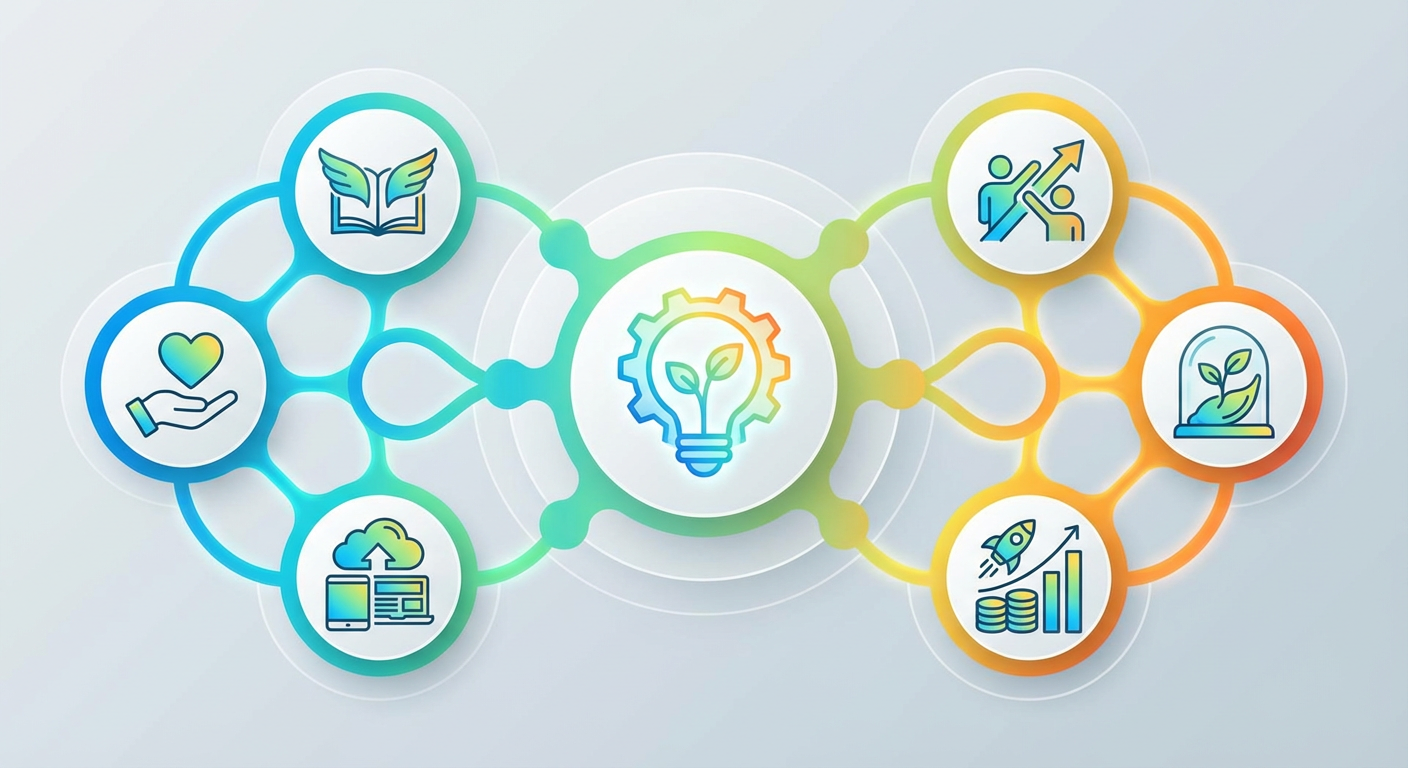
4. The Kid-Preneur Ecosystem: Support, Education, and Mentorship
The burgeoning enthusiasm for entrepreneurship among digital natives, particularly Generation Z, is not occurring in a vacuum. Rather, it is being nurtured and amplified by a rapidly expanding and increasingly sophisticated support infrastructure. This ecosystem, designed to cultivate and empower young founders, encompasses a range of stakeholders from early education providers and mentorship programs to innovative financial and incubation mechanisms. As the entrepreneurial ambitions of young people surge—with 76% of teenagers (13–17) in 2023 indicating they are likely to consider becoming entrepreneurs, a notable increase from approximately 60% in 2022[1][2]—the demand for robust support systems has grown commensurately. This section undertakes a deep dive into the multifaceted components of this evolving ‘kid-preneur’ ecosystem, examining how it provides crucial resources, knowledge, and guidance to transform nascent ideas into viable ventures. The shift in career aspirations amongst Gen Z, who are less interested in traditional 9-to-5 roles and more drawn to self-employment, underscores the necessity of this support. Surveys highlight Gen Z’s unique entrepreneurial edge, with 64% of those aged 16–25 in the UK having already started or planning to start a business in 2023, nearly double the rate of the general adult population[4]. Such statistics point to a generational pivot towards self-driven ventures, necessitating a tailored ecosystem to address their distinct needs, leveraging their digital fluency and mission-driven approach. The success of kid-preneurs today is intimately tied to the availability of tailored educational programs, accessible mentorship, and innovative financial avenues that understand and mitigate the unique challenges faced by underage founders.
4.1. The Foundation: Early Entrepreneurship Education Programs
The bedrock of the kid-preneur ecosystem lies in robust early entrepreneurship education. Recognizing the rising tide of youth entrepreneurial intent, educational institutions and non-profit organizations globally are increasingly embedding business and startup skills into curricula, often starting at surprisingly young ages. This proactive approach aims to equip young people with the foundational knowledge, critical thinking, and practical skills necessary to navigate the complexities of launching and managing a venture.
4.1.1. The Role of Non-Profits and Formal Education
Organizations like Junior Achievement (JA) stand at the forefront of this educational movement. Junior Achievement, the largest global youth-business education non-governmental organization, achieved a significant milestone in 2023 by delivering a record-breaking 17.3 million youth entrepreneurship learning experiences. This figure represents its highest engagement in over a century of operation and marks a substantial increase from approximately 15 million experiences in 2022[10]. Such widespread participation underscores the growing demand for formal entrepreneurship education and JA’s critical role in meeting it. These programs are diverse, ranging from:
- In-class curriculum: Many middle and high schools now incorporate dedicated modules or courses that teach fundamental business principles. These can cover everything from market research and product development to basic financial literacy and marketing strategies.
- Experiential learning programs: JA’s Company Program, for instance, offers a highly practical approach where teenagers collectively launch and operate miniature businesses over the course of a school year. This hands-on experience allows them to grapple with real-world scenarios, make decisions, and understand the cyclical nature of business operations.
- Children’s Business Fairs and Pitch Competitions: Extending entrepreneurship education to even primary school levels, these events provide a low-stakes environment for young children to practice selling goods, develop marketing pitches, and interact with customers. These activities foster creativity, problem-solving, and confidence from an early age.
Beyond non-profits, governmental bodies are also prioritizing entrepreneurship education. The European Union, for example, along with numerous national education ministries, has made entrepreneurship a key competency to be integrated into educational frameworks by 2025. This commitment reflects a growing recognition that entrepreneurial skills are not just for future business owners but are vital for all citizens in a rapidly changing global economy. This early exposure helps build crucial skills such as problem-solving, innovation, and financial literacy. These skills are particularly critical when considering that over 56% of teens indicate they need “more information on how to be successful” as entrepreneurs[12].
4.1.2. Addressing Learning Gaps and Skill Development
The emphasis on formal education is a direct response to a perceived learning gap among aspiring young entrepreneurs. While youth entrepreneurial ambition is soaring, the practical know-how often trails behind. Surveys reveal that 37% of teens desire entrepreneurship courses in school, while 45% express a wish to learn business skills directly from successful entrepreneurs[12]. These figures highlight a clear demand for structured learning and practical insights. Entrepreneurship education aims to cultivate a range of competencies vital for success:
- Financial Literacy: Teaching young people how to manage funds, understand profit and loss, and make informed financial decisions is paramount.
- Problem-Solving and Critical Thinking: Entrepreneurship inherently involves identifying and solving problems, fostering an agile and adaptive mindset.
- Communication and Presentation Skills: Pitching ideas, negotiating with suppliers, and selling to customers all require effective communication.
- Resilience and Adaptability: The entrepreneurial journey is fraught with challenges, and education can help instill the persistence required to overcome setbacks.
By providing these foundational skills, early entrepreneurship education programs play a pivotal role in democratizing access to business knowledge, making the path to self-employment more accessible and less daunting for a wider demographic of young people. This robust educational backbone ensures that the surge in entrepreneurial interest is met with concrete opportunities for learning and development.
4.2. The Guiding Hand: Mentorship and Role Models
Beyond formal education, the guidance and wisdom of experienced individuals are indispensable for young entrepreneurs. Mentorship provides practical advice, emotional support, and networking opportunities that are often beyond the reach of a young person. The value of mentorship is recognized by the youth themselves, with nearly one-third of teens (32%) indicating that they would need a business-owner role model to guide them if they were to start a business[12].
4.2.1. The Impact of Mentors and Role Models
Mentors serve several crucial functions within the kid-preneur ecosystem:
- Knowledge Transfer: Mentors share invaluable insights gained from their own experiences, helping young entrepreneurs avoid common pitfalls and make more informed decisions.
- Credibility and Networking: A mentor can open doors to crucial contacts, suppliers, and potential partners, lending credibility to a young founder who might otherwise be overlooked due to age. For instance, Daymond John’s mentorship was instrumental for Moziah Bridges (Mo’s Bows) in securing major partnerships and scaling his brand[17].
- Emotional Support and Confidence Building: The entrepreneurial journey can be daunting, especially for young individuals. Mentors provide encouragement, helping young founders navigate challenges and maintain self-belief.
- Practical Guidance: From advising on legal structures to supply chain logistics, mentors offer hands-on advice that fills gaps in a young person’s practical business knowledge.
Numerous organizations have been established to facilitate these vital mentor-mentee relationships. The Young Entrepreneurs Academy (YEA!) in the U.S. is one such program, diligently connecting young aspiring business owners with local business leaders. Corporate-sponsored initiatives are also gaining traction, such as the “Launch Lesson” program by EY and Junior Achievement, which brings seasoned entrepreneurs into high school classrooms to share real-world insights and inspire the next generation[12]. Case studies vividly illustrate the profound impact of mentorship. Mikaila Ulmer, who founded Me & the Bees Lemonade at age 4½ [18], credits her success to the unwavering support and guidance from her parents and a network of mentors. This collective wisdom was crucial in navigating the complexities of scaling production and distribution of her product[19][20]. Similarly, Daymond John’s mentorship for Moziah Bridges, founder of Mo’s Bows, was pivotal in the latter’s journey to securing an NBA licensing partnership, a feat that would be incredibly difficult for a lone teenager to achieve[17].
4.2.2. The Changing Parental/Caregiver Role
Crucially, the primary mentors for many kid-preneurs are often their parents or caregivers. These adults frequently undertake responsibility for the legal and logistical aspects of the business, such as establishing an LLC, managing finances until the child reaches legal age, and co-signing important documents. In many instances, parents also provide the initial capital, essentially acting as the first angel investors. Akshay Ruparelia, the teen who launched Doorsteps.co.uk at 17, famously convinced his family to mortgage their home to secure seed funding, a bold move that highlights substantial parental belief and commitment[21]. However, experts caution that this parental involvement must be supportive rather than overbearing. The child should remain the imaginative driver of the business to ensure they are genuinely learning from the experience and that the venture remains empowering rather than solely a source of pressure[22][23]. As the kid-preneur phenomenon grows, more resources are emerging to guide parents, emphasizing adherence to child labor laws, balancing business with education, and creating an environment where entrepreneurship is a fun and developmental journey.
4.3. Fueling Ambition: Financial and Incubation Support Mechanisms
Perhaps one of the most critical, yet historically challenging, aspects for young entrepreneurs is securing financial backing and access to incubator resources. Traditional funding avenues are typically inaccessible to minors due to a lack of credit history, collateral, and legal standing. Recognizing this gap, innovative solutions are emerging to provide young founders with the capital and structured support needed to grow their ventures.
4.3.1. Evolving Financial Landscapes for Young Founders
Historically, accessing capital has been a significant barrier for youth-led firms. The International Trade Centre notes that 82% of youth-led businesses seek external funding, yet they are significantly less likely to secure traditional bank financing than adult-led firms[9]. However, the ecosystem is evolving rapidly:
- Venture Capital and Angel Investment: A notable trend points towards increasing institutional investment in teen-led startups. By 2025, a prominent Silicon Valley venture capitalist, Kevin Hartz, had reportedly allocated approximately 20% of his fund’s capital to businesses founded by teenagers, a substantial increase from just 5% two years prior[9]. This demonstrates a growing confidence in the potential of young innovators. Programs like the Thiel Fellowship and new teen accelerator grants further exemplify this shift, mainstreaming the idea of backing promising youth founders.
- Crowdfunding: Platforms like Kickstarter and Indiegogo have become viable alternatives for minors to raise seed money, often with a parent co-signing as the legal principal. This democratizes access to small-scale financing, allowing young entrepreneurs to test market demand and secure initial capital from their networks and beyond.
- Micro-grants and Awards: Numerous competitions and foundations offer grants specifically for young entrepreneurs. These funds, while often smaller, can be crucial for covering initial operational costs, prototype development, or marketing efforts without requiring equity.
- Fintech Innovations: The rise of bank accounts and payment platforms tailored for minors, often managed under parental oversight, is easing transactional barriers. These tools empower young entrepreneurs to manage their business finances more independently and efficiently.
Despite these advancements, it’s worth noting that underage entrepreneurs still widely require adult involvement for formal legal processes, such as contract signing or company incorporation. This underscores the continued importance of parental or guardian support in navigating the legal and financial landscape.
4.3.2. Incubation and Acceleration Services
Beyond direct funding, incubation and acceleration programs are emerging to provide structure and resources for burgeoning youth ventures. These programs typically offer:
- Structured Learning: Workshops and seminars on business planning, marketing, legal compliance, and financial management.
- Networking Opportunities: Connections to other founders, mentors, investors, and potential customers.
- Office Space and Resources: Access to shared workspaces, equipment, and sometimes administrative support.
- Mentorship: Intensive, personalized guidance from experienced entrepreneurs and industry experts, distinct from general education programs.
While few incubators are exclusively for minors, a growing number are lowering their age requirements or developing special tracks for younger founders. The increasing validation of teen-led companies by venture capitalists suggests that such specialized incubation support will become more prevalent, cultivating an environment where young talents can thrive.
4.4. Community and Peer Networks
Entrepreneurship can be an isolating journey, and this is especially true for young individuals who might be the only one among their peers pursuing such endeavors. To counteract this, a vital element of the kid-preneur ecosystem is the proliferation of community and peer networks. These platforms facilitate shared learning, moral support, and collaborative opportunities, ensuring young founders feel connected and supported.
4.4.1. The Power of Shared Experience
Peer networks benefit young entrepreneurs in several ways:
- Knowledge Exchange: Young founders can share personal experiences, challenges, and successes, learning from each other’s journeys in an accessible and relatable manner. Online forums, such as dedicated Reddit communities or Discord groups, have become popular spaces for this informal exchange.
- Motivation and Encouragement: Being surrounded by others who understand the unique pressures and excitement of entrepreneurship provides a strong sense of validation and motivation.
- Collaboration Opportunities: Peer networks often lead to partnerships, co-founding relationships, or mutual support in marketing and development efforts.
- Reduced Feelings of Isolation: Knowing that others are facing similar challenges helps combat the loneliness that can sometimes accompany the entrepreneurial path.
Regional and global events further amplify these networking opportunities. The “Africa Kidpreneur Summit 2025,” for instance, exemplifies efforts to connect young innovators across an entire continent, fostering a sense of shared purpose and collective advancement[24]. International competitions, such as the Diamond Challenge, invite high school entrepreneurs from around the globe to pitch business ideas, creating a competitive yet supportive environment that builds camaraderie and skills.
4.4.2. Alumni Networks and Ongoing Support
Youth entrepreneurship programs, such as those offered by Junior Achievement, often culminate in strong alumni networks. These networks provide ongoing support, connecting former participants with each other and with new cohorts. Alumni often transition into mentorship roles, guiding younger entrepreneurs through the early stages of their ventures. This cyclical process strengthens the overall ecosystem, ensuring continuous knowledge transfer and community building[25]. These community and peer networks are crucial for legitimizing youth entrepreneurship, transforming what might once have been viewed as solitary hobbies into serious, supported endeavors. They help young founders see themselves as part of a broader movement, fostering a sense of belonging and collective ambition that is vital for long-term engagement and success.
4.5. Challenges and the Road Ahead (2024–2025)
While the kid-preneur ecosystem is rapidly expanding and evolving, it is not without its challenges. Young entrepreneurs, despite surging interest and increasing support, face distinct hurdles ranging from personal management to legal complexities, and market competition. Understanding these challenges is crucial for refining the support infrastructure and ensuring the sustained growth and inclusivity of youth entrepreneurship moving forward.
4.5.1. Balancing Entrepreneurship with Youthful Responsibilities
One of the most persistent and impactful challenges for young entrepreneurs is the delicate balancing act between their business ventures and other crucial aspects of their lives, primarily education and personal development. Juggling rigorous schoolwork, extracurricular activities, and the demands of a startup can lead to significant stress and potential burnout. Many high-school CEOs effectively operate with “two full-time jobs” – student by day, entrepreneur by night. Intuit’s 2023 report highlighted that Gen Z founders frequently encounter challenges such as mental health strain and “digital burnout” stemming from the expectation of 24/7 connectivity to their businesses[7]. The pressure to succeed coupled with the inherent demands of teenage life can be overwhelming. The education system needs to adapt further to this reality. Some progressive schools are already offering academic credit for entrepreneurial projects or providing flexibility for student entrepreneurs, but this is far from universal. The coming years, 2024–2025, are likely to see increased discussion around safeguarding the well-being of young founders, ensuring they do not sacrifice their education or mental health for their ventures. Collaborative models, where young founders partner with adult co-founders to manage day-to-day operations, could become more prevalent, allowing the youth to focus on strategic vision and academic pursuits.
4.5.2. Access to Capital and Resources
Despite nascent efforts to support young entrepreneurs financially, access to capital remains a significant barrier. Traditional lenders are often hesitant to finance minors due to legal restrictions, lack of credit history, and perceived risk. While venture capital and angel investment in teen startups are growing, it constitutes a small portion of overall funding. According to the International Trade Centre, a substantial 82% of youth-led firms express a need for loans or external funding, yet they face greater difficulty in securing bank financing compared to adult-led businesses[9]. The current support system helps, but more innovative solutions are needed. These could include fintech lenders specifically designing micro-loans for minors with guardian co-signers, or the creation of more venture funds explicitly dedicated to teen innovators. Beyond capital, young entrepreneurs often lack access to fundamental business infrastructure, such as affordable legal counsel, accounting services, and expert advice, which puts their ventures at risk of avoidable mistakes. A survey revealed that over 50% of teens would not know how to start a business or would require substantial guidance[1]. To address these gaps, accelerators and incubators must expand their programs to be more accessible to younger age groups, and online educational platforms can develop tailored “entrepreneurship for teens” courses that simplify complex business elements.
4.5.3. Legal and Regulatory Hurdles
Being a minor inherently presents legal limitations that complicate entrepreneurial endeavors. In many jurisdictions, individuals under 18 cannot legally register a company, open business bank accounts independently, or sign binding contracts. This necessitates adult participation, often through parents or legal guardians, adding layers of complexity and potential control issues. Child labor laws also intersect awkwardly with youth entrepreneurship. A 14-year-old CEO, for example, is technically bound by the same hourly restrictions as any other minor employee, which can limit their capacity to dedicate time to their business. Furthermore, consumer protection and privacy laws, such as COPPA in the U.S., impose restrictions on how minors can operate websites or collect personal data, requiring careful navigation. Progress is being made in some regions; some are exploring policy adjustments to streamline processes for under-18s to be recognized as business owners, potentially through parental consent mechanisms for sole proprietorships. As the kid-preneur economy grows, there is an increasing call for clearer legal frameworks by 2025 that legitimize and protect young entrepreneurs, ensuring they are empowered to make business decisions while safeguarding against exploitation.
4.5.4. Competition and Credibility
As the marketplace becomes more saturated with young entrepreneurs, they will inevitably face increased competition and the ongoing challenge of establishing credibility. It can be difficult for a teenager to convince established suppliers, partners, or even customers of their ability to deliver reliably. However, this perception is gradually shifting. Inspirational success stories of teen founders are eroding skepticism, making it less surprising to encounter a successful 15-year-old online business owner or a 19-year-old fintech innovator. Society is slowly but surely normalizing the idea that age is not necessarily a barrier to entrepreneurial acumen. Indeed, some investors now actively seek out younger founders, recognizing their fresh perspectives and innate understanding of youth markets. A notable example is an Irish teenager’s AI startup, which successfully raised €1.2 million in 2025, demonstrating that sophisticated ventures by very young founders can attract substantial funding[26]. The shift in perception will be bolstered by more youth-centric pitching events and increased media coverage celebrating “Teen CEO” accomplishments, further building credibility for this cohort.
4.5.5. Outlook for 2024–2025: Maturing Ecosystem
The trend suggests that 2024–2025 will be pivotal years for the youth entrepreneurship ecosystem’s maturation. We can anticipate:
- More Structured Pathways: The emergence of more defined educational routes, perhaps even high school majors dedicated to entrepreneurship, and specialized university programs.
- Diversified Funding: A greater variety of funding options tailored to young entrepreneurs, including more grants, micro-loan facilities, and potentially specialized venture funds.
- Policy Evolution: Governments worldwide adapting legal frameworks to better support and protect young entrepreneurs, creating a more conducive regulatory environment.
- Innovation in Niche Markets: Youth-led companies driving innovation, especially in areas they are passionate about like sustainable products, education technology (edtech), and creator economy tools.
- Increased Societal Recognition: A continued normalization of young business leaders, leading to broader societal acceptance and opportunities.
A critical aspect of this maturation will be ensuring equity and inclusivity, providing entrepreneurial access to youth from all socioeconomic backgrounds. The momentum is undeniable; with sustained interest and continued technological empowerment, the kid-preneur phenomenon is set to profoundly reshape the business world beyond 2025, potentially fostering a new generation of industry titans who began their entrepreneurial journeys long before they reached adulthood. The evolution of the kid-preneur ecosystem marks a significant shift in how society views and supports its youngest innovators. As education, mentorship, and financial support mechanisms become more refined and accessible, the trajectory of youth entrepreneurship is poised for even greater acceleration and impact. The next section will delve into the economic impact and future trajectory of this phenomenon, quantifying its current contributions and forecasting its influence on the broader global economy. —
SOURCES
[1] Survey: Social Media Influencers Inspiring Teens to Consider Starting a Business — Junior Achievement USA / EY (Press Release via PR Newswire) — Nov 1, 2023
[2] 60% of teens want to launch businesses instead of working regular jobs — CNBC (Invest in You) — Mar 3, 2022
[4] The Great Rejuvenation: Majority of Generation Z aspire to be their own boss — Association of Accounting Technicians (AAT UK News) — Dec 2, 2022
[7] Why Gen Z is Redefining Entrepreneurship — Intuit Blog (Innovative Thinking series) — Oct 2023
[9] Youth Entrepreneurship Around the World (Fast Facts) — International Trade Centre (ITC News) — Jul 1, 2021
[10] JA Worldwide 2023 Year in Review — Junior Achievement Worldwide — 2023
[12] 60% of teens want to launch businesses instead of working regular jobs — CNBC (Invest in You) — Mar 3, 2022
[17] Meet the 13-Year-Old CEO Who Built a $200,000 Business and Is Mentored by Daymond John — Entrepreneur (reprint from Business Insider) — Sep 16, 2015
[18] Mikaila Ulmer (Me & the Bees Lemonade) — United States (2009–Present) — Entrepreneur
[19] Mikaila Ulmer’s Me & the Bees lemonade brand reaches $10.2M in revenue… — Black Dollar Magazine — Feb 2023
[20] 11 Successful Kid Entrepreneurs Keeping Their Eyes on the Prize — Entrepreneur — Feb 14, 2017
[21] Indian-origin teenager Akshay Ruparelia becomes UK’s youngest millionaire — Business Today (India) — Oct 17, 2017
[22] 11 Successful Kid Entrepreneurs Keeping Their Eyes on the Prize — Entrepreneur — Feb 14, 2017
[23] 11 Successful Kid Entrepreneurs Keeping Their Eyes on the Prize — Entrepreneur — Feb 14, 2017
[24] Home – Kidspreneurs Uganda
[25] JA Worldwide 2023 Year in Review — Junior Achievement Worldwide — 2023
[26] Teen founder raises over €1m — LinkedIn — Feb 2, 2025

5. Innovation and Values: Distinctive Traits of Youth-Led Businesses
The burgeoning landscape of youth entrepreneurship, heavily influenced by the rise of “kid-preneurs,” is not merely a quantitative surge in the number of young business owners. More profoundly, it represents a qualitative shift in how businesses are conceived, operated, and valued. Digital natives, the predominant force behind this entrepreneurial wave, are imbuing their ventures with characteristics that set them apart from traditional business models, often challenging established norms and prioritizing different objectives. This section delves into the distinctive traits of these youth-led businesses, examining their passion-driven origins, unwavering commitment to purpose and social impact, lean and innovative operational strategies, and non-traditional funding approaches. By understanding these unique attributes, we can better appreciate how this generation is not just participating in the economy, but actively reshaping it through fresh perspectives and digital fluency.
Passion and Purpose: Driving Forces Beyond Profit
One of the most striking differences distinguishing youth-led businesses from many traditional ventures is their inherent connection to personal passion and a strong sense of purpose. While profit remains a necessary component for sustainability, it is often interwoven with, or even secondary to, a broader mission. This alignment between personal interest and business endeavor fosters authenticity and resilience, resonating deeply with both founders and their target audiences.
From Hobby to Enterprise: Monetizing Authentic Interests
A significant number of young entrepreneurs embark on their business journeys by monetizing activities they genuinely enjoy or problems they personally encounter. This direct link between passion and product or service cultivates an authentic brand identity that often appeals to peers and like-minded consumers. For instance, a teen who is passionate about sustainable fashion might start an upcycled clothing line, or a young gamer might develop custom gaming accessories. These ventures often stem from a desire to fill a perceived gap in the market for their age group, reflecting a keen understanding of their demographic’s needs and preferences. Instead of seeking market validation for a cold business idea, kid-preneurs often start with an intrinsic understanding of their target consumer because they *are* the target consumer. The underlying authenticity generated by this passion-driven approach translates into a unique competitive advantage, enabling young founders to speak with authority and genuine enthusiasm about their offerings. This is a critical distinction, as traditional businesses often strive to create a veneer of authenticity through marketing, while for many youth-led ventures, authenticity is foundational.
Purpose-Driven at the Core: Beyond the Bottom Line
Perhaps the most defining characteristic of youth-led businesses is their strong emphasis on purpose and social or environmental impact. This is not merely a corporate social responsibility initiative retrofitted onto an existing business; for Gen Z founders, purpose is often an immutable aspect of their company’s DNA from its inception. Research indicates that a substantial majority—over 80% of Gen Z founders globally—classify their businesses as “purpose-driven”[6]. While 74% still acknowledge the importance of maximizing profitability, they concurrently state that they prioritize purpose over profit[8]. This dual focus suggests a nuanced understanding of success, where financial gains are viewed not as an end in themselves, but as a means to achieve a greater good. Young entrepreneurs are keenly aware of global challenges such as climate change, social inequality, and mental health issues, and they see their businesses as platforms for addressing these concerns. Consider Mikaila Ulmer of Me & the Bees Lemonade, who, at age 4, was inspired to help save honeybees. Her business, which began with a lemonade stand, has explicitly committed 10% of its profits to bee conservation efforts, integrating its social mission directly into its financial model[11]. This is not just philanthropy; it is a core value proposition that resonates deeply with environmentally conscious consumers. Similarly, a 13-year-old like Gitanjali Rao, who developed a low-cost method to detect lead in water, epitomizes a youth-led social enterprise grounded in innovation and a desire to solve real-world problems. For these individuals, the business serves as a tangible vehicle for change. This values-driven approach has several implications. First, it attracts a specific segment of consumers who are increasingly prioritizing ethical and sustainable brands. Second, it can foster greater employee loyalty among a generation that seeks meaning in their work. Third, it has begun to influence how external partners and investors engage with these ventures. For example, American Express partnered with The Conduit to launch a program specifically designed to support purpose-led young businesses, recognizing the strategic importance of aligning with these values[25]. The integration of purpose from day one presents a stark contrast to older companies that may adopt social responsibility initiatives later in their lifecycle, often perceived as less authentic. For kid-preneurs, this is not an add-on; it is an inherent part of their brand identity and a key differentiator in a crowded market.
Lean and Innovative Operational Models
Living in a digitally saturated world has conditioned young entrepreneurs to leverage technology and adopt agile strategies, leading to operational models that are lean, flexible, and often highly innovative. These approaches allow them to launch with minimal capital and iterate rapidly, characteristics that traditional businesses often struggle to achieve.
Digital-First Foundations: The Power of Online Platforms
The overwhelming majority of youth-founded businesses are “born online,” demonstrating a native fluency with digital tools and platforms. A 2023 Square report highlighted that 80% of Gen Z entrepreneurs launched their businesses either entirely online or with a significant mobile component from the outset[3]. This digital-first strategy dramatically lowers barriers to entry. A teenager can establish an e-commerce presence via Shopify, Etsy, or even directly through Instagram within hours, often at a negligible cost. This bypasses the need for physical storefronts, extensive overheads, or complex supply chains that historically constrained entrepreneurial aspirations among youth. This digital nativity extends beyond mere sales channels. Young entrepreneurs adeptly utilize a suite of free or low-cost software for various business functions:
- Design: Tools like Canva enable professional-looking branding and marketing materials.
- Marketing: Social media platforms such as TikTok, Instagram, and YouTube serve as primary channels for customer acquisition and brand building.
- Customer Service: Chatbots and AI-powered tools can handle initial customer inquiries, making a small operation appear larger and more responsive[26].
- Logistics: Dropshipping and print-on-demand services allow youth to sell products without managing inventory, further reducing capital requirements and logistical complexities.
This resourcefulness enables them to maintain extremely lean operations, focusing capital on essential areas while automating or outsourcing non-core functions.
Social Media as a Business Incubator and Marketing Engine
For many youth ventures, social media is not just a marketing channel; it effectively functions as a business incubator and a direct sales platform. Platforms like TikTok and YouTube have blurred the lines between content creation and commerce, allowing young individuals to monetize their personal brands and creativity directly. The phenomenon of “kid influencers” exemplifies this perfectly. Ryan Kaji, for instance, started unboxing toys on YouTube at age three and, by age eight, was earning an estimated $26 million annually through ad revenue and branded merchandise[14]. His brand, Ryan’s World, has since expanded into toys, apparel, and a television show, demonstrating the immense potential of leveraging a strong online presence[29]. This model allows young entrepreneurs to cultivate a built-in audience that can be directly converted into customers, bypassing traditional advertising expenditures. The explosive growth of child influencers, with over 83,000 Instagram accounts run by minors under 16 in India alone reporting a 41% jump in one year (April 2024 to March 2025)[10], underscores the commercial viability of this approach.
Agile Development and Iteration
The digital native generation is accustomed to rapid technological advancements and continuous iteration in software and online services. This mindset translates into their business operations. Young founders are comfortable with a “build fast, fail fast” approach, quickly prototyping ideas, soliciting feedback from their online communities, and adapting their products or services accordingly. They often engage in “building in public,” sharing their progress and challenges with their followers, which fosters transparency and customer loyalty. This agile methodology allows them to remain responsive to market trends and consumer preferences, a critical advantage in fast-evolving sectors.
Non-Traditional Funding Approaches
Youth entrepreneurs frequently encounter significant hurdles in accessing conventional funding sources due to their age, lack of credit history, and limited collateral. This necessity has spurred innovative and non-traditional approaches to financing their ventures.
Bootstrapping and Reinvestment
The most common funding method for youth businesses is bootstrapping. A 2023 Square report found that nearly 45% of Gen Z business owners started by utilizing personal savings[28], often accumulated from small jobs, gifts, or allowances. These initial investments are typically modest, reflecting the lean nature of their startups. A key strategy is to reinvest profits from early sales back into the business, allowing for organic growth without external debt or equity dilution. This approach aligns with the Gen Z desire for control and autonomy, as many young founders wish to avoid traditional venture capital funding that might impose external pressures or dilute ownership[31].
Crowdfunding and Micro-grants
Crowdfunding platforms like Kickstarter and GoFundMe provide an accessible avenue for young entrepreneurs to raise seed capital from a broad base of individuals who believe in their idea or mission. While often requiring parental oversight for legal purposes, these platforms allow minors to bypass traditional financial gatekeepers. The narrative of a passionate young founder trying to bring an innovative product to life can be particularly compelling to crowdfunding audiences. Additionally, the ecosystem for youth entrepreneurship is seeing an increase in micro-grants and competitions specifically designed for young innovators, offering non-dilutive funding to promising ventures.
Venture Capital and Angel Investment in Youth
While traditional venture capital has historically focused on more mature startups, there is a growing recognition of the untapped potential in youth-led ventures. Some prominent venture capitalists are actively shifting their focus towards younger founders. By 2025, one Silicon Valley VC reportedly had approximately 20% of his fund’s capital invested in teenage-founded startups, a significant increase from 5% just two years prior[9]. This emerging trend signals a growing confidence in the innovative capacity and market understanding of young entrepreneurs. Programs like the Thiel Fellowship, which offers grants to young individuals under 23 to pursue entrepreneurial ventures instead of traditional university paths, further validate this shift. These investment decisions are often driven by an appreciation for:
- The fresh perspectives youth bring to problem-solving.
- Their innate understanding of emerging consumer trends, particularly within the Gen Z and Alpha demographics.
- Their rapid adoption of new technologies and agile business models.
However, these investments are still relatively niche, and young founders often need to present compelling cases, emphasizing not just profitability but also viral potential or significant social impact to attract modern investors.
Influencer Income as Startup Capital
A uniquely modern funding model involves leveraging an existing online presence and influencer income to bootstrap a new venture. Ryan Kaji’s journey, where his YouTube earnings and brand partnerships financed the expansion of “Ryan’s World” into a vast merchandise empire, is a prime example[29]. Many young content creators build a substantial audience first and then launch products or services directly to their built-in customer base. This approach essentially turns social capital into financial capital, demonstrating an innovative fusion of the creator economy and traditional entrepreneurship.
Challenges and the Road Ahead (2024–2025)
Despite their innovative spirit and strong values, youth-led businesses face distinct challenges that will shape their trajectory in 2024-2025. Addressing these hurdles is crucial for the sustainable growth and maturation of the kid-preneur ecosystem.
Balancing Act: Education, Business, and Well-being
Perhaps the most fundamental challenge for young entrepreneurs is balancing their burgeoning businesses with academic responsibilities and personal development. Many operate as “two full-time job” individuals—students by day, CEOs by night. This intense schedule can lead to significant stress, impacting mental health and increasing the risk of burnout, a concern noted for Gen Z founders who often feel pressure to be “always online”[24]. The ecosystem is beginning to respond with supportive measures:
- Some educational institutions offer academic credit for entrepreneurial projects or provide flexible schedules.
- Parents and mentors play a critical role in helping young founders manage their time and prioritize well-being.
Moving forward, there will likely be increased focus on fostering collaborative models, where teen founders might partner with adult co-founders to manage operational complexities, allowing the youth to concentrate on innovation and their education.
Access to Capital and Support Infrastructure
While non-traditional funding avenues are expanding, access to substantial capital remains a significant barrier. Traditional financial institutions are hesitant to lend to minors, and even with growing VC interest, most young founders still lack the networks and experience to navigate complex funding rounds. The International Trade Centre notes that 82% of youth-led firms require external funding but are less likely to secure bank financing than adult-led firms[9]. The coming years could see:
- The emergence of more fintech solutions offering micro-loans for minors, possibly requiring parental co-signers.
- A greater proliferation of accelerators and incubators specifically designed for young entrepreneurs, providing not just funding but also critical legal, accounting, and operational guidance.
- Online platforms providing “entrepreneurship for teens” courses to bridge significant knowledge gaps, as over 50% of teens admit they would require substantial guidance to start a business[12].
Legal and Regulatory Complexities
Operating a business as a minor is fraught with legal limitations. Minors typically cannot:
- Formally register a limited liability company (LLC) or sign most commercial contracts.
- Open business bank accounts independently.
- Adhere to child labor laws if they attempt to “employ” themselves or others.
These restrictions necessitate significant parental involvement, which, while beneficial for guidance, adds a layer of complexity. Policymakers are gradually taking notice, with potential future discussions around creating simplified legal frameworks for teen-run sole proprietorships or clarifying child labor regulations in an entrepreneurial context. The goal is to empower young entrepreneurs while safeguarding their welfare and ensuring compliance with consumer protection and privacy laws (such as COPPA).
Credibility and Competition
As the market becomes more saturated with youth-led ventures, competition will intensify. Young entrepreneurs will face the ongoing challenge of establishing credibility with customers, suppliers, and partners who may initially doubt a teenager’s business acumen. However, this barrier is diminishing with each success story. Notable examples like Mikaila Ulmer, Ryan Kaji, Akshay Ruparelia, and Moziah Bridges are normalizing the idea that age is not a prerequisite for entrepreneurial success. Akshay Ruparelia, who launched Doorsteps.co.uk at 17 and saw it valued at £12 million within two years, proved that a strong, innovative idea can disrupt established industries regardless of the founder’s age[12]. The significant investment from a top VC fund into teen-led startups, and the success of ventures like an Irish teen’s AI startup raising €1.2 million, underscores a changing perception in the investment community[34]. This growth in credibility is expected to continue through 2024-2025, leading to more youth-centric pitching events, increased media coverage of young CEOs, and a greater willingness from established companies to collaborate with these agile, trend-savvy startups, as evidenced by Moziah Bridges’ licensing deal with the NBA[13].
Conclusion: Reshaping the Future of Commerce
The distinctive traits of youth-led businesses—their passion-driven origins, unwavering commitment to purpose, lean operational models, and innovative funding approaches—are fundamentally reshaping the entrepreneurial landscape. Digital native entrepreneurs are not just launching businesses; they are weaving their values and digital fluency into the very fabric of their ventures, creating companies that are authentic, socially conscious, and agile. While challenges related to funding, legal frameworks, and work-life balance persist, the evolving ecosystem of support systems, mentorship, and growing investor confidence suggests a bright future for this cohort. As these kid-preneurs mature, they are poised to leave an indelible mark on the global economy, driving innovation in diverse sectors and setting new standards for what it means to build a successful and meaningful enterprise. Their journey over 2024-2025 will be critical in solidifying their role as a powerful and transformative force in the world of commerce. The next section will delve into the societal and economic impact of this youth entrepreneurship boom, exploring its implications for labor markets, innovation, and educational pathways.
6. Challenges and Outlook: Navigating the Future of Youth Entrepreneurship
The burgeoning landscape of youth entrepreneurship, propelled by digital natives and a shifting generational mindset, is undeniably exciting. However, this transformative wave does not come without its inherent complexities and obstacles. While the ease of digital entry and the heightened entrepreneurial ambitions of Gen Z and Alpha paint an optimistic picture, young founders face distinct challenges that often differentiate their journey from that of adult entrepreneurs. These hurdles range from balancing academic responsibilities with business operations and securing adequate capital, to navigating intricate legal frameworks and standing out in increasingly competitive markets. Understanding these challenges is crucial for fostering an environment that truly supports the long-term success of kid-preneurs. This section delves into these unique difficulties, examines emerging solutions, and projects the outlook for youth entrepreneurship in 2024–2025, considering its potential long-term impact on global business landscapes. Despite the obstacles, the commitment demonstrated by these young innovators suggests a resilient and growing segment of the economy, poised to reshape traditional notions of career and commerce.
6.1 The Intricate Balancing Act: Education, Personal Life, and Business Demands
One of the most significant and pervasive challenges for kid-preneurs is finding equilibrium between their entrepreneurial pursuits and their age-appropriate responsibilities, primarily education and personal development. Unlike adult entrepreneurs who often have the luxury of dedicating full-time attention to their ventures, young founders must navigate a complex schedule that includes school, homework, extracurricular activities, and maintaining a healthy social life. This juggling act can lead to considerable pressure and, in some cases, burnout. The demands of running a business are substantial, even for a nascent venture. Tasks such as product development, marketing, customer service, and financial management require significant time and mental energy. When these responsibilities are layered onto a full academic schedule, the potential for stress and exhaustion is high. Many high-school CEOs effectively operate with “two full-time jobs” – student by day, entrepreneur by night [7]. This relentless pace can detract from academic performance, social interactions, and crucial periods of rest and creative play necessary for healthy development. The Intuit Blog, for example, highlights how Gen Z founders report challenges such as mental health strain and “digital burnout” stemming from the expectation of 24/7 online presence required to run and promote their businesses effectively [7]. The issue of burnout extends beyond just managing time; it also impacts mental well-being. The constant pressure to perform both academically and commercially can lead to anxiety, sleep deprivation, and a diminished enjoyment of childhood. While entrepreneurial endeavors can teach invaluable life skills, an imbalance risks undermining the very foundation of a child’s growth. Solutions to this balancing act require a multi-pronged approach involving parents, schools, and the wider support ecosystem. Supportive parents play a pivotal role in setting boundaries, managing schedules, and providing practical assistance to alleviate the load. Case studies like Mikaila Ulmer of Me & the Bees Lemonade exemplify this, where her parents guided the business in its early stages [11]. Schools also have a critical role to play: some forward-thinking educational institutions are beginning to offer academic credit for business projects or provide flexibility for students actively running businesses. This recognition allows young entrepreneurs to integrate their ventures into their academic journey rather than view them as separate, competing demands. The rise of “project-based learning” and dedicated entrepreneurship programs in schools (as demonstrated by Junior Achievement’s record 17.3 million youth learning experiences in 2023 [10]) indicates a growing understanding of the need to merge academic and entrepreneurial education. Furthermore, the next few years, specifically 2024–2025, are likely to see increased discussion and development of strategies to ensure that kid-preneurs do not sacrifice their education or well-being for their businesses. This might include more structured guidance on effective time management, stress reduction techniques tailored for young entrepreneurs, and an increased focus on the importance of breaks and leisure. We may also observe a rise in collaborative models, where teen founders partner with adult co-founders or experienced advisors who can handle certain operational aspects, allowing the youth to focus on their core ideas and academic commitments. This approach maintains the youthful innovation while ensuring responsible business development and safeguarding the child’s welfare.
6.2 Access to Capital and Critical Resources
Securing financial capital and necessary business resources represents another formidable hurdle for kid-preneurs. Traditional funding avenues, such as bank loans or lines of credit, are typically inaccessible to minors due to their lack of credit history, collateral, and legal standing to enter into formal contracts. This inherent disadvantage necessitates creative and alternative funding strategies. The International Trade Centre (ITC) reported that 82% of youth-led firms express a need for loans or external funding, yet they are significantly less likely to secure bank financing compared to adult-led firms [9]. This statistic underscores the systemic bias against young entrepreneurs in traditional financial institutions. Without initial capital, even the most innovative ideas can fail to launch or struggle to scale beyond a hobby. However, the ecosystem is slowly adapting to address this gap. The growth of youth-focused grants and entrepreneurship competitions is providing some relief. Organizations like Junior Achievement often facilitate seed funding through pitching events, while programs like the Thiel Fellowship and new student venture funds offer grants or early funding to promising entrepreneurs under 20. A significant shift highlighted in the research is the increasing interest from venture capitalists (VCs) in backing teen-led startups. TechCrunch reported that by 2025, one prominent Silicon Valley VC had approximately 20% of his fund’s capital invested in teenage-founded startups, a fourfold increase from 5% two years prior [15]. This trend indicates a growing recognition of the untapped potential and market viability of these young ventures by more sophisticated investors. Table 6.1: VC Investment in Teen-Led Startups (Example VC Fund) | Year | Percentage of Fund Invested in Teen Startups | | :— | :——————————————- | | 2023 | 5% | | 2025 | ~20% | Beyond formal investment, kid-preneurs often rely on bootstrapping and crowdfunding. Square’s report notes that nearly 45% of Gen Z business owners started their ventures using personal savings [4], often small amounts accumulated from summer jobs or gifts. Reinvesting early profits is another common strategy, allowing businesses to grow organically while keeping overhead low. Crowdfunding platforms like Kickstarter have also proven effective, with minors successfully raising seed money (typically with a parent co-signing or managing the account). The rise of fintech innovations, including bank accounts and payment platforms designed specifically for teens, is further easing transactional barriers, making it simpler for young entrepreneurs to manage their finances. Beyond capital, access to other critical resources, such as legal counsel, accounting services, and structured business advice, is often lacking. Many teens, as one survey indicated, would not know how to pursue starting a business or would require significant guidance [14]. This highlights a critical learning gap. The outlook for 2024–2025 suggests that accelerators and incubators may increasingly extend their programs to younger age groups, providing not just mentorship but also access to professional services at subsidized rates or through partnerships. Online educational platforms are expected to expand their “entrepreneurship for teens” courses, offering practical guidance on everything from legal compliance to marketing strategies. These developments are essential to level the playing field and ensure that a lack of resources does not stifle promising youthful innovation.
6.3 Navigating Legal and Regulatory Minefields
The legal landscape presents a complex maze for underage entrepreneurs. Being a minor inherently comes with legal limitations that complicate business operations. In most jurisdictions, individuals under 18 cannot legally register a limited liability company (LLC), open a business bank account independently, or sign binding contracts. This necessitates adult participation, typically from a parent or legal guardian, to act on their behalf. While parental involvement is crucial for support and guidance, it can also add layers of complexity, blurring the lines of ownership and responsibility. Consider the example of Mikaila Ulmer, whose parents played a significant role in establishing the legal and operational framework for Me & the Bees Lemonade, an essential step in securing a $60,000 investment from Daymond John [11]. Similarly, Ryan Kaji’s parents manage the multi-million dollar “Ryan’s World” enterprise, ensuring compliance with child labor and advertising laws [14]. This parental proxy model, while practical, also raises questions surrounding the legal autonomy of the young entrepreneur and potential for exploitation or undue influence. Child labor laws, designed to protect children from harmful working conditions, can create unique challenges for child entrepreneurs. For instance, a 14-year-old CEO technically cannot “employ” themselves for more hours than the law permits for underage workers, adding a layer of compliance complexity. Furthermore, digital businesses, where many kid-preneurs thrive, introduce specific regulatory considerations. Consumer protection laws, such as the Children’s Online Privacy Protection Act (COPPA) in the U.S., place strict limits on how websites and online services can collect and use data from children under 13. This impacts how young entrepreneurs design their platforms, market their products, and engage with their audience. The rapid growth of “kidfluencers,” particularly on platforms like Instagram where children under 16 represent a significant portion of content creators (over 83,000 in India alone by March 2025, a 41% jump in a year) [8], has further complicated matters, raising concerns about exploitation, transparency in advertising, and the long-term privacy of these young digital personalities. Some nations, like India, acknowledge this but lack specific laws to govern child influencers, relying on existing advertising codes which may not be fully adequate [8]. The outlook for 2024–2025 suggests a growing awareness of these legal gaps. There may be increased legislative discussions aimed at crafting clearer legal frameworks that legitimize and protect young entrepreneurs, while also empowering them to make business decisions with appropriate safeguards. Potential policy tweaks could include allowing teen-run sole proprietorships with parental consent or simplifying the process for minors to register as business owners for tax purposes. These changes would provide greater clarity and reduce the administrative burden on young founders and their families, ensuring that the entrepreneurial spirit isn’t stifled by outdated legal structures.
6.4 Intense Competition and Credibility Challenges
As the youth entrepreneurship ecosystem expands and becomes more visible, kid-preneurs face intensifying competition. This is a natural consequence of a burgeoning market where the barriers to entry, particularly online, are increasingly low. While digital platforms democratize access to entrepreneurship, they also mean that a teen launching an e-commerce store or a content channel now competes with millions of others globally. Standing out in a saturated market requires considerable creativity, strategic marketing, and often, resources that young entrepreneurs may lack. Beyond direct competition, there’s the ongoing challenge of credibility. Despite the increasing number of success stories, skepticism can persist, particularly from older customers, suppliers, or partners. A teenager might initially struggle to convince established businesses or discerning consumers that they possess the professionalism, experience, and reliability to deliver quality products or services. This perception can be a significant barrier, requiring young founders to work harder to build trust and demonstrate competence. However, this dynamic is rapidly evolving. The very phenomenon of “kid-preneurs” is gradually normalizing the idea that age is not necessarily a barrier to innovation or business acumen. Success stories like Akshay Ruparelia, who launched Doorsteps.co.uk at 17 and disrupted the UK real estate market, or Moziah Bridges, who secured an NBA licensing deal for Mo’s Bows while still a teenager, are instrumental in changing perceptions [12][13]. These examples demonstrate that fresh perspectives and a native understanding of digital trends can be powerful assets, often more valuable than traditional experience. In fact, the trend for 2024–2025 indicates a paradigm shift: some investors and corporations are actively seeking out young founders. VCs, recognising the future market, are increasingly betting on under-20 innovators for their fresh ideas and intrinsic understanding of youth markets [15]. The ability of an Irish teenager’s AI startup to raise €1.2 million by 2025 underscores that sophisticated ventures by very young founders can attract serious funding and credibility [16]. Table 6.2: Strategies for Building Credibility as a Kid-Preneur | Strategy | Description | Example | | :———————————- | :—————————————————————————————————— | :——————————————————————————————————- | | **Strong Online Presence** | Professional website, active and engaging social media channels. | A young artist showcasing their portfolio and client testimonials on Instagram and a professional site. | | **High-Quality Product/Service** | Delivering exceptional value consistently to build reputation. | A teen baker known for delicious, beautifully presented custom cakes. | | **Mentorship & Partnerships** | Leveraging the experience and network of adult mentors or collaborators. | Mo’s Bows and Daymond John’s mentorship [13]. | | **Transparency & Storytelling** | Sharing the entrepreneurial journey authentically, including age-related challenges and solutions. | Mikaila Ulmer’s “Me & the Bees” mission resonating with customers [11]. | | **Early Successes/Proof of Concept** | Demonstrating traction, positive customer feedback, or initial sales figures. | Akshay Ruparelia’s Doorsteps.co.uk quickly gaining market share [12]. | | **Professional Support** | Having adult advisors (legal, financial) to address formal business aspects. | Parents of child influencers assisting with contracts and compliance [14]. | Going forward, expect more youth-centric pitching events, startup accelerators tailored for younger age groups, and increased media coverage highlighting the accomplishments of “Teen CEOs.” These initiatives will further build collective credibility for this cohort, enabling young entrepreneurs to be judged more on their innovative capabilities and business results rather than their birth certificates.
6.5 Outlook for 2024–2025: Maturation and Long-Term Impact
The outlook for youth entrepreneurship in 2024-2025 is characterized by a rapid maturation of the existing ecosystem and an undeniable trajectory toward greater societal acceptance and integration. If current trends continue, the next couple of years will not only see more young individuals venturing into business but also a more robust and sophisticated support structure emerging around them.
6.5.1 Maturing Ecosystem and Structured Pathways
The increasing interest in entrepreneurship among teens (76% likely to consider it in 2023 [1]) combined with the proven potential of digital-first startups (80% of Gen Z entrepreneurs launch online [3]) suggests that the “kid-preneur” phenomenon is far from a fleeting trend. Instead, 2024–2025 will likely see:
- More Structured Education: High schools and even middle schools will increasingly integrate specialized entrepreneurship programs, offering direct pathways for students with business aspirations. Junior Achievement’s record 17.3 million learning experiences in 2023 [10] is a clear indicator of this growing demand and supply.
- Dedicated Funding Channels: The trend of VCs investing in teen-led startups, highlighted by one VC dedicating ~20% of his fund to them by 2025 [15], will likely broaden. We anticipate more micro-investment funds, angel networks, and potentially even government grants specifically targeting young innovators.
- Expanded Mentorship and Incubation: Existing accelerator programs will lower age barriers, and new incubators specifically for sub-18 founders will emerge, providing not just guidance but also access to legal, financial, and marketing expertise.
This structured growth will undoubtedly produce more well-rounded young entrepreneurs capable of navigating the complexities of business with greater confidence and fewer missteps.
6.5.2 Economic Impact and Employment Shifts
The long-term impact of this wave of youth entrepreneurship is potentially profound. With 73% of Gen Z entrepreneurs stating their business is their main source of income [4], these are not just hobbies; they are viable economic ventures. As these young entrepreneurs mature, their businesses have the potential to scale, creating significant employment opportunities. This could mean:
- Shift in Employment Patterns: A generation conditioned to “be their own boss” could lead to a higher percentage of self-employed individuals and a proliferation of micro- and small businesses, altering traditional labor market dynamics. This may reduce reliance on conventional corporate jobs, with 64% of UK Gen Z already aspiring to be their own boss [3].
- Innovation in Key Sectors: Gen Z’s inherent focus on purpose-driven business (74% prioritize purpose beyond profit [6]) means their ventures are likely to drive innovation in areas like sustainable products, ethical supply chains, EdTech, and creator economy tools. Their fresh perspectives could disrupt established industries.
- New Consumer Behaviors: A generation of entrepreneurs will likely foster a culture of supporting peer-founded brands and businesses that align with their values. This could lead to more dynamic, community-driven marketplaces.
6.5.3 Addressing Inclusivity and Equity
A critical aspect of the road ahead is ensuring that entrepreneurial opportunities are accessible to youth from all backgrounds, not just those with existing resources or proximity to established entrepreneurial hubs. While digital tools lower many barriers, disparities in internet access, digital literacy, and family support can still create unequal playing fields. Policies and programs in 2024–2025 will need to focus on:
- Bridging the Digital Divide: Ensuring equitable access to technology and digital skills training for all young people.
- Targeted Support: Developing specific programs for underprivileged youth, providing mentorship, funding, and resources that overcome socio-economic disadvantages.
- Parental Education: Offering resources and guidance to parents from diverse backgrounds on how to support their child’s entrepreneurial ambitions responsibly.
The strong commitment shown by these young founders, with 84% of Gen Z entrepreneurs planning to remain business owners five years from now [4], is a powerful indicator of their long-term resolve. This resilience, combined with a maturing ecosystem, positions the “kid-preneur” phenomenon to fundamentally reshape the business world well beyond 2025, potentially yielding the next generation of influential industry leaders who began their journey long before they could legally vote. The future business landscape will undoubtedly be more dynamic, purpose-driven, and youth-infused thanks to the current wave of kid-preneurs. Moving forward, the succeeding section will explore the ethical considerations and societal responsibilities that emerge from this growing trend, ensuring that the opportunities for young entrepreneurs are balanced with appropriate safeguards and guidance.
7. Case Studies: Notable Kid-Preneur Success Stories
The burgeoning landscape of youth entrepreneurship, fueled by digital fluency and a generational drive for autonomy and purpose, is best understood through the stories of its trailblazers. These “kid-preneurs” are not merely anomalies; they represent the tangible outcomes of the trends and insights discussed in earlier sections of this report. Their journeys, marked by innovation, resilience, and often, serendipitous opportunities, serve as powerful illustrations of how digital natives are reshaping traditional business models and achieving remarkable success at increasingly young ages. Their stories provide concrete examples of how digital platforms lower barriers to entry, how purpose-driven missions resonate with consumers, and how strategic mentorship and family support can catapult a nascent idea into a multi-million-dollar enterprise. This section delves into several prominent case studies, exploring their origins, key milestones, and the factors that contributed to their extraordinary achievements, offering invaluable lessons for aspiring young entrepreneurs and the ecosystem that supports them.
7.1. Mikaila Ulmer (Me & the Bees Lemonade): From Lemonade Stand to National Distribution
Mikaila Ulmer stands as a beacon of youth entrepreneurship, demonstrating how a simple idea rooted in passion and purpose can blossom into a nationally recognized brand. Her journey began in 2009 in Austin, Texas, when she was merely 4½ years old[42].
7.1.1. Inception and Mission-Driven Origins Mikaila’s entrepreneurial spark was ignited not by a desire for profit, but by a profound concern for honeybees. After being stung twice in a week, her parents encouraged her to research bees rather than fear them. What she discovered—the vital role bees play in the ecosystem and the existential threat they face—transformed her perspective. Inspired to help, she decided to create a product that would both raise awareness and contribute to bee conservation. She chose to make lemonade, using her great-grandmother Helen’s 1940s flaxseed lemonade recipe, which offered a unique health-conscious twist to a classic refreshment[42]. This early integration of a social mission into her business model exemplifies a defining trait of Gen Z entrepreneurship, where purpose often stands alongside profit as a core driver[11].
7.1.2. Key Milestones and Growth Trajectory Mikaila began selling her “BeeSweet Lemonade” at local events, farmers’ markets, and small pizzerias. The early days were characterized by significant parental involvement, which is a common and often critical factor in the success of young entrepreneurs, particularly given legal requirements for minors in business[37]. * Shark Tank Investment (2015): A pivotal moment arrived in 2015 when Mikaila, at age 9, appeared on ABC’s *Shark Tank*. She successfully pitched her vision and secured a momentous **$60,000 investment from Daymond John**[43]. This investment provided crucial capital for expansion and, perhaps more importantly, brought invaluable mentorship and credibility to her nascent brand. Daymond John’s guidance opened doors that would otherwise be inaccessible to a child, helping her navigate the complexities of scaling a beverage company. * Whole Foods Market Partnership: With the *Shark Tank* capital and mentorship, Mikaila’s brand, rebranded as **Me & the Bees Lemonade**, transitioned from regional farmers’ markets to retail shelves. Her partnership with Whole Foods Market was transformative, propelling her product into a prominent health-conscious grocery chain. Initially, the lemonade was distributed in the Southeast region of the U.S., a significant leap from her local Austin roots[44]. * National Expansion and Revenue: The brand’s growth continued steadily. By 2023, at age 18, Mikaila’s Me & the Bees Lemonade was available in **over 1,500 stores nationwide**[45]. The product line expanded beyond the original lemonade to include new flavors and honey-sweetened iced teas, catering to a broader consumer base. By this time, the company reported impressive **cumulative sales of $10.2 million**[45]. * Sustained Purpose: Throughout its growth, Me & the Bees Lemonade remained true to its founding mission. Mikaila committed to donating **10% of the company’s profits to bee conservation efforts**[46], a testament to the purpose-driven ethos that resonates deeply with Gen Z. This commitment has not only generated positive publicity but also fostered a passionate consumer base that aligns with the brand’s values.
7.1.3. Factors Contributing to Success Mikaila Ulmer’s journey offers several key takeaways for young entrepreneurs and those supporting them:
- Strong Social Mission: The core mission of saving honeybees provided Me & the Bees Lemonade with a compelling narrative and a unique selling proposition beyond just a refreshing drink. This resonated strongly with consumers and media alike, illustrating the Gen Z preference for purpose-driven businesses[11].
- Quality Product and Unique Recipe: Great-grandmother Helen’s flaxseed recipe distinguished the lemonade from competitors, offering a unique taste and health benefit that attracted a specific market segment.
- Early Media Exposure and Credibility: The *Shark Tank* appearance provided an unparalleled platform, generating national recognition and consumer trust at a critical early stage.
- Strategic Mentorship: Daymond John’s investment was not just financial; his ongoing mentorship was instrumental in guiding Mikaila through the complex phases of scaling production, distribution, and brand development. This highlights the crucial role of experienced guidance for young founders[27].
- Parental Support and Guidance: Mikaila’s parents played a vital role in managing the business’s operational, legal, and financial aspects during her formative years, allowing her to focus on the brand’s vision while ensuring compliance and stability[37].
- Adaptability and Expansion: The company’s ability to expand its product line and distribution channels demonstrated strategic thinking and a responsiveness to market opportunities.
Mikaila Ulmer’s continuous leadership into adulthood proves that the skills and mindset fostered in a young entrepreneur can translate into sustained long-term success.
7.2. Ryan Kaji (Ryan’s World): The YouTube Content Creation Empire
Ryan Kaji epitomizes the digital native entrepreneur, transforming childhood play into a global content and merchandise empire through the power of online platforms.
7.2.1. Digital Genesis and Authentic Content Ryan’s entrepreneurial journey began in 2015, at the tender age of **3 years old**[47]. With the assistance of his parents, he started posting videos on YouTube where he unboxed and reviewed toys. The channel, initially named “Ryan ToysReview,” quickly captivated a young audience with Ryan’s genuine enthusiasm and cheerful reactions to new toys. This authentic, unscripted content resonated deeply, leading to rapid subscriber growth and billions of views. His story is a prime example of how digital platforms like YouTube lower barriers to entry, allowing individuals with creativity and an engaging presence to build a colossal audience from virtually anywhere.
7.2.2. Explosive Growth and Diversification Ryan’s popularity skyrocketed, quickly making him one of YouTube’s most financially successful creators.
- Top Earner Status: By 2019, at just **8 years old**, Ryan earned an estimated **$26 million in a single year**. The following year, from 2019 to 2020, his earnings climbed to a staggering **$29.5 million**[48][49], making him YouTube’s highest-paid star, surpassing many adult influencers.
- Brand Expansion: The Kaji family recognized the immense potential of Ryan’s personal brand and strategically diversified. They launched a highly successful **”Ryan’s World” branded merchandise line**, encompassing toys, apparel, and home goods. These products quickly found their way into major retail chains such as Walmart and Target[50], expanding revenue streams beyond direct YouTube ad revenue.
- Mainstream Media Engagements: Demonstrating the crossover appeal of his digital persona, Ryan secured a television deal for his own show on Nickelodeon and other streaming platforms. This further cemented “Ryan’s World” as a multi-platform entertainment franchise.
- Evolving Content: As Ryan matured, so did his content. By 2025, as he approached his early teens, his videos expanded to include educational content, science experiments, and adventure vlogs, reflecting his own growth and catering to an evolving audience. This adaptability ensured the longevity of the brand beyond simple toy reviews. By 2025, Forbes listed him among the highest-paid creators with **$35 million in annual earnings**[51].
7.2.3. Factors Contributing to Success Ryan Kaji’s incredible journey offers specific insights into leveraging the creator economy:
- Digital Native Advantage: Ryan’s story is intrinsically linked to the accessibility and global reach of YouTube. The platform provided a zero-cost medium to publish content and a direct channel to a global audience, illustrating how digital platforms enable youth to launch ventures earlier and without significant capital.
- Authentic and Engaging Content: Ryan’s natural charisma and genuine reactions were highly engaging for his target demographic, proving that authenticity is a powerful currency in the creator economy.
- Strategic Parental Management: While Ryan was the face, his parents meticulously managed the business operations, from content production and scheduling to legal compliance and brand partnerships. This protective and strategic oversight was crucial in navigating the complexities of child stardom and multimillion-dollar deals, especially concerning child labor laws and advertising regulations.
- Multi-platform Diversification: The expansion from a singular YouTube channel into a comprehensive brand with merchandise, television shows, and diverse content streams was key to building a robust and sustainable enterprise. This strategy ensures multiple revenue streams and audience engagement points.
- Scalability via Viral Potential: YouTube’s algorithmic nature allowed for viral growth, pushing Ryan’s content to millions, demonstrating how youth-run digital ventures can achieve unprecedented scale rapidly.
Ryan’s World underscores the blurring lines between “influencer” and entrepreneur, showcasing how personal branding and content creation can serve as foundational business models for digital native youth. It also spotlights the ongoing societal debate around child influencers, highlighting the need for balanced growth that protects the child’s well-being and education.
7.3. Akshay Ruparelia (Doorsteps): Disrupting Real Estate at 17
Akshay Ruparelia’s story demonstrates how a young entrepreneur, armed with a keen observation and a disruptive idea, can challenge established industries, even those as traditional as real estate.
7.3.1. Identifying a Market Gap In 2016, at the age of **17**, while still attending school in London, Akshay Ruparelia identified a significant inefficiency in the UK property market. He observed that traditional brick-and-mortar estate agents charged hefty commissions (typically around 2% of the property value) for services that could largely be digitized. He envisioned **Doorsteps.co.uk**, an online estate agency that would offer a vastly more affordable, flat-fee alternative, leveraging technology to streamline the process of buying and selling homes. This insight, born from a digital native’s perspective, showcased how young entrepreneurs can bring fresh, tech-forward solutions to entrenched sectors.
7.3.2. Launch, Resourcefulness, and Rapid Scale Launching a real estate company with minimal capital as a minor presented considerable challenges, which Akshay met with remarkable resourcefulness and determination.
- Bootstrapped Beginnings: Akshay reportedly secured initial capital by convincing his family to mortgage their home, raising approximately **£7,000**[52]. This act of familial trust and personal risk underscores the challenges young entrepreneurs face in accessing traditional financing.
- Lean Operations: While juggling his schoolwork, Akshay worked tirelessly after hours. He hired offshore developers to build the website, keeping development costs low. He personally handled customer service calls between classes, demonstrating an unparalleled level of dedication and hustle crucial for lean startups.
- Disruptive Value Proposition: Doorsteps.co.uk distinguished itself with a highly competitive flat-fee model, charging sellers as little as **£99**, a stark contrast to the thousands of pounds charged by traditional agents[53]. This price advantage quickly attracted homeowners looking for a more cost-effective way to sell their properties.
- Explosive Growth: The market responded enthusiastically. Within just **16 months of its launch**, Doorsteps.co.uk had grown to become the **18th largest estate agent in the UK** by listings volume. During this period, the platform facilitated the sale of **over £100 million worth of properties**[53].
- Valuation and Recognition: By late 2017, at the age of just **19**, Akshay’s startup attracted significant investor interest and was valued at an impressive **£12 million**[54], officially making him one of the UK’s youngest self-made millionaires.
7.3.3. Factors Contributing to Success Akshay Ruparelia’s case provides critical insights into disrupting established markets:
- Innovative Business Model: His flat-fee online model directly addressed a significant pain point for consumers (high commissions), demonstrating how youth can offer fresh perspectives and technology-driven solutions to age-old problems.
- Digital Tools and Lean Execution: Akshay effectively leveraged online tools and offshore talent to keep operational costs low and scale rapidly without the traditional overheads of a physical real estate agency. This highlights the digital-first approach prevalent among Gen Z entrepreneurs[6].
- Personal Drive and Hustle: His commitment to running the business while completing his education, including personally handling customer inquiries, showcased an intense work ethic and dedication.
- Credibility through Performance: Despite his young age, the sheer volume of properties sold and the substantial cost savings offered quickly built credibility with customers, disproving skepticism about a teenage CEO in a serious industry.
- Awareness of Market Trends: Akshay identified the growing consumer comfort with online transactions and applied it to a sector ripe for innovation, much like other digital natives are doing with various services.
Akshay’s Doorsteps story is a testament to the power of identifying inefficiencies and applying a digital-first, disruptive approach, proving that age is not a barrier to achieving significant market impact and financial success in even the most traditional sectors.
7.4. Moziah “Mo” Bridges (Mo’s Bows): Stitching Style and Social Consciousness
Moziah “Mo” Bridges’ journey with Mo’s Bows exemplifies how a passion-driven venture, nurtured by family and amplified by mentorship, can grow into a recognizable fashion brand with a social conscience.
7.4.1. Passion-Driven Inception Mo’s Bows began in 2011 out of a simple, personal need. Moziah, then just **9 years old** and living in Memphis, Tennessee, loved dressing sharply but found a lack of fun and expressive bow ties for children. Inspired, his grandmother, a skilled seamstress, taught him to sew using scrap fabrics. This foundational skill, passed down through generations, enabled him to create his own unique designs. What started as a hobby to address his own fashion gap quickly transformed into a burgeoning business. With the crucial assistance of his mother, they began selling his handmade “Mo’s Bows” online and at local boutiques[55].
7.4.2. Scaling Through Media, Mentorship, and Licensing Mo’s youthful charm and the unique story behind his bow ties quickly garnered attention.
- Shark Tank Exposure (2014): At **11 years old**, Moziah appeared on *Shark Tank* in 2014. Although he ultimately did not accept an investment deal from the sharks, his appearance was a game-changer. **Daymond John, impressed by Moziah’s entrepreneurial spirit, agreed to become his mentor**[56][57]. This mentorship from a seasoned fashion mogul provided strategic guidance and industry connections that proved invaluable.
- Significant Growth and Team Building: Under Daymond John’s tutelage, Mo’s Bows significantly expanded operations. By **age 13**, Moziah had reported **over $200,000 in bow tie sales and accessories**[58]. His business also provided employment, with his mother and grandmother formally joining the team, underscoring the family’s deep involvement and support.
- NBA Licensing Deal (2017): A landmark achievement came in 2017 when, at **15 years old**, Moziah secured a licensing partnership with the **National Basketball Association (NBA)**[59]. This unprecedented deal allowed Mo’s Bows to produce bow ties featuring NBA team logos, propelling the brand into national mainstream retail and exposing his designs to millions of basketball fans. This demonstrated a major brand’s willingness to collaborate with, and legitimize, a youth-led enterprise.
- Brand Evolution and Authorship: Now in his early 20s, Moziah continues to evolve the Mo’s Bows brand, expanding into neckties and other apparel. He has also chronicled his entrepreneurial journey in a book, further cementing his status as an inspiring young business leader.
7.4.3. Factors Contributing to Success Mo’s Bows exemplifies several critical elements for kid-preneur success:
- Authentic Passion and Niche Market: Moziah started his business out of a genuine love for fashion and identified an underserved niche (fun accessories for kids and adults). His unique designs and personal story resonated with customers.
- Family as a Support System: The active involvement of his mother and grandmother, from teaching him to sew to managing operations and finances, was absolutely fundamental to the company’s early success and sustained growth.
- Value of Strategic Mentorship: While the *Shark Tank* investment didn’t materialize, Daymond John’s mentorship proved to be far more impactful, providing crucial guidance on scaling, manufacturing, and brand partnerships. This underlines how critical external expertise is for young founders navigating complex business landscapes[27].
- Philanthropic Component: From early on, Moziah integrated a social give-back component, donating a portion of profits to send children to summer camp. This purpose-driven approach aligns with the values of Gen Z and enhanced the brand’s appeal.
- Leveraging Brand Partnerships: The NBA licensing deal illustrated the power of strategic partnerships for scaling and reaching new markets, signifying a growing openness of major corporations to collaborate with credible youth-led businesses.
Moziah Bridges’ journey underscores that even a product as seemingly simple as a bow tie, when imbued with passion, authenticity, and strategic support, can evolve into a significant brand. His story serves as a powerful inspiration for young people looking to turn their creative interests into viable businesses.
7.5. Common Threads and Diverse Paths
While the industries, products, and paths of Mikaila Ulmer, Ryan Kaji, Akshay Ruparelia, and Moziah Bridges are diverse, their stories reveal several common threads that are characteristic of the modern “kid-preneur” ecosystem:
| Success Factor | Mikaila Ulmer (Me & the Bees) | Ryan Kaji (Ryan’s World) | Akshay Ruparelia (Doorsteps) | Moziah Bridges (Mo’s Bows) |
|---|---|---|---|---|
| Age of Inception | 4½ years old | 3 years old | 17 years old | 9 years old |
| Origin/Spark | Bee conservation mission, great-grandmother’s recipe | Toy unboxing/review hobby, curiosity | Observation of real estate market inefficiency | Personal need for fun bow ties, grandmother’s sewing skill |
| Core Business Model | Packaged beverage (FMCG) | Content creation, media franchise, merchandise | Online real estate agency (service) | Fashion accessories (DTC, retail) |
| Key Tech Leverage | Social media, e-commerce for brand awareness | YouTube (primary platform), other streaming/social media | Online platform/website, digital marketing | E-commerce, social media for sales & marketing |
| Social Impact/Purpose | 10% profits to bee conservation | Evolving to educational content (science, learning) | Making property sales more affordable for consumers | Donating to send kids to summer camp |
| Mentorship/Support | Daymond John (Shark Tank), parents | Parents (primary business managers) | Familial support (initial capital), personal drive | Daymond John (Shark Tank), grandmother, mother |
| Growth Strategy | Retail distribution (Whole Foods), product line expansion | Merchandise, TV deals, content diversification | Disruptive pricing, online efficiency, volume sales | Licensing (NBA), retail partnerships, brand expansion |
| Financial Milestone/Valuation | $10.2M cumulative sales by 2023 | $29.5M annual earnings by 2020, $35M by 2025 | £12M valuation by 2017 | $200,000+ sales by age 13; NBA deal |
7.5.1. The Digital Foundation: Each of these kid-preneurs leveraged digital platforms to launch and scale their ventures. Whether it was YouTube for content, e-commerce for direct-to-consumer sales, or an online portal for services, the internet significantly lowered entry barriers and provided global reach. This aligns with the finding that **80% of Gen Z entrepreneurs launch online or with a mobile component**[6].
7.5.2. Purpose-Driven Ethos: Mikaila and Mo Bows explicitly integrated a social mission, while Ryan’s content evolved to be educational, and Akshay’s business aimed to make a service more accessible and affordable. This reflects the broader trend that **over 80% of Gen Z founders classify their businesses as “purpose-driven”**[8].
7.5.3. Importance of Mentorship and Parental Support: Strategic intervention from experienced mentors (like Daymond John) and unwavering support from parents (handling legalities, finances, and logistics) were crucial elements across all success stories. This underscores the need for a robust support ecosystem, especially given that **32% of teens would need a business-owner role model**[27].
7.5.4. Innovation and Disruption: These young entrepreneurs didn’t just replicate existing models; they brought fresh perspectives. Mikaila’s flaxseed recipe, Ryan’s authentic unboxing, Akshay’s flat-fee real estate, and Mo’s unique bow tie designs all represented innovations in their respective fields.
7.5.5. Scalability and Diversification: The ability to evolve and diversify their offerings – from lemonade to iced tea, YouTube content to merchandise and TV shows, or bow ties to NBA licensing – demonstrates strategic foresight necessary for long-term survival and growth beyond an initial hit. These case studies vividly illustrate that the “kid-preneur” is not a fleeting phenomenon but a powerful and evolving force. They are not merely launching hobbies but building sustainable, impactful businesses that compete in mainstream markets. As the youth entrepreneurship ecosystem continues to mature, we can anticipate more such success stories, further solidifying the premise that age is becoming increasingly irrelevant in the entrepreneurial world. The lessons from these trailblazers will undoubtedly inspire the next wave of young innovators and guide the development of support structures to help them thrive.
8. Economic and Societal Impact: Reshaping Future Markets
The burgeoning phenomenon of ‘kid-preneurs’ – young digital natives venturing into entrepreneurship – is not merely a passing trend but a powerful force poised to significantly reshape future economic and societal landscapes. As explored in previous sections, youth entrepreneurial ambition has surged dramatically, with 76% of teenagers aged 13-17 in 2023 expressing a likelihood to consider entrepreneurship, a notable increase from approximately 60% in 2022[1][2]. This profound shift, largely driven by Generation Z’s digital fluency and unique values, carries far-reaching consequences beyond individual success stories. This section delves into the broader economic and societal implications of this growing trend, examining its potential to drive innovation, redefine employment paradigms, influence consumer behavior, and cultivate an entrepreneurial mindset essential for future generations. The rise of the kid-preneur signals a fundamental departure from traditional career paths, with Gen Z demonstrating a marked preference for self-employment over conventional 9-to-5 roles[5]. In the UK, a striking 64% of Gen Z individuals (16-25) have either started or plan to start a business in 2023, nearly double the rate of the general adult population[3]. This foundational shift is underpinned by an unprecedented access to digital tools, which has substantially lowered barriers to entry for young entrepreneurs, enabling them to launch online businesses and content brands with minimal capital and global reach[4]. The direct result is a burgeoning segment of the economy driven by youth-led enterprises, many of which are already serving as primary income sources for their founders, with 73% of Gen Z business owners stating their venture constitutes their main income[10]. As Generation Alpha, even more digitally integrated, comes of age, this acceleration is expected to intensify, promising a transformative impact on markets, job creation, and the very fabric of entrepreneurial culture.
8.1. Driving Innovation and Market Disruption
The influx of young entrepreneurs is a powerful catalyst for innovation, introducing fresh perspectives, technology-driven solutions, and a willingness to challenge established norms. Untethered by legacy systems or decades of ingrained corporate culture, kid-preneurs often approach problems with a beginner’s mind, leading to genuinely disruptive ideas and business models.
8.1.1. Fresh Perspectives and Niche Markets
Youth-led ventures frequently emerge from personal passions, hobbies, or unmet needs observed within their own age demographic. This authentic connection allows them to identify and cater to niche markets that older, more established businesses might overlook or misunderstand. For example, 15-year-old Moziah Bridges, unable to find fun bow ties for kids, started “Mo’s Bows” by hand-sewing his own, tapping into an underserved market with a personal touch[45]. This inherent understanding of youth culture, trends, and digital communication styles gives kid-preneurs a significant competitive edge in areas like direct-to-consumer (DTC) brands, social commerce, and content creation. They are adept at recognizing emerging trends, often acting as early adopters and trendsetters rather than followers. This close alignment with their target audience fosters highly authentic and resonant brands. The “digital native” status of these entrepreneurs means they are natural experimentalists with technology. The vast majority, 80% of Gen Z entrepreneurs, launch their businesses online or with a mobile component from inception[4]. This digital-first approach allows for rapid prototyping, iteration, and global reach from day one. They fluently leverage platforms like Shopify for e-commerce, Instagram and TikTok for marketing, and a host of low-cost or free software tools for design, accounting, and content creation. This lean operational model, combined with an innate comfort with new technologies, enables quick adaptation and often leads to innovative applications of existing tools or the creation of entirely new digital solutions.
8.1.2. Technology Adoption and Digital Disruption
The profound role of digital technology is a hallmark of the kid-preneur boom. These young entrepreneurs leverage online platforms, social media, and new tech tools to compete on a global scale at astonishingly young ages. Their comfort with technology allows them to transform hobbies and personal brands into lucrative ventures. Ryan Kaji, who started as a 3-year-old toy reviewer on YouTube, evolved his “Ryan’s World” channel into a multimillion-dollar enterprise, expanding into branded merchandise and TV deals[43]. This shows how content creation itself has become an innovative business model, blurring the lines between influencer and entrepreneur. The ease of setting up online storefronts, managing social media marketing, and utilizing fintech for payments has drastically lowered the barrier to entry for youth. This digital democratization means a tech-savvy teen can launch a global e-commerce store or a popular YouTube channel with minimal capital, effectively bypassing traditional business constraints. This ability to reach global customers instantly, without needing physical storefronts or extensive capital, is fundamentally disruptive to traditional retail and service industries. It means that market viability is no longer solely dependent on geographic location or deep pockets but on creativity, digital savvy, and authentic engagement. Furthermore, the willingness of young founders to embrace unconventional business models—such as subscription boxes curated by teens, dropshipping without inventory, or selling digital art/NFTs directly from smartphones—points to a continuing wave of innovation. Their “build in public” approach, iterating products based on direct feedback from social media followers, ensures that their offerings remain aligned with evolving consumer tastes and technological advancements, often at a pace that traditional businesses struggle to match. The rise of these quick, agile, and digitally integrated ventures provides constant pressure on established companies to innovate or risk being outcompeted by these nimble newcomers.
8.2. Reshaping Employment Patterns and the Future Workforce
The growing trend of youth entrepreneurship has significant implications for future employment patterns, talent acquisition, and the very structure of the job market. As more young people opt for self-employment, there will be a noticeable shift in how individuals perceive and pursue careers.
8.2.1. Shift from Traditional Employment to Self-Employment
A core driver of the kid-preneur movement is a strong generational shift away from traditional 9-to-5 employment. Gen Z is markedly less interested in corporate career paths than previous generations, instead craving autonomy and control over their time and destiny[5]. This is reflected in data showing 64% of UK Gen Z aspire to be their own boss or have already started a business by 2023[3]. This preference is not just philosophical; for 73% of Gen Z entrepreneurs, their business is already their primary source of income, indicating a tangible move toward full-time self-employment rather than mere side hustles[10]. This means that future employment landscapes will likely feature a larger proportion of independent contractors, solopreneurs, and micro-business owners. Traditional companies may face increasing challenges in recruiting and retaining top young talent, as many will prefer to create their own opportunities rather than join an established firm. The “Great Resignation” highlighted that even corporate jobs once perceived as secure are not immune to external shocks, further reinforcing Gen Z’s desire for self-determination[17]. This trend could lead to a decentralization of the workforce, with more individuals working independently or remotely, fostering a more agile and flexible labor market.
8.2.2. Creation of New Job Roles and Industries
While some young individuals pursue self-employment, their ventures often lead to job creation for others. As kid-preneur businesses scale, they require assistance in areas like marketing, logistics, product development, and customer service. For instance, Moziah Bridges’ “Mo’s Bows” soon required a team, including family members, to handle growing demand[45]. The “Ryan’s World” brand, initially a few videos, expanded to require a significant team for content production, merchandise development, and brand management. Beyond direct employment, young entrepreneurs are instrumental in forming entirely new industries and job roles, particularly within the creator economy, digital marketing, and specialized tech niches. The explosive growth of “kidfluencers” (under 16) on platforms like Instagram, which jumped 41% to over 83,000 accounts in India between April 2024 and March 2025, exemplifies this shift[9]. These child influencers and their ventures fuel an ecosystem of talent managers, video editors, graphic designers, social media strategists, and brand partnership specialists. This phenomenon not only creates jobs but also contributes significantly to the influencer advertising market, projected to grow from ₹900 Cr to ₹2,200 Cr by 2025 in India alone[11]. This entrepreneurial activity also fosters a “gig economy” mentality where individuals are skilled across multiple roles or collaborate on projects, rather than being confined to a single, long-term employer. The implications for education and vocational training are profound: there will be an increased demand for skills in digital literacy, project management, financial acumen, and adaptive learning, preparing the workforce for a future where career paths are often self-directed and multi-faceted.
8.3. Influencing Consumer Behavior and Market Values
Kid-preneurs are not just selling products and services; they are subtly, yet powerfully, reshaping consumer demand and market values. Their innate understanding of modern consumer psychology, paired with their generation’s strong ethical compass, is leading to new expectations for brands.
8.3.1. Purpose-Driven Consumption
A defining characteristic of Gen Z entrepreneurs is their unwavering commitment to purpose beyond profit. Over 80% of Gen Z founders globally classify their businesses as “purpose-driven,” prioritizing social or environmental impact alongside financial gain[6]. This is not just lip service; Mikaila Ulmer’s “Me & the Bees Lemonade,” for example, commits 10% of its profits to bee conservation efforts, integrating its mission directly into its business model[41]. This resonates deeply with Gen Z consumers, who also exhibit a strong preference for brands aligned with their values. Surveys indicate that a significant majority (74%) of Gen Z founders state they prioritize purpose over profit, even while acknowledging the importance of profitability (82%)[7]. This strong values-orientation in youth-led businesses cultivates a market environment where ethical considerations, sustainability, and social responsibility are increasingly expected, not just optional extras. Consumers, particularly younger demographics, are more likely to support brands that demonstrate genuine commitment to causes they care about. This pressure extends to larger, established corporations, forcing them to re-evaluate their own CSR initiatives and genuinely integrate purpose into their brand narratives to remain competitive. The market is increasingly rewarding authenticity, transparency, and a demonstrated commitment to global causes, all stemming from the foundational values of young entrepreneurs.
8.3.2. Demand for Authentic and Personalized Experiences
Growing up in a hyper-connected, individualized digital landscape, Gen Z entrepreneurs inherently understand the demand for authenticity and personalization. Their businesses often offer highly curated, niche products or services that speak directly to specific subcultures or individual preferences. This contrasts sharply with the mass-market, one-size-fits-all approach of previous generations. Many kid-preneurs leverage their personal brands and social media presence to connect directly with their audience, fostering a sense of community and trust that traditional advertising often struggles to achieve. When a young entrepreneur is the face of their brand, sharing their journey and values, it creates a powerful, authentic connection with consumers. This peer-to-peer relationship transforms transactional exchanges into relational ones, breeding brand loyalty that is hard for large corporations to replicate. Products developed by these entrepreneurs frequently incorporate feedback from their social media followers, creating a participatory consumer experience where customers feel heard and valued. This bottom-up approach to product development effectively bypasses traditional market research, making products more relevant and appealing to their target audience. The implications for consumer behavior are clear: there is a growing expectation for brands to be personable, responsive, and genuinely connected to their customers. Mass-produced, generic offerings may struggle as consumers increasingly seek out unique, values-aligned, and story-rich products from entrepreneurs they can personally relate to.
8.4. Fostering an Entrepreneurial Mindset for Future Generations
Perhaps one of the most profound societal impacts of the kid-preneur ecosystem is the widespread cultivation of an entrepreneurial mindset among young people. Exposure to entrepreneurial concepts and successful youth founders is fundamentally shifting perceptions of career, risk, and opportunity.
8.4.1. Normalization of Entrepreneurship as a Career Path
The visibility of successful kid-preneurs like Mikaila Ulmer, Ryan Kaji, and Akshay Ruparelia through mainstream media and social platforms normalizes entrepreneurship as a viable, even desirable, career path. These stories demonstrate that age is not a barrier to business success, inspiring countless others. Instead of traditional role models like doctors or lawyers, many young people now aspire to be “YouTubers” or “startup founders” – dream jobs that inherently involve self-employment and venture creation. This shift is statistically evident: 76% of teens are likely to consider entrepreneurship, a generational pivot away from conventional employment[1]. The increasing focus on entrepreneurship in education also plays a critical role. Junior Achievement (JA), the world’s largest youth business education NGO, recorded an unprecedented 17.3 million youth entrepreneurship learning experiences in 2023, up from 15 million in 2022[8]. This integration of entrepreneurial skills into curricula, often starting at primary school, teaches problem-solving, financial literacy, and innovation from an early age. These programs, alongside local Children’s Business Fairs and pitch competitions, equip younger generations with practical business acumen and foster confidence, demystifying the process of starting a venture. This broad educational push, sometimes mandated by national policies, ensures that a fundamental understanding of entrepreneurship becomes a standard part of youth development, creating a sustained pipeline of future founders.
8.4.2. Developing Essential 21st-Century Skills
Engaging in entrepreneurship at a young age provides invaluable experience in developing a suite of critical 21st-century skills that are essential for future success, regardless of chosen career path. These include: * **Problem-solving and Critical Thinking:** Entrepreneurs are constantly identifying problems and devising creative solutions. * **Resilience and Adaptability:** Navigating the ups and downs of a business teaches perseverance and how to adjust strategies in the face of challenges. * **Financial Literacy:** Managing money, understanding profit/loss, and budgeting are practical skills learned firsthand. * **Leadership and Teamwork:** Even solo founders learn to manage contractors, collaborate with mentors, and potentially lead small teams. * **Digital Literacy and Marketing:** Operating an online business hones skills in content creation, social media management, and online sales. * **Communication and Negotiation:** Pitching ideas, selling products, and interacting with customers or suppliers develops strong communication abilities. These skills are transferable and highly valuable in any professional setting, making young entrepreneurs exceptionally well-prepared for a dynamic future workforce. This early exposure to real-world business challenges fosters a proactive rather than reactive mindset, equipping individuals to be creators and innovators within society rather than passive consumers. Moreover, the confidence built through successful entrepreneurial ventures often translates into greater self-efficacy and leadership potential in later life.
8.4.3. Addressing Societal Challenges with Innovative Solutions
The purposeful nature of youth entrepreneurship means that future generations will likely adopt more proactive and innovative approaches to addressing societal challenges. With over 80% of Gen Z founders classifying their businesses as “purpose-driven”[6], this generation is inherently wired to seek solutions for social and environmental issues through their ventures. Examples like Mikaila Ulmer tackling bee conservation with her lemonade or young inventors developing solutions for lead detection in water highlight how this mindset can translate into tangible societal benefits. This integration of social impact with business strategy helps to create a more responsible and sustainable economic model. As these young founders mature, they will bring this dual focus on profit and purpose to larger enterprises, potentially influencing corporate governance, investment strategies, and public policy decisions towards more equitable and sustainable outcomes. This vision suggests a future where business is not divorced from societal responsibility but deeply embedded within it, driven by a generation that views entrepreneurship as a powerful tool for positive change.
The profound implications of the kid-preneur ecosystem extend across economic, social, and cultural domains. From driving novel innovation and restructuring employment through self-directed careers, to influencing consumer values towards purpose-driven brands, and embedding entrepreneurial mindsets in future generations, this trend marks a fundamental shift. With the burgeoning support infrastructure and the inherent digital fluency of Gen Alpha, the rate of youth entrepreneurship is only set to accelerate. The 2024-2025 period is thus poised to be a critical juncture where the foundations for a significantly transformed global marketplace are firmly laid, characterized by a more agile, ethically conscious, and youth-led entrepreneurial landscape. (This section detailed the economic and societal impact of the kid-preneur trend, covering innovation, employment, consumer behavior, and entrepreneurial mindset. The subsequent section will provide an in-depth analysis of the challenges and potential roadblocks faced by youth entrepreneurs and the ecosystem supporting them.)
9. Frequently Asked Questions
The burgeoning phenomenon of ‘kid-preneurs’ represents a significant shift in the entrepreneurial landscape, driven by digital natives who are redefining what it means to start and run a business at a young age. This section addresses common inquiries about these young innovators, delving into their motivations, the operational challenges they navigate, the evolving support systems designed to nurture their ambitions, and the projected trajectory of youth entrepreneurship through 2024–2025. Drawing upon comprehensive research insights, we aim to provide thorough, data-driven answers that illuminate the multifaceted world of youth entrepreneurship. Understanding these facets is crucial for educators, policymakers, investors, and parents who wish to support this dynamic cohort and harness their potential to shape future economies.
What is a ‘Kid-Preneur,’ and How Are They Different from Traditional Entrepreneurs?
A ‘kid-preneur’ or ‘youth-preneur’ refers to an individual, typically under the age of 25 (often spanning from elementary school-aged children to young adults in their early twenties), who actively conceives, launches, and operates a business venture. The term specifically highlights the intersection of youth and entrepreneurship, often implying unique developmental, legal, and operational contexts. This demographic is predominantly comprised of Gen Z, and increasingly Gen Alpha, who are “digital natives” and leverage technology fundamentally differently than preceding generations when establishing their enterprises. The primary distinction from traditional entrepreneurs lies in several key areas:
- Age and Experience: Kid-preneurs are, by definition, younger and possess less life and professional experience than typical adult entrepreneurs. This often means they are still in school, may rely on parental support for legal and financial matters, and are still developing critical business acumen through hands-on learning[12]. Their limited experience also means they bring a fresh perspective, unburdened by traditional constraints or industry norms, leading to disruptive innovation.
- Digital Nativity: Today’s young entrepreneurs have grown up surrounded by the internet, social media, and digital tools. This digital fluency is not merely a skill but an intrinsic part of their operational DNA. Approximately 80% of Gen Z entrepreneurs launch their businesses online or with a mobile component from day one[3]. They inherently understand platforms like TikTok, YouTube, Instagram, and e-commerce sites as business channels rather than just social platforms. This contrasts with many traditional entrepreneurs who may have had to adapt to or learn digital tools later in their careers.
- Motivation and Values: While profit is a goal for many, kid-preneurs, particularly Gen Z founders, are strongly motivated by purpose and social impact. Over 80% of Gen Z founders globally categorize their businesses as “purpose-driven,” prioritizing social or environmental impact alongside financial returns[5]. This contrasts with a historical emphasis on purely profit-driven motives common in traditional entrepreneurship, although values-based business is an increasing trend across all demographics. For young founders, the business often originates from a personal passion or a desire to solve a community problem, rather than solely identifying a market gap for financial exploitation.
- Resourcefulness and Lean Operations: Due to limited access to traditional capital, young entrepreneurs are adept at bootstrapping and utilizing free or low-cost digital tools. They often start with minimal overhead, leveraging social media for marketing and online platforms for sales. Mikaila Ulmer, founder of “Me & the Bees Lemonade,” started her business at age 4 and used her great-grandmother’s recipe and local lemonade stands before scaling up significantly with mentorship and capital[31]. Similarly, Akshay Ruparelia launched his online real estate agency Doorsteps.co.uk at 17, cutting costs dramatically by operating online and challenging established industry models[35].
- Support Ecosystem: While traditional entrepreneurs might seek out venture capital or bank loans, kid-preneurs often rely more heavily on familial support, specialized youth entrepreneurship programs like Junior Achievement, and emerging angel investors or VCs specifically targeting younger founders[9][17]. The educational system is also playing a much larger role in fostering their skills. In 2023, Junior Achievement delivered a record 17.3 million youth entrepreneurship learning experiences[9].
What Motivates So Many Digital Natives to Become Entrepreneurs?
The surge in youth entrepreneurial ambitions is not accidental; it stems from a confluence of generational traits, technological enablement, and evolving economic realities. Today’s teenagers and young adults are demonstrating an unprecedented zeal for self-employment. A notable 76% of teenagers (13-17) in 2023 expressed interest in becoming entrepreneurs, a significant rise from approximately 60% in 2022[1][2]. In the UK, 64% of Gen Z (16-25) have either started or plan to start a business in 2023, nearly double the rate of the general adult population[3]. This shift is driven by:
- Desire for Autonomy and Control: Gen Z exhibits a strong preference for being their own boss over traditional 9-to-5 careers. Many desire to be “in control” of their time and destiny and escape what they perceive as the monotony and limitations of corporate jobs. This craving for autonomy was amplified by global events like the pandemic, which highlighted the instability of traditional employment and pushed many to seek independent income streams[17]. Surveys show that a significant portion—72%—of Gen Z business owners feel their generation had fewer economic opportunities than their parents, making entrepreneurship a pathway to *create* opportunities rather than wait for them[19].
- Purpose-Driven Imperative: A defining characteristic of this generation is their emphasis on social and environmental impact. Over 80% of Gen Z founders identify their businesses as “purpose-driven,” aiming to generate positive impact alongside profit[5]. This reflects a desire to align their work with their personal values, addressing issues they deeply care about, such as sustainability, mental health, or social justice. Mikaila Ulmer’s “Me & the Bees Lemonade” is a prime example, born from a desire to help save honeybees[31].
- Digital Accessibility and Low Barriers to Entry: Ubiquitous internet access and intuitive online platforms have dramatically lowered the entry barriers to entrepreneurship. A teenager can launch an e-commerce store, develop an app, or start a YouTube channel with minimal capital and technical know-how. This digital fluency is fundamental, with 80% of Gen Z entrepreneurs starting online or with a mobile component[3]. This makes entrepreneurship feel much more attainable and less daunting than it might have for previous generations.
- Inspiration from Peers and Influencers: Social media is a powerful catalyst, showcasing success stories of young entrepreneurs and “kidfluencers.” Figures like Ryan Kaji, who earned an estimated $29.5 million from his toy-review channel by age 9[11], provide tangible evidence that monetizing hobbies and personal brands is possible. The rapid growth of child influencers—a 41% jump in Instagram kidfluencers (<16) in India in one year, reaching over 83,000 by March 2025[8]—illustrates the visible appeal and perceived attainability of content entrepreneurship.
- Economic Necessity and Desire for Main Income: For many young people, especially in an evolving gig economy, entrepreneurial ventures are not merely hobbies but significant income sources. A striking 73% of Gen Z business owners state their business is their primary source of income[4]. This highlights a pragmatic drive, where self-employment offers a direct route to financial independence and a means to navigate a job market perceived as less stable.
- Breaking New Ground: More than half (51%) of Gen Z founders report being the first in their family to start a business[7]. This indicates a democratizing effect, where entrepreneurship is no longer confined to those from business-owning backgrounds, but is accessible to a wider demographic encouraged by digital tools and educational support.
What are the Main Operational Challenges Faced by Kid-Preneurs?
Despite their enthusiasm and digital prowess, kid-preneurs encounter a unique set of challenges that can impede their growth and success. These hurdles often require innovative solutions and strong support systems.
| Challenge Category | Specific Challenges Faced by Kid-Preneurs | Relevant Data/Insights |
|---|---|---|
| Legal & Regulatory | Inability to legally sign contracts, register LLCs, or open business bank accounts independently due to minor status. Navigating child labor laws, especially for “kidfluencers” or those employing others. Compliance with consumer protection and privacy regulations (e.g., COPPA) for online businesses handling user data. | Underage entrepreneurs often need an adult to formally sign contracts or incorporate a company. Discussions are growing for clearer legal frameworks to protect young entrepreneurs while empowering them[27]. Child labor laws can restrict a 14-year-old CEO from “employing” themselves for excessive hours. |
| Financial Access | Lack of personal savings, credit history, or collateral for traditional loans. Limited access to grants, micro-loans, or venture capital specifically tailored for minors, though this is evolving. Difficulty establishing credibility with investors or financial institutions. | 82% of youth-led firms need external funding, but are less likely to secure bank financing than adult firms[26]. 30% of teens find starting a business “too risky,” and 23% fear it “wouldn’t earn enough”[14]. However, some VCs are investing more in teen startups (~20% of one VC fund’s portfolio by 2025[9]). |
| Skills & Experience Gaps | Limited business management experience (e.g., supply chain, employee management, accounting). Need for basic financial literacy, marketing strategies, and legal understanding. Lack of confidence in “how to be successful.” | Over 56% of teens feel they need “more information on how to be successful”[12]. 45% want to learn from successful entrepreneurs, and 37% desire entrepreneurship courses in school[12]. |
| Work-Life Balance & Well-being | Juggling business demands with school, homework, and social life. Risk of academic performance suffering or experiencing “digital burnout.” Mental health strain from constant connectivity and business pressure. | Gen Z founders report challenges like mental health strain and digital burnout from 24/7 connectivity, highlighting the need for balance[6]. |
| Credibility & Competition | Being taken seriously by suppliers, partners, or older clients. Overcoming skepticism about their age in established industries. Intense competition from both adult and other youth entrepreneurs in digital spaces. | While individual success stories like Akshay Ruparelia (valued at £12 million at 19[35]) build credibility, overall skepticism can still be a barrier. |
Addressing these challenges requires a concerted effort from parents, educators, and the broader entrepreneurial ecosystem. The next few years are expected to see more structured support and innovative solutions to mitigate these hurdles, ensuring kid-preneurs can thrive without sacrificing their well-being or education[25].
What Support Systems are Emerging to Nurture Youth Entrepreneurship?
The rapid growth of youth entrepreneurial interest has been paralleled by an expanding ecosystem of support designed to equip kid-preneurs with the knowledge, resources, and connections they need.
- Formal Education and Learning Programs:
- Non-Profits: Organizations like Junior Achievement (JA) are at the forefront, providing structured learning experiences. In 2023, JA delivered a record 17.3 million youth entrepreneurship, financial literacy, or work-readiness programs globally[9]. These programs often teach essential business basics such as ideation, market research, financial planning, and ethical considerations.
- School Curricula: Many schools and educational systems, including those across the EU, are integrating entrepreneurship as a core competency by 2025[23]. This includes electives, dedicated courses, and experiential learning opportunities like mini-ventures and pitch competitions.
- Youth Business Fairs: Local and national children’s business fairs provide an accessible platform for young entrepreneurs to showcase their products/services, practice sales skills, and receive feedback in a supportive environment.
- Mentorship and Role Models:
- Dedicated Programs: Organizations like the Young Entrepreneurs Academy (YEA!) connect aspiring young founders with local business leaders. Nearly one-third (32%) of teens express a need for a business-owner role model to guide them[12], highlighting the demand for such connections.
- Corporate Initiatives: Corporations like EY, in partnership with Junior Achievement, run programs like “Launch Lesson” to bring real-world entrepreneurs into classrooms, offering practical insights and inspiration[29].
- Parental Guidance: In many cases, parents or caregivers play an invaluable role, handling legal and logistical complexities, offering initial capital, and providing crucial emotional support and encouragement. Mikaila Ulmer and Moziah Bridges both credit strong parental and mentor involvement in their success[31][42].
- Financial and Incubation Support:
- Targeted VC and Angel Investments: Historically challenging for minors, access to capital is improving. Some venture capitalists are actively seeking out young founders; one prominent VC, Kevin Hartz, had invested approximately 20% of his fund’s capital in teenage-led startups by 2025, a fourfold increase in two years[9]. Programs like the Thiel Fellowship and Z Fellows offer grants and early-stage funding to promising young entrepreneurs.
- Crowdfunding: Platforms like Kickstarter and GoFundMe, often facilitated by parental co-signing, allow young entrepreneurs to raise seed capital from a wider audience, bypassing traditional lenders.
- Fintech Solutions: The rise of banking and payment apps designed for teens is easing financial transaction barriers, although adult oversight is still often required.
- Incubators and Accelerators: A growing number of incubators and accelerators are either creating youth-specific tracks or becoming more open to accepting young founders, providing structured guidance, workspace, and networking opportunities.
- Community and Peer Networks:
- Online Forums: Digital platforms like Reddit and Discord host dedicated communities where young founders can share experiences, ask for advice, and offer mutual support.
- Conferences and Competitions: Events such as the Africa Kidpreneur Summit 2025 and the Diamond Challenge connect young innovators globally, fostering collaboration and providing platforms for pitching ideas and gaining exposure.
- Alumni Networks: Graduates of programs like Junior Achievement often form enduring networks, becoming mentors to future cohorts or collaborating on new ventures[22].
This expanding ecosystem demonstrates a collective recognition of the potential within young entrepreneurs, providing them with the necessary tools to navigate the often-complex journey of building a business.
What Does the Future Hold for Kid-Preneurs and Youth Entrepreneurship (2024–2025 and Beyond)?
The trajectory for kid-preneurs and youth entrepreneurship in 2024–2025 and beyond points towards continued acceleration, institutionalization, and significant impact on the global economy. The confluence of Gen Z’s inherent drive, digital fluency, and an increasingly supportive ecosystem suggests a transformative outlook.
- Increased Normalization and Mainstreaming: The concept of a very young CEO or a successful teen-led startup will become increasingly normal. Already by 2024–2025, seeing a 19-year-old fintech founder or a 15-year-old generating substantial income from an online business is less surprising[28]. This normalization will chip away at skepticism and foster greater acceptance and even expectation of youth involvement in business.
- Maturity of the Ecosystem: The support infrastructure for kid-preneurs will continue to mature. This includes:
- Structured Pathways: More high schools and universities will offer rigorous entrepreneurship programs, potentially integrating them as full majors or specialized tracks.
- Specialized Funding: We anticipate further growth in venture capital funds, angel networks, and grant programs specifically designed to support young founders, including innovative models like fintech micro-lenders co-signed by guardians. For instance, the increase in one VC fund’s investment in teen startups from 5% to 20% from 2023 to 2025 is a strong indicator of this trend[9].
- Legal & Regulatory Evolution: As the population of minor entrepreneurs grows, governments and legal bodies may explore policy tweaks to simplify processes for young business owners, ensuring protection while also empowering them. This could include clear guidelines for sole proprietorships with parental consent or streamlined legal recognition for under-18s[27].
- Greater Economic Impact: Youth-run enterprises are already a significant economic force, with one in four young people (15-24) worldwide being self-employed or launching a venture as of 2015[20]. As Gen Z fully enters the workforce and Gen Alpha, even more digitally fluent, begins their entrepreneurial journeys, this figure is expected to rise.
- Primary Income Source: The trend of businesses being the main income for 73% of Gen Z entrepreneurs will likely continue and strengthen[4], indicating a lasting shift towards entrepreneurship as a viable career path rather than a temporary side hustle.
- Innovation Drivers: Youthful perspectives will continue to drive innovation, particularly in areas like sustainable products, edtech, and the creator economy. Their early adoption of new technologies (e.g., AI, Web3) will position them at the forefront of emerging industries.
- Addressing Challenges Proactively: There will be an increased focus on mitigating the unique challenges faced by kid-preneurs:
- Well-being and Balance: More resources will be dedicated to helping young founders balance their academic pursuits with business ventures, addressing mental health concerns and digital burnout[6]. Schools might offer more flexibility, and collaborative business models involving adult co-founders may become more common to distribute the workload.
- Education on Risk and Financial Literacy: Programs will emphasize practical training in risk management and financial planning to alleviate concerns that 30% of teens have about perceived business risk and insufficient earnings[14].
- Global Reach and Collaboration: Digital platforms inherently remove geographical barriers, allowing kid-preneurs from anywhere to reach global markets. This will foster more diverse entrepreneurial ventures and cross-cultural collaborations, as seen with events like the Africa Kidpreneur Summit[21].
In essence, the future of youth entrepreneurship is bright and dynamic. The momentum is undeniable, and the ‘kid-preneur’ phenomenon is poised to produce the next generation of industry leaders who started their journeys long before they could even vote, fundamentally reshaping the business world well beyond 2025.
References
- 1 Junior Achievement USA / EY. (2023, November 1). *Survey: Social Media Influencers Inspiring Teens to Consider Starting a Business*. PR Newswire.
- 2 CNBC (Invest in You). (2022, March 3). *60% of teens want to launch businesses instead of working regular jobs*.
- 3 Association of Accounting Technicians (AAT UK News). (2022, December 2). *The Great Rejuvenation: Majority of Generation Z aspire to be their own boss*.
- 4 Square (Press Release). (2023, July 26). *Gen Z Entrepreneurs are Thriving: New Square Report Finds 84% Still Plan to be Business Owners 5 Years From Now*.
- 5 The Conduit & American Express (Research summary). (2025, March 4). *Gen Z leads the charge for purpose-driven business*.
- 6 Intuit Blog (Innovative Thinking series). (2023, October). *Why Gen Z is Redefining Entrepreneurship*.
- 7 HubSpot Blog (Flori Needle). (2024, September 11). *Is Gen Z the Entrepreneurial Generation? Data + Insight from the Generation*.
- 8 ETBrandEquity (The Economic Times). (2025, May 21). *Kidfluencers: Balancing compliance and reach*.
- 9 TechCrunch. (2025, October 18). *This top VC has bet close to 20% of his fund on teenagers — here’s why*.
- 11 Forbes. (2020, December 18). *The Highest-Paid YouTube Stars of 2020*.
- 12 CNBC. (2022, March 3). *60% of teens want to launch businesses instead of working regular jobs*.
- 14 Junior Achievement USA / EY. (2023, November 1). *Survey: Social Media Influencers Inspiring Teens to Consider Starting a Business*.
- 17 Association of Accounting Technicians (AAT UK News). (2022, December 2). *The Great Rejuvenation: Majority of Generation Z aspire to be their own boss*.
- 19 Square (Press Release). (2023, July 26). *Gen Z Entrepreneurs are Thriving: New Square Report Finds 84% Still Plan to be Business Owners 5 Years From Now*.
- 20 International Trade Centre. (2021, July 1). *Youth Entrepreneurship Around the World*.
- 21 Kidspreneurs Uganda. (n.d.). *Africa Kidpreneur Summit 2025*.
- 22 Junior Achievement Worldwide. (2023). *2023 Year in Review*.
- 23 WINSSOLUTIONS. (n.d.). *Entrepreneurship education in European schools, 2025 report*.
- 25 Intuit Blog (Innovative Thinking series). (2023, October). *Why Gen Z is Redefining Entrepreneurship*.
- 26 International Trade Centre. (2021, July 1). *Youth Entrepreneurship Around the World*.
- 27 LinkedIn News. (n.d.). *Teen founder raises over €1m*.
- 28 LinkedIn News. (n.d.). *Teen founder raises over €1m*.
- 29 Junior Achievement USA / EY. (2023, November 1). *Survey: Social Media Influencers Inspiring Teens to Consider Starting a Business*.
- 31 Entrepreneur. (2015, September 16). *11 Successful Kid Entrepreneurs Keeping Their Eyes on the Prize*.
- 35 Business Today (India). (2017, October 17). *Indian-origin teenager Akshay Ruparelia becomes UK’s youngest millionaire*.
- 42 Entrepreneur. (2015, September 16). *Meet the 13-Year-Old CEO Who Built a $200,000 Business and Is Mentored by Daymond John*.
References
- Survey: Social Media Influencers Inspiring Teens to Consider Starting a Business
- 60% of teens want to launch businesses instead of working regular jobs
- Gen Z Entrepreneurs are Thriving: New Square Report Finds 84% Still Plan to be Business Owners 5 Years From Now
- New survey: majority of Generation Z aspire to be their own boss | AAT news
- Is Gen Z the Entrepreneurial Generation? Data + Insight from the Generation
- Gen Z leads the charge for purpose-driven business – The Conduit
- Gen Z leads the charge for purpose-driven business – The Conduit
- 2023 Year in Review — JA Worldwide
- This top VC has bet close to 20% of his fund on teenagers — here’s why | TechCrunch
- Youth Entrepreneurship Around the World | ITC
- Gen Z Entrepreneurs are Thriving: New Square Report Finds 84% Still Plan to be Business Owners 5 Years From Now
- The Highest-Paid YouTube Stars Of 2020
- Kidfluencers: Balancing compliance and reach, ETBrandEquity
- Survey: Social Media Influencers Inspiring Teens to Consider Starting a Business
- Gen Z Entrepreneurs are Thriving: New Square Report Finds 84% Still Plan to be Business Owners 5 Years From Now
- Survey: Social Media Influencers Inspiring Teens to Consider Starting a Business
- 60% of teens want to launch businesses instead of working regular jobs
- Youth Entrepreneurship Around the World | ITC
- New survey: majority of Generation Z aspire to be their own boss | AAT news
- Gen Z Entrepreneurs are Thriving: New Square Report Finds 84% Still Plan to be Business Owners 5 Years From Now
- Gen Z Entrepreneurs are Thriving: New Square Report Finds 84% Still Plan to be Business Owners 5 Years From Now
- Gen Z Entrepreneurs are Thriving: New Square Report Finds 84% Still Plan to be Business Owners 5 Years From Now
- Is Gen Z the Entrepreneurial Generation? Data + Insight from the Generation
- Gen Z leads the charge for purpose-driven business – The Conduit
- Gen Z leads the charge for purpose-driven business – The Conduit
- This top VC has bet close to 20% of his fund on teenagers — here’s why | TechCrunch
- Kidfluencers: Balancing compliance and reach, ETBrandEquity
- Children’s Day 2022: Money, Fame But No Safety Net In The Murky Market Of Kid Influencers | Outlook India
- 2023 Year in Review — JA Worldwide
- 60% of teens want to launch businesses instead of working regular jobs
- Survey: Social Media Influencers Inspiring Teens to Consider Starting a Business
- Survey: Social Media Influencers Inspiring Teens to Consider Starting a Business
- New survey: majority of Generation Z aspire to be their own boss | AAT news
- Survey: Social Media Influencers Inspiring Teens to Consider Starting a Business
- Is Gen Z the Entrepreneurial Generation? Data + Insight from the Generation
- Is Gen Z the Entrepreneurial Generation? Data + Insight from the Generation
- New survey: majority of Generation Z aspire to be their own boss | AAT news
- New survey: majority of Generation Z aspire to be their own boss | AAT news
- Survey: Social Media Influencers Inspiring Teens to Consider Starting a Business
- Youth Entrepreneurship Around the World | ITC
- 60% of teens want to launch businesses instead of working regular jobs
- Gen Z Entrepreneurs are Thriving: New Square Report Finds 84% Still Plan to be Business Owners 5 Years From Now
- New survey: majority of Generation Z aspire to be their own boss | AAT news
- 40% of Gen Zers Plan To Start Their Own Business Within the Next Year, Survey Finds | GOBankingRates
- Gen Z Entrepreneurs are Thriving: New Square Report Finds 84% Still Plan to be Business Owners 5 Years From Now
- The Highest-Paid YouTube Stars Of 2020
- Kidfluencers: Balancing compliance and reach, ETBrandEquity
- Children’s Day 2022: Money, Fame But No Safety Net In The Murky Market Of Kid Influencers | Outlook India
- Why Gen Z is Redefining Entrepreneurship – Intuit Blog
- 2023 Year in Review — JA Worldwide
- Entrepreneurship education in European schools, 2025 report
- Survey: Social Media Influencers Inspiring Teens to Consider Starting a Business
- Survey: Social Media Influencers Inspiring Teens to Consider Starting a Business
- Survey: Social Media Influencers Inspiring Teens to Consider Starting a Business
- 11 Successful Kid Entrepreneurs Keeping Their Eyes on the Prize
- Mikaila Ulmer’s Me and the Bees lemonade brand reaches $10.2M in revenue, reports $250K to bee conservation efforts in “Shark Tank” update
- This top VC has bet close to 20% of his fund on teenagers — here’s why | TechCrunch
- Home – Kidspreneurs Uganda
- 2023 Year in Review — JA Worldwide
- Indian origin teenager Akshay Ruparelia becomes UK’s youngest millionaire – BusinessToday
- 11 Successful Kid Entrepreneurs Keeping Their Eyes on the Prize
- 11 Successful Kid Entrepreneurs Keeping Their Eyes on the Prize
- Gen Z leads the charge for purpose-driven business – The Conduit
- Mikaila Ulmer’s Me and the Bees lemonade brand reaches $10.2M in revenue, reports $250K to bee conservation efforts in “Shark Tank” update
- Gen Z leads the charge for purpose-driven business – The Conduit
- The Side Hustle Generation: Gen Z and Millennials Redefine Financial Success – Intuit Blog
- Gen Z Entrepreneurs are Thriving: New Square Report Finds 84% Still Plan to be Business Owners 5 Years From Now
- Why Gen Z is Redefining Entrepreneurship – Intuit Blog
- Why Gen Z is Redefining Entrepreneurship – Intuit Blog
- Youth Entrepreneurship Around the World | ITC
- Survey: Social Media Influencers Inspiring Teens to Consider Starting a Business
- Teen founder raises over €1m | LinkedIn
- 11 Successful Kid Entrepreneurs Keeping Their Eyes on the Prize
- Mikaila Ulmer’s Me and the Bees lemonade brand reaches $10.2M in revenue, reports $250K to bee conservation efforts in “Shark Tank” update
- 11 Successful Kid Entrepreneurs Keeping Their Eyes on the Prize
- Mikaila Ulmer’s Me and the Bees lemonade brand reaches $10.2M in revenue, reports $250K to bee conservation efforts in “Shark Tank” update
- Mikaila Ulmer’s Me and the Bees lemonade brand reaches $10.2M in revenue, reports $250K to bee conservation efforts in “Shark Tank” update
- Forbes 10 Highest paid YouTube stars | With $29.5 million in earnings 9-year old Ryan Kaji tops the list
- The Highest-Paid YouTube Stars Of 2020
- Forbes 10 Highest paid YouTube stars | With $29.5 million in earnings 9-year old Ryan Kaji tops the list
- Ryan Kaji – YouTube
- Indian origin teenager Akshay Ruparelia becomes UK’s youngest millionaire – BusinessToday
- Indian origin teenager Akshay Ruparelia becomes UK’s youngest millionaire – BusinessToday
- Daymond John’s 5 best Shark Tank deals
- Meet the 13-Year-Old CEO Who Built a $200,000 Business and Is Mentored by Daymond John
- Meet the 13-Year-Old CEO Who Built a $200,000 Business and Is Mentored by Daymond John
- 15-Year-Old CEO Of Mo’s Bows Enters Licensing Deal With NBA